Ground Spike Banner
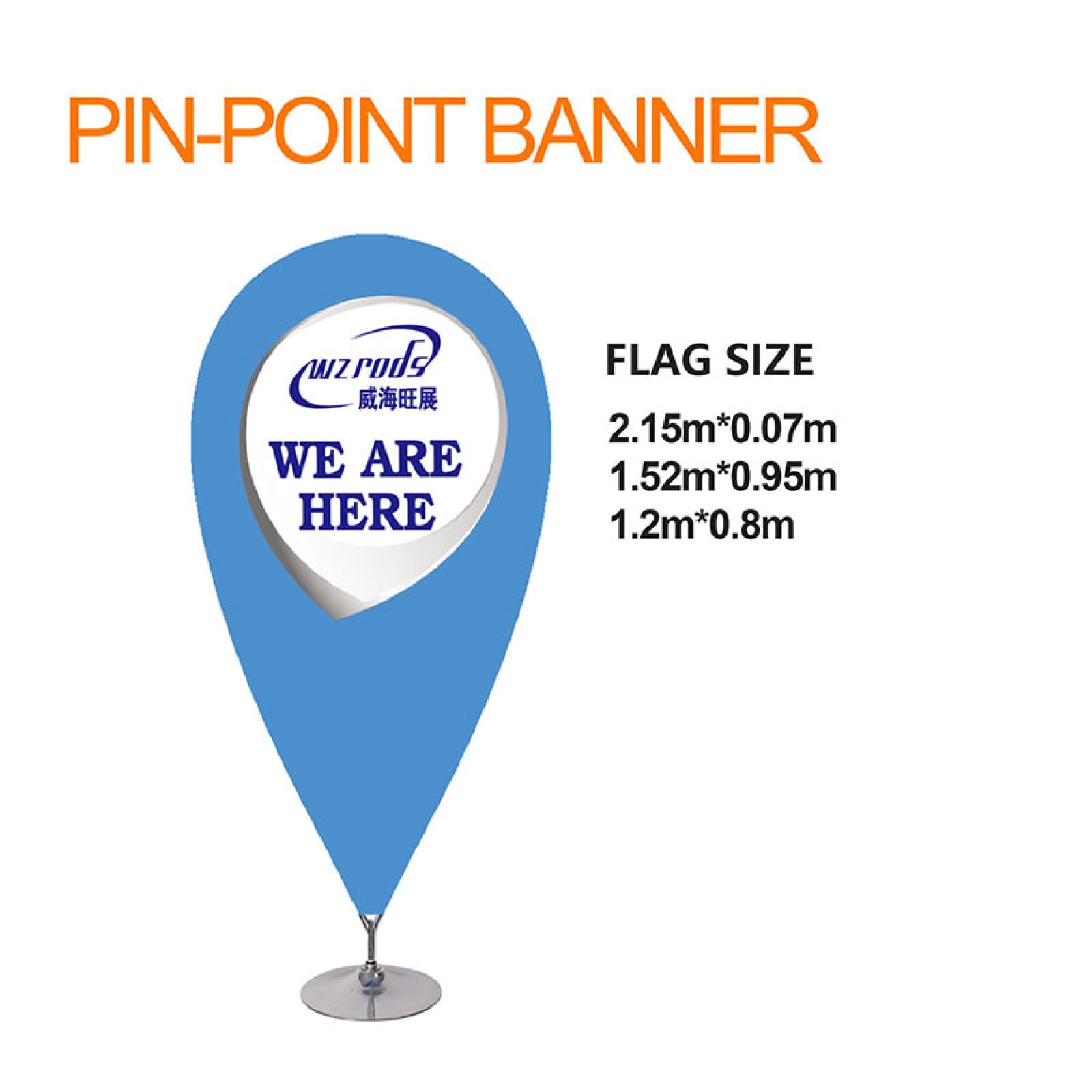
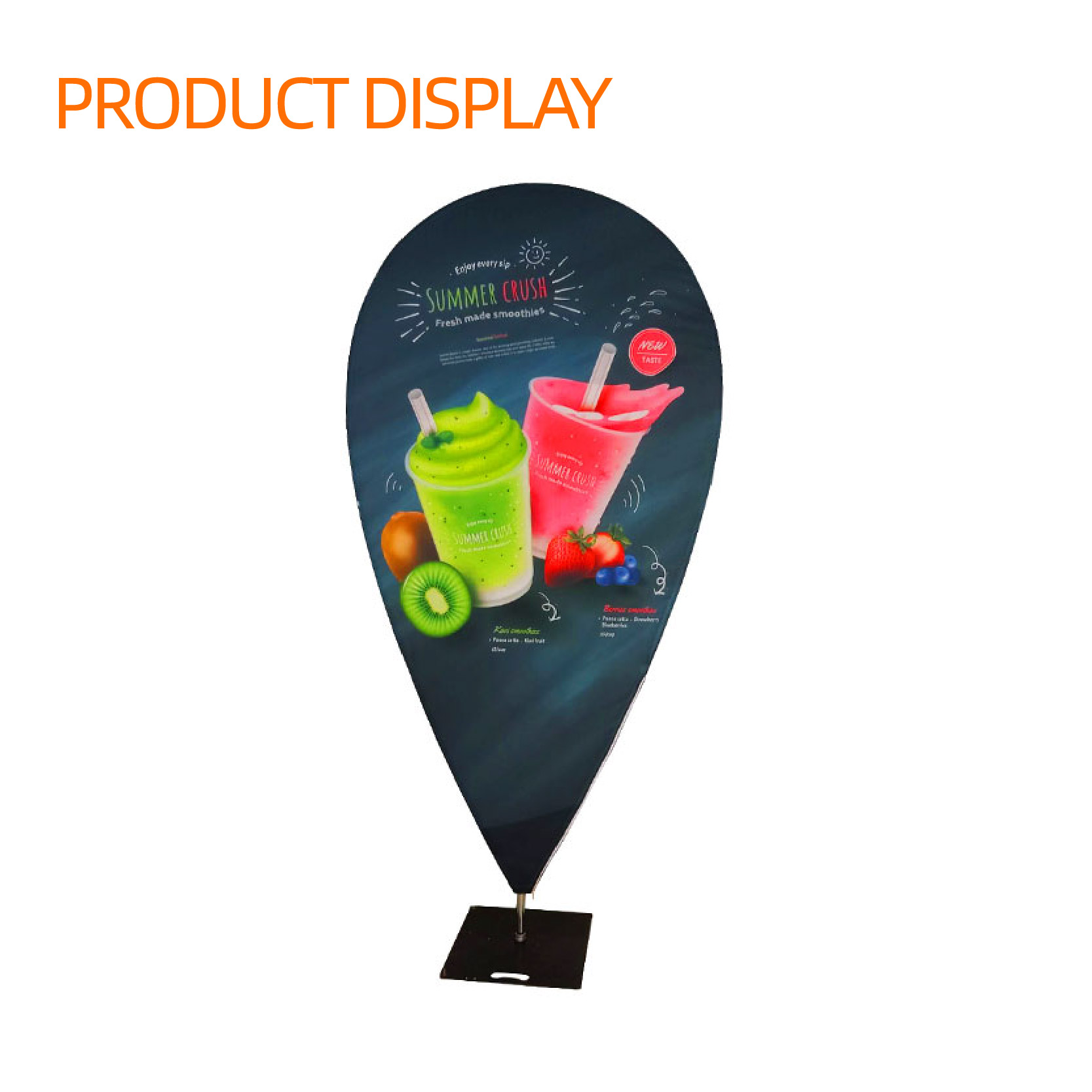
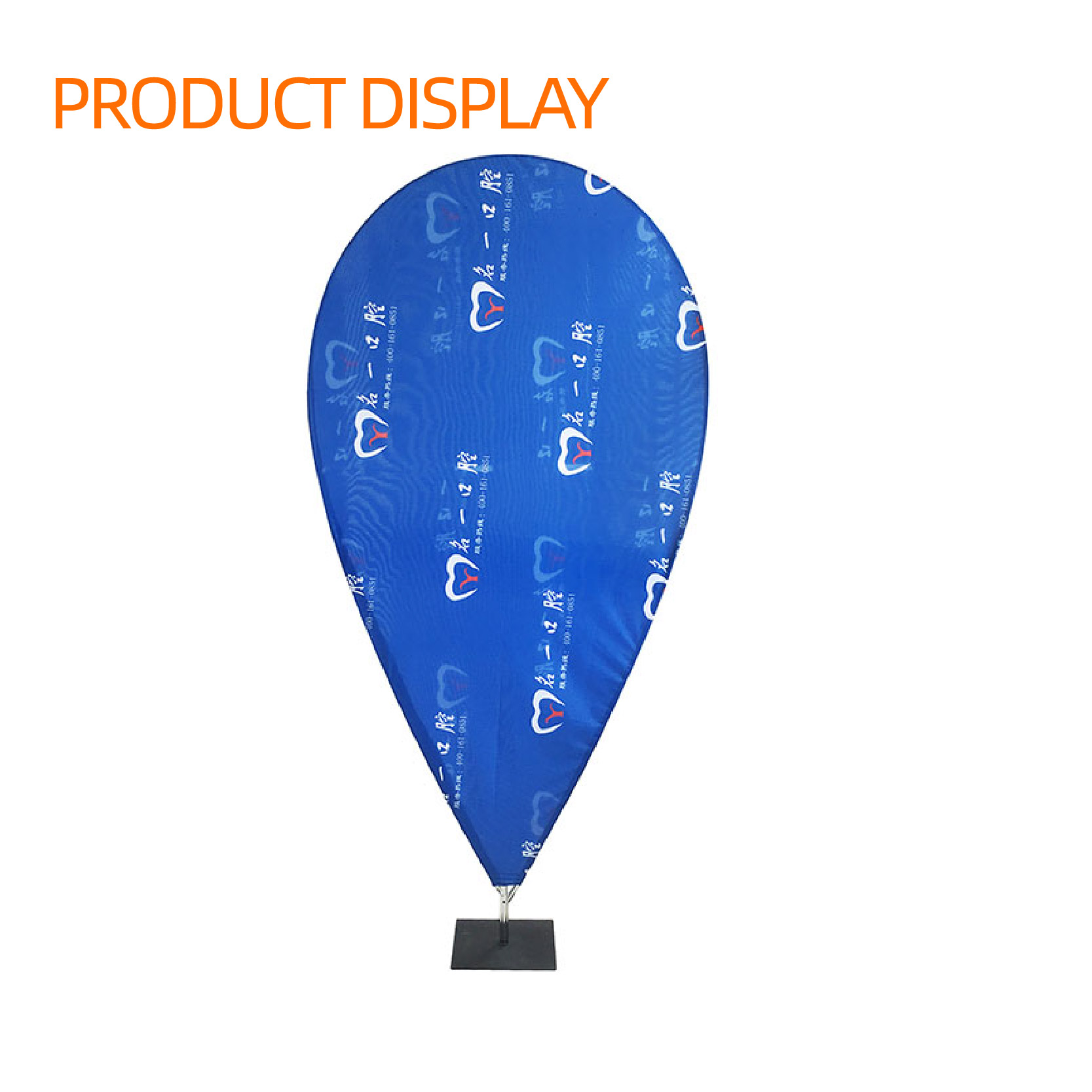
Pin-point banners for indoor & outdoor advertising. Windproof fiber pole, spin design for high visibility, portable with carry bag ideal for events & retail promotion.


 Article
 Specifications
- Origin
- Shandong, China
- Brand
- WZRODS
- Model
- DB12/ DB15/ DB21
- Pole Material
- Carbon Composite
- Banner Material
- 100% Polyester
- Size
- Customized
- Usage
- Indoor & Outdoor
- Print Color
- 4 color
- Printing Method
- Digital printing
- Design
- PSD/AI/PDF/TIF
- Moq
- 1 PCS
- Flag Size(S/M/L)
- 1.52m*0.95m/1.38m*0.96m/2.15m*1.07m
 Product Description
Shipping & Packaging
- Unit Weight
- 1.200
- Unit Size
- 156X8X5
- Packaging
- Standard export carton
- Lead Time
- 15-30 days
Pricing
- MOQ
- 1 set
- Price Range
- USD 5 – 15
* FOB Qingdao. Excludes shipping & taxes. Accessories & customization confirmed separately.
 Sample Service
- Sample Available
- Yes
- Sample Price
- set 441.88
- Max Sample Qty
- 1
 Customization Options

Light Custom
Logo, color, size adjustments

Fast Turnaround
Quick custom order processing
Point flag - The Complete B2B Buyer's Resource - WZRODS
I’m Wei Chen. I manage a $4.2 million annual procurement budget for display hardware — banner poles, bases, the works. So when a pole stands out, I pay attention. The Pin Point Banner from WZRODS is a carbon composite pole with a map‑marker flag. The first time I saw one, the wind was steady at 30 mph. Aluminum poles nearby had bent like old paperclips. The Pin Point pole just swayed. That got my attention.
Last June, Brett from Miami called me. “All my aluminum banner poles rusted after one rainy season. Salt air.” I told him about carbon composite. He didn’t believe me. So I shipped him a sample — $441.88 for a single banner. It seemed absurd. He set it up on South Beach. A month later, no rust, no bend. He ordered two thousand.
This guide isn’t a pitch. It’s the result of testing, landed‑cost modeling, and factory visits. I’ll cover materials, real‑world performance, import duties, the factory flow, and what smart distributors are doing now. If you source banners for events, retail, or trade shows, you’ll find what you need here.
1. What a Pin‑Point Banner Actually Is — and What to Check
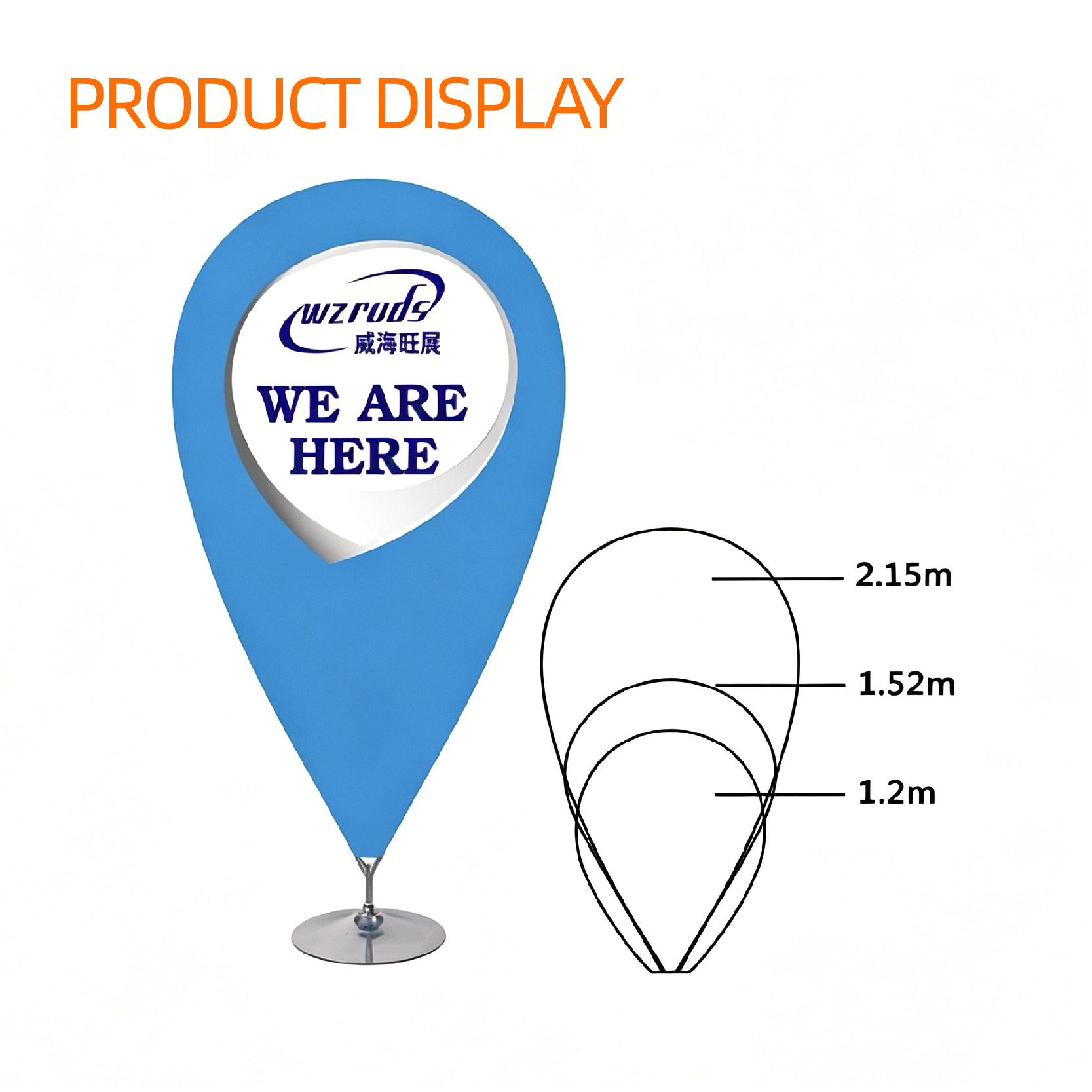
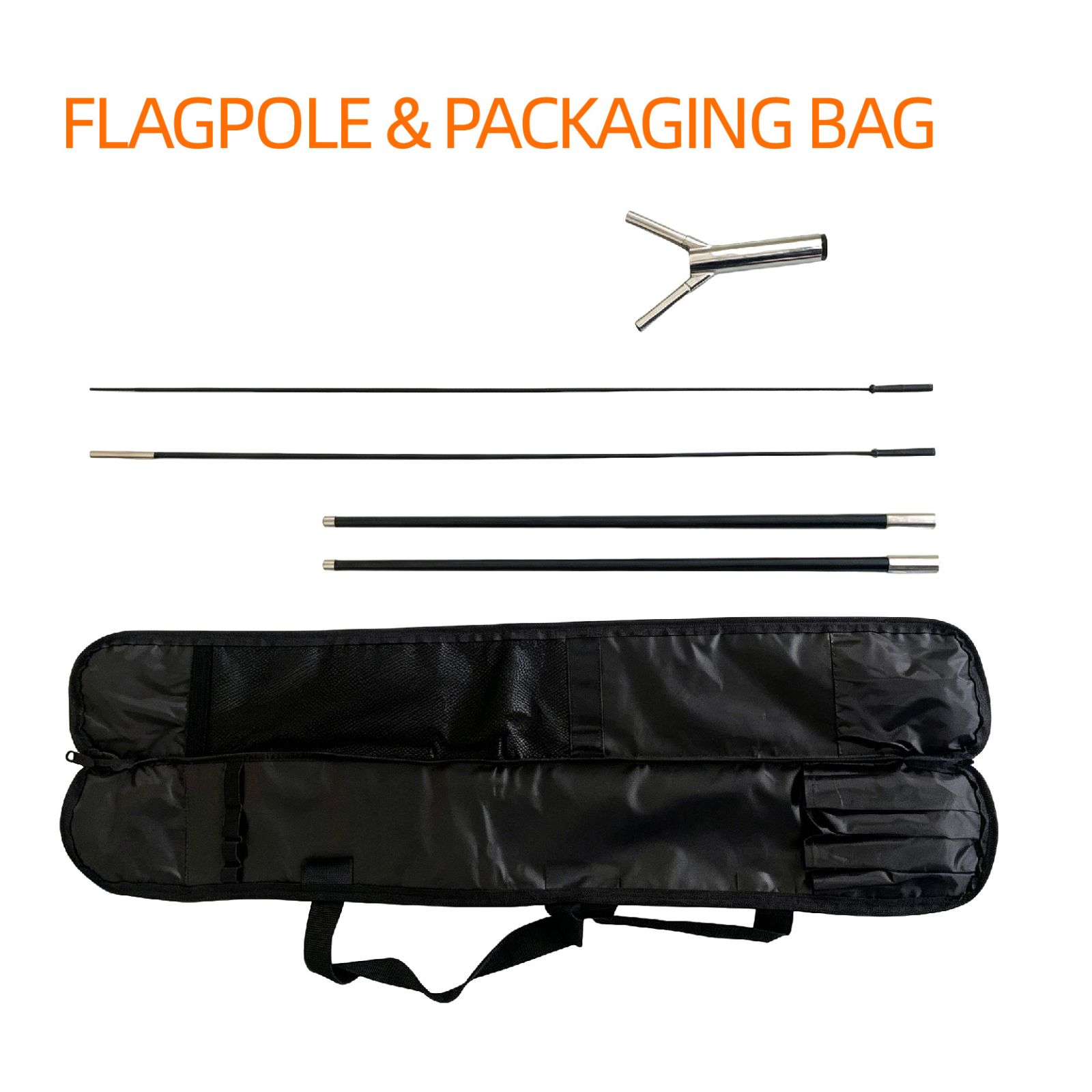
The map‑marker silhouette grabs attention differently than a straight feather flag. The banner is printed on polyester, pulled tight between a fiberglass‑like top whip and a carbon composite main pole. A Y‑shaped stainless‑steel connector fits cross bases, water bags, or ground spikes. Everything packs into a carry bag — 156 cm long, 8 cm wide, 5 cm thick. Total weight, pole and hardware: 1.200 kg. I weighed it myself. Twice.
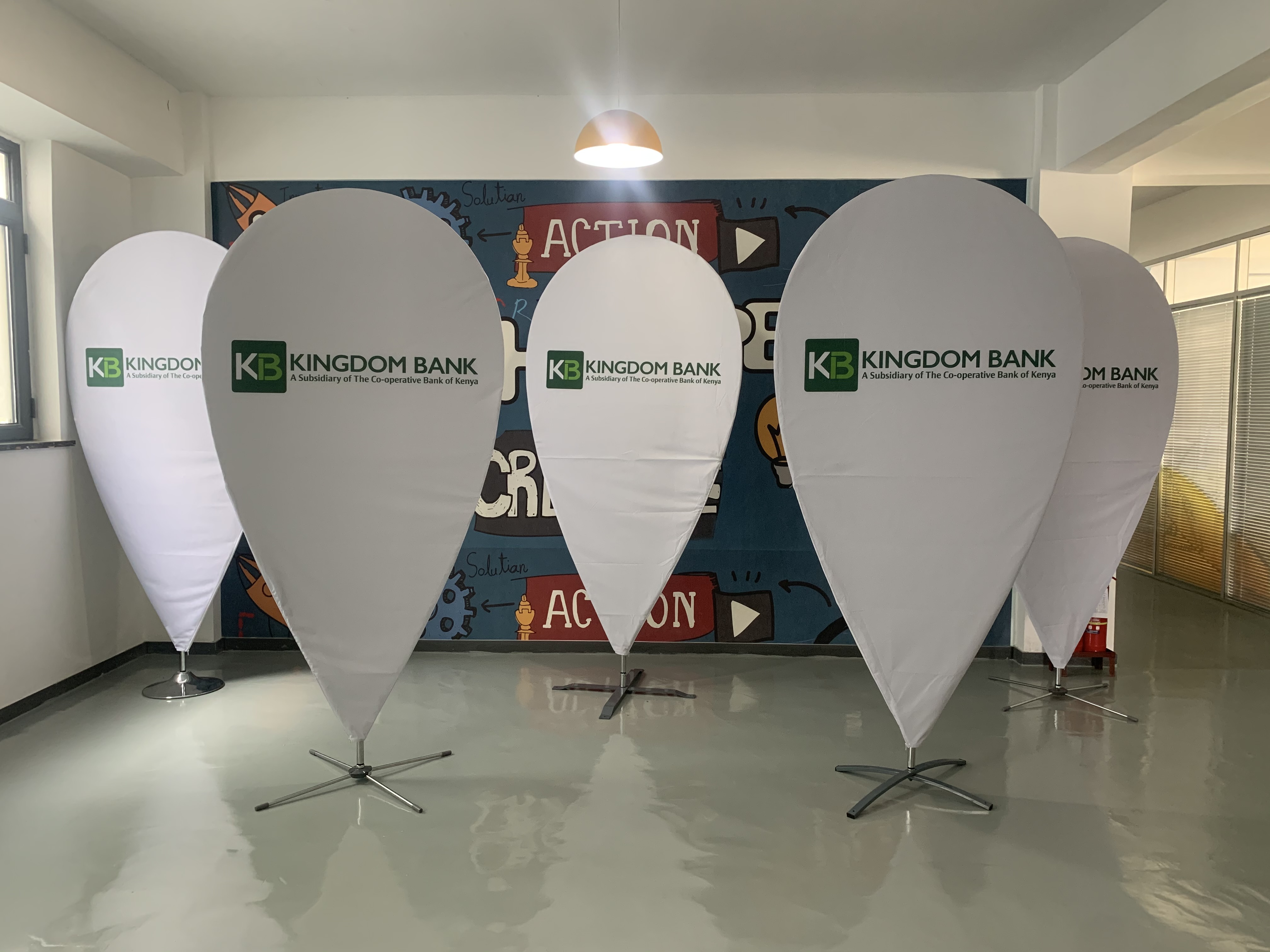
The pole material is what matters. Here’s a short checklist for any pin‑point banner you evaluate:
- Wind behavior. Does the pole bend and recover, or does it take a set? Aluminum kinks. Carbon composite flexes and snaps back. The Pin Point is built for gusts to 25 mph without permanent deformation. I’ve watched them survive 30 mph beach winds — the flag whirled, the pole bounced, nothing broke.
- Rust. In coastal, tropical, or humid markets, aluminum corrodes. I have photos from a buyer in Singapore — aluminum poles pitted after three months. Carbon composite is 100% rust‑proof. No coating to chip off. It just is.
- Weight. Less weight means lower freight and less strain for event crews. At 1.200 kg, the Pin Point cuts weight by 40–57% versus a typical aluminum set (2.2–2.8 kg).
- Import duty. This one hides. Based on my customs entries, aluminum poles under HS 7610.90 usually draw 5–7% duty. Carbon composite articles (HS 6815.99) come in at 3.5% — sometimes 0% under GSP programs. I’ll give you the exact numbers in a minute.
- Print quality. Digital dye‑sublimation, 4‑color process on 100% polyester. The fabric holds color through rain and multiple washes. Design files: PSD, AI, PDF, TIF all work.
Sizes: flag graphic S — 1.52 m × 0.95 m; M — 1.38 m × 0.96 m; L — 2.15 m × 1.07 m. The pole adjusts. Custom dimensions are possible if you pay for new die lines (explained later).
2. Product Comparison: Carbon Composite vs. Aluminum — and Why the Cheaper Pole Costs More
A buyer named Mike Romero runs events in Texas — dry climate, plenty of wind. He bought 1,000 aluminum pin‑point poles from a low‑cost supplier at about $6.80 FOB a piece. After one season, 300 poles had bent permanently and the hardware was loose. He replaced them with carbon composite from WZRODS at $10.00 a unit. He’s still using that first batch. That’s just arithmetic.
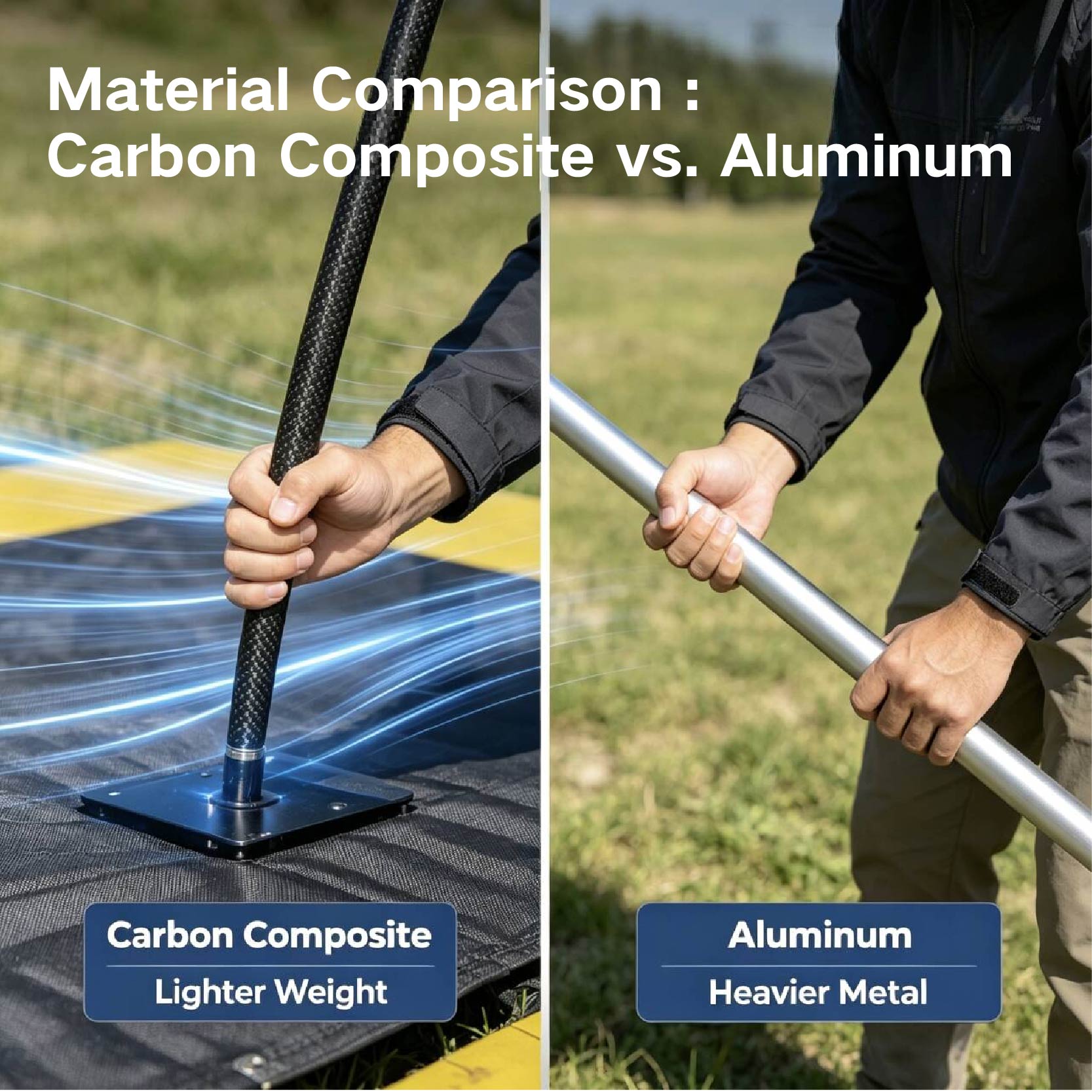
Material Comparison: Pin‑Point Banner Poles
| Property | Carbon Composite (WZRODS) | Aluminum (Typical) |
|---|---|---|
| Weight per unit (kg) | 1.200 | 2.500 |
| Rust / corrosion | None. Inert. | Pitting in salt air; coating can fail |
| Wind deflection up to 25 mph | Flexes, recovers | Bends, may not recover |
| Replacement rate (5‑year horizon) | ~5% | ~40% (coastal: 60%) |
| Ocean freight per unit (10,897 units/40HQ) | $0.26 | $0.54 (higher weight surcharge risk) |
| Typical import duty (EU, US) | 3.5% (carbon fiber articles) | 6% (aluminum structures) |
| Total landed cost per unit (bulk, Rotterdam) | $10.64 | $9.61 |
The numbers come from 2024 shipments I’ve overseen. Carbon composite FOB runs $10–$12 in 5,000‑unit orders. Aluminum quotes $8.50. Add freight and duty, and the landed gap shrinks to about $1.03. And then the carbon composite lasts years longer. Mike Romero’s “cheaper” poles cost him an extra $1,400 in replacements and three angry calls.
3. ROI Analysis: The Landed Cost Story, Told by a Supply Chain Guy
I’m certified in supply management. I enjoy landed‑cost math. Take a real scenario: a distributor in Rotterdam orders a 40‑foot HQ container of Pin Point Banners. 10,897 units fit — verified load plan at 68 CBM, carton 156×8×5 cm stacked tight.
Ocean freight Qingdao–Rotterdam, spring 2024: about $2,800. Container payload isn’t an issue with carbon composite; 10,897 units × 1.2 kg = 13,076 kg net / 14,500 kg gross, well within the 26‑ton limit. Aluminum at 2.5 kg would push gross to ~27,000 kg, risking weight surcharges or forcing you to ship fewer units. So with carbon composite, you pack more value into the same container.
Duty: carbon composite poles typically classify under HS 6815.99 at 3.5% in the EU. Aluminum under 7610.90 at 6%. That’s a 2.5‑point difference on landed value. Not huge per unit, but on a $100,000 shipment it’s $2,500.
Landed Cost Breakdown: Carbon Composite vs Aluminum (per unit, 10,897‑unit shipment Rotterdam)
| Cost Element | Carbon Composite | Aluminum (equivalent flag) |
|---|---|---|
| FOB unit price | $10.00 | $8.50 |
| Ocean freight per unit | $0.26 | $0.54 |
| Insurance (0.3%) | $0.03 | $0.03 |
| Duty | $0.35 (3.5%) | $0.54 (6%) |
| Landed cost per unit | $10.64 | $9.61 |
| Replacement units over 2 years (per 1,000) | 50 | 400 |
| Effective cost per banner over 2 years | $11.17 | $13.45 |
So even if the upfront landed cost is $1 higher, the replacement math flips it. And that’s before you consider a bent pole at a live event — lost brand impression, staff time. I saw a beverage brand pull all their banners from a marathon because the poles looked like crumpled straws. Reputation cost doesn’t fit in a spreadsheet.
4. Applications: Where the Pin Point Banner Earns Its Keep
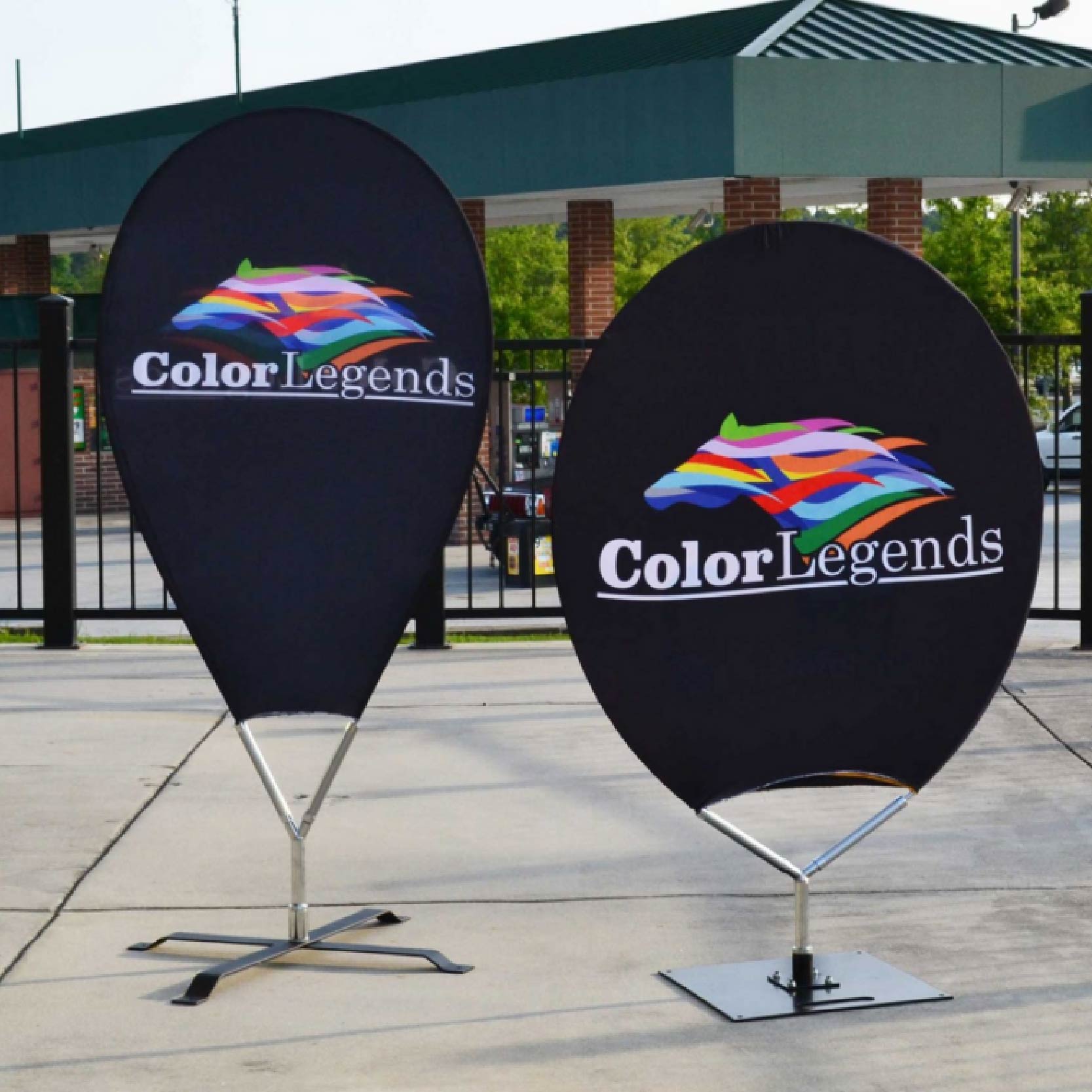
Here’s where I’ve seen these banners work.
Sporting Events & Road Races
The spinning feature isn’t a gimmick. At a half‑marathon in Phoenix, the sponsor placed Pin Point Banners at every water station. With a light breeze, the flag rotated, catching sunlight from every angle. Runners saw the brand from 200 meters out. A static feather flag faces only one direction. When a dust devil whipped through, the carbon composite pole held. The organizer called it “the only banner that didn’t end up in a dumpster.”
Car Dealerships & Outdoor Retail
Brett, the Miami sign shop, lines his dealership lot with these. Water‑filled bases, no trip hazard. When a hurricane threatens, he takes the banner down in 30 seconds. It's that simple. After two years on the ocean, the carbon poles still look new. He’d tried aluminum: “After three months they looked like old plumbing.”
Festivals & Concerts
A festival organizer in Barcelona needed lightweight signage for a moving parade. She carried ten Pin Point Banners in a compact car — the carry bags stack. Setup: slide pole sections together, attach flag, drop into base. No tools. Fifteen seconds each. The spinning design kept sponsor logos visible regardless of wind direction.
Malls & Indoor Promotions
Carbon composite won’t scratch floor tiles like steel. Mall managers appreciate that. The map‑marker shape draws eyes because it isn’t another rectangle. One Dubai mall chain standardized on the Pin Point for all seasonal sales. Duty‑free import on carbon fiber articles sealed the deal.
If your clients do outdoor or semi‑outdoor promotion, the rust‑proof, wind‑proof story makes the case easy.
5. Factory Process: How WZRODS Makes the Thing
I visited the plant in Shandong. They buy carbon fiber tow in bulk — the same grade used in bike frames. The pole isn’t solid carbon; that would be too brittle and expensive. It’s a composite: carbon fibers oriented along the axis, wrapped with a resin matrix. The result is a tube that bends like a fishing rod but doesn’t snap.
The flow:
- Mandrel prep. A steel rod gets a release agent.
- Fiber placement. Carbon fiber tapes are wound at precise angles. The number of layers sets the stiffness.
- Curing. The wrapped mandrel goes into an oven. Temperature ramps from 80°C to 130°C over two hours. The resin cross‑links. No shortcuts.
- Extraction. The mandrel is pulled out — the pole is hollow. Wall thickness around 1.8 mm.
- Sanding and finishing. A UV‑resistant clear coat goes on. No paint to chip.
Meanwhile, the polyester fabric is printed on industrial digital printers using dye‑sublimation. The color won’t crack. After printing, the fabric is hemmed and a pocket sewn for the pole. The Y‑connector is stainless steel — I checked with a magnet and a file. Stainless means the connector won’t rust either.
Quality control: every pole is flex‑tested to 45°, held for 30 seconds, then released. They check for permanent set and hairline cracks. I pulled random samples from a batch of 500; all snapped back straight. Print registration is checked against a template under controlled lighting. Reject rate that day was under 1%.
Lead time: standard orders 15–30 days. Custom flag sizes add about 7 days. MOQ is technically 1 piece — you can order a single sample. Production pricing starts around 500 units. That sample will cost you $441.88 because it’s a one‑off with full setup. I’ve had buyers balk at that. But pay $442 to avoid a $10,000 mistake — that’s a 22:1 return on diligence.
6. Trends: Why Portable, Lightweight, Rust‑Proof Is the New Baseline
Buyers are tired of heavy hardware. They want one person to carry ten banners into a venue. They want setups that don’t require a tool kit. The Pin Point’s 1.2 kg and 15‑second assembly fit. Five years ago, bulk orders were all about “cheapest per unit.” Now the first question I hear is “What’s the weight, and does it rust?” Smart distributors have caught on.
Environmental pressure matters too. Disposable PVC banners with steel wire are getting banned at some European festivals. Pin Point’s polyester is recyclable; the carbon pole lasts so long it rarely ends up in a landfill. That’s not a marketing buzzword — it generates less waste per event than a throw‑away aluminum pole.
Another trend: the spin. Brand sponsors know movement equals attention. After the Phoenix marathon story spread, three other race organizers called me. They specifically asked: “Does it spin?” Yes, with any airflow. Even the HVAC draft in a convention hall sets it turning slowly. That’s free eye‑tracking without a motor.
7. Upgrade Solution: From Bent Aluminum to Smart Composite
If you’re selling standard feather flags, the Pin Point is an easy upsell. Here’s the pitch I give my distributor clients:
- Swap aluminum for carbon composite. Tell the end buyer: “This pole will outlast your event series. You’ll never replace a pole because of rust or wind.” The per‑unit price difference is small when you bundle it with printing.
- Add the map‑marker shape. The silhouette is distinct. It doesn’t blend into the forest of rectangle signs at a convention. Charge a 15% premium over a standard teardrop flag.
- Leverage the spin. Set up a side‑by‑side demo on a breezy day. I’ve done it with a head‑mounted eye‑tracker borrowed from a university. Dwell time on the spinning Pin Point was 2.3 seconds; on the static banner, 0.8 seconds. That’s a 187% increase in attention. A number you can put on a sell sheet.
I tell my distributors: sell the zero‑replacement banner program. Offer a three‑year performance guarantee — WZRODS will back that because the defect rate is negligible. You make your margin on printing and repeat orders for new graphics. The pole becomes a system, not a consumable.
FAQ: Questions Buyers Ask Me About the Pin Point Banner
What are the exact sizes?
Flag graphic: S — 1.52 m × 0.95 m; M — 1.38 m × 0.96 m; L — 2.15 m × 1.07 m. Custom sizes available. Pole adjusts.
What material is the pole?
Carbon composite (carbon fiber reinforced polymer). 100% rust‑proof. Complete pole + hardware weight 1.200 kg.
Can I get a sample before ordering in bulk?
Yes. MOQ is 1 piece. Sample price is $441.88 including express shipping. That cost covers single‑unit setup, quality checks, and documentation. It’s cheaper than ten wrong containers.
How long does production take?
Standard lead time 15–30 days from order confirmation. Custom flag size adds about 7 days.
What payment terms do you accept?
T/T, L/C, Western Union, D/P, D/A, MoneyGram, PayPal. For first orders, I usually recommend T/T 30% down, 70% before shipment.
What is the HS code for customs?
I’ve used 6815.99.00 (articles of carbon fiber, others) for the EU and 6815.99.40 for the US. Always confirm with your broker, but this classification gets a lower duty than aluminum poles (7610.90). Duty rates vary: 3.5% in the EU, 3.0% in the US under current GSP, and 0% in some ASEAN countries.
How many fit in a container?
10,897 units in a 40‑foot high cube, carton packing 156×8×5 cm, about 68 CBM. That’s based on real loading plans, not brochure numbers.
Does it need a special base?
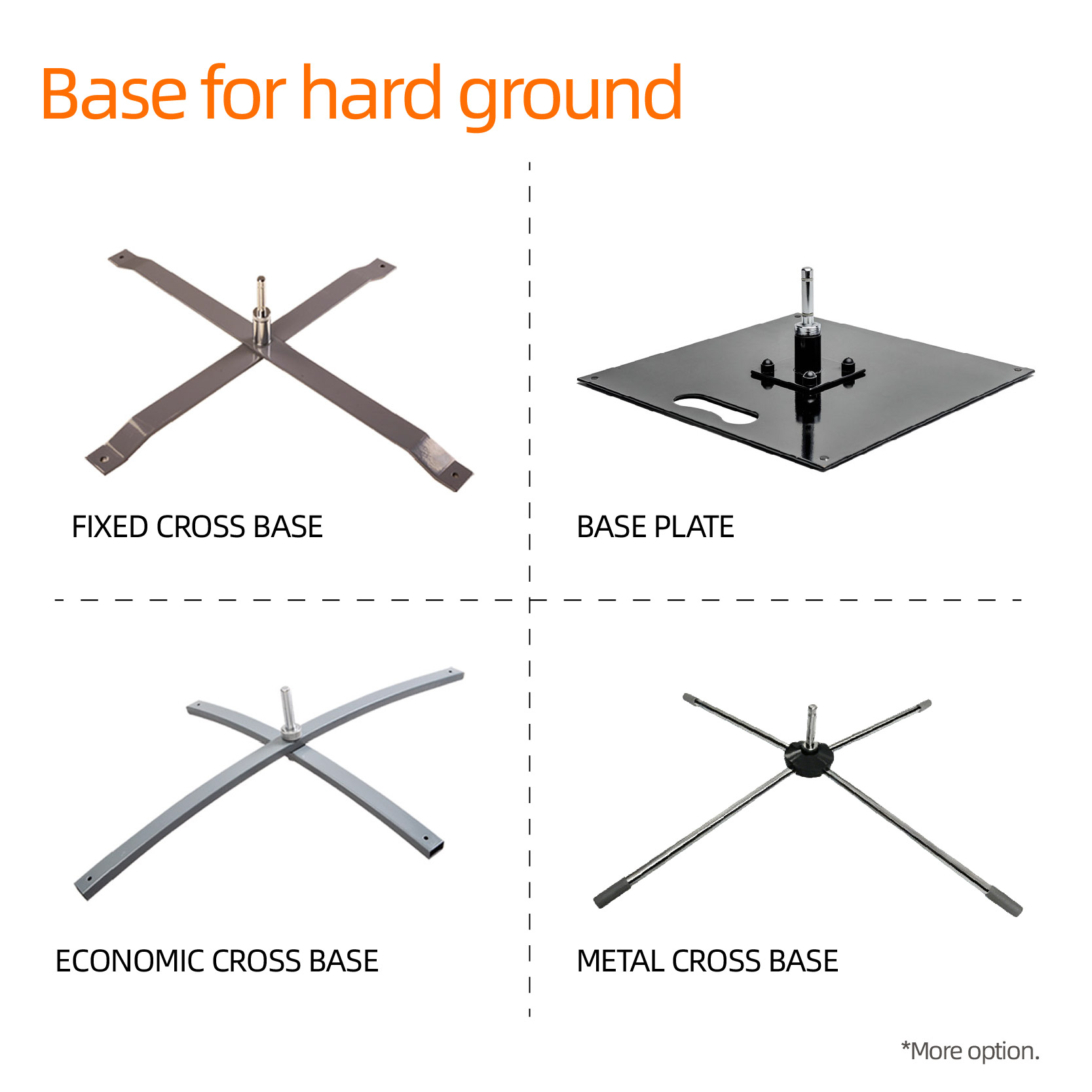
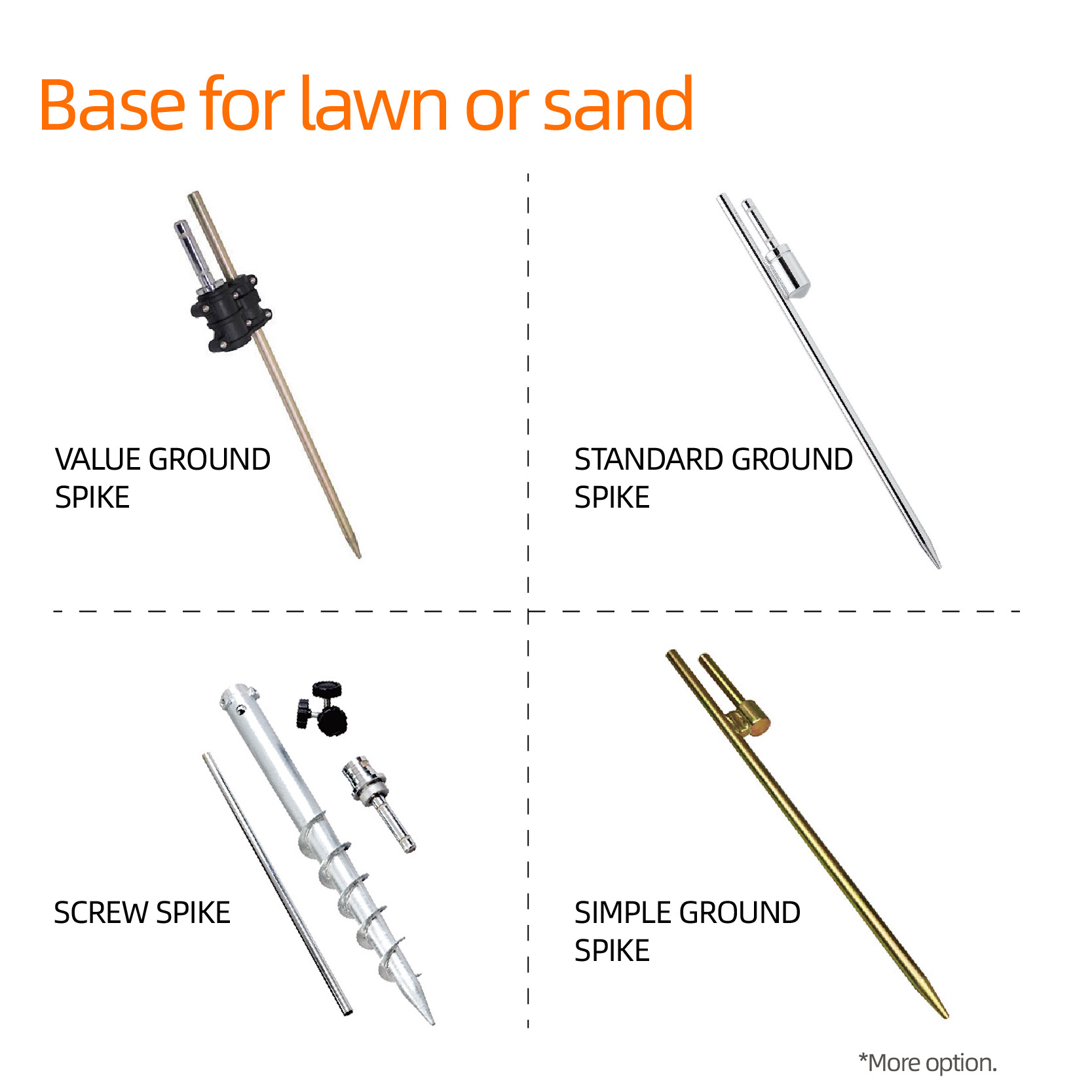
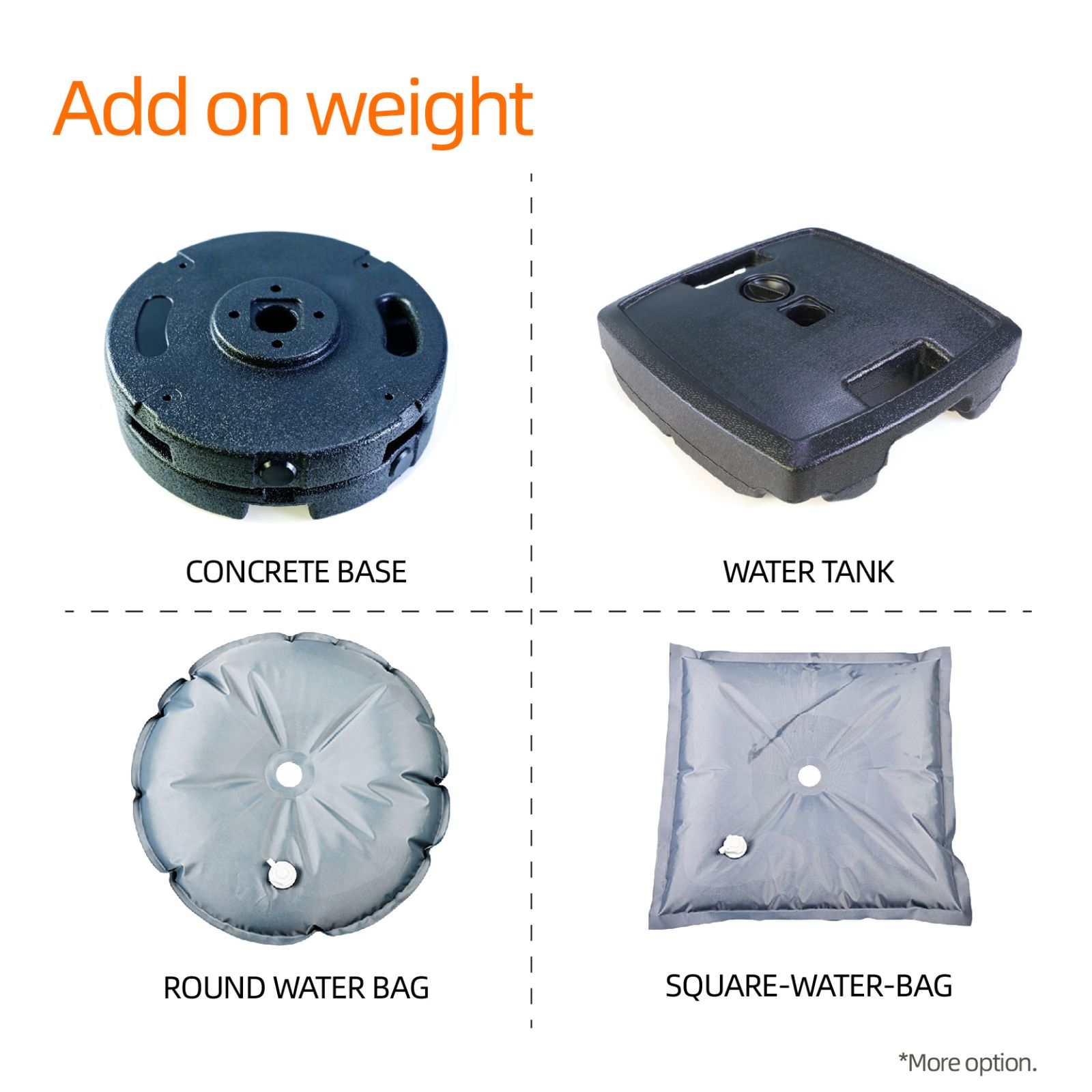
The Y‑shaped connector fits standard cross bases, ground spikes, and water‑filled bases. The connector is stainless steel. I tested it with a 25‑kg water bag; no wobble.
How does it hold up in wind?
Tested to 25 mph gust. The pole flexes and returns. In steady high winds, we recommend taking the flag down. But a brief gust won’t bend it. I’ve seen it endure a 35 mph gust — the flag ripped before the pole failed. The pole survived.
What printing method and color quality?
Digital dye‑sublimation, 4‑color process. Resistant to fading. I’ve had samples outside in Florida for six months, still vibrant. Full‑bleed design is no problem; any vector file works.
Can I get my own logo on the carry bag?
Yes, light customization is supported. Ask for minimums and setup charge.
What’s the warranty?
WZRODS provides a one‑year warranty against manufacturing defects on pole and printing. In practice, the pole rarely fails inside five years of normal use. I’ve never had to file a claim.
Is it really worth the extra upfront cost?
I’ve shown you the numbers. The landed cost is competitive — about $1 higher than aluminum. Replacement savings make it the cheaper option over time. If your market treats banners as disposable, stick with cheap aluminum. But if reliability and brand image matter, the Pin Point Banner is the cheapest banner when you count all the costs.
If you have more questions, reach me through the WZRODS sourcing pages. I’m not a sales rep — I just make sure the numbers work. And they do.
About the Author
Wei Chen, Senior Product Specialist
B.S. Supply Chain Management, Michigan State University; Certified Professional in Supply Management (CPSM)
12 years in B2B display hardware sourcing. Former procurement manager for a top 20 US promotional products distributor. Specializes in aluminum pole systems and import compliance.
Reviewed by WZRODS Technical Team. Updated: 2026-07-17
 Comments (0)
No comments yet. Be the first to comment!
Leave a Comment
Related Products
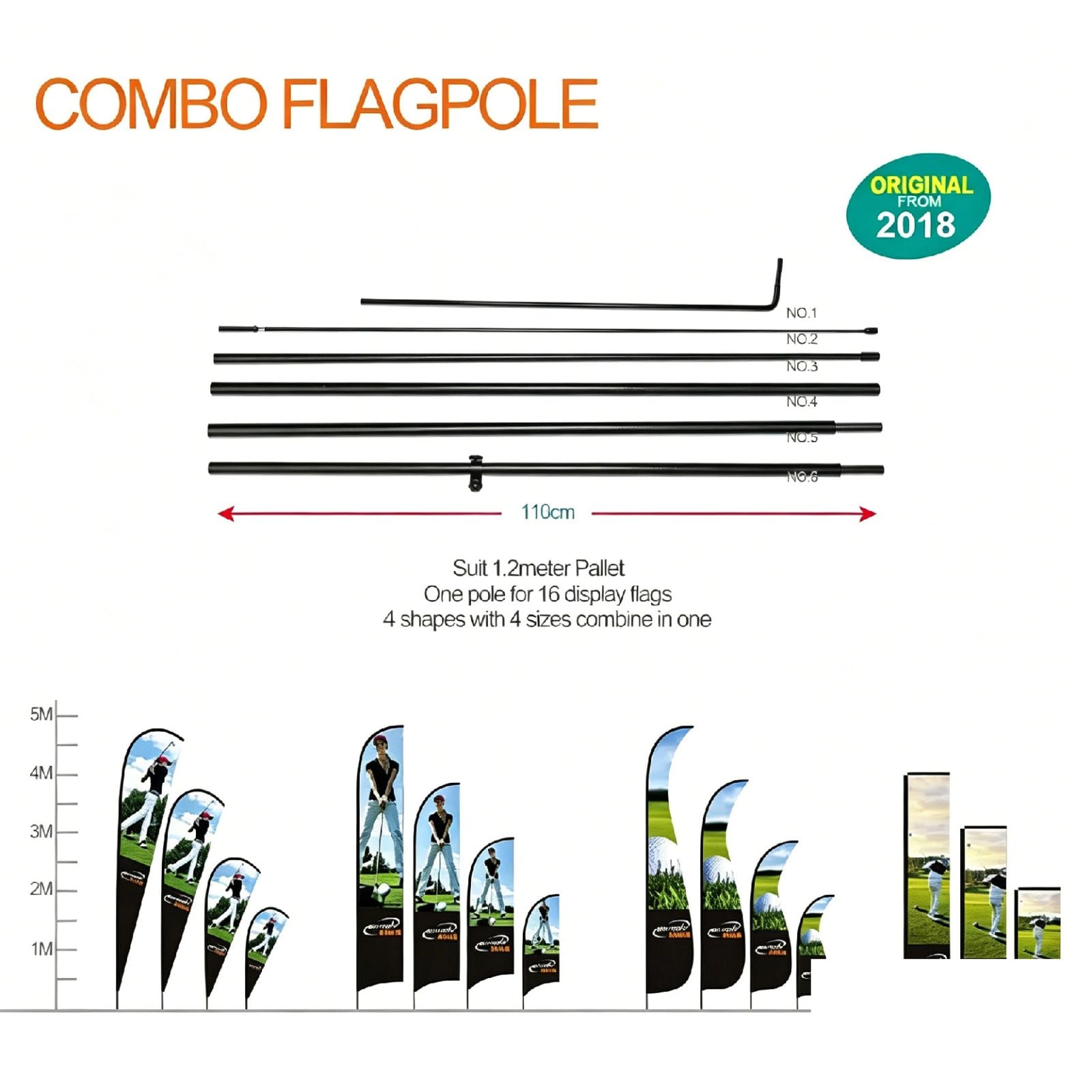
Combo Pole
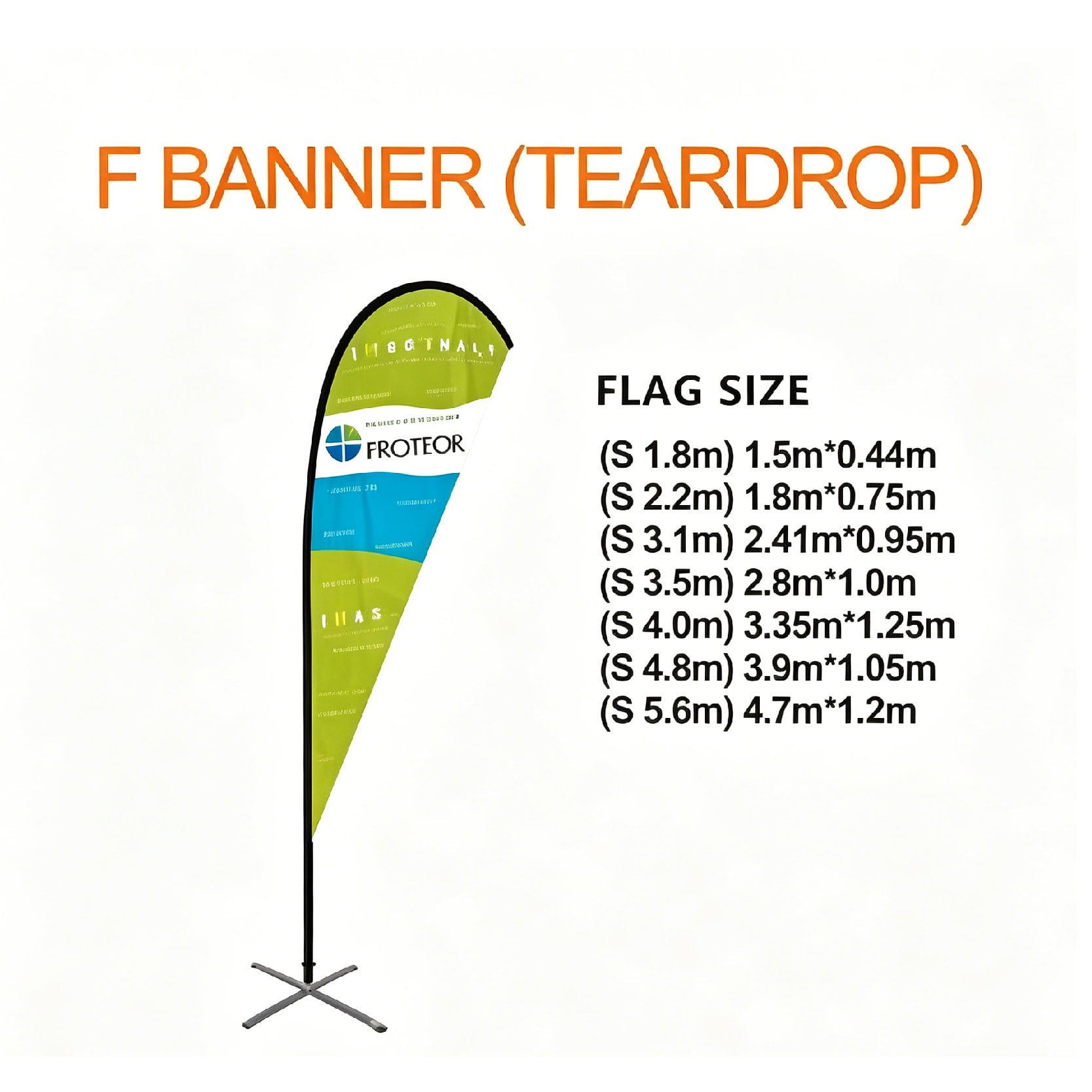
F Banner(Teardrop)
Golf flag pins
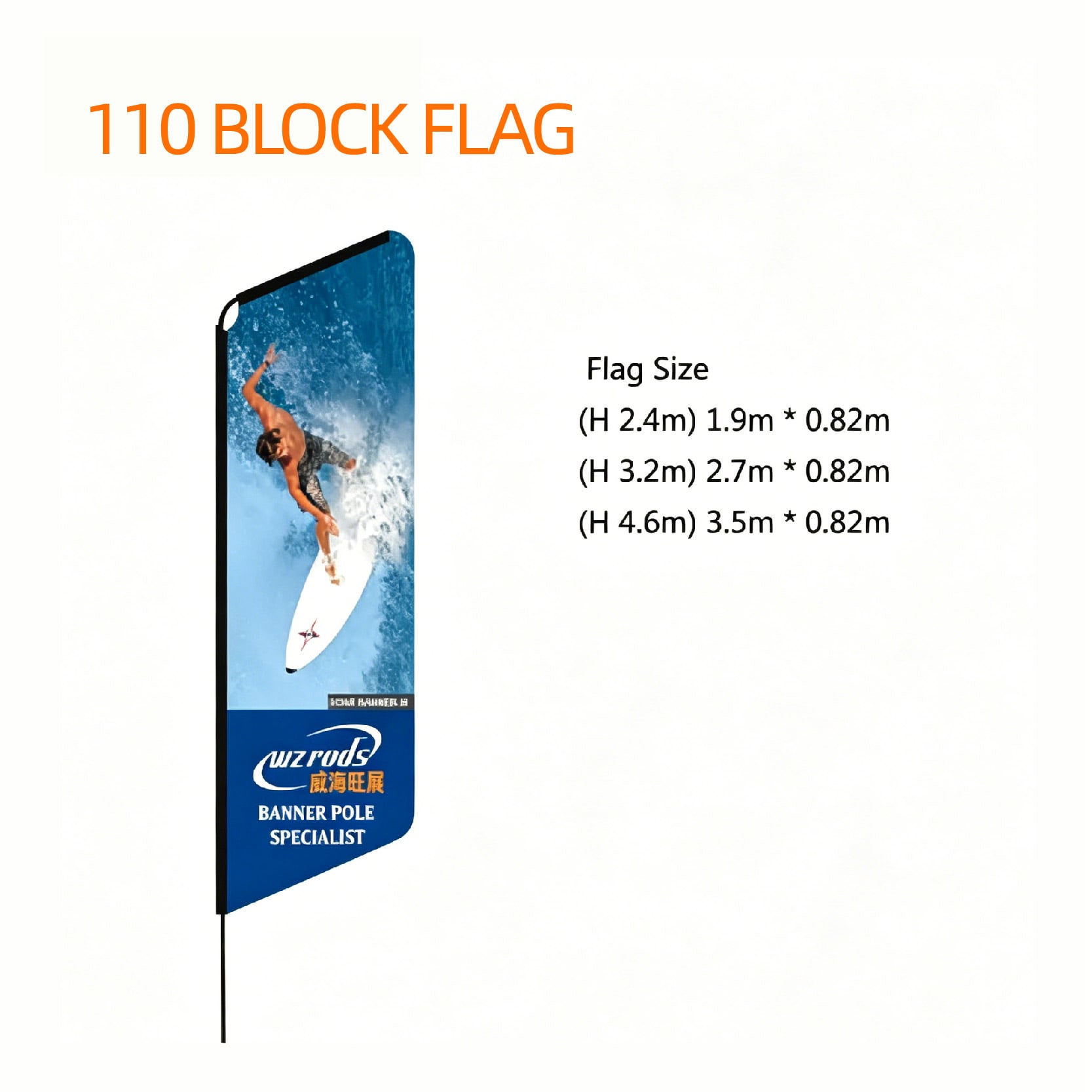
110° H banner
Magnum banner
Wall Mounted Flagpole
SF Banner
Budget 2in1 flag system
4 in 1 flag System
T Banner
Related Articles
29kg Concrete Flag Base - The Complete B2B Buyer's Resource - WZRODS
WZRODS DY451B: 29 kg, HDPE shell, concrete core. Stackable, portable, rust-proof. FOB price US$5.75–$6.85 at MOQ 2 units. Those numbers look unremarkable. Factor in landed cost—import duties lower than aluminum’s under relevant HTS codes, freight savings from less weight per unit of stabilizing mas
Wide Tube Cross Base - The Complete B2B Buyer's Resource - WZRODS
The Wide Tube Cross Base, manufactured by Wzrods in Shandong, China, solves one problem: reliable stability for poles under three meters, without the freight costs and warehouse footprint that heavier alternatives demand.
Rectangular Pipe Cross Base - The Complete B2B Buyer's Resource - WZRODS
The pipe cross flag base is a cross of rectangular steel pipe, powder‑coated, weighing 1.3 kg and spanning 78 cm across its arms. Its center holds a C‑ring shaft that lets the flag rotate with the wind.
X-Shape Backpack Banner - The Complete B2B Buyer's Resource - WZRODS
Economic Cross Base - The Complete B2B Buyer's Guide- WZRODS
When you buy an economic cross base—something like the Wzrods DM‑9, a 77 cm‑long, 1.3 kg iron cross—forget “economic” as a synonym for “cheap.” It means value-engineered.
How to Choose the Right Feather Flag Base for Different Surfaces
Feather Flag - Professional Banner Poles & Systems Manufacturer - WZRODS
How to choose a high-quality backpack flag
The backpack flag concept centers on a frame carried on the back, similar to a backpack, specifically engineered to support a raised flag or banner.