
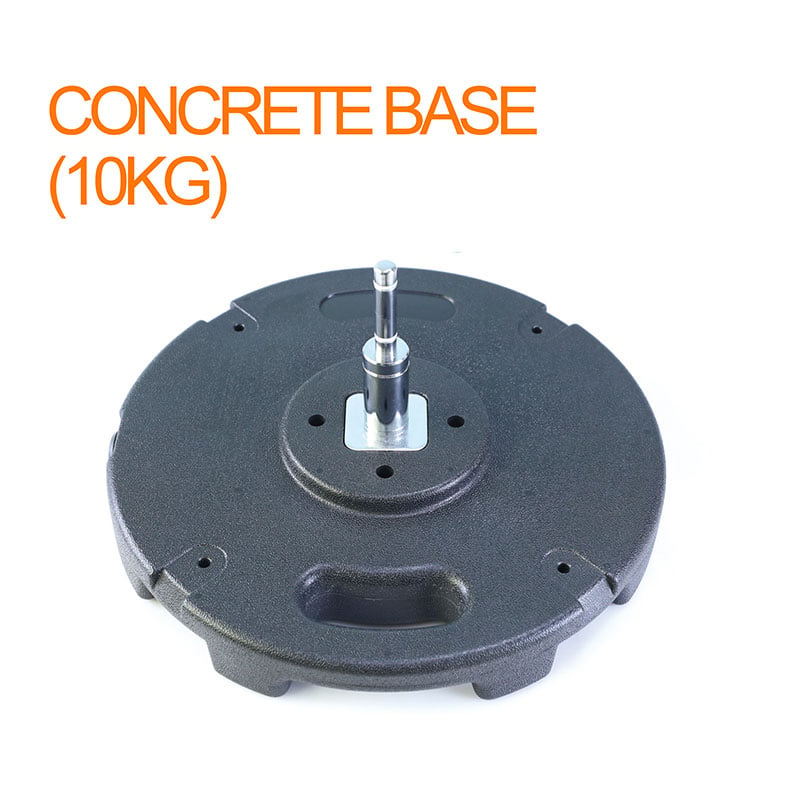
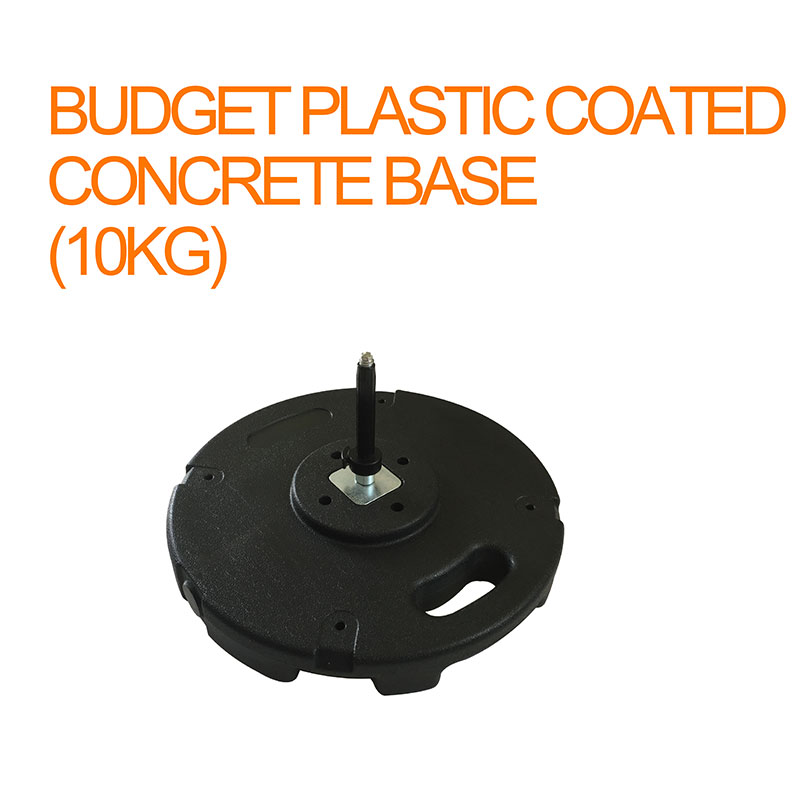
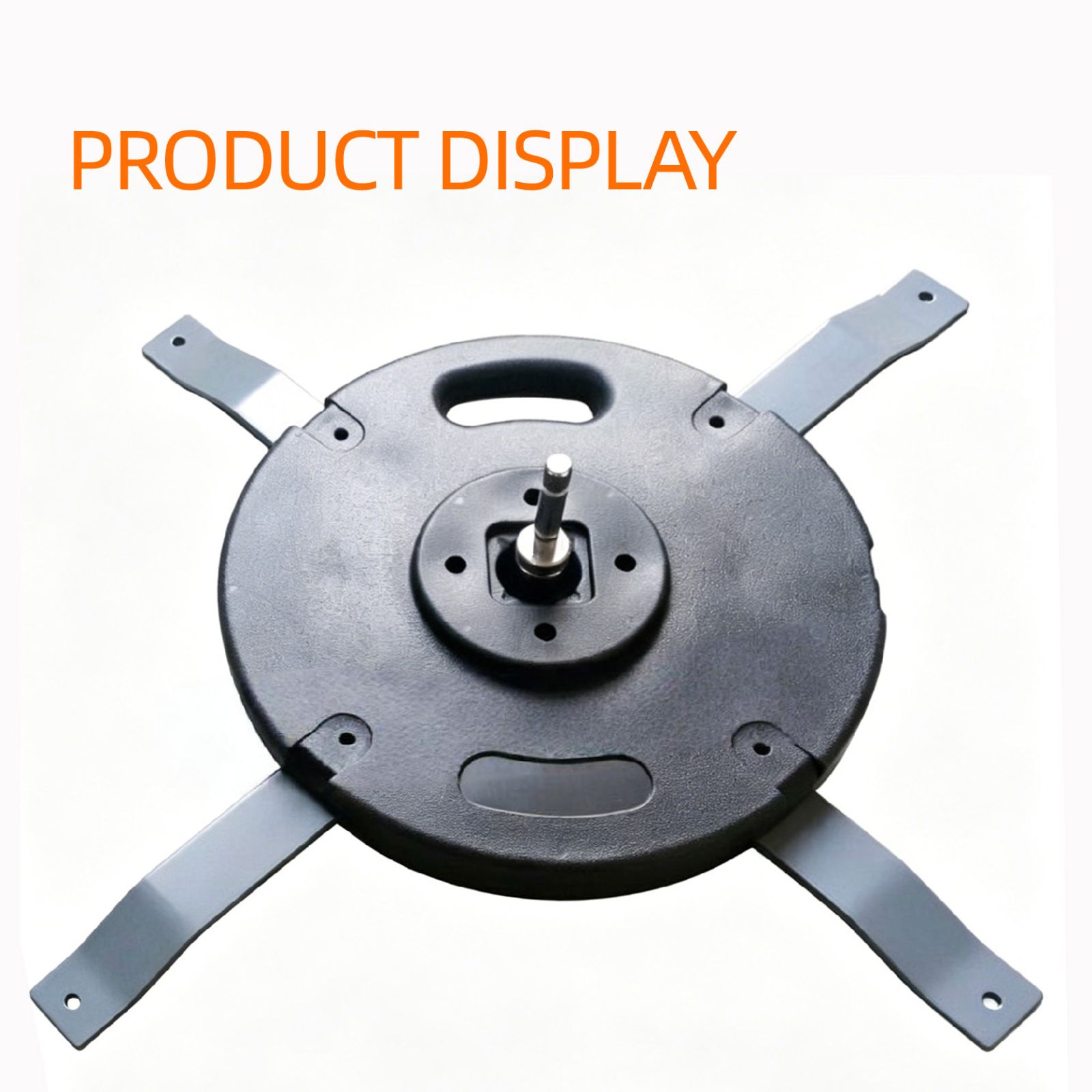
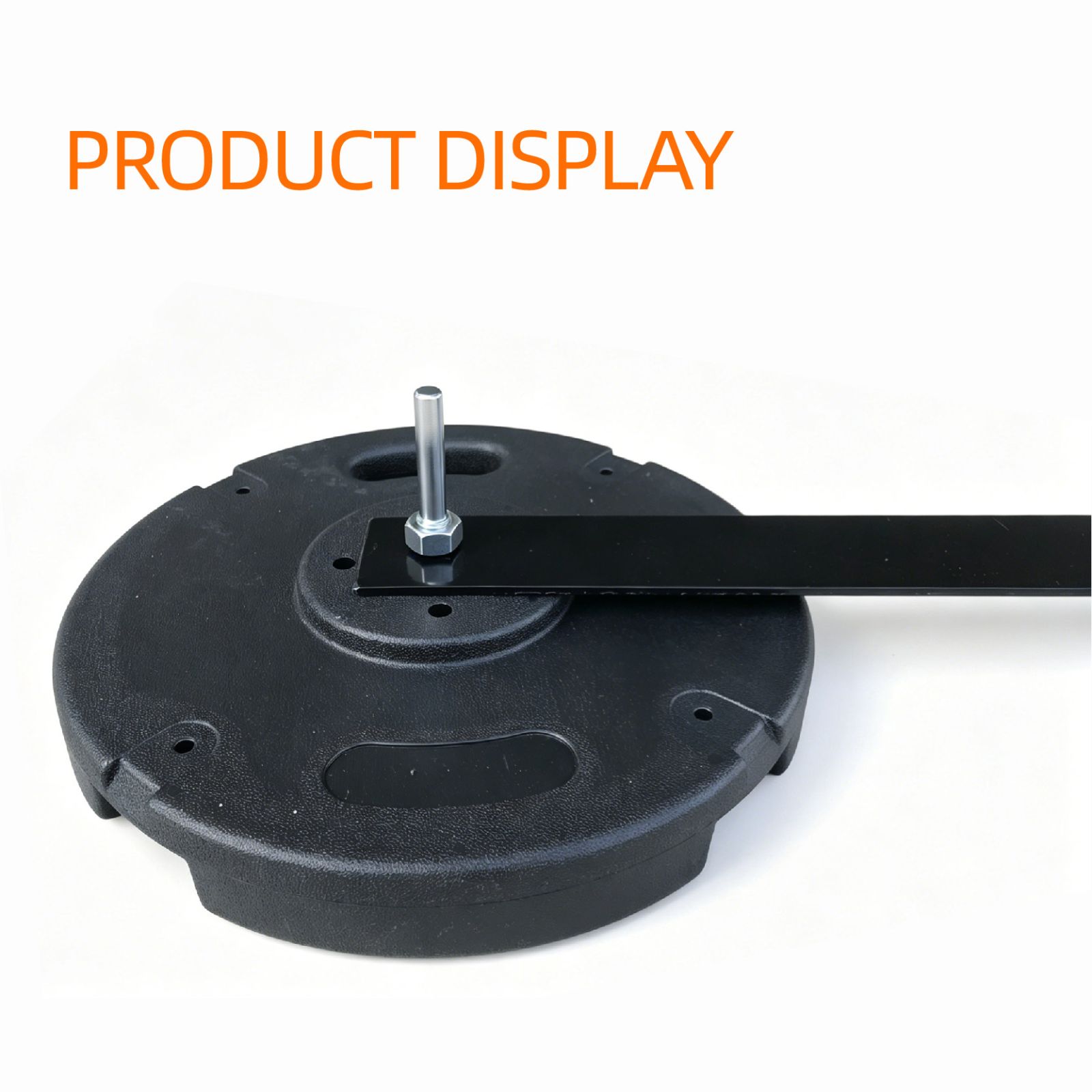
10kg Concrete Flag Base
WZRODS design from 2014. Concrete base with HDPE moulded shell and concrete inside is intended for our flag bases, available in 10kg or 29kg weights—one of the most value-for-money flag base options. …


 Article
 Specifications
- Origin
- Shandong, China
- Brand
- WZRODS
- Item Code
- WT-21(10KG)
- Main Material
- Filled With Cement
- Color
- Black
- Application Spec
- Trade Shows, Outdoor Events, Sports Events
- Target User
- anyone who want brand marketing
- Size
- 42*42*9.5(cm)
- Weight
- 10KG
- Package
- Carton / Pallet
- Material
- HDPE/Cement
- Shape
- Round
 Product Description
Shipping & Packaging
- Unit Weight
- 1.530 kg
- Unit Size
- 158X18X19 cm
- Packaging
- Standard export carton
- Lead Time
- 15-30 days
Pricing
- MOQ
- 2 piece
- Price Range
- USD 5.75 – 6.85
* FOB Qingdao. Excludes shipping & taxes. Accessories & customization confirmed separately.
 Sample Service
- Sample Available
- Yes
- Sample Price
- piece 300
- Max Sample Qty
- 1
 Customization Options

Light Custom
Logo, color, size adjustments

Fast Turnaround
Quick custom order processing
10kg Concrete Flag Base - The Complete B2B Buyer's Resource - WZRODS
The Physics of a Toppled Display: Why Your Choice of Base Matters
One afternoon in Düsseldorf, a trade‑show organiser watched a six‑metre feather flag keel over. The base was a cast‑iron cross, advertised at eight kilograms. The forecast had promised a steady breeze of twenty‑two kilometres per hour. Twenty minutes after doors opened, the flag lay on the ground, the banner scuffed, the aluminum pole bent at the splice. After the stand was righted and the pole replaced, the organiser asked the obvious question: how did a base that seemed heavy enough fail so quickly?
The answer is a moment arm. A flag pole acts as a lever. Wind pushes against the banner area; the pole height multiplies that force into a tipping moment at the base pivot. When the base lifts on one edge and loses friction, it slides. The cast‑iron cross had a high centre of gravity and a narrow footprint—it looked sturdy but distributed its mass poorly. The organiser had trusted a decorative shape over functional geometry.
This failure pattern is the foundation of any display hardware procurement decision. A buyer seduced by a low unit price will later endure the embarrassment of on‑site failure. The calm of watching a flag stand firm through a storm comes from a base that transfers its weight directly to the ground through a low, wide profile. The ten‑kilogram concrete base from WZRODS was designed around this stability geometry. Its round silhouette, forty‑two centimetres across, places the centre of mass just nine and a half centimetres above the floor. That low centre and broad footprint are the answer to the toppling puzzle.
A procurement specialist at a UK event‑rental firm put it this way: “We stopped counting how many times a new cross base tipped over at an outdoor wedding. After switching to the round concrete units, we haven’t had a single call about a fallen banner in two seasons.” That feedback maps directly onto the engineering arithmetic. The HDPE outer shell protects the concrete core when it is dragged across tarmac or hit by a trolley. A built‑in handle and two small wheels let one person move it, essential when a crew sets up fifty display positions in an hour.
Why Stability Builds Trust
When a display wobbles, visitors unconsciously register the environment as unpredictable. A swaying sign erodes the professional trust a booth needs. A concrete base acts as a trust‑building element, anchoring the visual message to the ground with unarguable steadiness. For flag poles up to three and a half metres in moderate breezes, the WZRODS 10 kg unit delivers that effect. In gusty coastal conditions or for taller spires, stacking two bases or using the 29 kg variant provides the necessary margin.
Product Anatomy: The 10kg Concrete Base Under the Microscope
A concrete base sounds simple—and in the best engineering tradition, simplicity is the point. The WZRODS design, first shipped in 2014, marries a rotationally‑moulded high‑density polyethylene shell with a precisely measured fill of cement. The HDPE is not just a wrapper; it absorbs impact, resists UV cracking, and keeps the heavy core from chipping. Carbon black masterbatch, used for the colour, further improves UV resistance. The bottom surface is flat and textured to grip smooth floors without scratching. On the top, a central stainless steel spigot receiver sits flush, reinforced by internal ribs that distribute the load across the concrete mass.
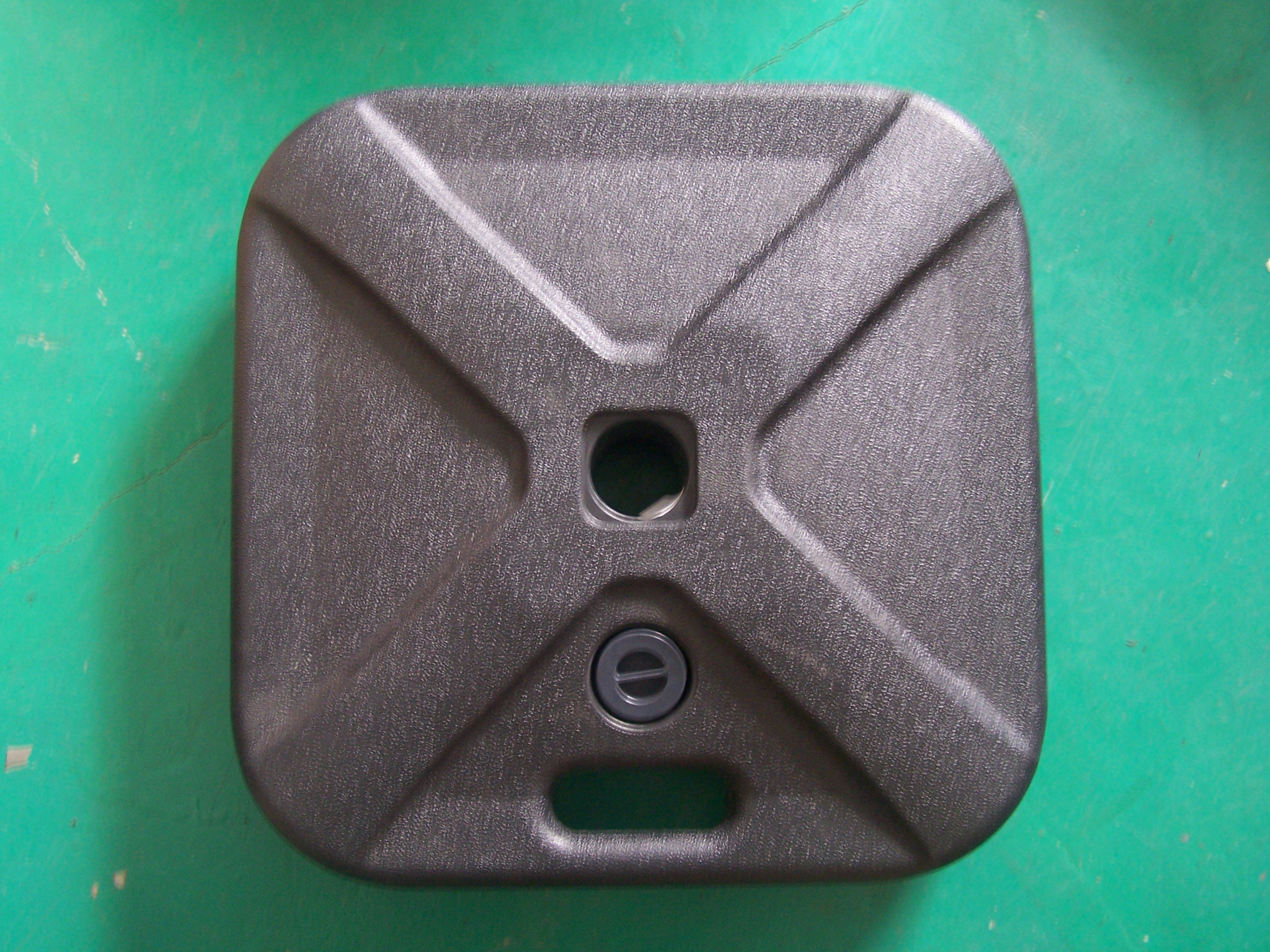
The dimensions are 42 cm in diameter and 9.5 cm in height. That low disc shape keeps the centre of gravity only 4.75 cm above the floor when sitting directly on the ground. Weight tolerance is held to ±200 grams. Dry cement is weighed before pouring; the mould is vibrated during fill to eliminate voids. Cheap imitations often skimp on weight. A base supposed to be 10 kg but actually 8 kg will tip at a wind speed roughly 20% lower. WZRODS tests a sample every hour on the production line with a calibrated digital scale. Those records are available for audit by contract clients.
Two small wheels set into the rim allow tilted rolling, like moving a suitcase. Labour crews appreciate this. The handle is formed into the HDPE moulding, eliminating the corrosion risk of metal handles. For a buyer shipping containers overseas, the absence of exposed ferrous metal means no rust stains on hotel lobby floors or on rental stock after six months in a humid Singapore warehouse. That trumps a cast‑iron base every time.
Physical Comparison: WZRODS 10kg Concrete Base vs. Typical Cast‑Iron Cross Base vs. Water‑Filled Plastic Base
| Feature | WZRODS Concrete Base | Cast‑Iron Cross Base | Water‑Filled Plastic Base |
|---|---|---|---|
| Weight (kg) | 10.0 ± 0.2 | 8.0 – 9.0 (varies by casting) | 0 (empty) / 12‑15 (filled) |
| Footprint diameter (cm) | 42 | ~55 (arm span) but with gaps | 45‑50 (irregular) |
| Centre‑of‑gravity height (cm) | 4.75 | ~7.5 | variable, typically >10 |
| Rust‑proof | Yes | No | Yes |
| Stackable for extra weight | Yes | No | Sometimes |
| On‑site fill required | Never | Never | Yes |
| Friction on smooth floor | High (textured HDPE) | Medium (painted metal) | Moderate |
| Handle/wheels | Built‑in | None | None or strap |
How the Stackable Design Changes Field Logistics
The ability to stack two 10 kg bases transforms a single‑weight solution into a scalable system. A rental house can keep a stock of forty units and deploy them in pairs for tall feather flags while using singles for table‑top banner stands. Recessed dimples on the top rim and matching knobs on the bottom interlock so stacked bases do not slide apart under vibration. Your margins will notice. A distributor in Australia reported his crew carries a few spare bases in the truck. If a job site turns out to be especially windy, they snap a second base onto each existing one in under a minute. No need to order separate heavyweights. The same stock serves indoor and outdoor demands.
Stability by Numbers: A Systems‑Engineering Approach to Base Selection
The tipping moment calculation is straightforward: wind force on the banner multiplied by the height of the centre of pressure. Compare that to the base’s restoring moment—its weight multiplied by the horizontal distance from the tip‑over fulcrum to the centre of mass. For a given pole and banner, the required base weight rises with the square of wind speed. WZRODS’ internal pull‑test data confirms that the 10 kg base with its 21 cm radius delivers sufficient restoring moment for 3‑metre feather flags in winds up to 25 km/h. That's the gap. For exposed sites, stacking two bases doubles the restoring moment, while the 29 kg version adds even more margin. Rather than guess, procurement teams can request the base‑geometry CAD files and run a simulation with their specific flag assembly. A venue may require that no temporary structure present a toppling hazard at a given wind speed. A known, fixed‑weight base makes that compliance calculation auditable—unlike a water‑filled base that could leak overnight.
Certification and Testing
WZRODS performs internal wind‑load simulations with a horizontal pull tester. A load cell measures tipping resistance, and the test is repeated for every new mould run. The product does not carry its own EN or ASTM certification—that is typically applied to the complete flag system—but the base’s predictable weight and geometry contribute to system stability in an auditable way. Buyers who need formal wind‑load ratings for the assembled display can send a complete setup to an independent lab. WZRODS supplies base‑geometry CAD files to support the simulation.
Total Cost of Ownership: Beyond the Price Tag
A quick price comparison can trigger an impulse buy, but a seasoned procurement specialist knows to dampen that impulse and calculate total cost. The invoice price of the WZRODS 10 kg base ranges from USD 5.75 to 6.85 per piece, FOB Qingdao, depending on volume. Two years ago, a European distributor placed a trial order of 200 units alongside an equal quantity of cheap cast‑iron crosses. At the end of the first trade‑show season, the cast‑iron inventory had a 12% return rate due to rust complaints and chipped paint. The concrete bases had zero returns. When factoring in the cost of issuing call tags, refunds, and labour for repainting, the concrete unit was already cheaper on a net‑servicing basis—before considering shipping.
Freight Arithmetic and Tariff Classification
Ocean freight economics punish dense, small‑footprint cargo. A 40‑foot high‑cube container holds approximately 1,258 units of the WZRODS base, each weighing 10 kg, for a total net weight of 12.58 tonnes—well within payload limits. Because the flat discs stack neatly in cartons, container cube utilisation approaches 90% when combined with flag poles along the sides.
More importantly, the Harmonized System code for articles of cement, concrete, or artificial stone (heading 6810) often attracts lower duty rates than cast‑iron articles (heading 7325) or aluminum (heading 7616). As of 2024, the EU’s TARIC database shows a duty of 1.7% on unreinforced cement articles, compared to 3.7% on non‑malleable cast‑iron items. For an order of 10,000 units, that difference saves several thousand dollars in duty. Always verify the exact code with a customs broker, but the directional advantage is real.
Three‑Year Ownership Cost Comparison: 500 Base Units, Shipped to Rotterdam
| Cost Element | WZRODS Concrete Base | Cast‑Iron Cross Base | Cast Aluminum Cross Base |
|---|---|---|---|
| Per‑unit FOB price (USD) | 6.50 (mid‑range) | 8.20 | 12.50 |
| FOB total (500 units) | 3,250 | 4,100 | 6,250 |
| Ocean freight (USD, est.) | 780 | 620 | 560 |
| CIF value (USD) | 4,030 | 4,720 | 6,810 |
| Import duty (1.7% concrete; 3.7% metal) | 68.5 | 174.6 | 252.0 |
| Replacement rate over 3 years | 2% (cosmetic scuffs only) | 15% (rust, paint) | 5% (bent arms) |
| Replacement cost (USD) | 65 | 615 | 312.5 |
| Total landed + replacement (USD) | 4,163.5 | 5,509.6 | 7,374.5 |
| Cost per unit‑year (USD) | 2.78 | 3.67 | 4.92 |
The numbers illustrate what experienced buyers value: predictable costs and no nasty surprises.
Field Applications: From Trade Show Floor to Windy Beach
Indoor Trade Shows and Retail
A 10 kg base can anchor a 3‑metre flag pole on a carpeted convention centre floor without additional ballast, even under the mild currents generated by HVAC systems. The round shape eliminates trip‑hazard corners, satisfying most venue safety checklists. At EuroShop in Düsseldorf, a German display‑hardware reseller placed forty WZRODS bases under feather flags for a client’s booth. The wide, flat profile let the bases slide under cabinetry edges, increasing usable floor space. One unit was later borrowed by a neighbouring exhibitor to stabilise a parasol in the outdoor café area; it held through an afternoon rain squall that sent other umbrellas tumbling.
Sports Events and Outdoor Festivals
Sports marketing agencies frequently mark sponsor zones along a marathon route or golf course. Surfaces vary from pavement to grass to dirt. The HDPE shell handles all of them. Mud hoses off; grass clippings don’t embed in the plastic. At the Singapore Rugby Sevens, event staff used sixty concrete bases to hold directional signage. The tropical humidity quickly rusted metal connectors on older stock, but the concrete bases themselves required zero maintenance. The organiser noted that the built‑in wheels saved at least twenty minutes per crew shift when moving signage after a match.
Coastal Resorts and Beach Flags
The most punishing environment for a flag base is a sandy beach with salt spray. Aluminum pole sections can corrode at the joints, but a flag base must survive constant abrasion and electrolytic potential. The WZRODS concrete base has no metal parts that contact the ground. A resort chain in the Maldives purchased 150 units three years ago, stacking a second base on each for tall entrance flags facing the prevailing monsoon breeze. The bases have been dragged across wooden boardwalks and concrete paths thousands of times; the HDPE has worn a little shinier but remains fully functional. The procurement manager reported a total replacement rate under one percent over three years.
Inside the Factory: How WZRODS Builds Reliability
Manufacturing a concrete base that weighs exactly ten kilograms every time requires a process that rejects slapdash variability. The HDPE shell is formed in a three‑axis rotational moulding machine. Virgin polyethylene powder is loaded into a hollow mould, heated while rotating on two axes, then cooled to form a seamless, stress‑free shell. Wall thickness is held to four millimetres with a tolerance of 0.2 mm. After cooling, each shell is visually inspected for pinholes and placed on a conveyor to the cement‑filling station.
Cement, sand, and water are mixed in a batch plant with a digital load‑cell system that weighs every component. The slurry is poured through a jig that keeps the spigot receiver precisely centred. Six vibrating probes embedded in the filling table consolidate the mix and release trapped air. The green bases move into a curing room at 40 °C and 95% humidity for eighteen hours. After curing, a final weight check rejects any unit outside the specified range. Spigot receivers are checked with a go/no‑go gauge, and wheel axles are tested for free rotation.
One detail that sets this factory apart: the bottom of every base is embossed with a mould‑cavity number and a week‑code. If a field failure ever occurs, the production batch can be traced back to the exact hour. This traceability is usually found only in automotive‑grade components, not display hardware. It gives importers confidence that a warranty claim will be investigated properly rather than dismissed with a shrug.
Market Forces and Tariff Intelligence: Sourcing Smart in a Shifting Trade Landscape
Global trade in display hardware has shifted in the last five years from a narrow focus on unit price toward total landed cost. Anti‑dumping duties on certain metal products from China—tracked in the US DOC and EU Commission trade defence databases—have made aluminum and cast‑iron bases riskier from a compliance perspective. The concrete base falls into an undisturbed tariff classification, which reduces the likelihood of sudden duty hikes. A scan of the WTO’s dispute settlement database confirms that concrete articles rarely appear in anti‑dumping investigations. That predictability is a form of financial safety that importers undervalue until a customs bill arrives with an unexpected 40% surcharge.
Another trend is the tightening of environmental regulations in the European Union and California. Water‑filled bases may seem eco‑friendly, but they consume freshwater resources at a time when some jurisdictions prohibit filling them on‑site. Concrete, by contrast, uses abundant local materials. The HDPE shell is technically recyclable, though the composite nature makes separation unlikely in practice. WZRODS is exploring a take‑back scheme for end‑of‑life bases in major European ports, where the cement can be crushed for road aggregate and the HDPE pelletised.
Shipping and Containerisation Tactics
A 40‑foot high‑cube container holds approximately 1,258 units, but many importers split a container with other WZRODS products such as feather flag poles and cross bases. A typical combination shipment might include eight hundred concrete bases, four hundred aluminum pole sets, and one hundred hardware kits. The key is that the concrete bases form a dense, stable bottom layer that actually improves the container’s centre of gravity at sea, reducing the risk of cargo shift. Freight forwarders appreciate that predictability. Packaging uses standard export cartons with foam separating layers; units can ship on pallets for faster unloading. A buyer in Dubai reported that switching from loose loading to palletised shipment reduced unloading time from four hours to forty minutes for a full container load.
Upgrade Path: When 10kg Is Not Enough
No single base serves every situation. The 10 kg unit is sufficient for most standard flags in moderate winds. When the application demands a taller pole, a larger banner, or a site known for squalls, the WZRODS system offers a clear upgrade path. The simplest option: stack two 10 kg bases and secure them with the interlocking dimples; total weight becomes 20 kg while the footprint remains the same, doubling the stabilising moment. For extreme conditions, the 29 kg version shares the same 42 cm diameter but stands 22 cm tall. A buyer can start with a fleet of 10 kg bases and later add a few 29 kg units without creating an incompatible inventory. All WZRODS bases use the same standard spigot receiver, so flag poles interchange freely.
A distributor in the Netherlands adopted this tiered approach for his rental inventory. He purchased three hundred 10 kg units for indoor and calm‑weather rentals, then added fifty 29 kg units for the coastal event season. When a client needed extra stability, the crew simply swapped a 10 kg for a 29 kg on the spot—no tools, no adapter plates. That flexibility eliminated the need to stock a third base type and simplified crew training. The marginal cost of the 29 kg unit was justified by the revenue from premium outdoor rentals.
Integration with Light and Audio Accessories
The WZRODS base includes a moulded channel that can accept an LED uplighter. Event designers sometimes place a battery‑powered light on top of the base, shooting up the flag pole for dramatic night‑time effect. The weight of the base prevents the light from tipping the assembly. This is a product functioning as a platform rather than a single‑purpose commodity.
Frequently Asked Questions
- What is the minimum order quantity?
- Two pieces. However, freight economics strongly favour full pallets or containers. A small trial order is supported to let buyers evaluate quality before committing to volume.
- Can the base be customised with a logo or colour?
- Light customisation is supported. A mould‑in logo is possible for orders of 500 units or more. A coloured shell is available with a minimum order of 1,000 units and a small mould change fee. Black is the standard colour and ships immediately.
- How is the concrete core protected during transit?
- The HDPE shell fully encapsulates the concrete. It does not crack under normal handling. Bases are packed with foam separators and, when palletised, strapped securely. WZRODS reported a breakage rate below 0.2% for container shipments in 2023.
- What are the accepted payment terms?
- T/T, L/C at sight, Western Union, or MoneyGram. For new buyers, a 30% deposit with the balance before shipment is common. Established buyers can negotiate open account terms after a credit review.
- Does the base include the spigot, or must that be purchased separately?
- The base includes a built‑in stainless‑steel spigot receiver. The spigot stem (the metal rod that inserts into the flag pole) is typically supplied with the flag pole kit. WZRODS can supply a compatible spigot as an accessory if needed.
- Is a sample available, and what does it cost?
- A sample is available at USD 300, including the sample and air freight. Only one sample unit per buyer. Lead time is 15–30 days. The sample cost is not refunded but may be credited against a first bulk order over 500 units, at the supplier’s discretion.
- How long does it take to produce a full container order?
- Lead time is 15–30 days after order confirmation and receipt of deposit, depending on the production queue. During peak season (February to May), add a week of buffer.
- Can the base be used as a parasol weight?
- Yes. The spigot can be adapted to hold a parasol pole with a simple reducer sleeve. The weight is sufficient for a standard garden parasol on a calm day. For larger commercial umbrellas, the 29 kg version or a stacked pair is recommended.
- What is the warranty?
- One year from the bill of lading date against manufacturing defects in materials and workmanship. Damage from abusive handling or misuse is not covered, but the factory’s traceability system allows a fair investigation of any claim. Practical experience shows the base far outlasts the warranty period.
- Are the bases CE marked?
- The concrete base is not a regulated product requiring CE marking by itself. When used as a component in a flag‑display system, the system’s assembler is responsible for overall compliance. WZRODS can provide a Declaration of Conformity for raw materials (RoHS, REACH) upon request.
The procurement puzzle of choosing a display base appears simple until the first gust of wind proves otherwise. The WZRODS ten‑kilogram concrete base is not the cheapest option on a FOB price list, but it is the one that satisfies the safety arithmetic and carries no hidden costs of rust, paint, or early replacement. Buyers who adopt a total‑cost‑of‑ownership lens and who understand the physics of stability will recognise that a black disc of HDPE and cement is less a commodity and more a long‑term contract with peace of mind. When the show opens and the flags stand motionless in the breeze, no one thinks about the base. That is the whole idea.
About the Author
Wei Chen, Senior Product Specialist
B.S. Supply Chain Management, Michigan State University; Certified Professional in Supply Management (CPSM)
12 years in B2B display hardware sourcing. Former procurement manager for a top 20 US promotional products distributor. Specializes in aluminum pole systems and import compliance.
Reviewed by WZRODS Technical Team. Updated: 2026-07-04
 Comments (0)
No comments yet. Be the first to comment!
Leave a Comment
Related Products
Bungee hook
Lightpole bracket
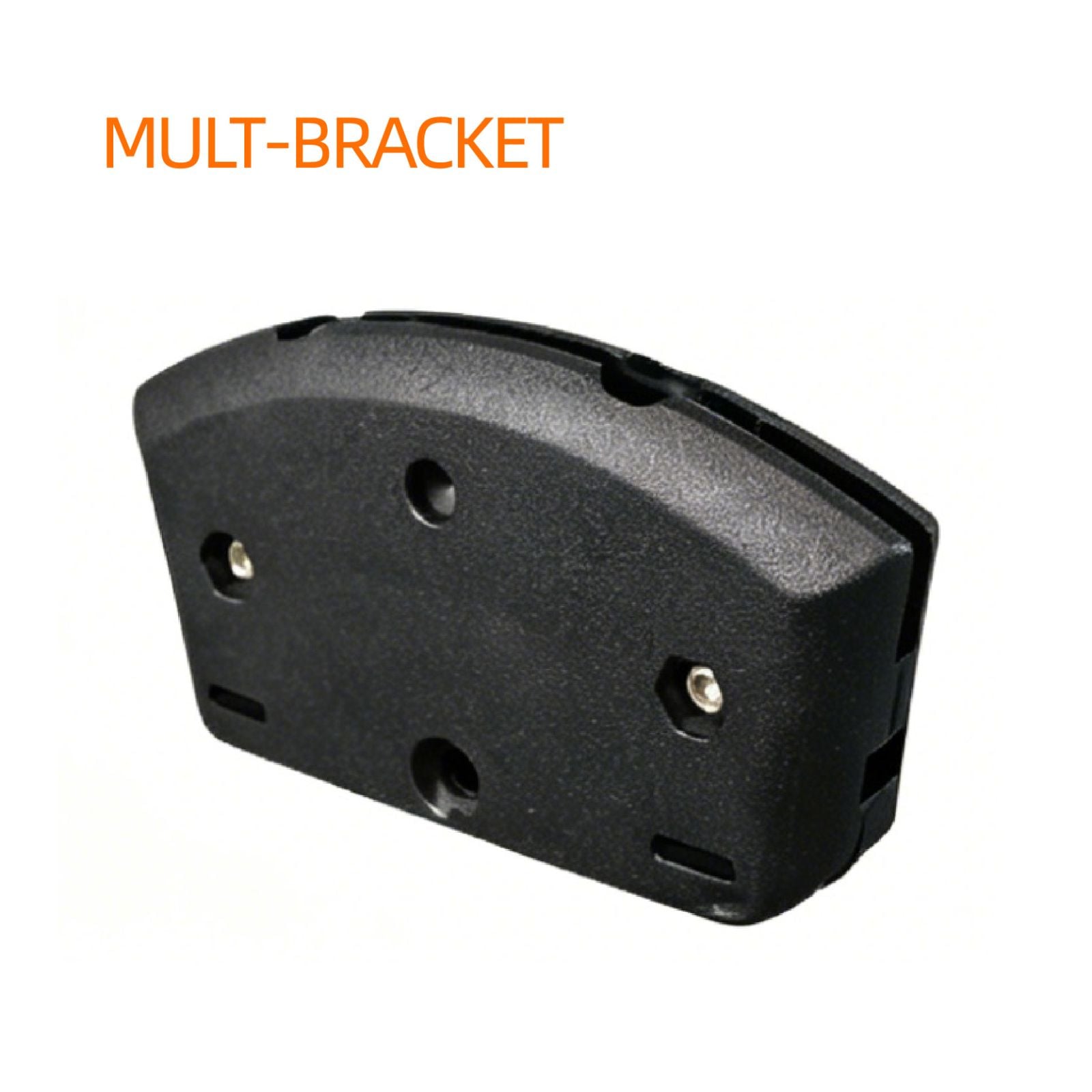
Disc banner Mult-bracket
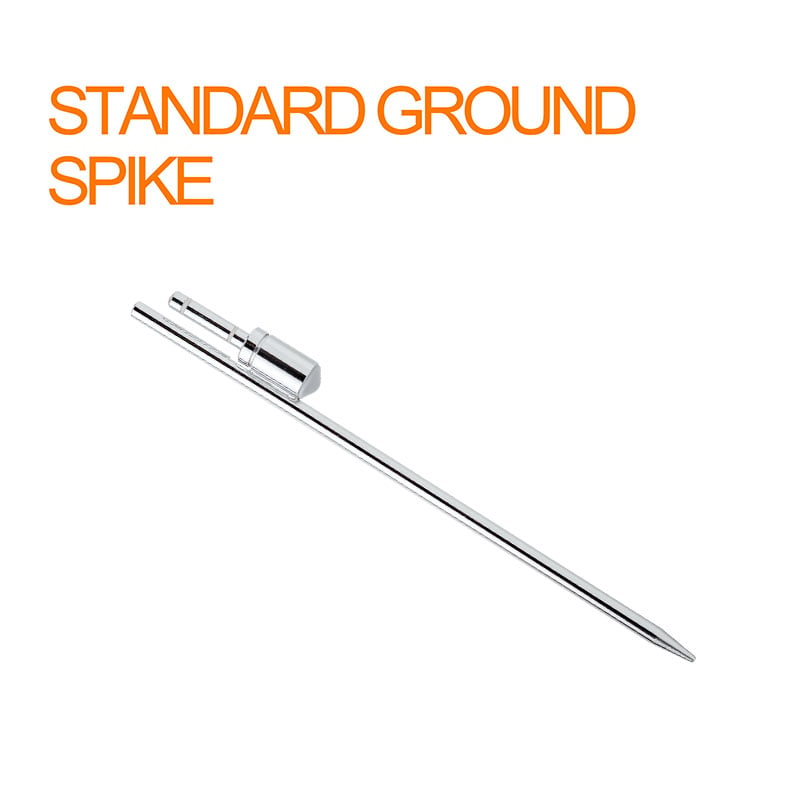
Ground Spike For Lawn Or Sand
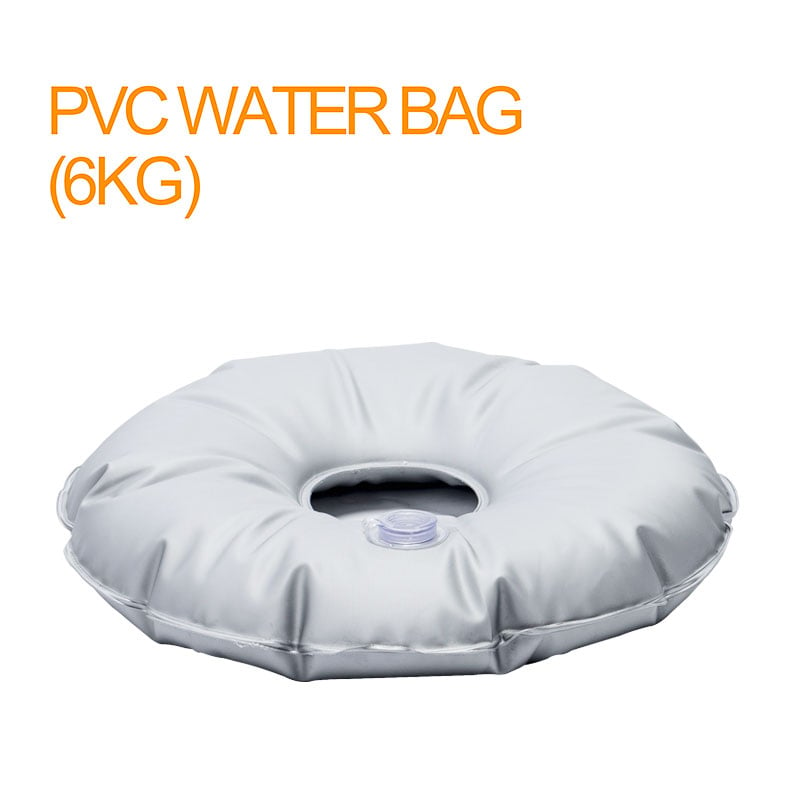
Water Bag
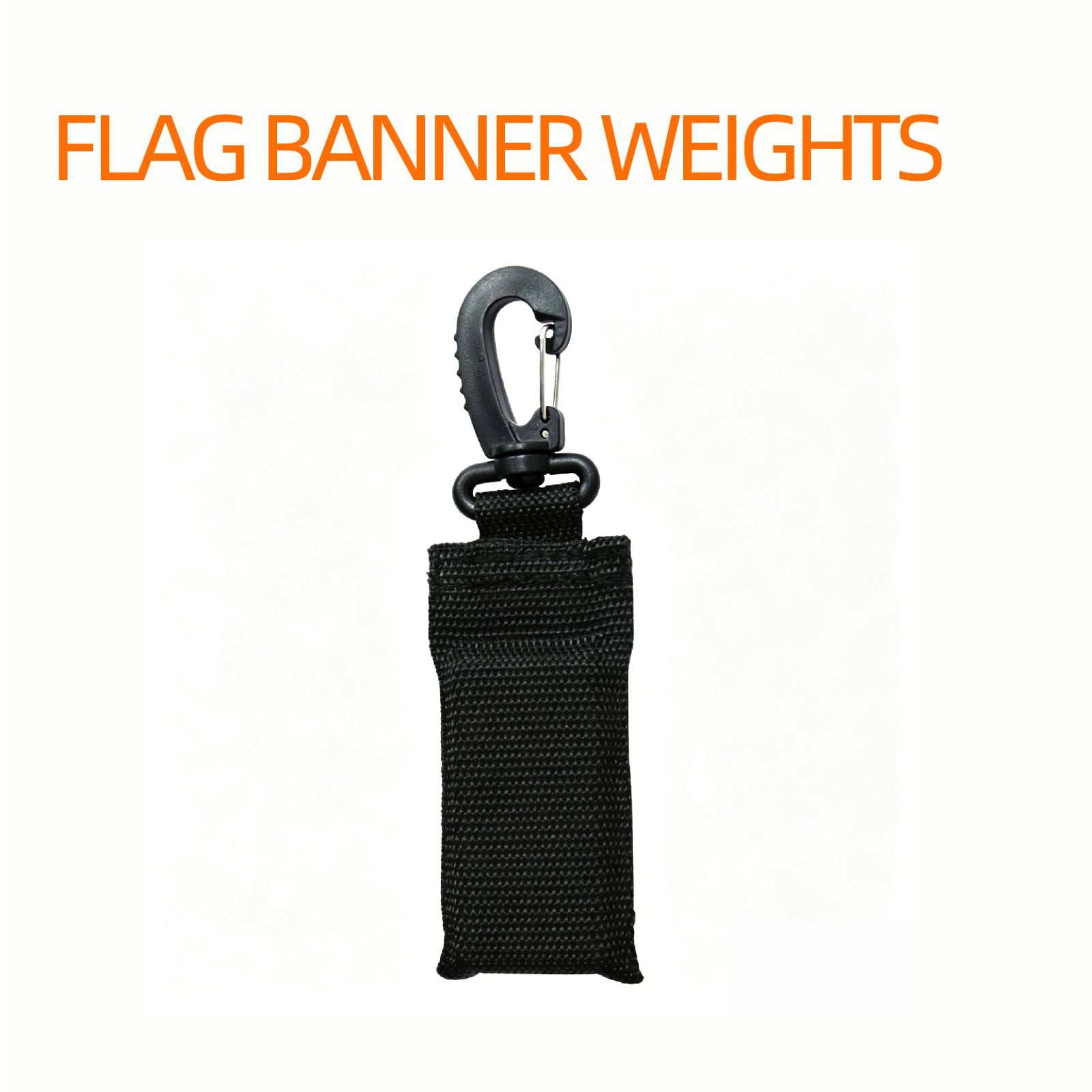
Flag /banner weights
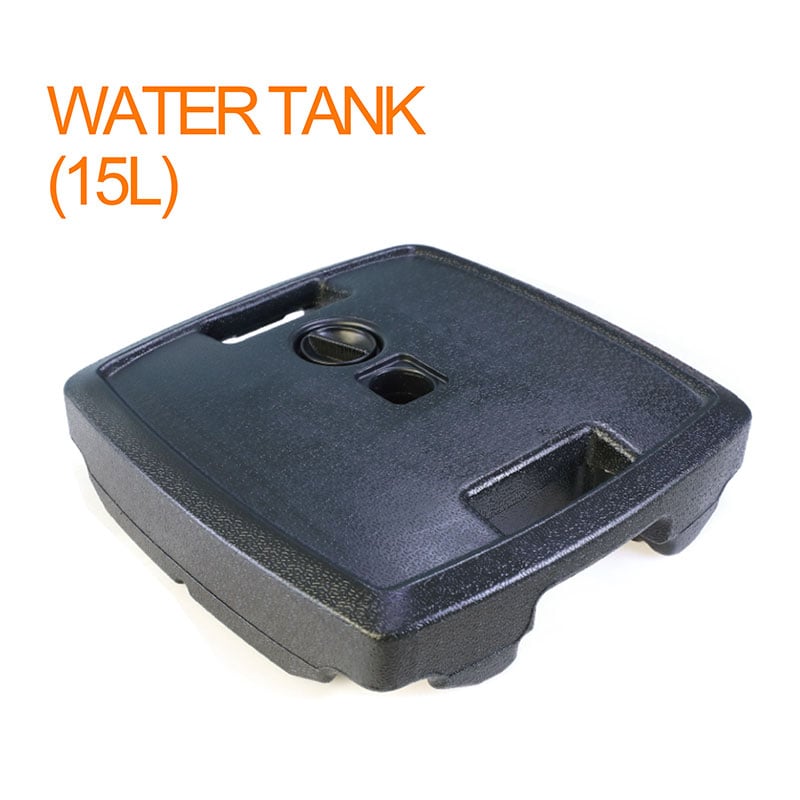
Water tank
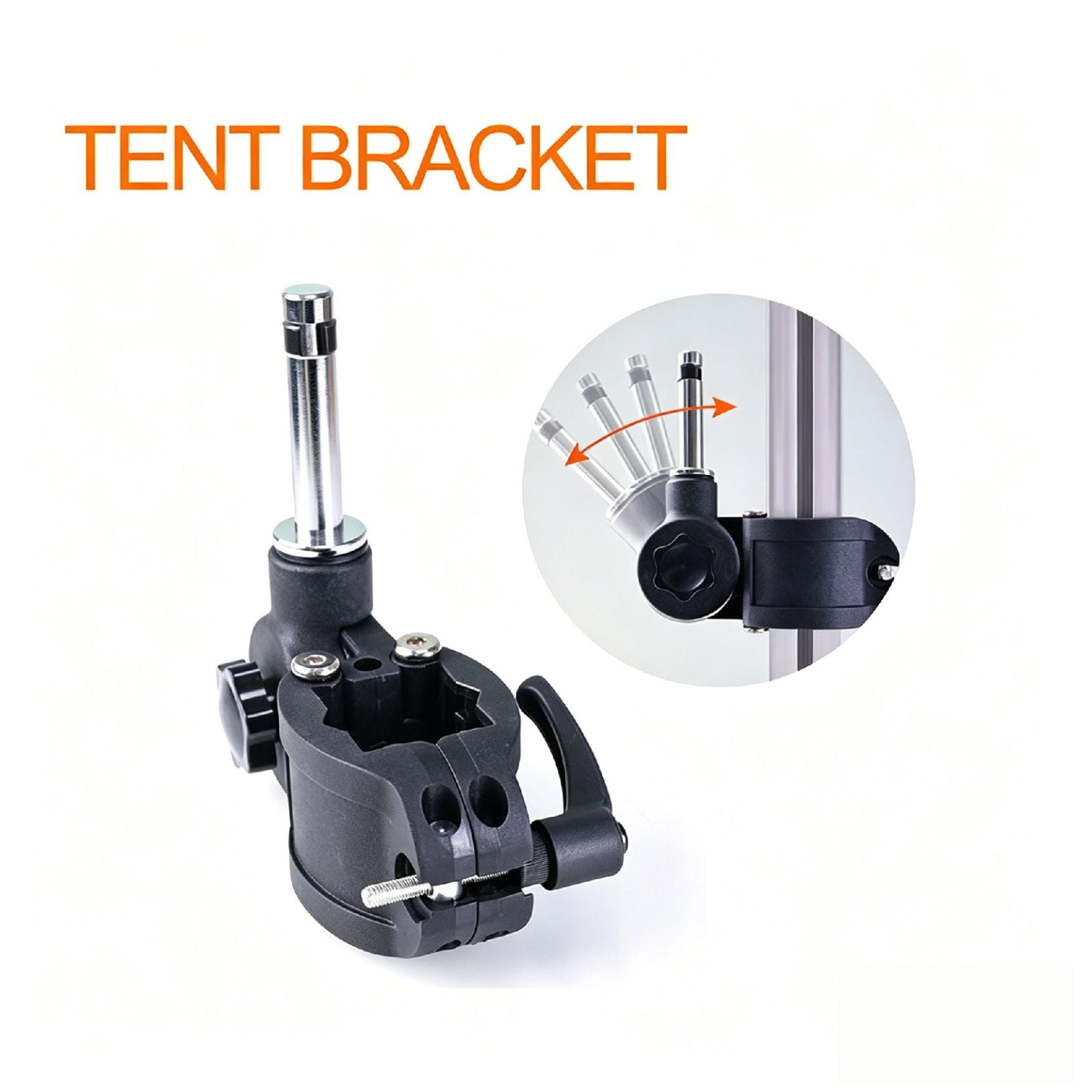
Tent Bracket
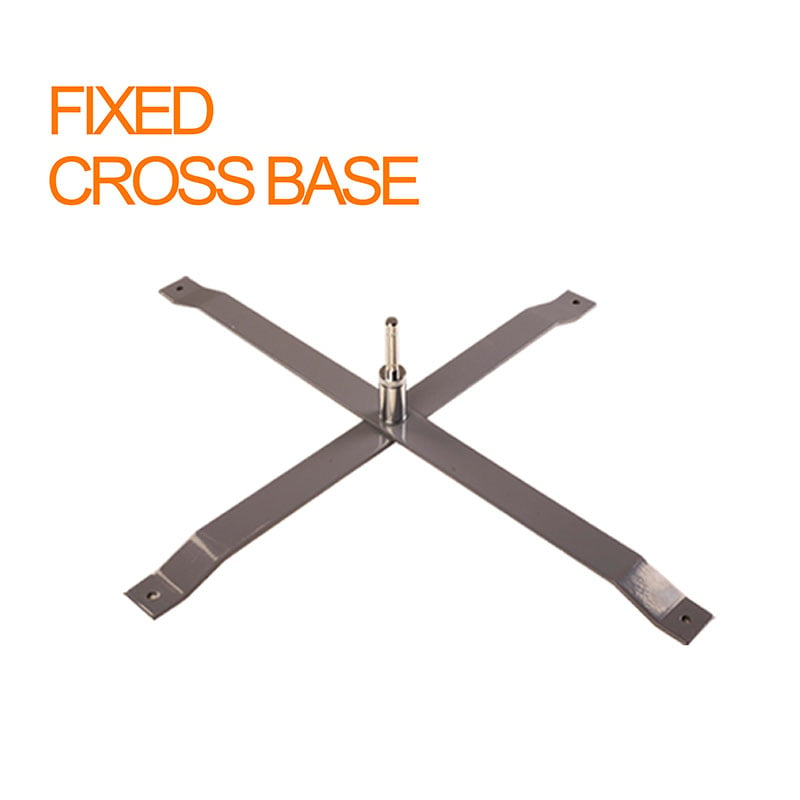
Fixed Cross Base
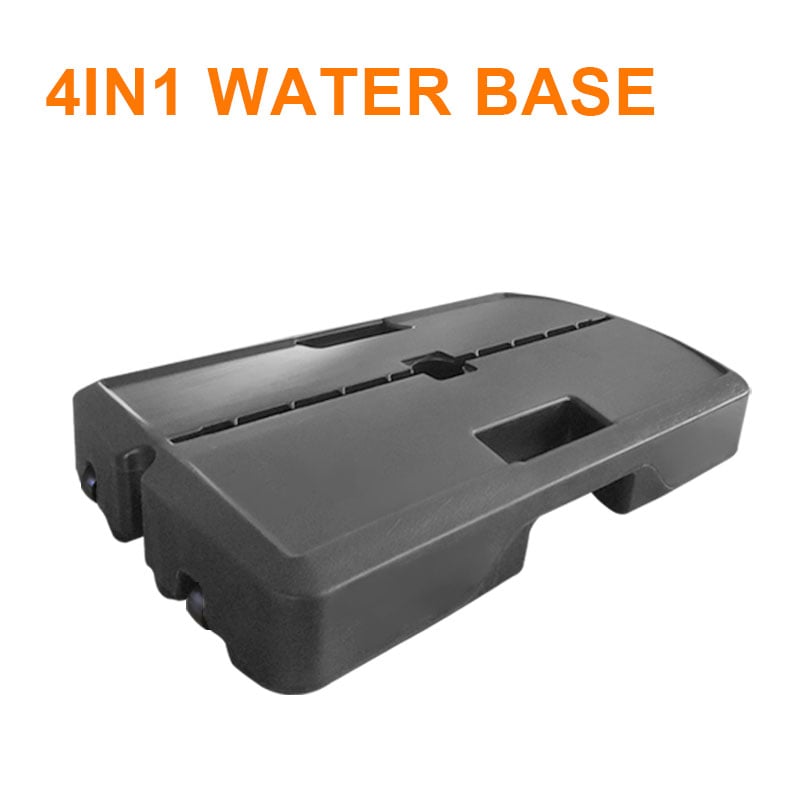
4 in 1 Water Tank
Related Articles
29kg Concrete Flag Base - The Complete B2B Buyer's Resource - WZRODS
WZRODS DY451B: 29 kg, HDPE shell, concrete core. Stackable, portable, rust-proof. FOB price US$5.75–$6.85 at MOQ 2 units. Those numbers look unremarkable. Factor in landed cost—import duties lower than aluminum’s under relevant HTS codes, freight savings from less weight per unit of stabilizing mas
Wide Tube Cross Base - The Complete B2B Buyer's Resource - WZRODS
The Wide Tube Cross Base, manufactured by Wzrods in Shandong, China, solves one problem: reliable stability for poles under three meters, without the freight costs and warehouse footprint that heavier alternatives demand.
Rectangular Pipe Cross Base - The Complete B2B Buyer's Resource - WZRODS
The pipe cross flag base is a cross of rectangular steel pipe, powder‑coated, weighing 1.3 kg and spanning 78 cm across its arms. Its center holds a C‑ring shaft that lets the flag rotate with the wind.
X-Shape Backpack Banner - The Complete B2B Buyer's Resource - WZRODS
Economic Cross Base - The Complete B2B Buyer's Guide- WZRODS
When you buy an economic cross base—something like the Wzrods DM‑9, a 77 cm‑long, 1.3 kg iron cross—forget “economic” as a synonym for “cheap.” It means value-engineered.
How to Choose the Right Feather Flag Base for Different Surfaces
Feather Flag - Professional Banner Poles & Systems Manufacturer - WZRODS
How to choose a high-quality backpack flag
The backpack flag concept centers on a frame carried on the back, similar to a backpack, specifically engineered to support a raised flag or banner.