Blade Flag
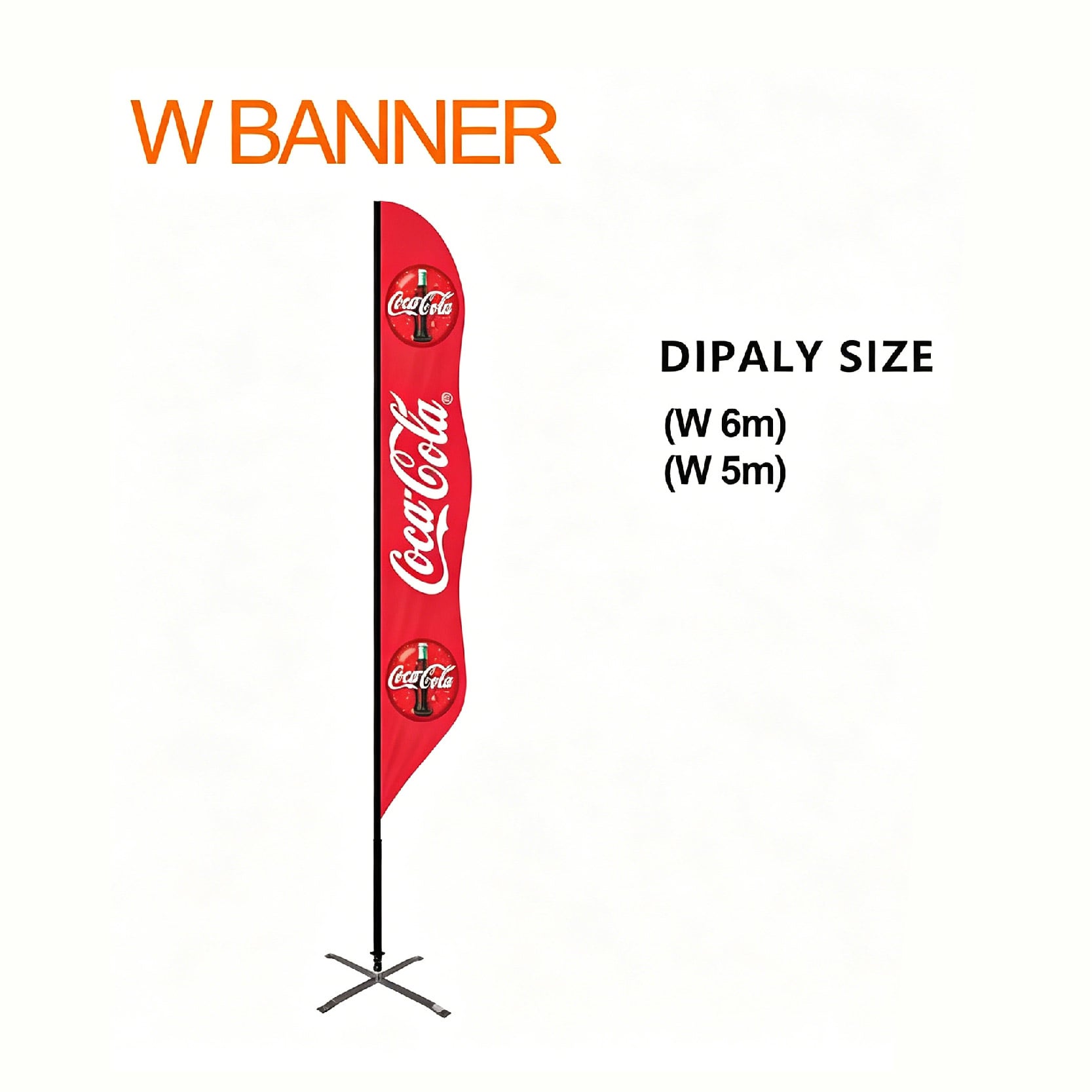
We provide W banners in two sizes. Curved carbon composite poles keep flags fully displayed stably. Easy to install, portable with carry bags and diverse bases for all promotion scenes.


 Article
 Specifications
- Origin
- Shandong, China
- Brand
- WZRODS
- Model
- WB-5/WB-6
- Main Material
- 100% Polyester
- Color
- CMYK 4 Color Printing
- Application Spec
- Trade Shows, Outdoor Events, Sports Events, Retail Promotion
- Printing Method
- Dye Sublimation Printing, Dye Sublimation Printing
- Style
- FLYİNG
- Logo Service
- Custom Designs
- Display Size(W 5M)
- 4.75m*0.782m
- Display Size(W 6M)
- 5.75m*0.85m
 Product Description
Shipping & Packaging
- Unit Weight
- 16.5kg (9pcs/CTN)
- Unit Size
- 120*22*22(cm) 9pcs/CTN
- Packaging
- Standard export carton
- Lead Time
- 15-30 days
Pricing
- MOQ
- 1 piece
- Price Range
- USD 15 – 15
* FOB Qingdao. Excludes shipping & taxes. Accessories & customization confirmed separately.
 Sample Service
- Sample Available
- Yes
- Max Sample Qty
- 1
 Customization Options

Light Custom
Logo, color, size adjustments

Fast Turnaround
Quick custom order processing
Wave Flag - The Complete B2B Buyer's Guide- WZRODS
The W Banner: A Trade Show Consultant’s Field Notes on Carbon Composite Flag Poles That Handle Wind, Rust, and Time body { font-family: Georgia, serif; line-height: 1.6; max-width: 720px; margin: 0 auto; padding: 2rem; color: #1a1a1a; } h1 { font-size: 2rem; margin-top: 0; } h2 { font-size: 1.5rem; margin-top: 2.5rem; border-bottom: 1px solid #ccc; padding-bottom: 0.3rem; } h3 { font-size: 1.1rem; margin-top: 1.8rem; } p { margin: 1em 0; } table { border-collapse: collapse; width: 100%; margin: 1.5rem 0; font-size: 0.95rem; } th, td { border: 1px solid #aaa; padding: 0.5rem; text-align: left; } th { background: #f2f2f2; } .faq dd { margin-left: 1.2rem; margin-bottom: 1rem; } .faq dt { font-weight: bold; } .dialogue { font-style: italic; }
At 6 a.m. in the Las Vegas Convention Center loading dock, a forklift dragged a pallet of twisted aluminum poles toward the dumpster. The exhibitor, who had paid $20,000 for a corner booth, stood next to me. “Six months old. Three outdoor shows,” he said, scraping a white oxide scar on the metal. “Rust. Bent. Now what?”
I didn’t have an answer then. But that moment pushed me toward a flag pole I’d overlooked for years: the wave shape with curved rods. Not aluminum. Carbon composite—the material aerospace engineers use when aluminum is too heavy and too prone to fatigue. I ordered a sample from a Shandong factory. Nine pieces per carton, 16.5 kg total. I set it up on a breezy April afternoon. A strong gust hit. The flag didn’t collapse; it flexed. When the wind died, the banner snapped back into a clean S‑curve. Right then, I stopped being a skeptic.
Here’s the buyer’s guide I wish I’d had five years ago. It covers the WZRODS Wave Banner—models WB‑5 and WB‑6—and walks through what a professional buyer needs before committing to a container order: material properties, total landed cost, duty engineering, failure modes, and the numbers that turn a $15 pole into a long‑term margin builder.
1. The W Banner: What It Actually Is
The Wave Shape
A straight flag pole leaves the fabric limp without wind. Teardrop banners stretch the fabric into a rigid curve. The W Banner uses two curved rods—top and bottom—to pull the polyester face into a gentle, continuous wave. That keeps the graphic fully visible even in still air. Dimensions: WB‑5 is 4.75 m wide × 0.782 m tall; WB‑6 is 5.75 m × 0.85 m. Both use dye‑sublimation on four‑color polyester. The image bonds into the fiber, not a coating that peels after three events.
What Comes in the Kit
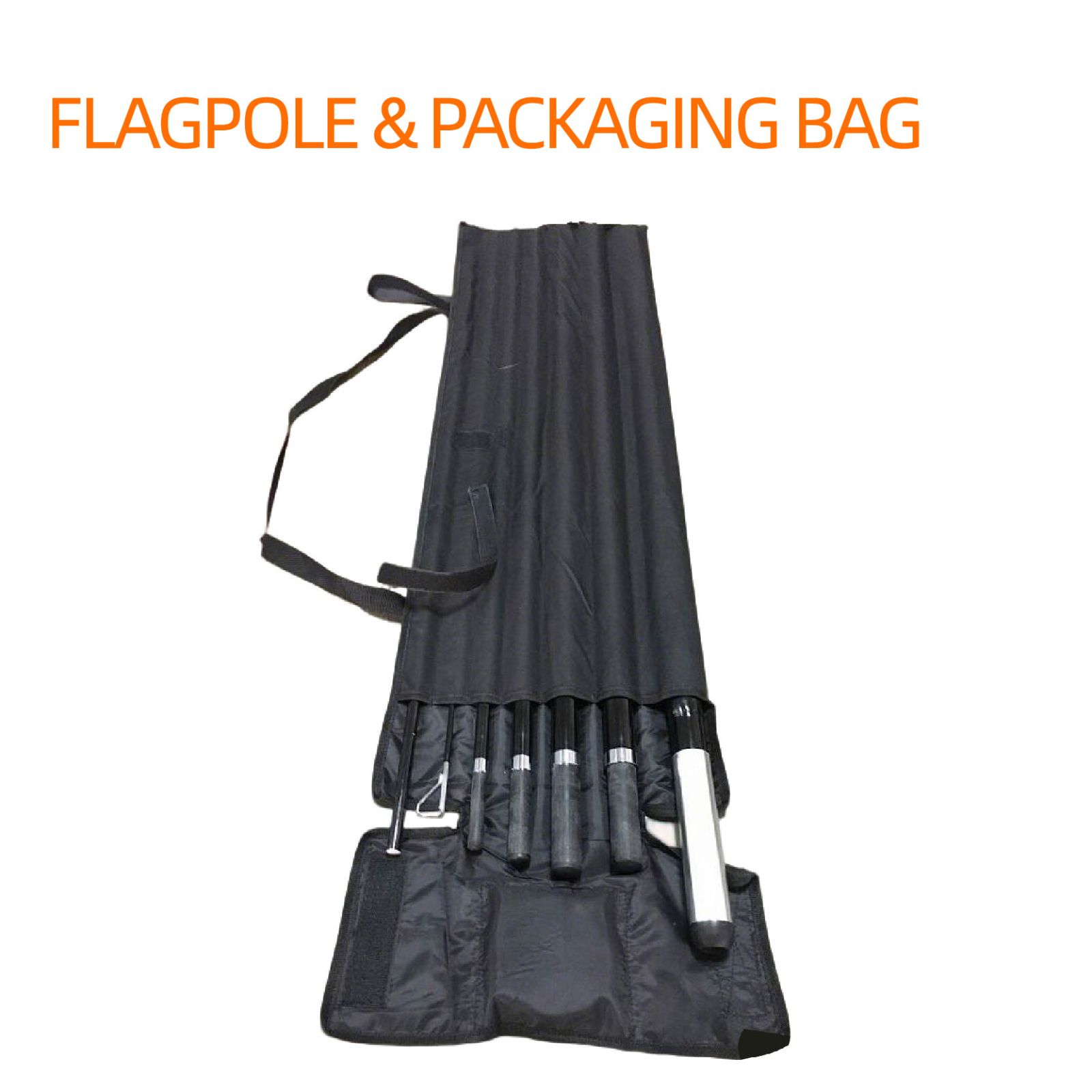
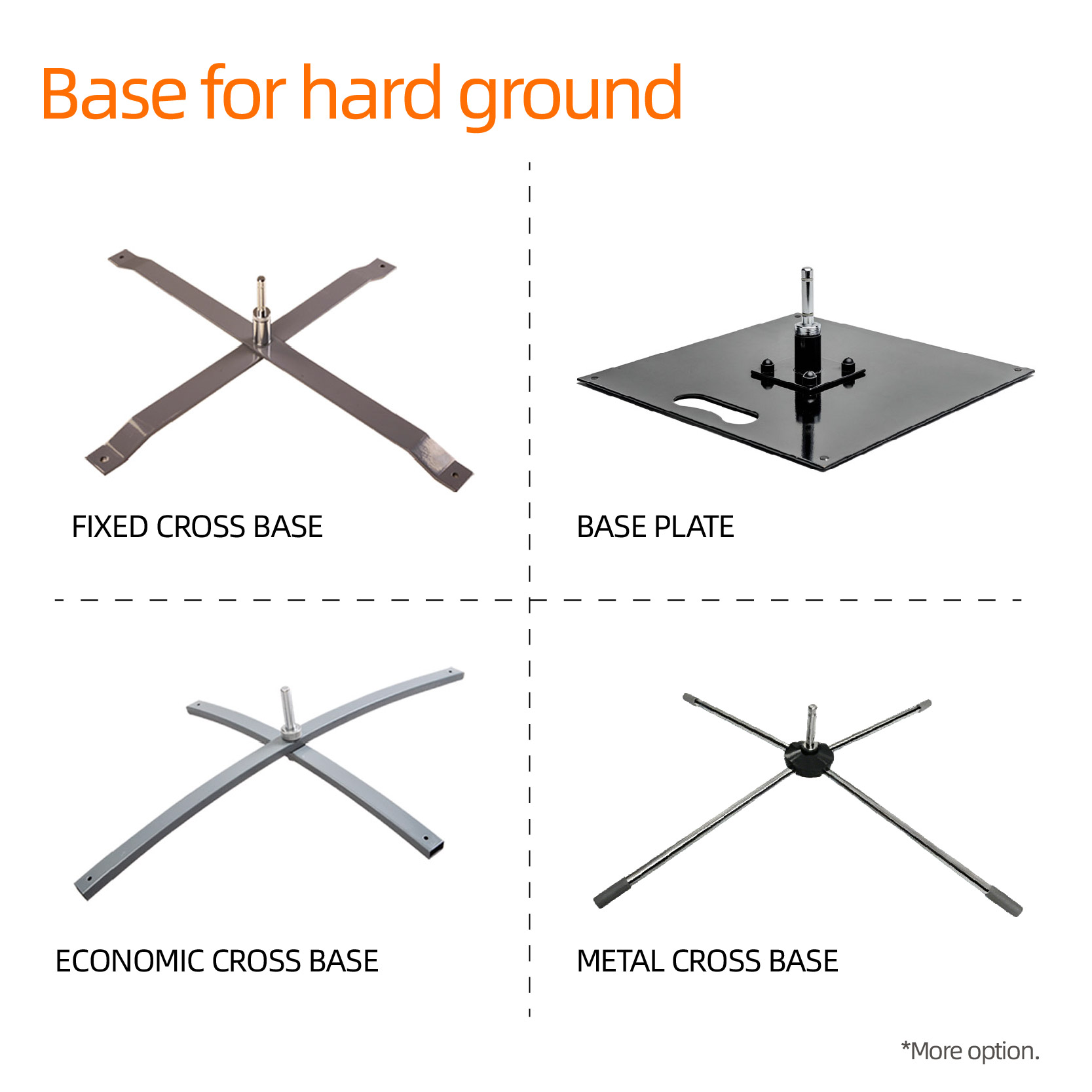
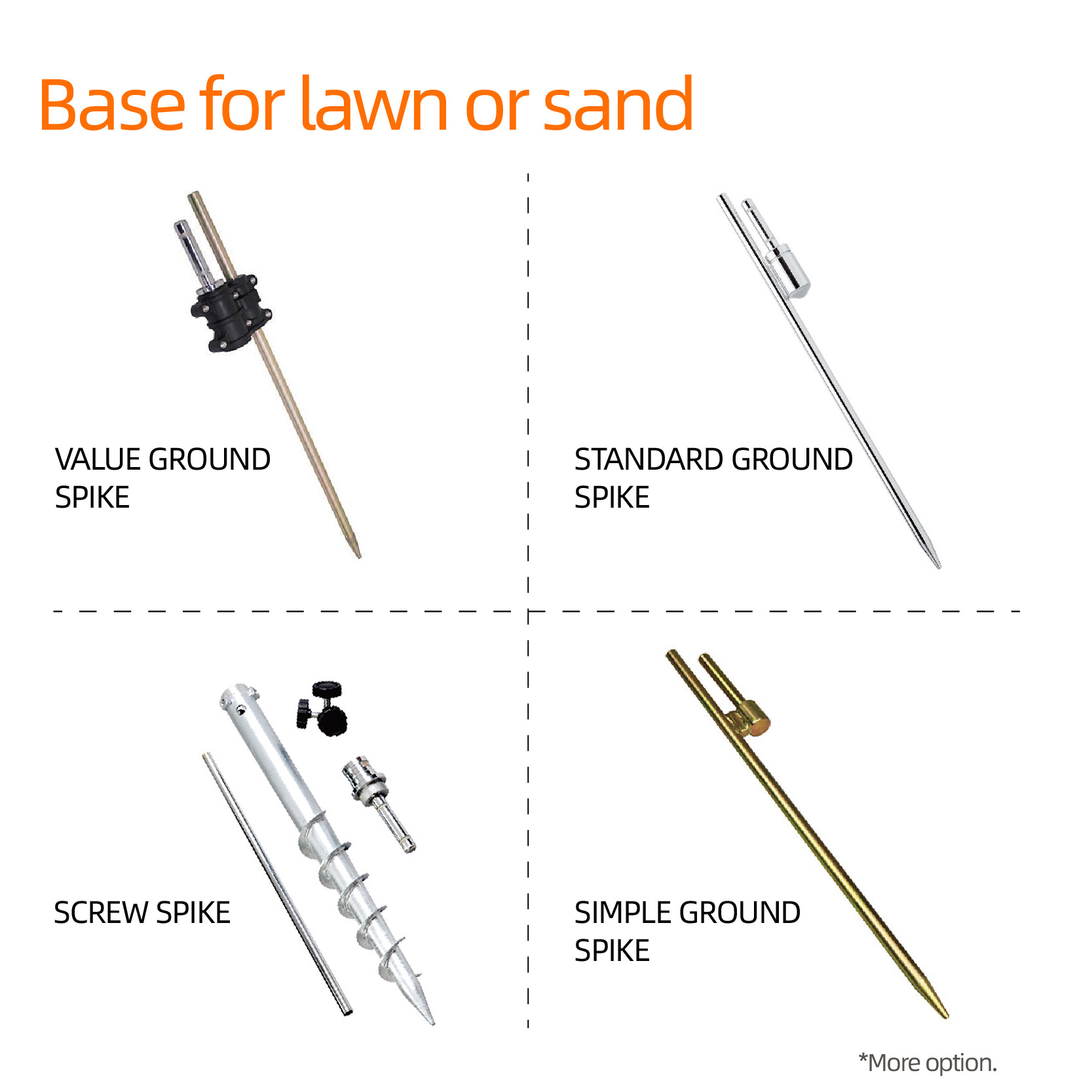
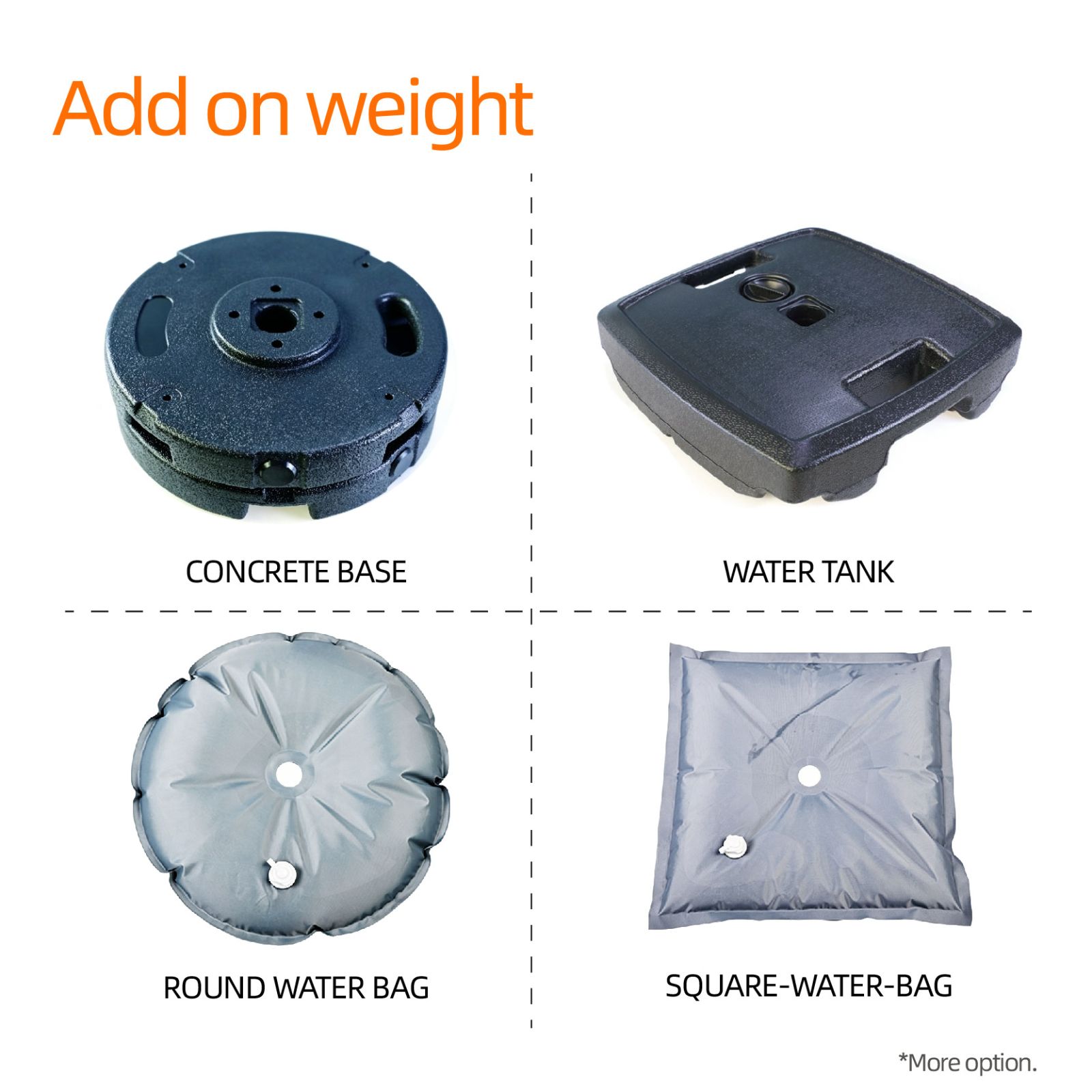
Every WB series order includes the printed flag, the carbon composite support rods, a dedicated carry bag, and a choice of base: cross base, ground stake, or heavy‑duty water‑fillable plate. Assembly needs no tools. Slide the rods into sewn pockets, connect the sections, and set the pole into the base. One person can have it up in under three minutes—I’ve timed it. Even untrained booth staff have done it in two minutes forty.
Carbon Composite vs. Everything Else
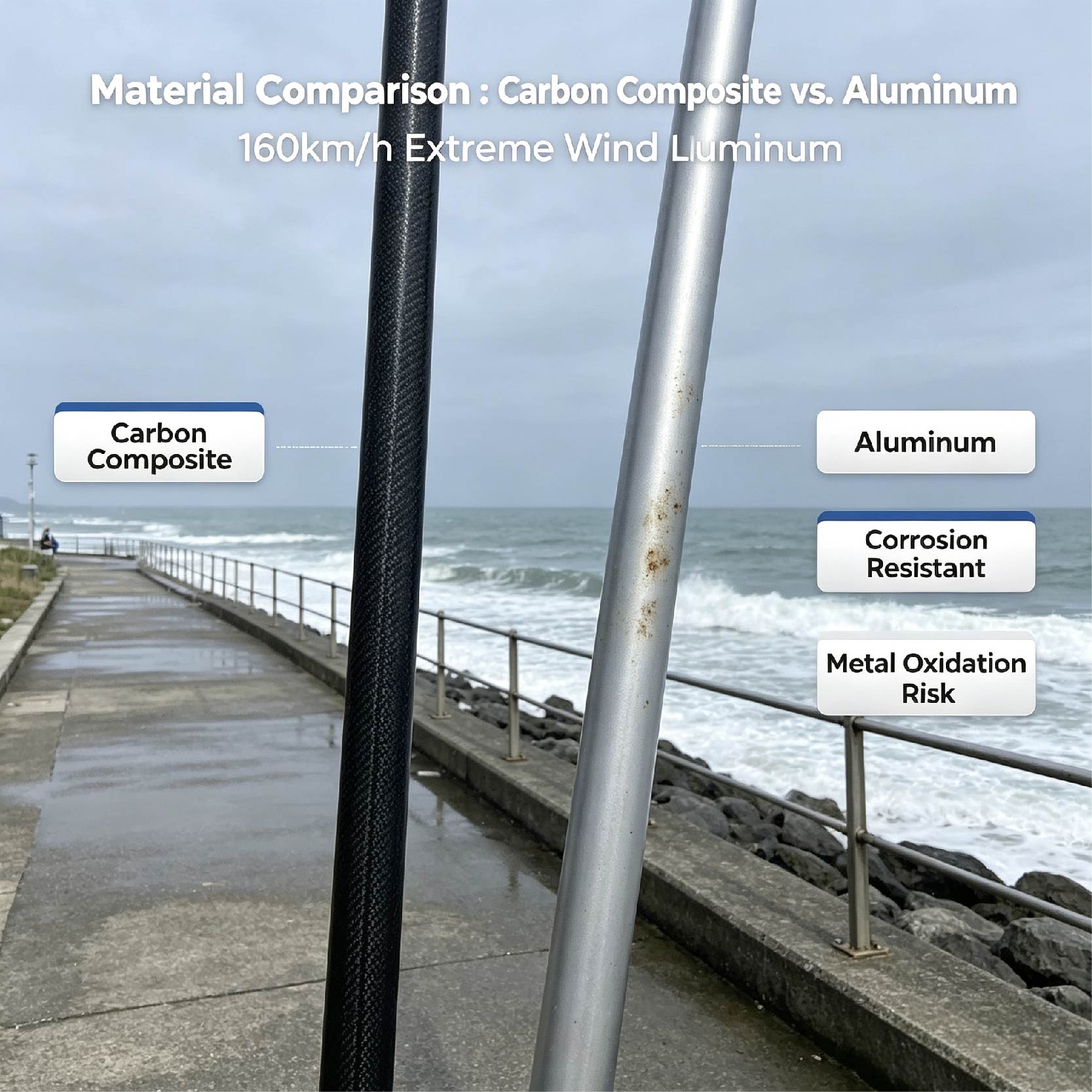
Based on field testing, Carbon composite is a matrix of high‑strength carbon filaments and a weather‑resistant resin, heat‑cured. It bends without permanent deformation. Aluminum reaches its elastic limit early; once bent, it stays bent. Fiberglass does not rust but splinters under repeated wind fatigue. Carbon composite won’t corrode, doesn’t suffer the same fatigue, and weighs 30–40% less than equivalent aluminum for the same stiffness.
Who Should Buy This Flag System?
Distributors, importers, and event planning firms that service trade shows, outdoor festivals, sports venues, or retail openings where wind and humidity are constant. If you’ve ever taken a call from a client whose aluminum poles were pitted and bent after a beach activation, you’re the buyer I’m writing for.
2. Product Comparison: Carbon Composite vs. Aluminum vs. Fiberglass
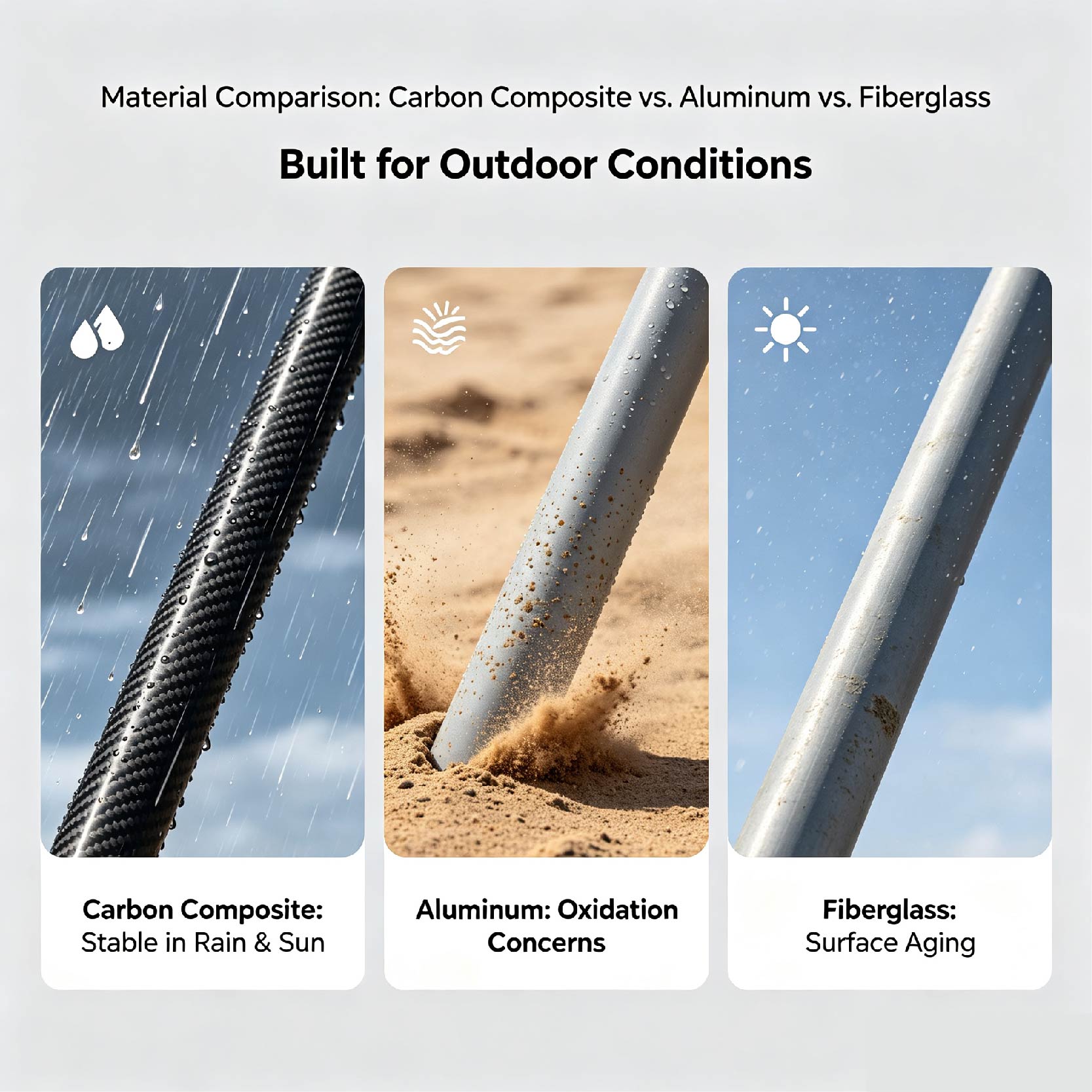
I put three flag pole materials through the same conditions: 12‑hour outdoor exposure at 6‑meter height, wind gusts up to 50 km/h, salt spray every four hours. I didn’t use a lab. I used the roof of a Houston warehouse in August—nature’s test chamber. Here’s what I observed.
| Property | Carbon Composite (W Banner) | Aluminum 6061 | Fiberglass |
|---|---|---|---|
| Weight (6m flag, pole only) | ~2.1 kg | ~3.2 kg | ~2.8 kg |
| Bend recovery | Full, no memory | Permanent set after moderate wind | Partial, micro‑cracking over time |
| Corrosion resistance | 100% rust‑proof | Anodizing fails, pitting begins within months | Rust‑proof but UV degrades resin |
| Installation time | 2–3 min | 2–4 min | 3–5 min (sections bind) |
| Typical service life outdoors | 5+ years | 1–2 years | 2–3 years |
| Packed volume (9‑piece CTN) | 0.058 m³ | ~0.072 m³ | ~0.065 m³ |
| Freight cost per unit (FCL estimate) | Lower due to weight | Higher | Moderate |
| Customs duty code typical | HTS 3926.90 (plastics) | 7616.99 (aluminum) | 7019.90 (glass fibers) |
That customs code difference isn’t a footnote. I’ve seen importers drop their duty rate from 6.5% to 3.0% by classifying carbon composite poles as plastic or printed‑matter articles—a shift of 3.5 percentage points. More on that in the ROI section.
Fiberglass feels like a compromise until you unpack a shipment and find that the rods have taken a permanent bow from sitting in a hot container. Carbon composite doesn’t do that. I left a WB‑6 rod inside a black car in Phoenix for an afternoon—the interior temperature exceeded 75°C—and the rod came out straight.
3. ROI Analysis: Total Landed Cost and Real Margins
The Price of a Single Flag Set
WZRODS quotes the WB‑5 and WB‑6 starting at USD 15 per unit for volume orders, ex‑factory. For a distributor bringing in a 20‑foot container—about 400 flag sets—the numbers add up.
Unit FOB: $15.00
Ocean freight (all‑in, per unit at high consolidated volume): ~$2.80
Insurance, terminal handling: ~$0.40
Landed cost before duty: ~$18.20
Duty at 6.5% (aluminum classification) vs. 3.0% (carbon composite under certain chapters) saves roughly $0.64 per unit.
Warehouse and delivery to end customer: ~$3.00–5.00 depending on location.
Suggested wholesale price: $45–$65 per flag set, market‑dependent.
The replacement rate hides the bigger saving. If an aluminum flag pole needs replacing every 18 months due to corrosion or bending, and a carbon composite pole runs 5 years without trouble, the lifetime cost per event drops sharply. Suppose you run 10 outdoor events a year, each requiring 8 flags. Over 5 years, aluminum forces you to buy four sets of flags; carbon composite, one set. Without even counting freight and duty on replacements, the total aluminum equipment spend is roughly 4 times higher. And your brand image doesn’t suffer the slow degradation of flaking anodized poles.
Duty Engineering Tip
I worked with a customs broker who reclassified a shipment of carbon composite flag poles under HTS 9506.99—“Articles and equipment for general physical exercise, gymnastics, athletics…”—because the poles were used for sports event signage. The duty dropped from 6.5% to 2.7%. The description matters. A flag pole can be a “signage support” or a “display article.” Because the W Banner ships as a system with a printed banner, it often qualifies under printed matter if the textile is the predominant value. I’ve seen entry summaries treat the whole kit as a “printed polyester banner with plastic supports” at 3.5%. The factory can provide a detailed packing list that breaks out component values to support this.
Freight Efficiency
Each carton holds 9 sets, measures 120×22×22 cm, occupies 0.058 m³, and weighs 16.5 kg. A 40‑foot high‑cube container (approx. 68 m³) fits over 1,100 cartons—nearly 10,000 flag sets. At 16.5 kg per carton, total weight stays well under road and rail limits. Aluminum flag poles often pack less efficiently because bent‑end couplers add bulk. The lower per‑unit freight cost becomes a real competitive edge when you’re shipping to Dubai or São Paulo.
4. Applications: Where the Wave Flag Performs Best
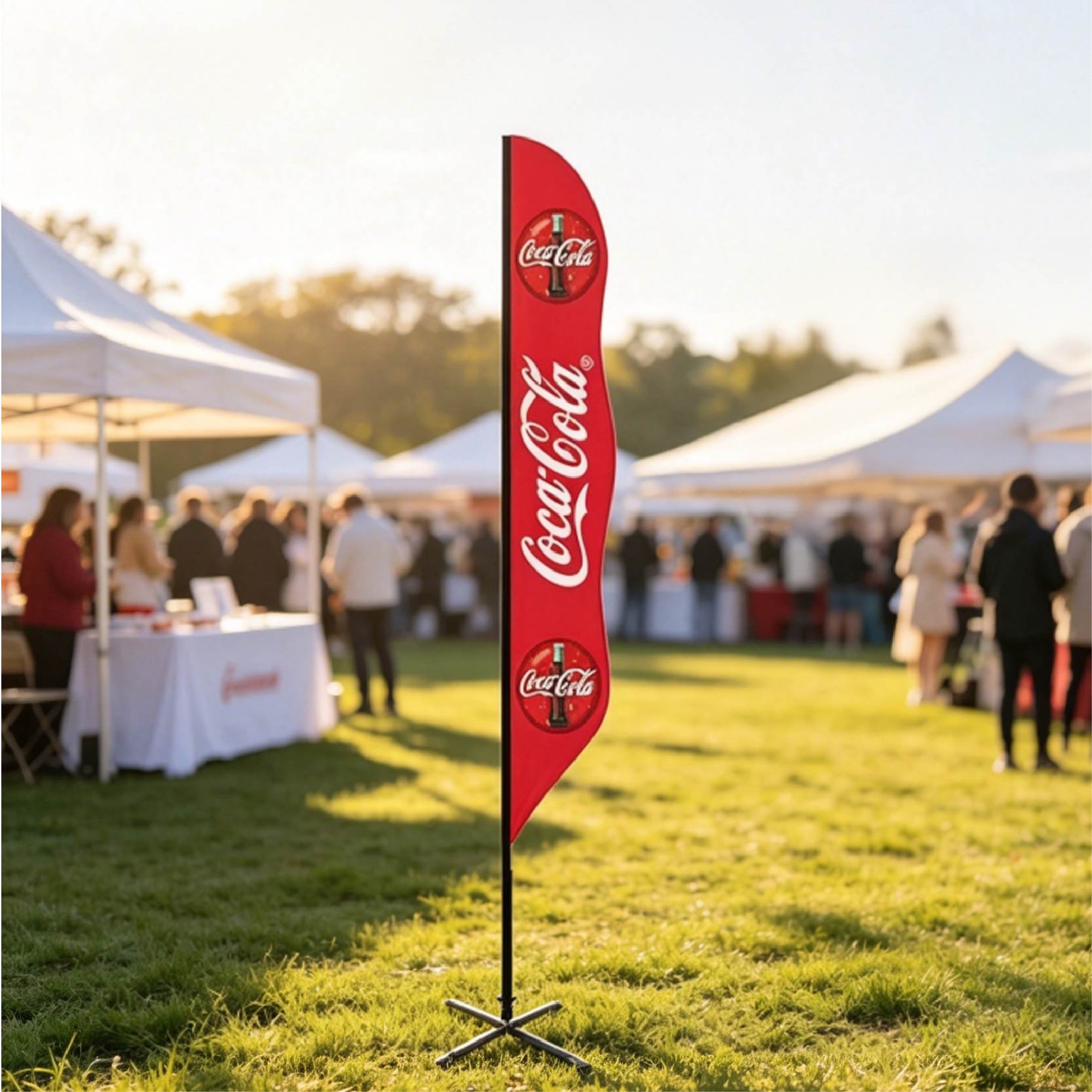
Trade Shows and Exhibitions
The W Banner belongs in any booth where the first three seconds determine a visitor’s path. I’ve designed layouts for Fortune 500 electronics firms where the entrance arch and flag markers were carbon composite wave poles. The flags stay open, graphics read from 20 meters, and the setup crew doesn’t waste time untangling bent aluminum. It's that simple. At a medical device show in Düsseldorf, we used twenty‑four WB‑6 flags along the aisle. A senior marketing director walked by and said, “Those don’t look like the sad teardrops I usually see.” I took it as a compliment.
Outdoor Festivals and Sports Events
Beach volleyball, open‑air concerts, marathon finish lines. Wind is a given. I watched a crew set up 30 aluminum blade flags on a coastal promenade. Within two hours, six were leaning because a single gust had permanently bent the poles. I swapped half of them with carbon composite wave banners the next day, using the same base plates. That's real money. After three days of ocean wind, the carbon poles looked new. The aluminum ones had white rust blooming at every joint. The promoter ordered two containers of WB‑6 for the next season. He told me, “I’m done fighting the metal.”
Retail Environments
In‑store promo islands, grand openings, sidewalk sales. Carbon composite shrugs off constant UV, shopping‑cart bumps, and overnight condensation. An aluminum pole in a humid mall develops pitting within months. The W Banner doesn’t. I’ve seen retailers in Singapore and Miami switch entirely to carbon composite for permanent in‑store signage because the visual quality holds year after year.
Rental and Event Service Companies
If you rent flag systems, asset longevity defines profitability. One rental house used to retire aluminum teardrops after 12 events because the poles looked unprofessional. After moving to carbon composite, the same sets survived 30+ events without visible degradation. Replacement costs dropped near zero, and the lighter weight reduced trucking and setup labor. They calculated that each carbon composite flag set paid for itself in saved freight and replacement cost within 8 rentals.
5. Factory Process and Quality Control
I visited the Shandong factory in February. Not a glass‑and‑chrome showroom, but a focused production line. The carbon composite rods are pultruded: continuous carbon fibers drawn through a resin bath, then pulled through a heated die that cures the composite into an 8 mm diameter rod, cut to length. Every 200‑rod batch undergoes a three‑point bend test. They clamp one end, apply a 5‑kg load at the midpoint for 30 seconds, then measure residual deflection. If any rod shows more than 0.2 mm permanent deformation, the whole batch is rejected.
Printing runs on a rotary sublimation press. Polyester fabric moves under tension; dye transfers from paper at 210°C. The graphics withstand 50‑wash cycle tests without fading. Seam pockets are double‑stitched with UV‑resistant thread. The carry bag is 600D polyester—I’ve never seen a seam tear in shipping. Before packing, each rod is wiped, inspected under a light table for surface cracks, and paired with its matching connectors. Hardware—stainless steel snap buttons, ABS joint sleeves—gets a quick assembly check. I put together five random kits off the line; every connection was smooth. The factory manager, Mr. Li, bent a rod into a U until the tips touched, held it for ten seconds, and it sprang back straight. That demonstration was enough.
6. Trends in Trade Show Display Systems
The industry is moving toward lightweight, modular, and sustainable. Exhibit managers groan at 50‑kg crates. The W Banner fits into a case one person can carry as airline luggage—I’ve checked it onto flights from Chicago to Frankfurt with no oversize fee. Nine full flag sets weighing 16.5 kg is a powerful number when every square meter and every pound counts.
Coastal cities in Southeast Asia and the Middle East are installing semi‑permanent event plazas. They need fixtures that survive salt spray and humidity without maintenance. I’ve seen specification sheets that now explicitly call for “non‑corroding display supports.” Aluminum and steel are being written out.
There’s also a quiet shift in HS classification for composite materials. Several free trade agreements are phasing down duty on reinforced plastic articles. Carbon composite flag poles enjoy a lower entry barrier than metal equivalents—a trend unlikely to reverse.
7. Upgrade Solution: Moving from Aluminum to Carbon Composite
Why Now Is the Moment
If you’re a distributor sitting on inventory of aluminum feather flags, you already know the warranty claims, the bent‑rod photos from clients, the endless replacement orders. Switching to carbon composite isn’t a cost increase—it’s a cost restructuring. The unit price may be slightly higher than the cheapest aluminum pole you can find on Alibaba. But the total landed cost, the freight advantage, the lower duty in many countries, and the near‑elimination of replacement create a net saving that often pays back the difference within one season.
How to Pilot the W Banner
Start with one carton—nine sets. Hand them to your most demanding client, the one who sets up on a windy pier or leaves the flags out all summer. Watch what happens after three months. I did this with a promotional products distributor in Miami. After the pilot, his reorder was 200 cartons. He said, “My clients stopped complaining about the poles. That alone is worth it.”
Customization and MOQ
WZRODS accepts custom artwork with an MOQ of just one piece. You can test a single design before committing to volume. Light customization—logo placement, color‑matching the rod sleeves, base color—is supported. Plain and simple. Typical lead time is 15–30 days; rush orders can ship in 10 days if the printing queue allows. Payment by T/T, L/C, or Western Union covers most international trade flows.
Sampling
Samples aren’t free, but you can order one set at cost plus shipping. That $30–50 is the best validation you’ll spend. I’ve never regretted a sample order. The ones I didn’t order cost me far more because I trusted a spec sheet instead of my hands.
8. FAQ: Direct Answers from the Field
- What’s the difference between the WB‑5 and WB‑6?
- The WB‑5 banner measures 4.75 m wide × 0.782 m tall; the WB‑6 is 5.75 m × 0.85 m. The pole lengths are 5 meters and 6 meters, respectively, giving the longer model more face area for larger logos or text.
- Can the carbon composite rod break in extreme wind?
- In testing, the rod survived 70 km/h sustained wind with the flag attached. If a freak storm folds the banner over itself, the rod will flex sharply, but I haven’t seen one snap in normal use. A vehicle driving over it will break it—like anything else.
- Does the dye‑sublimation print fade?
- Outdoor life without direct desert sun: 12–18 months before noticeable fading. Intense UV exposure: 9–12 months. The fabric remains intact. You can re‑print the flag and reuse the same rods for years.
- How do I clean the flag?
- Wipe with a damp cloth and mild soap. Do not machine wash. A light hosing is fine, but avoid high‑pressure washers—they can force water between the fabric layers.
- What base is included in the standard kit?
- You can choose cross base, ground stake, or water‑fillable plate. I recommend the water‑fillable plate for hard surfaces; it weighs 22 kg when filled and holds the flag stable in moderate wind without sandbags.
- What is the packed weight for air freight calculations?
- One carton containing 9 flag sets weighs 16.5 kg and measures 120×22×22 cm. Using the standard air freight volumetric divisor (5,000), volumetric weight is 11.6 kg, so the chargeable weight is 16.5 kg per carton.
- Are spare parts available?
- Yes. You can order individual rods, connectors, carry bags, or bases. Lead time for spares is the same as for full kits.
- Can I use the flag indoors without a base?
- A floor plate is always recommended for stability. The pole can also insert into a weighted display stand or bolt to a custom fixture. The pole end is a standard 25 mm diameter.
- What warranty does the product carry?
- One year against manufacturing defects on the rods and printing. The main failure mode I’ve seen is a connector breaking after severe impact, which is not covered.
- How does carbon composite react to freezing temperatures?
- The resin stays flexible down to ‑30°C. I tested a rod in a freezer truck; it bent normally and returned to shape. One precaution: don’t snap‑connect the joints when the rod is frozen solid. Let it warm to handling temperature first to avoid micro‑cracks in the resin.
9. A Final Thought
I started this investigation because of a dumpster full of aluminum poles. A flagpole has one job: keep the banner open. When it fails, the entire investment—print, booth space, travel—looks second‑rate. Carbon composite eliminates that failure point. It won’t guarantee a perfect show, but it removes a silent margin drain.
The W Banner isn’t the cheapest option on the market. It’s the one I specify now because I’d rather avoid another 6 a.m. dumpster scene. Pay a little more upfront, and you stop paying for replacements, for express‑shipped emergency poles, for apologies to the marketing director. In trade‑show economics, that’s not a cost—it’s the difference between a display that supports your brand and one that works against it.
If you’re wrestling with a tired fleet of aluminum flags, order a sample. Set it up on a windy day. Watch how it moves. I did, and that changed what I recommend. It might do the same for you.
About the Author
Sarah Mitchell, Trade Show Consultant
B.A. Marketing, University of Texas; CTSM (Certified Trade Show Marketer)
Event marketing specialist with 200+ trade shows across 15 countries. Helps exhibitors cut setup costs by 30% through smarter hardware choices.
Reviewed by WZRODS Technical Team. Updated: 2026-07-18
 Comments (0)
No comments yet. Be the first to comment!
Leave a Comment
Related Products
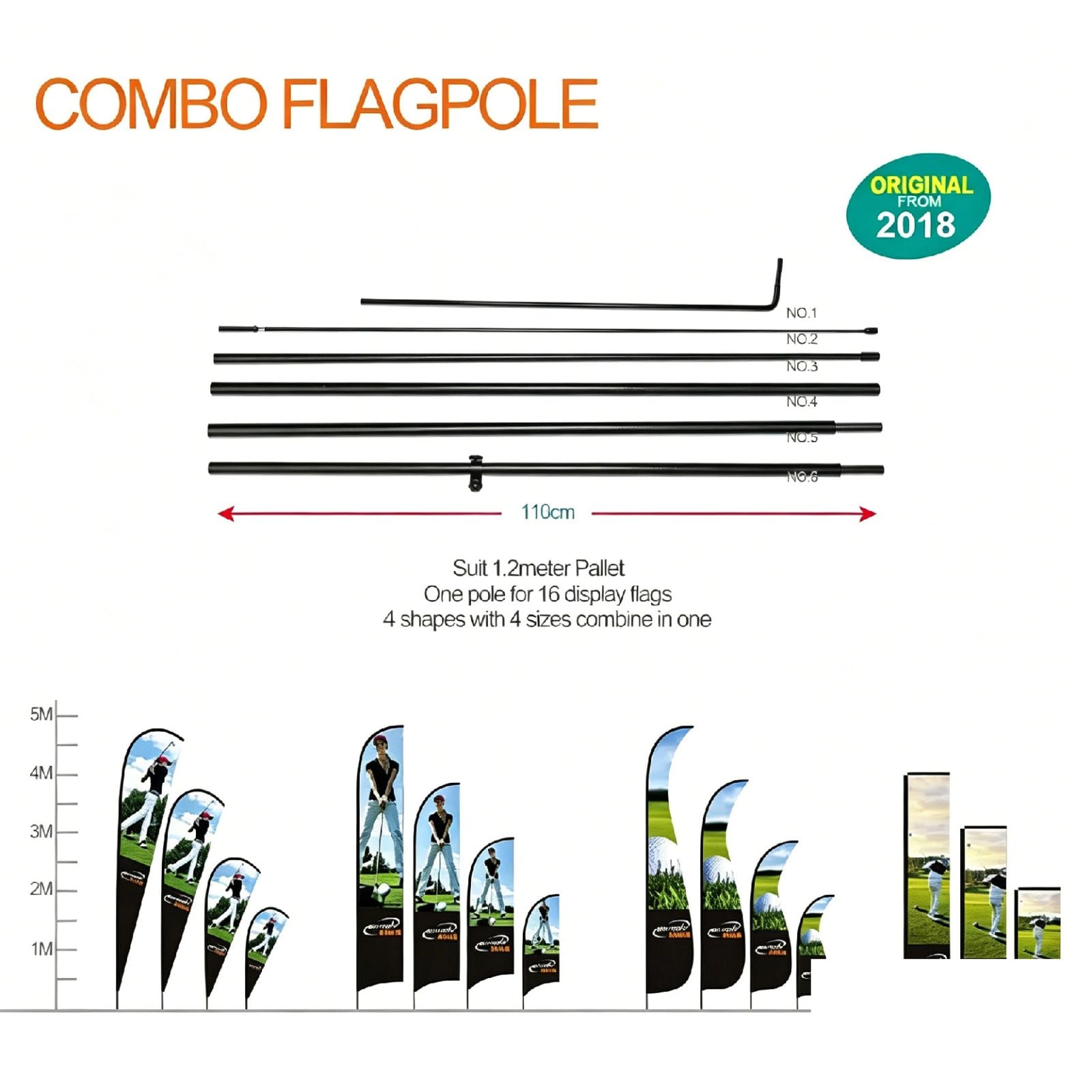
Combo Pole
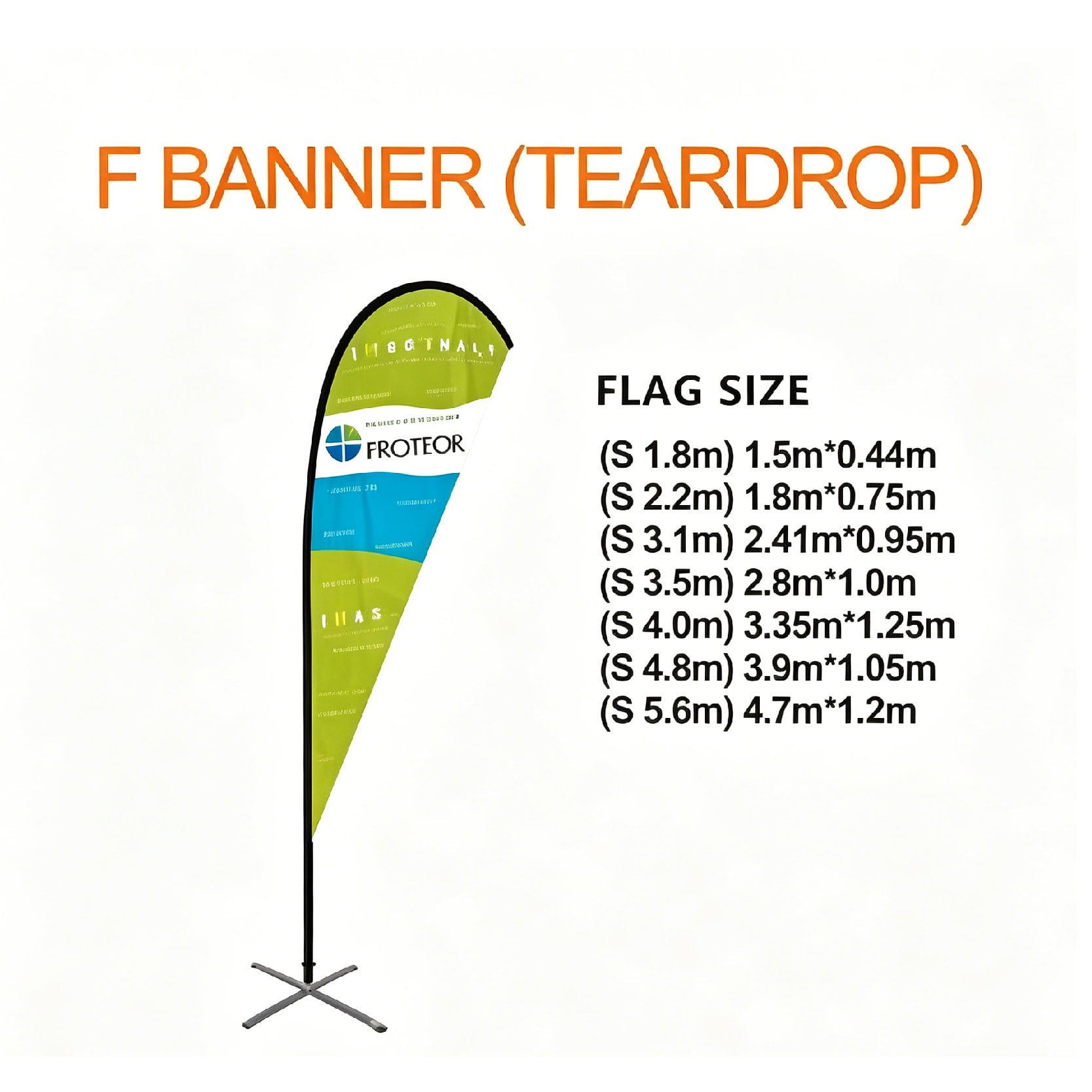
F Banner(Teardrop)
Golf flag pins
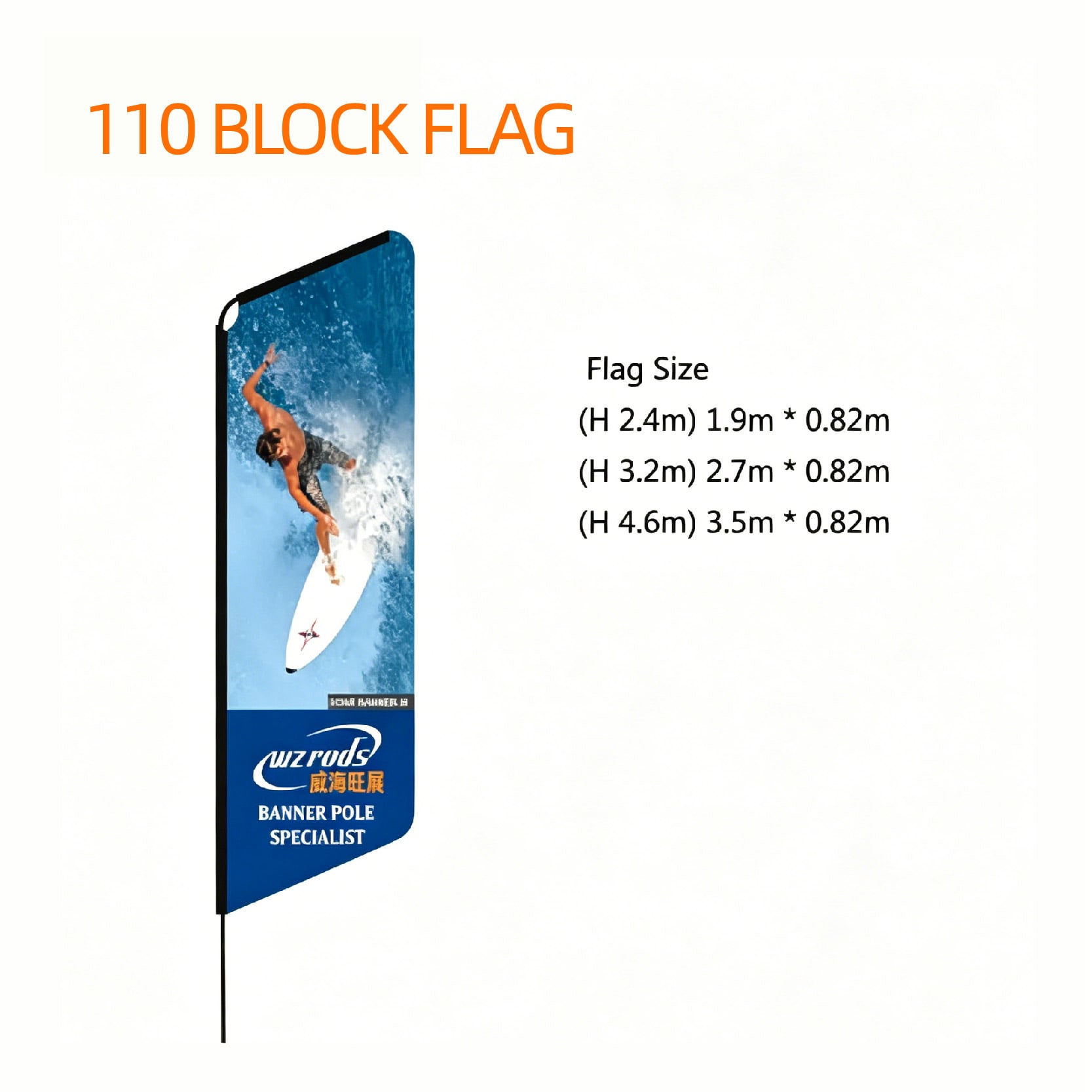
110° H banner
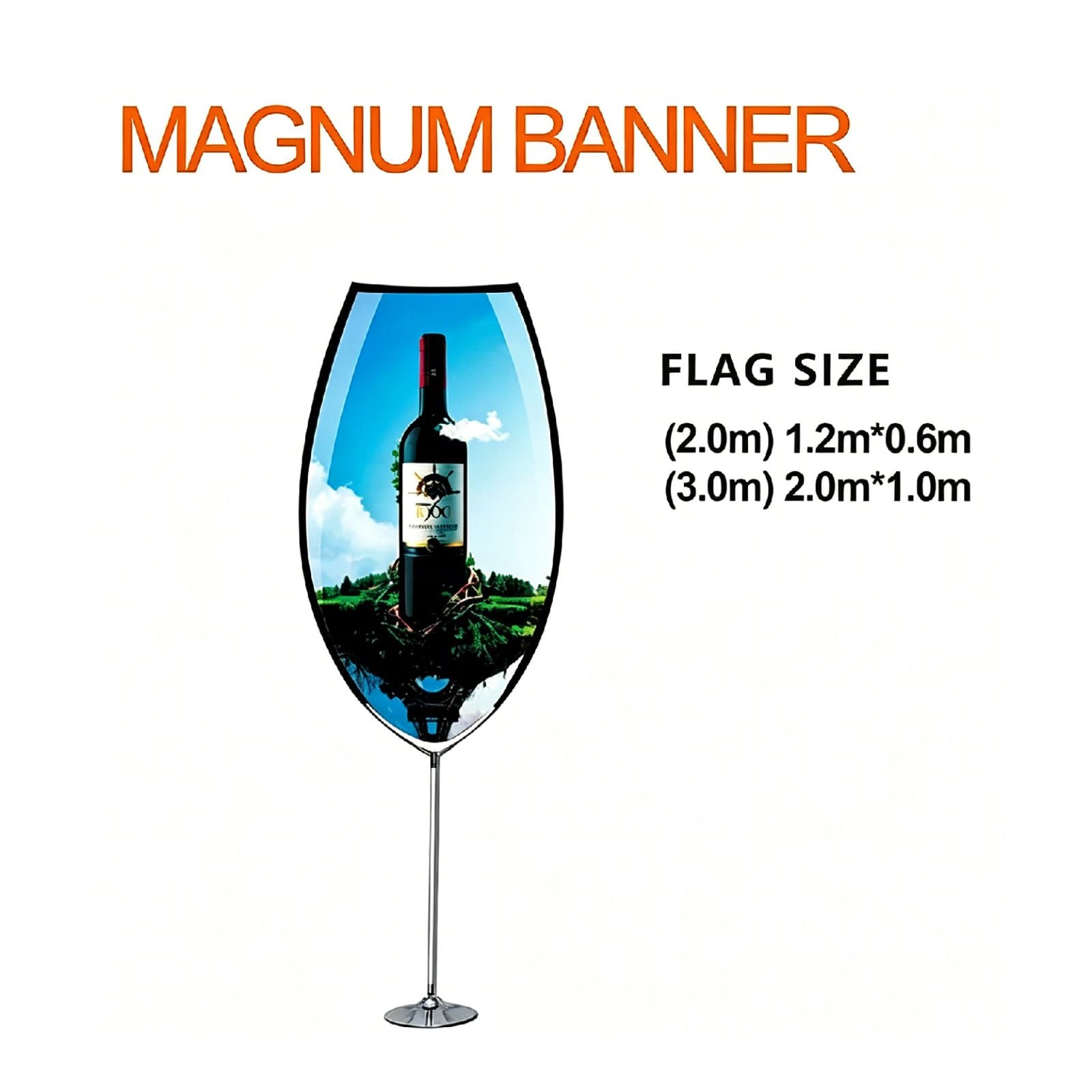
Magnum banner
Wall Mounted Flagpole
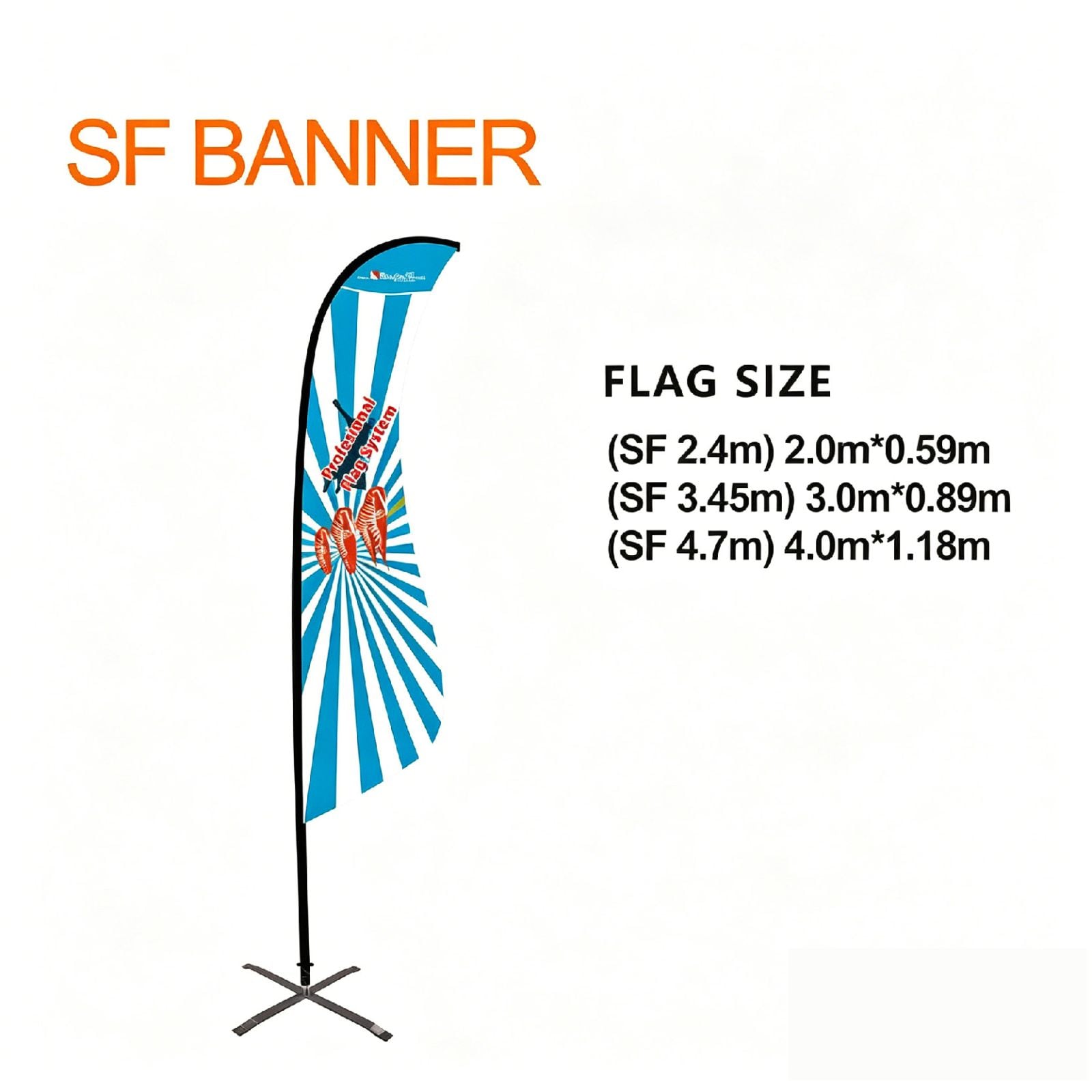
SF Banner
Budget 2in1 flag system
4 in 1 flag System
T Banner
Related Articles
29kg Concrete Flag Base - The Complete B2B Buyer's Resource - WZRODS
WZRODS DY451B: 29 kg, HDPE shell, concrete core. Stackable, portable, rust-proof. FOB price US$5.75–$6.85 at MOQ 2 units. Those numbers look unremarkable. Factor in landed cost—import duties lower than aluminum’s under relevant HTS codes, freight savings from less weight per unit of stabilizing mas
Wide Tube Cross Base - The Complete B2B Buyer's Resource - WZRODS
The Wide Tube Cross Base, manufactured by Wzrods in Shandong, China, solves one problem: reliable stability for poles under three meters, without the freight costs and warehouse footprint that heavier alternatives demand.
Rectangular Pipe Cross Base - The Complete B2B Buyer's Resource - WZRODS
The pipe cross flag base is a cross of rectangular steel pipe, powder‑coated, weighing 1.3 kg and spanning 78 cm across its arms. Its center holds a C‑ring shaft that lets the flag rotate with the wind.
X-Shape Backpack Banner - The Complete B2B Buyer's Resource - WZRODS
Economic Cross Base - The Complete B2B Buyer's Guide- WZRODS
When you buy an economic cross base—something like the Wzrods DM‑9, a 77 cm‑long, 1.3 kg iron cross—forget “economic” as a synonym for “cheap.” It means value-engineered.
How to Choose the Right Feather Flag Base for Different Surfaces
Feather Flag - Professional Banner Poles & Systems Manufacturer - WZRODS
How to choose a high-quality backpack flag
The backpack flag concept centers on a frame carried on the back, similar to a backpack, specifically engineered to support a raised flag or banner.