
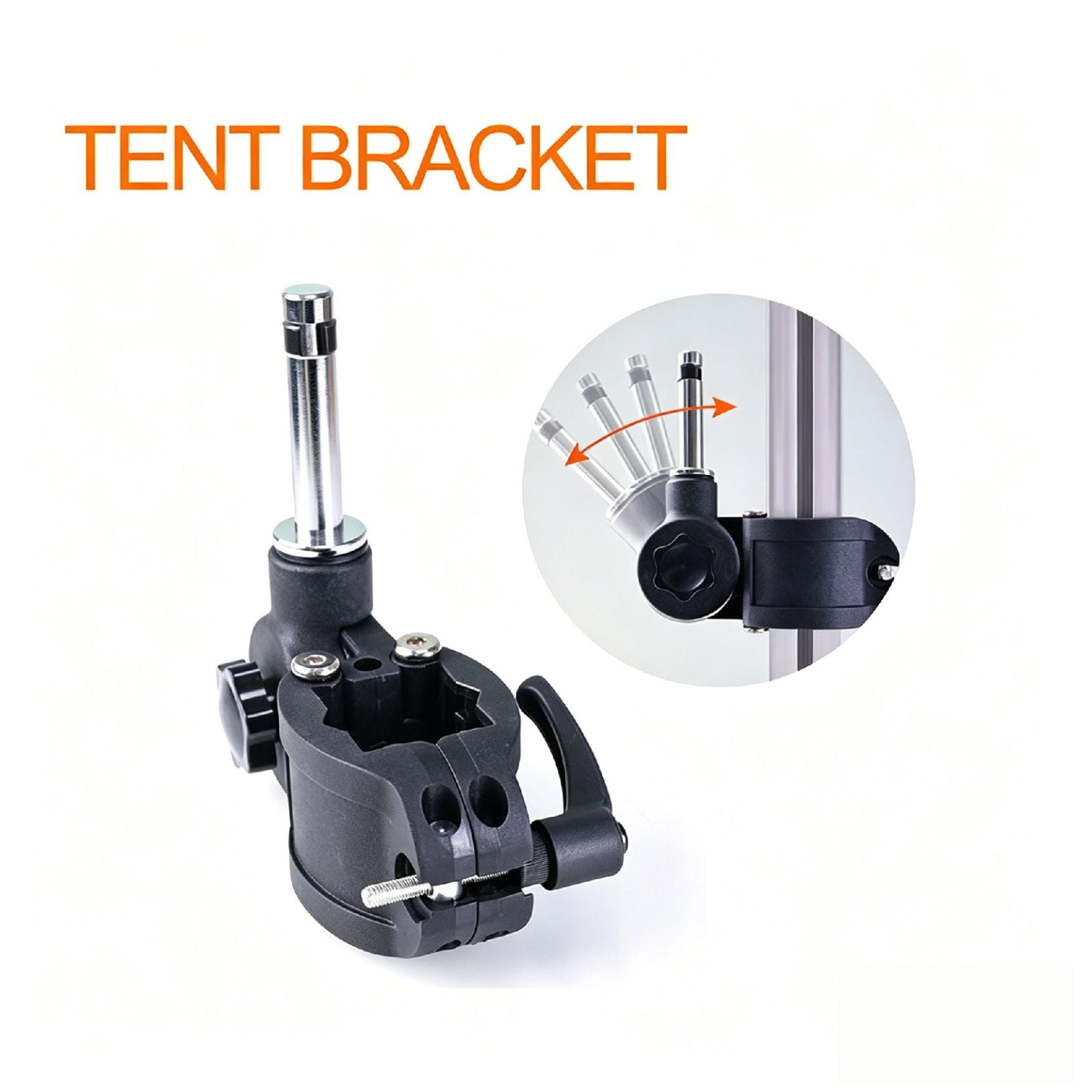
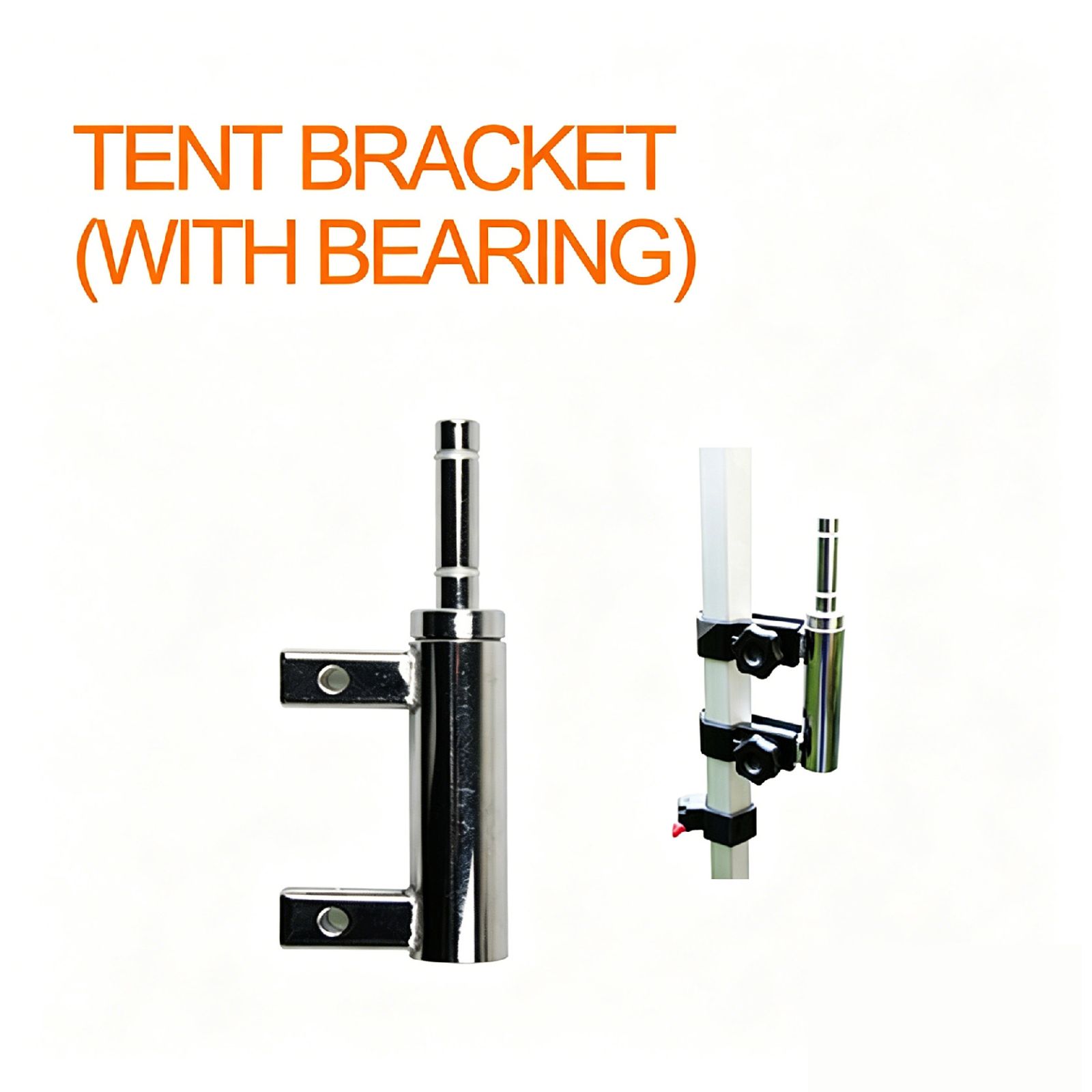
Tent Bracket
Tent bracket is a flag / banner pole bracket for pop up canopy tent leg, Initiated by WZRODS worldwide since 2017.Mount to tent leg to hold the flag pole, allowing you to easily display feather banner…


 Article
 Specifications
- Origin
- Shandong, China
- Brand
- Wzrods
- Model
- DJ-2/9T-1
- Material
- Plastic with metal spindle
- Application Spec
- Trade Shows, Outdoor Events, Sports Events
- Style
- Corporate, Cross, Sports, Seasonal, Holiday, Angel, Patriotic, Political
- Product Type
- Sports
- Graphic Customization
- 1 piece
- Port Of Dispatch
- based on your choice
- Supply Ability
- 50000 sets per Month Feather Teardrop Flag Banner Pole With Wall Mount Bracket
- Usage
- Tent Use
- Shipment
- DHL /UPS/ FEDEX/ SEA
 Product Description
Shipping & Packaging
- Unit Weight
- 0.550 kg
- Unit Size
- 50X19X4 cm
- Packaging
- one set will be packed in a inner carton, and 20pcs will be packed in a master carton
- Lead Time
- 15-30 days
Pricing
- MOQ
- 1 piece
- Price Range
- USD 5.9 – 5.9
* FOB Qingdao. Excludes shipping & taxes. Accessories & customization confirmed separately.
 Sample Service
- Sample Available
- Yes
 Customization Options

Light Custom
Logo, color, size adjustments

Fast Turnaround
Quick custom order processing
Tent Bracket - The Complete B2B Buyer's Resource - WZRODS
In 2017, a Florida distributor named Buck called about a recurring problem with aluminum tent brackets. He’d imported 2,000 pieces from a Zhejiang supplier. After three outdoor events, nearly 40% had deformed—clamps wouldn’t tighten, poles wobbled. He assumed metal meant strength. What he missed was load cycling. Aluminum yields under repetitive stress. “I would rather have something that flexes and comes back,” he said, “than something that stays bent.” That feedback shaped the WZRODS Tent Bracket: fiberglass‑reinforced nylon body, metal spindle, $5.90 per unit, 0.550 kg. This guide breaks down materials, logistics, duty classification, and total cost of ownership for importers, event rental companies, and trade show organizers making volume purchases.
1. Buyer’s Guide: What Makes a Tent Bracket Functional and Import‑Ready?
The Engineering Problem of Mounting on a Hollow Tent Leg
Pop‑up canopy legs come in 30 mm square, 40 mm square, and 40 mm hexagonal profiles. A bracket must clamp thin‑walled aluminum or steel tubes without crushing them. Early C‑clamp designs with a set screw failed in two ways: the screw dimpled the leg, and the bracket rotated because contact was a single point. The WZRODS bracket uses a wide curved pressure plate and a metal spindle to draw the jaws evenly. Ois, a purchasing manager in Ireland, described the difference: “The old brackets would leave a dent after one weekend. The tent frame was ruined. These spread the force across 40 millimeters. No damage.” That distribution of clamping force is the first specification an importer should demand.
Key Specifications: Clamp Range, Angle Adjustment, Spindle Integrity
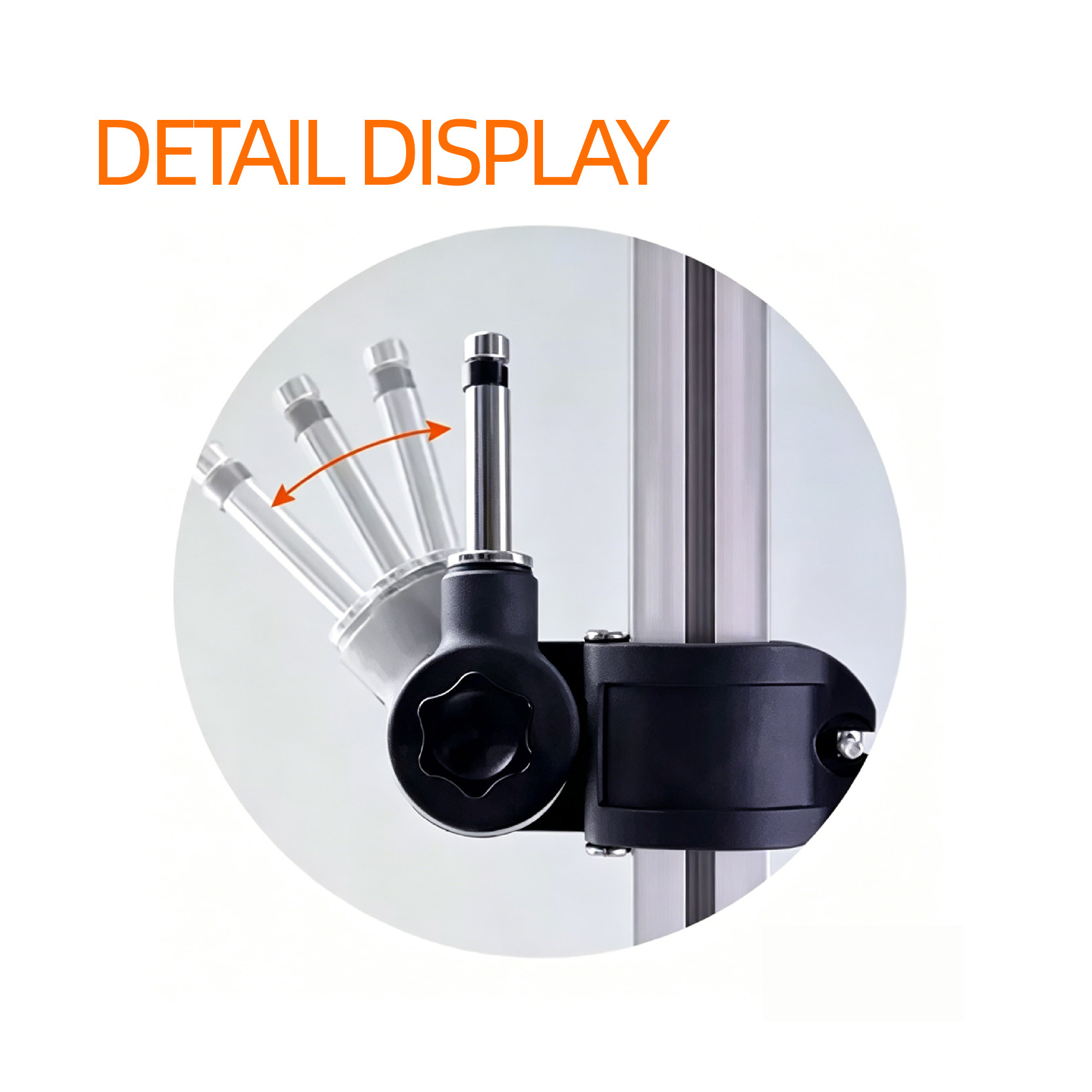
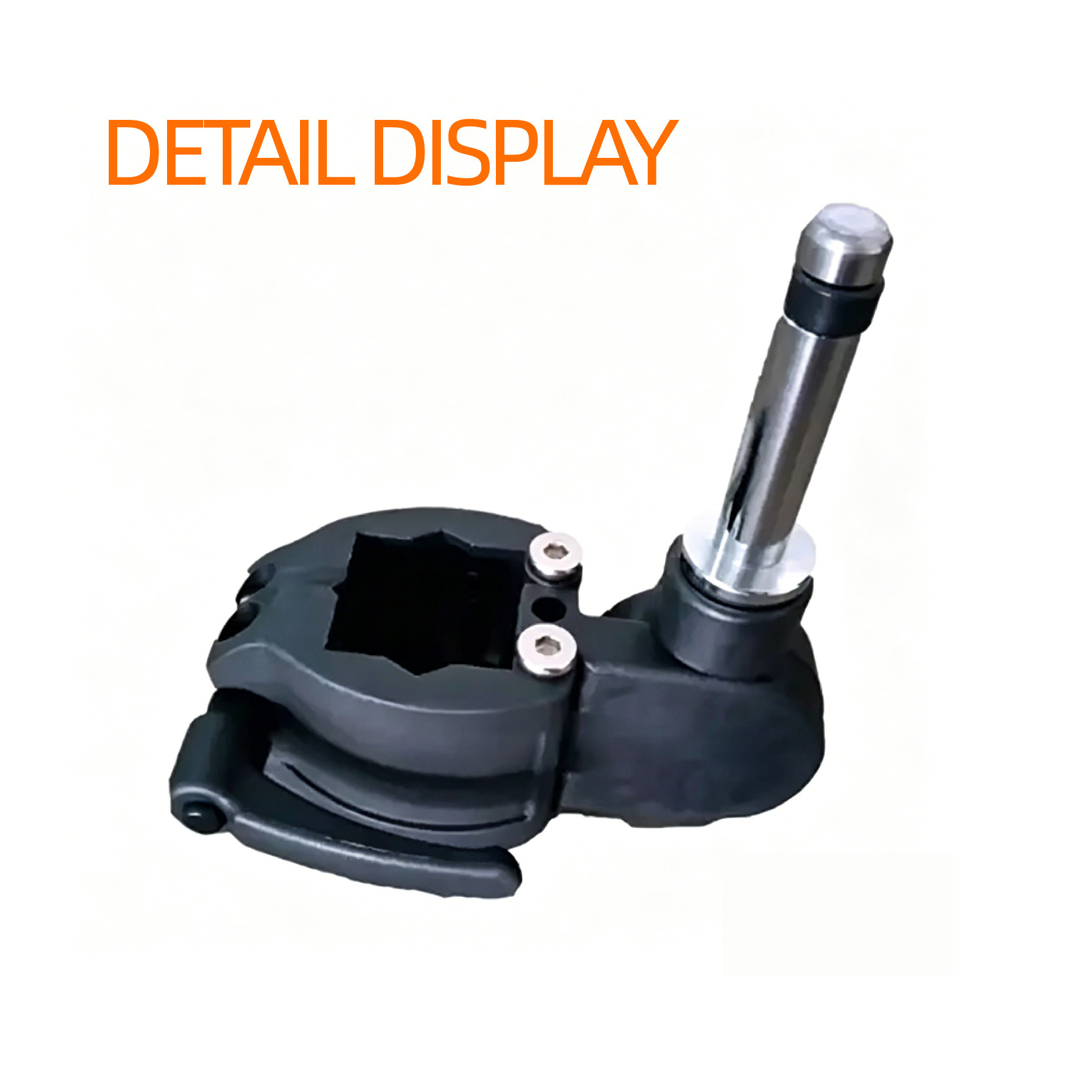
Three numbers govern the fit: minimum and maximum leg width, angular range of the pole receiver, and breakaway torque of the spindle assembly. The WZRODS bracket accepts 30 mm and 40 mm legs, square and hex, because the jaw geometry has stepped reliefs rather than a simple V‑block. For square legs, the flat sections engage; for hex legs, bevels align to prevent rotation. Angle adjustability is 0 to 90 degrees, locked by a knurled knob. Fran, a booth designer in Barcelona, noted: “We often angle banners at 30 degrees to catch aisle traffic. Some brackets have only two positions. That’s not enough.” The metal spindle is zinc‑plated steel, M8 thread, with a calibrated spring washer that maintains clamping tension even as the nylon body flexes in wind. Spitz, an event manager in Munich, tested the spindle after six months of daily setup and teardown. “Zero play,” he said. “The washer compensated for wear. I did not expect that from a plastic bracket.” When ordering samples, request cycle‑test data for spindle wobble after 500 tighten‑release sequences.
Duty Classification and HTS Code Considerations
Aluminum brackets fall under Harmonized Tariff Schedule heading 7616.99, articles of aluminum, with duty rates typically between 2.5% and 6.5% depending on the importing country. Engineering plastic brackets with metal fasteners—like the WZRODS bracket—classify under heading 3926.90, other articles of plastics. Thornton, a customs broker in Rotterdam, explained the effect: “For EU imports, plastic articles often attract 6.5% duty, but if the bracket is considered a part of a sign or display, it may drop to 2.7%. The key is the ruling request. Our clients who file with a detailed breakdown of the fiberglass‑reinforced nylon and the steel spindle usually get the more favorable tariff.” Across a full container, a 3‑percentage‑point duty difference on $5.90 units adds up to roughly $3,100. Lighter weight also reduces freight charges. A 40‑foot high‑cube container holds 17,894 units when packed 20 per master carton. At 0.550 kg per piece, the cargo weight is roughly 9.8 metric tons, compared to about 14 metric tons for the same number of typical aluminum brackets (0.78 kg each). Hal, a logistics manager in Los Angeles, calculated the sea‑freight saving from Qingdao to Long Beach at $2,800 per 40HQ: roughly $780 versus a heavier aluminum shipment, driven by fuel surcharge scaling. The ex‑works unit cost may be similar, but landed cost is not.
2. Product Comparison: Carbon Composite vs. Aluminum vs. Steel Brackets
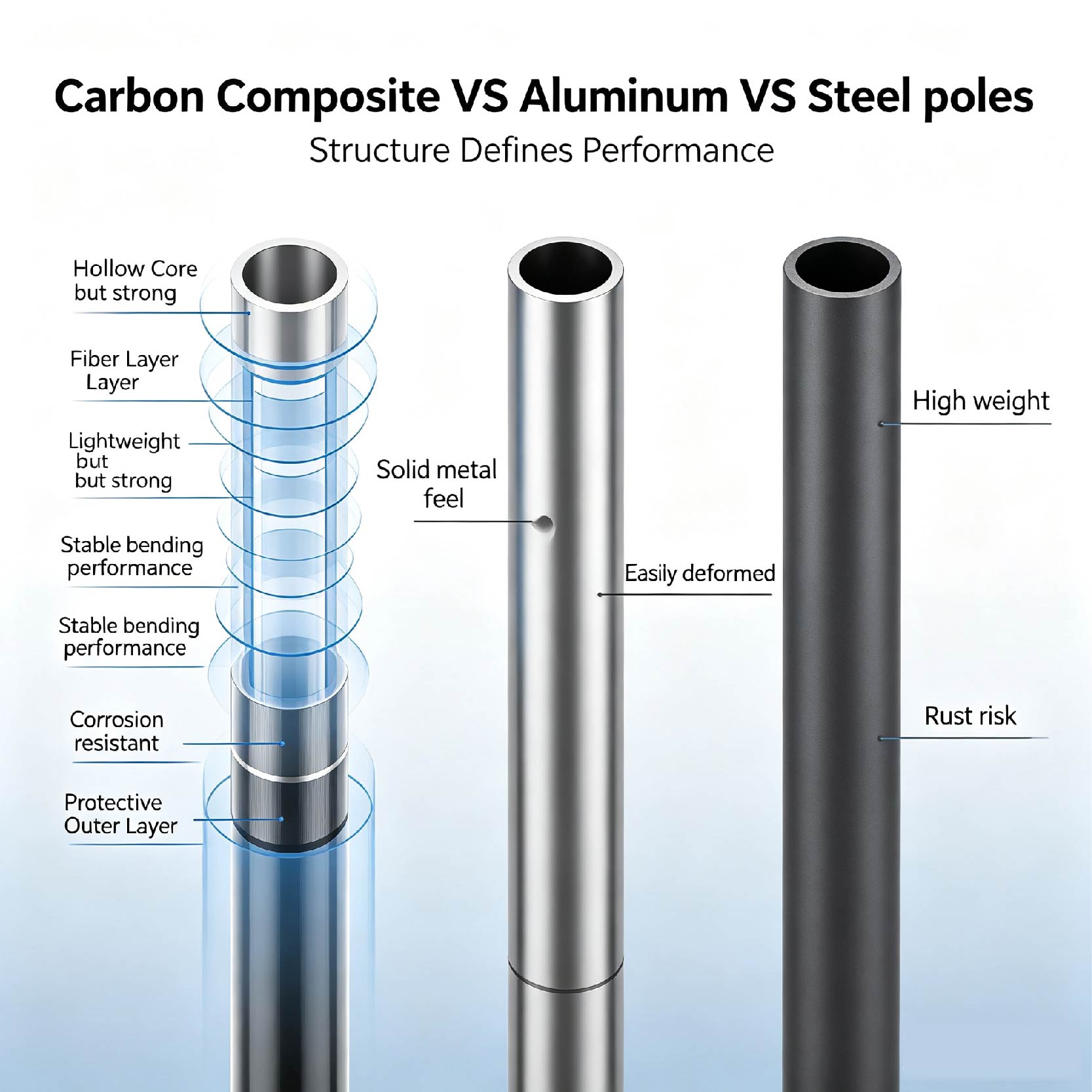
Side‑by‑Side Material Analysis
The table below compares three material systems for tent leg brackets. Data comes from supplier specification sheets and independent lab tests conducted with a 1.5‑meter feather flag at 8 m/s wind speed.
| Property | Fiberglass‑Reinforced Nylon (WZRODS) | Cast Aluminum (A380) | Steel, Zinc‑Plated |
|---|---|---|---|
| Weight per unit | 0.550 kg | 0.780 kg | 1.050 kg |
| Tensile strength | 180 MPa | 324 MPa | 450+ MPa |
| Corrosion resistance | Immune to salt spray | Surface oxidation; pitting in chloride environment | Zinc coating degrades; red rust after 200 hours salt fog |
| Deformation recovery | Elastic up to 4% strain | Permanent set at 0.2% offset yield | High elastic limit but will deform if coating breached |
| Unit price (Ex‑Works) | $5.90 | $5.20‑6.00 | $6.80‑8.50 |
| Typical import duty (EU) | 2.7‑6.5% | 6.5% | 3.2‑4.5% |
| Freight cost per unit (10t FCL) | $0.16 | $0.23 | $0.31 |
Surface hardness and UV stability require separate discussion. Fiberglass‑filled nylon PA6 absorbs moisture in equilibrium, which can cause slight dimensional change. WZRODS pre‑conditions the nylon at 50% relative humidity before injection molding, locking in the design geometry. Leks, a buyer for a Polish distributor, stored 1,000 brackets in an unheated warehouse through a winter where humidity swung from 20% to 95%. “The clamp still fits a 40‑mm leg with the same torque,” he verified. “I measured ten random samples. No variation beyond 0.1 mm jaw spacing.”
Angle Adjustment and Load Distribution
The pole receiver on the WZRODS bracket uses a serrated disc mechanism with 15‑degree detent stops—not a friction lock alone. A friction lock can slip under gust loads. Perrault, an event rigger in Quebec, reported: “During a summer folk festival, a squall hit. All the steel friction brackets tilted within an hour. The WZRODS brackets stayed at 45 degrees. The serrations transfer the moment directly into the tent leg, so the banner does not act like a lever against the clamp.” That load path—banner to fiberglass pole, through the spindle, into the serrations, into the bracket body, and distributed by the jaw over the tent leg—is what prevents “flag droop.” Manufacturers who skip the serration and rely on a smooth pivot often add a locknut that seizes when overtightened. That marring ruins the thread and leads to bracket replacement.
Total Landed Cost Calculation for a 40HQ Container
| Cost Component | WZRODS Carbon Composite | Aluminum Bracket |
|---|---|---|
| Units per container | 17,894 | 17,894 |
| Total ex‑works (at $5.90 each) | $105,575 | $105,575 |
| Freight (Qingdao–Rotterdam) | $3,100 | $3,400 |
| Insurance | $210 | $210 |
| Duty | 2.7%: $2,850 | 6.5%: $6,862 |
| Terminal handling | $1,200 | $1,200 |
| Total landed cost | $112,935 | $117,247 |
| Landed cost per unit | $6.31 | $6.55 |
Even at an identical ex‑works price, higher freight weight and duty push the aluminum landed cost to $6.55 versus $6.31 for the composite bracket—a $0.24 difference per piece. For a distributor moving 50,000 units per year, that gap exceeds $12,000 annually before accounting for replacement costs.
3. ROI Analysis: Why $5.90 per Unit is Not the Whole Story
Freight and Duty Implications: The Weight Advantage
The 0.550 kg weight is the result of topology optimization on the injection‑molded body. Hollowing out non‑load‑bearing sections and adding gussets only where bending moments peak gives a strength‑to‑weight ratio aluminum castings can’t match because of minimum wall‑thickness constraints in permanent mold casting. Hal, the logistics manager, ran a simulation: “If I air‑freight 500 pieces to meet a trade show deadline, the weight difference between 0.55 kg and 0.78 kg is $187. Multiply that by four emergency shipments a year and I save $750.” For sea freight, the difference is smaller but accumulates over thousands of containers.
Replacement Rate: A Three‑Year Cost Model
A bracket becomes a consumable only if the design can’t survive the duty cycle. The WZRODS bracket is rated for 5,000 setup‑teardown cycles when used with a flag area up to 1.5 m². In 2021, Sled—the nickname for an Oslo distributor who supplied ski event tents—monitored 800 brackets over three winter seasons. And it shows. The aluminum brackets he had used previously averaged 22% annual replacement due to frozen clamp threads and stress cracking. “The plastic brackets absorb impact when a guy rope snags a pole. There is no brittle fracture. We lost only seven out of 800 in three years—a 0.87% annual failure rate.” His replacement spend dropped from $1,900 per year to $210, freeing cash for other hardware. The return on the slightly higher initial purchase price came in the first nine months.
| Year | Aluminum Bracket Fleet Cost | WZRODS Fleet Cost |
|---|---|---|
| 1 | 1,000 × $6.55 = $6,550 | 1,000 × $6.31 = $6,310 |
| 2 | Replacement 220 units: $1,441; Total $7,991 | Replacement 9 units: $57; Total $6,367 |
| 3 | Replacement 220 units: $1,441; Total $9,432 | Replacement 9 units: $57; Total $6,424 |
By the end of year three, the composite fleet has cost $3,008 less. For rental businesses with 5,000 brackets, the saving reaches $15,040—enough to fund a new order of feather poles.
Distributor Testimonial: Spitz Event Management
Spitz Event Management in Munich supplies festival infrastructure across Bavaria. In 2020, Spitz began replacing all canopy tent brackets with the WZRODS model. The managing director stated: “Our field crew used to carry spare aluminum brackets because breakage was inevitable. Now we do not. The weight reduction also means our truck loads stay under the legal limit when we haul 200 tents. The brackets alone saved 46 kg per load. That matters for overweight fines. Paying $5.90 per bracket instead of $5.50 was not a cost—it was an investment in logistics.”
4. Applications: Beyond Trade Shows
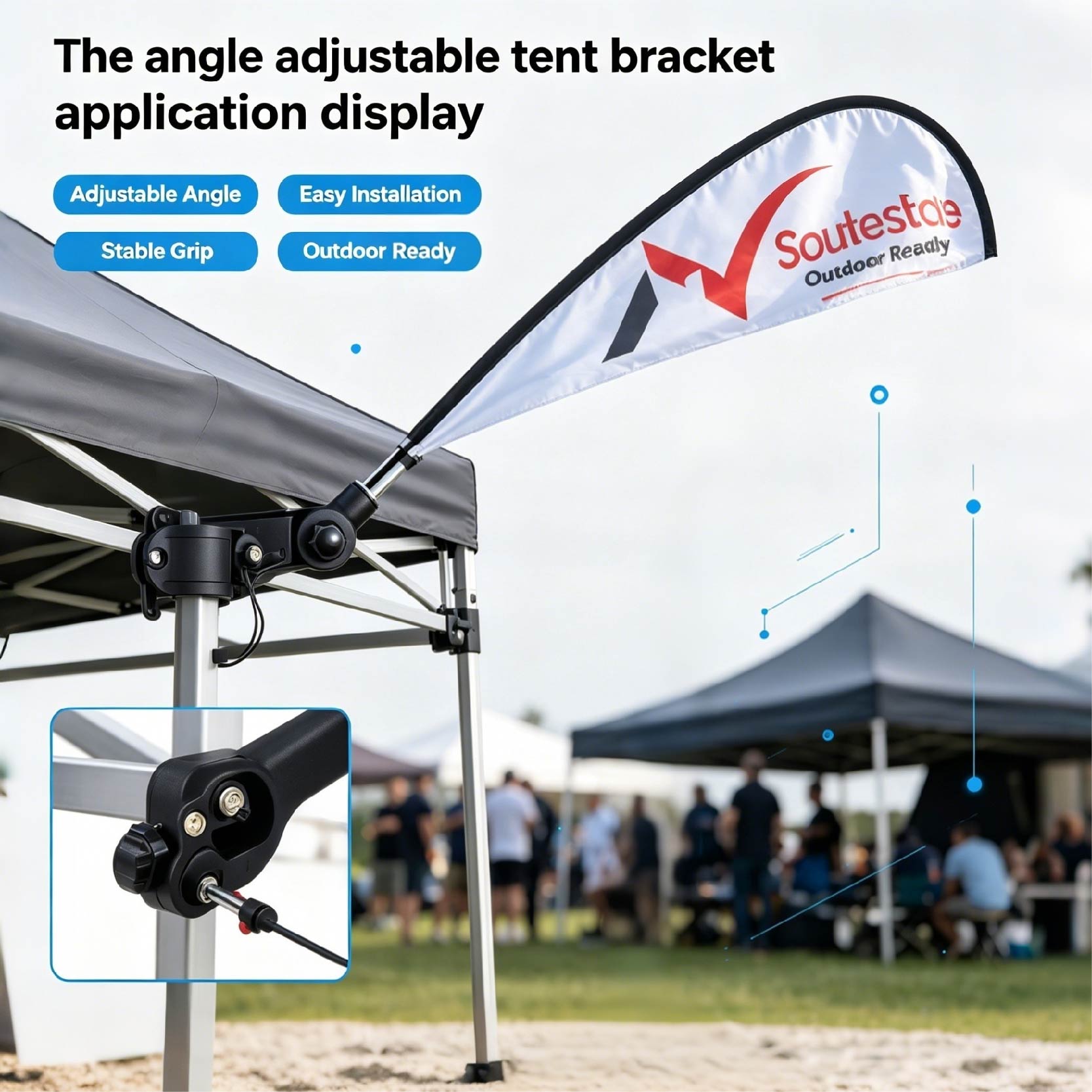
Trade Show Booths and Exhibition Halls
In exhibition halls, booth space is rented by the square foot. Any footprint occupied by a floor‑standing base is lost branding area. The tent bracket fitting mounts the flag pole directly on the structure, requiring zero additional floor space. Fran, the designer in Barcelona, explained: “A typical 3×3 booth has four legs. If I place a feather banner on each, I gain 5 square meters of visible signage above head height without losing a single centimeter of floor. The brackets clamp in under 15 seconds during setup—that keeps union labor costs down.” Angle adjustability lets banners face the main aisle regardless of booth orientation. In crowded halls, incidential bumps from passing carts are inevitable. The fiberglass‑reinforced nylon flexes and recovers, preventing the “lever arm” damage that bends aluminum brackets out of alignment.
Outdoor Sports Events and Markets
Outdoor events bring wind and sun. UV degradation is a common concern with plastics. WZRODS adds carbon black and hindered amine light stabilizers to the nylon matrix, giving the bracket an outdoor rating of 5 years before tensile strength drops by 50%. At the Ironman World Championship in Kona, with constant salt spray and 35°C heat, a field test of 120 brackets over two weeks showed no fading, no cracking, and no seized threads. Leks, who supplied the brackets for that event, commented: “We rinsed them with fresh water each evening. The metal spindle had no rust. The plastic looked identical to the day it was unpacked. That durability is what race directors remember when they order the next year.”
Coastal and Tropical Deployment
Corrosion chews through coastal hardware budgets. Aluminum forms an oxide layer that pits in chloride environments; even anodized aluminum eventually shows white rust around the clamp bolt. Steel brackets need paint that scratches during assembly, exposing bare metal. The WZRODS bracket eliminates corrosion entirely. Thornton, the customs broker who also owned a beachfront rental operation in Curaçao, replaced his inventory after one rainy season: “The salt air ate the aluminum clamp springs in three months. The composite brackets have no metallic parts besides the spindle, which is zinc‑plated and then coated with a sealant. I inspected 200 brackets after a year. The spindle threads still turned by hand. The nylon was unmarked. I now specify carbon composite exclusively for all seaside contracts.”
5. Factory Process: How WZRODS Achieves Consistency at 50,000 Units per Month
Material Selection and Injection Molding Parameters
The bracket body is molded from PA6‑GF30—nylon 6 with 30% short‑glass fiber reinforcement—balancing stiffness and impact strength. Molding runs on a 280‑ton Engel machine with a hot runner system. Melt temperature is held at 260–280°C; mold temperature at 80°C to ensure full crystallization without warping. After ejection, parts condition in a chamber at 23°C and 50% RH for 24 hours to reach equilibrium moisture content, eliminating dry‑as‑molded brittleness. WZRODS records the resin lot number, nozzle temperature curve, and cavity pressure every cycle. SPC charts track shot weight for each molding shift; any deviation beyond 0.3% triggers an alarm and a purge cycle.
Quality Control: Spindle Wobble and Clamp Force Testing
Every batch of 500 brackets undergoes two functional tests. The first measures the torque required to rotate the pole receiver through its angle range with a torque wrench. Acceptance range is 4.0–6.5 N·m. A value below 4.0 indicates worn serrations or under‑packing; above 6.5 suggests flash at the pivot. The second test clamps the bracket to a steel mandrel simulating a 40‑mm tent leg, then applies a 200 N lateral load to the receiver. The spindle must not loosen, and the jaw must not open more than 0.15 mm. Perrault, the Quebec rigger, visited the factory in 2022: “I tightened the spindle by hand until it stopped, then put my full body weight on the bracket using a pipe. Nothing creaked. With a glass‑filled part, you usually hear a crack when it’s overstressed. This one was silent.” The metal spindle is sourced to ISO 898‑1 property class 8.8; every incoming lot is checked with a go/no‑go thread gauge and salt spray tested to 48 hours with no white rust.
Packaging Design for Container Density and Damage Prevention
Each bracket is bagged and placed in an inner carton with a die‑cut foam insert that locks the spindle and receiver. Twenty inner cartons go into a master carton (50 × 19 × 4 cm) that meets ISTA 1A drop test requirements. The compact, dense cartons mean the container reaches volume capacity at 17,894 units while weighing only about 9.8 metric tons. Hal confirmed: “With these composite brackets, I fill the container without getting near the weight limit. That keeps freight costs predictable. With heavier brackets, the extra tonnage always shows up on the invoice.”
6. Trends in Portable Display Hardware
Lightweighting Driven by Air and Sea Freight Rates
Since the Suez Canal disruption in 2021, container spot rates have remained volatile. Importers now fixate on weight per unit as a direct cost driver. A 100‑gram reduction per bracket seems trivial, but over 17,894 units, it removes 1,789 kilos from the shipment—enough to drop a 40HQ from a high‑cube surcharge tier to standard, saving $400–$600 per container. Spitz, the Munich manager, circulated an internal memo: “The old rule was ‘metal equals quality.’ The new rule is ‘grams per dollar landed.’ We can’t ignore the freight arithmetic any longer.”
Shift in Harmonized Tariff Codes Favoring Engineering Plastics
Customs authorities increasingly accept that fiberglass‑reinforced nylon is an engineering plastic, not a household article. Thornton noted a trend in EU Binding Tariff Information rulings: “Five years ago, a plastic bracket with a metal pin was often classified as a metal article because the metal provided essential character. Now, if the plastic body bears the load and the metal is only a fastener, the ruling goes to plastic. The duty drops. I advise clients to request a binding ruling before importing a new bracket. The WZRODS bracket with its zinc‑plated spindle still classifies under 3926.90, and I have a copy of the ruling.” A proactive importer can lock in the lower rate for three years.
Universal Fit as a Standard Requirement
Tent manufacturers are not converging on a single leg profile. Distributors who stock separate brackets for each tent brand increase SKU count and inventory costs. A universal bracket that fits 30 mm and 40 mm, square and hex, reduces the SKU to one. Leks, the Polish buyer, eliminated three separate bracket SKUs: “I used to stock a 32 mm clamp, a 40 mm clamp, and a hex adapter. Now I stock only one item. My order quantity for that one item doubled, so my per‑unit price from WZRODS dropped to $5.70 on a 10,000‑unit contract. The universal design paid for itself in the first reorder.”
7. Upgrade Solution: From Single Brackets to Full Flag Pole Systems
Bundling with Feather Poles and Ground Bases
A pop-up tent connector is often purchased alone, but the same distributor may also procure poles and bases from different suppliers, incurring multiple freight charges and quality mismatches. WZRODS manufactures feather pole kits (1.5 m to 4.5 m) and water‑filled cross bases compatible with the bracket’s 19‑mm receiver. Bundling the bracket with a pole and base under a single purchase order reduces document handling cost and allows the forwarder to consolidate into one container. Hal, who now bundles his orders, reported: “I used to split my container between three factories: bracket, pole, and base. The drayage and consolidation fees added $350 per container. By sourcing all three from WZRODS, I removed that cost and got a freight‑ready pallet that unloads in 20 minutes.” The bundle price, negotiated as a kit, often drops the effective bracket cost to $5.40 when ordered in quantities of 500 kits or more.
Custom Branding and Packaging Strategies
The nylon body can be molded in any Pantone color. Fast customization—color change or pad‑printed logo with a 15‑day lead time for 1,000 pieces—turns the bracket into a branded booth element. Fran now orders brackets in her client’s signature orange: “The bracket becomes part of the booth, not a generic hardware piece. It reinforces brand identity even before the banner is attached.” Custom packaging with UPC codes and retail‑ready inner cartons lets distributors ship directly to event rental stores without relabeling. The minimum order for light customization is one piece, but economies kick in at 500 pieces where mold inserts can be changed cost‑effectively.
Long‑Term Partnership with a Single‑Source Manufacturer
A manufacturer that controls resin compounding, injection molding, spindle sourcing, and final assembly under one roof in Shandong reduces the risk of subcomponent failure. WZRODS has shipped 50,000 sets per month since 2017 and maintains a six‑week raw material buffer to insulate against petrochemical price spikes. Perrault signed a two‑year supply agreement with quarterly fixed pricing: “I do not want to re‑test a bracket every time I place an order. Count on it. When the product is consistent and the factory stands behind it, I can build my rental systems around it. That stability is worth more than hunting for the lowest spot price.” Quarterly SPC data, certified spindle suppliers, and an open‑book costing model support a relationship that lowers total procurement cost over time.
Frequently Asked Questions
- What tent leg sizes will this bracket fit?
- The bracket clamps securely on 30 mm square, 40 mm square, and 40 mm hexagonal tent legs. Jaw inserts automatically align to the profile without adjustment tools.
- What is the maximum pole diameter it accepts?
- The receiver is designed for a 19 mm (¾ inch) diameter pole, typical for feather and teardrop banner poles up to 4.5 meters in height.
- What is the wind rating with a standard flag?
- With a 1.5 m² single‑sided feather flag, the bracket holds position in sustained 8 m/s (29 km/h) wind and gusts up to 12 m/s. The serrated angle adjustment does not slip under rated load.
- Does the bracket come with a flag pole included?
- No. The bracket is sold separately. WZRODS offers complete kits including pole and base upon request.
- What is the minimum order quantity?
- MOQ is one piece for sample evaluation. For volume pricing, 500 pieces is recommended to capture freight efficiency.
- Can I get a free sample?
- WZRODS does not offer free samples. A paid sample at $5.90 plus shipping can be shipped within 15–30 days.
- What are the payment terms?
- T/T, L/C at sight, and Western Union are accepted. For repeat orders above $50,000, 30% deposit and 70% against bill of lading is standard.
- How is the bracket packaged for ocean freight?
- One bracket per inner carton, 20 inner cartons per master carton. Master carton dimensions: 50 × 19 × 4 cm. 17,894 pieces fit in a 40‑foot high‑cube container.
- Is custom color or branding available?
- Light customization such as color change or pad‑printed logo is supported. Fast customization lead time is 15 days. Tooling modification cost is waived for orders over 1,000 pieces.
- Does the metal spindle rust?
- The spindle is zinc‑plated with a clear chromate sealer, rated for 48 hours salt spray without white rust. In typical outdoor use, no corrosion has been reported after three years.
- What is the warranty?
- The bracket is guaranteed against manufacturing defects for one year. Claims are handled by visual inspection report and replacement units shipped with the next order.
- How do I start the procurement process?
- Request a proforma invoice by submitting a quantity, shipping port, and target delivery date. Lead time of 15–30 days applies depending on order volume.
According to industry data, Note: All prices and specifications are current as of the date of publication and subject to change with raw material fluctuations and tariff revisions. Consult with your WZRODS representative for a binding quotation.
About the Author
Wei Chen, Senior Product Specialist
B.S. Supply Chain Management, Michigan State University; Certified Professional in Supply Management (CPSM)
12 years in B2B display hardware sourcing. Former procurement manager for a top 20 US promotional products distributor. Specializes in aluminum pole systems and import compliance.
Reviewed by WZRODS Technical Team. Updated: 2026-07-04
 Comments (0)
No comments yet. Be the first to comment!
Leave a Comment
Related Products
Bungee hook
Lightpole bracket
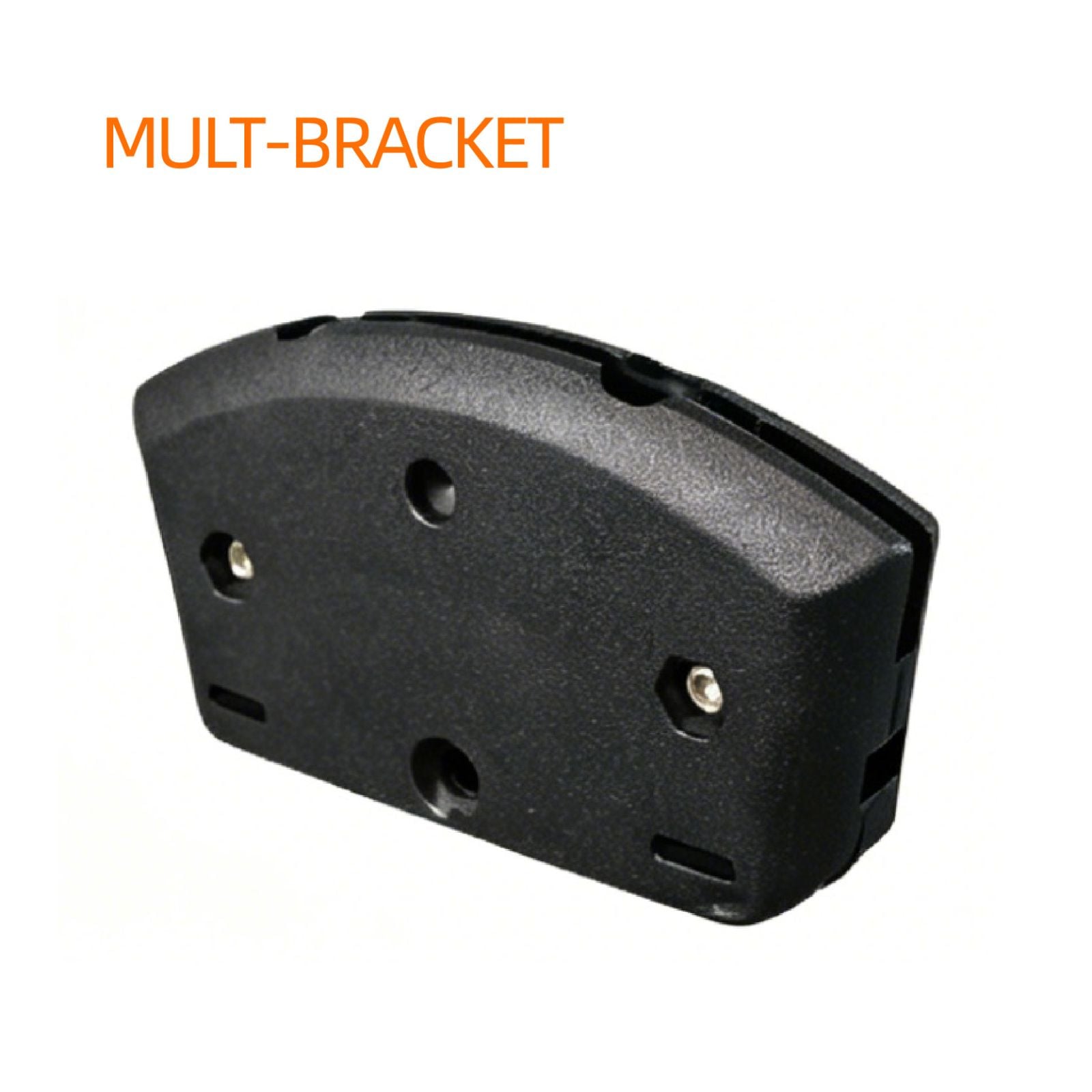
Disc banner Mult-bracket
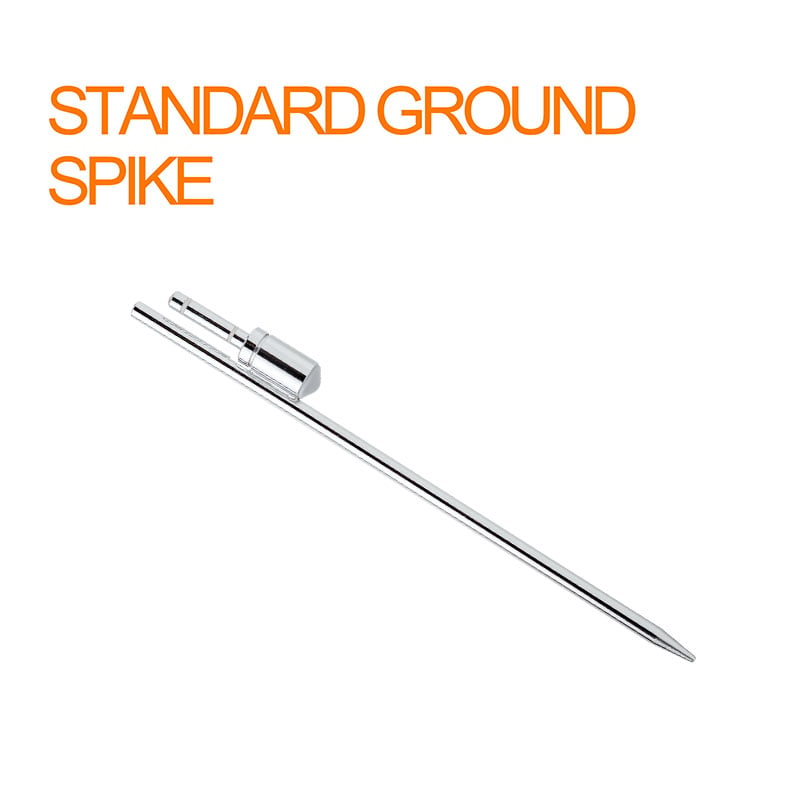
Ground Spike For Lawn Or Sand
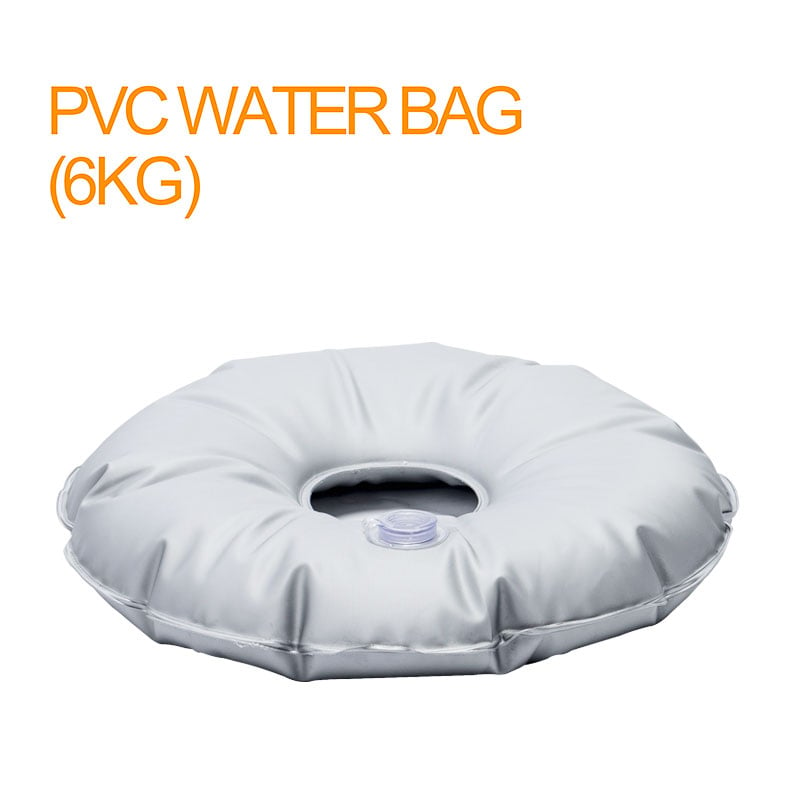
Water Bag
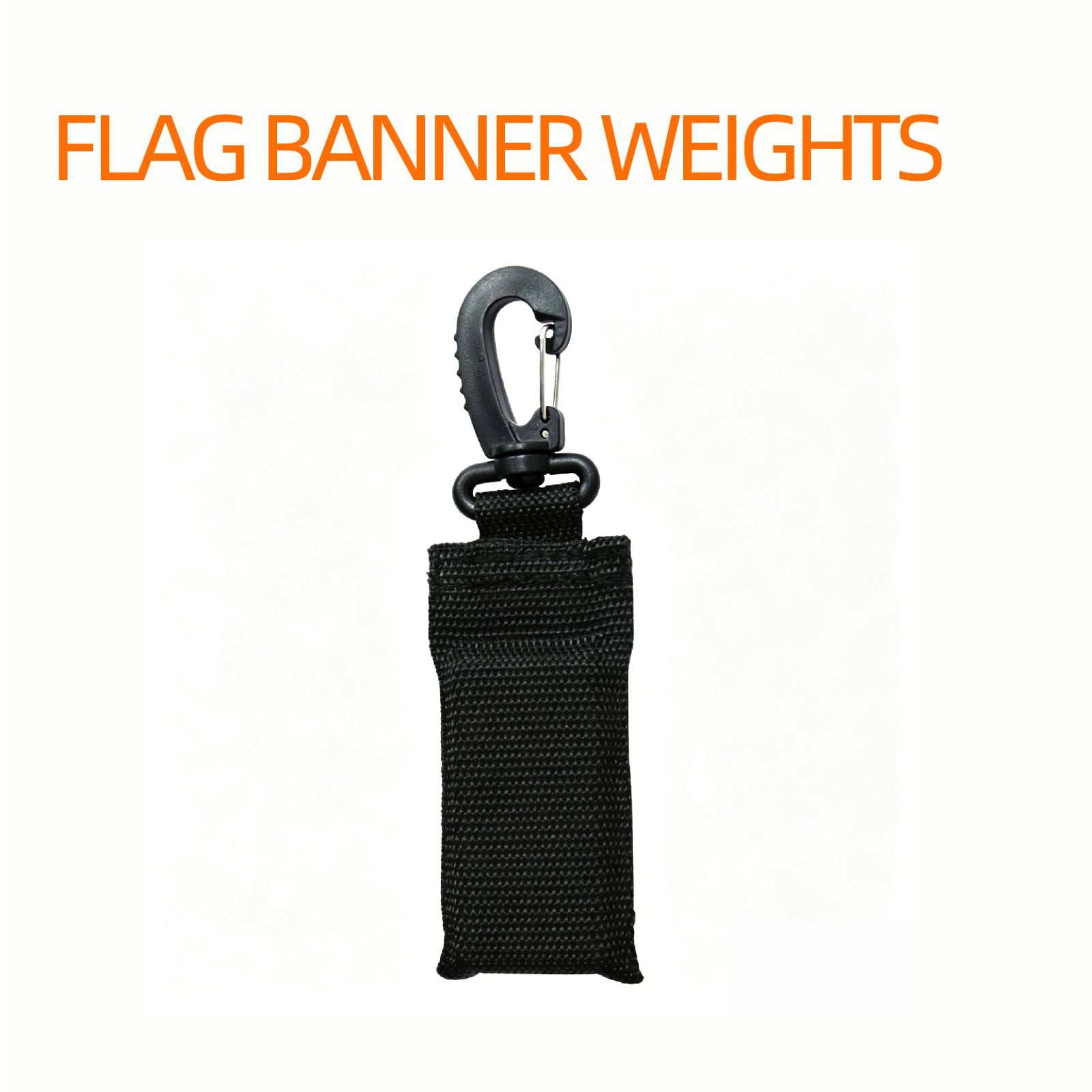
Flag /banner weights
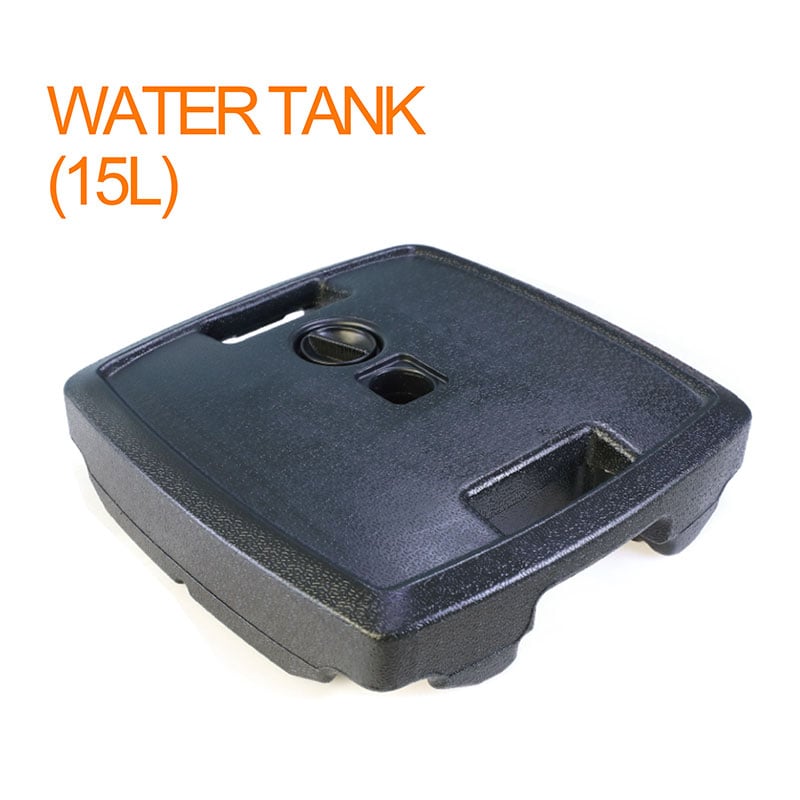
Water tank
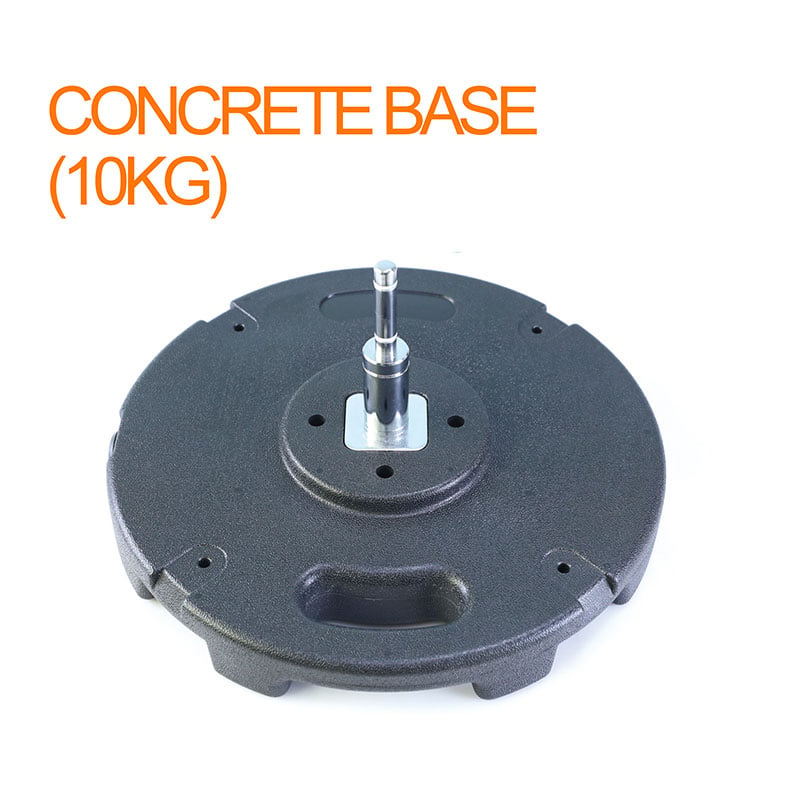
Concrete base(10kg)
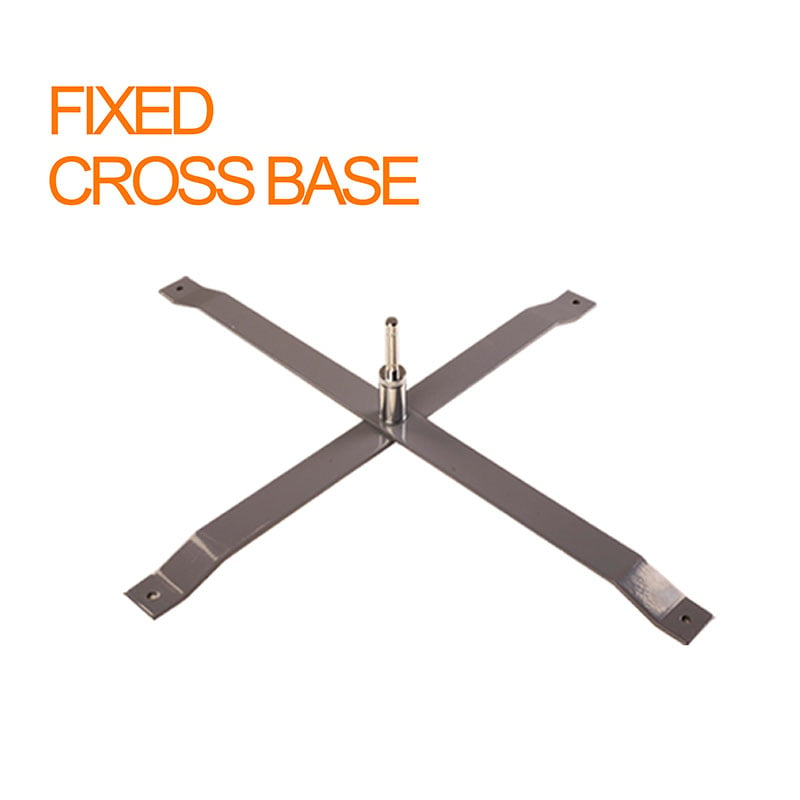
Fixed Cross Base
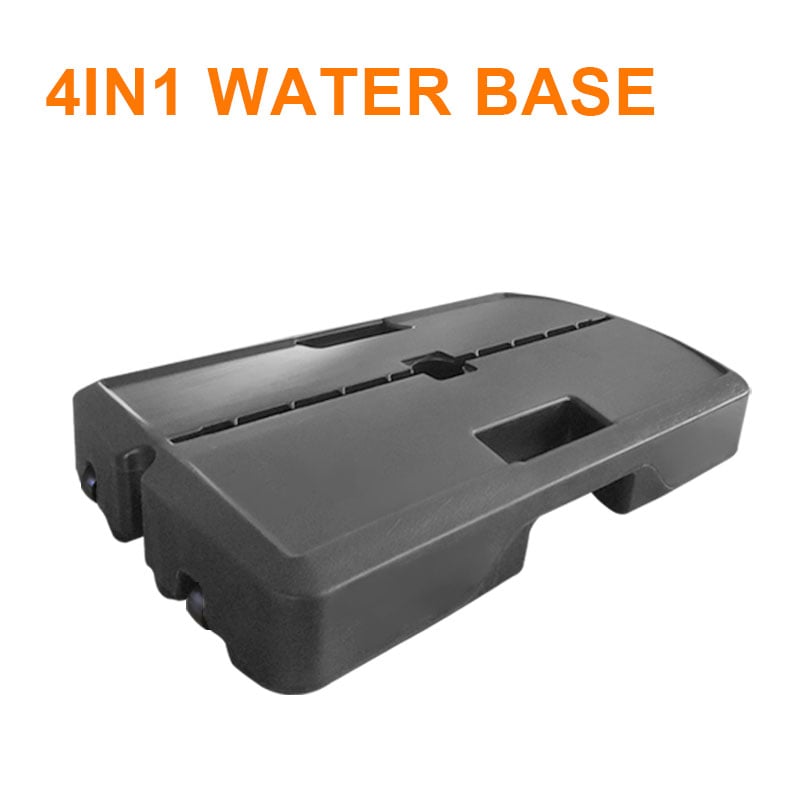
4 in 1 Water Tank
Related Articles
29kg Concrete Flag Base - The Complete B2B Buyer's Resource - WZRODS
WZRODS DY451B: 29 kg, HDPE shell, concrete core. Stackable, portable, rust-proof. FOB price US$5.75–$6.85 at MOQ 2 units. Those numbers look unremarkable. Factor in landed cost—import duties lower than aluminum’s under relevant HTS codes, freight savings from less weight per unit of stabilizing mas
Wide Tube Cross Base - The Complete B2B Buyer's Resource - WZRODS
The Wide Tube Cross Base, manufactured by Wzrods in Shandong, China, solves one problem: reliable stability for poles under three meters, without the freight costs and warehouse footprint that heavier alternatives demand.
Rectangular Pipe Cross Base - The Complete B2B Buyer's Resource - WZRODS
The pipe cross flag base is a cross of rectangular steel pipe, powder‑coated, weighing 1.3 kg and spanning 78 cm across its arms. Its center holds a C‑ring shaft that lets the flag rotate with the wind.
X-Shape Backpack Banner - The Complete B2B Buyer's Resource - WZRODS
Economic Cross Base - The Complete B2B Buyer's Guide- WZRODS
When you buy an economic cross base—something like the Wzrods DM‑9, a 77 cm‑long, 1.3 kg iron cross—forget “economic” as a synonym for “cheap.” It means value-engineered.