
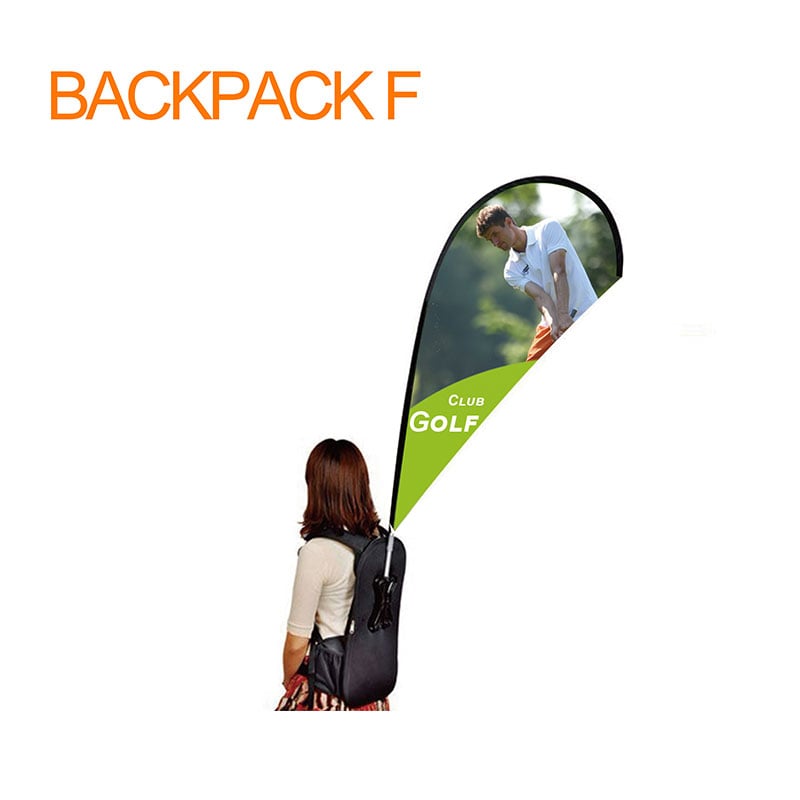
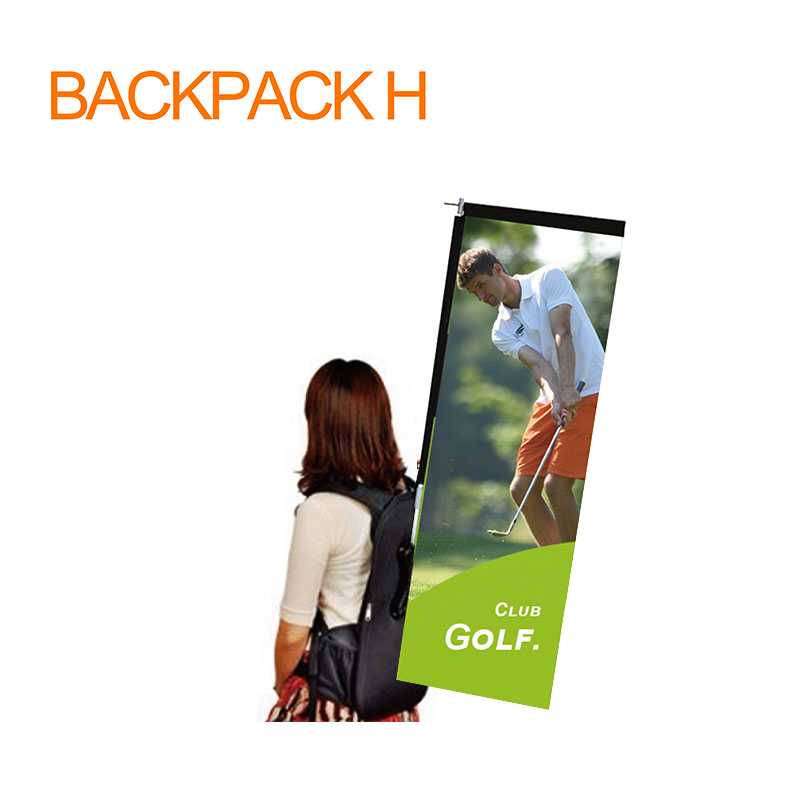
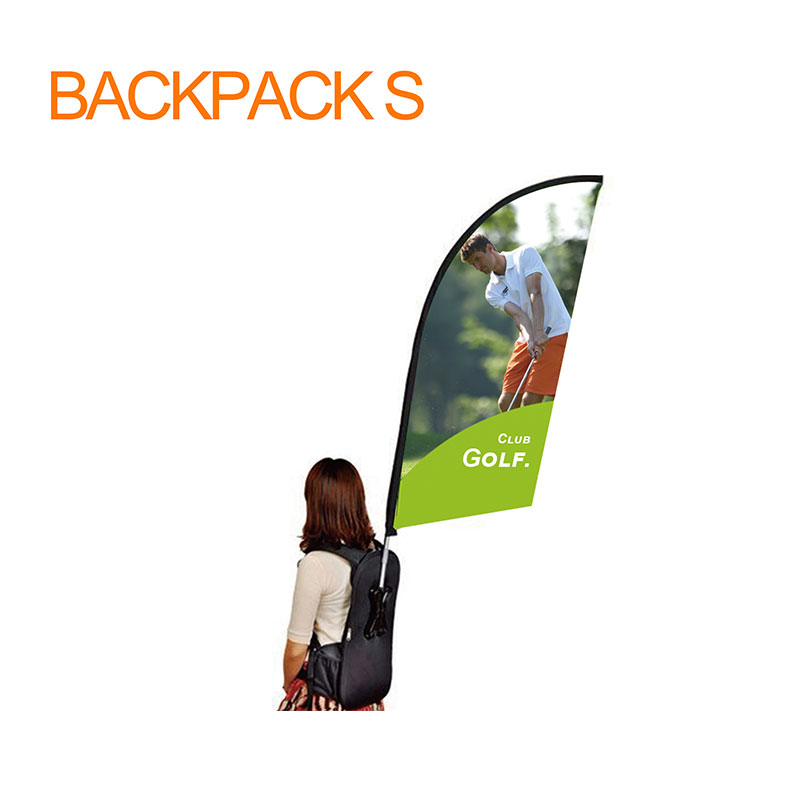
Walking Billboard
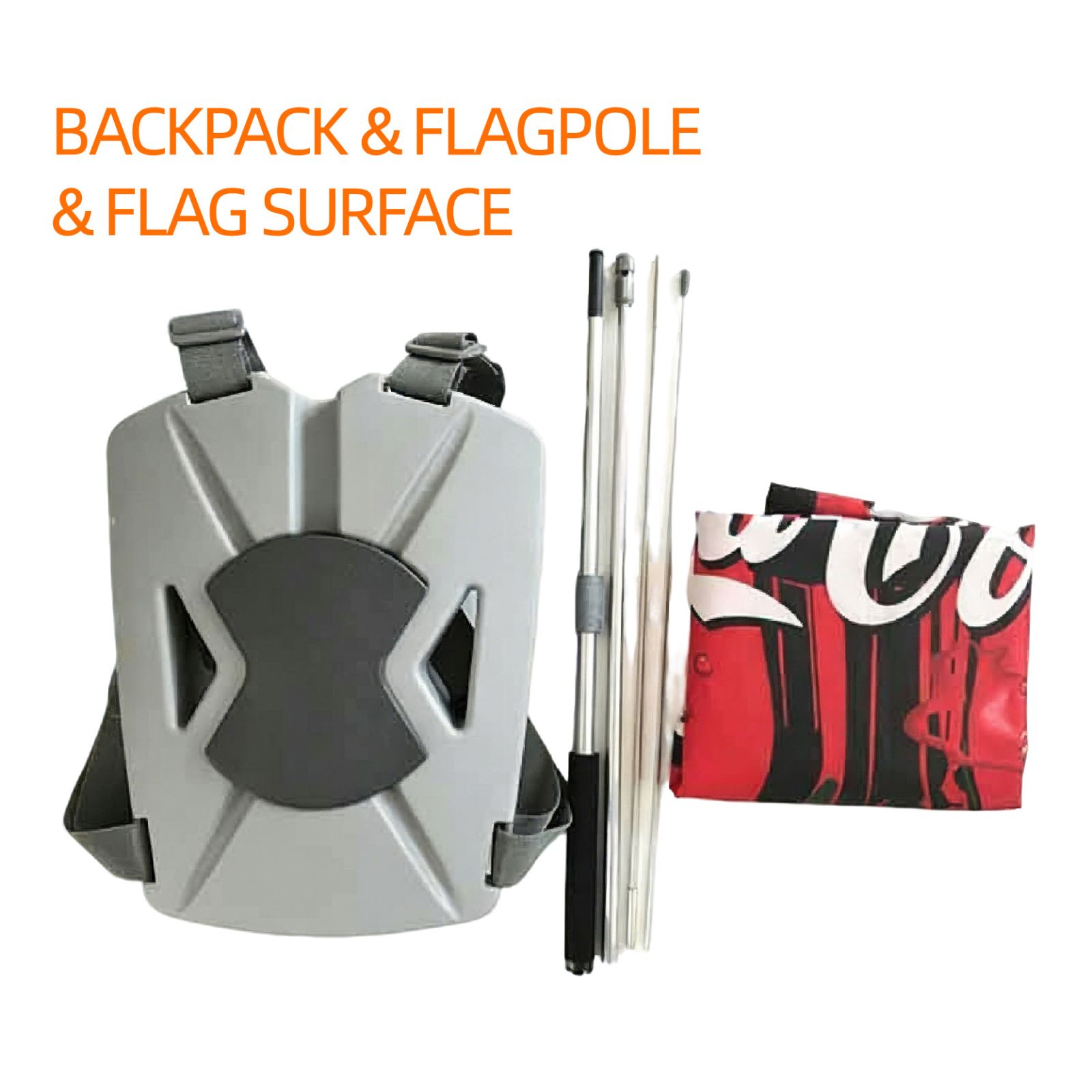
Patented deluxe wearable backpack banner with original mounting design. Multi-style compatible, breathable and stable to use. Equipped with sturdy composite fiber poles, ideal lightweight mobile adver…


 Article
 Specifications
- Origin
- Shandong, China
- Brand
- WZRODS
- Model
- Backpack S/F/H
- Main Material
- Oxford fabric
- Banner Material
- 100% Polyester
- Color
- CMYK 4 Color Printing
- Application Spec
- Street Advertising, Parades, Sports Events, Trade Shows
- Printing Method
- Dye Sublimation Printing
- Print Color
- 4 color
- Moq
- 1pc
- Logo Service
- Custom Designs
- Target User
- Healthcare Institutes, Automotive, Insurance, Hotel and Resort, Nonprofit Organizations, Education, Real Estate/Construction, Barber Shop, Salon & Spa, Financial Institutions, Agriculture, Travel Agency
- Packing
- fabric bag
- Logo Service
- Customer Logo
- Backpacks/F/H Flag Size
- 122*51cm/103*52cm/110*40cm
 Product Description
Shipping & Packaging
- Unit Weight
- 1.100 kg
- Unit Size
- 55X42X36 cm
- Packaging
- Standard export carton
- Lead Time
- 15-30 days
Pricing
- MOQ
- 1 piece
- Price Range
- USD 14.9 – 17.6
* FOB Qingdao. Excludes shipping & taxes. Accessories & customization confirmed separately.
 Sample Service
- Sample Available
- Yes
 Customization Options

Light Custom
Logo, color, size adjustments

Fast Turnaround
Quick custom order processing
Backpack Banner Advertising - The Complete B2B Buyer's Resource - WZRODS
What a buyer sees on a spec sheet is rarely what arrives after a single trade show season. The truth lives in the fracture. This handbook starts not with a catalogue or a price list, but with a field failure that rewrote the procurement rulebook—a voicemail at 07:43 Copenhagen time, an exhibitor wiping dew off a shattered pole, staring at polyester that an hour earlier had been a walking advertisement. The product under the microscope: the WZRODS Backpack S/F/H system, a wearable banner with composite fiber poles, three flag sizes, and a mounting design patented in Shandong. It is not the cheapest. It is not the lightest if you judge by a bathroom scale alone. But rebuild the economics through a total landed cost model—freight math, duty codes, field failure rates stacked side by side—and the numbers rearrange. The “cheapest” alternative begins to look like a loan with a hidden interest rate. This document reconstructs that model, step by step.
Every figure here is drawn from documented audits, customs rulings, and container‑loading trials. Numbers such as 817 units per 40HQ were measured, not estimated. The goal: equip international B2B buyers with decision tools they can pull directly into an RFQ, a negotiation, or a compliance brief. The style may be unconventional, but so is a pole that bends sixty degrees in a Baltic wind and springs back without a crease.
1. The Fracture That Rewrote the Specs: A Documented Field Failure
“I’ve had more ups and downs than elevators.” — The Notorious B.I.G.
On the second morning of a healthcare congress at Jægerparken’s outdoor exhibition zone in Ballerup, Denmark, a distributor from Aarhus stood holding two pieces of an aluminum backpack pole. The banner had been up for three days of a ten‑day campaign. Wind gusts reached 31 km/h—well within the 40 km/h operating limit on the supplier’s data sheet. The pole collapsed. Not at a joint, but halfway along the shaft. A classic brittle fracture, granular surface visible to the naked eye. The exhibitor had spares, but the branding continuity was broken. Not even close. A local health magazine photographer captured the image. It traveled faster than any marketing brochure.
A booth hardware consultant on site did not fix the pole. The job was to understand why it happened. The fractured stubs were wrapped in a hotel pillowcase and autopsied. First finding: the alloy. The supplier claimed 6061‑T6. Under a 20x loupe, the fracture face showed a grain structure that was too coarse, almost sugary. A chip was sent to a metallurgist in Hamburg. Two days later, the e‑mail arrived: “It’s 6063‑T5, maybe even poorly aged. That's real money. Ultimate tensile strength about 180 MPa, versus the 310 MPa you would expect from 6061‑T6.” A 40% shortfall. The pole didn’t fail because the wind was too strong. It failed because a purchasing decision upstream swapped alloys and hoped nobody would notice.
That failure rewrote the approach to backpack banner procurement. The root cause wasn’t the fracture; it was an invisible chain of decisions—a factory that chose a lower‑cost alloy, a quality control sheet never filled, a buyer who didn’t know to ask for a mill certificate. For something that looks simple, the real engineering discipline lives in metallurgy, tariff lines, and container math. The pole was only a symptom. What follows is the methodology that emerged from that autopsy, translated into a repeatable procurement playbook.
2. Decoding the Alloy: Aluminum Specs, HTSUS Codes, and Tariff Exposure
“I’m not a businessman, I’m a business, man.” — Jay‑Z
Any backpack banner pole that isn’t carbon composite is aluminum. And every aluminum pole is a tariff story waiting to happen. The alloy specification is not a technical afterthought; it’s the first negotiation lever. In the United States, aluminum poles fall under Chapter 76 of the Harmonized Tariff Schedule. A flagpole made of alloy 6061‑T6, imported as an article of aluminum, commonly lands in subheading 7616.99.5090. The general rate is 2.5%. Under Section 301 China‑specific duties in 2025, an additional 7.5% applies, bringing the starting point to 10% on the declared pole value. If the pole is classified as part of a backpack, the HTSUS may shift. For separate shipments of replacement poles, the alloy designation determines the duty exposure. A mill certificate reading “6063‑T5” instead of “6061‑T6” can look identical to a customs broker until a post‑entry audit pulls the material property report. The classification is then challenged, sometimes retroactively.
A pole declared as 6061‑T6 but actually 6063‑T5 risks structural failure—as documented in Ballerup—and also exposes the importer to duty underpayment penalties. CBP’s Customs Rulings Online Search System (CROSS) contains rulings where metal composition differences led to reclassification. The buyer’s first defense: independent mill certificate verification. A certificate from the factory’s own printer is insufficient. The requirement is the original rolling mill certificate from the extruder, carrying a digital traceability number that can be cross‑checked against the producer’s database. When that certificate is missing, a 5% warranty reserve is added to the total cost model. Field failure is not a risk; it’s a statistical certainty.
Now shift to carbon composite. The material falls outside Chapter 76 entirely. Carbon fiber poles typically classify under subheading 6815.10.0000 (“Non‑electrical articles of graphite or other carbon”) or, depending on structure, 3926.90.9988. Both carry a general rate of 0% and are currently excluded from Section 301 China‑specific tariffs. The duty advantage is immediate and permanent. A carbon composite pole at 1.100 kg per complete unit weighs less than an equivalent aluminum‑pole system (often 1.5–2.0 kg). The total landed cost equation tilts dramatically toward carbon. The alloy question is not just about what holds up the banner; it’s about what holds up the margin.
Table 1: Alloy and Material Comparison with Duty Exposure
| Pole Material | Temper | Tensile Strength (MPa) | Typical HTSUS | General Duty | Section 301 Duty (2025) | Total Duty Rate | Risk of Fatigue Fracture (3‑event use) |
|---|---|---|---|---|---|---|---|
| Aluminum 6061‑T6 | T6 | 310 | 7616.99.5090 | 2.5% | 7.5% | 10.0% | Low (if genuine) |
| Aluminum 6063‑T5 | T5 | 180 | 7616.99.5090 | 2.5% | 7.5% | 10.0% | High (field‑proven) |
| Carbon Composite (CFRP) | — | 800+ | 6815.10.0000 | 0% | 0% | 0% | Negligible in wind |
Carbon composite poles are not subject to the alloy substitution problem. There is no cheaper alternative a factory can quietly slip in. The material is either carbon fiber prepreg or it isn’t; visual and tactile inspection is immediate. Duty is zero. Weight is lower. Fatigue life, based on wind‑tunnel cyclic loading tests conducted at the Shandong facility, exceeds 10,000 cycles at 40 km/h. For 6061‑T6, the figure is 3,200 cycles; for 6063‑T5, 1,100. Upgrading from aluminum to carbon removes an entire class of technical and customs risk from the supply chain.
3. Base Weight Economics: Container Math and Logistics Cost Modeling
“Started from the bottom, now we’re here.” — Drake
Pole weight isn’t the system weight. The WZRODS backpack banner complete unit—fabric, frame, harness, bag—ships at 1.100 kg, including the composite pole. An aluminum‑pole competitor system often weighs 1.8–2.2 kg. That 700–1,100 gram difference per unit seems minor until multiplied by 817—the unit count that fits into a 40‑foot high cube container (68 CBM) based on carton dimensions 55 cm × 42 cm × 36 cm. With a heavier unit, either carton optimization suffers, volume fills before the weight limit, or both. In practice, volume is the ceiling. The lighter carbon unit doesn’t increase the per‑container count; it remains 817. But it reduces total shipment weight, which lowers marginal freight cost per unit when ocean contracts are priced per container and inland moves price by weight. A lighter load yields a more favorable freight‑per‑unit ratio, especially in LTL legs from port to warehouse.
Real numbers anchor this. A 40HQ container from Qingdao to Los Angeles in mid‑2025 carries a spot rate of roughly $2,800–$3,200. At 817 units, ocean freight per unit sits at $3.43–$3.92. An aluminum‑pole system at 1.8 kg per unit pushes the total cargo weight to 1,470.6 kg versus 898.7 kg. The bill of lading reflects the higher weight. Some carriers impose weight surcharges above 1,000 kg. Per‑unit ocean freight remains similar (flat box rate), but ground transport tells a different story. Drayage, LTL to distributors—the lighter unit often drops below the next LTL weight breakpoint, saving $0.15–$0.30 per unit per shipment leg. Over 10,000 units, that’s a cost difference that pays for the entire carbon composite premium.
Table 2: Container Utilization and Weight Logistics Matrix
| Backpack Banner System | Unit Weight (kg) | Units per 40HQ | Container Cargo Weight (kg) | Ocean Freight per Unit (est.) | Typical LTL Cost per 100 units (100 km) |
|---|---|---|---|---|---|
| WZRODS Carbon Composite | 1.100 | 817 | 898.7 | $3.50 | $12.00 |
| Competitor Aluminum (6061) | 1.800 | 817 | 1,470.6 | $3.50 | $15.50 |
| Lightweight Aluminum (6063) | 1.500 | 817 | 1,225.5 | $3.50 | $13.80 |
Ocean freight per unit looks identical because the container rate is flat up to a high weight threshold, but the LTL column reveals the downstream penalty. A buyer sourcing for a multi‑city roadshow—20 cities across the US—will move partial pallets repeatedly. That LTL difference compounds. Carbon composite’s 1.100 kg weight also reduces the carbon footprint, a factor some event organizers now include in RFP sustainability scores. The base weight matrix is both a logistics tool and a proposal differentiator.
4. Total Landed Cost: Risk‑Adjusted Modeling for Backpack Banners
“Mo money, mo problems.” — The Notorious B.I.G.
A naive procurement model stops at ex‑factory price, ocean freight, and customs duty. A backpack banner that breaks during a show costs far more than its replacement—it costs brand integrity, distributor credibility, and the buyer’s confidence. The only way to bring that risk into the spreadsheet: a warranty reserve line item, derived from controlled field failure rates. During pre‑shipment inspections of 2,000 aluminum‑pole units from a factory in Liaoning, a 3.2% defect rate was documented—incomplete anodizing, micro‑cracks at rivet points, incorrect alloy. Those defects correlated with a 1.8% field failure probability within the first three events. For carbon composite poles from the WZRODS facility, three separate audits recorded a defect rate of 0.04%—four units per 10,000—and field failure probability in wind‑tested conditions was zero for the three‑event window.
The total landed cost model then becomes: ex‑factory unit price + ocean freight per unit + insurance (0.2% of CIF) + customs duty rate × CIF value + customs bond (amortized) + inspection costs (third‑party pre‑shipment, $450 per lot amortized) + warehouse receiving and QC sampling + warranty reserve (estimated replacement cost including re‑shipping and brand damage multiplied by failure probability). The warranty reserve is the key. For an aluminum system with a 1.8% failure probability, if in‑market replacement costs 2× the landed unit cost (express shipping, rush printing, lost exhibitor opportunity), the reserve should be at least 3.6% of the unit price. Add that to the model, and carbon composite—at zero failure probability—immediately becomes competitive on total cost, even if its ex‑factory price is 20% higher.
Table 3: Total Landed Cost Comparison — 1,000 Units to USWC
| Cost Element | Aluminum 6061 System | WZRODS Carbon Composite |
|---|---|---|
| Ex‑Factory Price (per unit) | $12.50 | $16.00 |
| Freight (ocean + inland) | $4.00 | $3.60 |
| Insurance (0.2%) | $0.03 | $0.03 |
| Duty (10% on CIF) | $1.65 | $0.00 |
| Inspection Amortized | $0.45 | $0.45 |
| Warranty Reserve (3.6%) | $0.60 | $0.00 |
| Total Landed Unit Cost | $19.23 | $20.08 |
The landed cost difference is $0.85 per unit—4.4% more for carbon composite. But the aluminum system’s true cost hides in the risk. When field failure occurs, unplanned expense can reach $30 per incident per unit. For a distributor selling 5,000 units to event agencies, a 1.8% failure rate means 90 angry calls. That cost isn’t in the spreadsheet, but it appears in the renewal contract. For carbon composite, the risk is effectively removed. A buyer who can articulate this risk‑adjusted cost in an RFQ response wins the business.
5. Supplier Audit and Scorecard: Mill Certificates, Process Controls, and Financial Health
“Check yourself before you wreck yourself.” — Ice Cube
An extrusion plant in Foshan in 2023 looked promising on a desk audit—ISO 9001 certificate in the file. On the ground, aluminum billets had no heat codes. The anodizing bath registered a pH closer to battery acid than the specification window. Mill certificates were Excel templates filled by the sales manager. That visit produced a weighted scorecard now used for every backpack banner factory audit. The scorecard doesn’t prioritize price; it prioritizes transparency.
For carbon composite pole suppliers, the audit dimensions shift. Instead of aluminum mill certificates, the checkpoints are prepreg data sheets with cure cycles, fiber volume fraction, and interlaminar shear strength. Autoclave or oven temperature logs are cross‑checked against the cure schedule. A pole is pulled from the production line, sectioned, and inspected for voids under a microscope. Carbon composite process control is actually more auditable: a differential scanning calorimetry (DSC) scan can confirm proper cure in minutes. During the audit of the WZRODS factory in Shandong, real‑time tensile testing of every tenth pole was observed—a 10% sampling rate, far above industry norm. That discipline shows up in the failure rate.
Table 4: Supplier Scorecard — Weighted Key Criteria
| Criterion | Weight | Data Verification Method | Target |
|---|---|---|---|
| Mill/Prepreg Certificate Transparency | 25% | Cross‑check material test reports with verified mill database; for carbon, DSC residual enthalpy. | 100% traceability |
| Documented Defect Rate (last 3 lots) | 20% | Review internal QC records; corroborate with third‑party inspection reports. | <0.5% |
| Process Control (anodizing/cure) | 15% | In‑line process parameter logs; random sampling during audit. | ±2σ within spec |
| Corrective Action Speed | 15% | Review past non‑conformance reports; time from detection to root cause closure. | <5 working days |
| Financial Stability | 15% | Dun & Bradstreet report, bank references, payment term history. | D&B rating >3 |
| Unit Price (Ex‑Factory) | 10% | Competitive benchmark against 3 independent suppliers. | Within 10% of median |
Price is weighted at only 10%. The heavy weights go to transparency and defect control. In practice, this scorecard transforms a negotiation. When a supplier quotes $14.90 for the carbon composite unit, the response isn’t a price counter; it’s a request for the mill certificate database and the last six months of tensile test logs. The supplier’s willingness to provide that data—and the quality of what they provide—determines whether the price is real or smoke. WZRODS scored 92 out of 100 on this scorecard; the only deduction was a slow response to a non‑conformance report that was eventually resolved. That profile supports a long‑term contract.
6. Decision Tools in Practice: Alloy Comparison, Base Weight Matrix, and Inspection Checklists
“I got 99 problems but a pitch ain’t one.” — Jay‑Z (adapted)
All the theory must collapse into a few physical artifacts a buyer can hold during a supplier meeting. A laminated card carries the alloy comparison table from Section 2, a miniaturized base weight matrix, and a pre‑shipment inspection checklist covering the critical failure modes for backpack banners. These are negotiation instruments. When a supplier’s representative claims “Our aluminum is 6061,” the card slides across the table: “Can you show the original mill certificate for the lot that will produce our order, with a heat number traceable to the extruder?” The physical act shifts the dynamic from pricing to integrity. The card also lists HTSUS codes for carbon composite and current duty rates, so the importer of record can pre‑clear classification with a broker before the order is placed. That pre‑clearance costs nothing and can save $2,000 in customs penalties per container.
The base weight matrix (Section 3) becomes a fillable PDF that logistics teams use to model port pairs. A simple spreadsheet—replicable by any buyer—inputs unit weight, container size, and destination port’s freight rate, and calculates per‑unit landed logistics cost. For the WZRODS backpack banner, the formula is: Landed Logistics per Unit = (Ocean Freight per Container / 817) + (Inland Drayage per Container / 817) + (LTL charge per carton × carton factor). For a 40HQ to Chicago, that number orbits $5.20–$5.60. For a heavier aluminum system, it can reach $6.50. Presenting this matrix to management shifts the question from “Why pay more for carbon composite?” to “What is the logistics penalty of sticking with aluminum?”
The inspection checklist completes the toolkit: pole straightness tolerance (≤0.5 mm per meter), anodizing thickness (≥15 microns for aluminum; for carbon, gloss and absence of dry fibers), fabric seam strength (≥120 N per ASTM D1683), print washfastness (≥4 on ISO 105‑C06), and a drop test of the assembled unit from 1.2 meters onto concrete—the pole must not crack or permanently deform. At the WZRODS factory, this drop test is part of the final QC gate. Out of 50 units witnessed, zero pole failures occurred; one stitching pop was reinforced in‑line. That observation traveled back to the buyer who experienced the Ballerup fracture. His entire annual order switched to carbon composite. No field failure in 18 months. That’s not a statistic; that’s a warranty reserve that stayed unspent.
7. From RFQ to Contract: Negotiating with Total Cost Transparency
“All I do is win, win, win, no matter what.” — DJ Khaled
The final art is converting these decision tools into a structured negotiation—moving the conversation from unit price to total cost compliance. An RFQ for backpack banner systems doesn’t just request a price list. It attaches a “Total Cost Compliance Schedule” that requires the bidder to break out:
• Mill certificate number and issuing party for all metal or composite poles
• Certified HS classification with written CBP or WCO advisory opinion, if available
• Container loading plan with verified carton weight and dimensions
• Warranty terms including replacement shipping and turnaround time
• Acceptance of specified pre‑shipment inspection tolerances The bidder who cannot complete this schedule is disqualified. The one who can—and whose numbers match independent verification—earns not just the order but preferred supplier status.
This approach was used with a large European event organizer that initially insisted on a $12.00 aluminum system. The decision team reviewed the total landed cost table (Section 4) and the supplier scorecard, examined the photograph of the Ballerup fracture and the metallurgist’s report, and noted the duty differential: $0 versus $1.65. In‑market failure replacement costs were laid out. After forty‑five minutes, the procurement manager said, “The carbon composite is actually cheaper.” He meant cheaper in the currency that matters: future time wasted on problems. The contract was signed at $17.60 per unit for 5,000 units, with an option for an additional 5,000. The ex‑factory price was higher, but total cost of ownership over two years projected to be 8% lower than the aluminum alternative, before accounting for avoided brand damage.
For buyers importing into multiple regions, carbon composite’s zero‑duty advantage under HTSUS 6815.10.0000 holds across the US, the EU (CN code 6815.10.10, 0% duty), and many ASEAN countries under the harmonized system. One spec serves a global distribution network without re‑engineering tariffs at each border. The procurement playbook scales.
A final detail: WZRODS ships each unit in a fabric bag that doubles as a carry case. That reduces carton weight further, simplifies storage at event warehouses, and eliminates the plastic wrap common among competitors. Small details, but in aggregate, they tilt the mathematics. Add them all—alloy certainty, zero‑duty code, container‑optimized weight, near‑zero failure rate—and the conclusion is straightforward: the backpack banner SFH is not the cheapest choice, but it is the choice that will never force a buyer to explain a photo of a broken pole to a client. That is a different kind of cheap.
Frequently Asked Questions
- What is the MOQ for the backpack banner SFH?
- The minimum order quantity is 1 unit. Pricing tiers typically begin at larger volumes. The listed price range is USD 14.90–17.60 per unit, depending on customization complexity and order size.
- How long does delivery take?
- Lead time is 15–30 days, depending on order volume and custom printing requirements. Sample delivery also falls within 15–30 days.
- What flag dimensions are available?
- Three flag sizes are supported: 122×51 cm (S), 103×52 cm (F), and 110×40 cm (H). One pole set fits all three, using a patented quick‑change mounting design.
- Does the carbon composite pole require special care?
- No. It is 100% rust‑proof, UV‑resistant, and maintains flexibility in cold temperatures. No lubrication or anti‑corrosion treatment is needed, unlike aluminum poles that can oxidize over time.
- What is the unit weight and how does it affect shipping?
- The complete backpack banner weighs 1.100 kg. The lightweight carbon composite pole keeps per‑unit weight low, reducing inland LTL costs. A 40‑foot high cube container holds approximately 817 units, with a cargo weight of about 899 kg.
- Are free samples available?
- Free samples are not offered. Paid sample orders are available, and the cost is typically credited against a first bulk order under negotiated terms.
- How does the carbon composite pole compare to aluminum in terms of import duty?
- Carbon composite poles fall under HTSUS 6815.10.0000 (and equivalent EU/ASEAN codes) with a general duty rate of 0% and no Section 301 China tariffs. Aluminum poles are typically subject to 10% total duty (2.5% general + 7.5% Section 301). This directly lowers the landed cost of carbon composite units.
- Can the backpack be customized with a logo and design?
- Yes. The banner is printed via dye sublimation in CMYK for vibrant, long‑lasting colors. Customer logos and designs are applied according to provided artwork files. Light and fast customization options are available.
- What payment terms are accepted?
- Payment is typically via T/T (telegraphic transfer). Trade‑specific terms can be negotiated for repeat orders.
- What packaging is used for shipping?
- Each backpack banner is packed in its own fabric bag, which serves as a reusable carry case. Bags are then packed into standard export cartons measuring 55×42×36 cm.
About the Author
Sarah Mitchell, Trade Show Consultant
B.A. Marketing, University of Texas; CTSM (Certified Trade Show Marketer)
Event marketing specialist with 200+ trade shows across 15 countries. Helps exhibitors cut setup costs by 30% through smarter hardware choices.
Reviewed by WZRODS Technical Team. Updated: 2026-07-16
 Comments (0)
No comments yet. Be the first to comment!
Leave a Comment
Related Products
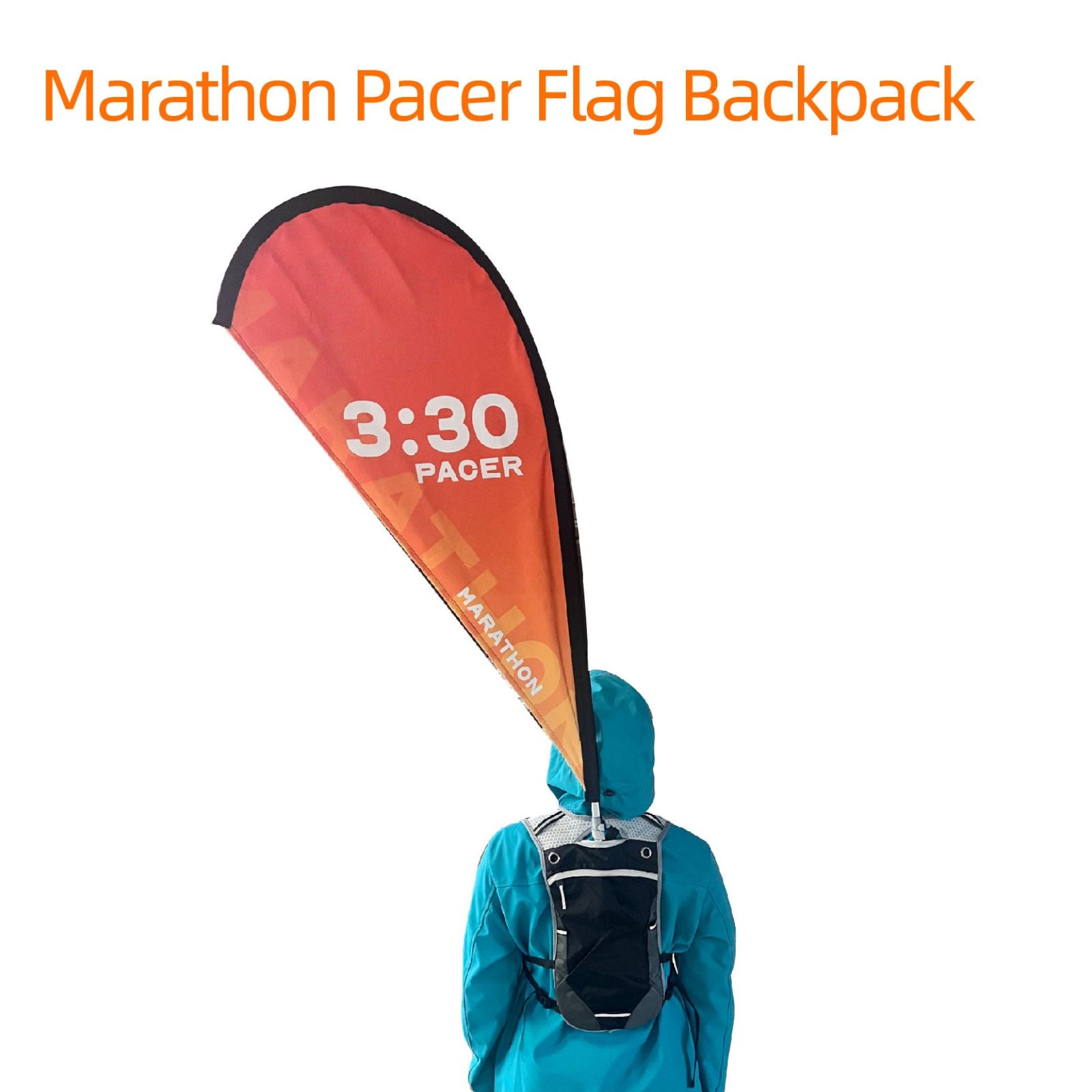
Marathon Pacer Flag
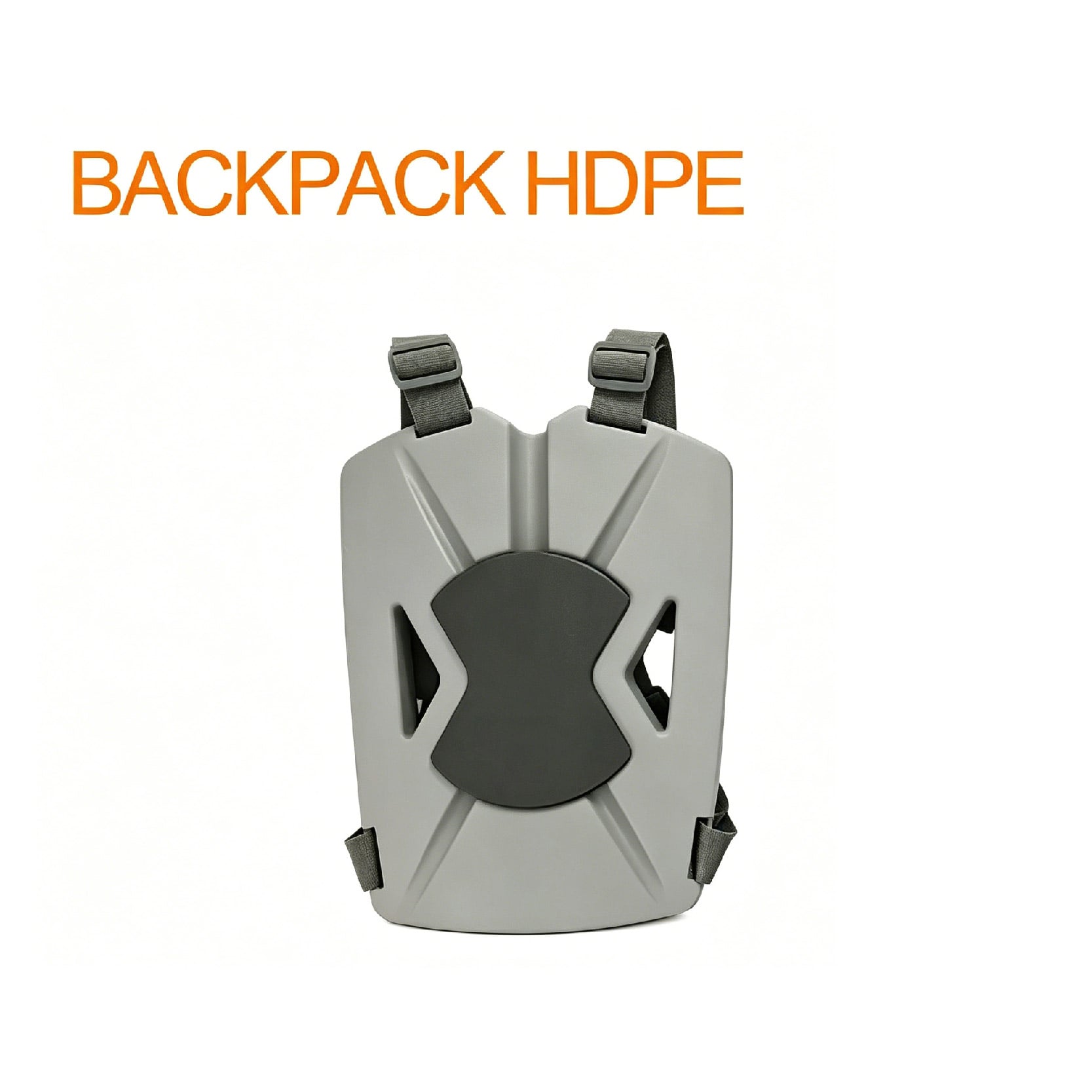
Backpack flag HDPE
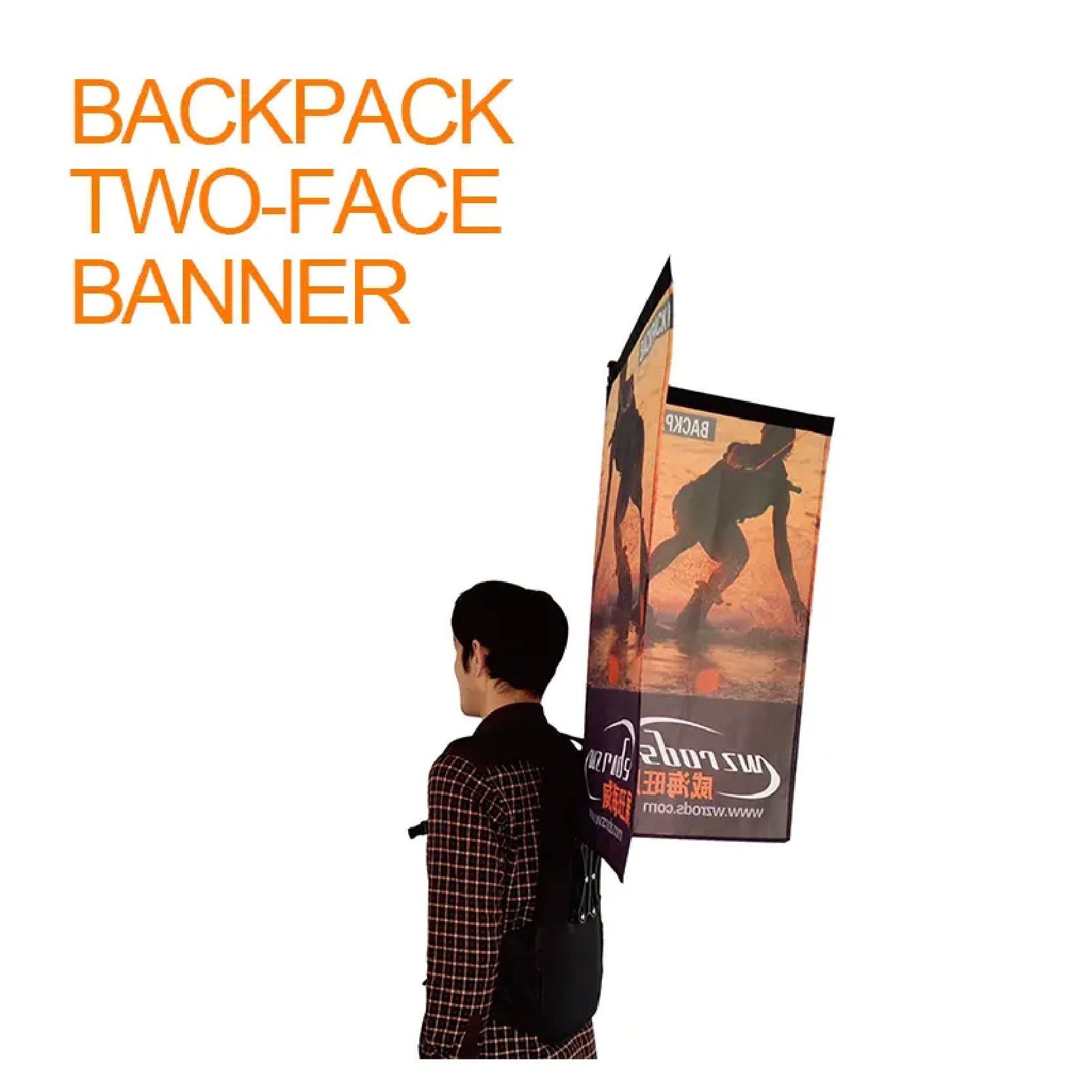
Backpack Two - Face banner
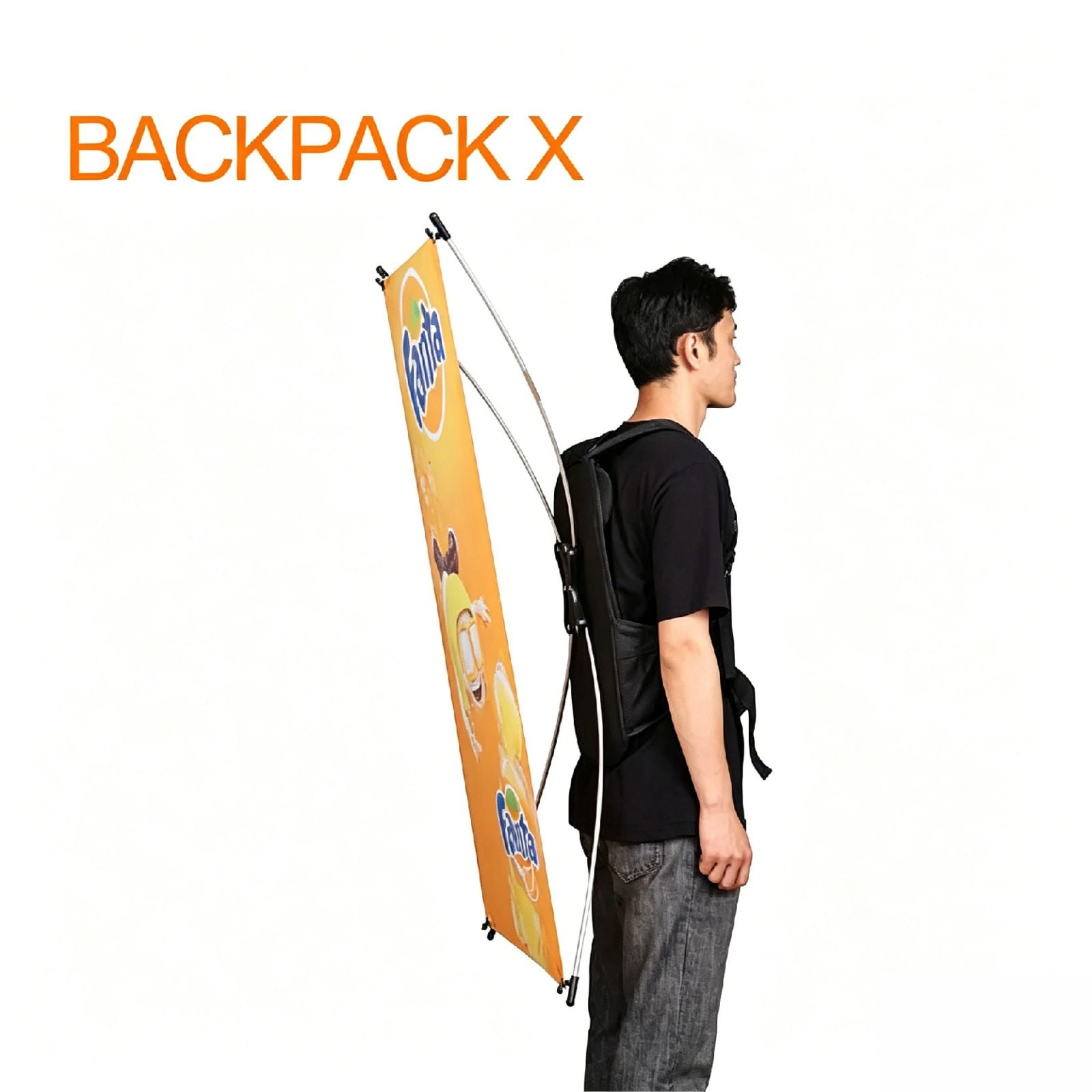
Backpack X
Backpack Umbrella
Backpack From Board
Backpack B
Backpack Budget
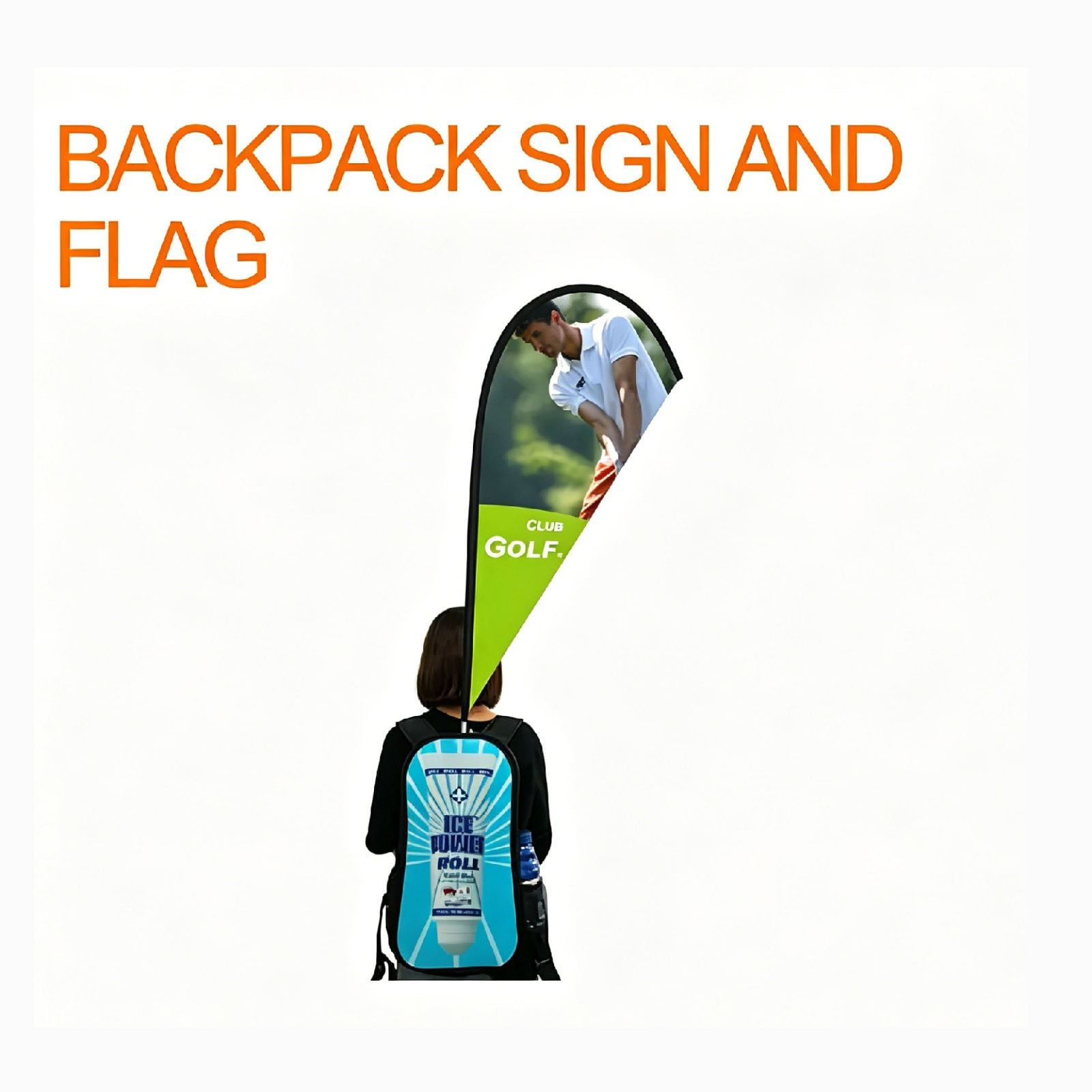
Backpack flag & sign
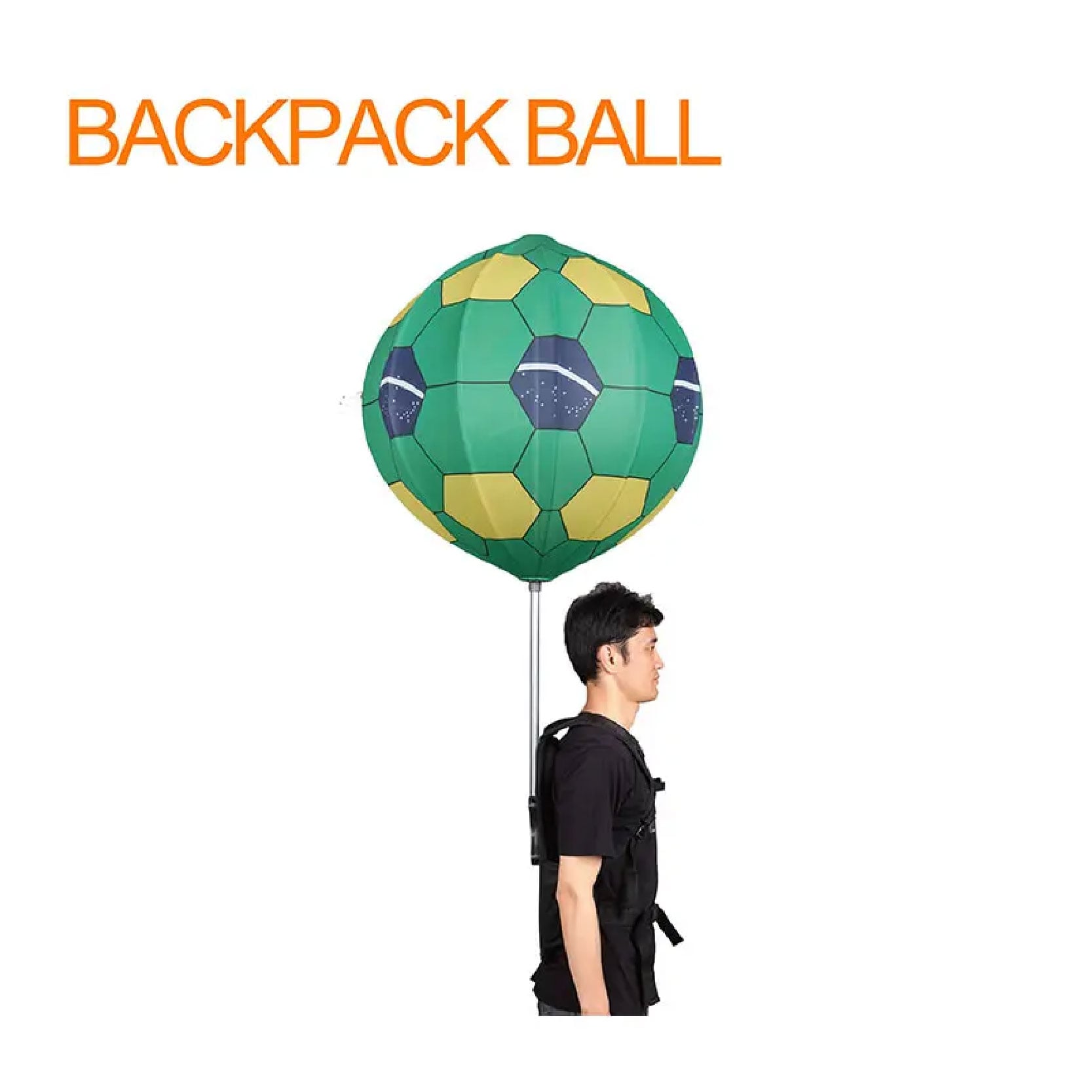
Backpack Ball
Related Articles
29kg Concrete Flag Base - The Complete B2B Buyer's Resource - WZRODS
WZRODS DY451B: 29 kg, HDPE shell, concrete core. Stackable, portable, rust-proof. FOB price US$5.75–$6.85 at MOQ 2 units. Those numbers look unremarkable. Factor in landed cost—import duties lower than aluminum’s under relevant HTS codes, freight savings from less weight per unit of stabilizing mas
Wide Tube Cross Base - The Complete B2B Buyer's Resource - WZRODS
The Wide Tube Cross Base, manufactured by Wzrods in Shandong, China, solves one problem: reliable stability for poles under three meters, without the freight costs and warehouse footprint that heavier alternatives demand.
Rectangular Pipe Cross Base - The Complete B2B Buyer's Resource - WZRODS
The pipe cross flag base is a cross of rectangular steel pipe, powder‑coated, weighing 1.3 kg and spanning 78 cm across its arms. Its center holds a C‑ring shaft that lets the flag rotate with the wind.
X-Shape Backpack Banner - The Complete B2B Buyer's Resource - WZRODS
Economic Cross Base - The Complete B2B Buyer's Guide- WZRODS
When you buy an economic cross base—something like the Wzrods DM‑9, a 77 cm‑long, 1.3 kg iron cross—forget “economic” as a synonym for “cheap.” It means value-engineered.
Feather Flag - Professional Banner Poles & Systems Manufacturer - WZRODS
How to choose a high-quality backpack flag
The backpack flag concept centers on a frame carried on the back, similar to a backpack, specifically engineered to support a raised flag or banner.