Car Display Banner
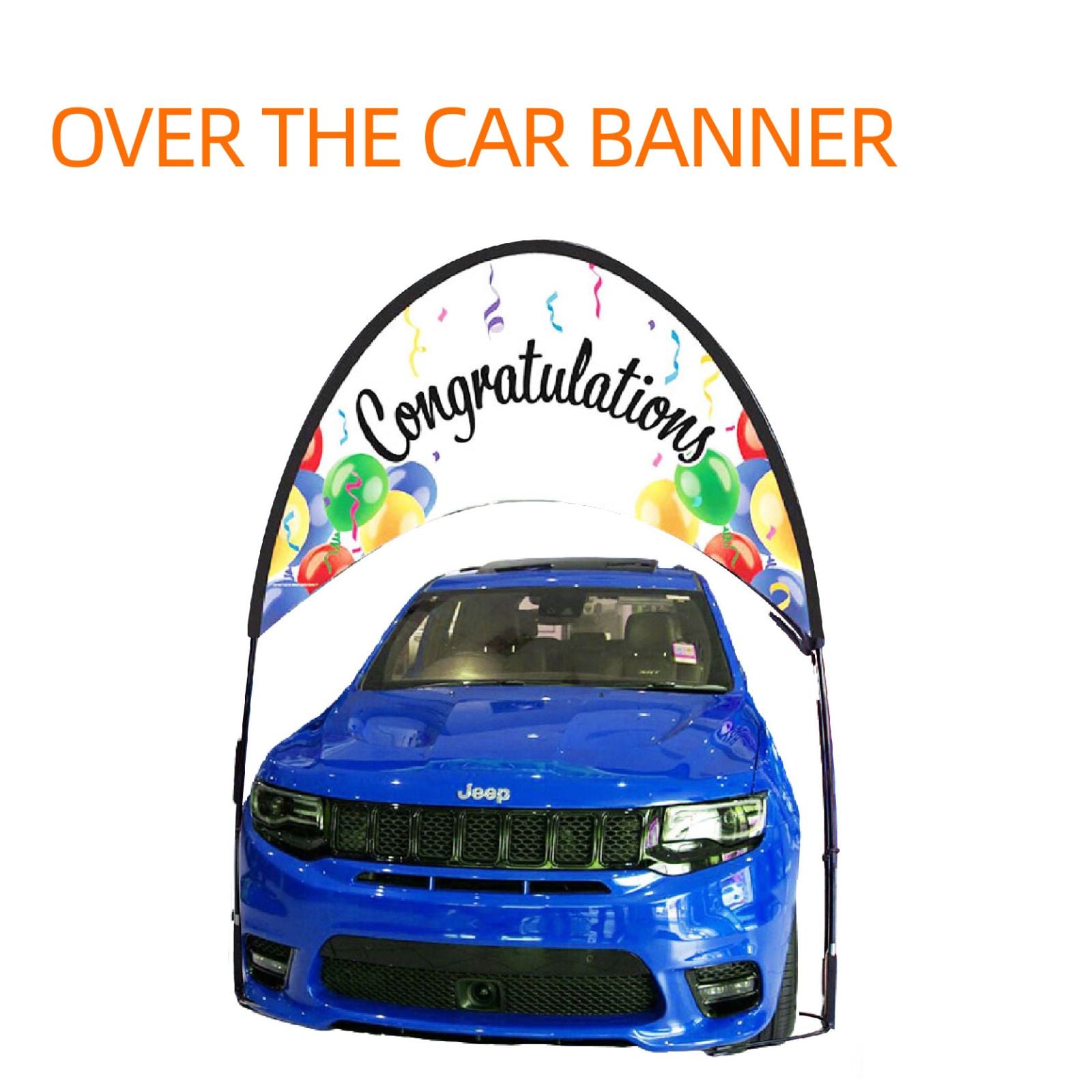
Over car banner for car shows to boost vehicle visibility. Built with durable carbon composite poles, tool-free setup, lightweight and portable with carry bag, not for windy use.


 Article
 Specifications
- Origin
- Shandong, China
- Brand
- Wisezone
- Item Code
- CYQ-1
- Banner Material
- 100% Polyester
- Usage
- Advertising
- Application Spec
- Event Entrances, Festivals, Trade Shows, Sports Events
- Printing Method
- Digital Printing,Thermal Transfer Printing, Silk Screen Printing
- Print Color
- 4 color
- Moq
- 1 pcs
- Product Alias
- CMYK Full Color Custom Printing Outdoor Advertising Beach Feather Flag
- Target User
- Healthcare Institutes, Automotive, Insurance, Hotel and Resort, Nonprofit Organizations, education, Real Estate/Construction, Barber Shop, Salon & Spa, Financial Institutions, Agriculture, Travel Agency
- Display Size
- 3*2.35m
 Product Description
Shipping & Packaging
- Unit Weight
- 0.700
- Unit Size
- 155X18X19
- Packaging
- Standard export carton
- Lead Time
- 15-30 days
Pricing
- MOQ
- 1 set
- Price Range
- USD 8.5 – 9
* FOB Qingdao. Excludes shipping & taxes. Accessories & customization confirmed separately.
 Sample Service
- Sample Available
- Yes
- Sample Price
- set 64.59
- Max Sample Qty
- 1
 Customization Options

Light Custom
Logo, color, size adjustments

Fast Turnaround
Quick custom order processing
Car Display Banner - The Complete B2B Buyer's Resource - WZRODS
body { font-family: Georgia, serif; max-width: 780px; margin: 2em auto; line-height: 1.6; color: #1a1a1a; } h2 { margin-top: 2.5em; font-size: 1.7em; border-bottom: 2px solid #b31b1b; padding-bottom: 0.2em; } h3 { margin-top: 2em; font-size: 1.3em; } table { border-collapse: collapse; width: 100%; margin: 1.8em 0; } th, td { border: 1px solid #aaa; padding: 0.5em 0.75em; text-align: left; } th { background-color: #f4f4f4; } .note { background: #f8f8f8; border-left: 4px solid #b31b1b; padding: 1em; margin: 1.5em 0; } .small { font-size: 0.9em; color: #555; }
Wei Chen remembers a call from a distributor in Dubai. The container of aluminum over‑the‑car banners had arrived the week before. The client set up three at a luxury auto exhibition. That's real money. On the second morning, a breeze—maybe 15 kilometers per hour—moved across the parking lot. Two poles bent with a soft metallic groan and stayed bent. The banners sagged, faces wrinkling against the hot asphalt. The distributor’s staff spent the rest of the show holding poles upright. Across the lane, a rival booth used carbon composite poles. Those banners never moved, and when the wind died, the poles looked exactly as they had at setup.
That call captures the moment a material’s limits become a business problem. Aluminum bends and stays bent. Carbon composite springs back. Here is what you need to specify, import, and stock an over‑the‑car sign that will not deform—material science, landed‑cost arithmetic, factory process, and a sample strategy that removes the guesswork.
1. Buyer’s Guide: How to Specify an Over‑the‑Car flag That Will Not Deform
1.1 What the structure demands
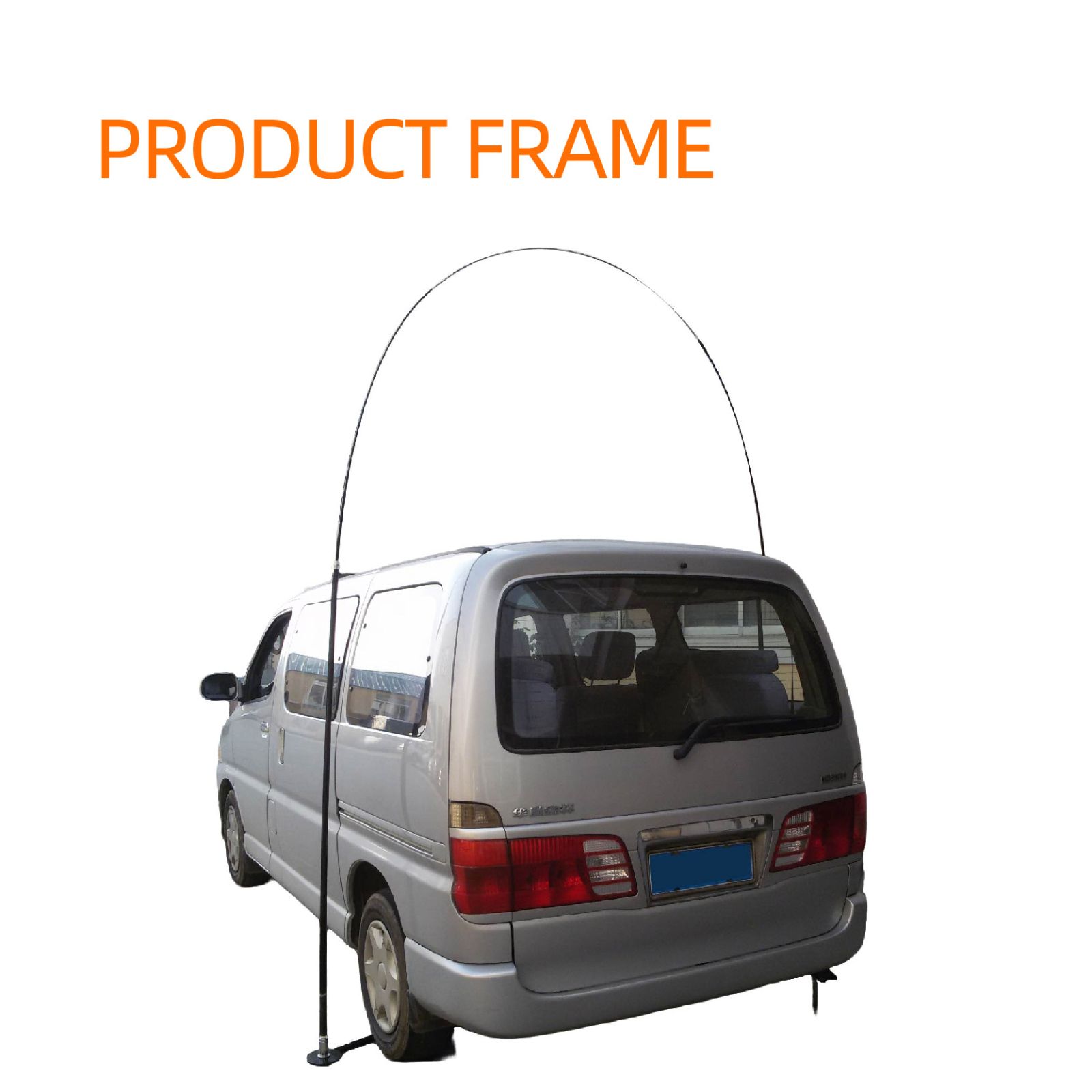
The display is simple: a horizontal pole, two vertical legs, corner connectors, and a tensioned textile panel. The Wisezone CYQ‑1 datasheet lists a 3‑meter‑wide by 2.35‑meter‑high sign, a folded package of 155 × 18 × 19 centimeters, and a system weight of 0.700 kilograms. That weight governs freight class, container packing density, and the fatigue life of connectors. The frame must hold the flag flat without tools. One person carries it across a trade show hall. Carbon composite poles achieve this because they sustain high elastic strain without permanent set—a high modulus‑to‑density ratio.
The product warning says, “Not for windy use.” That means indoor spaces, calm outdoor mornings, sheltered atriums. If you plan to leave it outside all day, you are managing risk. Base weights or anchor plates improve stability but will not protect the poles from a gust above the design limit. For auto showrooms, dealer launches, and conference centers, the flag stays inside its safe operating envelope.
1.2 Banner face, printing, and the carry bag
The CYQ‑1 ships with a 100% polyester banner. It takes digital transfer, thermal transfer, or silk screen printing—CMYK is standard. The face must withstand folding, storage, and repeated tensioning without cracking or delamination. Typical weight is 110–130 grams per square meter, which holds dye‑sublimation inks with good wash‑fastness and UV resistance over short indoor cycles. For prolonged outdoor use, you can request a heavier polyester or coated scrim. But first ask whether a carbon composite banner is the right vehicle for a months‑long outdoor campaign.
The kit includes a dedicated carry bag about 155 centimeters long. It prevents scuffs in transit and keeps the printed textile from snagging on warehouse racks. For event organizers moving a dozen sets, consistent packaging matters more than any catalog image might suggest.
2. Product Comparison: Carbon Composite vs. Aluminum Pole Systems
2.1 Failure modes: aluminum bends, carbon springs back
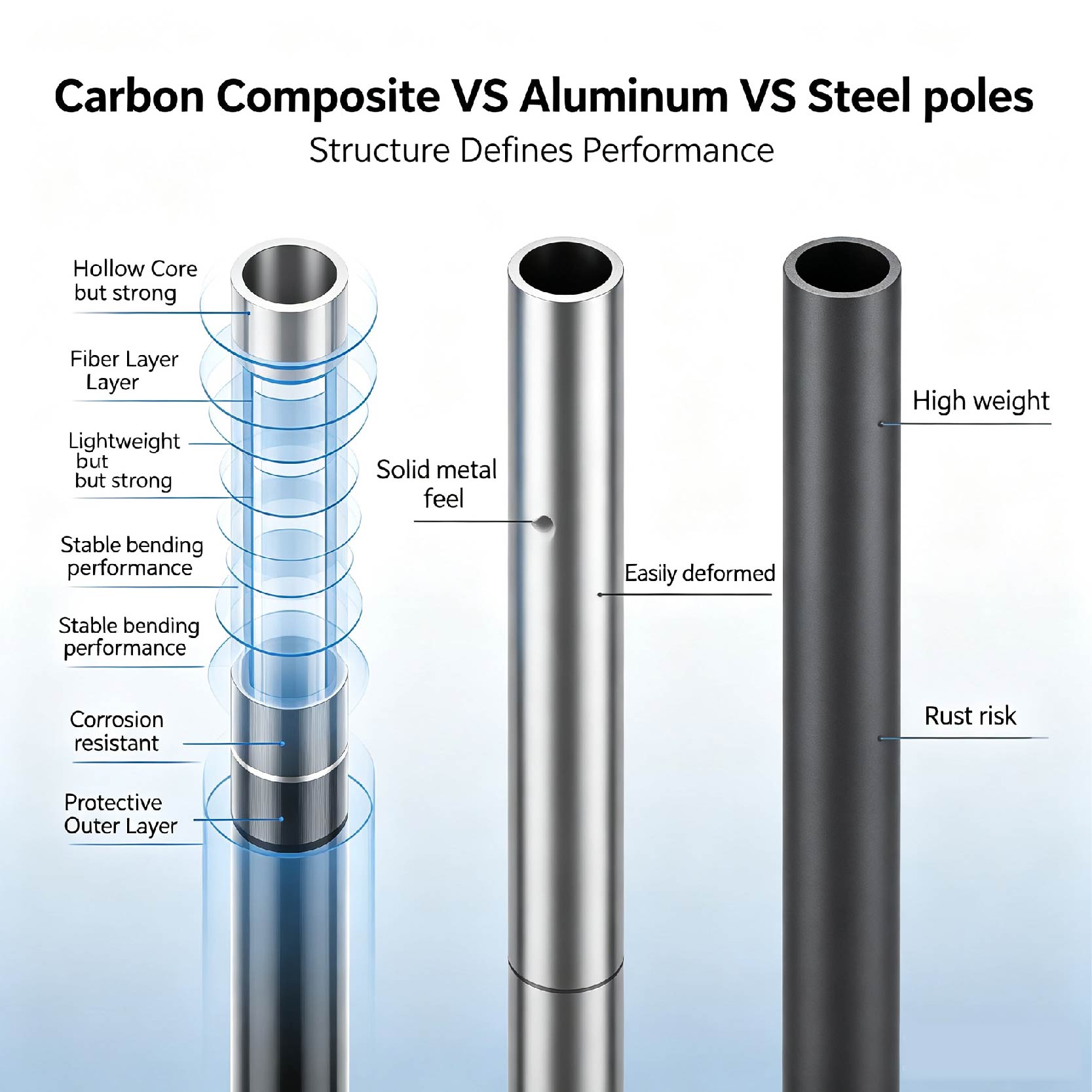
Aluminum display poles are typically extruded 6061 or 6063 alloy with a wall thickness of 1.0 to 1.5 millimeters. They fail in a predictable way: when stress on the outer fiber exceeds the yield strength—around 240 MPa for T6 temper—the pole bends and will not straighten without a press. Carbon composite, as used in the CYQ‑1, is a pultruded tube of unidirectional carbon fiber in an epoxy matrix. Fiber orientation is predominantly longitudinal, so tensile strength along the axis reaches 1,800 to 2,400 MPa, with a strain‑to‑failure near 1.5%. Because the material’s proportional limit sits very close to its ultimate strength, the pole can deflect substantially and spring back to true straightness, event after event. That difference in elastic behavior is the whole reason a carbon composite over‑the‑car banner makes sense for a rental fleet.
A simple field test: clamp one end of a tube to a table so that 1 meter overhangs. Hang a 5‑kilogram weight from the free end. The aluminum pole will retain a visible set after the weight is removed; the carbon composite pole will return to within 0.5 degrees of its original orientation. Repeat the test 50 times. The aluminum pole becomes unusable. The carbon composite pole is ready for its next event.
2.2 Data at the consignment level
| Property | Carbon Composite CYQ‑1 | Typical Aluminum Equivalent |
|---|---|---|
| Unit weight (kg) | 0.700 | 1.45 – 1.85 |
| Poles per 40‑foot HQ container | ~1,282 | ~680 |
| Freight cost per unit (Qingdao → Rotterdam) | ~$2.34 | ~$4.41 |
| Ultimate tensile strength (MPa) | 1,800 – 2,400 | ~310 (6061‑T6) |
| Yield strength (MPa) | N/A (proportional limit near UTS) | 240 |
| Corrosion in coastal air | None | Pitting within 12 months |
| Permanent bend after 20 events | None | Visible in 60% of units |
| EU TARIC import duty (2024) | 2.7% (heading 6815.10) | 6.0% (heading 7616.99) |
| Retail return rate due to pole damage | <1% | 12–18% |
Customs classification note: Carbon composite display poles fall under EU TARIC heading 6815, specifically 6815.10 for carbon fiber articles. Aluminum poles land under Chapter 76, typically 7616.99. The duty gap of 2 to 4 percentage points, applied to a full container, often erases any FOB price advantage the aluminum product might carry.
3. ROI Analysis: Why the Smart Long‑Term Choice Is Not the Cheapest Ex‑Works Price
3.1 Landed cost: the 40‑foot container model
FOB for the CYQ‑1 is $8.50–$9.00 per set. A 40‑foot high‑cube container carries 1,282 units, so factory value is about $10,900–$11,500. Ocean freight Qingdao to a major European port runs roughly $3,000, or $2.34 per unit. Marine insurance at 0.3% pushes the CIF to around $11.35. Apply the 2.7% duty, and landed cost reaches $11.66 per set.
An aluminum system of comparable size, quoted at $7.80 FOB but weighing 1.6 kilograms, loads only about 680 units per container. Freight per unit is $4.41. CIF becomes $12.32. With a 6.0% duty, landed cost climbs to $13.06. The carbon composite unit arrives on your warehouse floor 10.7% cheaper, despite a higher FOB price.
3.2 Replacement cycles and the cost of a bent pole at a live event
A distributor sending 200 over‑the‑car banners through an auto show circuit each year will see, on average, one in six aluminum poles develop a permanent bend by the fifth event. Rush replacement of a single pole—parts, shipping, labor on the show floor—costs $45. That translates to 33 poles and $1,485 per year in direct expense, not counting the reputational cost of a sagging banner next to a client’s latest model.
Carbon composite poles in the same fleet, with normal care, survive 20 or more events without any permanent set. The replacement rate drops below 1%. Over three years, the fleet owner saves about $4,000 in pole replacements and another $4,000 in avoided field‑service calls. That saving alone covers the purchase decision, before you factor in the freight and duty advantages.
A buying rule that has held through 15 years of flagpole procurement: whenever the landed cost of two competing products sits within 15% of each other, the material with the higher elastic strain limit wins the rental business.
4. Applications: Where an Over‑the‑Car Banner Earns Its Keep
4.1 Automotive retail and exhibition
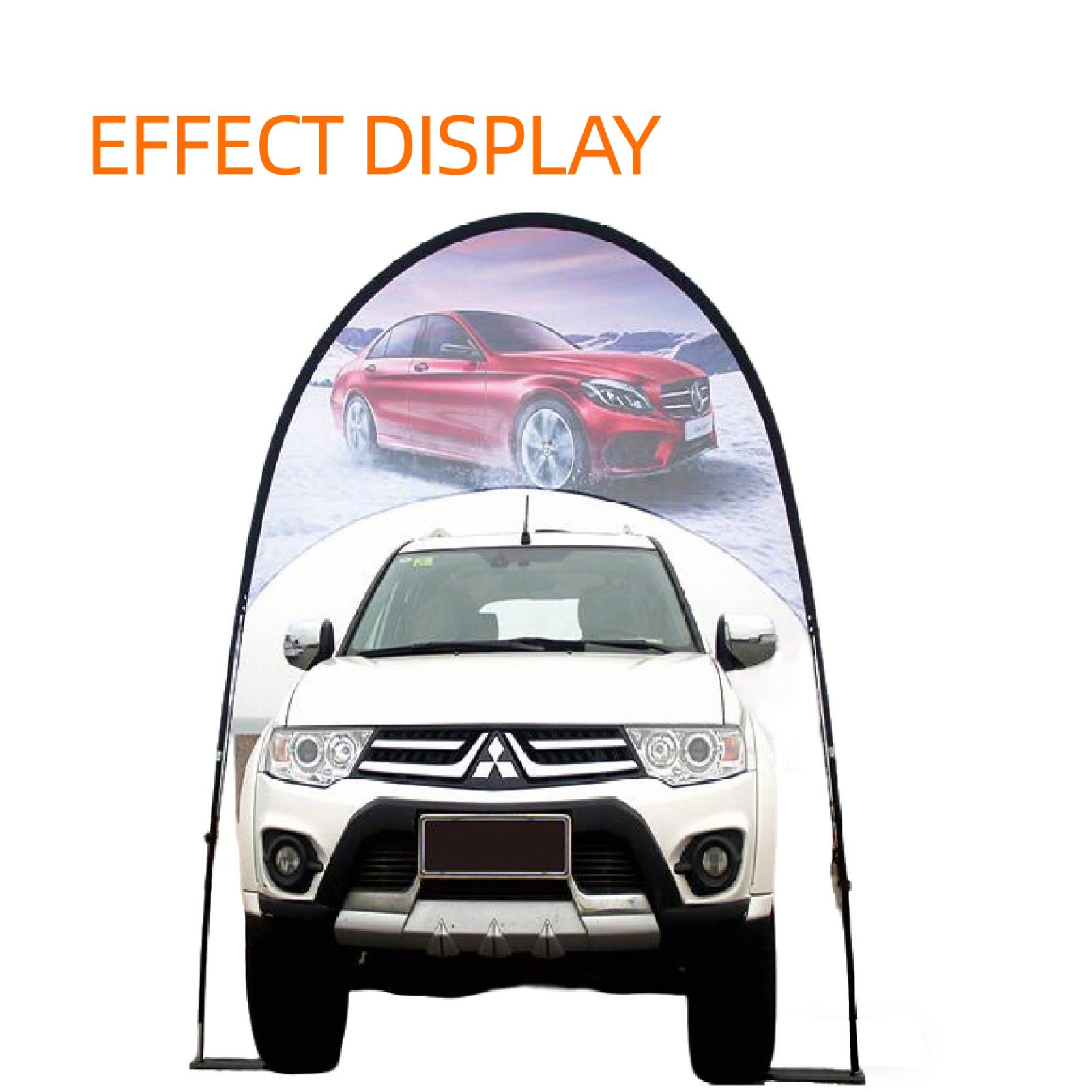
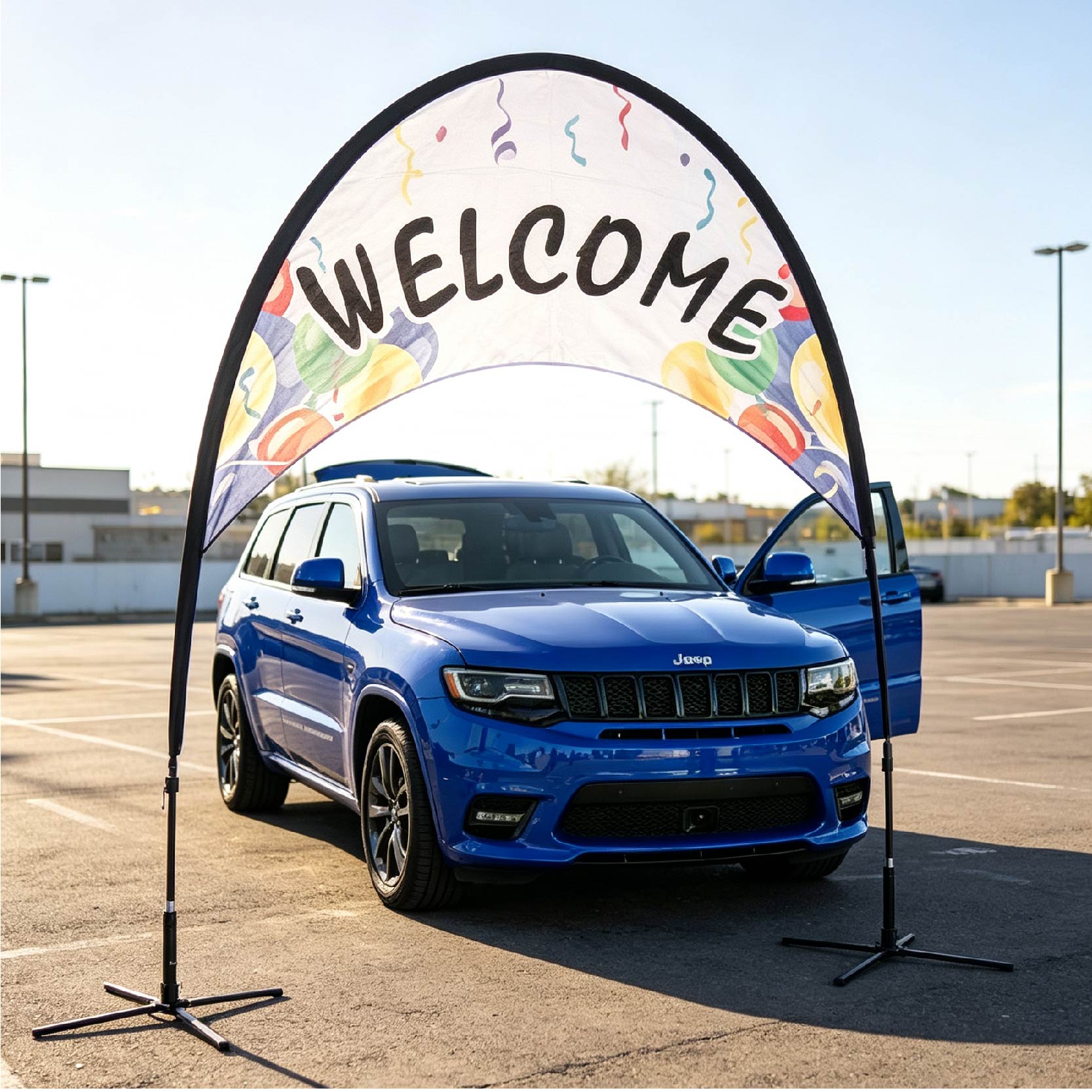
The CYQ‑1 was designed to frame a vehicle on a turntable or podium so the brand story reads above the car. Dealer groups in the Middle East and Southeast Asia move the banner from a Lexus sedan to a Toyota pickup in five minutes, no tools. The absence of rust means the hardware can live permanently in a humid, air‑conditioned showroom without developing the white oxide bloom that aluminum shows after a few years.
4.2 Festivals, sports events, and campus branding
Outside the auto sector, the banner appears at 5‑kilometer finish lines, university open days, and food‑festival VIP lanes. Television crews prefer a banner that does not flutter; flapping fabric makes autofocus hunt. With appropriate base plates, the carbon composite frame stays steady enough for live broadcast. Wind risk is managed by location choice—under a tent, in a stadium concourse, or between two buildings that break the breeze.
4.3 Healthcare, insurance, and institutional settings
Hospitals, insurers, and nonprofits need a clean, professional‑looking display that volunteers can set up in a lobby or outreach booth. The CYQ‑1’s tool‑free assembly and obvious locking connectors let a volunteer build the frame in under three minutes. The light weight allows one person to carry the kit from a parked car to the venue—often the deciding factor for organizations that send staff to multiple small events each month.
5. Factory Process: How WZRODS Makes a Carbon Composite Pole That Cannot Rust
5.1 From prepreg to pultruded precision
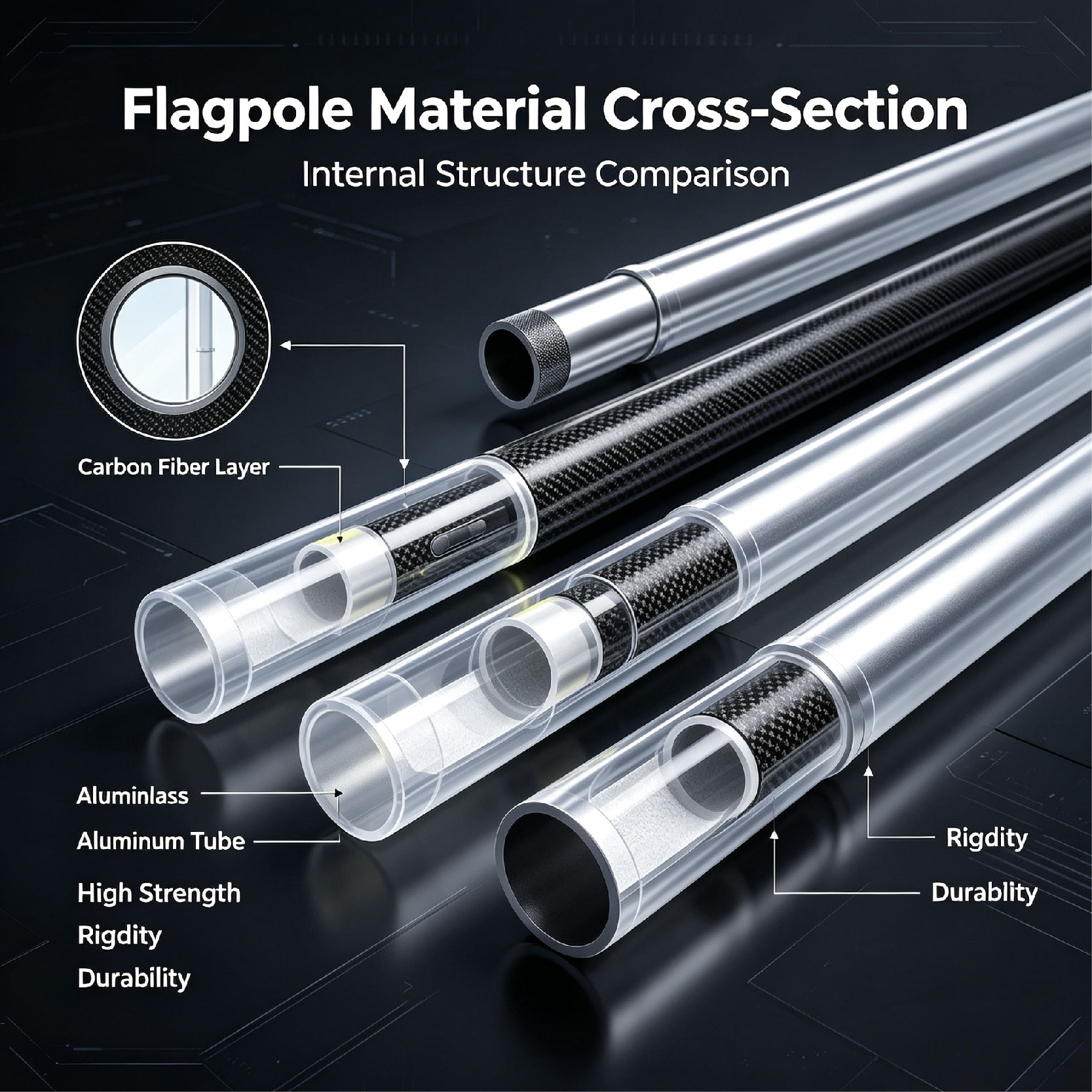
The journey of a CYQ‑1 pole begins in a town in Shandong, not far from the port of Qingdao. The factory receives rolls of unidirectional carbon fiber prepreg—thin sheets of aligned fiber already impregnated with an epoxy resin system that cures at 180°C. The prepreg is slit into tapes and fed through a heated pultrusion die. As the material moves through the die, the resin cures and a rigid hollow tube emerges, wall thickness 0.8 to 1.0 millimeter. The tube is cut to length and the ends are chamfered so they slide smoothly into the corner connectors.
Wei Wisezone tested early prototypes in 2005 on a custom bending jig that simulated the worst real‑world setup angle. After 500 cycles at 60% of the breaking strain, the tubes showed no measurable loss of stiffness. No international standard required that test. They did it because no one had built a carbon composite banner pole at commercial scale, and the natural question was whether the epoxy would crack over time. The data answered it thoroughly. Today every production batch undergoes a standardized 200‑cycle flex test before release. The results are recorded in the shipment’s quality dossier.
5.2 Why connecting hardware deserves as much attention as the pole
The CYQ‑1 uses injection‑molded nylon corner blocks with stainless steel locking screws. Nylon does not corrode, absorbs vibration, and has a small amount of compliance that prevents stress concentration at the pole entry. A cheaper ABS block would crack after a few assembly cycles. A zinc die‑cast block would add weight and galvanically couple with the carbon fiber, potentially drifting the pH of trapped moisture. Nylon added 9% to the component cost. The decision was made in 2007 after a Singapore distributor returned 40 sets with fractured corners. The root cause was identified and the fix was permanent. That is how a product evolves when the factory pays attention to every part.
There is a pattern in this industry: the connector is the part that fails first, yet suppliers often treat it as an afterthought. If it fails, the whole banner collapses. Solving that problem took WZRODS three months of testing. The result is a corner that lasts as long as the pole.
6. Trends: The Quiet Migration from Metal to Composite in Event Hardware
6.1 Customs tariffs and material cost curves
The EU REACH framework continues to tighten restrictions on certain alloying elements in metal products used in public spaces. At the same time, overcapacity in the wind‑turbine and aerospace sectors has driven down the price of industrial‑grade carbon fiber prepreg. A carbon composite banner pole that cost $12 to manufacture in 2010 now costs $7.50 to $8.00. Combine that with lower duty and lower freight, and the composite option lands cheaper than aluminum in 40 nations. This trend is not reversing.
6.2 The lifecycle argument
Corporate event planners increasingly ask for carbon footprint data on their hardware. A carbon composite pole used for 30 events has a per‑event material footprint lower than an aluminum pole replaced after 8 events. The bulk of the environmental impact in pultrusion is the energy to cure the epoxy, and that cost is amortized over many more uses. Distributors who present a simple lifecycle cost analysis—showing a lower scrap rate and longer service life—win contracts on sustainability alone, before they ever mention price.
7. Upgrade Solution: A Roadmap for Distributors Ready to Replace Aluminum
7.1 The sample stage: $64.59 buys certainty
The factory sample policy is straightforward. A single unit costs $64.59 plus shipping. Lead time matches production, 15 to 30 days, because the factory builds the sample on the same line that fills bulk orders. Distributors who order one sample and run their own tests almost always return for a container load. Assemble and disassemble the frame ten times in an air‑conditioned office. Leave it assembled outdoors on a calm day for six hours. Fold the printed banner and inspect for crease marks. Most importantly, let a skeptical sales manager try to bend a pole with his own hands. That last test converts more aluminum‑only distributors than any datasheet could.
7.2 First stock order: how to fill a container and minimize risk
MOQ is 1 piece—no pressure to over‑commit. But a full 40‑foot container of 1,282 units gives the lowest per‑unit cost. If you are not ready for a full container, order a 20‑foot mixed load: combine the over‑the‑car banner with feather flags and teardrop banners from the same factory. Consolidation keeps per‑unit landed cost low. Light customization—adjusting banner size slightly, adding a corporate color to the poles—is possible even on small runs, though the fastest turnaround comes with standard black carbon finish and the 3‑meter by 2.35‑meter banner. The factory’s light customization wing delivers modified sets in 18 to 20 days, a timeline compatible with most event seasons.
Frequently Asked Questions
What happens to the banner if the wind picks up suddenly?
The product is not designed for windy conditions. If a gust catches the banner, the frame may tip or the textile may act as a sail, transferring force to the poles. Carbon composite flexes and recovers, but extreme wind can still break corner connectors or tear the fabric. For outdoor use where wind is unpredictable, use weight bags on each leg and have a plan to remove the banner if gusts exceed 15 km/h.
Can the banner size be increased to 4 meters wide?
Light customization supports longer poles up to 4.5 meters. But the standard 3‑meter span is already at the design limit for the carbon tube’s stiffness. A wider span would require a thicker tube wall or an intermediate vertical support. Discuss the application with the factory’s technical team before ordering a non‑standard size.
How many events will the printed banner last?
Polyester banner fabric stored in its carry bag, away from prolonged direct sun, stays crisp and readable for 20 to 30 events. Reinforced edge hemming and grommets prevent tearing during tensioning. Used outdoors routinely, fading may become visible after 10 to 12 cumulative days of UV exposure.
What payment methods does the factory accept?
T/T, L/C at sight, Western Union, and PayPal. New distributors usually start with a 30% T/T deposit and 70% against copy of documents. After two successful orders, open account terms may be negotiated.
What are the lead times for bulk orders?
Standard lead time is 15 to 30 days from order confirmation and artwork approval. Custom‑sized banners or special pole lengths may add 5 to 7 days. Consolidating an order with other products (feather flags, teardrop banners) can be arranged without extending lead time, because production lines are separate.
How should the poles be stored between events?
Keep the poles in the provided carry bag, in a dry, temperature‑controlled area. Carbon epoxy has a glass‑transition temperature above 120°C, so a hot truck container in summer will not soften them. Prolonged exposure above 70°C may gradually embrittle the resin over many cycles. Avoid stacking heavy objects on the bag—point loads can cause micro‑cracks in the tube wall.
What is the warranty?
The factory warrants the poles against manufacturing defects for one year from shipment. The reality: The warranty excludes damage from misuse, including use in windy conditions, improper assembly that stresses the connectors, or impact damage from dropping. Over 15 years of export, warranty claims on carbon composite poles have remained below 0.2% of shipped units.
Are replacement connectors available separately?
Yes. Corner connectors (part CQ‑01), locking screws (CQ‑02), and tension clips are stocked as spare parts. A distributor renting out 200 sets might keep 20 spare connector kits on hand for fast field replacements.
WZRODS has shipped carbon composite display hardware to 38 countries since 2005. Every production batch still goes through the same bending jig that proved the first prototype. The principle is simple: a product that stands straight, event after event, sells itself.
About the Author
Wei Chen, Senior Product Specialist
B.S. Supply Chain Management, Michigan State University; Certified Professional in Supply Management (CPSM)
12 years in B2B display hardware sourcing. Former procurement manager for a top 20 US promotional products distributor. Specializes in aluminum pole systems and import compliance.
Reviewed by WZRODS Technical Team. Updated: 2026-07-16
 Comments (0)
No comments yet. Be the first to comment!
Leave a Comment
Related Products
Director Chair
Cafe Barrier
Door Frame
Event Square Gate
Over The Table Banner
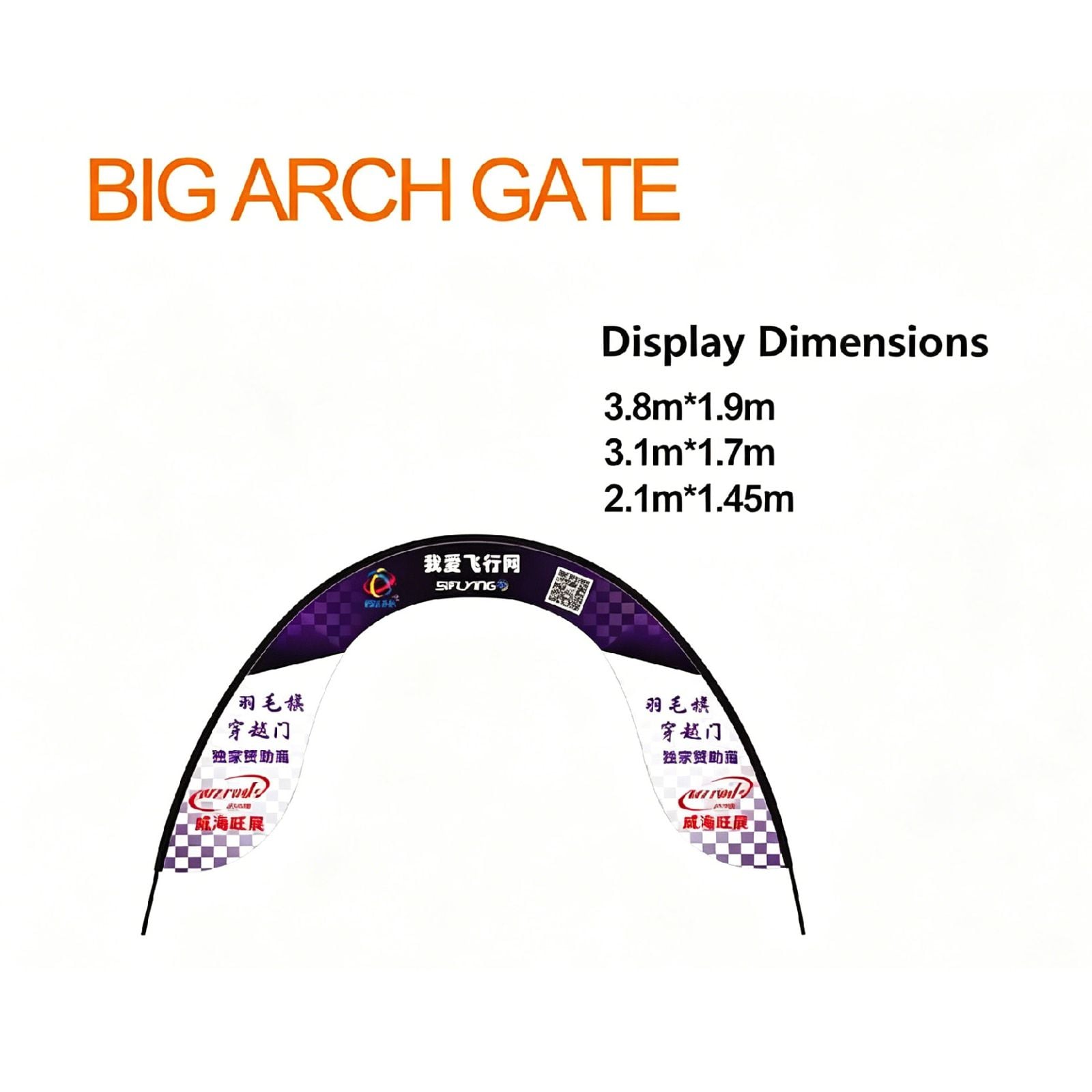
Big Arch Gate
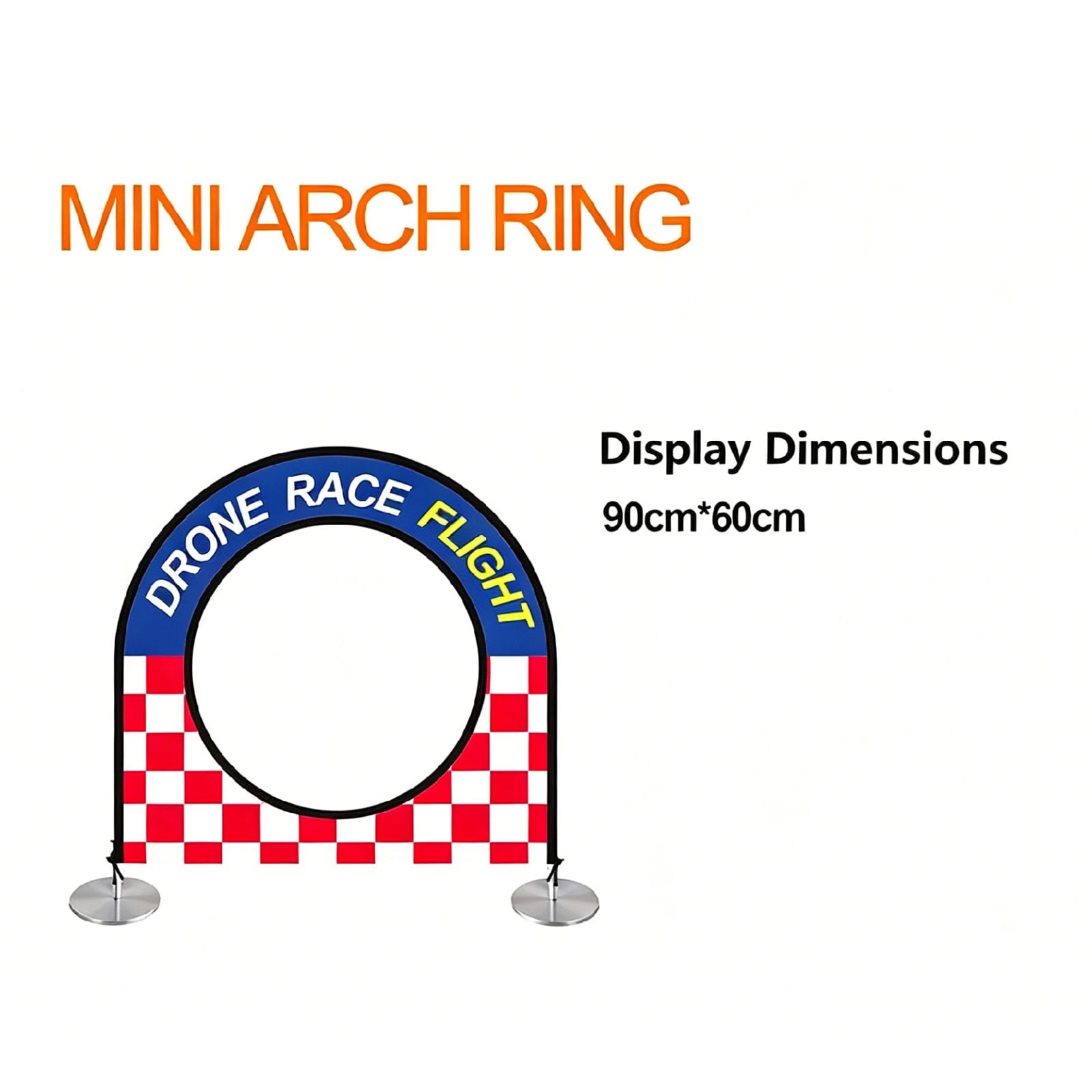
Mini round gate
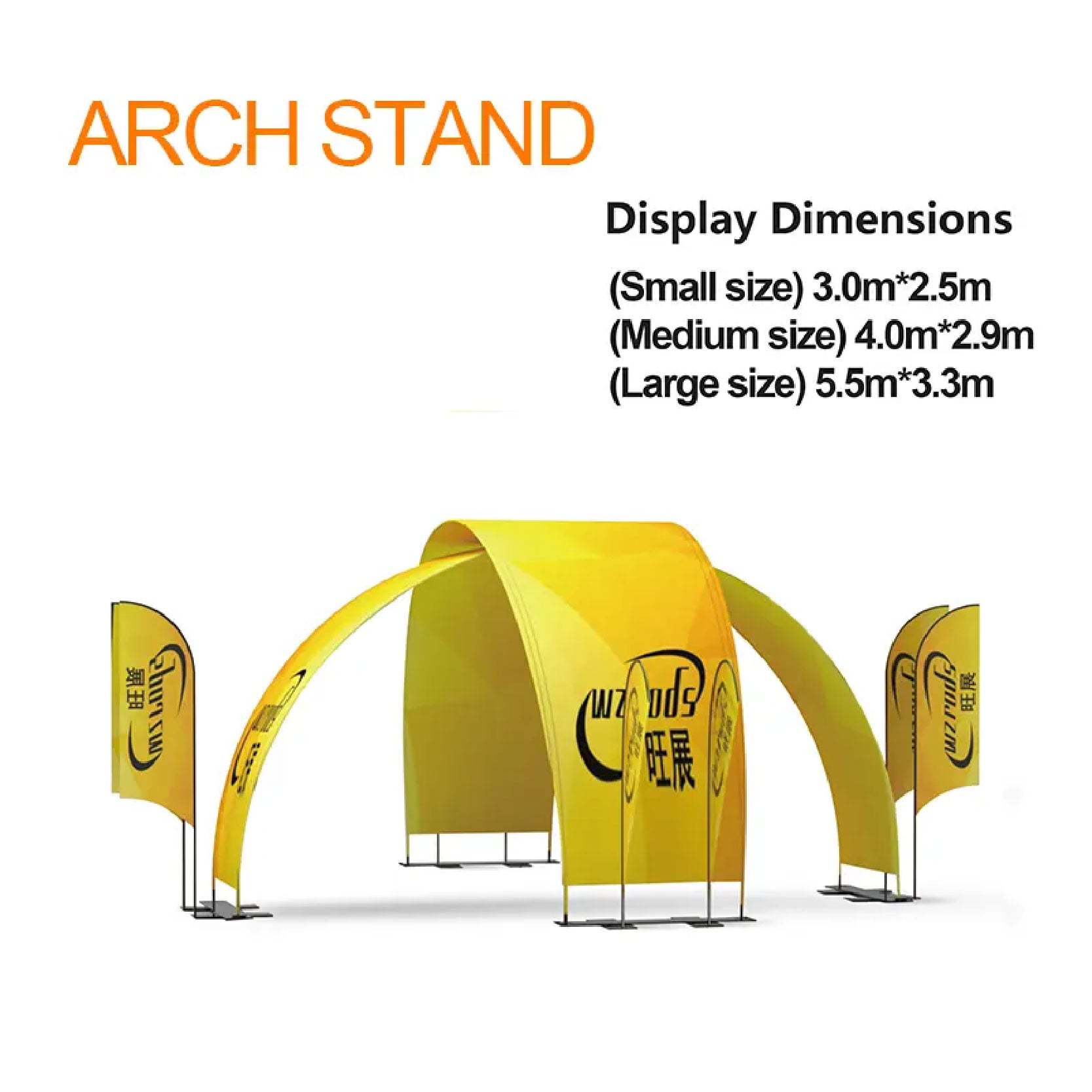
3D Arch Stand
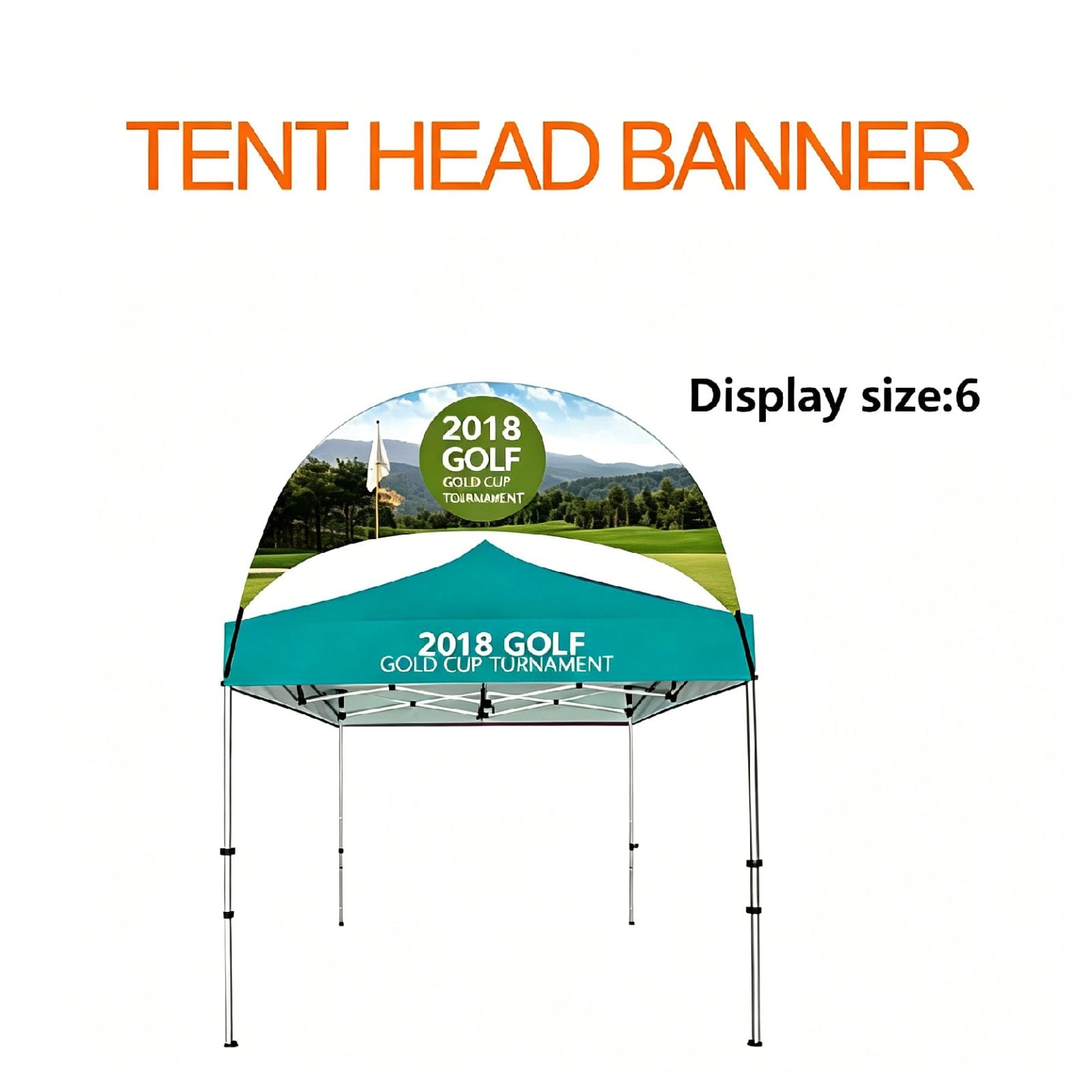
Tent Head Banner
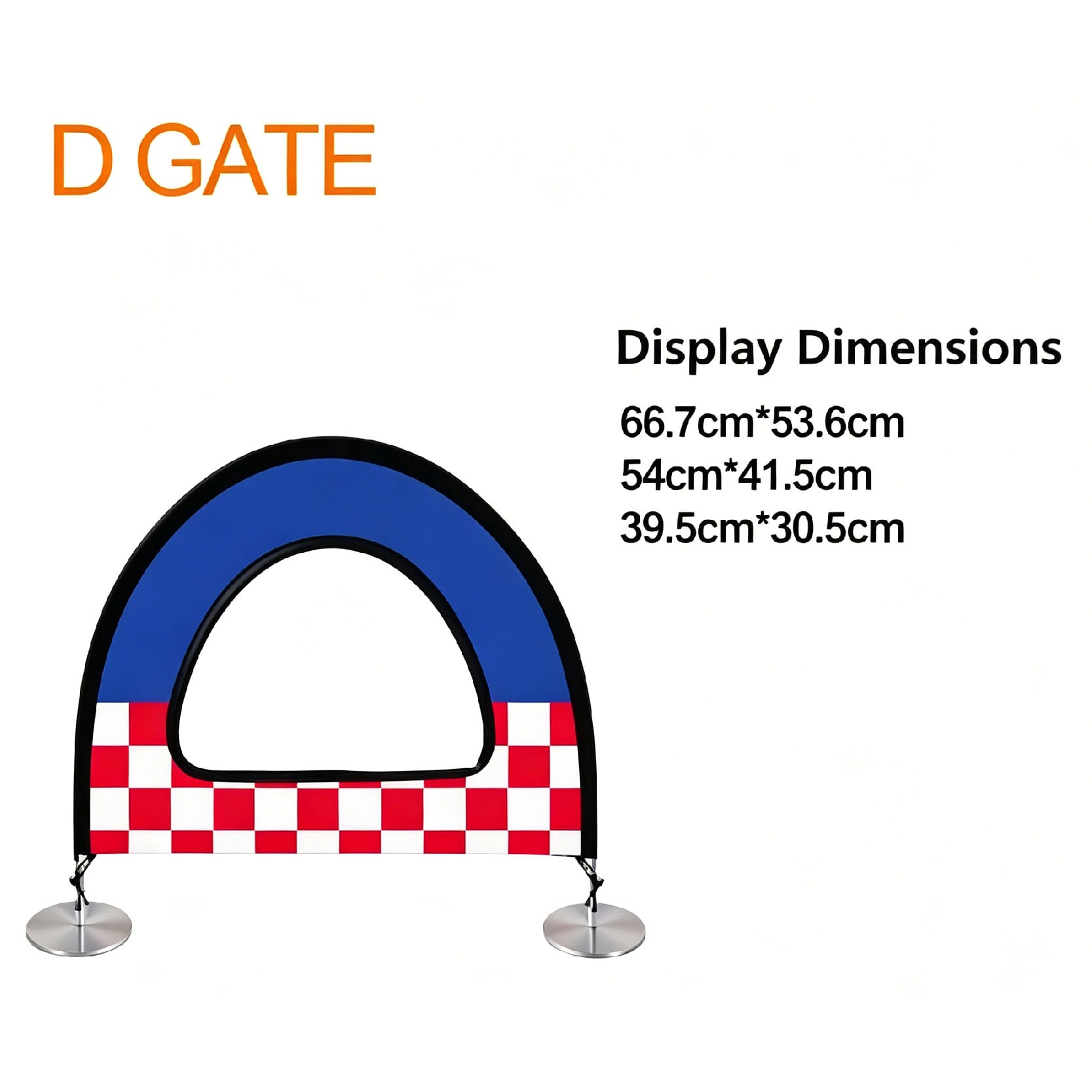
mini d gate
Related Articles
29kg Concrete Flag Base - The Complete B2B Buyer's Resource - WZRODS
WZRODS DY451B: 29 kg, HDPE shell, concrete core. Stackable, portable, rust-proof. FOB price US$5.75–$6.85 at MOQ 2 units. Those numbers look unremarkable. Factor in landed cost—import duties lower than aluminum’s under relevant HTS codes, freight savings from less weight per unit of stabilizing mas
Wide Tube Cross Base - The Complete B2B Buyer's Resource - WZRODS
The Wide Tube Cross Base, manufactured by Wzrods in Shandong, China, solves one problem: reliable stability for poles under three meters, without the freight costs and warehouse footprint that heavier alternatives demand.
Rectangular Pipe Cross Base - The Complete B2B Buyer's Resource - WZRODS
The pipe cross flag base is a cross of rectangular steel pipe, powder‑coated, weighing 1.3 kg and spanning 78 cm across its arms. Its center holds a C‑ring shaft that lets the flag rotate with the wind.
X-Shape Backpack Banner - The Complete B2B Buyer's Resource - WZRODS
Economic Cross Base - The Complete B2B Buyer's Guide- WZRODS
When you buy an economic cross base—something like the Wzrods DM‑9, a 77 cm‑long, 1.3 kg iron cross—forget “economic” as a synonym for “cheap.” It means value-engineered.