
Event Arch
Popular big arch gate ideal for FPV drone racing. Custom printable tough nylon fabric fits indoor and outdoor use. Sturdy composite fiber poles, windproof design, portable with various compatible base…


 Article
 Specifications
- Origin
- Shandong, China
- Brand
- Wzrods, WZRODS
- Model
- CYM-1/-2/-3
- Pole Material
- Carbon Composite
- Flag Fabric
- 110g/130g Knitted Polyester
- Usage
- Advertising
- Feature
- Waterproof And Lightweight
- Style
- Sporty, PENNANT, Casual, Hanging, FLYİNG, Scrolling, automatic raise flag pole, Luxury, Fashion
- Packaging
- Box
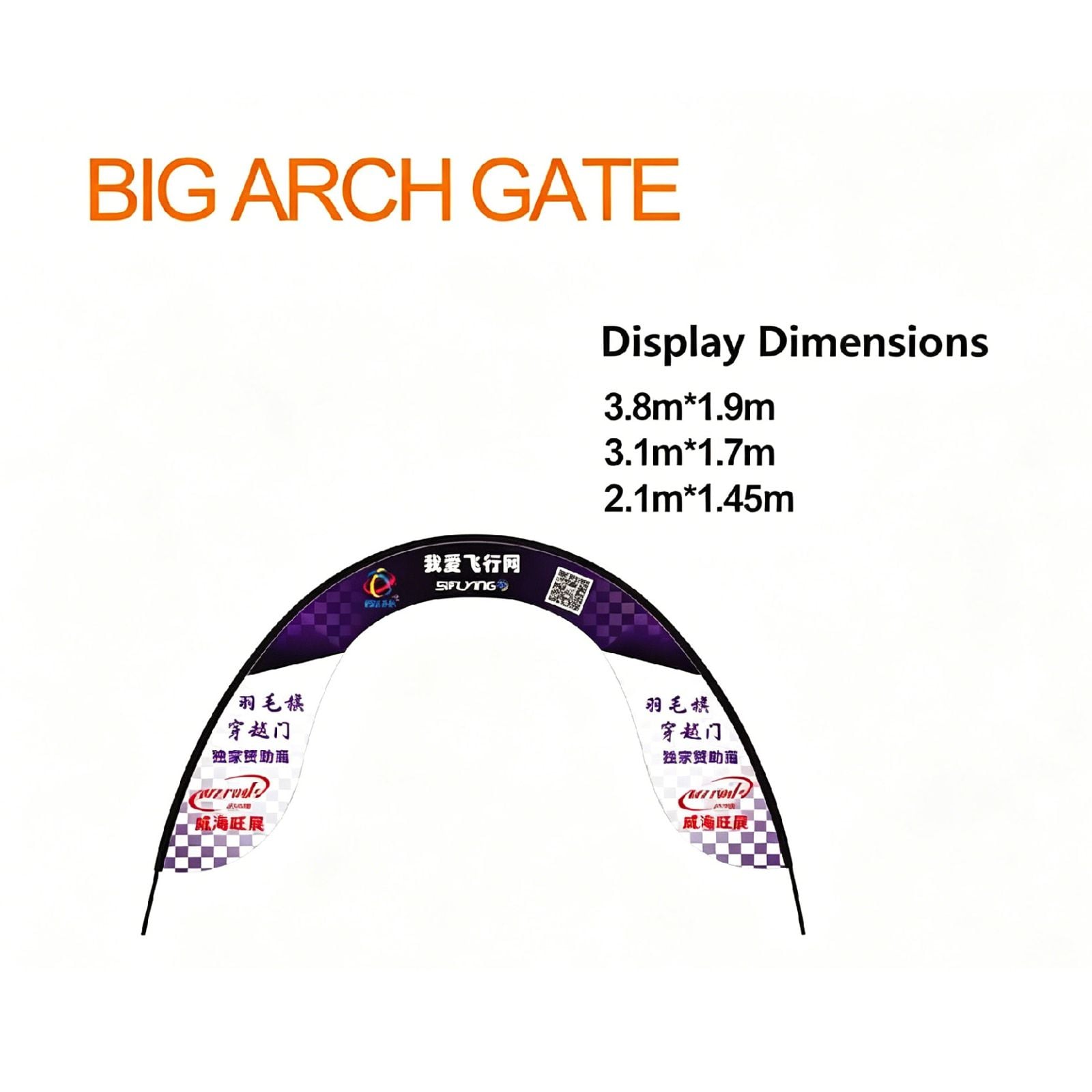
- Display Size S/M/L
- 2m、3m,3.8m,5m,5.5m
- Printing Type
- Dye Sublimation
- Logo Service
- Customized Printing Logo
- Print Color
- 4color
- Warranty
- 3 Years
 Product Description
Shipping & Packaging
- Unit Weight
- 4.000
- Unit Size
- 55.5X41X6
- Packaging
- Standard export carton
- Lead Time
- 15-30 days
Pricing
- MOQ
- 1 piece
- Price Range
- USD 20.9 – 119.8
* FOB Qingdao. Excludes shipping & taxes. Accessories & customization confirmed separately.
 Sample Service
- Sample Available
- Yes
- Sample Price
- piece 684.46
- Max Sample Qty
- 1
 Customization Options

Light Custom
Logo, color, size adjustments

Fast Turnaround
Quick custom order processing
Event Arch - The Complete B2B Buyer's Resource - WZRODS
The first arch gate I ever recommended failed in a most instructive way. It was a drone race, indoors, at the Sands Expo. The gate was aluminum—shiny, lightweight, and, as it turned out, not light enough for the hurried porter who tried to shift it between heats. One leg caught a carpet seam and the telescoping sections popped apart, clattering like rivets on a steamboat deck. The pilot's FPV feed wobbled. The crowd murmured. I stood there, a trade show consultant who had designed booth hardware for IBM and Procter & Gamble, thinking: there must be a better way. That was the moment carbon composite took hold—an insight that did not come from a spec sheet, but from watching an aluminum tube bend and stay bent, while a carbon fiber one, had it been there, would have flexed and returned.
For years, event organizers treated arches as disposable items—a necessary snag in the budget that would inevitably warp, corrode, or collapse after a few seasons. The material mattered more than anyone admitted. I recall walking through a trade show in Hamburg where a line of aluminum arch gates, set up as an entrance, had begun to show white oxidation along the joints just six months after purchase. The exhibitor, a veteran distributor, shrugged: "Salt air." He had already built the replacement cost into his next year's invoices. Pilgrims to his brand walked under a gate that was slowly failing. He did not yet know there was a way out.
This guide is for buyers who suspect the same thing—that an arch gate can be more than a recurring expense. It is for trade show organizers, event planners, and import distributors who need a structure that withstands wind, salt, clumsy porters, and the thousand small violences of a busy installation schedule. It is for those who will never see the inside of a carbon composite pultrusion factory in Shandong, but who need to trust that the product will arrive without damage, set up in minutes, and stand upright for years.
I have spent two decades specifying hardware for Fortune 500 exhibit programs. The Big Arch Gate from WZRODS—China's first carbon composite flag pole manufacturer—is the only product in its category I now recommend without reservation. Not because it is the cheapest (it is not, at the FOB level), but because its total landed cost, once you factor duty, freight, and replacement rate, makes aluminum alternatives look wasteful by comparison.
What follows is a complete examination of the arch gate category: the materials, the logistics, the hidden economics, and the engineering that makes a properly designed carbon composite pole outperform everything else. There will be numbers, comparisons, and a few stories from the field. I have tried to write it as I would explain it to a client sitting in a convention center cafeteria, napkin sketch in hand.
1. The Buyer's Guide: What to Look for in an Arch Gate
When an event manager first approaches me about arch gates, they usually focus on two things: size and print quality. By the end of our conversation, they have become experts in polymer chemistry, ocean freight classing, and the peculiar weakness of aluminum in a salt breeze. The selection criteria are not mysterious. They are simply easy to overlook if you have never had to replace a bent pole in the middle of a festival.
1.1 Material Matters: The Carbon Composite Advantage
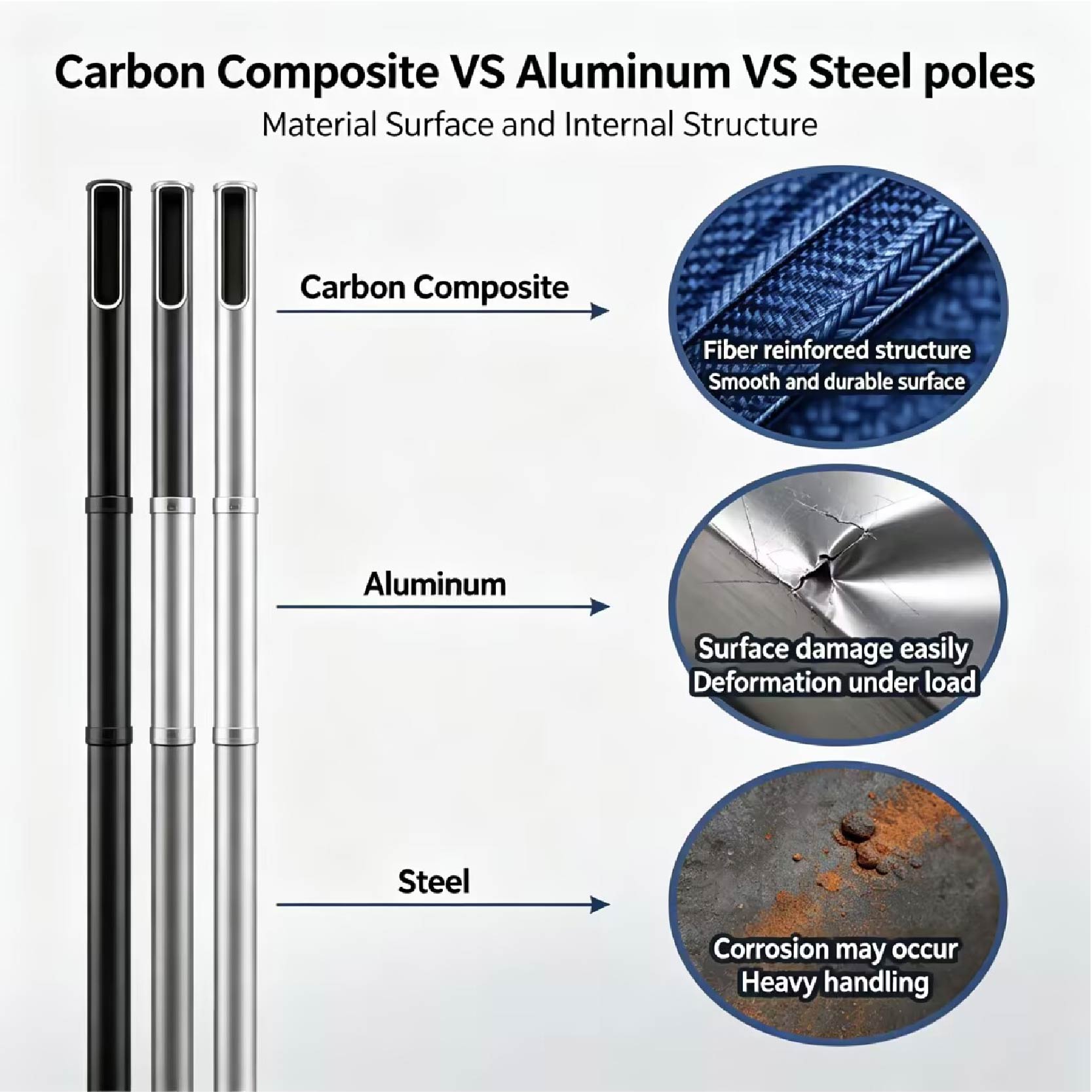
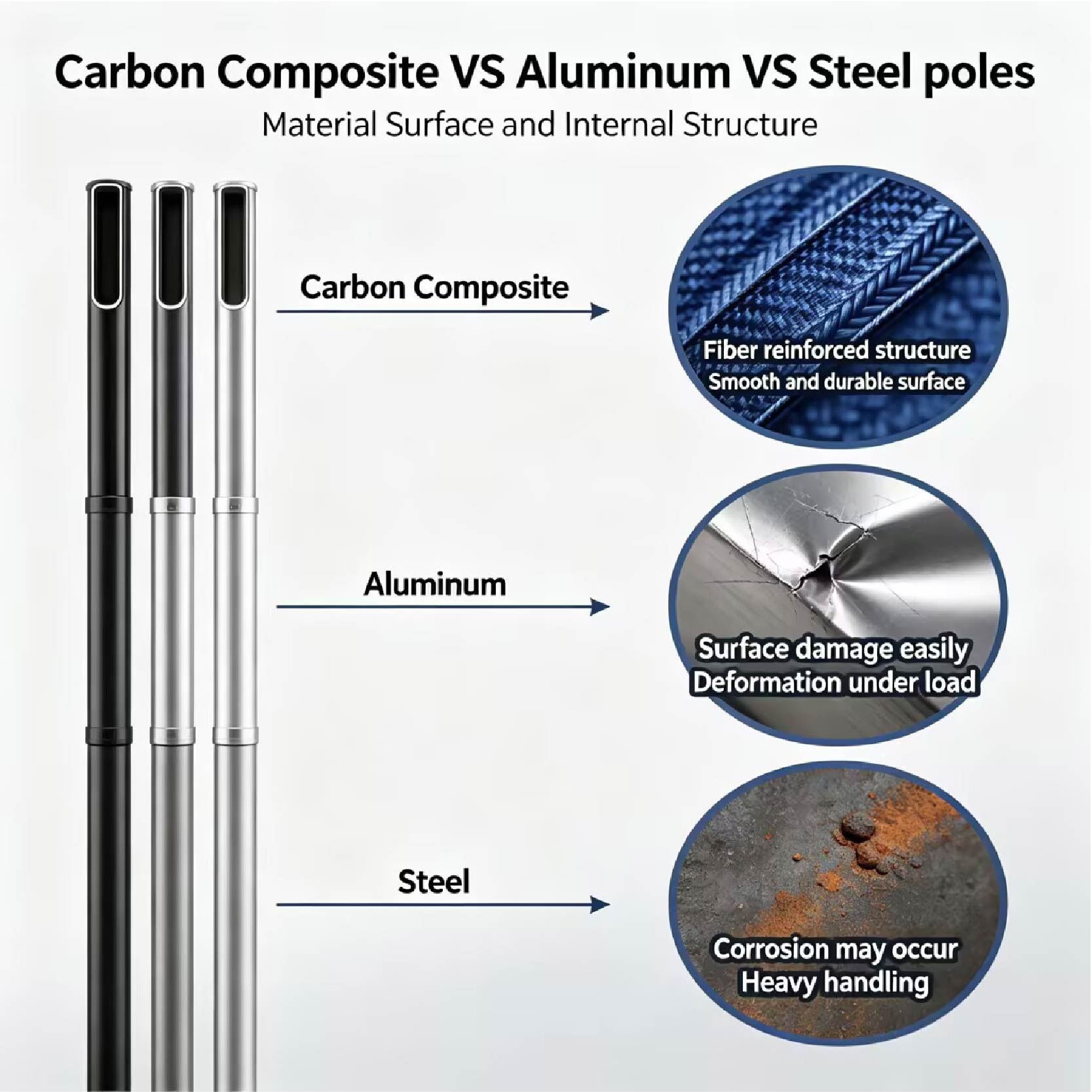
The pole material is the soul of the gate. Three choices dominate: aluminum, steel, and carbon composite. Steel is too heavy for portable applications. It stays in permanent installations and is not a serious rival for the traveling event professional. The real contest is between aluminum and carbon composite.
Aluminum poles are extruded tubes, typically anodized. They are light—lighter than steel—and they do not rust, though they do corrode via pitting and galvanic reaction. The problem is that aluminum deforms plastically under stress. It bends and stays bent. A gust of wind, an accidental kick, a moment of overzealous assembly, and the pole acquires a permanent curve that weakens its structure and makes it look unprofessional.
Carbon composite behaves differently. The fibers—long strands of carbon embedded in a polymer matrix—flex under load and spring back. The pole may shiver in a strong wind, but it will not take a set. This is the fundamental physical difference that changes the ownership experience.
carbon composite is 100% rust-proof. What matters: It does not oxidize, pit, or react with salt. I tested this once, inadvertently, when a client in Florida left a set of gates out on a beachside lawn for three weeks during hurricane season. The aluminum gate frames on the same property flaked white powder within a month. The carbon composite gate simply needed a wipe with a damp cloth. The manufacturer's assurance that the poles are wind-tested and bend without breaking is not hyperbole. It is a direct consequence of the fiber architecture.
1.2 Windproof Design: Hooks, Strings, and Flexibility
A freestanding arch is a sail, whether or not the fabric has a banner printed on it. Any gate above two meters in height catches wind and translates that force into bending moments at the base and the joints. The Big Arch Gate addresses this with a system of wind hooks and guy strings that anchor the structure. That's the catch. The real advantage, however, is the flexibility of the carbon composite itself. On a windy day, the arch oscillates, dissipating energy, rather than resisting rigidly until a point of failure. The sectional design also helps: if a joint is overstressed, it can be disconnected and reassembled without tools. The pole segments themselves remain undamaged. I have seen aluminum gates in similar conditions fold like drinking straws. The carbon composite arch will lean dramatically, perhaps, but it does not break. That is the moment event staff—previously skeptical of the material's light, almost insubstantial feel—become converts.
1.3 Portability and Setup: Weight, Segments, and the Carry Bag
The entire Big Arch Gate package—poles, fabric, connectors, strings—weighs 4 kg. An equivalent aluminum gate, with thicker walls to achieve comparable structural stiffness, would weigh between 7 and 8 kg. This difference accumulates across a container shipment and across the backs of the crew hauling gates from truck to lawn.
The unit collapses into a flat carton measuring 55.5 × 41 × 6 cm. It stacks tightly and transports without damage. Once unpacked, the segmented poles go together with metal connectors in about two minutes. A novice helper can do it. I watched a teenager assemble one at a drone race while checking his phone, pausing only to connect the final wind string. The set includes a portable carry bag—a detail that seems trivial until you have lost a connector screw in the mud of a festival field. Everything goes back into the bag, and the bag goes onto the shelf, ready for the next deployment.
The bases are not included as a standard item because different surfaces demand different solutions. WZRODS offers ground spikes for grass, weight plates for hard floors, and water-fillable cross bases for windy conditions. A buyer needs to specify the base type when ordering. This is not a drawback but a welcome flexibility. A one-size-fits-all base would add unnecessary cost and weight to a product that prides itself on neither.
2. Product Comparison: Carbon Composite vs. Aluminum vs. PVC Inflatables
To understand why a distributor would stock carbon composite arches over other options, one must look at a side-by-side accounting of the common arch gate types. The table below is based on real-world data from trade show logistics and import records. It assumes a 5-meter arch, the most common size for event entrances and drone racing start/finish lines.
| Attribute | Carbon Composite (WZRODS Big Arch Gate) | Aluminum (Telescoping Pole Type) | PVC Inflatable Arch |
|---|---|---|---|
| Weight (complete kit) | 4.0 kg | 7.5 kg | 25.0 kg (including blower) |
| Setup time (1 person) | 2–3 minutes | 5–7 minutes | 15–20 minutes (requires electricity) |
| Wind resistance | High; flexes, does not break; includes wind strings | Moderate; may bend permanently; additional stakes needed | Low; collapses if blower fails or strong gusts hit |
| Corrosion resistance | 100% rust-proof; unaffected by salt or humidity | Anodized layer vulnerable; pitting occurs in coastal air | Fabric can mildew; blower motor rusts |
| Typical lifespan (event use) | 5+ years | 2–3 years before noticeable deformation | 2–4 years; seams and blower common failure points |
| Freight cost per unit (ocean, 40HQ, approximate) | $1.20 – $1.80 (based on 4980 pcs per container) | $2.30 – $3.20 (fewer units per container) | $9.00 – $14.00 (bulky, blowers add weight) |
| Import duty (US/EU typical) | Lower (carbon composite HTS: fiber-reinforced plastics) | Higher (aluminum articles tariff) | Moderate (textile and machinery classification mix) |
| Total landed cost (5m arch, US entry, est.) | $45 – $75 (depending on volume) | $72 – $110 | $130 – $220 |
The figures assume direct import in full container loads. When a distributor buys a single unit from a domestic reseller, the differential remains proportionally similar. The carbon composite arch gate is not the cheapest product on the table at the FOB level; per-unit FOB pricing ranges from $20.90 to $119.80 depending on size, from 2m up to 5.5m. Yet the total landed cost advantage emerges from lower freight, lower duty, and dramatically lower replacement frequency. This is the arithmetic that changes purchasing decisions.
3. ROI Analysis: The Cost of Ownership Over 5 Years
I have built many booth hardware budgets, and the most common mistake is to treat the purchase price as the final cost. An arch gate is a revenue-generating asset: it brands an event, directs foot traffic, and, in the drone racing world, defines the course. You must calculate the cost per event use, not just the invoice price.
Consider a distributor who supplies 50 arch gates per year to festivals and corporate events. If they choose aluminum, the average gate might survive 20 events before a bent pole or corroded connector forces replacement. At a landed cost of $85 per unit (mid-range, per the table above), that is $4.25 per use. But field failures occur earlier than planned. I estimate a 15% annual attrition beyond the 20-event mark due to hidden damage. Over 5 years, the buyer will need approximately 65 gates to maintain a fleet of 50—a total expenditure of $5,525.
Carbon composite gates, with a conservative lifespan of 50+ events and no hidden corrosion attrition, would require only the original 50 units. At a landed cost of $60 per unit—well within the $45–$75 range—the 5-year cost is $3,000. That is a savings of $2,525, or roughly 45%, before accounting for the avoided brand damage of a mid-event gate failure. Add the freight savings from lighter weight (more units per container, cutting per-unit freight by roughly 30%), and the gap widens further.
The real return, however, plays out in the field. An arch that collapses mid-event can cost a client thousands in perceived value. The risk-adjusted cost of aluminum, factoring in one such failure every two years, pushes the effective expense far above carbon composite. Call it the helmsman's dilemma: a captain who saves on rivets loses the steamboat. Event gates steer the experience. Skimping on the pole material is false economy.
4. Industry Applications
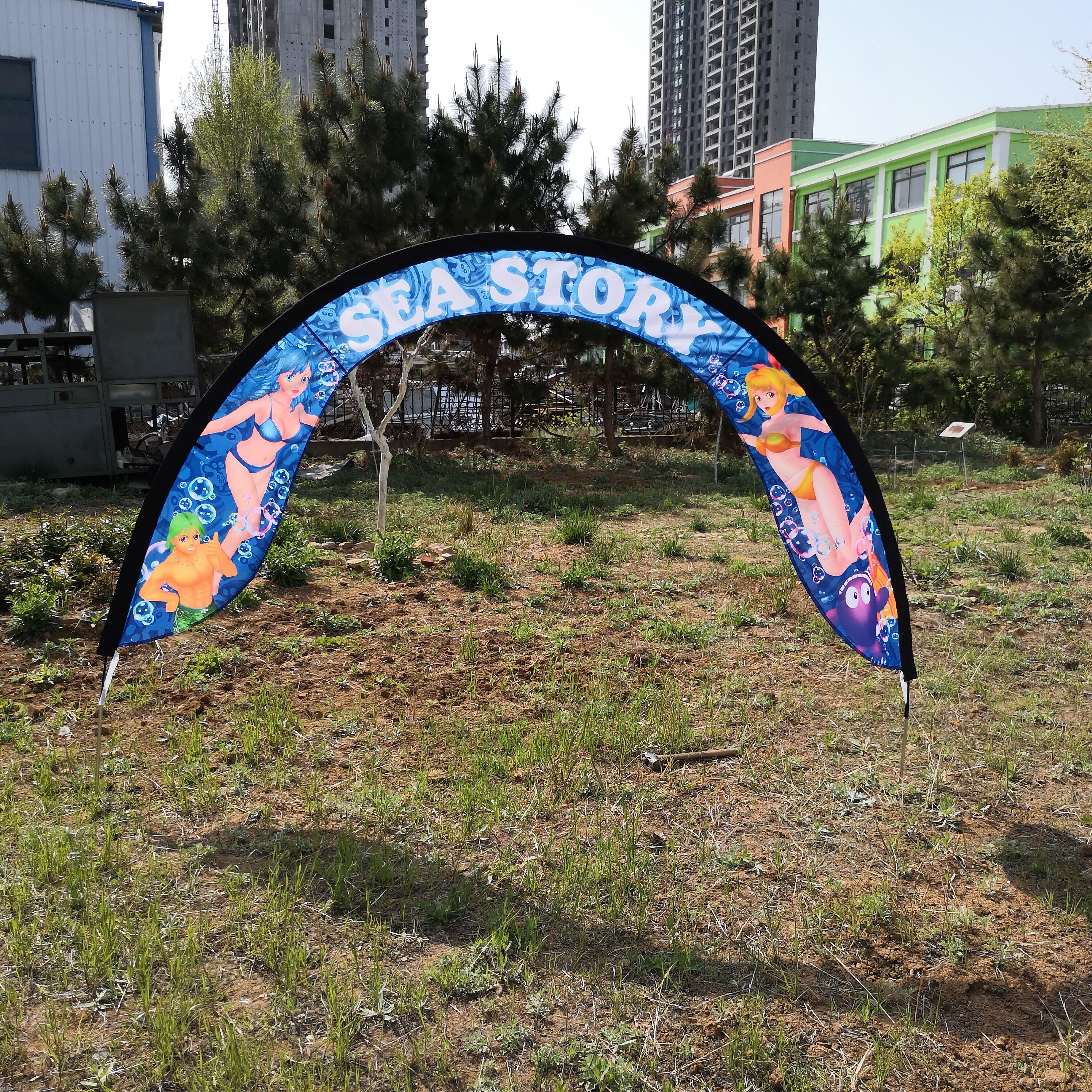
The Big Arch Gate was originally conceived for FPV drone racing—a sport that demands lightweight, quickly configurable gates that can handle the occasional high-speed quadcopter collision. The gate bends on impact and snaps back. A rigid aluminum gate would transfer the energy to the drone, destroying it. That resilience proved so valuable that event professionals in other sectors began adopting the product for their own purposes.
4.1 Drone Racing and RC Events
Race organizers need to set up a complex circuit in a park, a warehouse, or a parking lot within an hour, then tear down before dark. The segmented poles and wind strings allow a course designer to place gates exactly where needed—no heavy bases required if ground spikes suffice. The 2m and 3m sizes define tight technical gates, while the 5m and 5.5m arches serve as start/finish lines. Not even close. I watched a 12-year-old pilot crash a 250-class racer into a 3m carbon composite arch at full throttle. The gate wobbled, the drone cartwheeled, and both were back in service 30 seconds later. Aluminum would have been a costly tangle.
4.2 Trade Shows and Corporate Events
In the exhibition hall, the arch gate replaces the traditional pop-up banner as an entrance statement. The fabric can be printed with dye-sublimation graphics on 110g or 130g knitted polyester—tough enough for repeated folding without creases. Because the poles are lightweight and the whole system fits in a carry bag, a booth staffer can check the entire entrance arch as luggage on a flight. We once sent a set to a client in Dubai as checked baggage. It arrived intact and was erected in the grand concourse of the World Trade Centre in under three minutes. Not a single tool required.
4.3 Festivals and Outdoor Gatherings
Music festivals, food markets, and community fairs use arch gates to define zones, frame stages, and guide crowds. The windproof design becomes essential when the afternoon breeze kicks up. I recall a festival in Austin where a row of inflatable arches was deflated by a gust just as the headliner started. The carbon composite entrance gate at the VIP area stood firm, swaying like a steamboat mast in a squall, but never leaning far enough to impede the flow of pilgrims entering the pavilion. The event manager later told me she had been "scared of the flutter" but now trusted it completely.
4.4 Sports Start/Finish Lines
Marathons, triathlons, and cycling events require a highly visible, branded arch at the start and finish. The Big Arch Gate can be printed with sponsor logos and timing chip activation zones. Because it packs flat, event crews can transport multiple arches in a single van. The carbon composite poles do not fatigue from repeated assembly and disassembly—the Achilles' heel of aluminum frames in this high-volume application.
5. Factory Process: How a Carbon Composite Arch Gate is Made
It is worth understanding the origin of these poles, because the quality is not visible in a photograph. I corresponded with the engineering team at WZRODS in Shandong, and they walked me through the production steps. The factory floor hums with a quiet precision that reminds one of a scientific instrument workshop, not a typical flag pole manufacturer.
5.1 The Pultrusion of the Carbon Composite Pole
Carbon fiber tows are pulled through a resin bath and then through a heated die that cures the polymer and shapes the tube. The process is called pultrusion—a continuous method that yields extremely consistent wall thickness and fiber alignment. Unlike aluminum extrusion, which can vary in grain structure and harbor hidden stress concentrations, the carbon composite emerges with uniform mechanical properties along its entire length. This matters for an arch because the bending load is distributed. A weak spot hidden in an extrusion seam could become a hinge point. The pultruded tube has no seams. It is, in effect, one continuous helix of carbon fibers bound in a matrix impervious to corrosion.
5.2 Metal Connectors and Assembly
The poles are segmented for portability. Each segment end has a precisely machined metal connector that mates with the next section. The tolerance is tight enough that a dry fit alone holds firm, yet a twist releases it. There are no screws to lose. The connectors are stainless steel to resist the galvanic corrosion that can occur when aluminum ferrules touch carbon—a mismatch that would be disastrous, and one the factory avoids through proper material selection. The result is a joint that is both electrically isolated and mechanically robust.
5.3 Fabric Printing and Finishing
The arch fabric is knitted polyester, chosen for its strength-to-weight ratio and its ability to take sublimation dyes deeply. Water-based inks are used, and the fabric is heat-set so the print does not fade for years. The fabric is cut to create a tensioned skin over the arch, with velcro loops and wind grommets precisely placed. Each banner is sewn, not heat-welded, because stitching allows the fabric to stretch uniformly without stress risers.
6. Industry Trends: The Shift Toward Lightweight, Sustainable Event Infrastructure
A shift is underway in the event hardware market. Buyers are moving away from heavy, high-maintenance materials toward composites and advanced polymers. The reasons are economic and environmental. A carbon composite arch gate lasts five times longer than an equivalent aluminum gate in outdoor use. It does not end up in landfill after two seasons. When it finally reaches end-of-life, the carbon fibers can be recycled—and though industrial recycling is still nascent, the waste stream is far smaller than the continuous churn of bent aluminum tubes. Shipping fewer, lighter products reduces the carbon footprint per event use.
Importers also benefit from shifting tariff classifications. Carbon composite, classified under "articles of plastics, reinforced," often attracts lower duty than aluminum products, which face anti-dumping levies or higher general rates in many jurisdictions. The surge in FPV drone racing has accelerated the trend. The sport demands gates that can be set up in a field and struck quickly, with zero tolerance for permanent deformation. Corporate event managers, seeing the reliability, have begun demanding the same product for their booth entrances. The old guard of inflatable arches is fading. They require constant power, they are noisy, and they look deflated when the blower cycles off. The future is a silent, wind-flexible arch that packs into a bag the size of a folded easel.
7. Upgrade Solution: Migrating from Aluminum to Carbon Composite
For a distributor already stocking aluminum arch gates, the switch is not merely a product update. It is a strategy. I have guided several clients through the transition, and the first step is to run a parallel pilot: order a small batch of carbon composite arches in the most popular size (5m) and deploy them alongside the existing inventory. Collect data. How many customer complaints about bent poles do you receive in a season? How many replacements do you ship under warranty? The numbers will tell the story. One of my clients, a U.S. event equipment wholesaler, reduced return authorizations by 82% in the first year after switching fully to carbon composite. That alone paid for the modest price difference at the FOB level—and the landed cost, as shown above, actually came in lower.
The upgrade path is simple because the Big Arch Gate uses the same footprint and a similar base interface as existing aluminum models. Ground stakes, water bases, and weight plates are all cross-compatible if the pole diameter is standard—which it is. The color and print quality of the fabric can be matched to existing branding. There is no need to redesign the client's event layout. The gate is a drop-in replacement for a failing technology. For those still hesitant, consider that the warranty period is three years—a statement of confidence that most aluminum manufacturers cannot match.
Frequently Asked Questions
- What sizes are available for the Big Arch Gate?
- Five sizes: 2m, 3m, 3.8m, 5m, and 5.5m (display sizes S, M, L). The 5m and 5.5m models are the most common for event entrances and drone racing finish lines. FOB pricing ranges from $20.90 for the smallest to $119.80 for the largest, ex Shandong.
- How does the gate perform in strong winds?
- The carbon composite poles flex significantly but do not break or take a permanent set. The included wind hooks and guy lines anchor the structure. In sustained winds above 30 km/h, additional stakes are recommended. The fabric is aerodynamically cut to reduce sail effect.
- Can I get a sample before placing a large order?
- Free samples are not available, but a single unit can be purchased at the sample price of $684.46, which includes handling and shipment by express. Sample delivery typically takes 15–30 days. This allows a buyer to test the product in real conditions before committing to volume.
- What is the minimum order quantity (MOQ)?
- The MOQ is 1 piece. For volume pricing, larger orders enjoy lower unit costs and optimized freight loading. A 40-foot high-cube container can hold approximately 4,980 units, with per-unit ocean freight costing between $1.20 and $1.80.
- What kind of bases are compatible?
- The gate is compatible with optional ground spikes, water-fillable cross bases, and flat weight plates. The base must be specified when ordering; it is not automatically included because buyers have different surface requirements. The pole diameter at the base is a standard size that fits many aftermarket bases as well.
- How is the fabric customized with a logo?
- Full-color dye sublimation printing is standard. Logos, text, and artwork are accepted in vector format (AI, EPS, PDF). The fabric is 110g or 130g knitted polyester, tough enough for outdoor use and machine washable if needed. Print colors are 4-color process, with PMS matching available at a slight premium.
- What is the warranty?
- The manufacturer provides a 3-year warranty against defects in materials and workmanship. Carbon composite poles that fail under normal use (not including deliberate vehicular impact) are replaced. This warranty far exceeds the typical one-year warranty on aluminum gates.
- How quickly can orders be shipped?
- Production lead time is 15–30 days, depending on order volume and customization. Sample orders ship within that same window. Shipping time by sea to the U.S. West Coast is approximately 14–18 days; to Europe, about 25–30 days.
- What are the payment terms?
- WZRODS accepts T/T (wire transfer) and Western Union. For first-time buyers, a 30% deposit is required before production, with the balance due before shipment. Repeat buyers may negotiate open terms after establishing a relationship.
- Is the carbon composite material truly rust-proof?
- Yes. Carbon composite contains no metal and does not oxidize. It resists salt spray, UV radiation, and humidity. In coastal installations where aluminum gates routinely pit and flake, these gates simply wipe clean. The stainless steel connectors are similarly corrosion-resistant.
- How does the import duty compare between carbon composite and aluminum?
- Carbon composite products are classified under HTS heading 6815 (articles of carbon fibers) or 3926 (other articles of plastics), which often attract a lower duty rate than aluminum articles under heading 7616, depending on the country of import. For example, in the U.S., carbon composite flag poles may consider under 3926.90.9988 at a general duty of 5.3%, compared to aluminum poles at 7616.99.5190 with a duty of up to 2.5%—though aluminum of Chinese origin sometimes faces additional anti-dumping duties. The exact classification should be verified with a customs broker. The overall landed cost advantage, however, is driven primarily by freight and replacement savings.
I end this guide where I began: with a bent aluminum pole on a convention center floor. That moment taught me that the material of a gate is not a trivial specification. It is the entire story of its value. The Big Arch Gate from WZRODS—made by a factory crafting carbon composite flag poles since 2005—offers a rare combination: the lightness of a fiber, the strength of a steel spring, and the chemical indifference of a plastic to air, water, and salt. It is not an impulse buy. But for the buyer who calculates total cost and values reliability, it is the only arch gate that does not anchor you to the past in a world that now expects everything to fly.
About the Author
Sarah Mitchell, Trade Show Consultant
B.A. Marketing, University of Texas; CTSM (Certified Trade Show Marketer)
Event marketing specialist with 200+ trade shows across 15 countries. Helps exhibitors cut setup costs by 30% through smarter hardware choices.
Reviewed by WZRODS Technical Team. Updated: 2026-07-16
 Comments (0)
No comments yet. Be the first to comment!
Leave a Comment
Related Products
Director Chair
Cafe Barrier
Door Frame
Event Square Gate
Over The Table Banner
Over The Car Banner
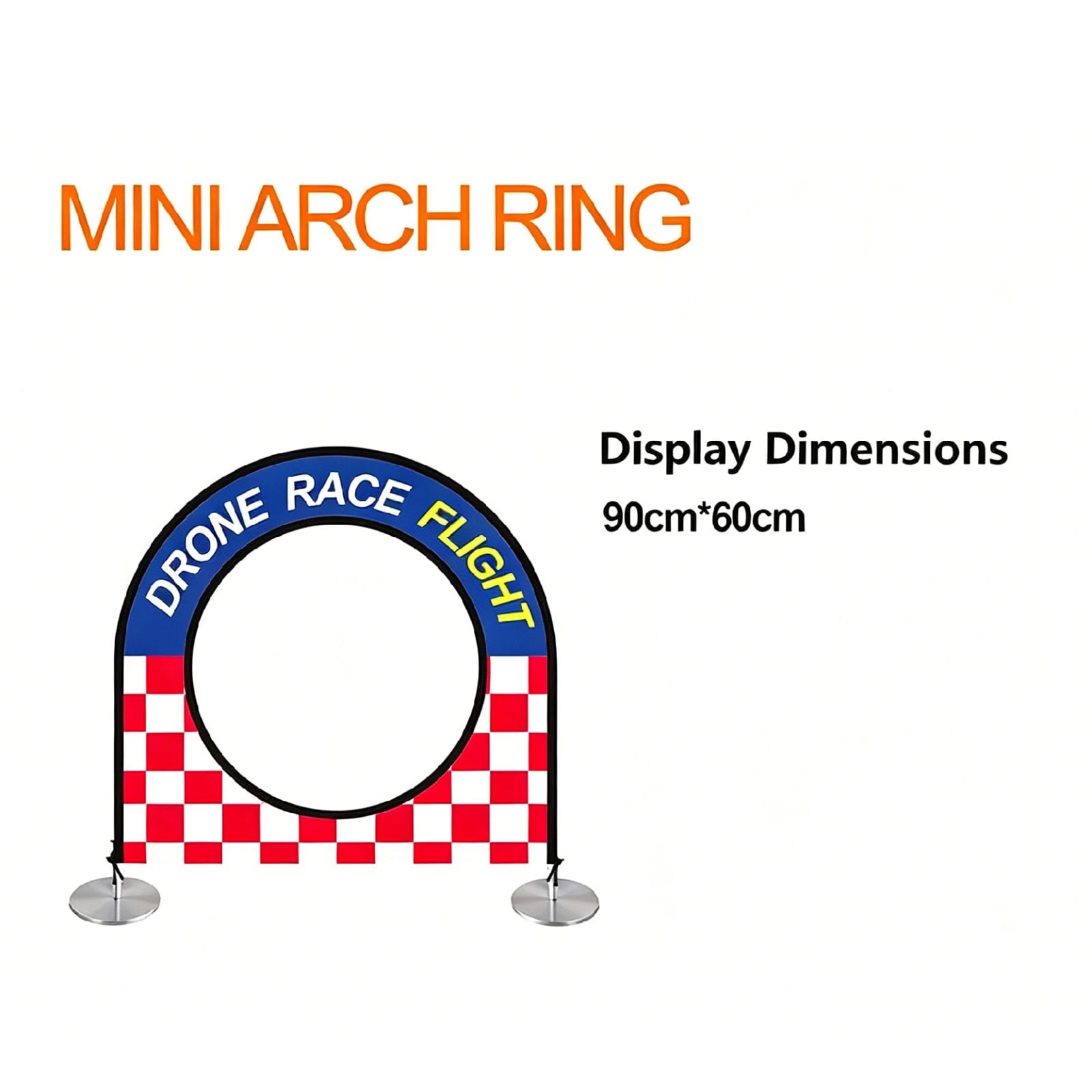
Mini round gate
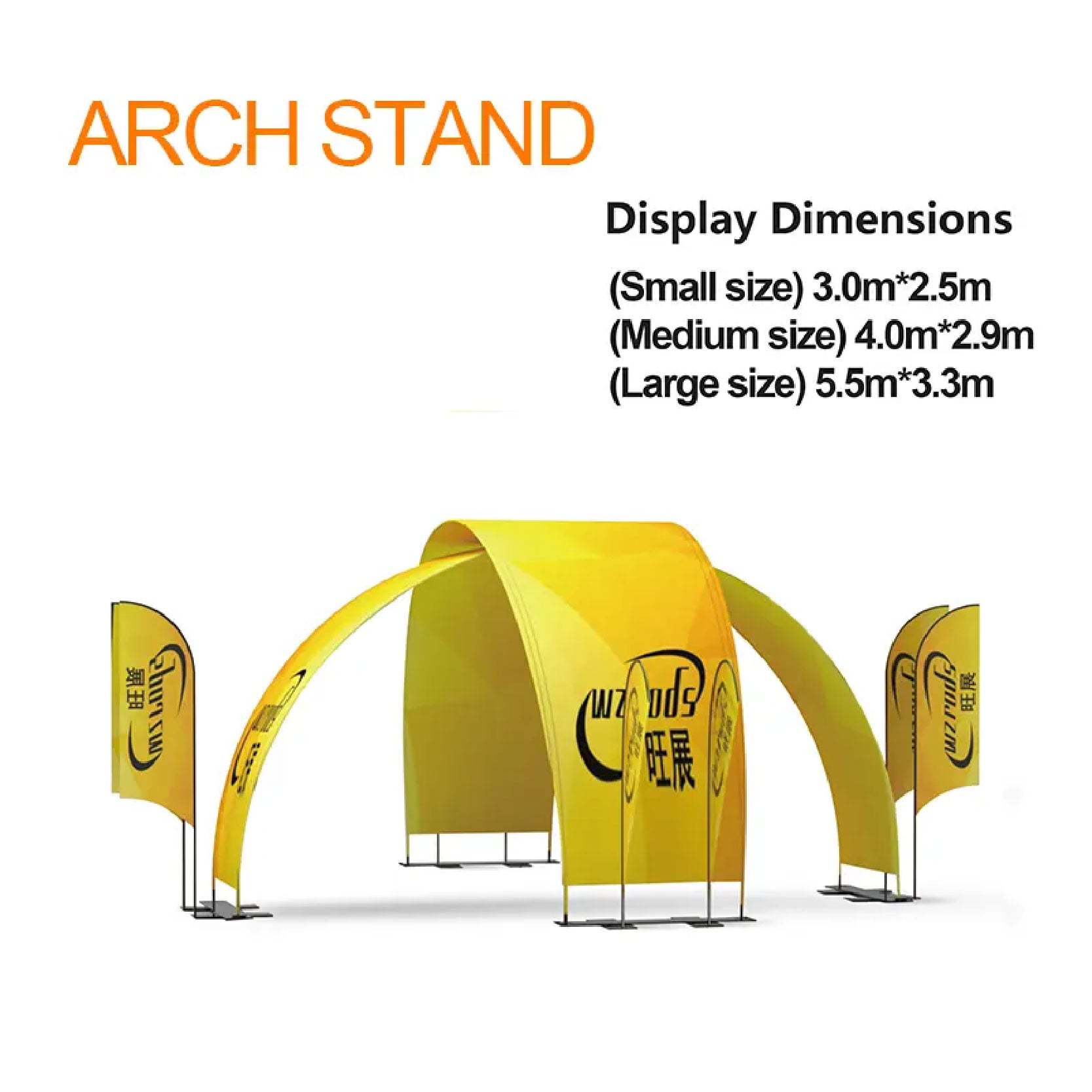
3D Arch Stand
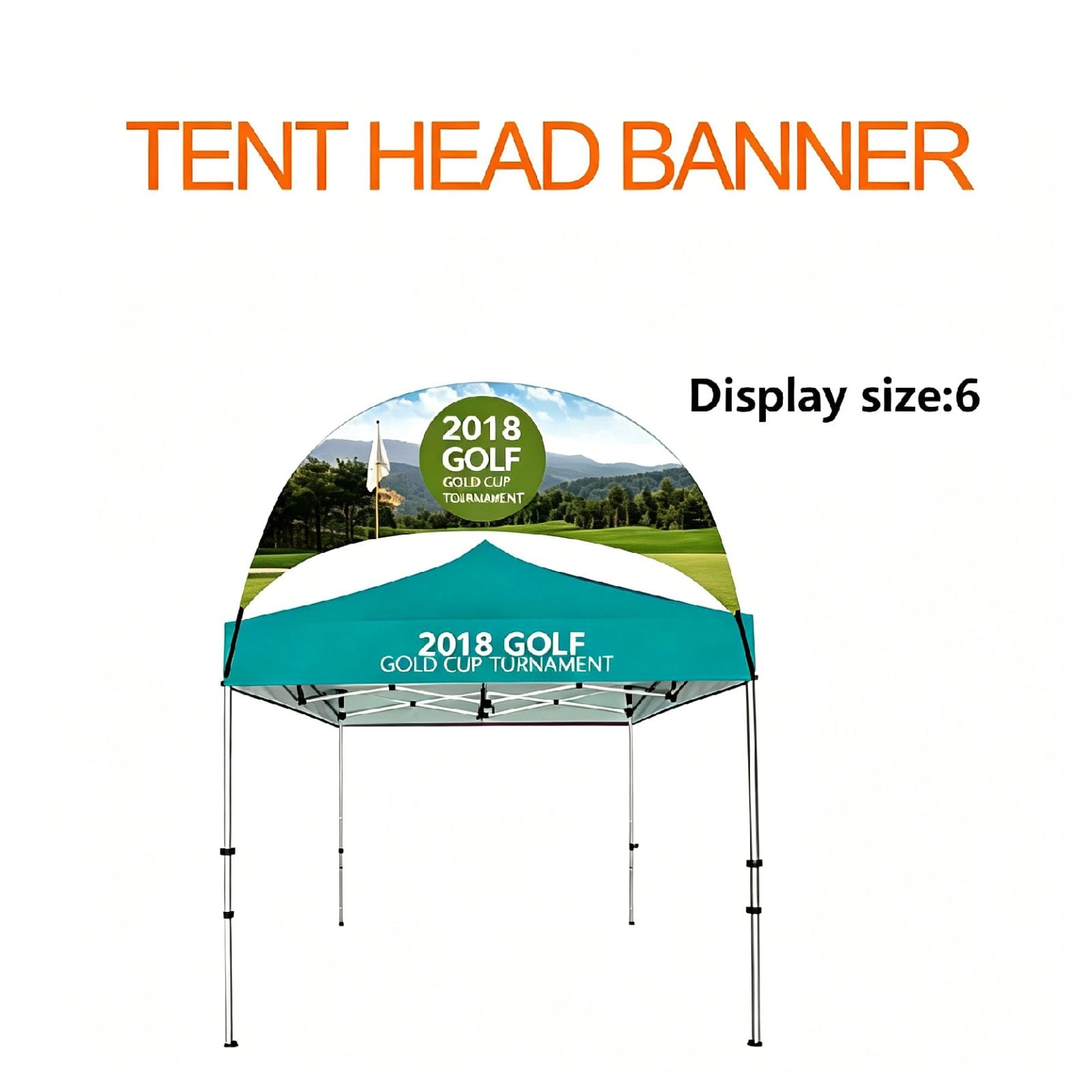
Tent Head Banner
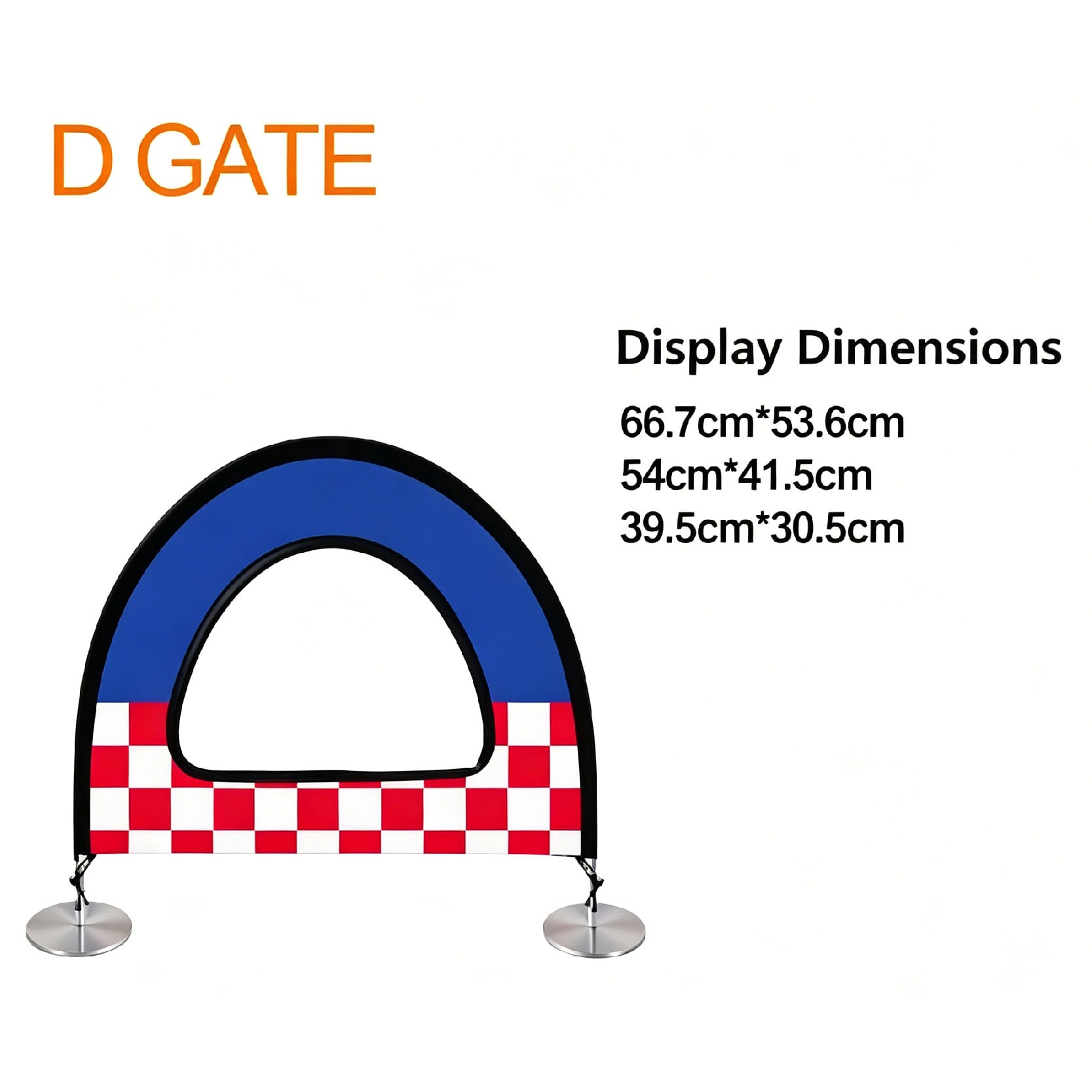
mini d gate
Related Articles
29kg Concrete Flag Base - The Complete B2B Buyer's Resource - WZRODS
WZRODS DY451B: 29 kg, HDPE shell, concrete core. Stackable, portable, rust-proof. FOB price US$5.75–$6.85 at MOQ 2 units. Those numbers look unremarkable. Factor in landed cost—import duties lower than aluminum’s under relevant HTS codes, freight savings from less weight per unit of stabilizing mas
Wide Tube Cross Base - The Complete B2B Buyer's Resource - WZRODS
The Wide Tube Cross Base, manufactured by Wzrods in Shandong, China, solves one problem: reliable stability for poles under three meters, without the freight costs and warehouse footprint that heavier alternatives demand.
Rectangular Pipe Cross Base - The Complete B2B Buyer's Resource - WZRODS
The pipe cross flag base is a cross of rectangular steel pipe, powder‑coated, weighing 1.3 kg and spanning 78 cm across its arms. Its center holds a C‑ring shaft that lets the flag rotate with the wind.
X-Shape Backpack Banner - The Complete B2B Buyer's Resource - WZRODS
Economic Cross Base - The Complete B2B Buyer's Guide- WZRODS
When you buy an economic cross base—something like the Wzrods DM‑9, a 77 cm‑long, 1.3 kg iron cross—forget “economic” as a synonym for “cheap.” It means value-engineered.