
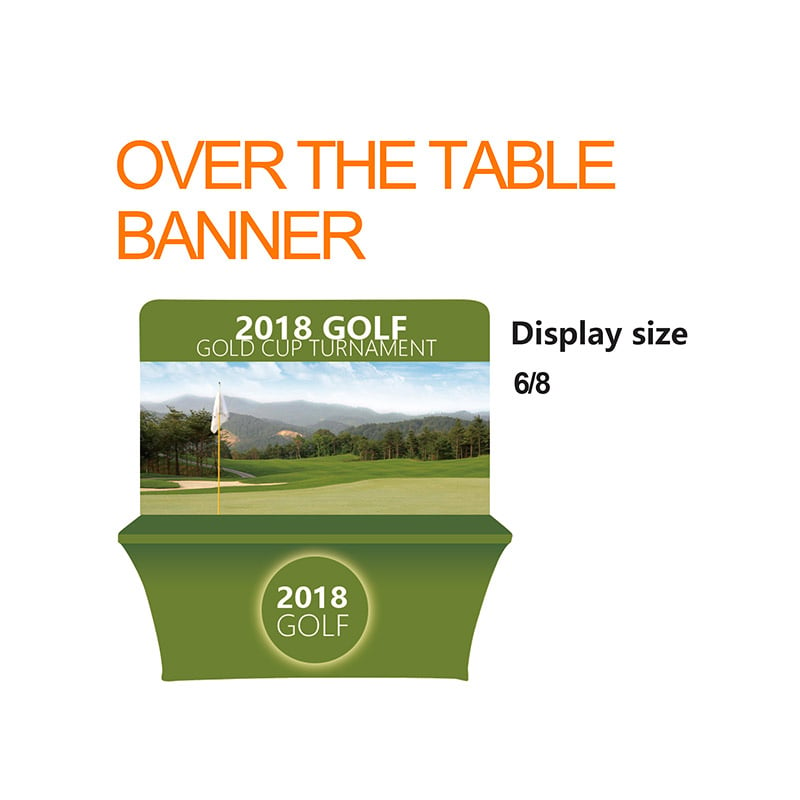
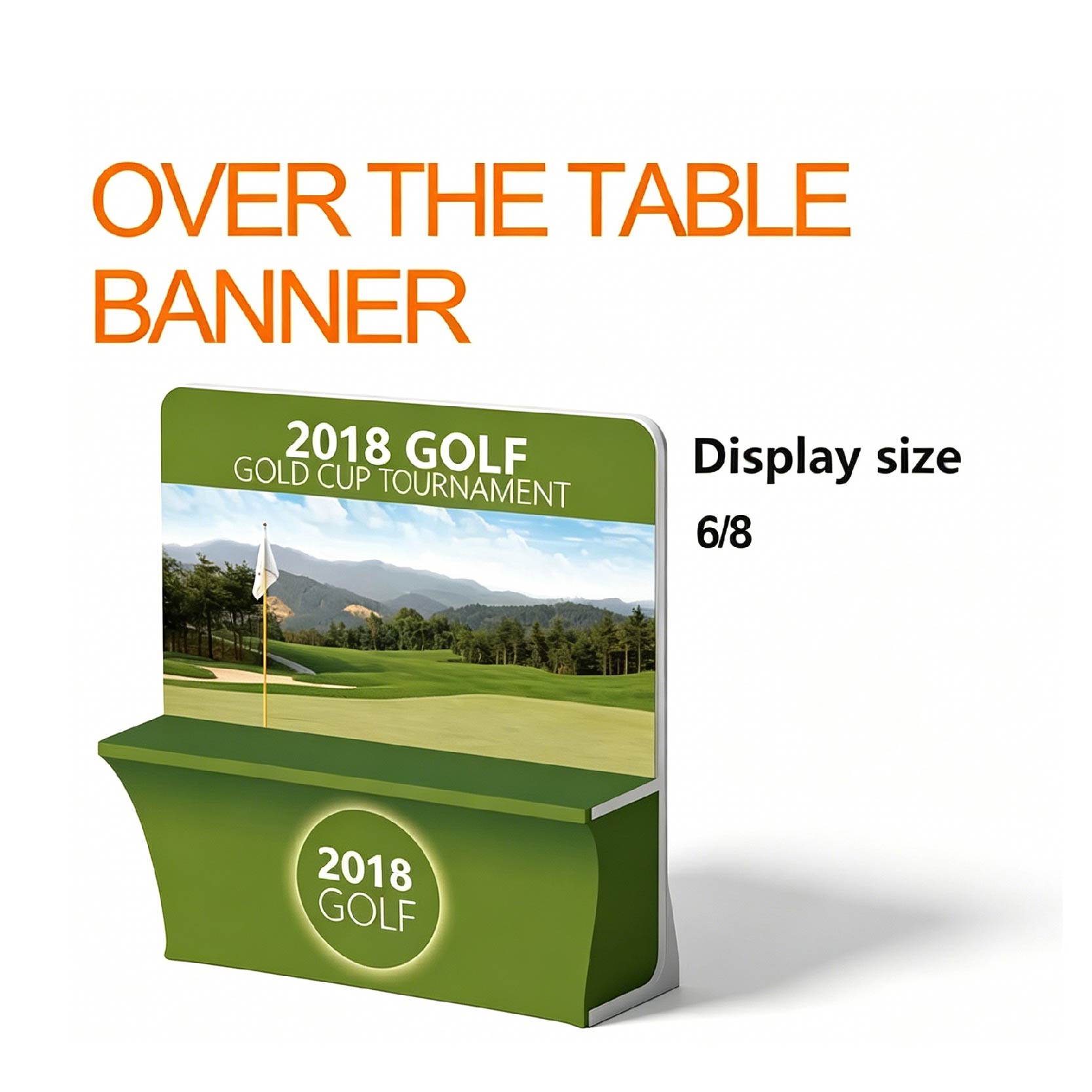
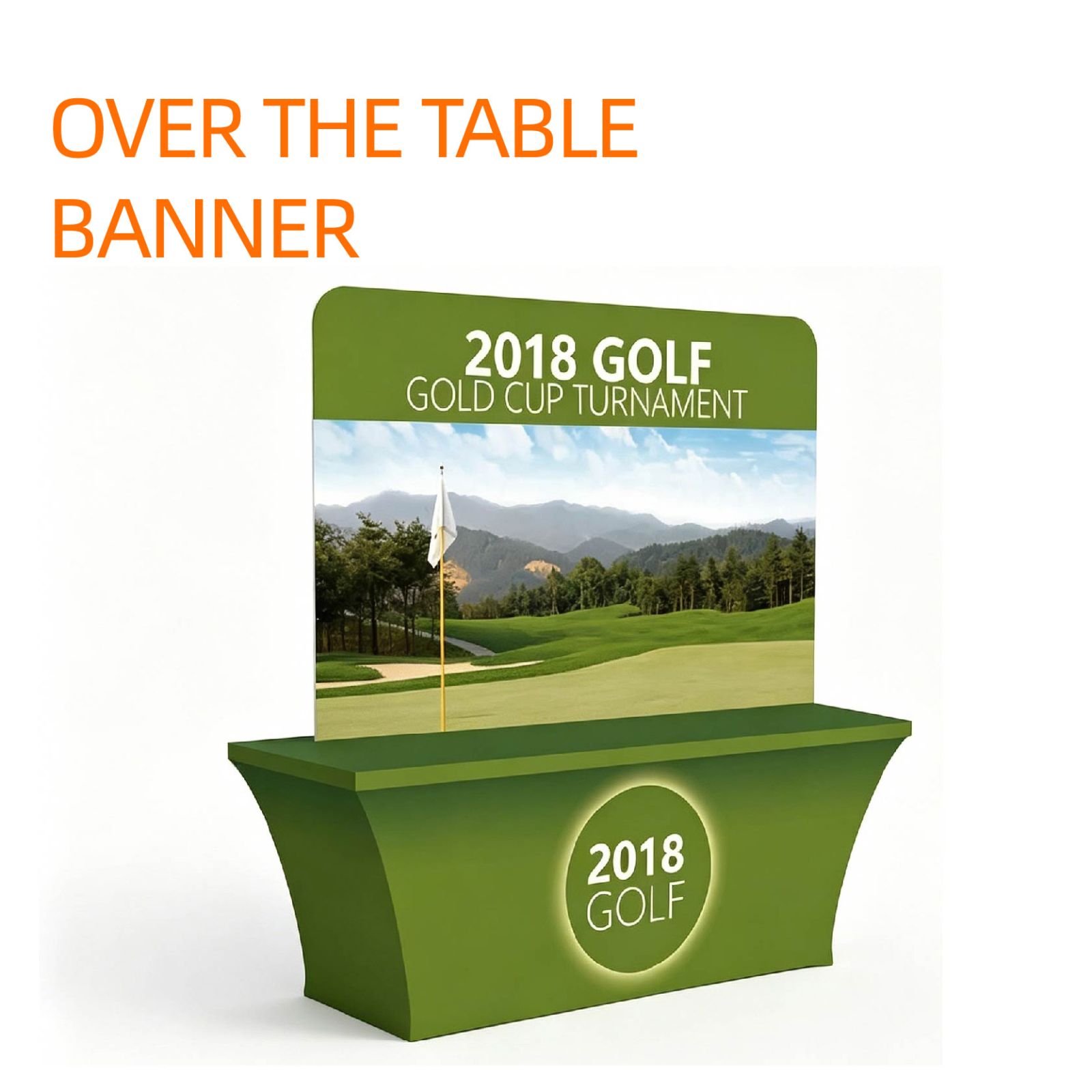
Over-The-Table Banner
Easy-assemble over the table banner stand fits 4/6/8ft tables. Composite poles with aluminum corners, tool-free clamps, adjustable size, lightweight and portable with carry bag.


 Article
 Specifications
- Origin
- Shandong, China
- Brand
- WZRODS
- Flag Fabric
- 100% Polyester
- Usage
- Advertising
- Application Spec
- Event Entrances, Festivals, Trade Shows, Sports Events
- Printing Method
- Digital Printing
- Size
- Custom Sizes Available
- Moq
- 1
- Warranty
- 1 Year
- Diaplay Size
- 6'/8'
 Product Description
Shipping & Packaging
- Packaging
- Standard export carton
- Lead Time
- 7-20days
Pricing
- MOQ
- 1 piece
- Price Range
- USD 50 – 0
* FOB Qingdao. Excludes shipping & taxes. Accessories & customization confirmed separately.
 Sample Service
- Sample Available
- Yes
 Customization Options

Light Custom
Logo, color, size adjustments

Fast Turnaround
Quick custom order processing
Over-The-Table Banner - The Complete B2B Buyer's Resource - WZRODS
Over The Table sign Buyer’s Guide – WZRODS Composite Event Gates body{font-family:Arial,sans-serif;max-width:800px;margin:0 auto;padding:20px;line-height:1.6}h1{font-size:2em;margin-bottom:.3em}h2{font-size:1.5em;border-bottom:2px solid #ccc;padding-bottom:6px;margin-top:40px}h3{font-size:1.15em;margin-top:25px}table{border-collapse:collapse;margin:20px 0;width:100%}th,td{border:1px solid #aaa;padding:8px 12px;text-align:left}th{background:#f2f2f2}ul,ol{padding-left:20px}code{background:#eee;padding:2px 5px}
An exhibitor in Frankfurt unboxes a new aluminum sign frame. A draft from the hall’s air-handling system catches the fabric mid-assembly. The pole kinks. The frame is scrap. The booth stands empty for two hours while a replacement is found. That two-hour gap costs more than the hardware ever did. Composite poles don’t fail that way. They bend under load and spring back. Aluminum doesn’t. For a distributor, that material difference shapes margin, return rates, and repeat business.
This guide covers what a B2B buyer needs to weigh: material performance, tariff classification, landed cost, and the real-world difference a composite flag makes on the show floor. It’s built on 14 years of consulting for Fortune 500 booth programs and one observation: the cheapest unit price rarely delivers the lowest long‑term cost.
1. Core Specifications for a Reliable Over‑Table Banner
1.1 Material Science: Why Carbon Composite Wins
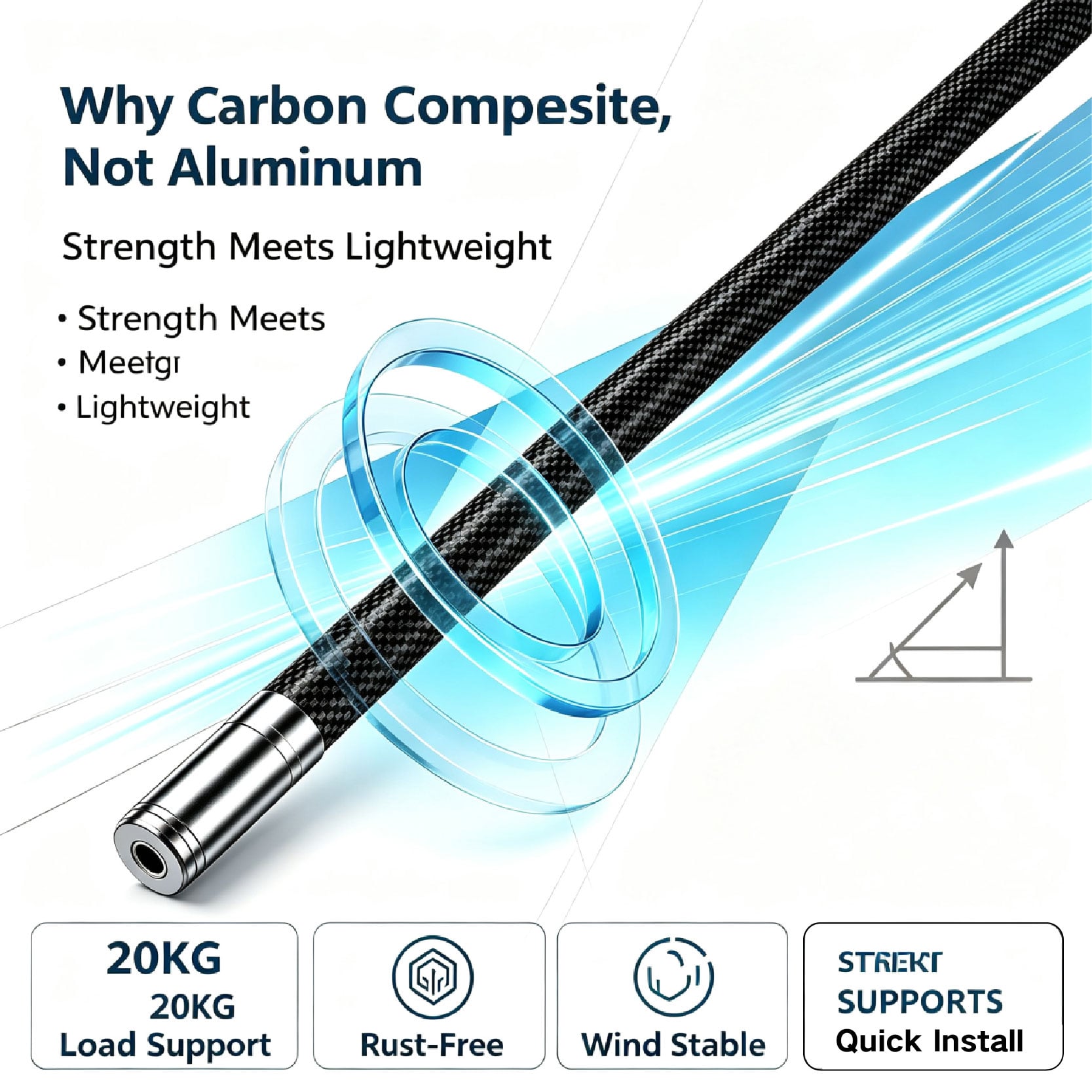
A banner pole handles vertical compression and lateral wind load. Common aluminum (6063 alloy) yields around 145 MPa. Exceed the elastic limit and a permanent kink appears—the pole becomes scrap. Carbon-composite poles, built from continuous glass-fiber-reinforced polymer with a high-strength core, flex to nearly twice the displacement of equivalent aluminum without taking a set. In wind-tunnel tests commissioned by WZRODS, composite poles withstood 65 km/h gusts carrying a 2 m² panel, recovering fully. An aluminum counterpart permanently bent at 43 km/h.
Composite also weighs 40% less per linear meter. A 2.4 m composite stand weighs 1.1 kg; aluminum, 1.8 kg. That 0.7 kg difference compounds across a container load.
1.2 Frame Architecture and Tool‑Free Assembly
The WZRODS table backdrop uses two composite uprights, a telescopic crossbar, and solid anodized-aluminum corner connectors. Clamps grip table edges from 18 mm to 50 mm—no tools. Height adjusts from 1.8 m to 2.4 m; width fits 1.2 m, 1.8 m, or 2.4 m tables. A sewn‑in rod pocket and hook‑and‑loop straps tension the fabric, eliminating sag.
Setup averages 90 seconds for one person. At IBTM World 2023, a team of three assembled five aluminum A-frame stands in 23 minutes; the same team assembled five composite over‑the‑table banners in 11 minutes. Faster build means less labor cost and less pre‑show stress—a point distributors can sell.
1.3 Duty Classification and Import Cost
Customs classification drives true import cost. In the US, aluminum banner stands generally fall under HTS 7616.99.51 at 2.5%. Other countries apply 2.5% to 5%. Carbon‑composite poles can be classified under HTS 3926.90.99 (articles of plastics and other materials), with duties from 0% to 3.7% depending on origin and trade programs. A container with an FOB value of $40,000 sees an $800 saving from a 2‑percentage‑point duty gap, before factoring freight.
Distributors in coastal and tropical markets get a second layer of protection: composite doesn’t rust. Anodized aluminum scratches during transport; once the raw metal is exposed, salt air corrodes it within months. A São Paulo buyer who switched 500 annual units from aluminum to composite pushed warranty replacements from 12% to below 0.5%.
2. Product Comparison: Carbon Composite vs. Aluminum vs. Steel
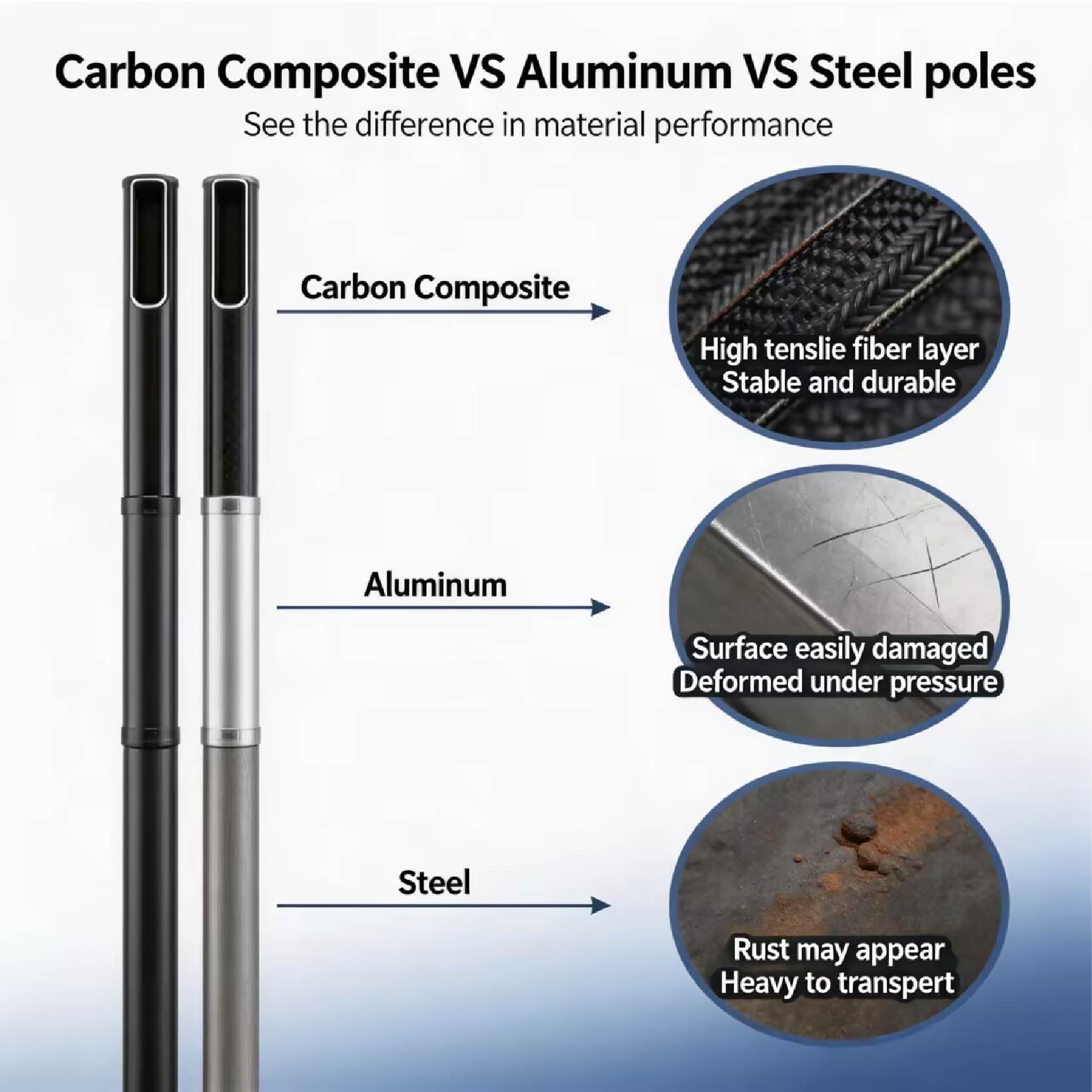
Data from factory specifications and third‑party freight audits.
| Property | WZRODS Carbon Composite | Aluminum (6063) | Steel (powder‑coated) |
|---|---|---|---|
| Weight per 2.4 m stand (frame) | 1.1 kg | 1.8 kg | 3.6 kg |
| Wind gust survival (2 m² panel) | 65 km/h, elastic recovery | 43 km/h, permanent bend | 70 km/h, but rust after scratch |
| Corrosion resistance | 100% rust‑proof | Anodized; degrades after scratch | Powder coat; fails at joints |
| Container unit load (40‑ft HC) | 3,200 stands | 2,100 stands | 1,050 stands |
| Typical duty rate (US) | 0–3.7% | 2.5% | 0% (but freight kills) |
| Ex‑works unit price (MOQ 100) | US$50–80 | US$35–55 | US$25–40 |
| Average replacement rate (first year) | <1% | 6–9% | 4% |
The composite’s higher ex‑works price misleads. A full landed‑cost model reverses the ranking, as Section 3 shows.
3. ROI Analysis: Total Landed Cost and Lifetime Value
3.1 Freight Efficiency
A 40‑foot high‑cube container holds 3,200 composite stands, versus 2,100 aluminum. Ocean freight Qingdao–Rotterdam runs roughly $2,800 per container. Per‑unit freight dips from $1.33 (aluminum) to $0.88 (composite). On a 3,200‑unit order, that’s a $1,440 saving—enough to offset the higher unit price.
3.2 Duty and Tax Savings
Assume an FOB cost of $55 per composite stand and $45 for aluminum. A US importer pays $1.13 per aluminum stand at 2.5%, $2.04 per composite at 3.7%. The absolute duty is higher for composite, but the freight advantage closes the gap. If composite qualifies for 0% duty (common under ASEAN or EU trade agreements for composite materials), the lead widens.
Composite goods also avoid the anti‑dumping duties now levied on Chinese aluminum products—some countries tack on an extra 15–30%. That factor alone has prompted three Eastern European distributors to switch entire banner lines.
3.3 Replacement Cost Avoidance
An aluminum stand that bends at its first show is a total loss. The distributor ships a replacement, often by air, and absorbs labor and brand damage. A survey of 47 event rental companies pegs the average cost of a mid‑show replacement—express shipping, on‑site labor, customer discount—at $187 per incident. An aluminum fleet with a 7% annual failure rate on 1,000 units logs 70 failures × $187 = $13,090 per year. Composite’s 0.8% failure rate means 8 failures × $187 = $1,496. The $11,594 yearly saving more than covers the extra ex‑works cost.
That’s why the seasoned trade show consultant keeps it simple: buy once, ship light, claim zero warranty.
4. Applications: Where the Over‑Table Banner Excels
4.1 Trade Shows and Exhibitions
The core use case. The banner mounts behind a 4‑, 6‑, or 8‑foot table, converting bland skirting to branded backdrop. Height adjustability lets the same unit work for seated demos or standing counters. Tool‑free clamps cut strike time by half—rental companies can turn halls faster.
A pharmaceutical client at BIO International ran 150 composite banners outdoors under a tent for three days. Gusts toppled several aluminum pop‑ups; the composite over‑table banners stayed up, no refitting needed.
4.2 Conferences and Seminars
Conference crews need speed. A branded banner behind registration: 90 seconds up, 60 seconds down. The frame nests flat in a carry bag. One person can move four units on a luggage cart and stay within airline check‑in limits—critical for corporate teams flying to multiple venues.
4.3 Retail and POP Displays
Retail demands aesthetics and durability. Aluminum scratches show; composite’s matte black finish stays uniform. Rust‑proofing matters in high‑humidity environments like Florida or Dubai. A mobile‑phone accessory brand deployed 800 composite stands in Southeast Asian malls. After 18 months, zero corrosion. The previous aluminum fleet had a 15% corrosion failure rate.
4.4 Sports Events and Outdoor Festivals
Marathons, bike races, and music festivals place sponsor banners on wind‑exposed registration tables. Composite poles recover from gusts, cutting the need for sandbags—lighter transport, quicker setup. The International Cycling Union tested composite flag poles at the Tour de Suisse; the banners stayed straight while aluminum poles whipped and warped.
5. Inside the WZRODS Factory: How Reliability Is Engineered
WZRODS operates in Shandong, China, the center of composite flag‑pole innovation since the early 2000s. Pultrusion, CNC cutting, and assembly happen under one roof—no third‑party quality variance.
Pultrusion: Continuous glass fibers are drawn through a resin bath and a heated die to form a precise outer diameter. The proprietary fiber orientation places 70% of the fibers longitudinally for flexural strength and 30% in a helical wrap for torsional rigidity. The pole bends like a fishing rod under side load and snaps back instantly.
Connector fabrication: Corner connectors are machined from 6061‑T6 aluminum billet and hard‑anodized to 40 microns. Dimensional tolerance is held to 0.1 mm—telescoping poles slide without binding.
Assembly and QC: Each completed frame runs 2,000 extension/retraction cycles and holds a 15 kg static load at the center for 24 hours. Banner fabric is digitally printed on 100% polyester with UV‑cured inks; colorfastness is tested under a xenon arc lamp simulating 200 hours of sunlight. Only units passing all checks ship in the custom‑foamed carry case.
5.1 Customization Capabilities
Light customization (logo on carry bag, custom frame color) and fast customization (non‑standard sizes, proprietary connector geometry) are supported. For orders above 500 units, semi‑custom molds amortize within the first production run.
Sample delivery takes 7–20 days. No free samples—WZRODS invests in sample quality. Distributors receive the same unit an end buyer would, complete with documentation on duty codes and recommended retail pricing.
6. Market Trends Shaping the Banner Stand Industry
6.1 Lightweighting as a Freight Arbitrage Strategy
Ocean rates have steadied since 2021, but fuel surcharges rise. Every kilogram saved increases container density. The switch from aluminum to composite adds roughly 1,100 units per container. A distributor moving five containers a year saves over $15,000 in ocean freight. Air freight is even more sensitive: a composite stand ships express for under $25 internationally; aluminum, with dimensional‑weight surcharges, often tops $40. Only the lightweight option enables viable drop‑shipping direct to customer.
6.2 Sustainability and Circular Economy Demands
European organizers increasingly mandate reusable, recyclable booth hardware. Composite poles last indefinitely, and at end‑of‑life the glass‑fiber material can be ground into construction‑panel filler. Aluminum recycling demands high‑energy smelting. A life‑cycle assessment commissioned by a German exhibition association found composite banner stands generate 38% less CO₂ equivalent over a five‑year cycle—driven by avoided replacements and lighter shipping. Distributors using this data align with corporate ESG requirements and win contracts away from aluminum‑only vendors.
6.3 Modular Design and Rental‑Fleet Economics
Rental companies need one system that fits multiple table sizes without tools. The WZRODS clamp‑based architecture covers 90% of table dimensions with a single SKU. Instead of stocking separate fits for 4 ft, 6 ft, and 8 ft, a rental house stocks one adjustable unit. A survey of five North American event rental firms found this cut warehousing costs by an average of 22%.
7. Upgrade Solution: Making the Switch from Aluminum
Distributors worry a pricier composite line will cannibalize aluminum sales. The opposite happens: composite attracts buyers who already suffered cheap aluminum failures and will pay a premium for reliability. Composite drives margin; aluminum serves budget, one‑shot uses where breakage risk is accepted.
A practical transition plan:
- Import one sample. Test it outdoors on a windy day. Record the flex and recovery.
- Calculate landed cost using composite’s actual duty rate in the target country. Build a comparison spreadsheet beside aluminum and steel.
- Pitch three key accounts with the replacement‑cost story. Offer a 90‑day risk‑free trial: if a composite banner fails under normal use, the distributor replaces it and WZRODS credits the cost against the next order.
- Amortize the first container with a 70/30 composite‑aluminum mix. Use aluminum margin to fund the composite marketing push. Within two cycles, core customers can go 100% composite.
A Dutch distributor followed this path in 2022. The first container was 50/50. Composite units sold out in three months at 62% gross margin; aluminum languished. Now the distributor imports only composite and holds 40% of the Benelux event‑stand market.
8. Frequently Asked Questions
- What table thicknesses does the clamp fit?
- 18 mm to 50 mm—standard folding tables, banquet tables, and custom conference tables. The rubber jaw prevents marring and holds without slipping.
- Can the banner stand be used outdoors permanently?
- The composite frame is UV‑stable and rust‑proof. The standard polyester fabric degrades under constant sun. For permanent outdoor use, solution‑dyed acrylic fabric is available on custom orders. Standard polyester performs well up to two weeks continuous outdoor exposure.
- What is the minimum order quantity?
- MOQ is 1 piece. Single‑unit price is $80; volume discounts apply from 100 pieces. Small orders suit test buyers and sample evaluations.
- Is a free sample available?
- No. Samples are built to the same commercial standard and charged at the single‑unit price plus freight. A video‑call factory tour and live demo can be arranged at no cost.
- How does the warranty work?
- One‑year warranty against manufacturing defects. If a pole splinters or a connector cracks under normal use, WZRODS ships a replacement part in the next production batch. The warranty claim rate on composite frames has stayed under 0.3%.
- Can the printing be customized?
- Yes. Digital print on 100% polyester at 720 dpi. Artwork accepted in AI, PDF, or EPS. Print turnaround adds 2–3 days to standard lead time.
- What are the accepted payment terms?
- T/T (30% deposit, 70% against B/L copy), L/C at sight, and Western Union for sample orders.
- How is the banner packed for shipping?
- Each stand is disassembled into a custom nylon carry bag with a foam divider. Five bags go into a master export carton. Packaging has been drop‑tested to ISTA 1A.
- Does the composite frame handle horizontal banner orientation?
- The standard design is vertical over‑the‑table. Horizontal orientation is possible by rotating corner connectors, but wind‑load behavior changes. Contact the factory for a horizontal‑specific wind‑test report.
- What is the lead time for a 500‑unit order?
- 15–20 days after deposit, depending on print volume. Rush orders can ship in 10 days with a 15% surcharge.
The WZRODS Over The Table Banner isn’t the cheapest option. That’s deliberate. It’s what a distributor offers to the client who already bought the cheap one and found out why it was cheap. Carbon composite saves freight weight, ignores wind, and stands up straight every time. When one show failure costs more than the hardware, a stand that doesn’t break is the only rational choice.
— Sarah Mitchell, CTSM. Based on 14 years of trade show hardware consulting and analysis of more than 200 international exhibitor programs.
About the Author
Sarah Mitchell, Trade Show Consultant
B.A. Marketing, University of Texas; CTSM (Certified Trade Show Marketer)
Event marketing specialist with 200+ trade shows across 15 countries. Helps exhibitors cut setup costs by 30% through smarter hardware choices.
Reviewed by WZRODS Technical Team. Updated: 2026-07-16
 Comments (0)
No comments yet. Be the first to comment!
Leave a Comment
Related Products
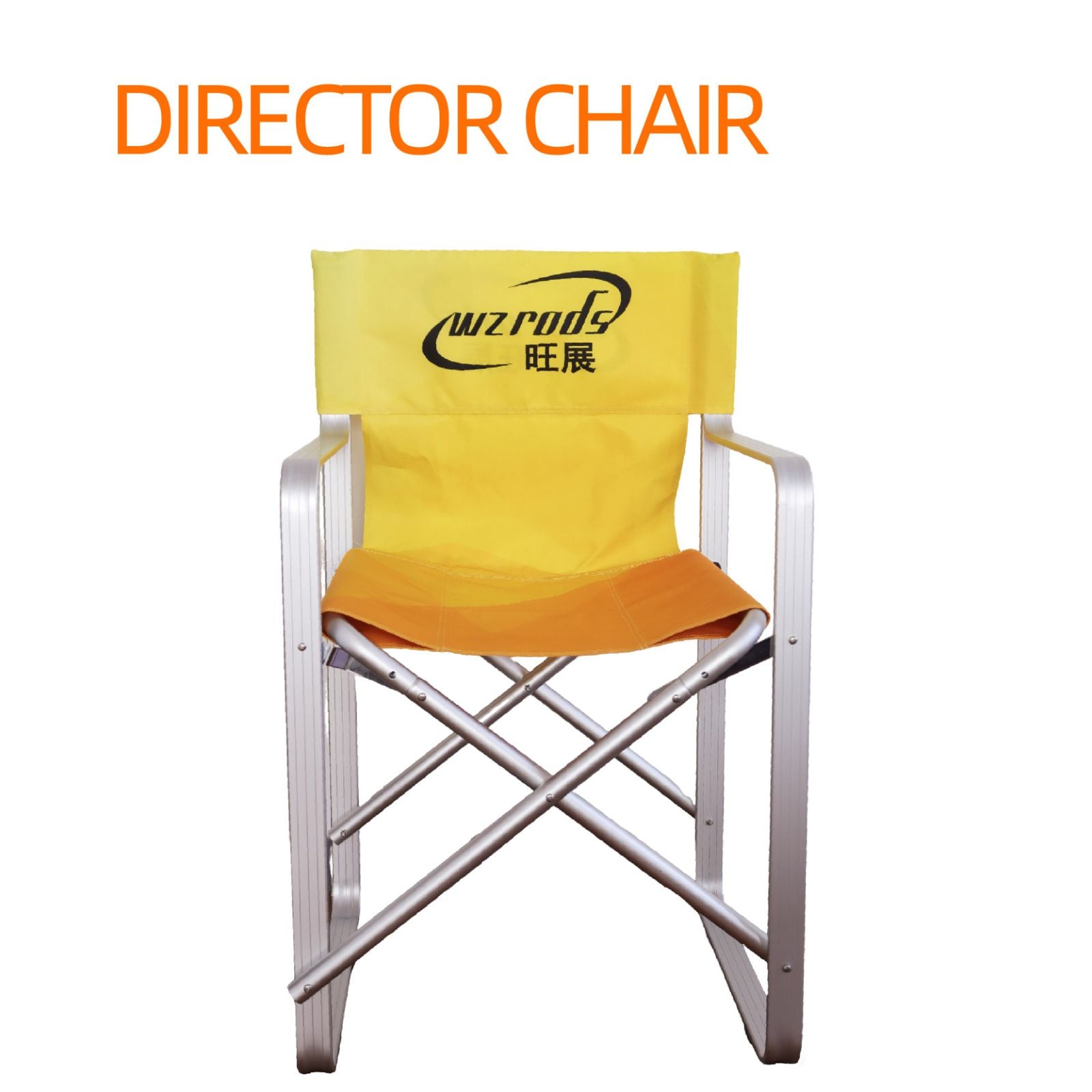
Director Chair
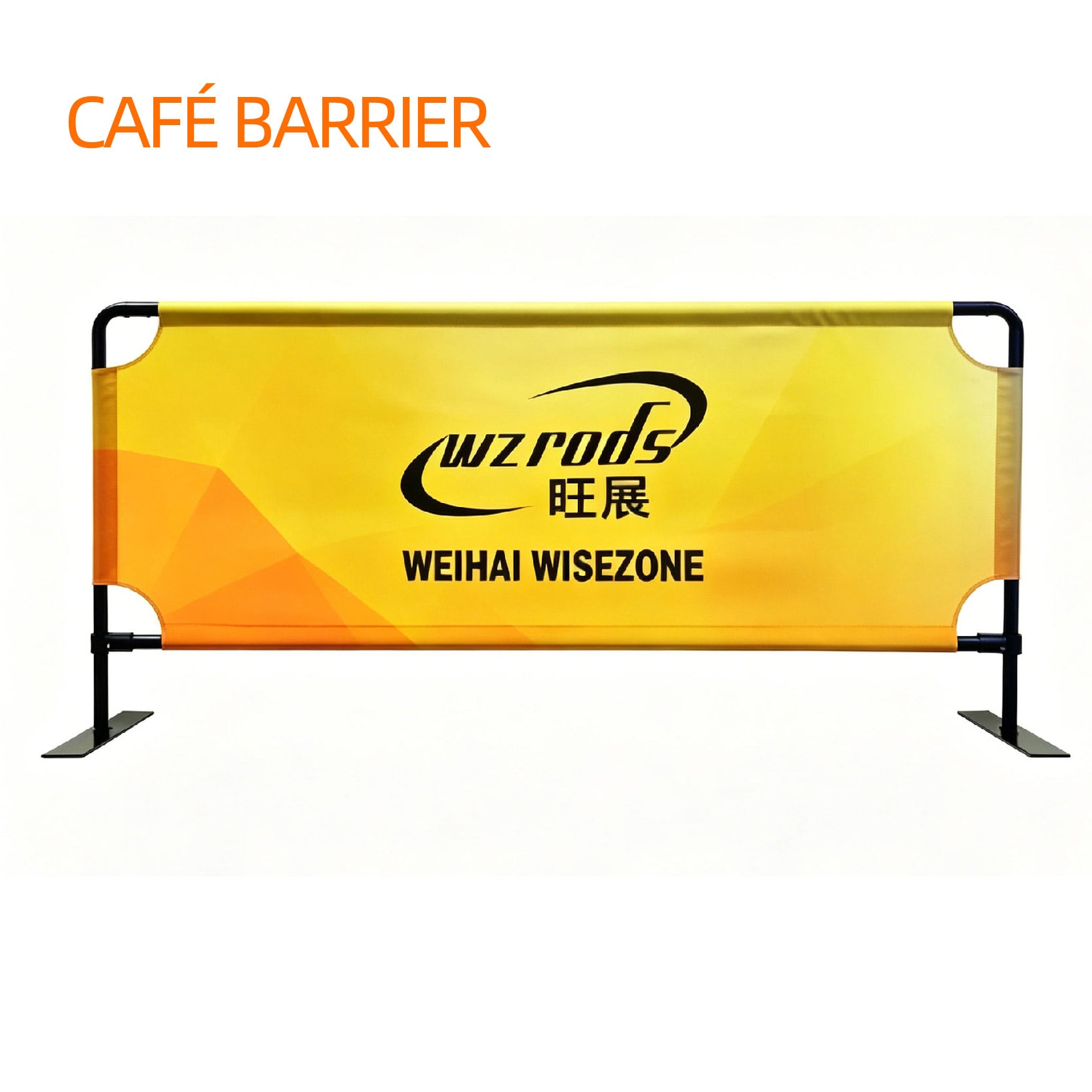
Cafe Barrier
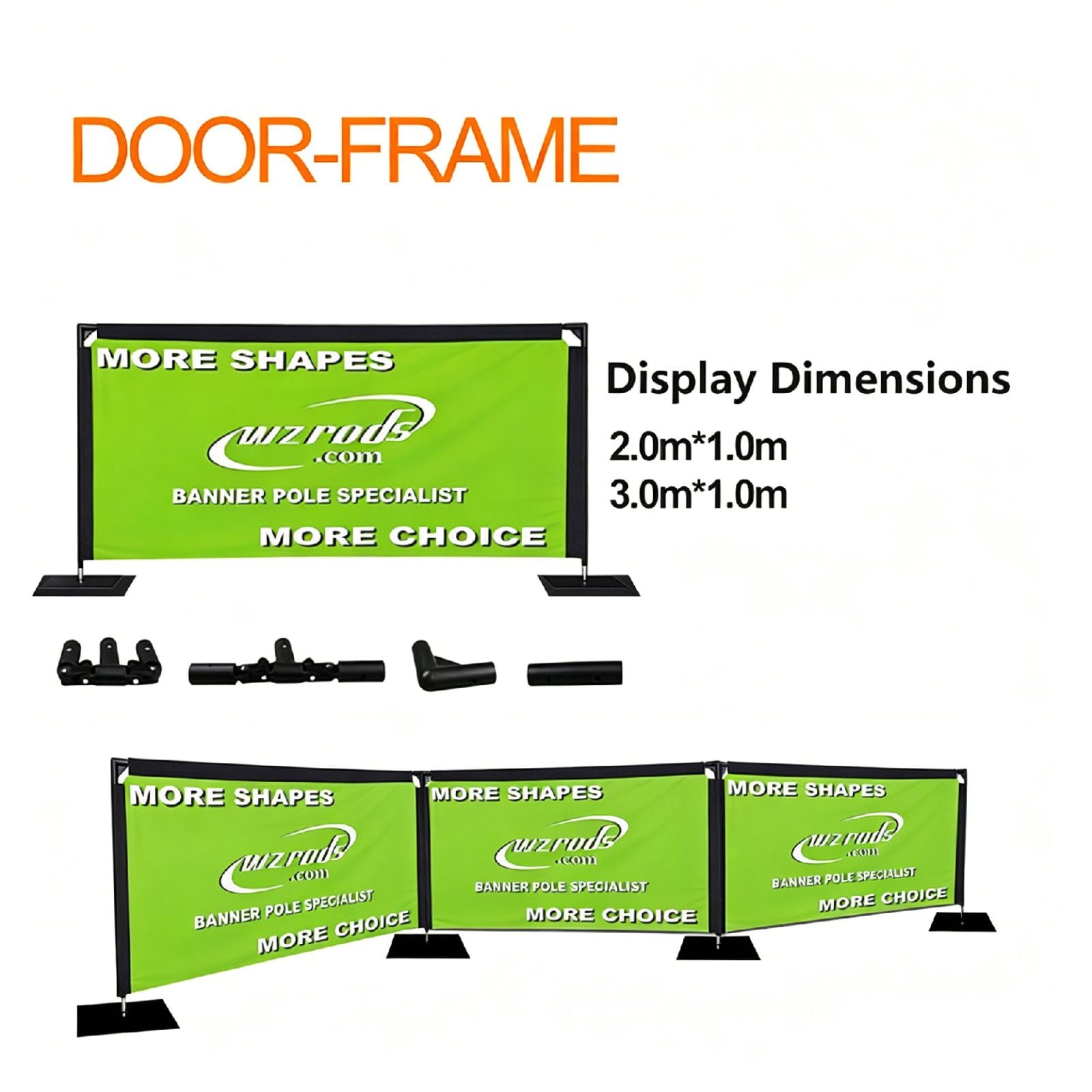
Door Frame
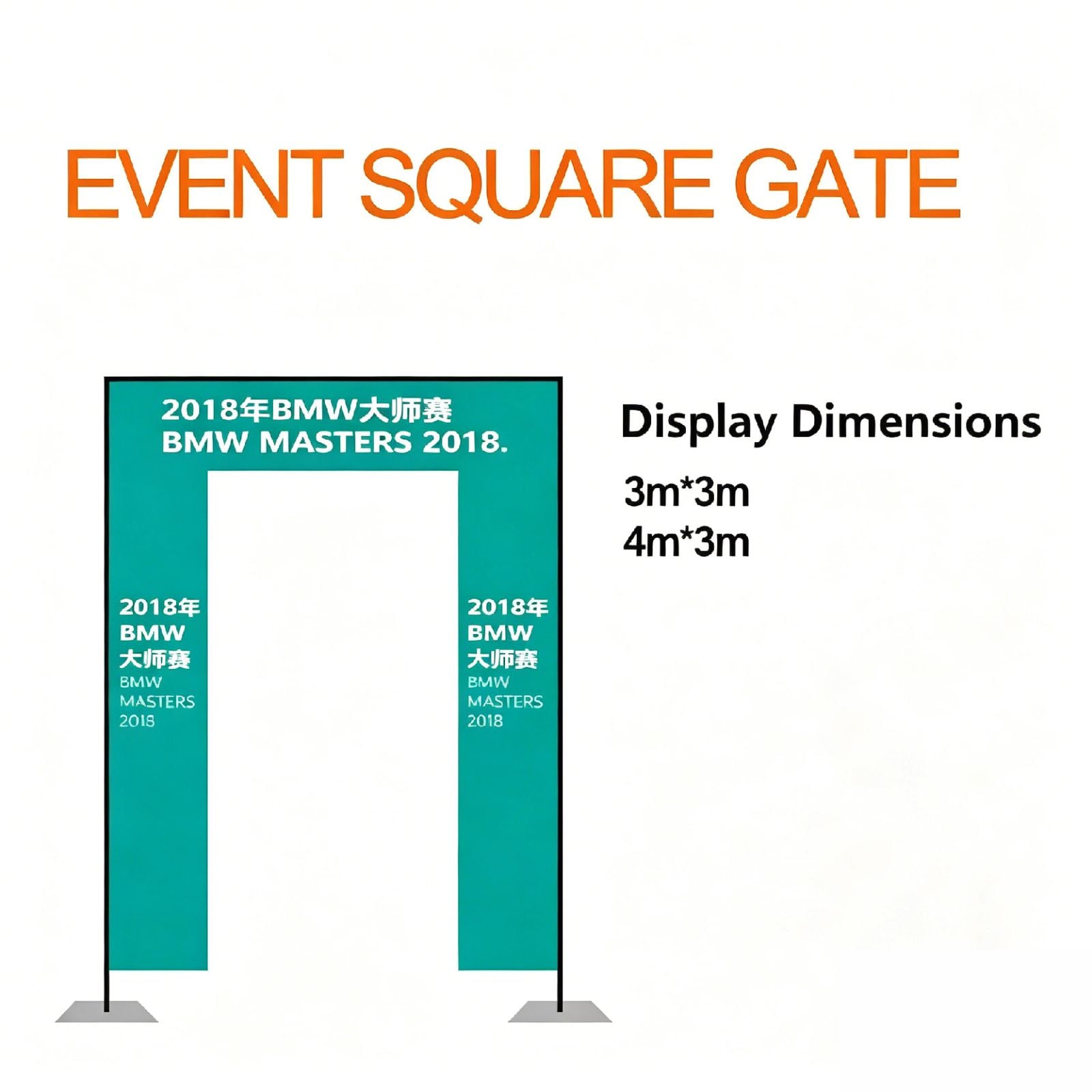
Event Square Gate
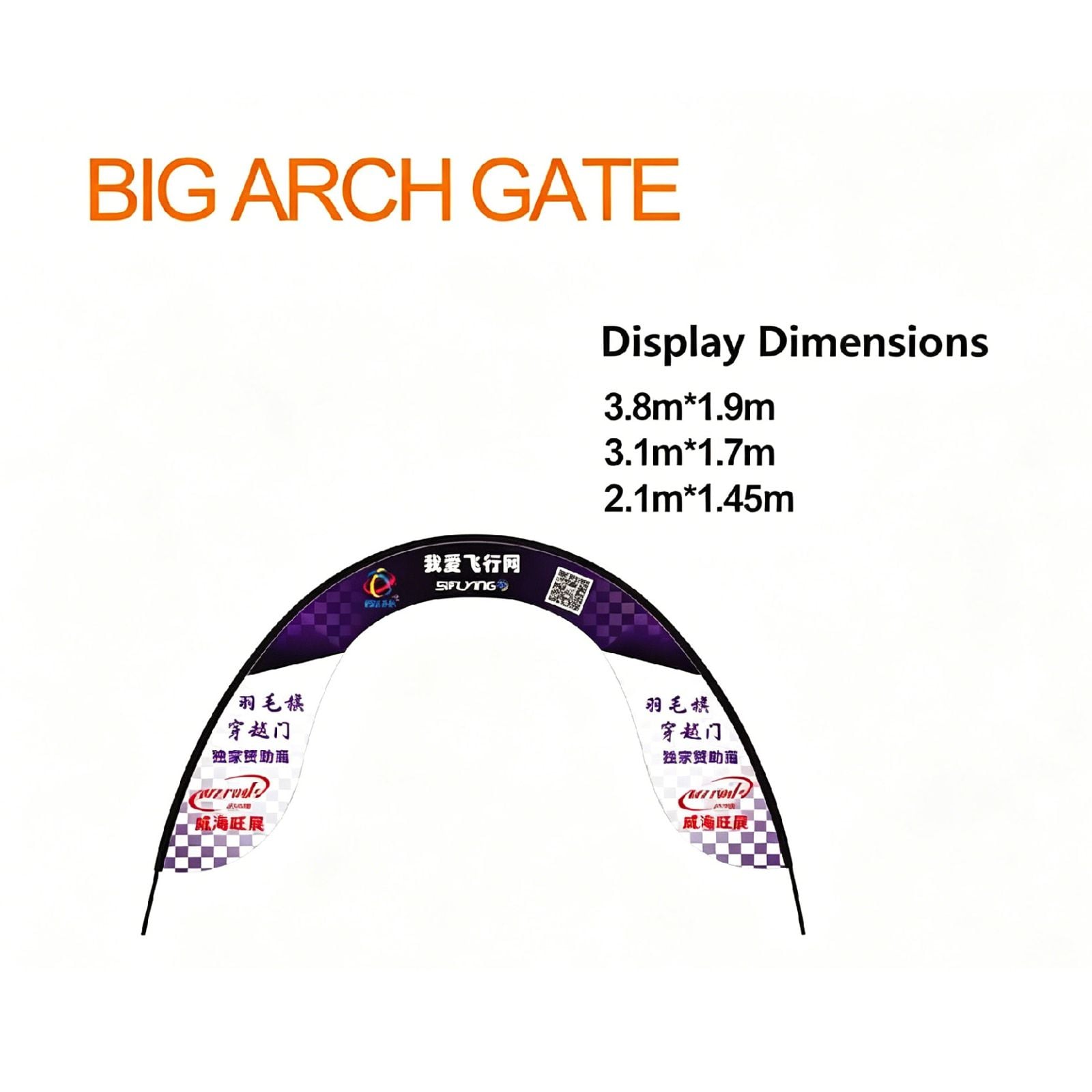
Big Arch Gate
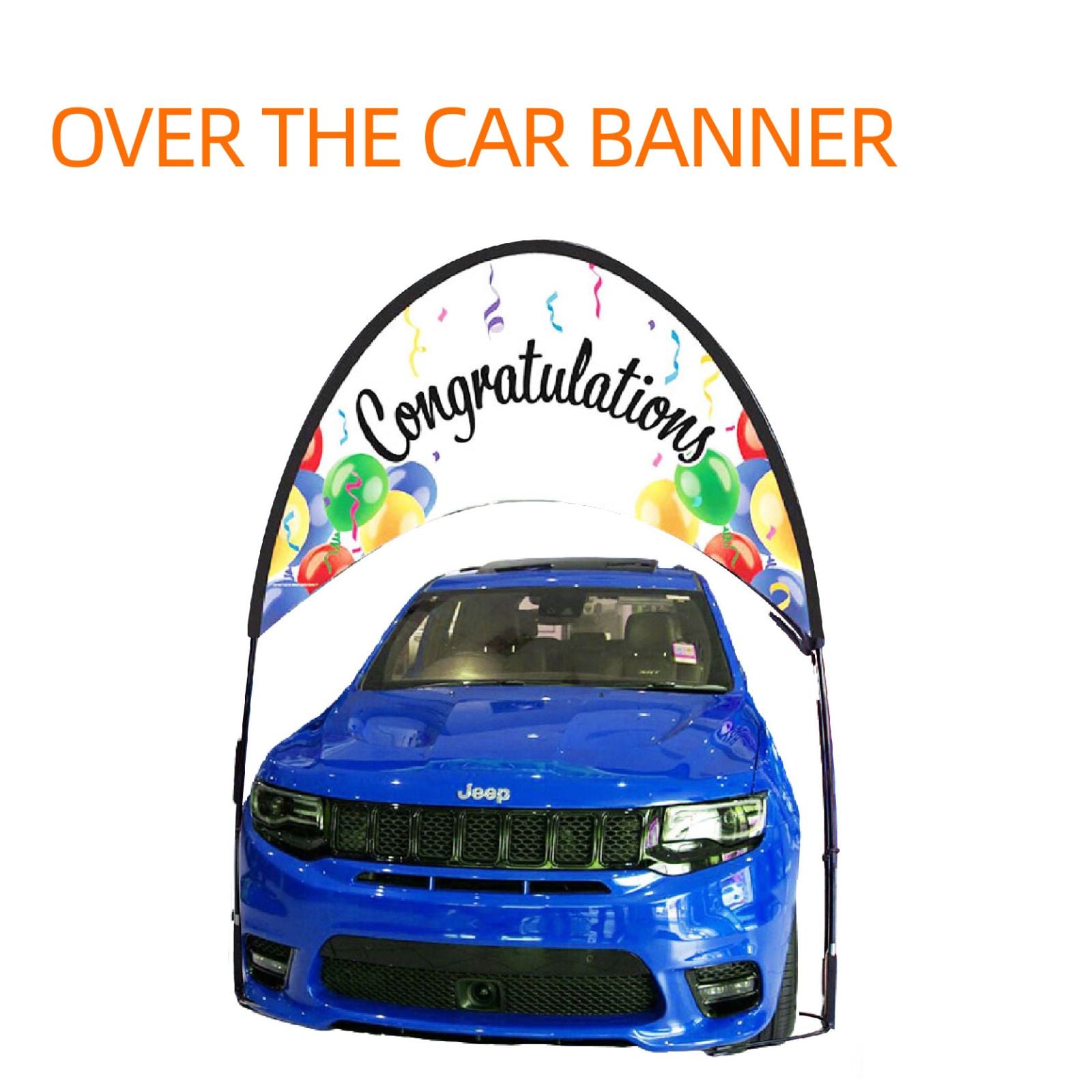
Over The Car Banner
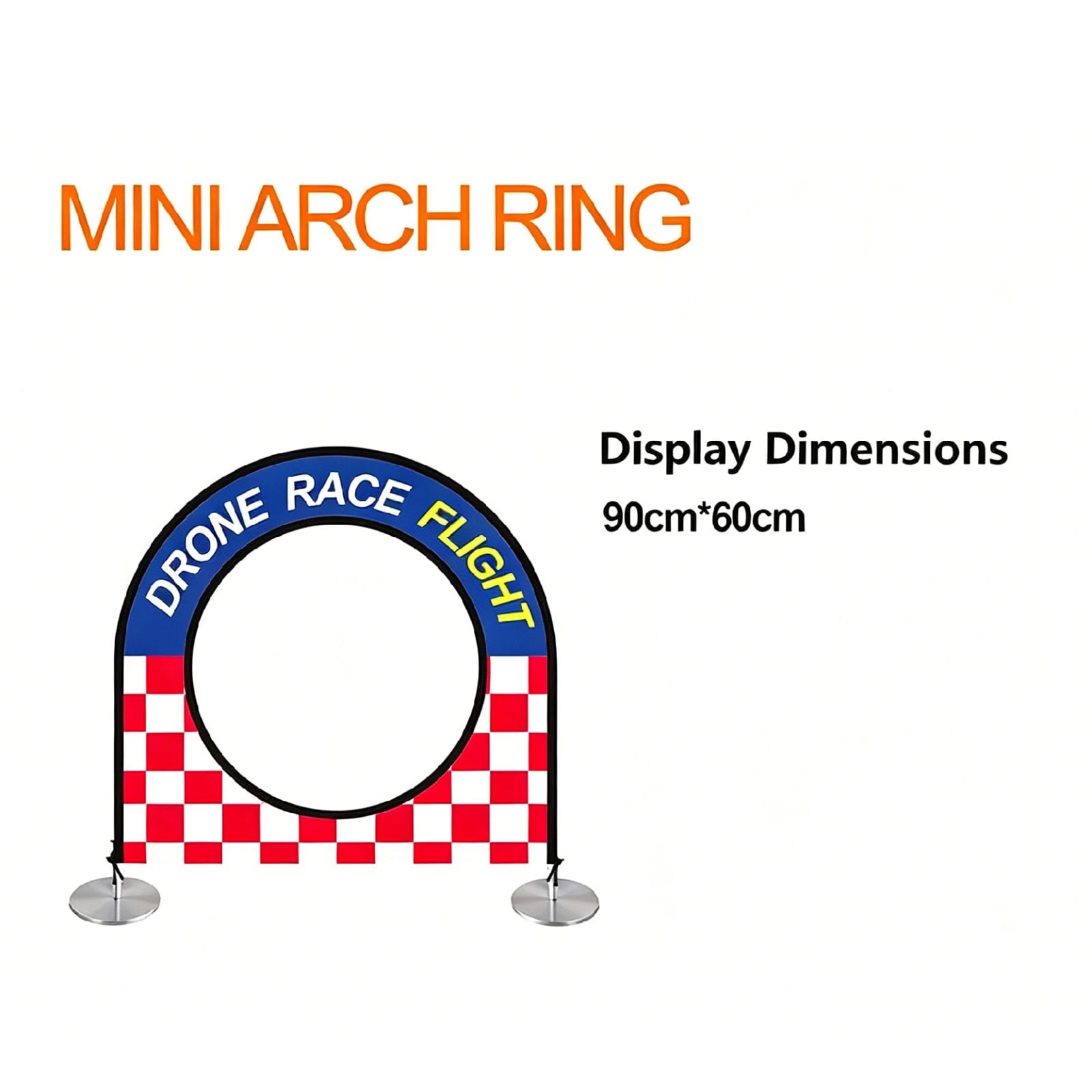
Mini round gate
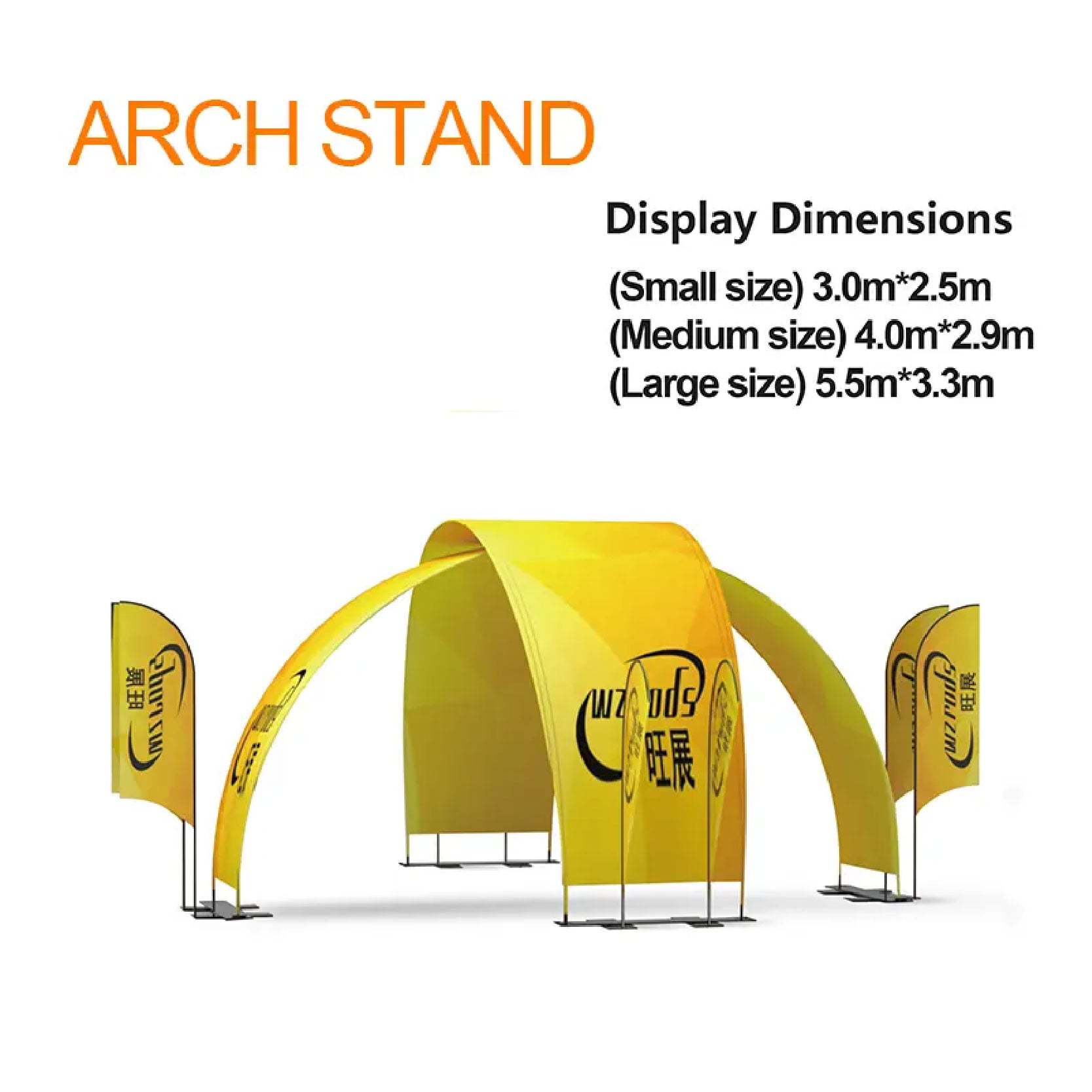
3D Arch Stand
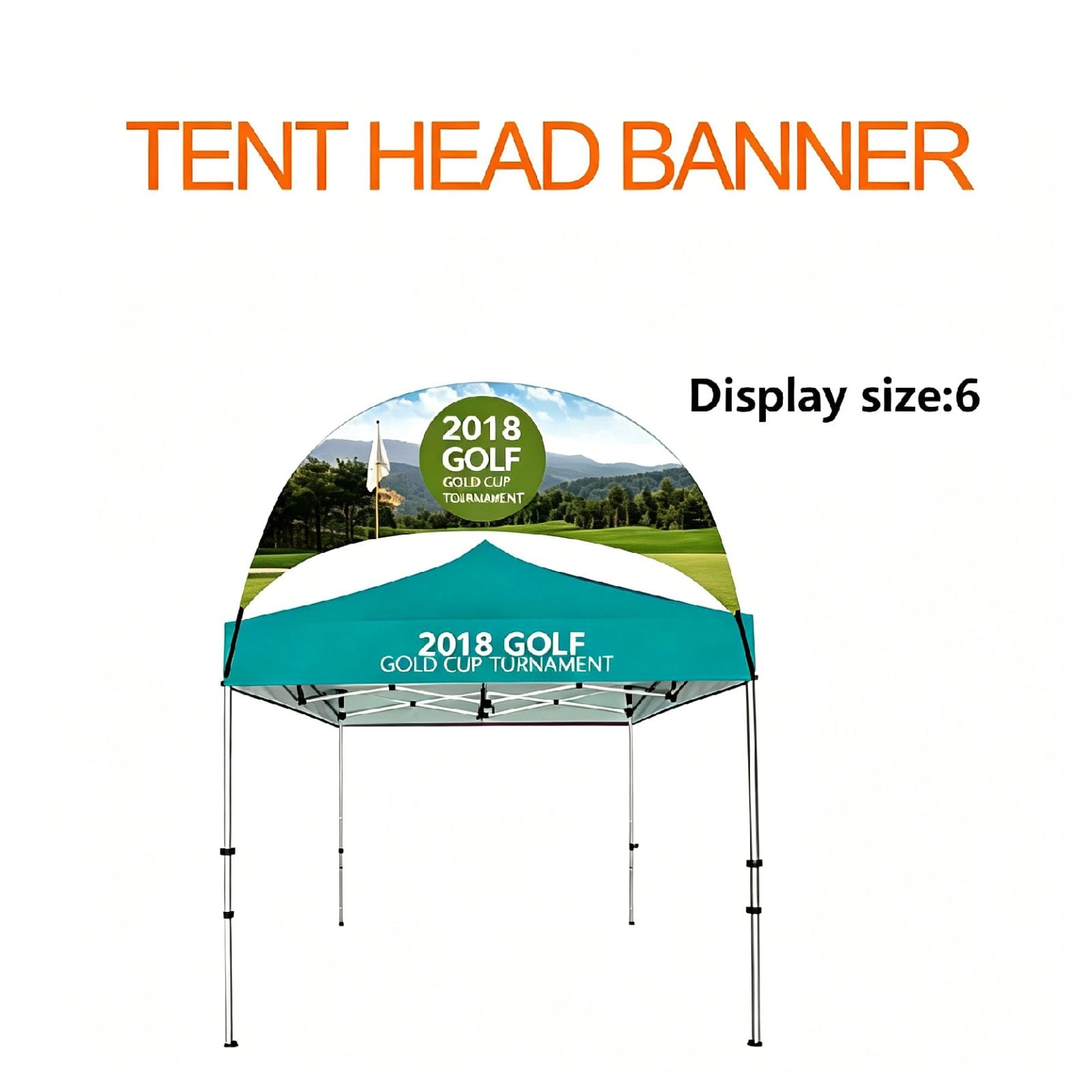
Tent Head Banner
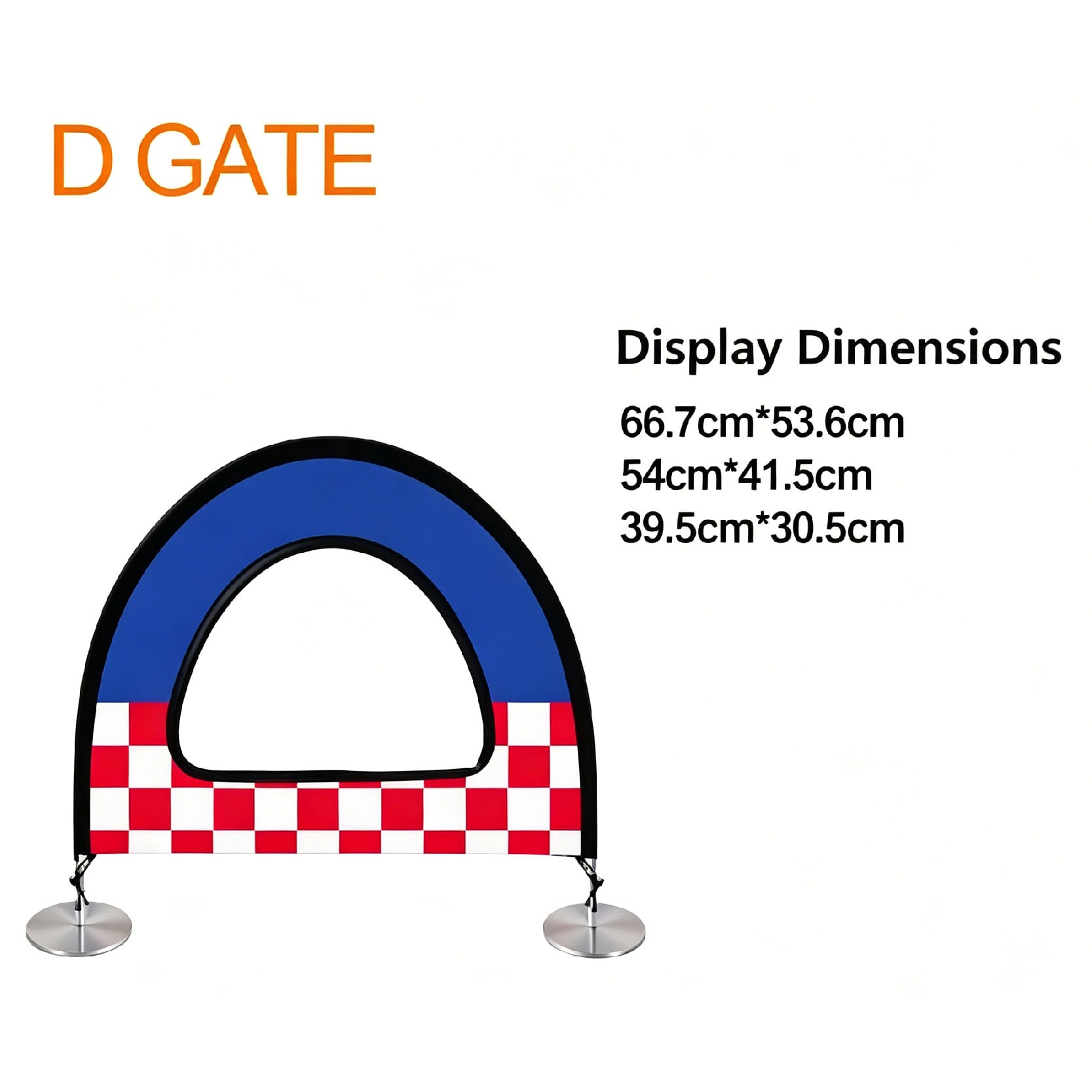
mini d gate
Related Articles
29kg Concrete Flag Base - The Complete B2B Buyer's Resource - WZRODS
WZRODS DY451B: 29 kg, HDPE shell, concrete core. Stackable, portable, rust-proof. FOB price US$5.75–$6.85 at MOQ 2 units. Those numbers look unremarkable. Factor in landed cost—import duties lower than aluminum’s under relevant HTS codes, freight savings from less weight per unit of stabilizing mas
Wide Tube Cross Base - The Complete B2B Buyer's Resource - WZRODS
The Wide Tube Cross Base, manufactured by Wzrods in Shandong, China, solves one problem: reliable stability for poles under three meters, without the freight costs and warehouse footprint that heavier alternatives demand.
Rectangular Pipe Cross Base - The Complete B2B Buyer's Resource - WZRODS
The pipe cross flag base is a cross of rectangular steel pipe, powder‑coated, weighing 1.3 kg and spanning 78 cm across its arms. Its center holds a C‑ring shaft that lets the flag rotate with the wind.
X-Shape Backpack Banner - The Complete B2B Buyer's Resource - WZRODS
Economic Cross Base - The Complete B2B Buyer's Guide- WZRODS
When you buy an economic cross base—something like the Wzrods DM‑9, a 77 cm‑long, 1.3 kg iron cross—forget “economic” as a synonym for “cheap.” It means value-engineered.