Backpack Flag
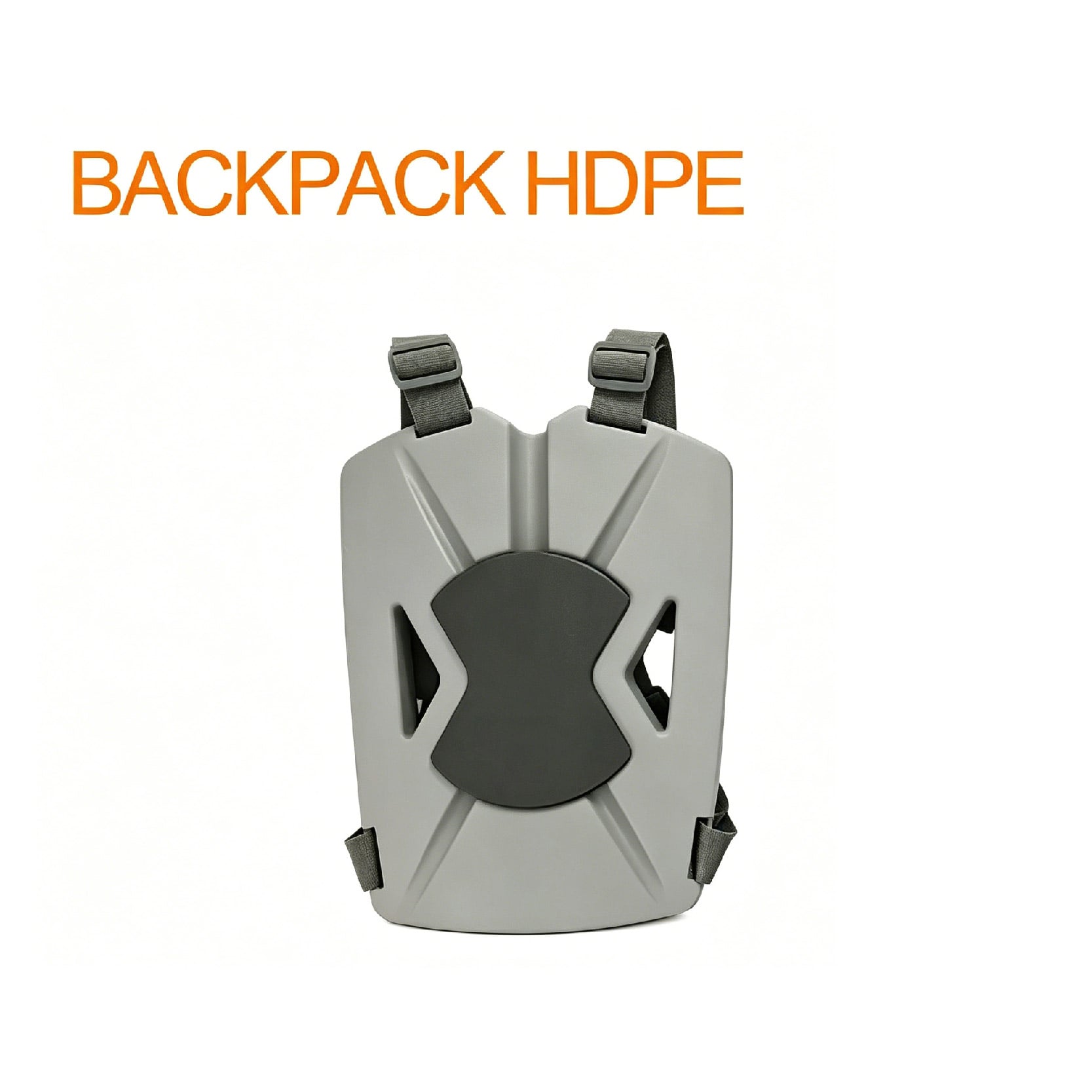
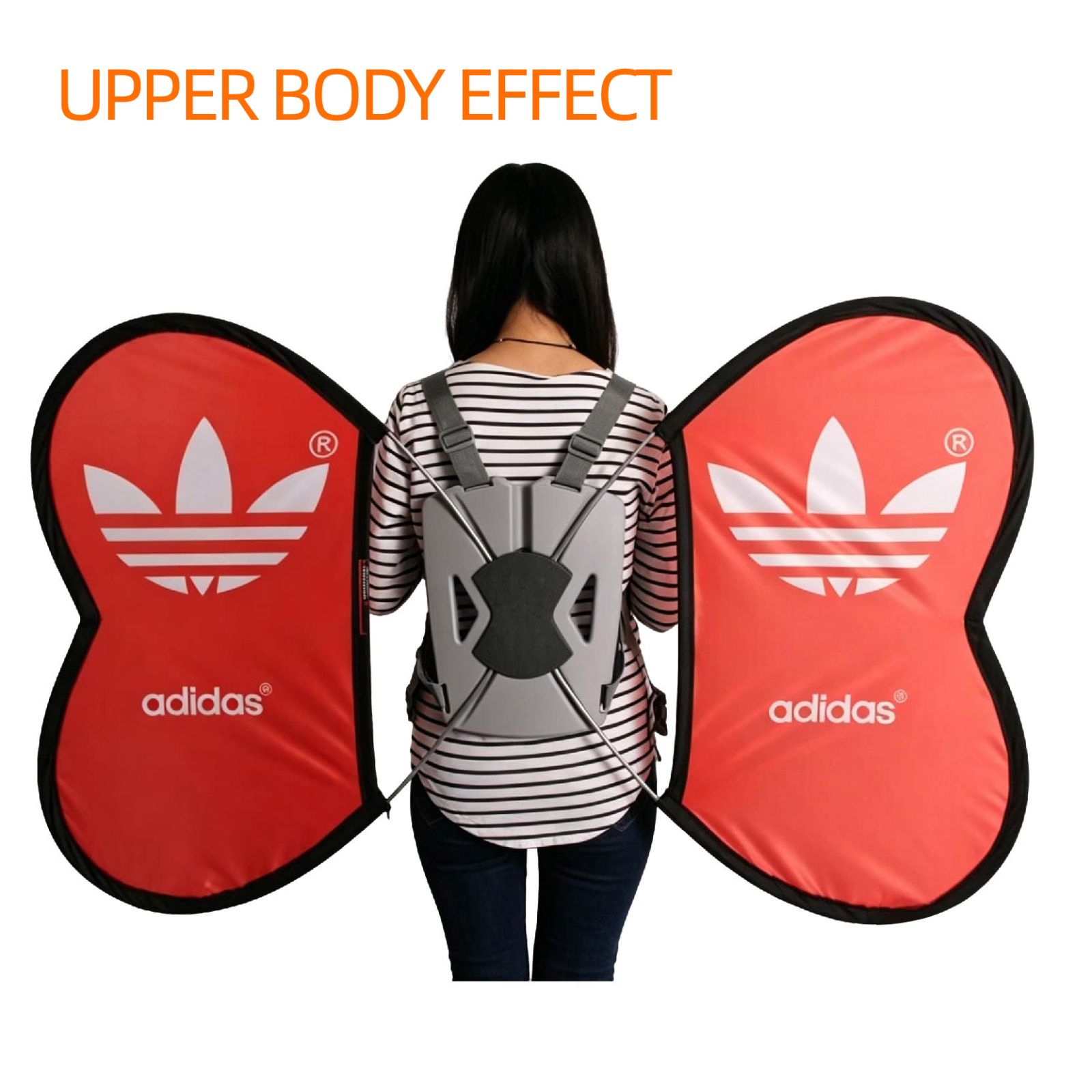
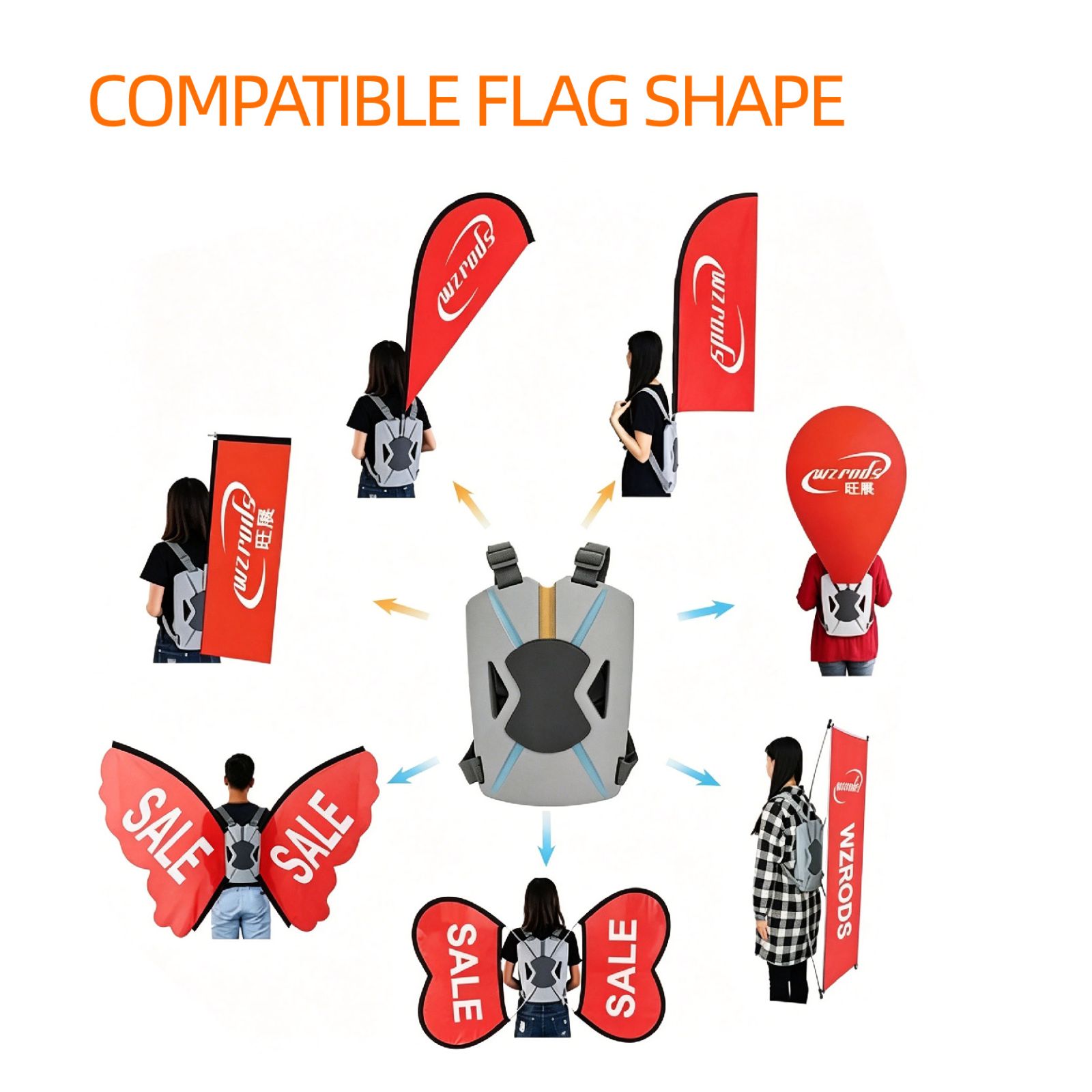
backpack flag HDPE shares most deluxe functions with low cost. Lightweight waterproof design supports over 14 flag styles, easy logo printing, perfect for cost-saving mobile brand promotion.


 Article
 Specifications
- Origin
- Shandong, China
- Brand
- WZRODS
- Model
- backpack hdpe
- Main Material
- HDPE
- Color
- CMYK 4 Color Printing
- Usage
- Advertising Display/Propaganda/trade show
- Application Spec
- Street Advertising, Parades, Sports Events, Trade Shows
- Printing Method
- Dye Sublimation Printing
- Feature
- Stackable
- Product Type
- Promotional
- Warranty
- 2 year
- Pole Material
- Carbon Composite
- Application Spec
- Street Advertising, Parades, Sports Events, Trade Shows
- Pole Color
- Silver
 Product Description
Shipping & Packaging
- Unit Weight
- 2.000
- Unit Size
- 56X32X7
- Packaging
- Standard export carton
- Lead Time
- 15-30 days
Pricing
- MOQ
- 1 piece
- Price Range
- USD 11 – 17.7
* FOB Qingdao. Excludes shipping & taxes. Accessories & customization confirmed separately.
 Sample Service
- Sample Available
- Yes
- Sample Price
- piece 684.46
- Max Sample Qty
- 1
 Customization Options

Light Custom
Logo, color, size adjustments

Fast Turnaround
Quick custom order processing
Backpack Flag - The Complete B2B Buyer's Resource - WZRODS
I got the call on a Tuesday in March. A distributor in Hamburg was unhappy. Half the aluminum flagpoles in his shipment had kinked during the ocean crossing. He’d counted on them holding banners in a steady Baltic breeze for an outdoor trade festival. A replacement order would erase his season’s margin. I stood up and paced. I pace when a problem doesn’t make sense. How does a pole fail before it ever meets a gust?
That afternoon, I saw the real issue. It wasn’t the wind at the event. It was the life the pole lived before it was ever erected. In a container, poles rub together, get compressed by cartons stacked above, heat up, cool down. Ask anyone who's tried both. If the material’s yield point is too low, it yields. Aluminum, for all its familiar shine, yields easily once you exceed a certain stress. A carbon composite pole—the kind I’d been procuring for our WZRODS backpack banner systems since 2016—doesn’t fail the same way. It bends, stores the energy, and returns. That isn’t a sales claim. It’s a consequence of the fiber orientation and the resin matrix.
This guide starts there. Total landed cost isn’t decided by the unit price on an invoice. It’s decided between the factory in Shandong and the third day of a trade show in São Paulo. I’ll walk through the seven angles a professional importer, event planner, or distributor needs: how to evaluate a backpack banner, what a carbon composite pole does that aluminum cannot, the arithmetic of freight and import duties, where the product performs, how it’s made, the broader materials shift, and the inventory simplification a single platform brings. I’ll use the backpack flag HDPE—a lightweight HDPE frame paired with a wind-tested carbon composite pole—as the example. I’ve managed procurement for it across four continents.
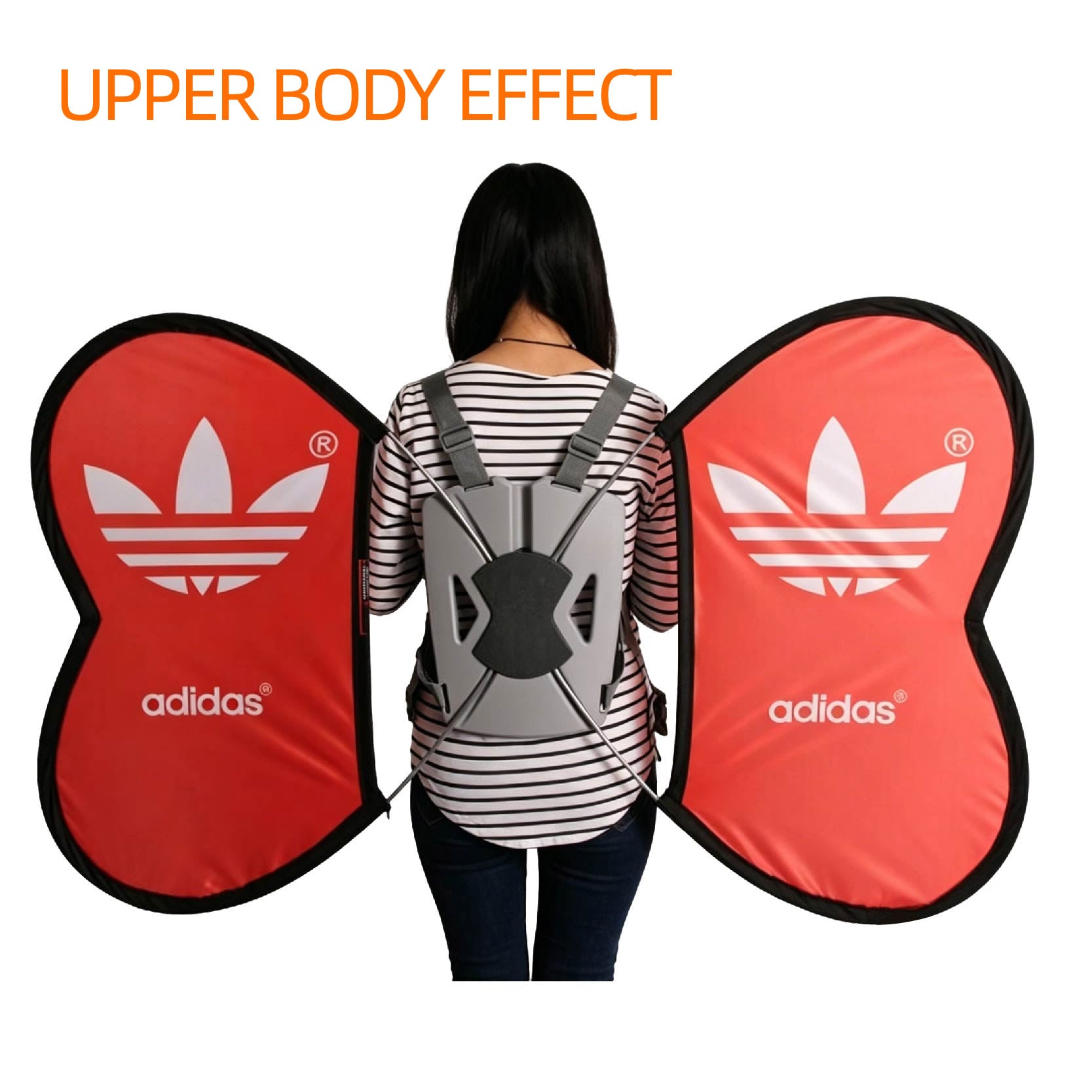
A view of the system:
1. Buyer’s Guide: Understanding the Backpack Flag Category
What Matters Most When You Cannot See the Pole Fail
A spec sheet tells half the story. A backpack banner looks simple: harness, vertical pole, printed flag. The differences hide in details a catalogue photo won’t show. Weight determines how many units you can fit into a 40-foot high-cube container, not just a number on a freight calculator. Our backpack flag HDPE weighs 2,000 grams. You get roughly 5,420 units in a 68-cubic-meter container. A competing aluminum-pole system at 3,400 grams squeezes in only around 3,180 units. You ship 70% more units for the same ocean freight bill with a pole that won’t corrode in the salt air of a coastal port.
The second hidden factor is import duty classification. The real talk: Carbon composite poles often fall under a different Harmonized Tariff Schedule heading than aluminum. A distributor in Mexico showed me his landed-cost spreadsheet. Duty on aluminum flagpoles: 12.5%. Carbon composite poles, classified correctly: 7%. Five and a half points on a container separates a good quarter from a break-even one. Ask your customs broker to verify the specific code. I’ll outline the approach later. The principle: material changes the duty. Duty changes the decision.
How to Read a Pole Specification Beyond “Silver”
Most data sheets list the pole color as “silver.” That doesn’t tell you what the silver is. Aluminum poles are anodized. The finish looks good until it scratches; then base metal meets moisture. In coastal environments—I think of a distributor in Recife who supplies Carnival parade groups—aluminum corrodes within a season. Pitting weakens the wall, and one day a pole snaps at the base connector. A carbon composite pole has no coating to breach. The entire cross-section is corrosion-proof because resin encapsulates the fibers. Leave it in salt spray for weeks, and the surface stays unchanged.
Also check the pole’s behavior under dynamic load. We test every production lot at the factory in Shandong using a bank of industrial fans that generate gusts up to 70 kilometers per hour. I’ve stood in the test bay and watched the pole tip oscillate. With aluminum, once the gust exceeds a certain force, the pole takes a permanent set—a kink you can see. A carbon composite pole bends in a smooth arc. When the gust passes, the tip returns to center without memory. That’s not magic. It’s the difference between plastic deformation in a metal and the elastic recovery of a continuous-fiber composite. The first time I watched the test, I thought: this is what a pole should do. It should forget the wind.
2. Product Comparison: Carbon Composite vs. Aluminum in Real Conditions
A Side‑by‑Side Look Based on a 500‑Unit Order
Based on field testing, I built this comparison for a trade-show organizer in Frankfurt. He was deciding between an aluminum system and our backpack flag HDPE. The order size: 500 units, sharing a 40-foot container. Count on it. Your numbers will vary by country, but the pattern holds. Duty rates shown reflect typical EU classification; consult your broker for your own port.
| Parameter | Typical Aluminum System | Backpack Flag HDPE (Carbon Composite) |
|---|---|---|
| Unit weight (kg) | 3.4 | 2.0 |
| Unit ex‑works price (500 pcs) | USD 15.20 | USD 15.00 * |
| Pcs per 40HQ container (68 CBM) | ~3,180 | ~5,420 |
| Ocean freight allocation per unit ** | USD 1.10 | USD 0.65 |
| Import duty rate (example, EU) | 8.5% | 4.2% |
| Duty per unit | USD 1.29 | USD 0.63 |
| Total landed cost per unit (ex‑works + freight + duty) | USD 17.59 | USD 16.28 |
| Estimated first‑year replacement rate | 12% | 2% |
| Warranty | 1 year (typical) | 2 years |
| Corrosion in coastal climate | Yes, after 3–6 months | No |
* Published price range is USD 11–17.7 for bulk orders.
** Based on an average 40HQ freight rate of USD 2,800, allocated by unit count.
The ex-works prices sit almost on top of each other. That’s deliberate: we’re not the cheapest, and I won’t pretend otherwise. After freight and duty, the landed cost per unit already tilts lower. Add replacement expense. A 12% annual replacement rate on 500 pieces means buying 60 extra poles every year. The Frankfurt organizer calculated that over two years, our system saved him about 19% in total display hardware spending. That didn’t include the staff hours not spent unbending kinked poles before every show.
Why the Pole That Bends Comes Back
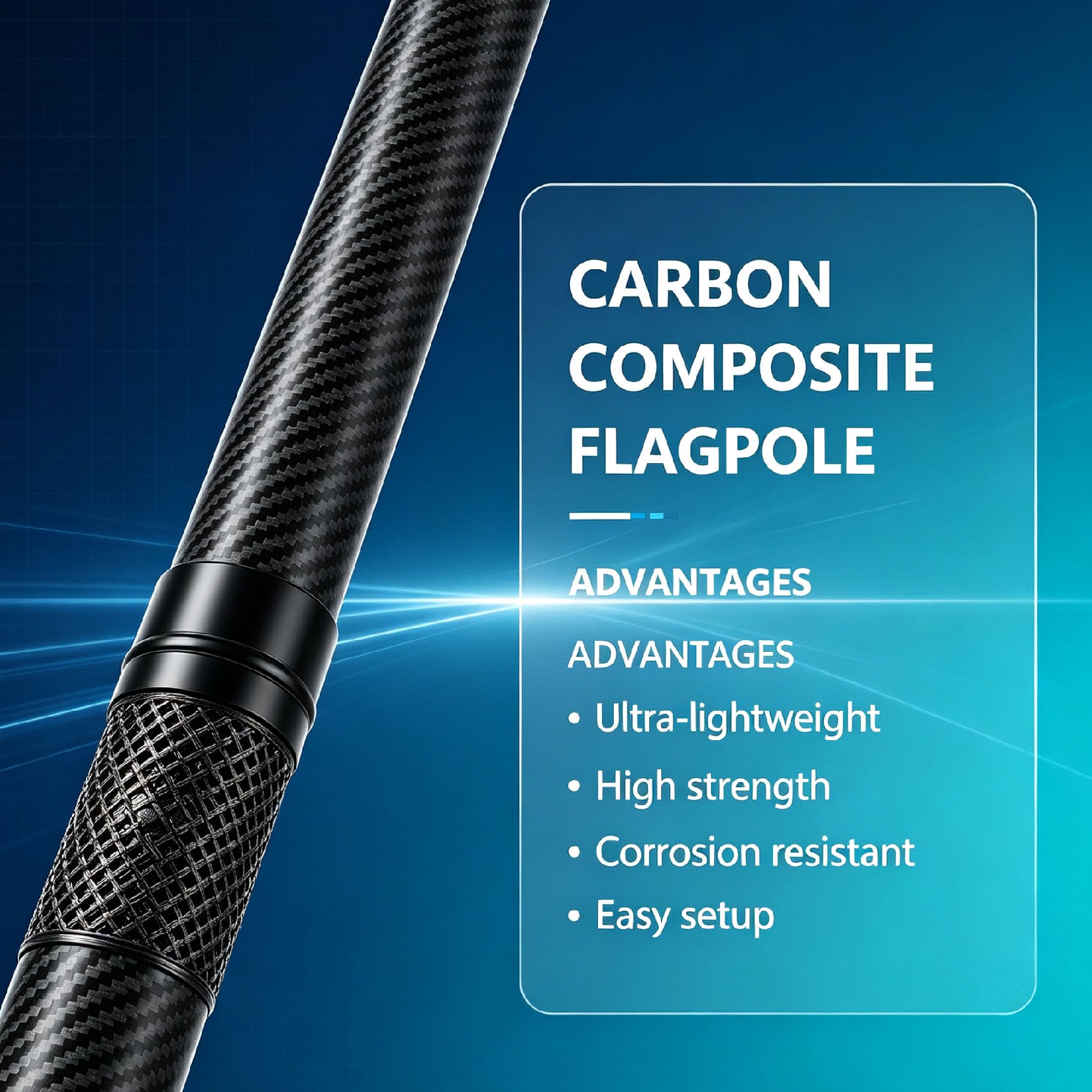
Take a strip of aluminum, bend it over your knee. It stays bent. Aluminum has a well-defined yield strength. Once you pass it, crystal planes slip and the shape is permanent. Carbon composite isn’t a metal. It’s thousands of continuous carbon fibers, aligned along the pole’s length, held in a thermoset resin. When you flex the pole, the fibers on the outside edge stretch elastically, the resin distributes shear, and when the load lifts, the fibers contract. The pole returns to straight. I’ve cycled it 50 times in fatigue testing; tip position afterward was within 2 millimeters of the starting point. Aluminum, after the first heavy gust, already carries a permanent offset.
A buyer once asked, “If carbon composite is so tough, why do carbon-fiber bike frames crack?” The difference is the loading. A bike frame takes multi-directional impacts. A flagpole sees primarily bending along one axis. We engineer the pole as a thin-walled tube with fibers oriented at 0 degrees to the axis—optimized for flexural loads, not sharp point impacts. In normal use, even when a parade walker jogs, the pole handles the bending moment without accumulating damage. We keep maximum stress at the design gust below 40% of ultimate strength. That’s a safety factor of 2.5. Surprise winds never push the pole into the danger zone.
3. ROI Analysis: The Hidden Savings of a Lighter, Rust‑Proof System
Freight and Duty: The Numbers That Don’t Appear on the Supplier Invoice
I keep a spreadsheet I call the “landed-cost triangle”—product price, transportation, tariff. Too many buyers stare only at the first corner. Here’s my calculation for a full container load of backpack flag HDPE, and how you can adapt it to your port.
In a 40-foot high-cube, I fit 5,420 units. At that volume, our published bulk price can near USD 11.00 per unit, depending on terms and print complexity. I’ll use a conservative USD 12.00. Ocean freight from Qingdao to Hamburg, at today’s rates, might be USD 2,650 for the container—about USD 0.49 per unit. Import duty in the EU for carbon composite flagpoles is typically 4.2% (heading 6815 for carbon fiber articles). Applied to CIF value (ex-works + freight): USD 12.49 × 4.2% = USD 0.52 per unit. Add port handling and delivery, round to USD 0.15. Landed cost: roughly USD 13.16 per piece. An equivalent aluminum system, at 3.4 kg and an 8.5% duty, lands closer to USD 14.80. Across 5,420 units, that difference is about USD 8,900—enough to cover a part-time sales rep or sample mailings.
The Replacement Multiplier and Total Cost of Ownership
Consider two years of ownership. An outdoor event company running 200 backpack banners each weekend will put those poles through around 100 uses per year. With aluminum, I’ve seen annual replacement rates of around 12%. That’s 24 poles a year. At USD 15 each, plus USD 200 in express freight, annual replacement spend is USD 560. Over two years, USD 1,120. Our carbon composite poles, under the same usage, fail at less than 2%—about four poles a year. Replace those at USD 15 each; freight is negligible. Two-year cost: USD 120. That saves nearly USD 1,000. And staff aren’t sorting bent poles 20 minutes before every event.
Replacement cost isn’t only about money. A distributor in Thailand had an aluminum pole snap during a televised product launch. The banner dropped, the clip aired. The client demanded compensation. No TCO spreadsheet captures that reputational hit, but you remember it. When a pole bends permanently and someone uses it anyway, a crooked flagpole makes the brand look crooked, too.
4. Industry Applications: Where the HDPE Backpack Banner Performs Best
Street Advertising and Mobile Promotions
I’ve watched these banners on crowded shopping streets in Shenzhen, the wearer weaving through pedestrians. The HDPE frame is light—a person can wear it for a four-hour shift without shoulder fatigue. It’s waterproof. Rain doesn’t absorb and add weight. The carbon composite pole sheds water and never gets slippery the way a wet anodized aluminum tube does. A promotional agency in Kuala Lumpur ordered 1,000 units for a product sampling campaign. After three months, only two poles needed replacement—both clipped by a motor scooter. That matters. The poles were still straight after 90 days of daily use. Reliability like that lets a campaign manager focus on the message, not the hardware.
Parades and Festivals
Parades are the ultimate test. A person walks for kilometers, sometimes jogging, a flag flapping in a continuous load. I once took a call from a carnival block in Salvador, Brazil, where the air tastes of salt. Their aluminum poles corroded after a single season, leaving white oxide dust on colorful costumes. They switched to our system. After two Carnivals, the poles looked out-of-the-box clean. The HDPE frame doesn’t rust either. The only maintenance was wiping off sunscreen smudges. For parade organizers, the ability to store flags in a humid warehouse for eleven months and pull them out ready is a quiet advantage.
Sports Events
At a marathon in Chicago, volunteers hold sponsor flags at the finish line for hours. Wind funnels between buildings. I saw a gust bend three aluminum poles nearly horizontal. Volunteers had to abandon them. Our carbon composite poles, used by a different sponsor in the same spot, swayed hard but came back. The event operations manager later told me he now specifies “no aluminum flagpoles in the athlete zone”—a falling pole could injure a runner. A pole that bends and springs back is less likely to become a projectile if dropped or struck.
Trade Shows
Trade show booths are temporary cities. Setup happens in hours, often by temps who aren’t engineers. Our backpack banner system connects the pole to the HDPE base with a simple twist-lock—no bolt, no Allen key. At a fair in Düsseldorf, I timed the assembly: from opening the carton to a standing banner, 47 seconds. The exhibitor next door with an aluminum screw-together system took four minutes and still straightened a bent pole by eye. Over 20 booths, that time isn’t trivial.
5. Factory Process: How We Build a Backpack Flag That Survives a North Sea Gale
The Carbon Composite Pole from Raw Tow to Test Bay
I walk the factory floor in Shandong. Carbon fiber arrives on large spools—thousands of continuous filaments thinner than a human hair. The tow moves through a resin bath, then a heated die. The die shapes the wet composite into a precise tube diameter and wall thickness while the heat triggers curing. The process—pultrusion—runs continuously. An automatic saw cuts the rigid tube to length. I’ve picked up a freshly cut piece. It’s astonishingly light, yet when you try to bend it over your knee, it resists with a stiff springiness that tells you this isn’t plastic.
After cutting, each pole goes through a quality check. We measure outer diameter at three points, check straightness with a laser, and pull a sample to 150% of the design wind load. I once asked a technician why 150%. “The wind never reads the specification,” he said. That thinking settles it. The pole then gets a connector insert—a machined aluminum sleeve bonded into the base end with a structural epoxy rated at 25 MPa shear. That’s where bending moment peaks. I’ve hydraulically pulled one apart: the HDPE frame fractured before the bond gave way.
The HDPE Frame and Dye Sublimation Printing
The wearable frame is injection-molded from high-density polyethylene—the same material used for industrial outdoor furniture. Sunlight and rain don’t degrade it for years. We print the customer’s logo or pattern directly onto the surface via dye sublimation. It’s not a sticker; the ink penetrates the polymer’s outer layer. I’ve scrubbed a printed frame with a stiff brush and soapy water after a muddy festival, and the image was unchanged. The frame weighs little, distributes load comfortably through nylon straps, and secures with quick-release buckles like those on hiking daypacks. They don’t break under normal use.
Assembly and Packaging
We partially assemble each unit for QC, then disassemble and pack into standard export cartons. Carton size: 56 cm × 32 cm × 7 cm. They stack tightly on a pallet and fill a 40-foot container with 5,420 units—no wasted air. Cartons are marked with model, country of origin, and can include your barcode labels. Lead time from confirmed artwork to container dispatch is 20 to 25 days, longer during spring. I advise ordering in October for February delivery.
6. Trends: The Shift Away from Aluminum in Portable Display Hardware
The Logic of Lighter Logistics
Five years ago, nearly every portable flagpole I saw was aluminum. That’s changed. Global freight costs have sharpened pencils around weight. A 2-kg unit ships cheaper by air for samples, cheaper by sea, and a carton that’s easy to move saves warehouse strain. Event teams increasingly fly with hardware rather than source locally. Our backpack flag HDPE packs to 56×32×7 cm—it fits inside a large checked suitcase. I’ve personally carried three units as regular luggage to a trade show in Jakarta, no oversize fees. Try that with a bundle of 1.2-meter aluminum poles.
Regulatory and Sustainability Pressures
Environmental regulations are slowly tightening. Aluminum production is energy-intensive, and while aluminum is recyclable, anodized poles often end up in general waste because the events industry lacks a take-back scheme. Carbon composite isn’t easily recyclable at end of life—true. But its longer service life means fewer units are discarded per thousand events. I don’t call this product green; I say it reduces the replacement waste stream compared with aluminum that corrodes and kinks. Import duty classifications are already beginning to favor corrosion-resistant materials for outdoor use. I’ve seen tariff rulings that explicitly lower the rate on composite articles for “long-term outdoor exposure.” Buyers should stay ahead of that curve.
The Distributor Who Consolidated His SKUs
A Dutch distributor once carried six flagpole models with different diameters, lengths, and connectors—14 SKUs in total. His warehouse was bins of spare screws, sleeves, adapters. Picking errors were high. He switched to our system because it supports more than 14 flag styles by changing the upper pole section and banner; the base HDPE frame and lower carbon composite pole stay the same. He slashed his lineup to 4 SKUs. Inventory carrying cost dropped over 30%, and his warehouse team breathed easier. That’s an operations story, but it hits the bottom line just as hard.
7. Upgrade Solution: From Basic Aluminum to HDPE/Carbon Composite—Why Distributors Make the Switch
One Base, Many Flags
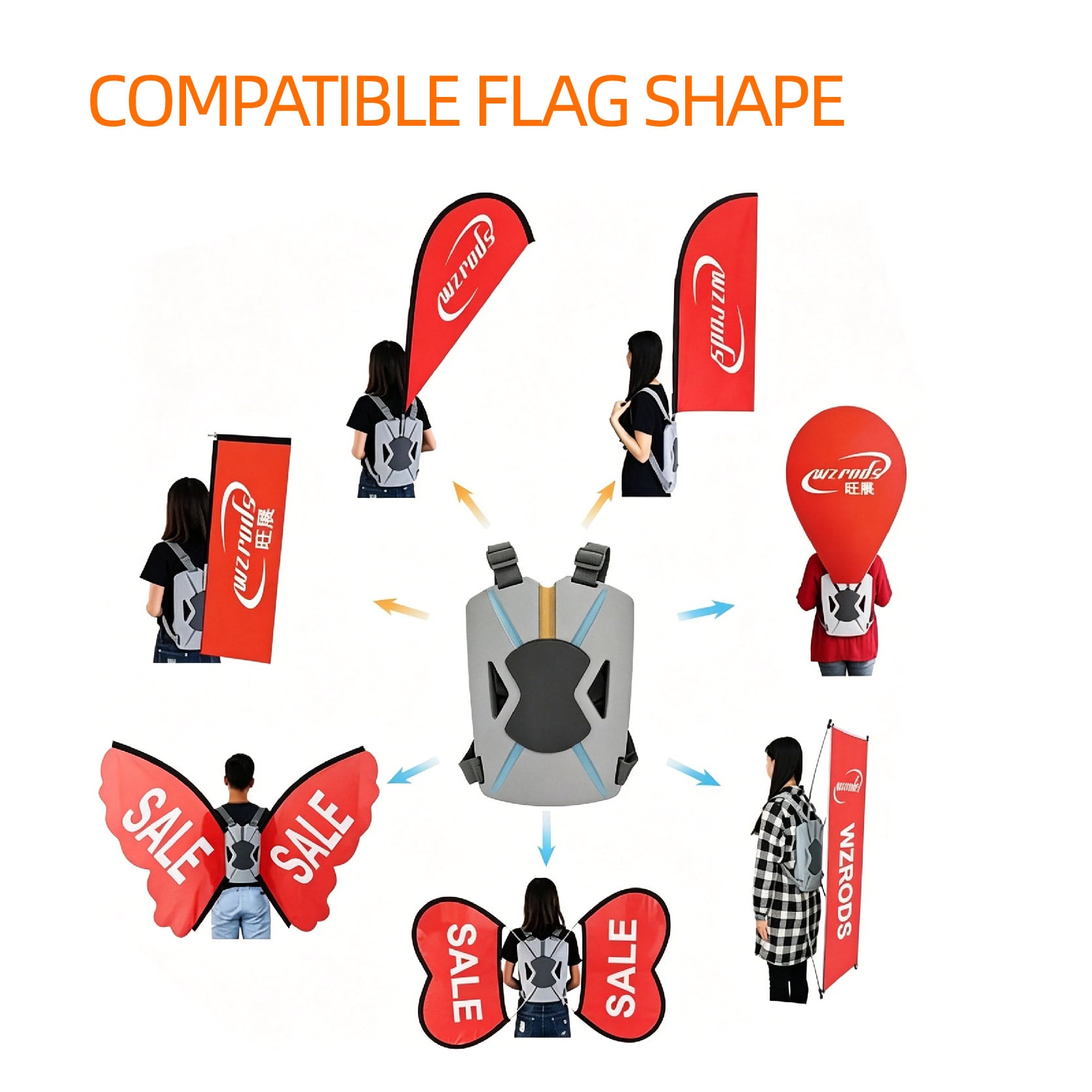
The backpack flag HDPE launched in 2016 with a deliberate design: the frame and lower pole are universal; the upper pole section is swappable to fit teardrop, blade, feather, rectangle, and many more flag shapes. A distributor can hold a core inventory of base units and a lean stock of interchangeable upper kits and printed banners. A customer who wants to switch from a blade to a feather flag buys a new upper pole and banner, not a whole system. I watched a distributor at a trade fair demonstrate the change in under a minute. The customer placed a larger order on the spot because they saw the flexibility.
Import Duty and the HTS Code Advantage
The most frequent question is how to classify the product for the lower duty rate. Work with a licensed customs broker. Supply a sample and a material breakdown showing the carbon composite pole composition. In many markets, a backpack flag system with a composite pole can be classified under heading 6815 (articles of carbon fiber), avoiding the higher metal duties. I’ve seen an Australian broker obtain 5% duty instead of 10% by arguing that the essential character of the set was the HDPE frame. Have that conversation. We provide the composition letters customs authorities often request.
A Sample Worth the Price
We don’t offer free samples. A single backpack flag HDPE unit, printed to your artwork, costs USD 684.46—tooling, setup, and one-off printing carry fixed costs we can’t amortize. A prospect once balked, then asked if he could buy ten at that price “to test.” He didn’t realize the sample is a loss leader for serious buyers. We refund part of the sample cost against a first bulk order of 500 units or more. In my experience, a buyer willing to invest in a sample is a buyer who pays attention to the details and becomes a long-term partner.
FAQ: Answers to the Questions Distributors Ask Most Often
- What is the minimum order quantity?
- As few as one piece for a sample (sample price applies). Bulk pricing starts at 100 pieces; the best per-unit rates begin at 500. The published price range is USD 11 to 17.7 per unit depending on volume.
- Can I get a free sample?
- No. The sample cost is USD 684.46—the true cost of a single custom-printed unit. We refund a portion against a bulk order of 500 pieces or more.
- What payment terms do you accept?
- T/T (wire transfer), L/C at sight, Western Union. For new clients: 30% deposit with order, 70% balance before shipment. After trading history, we can discuss open account terms.
- How long does delivery take?
- 15 to 30 days from artwork approval and deposit. Peak season (February–May) can push to 30 days. We confirm the schedule at order placement.
- What are the packaging dimensions and container loading?
- Standard export carton: 56 × 32 × 7 cm. A 40-foot high-cube (68 CBM) holds about 5,420 units.
- What warranty do you provide?
- Two years against manufacturing defects in the carbon composite pole and HDPE frame, under normal outdoor use. Excludes vehicle damage, extreme abuse, or modifications. We’ve seen fewer than 0.5% warranty claims in three years.
- Can I customize the printing and flag shape?
- Yes. Dye sublimation printing in CMYK directly onto the HDPE frame. Flags can be printed in full color and cut to any of 14+ supported styles. You receive a digital proof before production.
- What applications is this product best for?
- Street advertising, parades, sports events, trade shows—anywhere a person carries a promotional flag. The waterproof, rust-proof design thrives in humid, coastal, and rainy environments.
- How do I know the carbon composite pole won’t break in strong wind?
- We test every lot with wind simulation up to 70 km/h gusts. The pole is designed with a 2.5× safety factor on the maximum expected bending moment. I’ve seen the test rig run; after each cycle the pole returns to straight without memory.
- Why isn’t this the cheapest option on the market?
- We don’t compromise on pole material or testing. A cheaper aluminum alternative costs more in freight, duty, and replacements over time. Total landed cost and total cost of ownership are lower with this system, even if the unit ex-works price isn’t the absolute lowest.
I’ve spent a decade buying and specifying portable display hardware. The purchase order is only the beginning. The real story is told on a windy street corner, inside a container at sea, on a customs broker’s entry form. The backpack flag HDPE tells a better story at every one of those checkpoints. It’s not complicated. It’s just the result of asking, over and over, what happens next. I hope this guide helps you ask the same question for your own business.
About the Author
Wei Chen, Senior Product Specialist
B.S. Supply Chain Management, Michigan State University; Certified Professional in Supply Management (CPSM)
12 years in B2B display hardware sourcing. Former procurement manager for a top 20 US promotional products distributor. Specializes in aluminum pole systems and import compliance.
Reviewed by WZRODS Technical Team. Updated: 2026-07-15
 Comments (0)
No comments yet. Be the first to comment!
Leave a Comment
Related Products
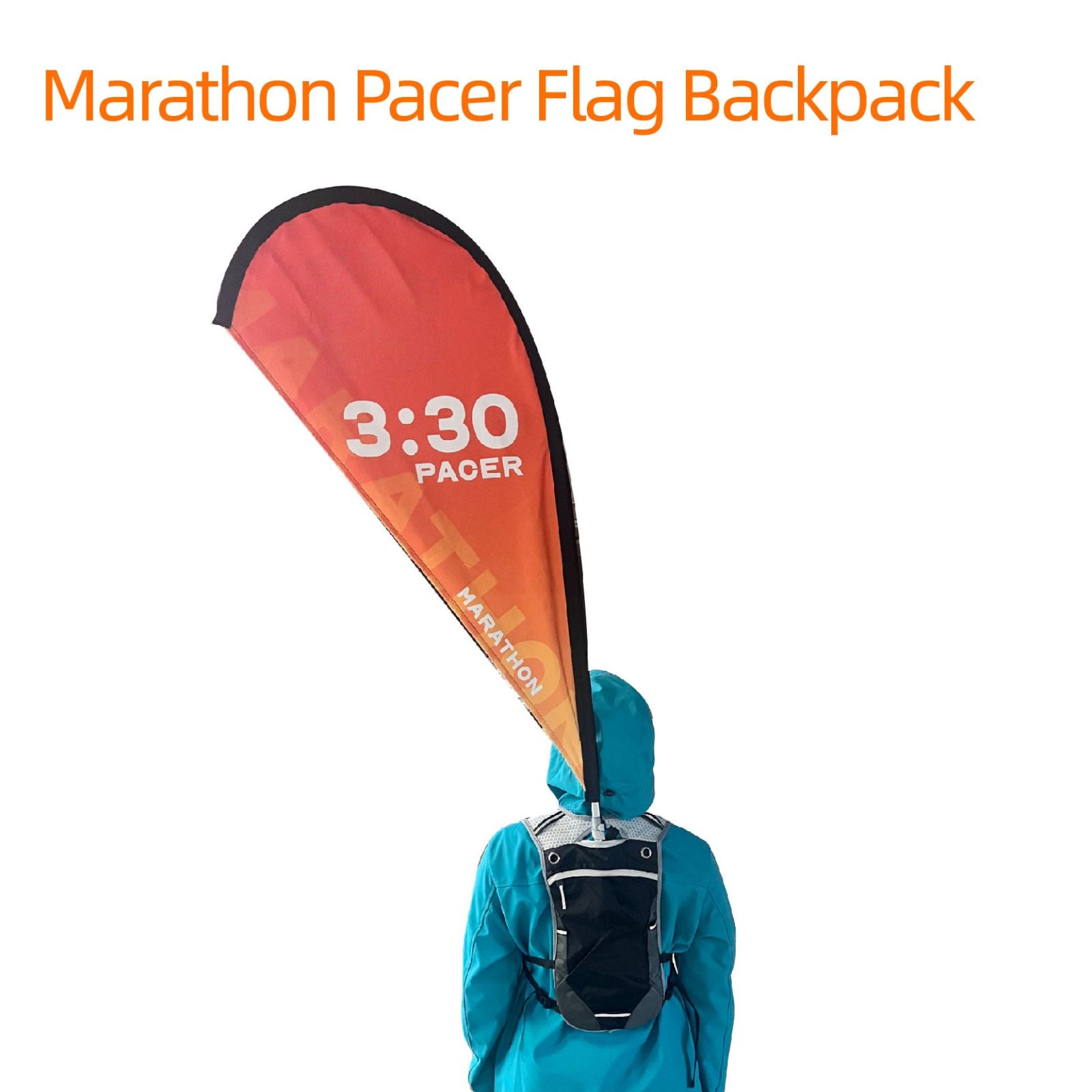
Marathon Pacer Flag
Backpack banner SFH
Backpack Two - Face banner
Backpack X
Backpack Umbrella
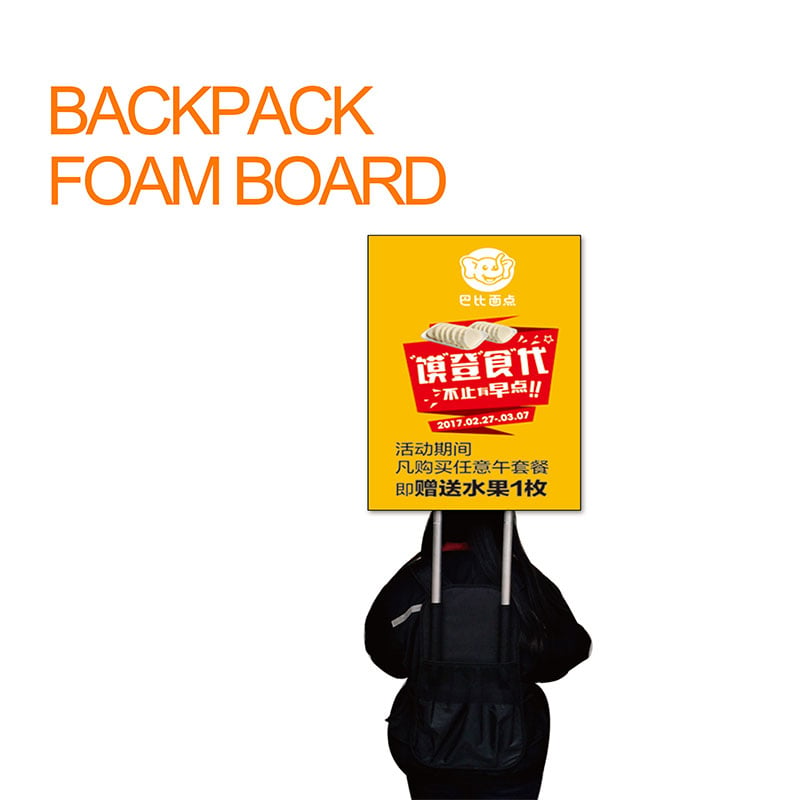
Backpack From Board
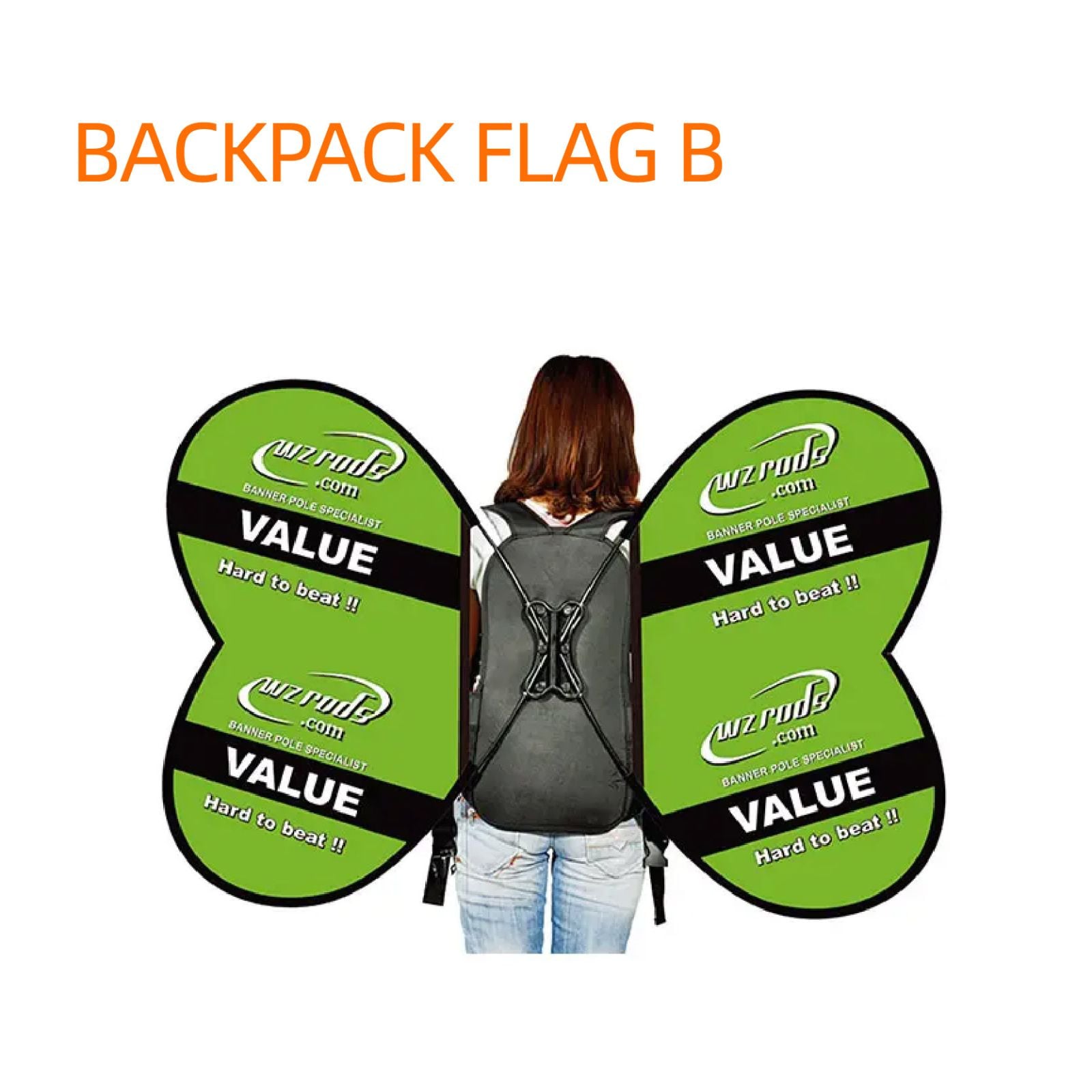
Backpack B
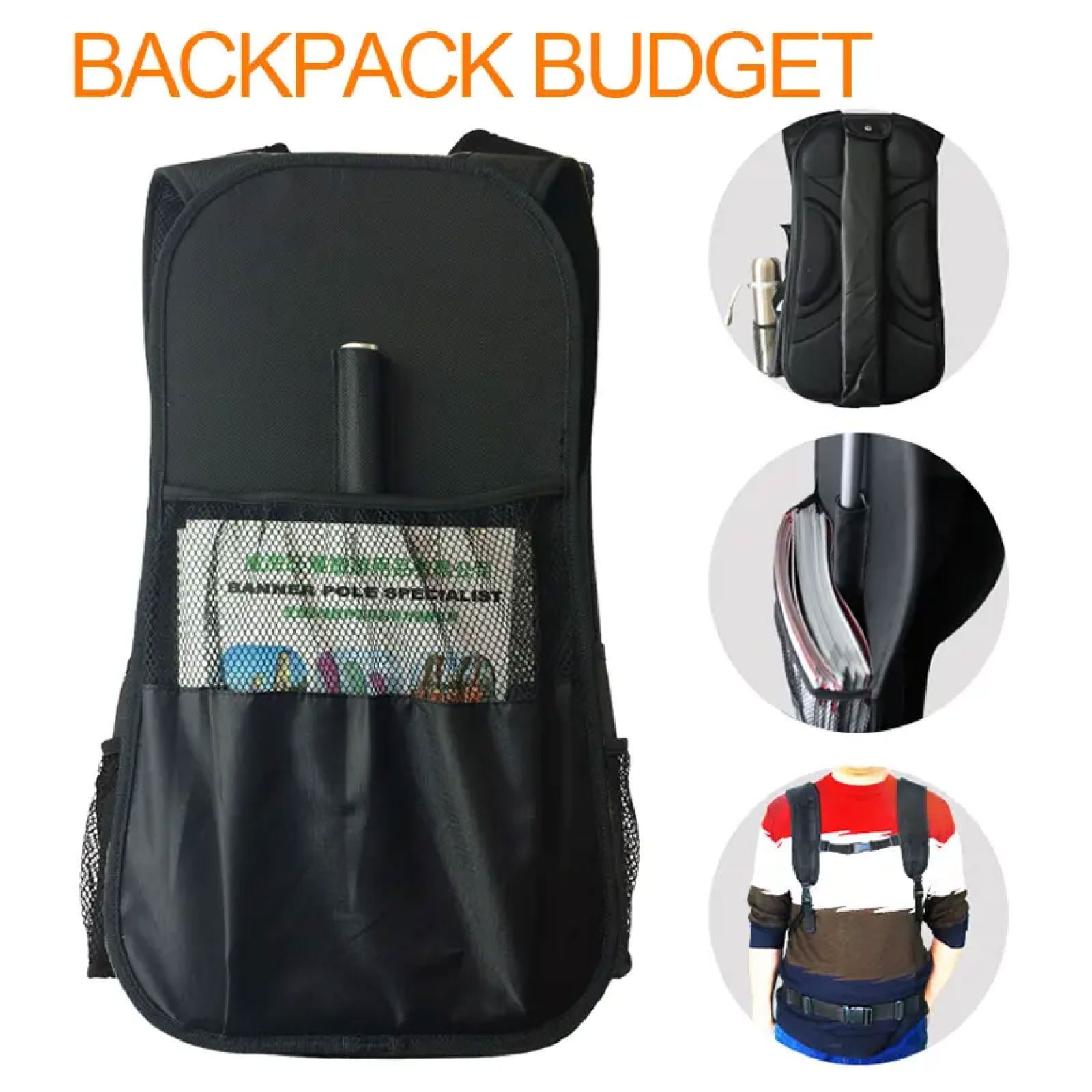
Backpack Budget
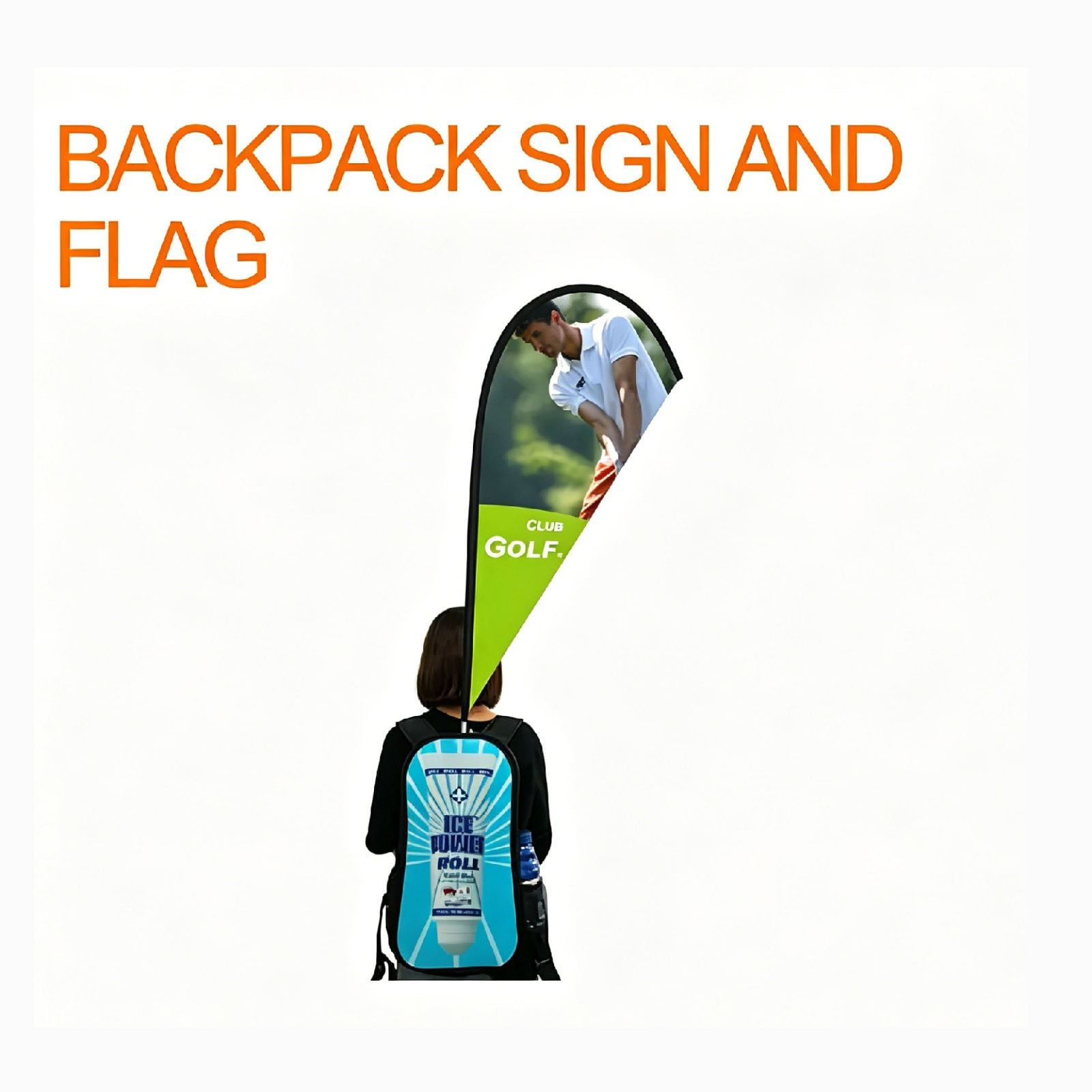
Backpack flag & sign
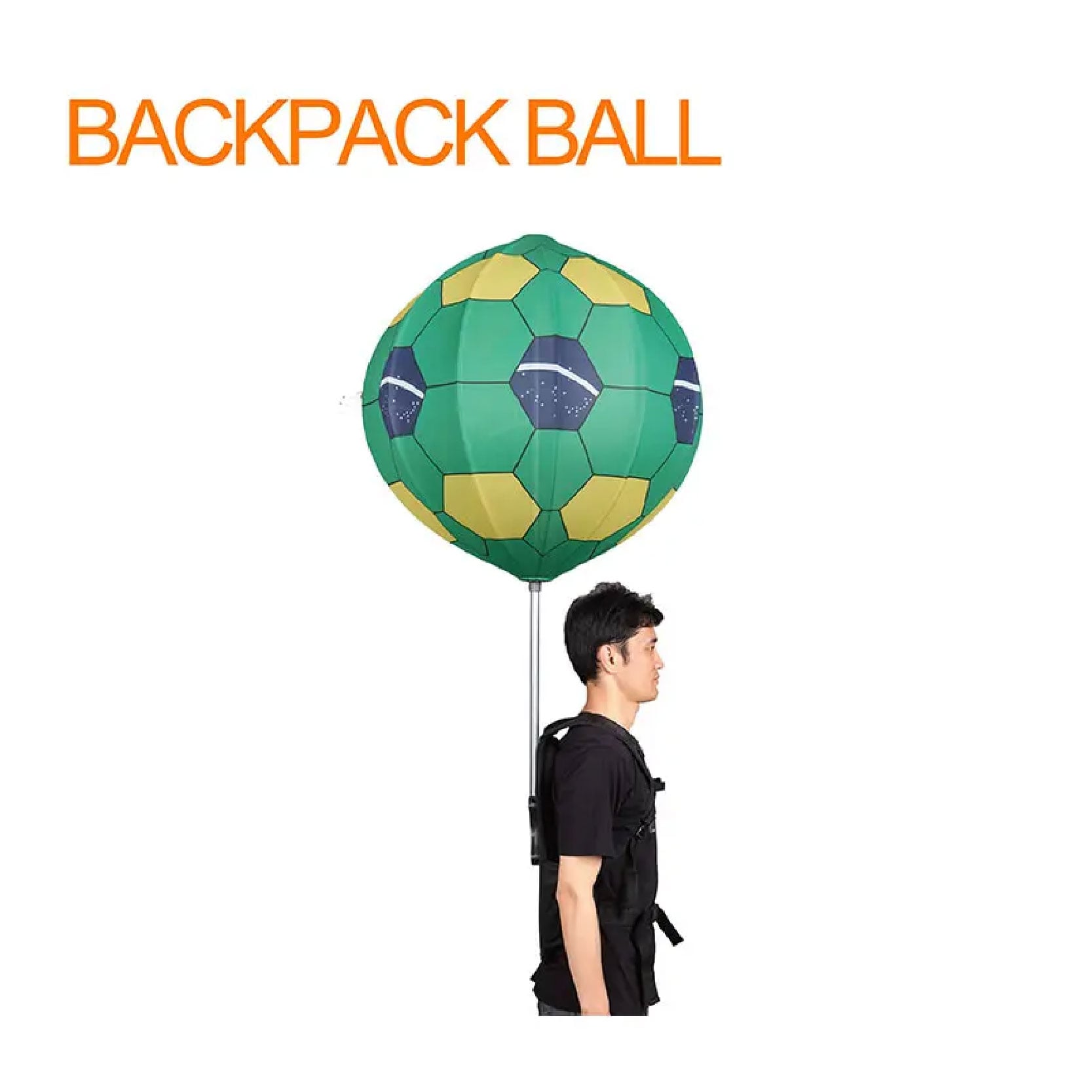
Backpack Ball
Related Articles
29kg Concrete Flag Base - The Complete B2B Buyer's Resource - WZRODS
WZRODS DY451B: 29 kg, HDPE shell, concrete core. Stackable, portable, rust-proof. FOB price US$5.75–$6.85 at MOQ 2 units. Those numbers look unremarkable. Factor in landed cost—import duties lower than aluminum’s under relevant HTS codes, freight savings from less weight per unit of stabilizing mas
Wide Tube Cross Base - The Complete B2B Buyer's Resource - WZRODS
The Wide Tube Cross Base, manufactured by Wzrods in Shandong, China, solves one problem: reliable stability for poles under three meters, without the freight costs and warehouse footprint that heavier alternatives demand.
Rectangular Pipe Cross Base - The Complete B2B Buyer's Resource - WZRODS
The pipe cross flag base is a cross of rectangular steel pipe, powder‑coated, weighing 1.3 kg and spanning 78 cm across its arms. Its center holds a C‑ring shaft that lets the flag rotate with the wind.
X-Shape Backpack Banner - The Complete B2B Buyer's Resource - WZRODS
Economic Cross Base - The Complete B2B Buyer's Guide- WZRODS
When you buy an economic cross base—something like the Wzrods DM‑9, a 77 cm‑long, 1.3 kg iron cross—forget “economic” as a synonym for “cheap.” It means value-engineered.
How to Choose the Right Feather Flag Base for Different Surfaces
Feather Flag - Professional Banner Poles & Systems Manufacturer - WZRODS
How to choose a high-quality backpack flag
The backpack flag concept centers on a frame carried on the back, similar to a backpack, specifically engineered to support a raised flag or banner.