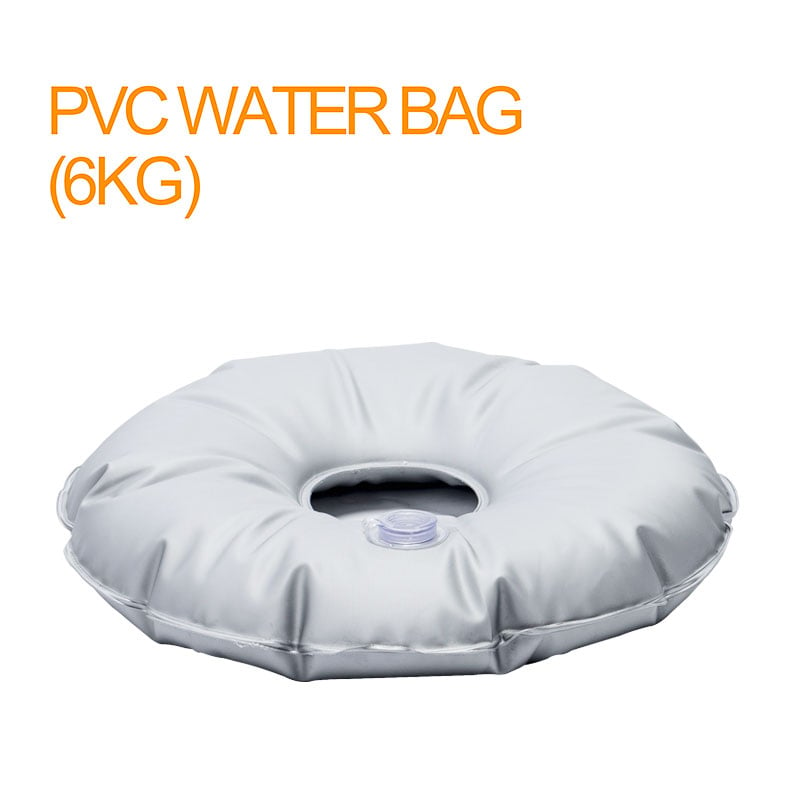
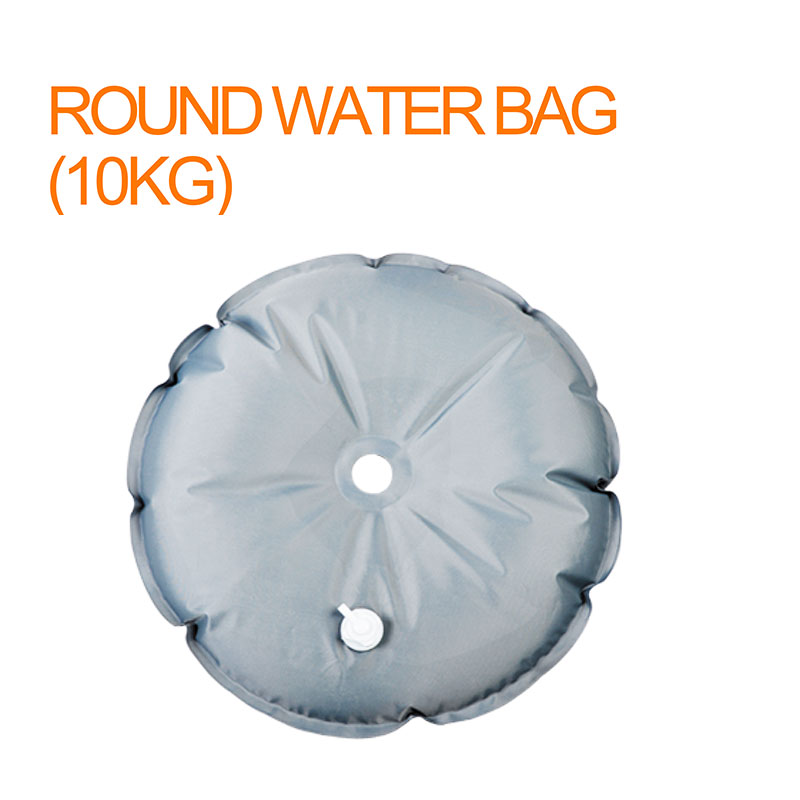
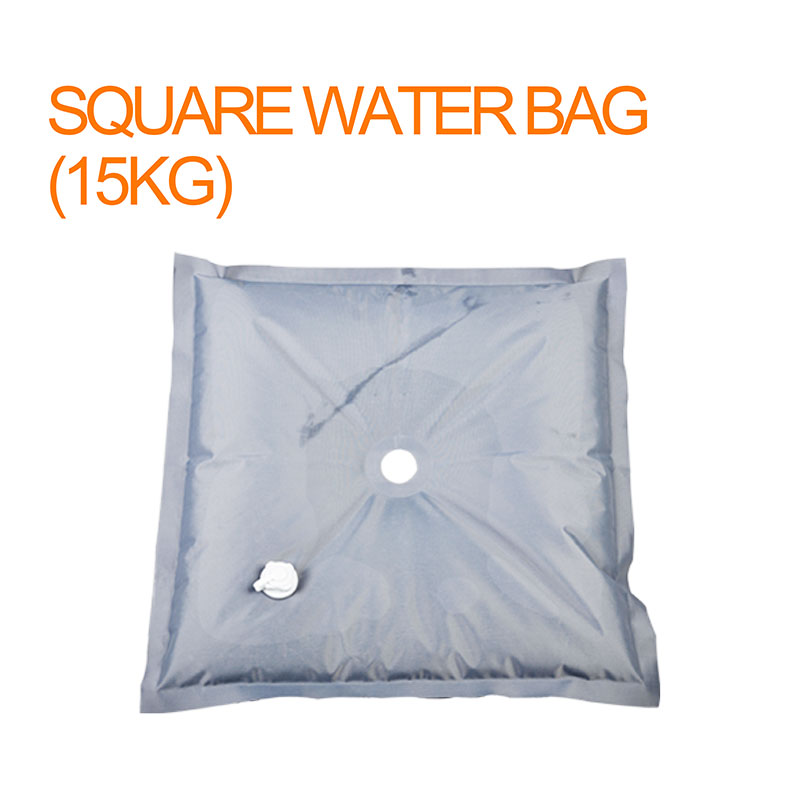
Water Weight Flag Base
Durable foldable water flag weight bag stabilizes banner stands, available in round/square with PVC or nylon material, portable and easy for outdoor event use.


 Article
 Specifications
- Origin
- Shandong, China
- Brand
- WZRODS
- Model
- WB10A/WB15A/WB-9
- Main Material
- PVC
- Color
- Grey
- Usage
- Advertising Flag Supporting Base
- Application Spec
- Trade Shows, Outdoor Events, Sports Events
- Target User
- anyone who want brand marketing
- Warranty
- 3 Years
- Oem
- Available
- Customized Packaging
- 1,000 sets
- Weight
- 6KG/10kg/15kg
- Port Of Dispatch
- Qingdao Or Shanghai
 Product Description
Shipping & Packaging
- Unit Weight
- 0.500 kg
- Unit Size
- 10X5X5 cm
- Packaging
- 100PCS in a carton.
- Lead Time
- 15-30 days
Pricing
- MOQ
- 2 piece
- Price Range
- USD 6.75 – 7.1
* FOB Qingdao. Excludes shipping & taxes. Accessories & customization confirmed separately.
 Sample Service
- Sample Available
- Yes
- Sample Price
- piece 40
- Max Sample Qty
- 1
 Customization Options

Light Custom
Logo, color, size adjustments

Fast Turnaround
Quick custom order processing
Water Weight Flag Base - The Complete B2B Buyer's Resource - WZRODS
Water Bag Base : A Practical Guide for International Procurement
Outdoor exhibitions, seaside opening ceremonies, pop-up brand activations—they all throw the same punch: a banner whipping in the wind with nothing solid to anchor it. The standard answer is a 25 kg cast iron base. It leaves a foundry in Zhejiang, lands in a Rotterdam warehouse, then gets trucked to Düsseldorf for a three-day show. But the purchase price is the smallest piece of the story. Cram 240 of those bases into a container, and the freight tab per unit can eclipse the factory gate cost. A foldable PVC bag—filled with water on site, emptied for transport—flips that arithmetic on its head. This guide rips apart the WZRODS WB‑series water bag across seven dimensions that matter when you’re buying a thousand units for a pan‑European rental fleet.
According to industry data, The WZRODS water bag—models WB10A, WB15A, and WB-9—isn’t a new concept. Water ballast is older than the trade show industry. What changed around 2019 is the material engineering and seam welding: good enough that logistics‑heavy event companies in Europe started switching. What follows is a close look at the physics, the real costs, and the practical limits that shape a smart purchase decision.
1. The Buyer’s Guide: Understanding Water Bag Base Systems
1.1 The Physics of Temporary Anchoring
A 3‑metre flag in a 25 km/h wind generates a serious turning moment. Take a typical feather flag with 3.5 m² of sail area and a drag coefficient between 1.0 and 1.3. The torque at ground level works out to about 180 Nm. Resist that with a base radius of 0.5 m, and you need roughly 36 kg of dead weight—plus the safety margin every event coordinator demands. A cast iron base packs all that mass into a 30 cm circle; a 15 kg water bag spreads the load across a much wider footprint. The holding power comes from both weight and leverage. Fill it, place it correctly, and it holds.
1.2 Material Specifications and What They Mean
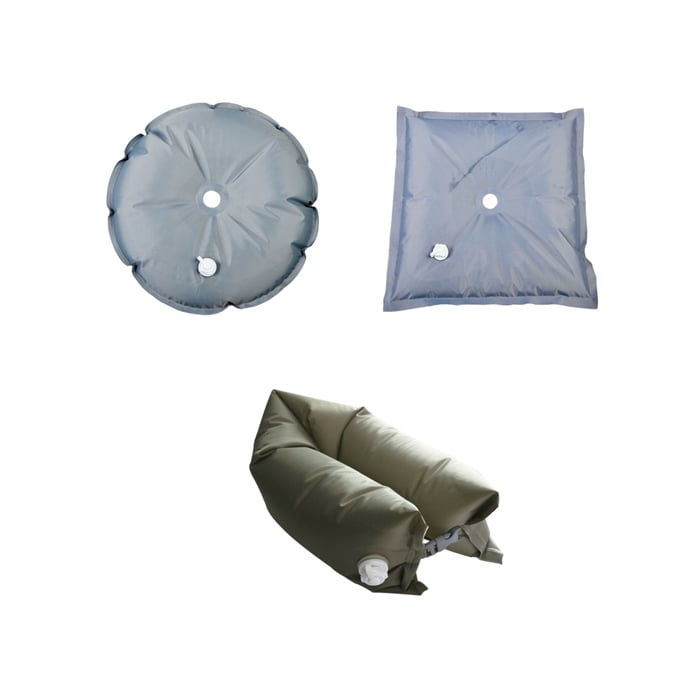
WZRODS offers two material paths: PVC and nylon. The WB10A and WB15A use 0.55 mm PVC, which easily handles the hydrostatic pressure inside a filled bag—burst pressure sits well above the 0.15 bar a 40 cm water column generates. PVC’s weak spot is the sun. Even with UV stabilizers, you’ll see measurable flexibility loss after about 800 hours of direct tropical sun. Nylon adds roughly 40% to the raw material cost but shrugs off UV better and resists the crease‑cracking that repeated folding causes. If your fleet works year‑round in high‑UV climates or runs tight turnarounds where folding damage adds up, nylon pays for itself. For everyone else, PVC is the default.
1.3 Round vs. Square: A Workflow Decision
A round bag distributes stress evenly, which is elegant on paper. But watch a setup crew on a slightly sloped lawn. The round bag rolls toward the low spot with a persistence that eats time. The square bag stays put. That small difference saves about 90 seconds per flag. On a 50‑flag installation, you erase more than an hour of crew labour. The WB‑9 comes in the square PVC format; WB10A and WB15A are round but available in both materials.
Model Comparison Overview
| Specification | WB-9 | WB10A | WB15A |
|---|---|---|---|
| Fill Capacity | 6 kg | 10 kg | 15 kg |
| Empty Weight | 0.4 kg | 0.5 kg | 0.7 kg |
| Shape | Square | Round | Round |
| Material Options | PVC only | PVC / Nylon | PVC / Nylon |
| Recommended Flag Height | Up to 2.1 m | 2.1 m – 2.7 m | 2.7 m – 3.5 m |
| Unit Price (EXW, MOQ 2) | USD 6.75 | USD 6.90 | USD 7.10 |
2. Product Comparison: Water Bag vs. Traditional Base Technologies
2.1 The Cast Iron Baseline
A 25 kg cast iron base leaves the foundry at roughly $8.50–$12.00 EXW. Stuff 880 into a 40‑ft high‑cube container, and at recent spot rates of about $4,500 from Qingdao to Hamburg, ocean freight adds $5.11 per unit. The EU’s 3.7% duty on cast articles under HS code 7325.99 tacks on $0.37. Landed cost: $15.48 per base. Then you warehouse it, lift it, truck it—every step adds cost.
2.2 The Water Bag Alternative
The 15 kg water bag weighs 0.7 kg empty. In that same container, you can pack 272,000 units flat. Freight per bag plummets to $0.017. EU duty on PVC‑coated textiles (typically HS 3926.90.97) runs 6.5%, so $0.46 per bag. Landed: $7.58. The table below lays out the landed‑cost comparison with replacement rates factored in.
Landed Cost Comparison: Cast Iron Base vs. Water Bag (15 kg fill equivalent)
| Cost Element | Cast Iron Base (25 kg) | Water Bag WB15A (PVC) |
|---|---|---|
| Unit EXW Price | USD 10.00 | USD 7.10 |
| Units per 40HQ Container | 880 | 272,000 |
| Freight Cost per Unit | USD 5.11 | USD 0.017 |
| Duty Rate | 3.7% | 6.5% |
| Duty Amount per Unit | USD 0.37 | USD 0.46 |
| Total Landed Cost per Unit | USD 15.48 | USD 7.58 |
| Replacement Rate (annual) | ~2% (rust/chipping) | ~8% (wear/tear) |
| 3-Year Total Cost (100 units) | USD 1,609.92 | USD 879.28 |
The replacement gap needs unpacking. PVC bags subjected to repeated folding and outdoor deployment typically last 12 to 18 months of regular commercial use. That’s why the annual write‑off sits at about 8% of your fleet, four times the cast iron figure. Yet the three‑year total still lands at 9 for the water bag versus ,610 for iron. That matters. Each replacement costs a fraction of a pallet‑shipped hunk of metal. The math holds even if you replace every bag twice in that window—the logistics savings more than absorb the extra churn.
2.3 Aluminum: The Intermediate Option That Misses the Point
Aluminum bases trim weight to about 9 kg for a 25 kg‑force equivalent. But drop one from tailgate height a few times and it dents; it no longer sits flat, transferring wobble to the flagpole. Chlorides in coastal air or winter de‑icing salts cause pitting corrosion that’s less visible than rust but equally destructive. The water bag, being completely non‑metallic, removes corrosion from the failure list entirely.
3. ROI Analysis: The Mathematics of Procurement Decisions
3.1 Freight as the Dominant Variable
International trade has a strange habit: the cost of moving goods often outruns the cost of making them, yet buyers still fixate on EXW pricing. The water bag category inverts the logic so violently it serves as a case study in total‑cost thinking. Picture a German event rental company that runs 500 flag displays across 40 events a year. Each cast iron base gobbles 0.028 m³ of truck space and weighs 25 kg. The water bag equivalent eats 0.001 m³ and weighs 0.7 kg. Multiply that across 40 events, factor in warehouse square footage and crew time, and the cumulative logistics gap hits roughly €12,000 annually (using €0.85/km for a 12‑tonne truck and €8.50/m²/month for storage). The $3,950 upfront saving on 500 units is just the tip of a six‑to‑eight‑fold larger iceberg.
3.2 Labour and Setup Efficiency
Setup labour hides inside salary lines, so it’s easy to ignore. But it’s real. A two‑person crew erecting 50 flag displays with cast iron bases clocks about 90 minutes, most of it shuttling the heavy bases from the truck. With water bags, one person carries all 50 in a duffel (35 kg total), places them at each flag spot, then fills them with a garden hose—about 40 seconds per bag. The net result? The same 50‑flag job drops to about 55 minutes. At a loaded labour rate of €45 per hour for the crew, that 35‑minute saving is worth €26.25 per event, or €1,050 over the year. It’s not transformative alone, but it stacks neatly onto the freight and storage savings when you’re pricing bids.
3.3 Duty Classification Strategy
HS code selection determines your duty rate, and water bags sit at an ambiguous customs crossroads. PVC versions can clear under 3926.90.97 (6.5% in the EU). Nylon bags may qualify for 6306.90.00 (camping goods) or, with a binding tariff information (BTI) ruling, even 6307.90.98 at a lower rate. A successful BTI application can shave 2–3 percentage points—about $35,000 on a full container of 272,000 units. The process takes 90–120 days in the EU but pays for itself quickly. WZRODS supplies the standard documentation package: certificate of origin (Form A for GSP destinations), detailed bill of materials, and the data customs brokers need to argue the classification.
4. Industry Applications: Where Water Bags Deliver Maximum Advantage
4.1 Trade Shows and Exhibitions
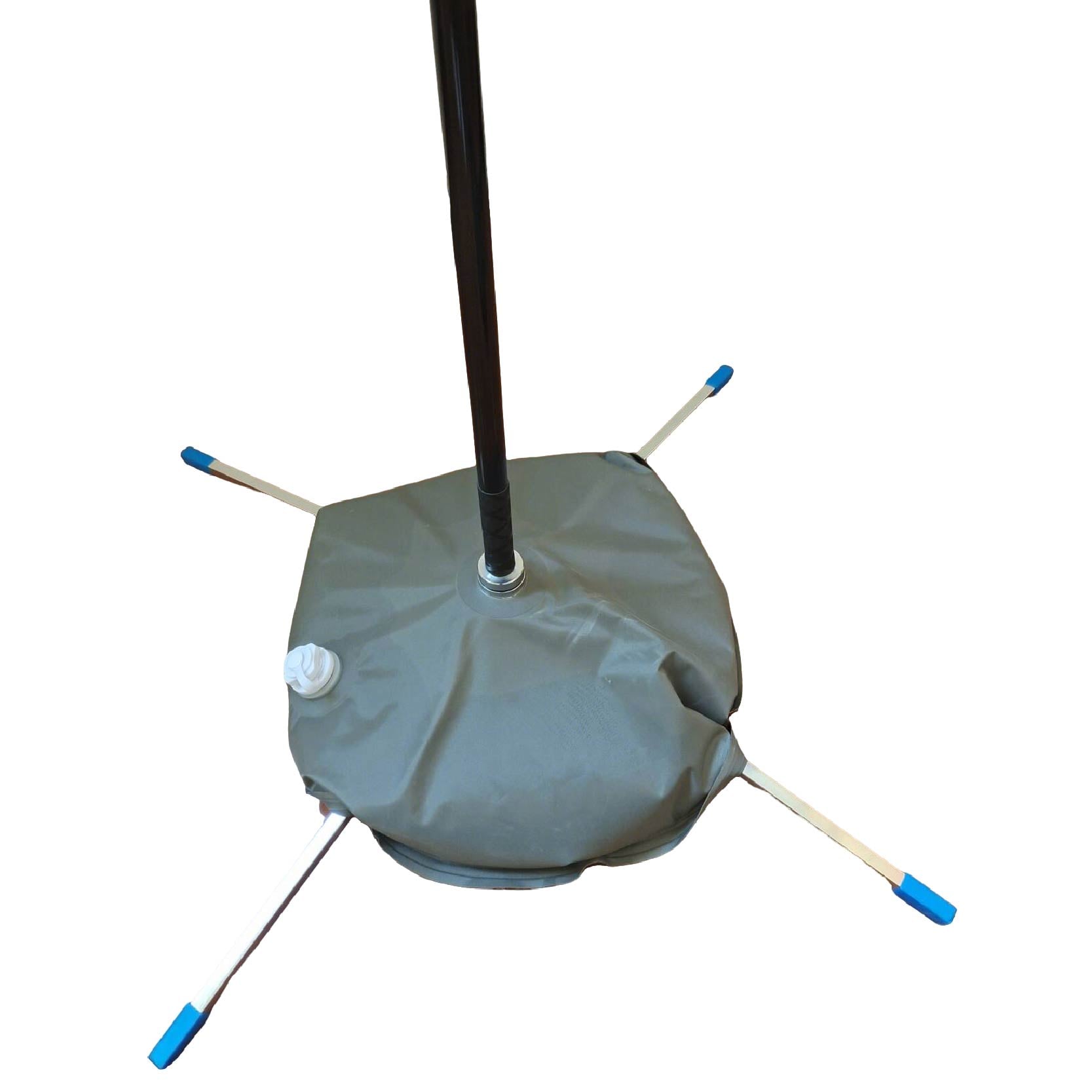
Trade show floors hate anything that drills, leaks, or needs heavy drape. Water bags solve all three. No tools, no floor penetration, no sandbags that can split. A square bag at each corner of a pop‑up backwall holds the structure stable without the visual clutter of iron weights that must then be hidden. Less hardware, cleaner booth, faster tear‑down.
4.2 Outdoor Events and Sports Venues
Sports events mix unpredictable weather with surfaces that range from asphalt to artificial turf. A water bag conforms to uneven ground—a metal base will rock on its three high points; the bag stays in full contact. On artificial turf, it doesn’t abrade fibres the way a metal edge does. Venue managers at places like Jægerparken in Ballerup or the Aspire Zone in Doha notice these details when green‑lighting vendor equipment.
4.3 Coastal and Tropical Markets
In Singapore, Jakarta, or Miami, humidity and salt spray turn iron bases into a deteriorating asset. A three‑year‑old cast iron base can lose 15–20% of its mass to rust and begin staining venue floors—a liability no high‑end event will accept. The water bag’s 12–18 month replacement cycle flips this. Every new bag is pristine, rust‑proof, and stain‑free. That predictability matters more than the replacement frequency.
5. Factory Process: Manufacturing and Quality Control at WZRODS
5.1 Material Sourcing and Incoming Inspection
The PVC fabric comes from a cluster of coated‑textile manufacturers in Shandong Province. Incoming spec: tensile strength ≥2,200 N per 5 cm strip in both warp and weft, tested per ISO 13934‑1, plus a coating adhesion value that guarantees no delamination after 5,000 flex cycles. Every incoming lot has a retained sample—one square metre archived for 24 months—so any field failure can be traced back to the exact material batch.
5.2 Seam Construction and Testing
Bags are assembled with high‑frequency welding, which fuses PVC layers at the molecular level. In theory, the weld is as strong as the parent material. In practice, weld strength depends on tightly controlling pressure, RF power, and dwell time. WZRODS pulls one bag from every 500‑unit lot and fills it to 200% of rated capacity (30 kg for the WB15A) for four hours. A leak triggers 100% inspection of the entire lot—each bag filled to rated capacity and watched for 15 minutes. That protocol adds roughly $0.15 per unit to the inspected lot but virtually erases the field failures that destroy distributor confidence.
5.3 Customization and OEM Capabilities
The factory supports screen‑printed logos on the bag surface, using solvent‑based ink with a UV‑resistant overcoat. It’s suitable for logos and simple graphics, not photographic reproduction. Minimum order for custom printing is 1,000 sets, with a setup fee of approximately $200 (screen preparation and colour matching). Private‑label boxes with distributor branding and barcodes require an MOQ of 5,000 units and add about 15 days to the standard 15–30‑day production window.
6. Trends in Portable Display Hardware
6.1 The Lightweighting Imperative
Like automotive and aerospace before it, the event industry is shedding weight. Switching from a 25 kg iron base to a 0.7 kg empty bag cuts freight costs, slashes setup injuries (lower‑back strain is the most common crew injury, and eliminating 25 kg lifts helps directly), and trims carbon footprint. The lifecycle carbon math is detailed—PVC production is energy‑intensive—but any scenario involving two or more ocean transits tilts in favour of the water bag just from avoiding the iron’s sea‑freight emissions.
6.2 The Rise of Modular Event Systems
Planners increasingly want hardware that scales across venues without forcing a completely different inventory. A water bag is inherently modular: one bag per flagpole, no fixed configuration constraints. A rental company can stock 1,000 bags and deploy them anywhere from a 10‑flag retail promo to a 500‑flag marathon course without maintaining separate base categories.
6.3 Sustainability Reporting and Client Expectations
Corporate exhibitors are under pressure to report booth‑level environmental impact for ESG disclosures. The water bag’s “fill, drain, fold, reuse” cycle fits the circular‑economy narrative that these reports need. Single‑use sandbags or chemically treated wooden bases create disposal streams that complicate the story. It’s a fuzzy metric, but at the enterprise level, brand reputation often outweighs a few cents of unit cost.
7. The Upgrade Solution: Transitioning an Existing Inventory
7.1 Phased Replacement Strategies
You don’t have to retire 500 cast iron bases overnight. Several European operators take a phased route: buy 100 water bags for the logistically toughest events—air‑freighted shows, historic venues with floor‑loading limits, upper‑floor convention centres where lifts can’t handle heavy iron. As the crews build confidence, the metal base inventory gets sold locally (there’s typically a buyer at scrap‑plus‑premium) and replaced with bags. Spread over 18 months, the capital outlay smooths out, and the organisation learns the fill routines, inspection rhythms, and replacement scheduling that prevent early‑adopter mistakes.
7.2 Training and Adoption
The most common failure isn’t a product defect; it’s under‑filling. A bag at 70% capacity loses roughly half its holding force because the water sloshes, shifting the centre of mass. WZRODS supplies a one‑page illustrated instruction sheet (English, German, French, Spanish) that shows a visual fill line inside the neck. The crew fills until the water reaches that line—no guesswork, no tools.
7.3 Warranty and After‑Sales Support
The three‑year warranty covers manufacturing defects—seam separation, material delamination, fitting failure—but not punctures from sharp objects or abrasion from dragging filled bags. That mirrors the industry norm. In practice, claims are rare when the product is used as intended (filled on site, emptied before transport) and more common when crews try to move filled bags or store them with tools. The factory acknowledges claims within 72 hours and settles valid ones via credit against future orders. Returning defective product across borders rarely makes financial sense, so credit notes are the standard currency.
Frequently Asked Questions
- What is the minimum order quantity?
- The baseline MOQ is 2 pieces—enough to test before committing. Custom printing requires 1,000 sets; private‑label cartons need 5,000 units.
- How long does delivery take to a European port?
- Production lead time is 15–30 days. Ocean freight from Qingdao or Shanghai to Hamburg, Rotterdam, or Antwerp adds 28–35 days. Budget 45–65 days total from order to delivery.
- Can the water bags work with any flagpole system?
- The bags use a universal grommet/strap system that fits most standard base‑plate diameters up to 35 cm. For larger base plates, the factory can produce a custom bag size with an MOQ of 1,000 units.
- What if a bag leaks during an event?
- A pinhole leak drains the bag in 30–60 minutes, which is often enough to finish a single‑day event. Keep a 5% spare inventory on hand. A vinyl patch kit (not supplied) can seal a puncture temporarily, but replace the bag before the next event.
- Are the bags suitable for winter outdoor use?
- Water‑filled bags are not recommended if temperatures will stay below freezing. Ice expands about 9% and can stress seams. For winter events, fill with a sand‑water mixture (doesn’t freeze solid in temperate climates) or non‑toxic antifreeze, though antifreeze requires careful environmental handling.
- What payment methods does WZRODS accept?
- T/T, L/C at sight, Western Union, and MoneyGram. New buyers typically pay 30% deposit with the order and 70% against the bill of lading. Established accounts may negotiate open terms.
- How should bags be stored between events?
- Empty completely, let them dry to prevent mildew, fold loosely along seam lines (sharp creases can eventually crack the PVC coating), and keep them in a cool, dry place away from direct sunlight. Bags stored this way have a shelf life of at least five years.
- Does the factory provide samples?
- WZRODS does not offer free samples. A single sample unit costs USD 40 including standard shipping documentation, delivered within 15–30 days. The sample charge is not credited against future orders.
- What’s the container capacity for bulk orders?
- A 40‑ft high‑cube container (68 m³) holds about 272,000 units folded flat. With standard retail packaging, the count drops to roughly 85,000 units—still enough to make per‑unit freight costs negligible.
- How are warranty claims handled for international buyers?
- Document the defect with photos showing the production lot code (printed on the seam allowance). The factory evaluates claims within 72 hours and, if approved, issues a credit note against the next order. Physical return is required only if the factory requests it for engineering analysis, in which case it covers return freight.
A water bag is the rare product where the purchase price is almost irrelevant. The real savings live in the supply chain, in the setup labour, in the warehouse square footage, and in the rust you never have to manage. Buy on EXW alone, and you see a plastic bag that costs a few bucks more than a chunk of iron. Trace the cost through to the event site and back, and you see a system that was built for a world where moving things costs more than making them.
About the Author
Sarah Mitchell, Trade Show Consultant
B.A. Marketing, University of Texas; CTSM (Certified Trade Show Marketer)
Event marketing specialist with 200+ trade shows across 15 countries. Helps exhibitors cut setup costs by 30% through smarter hardware choices.
Reviewed by WZRODS Technical Team. Updated: 2026-07-10
 Comments (0)
No comments yet. Be the first to comment!
Leave a Comment
Related Products
Bungee hook
Lightpole bracket
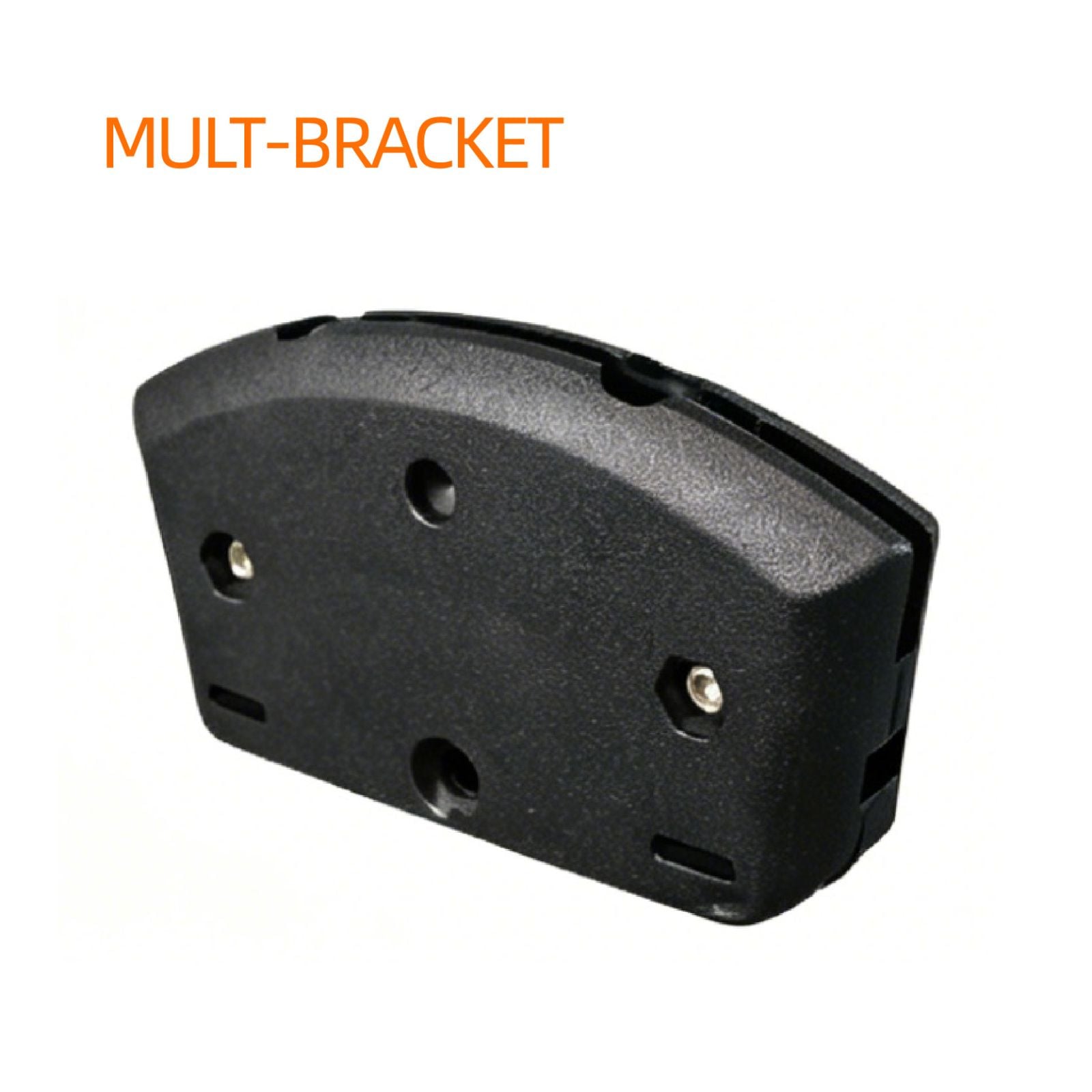
Disc banner Mult-bracket
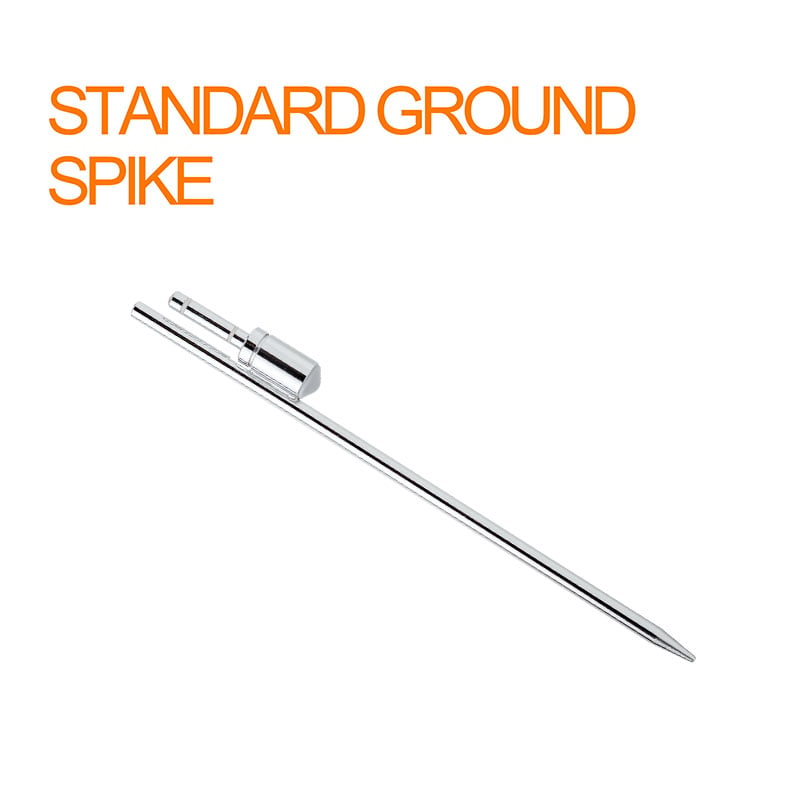
Ground Spike For Lawn Or Sand
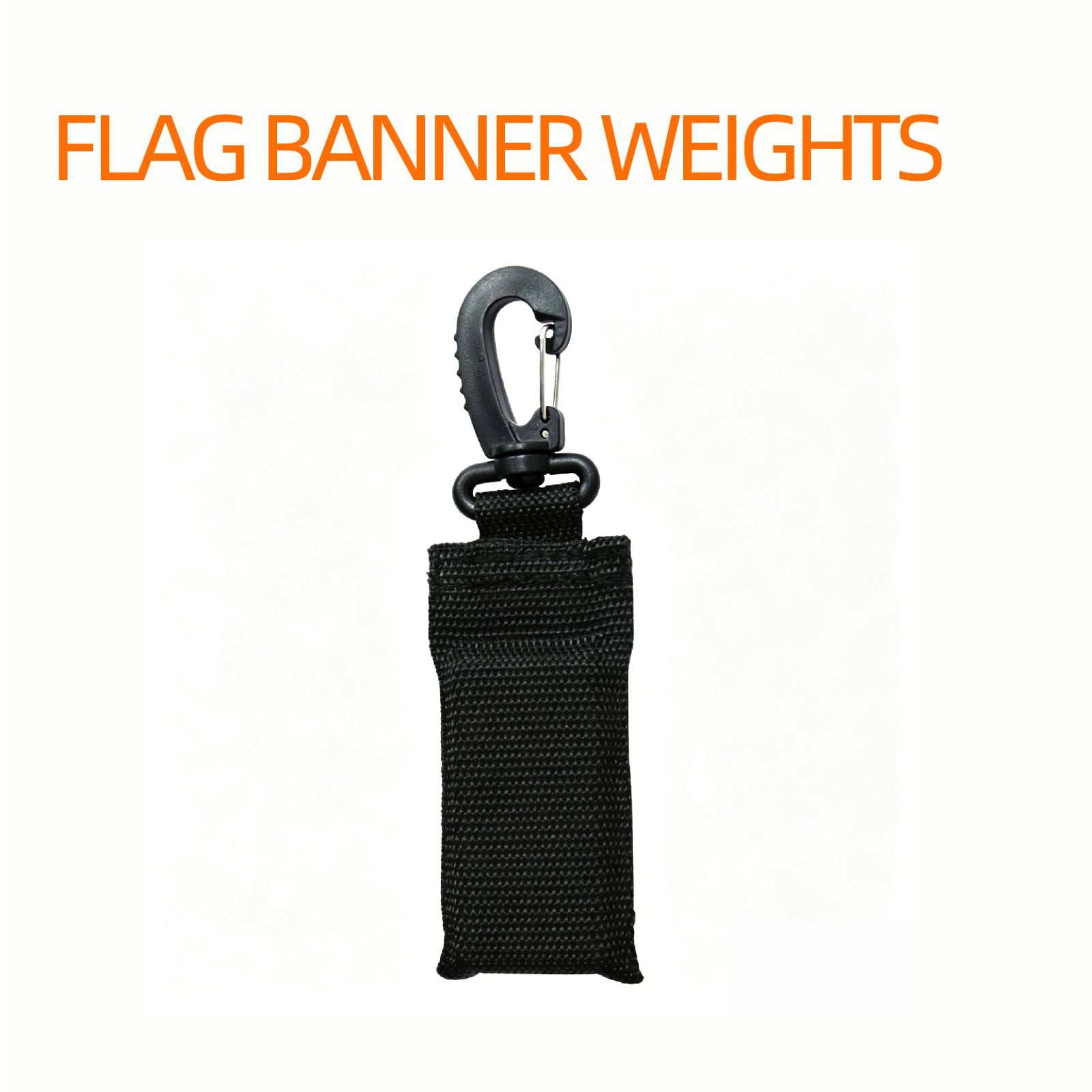
Flag /banner weights
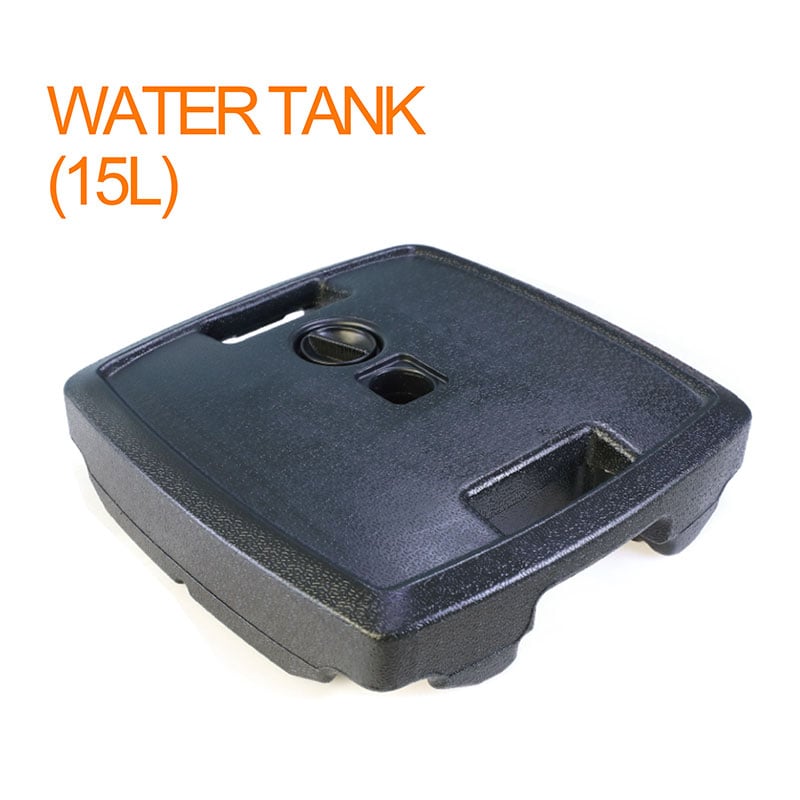
Water tank
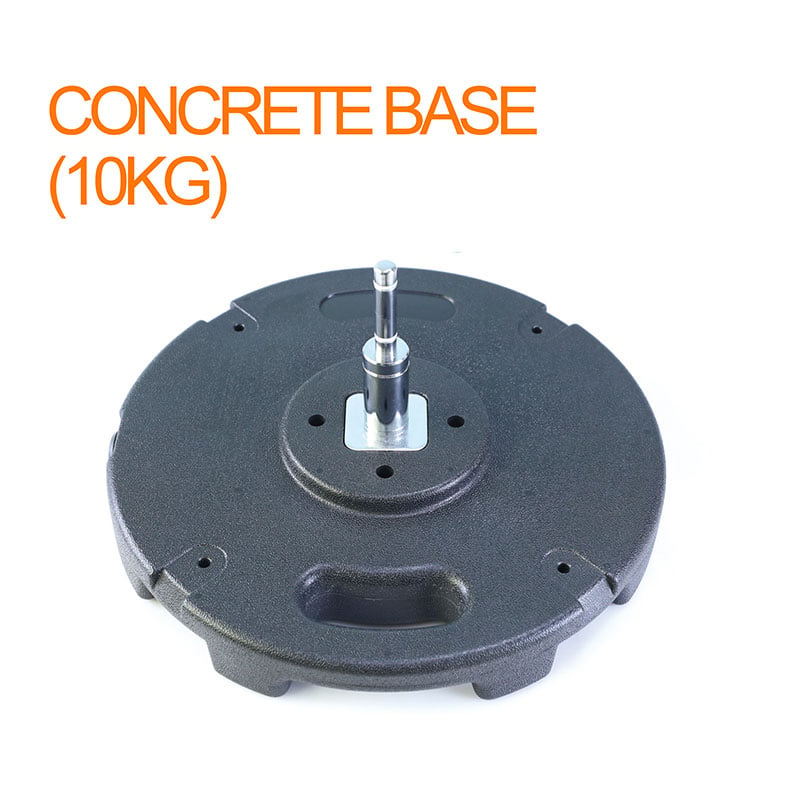
Concrete base(10kg)
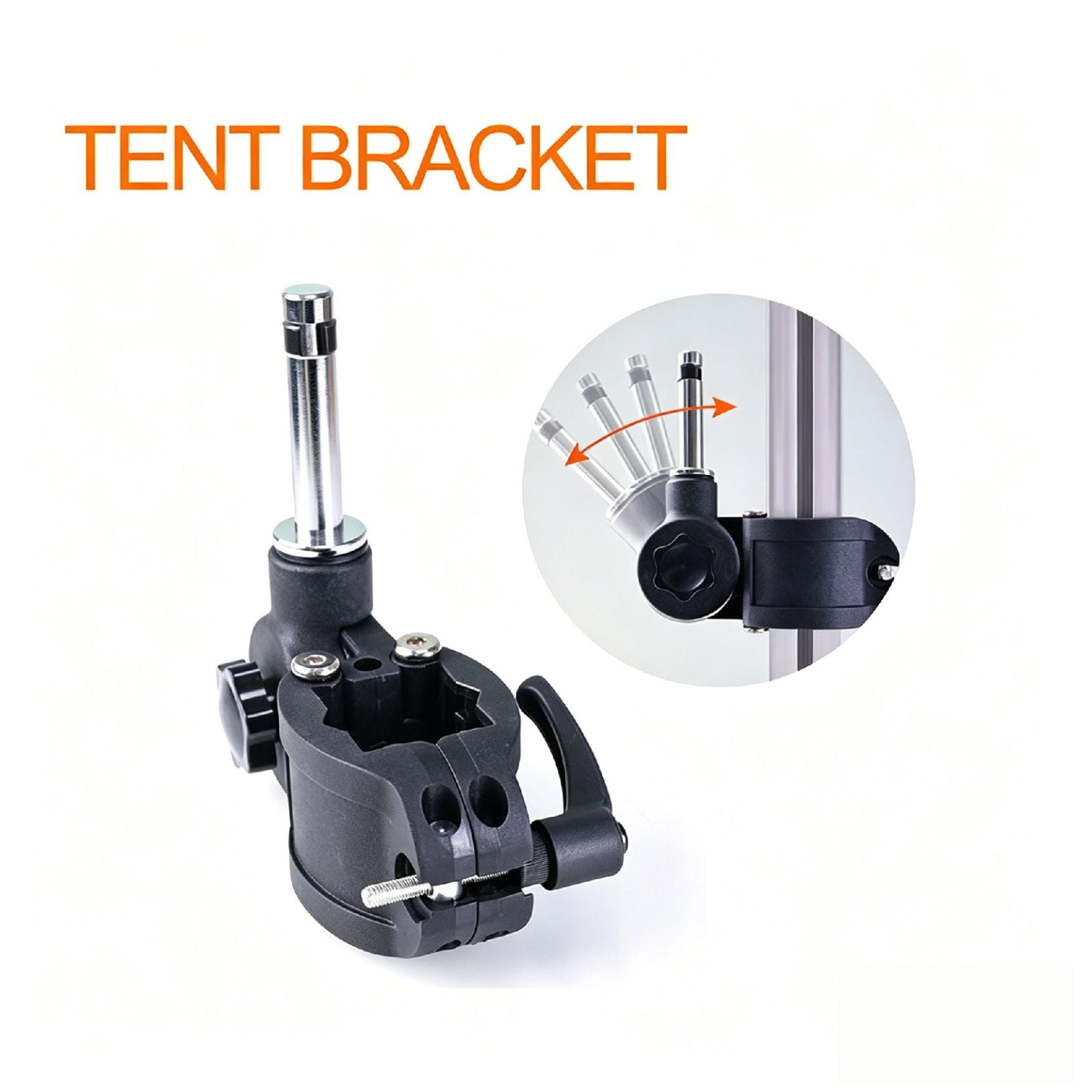
Tent Bracket
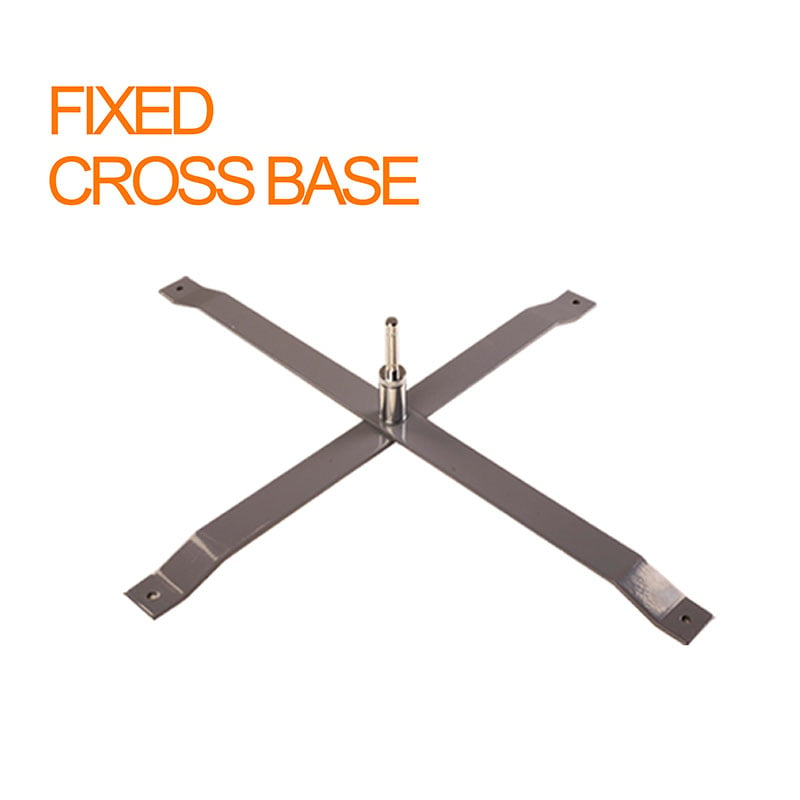
Fixed Cross Base
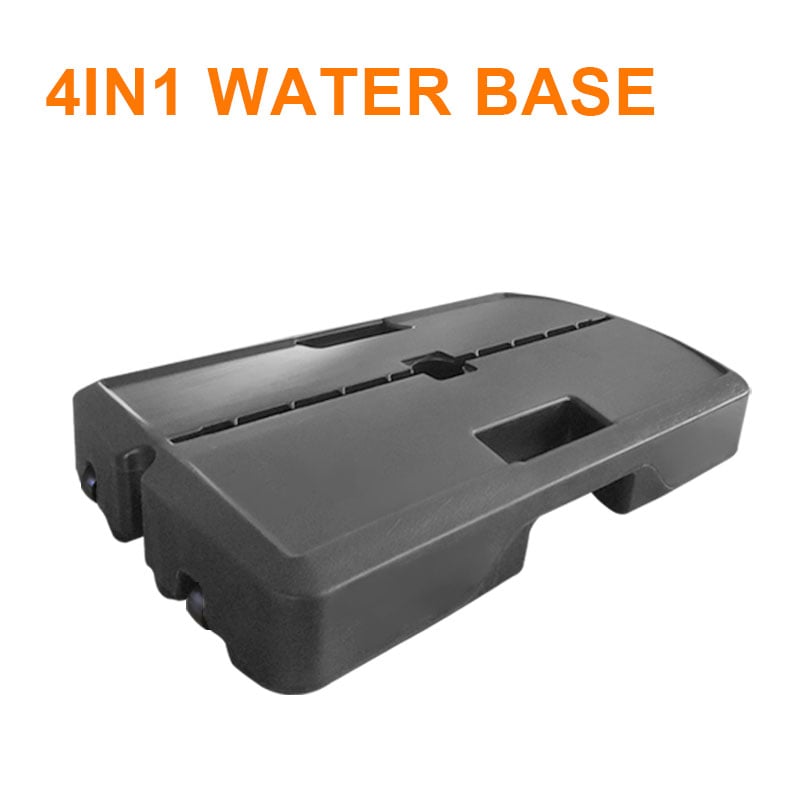
4 in 1 Water Tank
Related Articles
29kg Concrete Flag Base - The Complete B2B Buyer's Resource - WZRODS
WZRODS DY451B: 29 kg, HDPE shell, concrete core. Stackable, portable, rust-proof. FOB price US$5.75–$6.85 at MOQ 2 units. Those numbers look unremarkable. Factor in landed cost—import duties lower than aluminum’s under relevant HTS codes, freight savings from less weight per unit of stabilizing mas
Wide Tube Cross Base - The Complete B2B Buyer's Resource - WZRODS
The Wide Tube Cross Base, manufactured by Wzrods in Shandong, China, solves one problem: reliable stability for poles under three meters, without the freight costs and warehouse footprint that heavier alternatives demand.
Rectangular Pipe Cross Base - The Complete B2B Buyer's Resource - WZRODS
The pipe cross flag base is a cross of rectangular steel pipe, powder‑coated, weighing 1.3 kg and spanning 78 cm across its arms. Its center holds a C‑ring shaft that lets the flag rotate with the wind.
X-Shape Backpack Banner - The Complete B2B Buyer's Resource - WZRODS
Economic Cross Base - The Complete B2B Buyer's Guide- WZRODS
When you buy an economic cross base—something like the Wzrods DM‑9, a 77 cm‑long, 1.3 kg iron cross—forget “economic” as a synonym for “cheap.” It means value-engineered.
How to Choose the Right Feather Flag Base for Different Surfaces
Feather Flag - Professional Banner Poles & Systems Manufacturer - WZRODS
How to choose a high-quality backpack flag
The backpack flag concept centers on a frame carried on the back, similar to a backpack, specifically engineered to support a raised flag or banner.