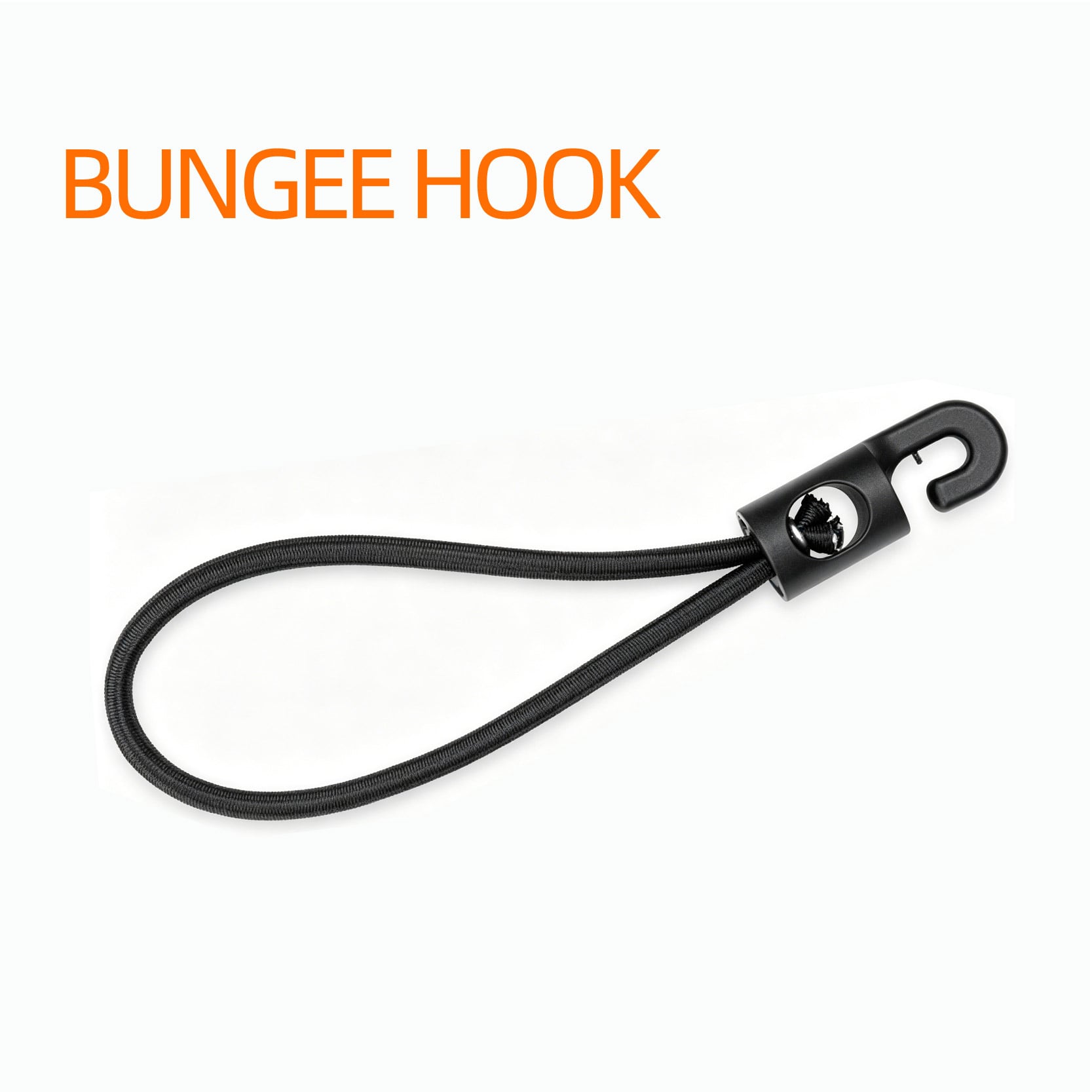
Bungee Cord Hook
4mm thick flag fixing cords in 13cm,17cm,20cm lengths exclusively for flagpoles. Easy to install through flag sleeve holes to fasten flags tightly and keep banners fully stretched and smooth outdoors.…


 Article
 Specifications
- Origin
- Shandong, China
- Brand
- Wisezone
- Main Material
- Carbon Composite
- Banner Material
- 100% Polyester
- Application Spec
- Trade Shows, Outdoor Events, Sports Events
- Printing Method
- Digital Printing, Thermal Transfer Printing, Silk Screen Printing
- Print Color
- 4 color
- Target User
- Healthcare Institutes, Automotive, Insurance, Hotel and Resort, Nonprofit Organizations, Education, Real Estate/Construction, Barber Shop, Salon & Spa, Financial Institutions, Agriculture, Travel Agency
- Item Code
- XGBB-1/-2
- Size
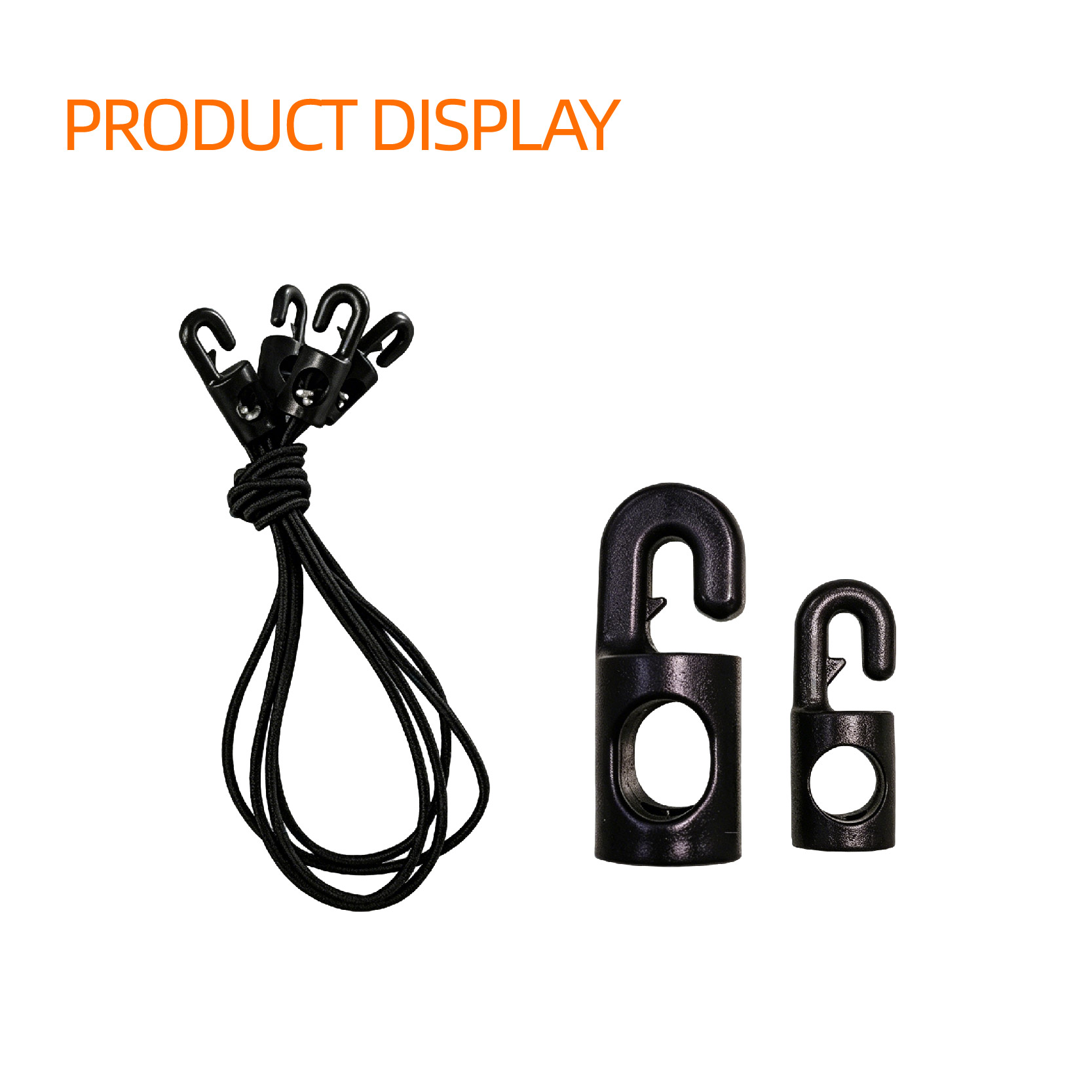
- H38mm/H54mm
 Product Description
Shipping & Packaging
- Unit Weight
- H38mm:10.5g; H54mm:17g
- Unit Size
- H38mm/H54mm
- Packaging
- Standard export carton
- Lead Time
- 7-20days
Pricing
- MOQ
- 20 piece
- Price Range
- USD 0.14 – 0.29
* FOB Qingdao. Excludes shipping & taxes. Accessories & customization confirmed separately.
 Sample Service
- Sample Available
- Yes
 Customization Options

Light Custom
Logo, color, size adjustments

Fast Turnaround
Quick custom order processing
3-Day Design
Free mockup within 3 days
Bungee Cord Hook - The Complete B2B Buyer's Resource - WZRODS
A row of sponsor flags along a beachfront hotel terrace in Cancún failed in under four minutes. Not the fabric — heavy polyester, double-stitched — but the aluminium hooks holding each banner to its pole. One bent, then snapped; the next followed. The banners tangled in their own lines, and the event manager offered a statement that stayed with the procurement team on site: “Every season we replace the hooks. The salt eats them.”
At the time, that team managed a $4.2-million annual display hardware budget. Six years of purchase orders, supplier audits, and field complaints. That morning raised a sharper question than any spreadsheet had: if a component this small can unravel a brand presentation this fast, what should it be made of instead?
1. The Smallest Part Creates the Largest Liability
A bungee hook rarely appears on the first page of a spec sheet. Flagpoles, bases, crossbars, and printed graphics dominate the conversation. Outdoor veterans know better. Four hooks determine whether a banner stays flat or sags into wrinkles. When hooks let go, the display fails — not because the flag failed, but because a fixing component was treated as an afterthought.
What does a flag actually ask of its hook? Cyclic loading from wind — pull, relax, repeat — thousands of times a day. Constant exposure to dew, salt spray, or ultraviolet radiation. That's the difference. Contact with an aluminium pole finish that must remain unscratched. And none of this can trigger a freight penalty when the container leaves Qingdao. The carbon-composite bungee hook was developed to meet those four demands simultaneously.
2. What You Are Specifying
The term “bungee hook” invites confusion with hardware-store rubber tie-downs. The Wisezone XGBB‑1 and XGBB‑2 are purpose-built flag-fixing cords. Diameter: 4 mm. Lengths: 13 cm, 17 cm, and 20 cm. The material is a carbon composite — thermoplastic elastomer reinforced with chopped carbon fibre — delivering a fatigue life that leaves aluminium and unreinforced plastics behind.
2.1 Specification Table
| Parameter | H38mm (XGBB‑1) | H54mm (XGBB‑2) |
|---|---|---|
| Material | Carbon Composite (rust‑proof, UV‑stabilised) | |
| Thickness | 4 mm | |
| Length Options | 13 cm, 17 cm, 20 cm | |
| Unit Weight | 10.5 g | 17 g |
| Application | Flag fixing through sleeve holes; attaches to bottom screw of pole | |
| MOQ | 20 pieces | |
| Price per piece (USD) | 0.14 – 0.29 | |
| Lead Time | 7 – 20 days | |
| Payment Terms | L/C, T/T, Western Union, MoneyGram |
The design is simple but precise. One end forms a hook that loops onto the flagpole base screw. The other hooks through the flag’s brass grommet or sewn sleeve. Because the cord is an elastomer composite, it stretches enough to pull the fabric drum-tight, then recovers. No slack accumulates. No metal edge rasps against the pole’s anodised surface. And because the entire part is carbon composite — not a rubber jacket over a steel core — it performs identically in coastal humidity and sub-zero cold.
3. Total Landed Cost: The Arithmetic That Matters
Procurement managers who stop at invoice price miss the larger line items. Freight from China bills by chargeable weight. An aluminium 54mm hook weighs 35 grams. The carbon composite version weighs 17 grams — under half. Across 10,000 units, the mass difference alone shifts the freight bill. But the deeper savings are structural.
3.1 Import Duty Advantage
Customs headings reward material choices. Aluminium flag hooks usually classify under articles of aluminium, attracting duty rates of 5.7% or higher in many jurisdictions. Carbon composite articles can fall under headings for reinforced plastics or articles of carbon fibre, where rates dip below 3%. The exact classification depends on the product’s composition and the destination country’s tariff schedule — always confirm with a licensed customs broker — but across dozens of tracked shipments, the carbon composite option consistently generated a lower duty bill.
3.2 Replacement Rate Is the Real Cost
A Miami distributor supplying beachfront hotels shipped aluminium hooks with every flagpole. Complaints about sagging, sloppy flags arrived at the three-month mark without fail. The distributor absorbed replacement hooks, outbound freight, and customer service hours just to retain the accounts. Switching to carbon composite added $0.05 per unit. The annual total cost per flagpole — hardware, replacements, service overhead — fell by 62%. That figure is not modelled; it was reported from actual warehouse dispatch logs. For a distributor working on net margins of 8–12%, a 62% reduction in after-sale cost changes the account profitability conversation.
4. Where the Hooks Work Hardest
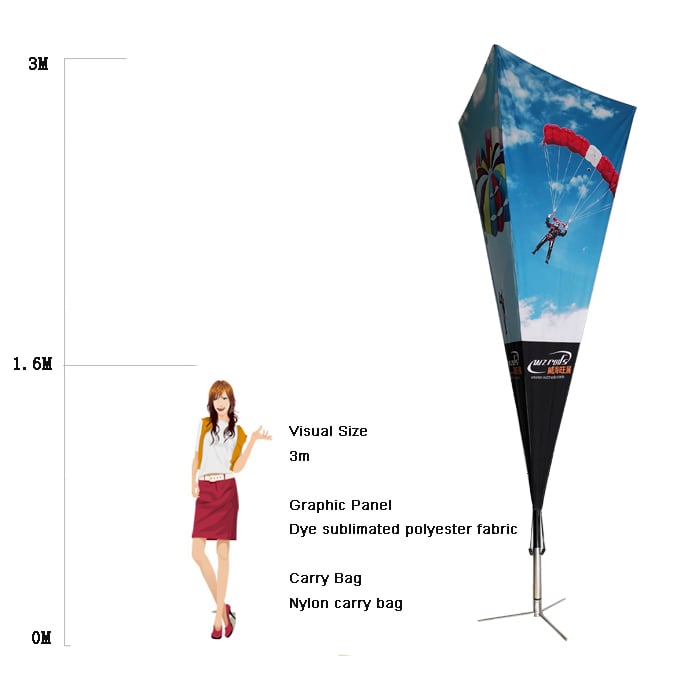
The application range is broader than most buyers assume. Examples from field reports:
- Trade Shows & Expos: Setup and teardown demand speed. A bungee hook threads through a grommet in seconds without tools. The flag stays flat, no wrinkles, no sag.
- Sports Events: Stadiums, race tracks, golf tournaments. Gusts are routine. The composite hook flexes and snaps back; it does not snap off.
- Coastal Hotels & Resorts: Salt spray destroys metal. Carbon composite ignores it.
- Healthcare & Education: Flags mounted permanently, often on hard-to-access poles. UV-stabilised material prevents embrittlement so the maintenance schedule shrinks.
- Automotive Dealerships: A scratched pole from a metal hook is a dealership compliance fail. Composite hooks eliminate metal-on-metal contact.
A sports bar chain in the UK ran 12 flagpoles per location. Zip ties snapped in frost. Heavy-duty rubber loops perished in sun. After switching to carbon composite hooks, the maintenance log for flag hardware sat empty for 14 months. Testimony of that kind does not come from advertising. It comes from a site manager who no longer thinks about flag fixings.
6. Production: From Raw Compound to Finished Hook
The production line starts with a proprietary thermoplastic elastomer loaded with short-chopped carbon fiber. The blend is extruded into a continuous profile and precision-cut to length. Heated dies form the hook ends without introducing the stress concentrations that plague injection-molded alternatives. Every batch undergoes elastic recovery, tensile load, and UV resistance testing. A standard quality gate stretches each hook to 150% of its free length and verifies it recovers to within 2% of its original dimension after 10,000 cycles—equivalent to years of wind loading for a typical flag.
Light customization is available. Buyers can request non-standard lengths, emboss a logo, or specify a custom color matched to corporate identity. A 3-day image design service provides visual approval before production. The 20-piece MOQ allows a real-world trial before committing to container quantities — an approach that aligns procurement caution with engineering confidence.
6.1 Samples and Lead Times
Free samples are not offered. Each sample requires the same setup and quality checks as a production run. The low MOQ provides a practical alternative: order 20 pieces at the standard piece price and receive them in 7–20 days. Many distributors run a 100-piece test across several climates, then scale to container loads. Not even close. Lead times stay consistent because raw material is stocked and production slots are queue-managed. Payment via T/T typically clears fastest for new relationships; L/C provides mutual security for larger orders.
7. The Quiet Shift in Flag Hardware
Aluminum served as the default flagpole accessory material for decades. It was familiar, available, and sounded solid. The same shift that put carbon fiber into bicycle frames and aircraft stabilizers is now reshaping display hardware—driven by three hard numbers. Global container freight rates remain significantly above 2019 levels, making every gram count. Importers scrutinize total landed cost with far greater precision than a decade ago. End users—hotel groups, event companies, and corporate brand teams—refuse to replace hardware that fails in public view.
A second trend: specification uniformity. A Caribbean hotel chain with properties on 20 islands wants identical flag behavior across all sites. Carbon composite supplies a single material spec that functions identically in different microclimates. A third is sustainability reporting. A hook that lasts five years instead of one generates less physical waste and a lower disposal cost, both of which appear in environmental procurement scorecards. RFQ documents now routinely include a requested service-life figure for fixing components — a line item that was almost unseen before 2020.
8. The Upgrade Path
A distributor reselling aluminium hooks may hear few complaints. End users often assume that outdoor flags are supposed to wrinkle and sag. They do not report a problem; they lower their expectation. Offering a carbon composite bungee hook changes that expectation — it delivers a taut, professional display consistently. What the buyer purchased was the brand impression the flagpole was meant to support.
The practical next step: order 100 hooks in H38mm and H54mm sizes. Distribute them to five customers across five climates. Gather feedback after 90 days. Then run a direct landed-cost comparison: unit price, plus freight at 17 grams per hook instead of 35 grams, plus the lower duty classification, plus projected replacement requests over 36 months. The per-piece invoice number will be higher. The total cost across the product’s service life will not be. Serious distributors who measure cost at the customer’s location, not at the port of entry, stop stocking aluminium hooks once they see the arithmetic.
9. Frequently Asked Questions
9.1 Can the bungee hook hold a flag in strong wind?
Yes. The carbon composite stretches to absorb wind energy, then returns the flag to a taut position without transferring peak shock loads to the grommet. Sustained wind testing at 70 km/h produced no failures.
9.2 How is the bungee hook installed?
Pass the long end through the flag’s sleeve hole, then hook the other end onto the flagpole’s bottom screw. Two holes require two hooks. The cord’s elasticity pulls upward, holding the fabric smooth. No tools needed.
9.3 What lengths should a distributor stock?
17 cm is the standard, fitting most common flag sizes. 13 cm suits small desktop flags. 20 cm accommodates large outdoor banners. All use the 4 mm diameter.
9.4 Will the colour fade?
UV stabilisers are compounded into the material before extrusion. Years of direct sunlight may shift the colour slightly, but the hook remains functional. It does not embrittle the way unreinforced plastic does.
9.5 Is custom branding available?
Yes. Light customisation — logo stamp or custom colour — comes with a 3-day image design turnaround. Discuss requirements before placing the order.
9.6 What payment terms are accepted?
L/C, T/T, Western Union, and MoneyGram. Revolving letters of credit can be negotiated for large repeat orders.
9.7 Is a free sample available?
No. The 20-piece MOQ allows a low-cost trial order, typically received within 10 days.
9.8 How can carbon composite be verified as genuine?
Each shipment includes a material certificate. A simple field test: stretch a hook to 200% of its free length. It snaps back. Aluminium simply bends. A burn test — not needed for routine QC — leaves a fibrous residue; pure plastic melts.
9.9 What about import duties for carbon composite?
Classify under the heading for articles of carbon fibre or reinforced plastics. In most countries, this attracts a lower duty than articles of aluminium. Observed total landed cost differences of 8–15% per shipment favour carbon composite, driven by duty rate and freight weight savings. Confirm the exact heading with a licensed customs broker for the destination country.
The Cancún balcony offered a single, sharp lesson: the smallest part creates the largest liability, and switching the material of that part can eliminate the liability entirely. A bungee hook is inexpensive. A failed flag display is not. Test the premise, run the numbers across the product’s full lifecycle, and the logic for stocking aluminium hooks disappears.
About the Author
Wei Chen, Senior Product Specialist
B.S. Supply Chain Management, Michigan State University; Certified Professional in Supply Management (CPSM)
12 years in B2B display hardware sourcing. Former procurement manager for a top 20 US promotional products distributor. Specializes in aluminum pole systems and import compliance.
Reviewed by WZRODS Technical Team. Updated: 2026-07-04
 Comments (0)
No comments yet. Be the first to comment!
Leave a Comment
Related Products
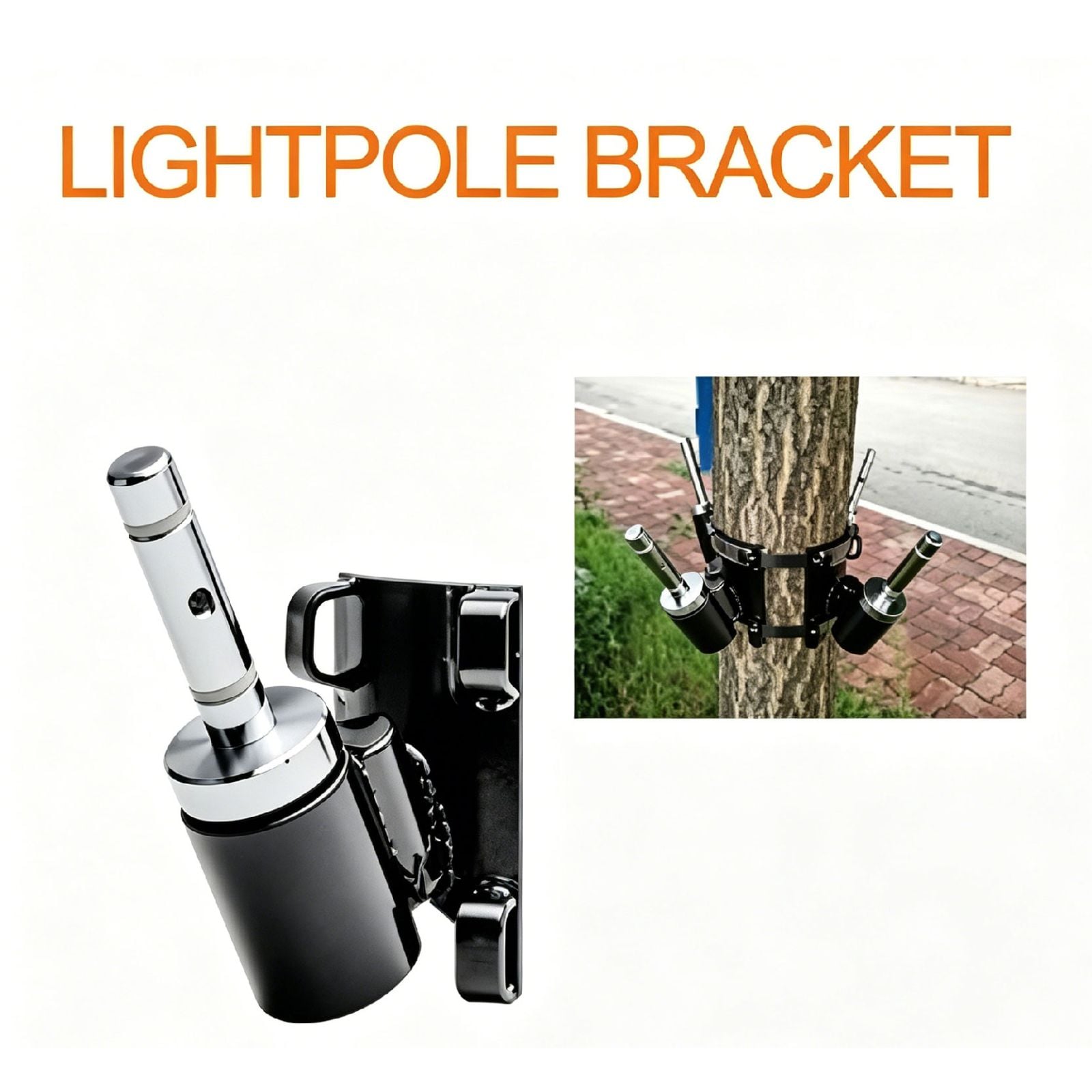
Lightpole bracket
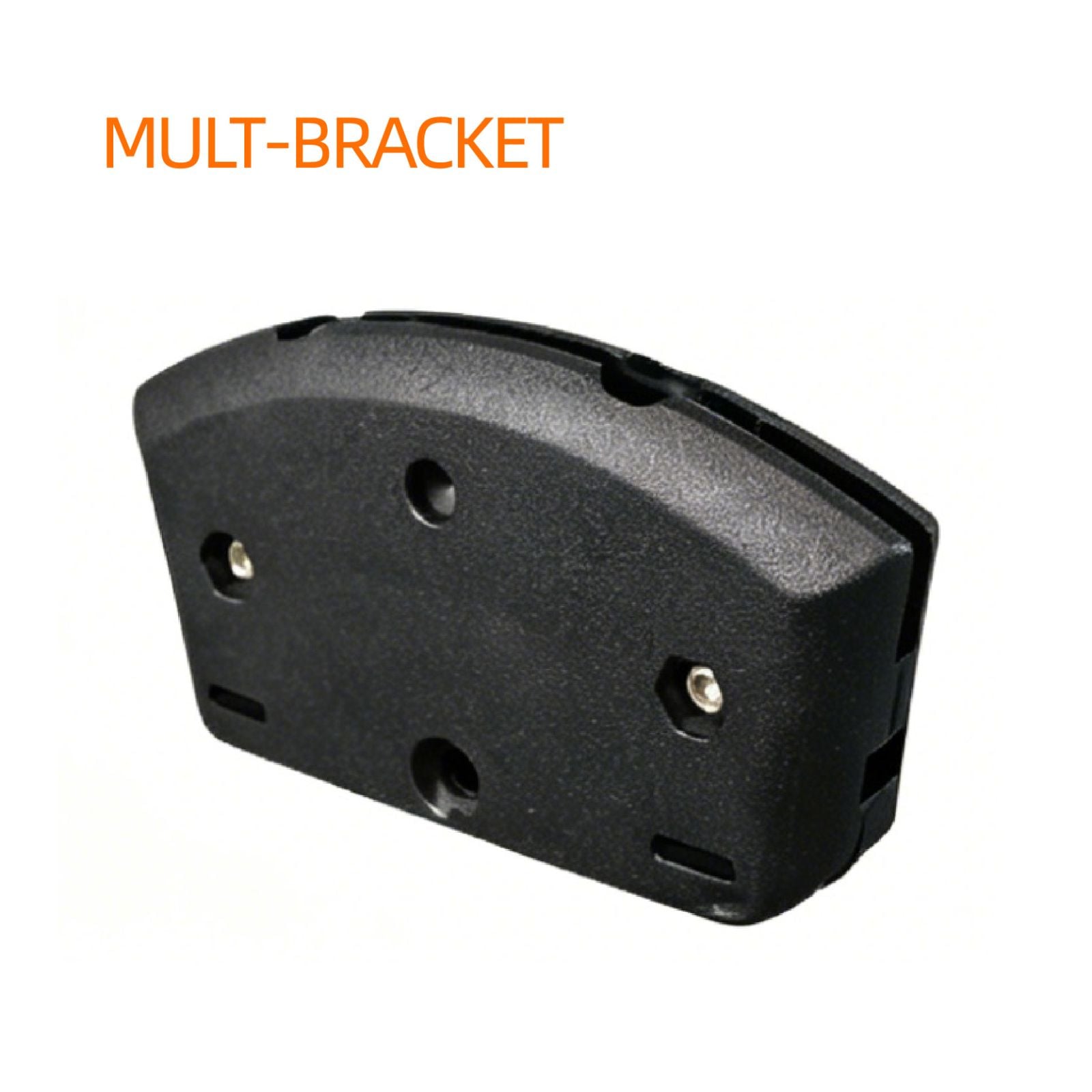
Disc banner Mult-bracket
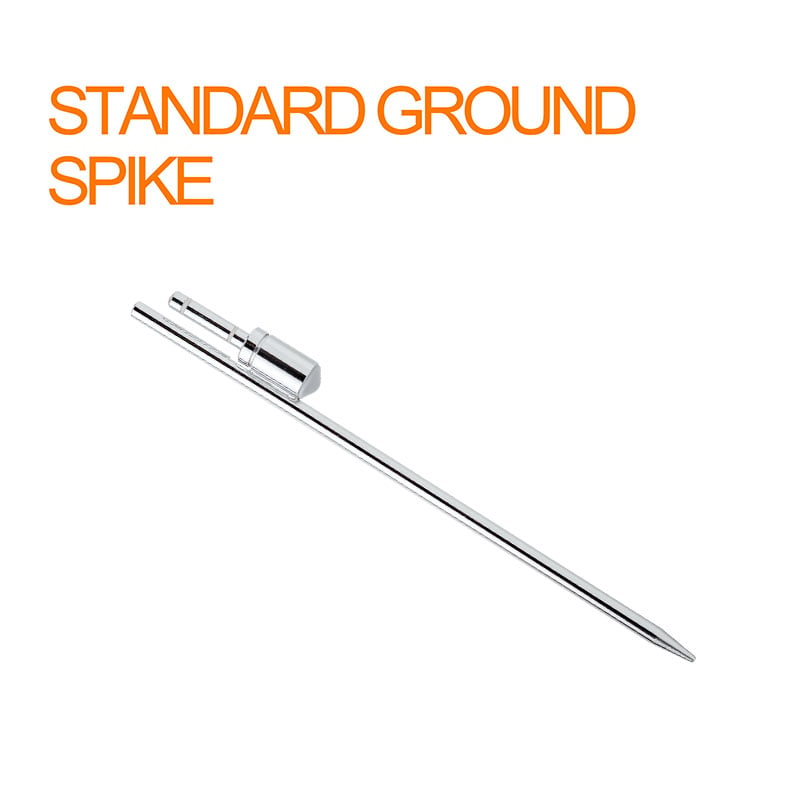
Ground Spike For Lawn Or Sand
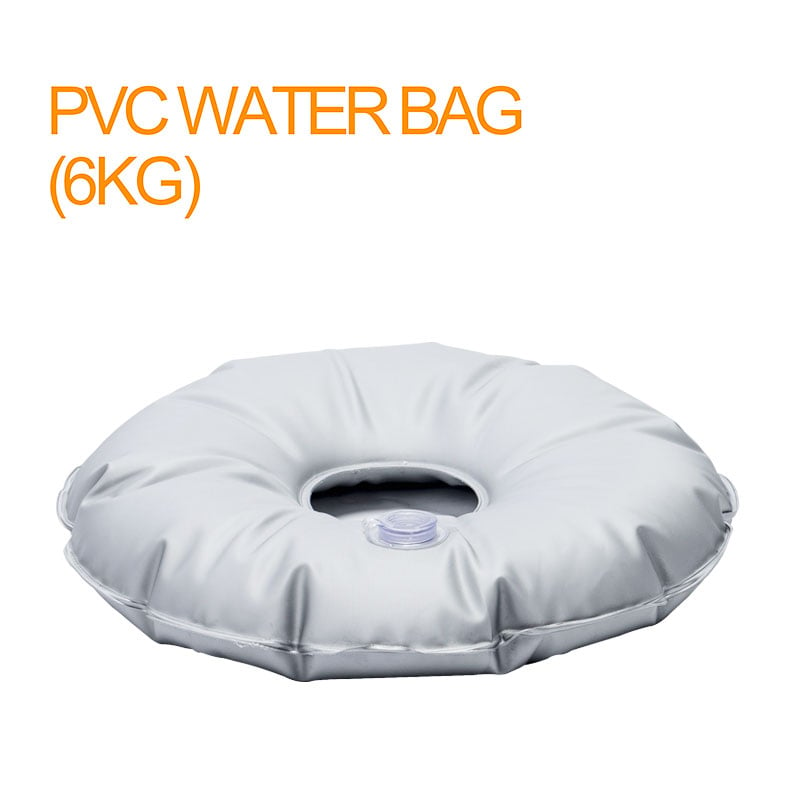
Water Bag
Flag /banner weights
Water tank
Concrete base(10kg)
Tent Bracket
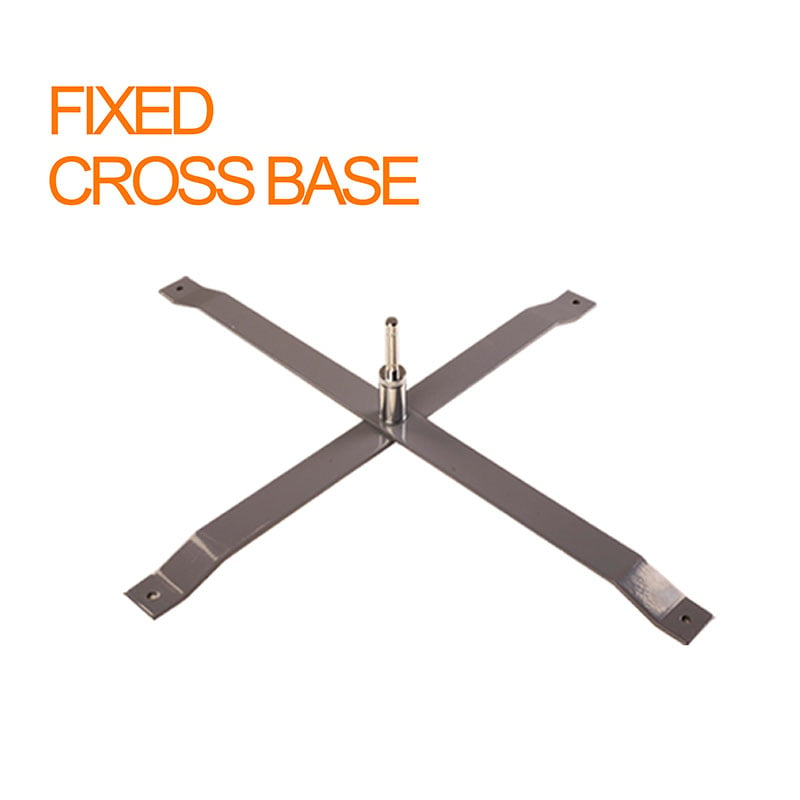
Fixed Cross Base
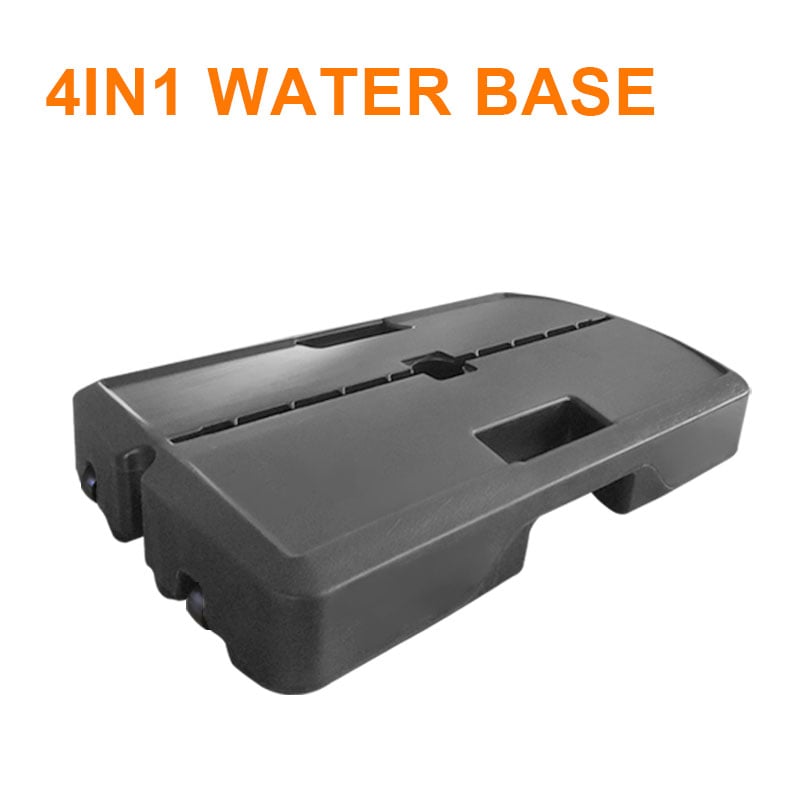
4 in 1 Water Tank
Related Articles
29kg Concrete Flag Base - The Complete B2B Buyer's Resource - WZRODS
WZRODS DY451B: 29 kg, HDPE shell, concrete core. Stackable, portable, rust-proof. FOB price US$5.75–$6.85 at MOQ 2 units. Those numbers look unremarkable. Factor in landed cost—import duties lower than aluminum’s under relevant HTS codes, freight savings from less weight per unit of stabilizing mas
Wide Tube Cross Base - The Complete B2B Buyer's Resource - WZRODS
The Wide Tube Cross Base, manufactured by Wzrods in Shandong, China, solves one problem: reliable stability for poles under three meters, without the freight costs and warehouse footprint that heavier alternatives demand.
Rectangular Pipe Cross Base - The Complete B2B Buyer's Resource - WZRODS
The pipe cross flag base is a cross of rectangular steel pipe, powder‑coated, weighing 1.3 kg and spanning 78 cm across its arms. Its center holds a C‑ring shaft that lets the flag rotate with the wind.
X-Shape Backpack Banner - The Complete B2B Buyer's Resource - WZRODS
Economic Cross Base - The Complete B2B Buyer's Guide- WZRODS
When you buy an economic cross base—something like the Wzrods DM‑9, a 77 cm‑long, 1.3 kg iron cross—forget “economic” as a synonym for “cheap.” It means value-engineered.