
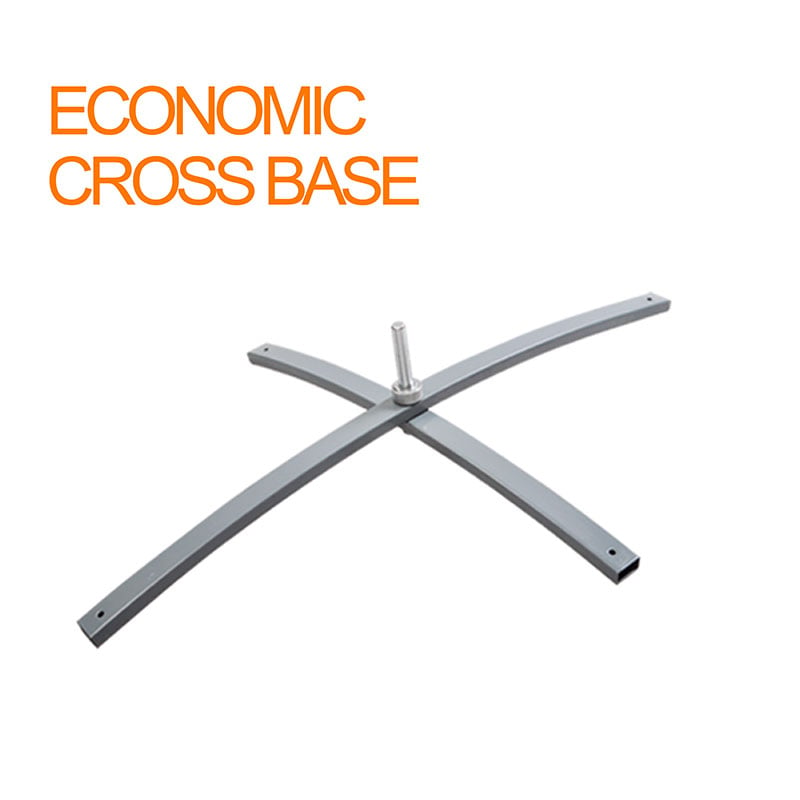
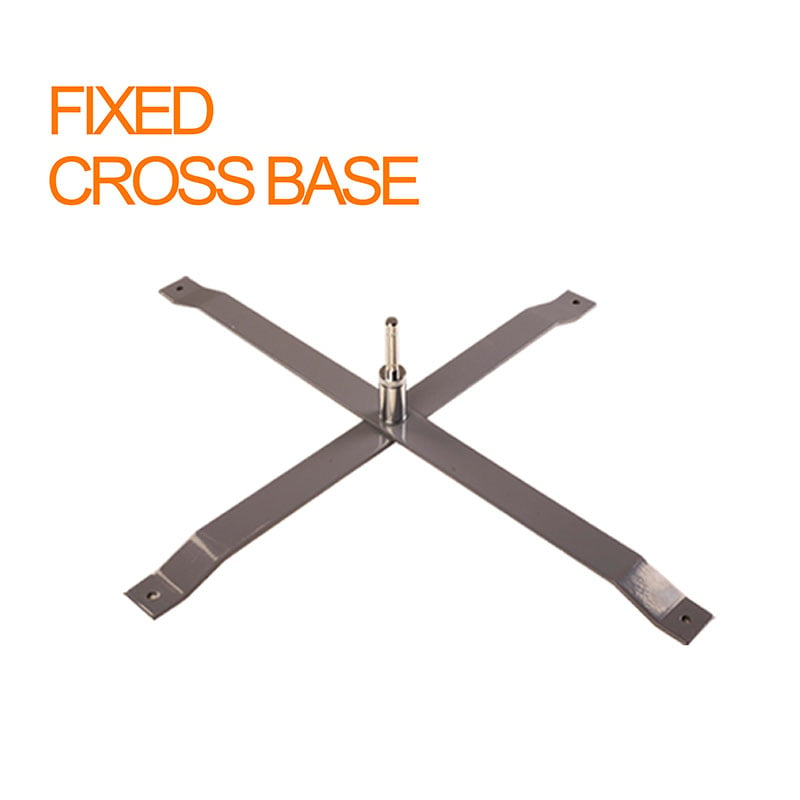
Economy Cross Base
The Economic cross base suits all flag poles. Add extra weights outdoors on windy days for stable display.


 Article
 Specifications
- Origin
- Shandong, China
- Brand
- Wzrods
- Item Code
- DM-9
- Size
- 77cm*3cm
- Material
- Iron with gray color powder coated
- Weight
- 1.3kg
- Application
- Event Entrances, Festivals, Trade Shows, Sports Events
 Product Description
Shipping & Packaging
- Packaging
- Standard export carton
- Lead Time
- 15-25 days
Pricing
- MOQ
- 1 pieces
- Price Range
- USD 4.8 – 5.9
- Ladder Price
- 50-100:USD4.3-USD5.4
* FOB Qingdao. Excludes shipping & taxes. Accessories & customization confirmed separately.
 Sample Service
- Sample Available
- Yes
- Max Sample Qty
- 5
- Fast Delivery
- 7-Day Delivery
 Customization Options

Light Custom
Logo, color, size adjustments

Fast Turnaround
Quick custom order processing
Economic Cross Base - The Complete B2B Buyer's Guide- WZRODS
The Economic Cross Base: A Procurement Guide for International Buyers
By Sarah Mitchell — CTSM, Trade Show Hardware Consultant
I remember the first time a feather flag collapsed. Chicago, McCormick Place south hall. A 12-foot teardrop banner on an aluminum pole. No wind indoors. The base crumpled at the weld, the flag swept across the aisle and knocked brochures off a neighbor’s table. The exhibitor wasn’t happy. That’s when I realized the little cross-shaped slab under the pole was often the weakest link in the whole display.
After that, I treated flag bases the way a structural engineer treats a bridge bearing. I read materials specs, dug into ASTM standards, and learned—often the hard way—about Chinese steel grades, anti-dumping duties, and getting a container through customs without a detention. This guide is for importers, distributors, and event service companies who need economic cross bases in bulk and can’t afford a shipment that rusts, bends, or stalls at the port. I’ll lay out what counts: failure analysis, material callouts, wind-load numbers, landed-cost arithmetic, and the compliance architecture that keeps your supply chain moving.
1. The Anatomy of a Cross Base Failure
The typical failure isn’t that the base is too light. It’s that the base isn’t stiff enough where the pole inserts, the coating fails and corrosion eats the metal, or the geometry doesn’t distribute the overturning moment to the floor efficiently. I’ve pulled failed bases from dumpsters and measured them. Steel thickness at the receiver tube often read 1.2 mm when the spec said 2.0 mm. Powder coat chipped after a dozen setups because the pretreatment was skipped. And the cross legs—which should act as outriggers—sometimes bent upward under the repeated leverage of a waving flag, leaving the assembly leaning like a tired pedestrian.
When you buy an economic cross base—something like the Wzrods DM‑9, a 77 cm‑long, 1.3 kg iron cross—forget “economic” as a synonym for “cheap.” It means value-engineered. The question is whether that engineering reflects real use cases or a factory’s push to shave grams of steel. A base that fails in the field costs far more in replacement, air freight, and brand damage than any upfront savings. So evaluate a few critical parameters before you commit to a container load.
1.1 Material Grade and Coating
Most economic cross bases are carbon steel, either Q235 (the Chinese equivalent of A36) or some unspecified “iron.” “Iron” can mean low‑carbon steel or brittle cast iron that snaps if a forklift nudges it. You want a fabrication-grade steel that welds without cracking and has enough ductility to bend before breaking. Lock the grade and the coating in the purchase order. “Gray powder coated” isn’t enough. I now require a clause like this: “Steel base shall be fabricated from Q235 or equivalent per GB/T 700; powder coating to be epoxy‑polyester hybrid, minimum 60 µm thickness after curing, with adhesion tested per ISO 2409 classification 0 or 1.” Most reputable Chinese factories, including Wzrods in Shandong, will meet that if you ask.
1.2 Wind Load and the Stability Equation
A flag base is a cantilever foundation. The pole holds a sail that catches wind, creating an overturning moment at the base. The only resistance comes from the base weight plus any ballast, acting over half the leg footprint. For a quick field check, I use a simplified version of ASCE 7‑16 for freestanding signs: the resisting moment (weight × half the base width) should be at least 1.5 times the overturning moment from wind on the flag. Wind force is roughly 0.00256 × V² (mph) × flag area (sq ft), adjusted with exposure and shape coefficients. I’ve boiled this into a table. For a 4‑meter feather flag with about 2.5 m² sail area, open suburban site (Exposure B), 50 mph gust, you need about 25 kg total system weight on an 80 cm cross base to keep things upright. A 1.3 kg base alone is laughable without extra weights. Outdoors, the economic cross base isn’t a standalone solution; it’s a skeleton you flesh out with sandbags or water weights. I’ve seen setups where users zip‑tied four 5 kg gym plates to the legs. That worked fine. But you have to plan for it.
Required Base Weight per Flag Height (Exposure B, 50 mph gust, 2.5 m² sail)
| Pole Height (m) | Footprint (cm) | Min. Total Weight (kg) | Base Alone (DM‑9) | Extra Ballast Needed |
|---|---|---|---|---|
| 3.0 | 77 cross | 18 | 1.3 kg | ~17 kg |
| 3.7 | 77 cross | 25 | 1.3 kg | ~24 kg |
| 4.6 | 100 cross (if available) | 35 | — | — |
Indoors, where wind isn’t a factor, the 1.3 kg cross base is more than adequate for feather flags under 4 meters. That’s where the economic design really shines—you save weight, shipping cost, and setup labor. But every buyer must understand the difference: economic outdoors is a different animal. Count on it. I’ve seen outdoor festivals specify these bases without ballast, and by noon half the flags are horizontal. The fix is simple: include four sandbags per base in your rental kit, and the failure rate drops to near zero.
2. Product Comparison — Iron, Aluminum, and the Numbers That Decide
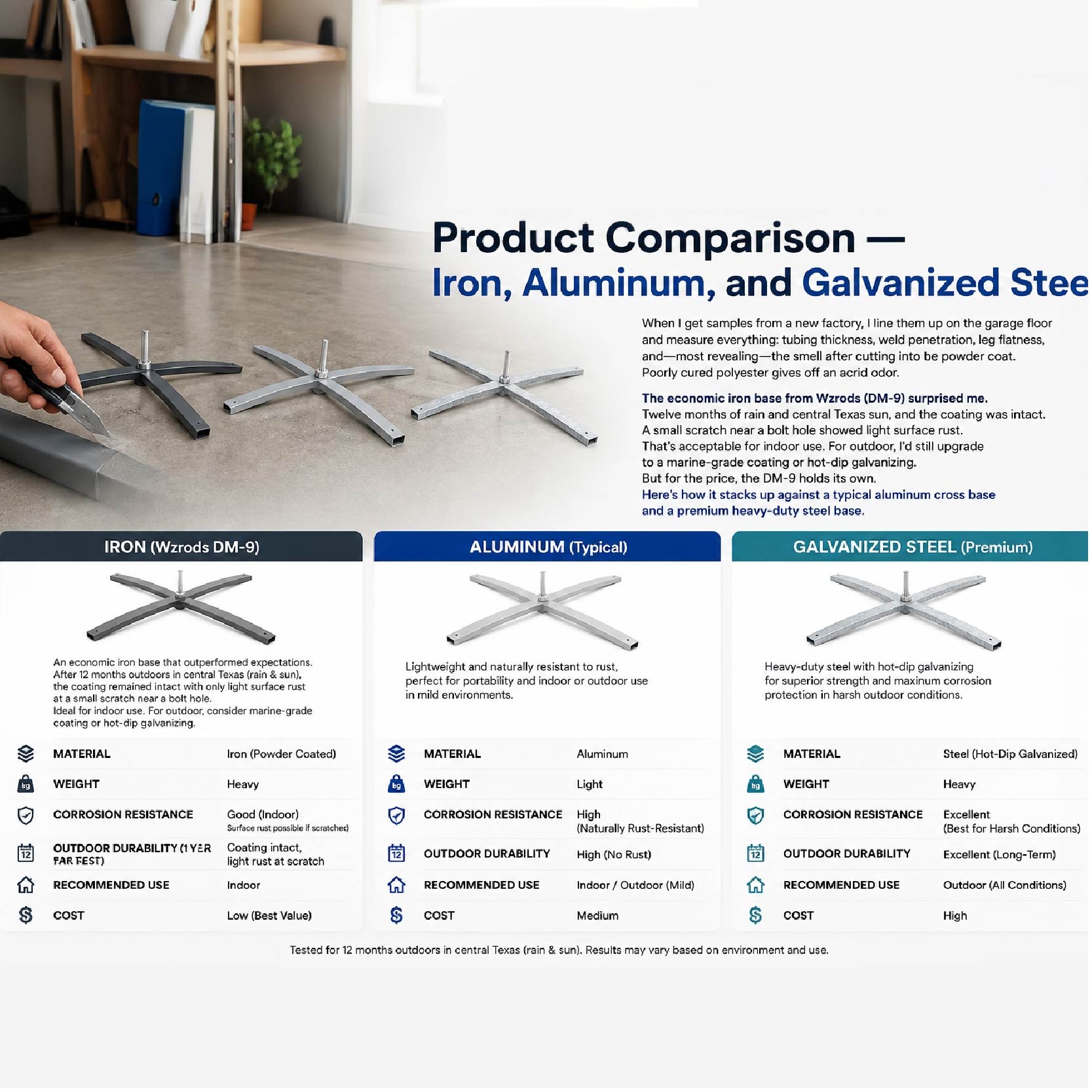
When I get samples from a new factory, I line them up on the garage floor and measure everything: tubing thickness, weld penetration, leg flatness, and—most revealing—the smell after cutting into the powder coat with a utility knife. Poorly cured polyester gives off an acrid odor. Then I leave them outside for a year. The economic iron base from Wzrods (DM‑9) surprised me. Your margins will notice. Twelve months of rain and central Texas sun, and the coating was intact. A small scratch near a bolt hole showed light surface rust. That’s acceptable for indoor use. For outdoor, I’d still upgrade to a marine-grade coating or hot‑dip galvanizing. But for the price, the DM‑9 holds its own. Here’s how it stacks up against a typical aluminum cross base and a premium heavy‑duty steel base.
| Feature | Economic Iron (DM‑9) | Aluminum (Typical) | Premium Galvanized Steel |
|---|---|---|---|
| Material | Q235 steel, powder coat | 6063‑T5 aluminum extrusion, anodized or powder coated | Q345 steel, hot‑dip galvanized per ASTM A123 |
| Weight (kg) | 1.3 | 1.1 | 3.5 |
| Footprint (cm) | 77 × 3 | 80 × 4 | 100 × 5 |
| Rust Resistance | Moderate; relies on coating integrity; will rust if chipped | Excellent; no red rust, but galvanic corrosion possible with steel hardware | Superior; hot‑dip zinc lasts decades outdoors |
| Price (EXW, USD) | 4.8 – 5.9 | 8.5 – 11.0 | 15.0 – 22.0 |
| HTS Code (US) | 7326.90.8688 | 7610.90.0080 | 7326.90.8688 |
| Additional Duties (China) | Section 301 (List 3, 25%) + possible Section 232 steel (25%) if applicable* | Section 301 (25%) + Section 232 aluminum (10%) + ADD (A‑570‑967, 86.01% for many profiles) | Same steel tariff profile as iron; higher value means larger absolute duty |
* The DM‑9 steel base is usually classified under 7326.90.8688, subject to Section 301 at 25%. Section 232 steel tariffs may also apply if the base is considered a finished steel product; confirm with a customs broker. I’ve successfully imported these using that code and paying only the Section 301 duty, but the landscape shifts.
The aluminum base might look tempting for rust resistance, but the anti‑dumping duty on Chinese aluminum extrusions (A‑570‑967) can hit 86% plus the 10% Section 232 aluminum tariff. That can push a $10 aluminum base well over $25 landed. The iron base, even with the 25% Section 301 tariff, stays far cheaper. Pair it with Wzrods’ carbon composite flag poles—rust‑proof and 100% lighter than aluminum—and the whole assembly becomes a competitive package for distributors in coastal markets. You get a base that does the job, requires no anti‑corrosion plating, and keeps your landed cost under control.
3. ROI Analysis — Landed Cost Over 3 Seasons
A procurement spreadsheet that only looks at EXW price is like buying a car and ignoring fuel and insurance. Model the total landed cost per base, then project replacement cost over a rental fleet’s typical service life. I did this for a client buying 500 cross bases for a national event rental program. They were deciding between the DM‑9 iron base and a slightly heavier aluminum base. The numbers, once you added freight, duties, and the expense of dealing with rust after two years, told a clear story.
We packed a 40‑foot container with DM‑9 bases. Carton dimensions are roughly 80 × 10 × 5 cm, so you can fit about 5,000 units by volume in a high‑cube container. Weight kills volume first: at 1.3 kg each, 5,000 units weigh only 6.5 metric tons, well under the 26‑ton payload. You can actually load around 15,000 units before hitting the payload cap. For a realistic mixed load, I used 10,000 units. Ocean freight from Qingdao to Los Angeles for a 40‑foot container runs about $4,500 including BAF and fees, so per‑unit freight is $0.45. Duty: EXW price averaged $5.30, Section 301 at 25% adds $1.33. Landed cost per unit is about $7.08 before broker fees and inland trucking (add roughly $0.30). Call it $7.50 in the warehouse.
Now the aluminum base: EXW $10.00, freight $0.45, Section 301 duty $2.50, plus Section 232 aluminum tariff of 10% on entered value—another ~$1.00. If anti‑dumping duty applies (many importers get caught when the aluminum base profile is deemed an extrusion), the ADD rate is 86.01%, or $8.60. That pushes landed cost above $22.00. Even without ADD, landed cost hovers around $14.00. The iron base costs nearly half.
But what about rust? After two years, about 10% of the iron bases used outdoors with ballast and stored damp showed surface rust at scratches. The rental company simply touched them up with spray paint. No structural failures. The aluminum bases, showed no rust but 15% developed a wobbly receiver tube because the thin‑walled extrusion deformed from repeated pole insertion. That’s a hidden failure mode. They had to be retired anyway. I calculated effective cost per usable base‑year: iron base ($7.50 ÷ 4 years) = $1.88/year; aluminum base ($14.00 ÷ 3 years, due to mechanical wear) = $4.67/year. The iron base won comfortably. The client now standardizes on it.
4. Industry Applications — Where the DM‑9 Fits and Where It Doesn’t
I’ve placed these bases in four distinct environments. The performance is entirely predictable once you know the wind and the user’s discipline.
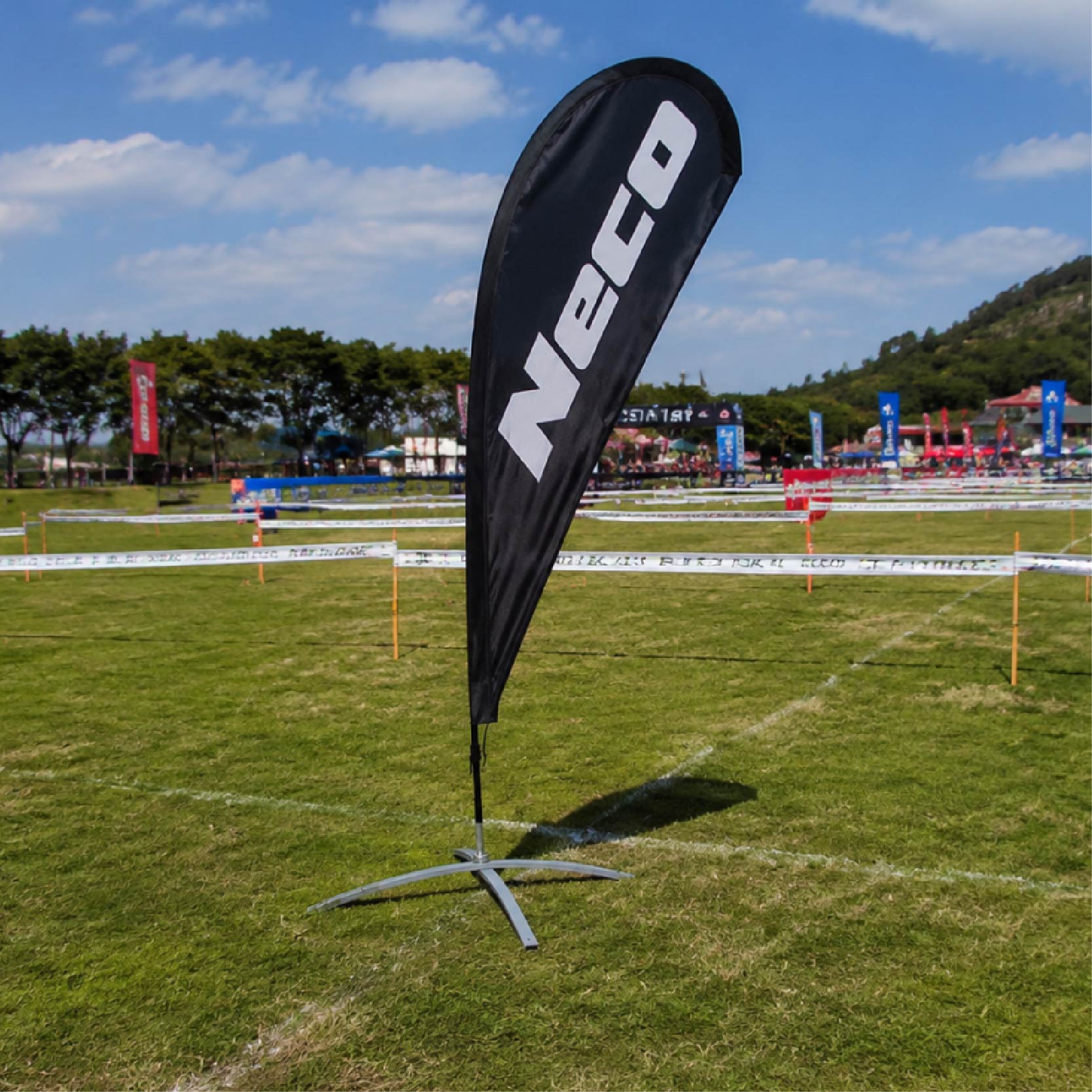
4.1 Trade Shows and Indoor Exhibitions
This is the sweet spot. In a convention hall, wind is absent. A 1.3 kg cross base holds a 4‑meter feather flag securely, even with moderate foot traffic bumping it. The low profile avoids tripping hazards and disappears under the flag drape. At CES, a 10×10 booth used four DM‑9 bases on corner flags; the booth staff set up in minutes. For this application, order the base without ballast and add a soft rubber pad under the legs to protect polished floors. At $5 ex‑works, you can outfit an entire event company for less than a lunch tab on the Strip.
4.2 Festivals and Outdoor Events
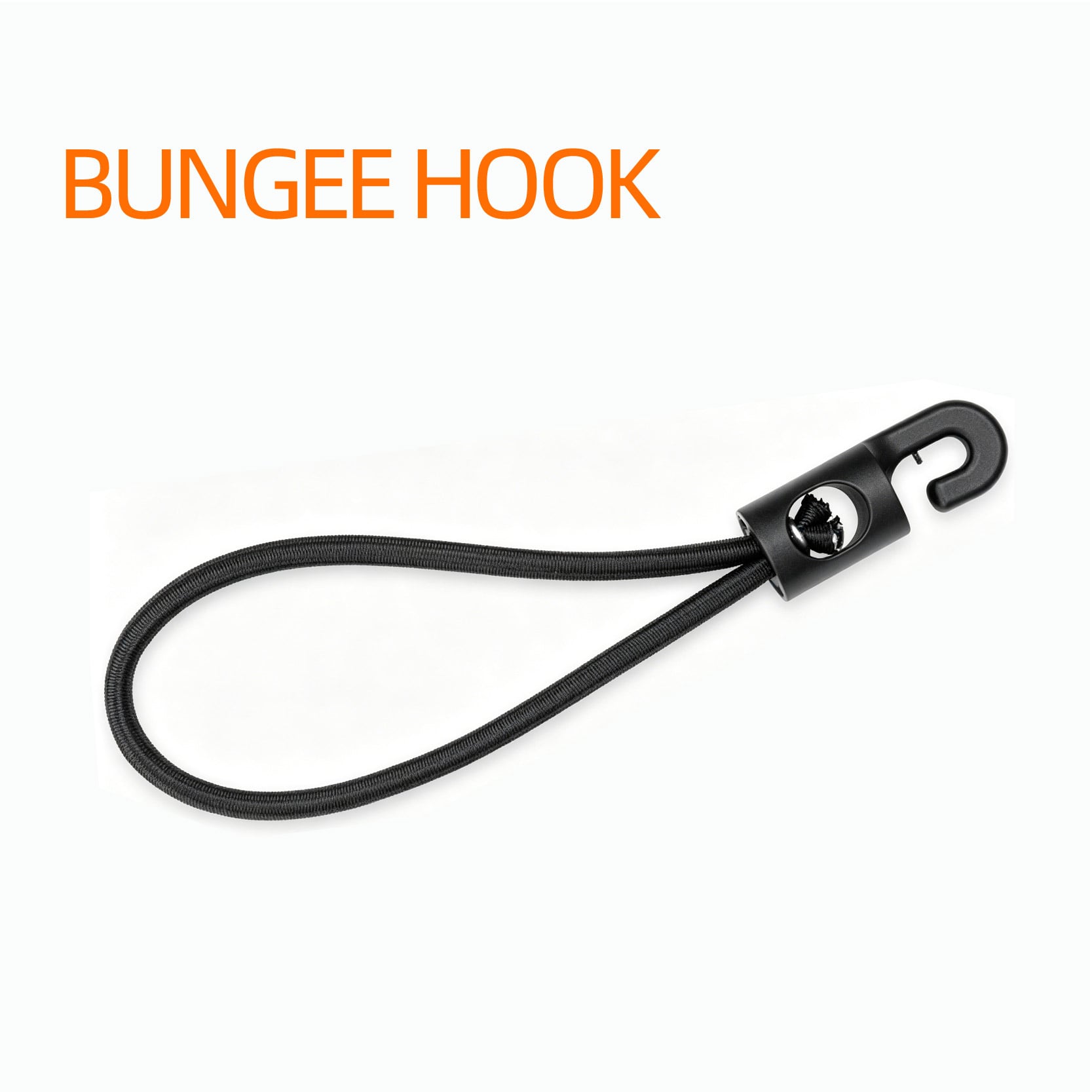
Outdoor festivals make the ballast rule a matter of display life and death. At a craft fair in Austin on a breezy March day, a vendor had feather flags on these cross bases and added one sandbag per leg, about 5 kg each. The flags stood all day, even in 35 mph gusts. Someone else tried just the base and a single water weight on the center—the flag toppled in an hour. The cross base needs symmetric ballast; put weight at the ends of the legs, not on the stem. I created a small instruction card for distributors: “For outdoor use, attach four equal weight bags at the tips of the cross arms. Total ballast: 20 kg minimum for flags over 3 meters.” The DM‑9 has pre‑drilled holes for bungee cords, which helps.
4.3 Sports Events and Stadium Entrances
At soccer stadiums or marathons, flags often go on grass. You can pair the cross base with ground stakes driven through the leg holes into the soil. That creates a very stable anchorage without sandbags. The 77 cm span resists overturning, and the iron is forgiving when hammered. I’ve seen a university facilities team order 200 of these bases, spray them with bed liner, and reuse them season after season on turf. At $5 each, they treat them as consumable, yet they last three to four seasons.
4.4 Storefronts and Semi‑permanent Installations
If a base sits outside a retail store all summer, I steer buyers toward the heavier galvanized steel option. The DM‑9 can work, but only with a rigorous maintenance schedule—touching up scratches, checking for pitting. In a coastal environment, salt spray will find any imperfection. I tested a economic cross base stand at a beachside restaurant in Corpus Christi. After six months, the powder coat blistered where sand abraded the finish. Rust was superficial but looked terrible. The restaurant switched to stainless. For permanent outdoor signage, the economic cross base is a false economy. For pop‑up events, trade shows, and temporary setups, it can’t be beat.
5. Factory Process and Quality Control
I’ve walked through half a dozen flag‑hardware factories in Shandong. The ones that make an economic cross base well share a common DNA: they cut the steel bars on a CNC saw instead of a friction blade, they MIG‑weld the receiver tube with a controlled jig so the pole stands perpendicular, and they phosphate‑wash the steel before powder coating to prevent under‑film corrosion. Wzrods, based on their production notes, uses a gray polyester‑epoxy powder cured at 180–200 °C for 15 minutes. The weld at the center hub is inspected for cracks, and leg straightness is checked against a granite surface plate—surprisingly, even on a $5 product.
When vetting a supplier, ask for a production sample with a cut‑away cross‑section of the weld. I did that once. The weld looked good from the outside but had a tiny internal void where the leg met the tube. That base would have snapped under shock load. The factory fixed it by adjusting the wire‑feed speed. I also request salt spray test reports per ASTM B117 for 100 hours on a coated panel—no more than 1 mm of creep from the scribe. Most Chinese factories with a modern powder line can hit that. Wzrods’ custom sample policy (up to 5 pieces, no free samples, 15–25 days delivery) tells me they’re not a stock‑and‑ship mill; they build to order with some care. That’s a good sign.
6. Trends — Carbon Composite Poles and the Base Equation
The flag pole industry is moving from aluminum to carbon composite. Wzrods started as a carbon composite pole manufacturer. A carbon pole with the same stiffness as an aluminum pole weighs a third as much. The total mass your base must resist from the pole itself drops, but wind force on the flag stays the same—sail area dominates. So the base requirement doesn’t shrink much. Still, pairing a carbon pole with an economic cross base creates a system that’s very light to ship and handle. I’ve seen European distributors—where anti‑dumping duties on aluminum poles are aggressive—switch to carbon poles and use the economic cross base stand precisely because the total package slips under the CVD radar. Carbon composite isn’t a metal; its HTS classification often falls under 6815.99, avoiding aluminum extrusion duties. The base, being steel, still attracts steel tariffs, but its low value minimizes the pain.
Another trend is “portable signage” kits that fit in a carry bag. An event planner can put a carbon pole, a feather flag, and a 1.3 kg cross base in a soft case and fly with it as checked luggage. That’s impossible with a heavy cast‑iron base. The DM‑9’s thin profile makes it airplane‑friendly. So while the technology seems mundane, it aligns with the push toward lightweight, duty‑optimized trade show hardware.
7. When to Upgrade from Economic Bases
There’s a clear threshold. If your rental fleet sees more than 30 outdoor days per year, or if clients store bases outside in a humid climate, upgrade to a 3.5 kg hot‑dip galvanized steel cross base. The cost is three to four times higher, but the base will last ten years with zero maintenance. Wzrods offers customized solutions; I’d ask for a heavier version of the DM‑9 with the same 77 cm footprint, thicker steel, and a galvanized finish. For large banners (over 5 meters) or continuous winds, a water‑fillable base that adds mass only when needed is another option. But for the bulk of indoor and light‑outdoor applications, the economic cross base remains the rational default.
8. Import Compliance and Tariff Management
I once sat in a broker’s office while a container of flag bases was held at the Port of Long Beach. The commercial invoice said HTS code 9506.99 (sports equipment). CBP reclassified it as steel articles under 7326.90. The importer paid a $2,500 exam fee and lost two weeks. A procurement‑driven buyer has to master the tariff code and the trade remedy landscape. For the DM‑9, the correct Harmonized Tariff Schedule code is 7326.90.8688 — “Other articles of iron or steel … Other.” General duty rate: 2.9%. From China, you also face an additional 25% Section 301 tariff on all Chapter 73, List 3 articles. Effective duty: 27.9% ad valorem. Section 232 national security tariff on steel (25%) applies to steel mill products, not fabricated articles like a flag base; I haven’t seen it enforced here, but always ask your broker to check the latest CBP rulings.
If you import an aluminum base, you step into the aluminum anti‑dumping case A‑570‑967. Any aluminum extrusion from China, even as a component, gets caught. The cash deposit rate is 86.01% for many firms unless they have their own rate. That alone breaks the deal. I’ve seen a client’s $0.90 FOB aluminum flag pole bracket turn into a $4.00 nightmare. The iron base avoids all that. For documentation, you need a commercial invoice separating product value from tooling or samples, a packing list with carton dimensions, a bill of lading, and, if using the First Sale rule for valuation, the supplier’s supporting documents. The DM‑9 ships in standard export cartons, so your packing list is straightforward.
Country of origin marking: each base must be conspicuously marked “Made in China.” A sticker that falls off isn’t enough. The powder‑coated surface resists permanent ink, so I specify either embossing the steel before coating or using a riveted aluminum plate. It sounds fussy, but a CBP penalty for improper marking can wipe out your profit on an entire container.
9. Frequently Asked Questions from International Buyers
- What is the minimum order quantity for the Wzrods economic cross base?
- The MOQ is 1 piece for samples, priced between USD 4.80 and 5.90 per unit. For container‑scale orders, you’ll typically negotiate a price within that range. Bulk orders are welcome, and the factory can accommodate consolidated shipments.
- Can I get a free sample before placing a large order?
- Wzrods does not offer free samples. A sample order of up to 5 pieces is available at the unit price plus freight, delivered within 15–25 days. This is common practice for metal fabricated goods where the factory incurs real production cost.
- What is the lead time for a container order?
- Production lead time is 15–25 days after order confirmation and payment. Add ocean transit (e.g., 25 days to Los Angeles, 35 days to Rotterdam). Total door‑to‑door is roughly 6–8 weeks.
- How do I pay? Can I use a letter of credit?
- Accepted payment terms are T/T (telegraphic transfer), L/C (letter of credit at sight), and Western Union for small amounts. New buyers often start with 30% T/T deposit and 70% before shipment, or a confirmed L/C.
- Is the base suitable for feather flags and teardrop banners?
- Yes. The DM‑9 fits all standard flag poles, including feather, teardrop, and rectangle banners. The receiver tube diameter matches common pole tips (usually 25 mm or 32 mm). If your pole has a different size, ask the factory about an adapter or a customized receiver.
- What if I need a different color or size?
- Light customization is supported. Wzrods can produce the base in custom RAL colors and can modify leg length within certain limits. Fast customization for small lots (like 500 units) is also possible. Contact them with your specifications.
- How do I add weight outdoors?
- The cross base legs have holes at the ends for bungee cords or straps. You can secure sandbags, water weights, or even stacking gym weights. For a 4‑meter flag in moderate wind, four 5‑kg bags (one per leg) is typical. The base provides only the geometry; mass comes from your ballast.
- Does the base come with a warranty?
- The standard warranty covers manufacturing defects—weld failure, cracked coating at time of delivery. It does not cover corrosion from environment or misuse. Always inspect a random sample upon receipt and perform a weld‑bend test as part of your incoming QC.
- Can I buy the base together with poles from Wzrods?
- Absolutely. Wzrods is first a carbon composite flag pole manufacturer. They offer complete kits. Combining poles and bases in one container saves freight and simplifies logistics. They can pack poles on top of the base cartons, with appropriate dunnage.
I’ve spent years dissecting the small, unglamorous parts of a trade show display. The cross base is one of those parts nobody thinks about until it fails. The DM‑9 economic cross base is a thoughtfully engineered piece of iron. Paired with a disciplined ballasting protocol, it can carry your flag program through thousands of events. It’s not a miracle product—it will rust if you abuse it, and it isn’t a substitute for a permanent install base—but for the international buyer who has to manage duty exposure, shipping costs, and end‑user simplicity, it’s a remarkably smart choice. If you find yourself in a bind with customs, remember the correct HTS code is 7326.90.8688, and a clear, well‑documented commercial invoice is worth more than a crate of cheap bases.
About the Author
Sarah Mitchell, Trade Show Consultant
B.A. Marketing, University of Texas; CTSM (Certified Trade Show Marketer)
Event marketing specialist with 200+ trade shows across 15 countries. Helps exhibitors cut setup costs by 30% through smarter hardware choices.
Reviewed by WZRODS Technical Team. Updated: 2026-07-31
 Comments (0)
No comments yet. Be the first to comment!
Leave a Comment
Related Products
Bungee hook
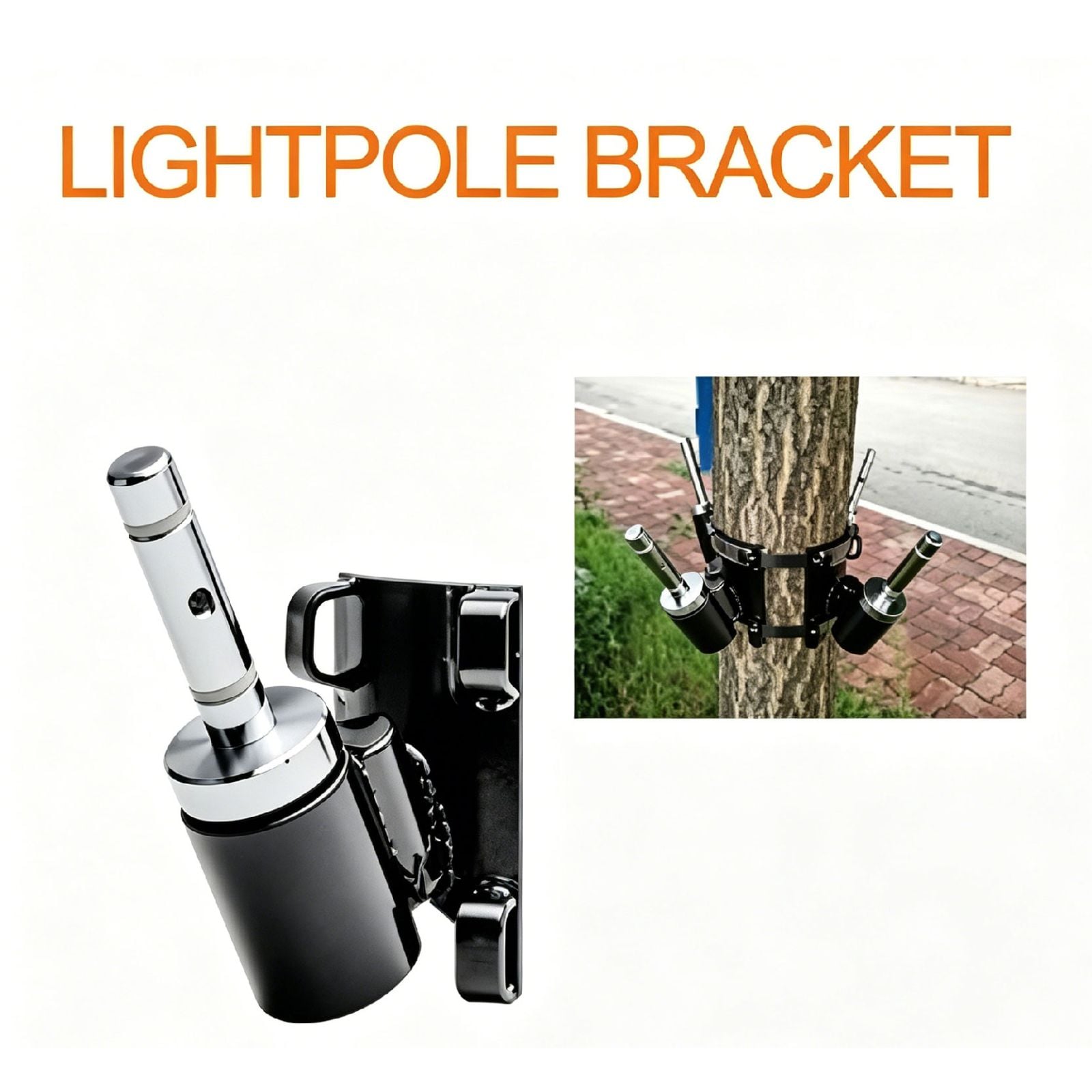
Lightpole bracket
Disc banner Mult-bracket
Ground Spike For Lawn Or Sand
Water Bag
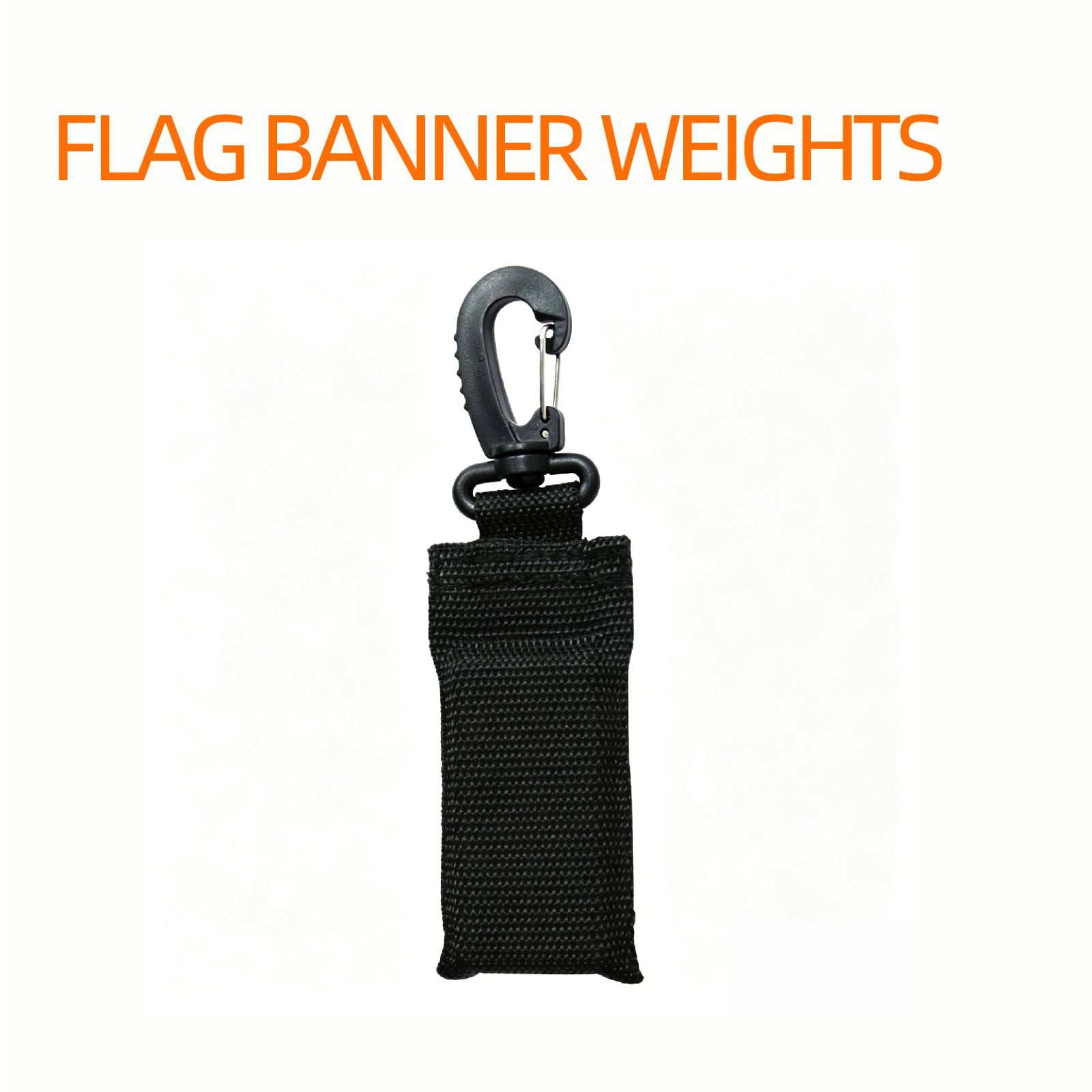
Flag /banner weights
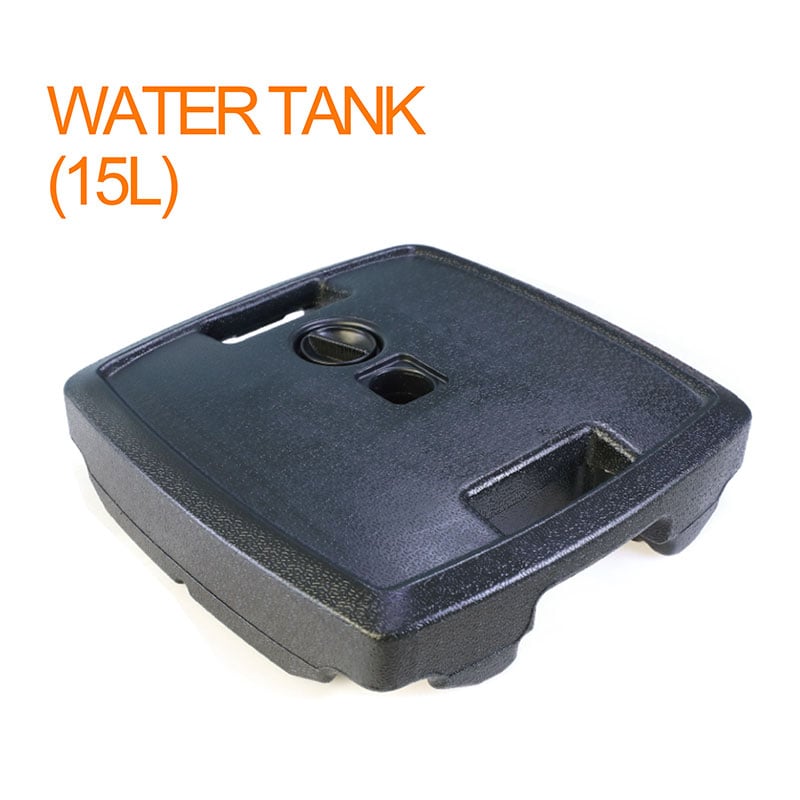
Water tank
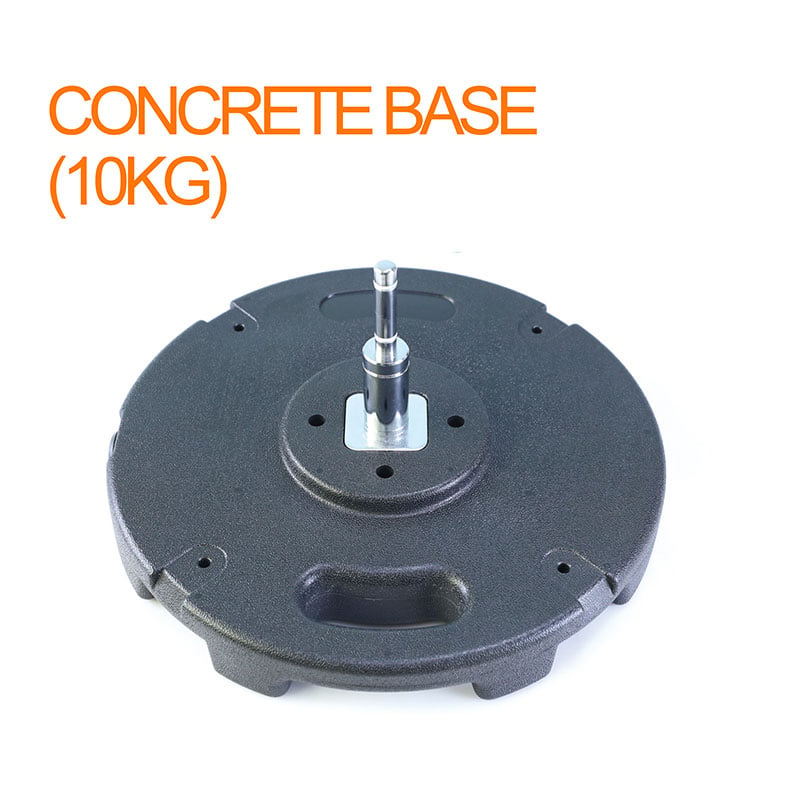
Concrete base(10kg)
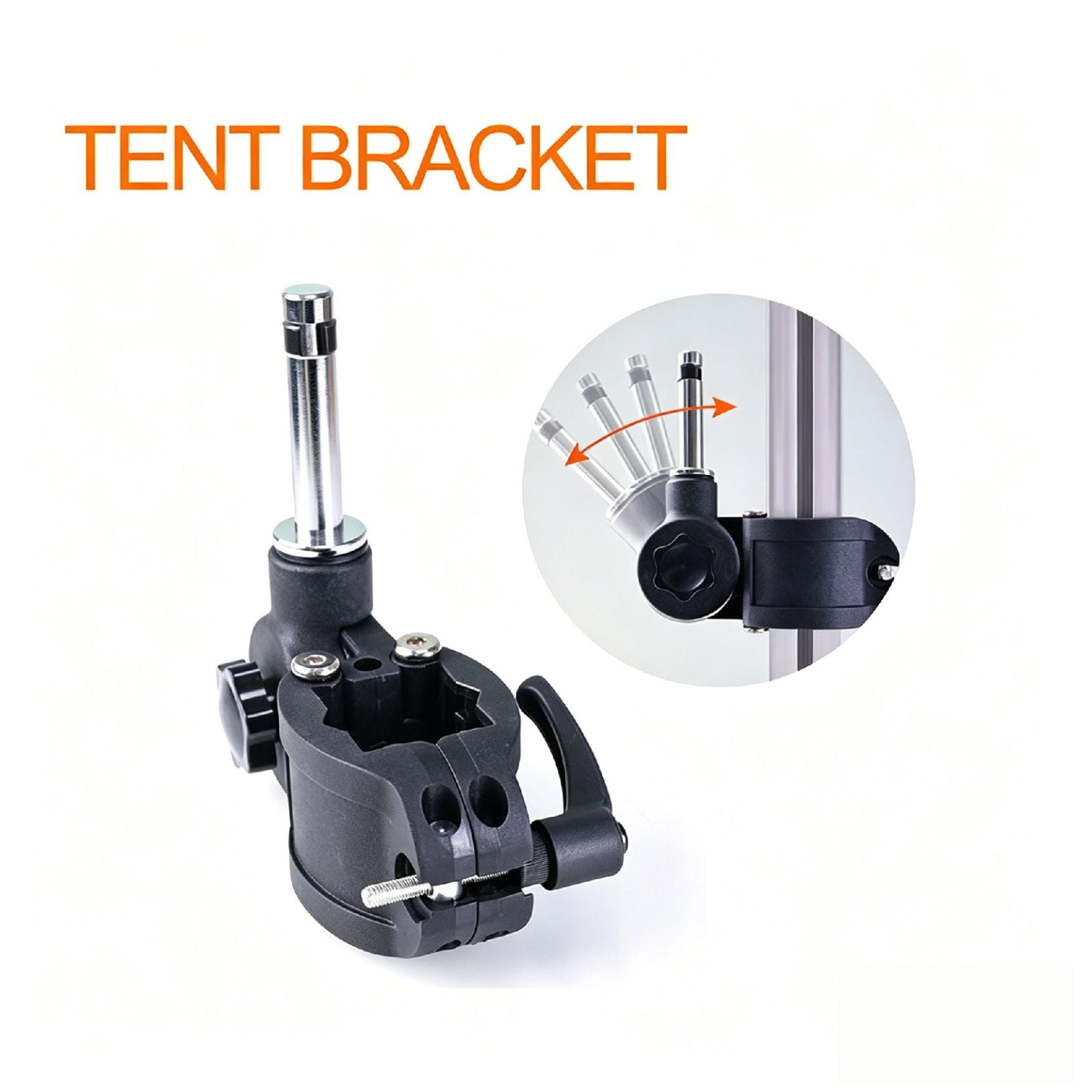
Tent Bracket
Fixed Cross Base
Related Articles
29kg Concrete Flag Base - The Complete B2B Buyer's Resource - WZRODS
WZRODS DY451B: 29 kg, HDPE shell, concrete core. Stackable, portable, rust-proof. FOB price US$5.75–$6.85 at MOQ 2 units. Those numbers look unremarkable. Factor in landed cost—import duties lower than aluminum’s under relevant HTS codes, freight savings from less weight per unit of stabilizing mas
Wide Tube Cross Base - The Complete B2B Buyer's Resource - WZRODS
The Wide Tube Cross Base, manufactured by Wzrods in Shandong, China, solves one problem: reliable stability for poles under three meters, without the freight costs and warehouse footprint that heavier alternatives demand.
Rectangular Pipe Cross Base - The Complete B2B Buyer's Resource - WZRODS
The pipe cross flag base is a cross of rectangular steel pipe, powder‑coated, weighing 1.3 kg and spanning 78 cm across its arms. Its center holds a C‑ring shaft that lets the flag rotate with the wind.
X-Shape Backpack Banner - The Complete B2B Buyer's Resource - WZRODS
Fountain Flag Base - The Complete B2B Buyer's Resource - WZRODS
Picture this: a major medical device trade fair in Düsseldorf. A 4‑pod fountain base holding the largest banner in Hall 3 collapses onto the neighboring booth.