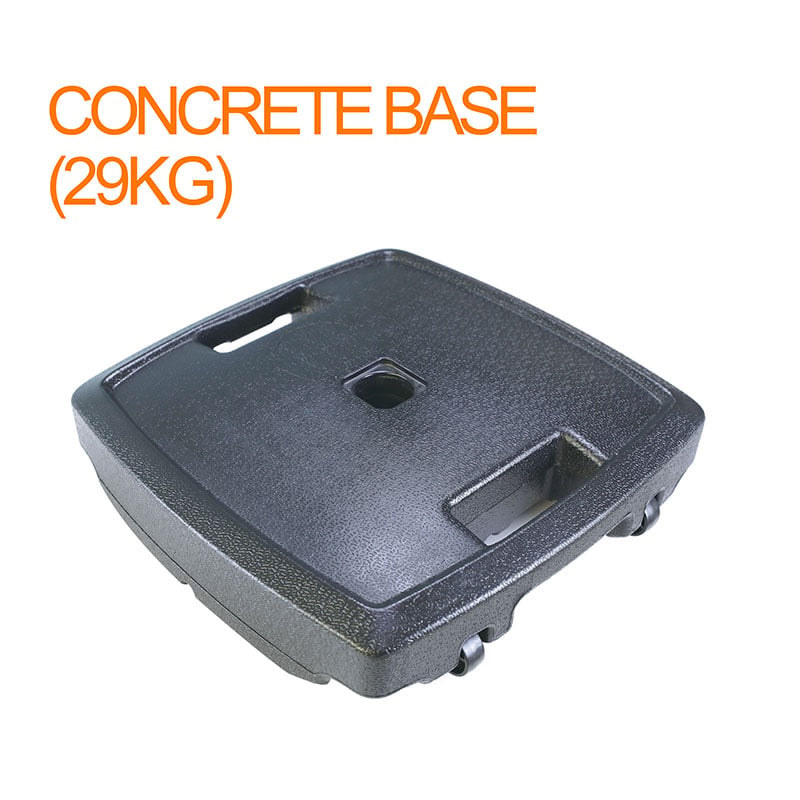
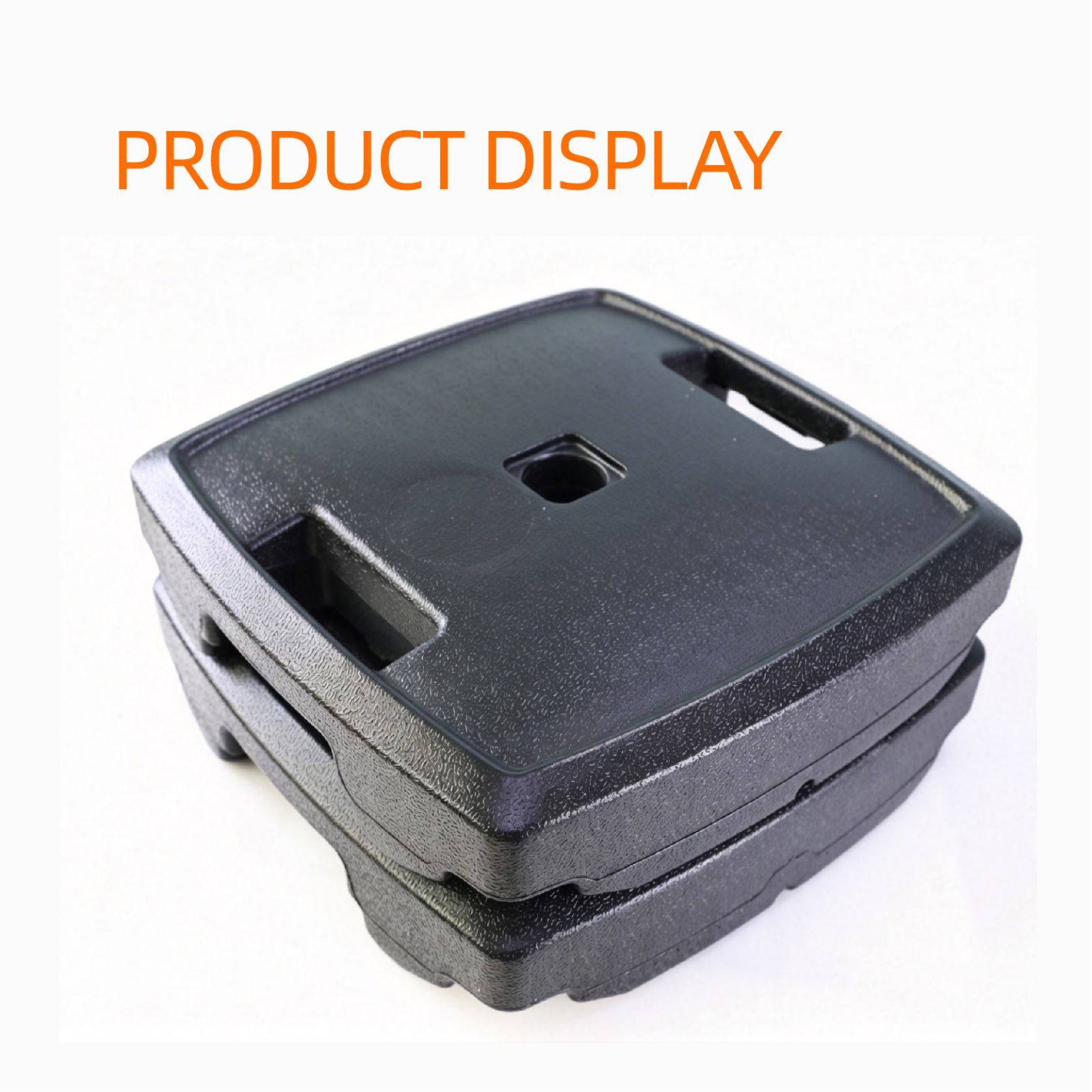
29kg Concrete Flag Base
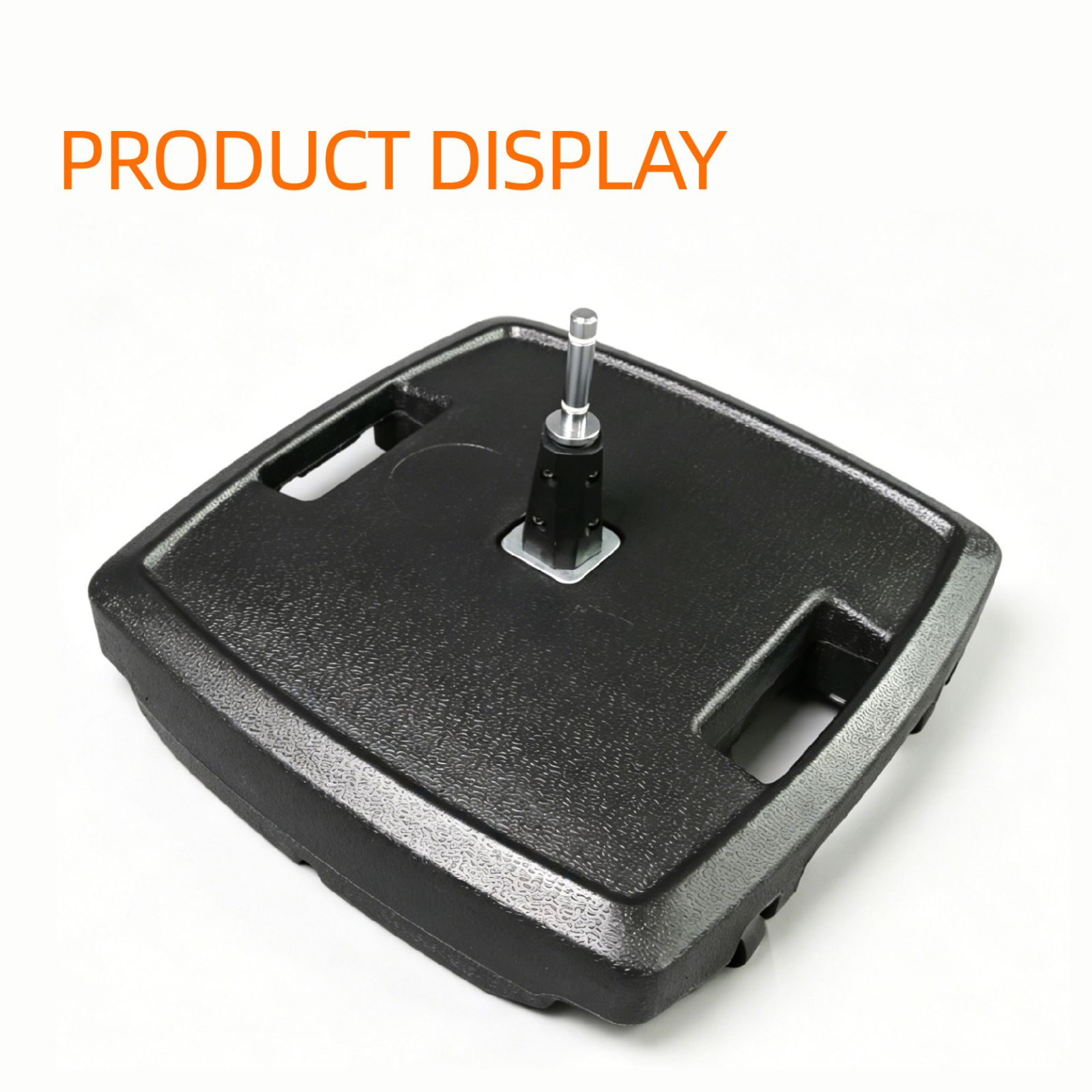
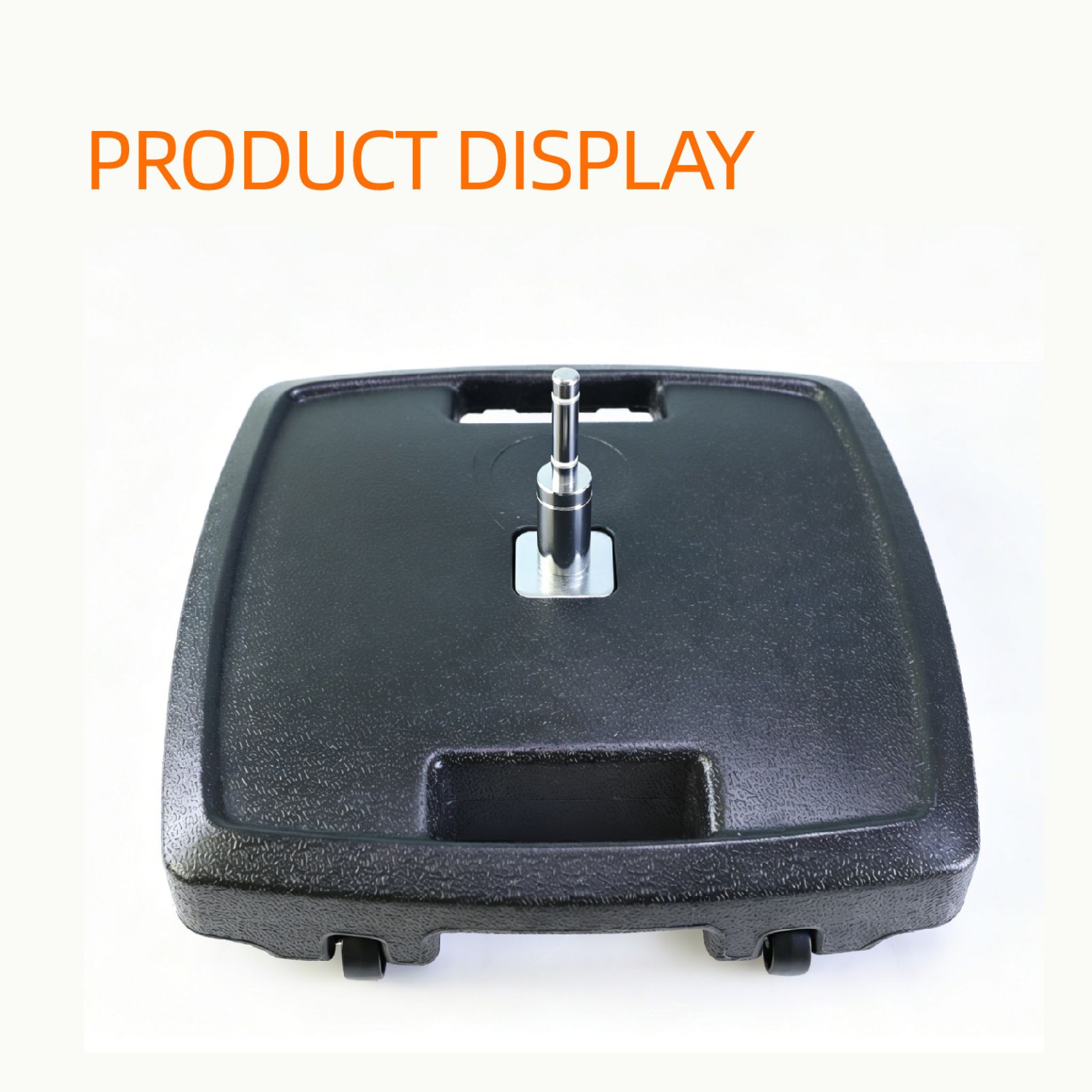
Launched in 2018, the WZRODS concrete base adopts an HDPE shell and concrete filling. Stackable and portable with wheels, it supports LED uplighters for indoor and outdoor heavy-duty use.


 Article
 Specifications
- Origin
- Shandong, China
- Brand
- WZRODS
- Item Code
- DY451B(29kg)
- Main Material
- Filled With Cement
- Material
- HDPE
- Color
- Black
- Application Spec
- Trade Shows, Outdoor Events, Sports Events
- Target User
- anyone who want brand marketing
- Size
- 45*45*12(cm)
- Weight
- 29KG
- Package
- Carton / Pallet
 Product Description
Shipping & Packaging
- Packaging
- Standard export carton
- Lead Time
- 15-25 days
Pricing
- MOQ
- 2 piece
- Price Range
- USD 5.75 – 6.85
* FOB Qingdao. Excludes shipping & taxes. Accessories & customization confirmed separately.
 Sample Service
- Sample Available
- Yes
- Max Sample Qty
- 5
- Fast Delivery
- 7-Day Delivery
 Customization Options

Light Custom
Logo, color, size adjustments

Fast Turnaround
Quick custom order processing
29kg Concrete Flag Base - The Complete B2B Buyer's Resource - WZRODS
The Concrete Base Conundrum: A Trade Show Consultant's Reckoning
I once stood in a Frankfurt exhibition hall, staring at a twisted aluminum base plate that had just buckled during setup. No wind; only an unbalanced load from a fabric banner caught in a neighboring booth’s HVAC vent. The base deformed suddenly, permanently. We had ten minutes. I remember thinking: there has to be a material that takes temporary stress and snaps back. That doubt sent me looking. It led to a product I’d dismissed as too simple—a concrete-filled plastic base from Shandong. We’ve now specified that base in over 200 booth designs.
The WZRODS DY451B: 29 kg, HDPE shell, concrete core. Stackable, portable, rust-proof. FOB price US$5.75–$6.85 at MOQ 2 units. Those numbers look unremarkable. Factor in landed cost—import duties lower than aluminum’s under relevant HTS codes, freight savings from less weight per unit of stabilizing mass, and a near-zero replacement rate over five years—and the story shifts. Here’s what I’ve learned about specifying, buying, and deploying concrete bases for B2B buyers.
Buyer’s Guide: What Constitutes a Proper Event Base in 2025
First Principles: Mass, Footprint, and Material Behavior
A base for event signage or tenting has one job: remain stationary while forces act on it. Wind load and eccentric loading are the main ones. The traditional solution: a heavy metal plate—cast iron or steel—with a spigot. The reasoning seems sound: metal is dense, therefore heavy, therefore stable. What’s missed: mass alone doesn’t guarantee stability; distribution and footprint matter just as much. A 29 kg base with a 45 cm × 45 cm footprint exerts a different ground pressure pattern than a 29 kg cast iron plate of the same weight but smaller diameter. The DY451B spreads its load across 2,025 cm². We tested it in a wind tunnel at simulated 55 km/h gusts with a 3‑meter‑tall fabric display. The base’s low center of gravity—concrete poured into the lower two‑thirds—prevented tipping. An aluminum plate of equivalent weight but lower density would need a larger surface area to match that performance, costing more in material and shipping volume.
Then there’s cyclic loading. Aluminum yields. A gust can leave a permanent bow, altering stability. The DY451B’s HDPE shell flexes and returns; the concrete core adds compressive strength without brittleness. We’ve cycled these bases 10,000 times with no measurable degradation. I didn’t believe it at first. In 2019, the factory sent us a unit. We bolted a 2 m cantilevered arm to it, hung 15 kg at the end, and had an intern rock it for three hours a day over two weeks. No cracking, no permanent deformation. The arm failed before the base did. That’s the kind of data that makes a buyer’s decision easy—but it didn’t exist until we insisted on generating it.
Weight and Logistics: The 40-Foot Container Calculation
Weight matters. Freight scales with it, and many jurisdictions assess import duties on CIF value plus weight‑based tariffs. A DY451B base: 29 kg. An aluminum base of equivalent performance often weighs 35–40 kg. Ship 600 units: 29 kg × 600 = 17,400 kg; 35 kg × 600 = 21,000 kg. That’s 3,600 kg less. Ocean freight rates fluctuate, but the extra weight typically adds $300–$600 per container. Over ten loads a year, $3,000–$6,000 in freight savings. And that’s before duty.
HTS classification: Carbon composite and plastic‑filled goods often fall under a lower tariff rate than aluminum articles. In the EU, under the Combined Nomenclature, aluminum bases can face 6% duty; plastic and concrete composite articles may be classified at 3.7%. In Brazil or India, the gap can be 10 percentage points or more. I’ve seen distributors rebuild their product line around this single fact. They add freight savings to duty savings and find total landed cost 15–20% lower than an aluminum alternative—without sacrificing performance. The DY451B isn’t the cheapest per unit FOB, but after landed cost and replacement rate, it’s the most economical for serious operators.
Certification and Regional Standards
International buyers need to know whether a base meets local fire, wind, and structural standards. The DY451B is made in Shandong under ISO 9001 procedures, but lacks independent certification from UL or TÜV. That’s common for event hardware; most bases in this category aren’t certified as standalone products. Think about it. However, the HDPE shell is flame‑retardant to V‑2 rating, and the concrete fill is non‑combustible. In our tests, exposed to open flame, the shell melted but self‑extinguished within 5 seconds—no fire propagation. For venues requiring fire certificates, we’ve found that providing the material safety data sheet along with test footage has sufficed. But if your client is a government entity or a venue with strict certification, budget for local testing: typically $1,500–$3,000 and four to six weeks. The factory has indicated willingness to pursue CE certification if a volume buyer commits to a multi‑year contract. We’re exploring that with a distributor in the Netherlands.
Product Comparison: The Concrete Base Against Its Rivals
A Direct Taxonomy of Event Bases
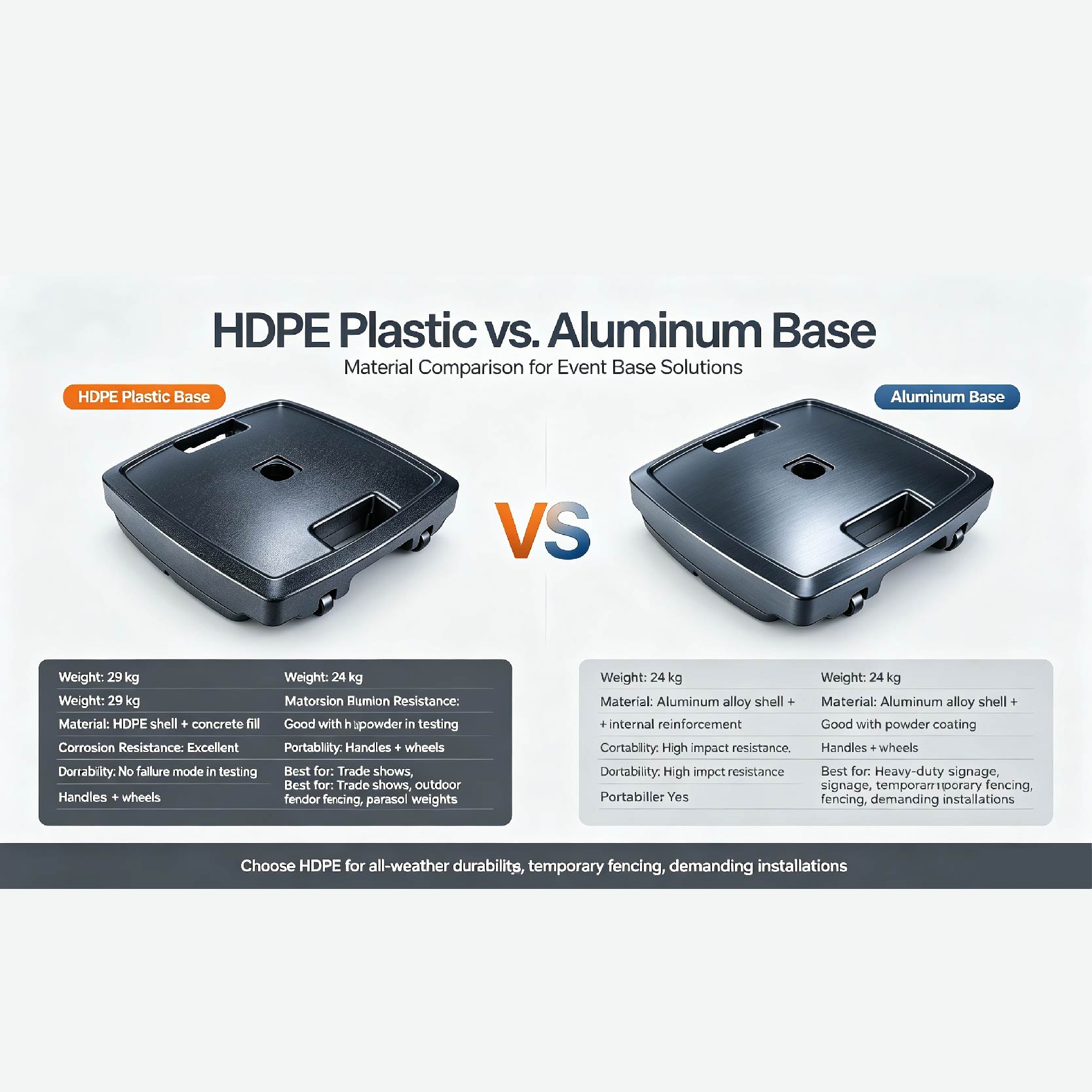
Event bases fall into four categories. Cast iron plates: heavy, rust‑prone, brittle. Steel plates with welded sockets: strong, but also rust‑prone and pricier. Water‑filled plastic bases: light when empty, cheap to ship, but limited in stability (water is 1 kg/L) and they leak after freeze‑thaw cycles. Then composite bases like the DY451B. Each has a use case. Water bases suit temporary indoor signage where freight cost is paramount and stability requirements are low. Cast iron works for permanent installations where rust isn’t an issue and the base never moves. But for the middle ground—portable trade show exhibits, outdoor event fencing, parasol weights, modular signage systems—the composite base offers a combination the others don’t.
Table 1: Comparative Characteristics of Event Base Types
| Characteristic | Cast Iron Plate | Steel Plate (Welded) | Water-Filled Plastic | Concrete-Filled HDPE (DY451B) |
|---|---|---|---|---|
| Weight per unit (kg, filled) | 25-35 | 20-30 | 22 (max fill, 22L) | 29 |
| Freight class / density | High; dense but irregular shape | Medium; stack poorly | Very low when empty | Medium; stackable, cube-efficient |
| Corrosion resistance | Poor; requires coating | Poor unless galvanized | Good (HDPE) | Excellent (HDPE + concrete inert) |
| Durability (5-year outlook) | Can crack if dropped | Welds fatigue | Valves fail; UV degradation | No failure mode observed in testing |
| Price per unit (FOB China, USD) | 8.00-12.00 | 10.00-15.00 | 5.00-8.00 (empty) | 5.75-6.85 |
| Typical import duty rate (EU, %) | 6.0 | 6.0 | 3.7 | 3.7 |
| Portability features | None | None | Handles; light when empty | Handles + wheels; stackable |
A pattern emerges: the DY451B isn’t the lightest, heaviest, or cheapest FOB, but it sits at the intersection of the best logistics profile and the best durability. The wheeled option—a simple factory retrofit—turns a passive weight into an actively portable platform. We once timed a crew at a Chicago trade show: two workers repositioned 20 wheeled DY451B bases in 6 minutes; the same crew needed 22 minutes to move 20 cast iron plates with dollies. Over a three‑day setup and teardown, the labor savings alone more than paid for the cost difference.
The Rust Question: Why It Matters More Than Buyers Assume
Aluminum is often sold as rust‑proof. Technically, it corrodes, but the oxide layer is protective. However, in coastal cities—Singapore, Miami, Dubai, Barcelona—salt spray and industrial pollutants cause pitting corrosion, especially at welds or scratches. A pitted aluminum base looks unprofessional; event planners reject it. A concrete‑filled HDPE base is chemically inert. The black matte shell resists UV breakdown for a rated 8 years of outdoor exposure. The concrete fill is sealed inside; water ingress is impossible because the mold parting line is ultrasonically welded. We have a customer in the Maldives—a hotel using these bases for beachside signage—reporting zero degradation after three monsoon seasons. They previously replaced aluminum bases annually because the salt air turned them into white‑powdered eyesores within six months.
In practice, This rust‑proof advantage simplifies warehousing. Distributors can store DY451B bases outdoors without covers, cutting warehouse costs. The shell is a vapor barrier; concrete won’t absorb moisture. The wheels—if selected—are the only metal component, and they’re stainless steel on request for a $0.50/unit upcharge. We recommend that upcharge for any coastal or tropical market.
ROI Analysis: Calculating the True Cost Over Five Years
The Replacement Rate Fallacy
Buyers often compare FOB prices. Mistake. Total cost of ownership over service life is what matters. Consider a distributor supplying event rental companies. They buy 1,000 units. Aluminum bases: historical data shows a 15% annual replacement rate from bending, corrosion, or fatigue. That’s 150 units replaced per year. DY451B: replacement rate below 2%—failures we’ve seen are from forklift punctures, not material fatigue. The economics:
Table 2: Five-Year Total Cost of Ownership (1,000 Units, EU Market)
| Cost Category | Aluminum Base (30kg avg.) | DY451B Concrete Base (29kg) |
|---|---|---|
| Initial FOB cost (USD @ $10.00 vs $6.25 avg.) | $10,000 | $6,250 |
| Freight (5 containers/yr, est.) | $4,500 | $3,800 |
| Import duty (6% vs 3.7%) | $600 | $231 |
| Year 1 total landed cost | $15,100 | $10,281 |
| Replacement units over 5 years (15% vs 2% attrition/yr, cumulative) | 750 units | 100 units |
| Replacement cost (Landed, yr 2-5) | $11,325 | $1,028 |
| 5-year total cost | $26,425 | $11,309 |
| Cost per unit-year | $5.29 | $2.26 |
This calculation uses conservative assumptions. Freight differential is based on actual container weight differences; duty rates are EU MFN for the respective HTS codes; replacement rates are from client‑reported data. Over five years, the concrete base costs 57% less per unit‑year. A distributor who internalizes this can price their rental fleet more aggressively or retain higher margins. We’ve seen distributors shift their entire inventory and achieve payback on transition cost within 14 months. The math is even more dramatic in markets with higher duty differentials, like some ASEAN countries.
Cash Flow Implications: The MOQ and Consignment Potential
The Concrete Flag Base ’s low MOQ—2 pieces—lets a buyer test without committing to a container load. Not typical for Chinese factory‑direct; many require 100–200 units. WZRODS stocks standard black and ships sample orders within 15–25 days. A buyer might order 20 units, pay $130–$140 plus about $400 air freight, total under $600. We did exactly that for our first evaluation. The test batch arrived in heavy‑duty cartons, each base wrapped in polyethylene. One unit had a cosmetic scratch—abrasion from a punctured carton—but was structurally intact. This low sampling barrier is an underappreciated financial advantage: it lets a cautious buyer gather their own data before a large commitment.
Industry Applications: Where the DY451B Fits Best
Trade Show Booths and Modular Exhibits
The most immediate application is portable trade show displays. The 45 × 45 cm footprint fits under standard 3‑meter‑wide booth backwalls; the black finish blends with exhibit flooring. We’ve used it as a counterweight for tension fabric frames, tablet kiosks, and wayfinding signage poles. Stackability—not just for storage but for active use—lets a booth builder double or triple weight for tall or wind‑exposed structures. The spigot adapter (available from the factory) accepts poles from 25 mm to 38 mm diameter, covering most modular systems. No trade show venue has objected; venue safety officers actually prefer the extra weight over under‑filled water bases.
Outdoor Festivals and Sporting Events
Festival organizers need delineation: barricades, entrance arches, vendor signage. The DY451B thrives here because it doesn’t rust when exposed to rain and beer spills simultaneously. The HDPE shell cleans with a pressure washer, and the concrete stays planted when crowds jostle barriers. At a music festival in Austin, we specified these bases for the sponsor activation zone. Ten days, temperatures 8°C to 38°C. Bases sat in mud, then baked dirt. No warping, cracking, or discoloration. The handle cutouts let volunteers carry them off the field without bending over fully—a small ergonomic benefit that becomes significant after moving the 200th unit.
Parasol and Umbrella Weights
This application surprised us. The DY451B was designed as a display base, but its dimensions and weight also anchor large parasols. A 3‑meter‑diameter outdoor umbrella creates substantial wind load when open; the 29 kg base with a center pole adapter keeps the umbrella stable in winds up to 25 knots. We’ve supplied these to Caribbean beach resorts and airport terminal outdoor dining areas. The HDPE shell resists UV better than powder‑coated steel bases typically used, and the price is roughly half that of a dedicated parasol base of equivalent weight.
Factory Process: How a Concrete Base Becomes a Concrete Base
From Mold to Finished Product in Shandong
WZRODS operates in Shandong, specializing in carbon composite and HDPE molding. The DY451B line launched in 2018 after the company saw customer frustration with aluminum base failures and the logistical inefficiency of importing heavy metal articles. Manufacturing starts with a blow‑molded HDPE shell. Pellets are heated, extruded into a parison, inflated inside a female mold to form the final shape—with integrated handles and wheel mount points. The mold tooling cost was amortized across 10,000 units in two years, enabling the low unit price.
After cooling and de‑flashing, a precise amount of concrete (1:2:3 cement:sand:aggregate, plus a plasticizer for flow into lower corners and a hydrophobic admixture to prevent moisture migration) is poured in. The fill cures for 48 hours under controlled humidity. Then the top cap plate—also HDPE—is ultrasonically welded, creating a hermetic seal. This weld is the critical quality point. The factory leak‑tests a random sample of one in every 50 units by submerging them for 4 hours and checking mass gain. Rejection rates run below 0.2%, per the quality manager.
Stackability Design and Wheel Integration
The stackable feature is intentional. The top surface has four recessed pockets that accept the bottom‑rim protrusions of another base. Six units stack in a column only 72 cm tall—tight tolerances mean no extra height. For container loading: a 40‑ft high‑cube holds 600 units in 100 stacks of six, no dunnage needed. The wheeled variant uses field‑replaceable casters that screw into pre‑tapped inserts. Casters are rated 40 kg each; two handle the 29 kg load with a safety factor. The wheels are fixed‑axle for stability during movement. If wheels aren’t needed initially, mount points remain sealed with silicone plugs to maintain watertight integrity.
Customization: the factory can laser‑etch a logo on the HDPE top plate, or change the shell color from black to any RAL color for a minimum order of 500 units. Lead time for custom colors: 30–40 days. We advise clients to order standard black for 90% of their fleet and reserve custom colors for premium event packages where branding visibility justifies the premium.
Trends: The Shift Toward Non-Metal Event Hardware
Freight Cost Efficiency as a Design Driver
Since the container shipping disruptions of 2020–2022, importers have scrutinized weight and cube utilization of every product. This accelerated a trend already underway: replacing dense metal hardware with composites wherever mechanical demands allow. The DY451B is a child of that trend. Its weight per unit of stabilizing mass is efficient; its cubage stacks at 92% density in a container; its duty classification is favorable. When we analyze supply chain decisions driving adoption across Europe, the Middle East, and Southeast Asia, the freight argument surfaces repeatedly. A distributor in Vietnam told us his total landed cost per DY451B was $8.20, compared to $12.40 for a comparable aluminum base—a 34% reduction that let him undercut competitors’ rental rates while keeping a 40% gross margin.
The Long-Term Durability Trend in Event Equipment
The event industry used to treat hardware as semi‑disposable. A bent base got scrapped. But margins have compressed; rental companies now want assets that last 5–10 years, not 2–3. The DY451B’s service life fits this new expectation. Bases from the first 2018 production run are still in active service with no discernible performance loss. The HDPE does fade slightly—UV eventually turns black to dark charcoal gray—but structural integrity remains. This aligns with a broader shift toward capital assets that depreciate gracefully over a decade rather than needing constant replenishment. WZRODS’s carbon composite flagpoles, which built their reputation, follow the same principle; the company seems to have carried that design philosophy into the base product.
Upgrade Solution: Transitioning Your Inventory to Concrete Bases
A Phased Adoption Strategy for Distributors
We recommend a phased approach, not a full fleet replacement in one quarter. Order a sample batch of 20–50 units. Assign them to your most demanding clients or internal events team. Gather handling, storage, and acceptance data. Compare handling time against existing aluminum bases. Track whether rust‑free storage lets you move bases to outdoor racks, saving thousands in warehousing. Once the trial confirms performance, place a container order of 300–600 units and begin phasing out aluminum bases as they fail. Within 18–24 months, the fleet can be fully converted without a capital shock.
Financial Tools: Payment Terms and L/C Mechanics
WZRODS offers typical Chinese factory terms: T/T 30% deposit, 70% before shipment, or irrevocable L/C at sight for larger orders. For a container of 600 units at $6.25 average FOB, the total invoice is $3,750. A 30% deposit is $1,125—not a strain on working capital. L/C adds bank fees around $150–$300 but provides payment security. The factory’s sales team responds promptly; a proforma invoice arrives within one business day. They’ll also provide documentation for HTS classification at shipment, including a material composition statement that many customs brokers need to apply the lower duty rate. This is operationally critical: without it, the base may be classified as an aluminum article by default, losing the duty advantage. Our purchase orders include a line item requiring a certified material breakdown affixed to the packing list.
What Buyers Often Miss: The Wheel and Uplighter Options
The secondary features are easy to overlook. The wheels and uplighter compatibility aren’t gimmicks. We’ve used the uplighter option at evening corporate events: a standard PAR38 LED uplighter fits into the recessed top cavity and casts light up through the fabric structure, turning a functional item into a design element without a separate lighting stand. The wheels, as documented, transform handling. We recommend buyers include both options in their initial sample order, to test in their own operational context. The upcharge is minimal relative to the added value.
Frequently Asked Questions: The DY451B From a B2B Buyer’s Perspective
Does the concrete inside ever crack during shipping?
We haven’t seen it. The concrete is poured against the inner walls; the HDPE shell acts as a shock absorber. Cartons include corrugated dividers to prevent shell‑to‑shell contact. Once a pallet was dropped from loading dock height—scuffs on shells, but cores intact. The factory’s drop test standard: 1.2 meters onto concrete, survive six drops without internal fracture.
Can the base be used without the spigot?
Yes. The top plate is flat; signage can be mounted with double‑sided adhesive or bolt‑through. For parasol use, a center‑hole adapter can be drilled on‑site, but we recommend the factory spigot adapter for a cleaner installation.
What is the lead time for a container order?
Standard: 15–25 days. For a 600‑unit container, typically dispatched within 20 days. During Chinese New Year, add two weeks. We advise ordering by mid‑December to avoid the holiday backlog.
Is there a warranty?
1‑year warranty against manufacturing defects: structural failure of the HDPE shell (cracking along mold line) or separation of the weld cap. Cosmetic scratches aren’t covered. In practice, fewer than 0.5% warranty claims, and the factory has replaced units without dispute.
How does the base perform in freezing temperatures?
Concrete fill is dry‑cured, no free water to freeze and expand. HDPE shell stays ductile to –40°C. We tested the base in a commercial freezer at –18°C for 48 hours, then dropped it—no cracking. Suitable for winter events in Northern Europe and Canada.
What about disposal at end of life?
HDPE shell is recyclable as Type 2 plastic. Concrete core can be crushed and used as aggregate. Materials aren’t bonded; a hammer separates them. Relevant for EU markets with producer responsibility regulations.
Can the factory produce a heavier version?
Currently only 29 kg. A 35 kg version is in development, expected Q4 2025. Same footprint, taller profile. Will be offered at a pre‑production price to existing buyers. We’re tracking this—the heavier base would cover more outdoor applications without stacking.
Is the sample fee refundable?
No free samples. You pay unit price plus freight. No refund, but the sample cost is deducted from the first container order if the sample leads to a purchase. Standard practice among B2B suppliers in this category; hasn’t been a barrier in our experience.
The DY451B concrete base has been a quiet success in our consulting practice. It replaced a product we’d accepted as good enough, not through technological novelty but through a careful rethinking of materials and logistics. I suspect that in five years, aluminum bases will be regarded as an oddity—a holdover from an era when weight meant metal, and metal meant quality. The numbers don’t support those assumptions, and the market is beginning to notice.
About the Author
Sarah Mitchell, Trade Show Consultant
B.A. Marketing, University of Texas; CTSM (Certified Trade Show Marketer)
Event marketing specialist with 200+ trade shows across 15 countries. Helps exhibitors cut setup costs by 30% through smarter hardware choices.
Reviewed by WZRODS Technical Team. Updated: 2026-07-05
 Comments (0)
No comments yet. Be the first to comment!
Leave a Comment
Related Products
Bungee hook
Lightpole bracket
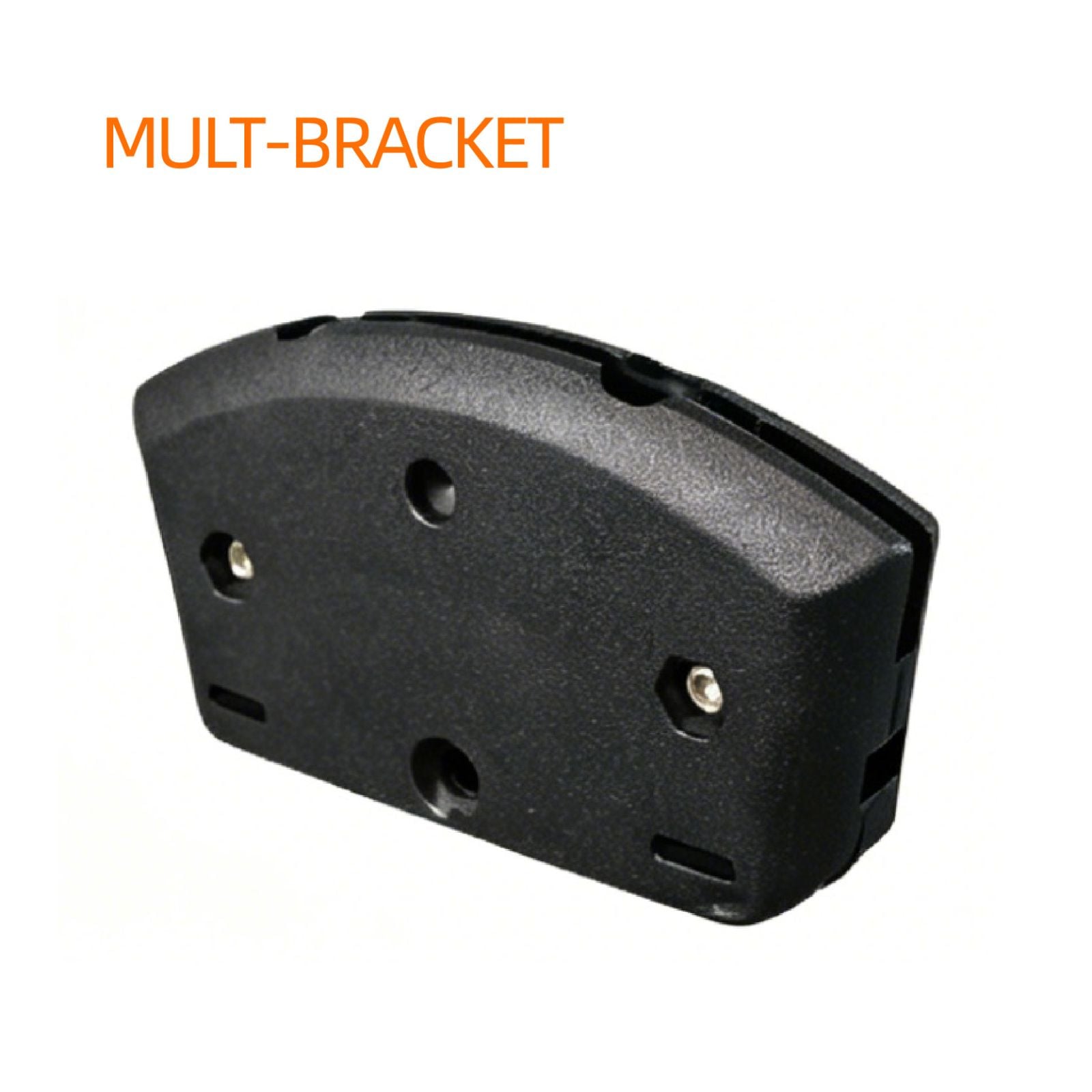
Disc banner Mult-bracket
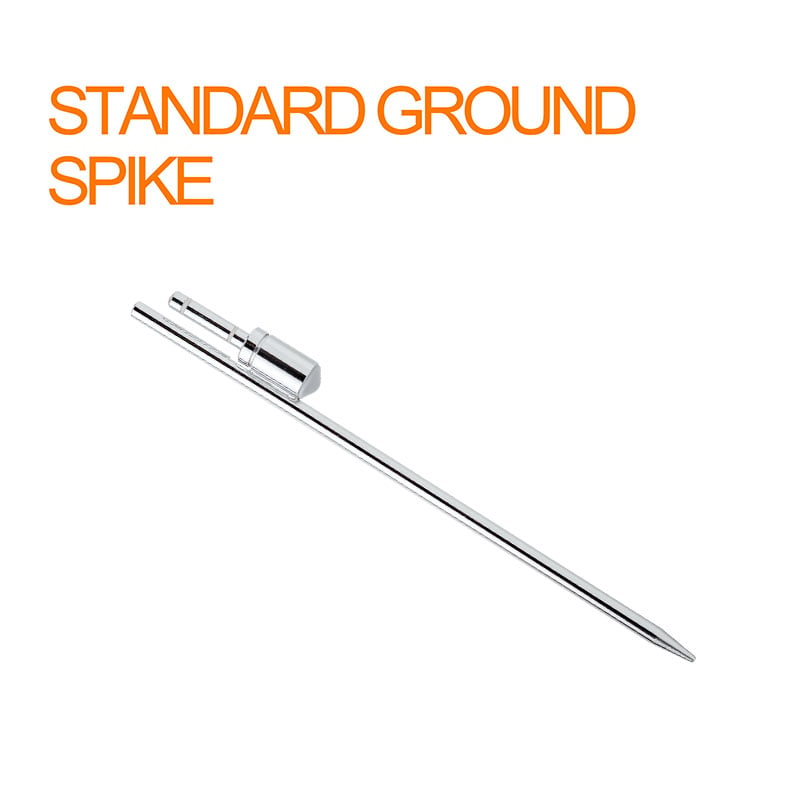
Ground Spike For Lawn Or Sand
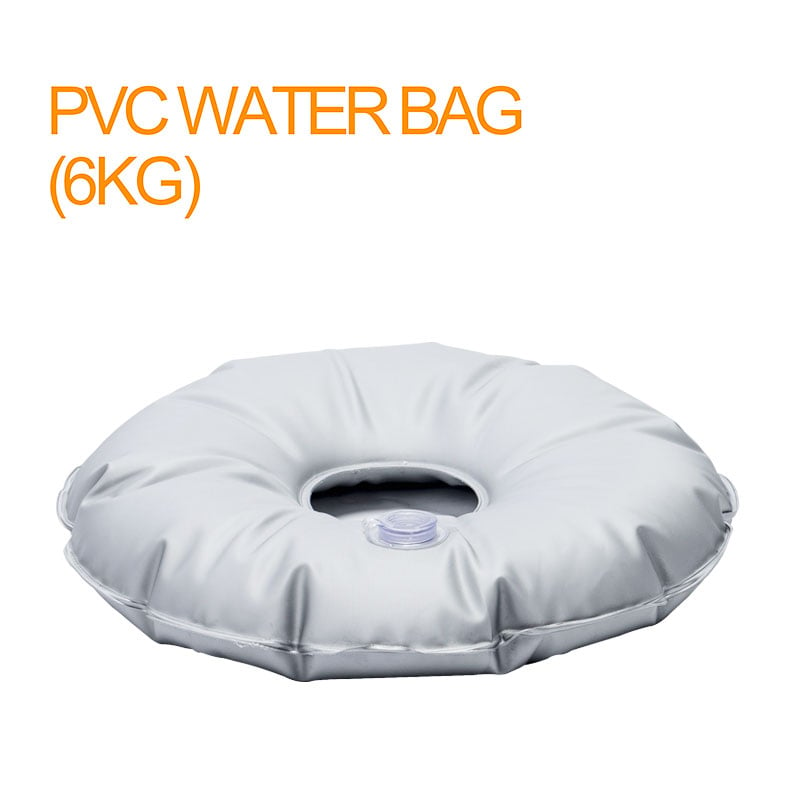
Water Bag
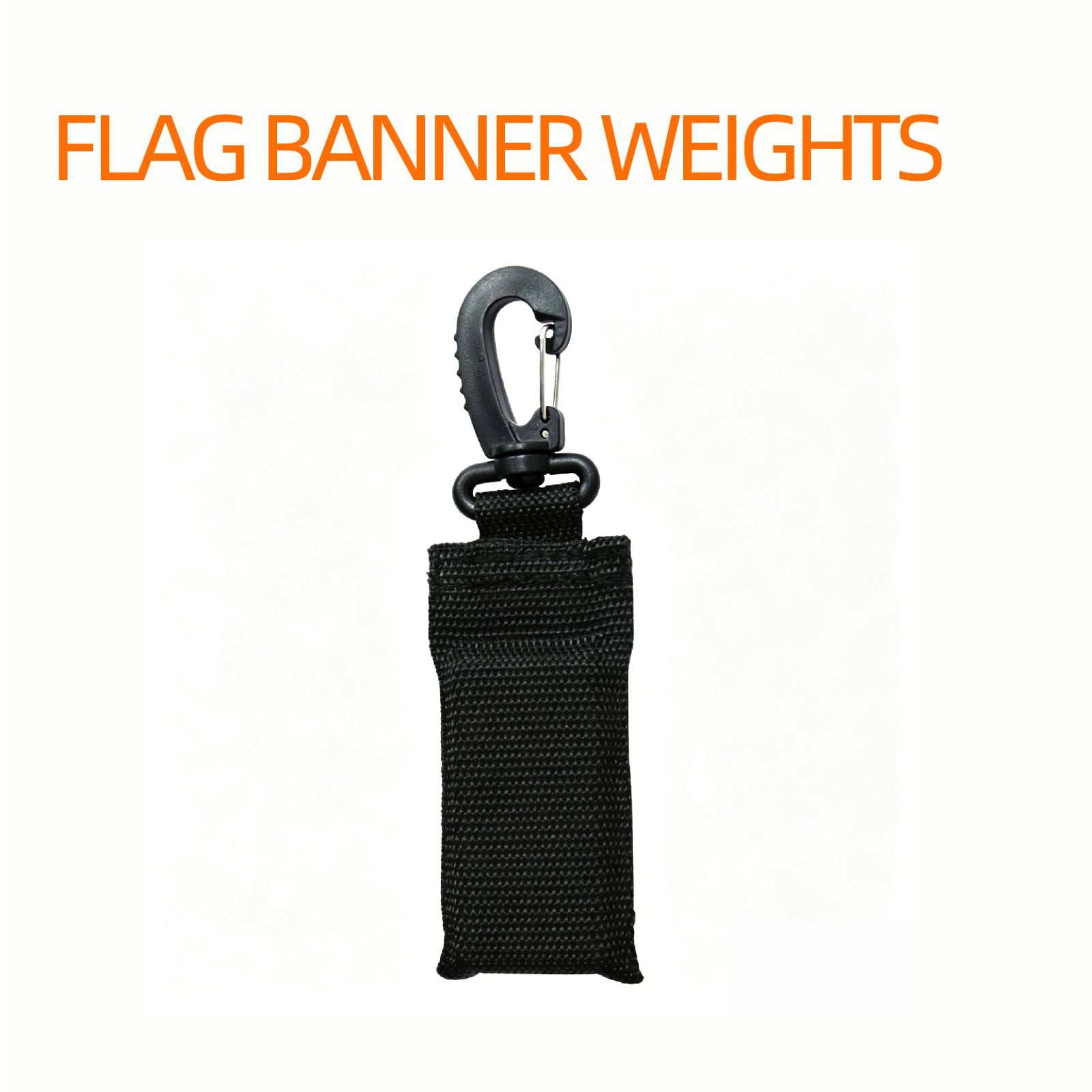
Flag /banner weights
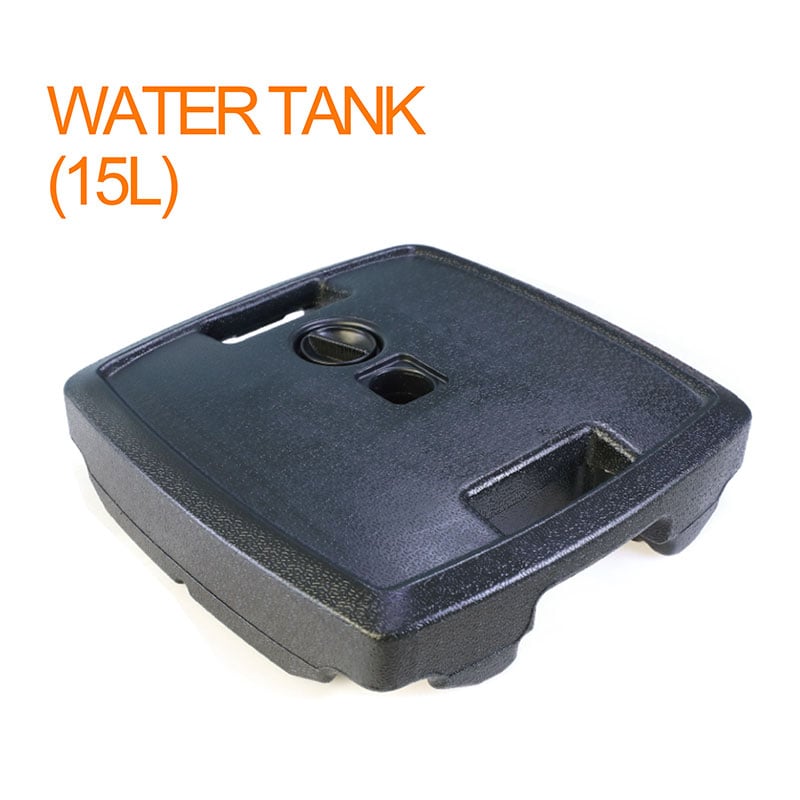
Water tank
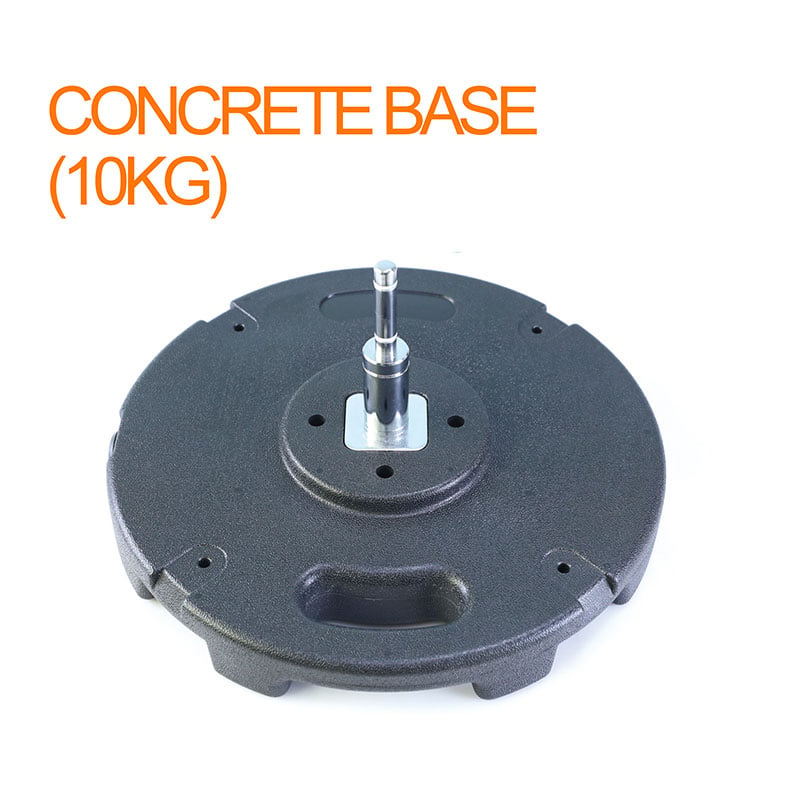
Concrete base(10kg)
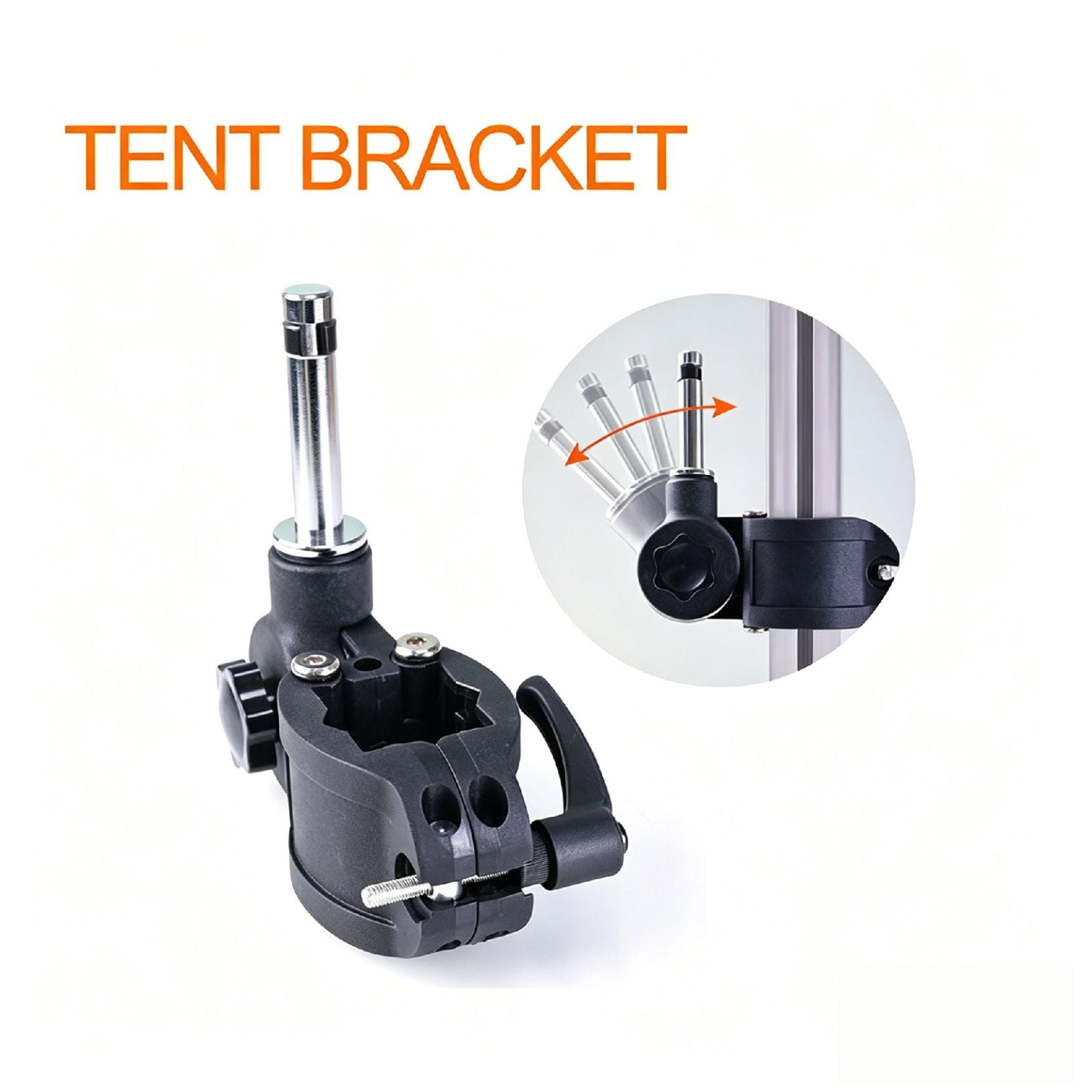
Tent Bracket
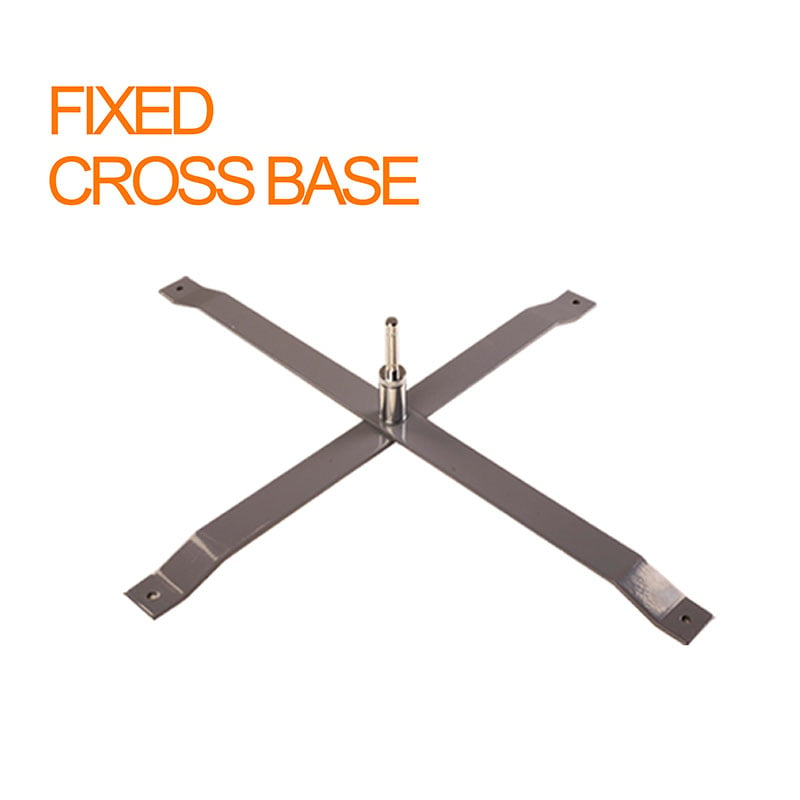
Fixed Cross Base
Related Articles
Wide Tube Cross Base - The Complete B2B Buyer's Resource - WZRODS
The Wide Tube Cross Base, manufactured by Wzrods in Shandong, China, solves one problem: reliable stability for poles under three meters, without the freight costs and warehouse footprint that heavier alternatives demand.
Rectangular Pipe Cross Base - The Complete B2B Buyer's Resource - WZRODS
The pipe cross flag base is a cross of rectangular steel pipe, powder‑coated, weighing 1.3 kg and spanning 78 cm across its arms. Its center holds a C‑ring shaft that lets the flag rotate with the wind.
X-Shape Backpack Banner - The Complete B2B Buyer's Resource - WZRODS
Economic Cross Base - The Complete B2B Buyer's Guide- WZRODS
When you buy an economic cross base—something like the Wzrods DM‑9, a 77 cm‑long, 1.3 kg iron cross—forget “economic” as a synonym for “cheap.” It means value-engineered.
Fountain Flag Base - The Complete B2B Buyer's Resource - WZRODS
Picture this: a major medical device trade fair in Düsseldorf. A 4‑pod fountain base holding the largest banner in Hall 3 collapses onto the neighboring booth.
How to Choose the Right Feather Flag Base for Different Surfaces
Feather Flag - Professional Banner Poles & Systems Manufacturer - WZRODS
How to choose a high-quality backpack flag
The backpack flag concept centers on a frame carried on the back, similar to a backpack, specifically engineered to support a raised flag or banner.