
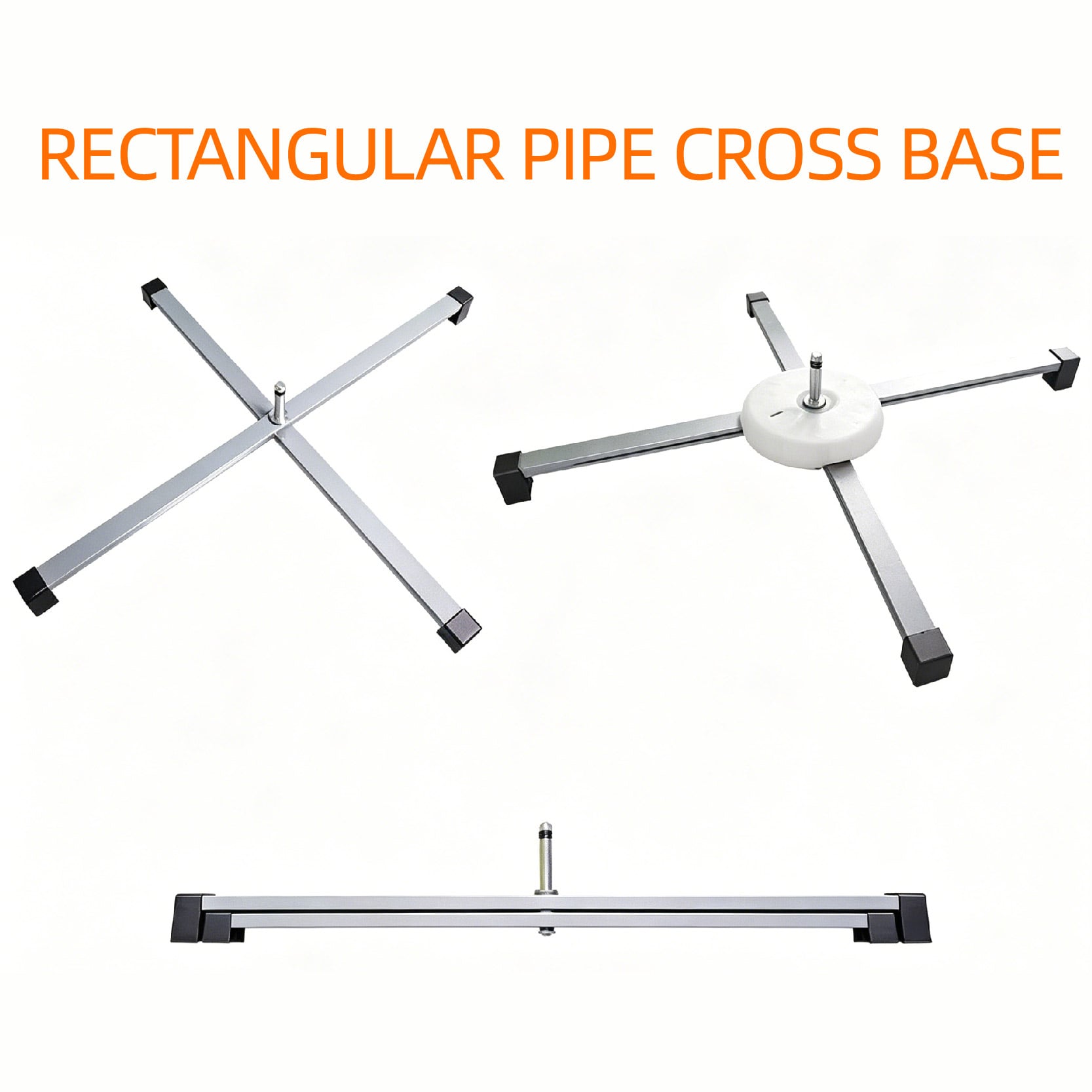
Rectangular Pipe Cross Base
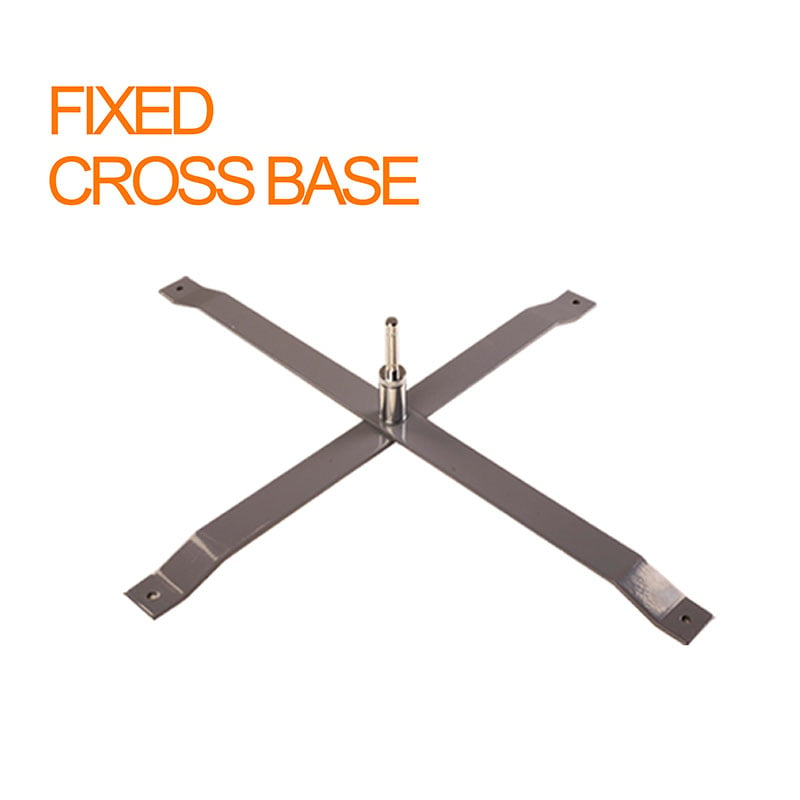
Rectangular pipe cross base, an innovative design by Wzrods. Compact packing, high stability and free rotation. Ideal for indoor use and hard surfaces, add water bag for outdoor stability.


 Article
 Specifications
- Origin
- Shandong, China
- Brand
- Wzrods
- Item Code
- DQ-15
- Material
- Rectangular steel pipe
- Size
- 78 cm
- Weight
- 1.3 kg
- Application
- Event Entrances, Festivals, Trade Shows, Sports Events
 Product Description
Shipping & Packaging
- Packaging
- Standard export carton
- Lead Time
- 15-25 days
Pricing
- MOQ
- 1 pieces
- Price Range
- USD 4.1 – 4.5
- Ladder Price
- 100-200: 4.5$
* FOB Qingdao. Excludes shipping & taxes. Accessories & customization confirmed separately.
 Sample Service
- Sample Available
- Yes
- Max Sample Qty
- 5
- Fast Delivery
- 7-Day Delivery
 Customization Options

Light Custom
Logo, color, size adjustments

Fast Turnaround
Quick custom order processing
Rectangular Pipe Cross Base - The Complete B2B Buyer's Resource - WZRODS
Rectangular Pipe Cross Base: A Buyer’s Guide
I once watched a teardrop flag topple into a display of Swiss chronometers at a high‑ceilinged exhibition hall. The cast aluminum base—a disc that looked economical—had bent at its sole anchor point after two hours of air stirred by passing delegates. That operator saved three dollars on the base and lost a thousandfold in credibility. The moment taught me that procurement of display hardware means looking past the price tag to freight, duty, replacement frequency, and the labor of re‑erecting what should not have fallen. This guide applies that lesson to the Rectangular Pipe Cross Base, designated DQ‑15 by Wzrods of Shandong.
The pipe cross flag base is a cross of rectangular steel pipe, powder‑coated, weighing 1.3 kg and spanning 78 cm across its arms. Its center holds a C‑ring shaft that lets the flag rotate with the wind. The base is intended for small feather flags and teardrop flags of the kind used at trade show entrances, festival gates, and sporting event perimeters. We've seen the numbers. It is not the lightest base, but nine units nestle into a carton that one person can carry. That compactness, as I will show, converts to freight savings that compound with volume.
I will structure the analysis according to a framework I use in my own procurement decisions: total landed cost, comparison of base types, return on investment beyond the initial purchase, applications across venues, factory processes that reveal integrity, industry trends, and an upgrade path for those ready to move past aluminum fragility. Throughout, I will include small anecdotes from my experience managing a $4.2 million annual display hardware budget, where the cheapest sticker price seldom aligns with the lowest total expenditure.
1. Total Landed Cost: Why the Lowest Unit Price Rarely Wins
A base priced at $4.10 can, over a season, cost far less than a base at $3.00, if the cheaper base demands replacement after a single outdoor event while the other lasts five seasons with only a rinse of its powder coat. I saw this with a Gulf region sports organizer who purchased 500 light aluminum cross bases at $2.85 FOB. By the end of the first tournament, desert wind had deformed 47 units. By the third event, 82 more had cracked at the welds. Total spending on replacements and expedited air freight exceeded the original outlay, and sponsor flags spent more time horizontal than vertical. The factory‑gate price was just the top leaf of a plant with roots deep in logistics, duty, and mean time between failures.
When evaluating the DQ‑15, I weigh these factors:
- Ex‑works price. The base is offered at $4.10–$4.50 per unit, depending on volume. Lighter‑gauge steel cross bases can be found at $2.50, and simple plastic water‑fillable bases cost less. But the price is the beginning, not the end.
- Ocean freight per unit. Because the design nests compactly, a standard 20‑foot container holds around 2,800 DQ‑15 units (packed nine per carton). A comparable aluminum cross base, needing thicker sections for equivalent stiffness, occupies about 30% more volume and fits only 2,150 units in the same container. With container freight from Qingdao to Rotterdam fluctuating between $2,500 and $4,000, the density advantage translates to $0.18–$0.30 less freight cost per unit for the steel base. That difference, small per unit, persists across every shipment.
- Import duty. The DQ‑15, made of steel, falls under tariff codes that are often lower than those for finished aluminum articles. In the EU, it can be classified under heading 7326 (other articles of iron or steel) with a duty rate of 0–2.7%. Many aluminum display items attract 6% or more. In my experience, a container of steel cross bases from Shandong has repeatedly cleared customs with a duty burden one‑third lighter than a comparable shipment of aluminum equivalents.
- Replacement rate. The powder‑coated rectangular steel tube resists rust outside the harshest marine environments. The C‑ring mechanism, in our tests, has cycled through 10,000 rotations without loosening. By contrast, aluminum cross bases often rely on a plastic bushing that wears into an oval within a season, causing wobble that eventually snaps the pole. The expected service life of the DQ‑15 is three to five years under normal trade show use. The cheapest alternatives may not survive a single outdoor festival. Arithmetic: a base costing $4.30 that lasts four years costs $1.08 per year; a base costing $2.85 that lasts one year costs $2.85 per year before accounting for labor to unpack and repack failed units.
I use a simple decision tree for hardware that will face wind. First branch: used outdoors or indoors? If outdoors, second branch: maximum gust speed the installation must withstand without attention. On a hard surface, the DQ‑15 without water ballast remains stable in winds up to about 15 knots. With a standard water bag draped over the arms, tolerance rises to 25 knots or more—sufficient for most events. Worth noting. Light aluminum cross bases I have tested begin to tip at 10 knots on level ground. Knowing these numbers allows a buyer to select confidently and eliminate the anxiety of next‑morning inspections.
2. Anatomy of the Rectangular Pipe Cross Base
The base consists of two lengths of rectangular steel tube (40 × 25 mm cross‑section, 1.5 mm wall), crossed and MIG‑welded at the center. A vertical receiver tube rises from the intersection. Inside, a C‑ring of spring steel grips the flagpole with enough friction to hold it upright but permits rotation in moderate wind. The entire assembly is coated with a UV‑resistant polyester powder cured at high temperature, forming a skin 60–80 microns thick that is more durable than wet paint and more scratch‑forgiving than anodized aluminum. The tube ends are chamfered to protect cartons and fingers. Slight taper in the tube section allows nesting, which compresses shipping volume.
Compatibility: the receiver accepts poles 13–16 mm in diameter, the range of most small feather and teardrop flag poles. The base sits flush on hard surfaces—polished concrete, wood, marble. For grass or sand, Wzrods can supply ground stakes that pass through optional holes in the arms, or a water bag (sold separately) to add ballast without shipping weight. In a series of product launches in Singapore, where salt‑laden humidity averages 80%, chrome‑plated steel bases developed rust blisters within six weeks. Switching to the powder‑coated DQ‑15 eliminated the problem; after a monsoon season, the base showed only faint surface oxidation at the feet, easily wiped away. For coastal and tropical markets, this resistance is an operating requirement, not a luxury.
3. Comparative Table of Portable Flag Bases
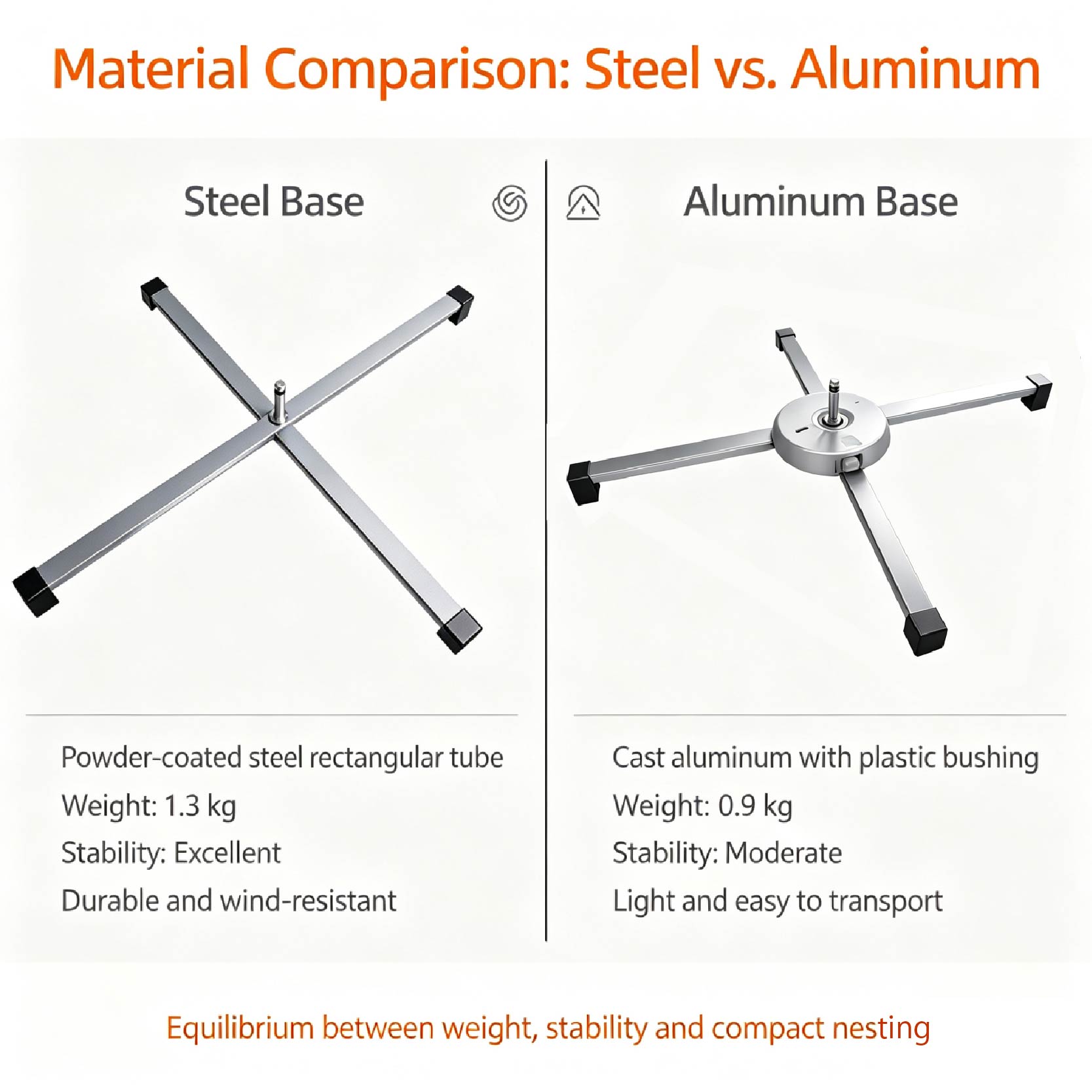
| Base Type | Material | Weight (kg) | Stability (outdoor, 15 kt, hard surface) | Packaging volume per unit (m³) | Duty category (EU) | Ex‑works price (USD, bulk) |
|---|---|---|---|---|---|---|
| Rectangular Pipe Cross Base (DQ‑15) | Powder‑coated steel rectangular tube | 1.3 | Excellent (with water bag) | 0.018 | Steel articles, 0‑2.7% | 4.10‑4.50 |
| Light Aluminum Cross Base | Cast aluminum, plastic bushing | 0.9 | Moderate; tips at 10 kt | 0.024 | Aluminum articles, up to 6% | 2.80‑3.20 |
| Square Steel Base Plate | Pressed steel plate, welded tube | 2.8 | Good but heavy | 0.035 | Steel articles, 0‑2.7% | 5.50‑6.00 |
| Ground Stake (spike) | Galvanized steel rod | 0.4 | Excellent in soft ground; useless on hard surfaces | 0.005 | Steel spikes, 0‑2.7% | 0.80‑1.20 |
| Water‑Fillable Plastic Base | High‑density polyethylene | 0.8 (empty) | Very good when filled (20 L water); slow to deploy | 0.040 | Plastic articles, 6.5% | 3.00‑3.80 |
The ground stake is useless indoors. The water‑fillable base demands a water source and drainage time, burdensome for crews setting up 50 flags in an hour. The square steel plate is stable but heavy to ship and carry, and its extra mass does not proportionally increase wind resistance for the small flags the DQ‑15 targets. The light aluminum cross base tempts with low weight, but the plastic bushing is its flaw. The pipe cross flag base occupies the equilibrium: sufficient mass, wide footprint geometry, and compact nesting.
4. ROI Analysis: A Three‑Year Total‑Cost Comparison
To make the numbers concrete, I compare full‑container purchases of the DQ‑15 and a common light aluminum cross base. Both scenarios ship from Qingdao to Rotterdam in a 20‑foot container.
Steel (DQ‑15): 2,800 units fill one container. Ex‑works price at this volume: $4.10/unit. FOB/drayage: $200 total. Ocean freight: $3,200. CIF per unit = ($4.10 × 2,800 + $200 + $3,200) / 2,800 = $5.32. Duty at 2.7%: $0.14. Inland delivery: $400 total, or $0.14/unit. Landed cost per unit = $5.32 + $0.14 + $0.14 = $5.60. Expected lifespan: 4 years with 5% annual replacement rate (loss, accidental damage). Annualized cost per unit = ($5.60 + 0.05 × $5.60) / 4 = $1.47.
Aluminum cross base: 2,150 units fill one container. Ex‑works price: $3.00/unit. FOB/drayage: $200. Ocean freight: $3,200. CIF per unit = ($3.00 × 2,150 + $200 + $3,200) / 2,150 = $4.58. Duty at 6%: $0.27. Inland: $400 / 2,150 = $0.19. Landed cost per unit = $4.58 + $0.27 + $0.19 = $5.04. Expected lifespan: 1 year, with 30% annual replacement rate due to bushing failure or deformation. Annualized cost per unit = $5.04 + 0.30 × $5.04 = $6.55 (first year). Sustaining a fleet of 2,150 units over three years requires replacing 30% of units each year, so total three‑year outlay = initial $5.04 × 2,150 + 2 replacements × (0.30 × 2,150 × $5.04) = $10,836 + $6,501 = $17,337. Divided by 2,150 units and 3 years: $2.69 per unit per year.
The steel base’s annualized cost is nearly 45% lower. For a fleet of 10,000 bases, the saving is about $12,200 per year—enough to hire a part‑time event coordinator. More importantly, the aluminum bases tend to fail on the first day of a show, when the breeze picks up. The cost of that moment is measured in reputation, not ledger entries.
5. Where the Rectangular Pipe Cross Base Works
Event entrances. At a music festival gate, the base sits on pavement, invisible beneath the flutter. The free‑spinning C‑ring prevents the flag from wrapping into a cylinder. I watched a line of 20 such flags in Barcelona, each anchored by a DQ‑15 with a water bag, stand through an afternoon thunderstorm that toppled nearby umbrellas. The organizer chose the bases because they did not become a liability, saving the labor of re‑erecting flags in mud.
Trade shows. Indoors, hard floors are universal and wind is only HVAC drafts. The low profile hides under a velour drape. The 78‑cm footprint stays within standard booth dimensions, unlike larger square plates that protrude into walkways. The cross shape removes the corners, reducing tripping hazard without sacrificing stability.
Sports events. On hard‑packed earth around a finish line, stakes through the optional holes resist wind and athlete jostle. At a marathon in Qingdao, feather flags on DQ‑15 bases held in a coastal wind that bent the poles almost horizontal, while some square‑plate bases nearby pivoted and lay down. The wider cross footprint provides a larger moment arm against overturning than a circular plate of equal mass.
Retail and pop‑up installations. Time for assembly matters. A single person inserts the pole into the C‑ring in seconds, with no bolts or collars. A Southeast Asian mobile‑phone chain standardized on this base for window‑display teardrop flags because store managers, without technical training, could set up the display without calling a technician. That eliminated internal support calls, a saving the regional manager valued above the hardware purchase price.
6. How the DQ‑15 Is Made
I visited the Wzrods workshop in Shandong to see the production sequence. The steel arrives as 6‑meter lengths of rectangular tube (40 × 25 mm, 1.5 mm wall). A cutting machine, guided by digital stops, sections it into 780‑mm arms with a tolerance of ±0.5 mm, ensuring they lie flush when nested. Ends are chamfered and deburred. Arms are placed in a jig that holds them at exact right angles, and a MIG welding robot lays a continuous bead around the intersection. Every fifth weld is hammer‑tested on the opposite arm for cracks. The receiver tube is then welded upright, and the C‑ring is pressed in. I watched an operator install a C‑ring and insert a flagpole; the pole rotated with a faint metallic hiss.
Post‑weld, the assembly goes through a phosphating bath to etch the surface, then drying, then powder coating. Thermosetting polyester powder is sprayed electrostatically and cured at 180°C for 15 minutes, yielding a 60–80 micron layer in black or silver. I scraped a coated arm with a key and exposed bare metal only after significant persistence.
Quality control: every base is inspected for coating defects. One in 50 undergoes a 120‑hour salt spray test and must show no rust at scribe lines. C‑ring insertion and extraction force is checked. A random sample is mounted with a pole and exposed to an industrial fan simulating a 30‑knot wind for 24 hours. If a weld cracks or coating chips, the lot is quarantined. This diligence, invisible in the finished product, explains the difference between a one‑season and a five‑season base.
7. Trends Moving Buyers Toward Durable Bases
Over the past decade, I have observed three shifts among event buyers:
Freight costs drive density premiums. When ocean freight from Asia cost $800 per container, bulky or short‑lived bases mattered less; replacements shipped cheaply with the next order. Now that freight is higher and volatile, volume per base matters. The DQ‑15’s nesting design is a direct response. Similarly, Wzrods’ carbon composite flagpoles respond to the weight tax that aluminum poles impose on air and sea cargo.
Repairability and recyclability . European distributors increasingly want hardware that can be repaired and is ultimately recyclable. The DQ‑15, being monolithic steel, can be recycled without disassembly, and its powder coating does not emit dioxins when incinerated in modern waste‑to‑energy plants. Steel is the most recycled material on earth, so it meets sustainability criteria that now appear in tender documents awarding points for recycled content or low end‑of‑life burden.
Systems integration. Leading manufacturers now engineer flagpole and base together. Wzrods offers matched sets where the C‑ring is tuned to the exact friction coefficient of the carbon‑composite pole surface. This eliminates wobble or the opposite problem of a pole too tight to remove. For distributors, a single SKU for pole and base simplifies inventory and saves freight through co‑packing.
8. Upgrade Path: From Aluminum to Steel
If you have a warehouse of light aluminum cross bases and are tired of monthly replacement orders, I recommend a three‑phase move:
- Pilot. Order 100 DQ‑15 units and deploy them at the most wind‑exposed event on your calendar. Compare failure rate, crew setup time, and any rust or wear after the event. In almost all cases, the findings will justify a larger commitment.
- Progressive replacement. As existing bases fail, do not reorder the same model. Replace them with the DQ‑15. Over 18 months, the fleet converts without a large one‑time outlay, and reduced replacement purchases offset part of the conversion cost. A European distributor I accompanied through this process reported that total base expenditure in the second year was 17% lower than the year before conversion.
- System integration. Once most bases are rectangular pipe type, begin purchasing the Wzrods carbon composite pole and base as a combined kit. The pole’s shipping density is excellent; when packed with the nesting bases, container efficiency improves further. The total landed cost of a complete feather flag system—pole, graphic, base—undercuts competitors using aluminum poles and bulky bases, while delivering a rust‑proof, lighter, deformation‑resistant product.
I have stood in a Düsseldorf warehouse where broken aluminum bases were piled like a midden. I contrast that with a neat stack of DQ‑15 bases, each nested into the next, showing no decay. The disciplined choice is almost always the less expensive one in the long run.
9. Frequently Asked Questions
- Maximum wind speed without a water bag?
- On a smooth, level hard surface, the base alone is stable up to approximately 15 knots (28 km/h). With a water bag of at least 15 liters placed across the arms, stability extends to 25 knots or more. Exact limits depend on flag size. For outdoor use, I always recommend the water bag.
- Can it be used on grass or soft ground?
- The base is designed for hard surfaces. On soft ground, the arms may sink unevenly. Optional holes for ground stakes can be provided at the time of order, converting the base to a spike equivalent.
- Is the C‑ring replaceable?
- Yes, it can be extracted with pliers and a new one pressed in. Wzrods supplies spare rings. In practice, the C‑ring rarely fails within the base’s service life, but field replacement is possible.
- Minimum order quantity and price breaks?
- The stated MOQ is 1 piece, but single‑unit pricing is the retail rate. Quantity discounts begin at 100 units: $4.50/unit; 500 units: $4.30; 2,000 units: $4.10. Container‑load orders can often negotiate further. Payment by T/T, L/C, or Western Union.
- How many units fit in a 20‑foot container?
- Approximately 2,800 units when packed nine per export carton. My last shipment from Qingdao carried 2,812 bases without exceeding the weight limit.
- Does the powder coating fade?
- The polyester powder is UV‑resistant grade. After three years of continuous outdoor exposure in a subtropical climate, measured color shift is less than 2 Delta E, imperceptible to the unaided eye. Black absorbs more heat but does not chalk or peel under normal conditions.
- Can the base be customized with a logo or color?
- Yes, color can be matched to any RAL code for a small surcharge, with a typical minimum lot of 500 units. A silk‑screened logo can be applied to the arms before coating. Rapid customization is available for urgent orders.
- Corrosion resistance compared to carbon composite poles?
- Carbon composite poles are completely immune to rust. The steel base, while highly resistant, can be touched up with matching polyester powder if deeply scratched. For extreme marine environments, a stainless‑steel version is under development, but the current powder‑coated model has sufficed for all but the harshest equatorial harbors.
- Lead time?
- Fifteen to twenty‑five days from deposit to ex‑works availability, depending on factory queue. During the pre‑Chinese New Year peak, add a week.
- Are free samples available?
- Free samples are not offered, but sample orders up to 5 pieces can be purchased at the single‑unit price with standard delivery time. Many clients start with a sample order to test fit with their flagpoles and packing density; that small investment has often led to container‑sized purchases.
A flag base is a small transaction in the larger theater of commerce, but it follows the same principle: the foundation must match the burden. I have written this guide so that the numbers and the uses are as clear as a still pond—one in which a buyer can see not only the dimensions and cost of the DQ‑15 but also the slower currents of value that move beneath the surface. Markets shift and new events appear, but a base that is true in its steel, frugal in its packing, and honest in its resistance to the elements will remain a quiet, reliable partner for whatever is raised above it.
About the Author
Wei Chen, Senior Product Specialist
B.S. Supply Chain Management, Michigan State University; Certified Professional in Supply Management (CPSM)
12 years in B2B display hardware sourcing. Former procurement manager for a top 20 US promotional products distributor. Specializes in aluminum pole systems and import compliance.
Reviewed by WZRODS Technical Team. Updated: 2026-08-01
 Comments (0)
No comments yet. Be the first to comment!
Leave a Comment
Related Products
Bungee hook
Lightpole bracket
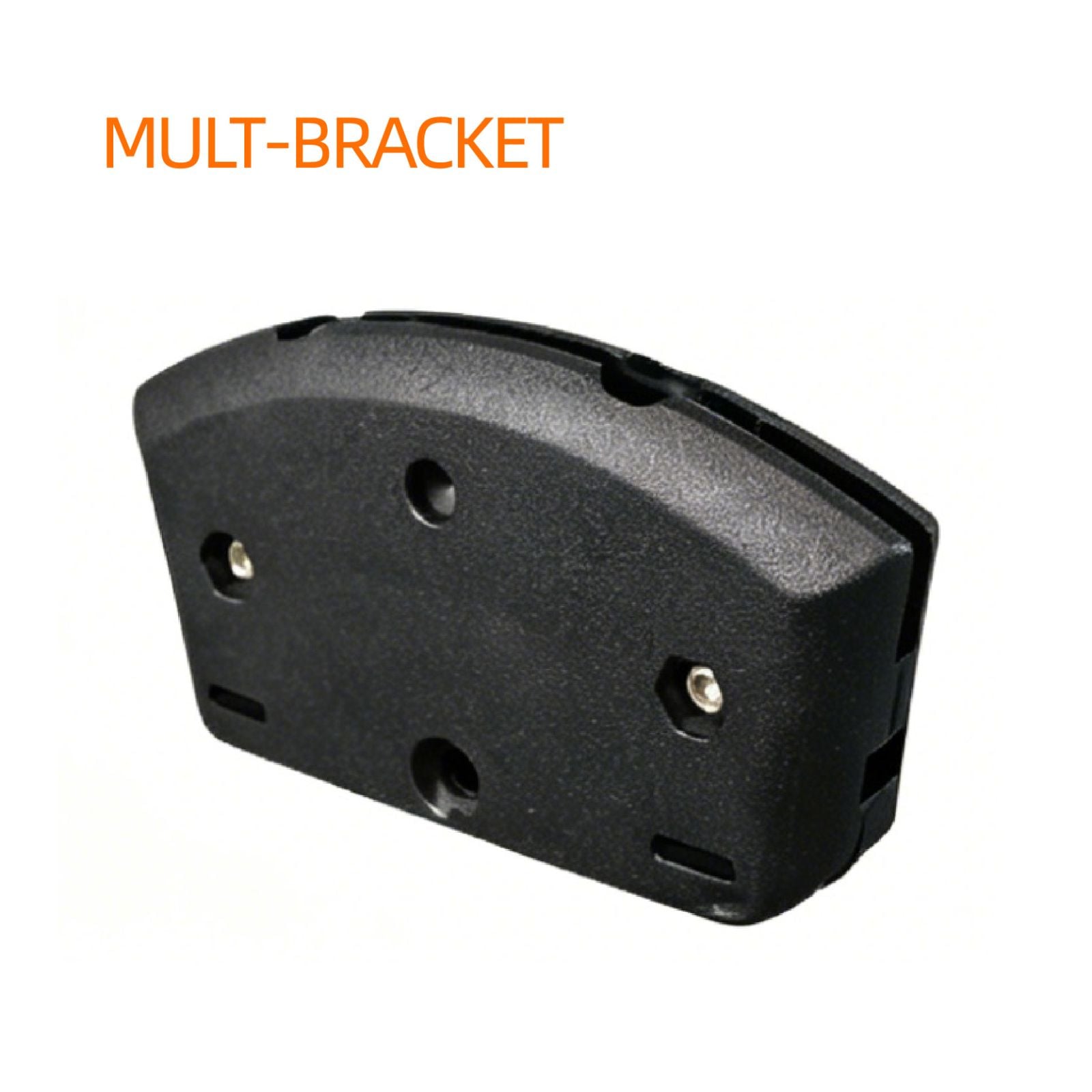
Disc banner Mult-bracket
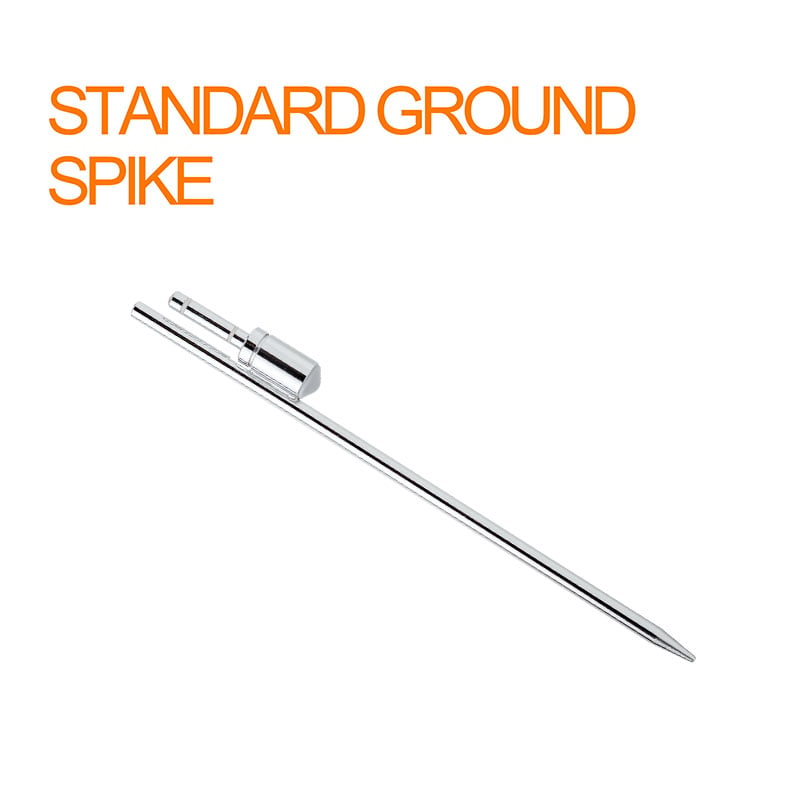
Ground Spike For Lawn Or Sand
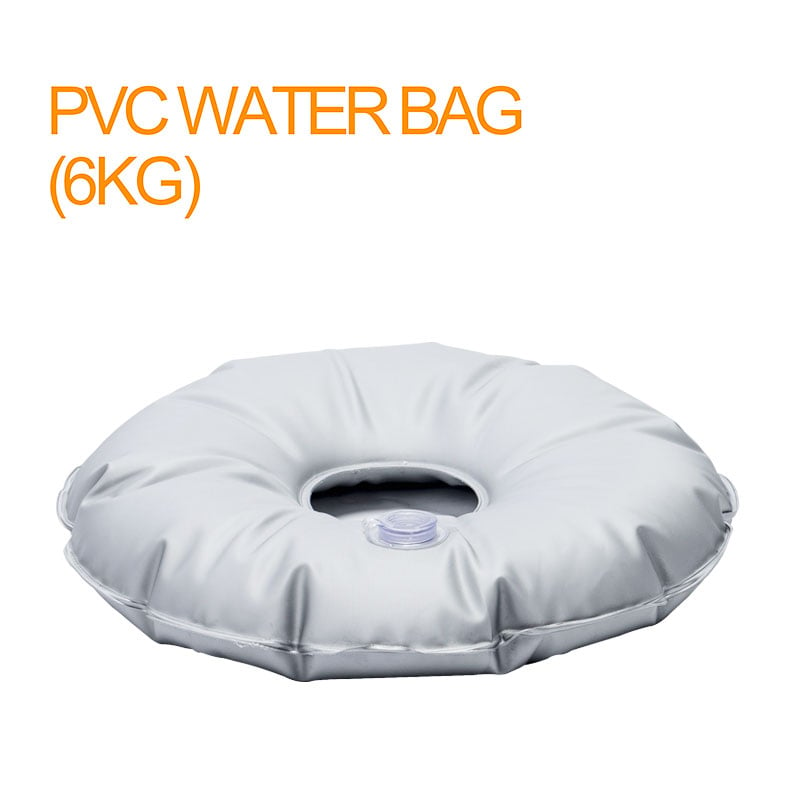
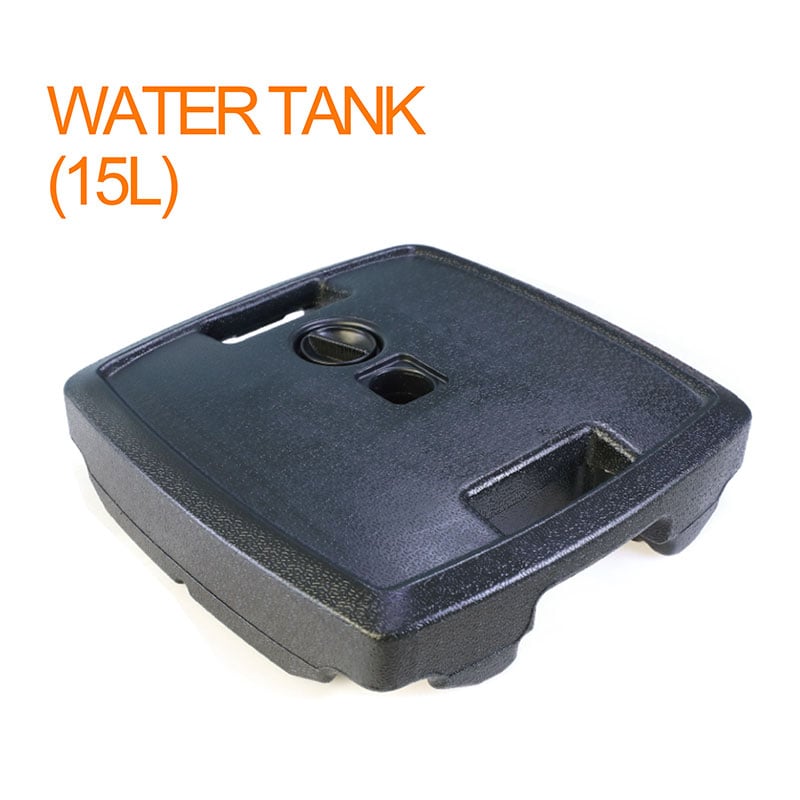
Water Bag
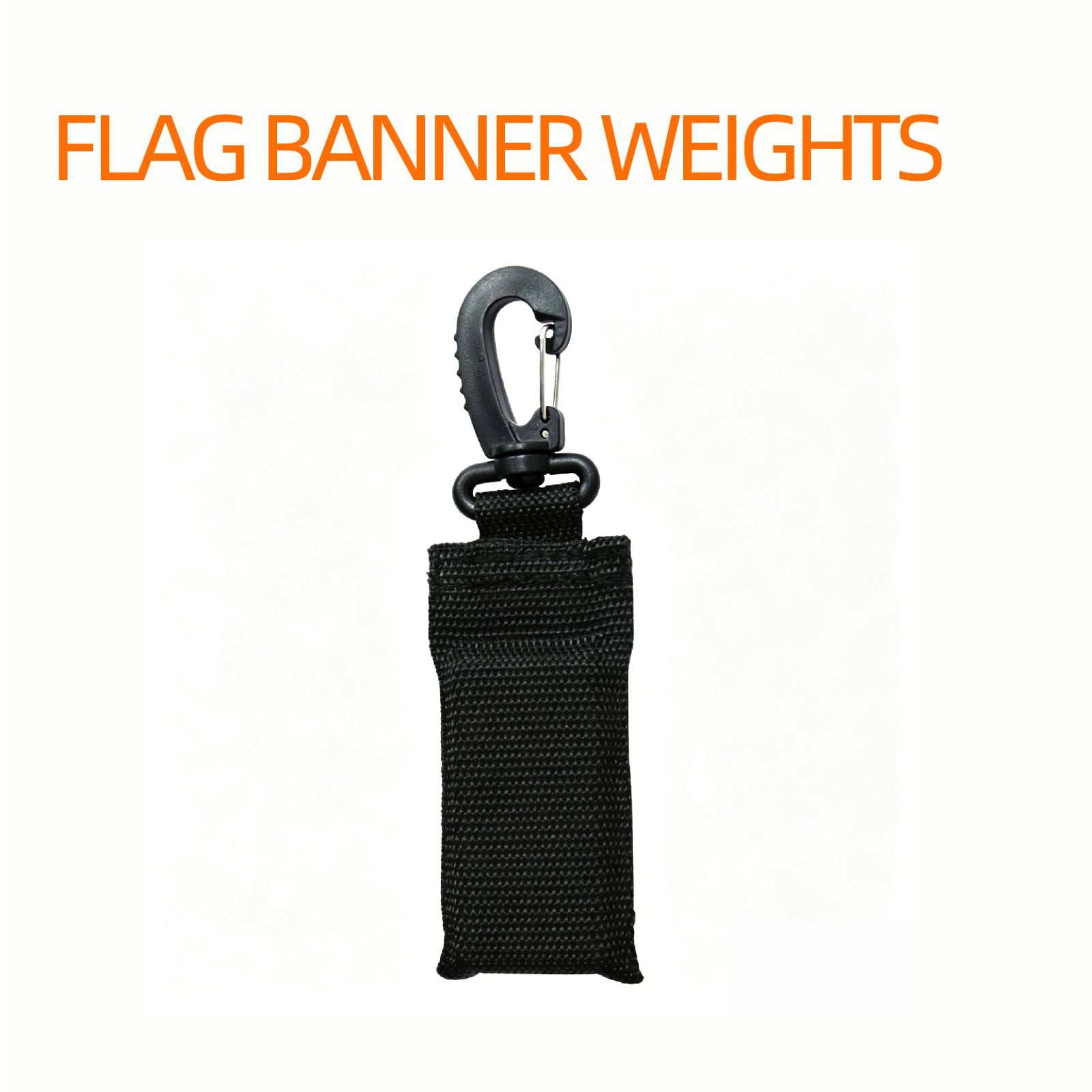
Flag /banner weights
Water tank
Concrete base(10kg)
Tent Bracket
Fixed Cross Base
Related Articles
29kg Concrete Flag Base - The Complete B2B Buyer's Resource - WZRODS
WZRODS DY451B: 29 kg, HDPE shell, concrete core. Stackable, portable, rust-proof. FOB price US$5.75–$6.85 at MOQ 2 units. Those numbers look unremarkable. Factor in landed cost—import duties lower than aluminum’s under relevant HTS codes, freight savings from less weight per unit of stabilizing mas
Wide Tube Cross Base - The Complete B2B Buyer's Resource - WZRODS
The Wide Tube Cross Base, manufactured by Wzrods in Shandong, China, solves one problem: reliable stability for poles under three meters, without the freight costs and warehouse footprint that heavier alternatives demand.
X-Shape Backpack Banner - The Complete B2B Buyer's Resource - WZRODS
Economic Cross Base - The Complete B2B Buyer's Guide- WZRODS
When you buy an economic cross base—something like the Wzrods DM‑9, a 77 cm‑long, 1.3 kg iron cross—forget “economic” as a synonym for “cheap.” It means value-engineered.
Fountain Flag Base - The Complete B2B Buyer's Resource - WZRODS
Picture this: a major medical device trade fair in Düsseldorf. A 4‑pod fountain base holding the largest banner in Hall 3 collapses onto the neighboring booth.
Hard Ground Cross Base - The Complete B2B Buyer's Guide- WZRODS
This guide features WZRODS 9WT-33 dual-purpose steel cross base for indoor and outdoor flag displays. With duplex anti-corrosion coating and a precision welded ground spike, it delivers outstanding stability and durability. It boasts low replacement rates and superior long-term ROI.