
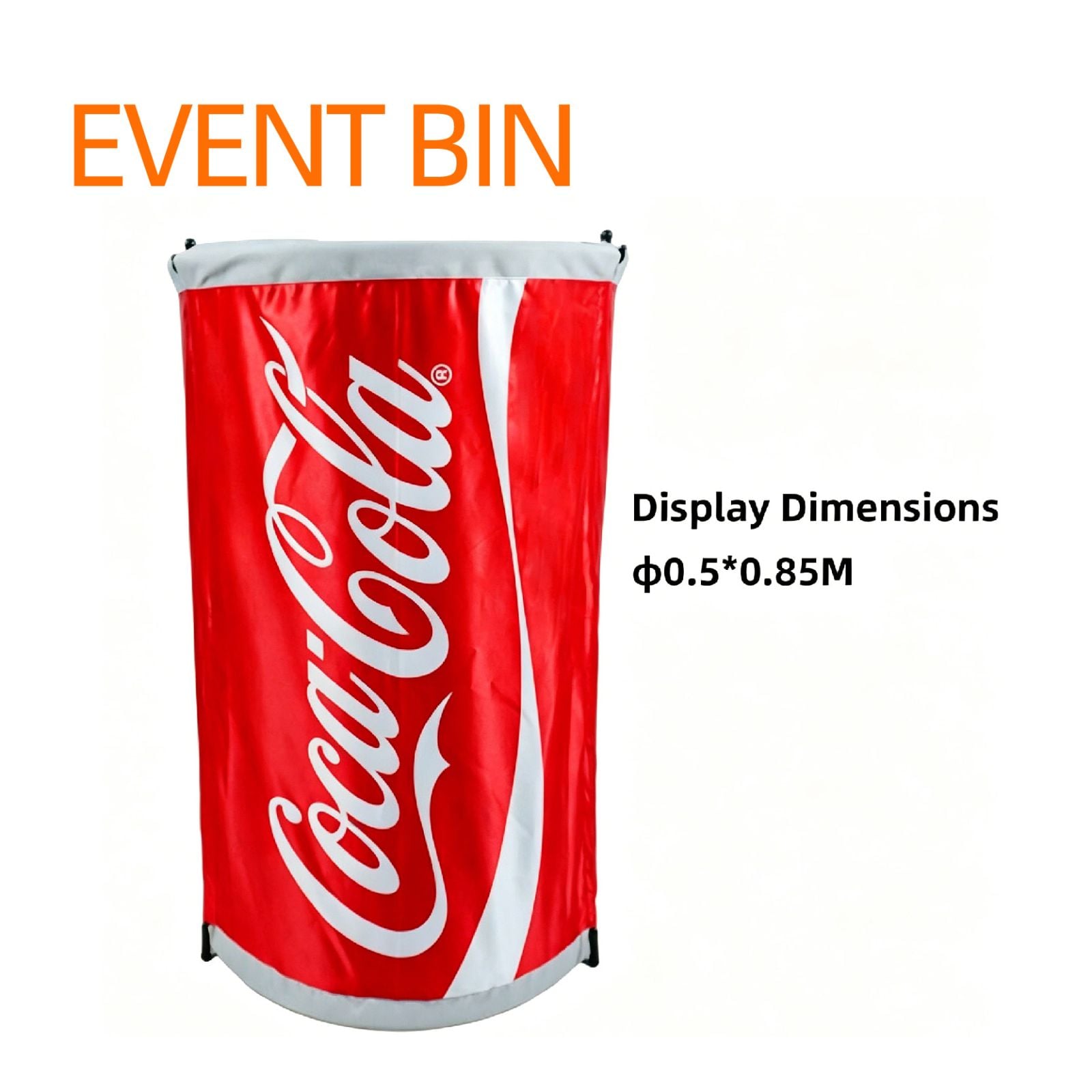
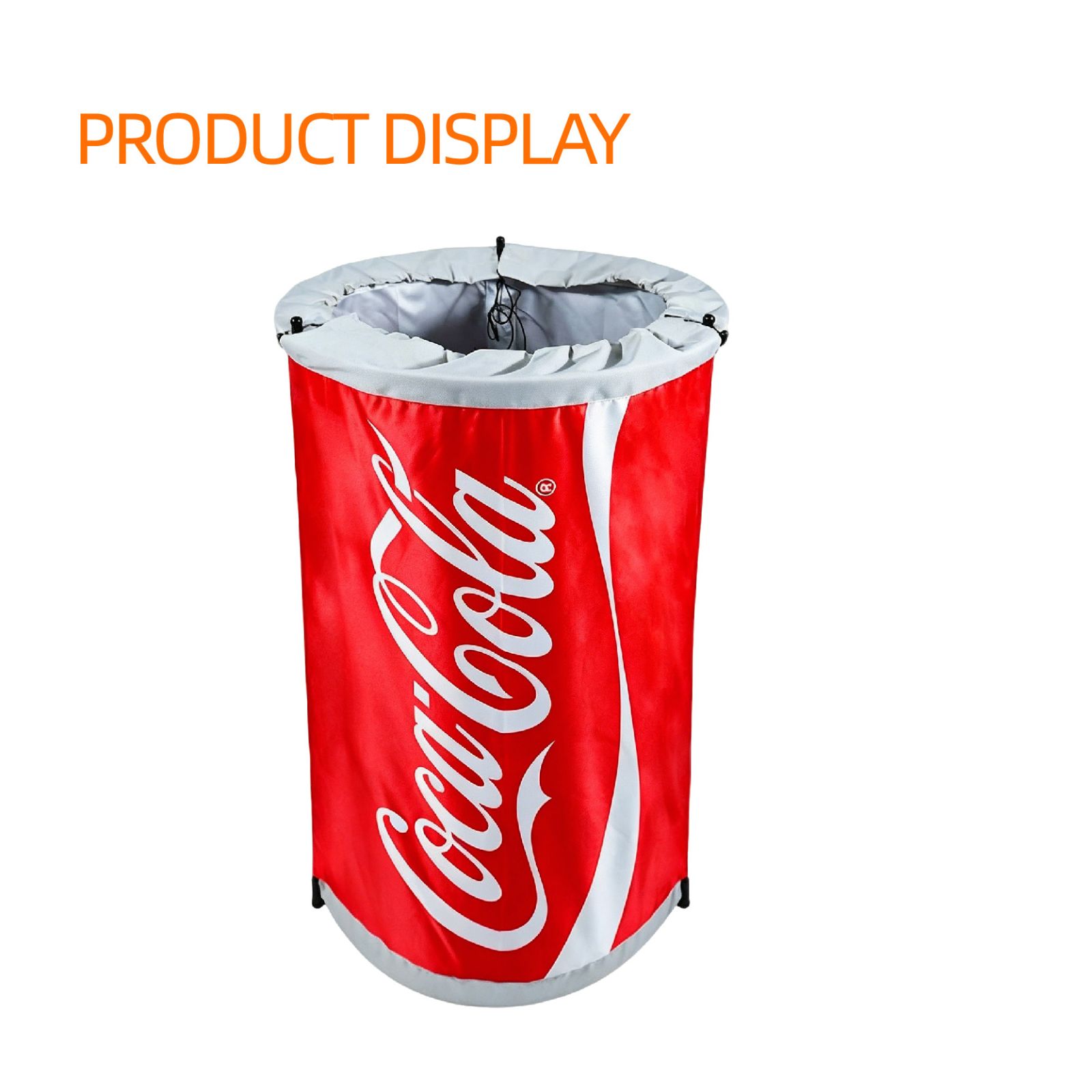
Event Bin
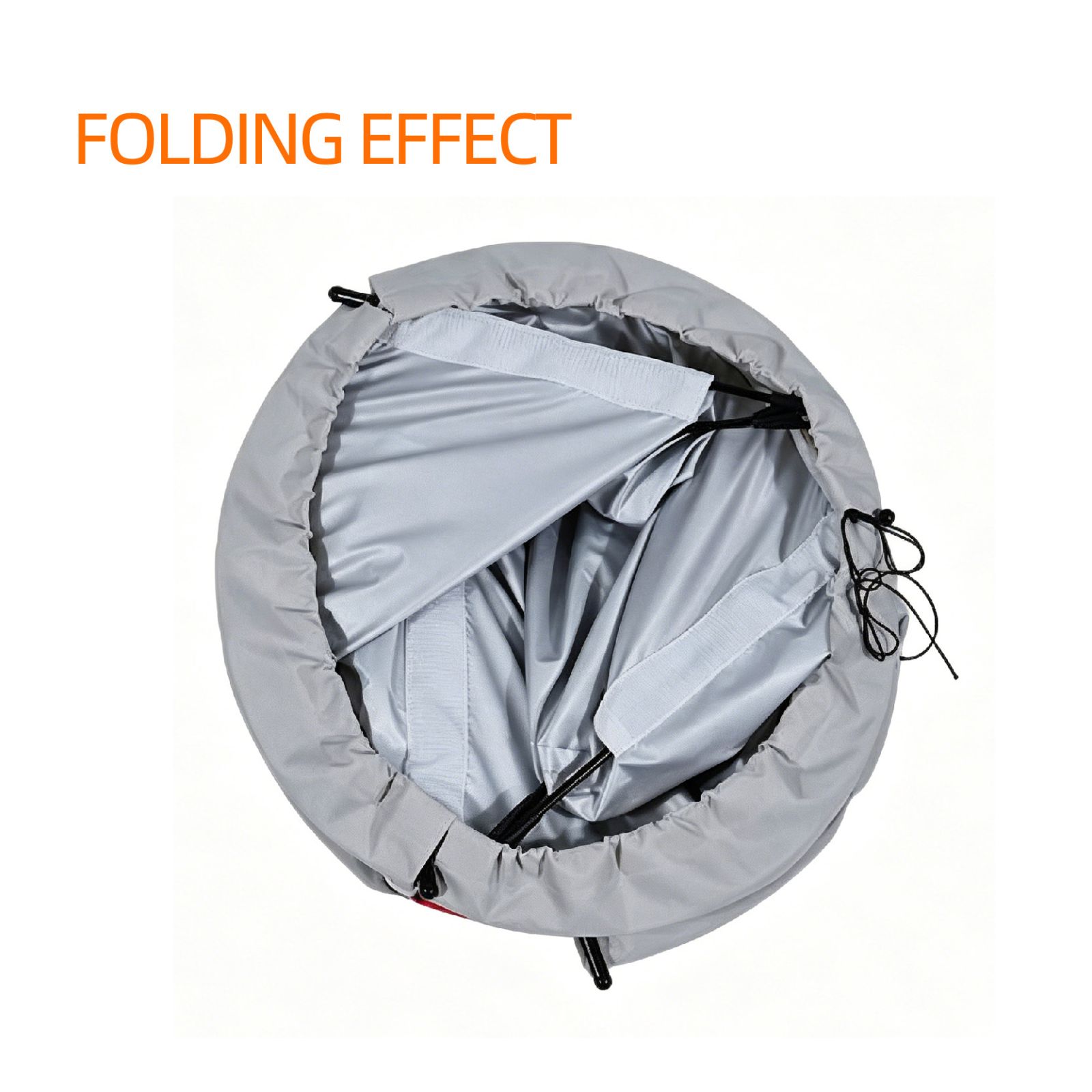
The event bin combines brand display and storage use. Easy fold-flat assembly, waterproof reinforced fabric, large printing space, portable with carry bag and ground pegs.


 Article
 Specifications
- Item Code
- BIN-80
- Display Size
- 0.8*0.85m
- Application Spec
- Event Entrances, Festivals, Trade Shows, Sports Events
- Printing Method
- Digital Printing, Thermal Transfer Printing, Silk Screen Printing
- Print Color
- 4 color
- Artwork Format
- Ai. Pdf. Eps.PSD
- Packaging
- carry bag
- Origin
- Shandong, China
- Brand
- brand Wzrods
- Pole Material
- Carbon Composite
- Banner Material
- Silver Coated Satin
- Product Type
- promotional products
- Warranty
- 3 Years
 Product Description
Shipping & Packaging
- Packaging
- Standard export carton
- Lead Time
- 15-30 days
Pricing
- MOQ
- 1 pieces
- Price Range
- USD 2 – 30
* FOB Qingdao. Excludes shipping & taxes. Accessories & customization confirmed separately.
 Sample Service
- Sample Available
- Yes
 Customization Options

Light Custom
Logo, color, size adjustments

Fast Turnaround
Quick custom order processing
Event Bin - The Complete B2B Buyer's Resource - WZRODS
It began with a gate that wouldn’t stay up. Houston, August. Outdoor trade festival. The air was thick. A major beverage brand had spent tens of thousands on a branded entry arch and matching aluminum-framed side barriers. At 10 a.m., a mild gust toppled the whole row. The aluminum tubing bent at the joints—just enough to keep the pins from going back in. The event manager turned to me. “What do we do now?” I had no answer. I’d recommended that system. I’d believed the spec sheet.
That night, in a worn hotel room, I sat with the bent tubing and a pair of calipers. I measured wall thickness, alloy, deformation. One question kept repeating: What if the material weren’t stiff but flexible enough to spring back? It’s the same curiosity that makes a kid realize a speaker can also be a microphone. Aluminum yields. I went looking for something that doesn’t.
The Problem Hidden in Plain Sight
Three years and countless barriers later, I’ve seen the pattern. Most portable gates and barriers use aluminum poles. The logic: light, rust-resistant, cheap. But aluminum lacks a fatigue limit. Repeated flexing from crowds or wind work-hardens it, causing cracks. A single gust can bend it permanently. The frame becomes useless—won’t fold, won’t transport, branding sags. This isn’t flawed design; it’s the wrong material.
Suppliers know this. They thicken the tubing, adding weight and freight cost, or add heavy base plates. And they rarely mention what salt air does. I opened a twenty-foot container of aluminum gates after a sea journey to Miami. White corrosion bloomed on every weld. Anodizing scratches during assembly, then moisture tunnels under it. They claim rust-proof, but you get pitting and crevice corrosion that ruins the surface for slide-on graphics. That first year, 30% of that shipment needed replacement.
The Discovery: Carbon Composite and the WZRODS Event Bin
A distributor in Poland sent me a photo of a folding promotional bin labeled WZRODS. “Carbon composite,” he wrote. “Zero corrosion. Half the weight. Lower import duty.” I was skeptical—carbon fiber seemed too exotic for event infrastructure. I bought a sample. Three weeks later, a compact carton arrived in Austin. Inside: a silver satin bin, carry bag, pegs, and dark gray poles with a visible weave. They were absurdly light. Assembly was simple: poles slide through sleeves, corners lock with molded connectors. The bin stands as a storage and branding panel (model BIN-80, display area 0.8 × 0.85 m). I needed to test its limits.
I set it up in the warehouse, aimed a 40-mph industrial fan at it. The poles flexed maybe five degrees, then returned. No permanent bend. Next, I clamped a piece of the carbon composite and a 6061 aluminum tube of similar dimensions in a bending jig. I deflected each 30 degrees and released. The carbon composite sprang back to within 1 degree. The aluminum stayed bent at 11 degrees. After ten cycles, the aluminum cracked; the carbon composite unchanged. This material shifts failure from permanent damage to temporary flex. A barrier can handle hundreds of setups, drunks leaning on it, windstorms—without deforming.
What Event Buyers Should Demand: A Material-Based Framework
I developed a framework based on three field loads: steady wind, gust impulse, accidental human impact. The barrier must recover without deforming or toppling. Requirements: low weight (for freight and handling), high elastic strain limit, corrosion immunity, low center of gravity. The Event bin addresses this by using the fabric bin bottom to hold weight—trash, sandbags—so the bin becomes ballast. The poles just provide structure. Smart systems thinking.
Consider import duty. Aluminum poles often fall under HS codes for aluminum structures, with rates up to 25% in some South American markets. Carbon composite poles (fiber-reinforced plastic) typically fall under a different heading, with rates of 4%–8%. I’ve confirmed this with customs brokers for Brazil, India, and the EU. Savings per unit: $1.20 to $3.00. On a container of 2,000 units, that’s real money. Add weight savings—the carbon poles weigh 55% less—and landed cost beats aluminum before you even factor in replacement savings.
A Comparison That Matters
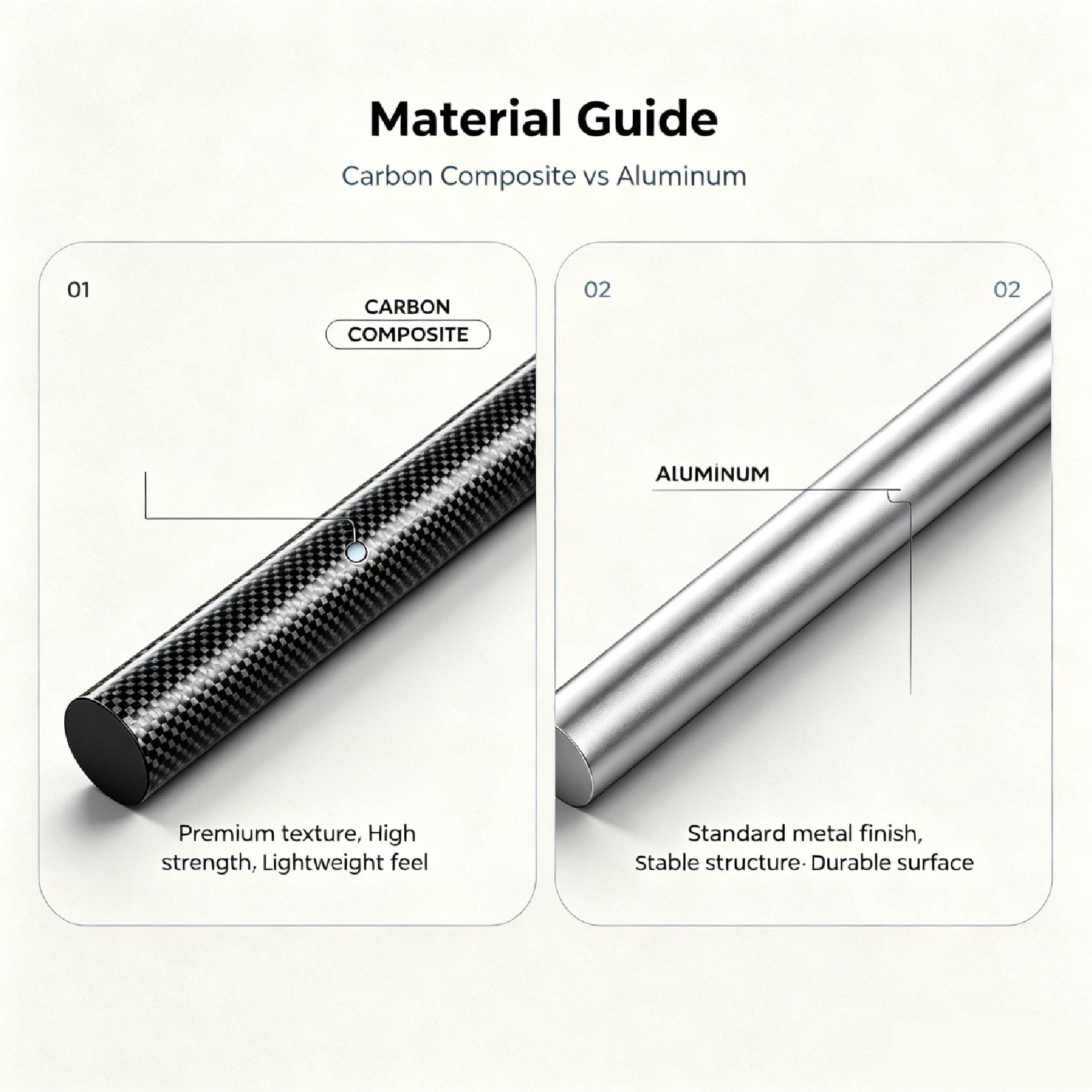
Here is a table constructed from actual measurements, shipping calculations, and factory test data. It compares a typical aluminum-framed event barrier (48-inch width, single banner) with the WZRODS carbon composite Event bin. Prices are FOB China; freight estimated for a full container to Los Angeles.
| Parameter | Aluminum Barrier (Typical) | WZRODS Carbon Composite Event Bin |
|---|---|---|
| Pole weight per set | 2.1 kg | 0.95 kg |
| Duty rate (US HTS example) | 5.7%–7% | 4.2% |
| Corrosion resistance in salt spray (ASTM B117) | 72 hours to first pitting (typical) | 1,000+ hours, no effect (factory-certified) |
| Bending recovery (30° deflection, author’s test) | 11° permanent set | <1° permanent set |
| 3-year replacement estimate (outdoor, coastal) | 30–40% | <5% |
| FOB unit cost (typical order volume) | $12–18 | $15–22 (depends on printing complexity) |
| Estimated total landed cost, including duty, freight, first-year replacement reserve | $22.50 | $19.80 |
The numbers shift by market, but the pattern holds: the carbon composite unit, while 15–25% more expensive at the factory gate, costs less after all real-world expenses are tallied. I’ve walked purchasing managers through these spreadsheets. The initial resistance—“carbon fiber is too expensive”—disappears once they see the freight and duty math. One later told me, “You made me feel like an idiot for not looking at this before.” That’s the response you want when shifting an industry’s material choices.
How It Came to Be: A Visit to the Factory Floor
I visited the WZRODS factory in Shandong. Not flashy, but methodical. Carbon composite poles are pultruded—continuous carbon fiber rovings pulled through resin and a heated die. Wall thickness is uniform to 0.1 mm. QC manager Lin showed me the bending test station: every batch is sampled, flexed to 40°, and must return with less than 1.5° permanent set. The neighboring aluminum pole factory had a much larger scrap bin. Fabric bins are cut and sewn on-site, printed digitally or via thermal transfer. I watched a four-color print with a QR code; it scanned on the first try. That's the catch. If an attendee can’t scan your code from three feet, the barrier fails its lead-capture job. The bins fold flat, poles go in a carry bag. Two hundred units fit on a pallet. Shipping density is excellent.
ROI Beyond the Spreadsheet: The Replacement Rate Argument
A large rental company I analyzed bought 850 aluminum barriers per year at $14 each. They replaced 280 units annually—a 33% replacement rate. Over 80% of those were due to bent or corroded poles. When we modeled a switch to carbon composite bins at $19 each, assuming a conservative 7% annual replacement rate (actual field data suggests under 2% per year), the five-year total cost of ownership dropped 41%. For distributors, end-users remember which barriers fail. The WZRODS bin carries a three-year warranty. That’s a selling point: “Buy once, use for a hundred events.”
Applications Across the Event Spectrum
Indoor trade show: queue delineators and trash receptacles. Lightweight poles mean booth staff reposition them in seconds—no labor crew needed, a real saving in union halls. Silver satin banners stayed crisp under halogens, collected less dust than black fabric alternatives.
Beach music festival, Thailand: ten days of salt spray and sand. Carbon composite poles showed zero corrosion. Ground pegs worked in sandy soil; adding a small sandbag inside the bin base was prudent for extra stability. Different each day branding? We pre-printed multiple banner sleeves that slipped over the poles smoothly—no snags, no ripped seams.
Sports events—marathon finish, golf tournament—the bins served as branded waste/recycling stations. Waterproof fabric meant spilled drinks didn’t soak through. Volunteers carried folded bins and poles in the included carry bag, set up in minutes. One organizer said she’d previously needed a truck for heavy steel bins; the carbon composite ones fit in a golf cart.
In all cases the import duty advantage held. The Thailand festival shipped under the ASEAN-China Free Trade Agreement: duty on carbon composite fell to 0%, while aluminum still had 5%. That alone saved over $800 on a moderate order.
Trends That Are Making Aluminum Obsolete
The industry is moving toward lighter weight, sustainability through durability, and multi-functional products. The carbon composite bin hits all three. There’s also a shift toward modular, toolless hardware. The Event bin’s design—fabric bin, separate poles, no screws—means you can replace a worn graphic without touching the structure, and the hardware outlasts the printing. I’ve seen too many barriers scrapped because the frame was bent or corroded and the graphic outdated.
Large end-users and rental companies increasingly source direct from China if the total-cost case is clear. For a distributor, offering a demonstrably superior product protects margins. A client in Australia now stocks only carbon composite barriers and has grown his business 20% annually by converting competitors’ customers tired of buying the same broken aluminum every season. He tells them, “You’ve been working in the dark. Turn on the light.”
Making the Transition: A Practical Upgrade Path
If you hold a fleet of aluminum barriers, move in phases. Phase one: replace the worst performers—units used outdoors, in salt air, or high-wind locations—with carbon composite bins. Monitor damage reports; replacement orders drop within six months. Phase two: use the savings to convert indoor inventory. Phase three: offer carbon composite as a premium option while running down aluminum stock. By the time the last aluminum pole bends, buyers will ask for the “good bins” by name.
Minimum order quantity from WZRODS is one piece. Pricing ranges from $2 to $30 per unit, covering different sizes, printing complexity, and accessory bundles. The sweet spot for a standard full-color Event bin with carry bag and pegs is $18–20 FOB. Lead time is 15–30 days. Custom printing needs vector artwork (AI, PDF, EPS, PSD). I recommend submitting a Pantone reference to avoid surprises with thermal transfer. Light customization—different pocket sizes, alternate fabric colors—doesn’t trigger heavy tooling charges.
One nuance: a sharp blow from a forklift tine can splinter a carbon composite pole. In five years and thousands of units, I’ve seen that twice, both times in warehouse accidents that would have destroyed aluminum too. Normal event use? The poles are remarkably resilient. The clear coat resists UV, so the deep gray doesn’t chalk or yellow after prolonged sun.
Frequently Asked Questions from International Buyers
Is the carbon composite material truly rust-proof?
Yes. Carbon fiber and polymer resin are inert. No metal to oxidize. Salt spray, humidity—the material doesn’t react. The fabric and plastic connectors are equally unaffected. Ideal for marine and tropical environments where aluminum fails quickly.
How much weight can the bin hold?
The fabric bin holds up to 15 kg distributed when the poles are inserted. That’s plenty for trash, bottles, or promotional flyers. For extra stability in strong wind, toss a sandbag inside. In my tests, the bin with a moderate load stays stable in 25 mph winds.
What is the artwork bleed and safe area?
Printable face is 0.8 m wide × 0.85 m tall. Recommend 5 mm bleed. Keep critical text 10 mm from edges. The factory provides a template showing seam allowances so artwork doesn’t disappear into pole sleeves.
Can I order a sample before committing to a large order?
Samples are available at regular unit price plus freight. I always pay for my samples—it gives me use to test without obligation. Lead time is the same as production, 15–30 days. You’ll receive a fully finished unit to evaluate print quality and assembly.
What are the payment terms?
WZRODS accepts T/T, L/C, and Western Union. For first orders, they typically request 30% deposit, balance before shipment. That’s standard. I recommend an L/C for larger orders until trust is built.
How do I handle customs classification for carbon composite?
Provide your forwarder this description: “Portable event display bin with carbon fiber reinforced plastic poles and textile body.” I’ve had success with HS code 3926.90 for the pole assembly. Consult your own broker, but the key is correctly declaring it as not aluminum—the duty savings are significant, as I’ve shown.
Is the printing durable?
Digital and thermal transfer prints on the silver satin hold up to two years of normal outdoor exposure. The satin coating offers some UV protection. I have a bin that’s been to seven outdoor shows in Arizona; colors are still vibrant. I wouldn’t leave it permanently in direct sun, though.
What if a pole gets lost or damaged?
Individual replacement poles are available. I keep a small stock for my clients; a few dollars per pole avoids any downtime. The poles aren’t handed, so a spare works in any position.
How does the price compare to a simple pop-up trash bin?
A $5 wire-frame pop-up bin has no branding area, collapses under weight, and lasts maybe ten uses. The carbon composite bin is a multi-purpose branding tool. When I calculate cost per event impression, the branded bin delivers twenty times the marketing value.
Why choose WZRODS over other carbon composite flag pole manufacturers?
They’ve been making carbon composite flag poles and event hardware since 2005. The pultrusion process is tuned to the diameters and wall thicknesses portable event gear demands. Their bins are a designed system—carry bag, reinforced webbing, ground pegs—all fits without waste. it is that simple. They understand international B2B buyers: documentation that smooths customs, willingness to run small customizations without onerous fees. The kind of supplier you keep once you find them.
The Closing Thought: Hardware That Pays for Itself
In every demo now, I take a carbon composite pole and bend it into a U-shape. The audience flinches. I let go, and it snaps back dead straight. Then I hand them an aluminum sample and ask them to do the same. It yields and stays bent. That moment changes minds faster than any spreadsheet. It’s the same revelation as the speaker-as-microphone: the material you thought was strong enough wasn’t, and the one you overlooked was engineered precisely for the job.
For international distributors and event professionals, the carbon composite Event bin from WZRODS isn’t the cheapest item on the FOB list. It’s the option that, after freight, duty, and the cost of failures, leaves more money in the bank and a stronger reputation. It’s a hardware decision that separates those who think in total cost from those who see only unit price. And thinking, as a certain physicist demonstrated, is how you fix radios—and how you fix the event industry’s most persistent barrier problem.
About the Author
Sarah Mitchell, Trade Show Consultant
B.A. Marketing, University of Texas; CTSM (Certified Trade Show Marketer)
Event marketing specialist with 200+ trade shows across 15 countries. Helps exhibitors cut setup costs by 30% through smarter hardware choices.
Reviewed by WZRODS Technical Team. Updated: 2026-07-29
 Comments (0)
No comments yet. Be the first to comment!
Leave a Comment
Related Products
Director Chair
Cafe Barrier
Door Frame
Event Square Gate
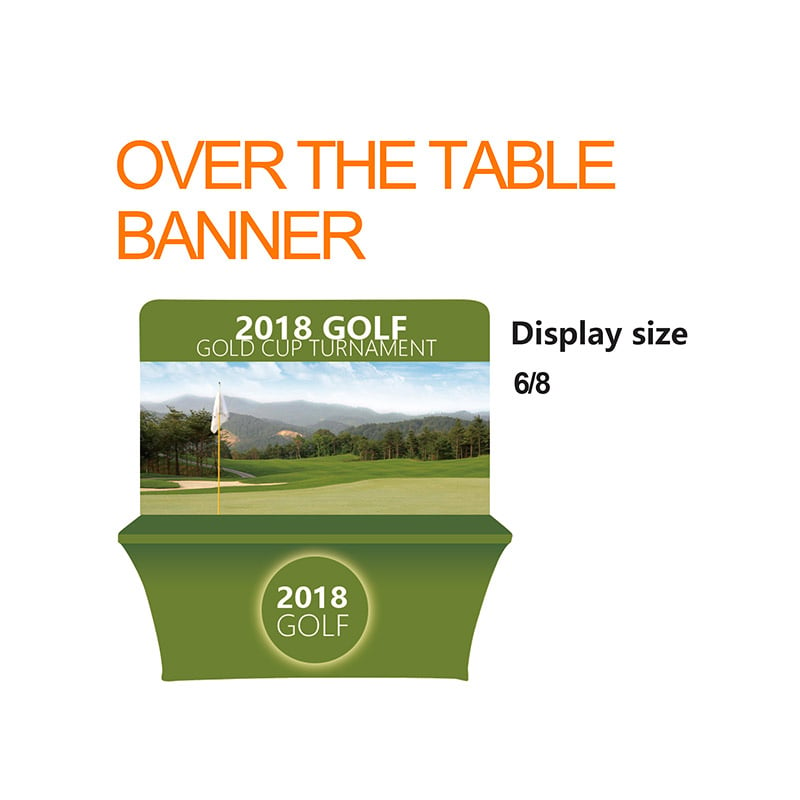
Over The Table Banner
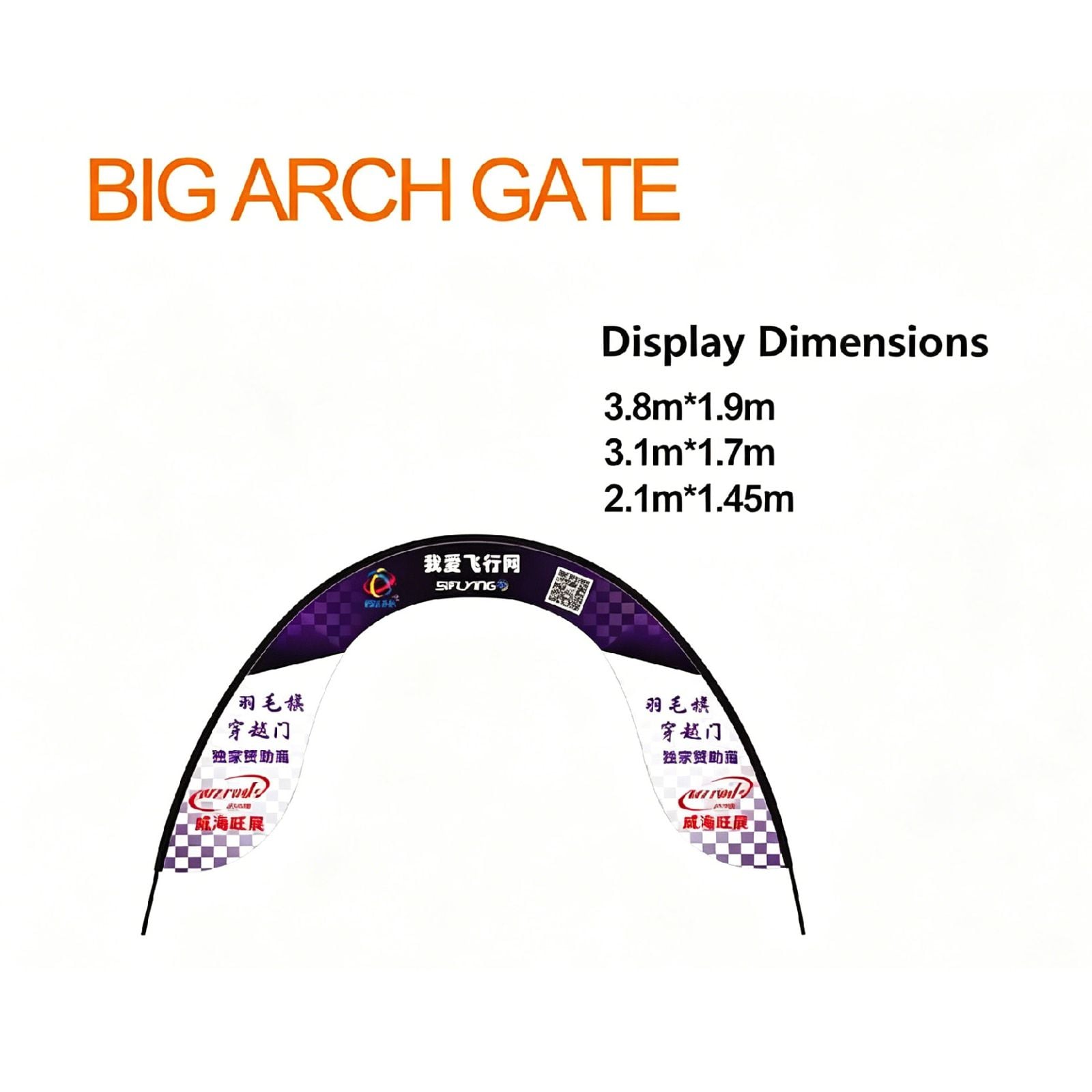
Big Arch Gate
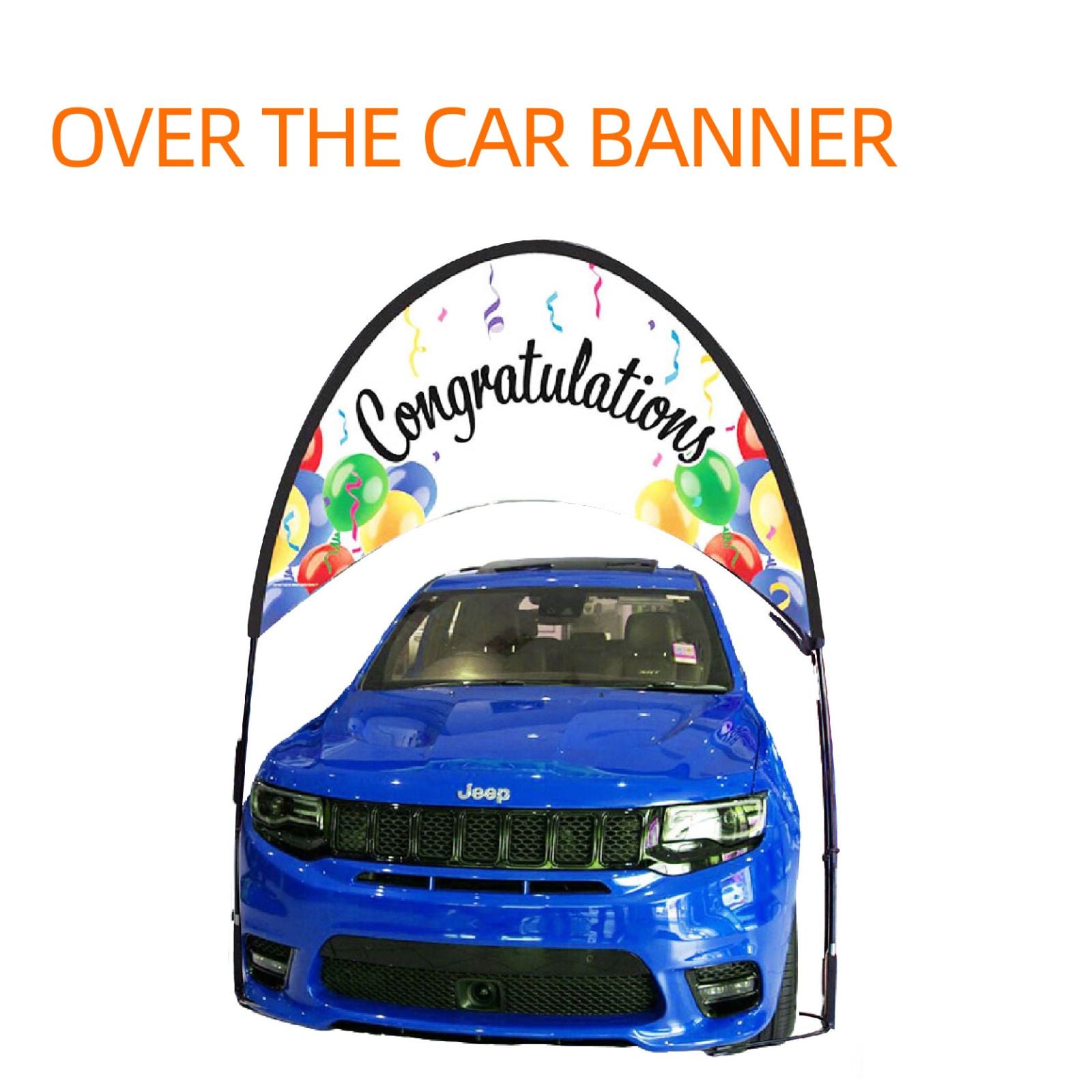
Over The Car Banner
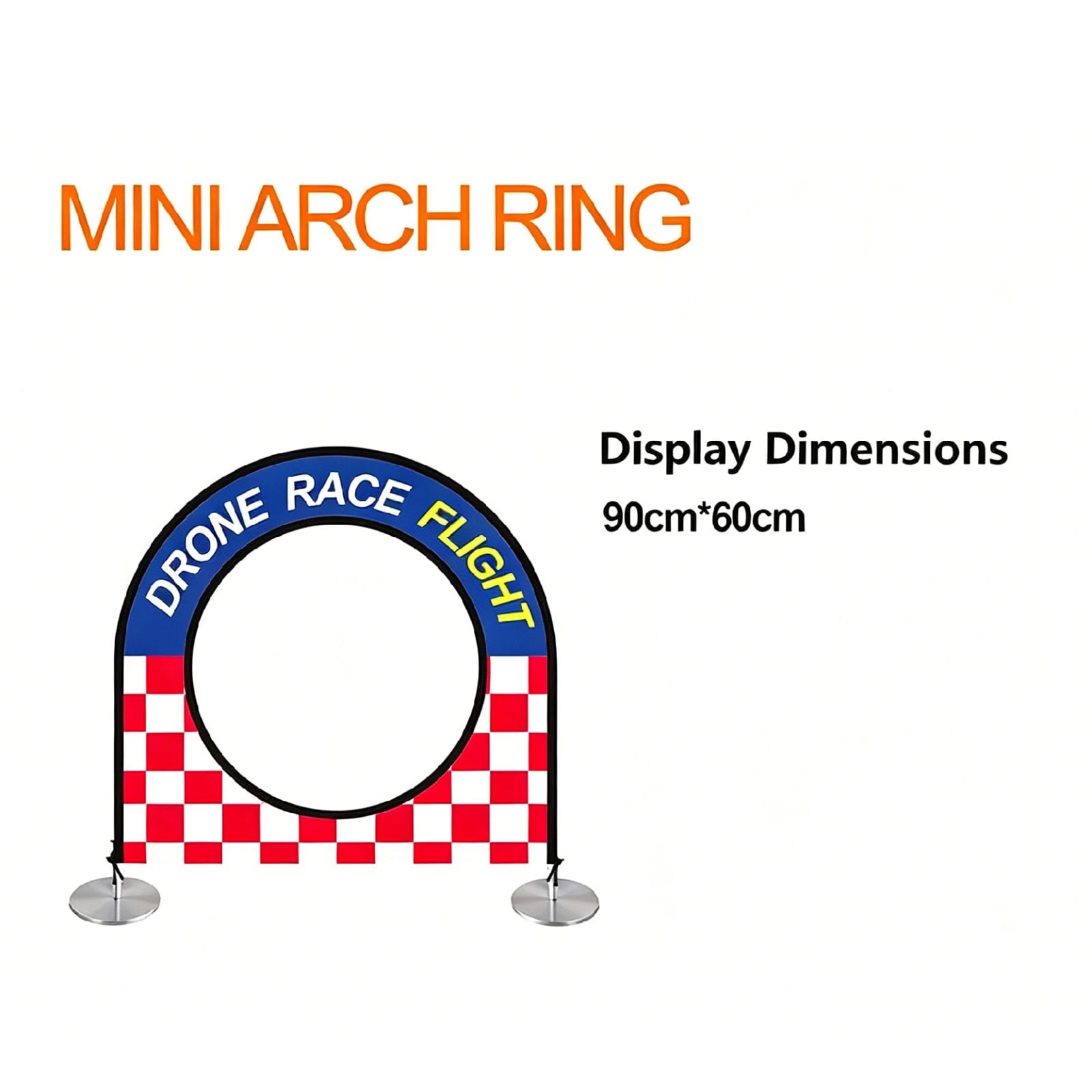
Mini round gate
3D Arch Stand
Tent Head Banner
Related Articles
29kg Concrete Flag Base - The Complete B2B Buyer's Resource - WZRODS
WZRODS DY451B: 29 kg, HDPE shell, concrete core. Stackable, portable, rust-proof. FOB price US$5.75–$6.85 at MOQ 2 units. Those numbers look unremarkable. Factor in landed cost—import duties lower than aluminum’s under relevant HTS codes, freight savings from less weight per unit of stabilizing mas
Wide Tube Cross Base - The Complete B2B Buyer's Resource - WZRODS
The Wide Tube Cross Base, manufactured by Wzrods in Shandong, China, solves one problem: reliable stability for poles under three meters, without the freight costs and warehouse footprint that heavier alternatives demand.
Rectangular Pipe Cross Base - The Complete B2B Buyer's Resource - WZRODS
The pipe cross flag base is a cross of rectangular steel pipe, powder‑coated, weighing 1.3 kg and spanning 78 cm across its arms. Its center holds a C‑ring shaft that lets the flag rotate with the wind.
X-Shape Backpack Banner - The Complete B2B Buyer's Resource - WZRODS
Economic Cross Base - The Complete B2B Buyer's Guide- WZRODS
When you buy an economic cross base—something like the Wzrods DM‑9, a 77 cm‑long, 1.3 kg iron cross—forget “economic” as a synonym for “cheap.” It means value-engineered.