Feather Flag
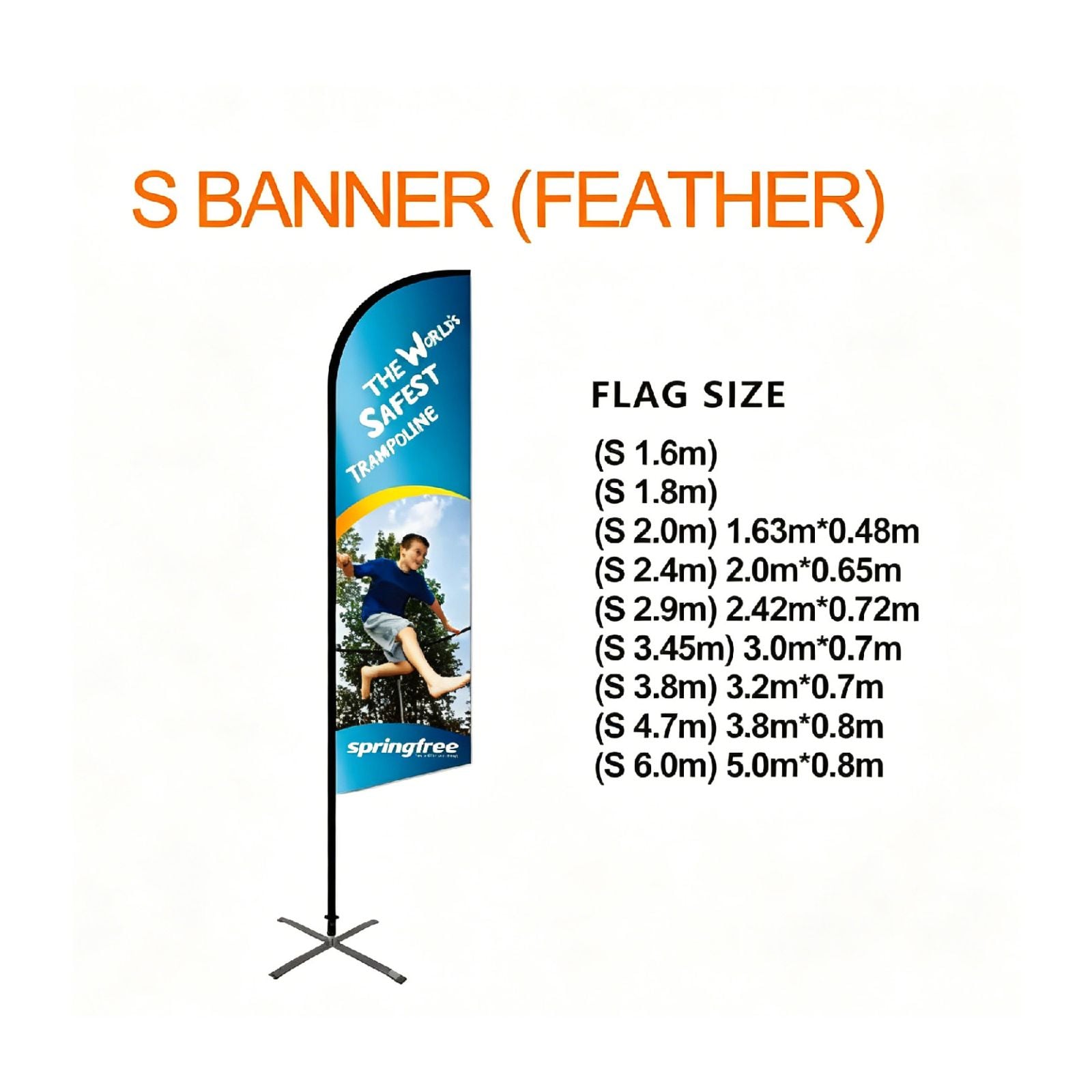
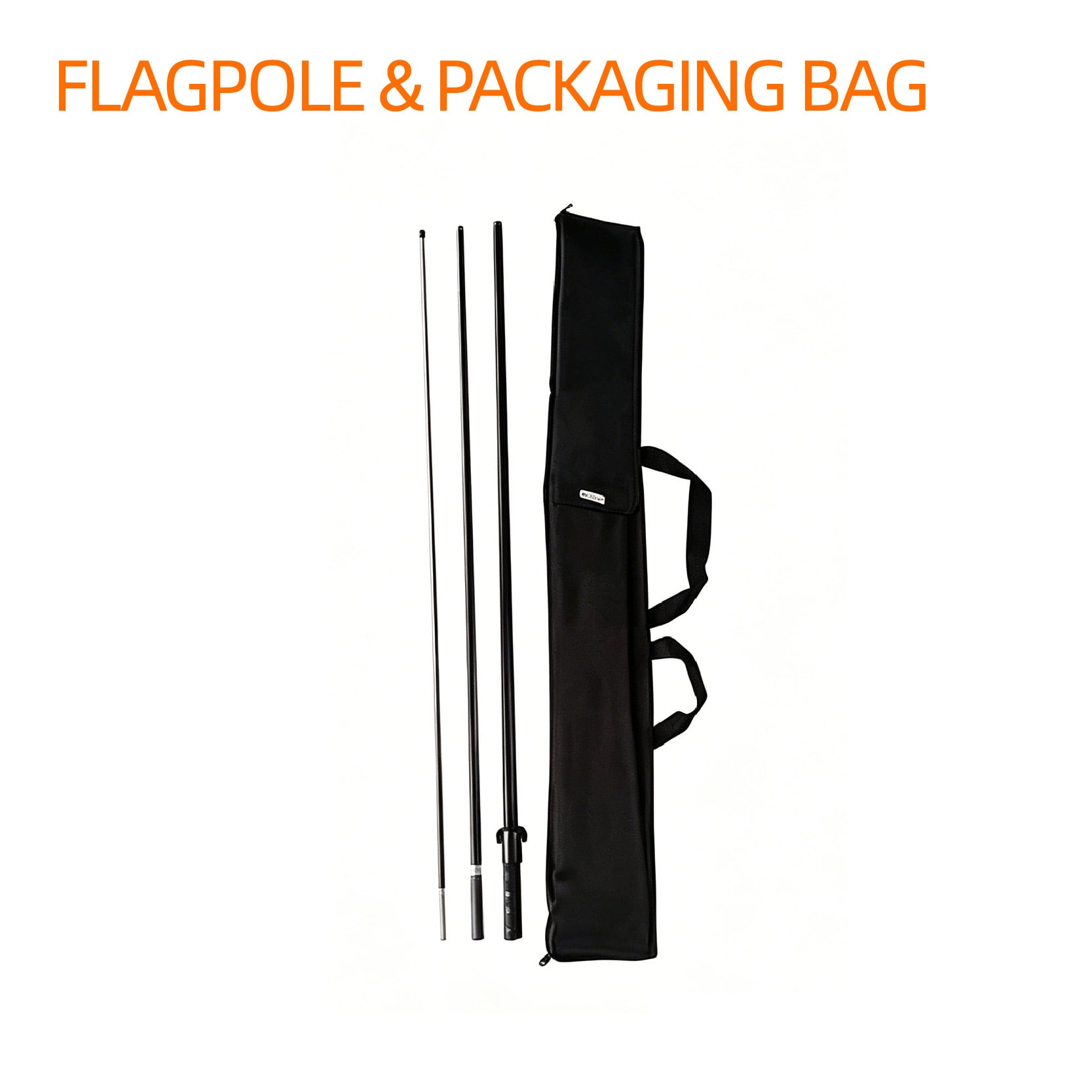
We make S banners also called feather sail flags. Budget-friendly and reusable, easy to set up quickly. carbon poles with metal rings, complete with carry bags and bases for all event promotions.


 Article
 Specifications
- Origin
- Shandong, China
- Brand
- SB20/SB24/SB35/SB47/SB60
- Model
- Wzrods
- Pole Material
- Carbon Composite
- Banner Material
- 100% Polyester
- Application Spec
- Trade Shows, Outdoor Events, Sports Events, Retail Promotion
- Printing Method
- Digital Printing, Dye Sublimation Printing
- Print Color
- 4 color
- Artwork Format
- Ai. Jpg. Pdf. Eps. PSD
- Logo Service
- Customized Artwork Printed
- Warranty
- 3 years
- Target User
- Insurance, Hotel and Resort, Real Estate/Construction, Travel Agency
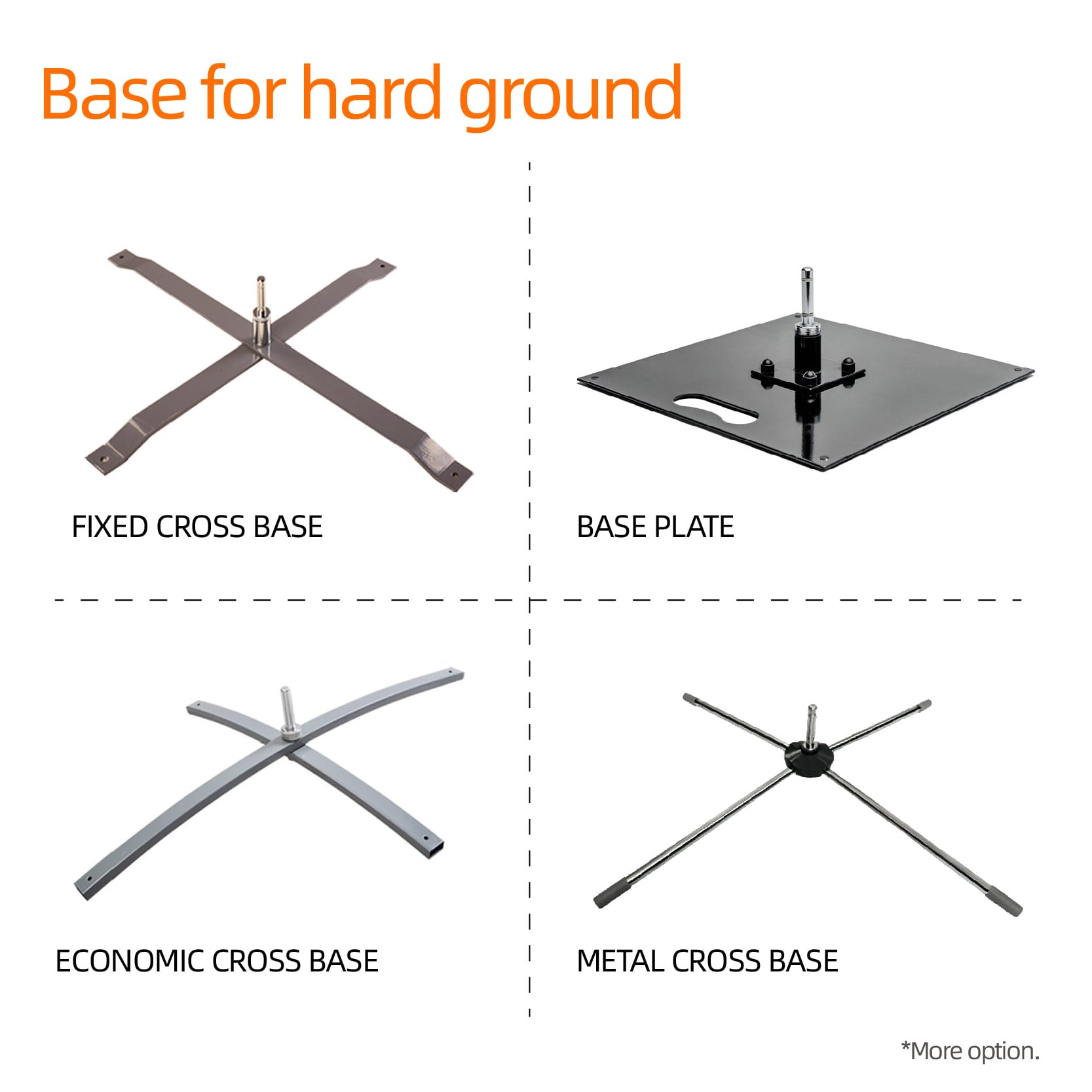
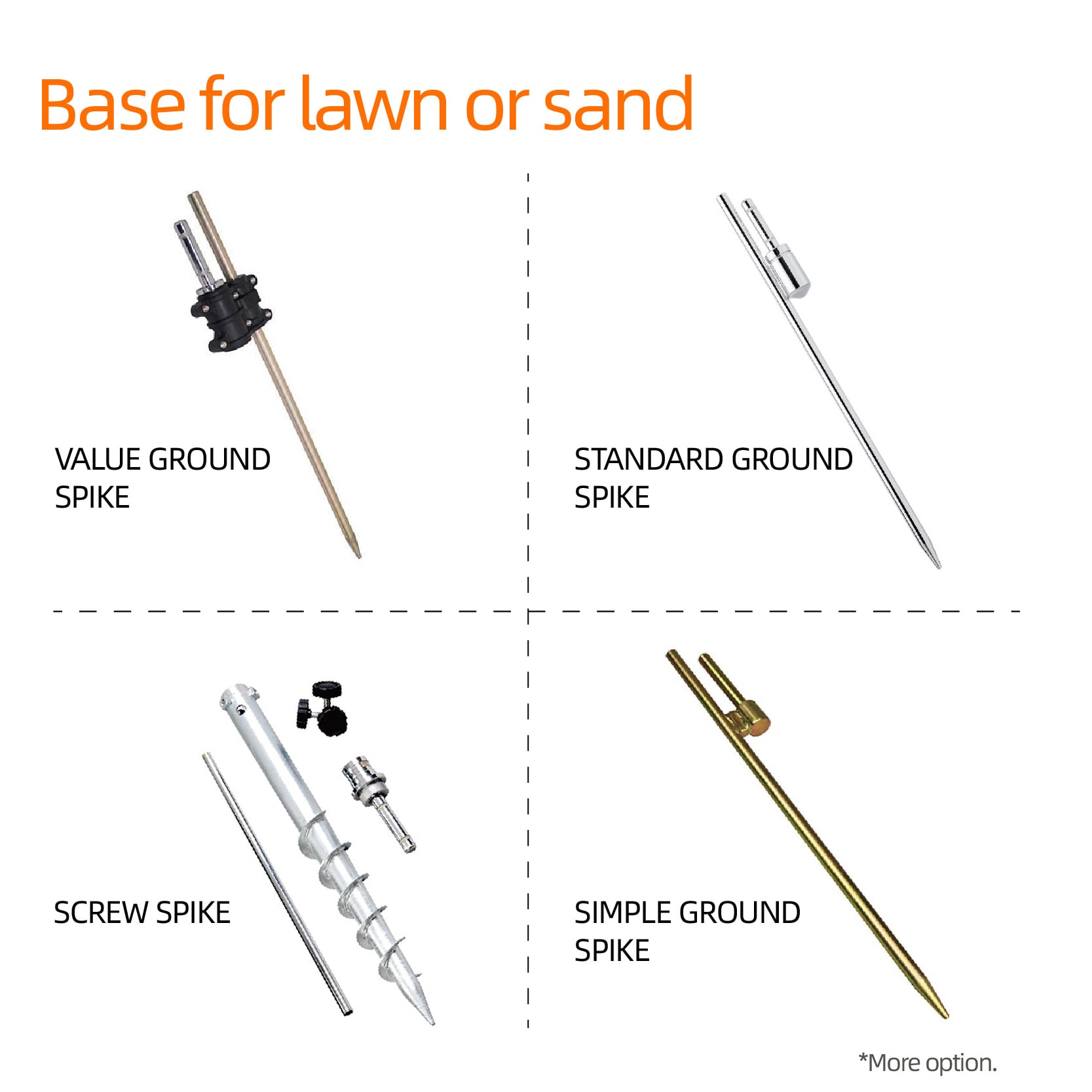
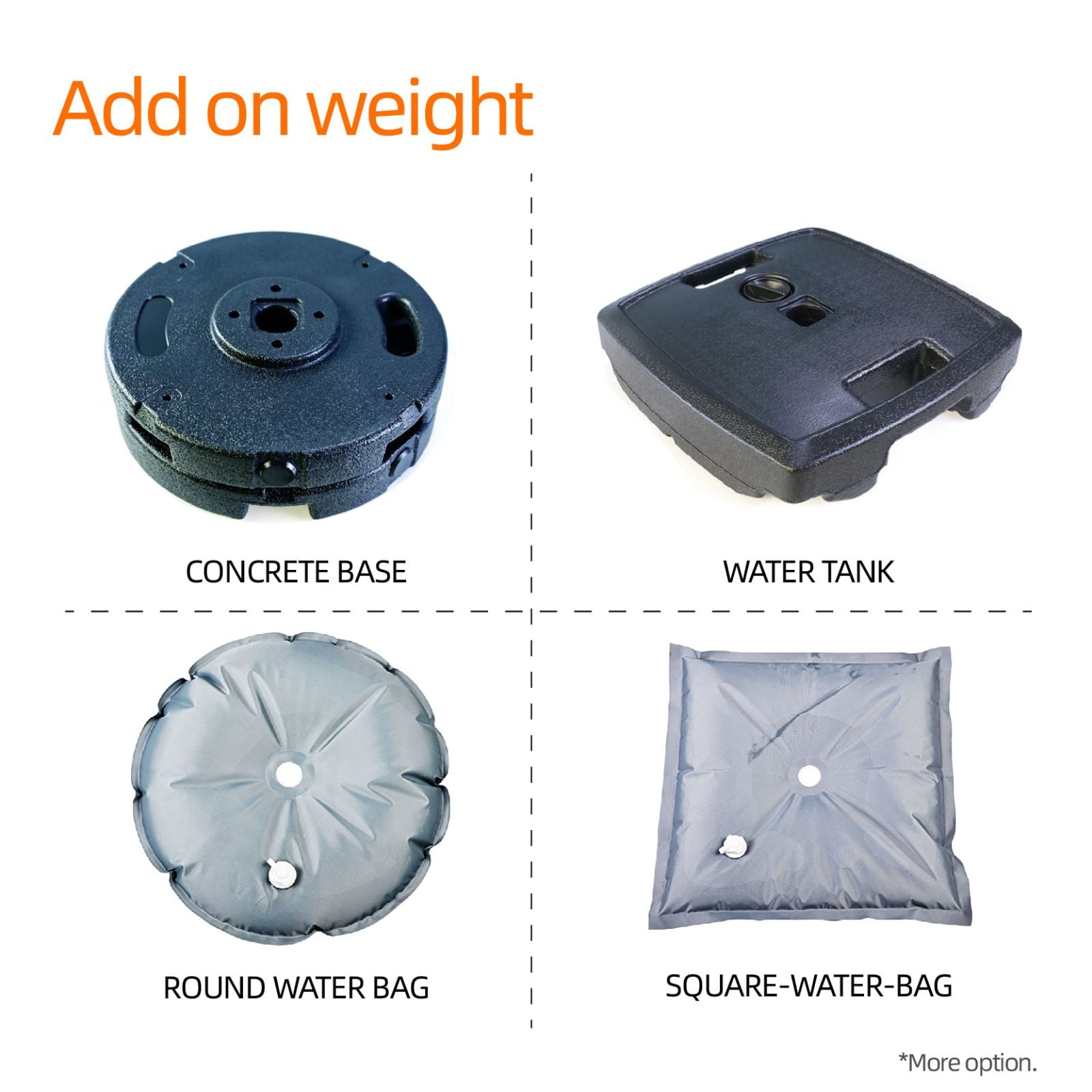
- Optional Base
- Spike, Water Tank, Cross Base, Base Plate
- Printing Method
- Dye Sublimation Printing
- Packaging
- 600D oxford carry bag
- Certificate
- REACH
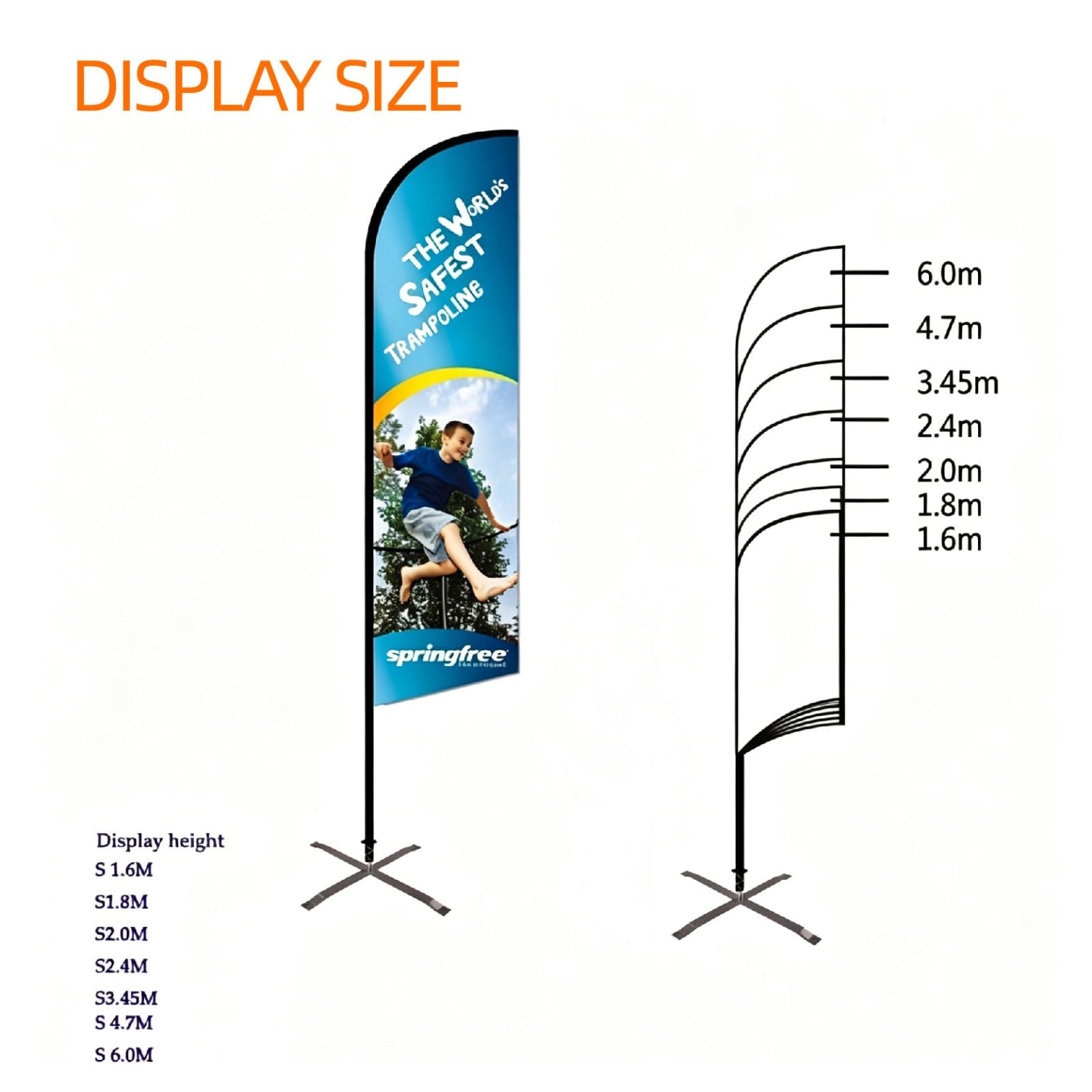
- Flag Size(S1.6M)
- 1.327m*0.484m
- Flag Size(S1.8M)
- 1.5m*0.45m
- Flag Size(S2.0M)
- 1.64m*0.47m
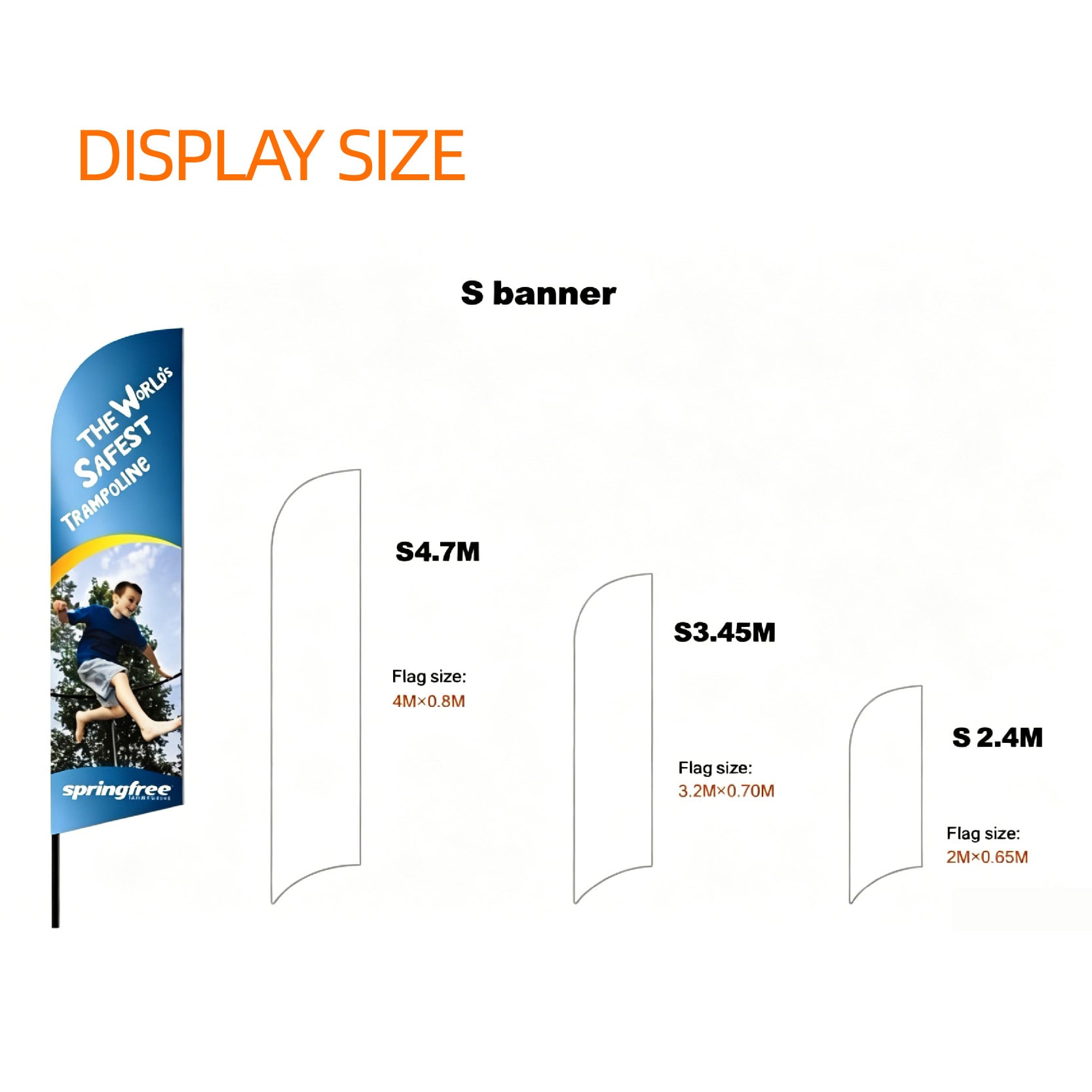
- Flag Size(S2.4M)
- 2.0m*0.65m
- Flag Size(S2.9M)
- 2.42m*0.72m
- Flag Size(S3.45M)
- 3.0m*0.7m
- Flag Size(S3.8M)
- 3.2m*0.7m
- Flag Size(S4.7M)
- 3.8m*0.8m
- Flag Size(S6.0M)
- 5.0m*0.8m
 Product Description
Shipping & Packaging
- Unit Weight
- 1.500
- Unit Size
- 155X10X5
- Packaging
- Standard export carton
- Lead Time
- 15-30 days
Pricing
- MOQ
- 2 piece
- Price Range
- USD 4.1 – 9
* FOB Qingdao. Excludes shipping & taxes. Accessories & customization confirmed separately.
 Sample Service
- Sample Available
- Yes
- Max Sample Qty
- 1
 Customization Options

Light Custom
Logo, color, size adjustments

Fast Turnaround
Quick custom order processing
Feather Flag - Professional Banner Poles & Systems Manufacturer - WZRODS
The promotional display products market is undergoing a quiet shift in materials. According to Volza trade data, global shipments of advertising flags to the United States increased by 13% year-over-year from June 2024 to May 2025, while global imports of advertising banners climbed by 29% during the same 12-month period. The issue lies in unit economics. Distributors of aluminum and fiberglass feather flag systems are watching as warranty claims and shipping costs steadily erode their already slim profit margins.
This is precisely the market opportunity that WZRODS has been committed to tapping into. Our “Feather Flag RODS” series—carbon fiber poles specifically designed for feather flags, teardrop flags, and beach flags—has become the fastest-growing SKU category in our distributors’ product catalogs over the past decade. The following sections will explain—from the perspectives of engineering, total cost analysis, and supply chain realities—why regional distributors are redefining their private-label specifications around this flagpole.
Material Differences: Why Carbon Fiber Outperforms Aluminum Alloy and Fiberglass in Flagpoles
For the past fifteen years, the feather flag poles category has been dominated by two flagpole materials: spin-formed aluminum alloy and pultruded fiberglass. Both materials function adequately, but they both carry failure risks that distributors must bear.
In actual use, the pole bends, and the feather flag functions as a cantilevered sail. Under a crosswind of 12 meters per second (27 miles per hour), a 4.5-meter aluminum flagpole bends noticeably, which also affects the connection at the base; fiberglass flagpoles bend even more, and after one season, they develop permanent deformation. In contrast, carbon fiber tubes with the same outer diameter can return to their original shape, with residual deformation approaching zero, because their modulus of bending is one order of magnitude higher.
We verified this through a third-party wind tunnel test conducted in Italy. Under steady wind conditions simulating a wind speed of 15 meters per second (33.5 miles per hour) and a gust factor of 20%, the deflection at the tip of the WZRODS carbon fiber flagpole consistently remained below 8% of the flagpole’s height, whereas the deflection for comparable aluminum flagpoles was 14% and that for fiberglass flagpoles reached 21%. After 500 load cycles, the carbon fiber tubes showed no measurable deterioration in performance.
This is also why Boeing switched the 787 fuselage material from aluminum to carbon fiber: carbon fiber is not as prone to breaking as other metal poles. For distributors, this means lower operating costs and higher quality.
The Distributor Economics: A Total-Cost-of-Ownership View
Distributors do not buy poles; they buy margin and predictability. The per-unit cost of a carbon-fiber pole is higher than aluminum — that is unavoidable. The question is whether the delta is recovered across the product lifecycle.
| Cost Dimension | Aluminum Pole System | WZRODS Carbon-Fiber RODS |
|---|---|---|
| Per-unit pole cost (FOB, 500-unit MOQ) | Baseline (100) | ~165–180 |
| Pole weight (4.5m, assembled) | ~1.8 kg | ~0.75 kg |
| Air-freight cost per 100 units (est.) | Higher (weight-driven) | ~58% lower |
| Expected field life (outdoor, 8h/day) | 12–18 months | 36+ months |
| Warranty claim rate (distributor-reported) | 8–12% | <2% |
| Replacement-pole inventory turns | High (frequent restock) | Low (long replenishment cycle) |
| 3-year TCO per unit | Baseline (100) | ~72 |
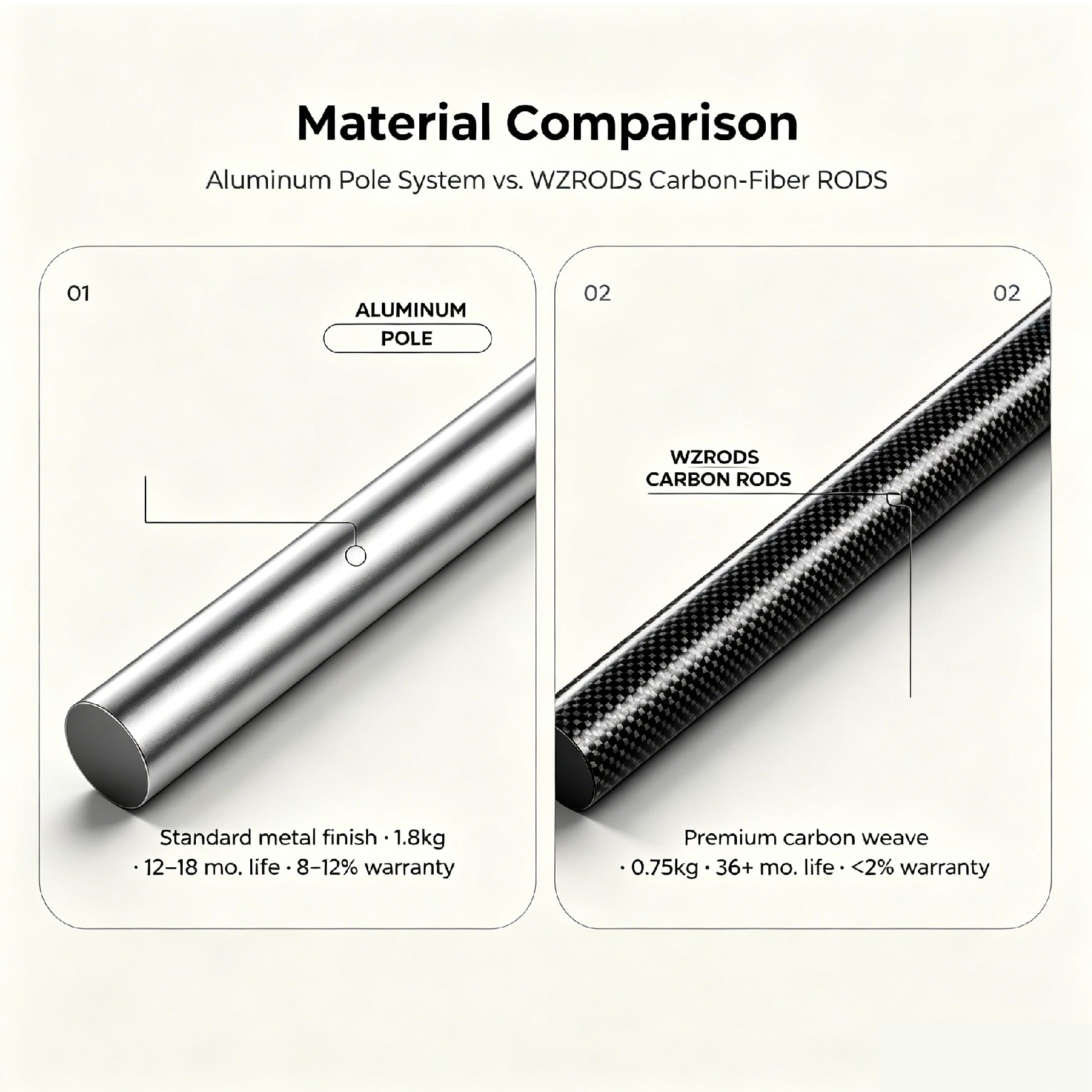
The freight line is where most distributors first see the savings. A 4.5-meter carbon pole ships at roughly 40% of the aluminum pole's weight. For distributors air-freighting restocks between sea containers — a common practice during peak event season — that delta alone can offset the material premium in a single quarter.
The warranty line is where the compounding happens. A 10% claim rate on a $12 retail-margin pole is a $1.20 drag per unit before you account for handling, return shipping, and customer dissatisfaction. Carbon fiber's sub-2% claim rate is not a rounding error; it is a different business model.
Fabric Compatibility: PVC vs. Nylon vs. Polyester Print Media
A pole is only as good as the flag it carries. The WZRODS rods system is spec'd to work across the three dominant print fabrics in the channel:
110 g polyester (knitted) — the volume standard for dye-sublimation. Lowest cost, acceptable for indoor and light-outdoor use.
PVC-coated polyester (130–150 g) — heavier, more wind-resistant, preferred for roadside and construction-site signage. Adds load; the carbon pole's higher modulus matters most here.
Nylon-ripstop (100–120 g)—premium hand feel, superior abrasion resistance, common in sports club and resort applications.
We recommend nylon ripstop or PVC-coated polyester for any deployment above 10 m/s average wind. The carbon pole handles the load; the fabric determines the sail shape. Distributors bundling pole + flag as a kit should spec the fabric to the end-use environment, not to a one-size-fits-all price point.
Supply Chain, Compliance, and Customs: What Distributors Need to Know
For North American and EU distributors, the import details matter as much as the pole itself.
HTS classification: Feather-flag poles of carbon fiber are typically classifiable under HS 6601.91 (umbrellas, walking-stick seats, whips, riding crops, and the like—parts and accessories) or HS 6815.99 (articles of carbon or graphite). The correct classification depends on whether the pole is imported as a standalone component or as part of a finished flag set. We provide country-specific classification guidance with every commercial invoice.
U.S. Section 301 tariffs: Carbon-fiber articles from China may be subject to additional duties under List 3 or List 4A depending on classification. Distributors should confirm current duty rates with their broker before placing container orders.
REACH compliance (EU): Our carbon-fiber tubes and resin systems are REACH-registered; the resin matrix uses no restricted phthalates or heavy-metal catalysts. We provide SDS and REACH declarations on request.
MOQ and lead times: Standard: MOQ is 500 poles per size, with production lead times of 18–25 days for stock colors and 30–35 days for custom ferrule finishes or private-label branding.
Packaging: Poles ship in segmented 1.5 m sections inside corrugated inner sleeves, 20 poles per export carton. Cube-optimized for 40HQ containers.
What Distributors Are Actually Saying
We track distributor feedback across three regions. The themes are consistent:
"We moved our house-brand feather flag from aluminum to the WZRODS carbon pole in Q1. The first thing we noticed was not the strength — it was the return rate. We stopped getting 'pole bent in transit' claims because the pole doesn't bend in transit."
Mid-Atlantic U.S. event-signage distributor
"The freight savings paid for the upgrade in two restock cycles. Our customers think they're paying a premium for carbon; we're making better margin because the logistics cost dropped."
UK-based promotional-products wholesaler
"We sell into coastal markets. Aluminum poles corrode at the ferrule after one salt-air season. Carbon doesn't. That's the whole story for us."
Gulf Coast U.S. distributor
The Outlook
The promotional-display category is not going back to volume-only competition. End buyers — event organizers, auto dealerships, real-estate offices, and sports clubs — are keeping their flag kits longer and using them harder. Distributors who specify a pole that survives that usage profile will retain accounts; distributors who compete on per-unit pole cost will keep replacing them.
WZRODS Feather Flag RODS are engineered for the first group. The carbon-fiber tube, the ferrule design, the fabric-compatibility testing, and the compliance documentation are all built around a single proposition: a pole that a distributor can sell once and not see again for three years.
In a category where the cost of failure is borne by the middleman, that is the only specification that matters.
About the author:
About the author: Wei Chen is Product Line Director for promotional display equipment at Weihai Wisezone Outdoor Equipment Co., Ltd. (WZRODS), overseeing a $4.2M annual product line spanning carbon fiber flagpoles, banner systems, and event display hardware.
Reviewed by WZRODS Technical Team. Updated: 2026-08-24
 Comments (0)
No comments yet. Be the first to comment!
Leave a Comment
Related Products
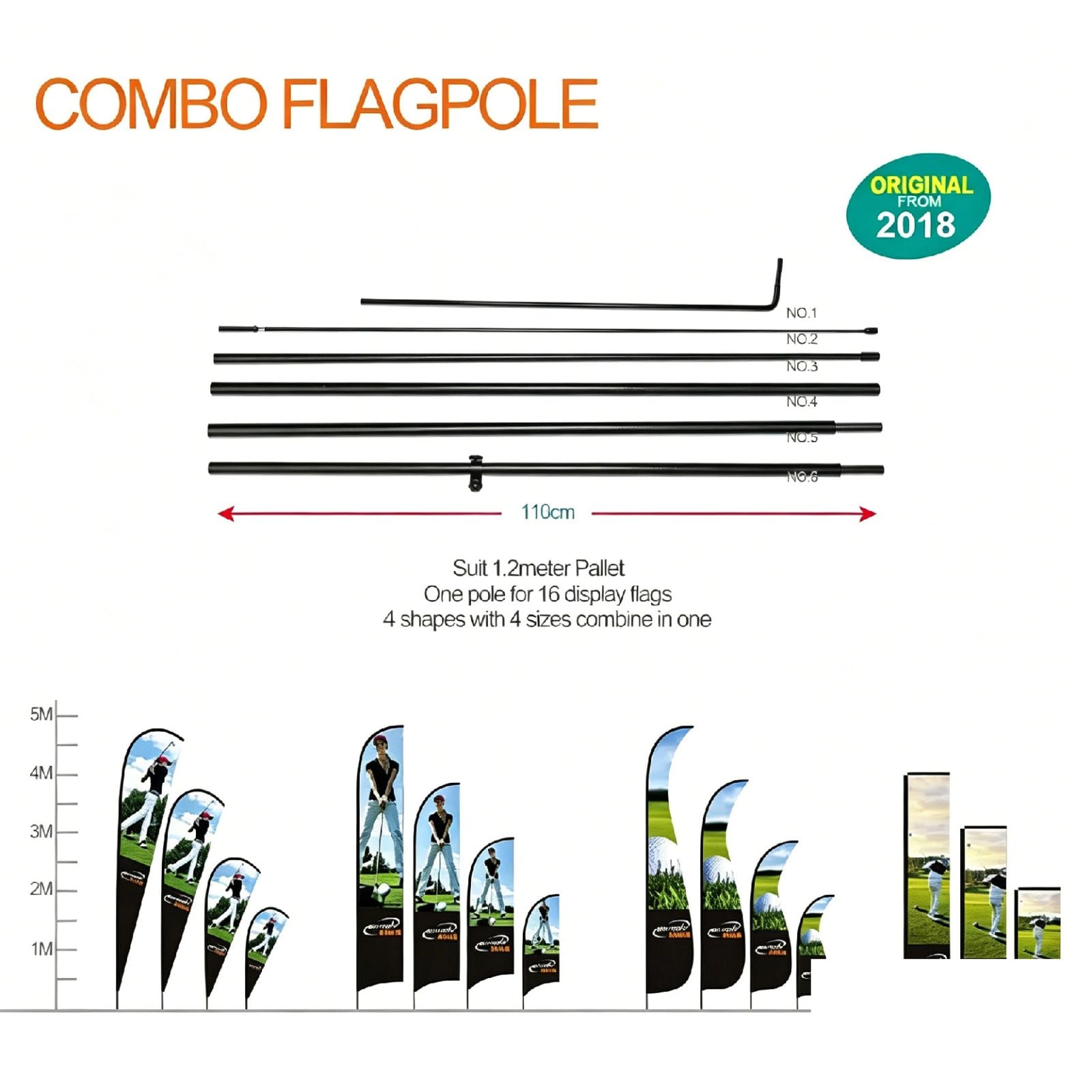
Combo Pole
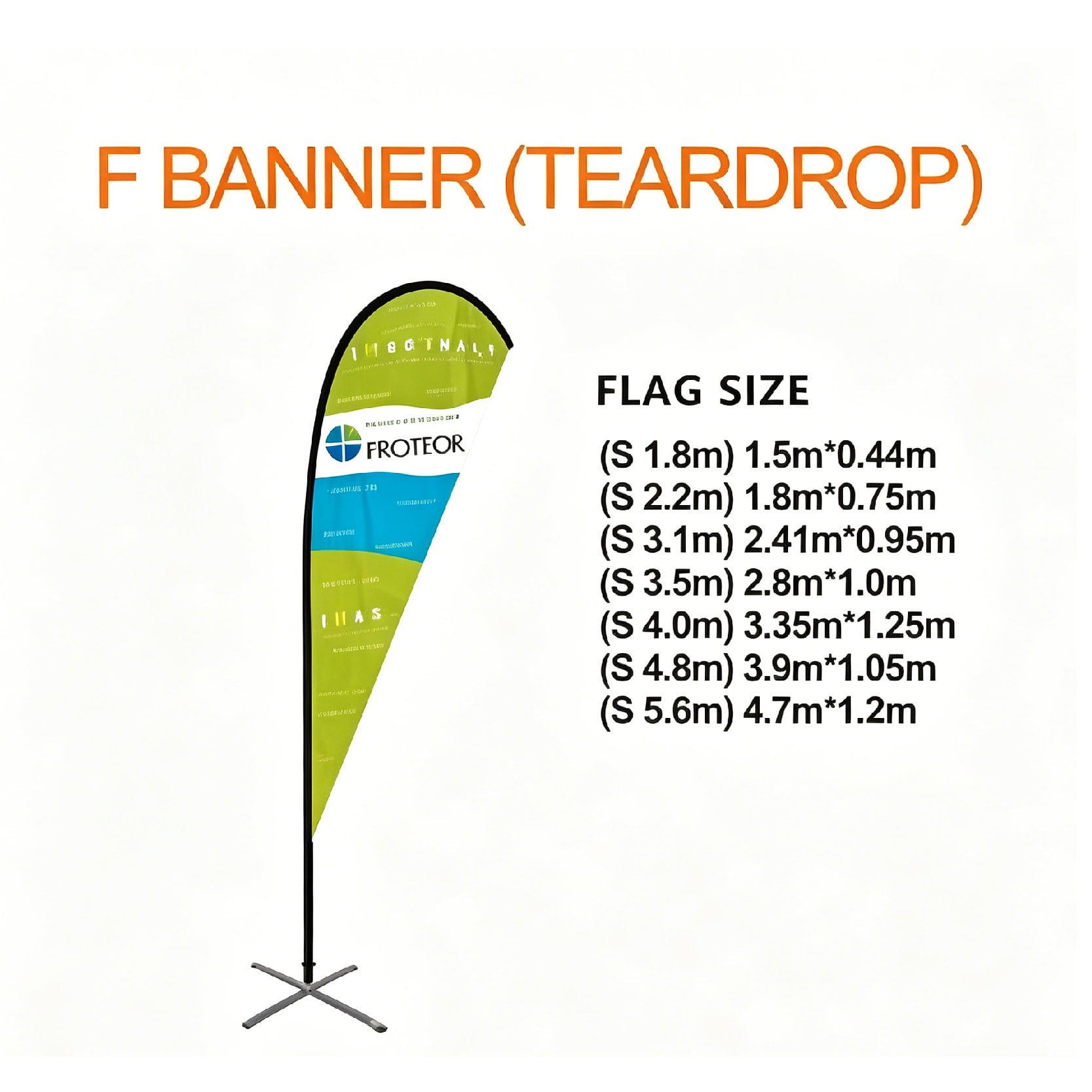
F Banner(Teardrop)
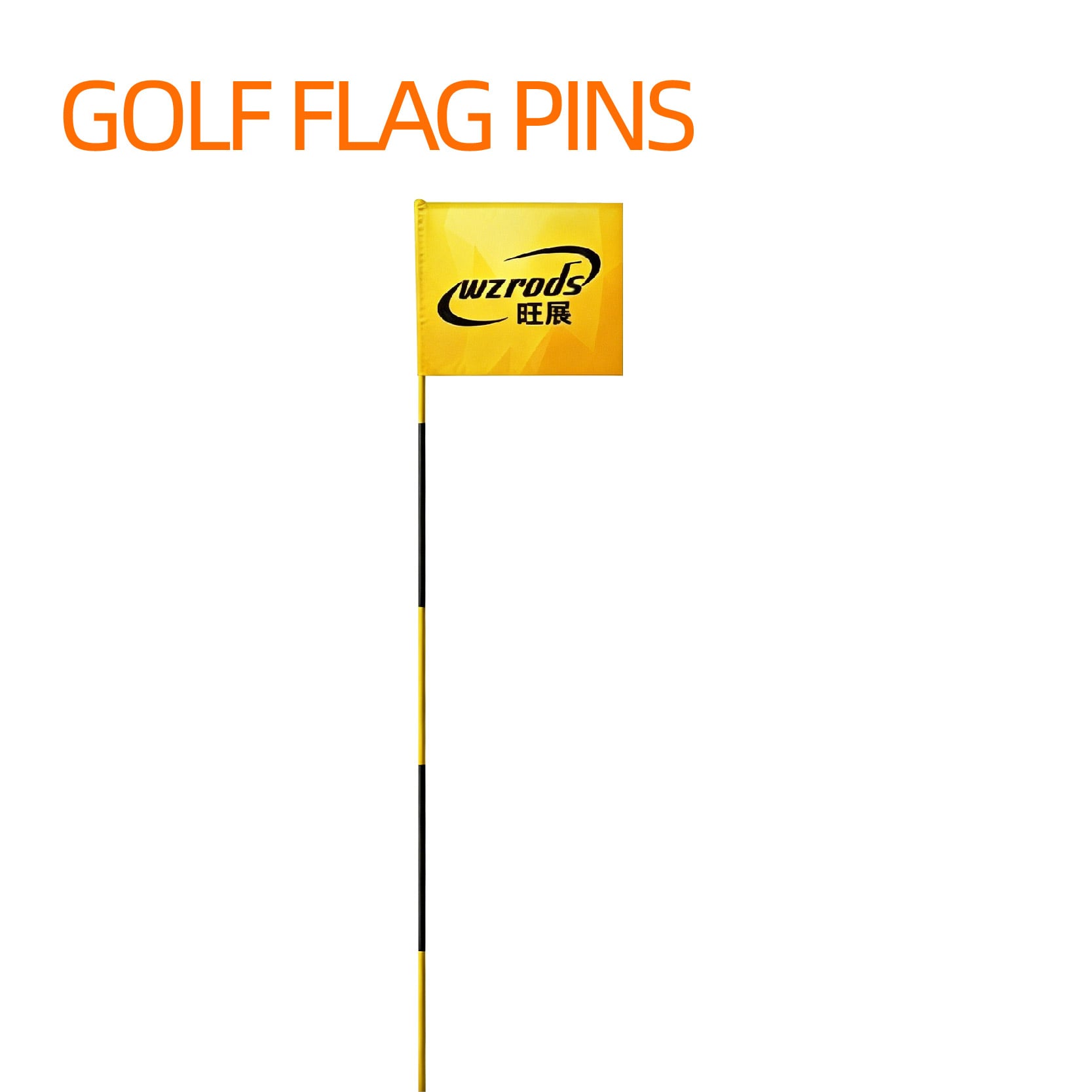
Golf flag pins
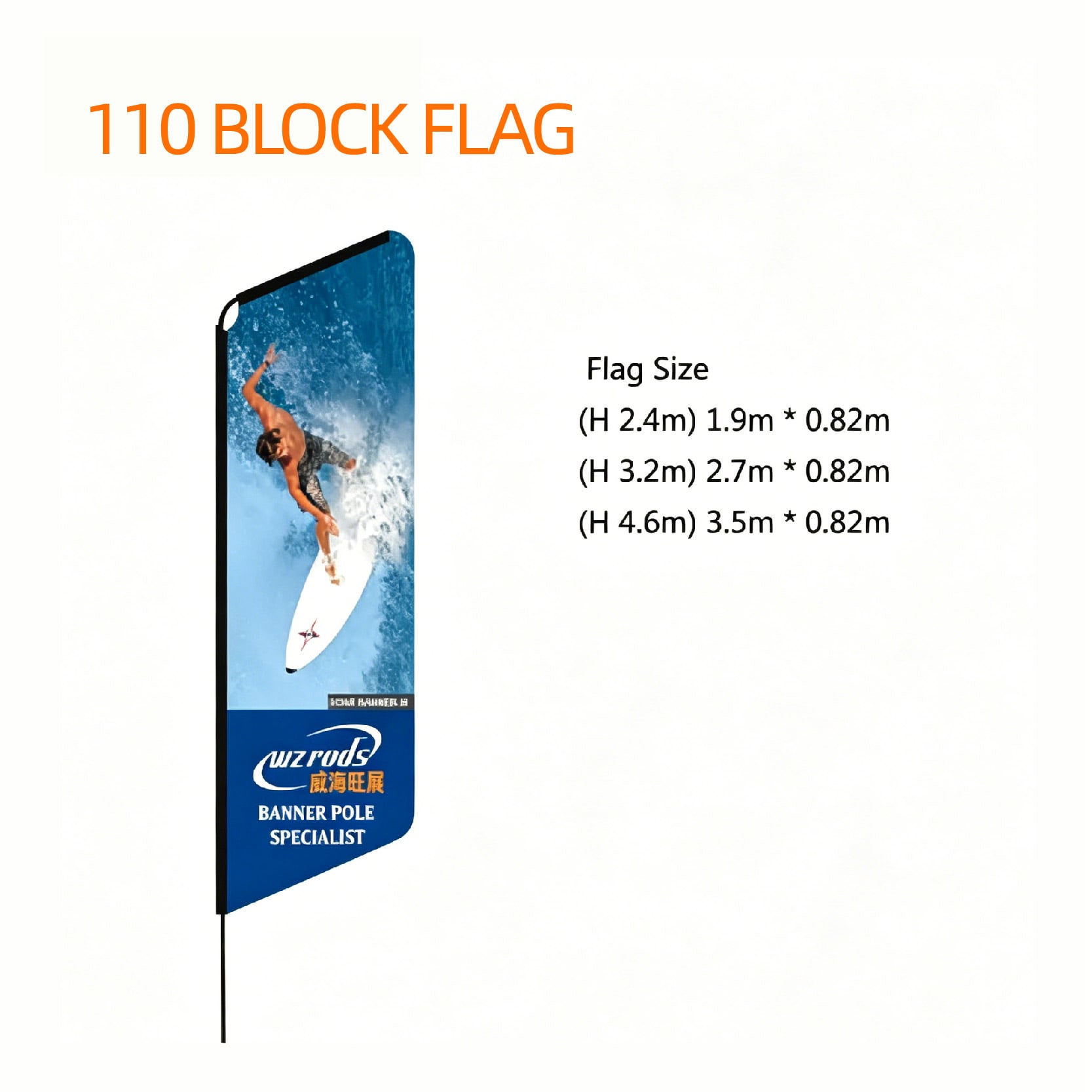
110° H banner
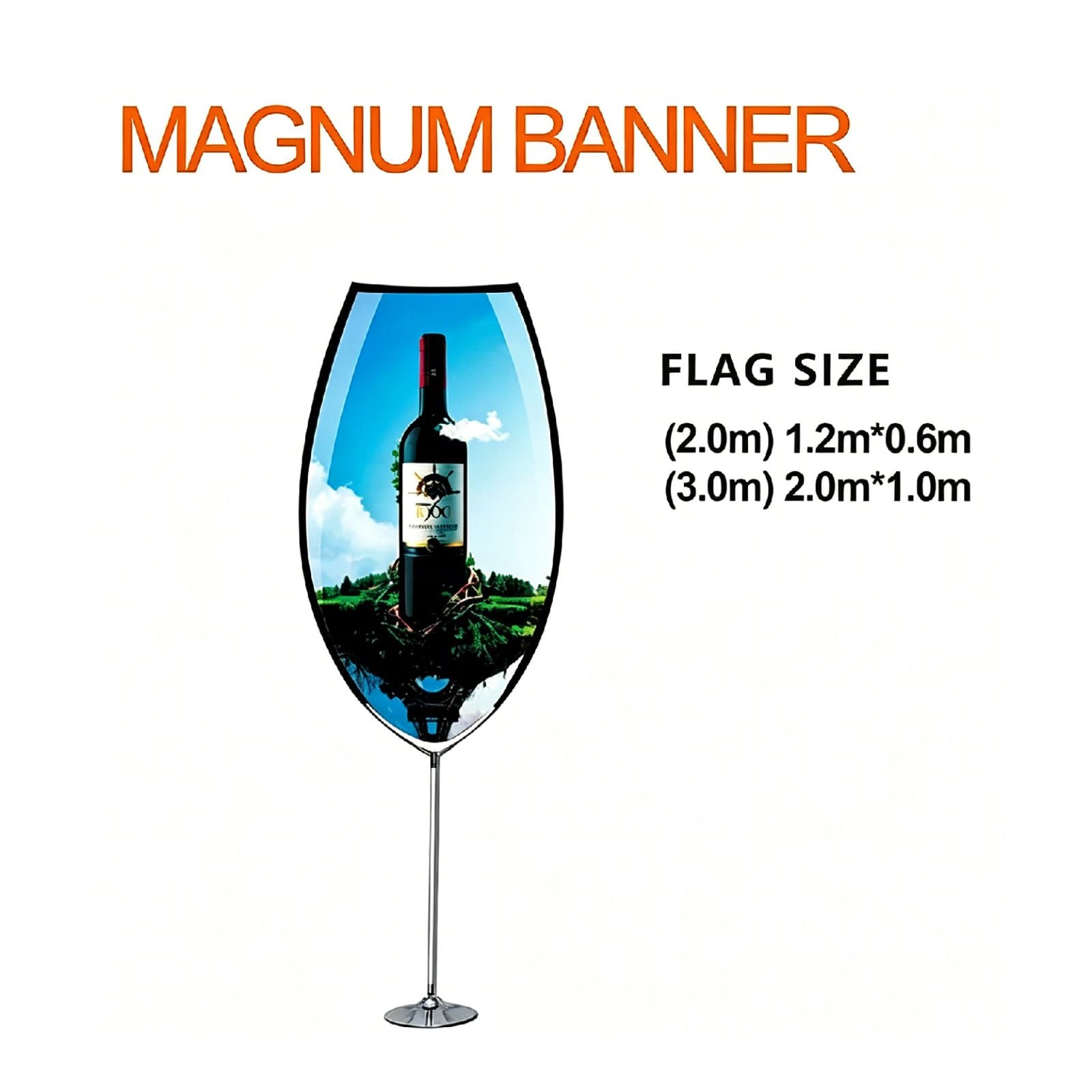
Magnum banner
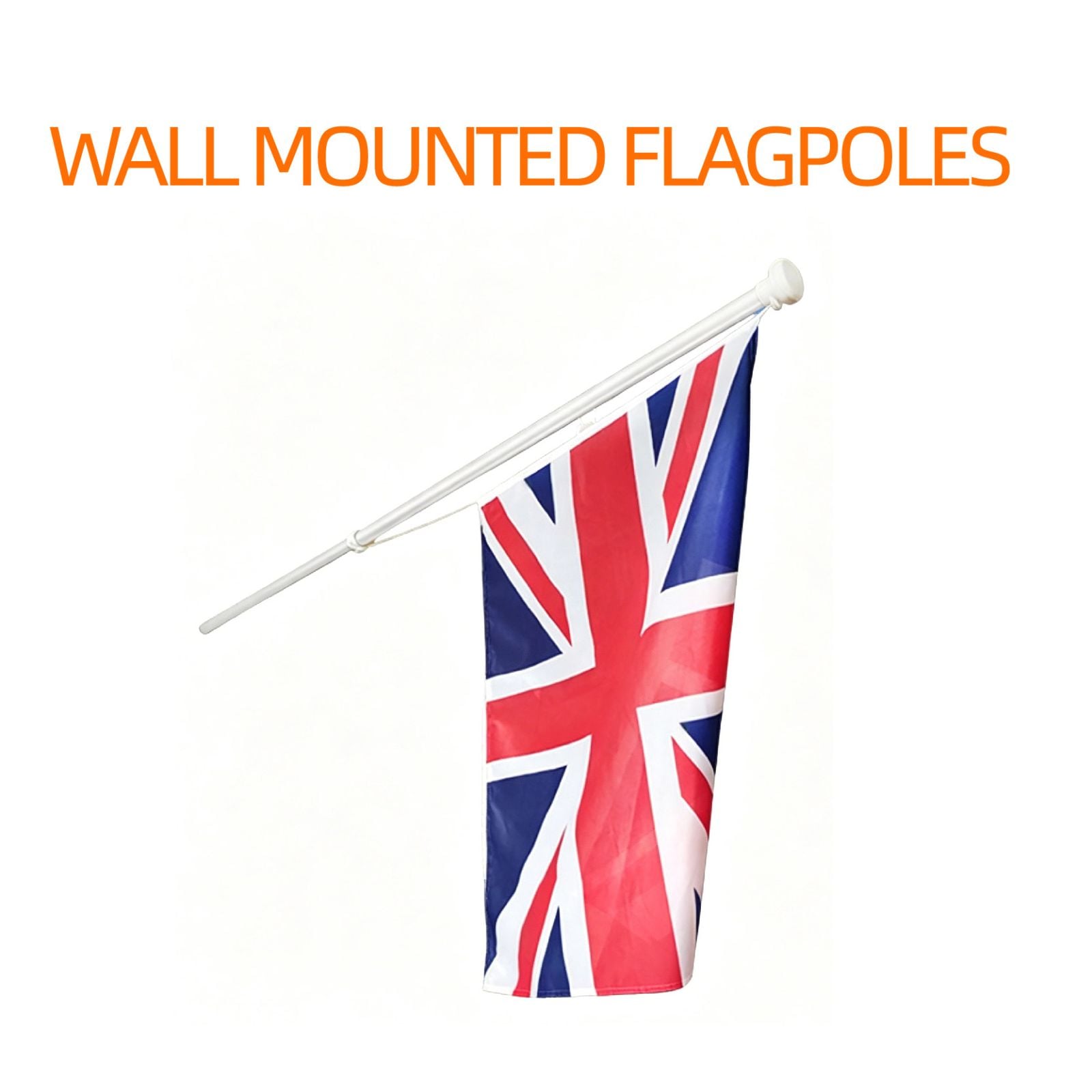
Wall Mounted Flagpole
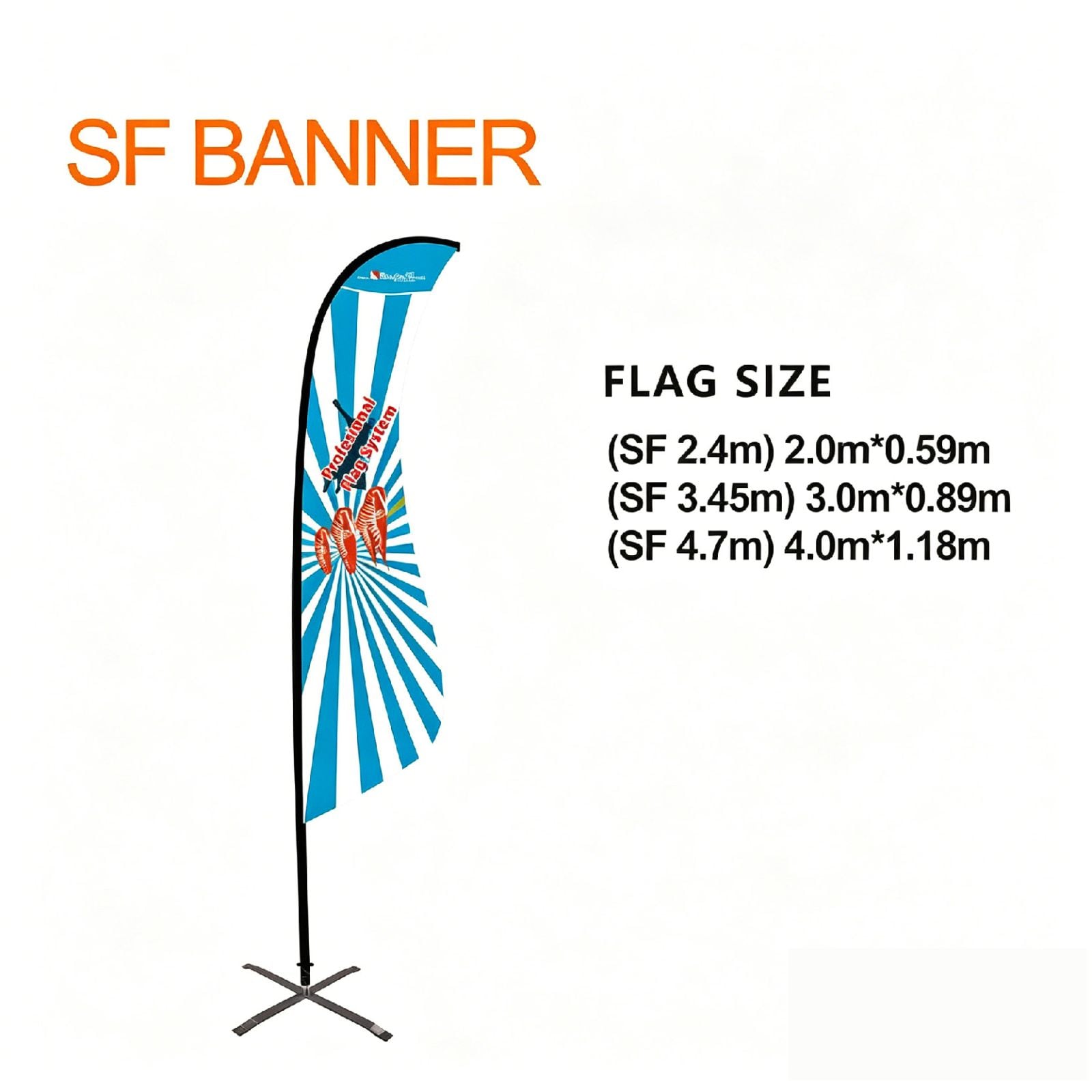
SF Banner
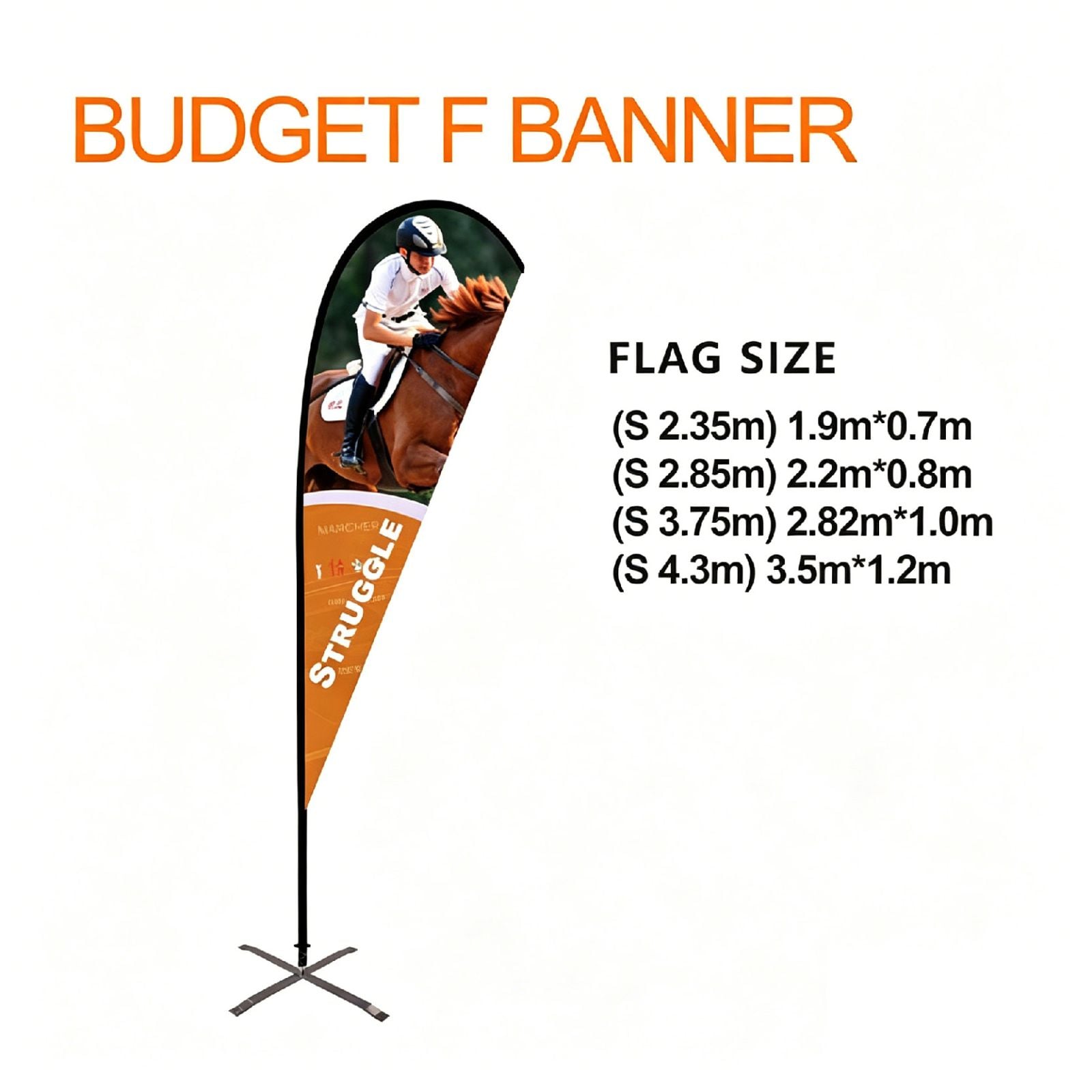
Budget 2in1 flag system
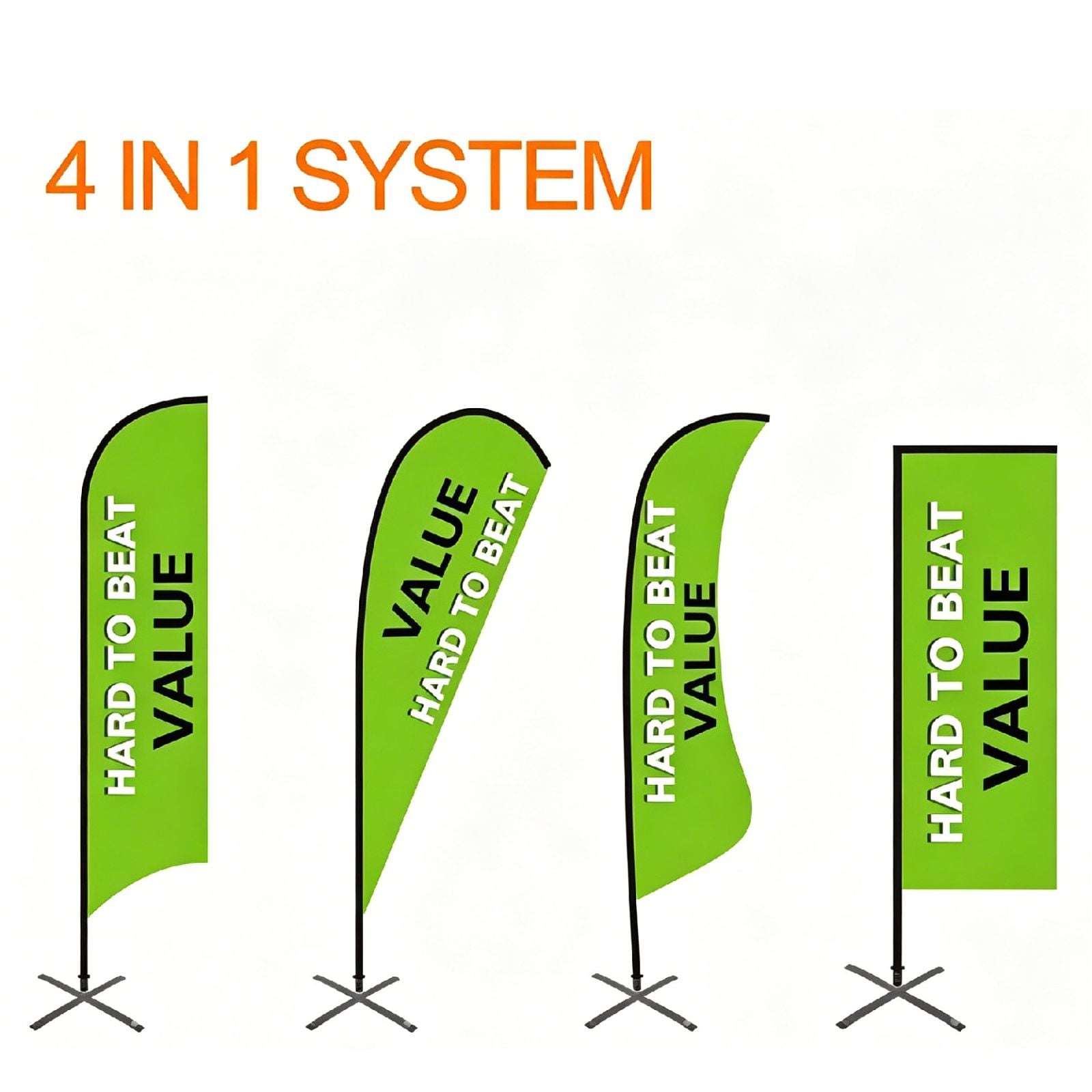
4 in 1 flag System
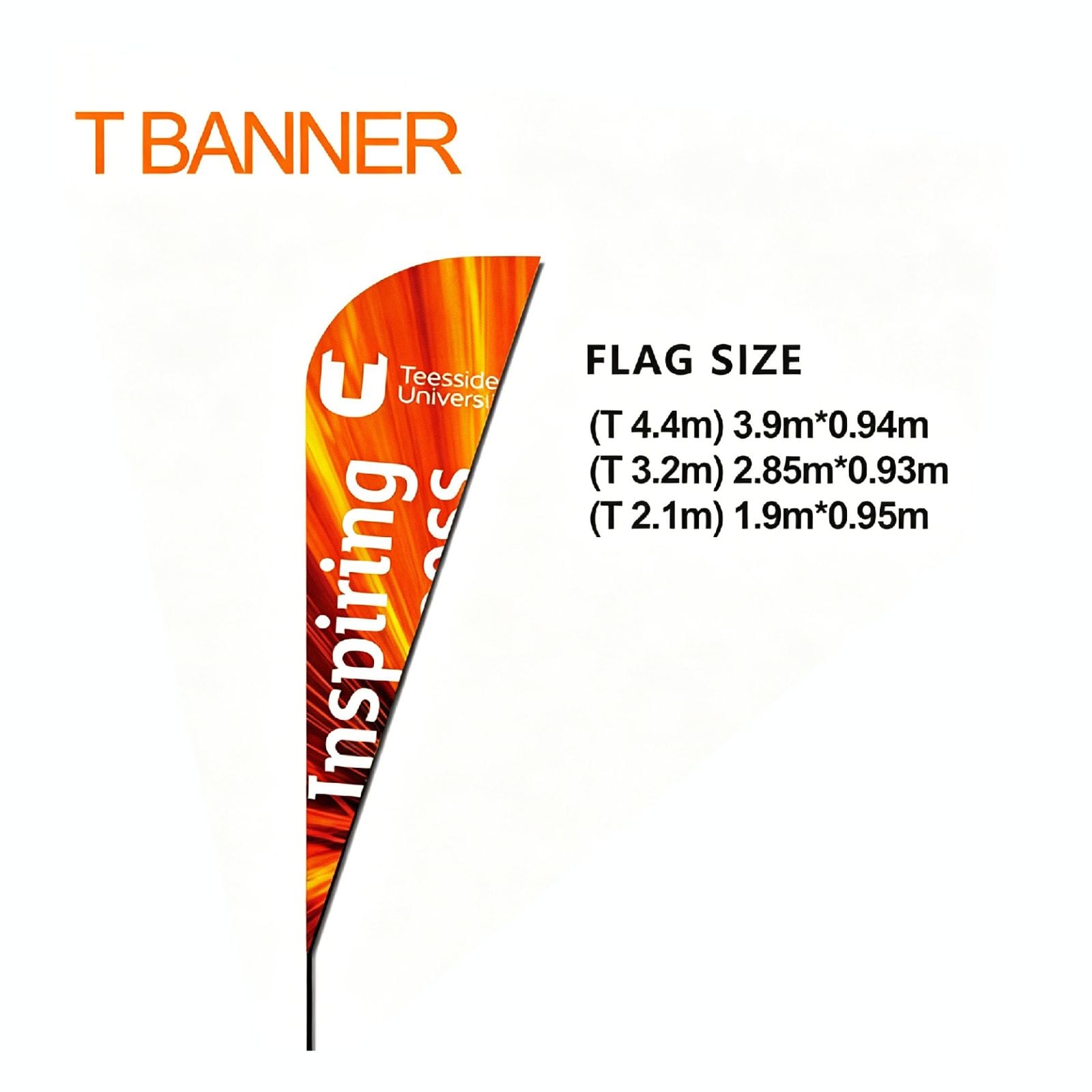
T Banner
Related Articles
How to Choose the Right Feather Flag Base for Different Surfaces
How to choose a high-quality backpack flag
The backpack flag concept centers on a frame carried on the back, similar to a backpack, specifically engineered to support a raised flag or banner.
Teardrop Banner - The Complete B2B Buyer's Resource - WZRODS
A 3.5‑meter teardrop banner at a Hamburg automotive expo leaned at an angle that wasn’t in the design brief. The pole bent. Not broken—bent. It stayed bent. The
29kg Concrete Flag Base Buying Guide: What Importers Must Know - WZRODS
For the professional distributor or rental house, evaluating the wholesale 29kg Concrete Base bulk factory price requires understanding how weight, material, and logistics interact to protect your margin.
29kg Concrete Flag Base - The Complete B2B Buyer's Resource - WZRODS
WZRODS DY451B: 29 kg, HDPE shell, concrete core. Stackable, portable, rust-proof. FOB price US$5.75–$6.85 at MOQ 2 units. Those numbers look unremarkable. Factor in landed cost—import duties lower than aluminum’s under relevant HTS codes, freight savings from less weight per unit of stabilizing mas