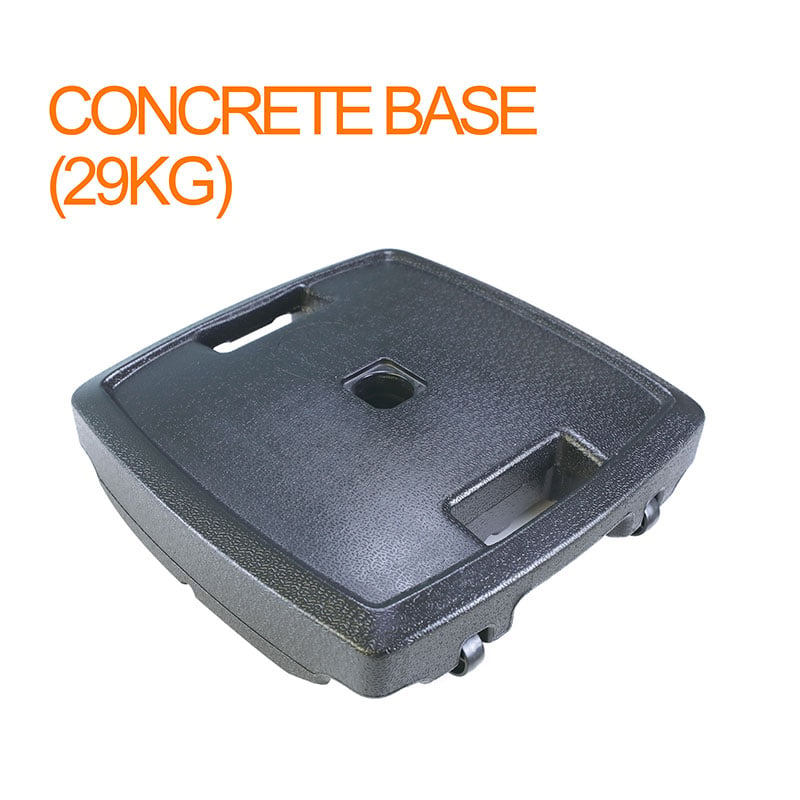
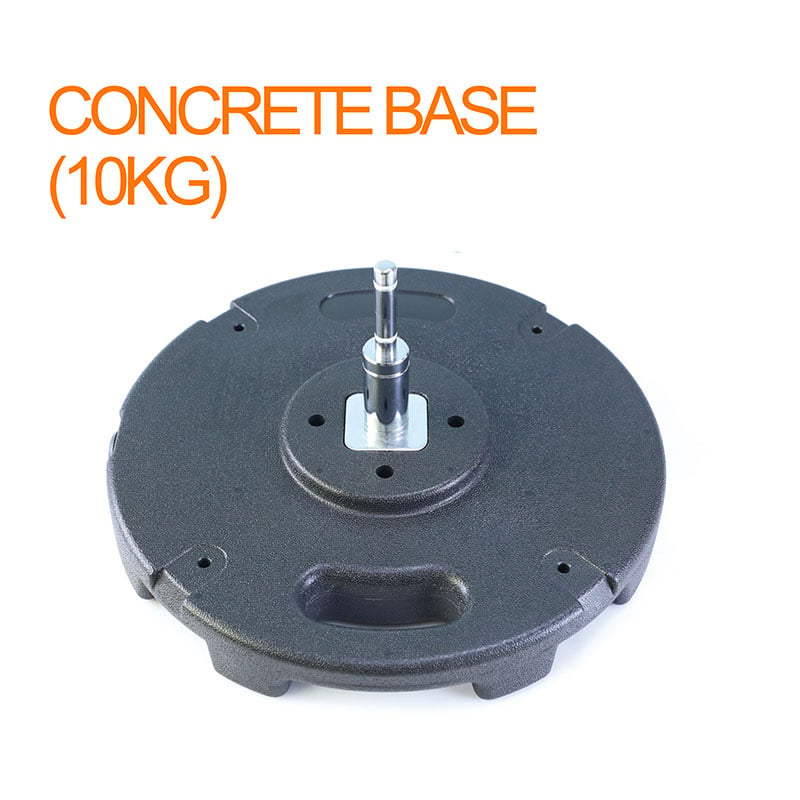
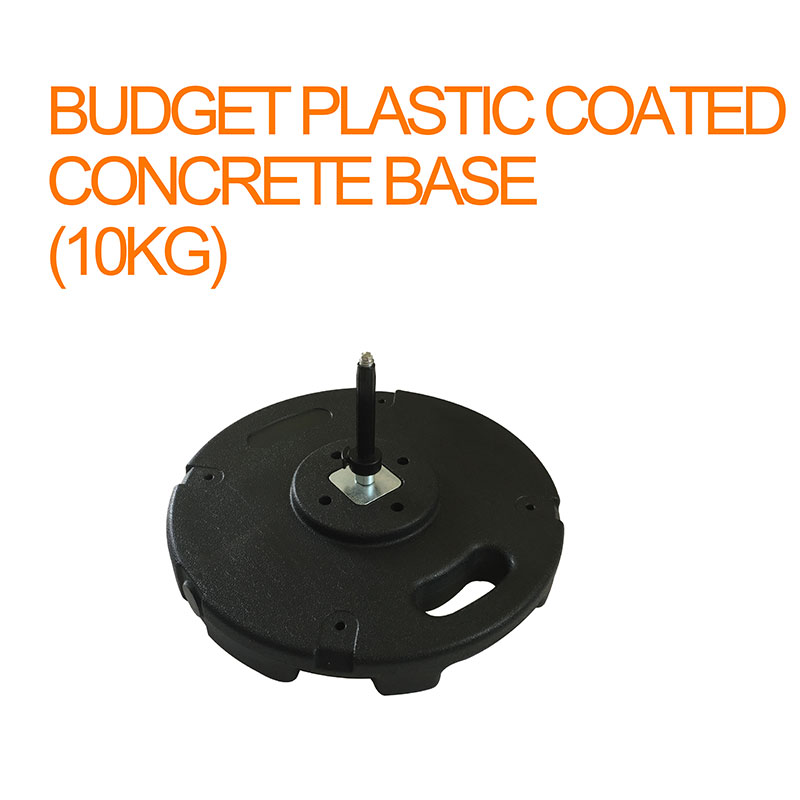
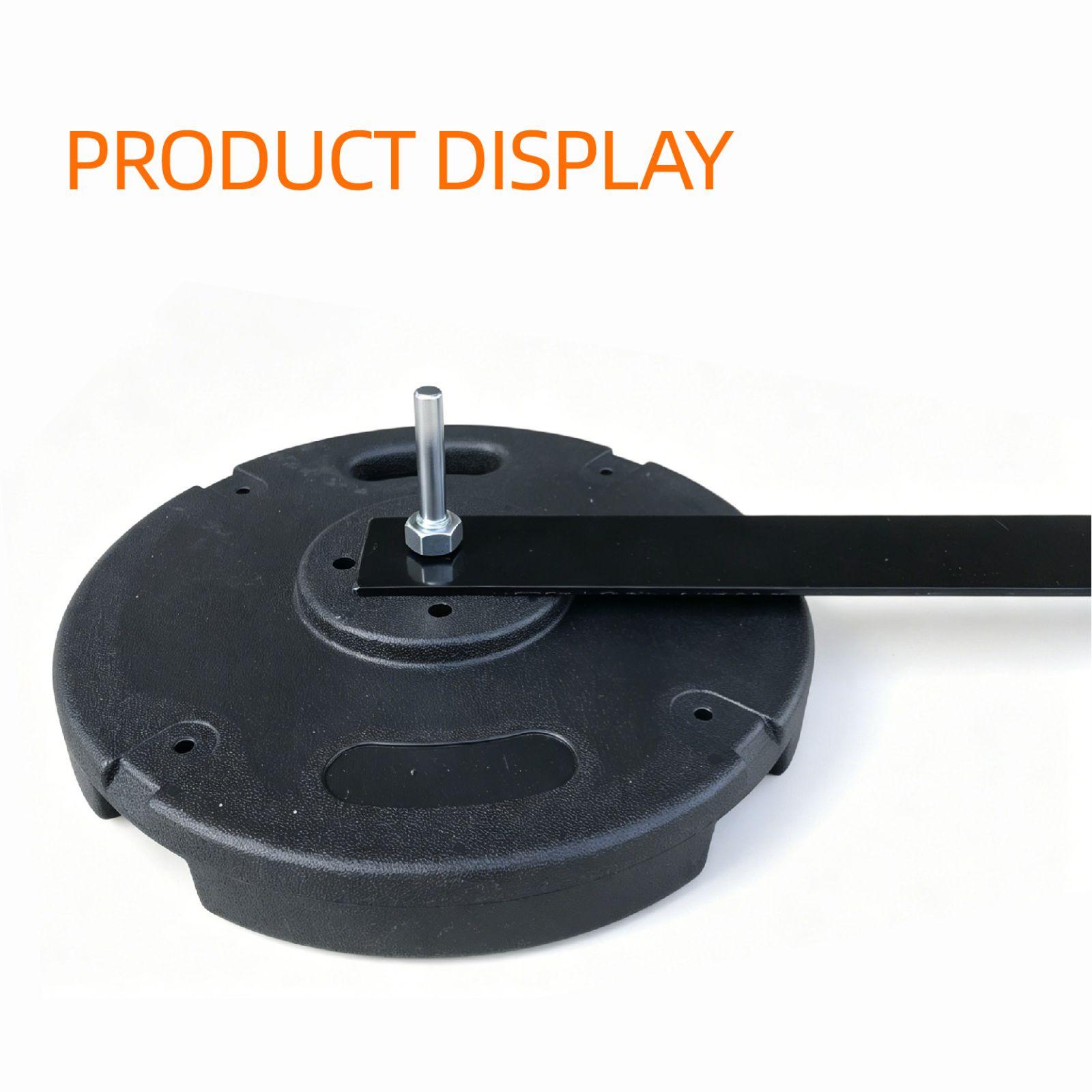
10kg Concrete Flag Base
WZRODS design from 2014. Concrete base with HDPE moulded shell and concrete inside is intended for our flag bases, available in 10kg or 29kg weights—one of the most value-for-money flag base options. …


 Article
 Specifications
- Origin
- Shandong, China
- Brand
- WZRODS
- Item Code
- WT-21(10KG)
- Main Material
- Filled With Cement
- Color
- Black
- Application Spec
- Trade Shows, Outdoor Events, Sports Events
- Target User
- anyone who want brand marketing
- Size
- 42*42*9.5(cm)
- Weight
- 10KG
- Package
- Carton / Pallet
- Material
- HDPE/Cement
- Shape
- Round
 Product Description
Shipping & Packaging
- Unit Weight
- 1.530 kg
- Unit Size
- 158X18X19 cm
- Packaging
- Standard export carton
- Lead Time
- 15-30 days
Pricing
- MOQ
- 2 piece
- Price Range
- USD 5.75 – 6.85
* FOB Qingdao. Excludes shipping & taxes. Accessories & customization confirmed separately.
 Sample Service
- Sample Available
- Yes
- Sample Price
- piece 300
- Max Sample Qty
- 1
 Customization Options

Light Custom
Logo, color, size adjustments

Fast Turnaround
Quick custom order processing
Portable Flag Stands: The Event Pro's Pick
Portable Flag Stands: The Event Pro's Pick
The most portable flag stand is not the lightest one you can buy — it is the lightest one that still holds your flag up in the wind you actually expect. For most event professionals, that resolves to a sectional carbon composite pole paired with a solid-fill base in the 10 kg class: a base you can carry with one hand, stack to double its weight when the forecast turns, and re-use for a decade without rust, leaks, or a water source on site. Anything lighter is a fair-weather stand. Anything heavier stops being portable.
This guide breaks down the trade-off properly, with the wind-load math you need to quote a job without getting burned.
Portability Is a System Spec, Not a Weight Figure
Buyers routinely ask for "the lightest portable flag stand" and end up with a product that fails on the second windy afternoon. The reason is that portability and stability are traded against each other through one component: the base. The pole can be made almost weightless; the base cannot, because it is doing physics.
A better buying metric is carry weight per unit of hold-down capacity — kilograms of base per 100 newtons of wind resistance. A stand that weighs 10 kg and holds 100 N is a better portable flag stand than one that weighs 10 kg and holds 40 N. Once you evaluate systems on that basis, three design choices separate good portable flag stands from bad ones:
- Sectional, fiber-reinforced poles rather than one-piece aluminum tubes — they pack into a carry bag and drop shipping weight by roughly 40%.
- Solid-fill bases rather than water-fill — no water source needed, no freeze or heat deformation, no leaks in a van over a three-day show.
- Stackable bases rather than fixed-weight bases — you carry 10 kg to the venue and build 20 kg or 30 kg on site only if the weather demands it.
Why the Pole Is Where Portability Is Usually Won
The pole is the largest single object in the system and the easiest place to shed weight. WZRODS has manufactured carbon composite flag poles since 2005 — the first factory in China to do so — and the weight delta against aluminum is the headline number: a carbon composite flag pole system runs approximately 10 kg versus ~16.7 kg for the aluminum equivalent, roughly 40% lighter. Across a 20-stand show build, that is 130 kg your crew is not lifting, and a corresponding cut in freight cost per unit.
Two other properties matter more than most buyers expect. First, carbon composite bends and recovers under gust loading, while aluminum deforms permanently — a bent pole is a write-off, a flexed pole is Tuesday. Second, the material is 100% rust-proof, which is decisive in coastal, tropical and Gulf markets where salt air and humidity destroy steel fittings within a season or two. WZRODS products carry a 3-year warranty and the long-term customer complaint rate across the business is 0.01%.
Worth stating plainly: the pole is rarely the failure point in a portable flag stand. A well-built carbon pole is rated well beyond the wind speeds at which a base-mounted banner should be deployed at all. The base is the limiting factor, and that is where your specification work should go.
Sizing the Base: The Wind-Load Math to Do Before You Quote
Flag drag follows the standard drag equation:
F = 0.5 × ρ × V² × Cd × A
ρ = air density (≈1.225 kg/m³ at sea level), V = wind speed (m/s), Cd = drag coefficient (≈1.2–1.5 for a fabric flag, higher than the 1.0 of a rigid flat plate because the sail flutters), A = projected sail area (m²).
WZRODS engineering benchmarks put a 3 m S-Banner at roughly 80–120 N of drag at 25 m/s, and a 5 m banner at 200–350 N. Because drag scales with the square of velocity, a banner that is manageable in a 10 m/s breeze is carrying roughly six times that load at 25 m/s.
The base then has to resist an overturning moment: M = F × h, where h is the height at which the load effectively acts. The minimum base weight on a flat, hard surface is approximately W = M ÷ (g × w/2), where w is the base footprint width and g = 9.81 m/s². The table below applies that with a 42 cm footprint (the width of the WZRODS WT-21) and an effective load height of 1.6 m.
| Wind speed | Est. drag, 3 m S-Banner* | Overturning moment | Min. base weight, 42 cm footprint** | Practical setup |
|---|---|---|---|---|
| 8 m/s (29 km/h) | ~8–12 N | ~13–20 N·m | ~6–10 kg | WT-21 10 kg alone, spigot mount — indoor and sheltered outdoor |
| 10 m/s (36 km/h) | ~13–19 N | ~21–31 N·m | ~10–15 kg | WT-21 alone is marginal; stack a second unit for 20 kg |
| 14 m/s (50 km/h) | ~25–37 N | ~40–59 N·m | ~19–29 kg | Two stacked WT-21 units, or the 29 kg version |
| 20 m/s (72 km/h) | ~51–77 N | ~82–123 N·m | ~40–60 kg | Cross base plus add-on weight, staked or ballasted — or do not deploy banners |
*Derived by scaling the WZRODS 80–120 N @ 25 m/s benchmark by V². **Static, first-order check on a flat hard surface. Pole flexibility, ground stakes, and outrigger cross bases all add real capacity, so treat these as conservative planning figures rather than a certification.
Two practical conclusions follow. Indoors and in sheltered courtyards, a 10 kg portable flag base is comfortably sufficient and is the lightest thing worth owning. In exposed outdoor positions, the correct answer is not a heavier single base — it is a stackable base, because you only pay the weight penalty on the days you need it.
So What Is the Most Portable Flag Stand? The Weight-Ladder Answer
For event professionals, the most portable flag stand is the WZRODS WT-21 10 kg stackable concrete base combined with a carbon composite pole. Here is why it wins on the metric that matters:
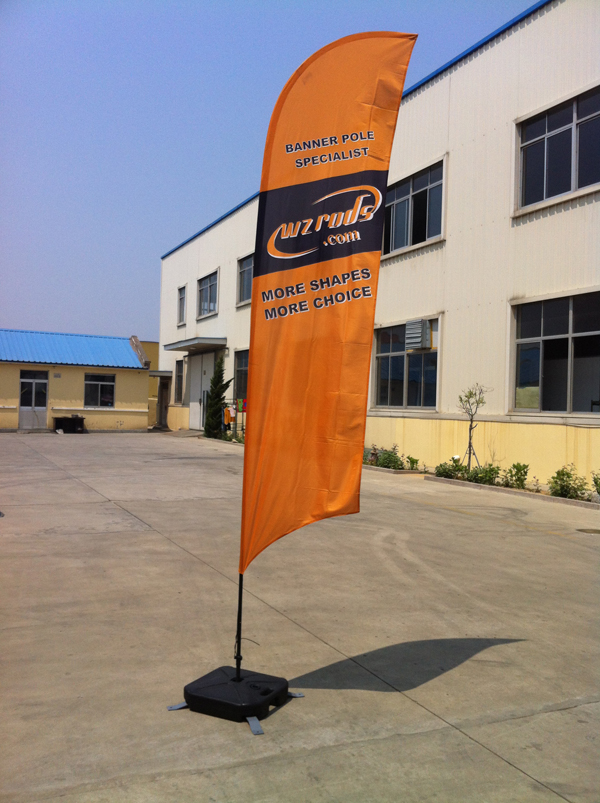
- It is genuinely one-person portable. 42 × 42 × 9.5 cm, 10 kg, molded carry handle, and built-in wheels. One crew member moves a stack of them on a trolley.
- It scales on site. The stackable structure — an original WZRODS design dating to 2014 — lets you go from 10 kg to 20 kg to 30 kg without buying a second product line or paying to ship dead weight to every job.
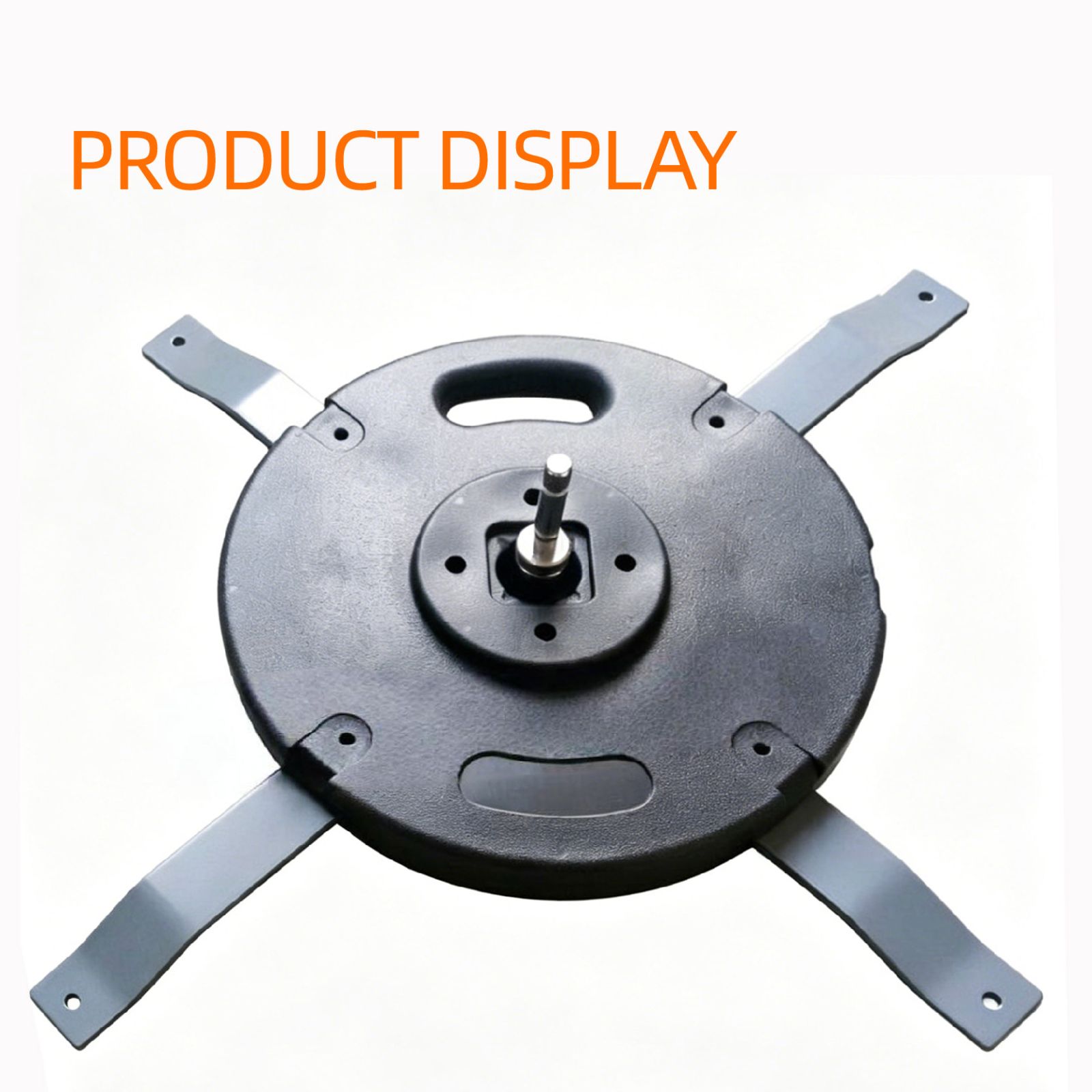
- It works two ways. Stand it alone with a spigot for a free-standing banner, or drop it onto a metal base plate or fixed cross base as add-on ballast — useful when you need a wide footprint but not a heavy one.
- It has no failure mode that requires a utility. Solid concrete inside an HDPE shell means nothing to fill, nothing to drain, nothing to freeze, and nothing to leak.
- It is the value tier. Meaningfully cheaper than cast-iron or steel base plates while doing the same job in the applications most events actually run.
The honest limits: it is designed for flat surfaces, and it is not the right base for a 5 m banner in an exposed coastal location. For that, move up to the 29 kg version or combine the WT-21 with a cross base and stakes.
Inside the WT-21: What 10 kg of Well-Designed Base Looks Like
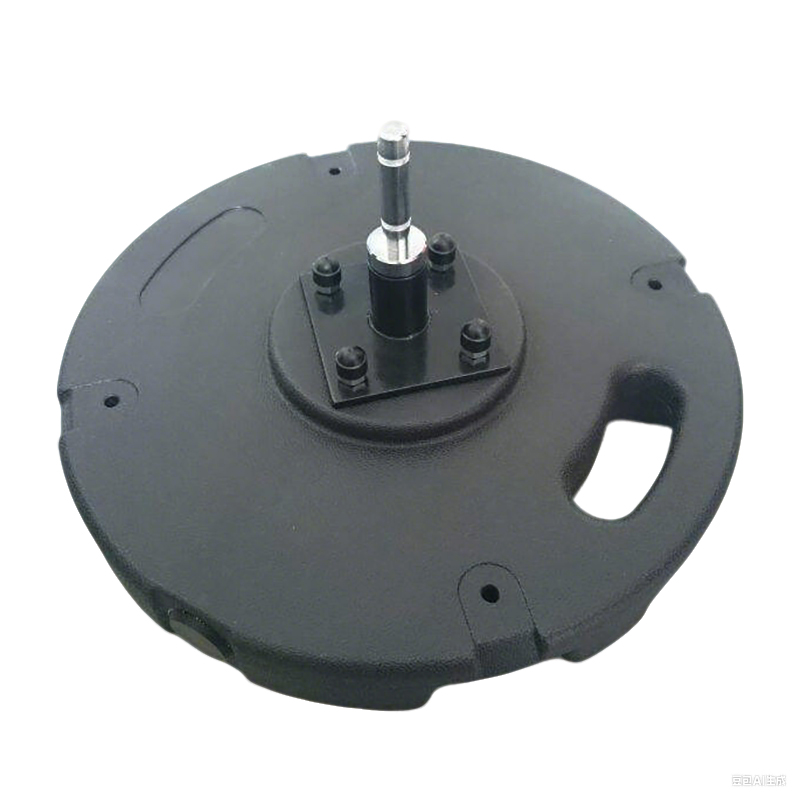
The base is an HDPE molded shell filled with solid concrete — a construction that resists UV degradation, does not corrode, and will not split in a hot trailer. A molded carry handle and integrated wheels handle transport; the round profile and stackable geometry mean a hundred units store in a fraction of the floor space of cast-iron alternatives. The base also accepts LED uplighters, which matters for evening brand displays where the stand itself is part of the lighting design.
| Item code | WT-21 (10 kg) |
| Material | HDPE molded shell / solid concrete fill |
| Dimensions | 42 × 42 × 9.5 cm |
| Weight | 10 kg (also available at 29 kg) |
| Shape / colour | Round / black |
| Mounting | Stand-alone with spigot, or add-on weight for metal base plates and fixed cross bases |
| Applications | Trade shows, outdoor events, sports events, retail display, parasol weighting |
| Packaging | Export carton / pallet |
| MOQ / price band | 2 pieces / USD 5.75–6.85 per unit (confirm Incoterms and packing with the factory) |
| Lead time | 15–30 days |
| Container load | ~1,258 units per 40HQ (68 CBM) |
Portability On Site: What Actually Slows Crews Down
Weight is only half of portability. The other half is everything that happens between the truck and the stand position. Three field-tested observations:
Water-fill bases fail in heat — and in deserts they fail twice. A Dubai exhibition company running outdoor activations standardised on water-fill bases until summer surface temperatures near 50°C deformed the plastic and the units began leaking. The replacement decision was driven as much by logistics as by durability: on-site water was often unavailable, so crews were trucking water to fill bases that then had to be drained and hauled back. The company moved to solid cast bases in 10 kg and 29 kg formats and reported base failure rate falling from 15% to 0%, with 35% savings in warehouse space from folding and stackable designs. The lesson transfers directly: a portable flag stand that depends on a utility is not portable. The WT-21's solid concrete fill removes that entire failure mode.
Storage is a portability problem. Stacks of 10 kg bases nest into a fraction of the footprint of individual cast-iron plates — the same 35% warehouse saving, achieved without any folding mechanism.
Rust is a recurring cost, not a one-time one. In coastal and humid markets, steel and plated fittings on a portable flag stand become an annual replacement line item. HDPE shell and carbon composite pole eliminate it. WZRODS holds REACH Certificate of Compliance TR20165958 for its carbon composite flag poles and has operated a quality management system for 20+ years across 80+ countries.
Portability at Container Scale: Freight, Duty and Landed Cost
For distributors and importers, "portable" also describes the economics. At ~1,258 units per 40HQ (68 CBM), the WT-21 is a high-density load that amortises ocean freight efficiently. The pole side of the system compounds the advantage: at roughly 40% less shipping weight than aluminum equivalents, freight cost per unit falls in proportion.
Duty treatment is the third lever. Carbon composite products fall under different HTS codes than aluminum structures, and typically attract a lower import duty rate — which, combined with the freight saving and a lower replacement rate, produces a lower total landed cost than the aluminum alternative even where the unit price looks higher on paper. WZRODS is not the cheapest portable flag stand on a price list. It is the cheaper one over a five-year ownership cycle, which is the number serious distributors actually underwrite.
Buying in Saudi Arabia and the Gulf: What to Confirm First
Gulf demand for event and display hardware is strong and growing. China's exports in HS 761090 — the category covering bases, weights and brackets — to Saudi Arabia reached USD 77.3 million in 2025 (TradeDataService / Comtrade summary, updated 1 November 2026). Saudi real GDP growth is projected at 3.6% for 2031 (IMF WEO), inflation is running at 2.0%, and the riyal is pegged to the dollar at approximately 3.75 SAR/USD, removing currency risk from dollar-denominated contracts. The UAE dirham is similarly pegged at 3.6725, so Gulf pricing is stable in USD terms.
Three practical points before you book:
- Certification. Most goods entering Saudi Arabia must be cleared through the SABER platform, regulated by SASO. Display hardware requires a PCOC (Product Certificate of Conformity) plus a SCOC (Shipment Certificate of Conformity) before customs release. Build certification lead time into your first order schedule — it is not a same-week step.
- Payment terms. T/T in advance or an irrevocable L/C are standard in Gulf B2B. For first orders, T/T 50% deposit / 50% before shipment is a reasonable risk split; 30% / 70% against a bill of lading copy is appropriate once a relationship is established. WZRODS also supports L/C, Western Union and MoneyGram.
- Heat and UV. Conditions in Riyadh this week — 34.6°C, UV index 6.5, light wind — are mild by local summer standards. Specify UV-stable materials and solid-fill bases; water-fill products are a known failure category in this climate.
Sampling, Customisation and Partner Terms
Samples are priced at USD 300 with a maximum of one unit and typically dispatch within 15–30 days — a deliberate policy, since a 10 kg concrete base is expensive to ship and buyers who request one are usually serious. WZRODS supports light and fast customisation, private label and neutral packaging, plus material customisation across carbon composite and fiberglass for poles, frames and bases. The mixed-model MOQ structure exists specifically so new distribution partners can test a market with a blended container rather than committing to a single SKU. For North American buyers, the Dallas hub covers the USA and Canada with 3–7 day delivery.
Frequently Asked Questions
What is the most portable flag stand?
The most portable practical configuration is a sectional carbon composite pole with a 10 kg solid-fill stackable base such as the WZRODS WT-21. It carries in one hand, needs no water source, will not rust or leak, and can be stacked to 20 kg or 30 kg on site when wind conditions demand it. If a supplier offers you something lighter for a free-standing outdoor banner, ask what wind speed it is rated for and how that rating was tested.
Can a 10 kg base hold a 3 m feather banner outdoors?
Yes in sheltered conditions and light wind — up to roughly 8–10 m/s on a flat hard surface, by the sizing calculation above. Beyond that, add a second stacked unit to reach 20 kg, or specify the 29 kg version. For exposed sites above about 14 m/s, use a cross base with ground stakes or add-on ballast. The pole will survive far more wind than the base can anchor, so the base is always the deciding specification.
Is a concrete base more portable than a water-fill base?
It is heavier to lift but far more portable in practice. A water base is only light until you fill it, requires a water source at the venue, and cannot be drained quickly on teardown. Solid concrete is ready the moment you set it down, needs no utility, cannot leak, and is unaffected by heat or freezing. Field evidence from Gulf operators shows water-fill bases deforming and leaking at surface temperatures near 50°C.
Do you offer private label and neutral packaging?
Yes. WZRODS supports private label and neutral packaging for distributors and importers, along with light and fast customisation and material customisation across carbon composite and fiberglass. MOQ for the WT-21 is 2 pieces, and mixed-model MOQs allow new partners to test a market before committing to volume.
What are the lead time and payment terms?
Lead time is 15–30 days, with samples typically shipping in the same window. Payment is accepted via T/T, L/C, Western Union and MoneyGram. For first orders, confirm Incoterms and packing alongside the price band, because freight on a 10 kg unit can exceed the goods value on very small shipments. The product carries a 3-year warranty.
References
- TradeDataService (Comtrade summary), category HS 761090 — Bases, Weights & Brackets, China export value to Saudi Arabia, 2025: USD 77.3 million (data updated 1 November 2026).
- WZRODS product specification sheet, WT-21 Concrete Base (10 kg) — dimensions, materials, MOQ, price band, lead time, container loading of ~1,258 units per 40HQ (68 CBM).
- WZRODS engineering benchmarks for banner wind load: 3 m S-Banner ≈ 80–120 N at 25 m/s; 5 m banner ≈ 200–350 N. Drag equation F = 0.5 × ρ × V² × Cd × A with Cd ≈ 1.2–1.5 for fabric flags. Overturning and base-weight figures in this article are derived from these benchmarks using the standard static moment method, with assumptions stated inline.
- WZRODS factory data — 20+ years of quality management, 80+ countries served, 0.01% long-term complaint rate, REACH Certificate of Compliance TR20165958 (carbon composite flag pole), Dallas USA hub covering USA and Canada with 3–7 day delivery.
- Regional market context — Saudi Arabia: GDP USD 1.28 trillion (2025), real GDP growth 3.6% (2031, IMF WEO), inflation 2.0% (2025), SAR pegged at ~3.75/USD; UAE dirham pegged at 3.6725/USD. SABER/SASO certification requirements (PCOC + SCOC) per Saudi standards regulation.
- Field case reference — Dubai exhibition operator transitioning from water-fill to solid cast bases in 10 kg and 29 kg formats; reported base failure rate 15% → 0% and 35% warehouse space saving. Adapted for illustration; figures as reported by the operator.
 Comments (0)
No comments yet. Be the first to comment!
Leave a Comment
Related Products
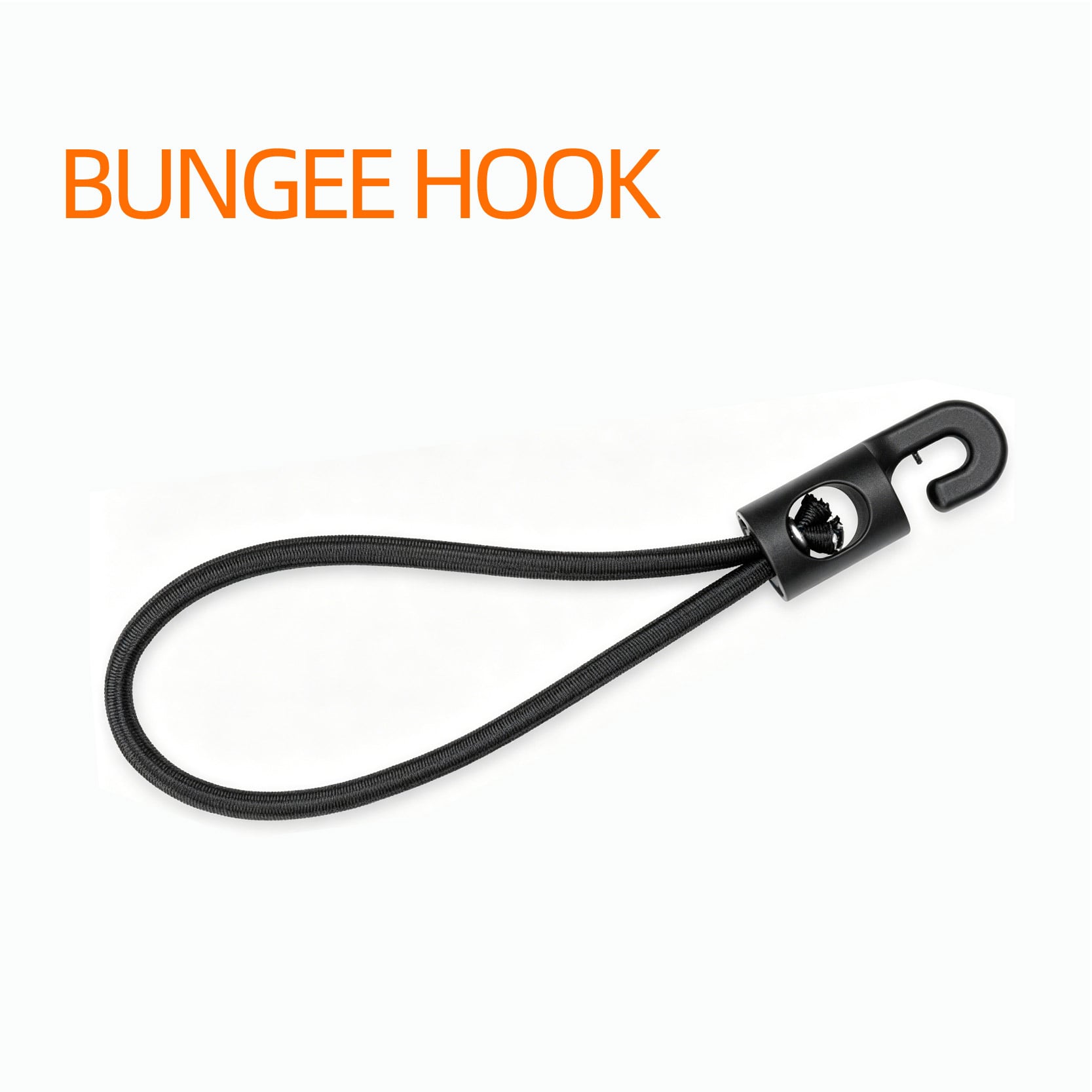
Bungee hook
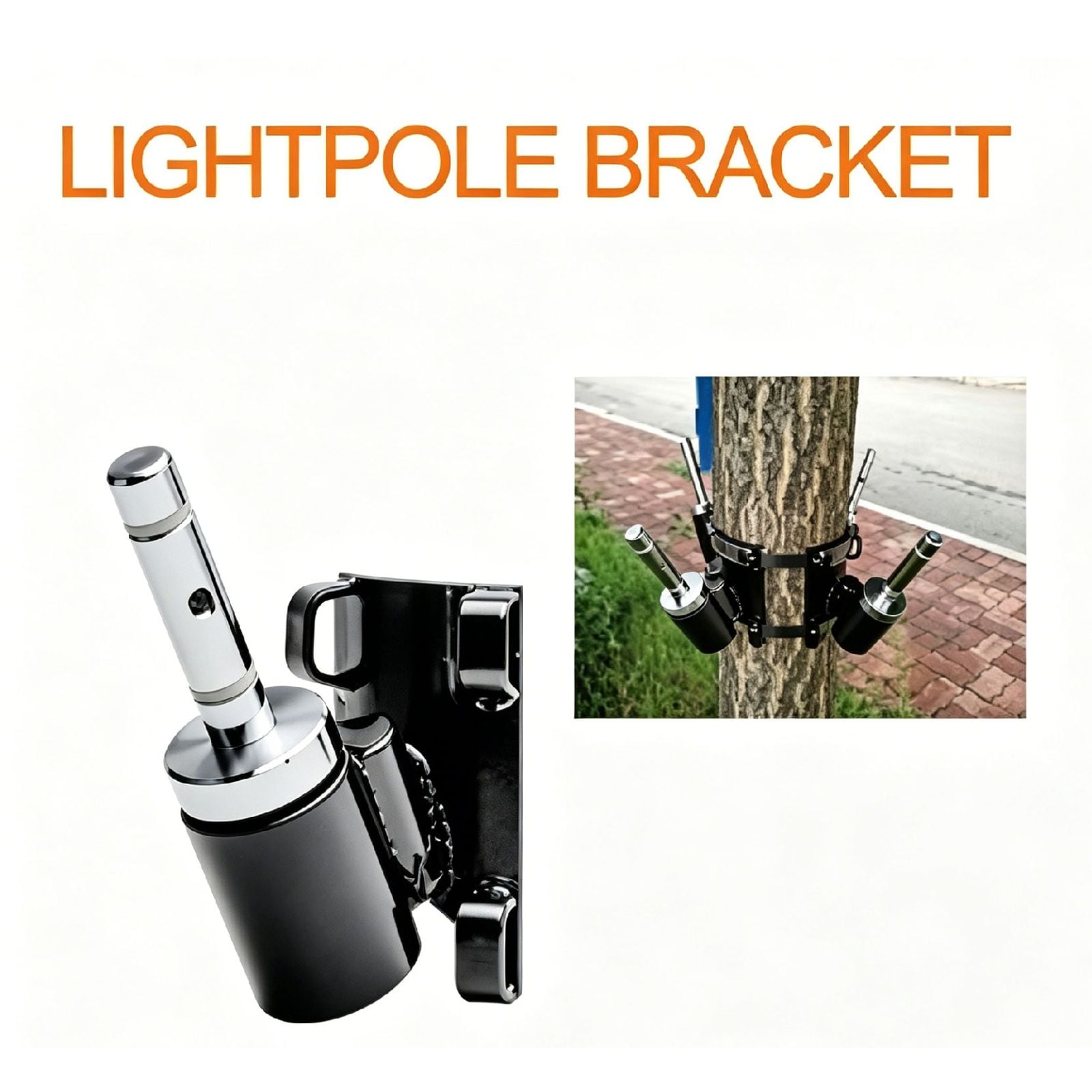
Lightpole bracket
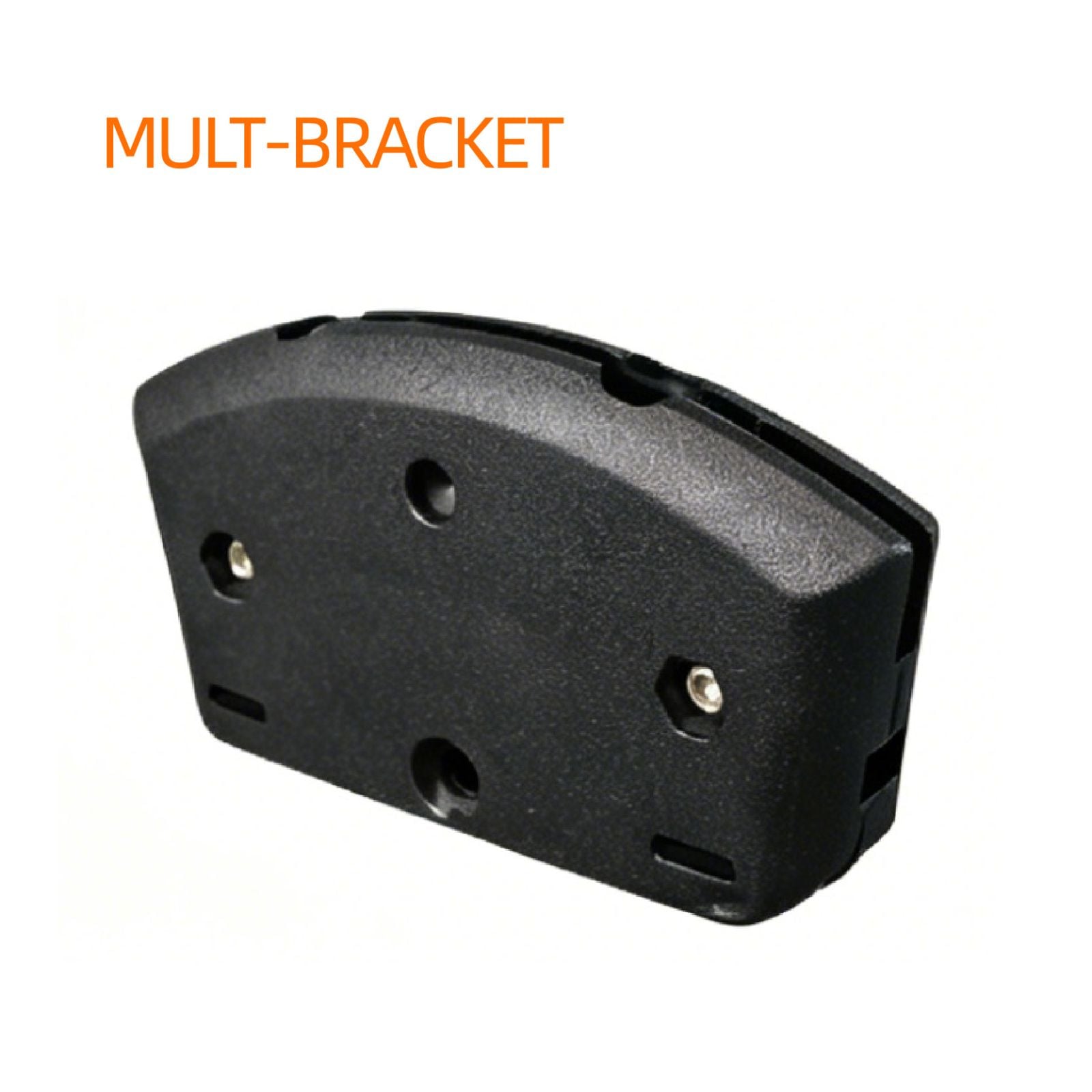
Disc banner Mult-bracket
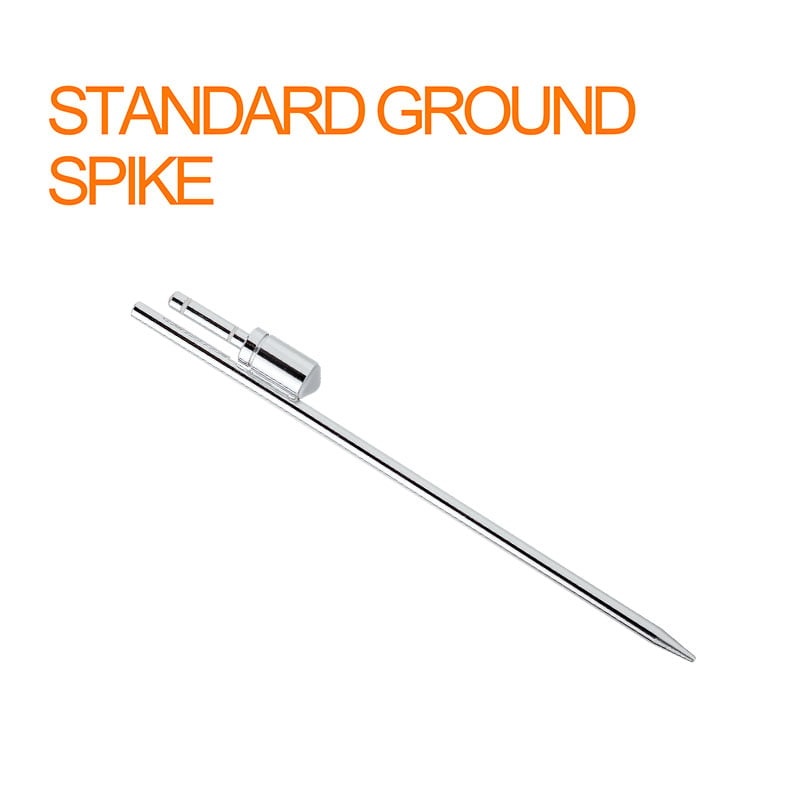
Ground Spike For Lawn Or Sand
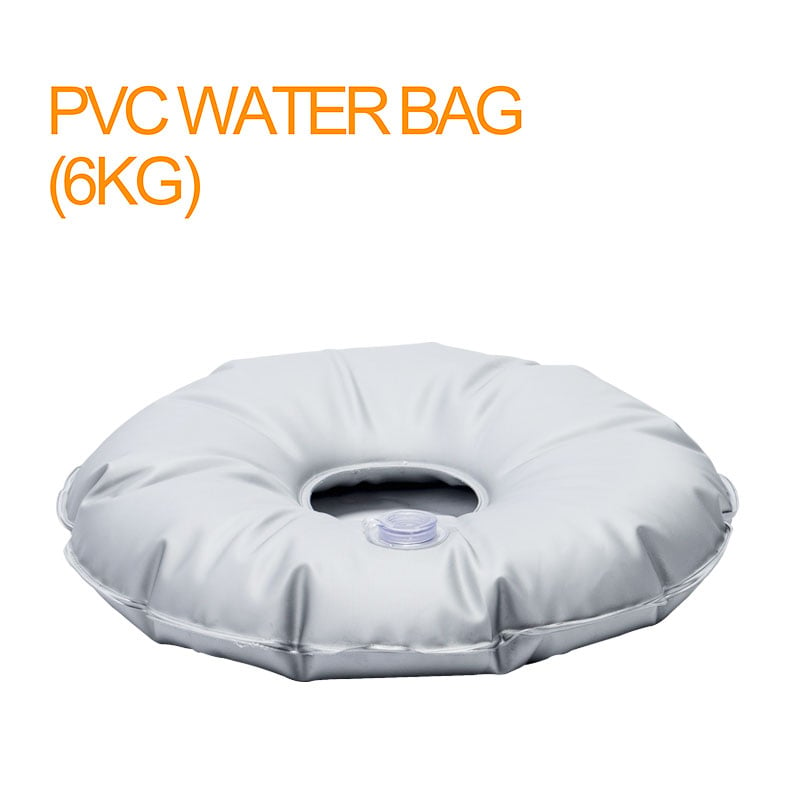
Water Bag
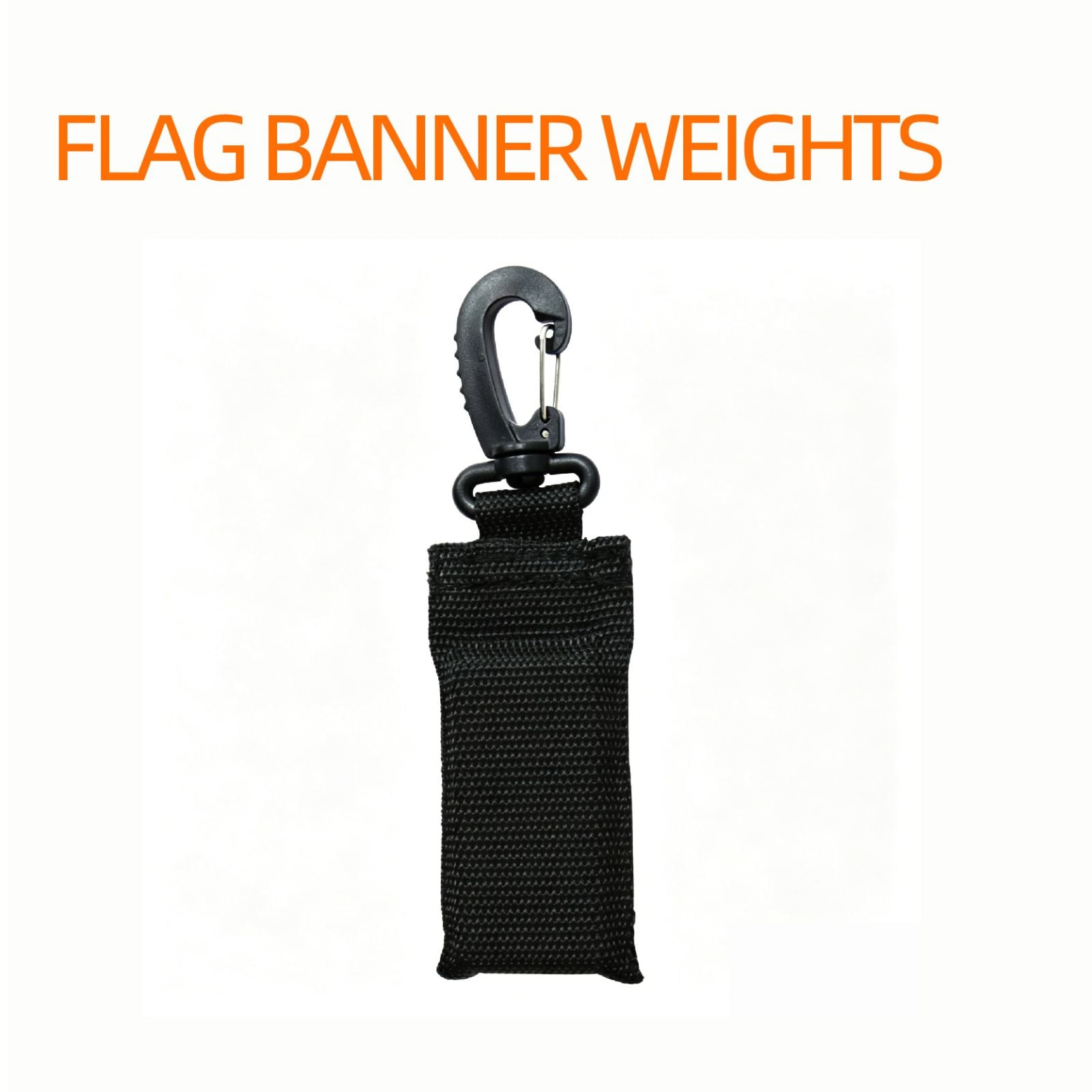
Flag /banner weights
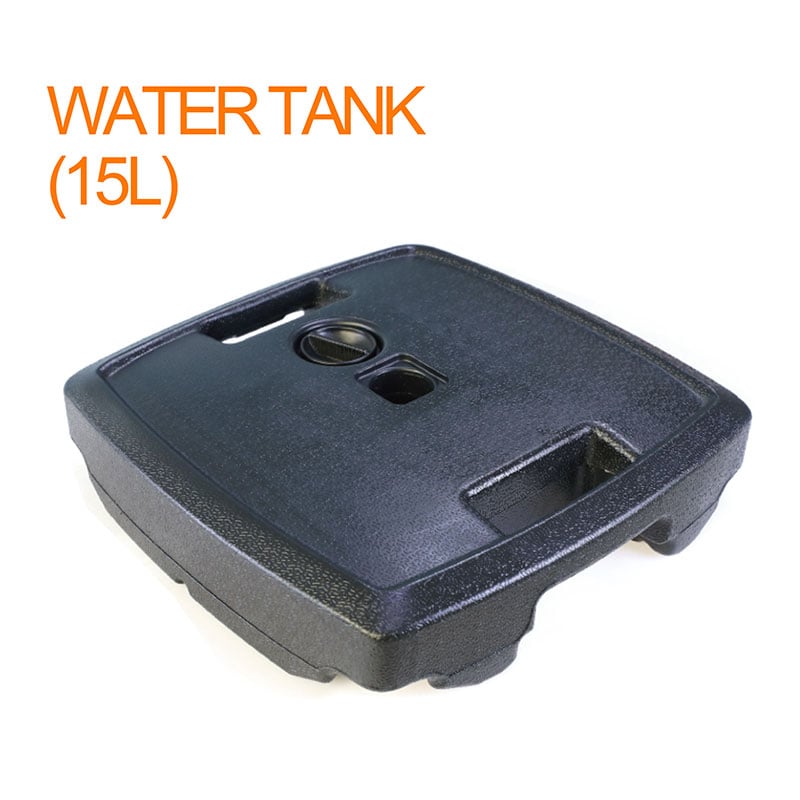
Water tank
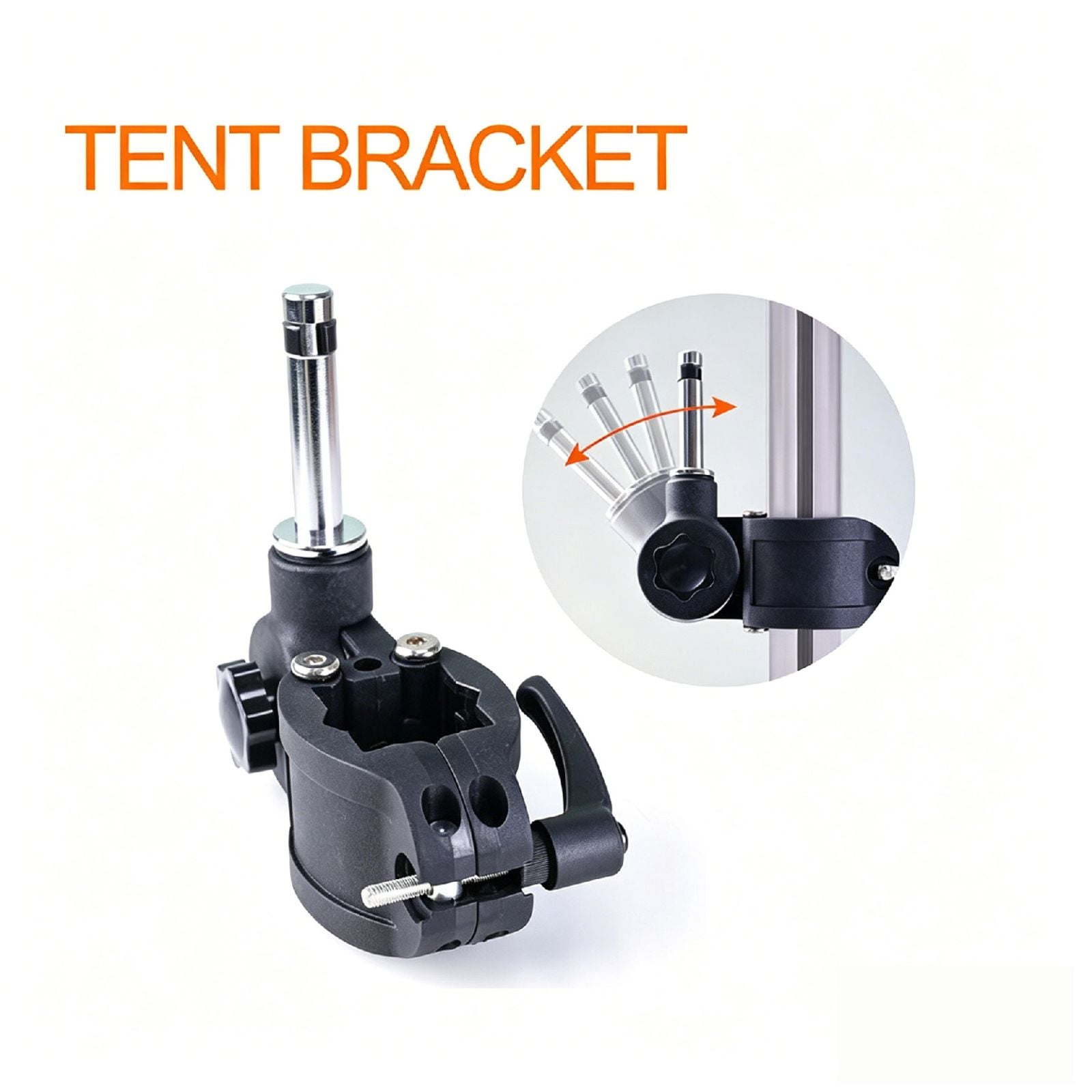
Tent Bracket
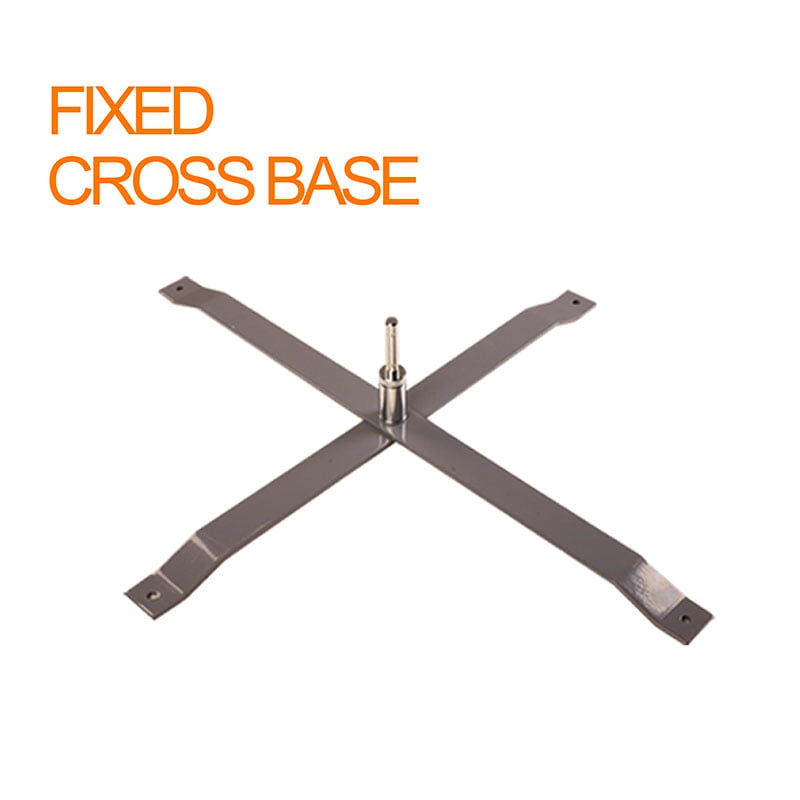
Fixed Cross Base
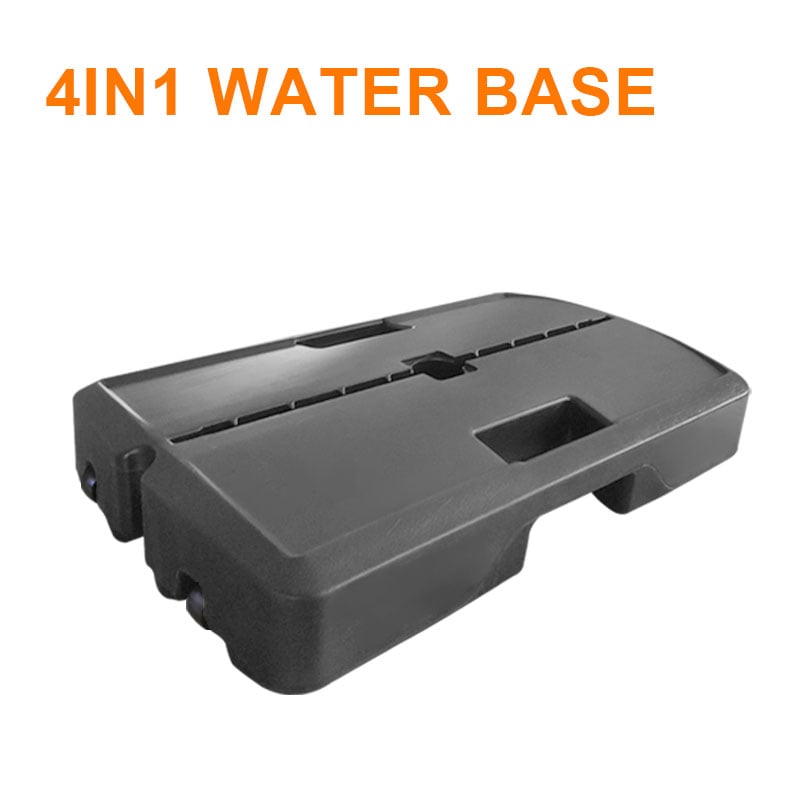
4 in 1 Water Tank
Related Articles
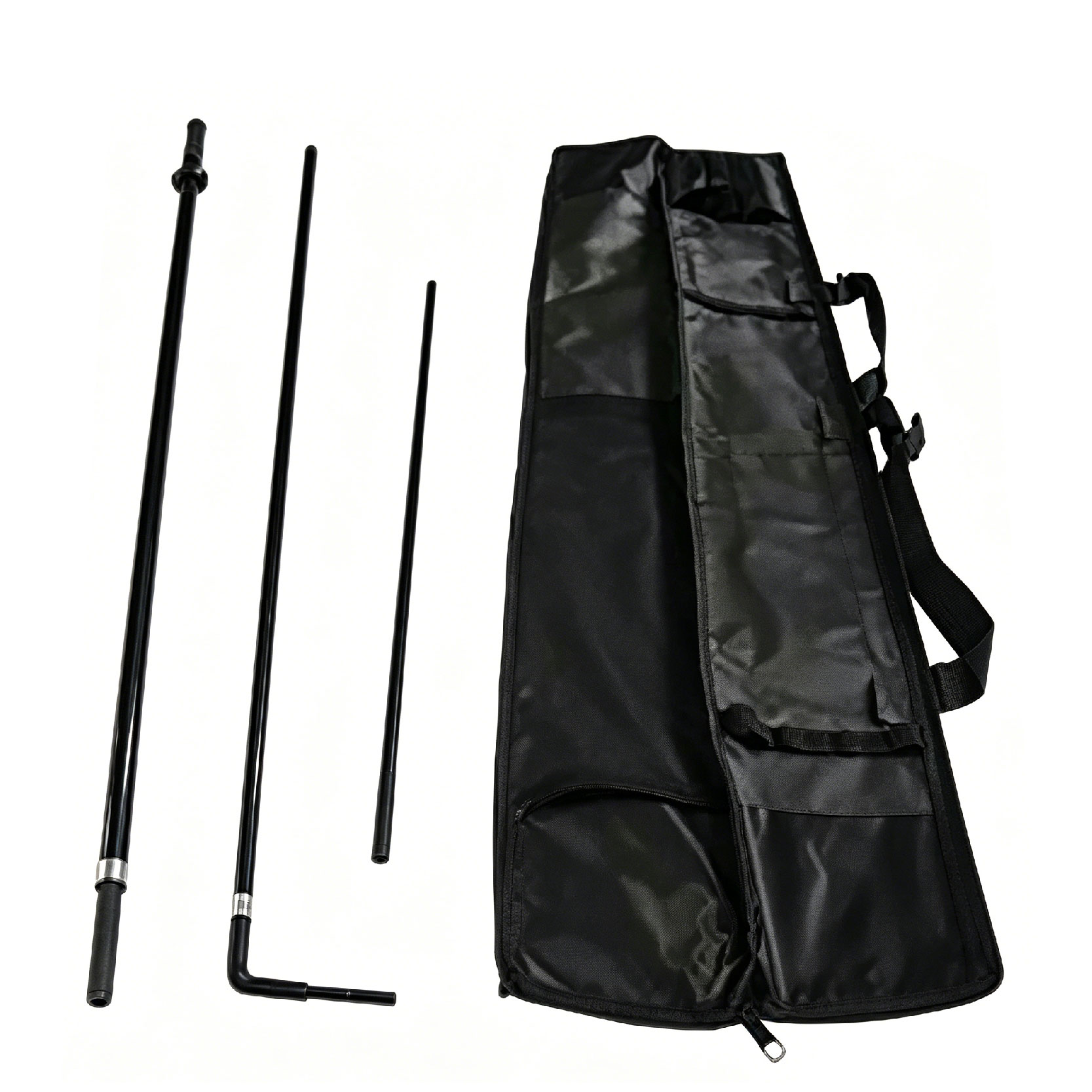
Portable Flagpoles: Pack, Carry, and Set Up Anywhere
This guide answers the practical question directly — how do you travel with a portable flagpole — and then goes further, into the specifications that determine whether a pole survives the trip and the deployment.
Ground Banner Stands: The Outdoor Setup Guide
Ground Banner Stands: The Outdoor Setup GuideEvery outdoor banner failure we hear about follows the same script: the pole was fine, the print was fine
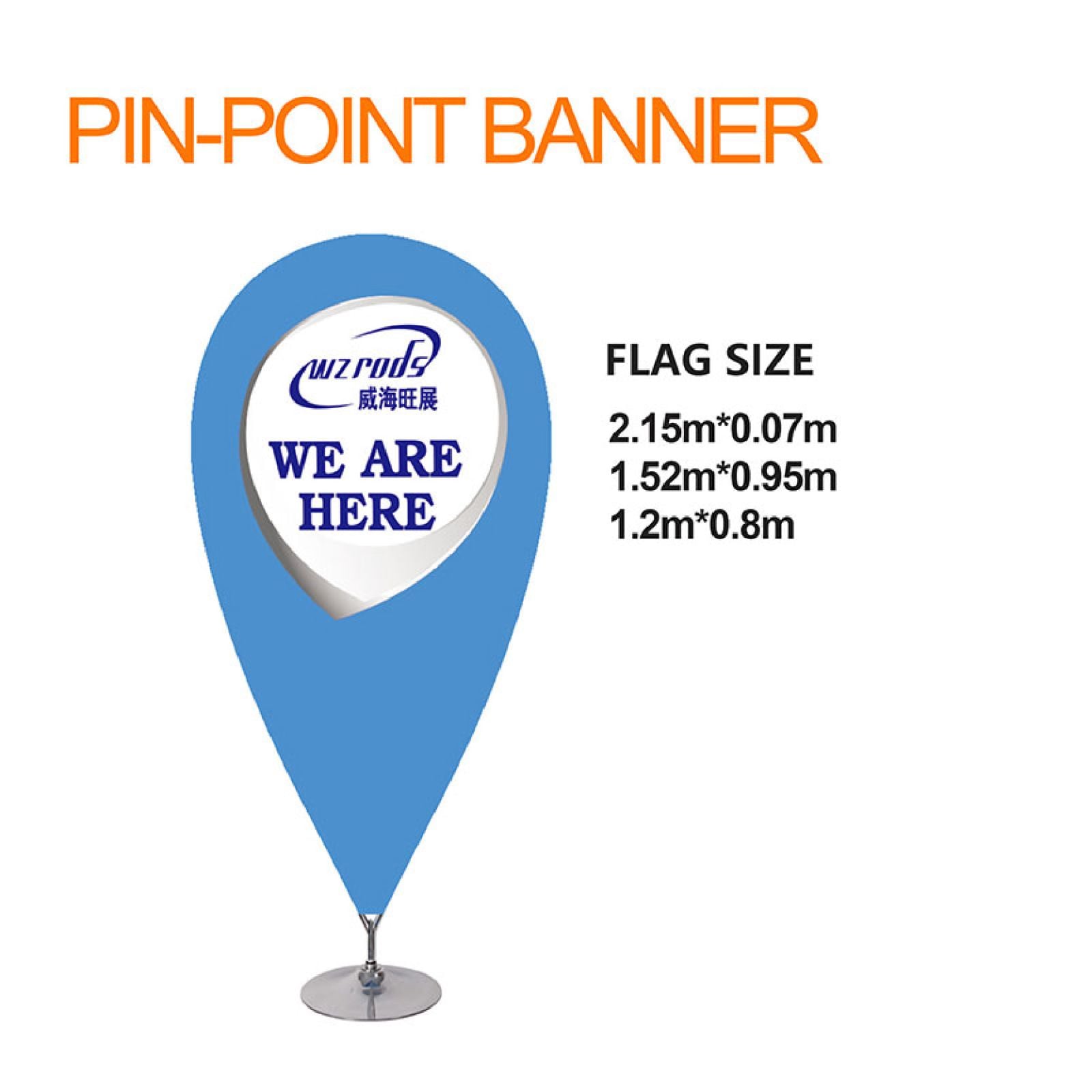
Table Flag Stands: The Complete Size Guide
Table Flag Stands: The Complete Size GuideA table flag stand is a small object that fails in very public ways. Too light, and it tips the moment a door opens.
Best Flag Poles for Windy Areas: The Survivor's Guide
This guide is written for people who have to put a number behind that claim: distributors quoting a tender, event planners specifying a system for a coastal venue, importers comparing total landed cost across a season.
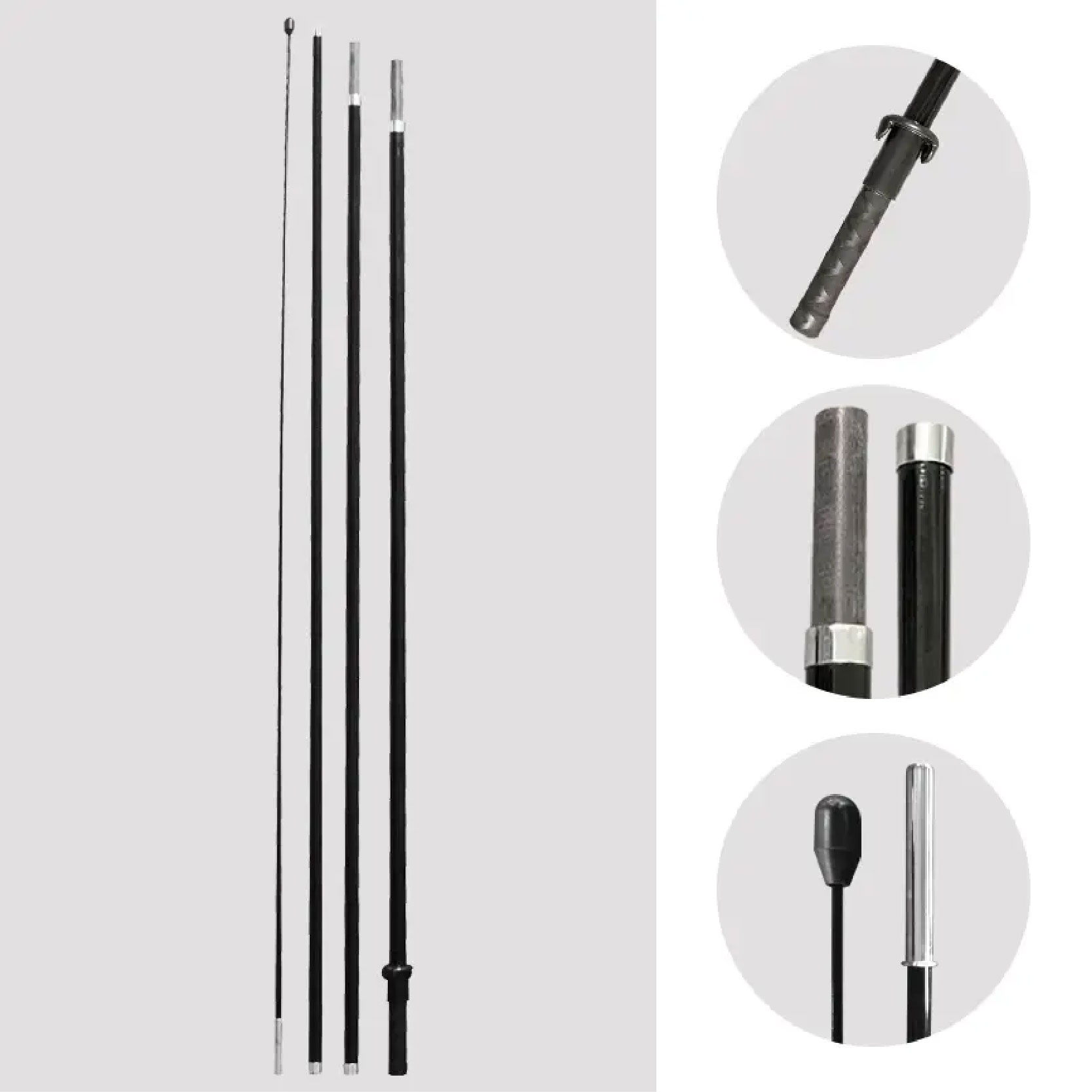
29kg Concrete Flag Base - The Complete B2B Buyer's Resource - WZRODS
WZRODS DY451B: 29 kg, HDPE shell, concrete core. Stackable, portable, rust-proof. FOB price US$5.75–$6.85 at MOQ 2 units. Those numbers look unremarkable. Factor in landed cost—import duties lower than aluminum’s under relevant HTS codes, freight savings from less weight per unit of stabilizing mas