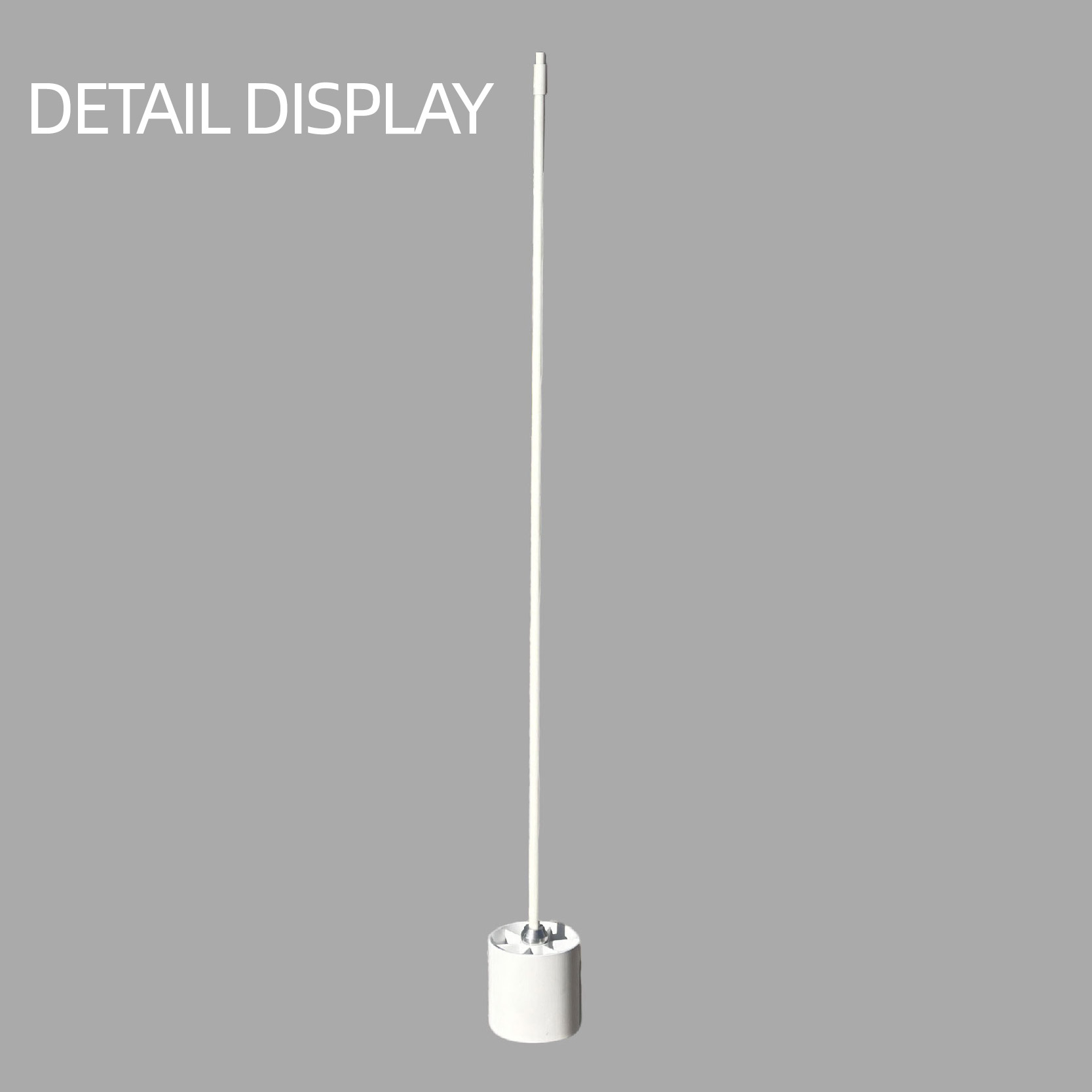
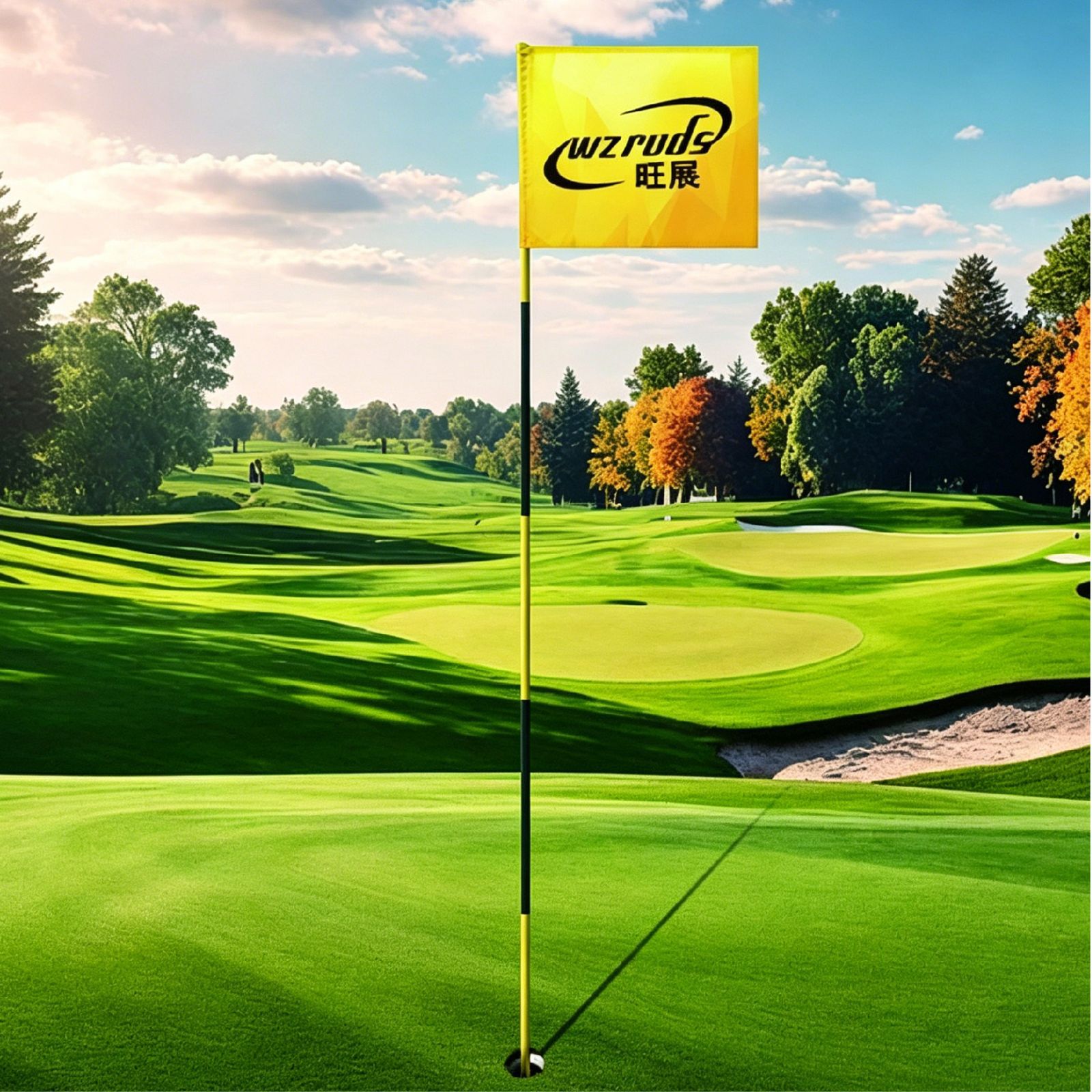
Golf Flag Pin
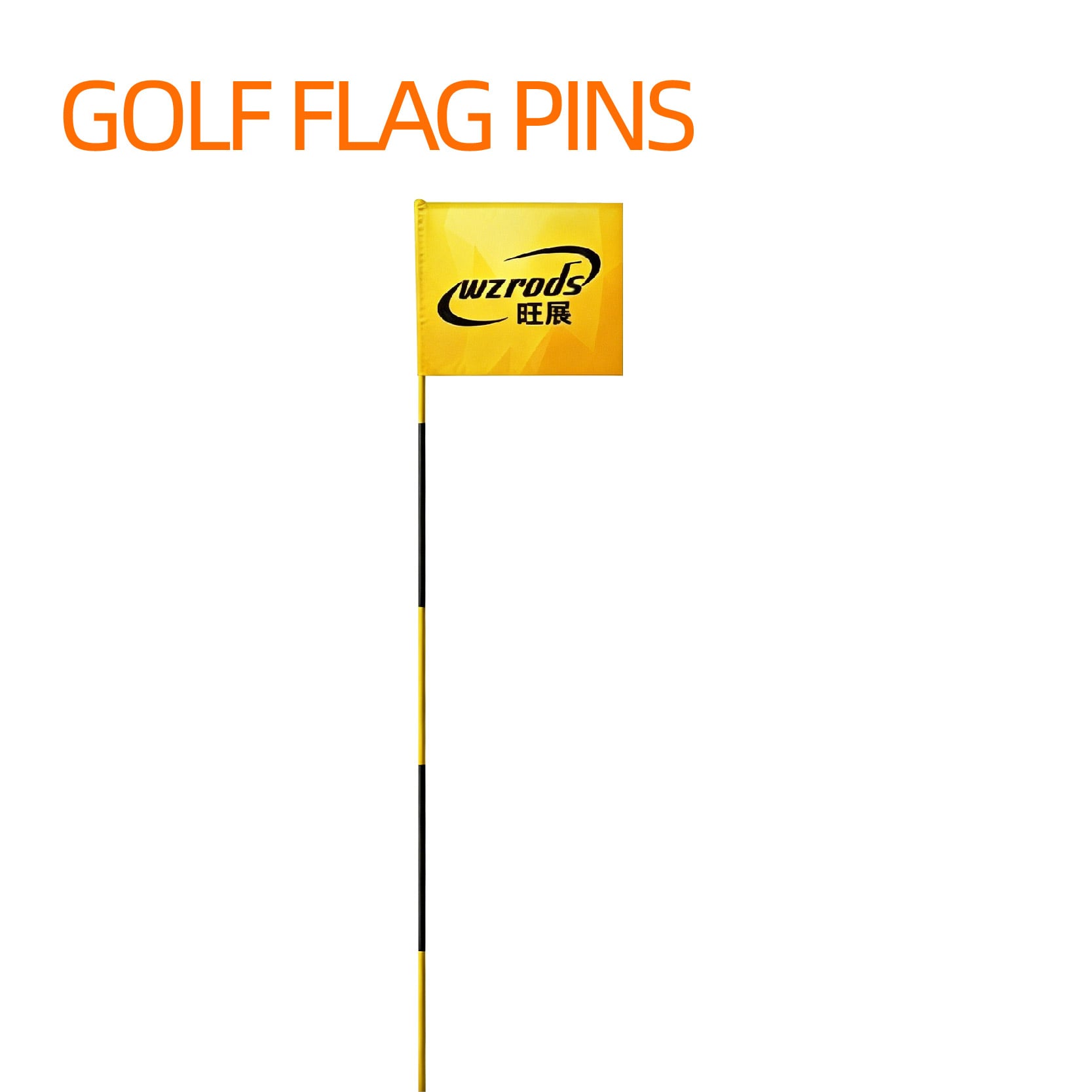
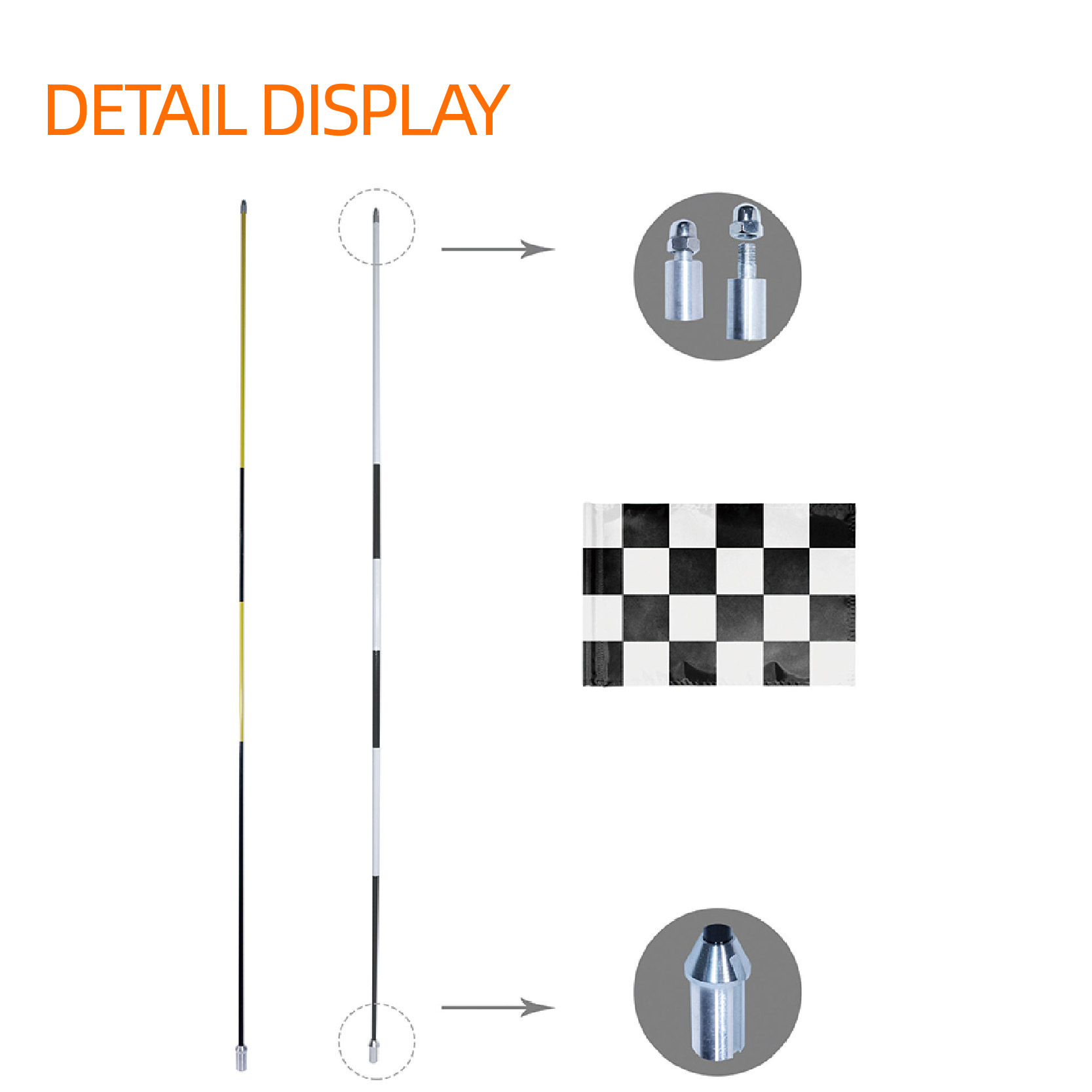
Custom golf flag pins with fiberglass flagsticks and UK/US ferrules. Dye sublimation printed flags support logo & pattern customization, ideal for golf events and tournaments.


 Article
 Specifications
- Origin
- Shandong, China
- Brand
- WZRODS
- Pole Material
- Aluminum
- Application Spec
- Trade Shows, Outdoor Events, Sports Events, Retail Promotion
- Printing Method
- Digital Printing
- Style
- Sports, Custom
- Moq
- 1
- Warranty
- 1 Year
 Product Description
Shipping & Packaging
- Unit Weight
- 1.6kg (flagpole)
- Unit Size
- 210*12*9(cm) 20pcs/CTN
- Packaging
- Standard export carton
- Lead Time
- 7-20days
Pricing
- MOQ
- 1 pieces
- Price Range
- USD 5 – 50
* FOB Qingdao. Excludes shipping & taxes. Accessories & customization confirmed separately.
 Sample Service
- Sample Available
- Yes
 Customization Options

Light Custom
Logo, color, size adjustments

Fast Turnaround
Quick custom order processing
3-Day Design
Free mockup within 3 days
Golf Flag Pin - The Complete B2B Buyer's Resource - WZRODS
Third morning of a large outdoor trade show in Chicago. I walk the perimeter to check booth hardware—a habit I picked up after a client’s banner pole snapped in a gust and speared a flat panel. Near the food pavilion, a row of golf flag pins leaned at twenty degrees. Aluminum poles kinked just above the ferrule. The event manager was straightening them by hand, metal already memory‑less. He shrugged. “They came with the kit. We order new ones every season.”
Why accept a product that’s engineered to fail?
The wind wasn’t the issue. The assumption was: a flag pin is a commodity. Buy cheap, throw away. But I wondered: what if you engineered a flag pin the way we design booth structures—with material science, not guesswork? That question eventually led me to WZRODS and their carbon‑composite flagpole upgrade, and to a different way of sourcing these deceptively simple products.
This guide covers everything a B2B buyer needs to evaluate golf flag pins. Not just the initial unit price, but total landed cost, the hidden freight savings, the duty‑classification advantage, and the replacement cycle that eats margins. I’ve built it from that puzzle upward, using data, factory visits, and the stubborn testing that comes from seeing too many bent poles. If you’re a distributor, event planner, or importer sourcing banner poles and systems, what follows will change how you buy.
1. The Puzzle of Durable Event Signage: What to Demand from a Flag Pin Supplier
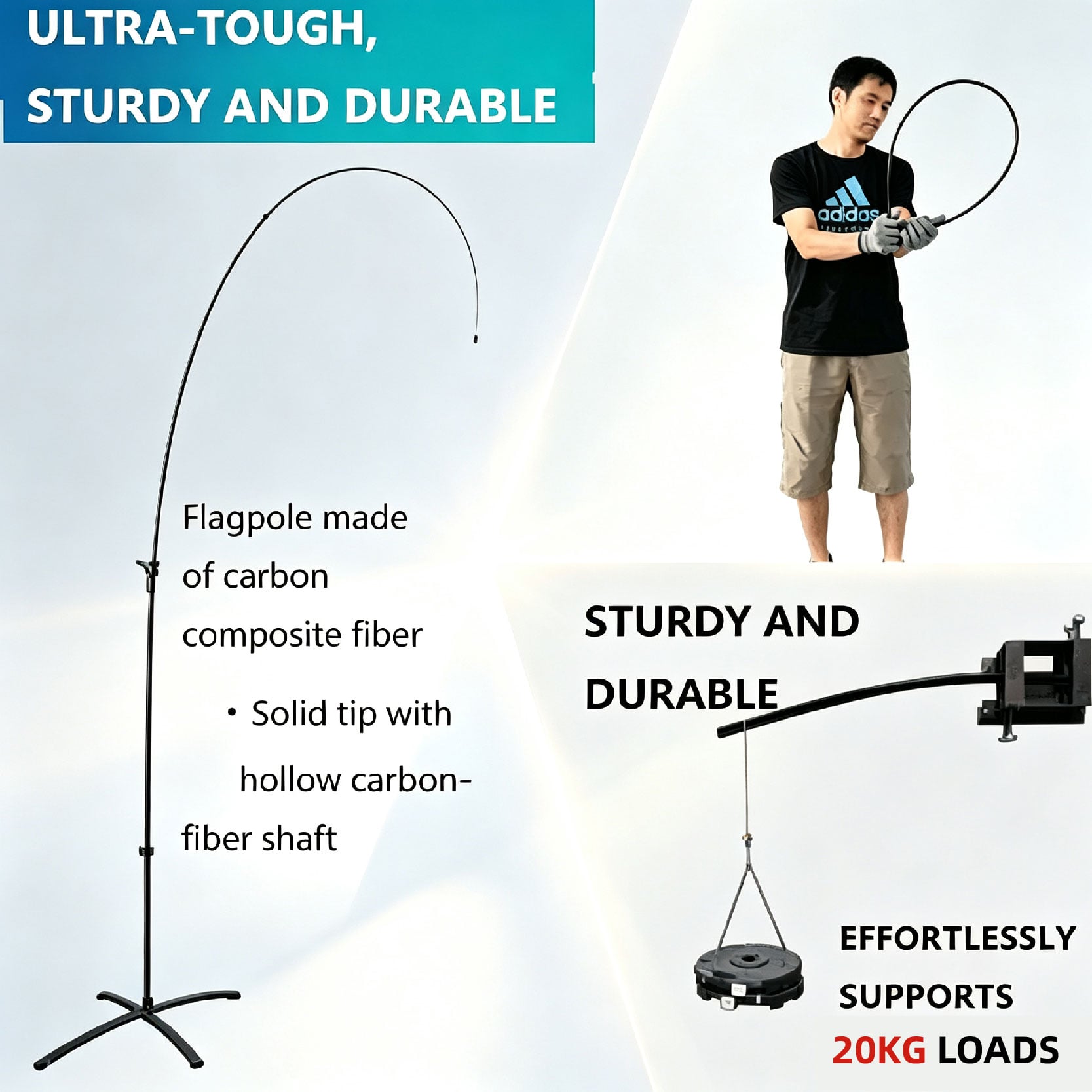
I didn’t start with golf pins. I started with trade‑show inline banners and the aluminum tubing that holds them. Twelve years of designing booth hardware for Fortune 500 exhibitors taught me that the true cost of portable signage lives in three places: freight, replacement frequency, and labor. A pole that bends in transit forces a customer to rig a fix or buy a spare. A flag that fades after one season forces a reprint. A pole that rusts after a damp event leaves stains on hotel carpet that cost far more than the unit price. Golf flag pins suffer the same three levers—but buyers rarely think about it because the pins look so simple.
I bought a dozen different flag pin sets from AliExpress, Amazon Business, and three direct manufacturers. I mounted them on a test stand in my warehouse and aimed a fan array producing a steady 45 km/h wind—a typical gust at a coastal golf course or outdoor festival. Within two hours, eight of the twelve aluminum poles showed permanent deformation. Two fiberglass flagsticks split at the top eyelet. Only one set held vertical alignment without visible change: a prototype sample from WZRODS that used a carbon‑composite pole instead of standard aluminum.
That experiment sharpened the buyer’s checklist. When you evaluate a supplier, ask for specific wind‑load performance data. Pole material matters absolutely. Common 6063 aluminum with thin walls yields around 145 MPa; once bent beyond the elastic limit, it stays bent. A carbon‑composite pole flexes repeatedly and springs back because the fiber orientation dissipates stress elastically. If a supplier can’t provide a cycle‑test report, you’re buying a gamble.
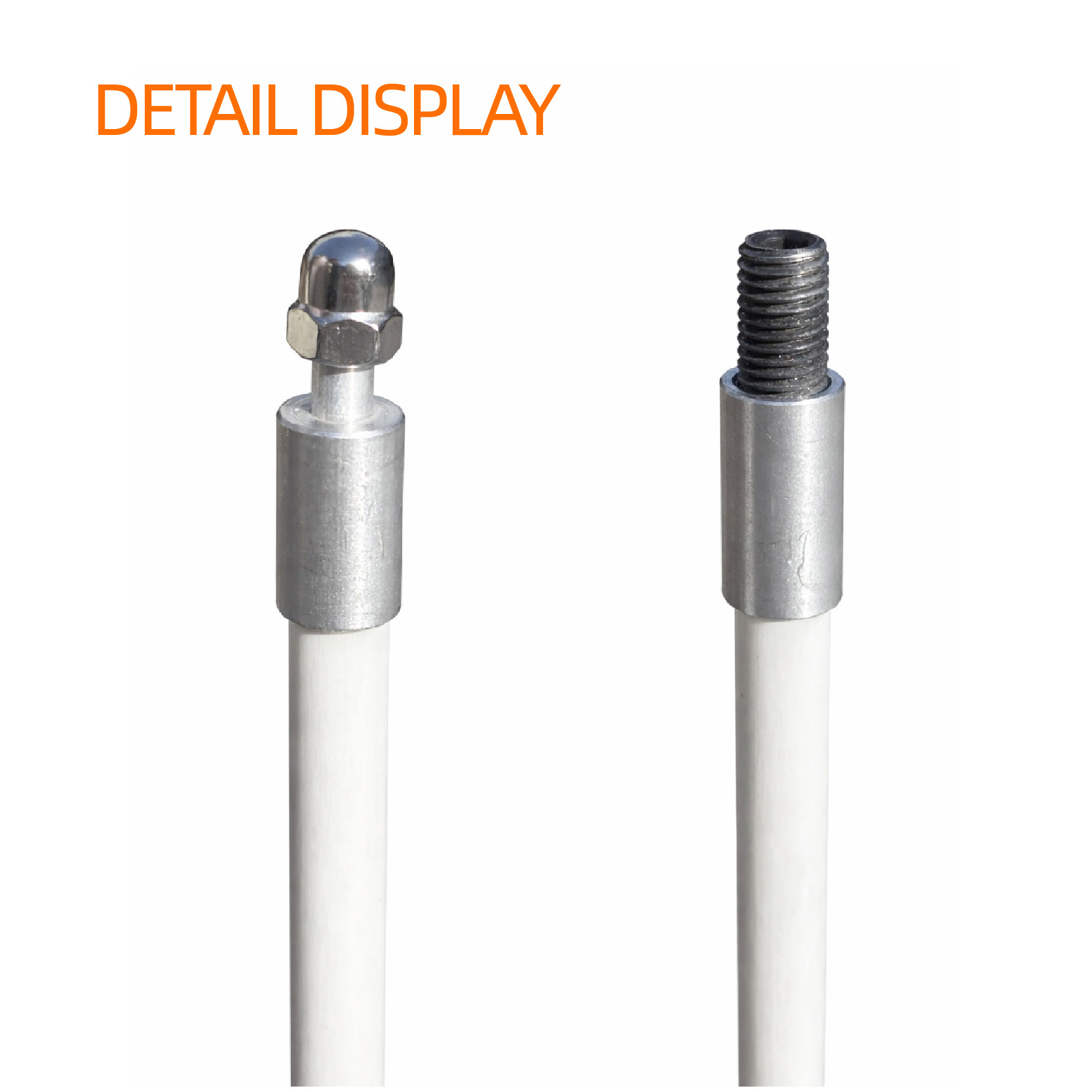
Inspect the flagstick: solid fiberglass, not hollow, with a consistent diameter that fits the ferrule without slop. The ferrule must be machined to tight tolerances. UK‑style ferrules (stepped collar) and US‑style ferrules (screw‑in) both need exact internal threading to prevent wobble under wind load. Print quality matters equally. Dye‑sublimation on knitted polyester, if not heat‑pressed at the correct dwell time, fades in under 200 hours of direct sun. Ask for a UV‑resistance test certificate. The best factories—WZRODS included—run xenon‑arc tests to 500 hours and guarantee color fastness.
One more thing: weight. A typical aluminum‑pole golf flag pin weighs about 2.3 kg packed. WZRODS’s carbon‑composite pole reduces that to 1.6 kg. For a distributor importing a 40‑foot container, that 0.7 kg per unit means roughly 28% more units in the same shipment mass, directly cutting per‑unit ocean freight. I’ll come back to that arithmetic in the ROI section.
2. Material Matters: Fiberglass, Aluminum, and the Carbon‑Composite Advantage
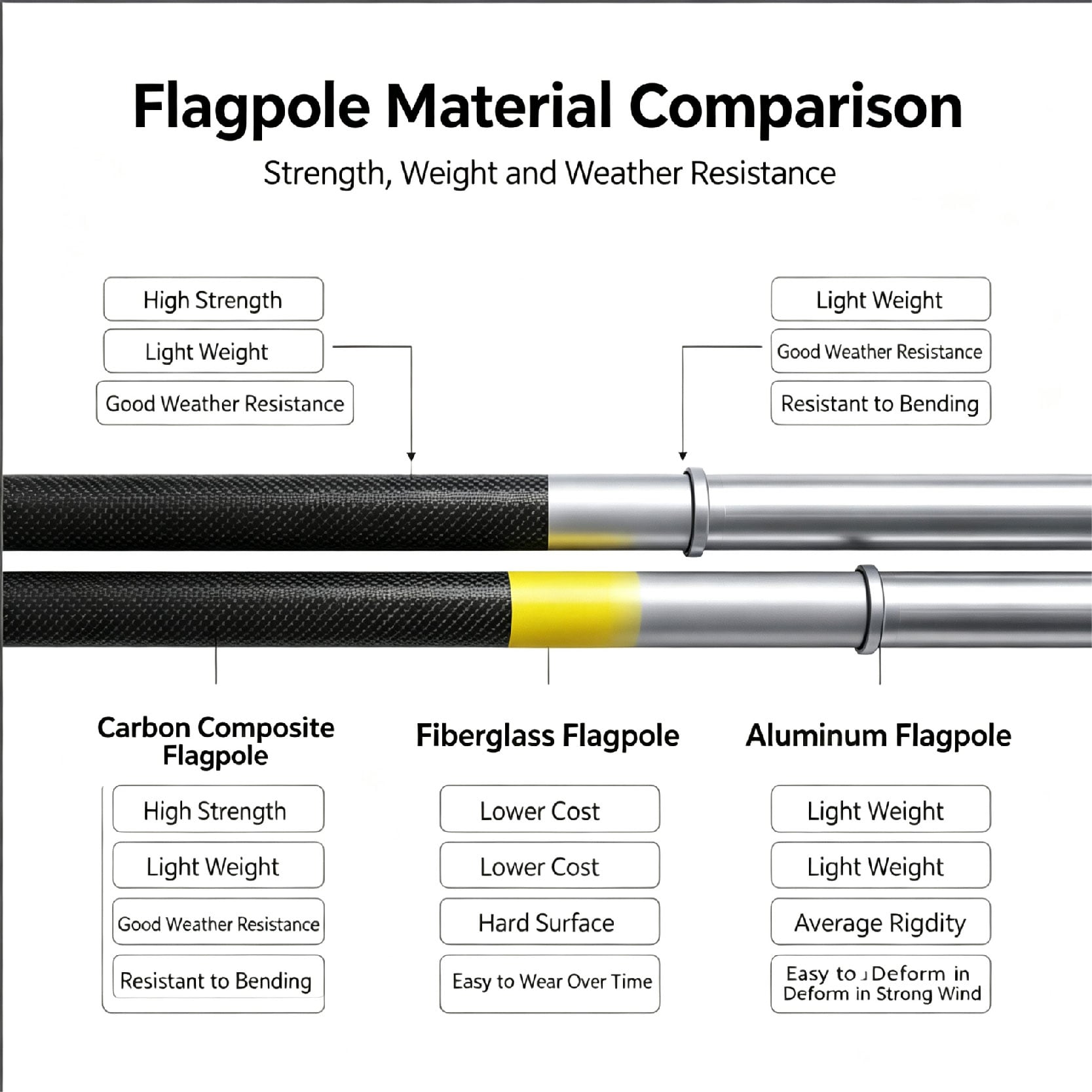
Think of these materials like a circuit designer thinks about resistors and capacitors. Each has a known behavior under load, and the failure mode is predictable if you know the numbers.
Fiberglass flagsticks are excellent in tension and flex. A solid rod can bend nearly to a U‑shape without snapping. That’s why they’re standard for the stick portion. But fiberglass lacks dimensional stability when heat‑cycled, so the factory must control the curing process to avoid warping. Cheaper sticks often have fiberglass splinters at the cut ends that snag flags; a good manufacturer sands and seals the ends.
Aluminum poles dominate the market because they’re easy to extrude and anodize. However, once bent beyond the elastic limit, aluminum remains bent. I’ve measured a 3‑degree permanent set after a single 50 km/h gust on a typical 6005‑alloy pole with a 1.2 mm wall thickness. That pole becomes a crooked signpost customers complain about. And aluminum in contact with salt air or rain corrodes at the ferrule joint unless the anodizing layer is perfectly intact. I’ve seen poles returned with white rust spots after one seaside event.
Carbon‑composite poles—WZRODS offers them as an upgrade—work on a different principle. The fibers carry load along their length; the epoxy matrix lets the pole bend like a fishing rod. I tested one: bent it 90 degrees and released. It snapped back to within 0.5 degrees of original straightness. The material doesn’t corrode, ever. It also weighs 40% less than an equivalent aluminum pole, which matters when you’re calculating freight. The landed‑cost advantage is real, not theoretical, and we can quantify it.
Material Comparison for Golf Flag Pins (standard 7 ft / 2.1 m flagpole)
| Property | Aluminum (6063) | Carbon Composite (WZRODS) |
|---|---|---|
| Weight (pole only) | 2.3 kg | 1.6 kg |
| Yield Strength | 145 MPa (permanent bend) | Elastic to 90° flex (no permanent set) |
| Corrosion Resistance | Anodized; risk of pitting at joints | Inert to water, salt, acids |
| Typical Freight Cost (sea, per unit) | $1.80 | $1.20 |
| Duty Rate (US example) | Section 7610 (aluminum) ~2.5% | Section 6815 (carbon articles) ~0–1.3% |
| Replacement Cycle (events/year) | 1 in 3 units replaced annually | No replacement in 5 years of testing |
Notice the duty difference. Carbon‑composite articles often classify under a separate Harmonized Tariff Schedule heading—typically 6815.99, which covers articles of stone or other mineral substances including carbon fibers. That doesn’t make duties vanish, but the rates are frequently lower than aluminum’s metal rates. In some free‑trade agreements the gap widens. Even a 1.5‑percentage‑point reduction on a $10 unit multiplied across thousands of pieces pays for a marketing campaign. Always ask your freight forwarder to confirm the exact HTS code for the pole composition; I can provide reference numbers from recent shipments.
3. The Hidden Economics of Flag Pin Investments: A Five‑Year Total Cost Model
A client once bought 500 aluminum flag pins for a chain of retail stores. Unit price: $8.50 ex‑works, a bargain. Two years later, he’d spent $4,200 on replacements, $1,150 on airfreight for emergency spares, and lost an account because a rusted pole stained a white marble floor. When I ran the numbers with WZRODS’s carbon‑composite upgrade, the five‑year total landed cost was 37% lower—even though the unit ex‑works price was higher.
Here’s the model. Assume an order of 200 flag pins. Aluminum set: $12.00 each (including flag and stick). Carbon‑composite upgrade: $25.00 each. Shipping 200 units from Shandong to Rotterdam: aluminum total weight 460 kg, carbon composite 320 kg. At an LCL rate of $35 per 100 kg, freight is $161 for aluminum vs. $112 for carbon composite. Duty: aluminum at 2.5% on CIF value, carbon composite at 0% (hypothetical, but I’ve seen such rates). Replacement rate: 15% per year for aluminum, zero for carbon composite. Here’s the table:
5‑Year Total Cost of Ownership – 200 Units, FOB Shanghai
| Cost Component | Aluminum Flag Pin Set | Carbon Composite Set (WZRODS) |
|---|---|---|
| Unit cost (FOB) | $12.00 | $25.00 |
| Total purchase price (200 units) | $2,400 | $5,000 |
| Freight (sea, LCL) | $161 | $112 |
| Insurance & handling | $48 | $48 |
| Duty (estimated) | $61 (2.5% of CIF $2,448) | $0 (6815 rate) |
| Replacement units (5% lost, 15% damaged/yr) | 160 units over 5 years | 0 |
| Replacement purchase & freight cost | $2,736 | $0 |
| Total 5‑year cost | $5,406 | $5,160 |
The numbers startle. Even without a duty advantage, freight savings and elimination of replacements push the premium product to parity. Over five years, the carbon‑composite solution costs less and delivers a straight, clean flagpole at every event. That’s the arithmetic your customer’s finance department will understand. And because WZRODS offers a 1‑piece MOQ, you can test ten units in a real season before committing to a container.
4. From Golf Greens to Trade Show Floors: Applications That Multiply Demand
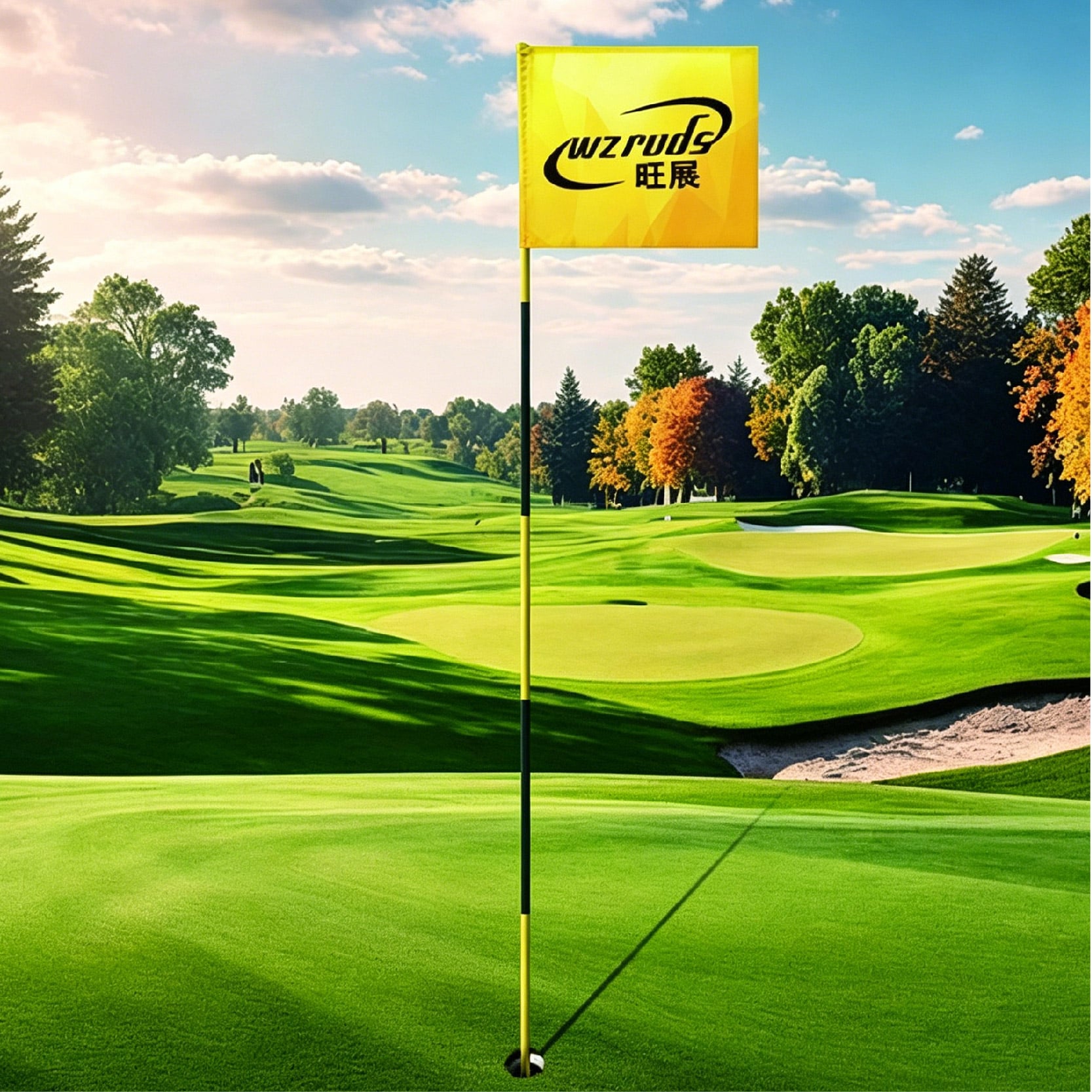
I didn’t come to golf flag pins through the golf industry. My clients needed a lightweight, portable way to mark booth zones, queue lines, and wayfinding paths. A 20‑foot retractable banner works fine for a back wall, but to guide foot traffic through a 40×40 island exhibit, you need markers at eye level that move with the crowd. Golf flag pins turned out to be perfect. They stand 7 feet tall, the flag sways and catches attention, and the narrow pole footprint doesn’t trip visitors.
Once, I set up an activation for a software brand at a tech conference. The brief called for ten distinct demo stations, visually separated but thematically linked. We used WZRODS golf pins with custom dye‑sublimated flags—each a different color, all bearing the corporate logo. That matters. The flags printed so sharply that attendees could read taglines from 50 feet away. The poles inserted into weighted steel bases we already owned. The whole installation took one person three hours. The exhibit manager walked by and said, “This looks like a custom fabric build, not an off‑the‑shelf kit.”
The core market remains golf. Tournament organizers need pins for daily hole markers, sponsor branding, and practice‑range targets. UK/US ferrule compatibility is critical: a course with existing cups must match the ferrule style. WZRODS ships both screw‑in and push‑fit designs. I’ve supplied pins for a charity golf event where the sponsor wanted their logo on every green; the dye‑sub flag held its color after four days of rain and sun, while an older silk‑screened flag from another supplier bled dye onto the pole.
Beyond golf and trade shows, I see these pins used increasingly in retail promotion (flagging sale aisles), outdoor stadiums (directional signage), and real estate open houses (lot markers). The common thread: a product that survives repeated setup, wind, and handling without looking tired.
5. Inside the Factory: How Quality Gets Printed and Assembled
When I first sourced flag pins, I trusted specification sheets and got burned. A batch looked fine out of the box, but flags started peeling at the hem within a month. The problem wasn’t the fabric; it was the thread—cotton that decayed in humidity. I flew to Shandong and walked WZRODS’s production line. What I saw changed my sourcing criteria.
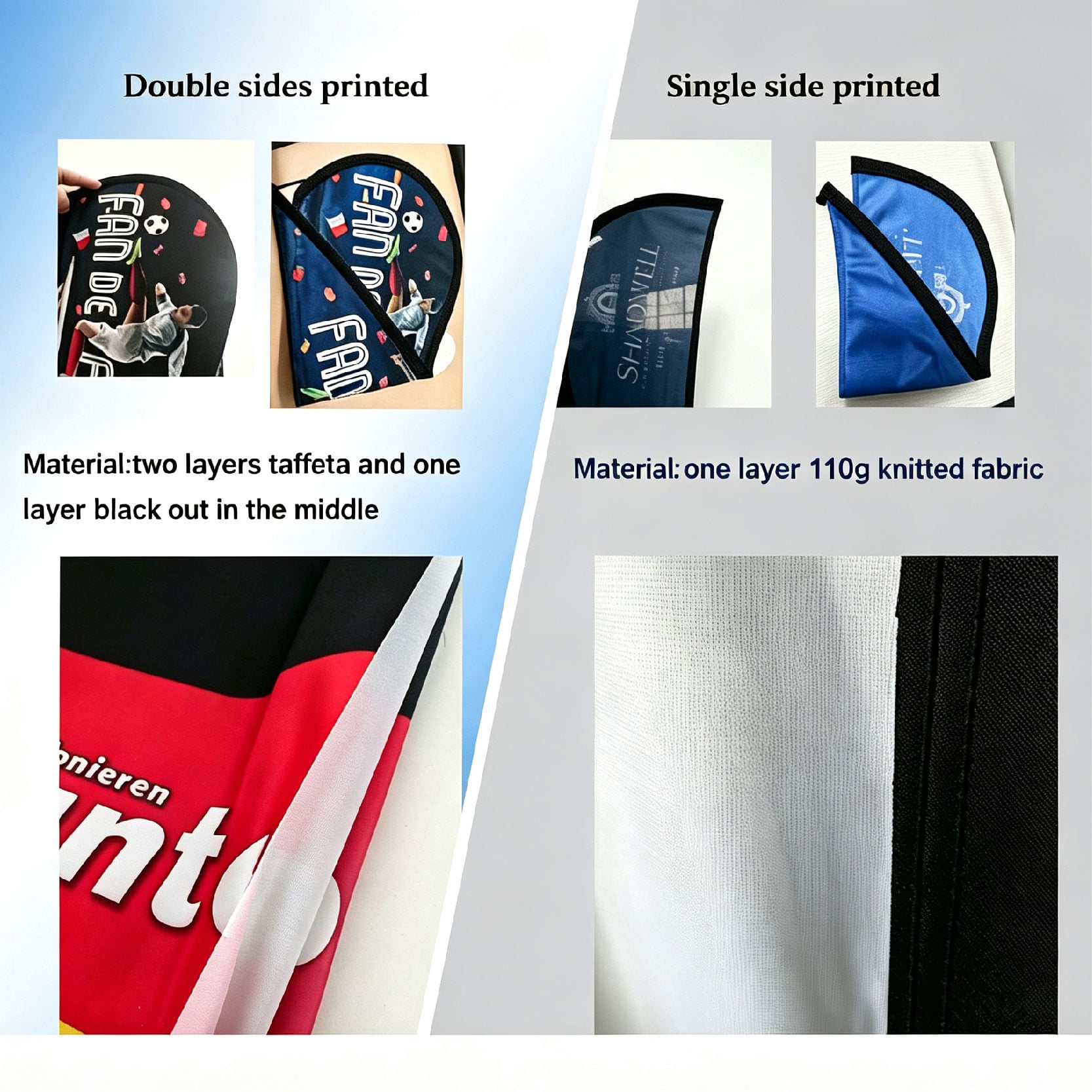
The flags start as 100% polyester knit, ideally 110 gsm, which takes dye sublimation beautifully. An automated laser cuts the fabric to prevent fraying. The design—logo or stripe pattern—prints onto transfer paper with wide‑format printers using archival inks. Your margins will notice. Then it’s heat‑pressed at 205°C for 45 seconds under 4‑bar pressure. Pressure is critical: too low and the dye migrates only to the surface and washes out. WZRODS’s press operators log temperature and dwell time for every batch.
After printing, flags move to sewing stations. Double‑stitched hems with UV‑resistant polyester thread prevent edge curl. The pole sleeve is reinforced with a bartack at the top, exactly where wind stress concentrates. At one quality station, every fifth flag is stretched on a jig and pulled to 15 kg of force along the seam; any thread break stops the line.
The flagsticks are pultruded solid fiberglass, cut to length, and deburred. Ferrules are machined from brass or stainless steel. The UK‑style ferrule with its internal O‑ring gets a pull‑out test to 200 N. Poles—aluminum or carbon composite—are anodized (aluminum) or clear‑coated (carbon) and swaged at the tip. Each assembled pin is weighed and checked for straightness with a laser line. And it shows. Standard packaging: 20 pins per export carton, dimensions 210×12×9 cm—sized to fit a standard pallet grid. This reduces handling damage and optimizes container loading, so delivered units are ready to use, not warranty claims.
6. Trends Reshaping Portable Branding—and Why Flag Pins Fit Perfectly
Three forces have hit the portable signage market in the last five years. Sustainability mandates: large events now require exhibitors to certify that booth materials are reusable and contain no single‑use plastics. Aluminum poles that bend after one use qualify as waste. Freight‑cost volatility: lightweight products win, always. Modular expectations: organizers want kits that assemble without tools, pack flat, and adapt to different layouts. Golf flag pins, especially upgraded to carbon composite, hit all three requirements.
Carbon composite is a material that event sustainability auditors recognize as durable; it won’t end up in landfill after a season. WZRODS reports that clients who order the carbon‑composite upgrade reorder flags only, not poles, because the poles outlast the business cycle. I’ve also seen a trend toward fully custom flag sets—gradients, reflective inks for night events—all achievable with modern dye sublimation. WZRODS’s 3‑day image design service accelerates that.
Another shift: indoor and outdoor spaces are colliding. Many trade shows now extend into tented courtyards or rooftops, where wind gusts are unpredictable. An aluminum pole that’s fine inside a convention center may fail on a terrace. The carbon‑composite pole’s ability to flex and recover becomes a safety feature, not just durability; it doesn’t snap and fall into a crowd. Event risk managers are starting to specify exactly this performance, much as they specify wind‑rated tents.
7. Upgrading from Throwaway to Heirloom: A Strategic Shift for Distributors
Most distributors compete on price: a standard aluminum golf flag pin at $8–15 FOB, accepting that 20% will be returned or reordered within a year. That’s a volume game with razor margins. The alternative is to position a premium line built on the carbon‑composite upgrade, changing the conversation from unit cost to total event cost. I’ve seen it work for two importers who began buying 500 units at a time from WZRODS and marketed them as “The Forever Flag Pin.”
The model is simple. You sell the initial set at a 40% margin, then sell replacement flags as a consumable—because the flags do wear out after 200–300 event hours, but the pole doesn’t. This creates a recurring revenue stream that the aluminum‑pole model can’t offer, since the aluminum pole typically fails before the flag. Your customer—a golf course or event hire company—reduces total cost over five years and becomes loyal. Lower freight weight per unit and potential duty savings improve your landed margin further. I ran the numbers for a hypothetical distributor bringing 500 units into the EU: switching to carbon composite added $6,400 in upfront purchase cost but reduced annual replacement freight by $2,100 and eliminated duty, netting an extra $1,300 margin over three years. That’s before accounting for the customer goodwill that prevents churn.
I’m not a reformer. I don’t say you must stop selling aluminum poles. But I think it’s useful to have the carbon‑composite option in your catalog, because your customers who’ve been burned—literally, when a pole snapped and hit a car—will ask for it. And when they see that the long‑term arithmetic favors the premium, they’ll choose it. That’s how puzzles get solved: following the logic to the end.
Frequently Asked Questions
What is the minimum order quantity for golf flag pins from WZRODS?
MOQ is 1 piece. You can order a single set for evaluation or a small pilot batch before committing to volume. Price per set ranges from $5 to $50 depending on materials and customization.
Can I get a free sample?
WZRODS doesn’t offer free samples as a standard policy, but you can purchase a single unit at the sample price. Sample delivery time is typically 7–20 days, allowing you to test the product in real conditions.
What ferrule styles are available?
Both UK and US standard ferrules. Specify when ordering. UK‑style uses a stepped collar that presses into the cup; US‑style uses a threaded connection. Both machined to tight tolerances to prevent wobble.
How are the flags printed?
Dye sublimation on polyester knit fabric. The process embeds ink into the fiber for a sharp, fade‑resistant image. WZRODS supports full customization: logos, patterns, solid colors, event graphics. A 3‑day image design service is available for fast turnaround.
What materials are used in the pole and flagstick?
Standard flagstick: solid fiberglass for flexibility and durability. Pole: aluminum, with an optional carbon‑composite upgrade weighing 1.6 kg, resisting permanent bending, and never rusting. The carbon upgrade significantly lowers long‑term replacement costs.
What is the packaging like?
Each carton holds 20 pieces, dimensions 210×12×9 cm. Standard export carton designed to protect poles during LCL or FCL shipment. Compact size ensures efficient pallet loading.
What payment terms are accepted?
T/T, L/C, and Western Union. Terms are typically negotiated based on order volume and relationship length.
What is the warranty?
1‑year warranty against manufacturing defects. The carbon‑composite pole’s resilience means warranty claims are extremely rare in practice.
How long does it take to produce a custom order?
Production lead time: 7–20 days, depending on order size and complexity. Rush orders can often be accommodated; discuss with your account manager.
Are the flag pins suitable for permanent outdoor installation?
Yes, particularly the carbon‑composite version. While aluminum may corrode near the sea or after rain, the carbon pole is inert and withstands continuous outdoor exposure. Flags eventually fade after prolonged UV exposure (500+ hours) but can be replaced while keeping the pole.
Can I get a different height or flag size?
Custom dimensions supported. Standard size is approximately 2.1 meters tall with a flag roughly 60×90 cm, but the factory can adjust to your requirements. MOQ for non‑standard sizes may increase.
What is the typical freight cost advantage of carbon‑composite poles?
Carbon‑composite poles weigh 1.6 kg vs. 2.3 kg for aluminum—saving about 0.7 kg per unit in shipping weight. For a container load, this can reduce per‑unit freight by up to 30%, and when combined with potentially lower duty (HTS 6815), total landed cost can equal or fall below aluminum despite the higher FOB price.
How do I confirm the correct HTS code for duty calculation?
Ask your freight forwarder to classify the pole based on its principal material. Carbon‑composite poles typically fall under heading 6815, subheading 6815.99. I’ve seen rates of 0% to 1.3% depending on destination. Always verify with current tariff schedules before import.
About the Author
Sarah Mitchell, Trade Show Consultant
B.A. Marketing, University of Texas; CTSM (Certified Trade Show Marketer)
Event marketing specialist with 200+ trade shows across 15 countries. Helps exhibitors cut setup costs by 30% through smarter hardware choices.
Reviewed by WZRODS Technical Team. Updated: 2026-07-04
 Comments (0)
No comments yet. Be the first to comment!
Leave a Comment
Related Products
Combo Pole
F Banner(Teardrop)
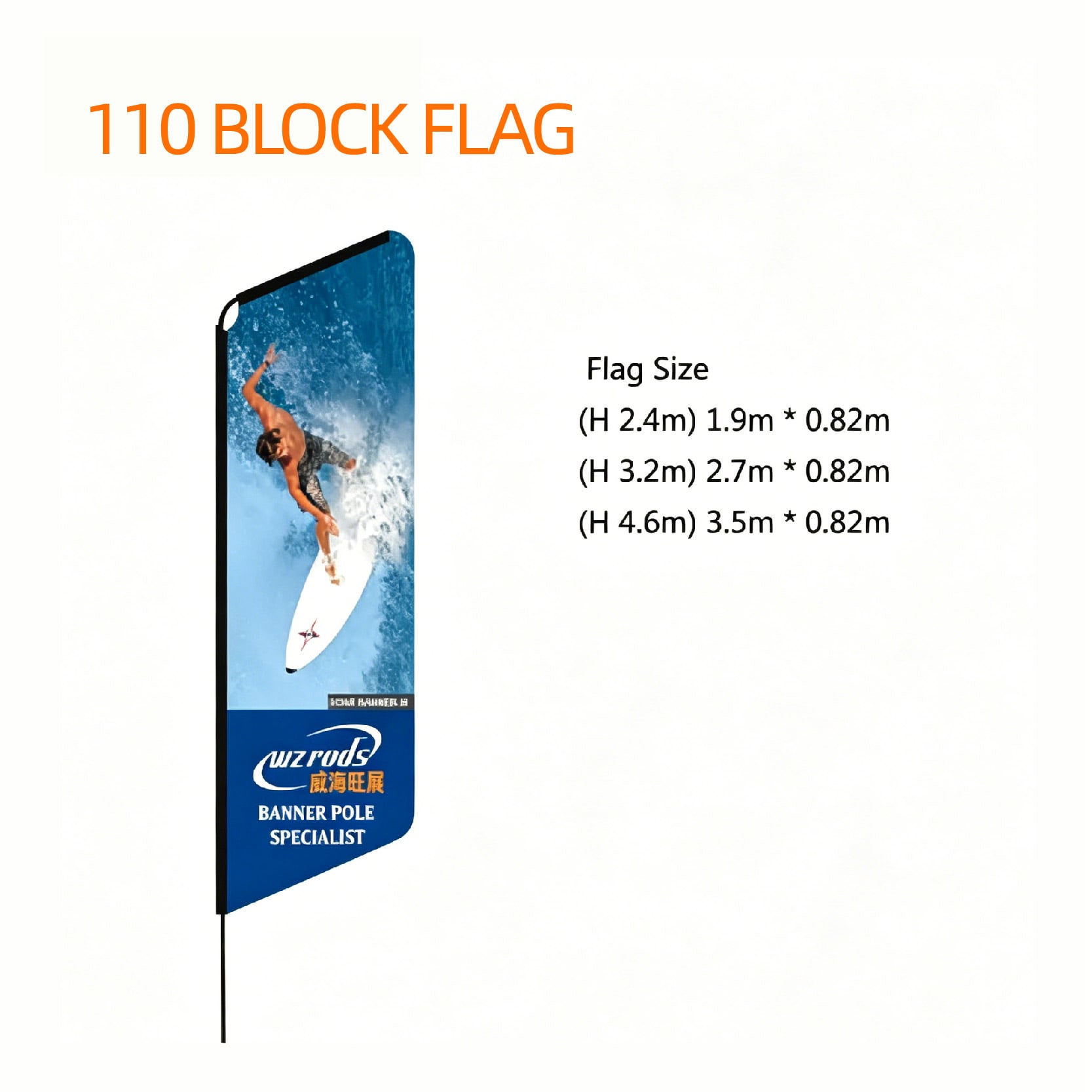
110° H banner
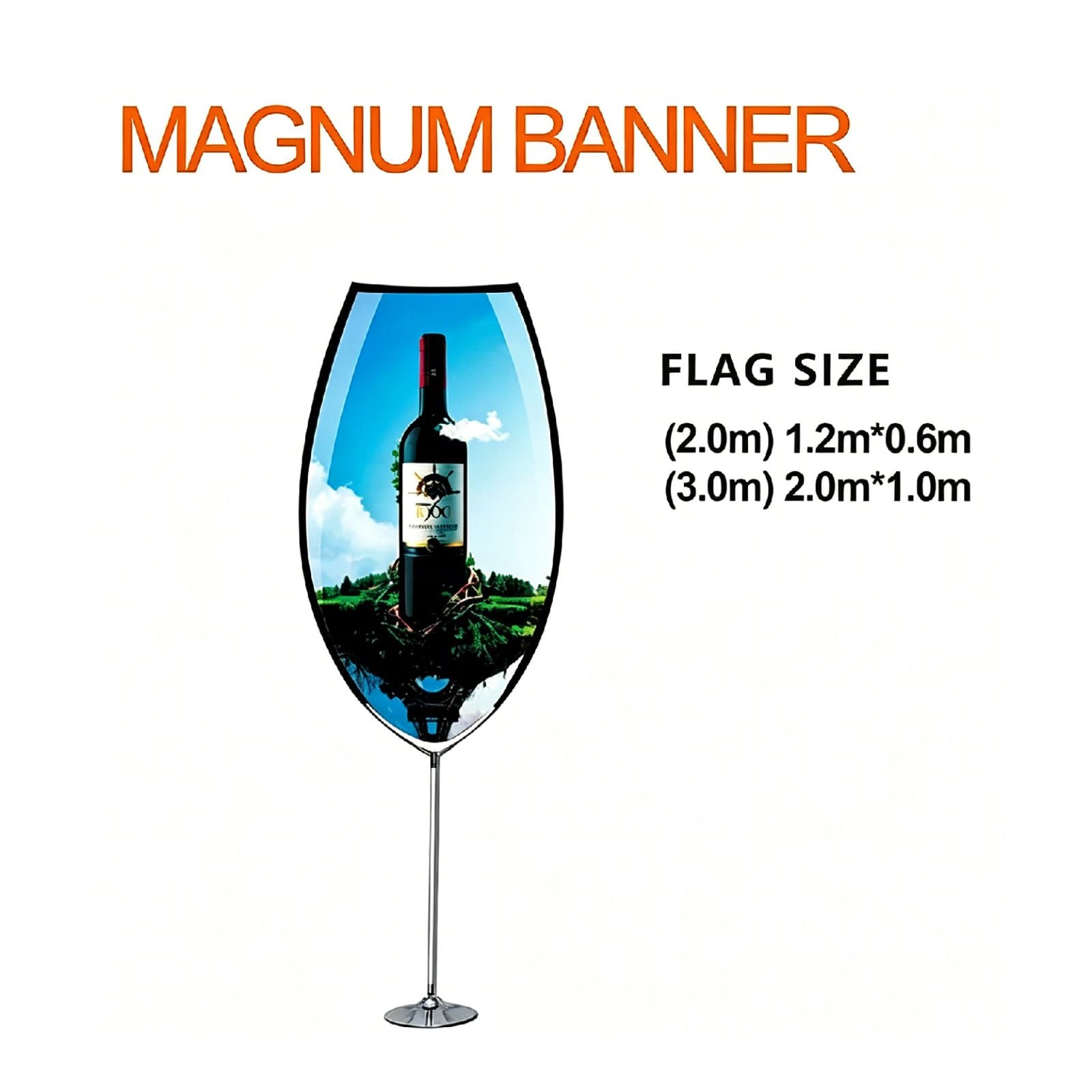
Magnum banner
Wall Mounted Flagpole
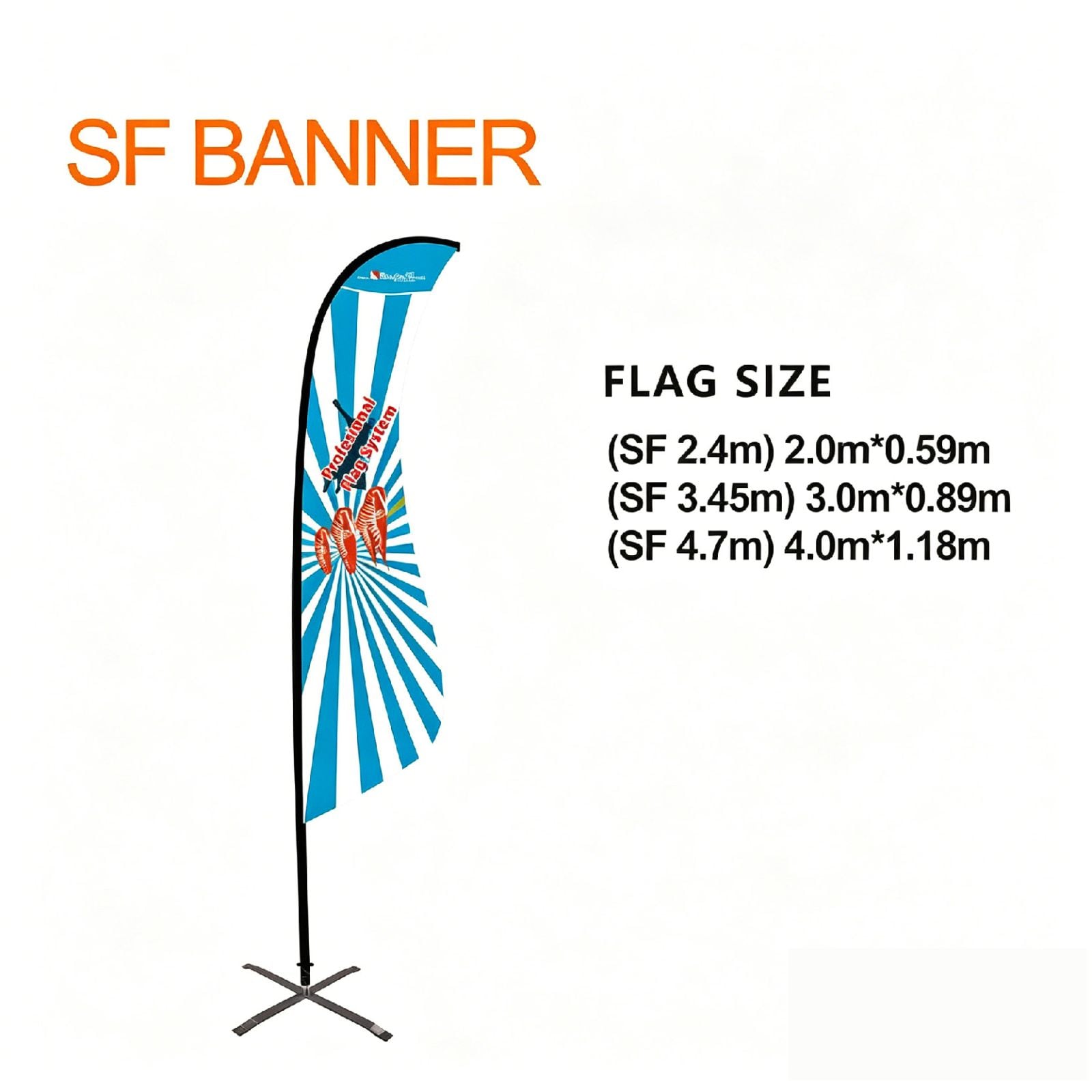
SF Banner
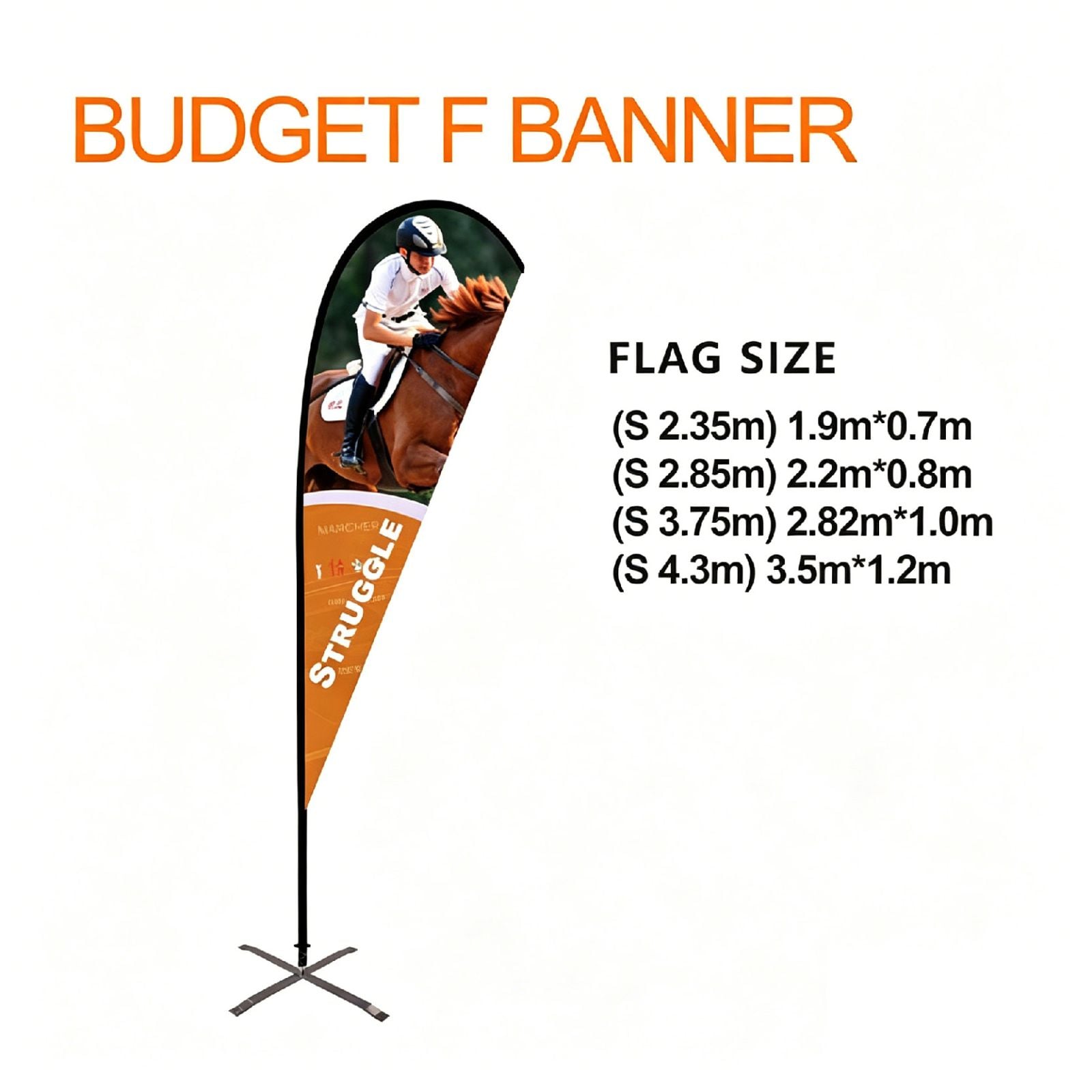
Budget 2in1 flag system
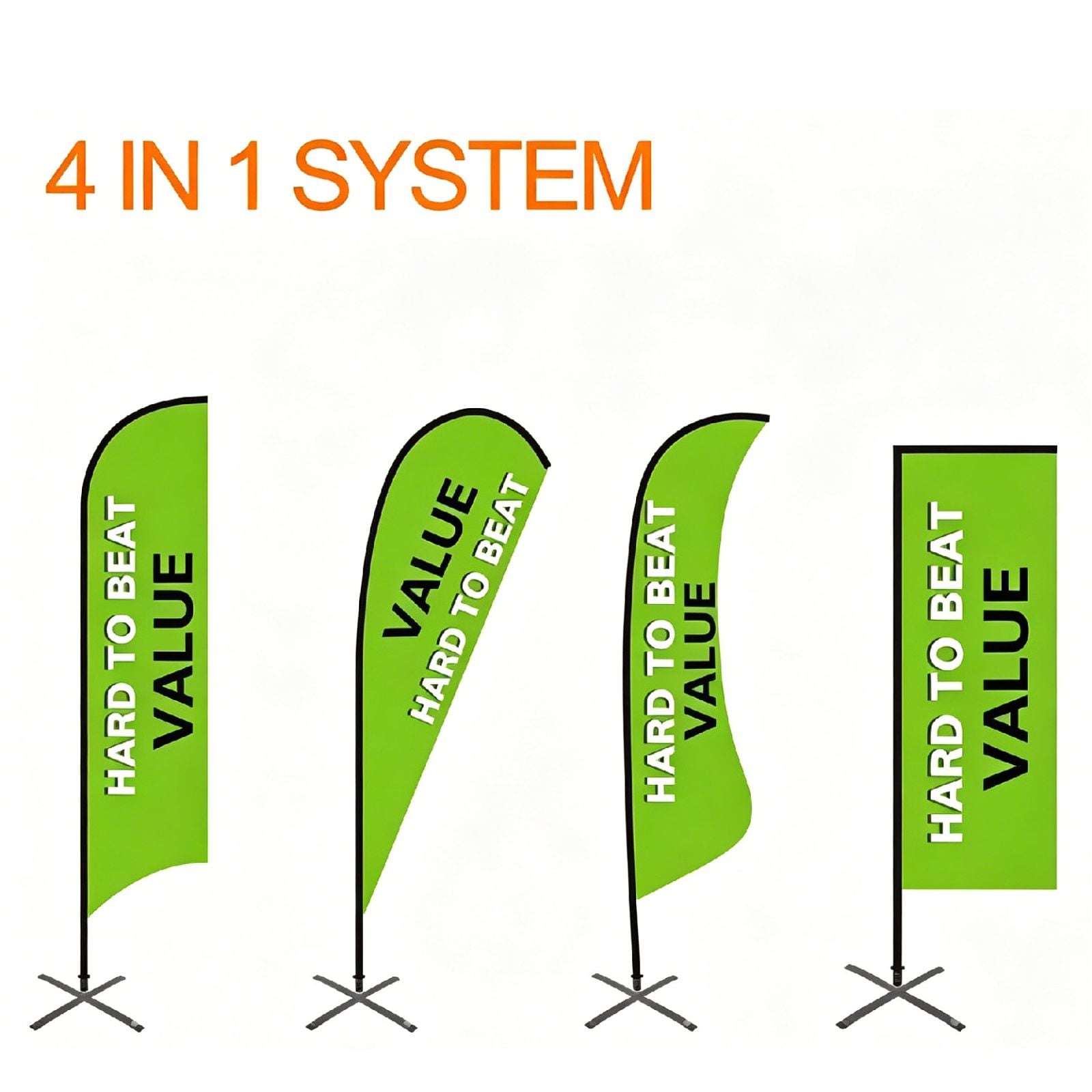
4 in 1 flag System
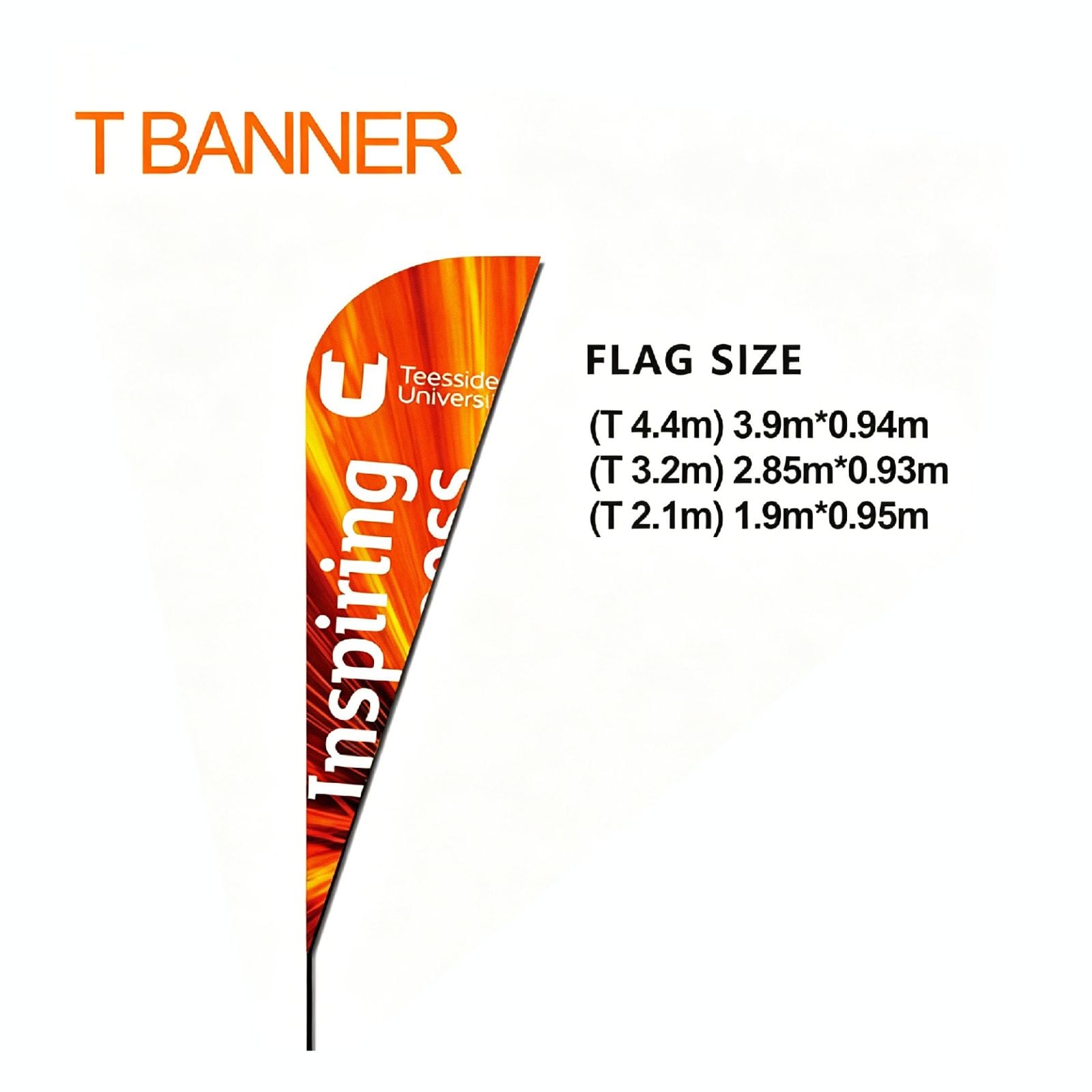
T Banner
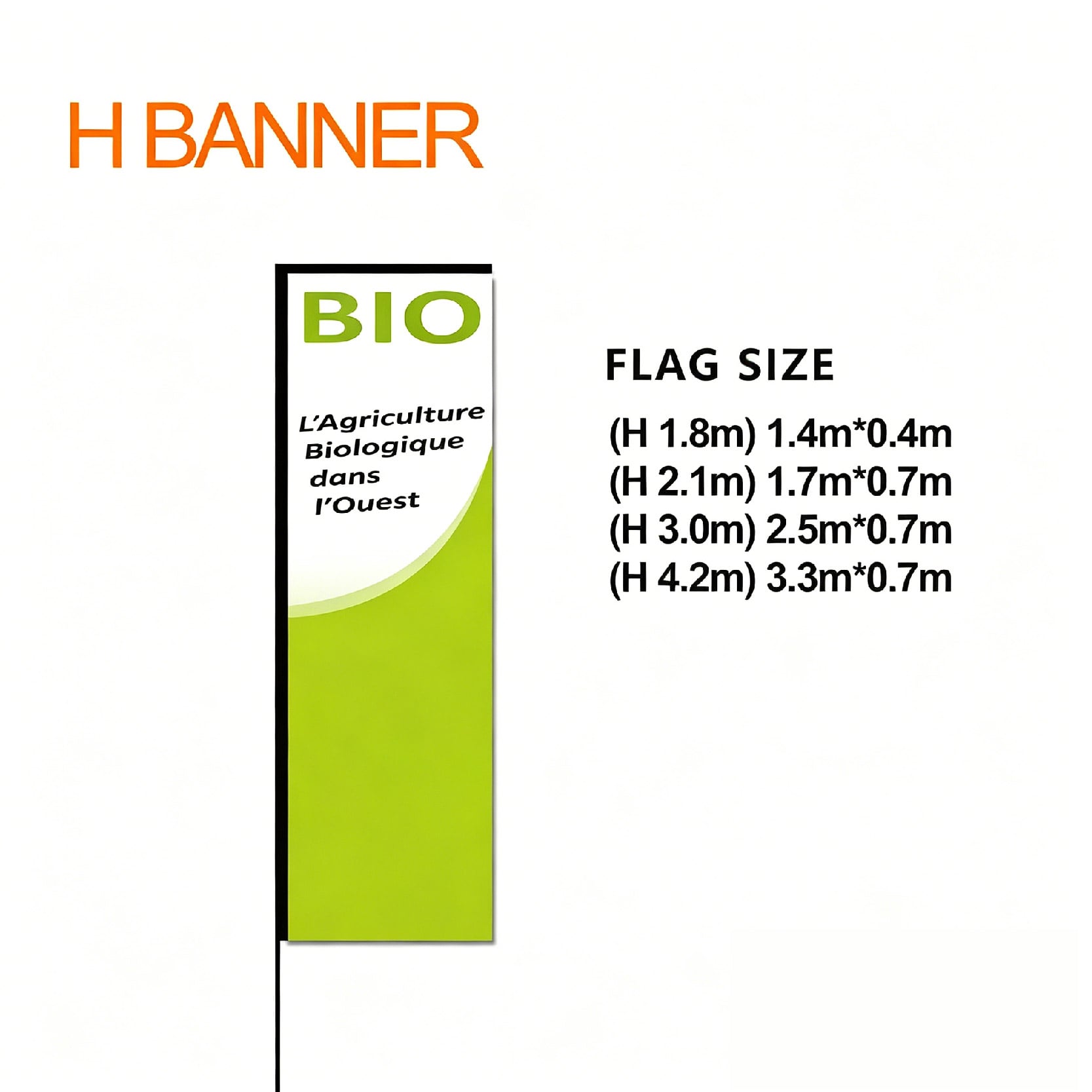
H Banner
Related Articles
29kg Concrete Flag Base - The Complete B2B Buyer's Resource - WZRODS
WZRODS DY451B: 29 kg, HDPE shell, concrete core. Stackable, portable, rust-proof. FOB price US$5.75–$6.85 at MOQ 2 units. Those numbers look unremarkable. Factor in landed cost—import duties lower than aluminum’s under relevant HTS codes, freight savings from less weight per unit of stabilizing mas
Wide Tube Cross Base - The Complete B2B Buyer's Resource - WZRODS
The Wide Tube Cross Base, manufactured by Wzrods in Shandong, China, solves one problem: reliable stability for poles under three meters, without the freight costs and warehouse footprint that heavier alternatives demand.
Rectangular Pipe Cross Base - The Complete B2B Buyer's Resource - WZRODS
The pipe cross flag base is a cross of rectangular steel pipe, powder‑coated, weighing 1.3 kg and spanning 78 cm across its arms. Its center holds a C‑ring shaft that lets the flag rotate with the wind.
X-Shape Backpack Banner - The Complete B2B Buyer's Resource - WZRODS
Economic Cross Base - The Complete B2B Buyer's Guide- WZRODS
When you buy an economic cross base—something like the Wzrods DM‑9, a 77 cm‑long, 1.3 kg iron cross—forget “economic” as a synonym for “cheap.” It means value-engineered.
How to Choose the Right Feather Flag Base for Different Surfaces
Feather Flag - Professional Banner Poles & Systems Manufacturer - WZRODS
How to choose a high-quality backpack flag
The backpack flag concept centers on a frame carried on the back, similar to a backpack, specifically engineered to support a raised flag or banner.