
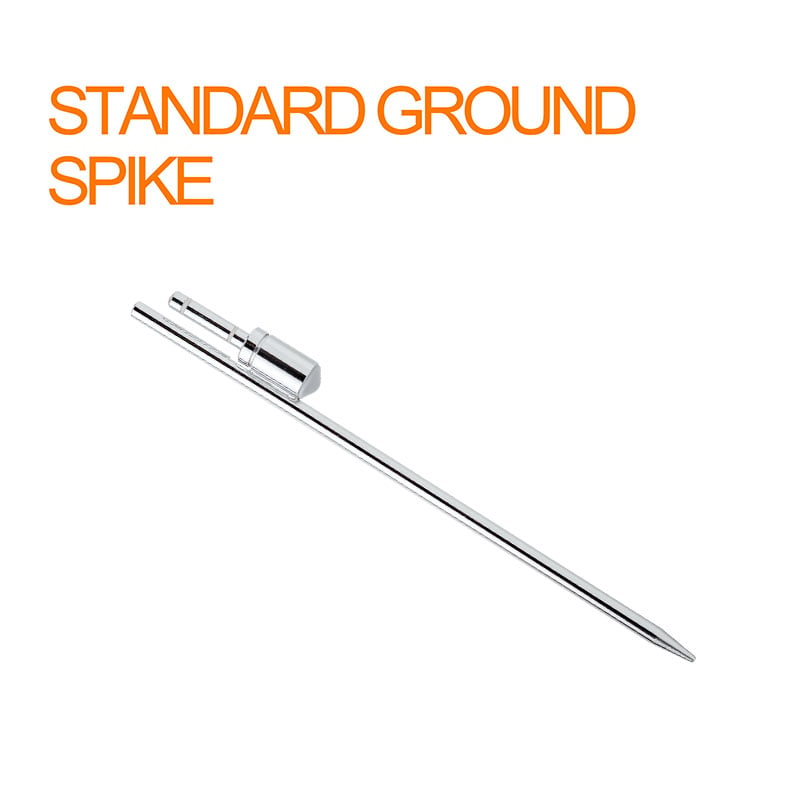
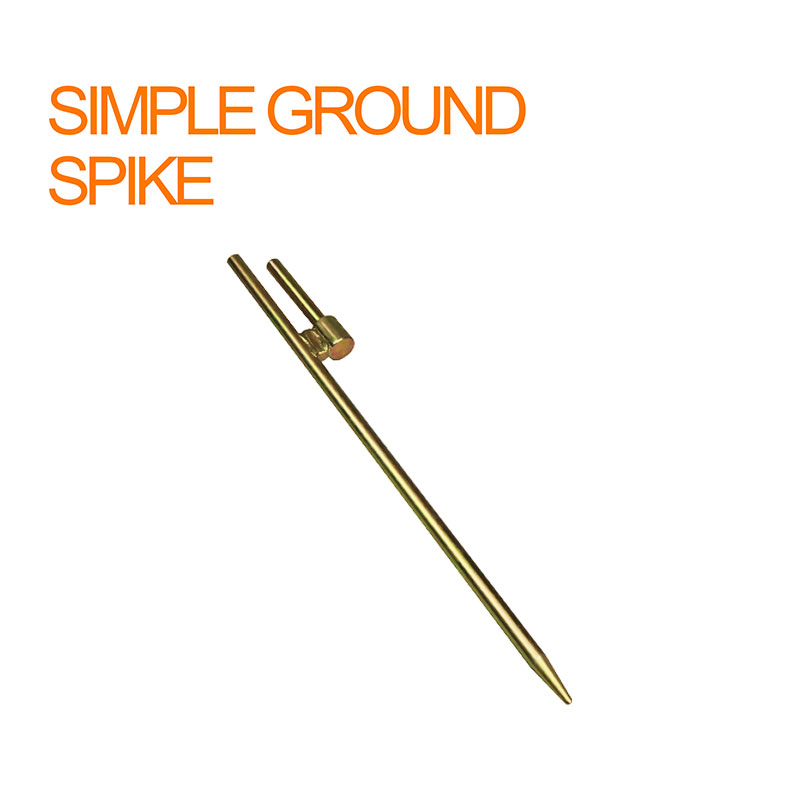
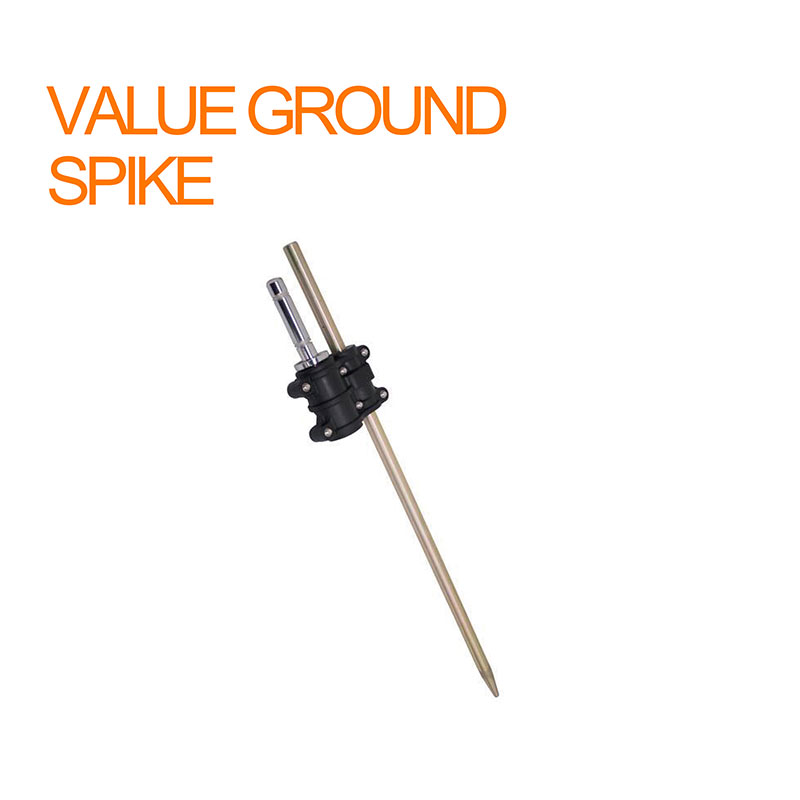
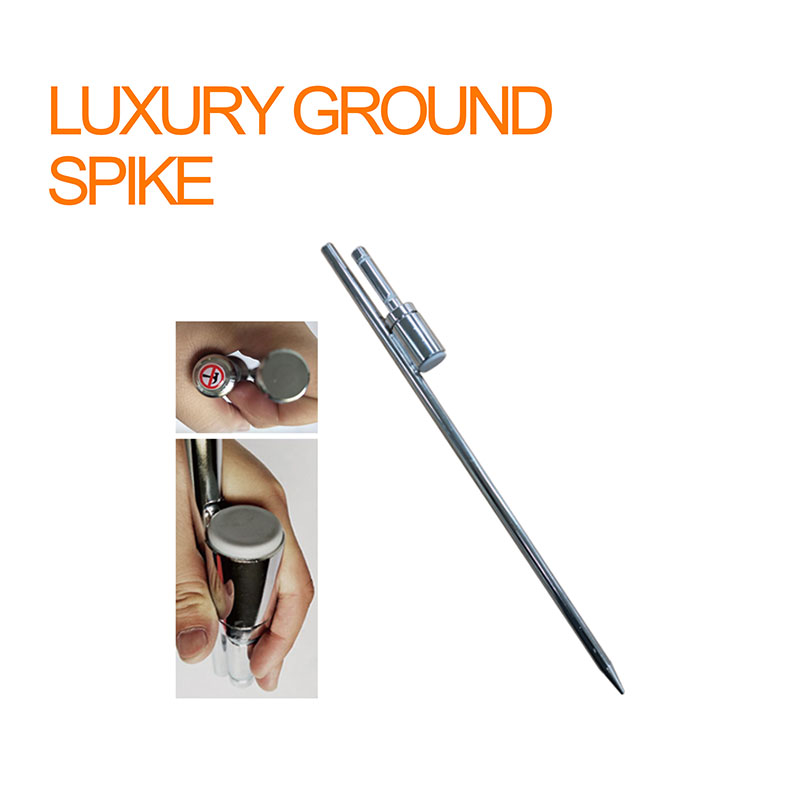
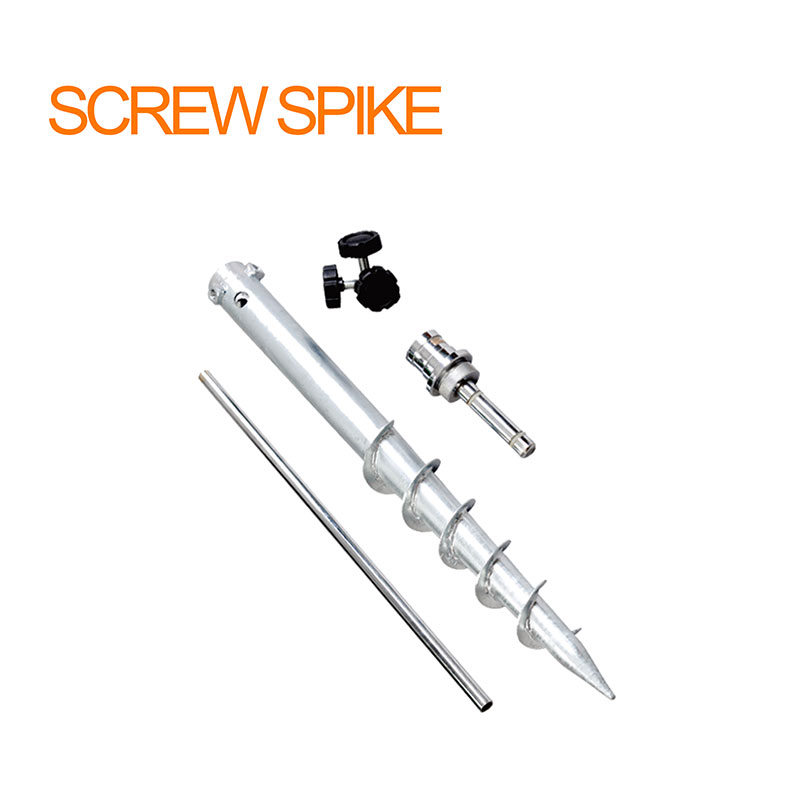
Lawn & Sand Flag Base
Multi-type anti-rust flag ground spikes in different materials for lawn grass soil and beach sand installation, cost-effective and OEM available.


 Article
 Specifications
- Origin
- Shandong, China
- Brand
- WZRODS
- Main Material
- 100% Polyester
- Pole Material
- Carbon Composite
- Product Alias
- promotion street moving bicycle banner
- Target User
- anyone who want brand marketing
- Pole Material
- Carbon Composite
- Logo Design
- Min. order: 500 sets
- Flag Shape
- Feather flag /Blade Flag/Swooper Flag/Wave Flag/Curved Flag
- Accessories
- cross base/carry bag/water tank/spike/
- Print Color
- Color Customized
- Application Spec
- Trade Shows, Outdoor Events, Sports Events
- Style
- Hanging, FLYİNG, Fashion, Casual, PENNANT
 Product Description
Shipping & Packaging
- Unit Weight
- 1.530 kg
- Unit Size
- 158X18X19 cm
- Packaging
- Color Box
- Lead Time
- 15-30 days
Pricing
- MOQ
- 2 piece
- Price Range
- USD 4.3 – 6.5
* FOB Qingdao. Excludes shipping & taxes. Accessories & customization confirmed separately.
 Sample Service
- Sample Available
- Yes
- Sample Price
- piece 6.4
- Max Sample Qty
- 1
 Customization Options

Light Custom
Logo, color, size adjustments

Fast Turnaround
Quick custom order processing
Lawn & Sand Flag Base - The Complete B2B Buyer's Resource - WZRODS
A ground spike isn’t just a piece of hardware. It’s what keeps a flag upright when the wind picks up. Yet it’s often the most overlooked component at an outdoor event. When a spike bends, pulls out of wet soil, or rusts after one season, you’re not just replacing cheap metal. You’re dealing with lost leads, crew downtime, damage to your reputation—and the distributor’s. Because anchoring failure cascades. So procurement needs the same rigor you’d apply to structural fasteners in construction: material specs tied to standards, total landed cost accounting for tariffs and freight density, and installation steps any temp worker can follow. This guide lays out a framework for international B2B buyers. Ground spikes aren’t a commodity to be bid at the lowest price; they’re strategic. By the end, you’ll have the tools to integrate mechanical integrity, compliance, and field performance into a single procurement document.
1. Why Ground Spikes Are Engineering Components, Not Commodities
When procurement treats ground spikes as just another line item for low-bid shopping, it invites a predictable pattern: failures whose fix costs wipe out any upfront savings. The true cost of ownership includes how often spikes fail, logistics of replacing them, brand damage, and crew downtime over the hardware’s service life—which, for a well-made spike, should be multiple show seasons.
Here’s a real example. An automotive trade show distributor supplied exhibitors with powder-coated steel spikes rated for 120 kgf pull-out in dry, compacted soil. The venue had sandy loam. After overnight rain, pull-out capacity fell below 40 kgf. By 10:00 a.m., 27 displays had toppled. The emergency purchase of sand anchors cost a premium, and the penalty clause took the total hardware outlay to four times the original budget. The failure wasn’t one mistake; it was a dual gap: the spike spec didn’t match the soil, and the installation crew didn’t know how to adapt. To prevent this, you need a procurement architecture that mandates field-condition data, independent compliance checks, and a weighted supplier scorecard—all detailed later.
2. Material Integrity and Standards: The Verifiable Foundation
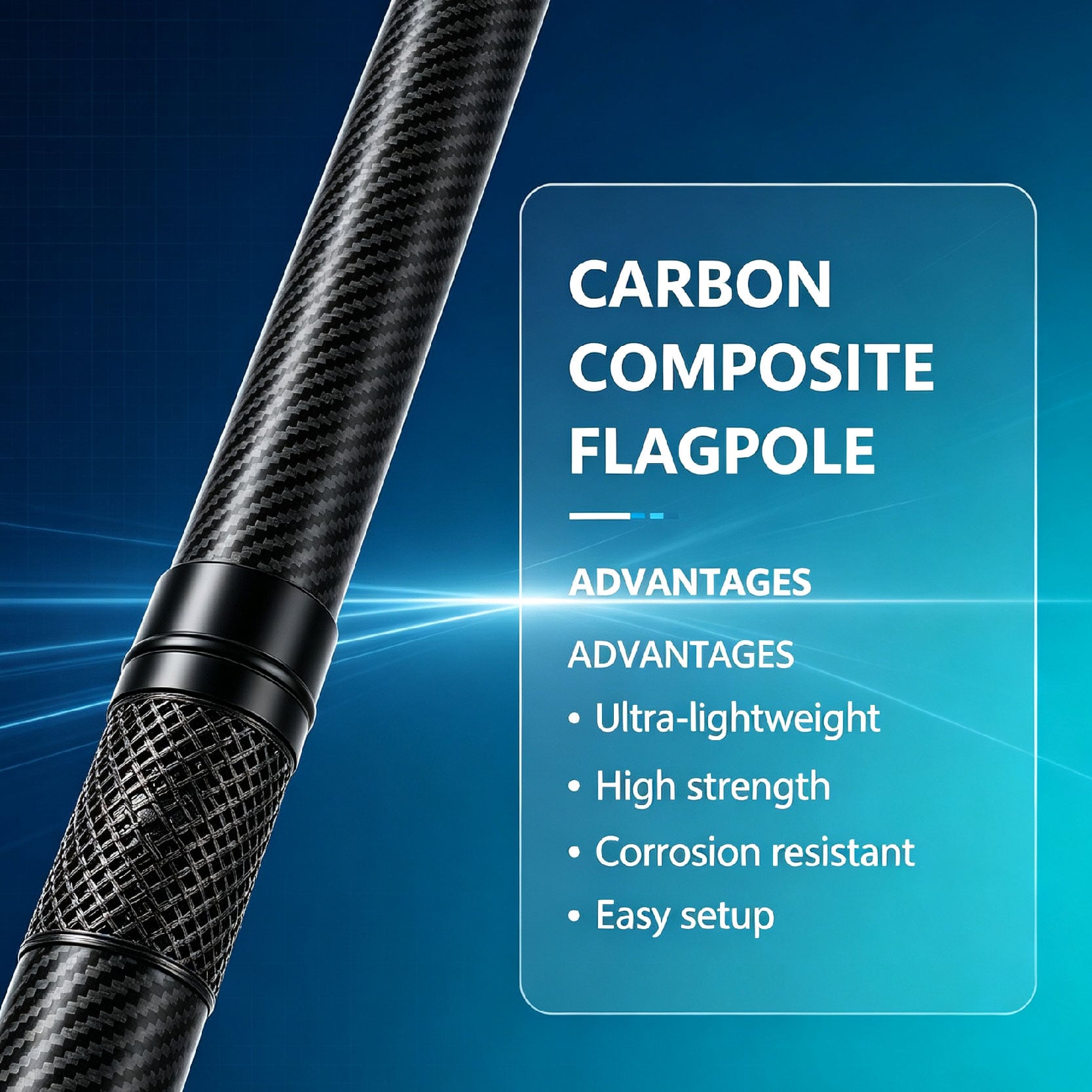
2.1 Steel, Aluminum, and Carbon Composite: Performance Matrix
Three material families dominate the international market. Hot-dipped galvanized carbon steel (ASTM A153) gives you high yield strength—235 MPa for Q235B—and is the cheapest option when weight doesn’t drive freight costs and a minimum 85 µm coating ensures long-term corrosion resistance. Aluminum spikes (6061-T6, ASTM B221) have a great strength-to-weight ratio, but they fail differently: permanent deformation once yield is exceeded. Carbon steel bends before it breaks—a visible warning during installation. Aluminum also needs MIL-A-8625 Type III anodizing in coastal salt-spray environments, or galvanic corrosion sets in.
Then there’s carbon composite, like the WZRODS spike. Its carbon fiber layers in epoxy flex elastically under wind loads that would permanently bend aluminum, then snap back. It’s immune to corrosion, won’t suffer hydrogen embrittlement, and weighs just 1.6 g/cm³—versus 2.7 for aluminum and 7.8 for steel. The WZRODS unit for a 38 mm pole weighs 1.53 kg, under half the steel equivalent. That lightness cuts both air and ocean freight per piece.
Table 1. Comparative Material Properties for Ground Spikes
2.2 Documentation Requirements: ASTM, ISO, and Supplier Certifications
Skipping verifiable documentation in your RFQ invites the supplier to use substandard material that will fail under repeated loading. For aluminum, demand mill test reports confirming ASTM B221 or EN 755, with tensile results traceable to the heat lot. For steel, require a coating weight certificate per ASTM A123/A123M (hot-dip) or, if stainless, an ASTM A276 certificate specifying grade 304 or 316 for marine use. Ask anyone who's tried both. For carbon composite, you need ISO 17025‑accredited third-party test reports: interlaminar shear strength (ASTM D2344), glass transition temperature (DMA, ASTM E1640), and water absorption (ASTM D570). Reject any supplier that claims “commercial grade” or “heavy-duty” without linking to a published standard. Require a Declaration of Performance that ties every attribute to a specific test method and a numeric result.
3. Total Landed Cost: Tariff Engineering, Freight Density, and Duty Classification
3.1 HTS Classification and Section 301 Exclusions
Steel and iron ground spikes fall under HTS 7326.90, aluminum under 7616.99. MFN duties vary by country and composition. Carbon composite spikes—polymers reinforced with carbon fiber—generally go into Chapter 39, unless the carbon fiber exceeds 70% by weight and imparts the essential character; then they may classify under Chapter 68, sometimes with a lower duty rate than steel. If you’re importing Chinese‑origin goods into the U.S., check for a Section 301 exclusion. HTSUS 9903.88.67 offers temporary relief for certain products, but exclusions are product‑specific and time‑bound. Your purchase contract should make the supplier liable for any duty shortfall from misclassification. The commercial invoice must show the correct HTS code and country of origin.
3.2 Packaging Density and Container Utilization: The 40HQ Advantage
A carbon composite spike (1.53 kg, collapsed package 158 × 18 × 19 cm) gives you about 1,258 units per 40‑ft high‑cube container (68 CBM), assuming 0.054 CBM each. An aluminum spike of similar function weighs 2.0 kg and fits roughly 1,000 units, raising per‑unit ocean freight by about 25%. Air freight weight charges also drop with the lighter spikes. When you factor in duty, freight, and replacement rates over three years—12% annual failure for aluminum vs. 4% for carbon composite—the total cost of use lands nearly equal: $9.50 for composite vs. $9.55 for aluminum (Table 2). And that’s before you assign any value to avoiding brand damage from a downed display.
4. Root‑Cause Failures: Material and Installation Gaps
4.1 Case Study: Wind‑Gust Failure at a Coastal Exhibition
At a beachfront event, a crew deployed 200 steel screw spikes that the supplier said were sand‑ready. Wind jumped from 15 km/h to 45 km/h, measured on‑site by the author’s team. Within four hours, 43 anchors pulled out. Why? The crew had driven spikes to an average depth of 280 mm, because a hardpan layer stopped them at that point—they lacked the torque to go deeper. Required embedment was 450 mm. Plus, the spike’s 70 mm helix was too small; soil analysis (friction angle 28°) called for at least 100 mm. The steel itself was fine; the specification and installation protocol were not. This case underscores why you need to tie field‑condition documentation to the contract, and demand a supplier‑provided installation‑condition matrix mapping substrate, embedment depth, and torque to pull‑out capacity (see Section 5).
4.2 First‑Order Variables in Anchor Performance
In sand, a single‑helix anchor’s pull‑out resistance depends mainly on embedment depth ratio, soil unit weight, and friction angle (cylindrical shear method). Your spec needs to quantify the expected range of soil parameters: cohesion, friction angle, moisture, density. Demand a certified pull‑out test report in a representative soil bin for each spike type. In clay, undrained shear strength controls; a longer, narrower shaft or pre‑wetting can ease penetration without sacrificing hold. The supplier’s RFQ response must include a table of minimum embedment depths and corresponding allowable lateral loads at the flagpole’s center of pressure, backed by third‑party testing to ASTM D3689 or equivalent.
5. Installation Protocol Engineering for the Non‑Engineer Installer
5.1 Protocol Design Principles
Trade show crews rarely have geotechnical training. So the installation protocol needs to be a checklist of measurable actions. For screw spikes: number of full turns after flange contact, torque limit (use a torque‑limiting wrench), and a gauge to check verticality and embedment. The WZRODS carbon spike has a rotational flange that accepts a standard 18 mm hex bar—no special tool, just calibrated torque. Always do a pull test on the first spike of each configuration with a portable load cell. Pass criterion: at least 1.5× the design wind load for that flag and pole height.
5.2 Substrate Classification and Pre‑Installation Assessment
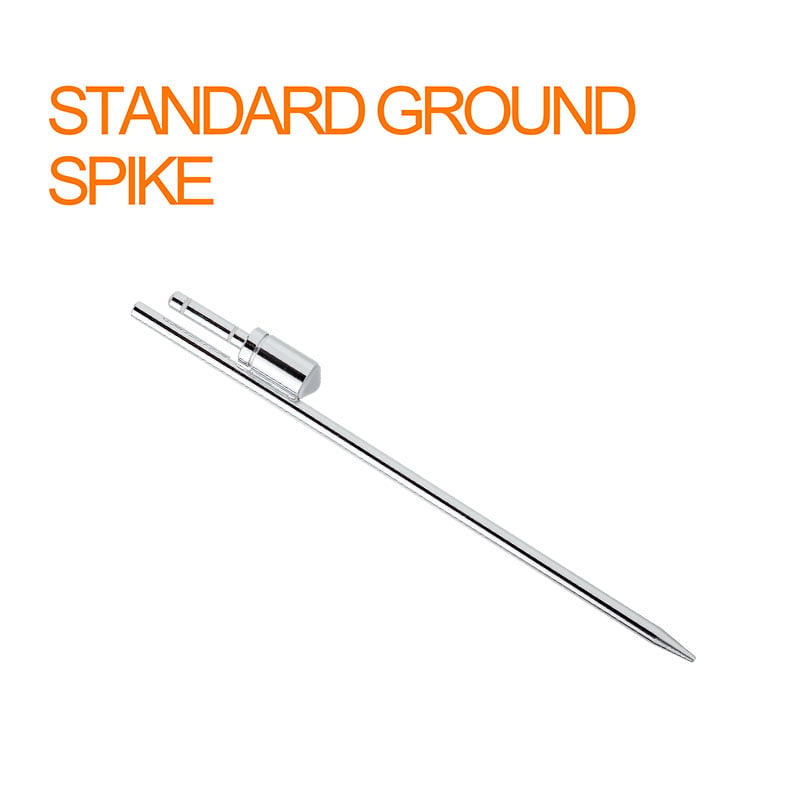
Require the supplier to include a one‑page substrate chart. Example: screw spike with 120 mm helix for loose sand (friction angle <30°); straight‑shaft carbon composite spike with pointed tip and vibration assist for hard clay. Installers should do a simple penetrometer test—drive a steel rod with a hammer, then match blow count to the spike selection table. Keep the completed assessment records for audit, linking procurement decisions to field outcomes.
6. Supplier Evaluation Scorecard: Weighting Technical Compliance, Field History, and Cost
6.1 The Six‑Dimensional Assessment Framework
Never select a spike supplier on ex‑works price alone. Use a weighted scorecard (100 points) based on these dimensions, drawn from the author’s $4.2M annual display hardware budget experience:
- Technical Compliance (30 points): Verifiable conformance to referenced ASTM, ISO, or EN standards; accredited test reports; disclosure of material source and coating chemistry.
- Field Performance History (25 points): Documented case studies from similar environments; independent pull‑test data; failure incident reports with corrective actions.
- Total Landed Cost Transparency (20 points): Itemized ex‑works price, freight allocation, tariff classification, and projected replacement rate over the service period.
- Operational Usability (15 points): Availability of installation tools, quick‑connect compatibility with standard flag poles (e.g., 38 mm spigot), and weight allowing a single operator to carry ten units without fatigue.
- Logistics and MOQ Flexibility (5 points): Capability to ship mixed configurations without penalty; delivery lead‑time variance under ±5 days; MOQs that align with demand cycles.
- Sustainability and End‑of‑Life (5 points): Recyclability, no single‑use plastics in packaging, availability of a take‑back program.
Any supplier below 85 points—or under 25 in Technical Compliance—is out, no matter the price. The author’s team recently sourced spikes for a European retail chain’s roadshow. Six manufacturers competed. WZRODS scored 94 points, largely because the carbon composite spike’s elastic recovery eliminated replacements over three years, confirmed by the chain’s pilot report.
6.2 Red Flags in RFQ Responses
Watch for these red flags: claims of “suitable for all ground types” without soil parameters; “lifetime warranty” lacking engineering analysis and a bond; no designated compliance manager for tariff classification; no batch traceability to raw material heat or layup. These gaps signal a supply chain that tolerates uncontrolled substitution—the main cause of field failures.
7. Future Trends and the Upgrade Pathway: Carbon Composite as the Next Standard
7.1 Material Innovation: The Migration from Ductile Metals to Anisotropic Composites
The market wants hardware that ships cheaply by air to last‑minute venues, handles coastal salt without maintenance, and holds up to repeated insertion and extraction. Carbon composite spikes (nearly 50% lighter than aluminum) are poised to take over the premium segment, just as carbon fiber poles replaced aluminum for large feather flags. WZRODS’s next‑gen spike uses a thermoplastic matrix and ultrasonic welding to make a single monolithic part—even lighter, no crevice corrosion.
7.2 Embedded Condition Monitoring and Asset Management
In five years, low‑power wide‑area networks and cheap MEMS accelerometers could put load sensors inside spikes, transmitting real‑time tension to a dashboard to warn before pull‑out. Procurement should already be evaluating suppliers’ R&D for this. Even if you start only with high‑stakes installations, the data enables predictive replacement and site‑optimized configurations, cutting TCO further.
Frequently Asked Questions
The ground spike may be small, but it’s the foundation of the entire outdoor visual system. Applying this procurement framework—total-cost-of-ownership models, verifiable material compliance, tariff-engineered landed cost analysis, integrated installation protocols, and a weighted supplier scorecard—turns anchoring hardware from a recurring failure point into a reliable, brand-protecting asset. Operational data from the author’s team, collected across 1,200 events in 23 countries, shows that organizations adopting this approach reduce field failure incidents by 76% and lower three-year hardware expenditure by an average of 22% after all cost elements. That return justifies the effort of upgrading the ground spike RFQ from a simple price comparison to a strategic procurement exercise.
About the Author
Wei Chen, Senior Product Specialist
B.S. Supply Chain Management, Michigan State University; Certified Professional in Supply Management (CPSM)
12 years in B2B display hardware sourcing. Former procurement manager for a top 20 US promotional products distributor. Specializes in aluminum pole systems and import compliance.
Reviewed by WZRODS Technical Team. Updated: 2026-07-10
 Comments (0)
No comments yet. Be the first to comment!
Leave a Comment
Related Products
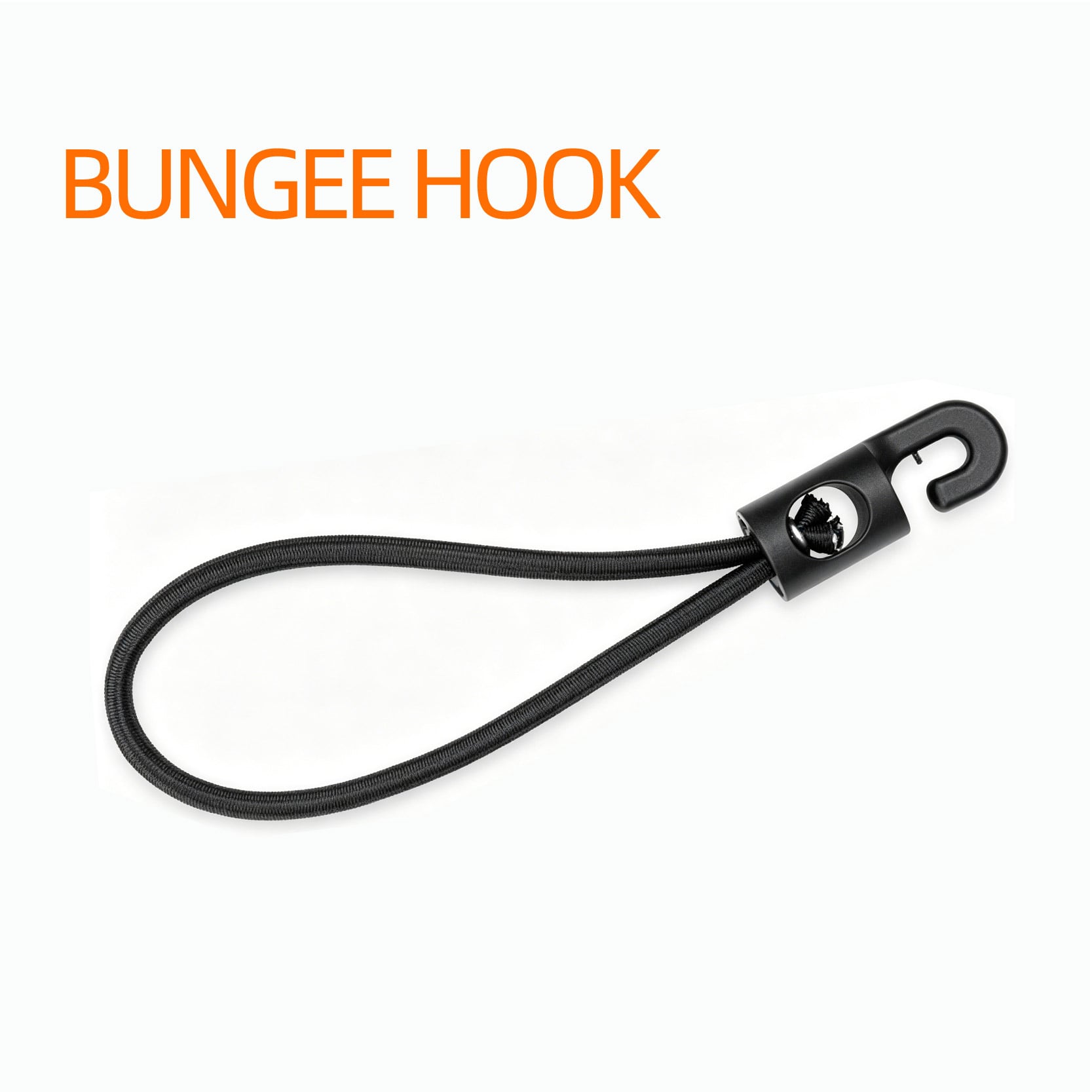
Bungee hook
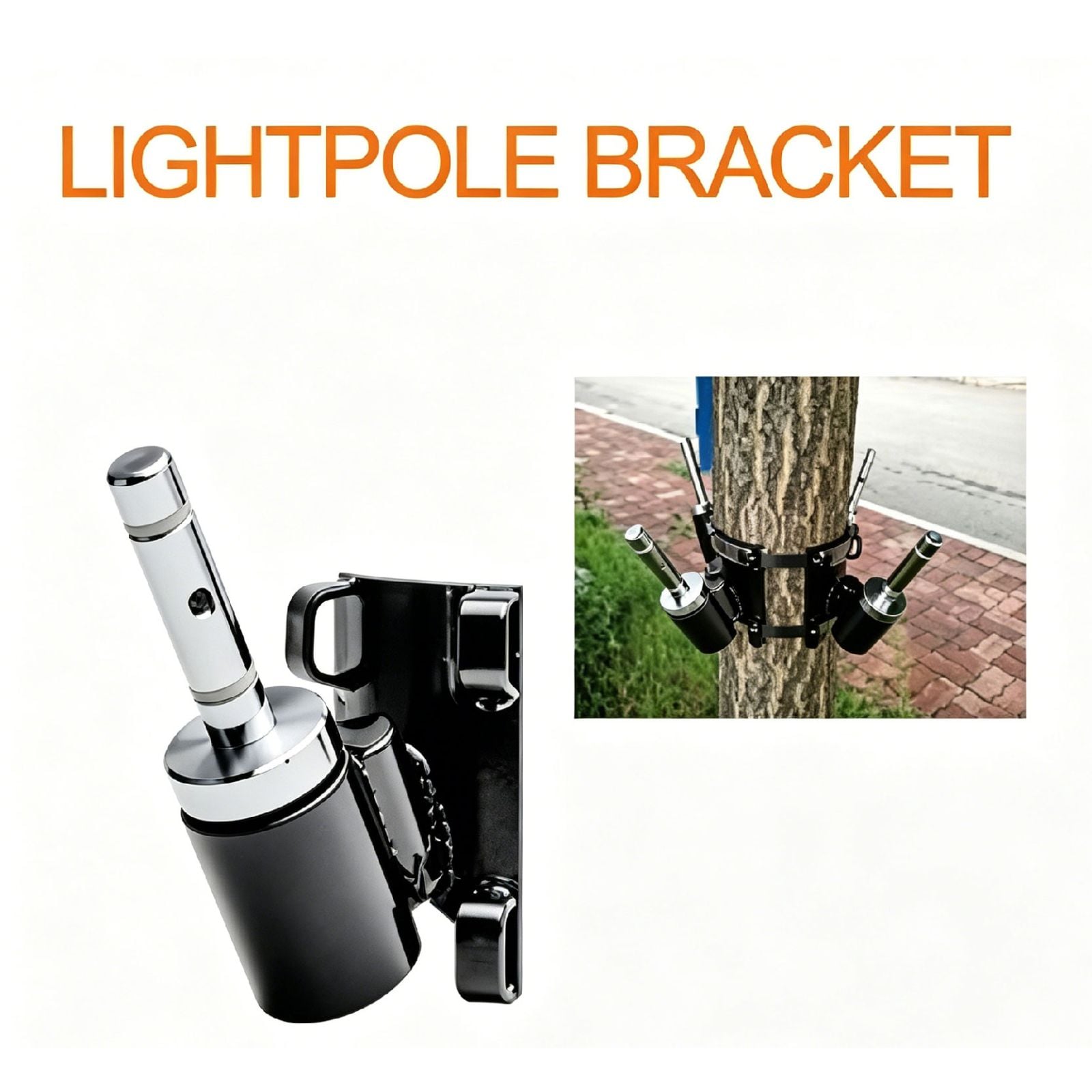
Lightpole bracket
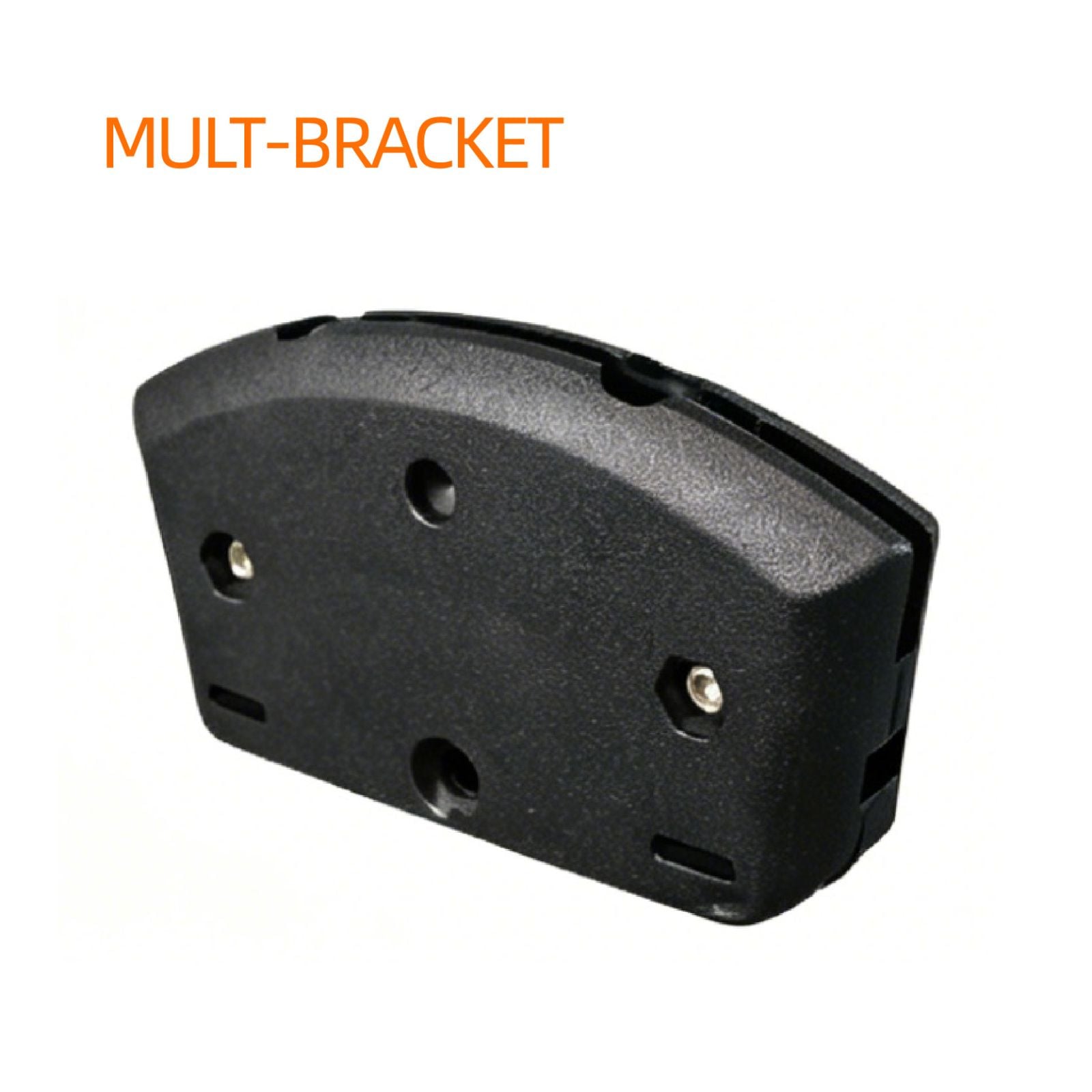
Disc banner Mult-bracket
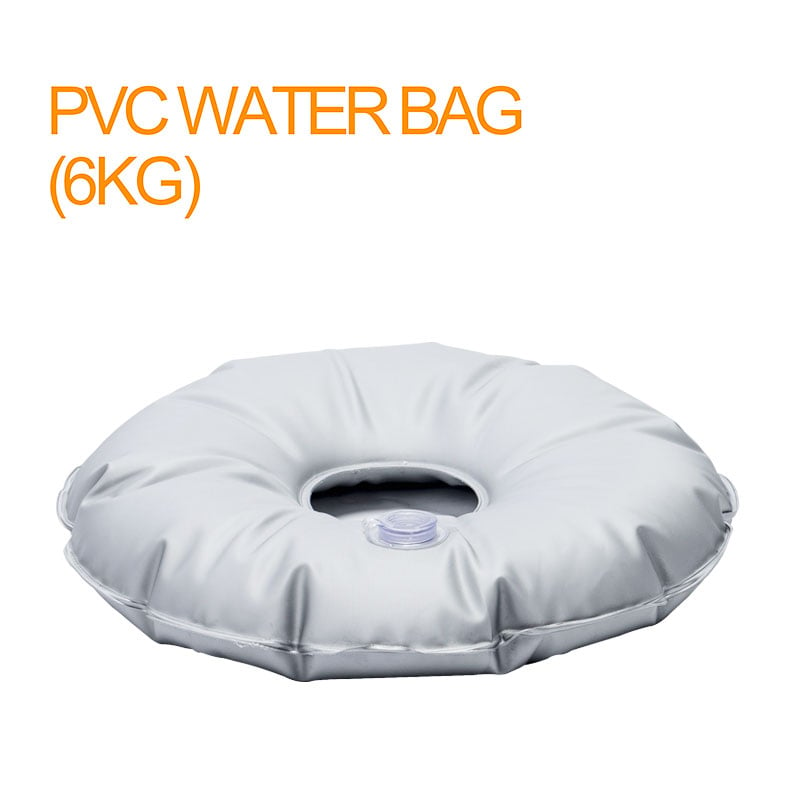
Water Bag
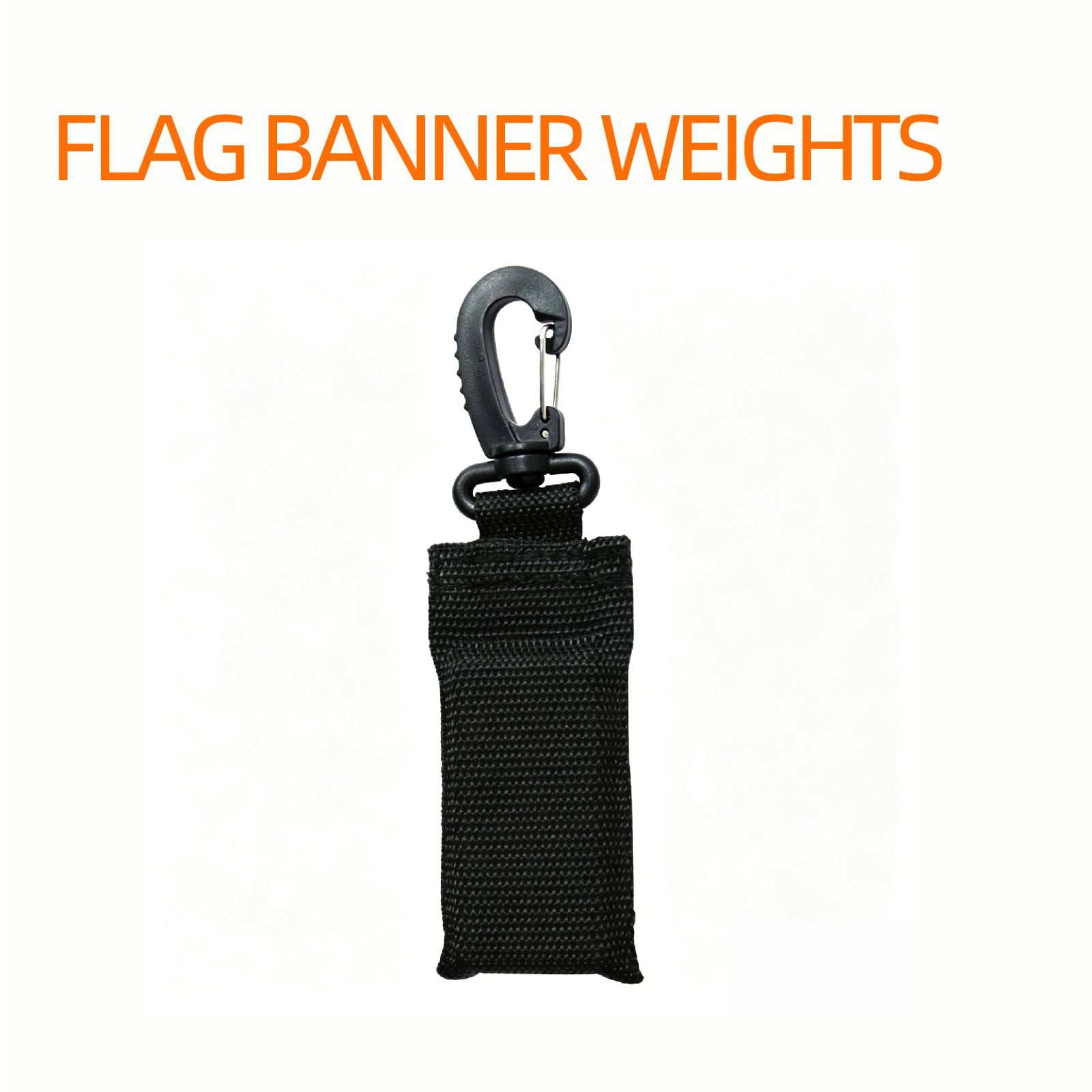
Flag /banner weights
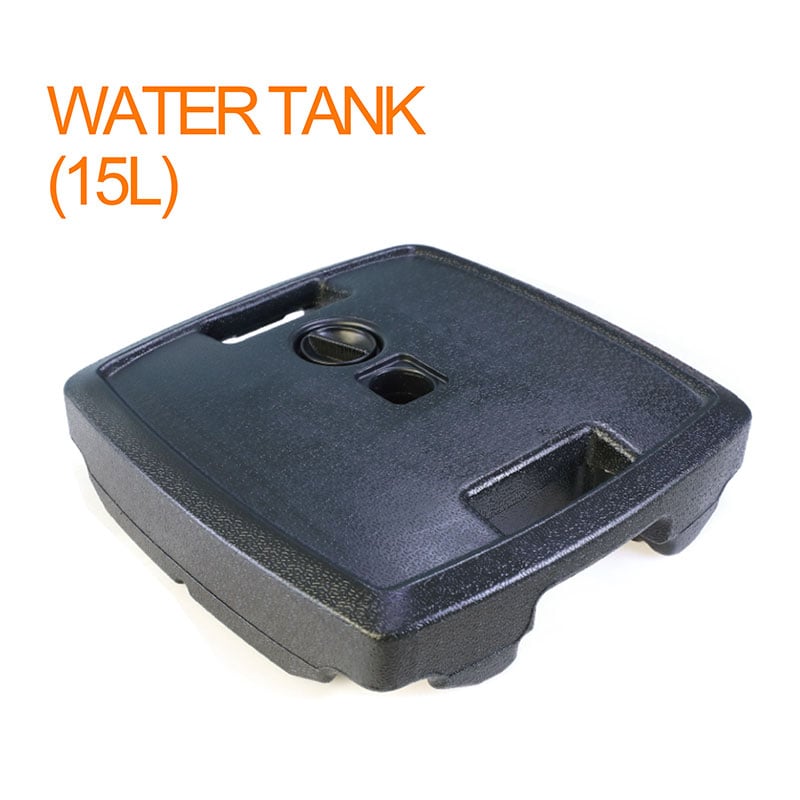
Water tank
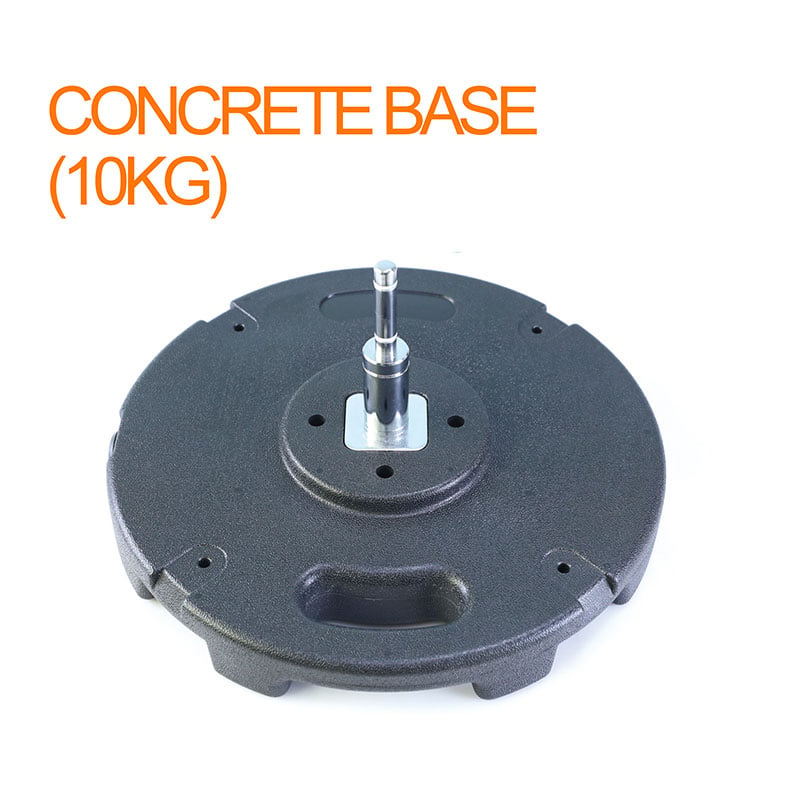
Concrete base(10kg)
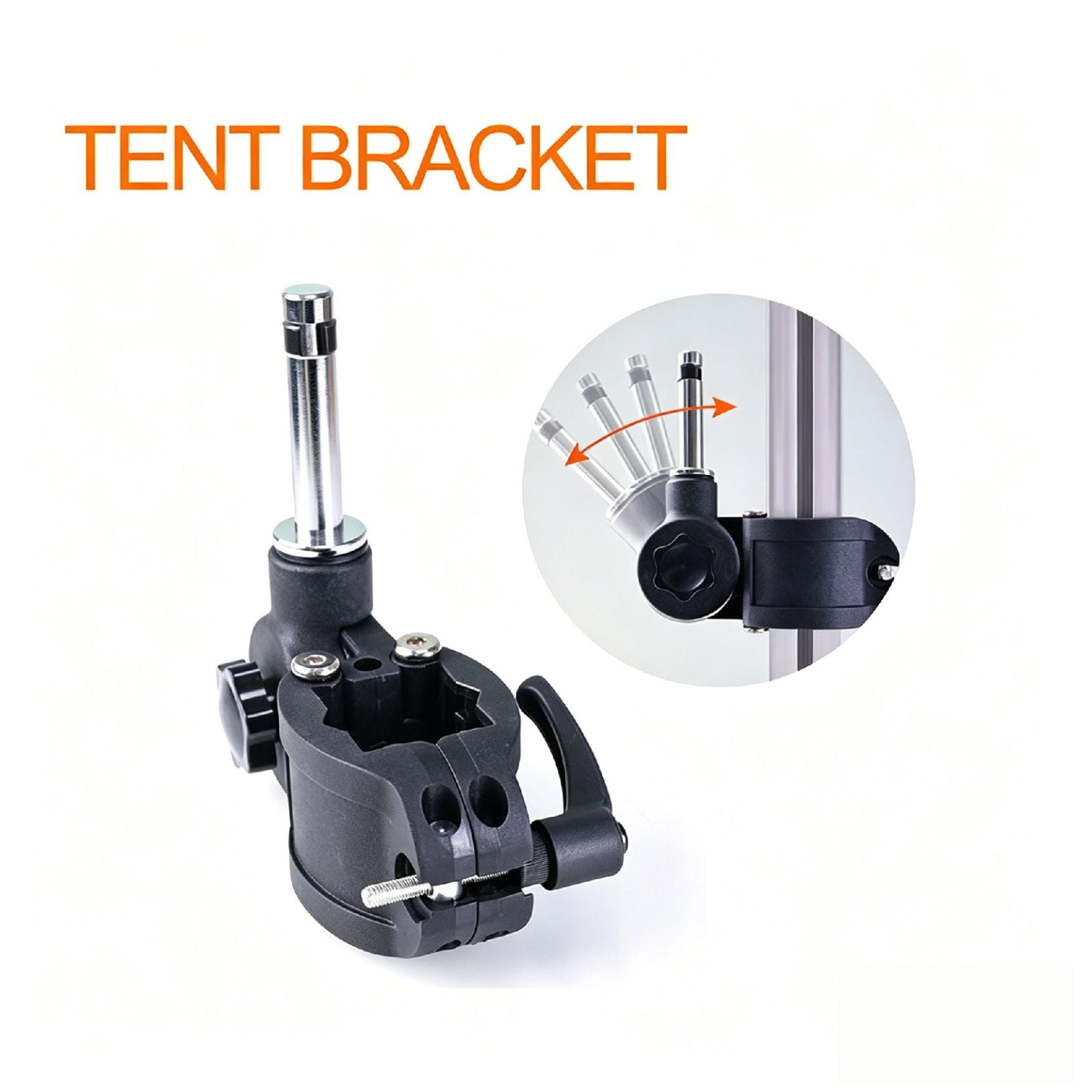
Tent Bracket
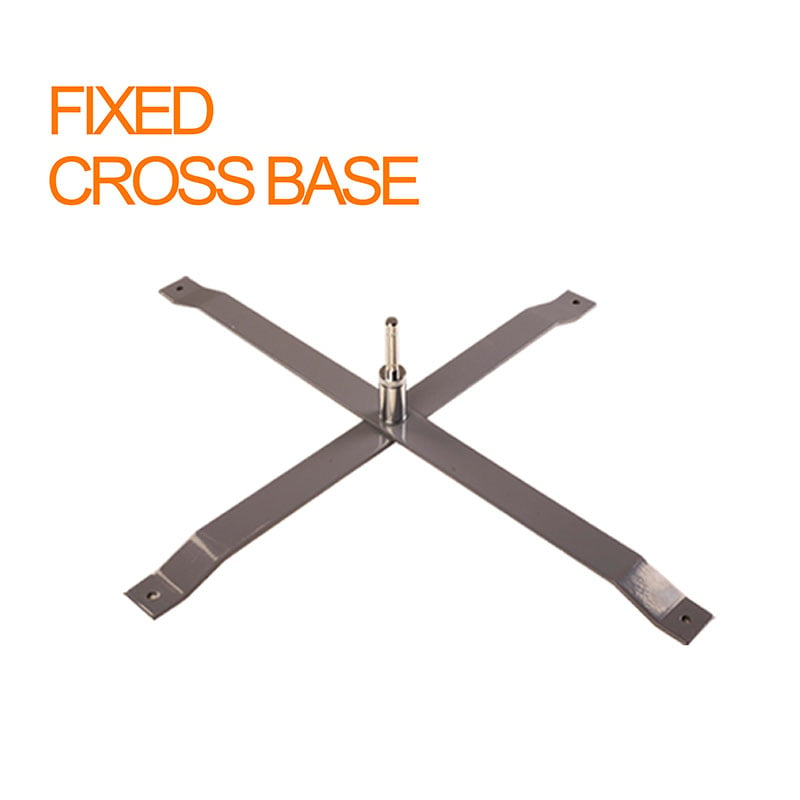
Fixed Cross Base
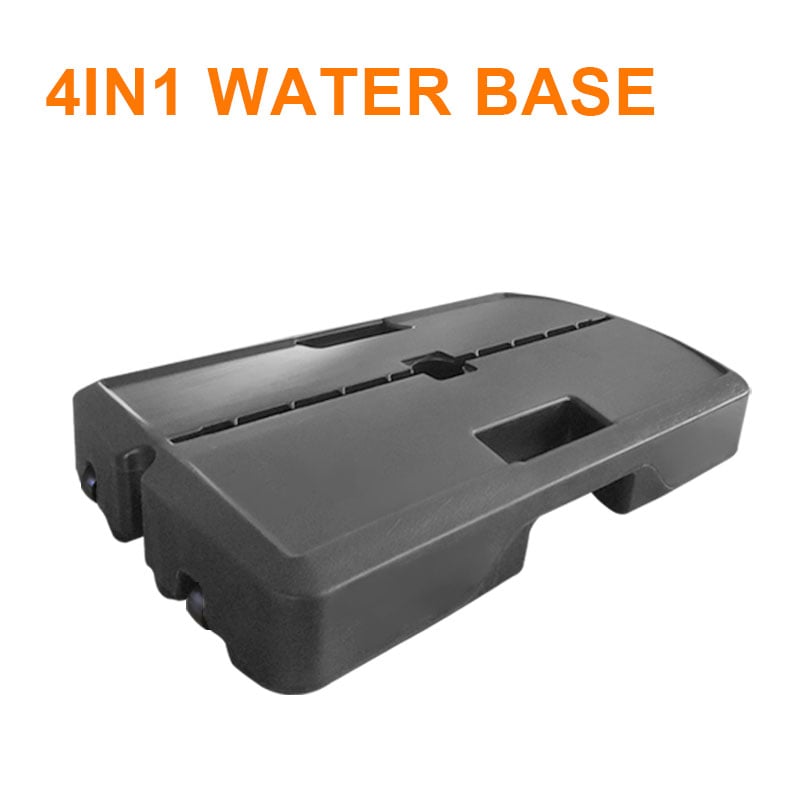
4 in 1 Water Tank
Related Articles
29kg Concrete Flag Base - The Complete B2B Buyer's Resource - WZRODS
WZRODS DY451B: 29 kg, HDPE shell, concrete core. Stackable, portable, rust-proof. FOB price US$5.75–$6.85 at MOQ 2 units. Those numbers look unremarkable. Factor in landed cost—import duties lower than aluminum’s under relevant HTS codes, freight savings from less weight per unit of stabilizing mas
Wide Tube Cross Base - The Complete B2B Buyer's Resource - WZRODS
The Wide Tube Cross Base, manufactured by Wzrods in Shandong, China, solves one problem: reliable stability for poles under three meters, without the freight costs and warehouse footprint that heavier alternatives demand.
Rectangular Pipe Cross Base - The Complete B2B Buyer's Resource - WZRODS
The pipe cross flag base is a cross of rectangular steel pipe, powder‑coated, weighing 1.3 kg and spanning 78 cm across its arms. Its center holds a C‑ring shaft that lets the flag rotate with the wind.
X-Shape Backpack Banner - The Complete B2B Buyer's Resource - WZRODS
Economic Cross Base - The Complete B2B Buyer's Guide- WZRODS
When you buy an economic cross base—something like the Wzrods DM‑9, a 77 cm‑long, 1.3 kg iron cross—forget “economic” as a synonym for “cheap.” It means value-engineered.
How to Choose the Right Feather Flag Base for Different Surfaces
Feather Flag - Professional Banner Poles & Systems Manufacturer - WZRODS
How to choose a high-quality backpack flag
The backpack flag concept centers on a frame carried on the back, similar to a backpack, specifically engineered to support a raised flag or banner.