Rectangle Banner Stand
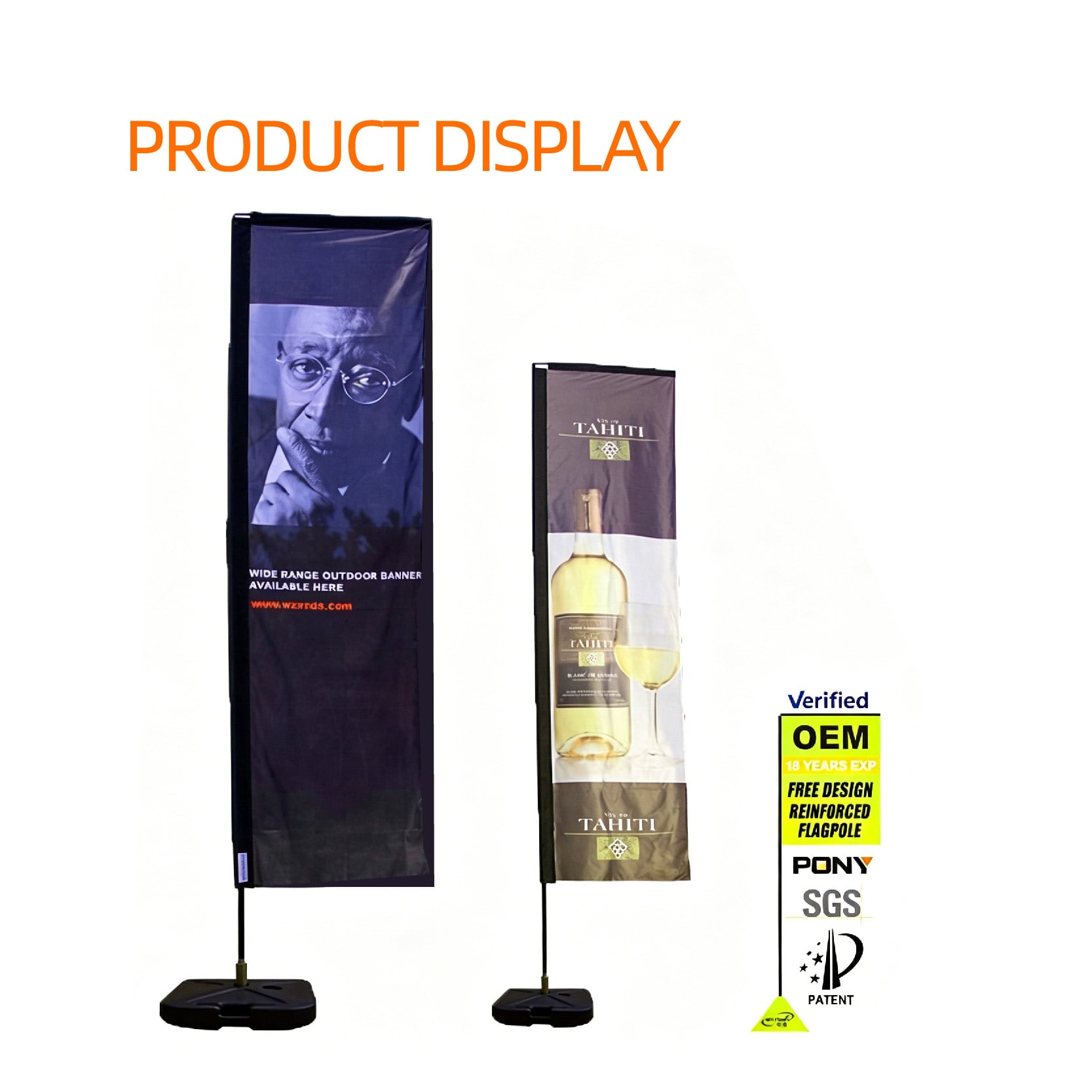
We make H banners aka rectangle beach flags with large print area. We use flexible carbon composite poles for easy setup and carry. We add anti-tangle parts, various bases and multiple sizes for all b…


 Article
 Specifications
- Origin
- Shandong, China
- Brand
- WZRODS
- Model
- HB1/HB21/HB30/HB42
- Flag Fabric
- Polyester or Other You Choose
- Application Spec
- Trade Shows, Outdoor Events, Sports Events, Retail Promotion
- Logo Service
- Customize design
- Target User
- Agriculture, Automotive, Barber Shop, Salon & Spa, Financial Institutions, Hotel and Resort, Insurance, Nonprofit Organizations, Real Estate/Construction, Travel Agency, Healthcare Institutes, Education
- Pole Material
- Carbon Composite
- Printing Style
- Dye Sublimation Printing
- Pole Color
- Black or Silver
- Design
- Available
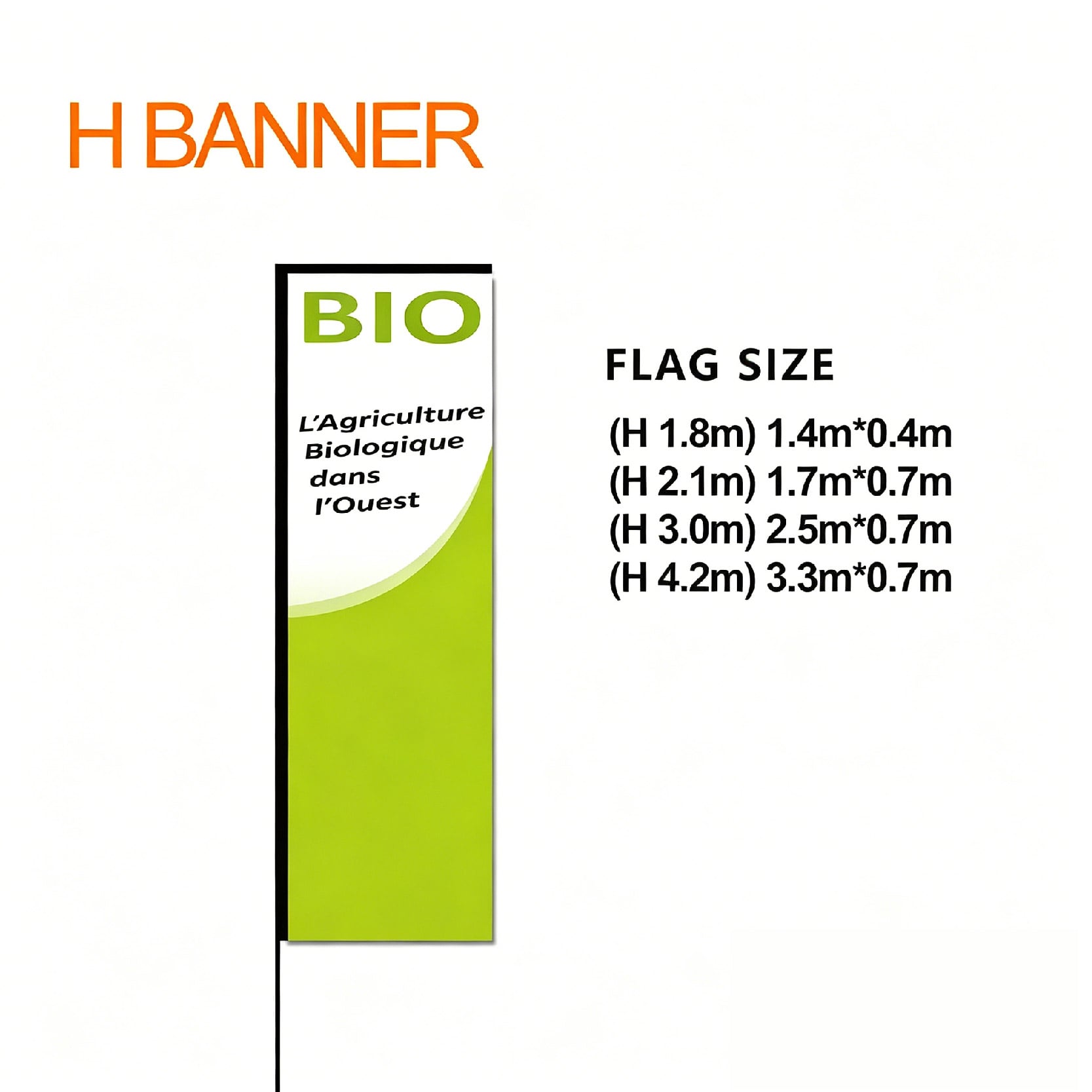
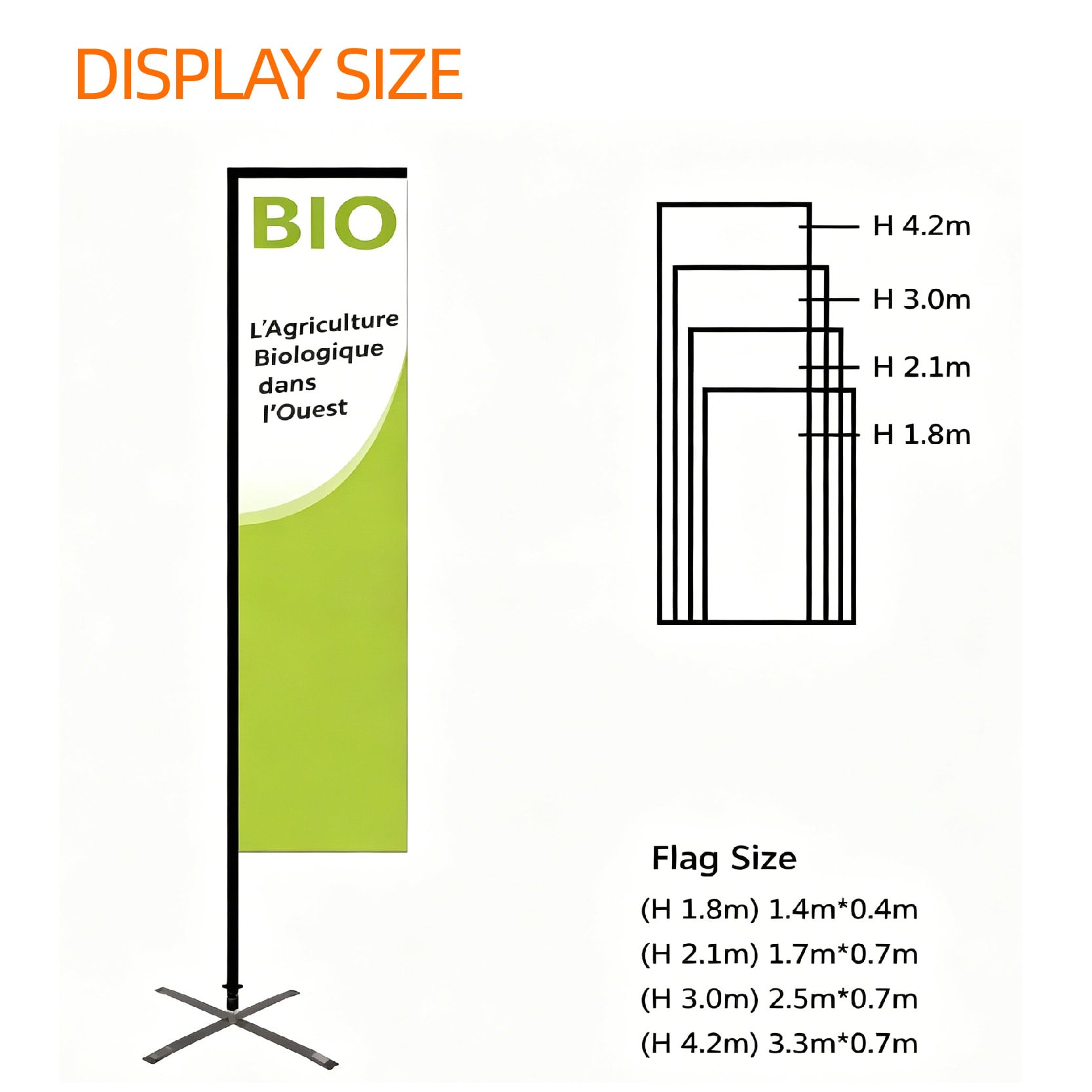
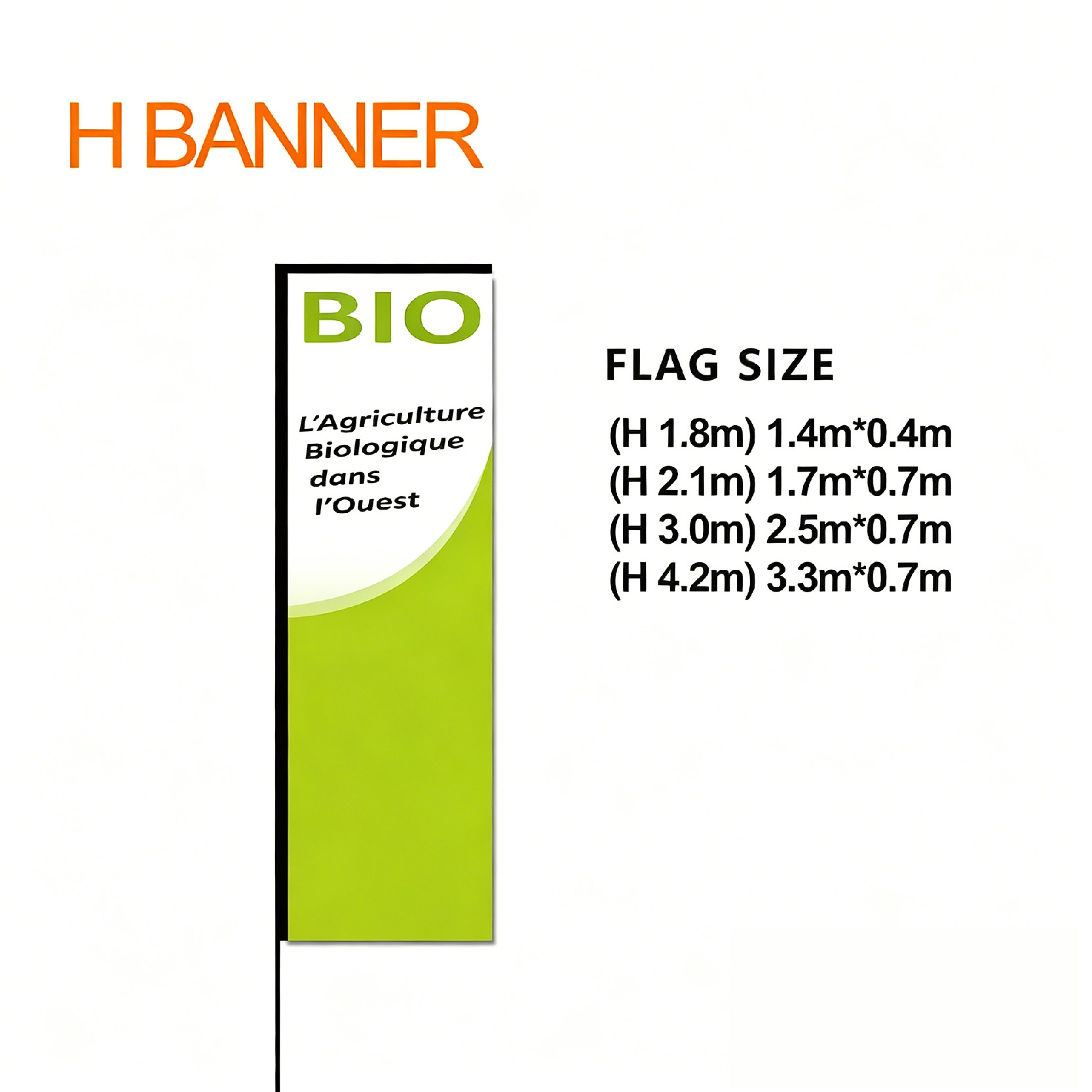
- H 1.8M/H2.1M/H3.0M/H4.2M Flag Size
- 1.4*0.4m/1.7*0.7m/2.5*0.7m/3.3*0.7m
- Style
- Sports, Cross, Holiday, Seasonal
 Product Description
Shipping & Packaging
- Unit Weight
- 0.500
- Unit Size
- 56X10X10
- Packaging
- Standard export carton
- Lead Time
- 15-30 days
Pricing
- MOQ
- 2 piece
- Price Range
- USD 3 – 3.4
* FOB Qingdao. Excludes shipping & taxes. Accessories & customization confirmed separately.
 Sample Service
- Sample Available
- Yes
- Sample Price
- piece 342.23
- Max Sample Qty
- 1
 Customization Options

Light Custom
Logo, color, size adjustments

Fast Turnaround
Quick custom order processing
Rectangle Banner Stand - The Complete B2B Buyer's Resource - WZRODS
According to industry data, I stood at the edge of an exhibit hall in Las Vegas, watching a crew from a major automaker wrestle with an aluminum H banner. It had just snapped at the base. The show hadn’t even opened. The graphic—$400, two-day rush—crumpled on the floor. The senior marketing manager, who’d spent $120,000 on that booth, looked at me. “Tell me how to never let this happen again.”
I started thinking: How could that happen? The wind was nothing. The pole hadn’t been struck. I squatted down and looked at the break. It wasn’t a clean fracture from overload—it was a fatigue crack that had been growing since maybe the sixth time the crew jammed the section together too hard. Aluminum 6061, fine for a bike frame, but not for a thing you take apart and slam back together twenty times a year. It work-hardens, gets brittle, and then one morning, with no warning, it just gives up.
I walked the floor, thinking. Everyone focuses on the wrong thing with H banners—wind rating, ounces for drayage. The real failure mode, the one that kills booth traffic and blows a hole in the budget, lives in the connections and the material’s memory. After that day, I began testing everything I could get my hands on: aluminum alloys, thin-wall steel, fiberglass tubes, and eventually a carbon composite system from a factory in Shandong called WZRODS. What I found changed how I spec every exhibit hardware order for Fortune 500 clients. Here’s what I now consider essential when buying H banners for trade shows, outdoor events, or retail rollout.
1. The Unseen Mechanics of a Trade Show Banner: A Buyer’s Guide to What Really Fails
Most buyers start by comparing price and flag size. “I need a 2.1-meter H banner, nice print, under $30.” That’s like choosing a house by the front door’s color. The real cost comes from what happens after the banner leaves the factory: minutes stolen from union labor, tangles in the crate, leads lost while the graphic lies on the floor. I learned that the hard way at McCormick Place. A 4.2-meter banner folded at the middle joint because the ground stake had been set at a slight angle. Wind didn’t exceed 12 mph. But the leverage at that angle twisted the coupling in a way the aluminum pole was never designed to handle. It bent, the graphic ripped, and the exhibit manager spent an hour trying to get a backup shipped overnight. He later told me the lost leads from that morning’s quiet, bannerless booth cost more than the hardware itself.
When you think about H banners, think about the ecosystem. A banner isn’t freestanding; it’s part of a larger architecture—3D stands, event gates, portable signage, and the crew assembling it in thirty minutes at double-time. A failure in one component disrupts everything. If the pole wobbles because the base plate won’t connect firmly to your modular backwall, the visual line that guides an attendee’s eye collapses. If the anti-rotation cuff is missing and the flag winds into a tight sausage around the pole during transport, the next setup starts with a knife and a curse. Integration matters.
But integration alone won’t save you. What really kills H banners in the US market is the way assembly conditions eat hardware. I’ve watched a Teamster grab a 3-meter pole by the top section, yank it out of the floor base, and toss it into a crate like a javelin. The pole survived, but the metal ring at the coupling deformed just enough that next time, the sections wouldn’t lock straight. The banner listed to one side; the client’s logo looked like it was sliding off a roof. I thought: what material can take that abuse and, twenty assemblies later, still spring back true?
The answer lies in the joint. Carbon composite poles use a plug-in structure with stainless steel reinforcement rings at each joint. The material flexes without work-hardening, so repeated insertion doesn’t embrittle the connection. Aluminum, after a dozen cycles, develops micro-cracks where the male plug scrapes against the female end. Count on it. Steel is worse—strong but heavy, and it rusts. A speck of corrosion inside the joint ramps up assembly friction, and the crew starts hammering it in. That’s when real damage begins. I tested joints from different suppliers by simulating 200 assembly cycles with a slight off-axis insertion. The aluminum ones failed in fatigue before 50 cycles. The carbon composites from WZRODS, after 200 cycles, showed no measurable change in locking angle. That’s the data you need if you’re building a reusable inventory for annual shows.
1.1 The Wind Test That Doesn’t Matter
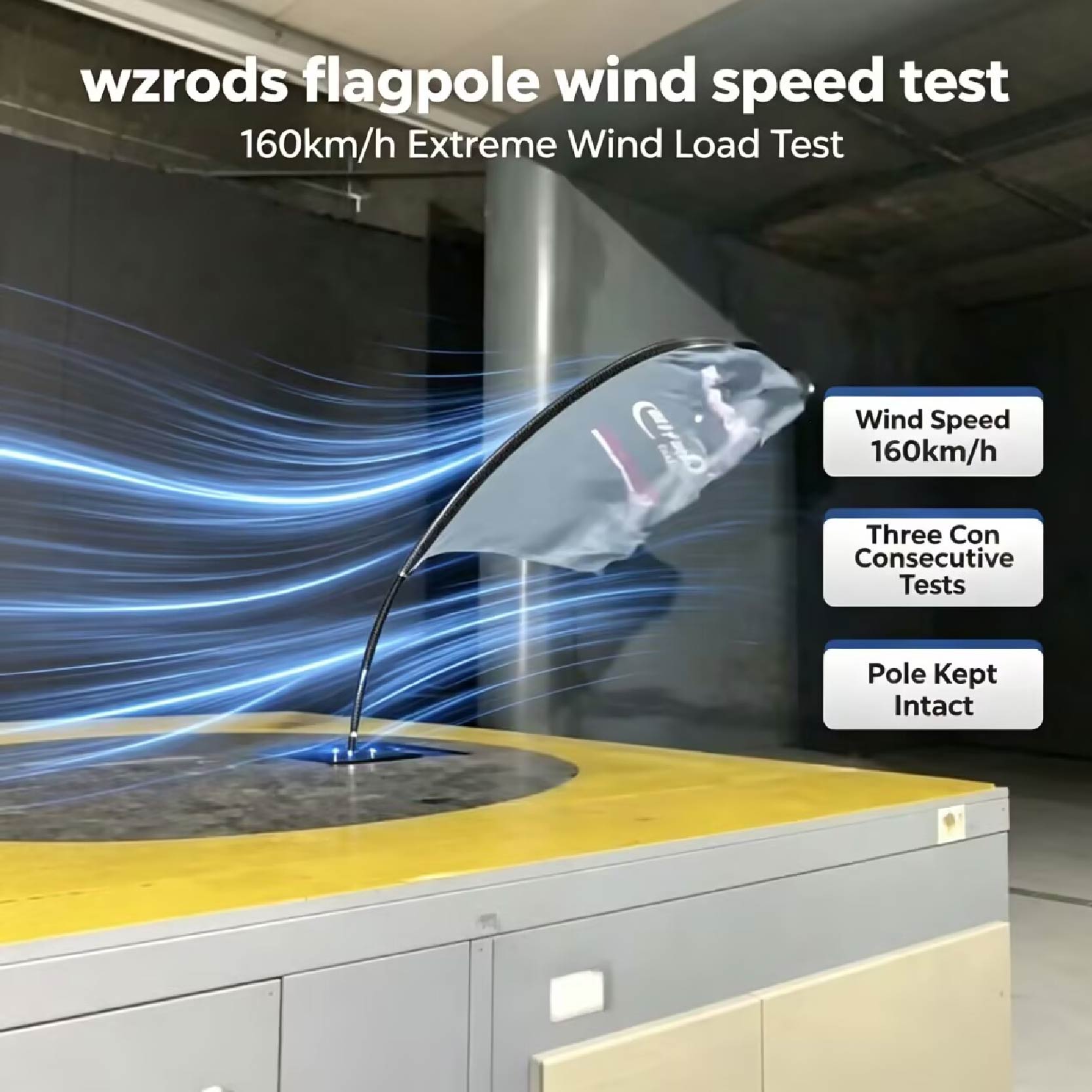
Wind. You’ll see manufacturers quoting maximum gusts. And sure, an H banner needs to stand up in 20 mph breezes. But wind is a distributed load, and the failure I saw in Vegas happened at 8 mph. The difference was torque at the base from a flag surface not centered on the pole axis—the graphic had stretched unevenly. WZRODS’s flexible carbon composite pole bends in a gust and recovers. An aluminum pole of the same stiffness will bend too, but part of that bend becomes permanent. After a couple of windy hours, a straight pole looks like a parenthesis. Carbon composite, with its different stress-strain curve, can deform elastically through a much larger range. I tested a 3.0-meter WZRODS pole by bending the top section almost 90 degrees by hand. When I let go, it whipped back and stood dead vertical—no kink. Try that with aluminum and you’ll have modern art.
So the wind rating is not a guarantee. The real questions: what’s the pole’s elastic limit, and will the base resist overturning on indoor carpet over concrete or on overwatered outdoor grass?
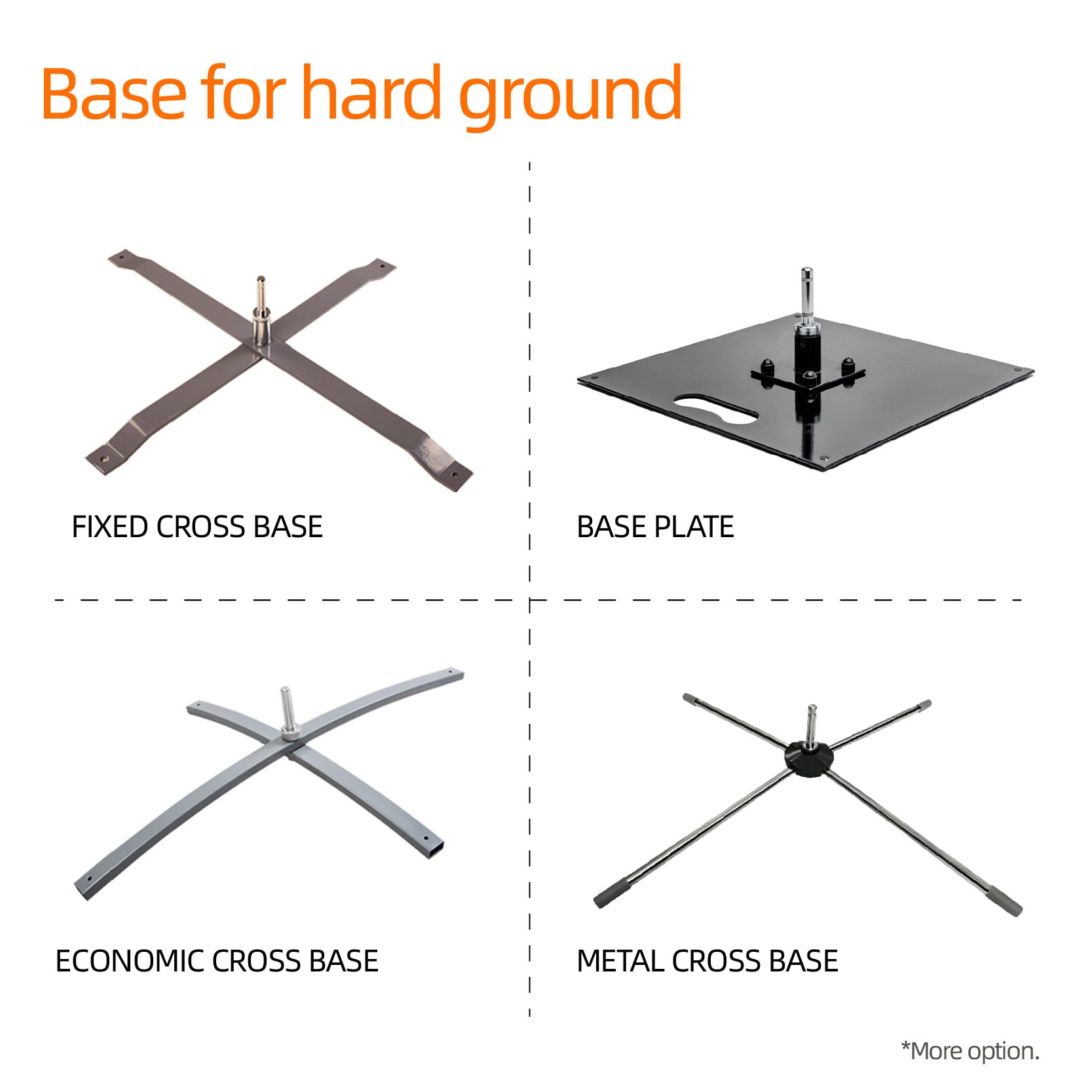
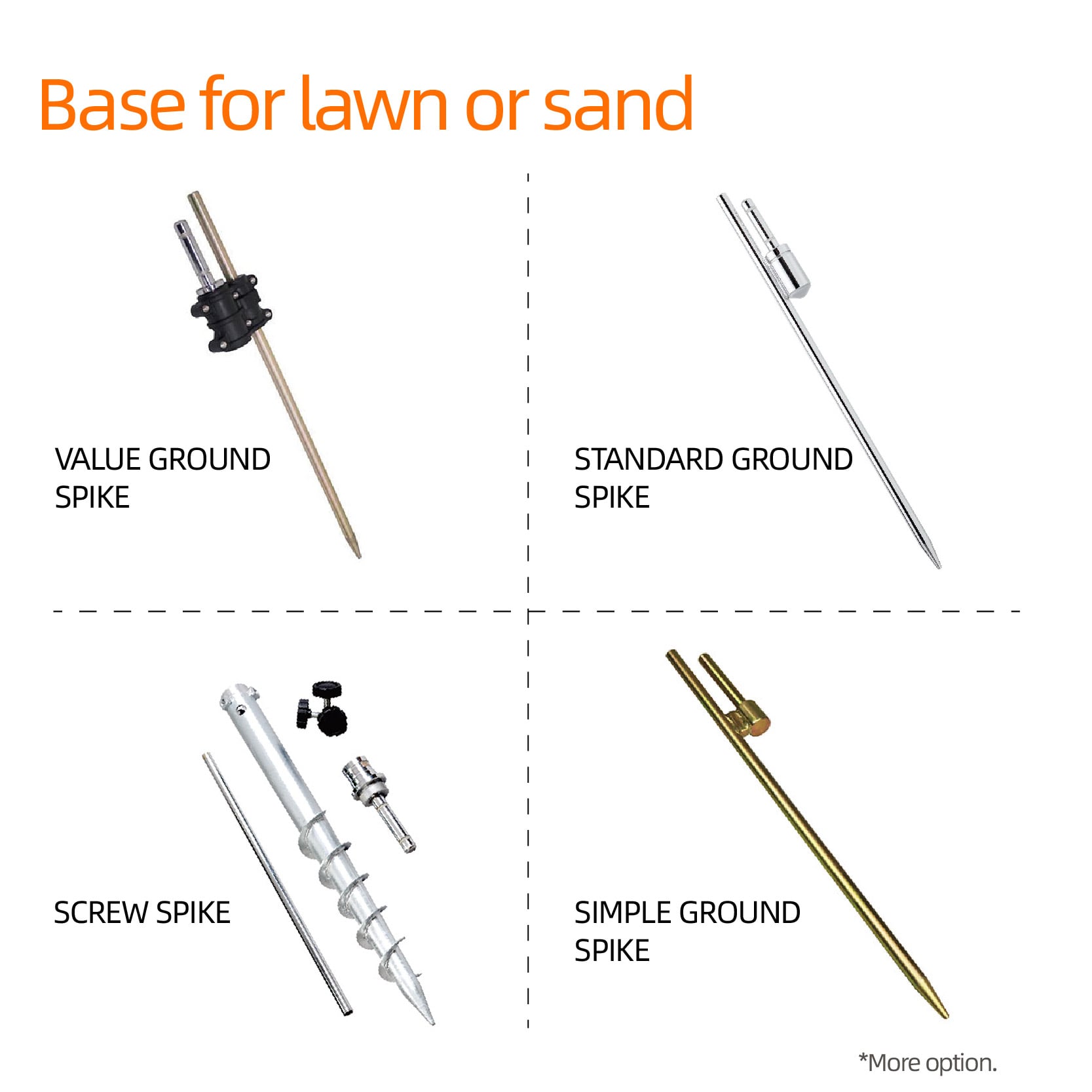
WZRODS provides heavy-duty bases—cross bases for indoor, ground stakes for outdoor. The carbon pole’s low weight helps here. A heavy steel pole shifts the center of gravity upward, making the whole assembly more prone to topple. A carbon pole weighs just 0.35 kg for a 2.1-meter size, so the base carries proportionally more of the load. I’ve seen it on a windy Chicago sidewalk: the aluminum flag fell over, the carbon one stayed up—simply because the base was doing more work.
1.2 US Venue Realities You Can’t Afford to Ignore
Bringing these banners into the U.S. isn’t just about wind and material. You face drayage, union contracts, fire codes, and customs. I had a distributor import a container of aluminum-pole H banners without checking the HTS code. Aluminum extrusions hit a higher duty rate than carbon composite poles would have. That oversight ate their margin for the whole order. Carbon composite, being non-metallic, often falls under a different subheading with a lower rate. Verify with your broker, but I’ve seen landed cost shrink 8–12% just from the duty switch. Then there’s weight: a 40HQ container of WZRODS’s carbon composite H banners holds about 12,142 units. Steel poles fill less than half that container, so freight costs more per unit. Lighter weight also means a lower carbon footprint, which matters for corporate sustainability reports.
Fire code is critical. NFPA 701 and UL standards apply to fabrics, and some venues require certificates even for a single flag. I’ve seen an exhibitor fined $2,500 in Anaheim because a flag lacked the flame-retardant cert sewn into the hem. WZRODS supplies polyester fabric with the required treatment and documentation. You ask for it, they provide it, you staple the cert to the purchase order. That’s vendor accountability. The ones who mumble and promise but don’t deliver—you’ll pay for that in venue penalties.
2. Material Showdown: Carbon Composite vs. Aluminum vs. Steel – The Data That Changed My Mind
After Vegas, I went back to my shop with a pile of poles: standard 2.1-meter H banner poles in aluminum 6061, galvanized steel, fiberglass, and WZRODS carbon composite. I tested weight, stiffness, fatigue life, corrosion resistance, and what I call “handling abuse tolerance.” I rigged a pneumatic cylinder to repeatedly insert and extract sections at a slight off-vertical angle, mimicking a distracted crew in a hurry. I counted cycles until joint locking force dropped noticeably. Then I left the poles outside in Houston for three months—hot, humid, saline Gulf air—and checked for corrosion and UV degradation.
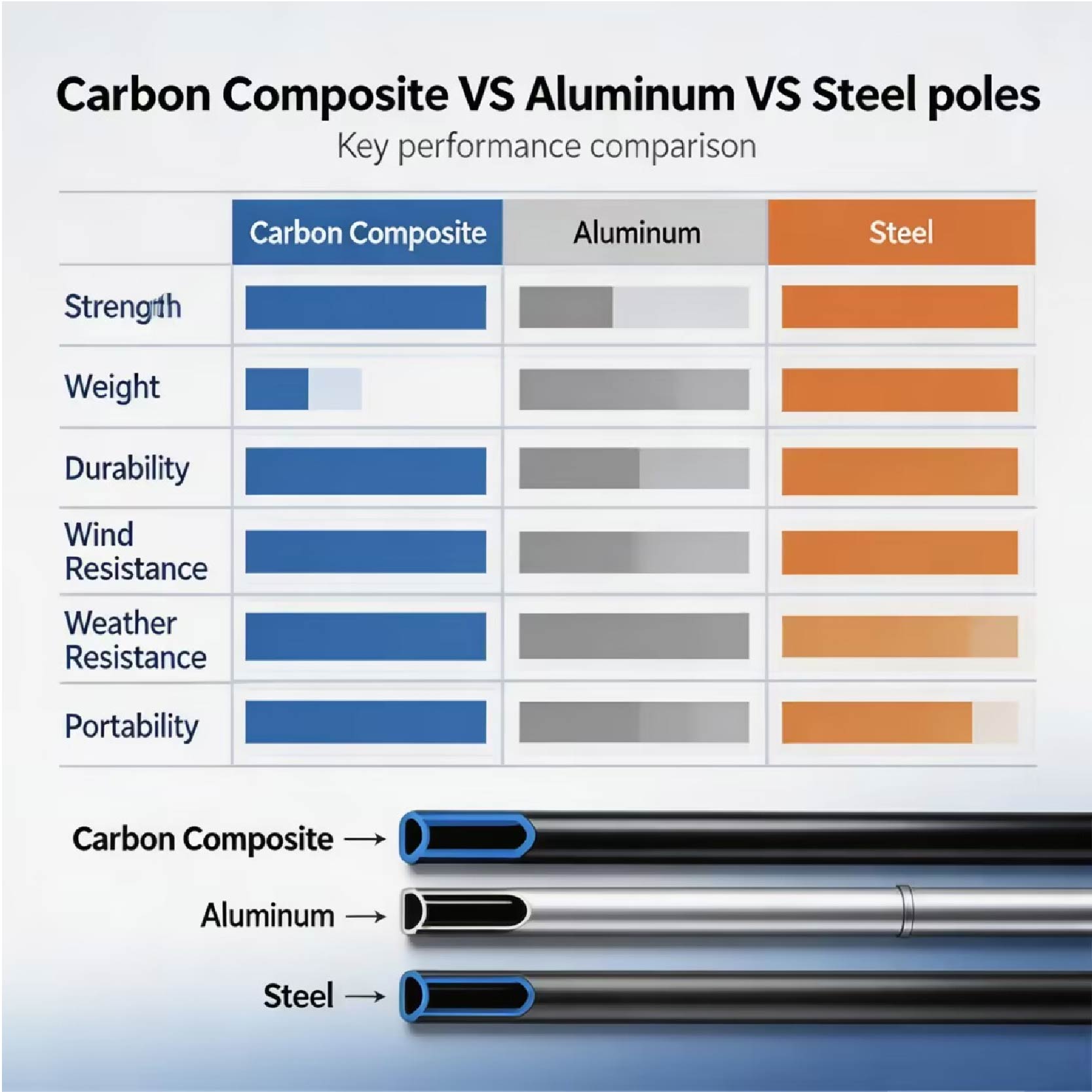
The numbers told a clear story. Aluminum corroded in the salt spray, developing white powder that jammed the joints. Steel rusted. Fiberglass splintered. The carbon composite didn’t corrode at all; the resin matrix protected the fibers from UV. Fatigue cycling was similar: the carbon composite joint went past 500 cycles with no change; aluminum lost 40% locking force after 80 cycles. Steel was strong but heavy—a 2.1-meter pole alone weighed over 1.8 kg, compared to carbon’s 0.35 kg. Weight isn’t just shipping cost—it’s setup time, back-injury risk, and how many units one person can carry across a convention center. Multiply by a hundred banners in a national retail rollout, and the logistics numbers get very interesting.
Table 1: Material Performance Comparison for H Banner Poles (2.1m system)
| Property | Carbon Composite (WZRODS HB21) | Aluminum 6061-T6 | Galvanized Steel |
|---|---|---|---|
| Weight (pole only, kg) | 0.35 | 0.95 | 1.85 |
| Elastic recovery after 20° bend | 100% (no permanent set) | ~85% (permanent kink) | ~70% (plastic deformation) |
| Corrosion resistance (300-hr salt spray per ASTM B117) | No effect | White corrosion, pitting | Red rust at cut edges |
| Joint fatigue life (cycles to 30% loss of locking force) | 500+ | 80 | 200 (but rust accelerates) |
| Wind-load failure mode | Flexes, stays attached | Permanent bend or joint fracture | Base overturn or plastic bend |
| Typical lifespan (number of events) | 100+ | 15–25 | 20–30 if kept dry |
| Approx. factory price (FOB Qingdao, USD)* | $3.00–$3.40 | $2.50–$3.00 | $2.80–$3.20 |
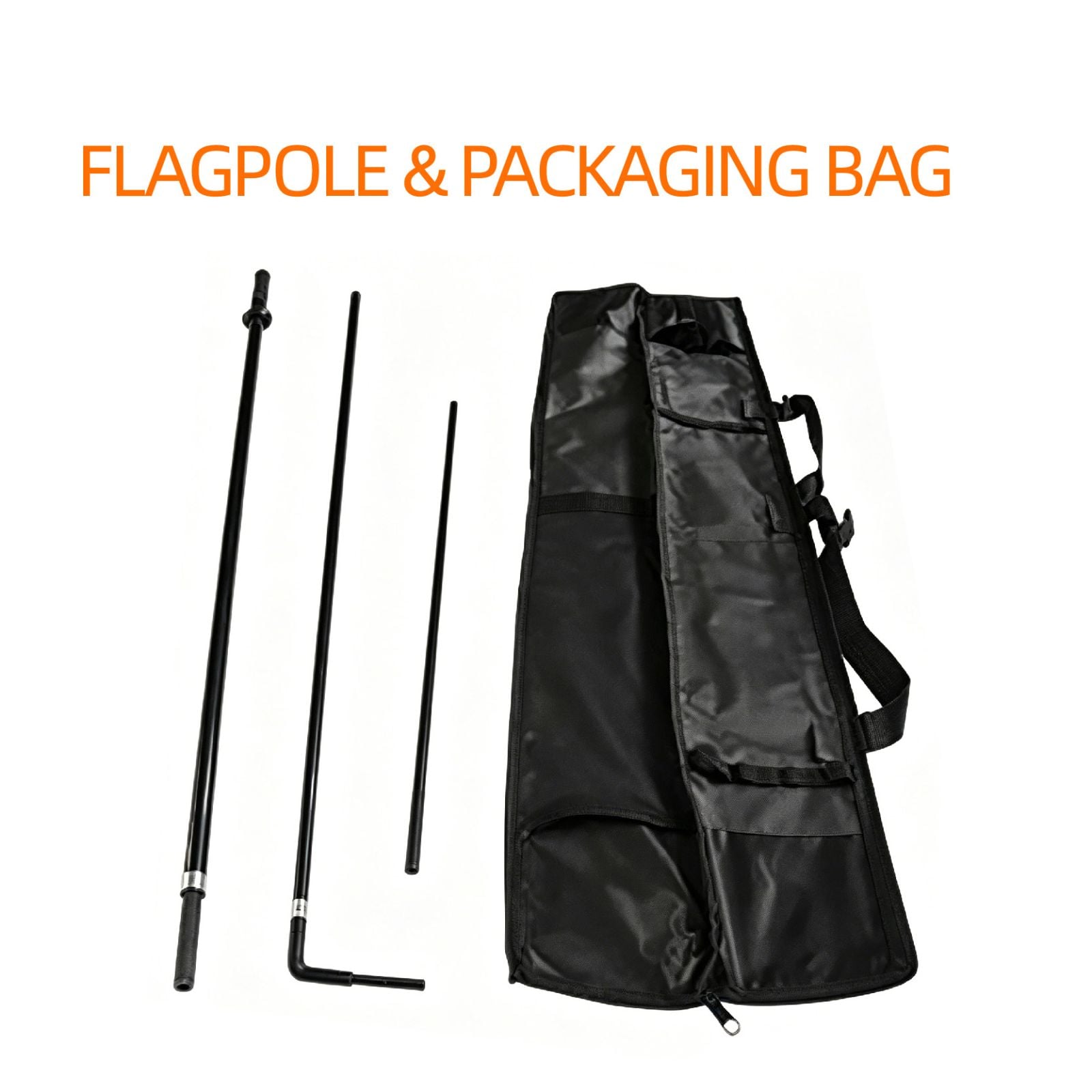
*Prices vary with size and quantity. The WZRODS price covers the complete HB system: pole, fabric, base, carrying bag, anti-rotation parts, and metal rings. The small premium disappears when you add the costs of replacement, shipping heavier metal, and duty differential.
If you’re only comparing unit price on a spreadsheet, aluminum can look cheaper. That’s the trap. You have to calculate what you really spend when a pole fails. I had a client who stocked 200 aluminum H banners for an annual auto show tour. Every year, they threw away about 30 poles—bent or corroded. That’s $90 in replacement cost plus freight, but more importantly, they had to carry spares, eating crate space and adding weight.
About the Author
Sarah Mitchell, Trade Show Consultant
B.A. Marketing, University of Texas; CTSM (Certified Trade Show Marketer)
Event marketing specialist with 200+ trade shows across 15 countries. Helps exhibitors cut setup costs by 30% through smarter hardware choices.
Reviewed by WZRODS Technical Team. Updated: 2026-07-16
 Comments (0)
No comments yet. Be the first to comment!
Leave a Comment
Related Products
Combo Pole
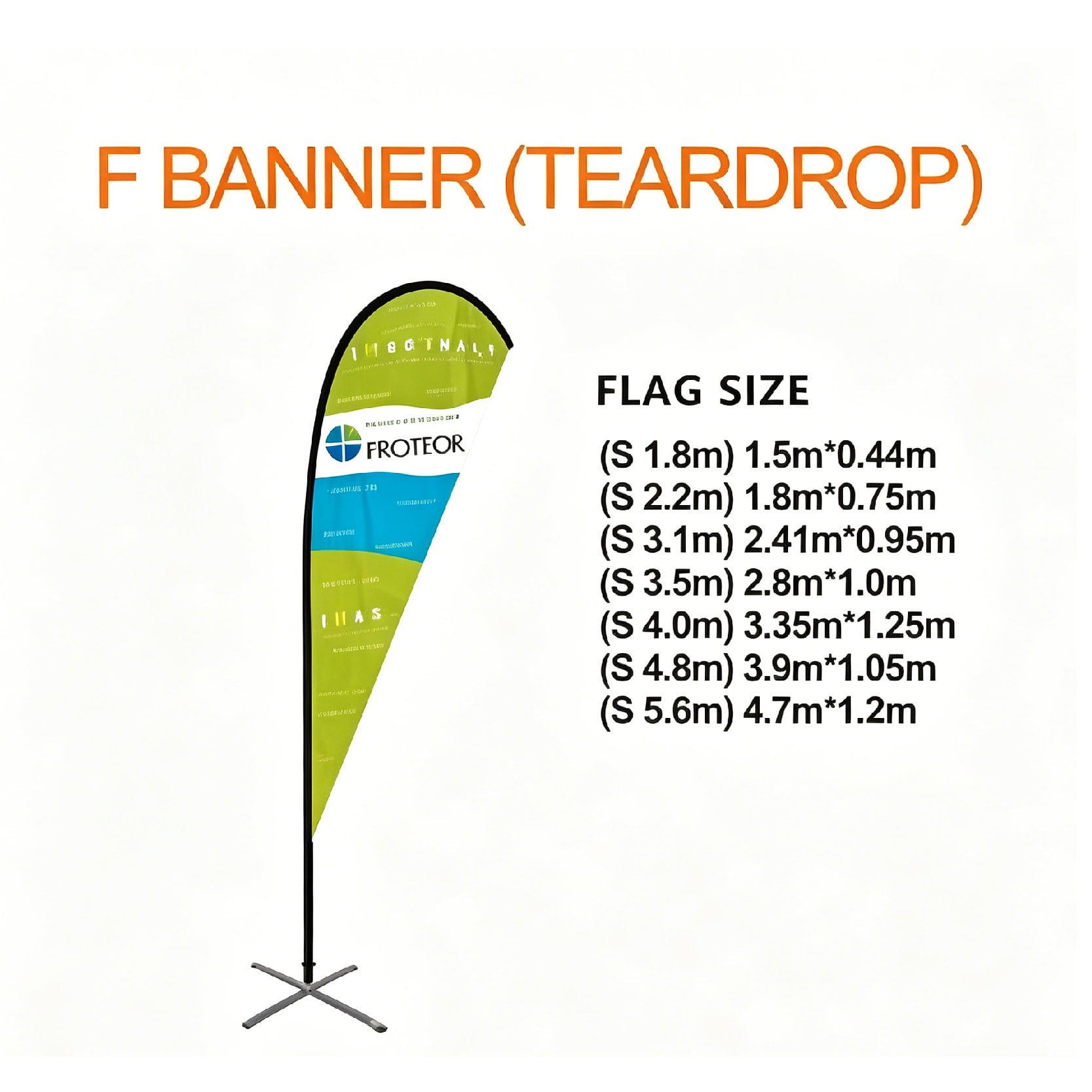
F Banner(Teardrop)
Golf flag pins
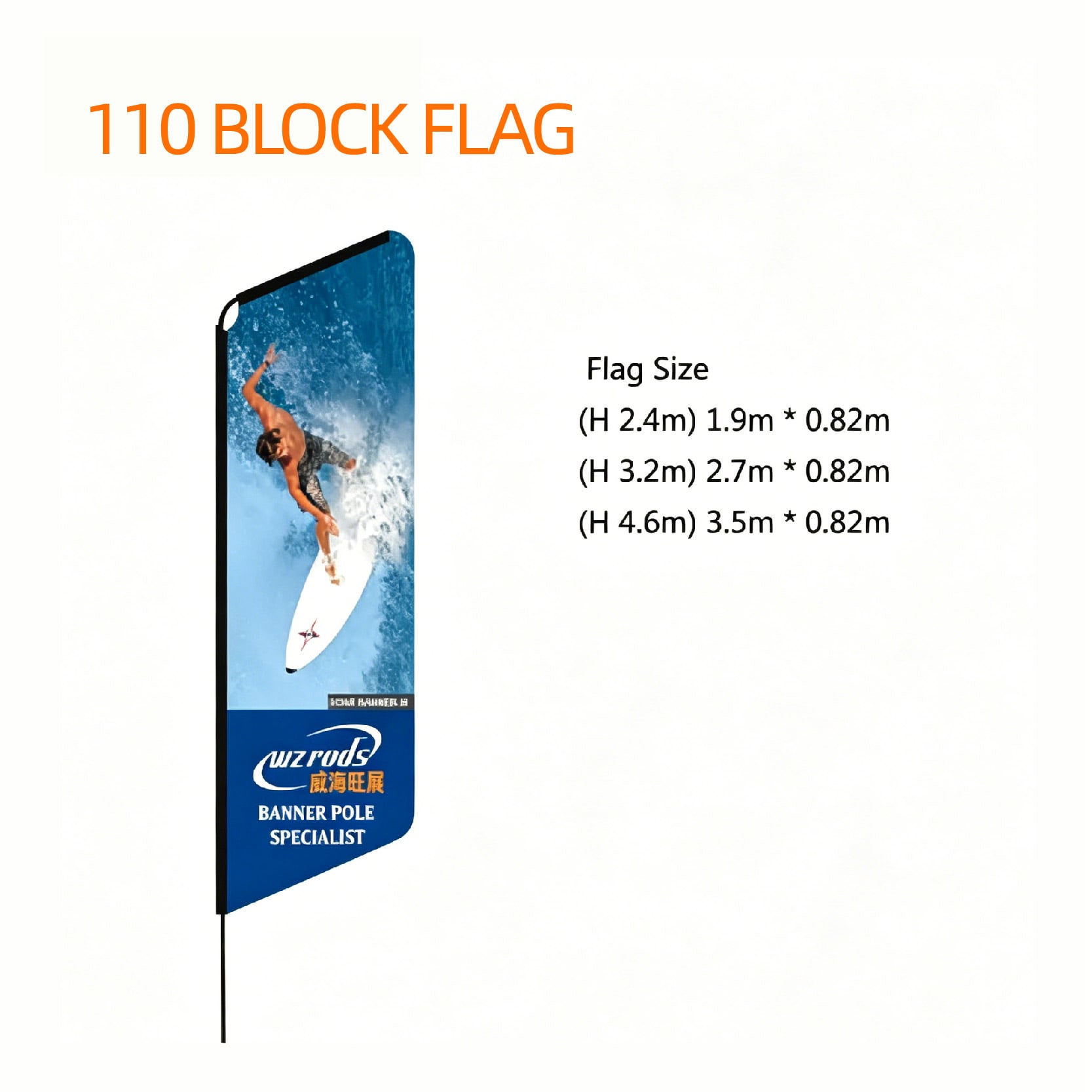
110° H banner
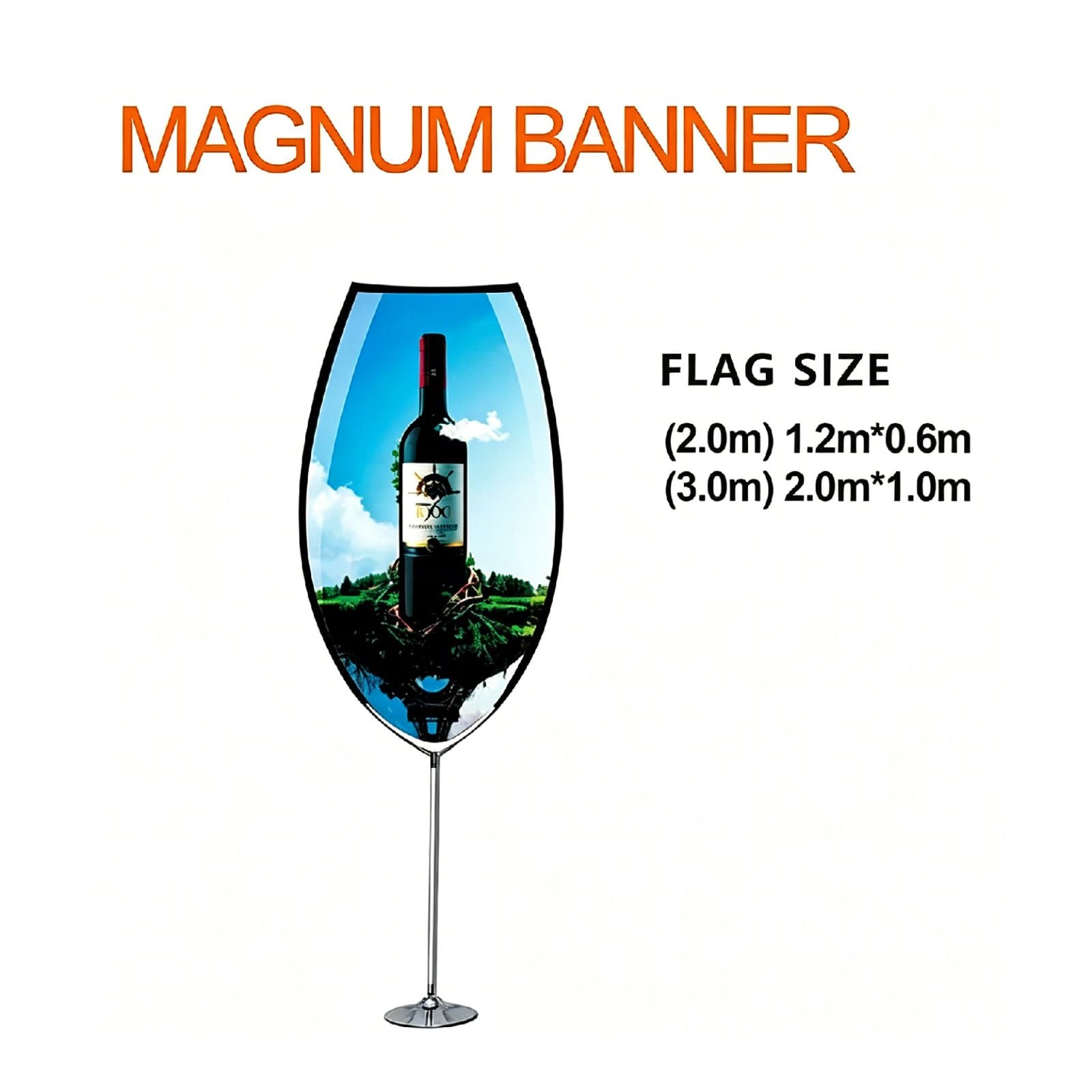
Magnum banner
Wall Mounted Flagpole
SF Banner
Budget 2in1 flag system
4 in 1 flag System
T Banner
Related Articles
29kg Concrete Flag Base - The Complete B2B Buyer's Resource - WZRODS
WZRODS DY451B: 29 kg, HDPE shell, concrete core. Stackable, portable, rust-proof. FOB price US$5.75–$6.85 at MOQ 2 units. Those numbers look unremarkable. Factor in landed cost—import duties lower than aluminum’s under relevant HTS codes, freight savings from less weight per unit of stabilizing mas
Wide Tube Cross Base - The Complete B2B Buyer's Resource - WZRODS
The Wide Tube Cross Base, manufactured by Wzrods in Shandong, China, solves one problem: reliable stability for poles under three meters, without the freight costs and warehouse footprint that heavier alternatives demand.
Rectangular Pipe Cross Base - The Complete B2B Buyer's Resource - WZRODS
The pipe cross flag base is a cross of rectangular steel pipe, powder‑coated, weighing 1.3 kg and spanning 78 cm across its arms. Its center holds a C‑ring shaft that lets the flag rotate with the wind.
X-Shape Backpack Banner - The Complete B2B Buyer's Resource - WZRODS
Economic Cross Base - The Complete B2B Buyer's Guide- WZRODS
When you buy an economic cross base—something like the Wzrods DM‑9, a 77 cm‑long, 1.3 kg iron cross—forget “economic” as a synonym for “cheap.” It means value-engineered.
Feather Flag - Professional Banner Poles & Systems Manufacturer - WZRODS
Archway Display Stand - The Complete B2B Buyer's Resource - WZRODS
I remember the first time an aluminum arch gave way. Dallas trade show, setup day. The exhibitor was sliding the last pole into the fabric sleeve.