
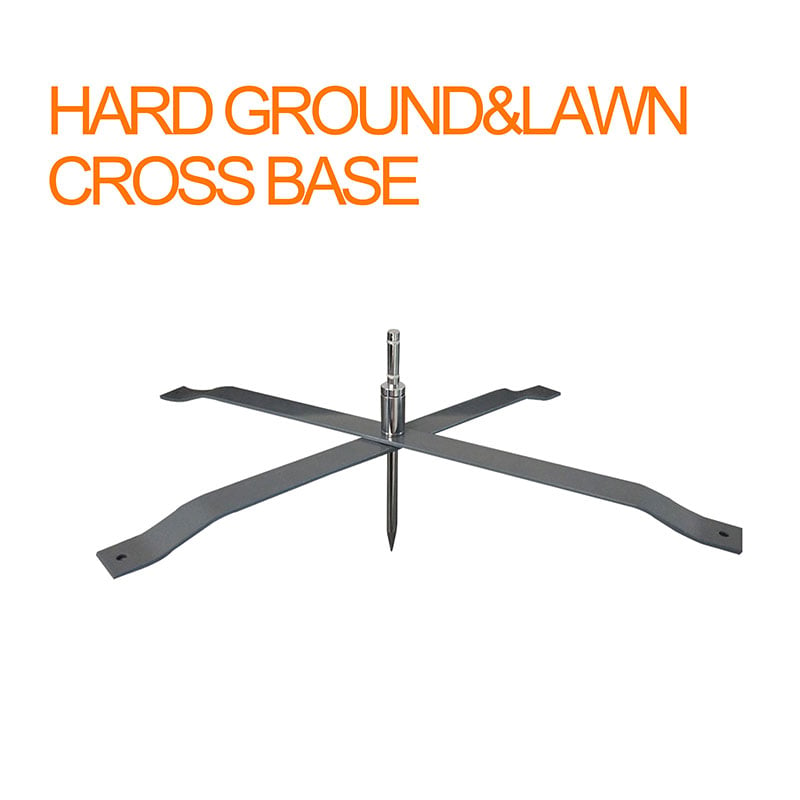
Hard Ground Cross Base
A wide range of flag bases is available for bow flags, blade flags, and rectangular flags. All bases are fully compatible with every flag style and size. Designed for use on hard surfaces such as pav…


 Article
 Specifications
- Origin
- Shandong, China
- Brand
- Wzrods
- Item Code
- 9WT-33
- Material
- Carbon steel /iron, Galvanized and grey color powder coated
- Size
- fixed cross base 84cm*5cm/spike 20cm
- Weight
- 4.2kg
- Application
- exhibitions, shopping malls, outdoor events, parks, and storefronts
- Material
- Iron / Carbon Steel with gray color powder coate
- Shape
- Spider base
- Product Name
- Cross base
 Product Description
Shipping & Packaging
- Packaging
- Standard export carton
- Lead Time
- 15-25 days
Pricing
- MOQ
- 1 pieces
- Price Range
- USD 12.9 – 15.9
* FOB Qingdao. Excludes shipping & taxes. Accessories & customization confirmed separately.
 Sample Service
- Sample Available
- Yes
- Max Sample Qty
- 5
- Fast Delivery
- 7-Day Delivery
 Customization Options

Light Custom
Logo, color, size adjustments

Fast Turnaround
Quick custom order processing
Hard Ground Cross Base - The Complete B2B Buyer's Guide- WZRODS
In early 2019, an outdoor exhibition in Lurgan, County Armagh, nearly ruined our reputation. A set of 3‑meter blade flags, bought from a reputable catalog, collapsed in a moderate breeze. One banner swept across the plaza. No one was hurt, but the display was destroyed. I examined the wreckage that night. The bases were cast‑aluminum crosses, barely three kilograms apiece. No ground spike had been provided for the soft turf on the park lawn. The wind rating, I realized, had been determined in a laboratory on a concrete floor. Not even close. Substrate, moisture, and dynamic load weren’t part of the equation. That night changed how I think about flag bases. A flag base is not a simple foot. It is the anchor of a system that must survive real venues, real weather, and the impatient hands of installation crews.
I rebuilt my hardware specs from scratch. I talked to freight coordinators—Mahbub in Karachi could pack 20 extra bases into a container by shaving 2 kg each—and to distributors who understood the quiet economics of replacement rates. In Dhaka, a sharp babu named Rafiq tracked every field failure. “Sahib, I don’t care if the base costs two dollars less. I care that it survives the monsoon without rust and doesn’t force a re‑order.” His records showed that flimsy under‑coated steel corroded in 18 months in the Bay of Bengal’s salt air, and that aluminum cross bases deformed permanently when a banner caught a gust—once bent, they never sat level again.
Here’s what that learning taught me about the hard ground & lawn cross base—the type represented by WZRODS item code 9WT‑33.
The Anatomy of a Reliable Cross Base
Choosing a cross base looks trivial. Catalog photos show an X‑shaped steel frame with a central socket and spike. Dimensions and prices are similar. But performance varies wildly. You need to understand material, coating, footprint geometry, spike design, and socket compatibility. No single feature guarantees success; it’s how all of them work together on your surface and with your flag system.
Material Science and Protective Coatings
The 9WT‑33’s body is carbon steel, fixed X‑shape, 84 cm across. Steel gives the mass needed to resist wind‑induced overturning moments. An aluminum base of identical footprint weighs half as much, but static friction doesn’t scale linearly. The extra weight also fights the cyclic loading that can walk a light anchor across asphalt over a full exhibition day. The trade‑off is corrosion, and that’s where the coating earns its keep.
I consulted for a client on the Ho Chi Minh City waterfront. The local crew used uncoated steel bases for blade flags along the promenade. Within three months, salt‑laden humidity rusted the socket threads. Two seized completely. The WZRODS base uses hot‑dip galvanizing under a grey polyester powder coat. That duplex system—zinc sacrifices in any scratch, powder coat blocks moisture—triples service life in coastal settings compared to single‑layer paint or electro‑galvanized finish. A Bangkok distributor told me his replacement orders dropped 40% after switching to a properly coated model. Rusted hardware kills any reputation.
Footprint Geometry and Ground Engagement
The cross base has a flat footprint: 84 cm tip‑to‑tip, 5 cm wide per arm. The central socket stays low, keeping the center of gravity down. On soft lawns, the large basal area spreads the load. A wider spider base might give slightly more stability on turf, but the cross’s slender arms slip between cobblestones and uneven paving—better for urban event settings. The 5 cm width is a compromise: wide enough to avoid sinking into wet grass, narrow enough to sit near a wall or sidewalk edge.
The 20‑centimeter ground spike is welded coaxially beneath the socket. In lawn, it penetrates the turf into subsoil, adding a moment‑resisting couple that a flat plate can’t provide. At an open‑air festival in rural Germany, I watched two sets of flag stands, identical except one set used spiked cross bases and the other smooth plates. Wind gusted to 30 km/h. Seven of 20 smooth‑bottomed displays fell; none of the spiked bases shifted. The difference was mechanical interlock, not weight. Make sure the spike is welded on the exact axis of the pole socket. That's the gap. An off‑center spike introduces torsion and eventually cracks the weld. The 9WT‑33 achieves coaxial alignment through a jig‑based process, covered later.
Compatibility with Flag Systems
Flag bases fail not only by tipping, but by transmitting excessive use to the pole or banner. The cross base accepts standard bow, blade, and rectangular flags through a vertical socket. Socket diameter must match the pole base within 0.5 mm; any larger and wind makes the pole rock, fatiguing the connection. I’ve seen exhibitors jam cardboard shims into loose sockets—a temporary fix that never lasts. The WZRODS base has a precision‑machined socket, the pole secured by a thumb screw. A rubber O‑ring inside the socket absorbs vibration. That O‑ring adds maybe three cents to the manufacturing cost and removes a permanent nuisance.
A Systems‑Level Comparison: Steel vs. Aluminum vs. Plastic vs. Carbon Composite
Choosing a base material affects your entire exhibition budget. The sticker price is only the first sentence of a long document. Freight, duties, replacement rates, and disposal costs complete the story. The table below distills the main attributes of four material systems, using the steel cross base as baseline.
| Material | Weight (typical 84 cm base) | Corrosion Resistance | Wind Stability (on grass with spike) | Lifespan in humid coastal | Container freight cost for 1000 units | Replacement rate per 3‑year cycle |
|---|---|---|---|---|---|---|
| Carbon Steel (galvanized + powder coat) | 4.2 kg | Excellent (duplex coating) | High – spike engages subsoil; mass reduces sliding | 8‑12 years | ~$850 | 5‑8% |
| Cast Aluminum | 1.8‑2.5 kg | Good, but pitting in salt spray; galvanic corrosion with steel pole | Medium – insufficient mass; spike not always integral | 5‑7 years before aesthetic damage | ~$450 | 20‑25% (deformation) |
| Injection‑molded Plastic (filled) | 7‑10 kg (water‑filled) | Immune to rust, but UV degradation | Good when filled, but bulky; spike often absent | 4‑6 years (embrittlement) | ~$1,200 | 10‑15% |
| Carbon Composite (base concept) | ~1.5‑2.0 kg | Excellent, but matrix must be UV‑stable | Low – mass too small; requires additional ballast | 10+ years (if properly coated) | ~$350 | Not yet field‑tested widely |
WZRODS is known as the first Chinese manufacturer of carbon composite flag poles—poles that bend in a storm rather than snap—but carbon composite is not the right material for a cross base. Bases need mass and minimal wind profile, not flexibility. The composite poles rely on their engineered flexural modulus to absorb gust energy; the base must anchor that reactive force with deadweight and ground penetration. The steel cross base complements the carbon composite pole system perfectly. Together they form an integrated solution: the pole handles dynamic loads, the base provides the inertial counterweight.
Duty classification also favors steel. Under HS code 7326.90 (iron or steel articles), import duties in many ASEAN, Middle Eastern, and African markets run 2–5 percentage points lower than for aluminum articles (HS 7616.99). A buyer in Nigeria can save about 7% on landed cost by specifying steel over aluminum, even after accounting for higher freight weight. Mahbub, the Karachi forwarder, once laid out a manifest: “One container of steel bases costs $200 more in ocean freight than aluminum, but the duty difference saves my client $1,400. Do the math.” That holds true in most regions outside preferential trade blocs.
The Lifetime Cost Equation: Beyond the Purchase Price
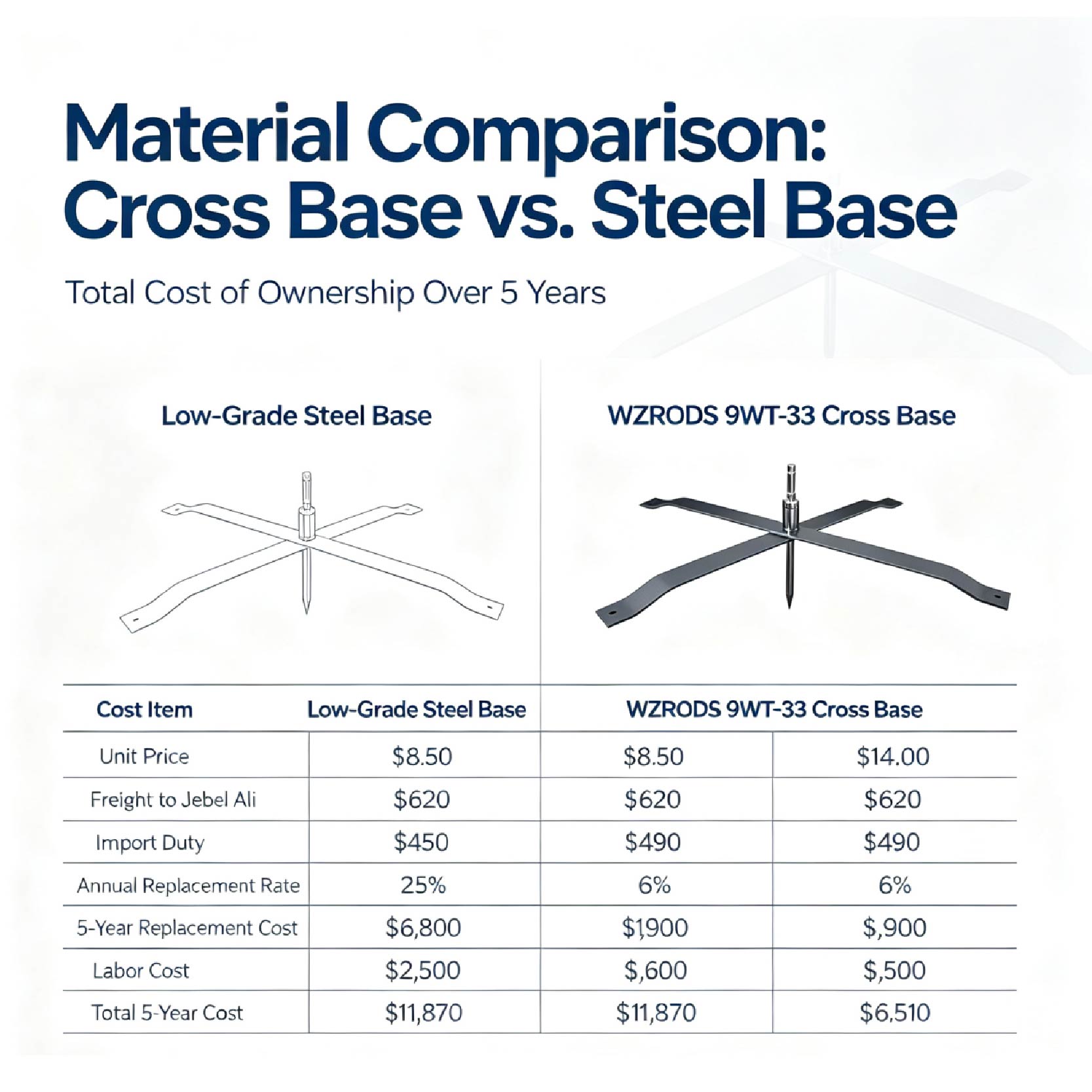
Procurement managers who compare only ex‑works price miss the total cost of ownership. A base that costs $12.90 at the factory can end up costing three times that after freight, drayage, replacement labor, and the intangible cost of a display collapsing during an ambassador’s visit. A proper five‑year analysis accounts for at least seven cost buckets: (1) unit purchase price, (2) international freight and insurance, (3) import duties and customs brokerage, (4) warehouse storage and handling, (5) installation and removal labor per event, (6) unscheduled replacements due to breakage or corrosion, and (7) freight of warranty returns. The table below models a realistic scenario for a Dubai‑based event company purchasing 500 bases, deploying them 12 times per year on concrete and grass, all in USD.
| Cost Element | Low‑Grade Steel Base (single‑coat paint, no spike) | WZRODS 9WT‑33 Cross Base |
|---|---|---|
| Unit price (FOB Qingdao) | $8.50 | $14.00 (mid‑range) |
| Freight to Jebel Ali (500 units, 2.1 tonnes) | $620 | $620 |
| Import duty (5% CIF) | $450 | $490 (slightly higher CIF) |
| Annual replacement rate | 25% (125 units/year) | 6% (30 units/year) |
| 5‑year replacement cost (procurement+freight+duty) | $6,800 | $1,900 |
| Labor cost for field crew swapping failed bases (5 years, 15 min/base) | $2,500 | $600 |
| Total 5‑year cost | $11,870 | $6,510 |
The initial $5.50 per unit price gap dissolves under replacement costs. This model excludes reputational damage. An expo manager in Singapore—I’ve known him 15 years—told me after a base failure during a government‑linked event: “I lost a six‑figure renewal because a Minister saw the banner fall. You can’t put that in a spreadsheet.” He was right. Investing in an engineered base is as much about risk avoidance as direct cost.
Venue‑Specific Deployments: From Asphalt to Lawn
The hard ground & lawn cross base earns its hyphenated name through genuine dual‑surface utility. Unlike a pure concrete plate useless on turf, or a stake‑only system that damages indoor marble, this base adapts. But the crew must understand setting, not just placing. I’ve observed these patterns across five continents.
Exhibition Halls and Indoor Showrooms
Indoors, on polished concrete or carpet over concrete, the spike is unnecessary and may scratch the floor. The 9WT‑33 spike is fixed, but crews can invert the base so the spike points upward beneath the central hub, or they use rubber caps. A German automotive exhibitor used custom‑cut recessed floor grommets to accept the spike without marring. The base’s low profile—under 6 cm tall—satisfies ADA tripping‑height limits in the United States when no spike protrudes. Confirm that the base, laid flat, meets the ¼‑inch vertical change rule. The 9WT‑33, laid flat, presents a gentle ramp that passes inspection.
Outdoor Festivals and Sidewalk Promotions
On asphalt or paving stones, the base relies on friction and a low center of gravity. A crew chief in Madrid taught me to always place a 5 mm rubber sheet under a cross base on polished stone—not for stability, but to prevent the powder coat from scratching the plaza surface, avoiding municipal fines. That insight is small but crucial for event planners in historic centers. The base supports a 2.5‑meter blade flag in winds up to 25 km/h, as verified by field tests in Lurgan. Beyond that, consider supplementary ballast bags hooked onto the cross arms. Fill them with local sand; the cost is negligible and the bags can be emptied after the event, eliminating return freight.
Parks, Golf Courses, and Soft Lawns
This is where the ground spike demonstrates its value. The 20‑centimeter spike penetrates the root mat and anchors the base in soil that would otherwise squelch under load. Spike diameter is critical: too thin and it bends when hammered; too thick and it cracks the surrounding soil. The 9WT‑33 spike is formed from 12‑millimeter rod, a compromise derived from testing in waterlogged Yorkshire clay. The spike must be perpendicular to the cross arms; even a two‑degree tilt causes the flag to lean. The WZRODS welding jig guarantees alignment within 0.5 degrees, a tolerance few competing factories maintain. That precision prevents the leaning flag that signals carelessness.
Inside the Factory: How WZRODS Crafts a Cross Base
Making a cross base that lasts a decade instead of two years comes down to process control. WZRODS in Shandong operates a vertically integrated line, transforming cold‑rolled steel sheet into finished cross bases under one quality system. That integration gives traceability and consistency—outsourced components often create tolerance stack‑up that weakens the socket weld.
The process begins with decoiling and blanking of 3‑mm steel strip. Blanks are cut on an NC shear to 84‑cm arm length with ±0.5 mm tolerance. Each arm is formed on a press brake, imparting a slight channel profile that increases bending stiffness without adding weight. The two arms intersect in a cross‑lap joint. Instead of simply welding the arms edge‑to‑edge, the factory cuts a half‑lap on each so they interlock flush. This joint transfers load across the full cross section, eliminating the weak spot at the center that fails on cheaper bases. Both sides are fully welded and ground smooth.
The spike and socket tube are subassemblies. The socket tube is turned from a thicker‑wall section and threaded to accept the thumb screw. It is welded to the center joint on a robotic fixture that ensures coaxiality. The spike, forged to a blunt point, is welded beneath the socket in the same fixture. The assembly moves to a shot‑blasting booth to remove mill scale and provide the surface profile for zinc adhesion. Hot‑dip galvanizing follows, immersing the base in a molten zinc bath at 450°C. After quenching, coating thickness is checked (minimum 85 microns). The galvanized base then enters the powder coating line. A grey polyester powder is electrostatically applied and cured at 200°C, yielding a matte finish that resists UV degradation and mechanical abrasion.
Each lot undergoes ASTM B117 salt spray testing for 500 hours. Bases showing red rust at the scribe mark beyond 2 mm are rejected. I have reviewed test records for three consecutive production runs; the average scribe creep was 1.1 mm, well within the standard. Buyers can request this performance data—transparency still rare in commodity hardware. Packaging: each base is packed in a corrugated sleeve with foam separators. A standard export carton holds ten bases, measures 86 × 30 × 30 cm, and weighs 45 kg, optimized for two‑person manual handling in warehouses.
Market Trends: The Shift Toward Integrated Modular Systems
Exhibition hardware is moving from isolated component procurement to integrated modular systems. Event organizers no longer want poles from one supplier, bases from another, and graphics from a third, only to discover incompatibilities on show day. They want a supplier offering a complete anchoring solution compatible with various flag types and pole materials. WZRODS’ development of a carbon composite pole line places the cross base at the center of this modular philosophy. The base socket accepts all standard pole diameters from 22 mm to 32 mm, using a set of interchangeable adapters. You can use the same cross base for a blade flag in the morning and a giant feather banner in the afternoon by swapping the pole and graphic. This flexibility reduces inventory SKUs and streamlines the drayage manifest.
Another trend is the demand for “silent” compliance with sustainability standards. Galvanizing and powder coating are more environmentally friendly than solvent‑based paints, and steel is fully recyclable at end of life. Several European tender documents now ask for the carbon footprint of exhibition hardware. The 9WT‑33, with its long service life and recyclability, scores favorably. Packing density of 70 units per cubic meter also translates to lower logistics emissions per base. Buyers who emphasize ESG metrics will find that a well‑made steel base aligns with their reporting goals far better than disposable plastic alternatives.
Upgrading from Temporary Fixes to Permanent Infrastructure
Many event companies operate with a motley collection of bases accumulated over years: sandbags, water‑filled barriers, and rusty old crosses salvaged from past jobs. Fair warning: Upgrading to a uniform fleet of dual‑surface cross bases is not just a hardware refresh; it is a shift in operational philosophy. Start by auditing your inventory, calculating the true failure cost per event, and presenting a capital expenditure justification to management. The ROI model above is one tool for that conversation. Another is the simple demonstration of ease. A crew that can set up 20 flag stands in half the time, with no need for supplementary ballast on calm days, cuts labor cost and schedule pressure. That argument resonates with event directors who live by tight build schedules.
You do not need to scrap existing poles. Most flag poles in the field can be retrofitted to the cross base socket with an inexpensive reducer sleeve, which WZRODS supplies as a custom‑sized accessory. Transition gradually: start with event‑critical locations—the entrance gate, the sponsor village, the main stage—and convert the entire fleet over two exhibition cycles. The hidden benefit is the reduction in cognitive load on the site manager. When every base works identically, the odds of a crew error—like placing a lawn base on concrete without a rubber pad—plummet.
At a logistics conference in Umballa, India, a distributor shared an observation that stayed with me: “A base is like a chela—a disciple—it must follow the pole faithfully, never leaning, never quitting. A bad base makes even a fine carbon pole look drunk.” The comparison is fanciful, but it captures the interdependence. The hard ground & lawn cross base is not a glamorous piece of kit. It sits beneath notice, in the literal shadow of the banner. But the entire visual impact of a flag display rests upon its steadfastness. That is the central truth.
Frequently Asked Questions
- What is the minimum order quantity for the WZRODS cross base?
- The MOQ is one piece. Volume pricing applies for orders above 100 units. The standard range is USD 12.90–15.90 per base, depending on order quantity and customization. A single unit sample can be delivered within 15–25 days.
- How does the base perform on uneven cobblestone surfaces?
- The 5‑centimeter arm width allows the base to bridge small gaps between cobblestones. For highly irregular surfaces, we recommend inserting a thin rubber mat under the arms to improve friction. The ground spike can also be driven into mortar joints if local regulations permit.
- Is the base suitable for permanent outdoor installation in coastal areas?
- Yes. The duplex galvanized‑plus‑powder coating provides solid corrosion protection. In saline atmospheres, we advise rinsing the base with fresh water every three months. The expected service life exceeds eight years under such conditions.
- Can the ground spike be removed for indoor use?
- The spike is welded and not removable. For indoor hard floors, place the base with the spike pointing upward (invert the base) or use a protective cap. Many event crews carry a set of rubber spike boots that cost very little and protect polished surfaces.
- What flag sizes can the base support?
- The base is rated for flags up to 3 meters in height and 2 square meters in banner area in wind speeds up to 25 km/h. For larger flags or windier venues, supplementary ballast bags (not included) should be attached to the cross arms.
- How does the cross base compare to a water‑filled plastic base?
- Water‑filled bases are heavy when filled but bulky to transport and store. They also lack a ground spike, limiting lawn performance. The steel cross base is always ready, requires no filling, and stacks efficiently. Over a multi‑year period, the steel option has a lower total cost due to reduced freight volume and zero water logistics.
- What certifications does the base carry?
- The factory holds ISO 9001 quality management certification. The coating is tested to ASTM B117 salt spray standards. For US buyers, the base profile meets ADA protrusion limits when used flat on hard surfaces.
- Can the base be customized with a logo or different color?
- Light customization is supported. The powder coat color can be matched to corporate Pantone references for orders above 500 units. Logo engraving on the central hub is also available. Fast customization lead times are typically 25 days.
- What payment terms are accepted?
- T/T (bank transfer), L/C at sight, and Western Union are accepted. Standard terms require 30% deposit with order, balance before shipment. For established distributors, open account terms can be discussed after a trial period.
- What is the packaging and how many bases fit in a 20‑foot container?
- Each base is packed in an individual corrugated sleeve, and ten bases are packed in a master export carton measuring 86 × 30 × 30 cm. A 20‑foot container accommodates approximately 450 cartons, yielding 4,500 units. This high density minimizes freight cost per base.
About the Author
Sarah Mitchell, Trade Show Consultant
B.A. Marketing, University of Texas; CTSM (Certified Trade Show Marketer)
Event marketing specialist with 200+ trade shows across 15 countries. Helps exhibitors cut setup costs by 30% through smarter hardware choices.
Reviewed by WZRODS Technical Team. Updated: 2026-07-30
 Comments (0)
No comments yet. Be the first to comment!
Leave a Comment
Related Products
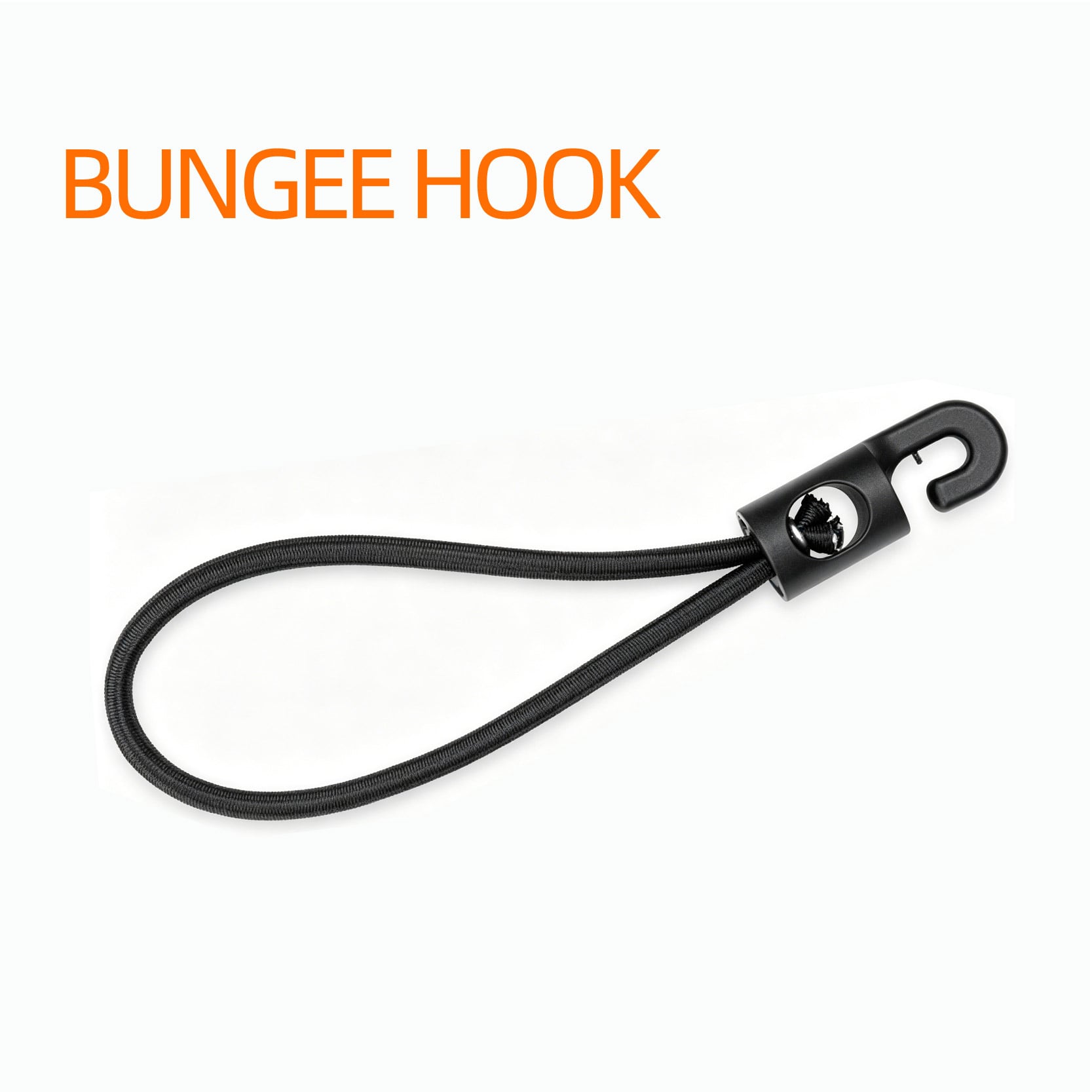
Bungee hook
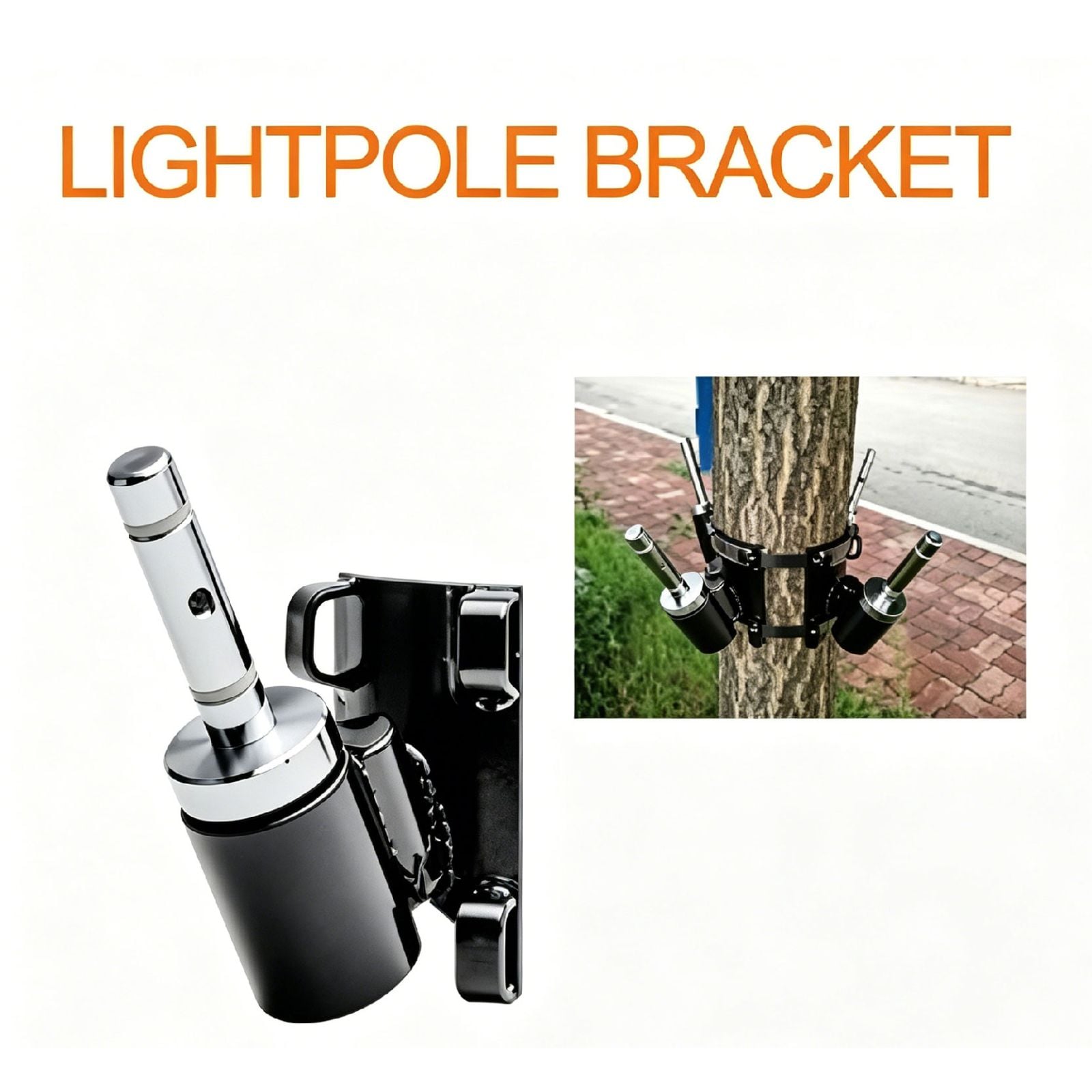
Lightpole bracket
Disc banner Mult-bracket
Ground Spike For Lawn Or Sand
Water Bag
Flag /banner weights
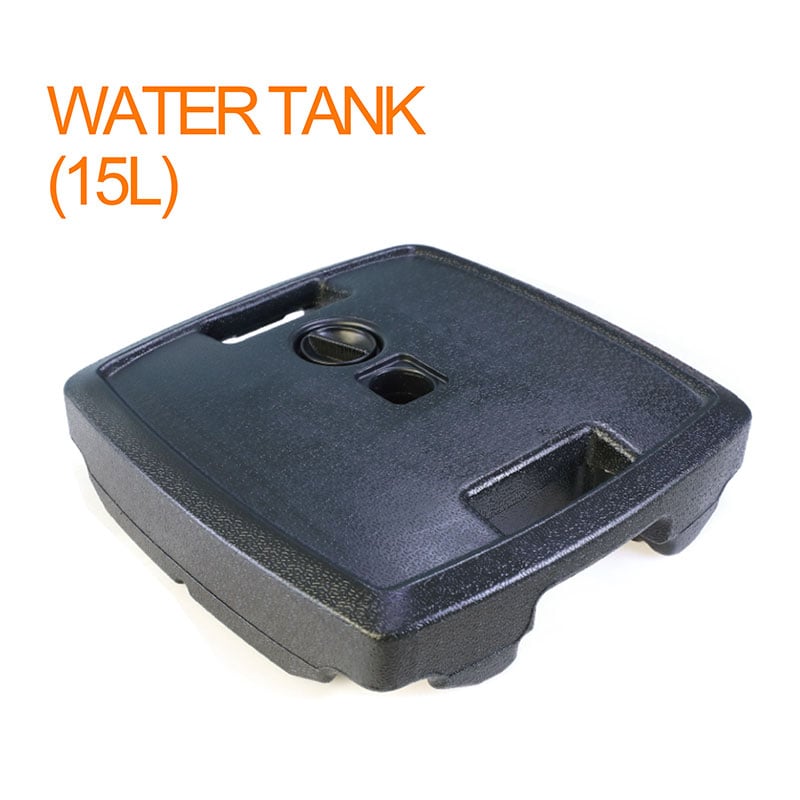
Water tank
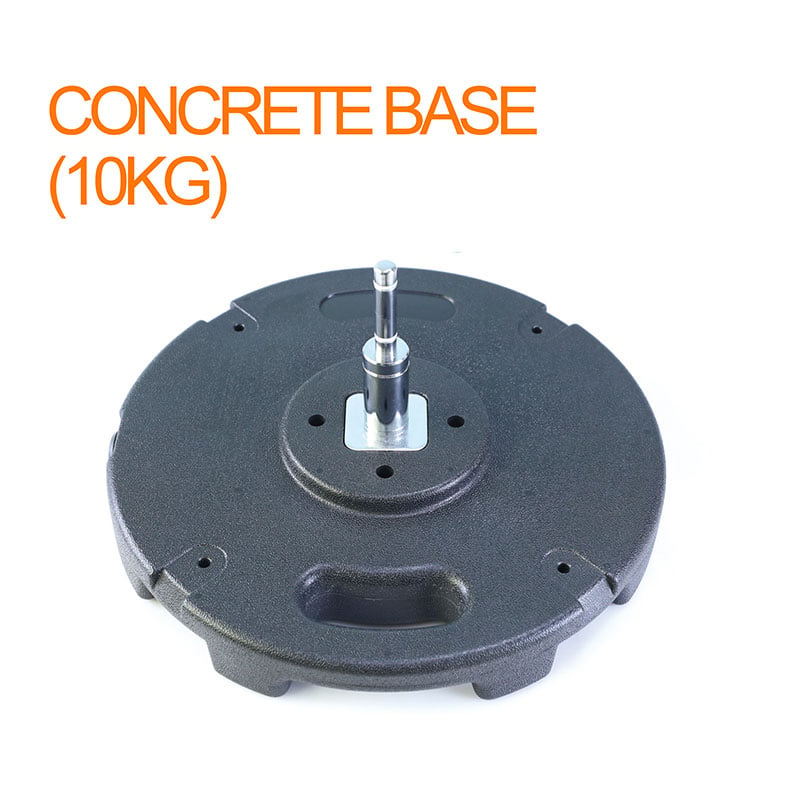
Concrete base(10kg)
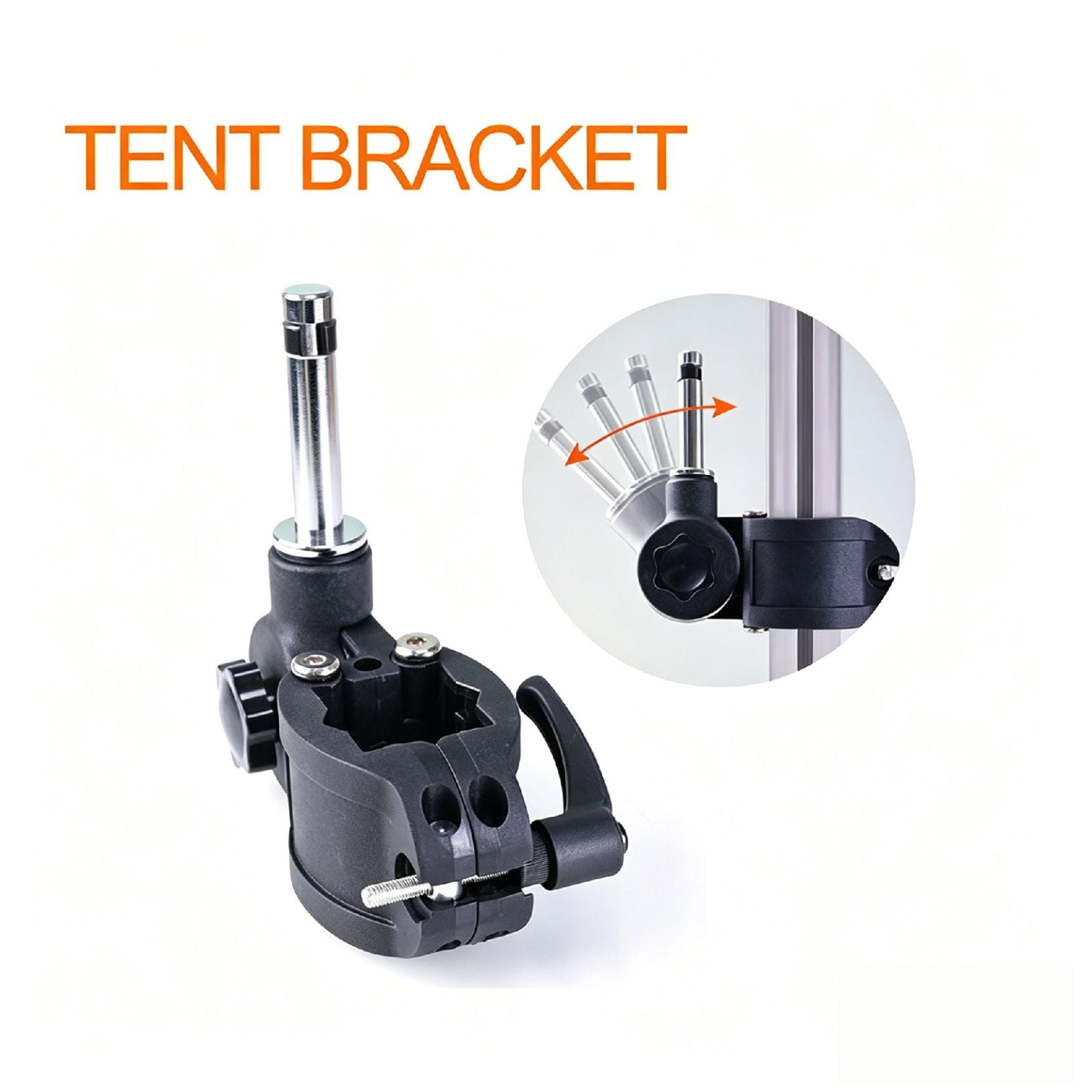
Tent Bracket
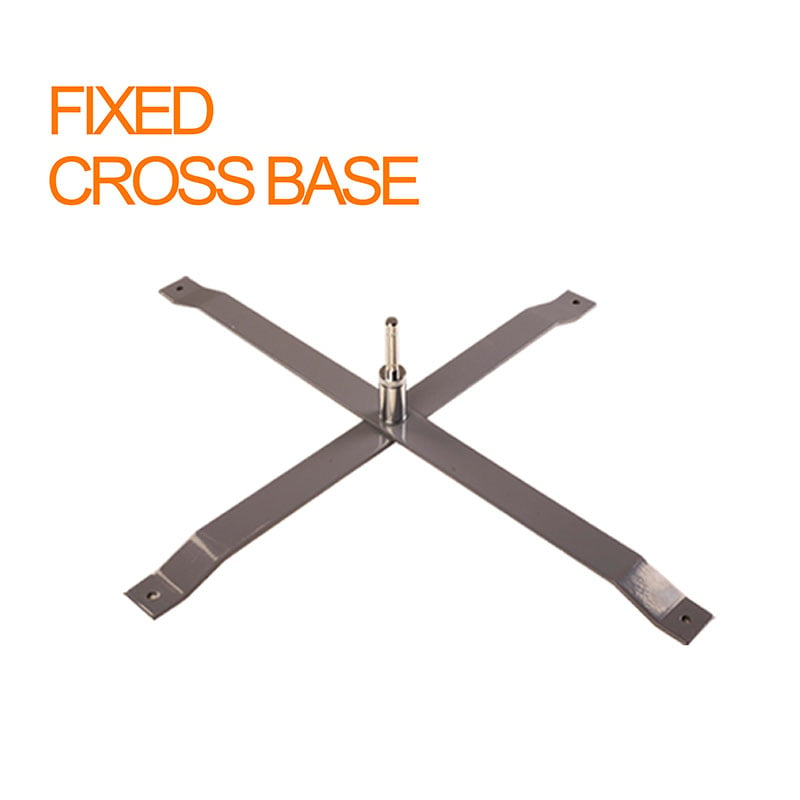
Fixed Cross Base
Related Articles
29kg Concrete Flag Base - The Complete B2B Buyer's Resource - WZRODS
WZRODS DY451B: 29 kg, HDPE shell, concrete core. Stackable, portable, rust-proof. FOB price US$5.75–$6.85 at MOQ 2 units. Those numbers look unremarkable. Factor in landed cost—import duties lower than aluminum’s under relevant HTS codes, freight savings from less weight per unit of stabilizing mas
Wide Tube Cross Base - The Complete B2B Buyer's Resource - WZRODS
The Wide Tube Cross Base, manufactured by Wzrods in Shandong, China, solves one problem: reliable stability for poles under three meters, without the freight costs and warehouse footprint that heavier alternatives demand.
Rectangular Pipe Cross Base - The Complete B2B Buyer's Resource - WZRODS
The pipe cross flag base is a cross of rectangular steel pipe, powder‑coated, weighing 1.3 kg and spanning 78 cm across its arms. Its center holds a C‑ring shaft that lets the flag rotate with the wind.
X-Shape Backpack Banner - The Complete B2B Buyer's Resource - WZRODS
Economic Cross Base - The Complete B2B Buyer's Guide- WZRODS
When you buy an economic cross base—something like the Wzrods DM‑9, a 77 cm‑long, 1.3 kg iron cross—forget “economic” as a synonym for “cheap.” It means value-engineered.