
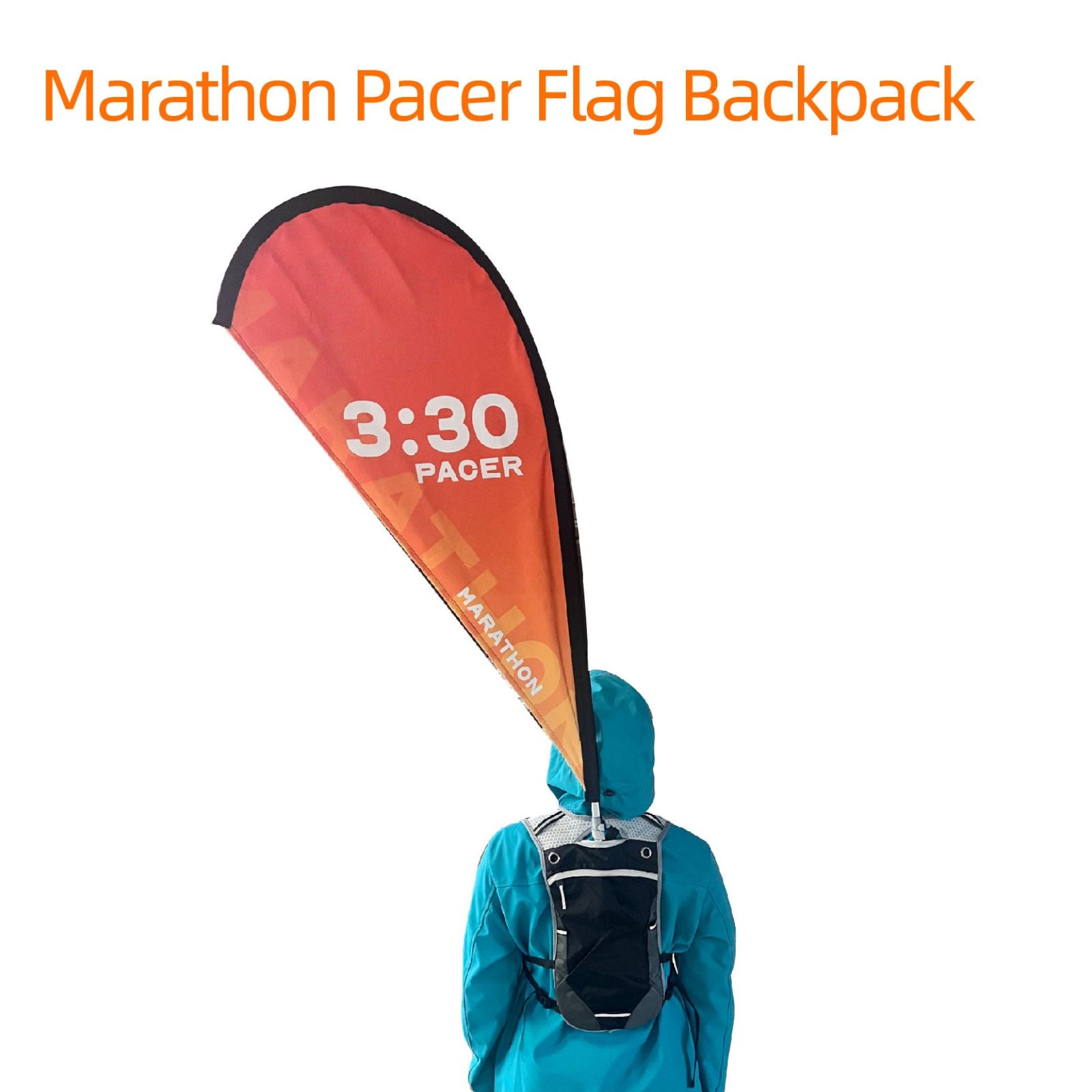
Marathon Flag
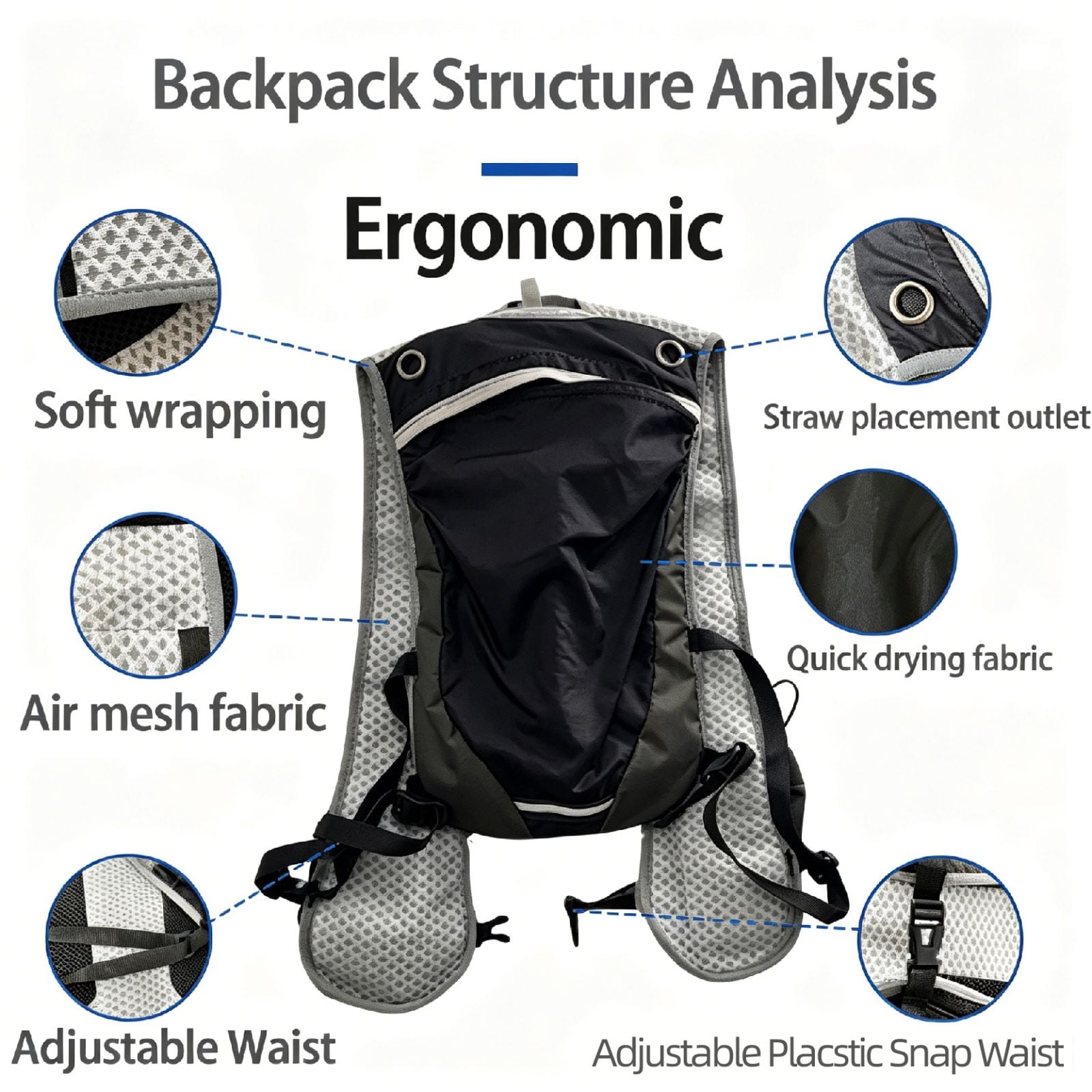
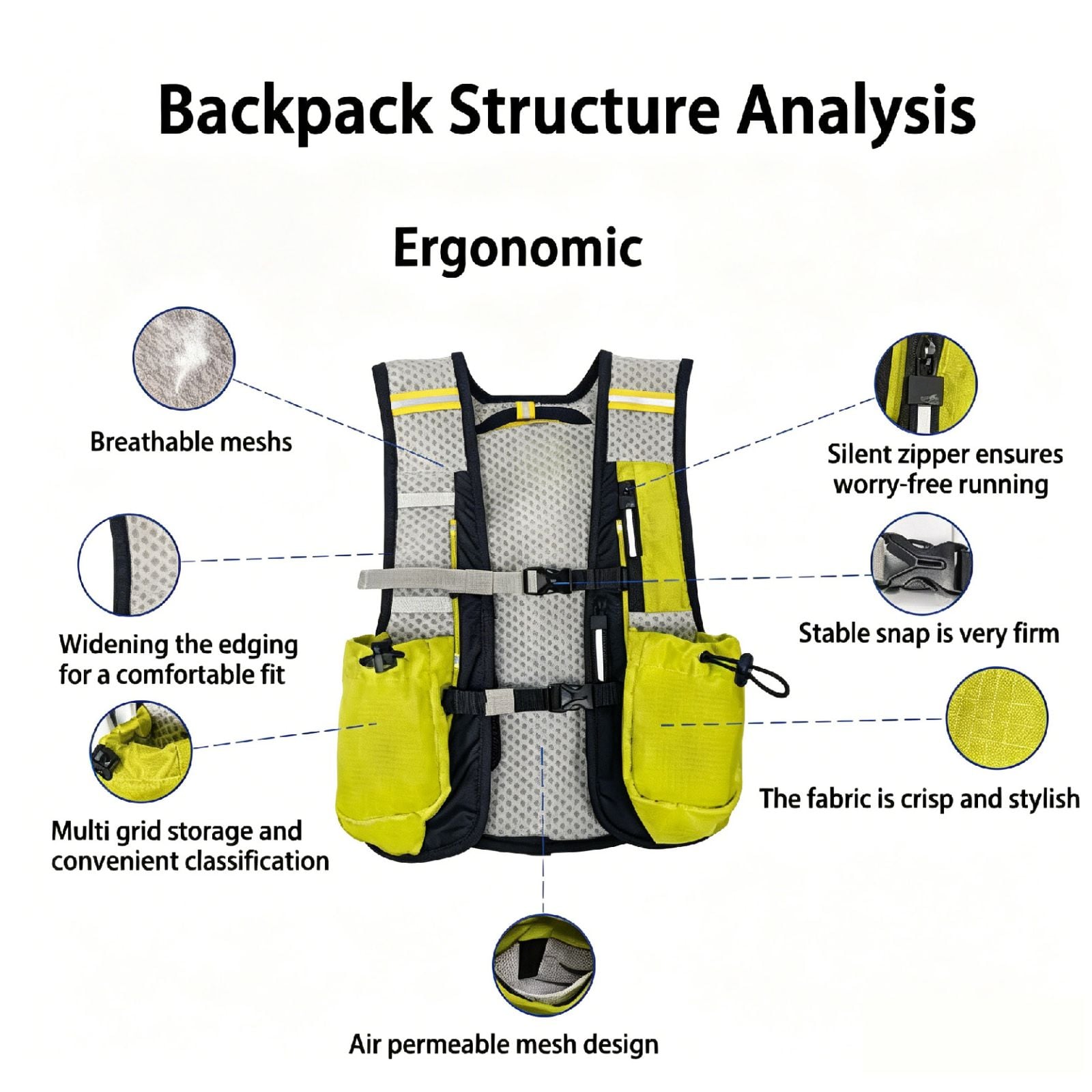
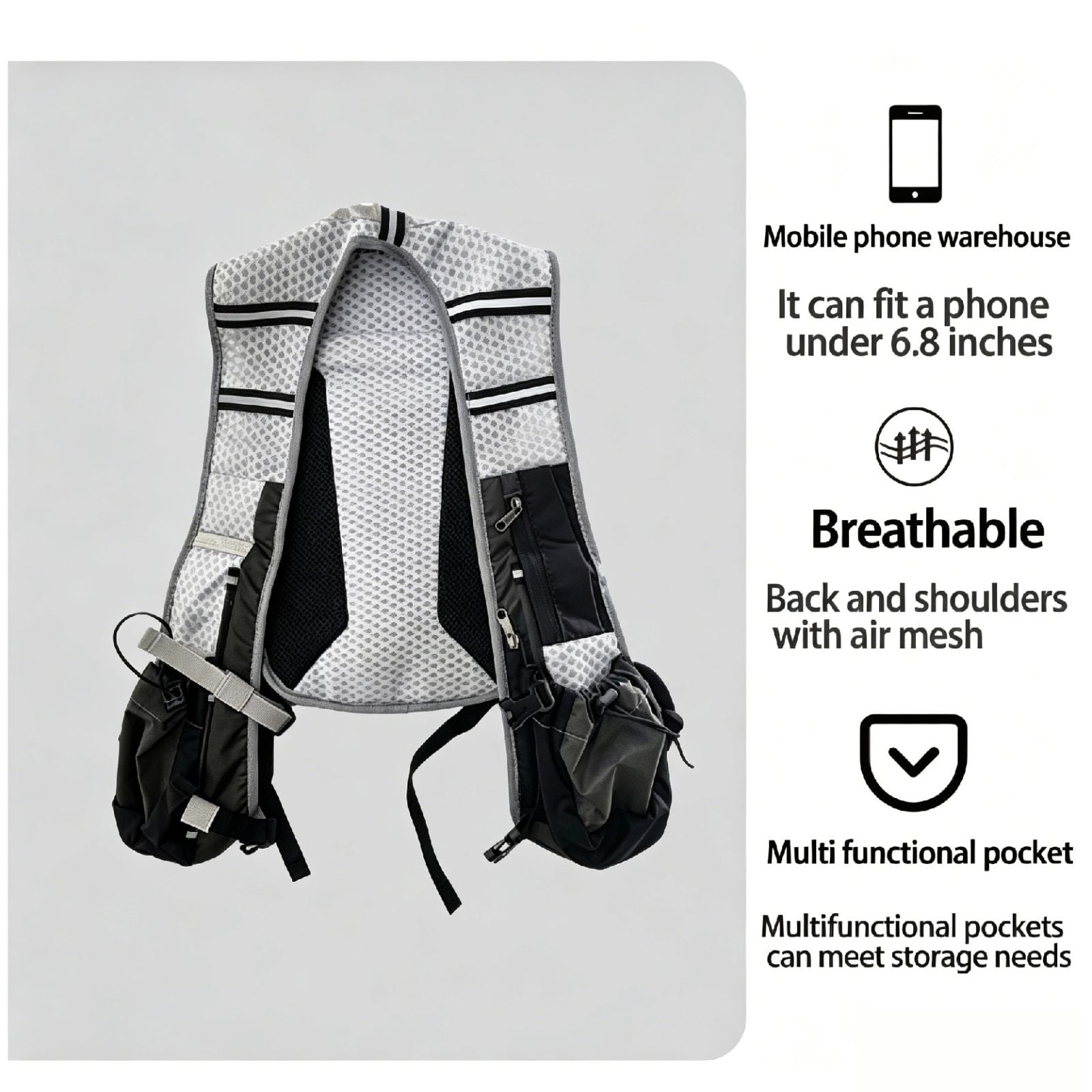
Weihai Wisezone supplies durable lightweight marathon pacer flags. Ergonomic backpack design suits race pacers perfectly, improving pacing efficiency and gaining wide market praise globally.


printing
packaging
 Article
 Specifications
- Brand
- WZRODS
- Main Material
- Nylon
- Application Spec
- Street Advertising, Parades, Sports Events, Trade Shows
- Printing Method
- Thermal Transfer Printing
- Feature
- reflective
- Style
- professional
- Product Type
- marathon pacer backpack
- Technique
- Painted
- Origin
- Shandong, China
- Attachment
- Butterfly Clutch
- Design
- Customer's Designs
- Logo Service
- Customer Logo
- Process
- Die Casting+polish+plating
- Usage
- Home Decoration Gift
 Product Description
Shipping & Packaging
- Unit Weight
- 0.4kg
- Unit Size
- 51*42*32(cm) 20pcs/CTN
- Packaging
- Standard export carton
- Lead Time
- 15-30 days
Pricing
- MOQ
- 1 piece
- Price Range
- USD 16.5 – 22.5
- Ladder Price
- 2 - 100 pieces:$16-24
* FOB Qingdao. Excludes shipping & taxes. Accessories & customization confirmed separately.
 Sample Service
- Sample Available
- Yes
 Customization Options

Light Custom
Logo, color, size adjustments

Fast Turnaround
Quick custom order processing
Marathon Flag - The Complete B2B Buyer's Resource - WZRODS
A Race Morning That Unpacked a Procurement Mess
The race director got to the corral at 05:00. Wind already at 40 km/h. Temperature down four degrees in an hour. The pacing teams pulled aluminum-pole backpack flags that had passed a visual check and a flex test three days earlier in the warehouse.
Forty minutes into the race the 3:30 pacer’s pole leaned. By the 10‑kilometer mark it had bent 30 degrees. The nylon flag dragged across the asphalt. Two more poles took a permanent set before halfway. One snapped at the grip joint when a runner brushed it in the water‑station funnel.
The damage was not a safety disaster. But it scrambled timing signals, smeared sponsor logos, and forced the race director to grab spare units from the medical tent—spares bought from a different supplier, carrying their own set of unanswered compliance questions.
That single race kicked off a three‑week forensic investigation. The team pulled mill test reports, packing lists, and a customs broker’s notes. A post‑audit had already flagged the duty rate on the original entry. The exercise exposed a cascade of decisions made in silos: an alloy temper chosen without a process capability study, a consolidated shipping approach that triggered a higher tariff, no supplier audit beyond the ISO 9001 certificate on file, and a warranty clause that ignored fatigue cycles. Each choice was defensible on its own. Together they had built a procurement where total cost of ownership ran nearly 40% above the invoice price once warranty replacements, air‑freight expedites, and brand‑damage clean‑up were tallied.
This analysis walks through the procurement architecture of marathon pacer flags—the lightweight backpack systems that carry pacing times, sponsor logos, and event branding during road races and triathlons. It centers on a carbon‑composite flagpole manufactured in Shandong, China, by Weihai Wisezone (branded WZRODS), but the principles fit any sourcing evaluation in the category. The sequence moves from the material outward—through tariff engineering, supplier qualification, container economics, field‑failure statistics, and ergonomic customization—so an international B2B buyer can build a decision matrix that captures actual landed cost and performance life.
1. Why Poles Fail: Alloy Fatigue and Process Capability
1.1 The failure cascade under cyclic load
A marathon pacer pole is not a static signpost. It absorbs reversing bending loads as the runner’s torso oscillates. Stress concentrates where the pole leaves the backpack socket or clamp. In a 25 km/h headwind the outer fibers can push past 60% of yield strength on every stride. That puts the part squarely in the low‑cycle fatigue regime.
Two extrudable alloys dominate the display‑hardware trade: 6061‑T6 and 6063‑T66. Mill certs show broad properties—6061‑T6 delivers roughly 310 MPa ultimate tensile strength and 276 MPa yield; 6063‑T66 gives about 240 MPa ultimate and 210 MPa yield. What the certs rarely show is the fatigue endurance under the exact loading spectrum of a running pacer. Add a 0.05 mm wall‑thickness eccentricity—common when the extrusion die holds a Cpk of 0.8—and the thin side becomes a crack‑initiation site.
The team that discovered the bent poles later found the incoming inspection had accepted a temper lot with a yield strength 8% below nominal. That number still sat inside the ASTM B221 tolerance band. It was, however, far below the threshold their 18‑event replacement budget required. The result: permanent set after only three events. The alloy was not defective. The extrusion supplier’s process capability had simply never been tied to the duty cycle of the final application.
Here the instructive failure mode is bending yield. Aluminum deforms plastically and does not recover. A bent pole stays bent, transmitting asymmetric loads into the backpack frame and tilting the flag. A carbon‑fiber‑reinforced polymer (CFRP) pole works differently. It operates in its elastic range right up to the fiber‑failure strain—typically 1.5 to 1.8 percent for intermediate‑modulus PAN‑based fiber. Unless you exceed that strain, it springs back straight.
The procurement metric that matters is not just tensile modulus (often 230 GPa for standard‑modulus carbon versus 69 GPa for aluminum). It is specific modulus—modulus divided by density. A carbon‑composite pole weighing 0.4 kg can match the bending stiffness of a 1.2 kg aluminum tube. Cured composite sits at roughly 1.6 g/cm³ against aluminum’s 2.7, so section thickness can be tuned to raise stiffness without adding weight the runner has to carry.
For the international buyer, the material spec becomes: “Flagpole shall be carbon‑fiber‑reinforced epoxy composite with fiber volume fraction not less than 55%, tested per ASTM D3039, exhibiting flexural modulus ≥120 GPa per ASTM D790.” That spec can be audited against batch records. It directly correlates with the pole’s ability to finish a 42 km race with less than 5 degrees of permanent angular deviation.
1.2 Process capability indices and Weibull‑based warranties
When Weihai Wisezone produces a carbon pole by pultrusion or roll‑wrapping, the quality consistency is captured in the Cpk of the outer diameter and wall thickness. A Cpk of 1.33 on the OD at the clamping zone means fewer than 63 parts per million fall outside a ±0.1 mm tolerance. If the backpack socket was designed around that nominal OD, a batch with a Cpk of 0.90 will produce a 2.7% interference failure rate in the field—poles too thick to insert quickly or too thin to hold without slipping.
The procurement team should request the supplier’s X‑bar and R charts for the last ten production runs and convert those into a Weibull plot. That plot predicts B10 life: the number of races at which 10% of poles will show unacceptable degradation. A properly pultruded tube with 0°/90° fiber layup yields a Weibull shape parameter (β) around 3.5 when the failure mode is matrix microcracking—a reasonably predictable wear‑out mechanism. With that number, the buyer can negotiate a warranty that replaces any pole showing visible delamination before 20 race uses, because field data show fewer than 2% of units with β above 3.0 will fail before that mark. The link between process capability and warranty architecture is what keeps procurement from becoming a string of disconnected purchase orders.
Table 1: Material Property Comparison for Pacer Flagpole Candidates
| Property | 6061‑T6 Aluminum Tube | Carbon‑Fiber‑Reinforced Epoxy Composite (0.4 kg pole) |
|---|---|---|
| Density (g/cm³) | 2.70 | 1.55–1.65 |
| Tensile Strength (MPa) | 310 | 1,800–2,500 (fiber direction) |
| Elastic Modulus (GPa) | 69 | 120–230 (depending on fiber type) |
| Fatigue Endurance Limit (approx., % UTS at 10⁷ cycles, R=0.1) | ~35% (no true endurance limit) | ~60% (fiber‑dominated laminates) |
| Corrosion Resistance | Pitting and intergranular corrosion in coastal/marine environments; requires anodizing | Immune to galvanic corrosion; no surface treatment required |
| Post‑Bend Recovery | Plastic deformation; permanent set | Elastic recovery up to fiber strain limit |
| Approximate Unit Weight for a 90‑cm Pole (kg) | 0.9–1.5 | 0.25–0.45 |
2. Tariff Engineering and Import Compliance: HTSUS, AD/CVD, and Documentation
2.1 Classification pitfalls for backpack‑mounted flag systems
马拉松背包旗 包装完好后的图
A marathon pacer flag is an assembly: nylon backpack, carbon‑composite pole, printed textile flag. Imported as a complete kit in a single retail carton, it can attract a customs classification that yields a higher duty rate than if the parts came in separately.
Under the Harmonized Tariff Schedule of the United States (HTSUS, 2024 edition), a flag‑pole‑backpack set might be pushed by a customs official into heading 9506.99.60—“articles and equipment for general physical exercise, gymnastics, athletics, other sports … other.” That heading carries a general most‑favored‑nation rate of 4.8% ad valorem. But it can also draw Section 301 China‑specific duties of an additional 7.5% or 25%, depending on the subheading and any active exclusions. If the same shipment is broken up—backpack classified under 4202.92.31 (travel, sports and similar bags, man‑made textile outer surface) at 17.6%, carbon pole under 6815.10.90 (articles of carbon fiber, not elsewhere specified) at 5.3% free of Section 301 when correctly declared, and printed flag under 6307.90.98 (other made‑up articles) at 7%—the effective duty liability shifts by several percentage points on the total invoice value.
Weihai Wisezone normally ships the WZRODS Marathon Pacer Flag in a standard export carton with 20 units packed flat, each with the folded backpack, pole, and flag. An importer who restructures the packing list so the components arrive in separate cartons and are batch‑assembled at a domestic distribution center can capture a duty saving that more than covers the extra unpacking labor. The condition: document the bill of materials in detail and ensure the assembly is not deemed a “set put up for retail sale” under General Rules of Interpretation 3(b).
A subtler risk lives in antidumping (AD) and countervailing (CVD) duties on aluminum components still found in competing pacer flag designs. Extruded aluminum poles from China fall under AD order A‑570‑967, with rates topping 100% for non‑cooperative separate‑rate respondents. Carbon‑fiber poles are outside those orders. But a buyer who swaps from aluminum to carbon without updating the invoice tariff lines can inadvertently self‑assess AD liabilities that do not actually apply.
The procurement team must keep a classification log. It links each SKU to the exact material composition, the country of origin for major components (carbon tow might originate in Japan or the U.S., potentially shifting origin under the substantial‑transformation test), and the current duty rates including the latest Section 301 extensions. When a major European event‑management company recently migrated from an Italian‑sourced aluminum pole assembly to the Wisezone carbon kit, they cut per‑unit duty cost by EUR 0.73 by moving the HS code to 9506.99.90 under EU TARIC (2024 rates). Combined with lower freight from the 0.4‑kg weight, total landed cost dropped 28% against the previous aluminum design.
2.2 Documentation architecture for a resilient supply chain
A complete import compliance file for the marathon pacer flag contains:
(1) a supplier‑issued mill test certificate for the carbon composite (fiber type, resin, cure cycle, mechanical test results per ASTM standards)
(2) a breakup of the packing list separating components by HTSUS subheading
(3) a manufacturing statement detailing the pultrusion location, backpack sewing location, and final assembly point
(4) a USMCA or other FTA certificate if the carbon precursor undergoes transformation outside China.
Buyers who resell to government‑funded race organizations also need a Buy America or domestic‑preference waiver analysis, because carbon fiber pole blanks are not produced in commercially meaningful quantities in many Western countries. The buyer can ask the supplier for a standard long‑form certificate of origin that allocates the HS code for each part. That document becomes the basis for a reconciliation entry and a post‑entry amendment if CBP or an EU customs authority challenges the classification.
Building this documentation strategy is not clerical. It is a core procurement activity that directly affects total cost of ownership. A single misclassification uncovered during a C‑TPAT audit can trigger entry‑by‑entry reviews and penalty interest large enough to wipe out the margin on the season’s entire order.
3. Supplier Audits and Quality Systems: From Certificates to Capacity
3.1 Beyond ISO 9001—in‑house testing and traceability
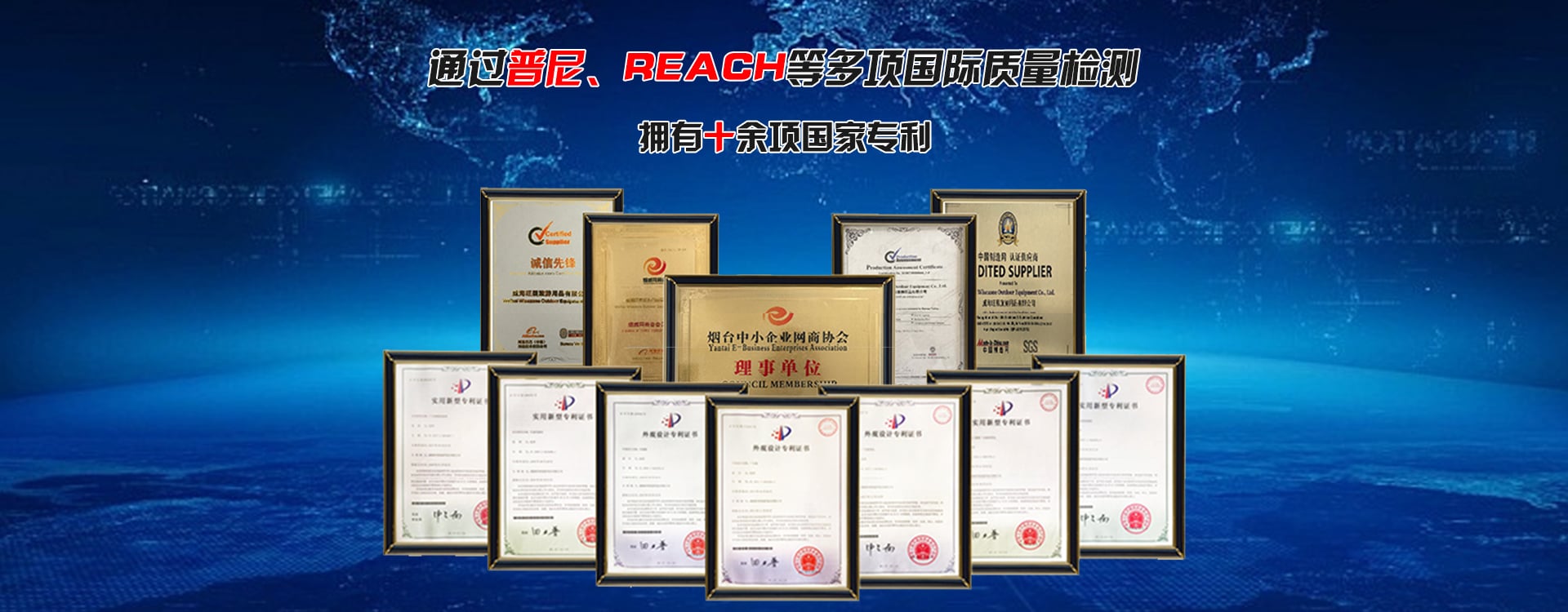
An ISO 9001 certificate from an accredited registrar is necessary. It is not sufficient. The evaluation must dig into the test lab that verifies pole straightness (0.5 mm max deviation over 1 meter), the flag‑to‑pole attachment force (digital force gauge, confirming the butterfly clutch holds the flag at 35 km/h wind without rotation), and backpack shoulder‑strap seam strength (tested per ISO 13935‑2 to at least 1,200 newtons).
A first‑tier supplier ships every lot with a certificate of conformance that lists actual measured values—not just “pass/fail”—for the critical characteristics. The buyer should also request the gauge R&R study for the go/no‑go fixture that checks pole‑socket fit. A GR&R below 10% says the measurement system is not injecting unacceptable variation into the acceptance decision. At Wisezone, final optical inspection uses a spectrophotometer to verify that the Pantone color of the sponsor logo falls within a Delta‑E of 2.0—the point at which the human eye begins to notice a difference under dappled course‑side light.
3.2 Production capacity and on‑time delivery history
Based on field testing, The supplier’s spec sheet may promise 2,000 units in 15 days. The procurement team verifies that against the actual number of pultrusion lines, curing‑oven throughput, and daily sewing‑floor output. Ask for the last six months of production schedules and the on‑time delivery percentage relative to the confirmed shipping date. Delivery performance below 95% on orders of 500 units or more is a leading indicator the supplier will miss the critical pre‑race windows tied contractually to the event organizer.
The audit also examines the bill of materials for the backpack’s nylon fabric. A sudden substitution to a lower‑denier cloth, made to bypass a raw‑material bottleneck, can cut tear strength and produce shoulder‑strap failures by the fourth or fifth use. To manage supply‑chain risk, the buyer can require the supplier to keep a two‑week buffer of carbon‑fiber prepreg and to disclose any single‑source dependency on a specific tow manufacturer. Wisezone maintains a domestic supply of 12k‑tow carbon fiber from a major Chinese producer and has a secondary qualification process for a Japanese‑origin alternative. Based on historical force‑majeure frequency, that arrangement drops the probability of a full production stoppage below 2% per year.
4. Logistics and Total Cost Modeling: Container Math, Assembly, and Duty
4.1 The freight density picture of a 0.4‑kilogram system
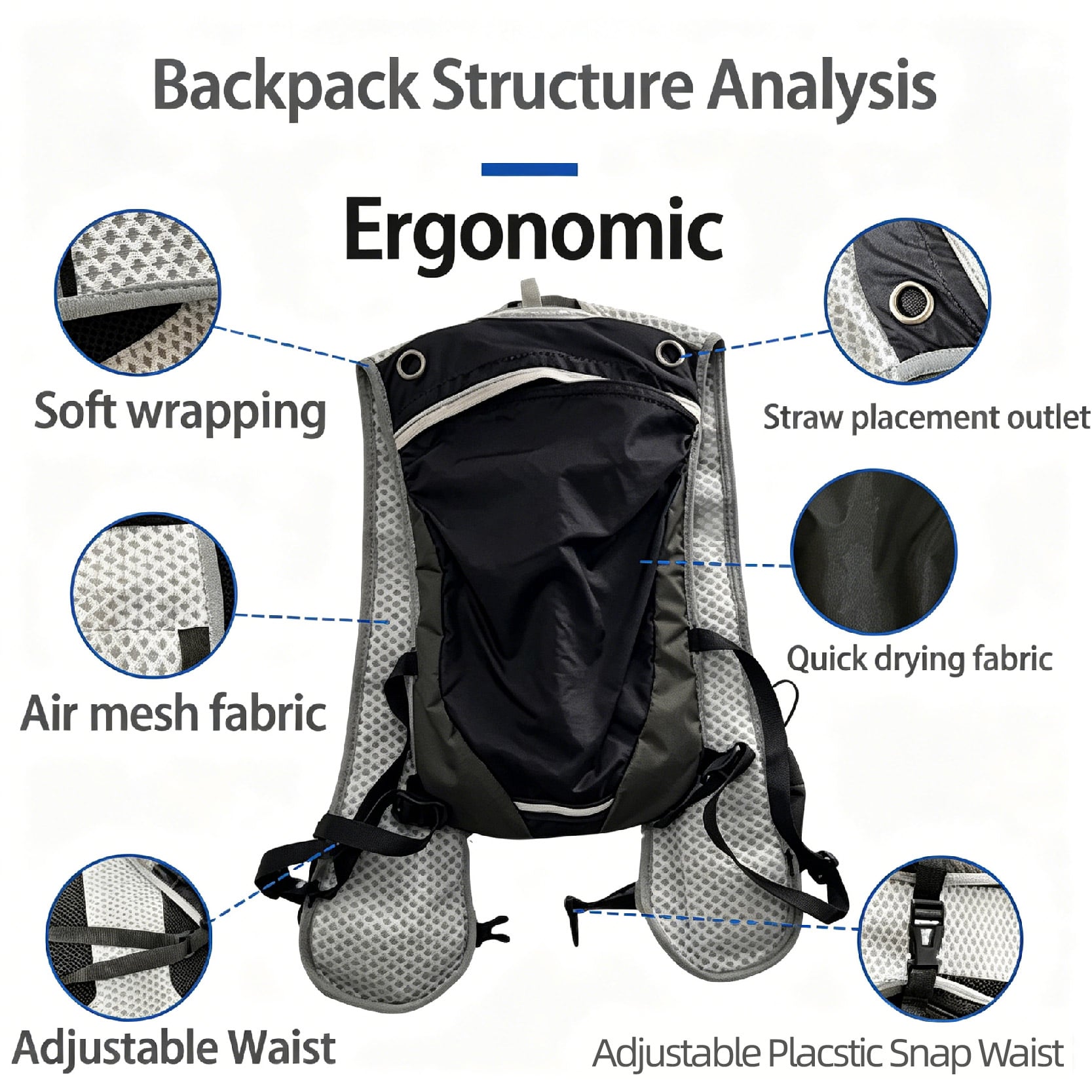
At 0.4 kg per complete set—lightweight nylon backpack, carbon pole, flag—the system makes sea‑freight math simple. Twenty units fit in a carton measuring 51 × 42 × 32 cm. A 40‑foot high‑cube container (roughly 67 m³ of usable volume) holds about 980 of those cartons—19,500 units—before cubing out. Weight is nowhere near the container’s 26,000‑kg payload limit. At a Qingdao‑to‑Rotterdam ocean rate of USD 3,500, the freight component works out to USD 0.18 per unit.
An aluminum‑pole system weighing 1.2 kg per set, shipped in the same footprint, cubes out identically. You still fit about 19,500 units in the container. Sea freight stays at USD 0.18 per unit. The real savings surface in air freight. No question. A carton of 20 carbon units has an actual weight of about 10 kg. Its volumetric weight (51 × 42 × 32 ÷ 6,000) comes to 11.4 kg; the carrier bills 11.4 kg. The aluminum carton weighs about 26 kg and gets billed at 26 kg. That cuts air‑freight charges by more than half. One North American race series saw per‑unit air cost drop from USD 12.80 to USD 5.20 after switching to carbon. The saving hits the bottom line directly because sponsorship income cannot be renegotiated mid‑season.
4.2 Total landed cost build‑up and replacement‑rate integration
A rigorous TCO model for a single marathon pacer flag, delivered duty‑paid to a Chicago distribution center, starts with the FOB unit price from Wisezone—USD 19.50 at a volume of 500 units. Add ocean freight (USD 0.18), marine insurance (0.2% of CIF value), U.S. customs duty at a weighted average of 6.2% on the invoice after tariff engineering, harbor maintenance and merchandise processing fees (0.346% combined), the customs bond amortized at USD 0.03 per unit, and inland trucking to the warehouse (USD 0.30). That yields a landed cost of roughly USD 21.35 per unit.
Field data from a distributor that placed 4,000 carbon‑composite units across three festival seasons show a replacement rate of 1.3% per season, mostly from backpack zipper failures and the rare pole fracture caused by being run over by a vehicle—not from fatigue. Add the cost of warranty replacements (1.3% × USD 21.35 = USD 0.28) and the disposal of one failed unit per hundred, and the fully burdened TCO rises to about USD 21.63.
An aluminum‑pole alternative with a USD 13.50 FOB lands at about USD 15.10 after duty, freight, and fees. With a field replacement rate of 22% over the same period—bent poles, failed clamps—the burdened cost swells to roughly USD 18.42 per unit that actually survives a season. The lower invoice price is a mirage. The event team must carry a third more spares, pay for extra setup labor to swap bent poles, and absorb the brand‑visibility damage of a flag that no longer holds the prime sponsor’s logo square to the broadcast cameras.
Table 2: Five‑Year Total Cost of Ownership Comparison (500‑Unit Order, U.S. Distribution, Three Seasons of Use)
| Cost Element | Aluminum Pole System (1.2 kg, bend‑prone) | Carbon Composite System (0.4 kg, WZRODS Marathon Pacer) |
|---|---|---|
| FOB unit price (500+ volume) | USD 13.50 | USD 19.50 |
| Sea freight per unit | USD 0.18 | USD 0.18 |
| Weighted customs duty and fees | USD 1.12 (incl. AD/CVD risk) | USD 1.35 (tariff‑engineered, no AD) |
| Inland trucking per unit | USD 0.30 | USD 0.30 |
| Landed cost per unit | USD 15.10 | USD 21.33 |
| Field replacement rate (three seasons) | 22% (pole bending, clamp failure) | 1.3% (backpack zipper, rare pole break) |
| Replacement cost per deployed unit | USD 3.32 | USD 0.28 |
| Fully burdened TCO per functional unit | USD 18.42 | USD 21.61 |
| Additional amortized brand‑visibility cost (estimated) | High (misaligned logos, poor TV coverage) | Negligible (flag remains vertical and taut) |
The carbon‑composite system carries a steeper entry price. Once replacement waste is counted, the total cost differential narrows to a mere USD 3.19 per unit. That gap is more than covered by the elimination of expedited freight on replacement orders and the avoided soft cost of a sponsor complaint. For a 1,000‑unit annual purchase, the buyer pays an additional USD 3,200 for a fleet that performs three seasons without the constant mid‑race scramble of pole failures—less than the cost of a single full‑page print ad in a running magazine.
5. Field Performance and Warranty Architecture: Fatigue Testing, Failure Modes, and Contract Remedies
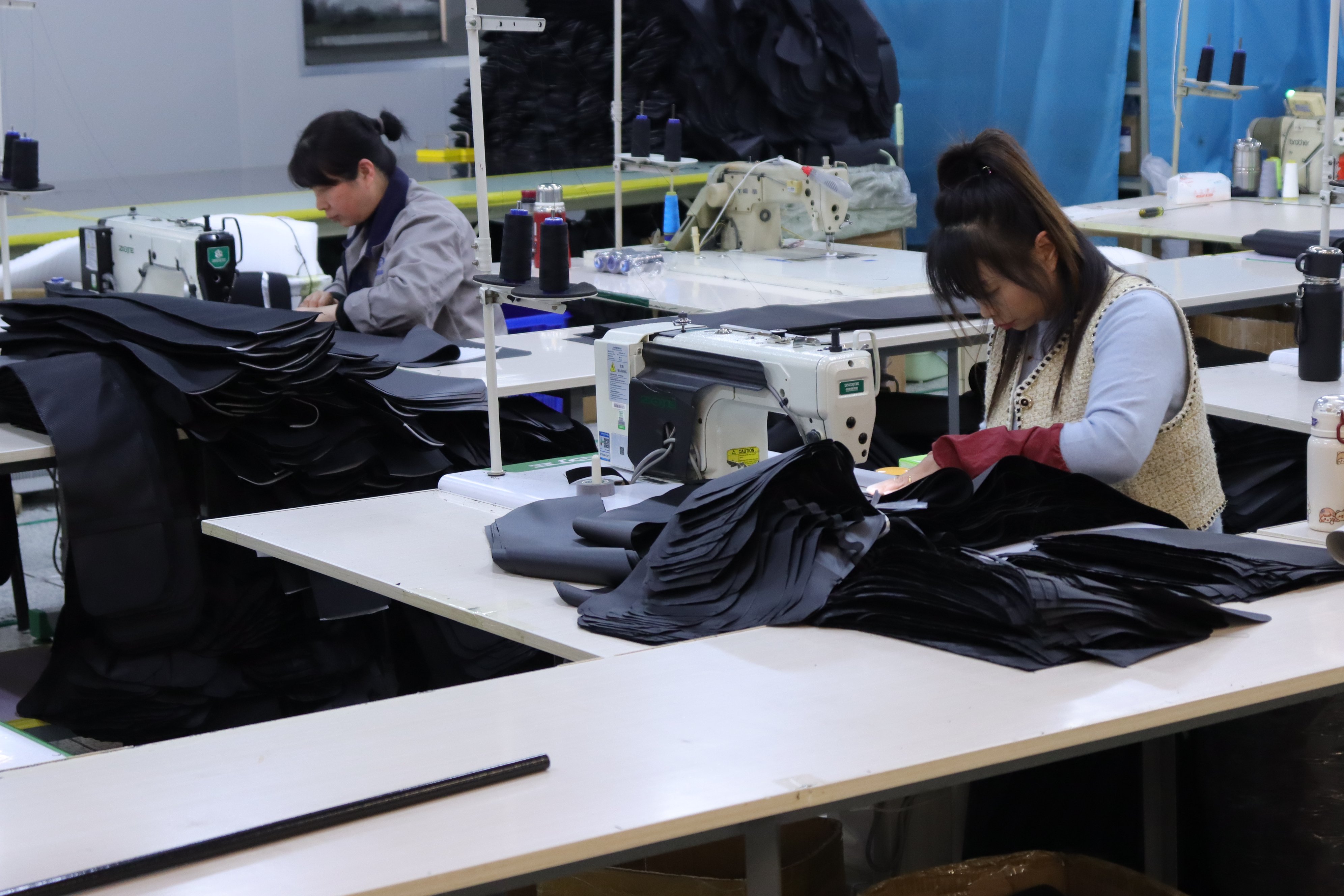
5.1 Operational stress mapping from factory floor to finish line
About the Author
Wei Chen, Senior Product Specialist
B.S. Supply Chain Management, Michigan State University; Certified Professional in Supply Management (CPSM)
12 years in B2B display hardware sourcing. Former procurement manager for a top 20 US promotional products distributor. Specializes in aluminum pole systems and import compliance.
Reviewed by WZRODS Technical Team. Updated: 2026-07-04
 Comments (0)
No comments yet. Be the first to comment!
Leave a Comment
Related Products
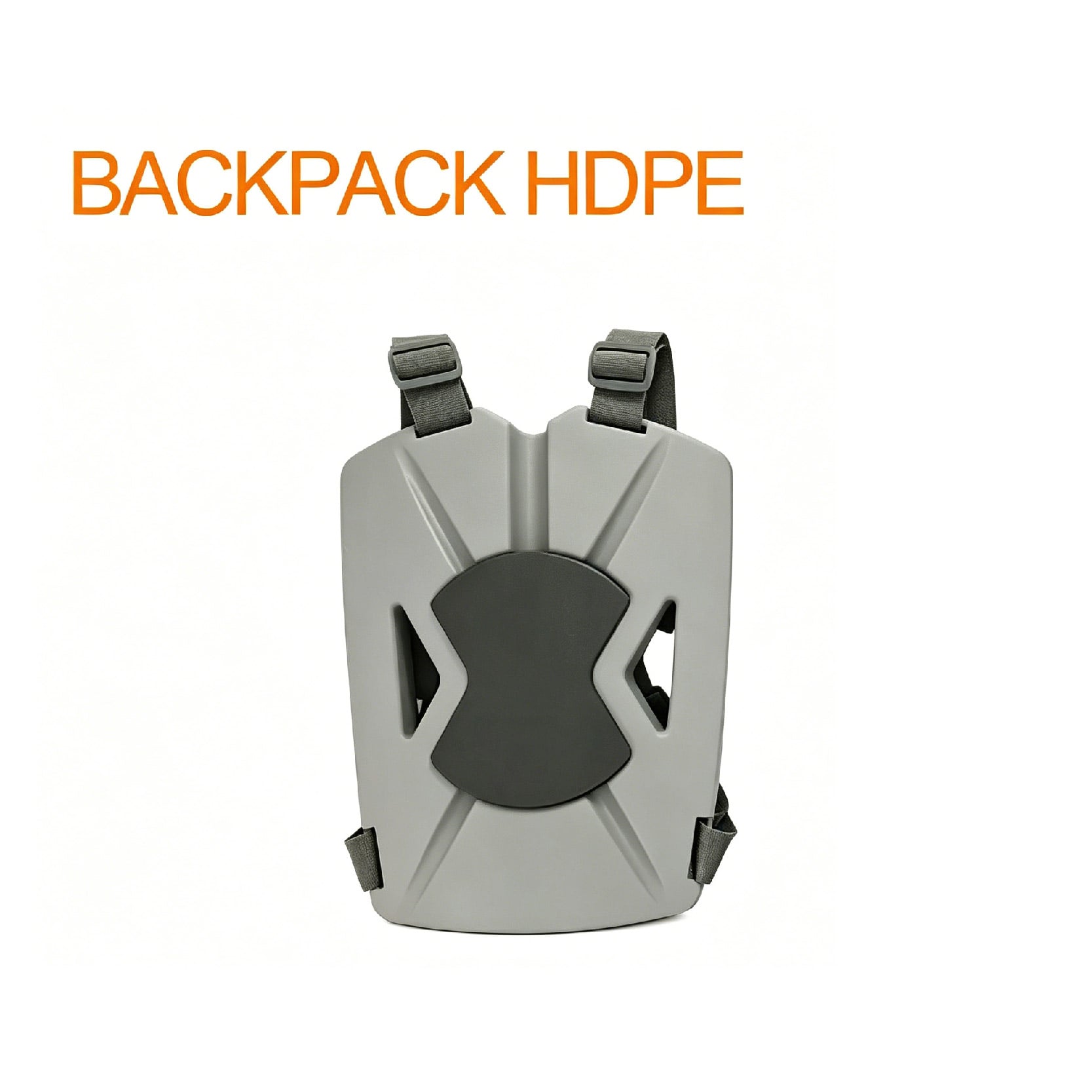
Backpack flag HDPE
Backpack banner SFH
Backpack Two - Face banner
Backpack X
Backpack Umbrella
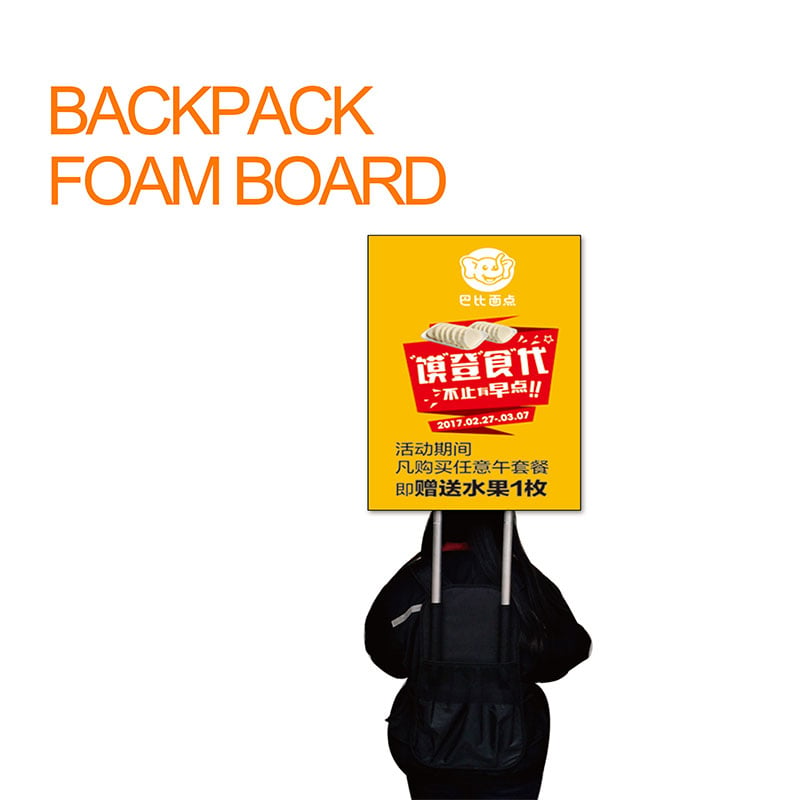
Backpack From Board
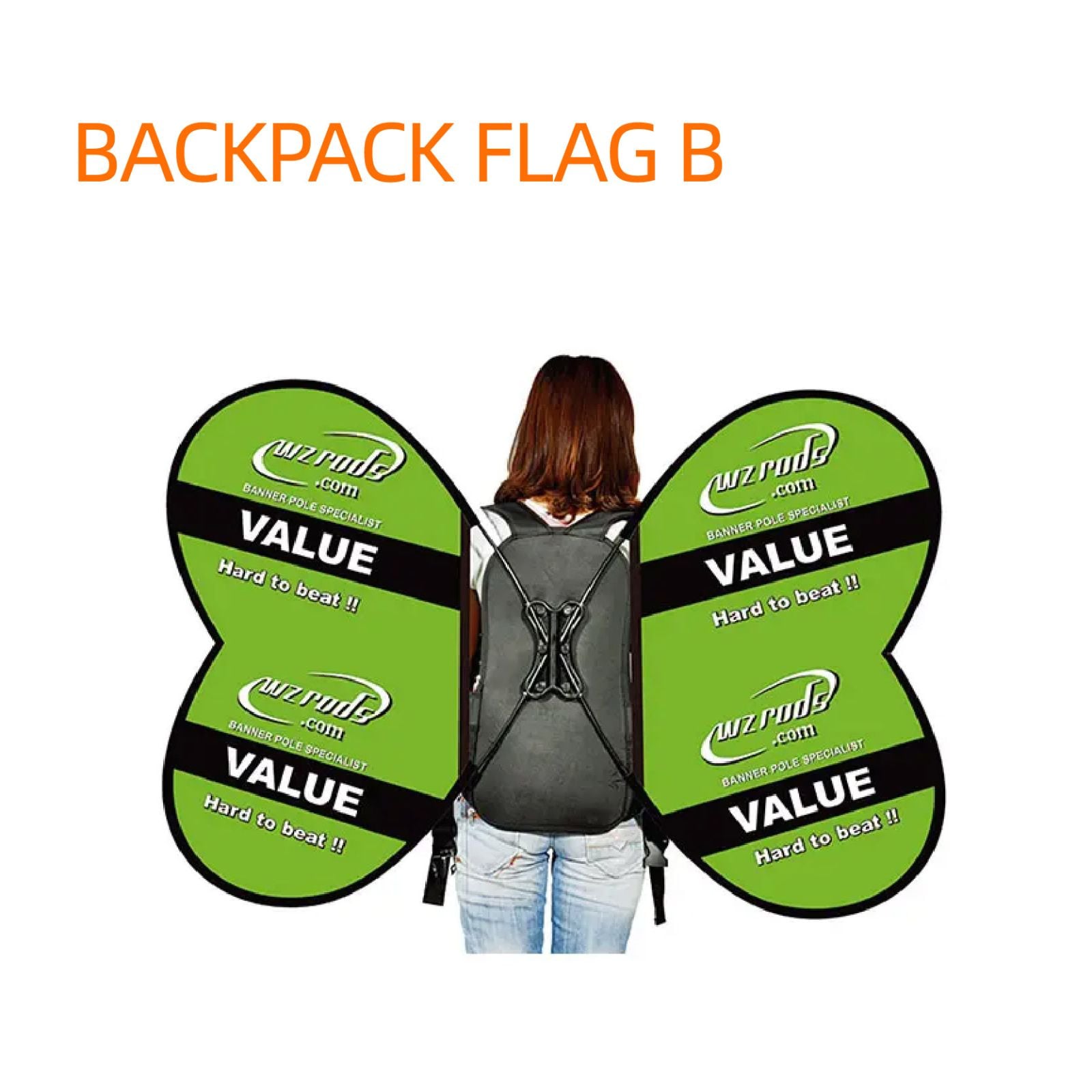
Backpack B
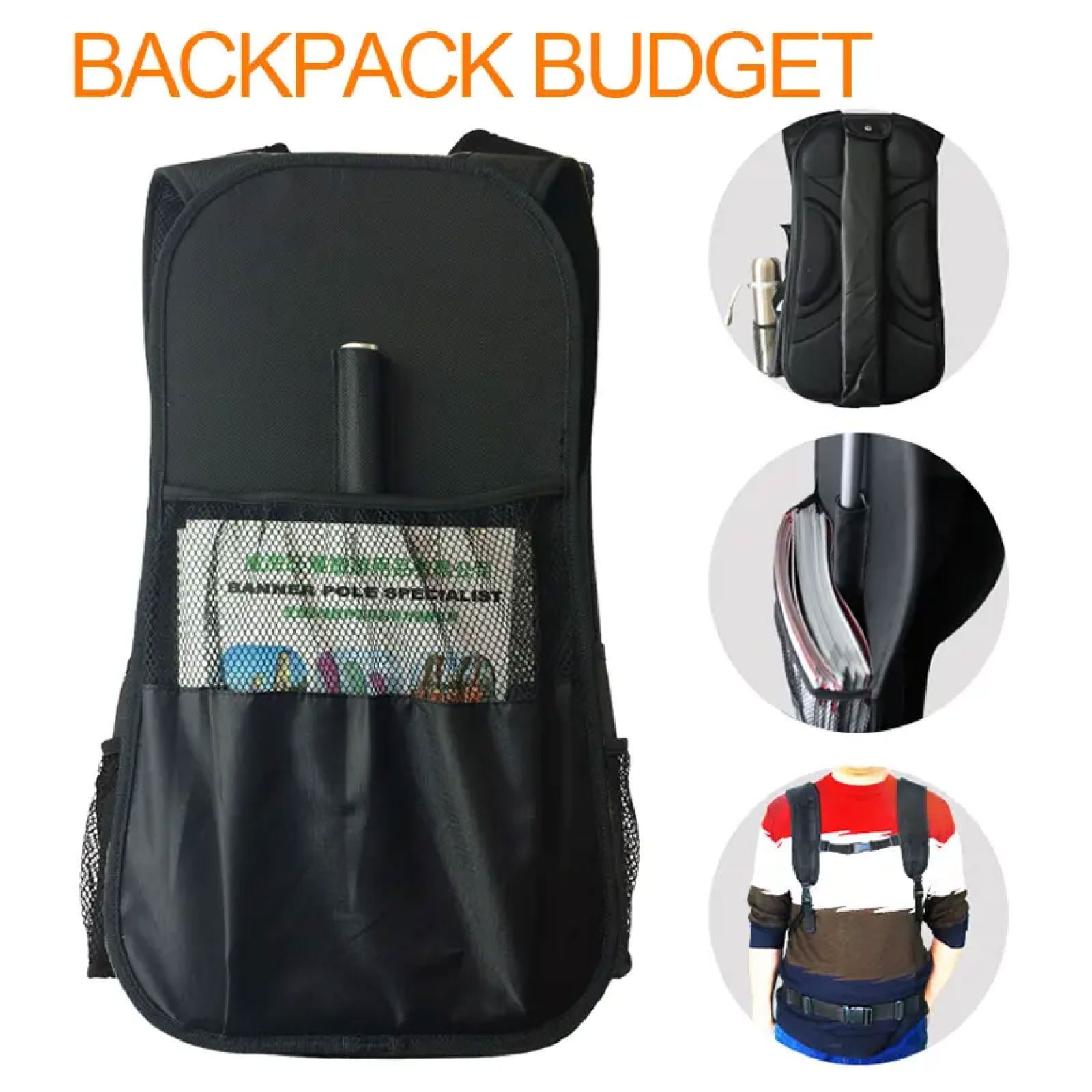
Backpack Budget
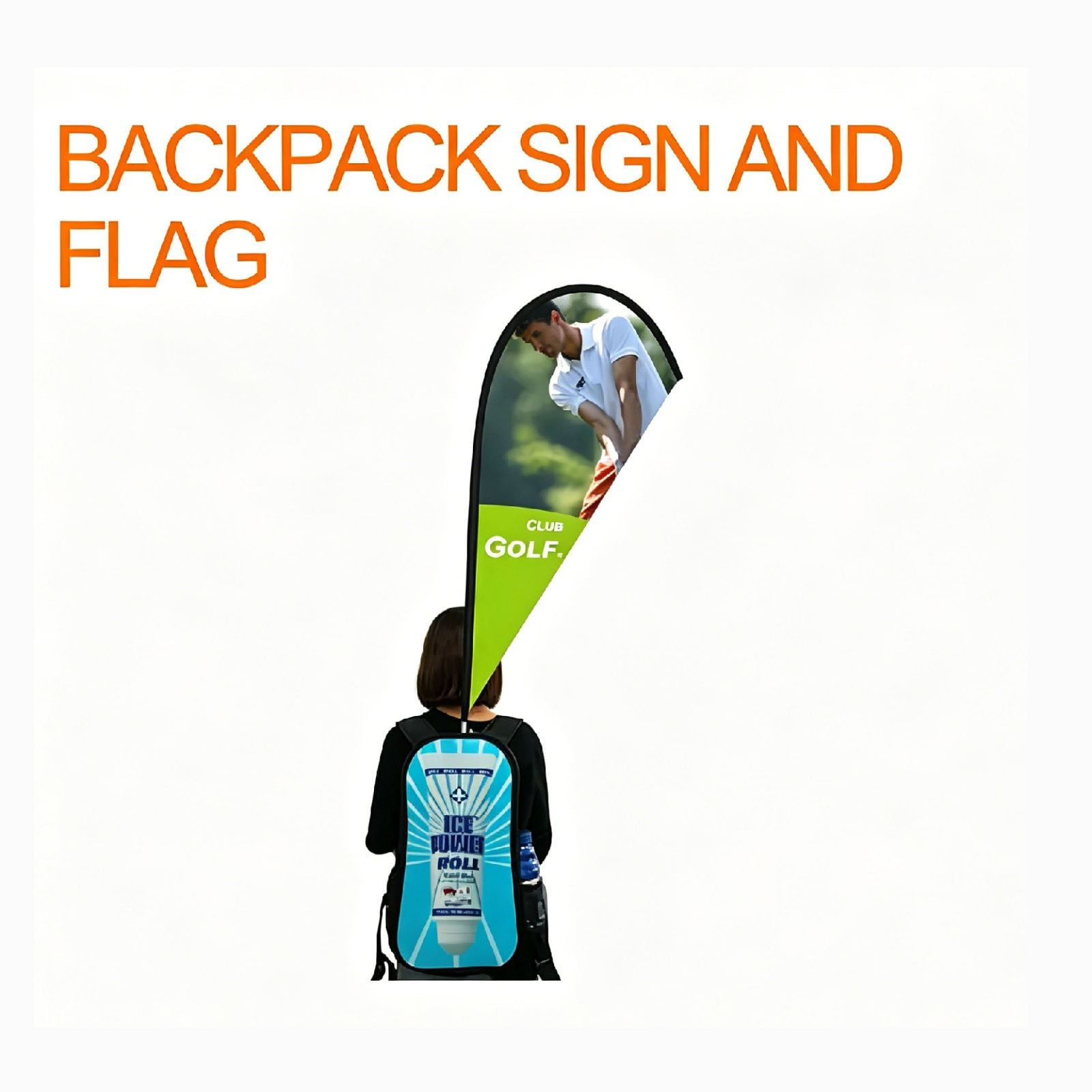
Backpack flag & sign
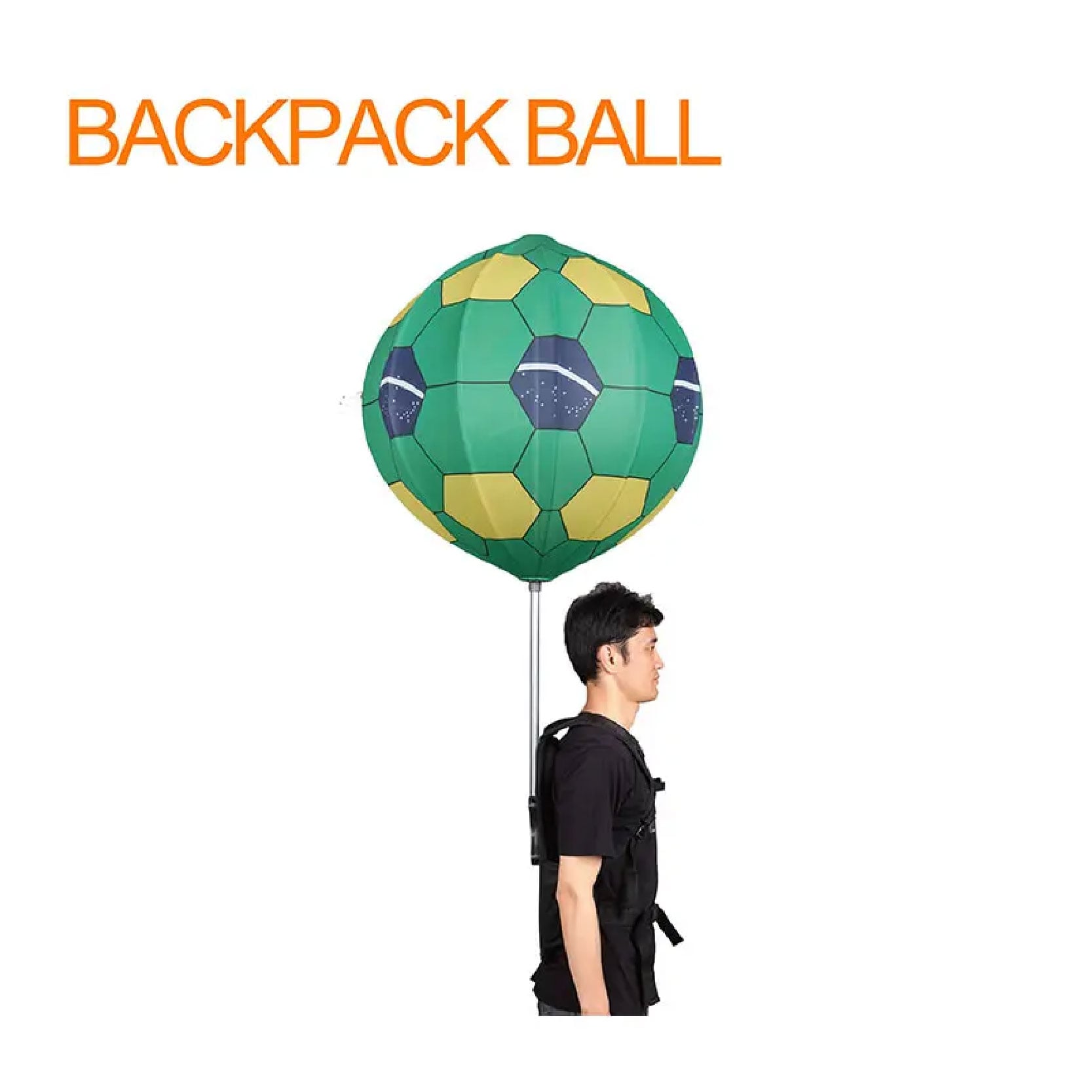
Backpack Ball
Related Articles
29kg Concrete Flag Base - The Complete B2B Buyer's Resource - WZRODS
WZRODS DY451B: 29 kg, HDPE shell, concrete core. Stackable, portable, rust-proof. FOB price US$5.75–$6.85 at MOQ 2 units. Those numbers look unremarkable. Factor in landed cost—import duties lower than aluminum’s under relevant HTS codes, freight savings from less weight per unit of stabilizing mas
Wide Tube Cross Base - The Complete B2B Buyer's Resource - WZRODS
The Wide Tube Cross Base, manufactured by Wzrods in Shandong, China, solves one problem: reliable stability for poles under three meters, without the freight costs and warehouse footprint that heavier alternatives demand.
Rectangular Pipe Cross Base - The Complete B2B Buyer's Resource - WZRODS
The pipe cross flag base is a cross of rectangular steel pipe, powder‑coated, weighing 1.3 kg and spanning 78 cm across its arms. Its center holds a C‑ring shaft that lets the flag rotate with the wind.
X-Shape Backpack Banner - The Complete B2B Buyer's Resource - WZRODS
Economic Cross Base - The Complete B2B Buyer's Guide- WZRODS
When you buy an economic cross base—something like the Wzrods DM‑9, a 77 cm‑long, 1.3 kg iron cross—forget “economic” as a synonym for “cheap.” It means value-engineered.
How to Choose the Right Feather Flag Base for Different Surfaces
Feather Flag - Professional Banner Poles & Systems Manufacturer - WZRODS
How to choose a high-quality backpack flag
The backpack flag concept centers on a frame carried on the back, similar to a backpack, specifically engineered to support a raised flag or banner.