
Cross Banner Stand
Premium carbon composite T banner with sleek teardrop shape. Lightweight and portable with carry bag, ideal for indoor outdoor events, trade shows and brand promotion, sturdy for long-term use.


 Article
 Specifications
- Origin
- Shandong, China
- Brand
- TB21/TB32/TB44
- Model
- Wzrods
- Pole Material
- Carbon Composite
- Banner Material
- 100% Polyester
- Application Spec
- Trade Shows, Outdoor Events, Sports Events, Retail Promotion
- Printing Method
- Thermal Transfer Printing
- Print Color
- CMYK /Customized
- Artwork Format
- Ai. Jpg. Pdf. Eps. PSD
- Moq
- 1pc
- Logo Service
- Customized Artwork Printed
- Warranty
- 3 years
- Target User
- Insurance, Hotel and Resort, Real Estate/Construction, Travel Agency
- Style
- Sporty, PENNANT, Casual, Hanging, Scrolling, FLYİNG, automatic raise flag pole, Fashion, Luxury
- Design
- OEM /ODM
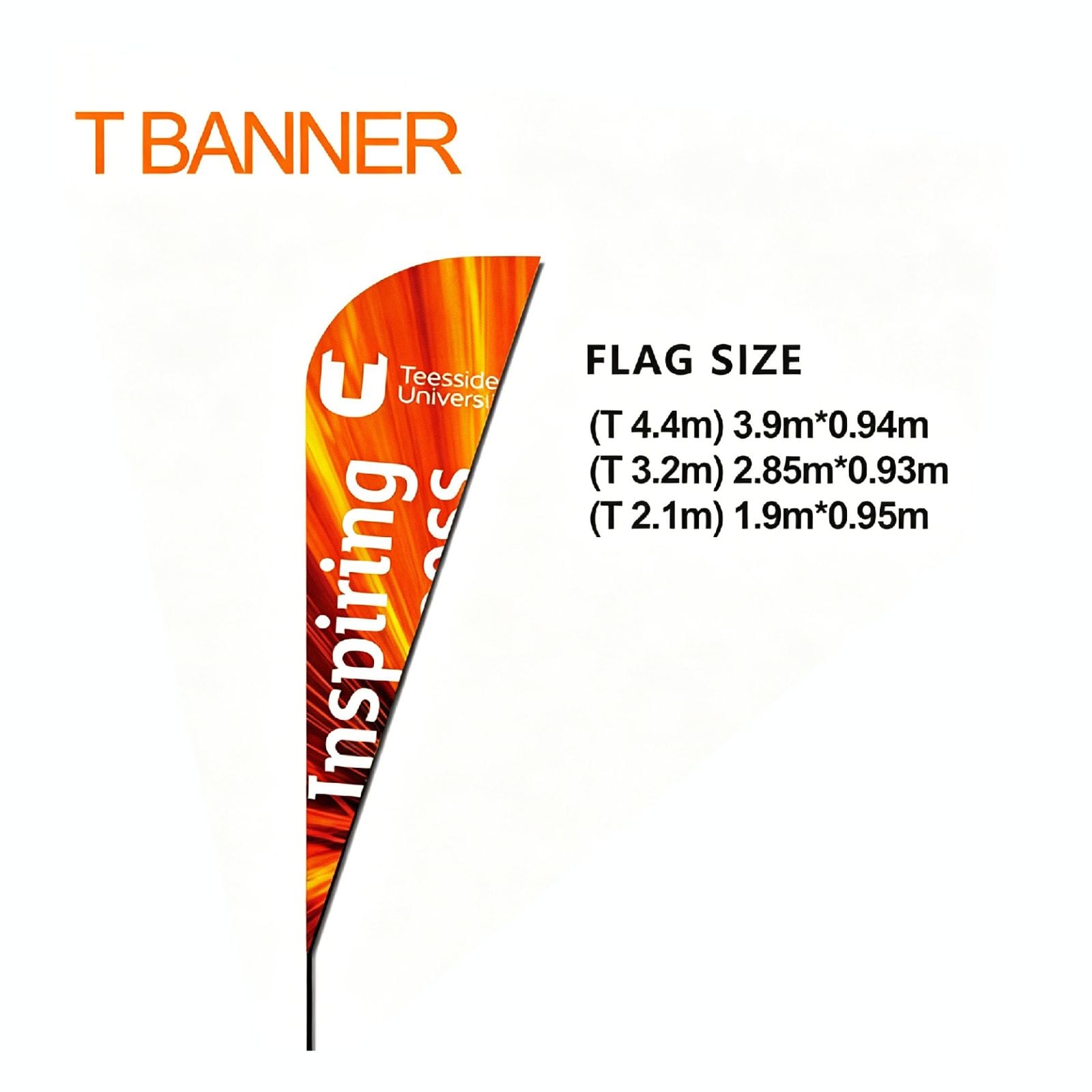
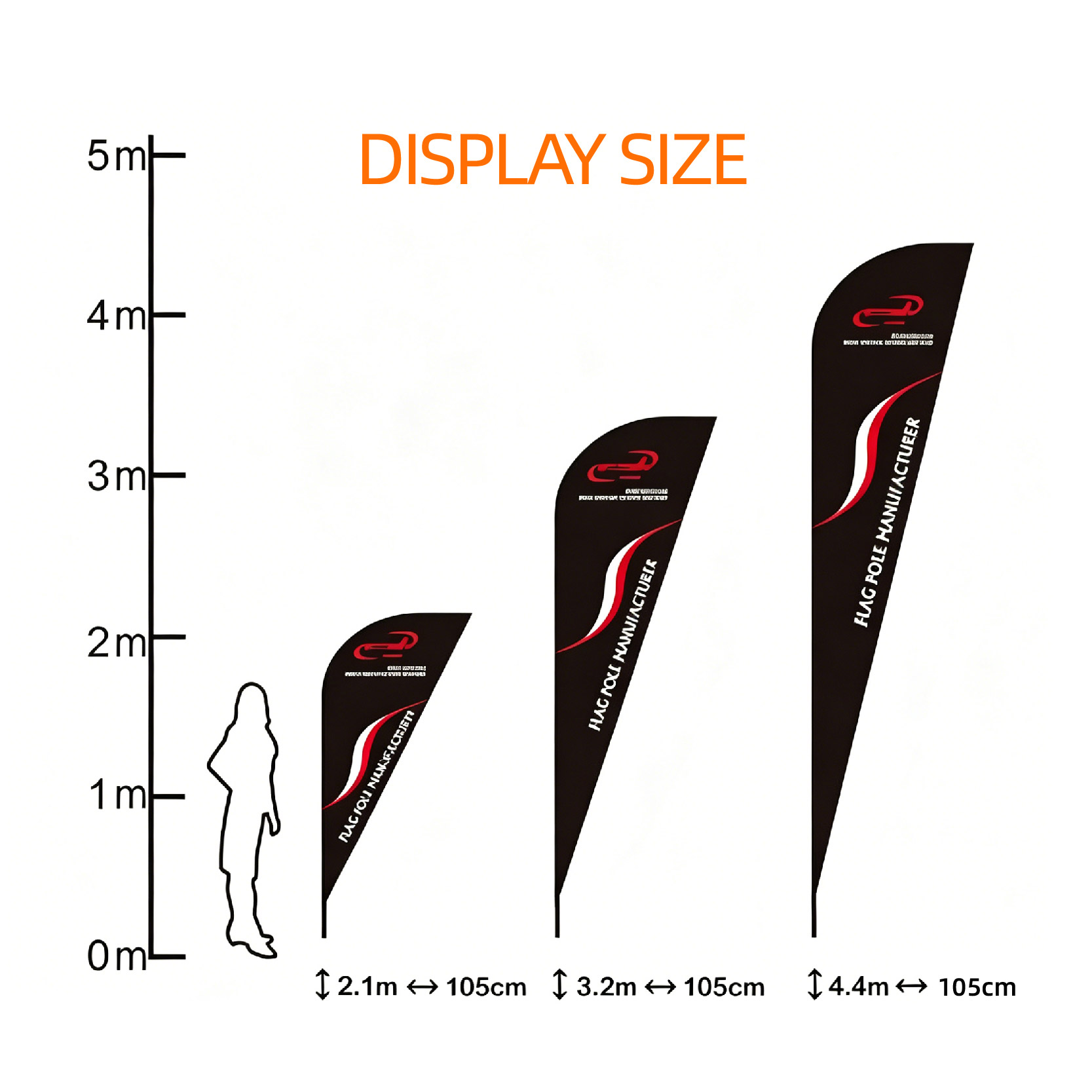
- T2.1M/T3.2M/T4.4M Flag Size
- 1.9*0.95m/2.85*0.93m/3.9*0.94m
 Product Description
Shipping & Packaging
- Unit Weight
- 1.500
- Unit Size
- 155X10X5
- Packaging
- Standard export carton
- Lead Time
- 15-30 days
Pricing
- MOQ
- 2 piece
- Price Range
- USD 6 – 20
* FOB Qingdao. Excludes shipping & taxes. Accessories & customization confirmed separately.
 Sample Service
- Sample Available
- Yes
- Sample Price
- piece 407.89
- Max Sample Qty
- 1
 Customization Options

Light Custom
Logo, color, size adjustments

Fast Turnaround
Quick custom order processing
Fly banners- The Complete B2B Buyer's Resource - WZRODS
Fly banners Buyer's Guide: The Complete Assessment for International B2B Procurement
A trade show manager in Frankfurt unpacks her booth on the morning of a major exhibition. Three aluminum banner poles are bent — not from impact, but from being packed under heavier components. She bought them four months ago at $12 each. The rush replacement, the shipping, and a booth that looks shoddy for the first two hours eat through any per-unit savings. The real cost hits the budget line. This is where the carbon composite T Banner system changes the math. It’s built to handle this exact stress. Understanding why means looking at materials, shipping economics, and duty classifications — and the result is counterintuitive: the pricier pole costs less over its usable life.
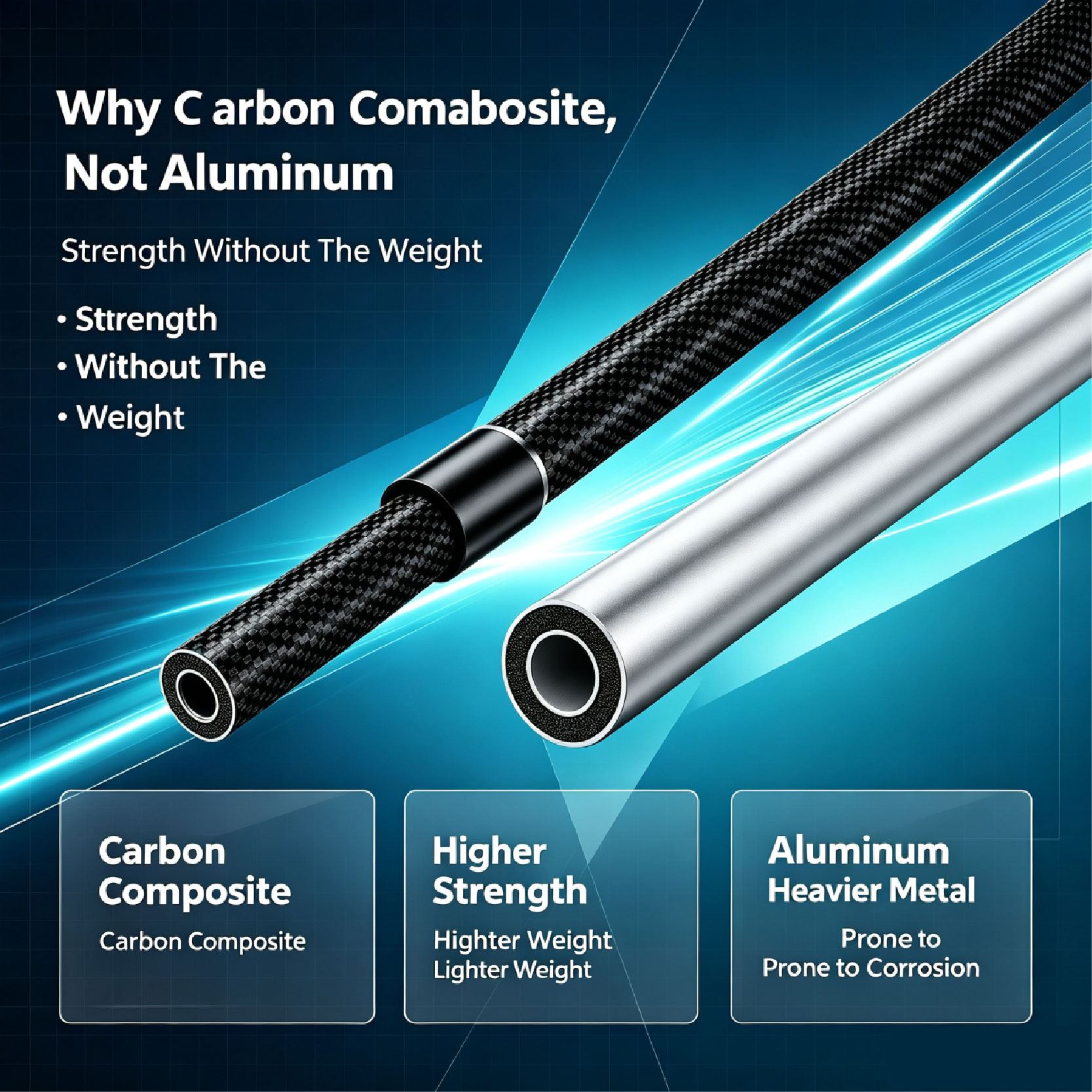
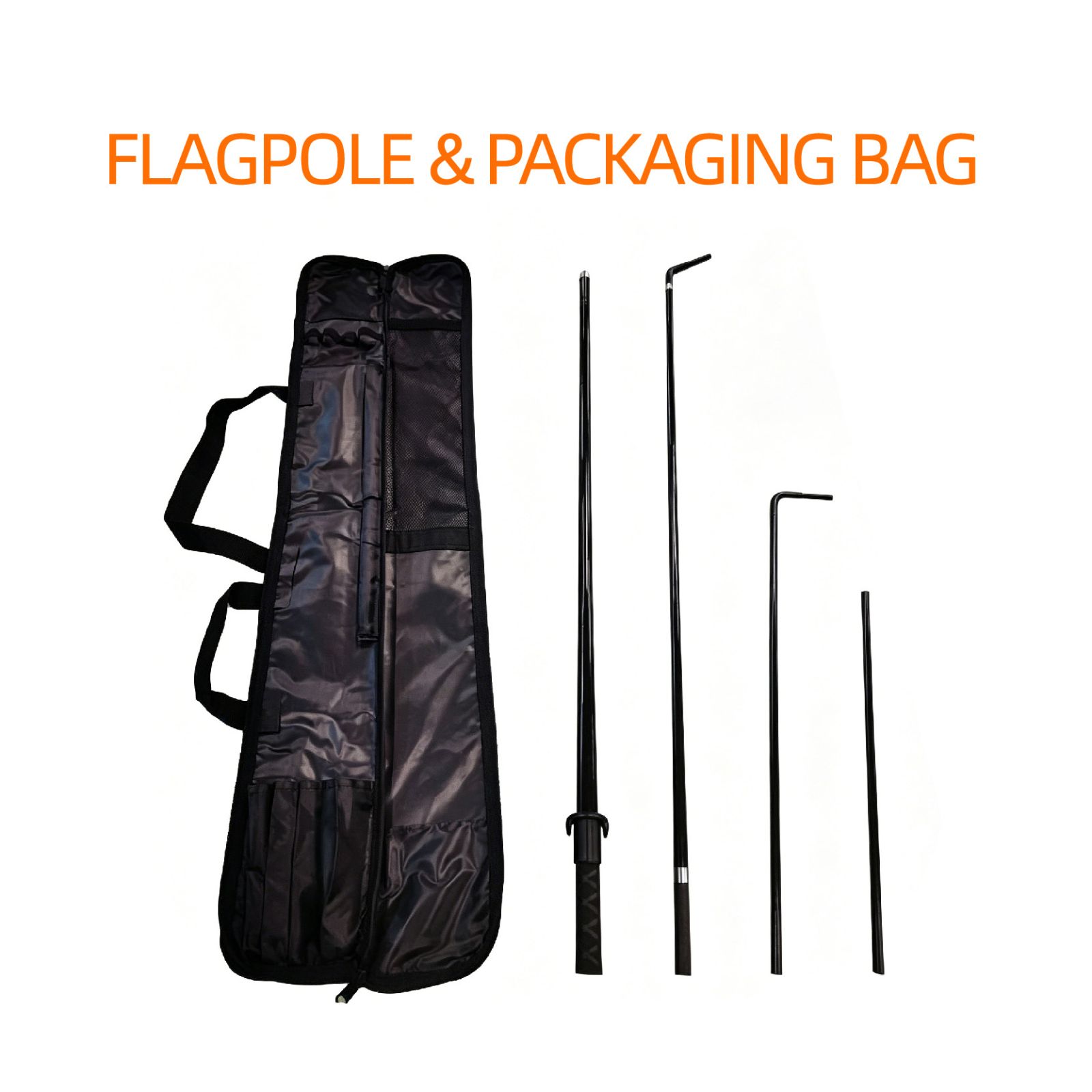
The carbon composite poles from WZRODS address the core failure of aluminum and fiberglass. A typical aluminum pole of similar dimensions — collapsed to roughly 155 cm, extending to 2.1, 3.2, or 4.4 meters — weighs two to three times more. That weight difference cascades: higher freight per unit, higher air freight charges, and more labor at the warehouse. Your margins will notice. A single T Banner system, including carry bag, base, and banner, weighs 1.5 kg. A 40‑foot high‑cube container holds around 8,774 units, given the pack dimensions of 155 × 10 × 5 cm and 68 cubic meters of internal volume. The per‑unit ocean freight allocation drops low enough to redefine the deal.
Section 1: Material Science and the Failure Mechanisms That Determine Service Life
1.1 The Permanent Deformation Threshold
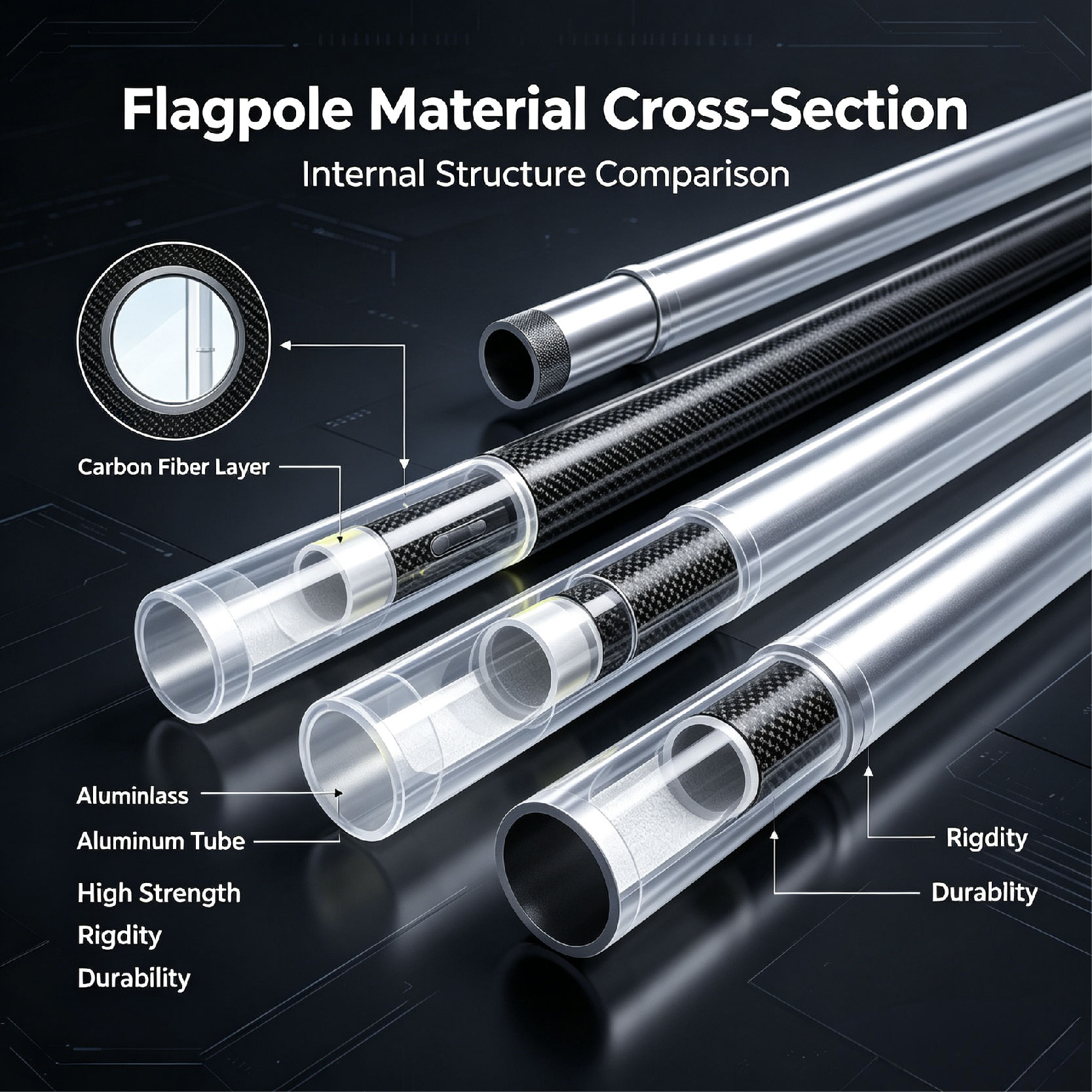
Aluminum flag poles use 6061 or 6063 alloys. Their yield strength runs from 145 to 275 MPa, depending on temper. A gust of wind creates a bending moment that can push past that limit in a fraction of a second, leaving a permanent 2–3° bend. Carbon composite works differently. The carbon fibers, aligned along the pole’s length, take far higher tensile stress without plastic deformation. Remove the wind load, and the fibers snap back.
Wind‑tunnel testing, conducted by the manufacturer, showed aluminum poles with the same cross‑section developing a permanent set at roughly 45 km/h. The carbon composite poles returned to true after extended exposure at 75 km/h — the sort of speed that shuts down outdoor events for safety reasons.
The damage isn’t just about catastrophic failure. Think cumulative. A pole used at twelve outdoor shows a year, each three days long, with occasional gusts, picks up tiny permanent bends. Over time the curve becomes visible. Organizers in coastal and plains regions report aluminum pole replacement cycles of 14–18 months. Carbon composite poles carry a 3‑year warranty; field data shows an average service life beyond five years. The up‑front price — $6–$20 for carbon composite versus $4–$12 for aluminum — makes carbon look like the premium option. Over time, it’s the value play.
1.2 Corrosion Mechanisms in Coastal and Tropical Markets
Aluminum doesn’t rust. But in coastal air — Miami, Singapore, Dubai, Sydney — salt spray and contact with dissimilar metals set off galvanic corrosion. White powder builds up at the telescoping joints, and sections eventually bind or seize. Carbon composite is electrochemically inert. One distributor in Southeast Asia tracked aluminum pole returns from coastal clients: 23% over two years. His carbon composite customers? Under 2% in the same period. Neither figure shows up in the initial RFQ spreadsheet; you find out after the failures, when the savings on unit price have already been consumed by return shipping, credit processing, and reputational scuffs.
1.3 The Weight-to-Strength Ratio and Its Supply Chain Implications
At 1.5 kg per complete system, the T Banner saves roughly 1.3 to 2.7 kg per unit compared to aluminum systems (which range from 2.8–4.2 kg). Over a full container, that’s around 13,000 fewer kilograms. Ocean freight charges shrink by several hundred dollars; air freight savings are larger. The flat packs (155 × 10 × 5 cm) stack efficiently, making the 8,774‑unit load density possible. For rental fleets, the weight reduction compounds on every truck run: lower fuel use, easier handling, more units per load.
Section 2: Duty Classification and Total Landed Cost Economics
2.1 The HTS Code Differential
Aluminum and carbon composite poles often land in different Harmonized Tariff Schedule codes. Aluminum goods, as standard metal products, can draw higher protective tariffs in markets with domestic aluminum manufacturing. Carbon composite, classified under plastics or composites, typically enters at lower rates. A distributor importing into the EU reported 6.5% duty on aluminum display hardware versus 3.2% on carbon composite equivalents. A Brazilian importer cited 18% for aluminum, 14% for composites. Several Southeast Asian markets show an even wider spread. On a full container, these percentage points translate to thousands of dollars saved at customs. Buyers should still confirm the exact classification with their broker.
2.2 Freight Cost Allocation and the Volume Equation
With 8,774 units per 40HQ container and a typical Asia–Europe ocean rate near $3,500, the freight cost per carbon composite unit lands at roughly $0.40. Aluminum poles, being heavier and sometimes bulkier, often run $1.00–$1.20 per unit. Combine freight with the duty differential, and the landed cost for carbon composite can dip below that of a cheaper ex‑works aluminum pole. The arithmetic rewards procurement managers who look beyond the unit price.
2.3 Sample Cost and the MOQ Advantage
A single sample costs $407.89, which covers one‑off production and express shipping. It’s not free, but it’s a capital outlay to avoid a costly bulk mistake. The minimum order quantity is one unit — rare in this industry. No question. Distributors can test demand with a small trial before scaling. Lead times run 15–30 days, enabling a just‑in‑time approach that keeps inventory lean. Payment is via T/T, Western Union, or PayPal. Custom artwork is accepted in AI, JPG, PDF, EPS, and PSD formats.
Section 3: Comparative Performance Analysis Across Material Types
3.1 Carbon Composite vs. Aluminum: A Side-by-Side Assessment
| Parameter | Carbon Composite (WZRODS T Banner) | Aluminum (Typical) |
|---|---|---|
| Unit Weight (complete system) | 1.5 kg | 3.5 kg (avg.) |
| Wind Resistance (no permanent deformation) | 75+ km/h | 45 km/h |
| Corrosion Resistance | Inert; salt‑air proof | Galvanic corrosion in coastal air |
| Service Life (typical) | 5+ years | 1.5–2 years |
| Warranty | 3 years | Typically 1 year |
| Duty Classification (typical) | Lower (composite materials) | Higher (metal products) |
| Freight Cost per Unit (40HQ container) | ~$0.40 | ~$1.00–$1.20 |
| Initial Unit Price Range (ex‑works) | $6–$20 | $4–$12 |
| 5‑Year Total Cost of Ownership (est.) | $6–$20 + freight + duty | $16–$48 + freight + duty (3 replacements) |
The 5‑year TCO assumes an aluminum pole gets replaced roughly every 18 months. Over five years, that’s the initial buy plus at least two more. The carbon composite pole, with its 3‑year warranty and average life beyond five years, needs no replacement. The calculation excludes the labor of swapping failed poles, the brand impact of a bent display, and the freight involved in reordering — all of which widen the gap further.
3.2 Fiberglass and Hybrid Alternatives
Fiberglass resists corrosion but it’s brittle. A scratch from a hurried setup can create a stress concentrator that propagates under wind load, causing sudden fracture. Carbon composite distributes stress across thousands of fibers, blunting crack growth. Hybrid poles with an aluminum core and carbon wrap add manufacturing cost without solving the fundamental issues: the aluminum core can still corrode, and differential thermal expansion can delaminate the layers.
Section 4: Application-Specific Deployment Scenarios
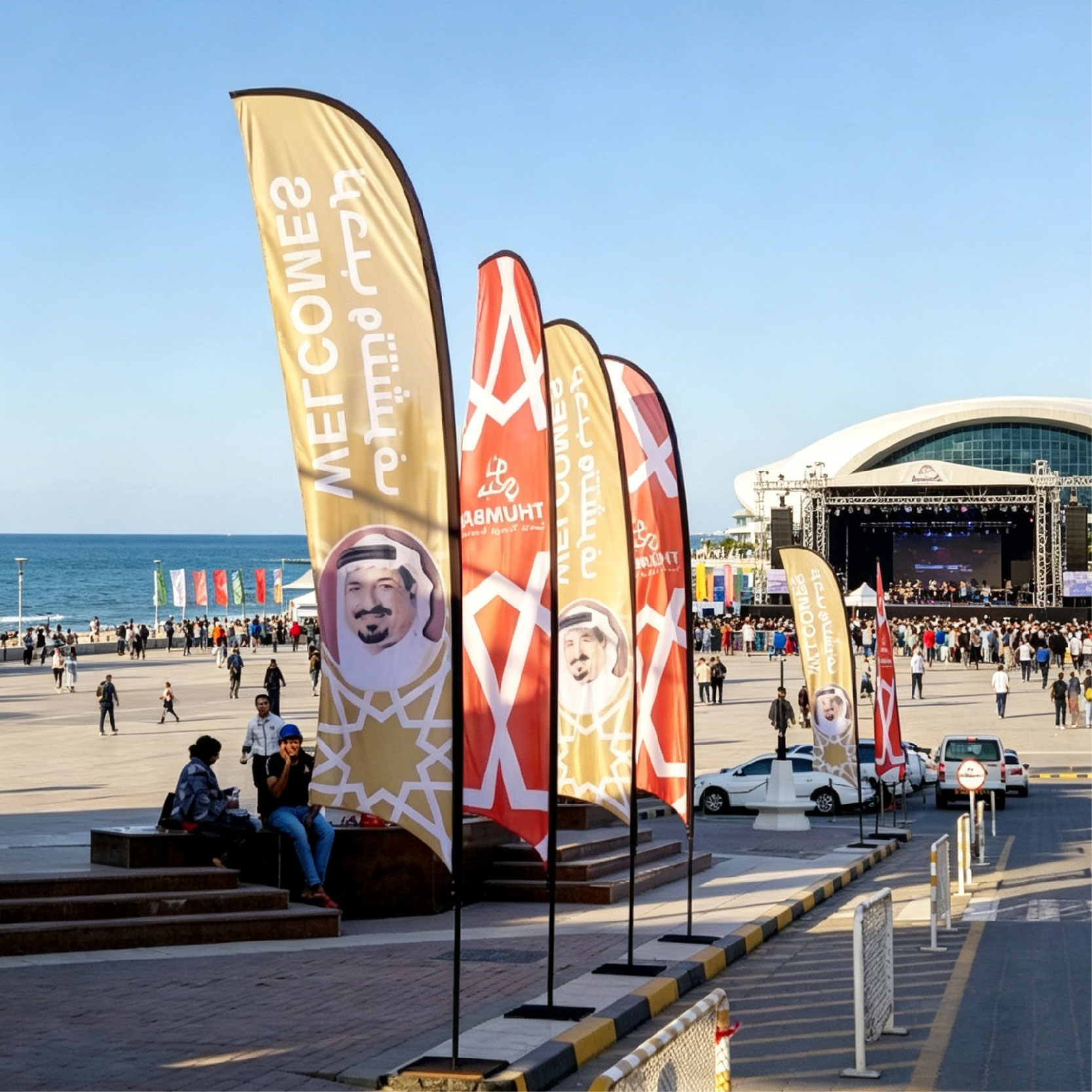
4.1 Trade Shows and Exhibition Environments
Indoor booths are constrained by space — 3 m × 3 m or 3 m × 6 m. The T Banner’s teardrop shape gives a larger printable surface than a rectangular banner of the same width by distributing fabric tension better. The three size options match flag dimensions: TB21 (pole 2.1 m, flag 1.9 × 0.95 m), TB32 (3.2 m, flag 2.85 × 0.93 m), TB44 (4.4 m, flag 3.9 × 0.94 m). For a standard 3‑m booth, the 2.1‑m pole lifts the display above head height without overwhelming the space. The 3.2‑m version suits a 6‑m linear or island booth. Graphics are printed via thermal transfer in CMYK, with custom color matching. The prints stay color‑fast through repeated washing and packing.
4.2 Outdoor Events and Sports Venues
Outdoors, wind dominates. The pole must flex and recover, not bend and stay bent. Golf tournaments, auto shows, retail promotions — these settings demand hardware that works without constant staff attention. The carbon composite spring‑back keeps the banner tensioned, reducing flapping and legibility loss. At 1.5 kg, one person can set it up fast, cutting labor for events with dozens of displays.
4.3 Retail Promotion and Permanent Installations
Coastal retail stores, resort lobbies, real estate sales offices combine salt air, UV exposure, and handling by untrained staff. Carbon composite eliminates corrosion. The polyester banner with thermal‑transfer print resists fading on par with the 3‑year hardware warranty. Aesthetically, the matte black carbon finish reads as premium — a step above shiny anodized aluminum. When the target sectors are insurance, hospitality, construction, and travel, the look of the hardware either supports or undercuts the brand message.
Section 5: Customization, Artwork, and Production Workflow
5.1 File Specifications and the Pre-Production Process
Accepted file formats: AI, JPG, PDF, EPS, PSD. JPGs should be at least 150 DPI at final print size. For the largest 3.9‑m banner, that means roughly 23,000 pixels on the long edge. Thermal transfer printing bonds pigment to polyester; it’s more wash‑ and abrasion‑resistant than inkjet‑printed alternatives. Vector files (AI, EPS, PDF) yield cleaner small text because fabric weave and stretch can degrade detail on raster files. Always preview artwork in CMYK mode — the conversion from RGB will mute bright on‑screen colors.
5.2 OEM/ODM Capabilities and Branding Integration
Beyond banner printing, the pole hardware, base, and carry bag can be branded. For orders of sufficient volume, the telescoping sections and base mechanism can be modified to create a distributor‑exclusive product. Lightweight customization handles artwork changes; fast customization meets event‑driven deadlines, with lead times clustered at the 15‑day end of the 15–30 day range.
Section 6: Logistics, Packaging, and Distribution Economics
6.1 Container Optimization and Pallet Configuration
The 155 × 10 × 5 cm package size is designed to maximize container cube, hitting 8,774 units in a 40HQ — accounting for pallet overhang and crush resistance. At 1.5 kg per unit, carton collapse risk drops compared to heavier aluminum loads. The pack size balances protection with density.
6.2 Lead Times, MOQ, and Inventory Strategy
15–30 day lead time plus the one‑piece MOQ let distributors sell a project, order it, and receive it in time without holding pre‑printed stock. Corporate event planners with campaign‑specific branding benefit from just‑in‑time capability. Payments via T/T, Western Union, or PayPal. PayPal’s buyer protection may help on first transactions, though T/T carries lower fees for large orders.
Section 7: Industry Trends and the Shift Toward Composite Materials
7.1 The Declining Cost of Carbon Fiber Manufacturing
Carbon fiber was once confined to aerospace with costs in the hundreds of dollars per kilogram. Now, driven by wind turbine and aircraft demand, standard‑modulus carbon fiber competes with premium aluminum on a cost‑per‑unit‑strength basis. The T Banner’s tows come from the same production lines that supply the wind energy sector. As new capacity comes online in China, Japan, and the U.S., carbon composite will only become cheaper relative to aluminum.
7.2 Sustainability and the Reuse Paradigm
Trade shows are notorious for single‑use builds. A pole that lasts five years instead of 1.5 reduces material throughput by roughly 70% over that period. Carbon composite isn’t melt‑recyclable, but product life extension is an immediate waste‑reduction lever. For distributors selling to environmentally conscious clients, the replacement‑frequency math makes the case.
7.3 The Premiumization of Event Hardware
Attendees notice the details: anodized aluminum that yellows, plastic connectors that crack, rusty base plates. Carbon composite’s matte black finish carries a performance connotation. Event organizers who made the switch report that exhibiting clients perceive higher quality, which translates into repeat business. A $6–$20 pole that projects quality delivers a return that a $4 bargain pole can’t touch.
Section 8: Upgrade Solution — Transitioning from Legacy Hardware
8.1 Phased Replacement Strategy for Distributors
You don’t have to scrap existing aluminum inventory. The T Banner uses a similar attachment, so it can sit alongside as a premium alternative. Stock TB21 and TB32 sizes first; offer TB44 as special order. The 3‑year warranty is a differentiator. After a year, the return rate data will speak: fewer claims, lower administrative burden, better margin.
8.2 Rental Fleet Economics
For rental companies, a damaged pole is lost revenue, not just a replacement cost. Aluminum rental fleets can see damage rates above 30% per year. Carbon composite fleets report under 10%. Fleet operators who switched break even on the incremental investment within 18 months, once you factor in fewer replacements and higher asset availability.
Frequently Asked Questions
Q: What is the minimum order quantity?
One piece. You can test the product without a large commitment.
Q: What sizes are available?
TB21 (2.1 m pole, flag 1.9 × 0.95 m), TB32 (3.2 m, flag 2.85 × 0.93 m), TB44 (4.4 m, flag 3.9 × 0.94 m). The model number indicates pole height in decimeters.
Q: What printing method is used?
Thermal transfer on 100% polyester. CMYK is standard; custom color matching is available.
Q: What artwork file formats do you accept?
AI, JPG, PDF, EPS, PSD. Vectors (AI, EPS, PDF) are better for fine text.
Q: What is the production lead time?
15–30 days. Fast customization can tighten this to the 15‑day end.
Q: What warranty applies?
A 3‑year warranty covers defects and material failures under normal use.
Q: Is the carbon composite recyclable?
Thermoset composites aren’t easily recyclable, but the 5+ year service life reduces material throughput compared to short‑lived aluminum.
Q: How does duty treatment differ from aluminum?
Carbon composite often falls under a lower‑duty HS code. Reported savings range from 3 to 10 percentage points. Check with your broker for your market.
Q: Can I brand the hardware itself?
Yes. OEM/ODM options cover the pole, base, carry bag, and printed banner.
Q: What payment methods do you accept?
T/T, Western Union, and PayPal.
Q: Can I get a free sample?
Samples cost $407.89 each, which covers one‑off production and international shipping. It’s a paid evaluation unit, not a freebie.
Q: How many units fit in a 40‑foot high‑cube container?
About 8,774, based on 155 × 10 × 5 cm packaging and 68 m³ internal volume.
Q: How much does one system weigh?
1.5 kg with pole, base, banner, and carry bag.
Q: Can the T Banner handle outdoor wind?
Yes. It flexes and recovers without permanent set, tested to over 75 km/h.
About the Author
Sarah Mitchell, Trade Show Consultant
B.A. Marketing, University of Texas; CTSM (Certified Trade Show Marketer)
Event marketing specialist with 200+ trade shows across 15 countries. Helps exhibitors cut setup costs by 30% through smarter hardware choices.
Reviewed by WZRODS Technical Team. Updated: 2026-07-15
 Comments (0)
No comments yet. Be the first to comment!
Leave a Comment
Related Products
Combo Pole
F Banner(Teardrop)
Golf flag pins
110° H banner
Magnum banner
Wall Mounted Flagpole
SF Banner
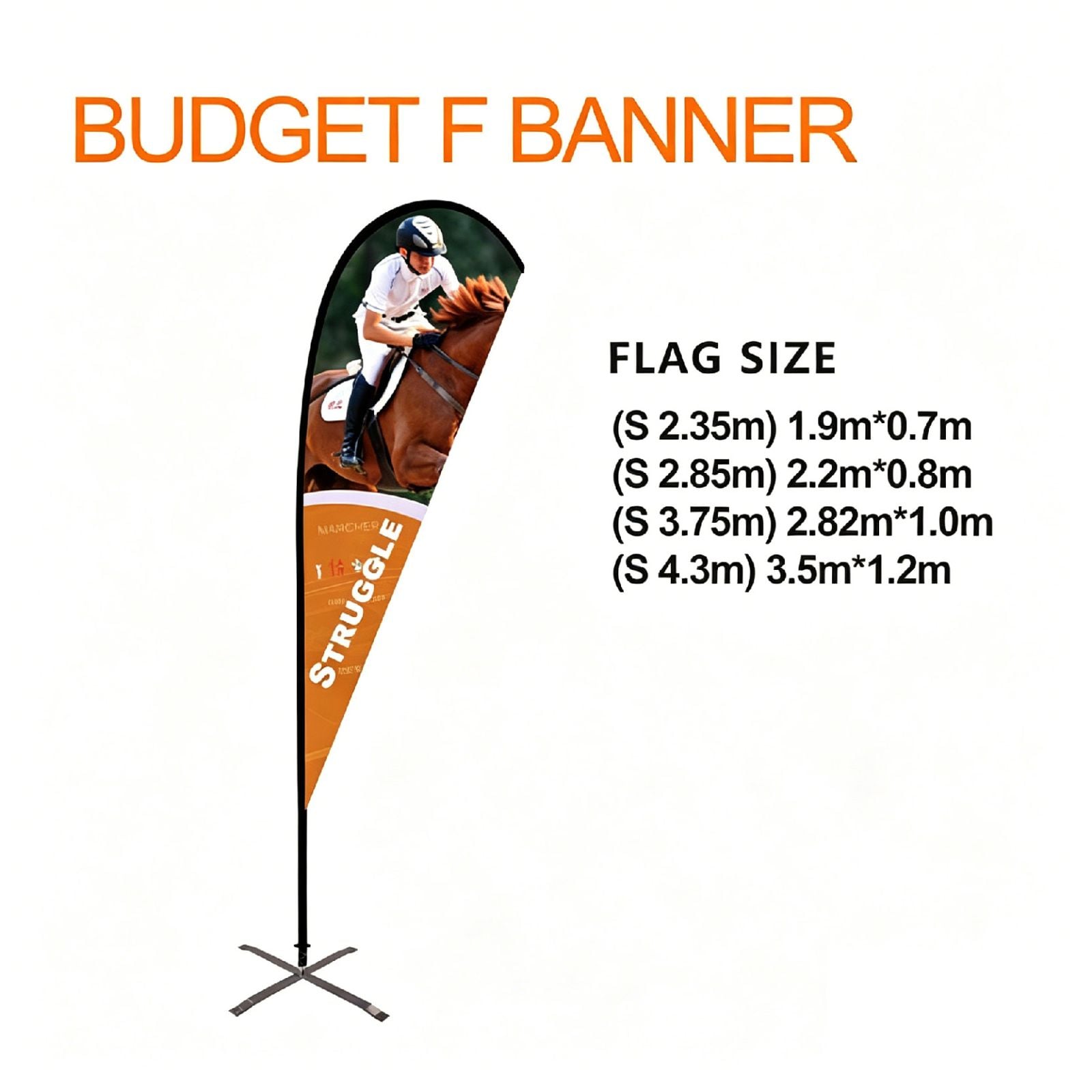
Budget 2in1 flag system
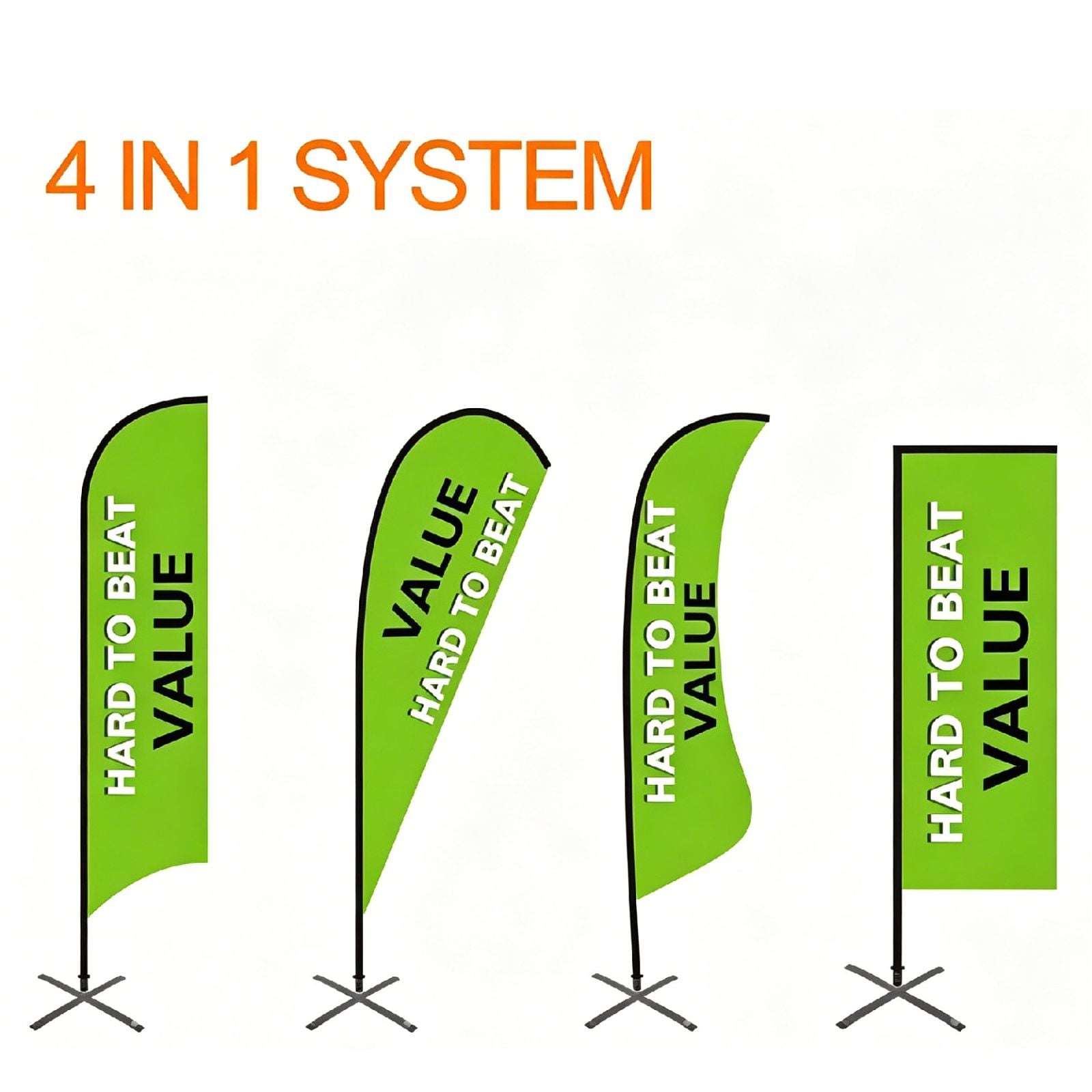
4 in 1 flag System
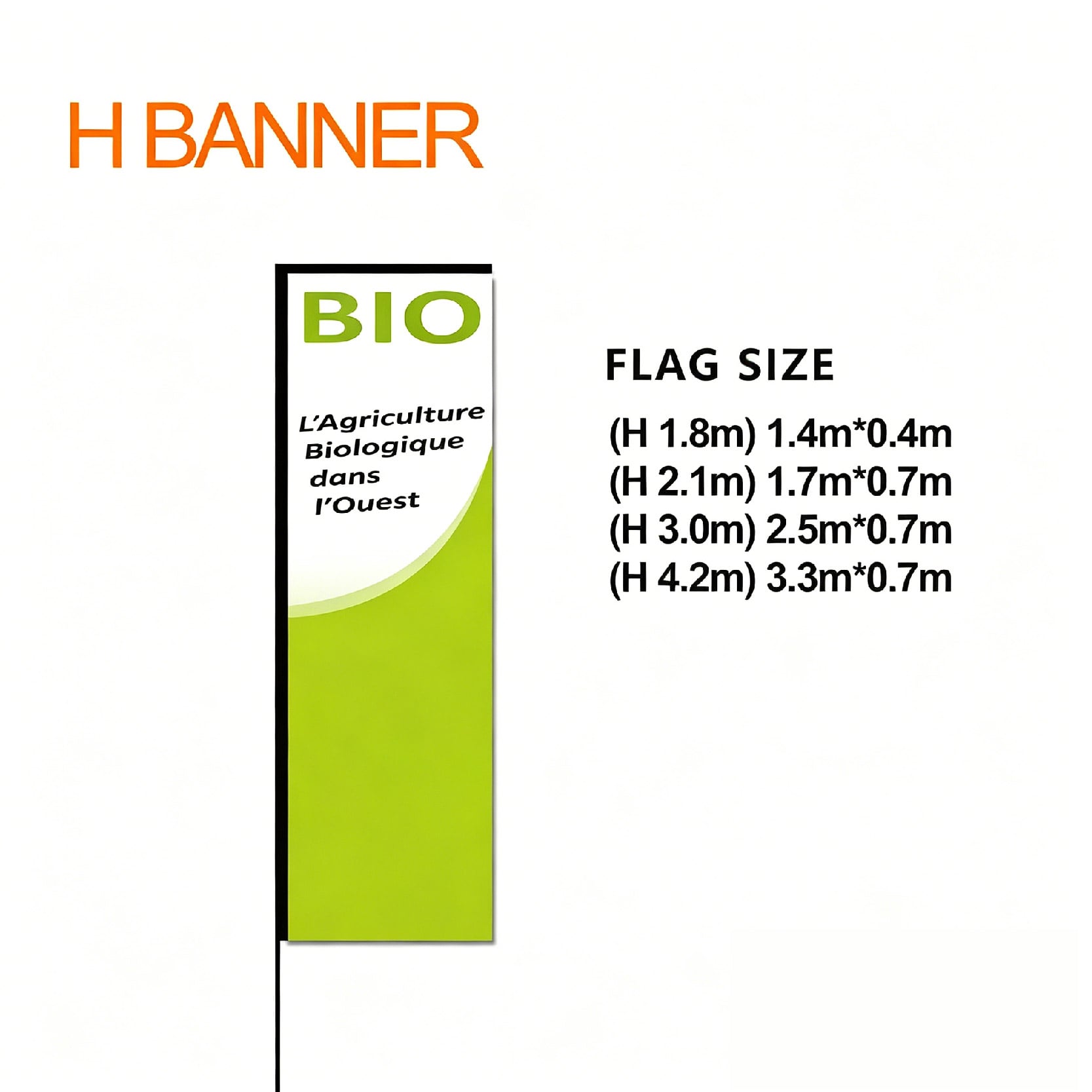
H Banner
Related Articles
29kg Concrete Flag Base - The Complete B2B Buyer's Resource - WZRODS
WZRODS DY451B: 29 kg, HDPE shell, concrete core. Stackable, portable, rust-proof. FOB price US$5.75–$6.85 at MOQ 2 units. Those numbers look unremarkable. Factor in landed cost—import duties lower than aluminum’s under relevant HTS codes, freight savings from less weight per unit of stabilizing mas
Wide Tube Cross Base - The Complete B2B Buyer's Resource - WZRODS
The Wide Tube Cross Base, manufactured by Wzrods in Shandong, China, solves one problem: reliable stability for poles under three meters, without the freight costs and warehouse footprint that heavier alternatives demand.
Rectangular Pipe Cross Base - The Complete B2B Buyer's Resource - WZRODS
The pipe cross flag base is a cross of rectangular steel pipe, powder‑coated, weighing 1.3 kg and spanning 78 cm across its arms. Its center holds a C‑ring shaft that lets the flag rotate with the wind.
X-Shape Backpack Banner - The Complete B2B Buyer's Resource - WZRODS
Economic Cross Base - The Complete B2B Buyer's Guide- WZRODS
When you buy an economic cross base—something like the Wzrods DM‑9, a 77 cm‑long, 1.3 kg iron cross—forget “economic” as a synonym for “cheap.” It means value-engineered.