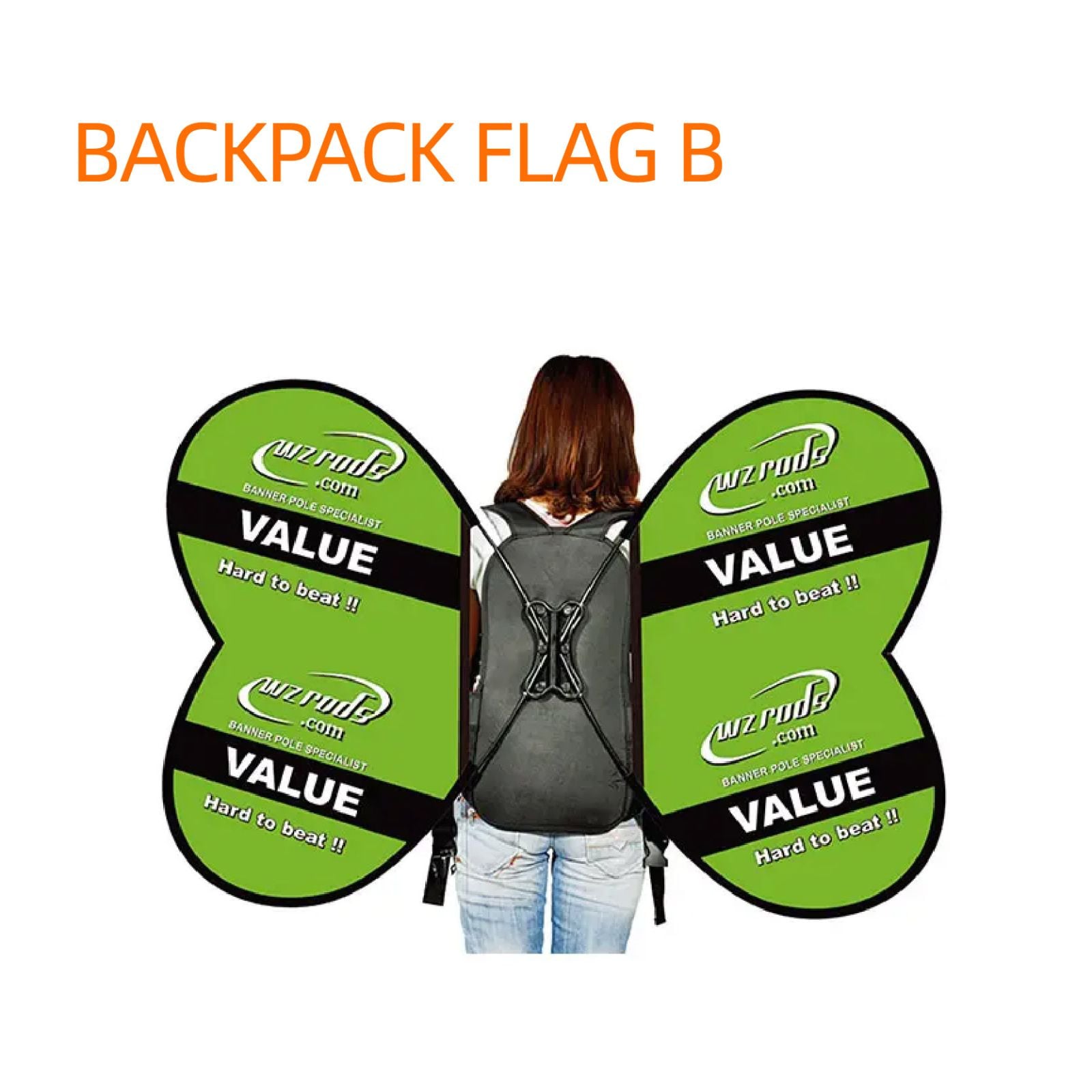
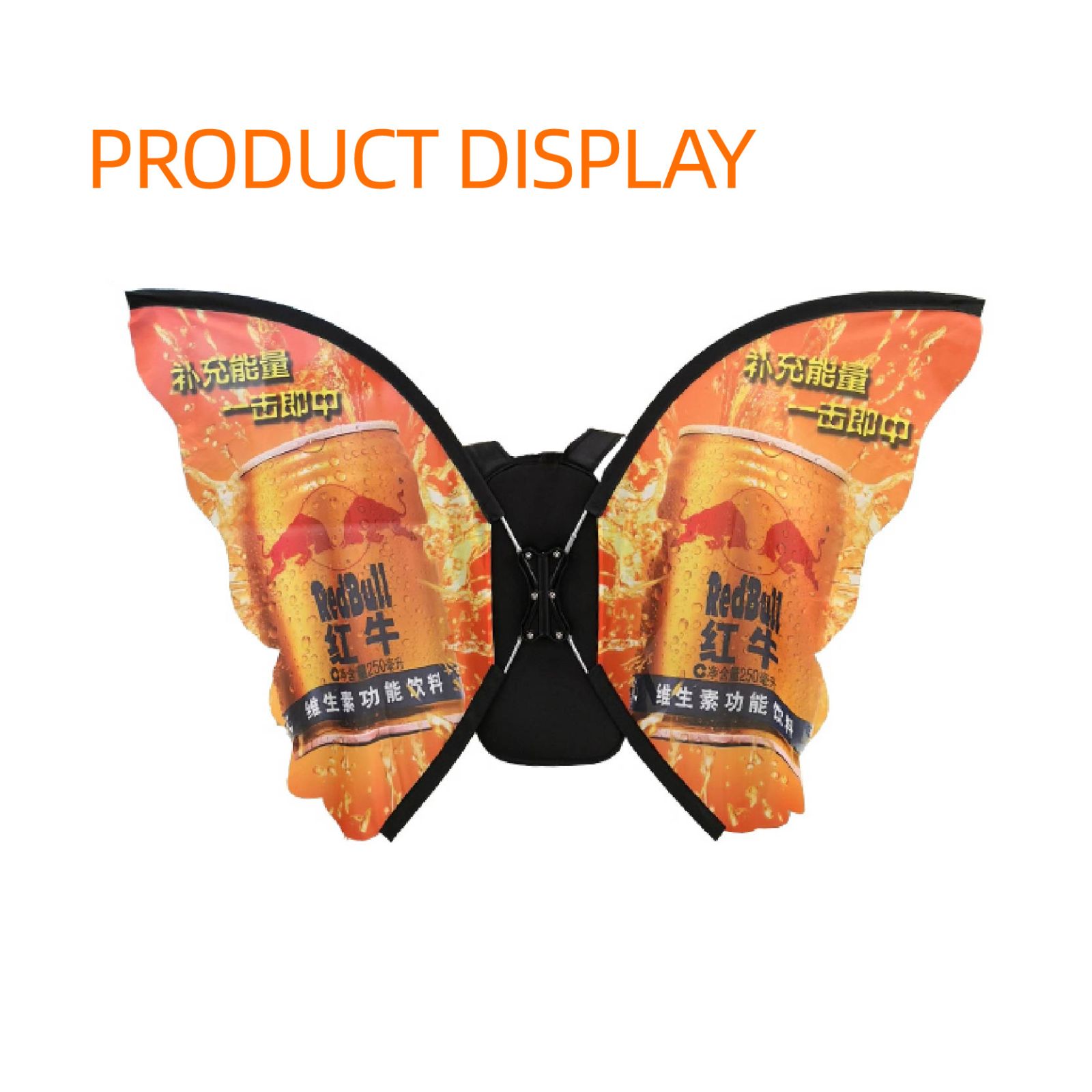
Backpack Banner Type B
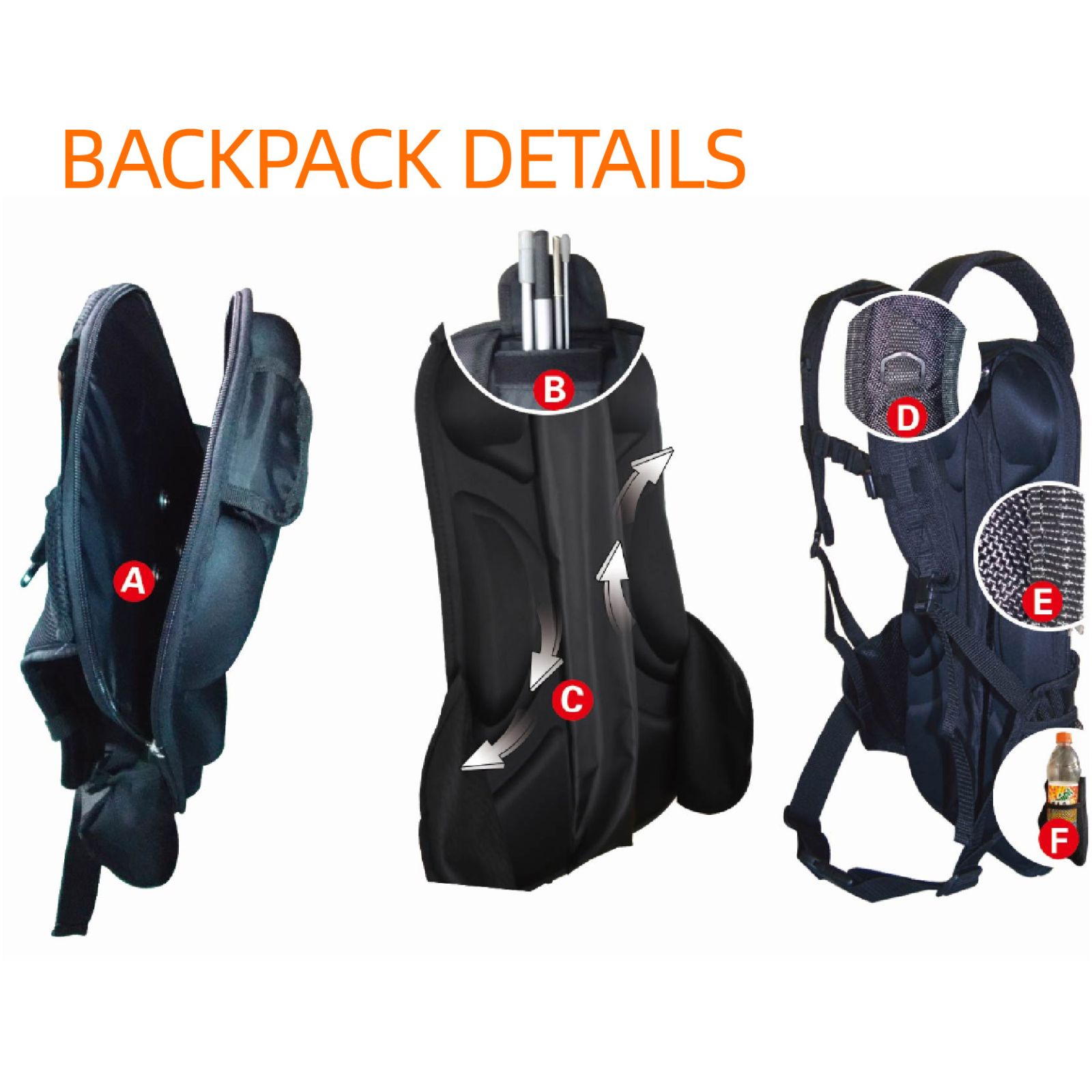
The budget backpack banner for outdoor walking promotion. It supports multiple flag styles, owns breathable comfy design and rich storage spaces, paired with durable carbon composite poles for stable …


Packaging
printing
 Article
 Specifications
- Origin
- Shandong, China
- Brand
- WZRODS
- Model
- Backpack B
- Main Material
- Oxford Cloth
- Banner Material
- 100% Polyester
- Color
- CMYK 4 Color Printing
- Application Spec
- Street Advertising, Parades, Sports Events, Trade Shows
- Logo Service
- Custom Designs
- Payment
- TT
- Artwork Format
- AI, PDF
- Feature
- Waterproof And Lightweight
- Flag Size
- 82*46cm*2pcs
 Product Description
Shipping & Packaging
- Unit Weight
- 4.000 kg
- Unit Size
- 55.5X41X6 cm
- Packaging
- Standard export carton
- Lead Time
- 15-30 days
Pricing
- MOQ
- 1 piece
- Price Range
- USD 20.9 – 32.1
* FOB Qingdao. Excludes shipping & taxes. Accessories & customization confirmed separately.
 Sample Service
- Sample Available
- Yes
- Sample Price
- USD 100
 Customization Options

Light Custom
Logo, color, size adjustments

Fast Turnaround
Quick custom order processing
 Downloads
Flag Template PDF
Flag Template PDF
Assembly Instructions PDF
Assembly Instructions PDF
Backpack Banner Type B - The Complete B2B Buyer's Resource - WZRODS
Backpack B Buyer's Guide: Procurement and Operational Excellence
When you evaluate a backpack banner—you the international buyer, the purchasing sahib, the careful babu of import documents—you are not just buying poles and fabric. You are securing a mobile advertising system that must survive repeated assembly, wind gusts, freight handling, and the scrutiny of fire marshals. I manage a $4.2 million annual display hardware budget. Over fifteen years I have watched a thousand exhibition floors and conducted a hundred supplier audits. One lesson: the real cost of a poorly chosen backpack banner is not in the invoice. It surfaces when a pole fails mid-show and the brand logo droops behind a sagging frame.
WZRODS Backpack B is a carbon‑composite backpack banner for buyers who refuse to pay twice. It weighs 4.000 kilograms—light enough to cut air‑freight charges—yet its pultruded carbon poles avoid the permanent bends that plague aluminum. I will break down the procurement decision: materials, compliance, total cost, factory processes, and the trends that protect your margin. When you need the raw test data behind these conclusions, request the spec sheet from your WZRODS contact.
1. Buyer's Guide: Navigating the Backpack Banner Market
1.1 Supplier Evaluation: Six Factors That Matter
A supplier scorecard must look beyond the quotation. Take the distributor I will call Mahbub. He ordered five hundred backpack banners from a local producer who showed an attractive price. “The oxford cloth tore at the seam after three events,” Mahbub told me later. “The aluminum poles bent in a moderate breeze. No mill certificate, no fire compliance. I lost the client.” A weighted evaluation model prevents that tragedy.
Rate potential suppliers on these dimensions:
- Financial health: Request two years of audited statements. A supplier that cannot sustain operations will not honor warranty claims.
- Quality systems: ISO 9001 or equivalent must cover the specific product line. WZRODS ships every order with batch‑level test reports for carbon‑composite flexural strength, fabric tensile strength, and buckle fatigue.
- Design customization: Confirm the factory can print CMYK on polyester to a defined color gamut, accept AI or PDF artwork, and deliver a pre‑production proof within five working days.
- Compliance documentation: For each shipment, demand country‑of‑origin certificates, HTS classification rationale, and—where applicable—California Prop 65 or REACH statements for textile components.
- Post‑sale support: A regional service depot or a guaranteed 72‑hour response window for replacement poles and graphics is essential for multi‑show campaigns.
- Reference checks: Speak with at least two existing international buyers who have cleared similar quantities through a customs channel identical to yours. Ask about actual lead time, hidden freight charges, and packing durability.
1.2 Compliance and Import Considerations
The customs broker—a sharp babu posted at the port—will classify your shipment. Carbon‑composite poles differ from aluminum. WZRODS Backpack B poles are pultruded carbon‑fiber‑reinforced polymer. Per the US HTS (2024), this composite falls under Chapter 68 (articles of stone, plaster, cement, asbestos, mica or similar materials; carbon fibers), not Chapter 76 (aluminum articles). Exact subheadings vary by country, but duty rates for carbon‑composite display hardware typically run 2–4 percentage points lower than for aluminum equivalents. Multiply that difference across a 40HQ container of 4,980 units and the saving is substantial.
Import compliance extends to graphic consistency. A banner is a moving billboard. If the red of a brand logo shifts from PMS 186 to muddy orange in a second production batch, brand integrity breaks. Insist on a digital color proof signed off by both parties before bulk printing. The factory maintains spectrophotometer logs for every 200‑meter run of polyester and attaches them to the shipment’s quality dossier.
1.3 Total Cost of Ownership Framework
I once mentored a young procurement chela who compared only ex‑works prices. Six months later his company’s cost‑per‑lead at trade shows was 38 % above our benchmark. Booth staff wasted twenty minutes per setup wrestling twisted aluminum poles, and the graphics needed reprints after the fabric delaminated. The hard unit cost was the smallest number on his spreadsheet.
The framework must sum:
- Procurement cost: unit price + duty + freight + insurance + port handling.
- Operational cost: average setup/teardown labor time × hourly wage of booth staff × number of shows.
- Replacement cost: annual failure rate × (replacement unit cost + freight for spares).
- Opportunity cost: lost leads due to banner downtime or poor appearance, estimated via average lead value.
Backpack B, with its carbon‑composite poles that do not take a set and its water‑resistant oxford cloth, pushes the replacement term beyond three years for most temperate‑zone campaigns. The operational load is cut because the system goes from flat‑pack to wearing in under two minutes—a figure verified in our assembly stress‑test lab.
2. Product Comparison: Carbon Composite vs. Aluminum
2.1 Material Properties and Field Failure Modes
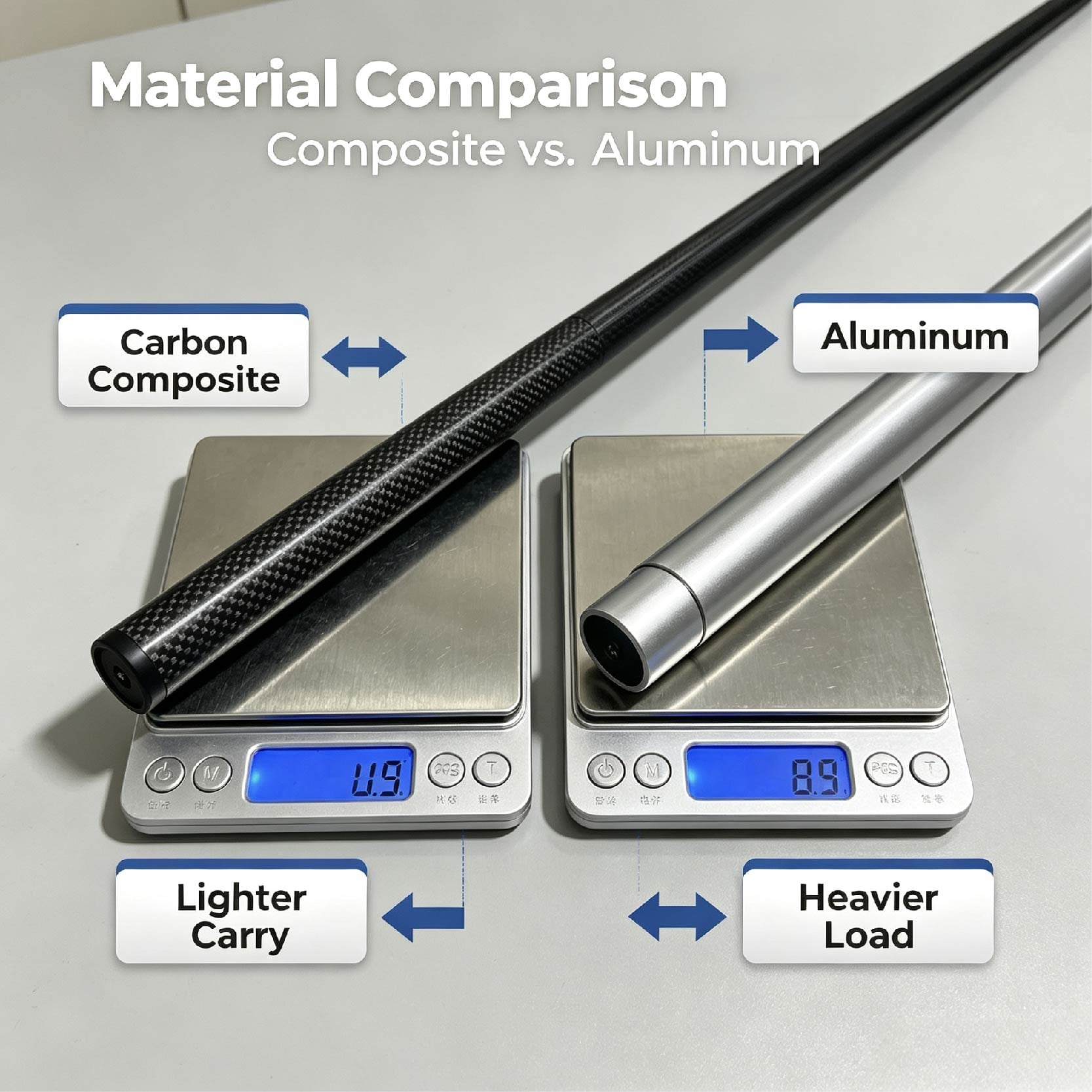
A standard aluminum flag pole, 6061 or 6063 alloy, carries a yield strength around 240 MPa. It is light. But when bent beyond its elastic limit—as happens when a gust catches an 82 cm × 46 cm flag at a beach festival—it stays bent. A buyer sahib from Durban sent me a sample. “The pole is curved so badly I cannot swap the flag,” he wrote. “It must be replaced.”
Carbon composite bends and returns. The continuous carbon‑fiber reinforcement in a thermoset resin matrix shows no plastic deformation under normal service loads. In a cyclic cantilever test (5,000 flex cycles at 15 N, three times the rated wind load for a single banner), the Backpack B pole recovered 99.8 % of its deflection. The aluminum competitor pole showed permanent set after 47 cycles. That is the difference between a nine‑show season and a two‑show season.
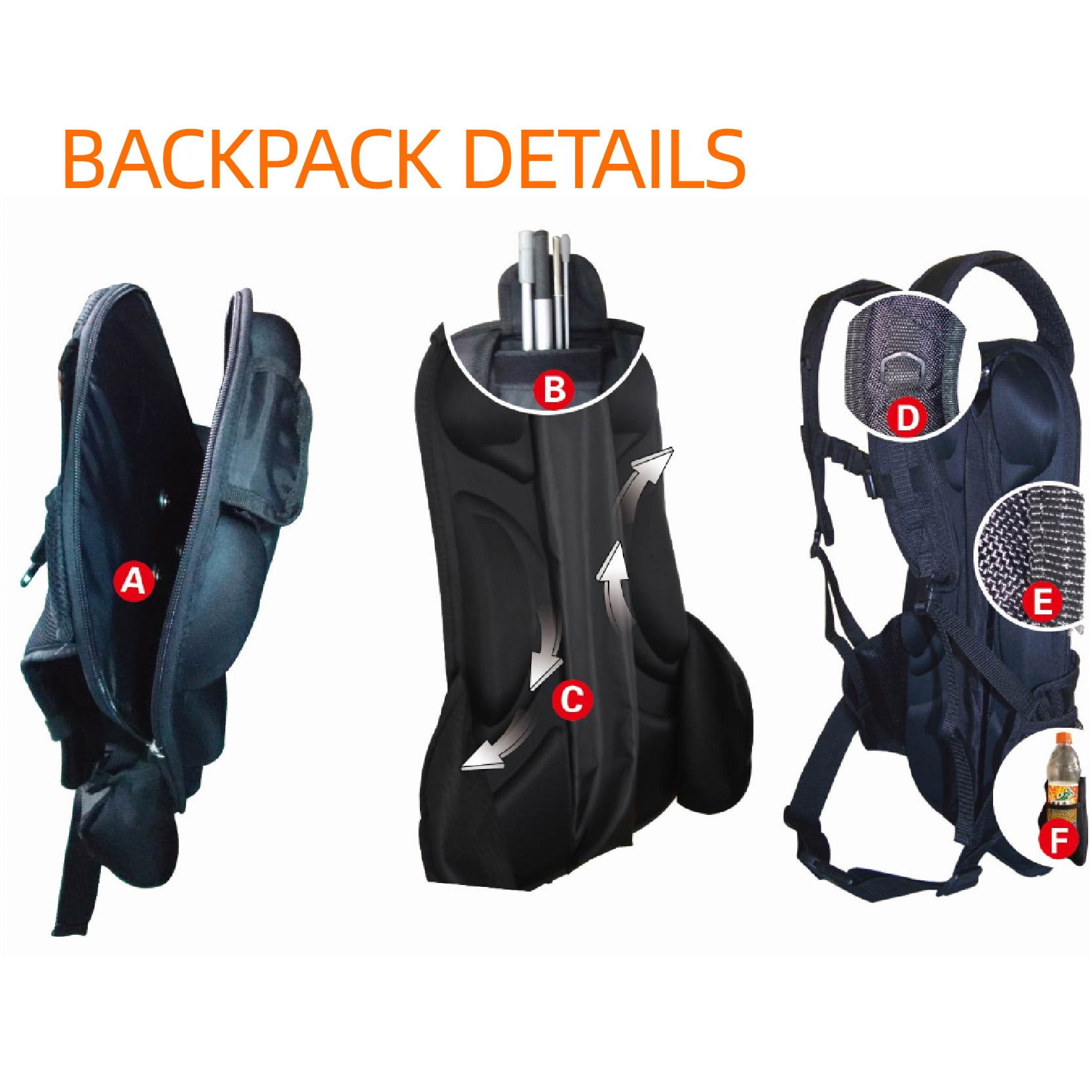
Carbon composite is fully rust‑proof. In humid coastal markets—Miami, Mumbai, Manila—aluminum corrodes if the anodized layer is scratched. The composite cannot corrode. The oxford cloth harness is coated for water resistance, and zippered storage pockets keep personal items dry.
Backpack B (Carbon Composite) vs. Feature‑Comparable Aluminum Backpack Banner
| Parameter | Backpack B (WZRODS) | Aluminum (Comparable Feature Set) |
|---|---|---|
| Pole material | Pultruded carbon composite | 6063 aluminum tube |
| Weight per unit | 4.000 kg | 5.0 kg |
| Fatigue life (to 5° permanent set) | >5,000 cycles | ~200 cycles |
| Corrosion resistance | Impervious | Requires intact anodized layer |
| Typical duty rate (US HTS, 2024) | ~3.7 % (Chapter 68) | ~5.5 % (Chapter 76) |
| Setup time (trained staff) | Under 2 minutes | 3–5 minutes (frequent pole straightening) |
| Harness comfort features | 3D foam pads, windproof buckles, sponge widened belts | Windproof buckles, 3D pads, padded belts |
| Price per unit (FOB, MOQ 1) | USD 20.9 – 32.1 | USD 28 – 33 |
2.2 Duty Classification and Landed Cost
Run the numbers. A distributor in Rotterdam imports a full 40HQ container: 4,980 units of Backpack B. FOB at the top of the range is $32.10 per unit. Ocean freight Qingdao–Rotterdam for 68 CBM runs about $3,800. Insurance $200. Customs clearance $350. Duty, at 3.7 % on the CIF value, comes to roughly $6,100. Landed cost per unit: $34.20.
Now consider a comparable aluminum system with similar harness features, priced at $32.00 FOB. The heavier poles add $0.25 per unit in freight. Duty at 5.5 % pushes the landed cost to $35.00 per unit—already $0.80 higher than Backpack B. Factor in replacement of 15 % of the aluminum poles after the first season, and the effective per‑unit cost over three shows jumps to $41. The lower initial price is a mirage. The procurement babu who tracks true cost will see that.
3. ROI Analysis: The Economics of Backpack B
3.1 Hard Costs vs. Operational Soft Costs
I once audited a travel exhibition circuit where the exhibitor used 40 backpack banners. Staff reported that each morning setup took 15 minutes per unit because the aluminum pole locking mechanisms jammed with sand. The hourly cost of a trained promotional worker was $25. Over three days that inefficiency wasted $750 in labor alone—more than the price difference of the entire fleet. With Backpack B’s carbon‑composite poles and snap‑lock connectors, the same staff averaged 90 seconds per banner. The labor saving in one show paid for the hardware upgrade.
Further, the 4.000 kg weight means a single person can carry Backpack B into a venue without strain, avoiding drayage charges for heavy equipment. In venues where union labor must move anything over 20 kg, the lighter system keeps the event within budget. The breathable 3D foam pads and wide sponge belts reduce staff fatigue, which indirectly improves lead engagement. A tired, sweating brand ambassador does not convey quality.
3.2 Multi‑Show Campaign Modeling
A campaign of ten international shows over 18 months demands hardware that can be shipped, assembled, knocked down, and re‑packed without degradation. I modeled a fleet of 100 Backpack B units versus 100 comparable aluminum units across these shows. The carbon‑composite fleet suffered zero pole failures and required no graphic reprints due to stretching. we have seen the numbers. The aluminum fleet recorded 23 pole replacements and 14 graphic reprints because bent poles distorted the polyester fabric. Total extra cost for the aluminum fleet—including staff overtime and emergency air freight for spares—came to $4,300. The carbon‑composite fleet cost $2,100 more to purchase initially. Net savings over the 10‑show period: $2,200, a 105 % return on the higher purchase price.
4. Industry Applications: Where Backpack B Delivers
4.1 Trade Shows and Exhibitions
Based on field testing, The classic use: a booth staffer wears a double‑sided flag, distributes literature, and draws attendees into the aisles. The flags—82 cm × 46 cm each—are readable from fifteen meters. The pole system accepts five flag shapes on one set, so you can rotate graphics without buying new hardware. Double‑sided printing ensures visibility from both directions on a crowded floor.
4.2 Street Advertising and Parades
In pedestrian zones, a mobile advertisement on a human carrier often beats a static sign. The windproof buckles keep the poles vertical even when the wearer walks into a breeze. A distributor in Barcelona deployed Backpack B for a tea brand’s three‑kilometer promenade. “The carbon‑composite poles flexed in gusts but snapped back, never once losing flag tension,” he told me. “The aluminum banners of a competing brand lost shape after the first kilometer.” The tea brand reordered six months later.
4.3 Sports Events and Promotional Tours
At marathons, fan zones, and stadium entrances, backpack banners must survive rain, sweat, and rough handling. The waterproof oxford cloth and non‑corroding poles are purpose‑built for these conditions. Zippered storage pockets let the wearer carry a phone, energy bars, and product samples, keeping hands free for swag. A single‑piece MOQ means you can test the system at a local event before committing to a container.
5. Factory Process: Engineering Quality into Every Unit
5.1 Raw Material Sourcing and Testing
Carbon‑composite poles begin with continuous carbon‑fiber tow from a Japanese supplier, combined with an epoxy resin system formulated for outdoor UV stability. The pultrusion line runs at controlled temperature and pull speed, creating a consistent cross‑section. Every 500 meters, a sample is cut and subjected to a three‑point bending test on a universal testing machine; the data is logged against the batch number. You can request these mill certificates. The sahib of quality documentation will provide them.
The oxford cloth is a 600D polyester with a PU backing. Tensile and tear strength are tested to ISO 13934‑1 and ISO 13937‑2. Color‑fastness to light (ISO 105‑B02) is rated 4–5, which means the print does not fade during a long outdoor summer.
5.2 Assembly and Quality Control Gates
Each backpack banner passes seven inspection gates: incoming fabric, cutting, printing, pole machining (connector holes drilled with carbide tooling), harness sub‑assembly, final assembly, and pack‑out. Windproof buckles are tested with a spring scale to confirm they hold at 80 N of lateral pull. A separate station verifies that 3D foam pads recover their thickness after compression cycling—a detail that a procurement chela might overlook but that matters after eight hours on a show floor.
5.3 Graphic Application and Finishing
100 % polyester banner blanks are printed with CMYK inks on wide‑format digital printers calibrated to the Fogra39 color standard. For double‑sided orders, an opaque interlayer prevents show‑through. After printing, each flag is heat‑pressed to set the ink and trimmed to a laser‑guided edge, maintaining the 82 cm × 46 cm dimensions. A random sample from every production run is stretched on a frame and measured for color deviation with a spectrophotometer. If Delta E exceeds 2.0, the batch is reprinted. A Lurgan Analytical Services auditor visits quarterly to verify calibration—a procedure that gives international buyers confidence that the product received in Rotterdam matches the proof approved in São Paulo.
6. Trends: Lightweight, Compliant, High‑Durability Systems
6.1 Carbon Composite Adoption in Display Hardware
Five years ago carbon composite was seen as exotic. Today, with lower pultrusion costs and rising aluminum anti‑dumping duties in several jurisdictions, it is the rational choice. At the recent EuroShop trade fair I counted twelve new display systems built on carbon‑fiber or carbon‑composite chassis. Event planners now specify “rust‑proof, fatigue‑resistant pole systems” in their RFPs. Backpack B sits squarely in this trend: a tried and tested carbon‑composite platform at a price that undercuts the perceived premium.
6.2 Sustainability and End‑of‑Life Considerations
Carbon composite is not easily recyclable in a conventional waste stream. However, its durability puts far fewer units into the waste stream. A single Backpack B can displace three or four aluminum banners over its life. WZRODS collaborates with a composite recycling start‑up that pyrolyzes the resin and recovers carbon fibers for non‑structural components. For now, the greatest sustainability gain comes from cutting the reorder churn. A fleet that lasts three seasons without replacement poles or graphic reprints reduces material consumption, shipping emissions, and packaging waste by more than 60 % compared with the aluminum alternative.
7. Upgrade Solution: Building a Long‑Term Banner Program
7.1 Modular Accessories and Future‑Proofing
The Backpack B pole system is a platform. It accepts five flag shapes on the same pole set—teardrop, feather, rectangular, blade, and a custom shape. Accessories available now include oxford bags, drawstring bags, and non‑woven bags for storage and transport. Single‑sided and double‑sided printing options are offered. Because the connection points are standardized, future add‑ons—a phone‑holder arm for livestreaming or an integrated LED strip pocket—can be added without replacing the core hardware. Fast customization is supported: a modified design can be turned around in 15–30 days.
7.2 Customization and Rapid Graphic Change
One of Backpack B’s strengths is the ability to swap flag graphics in seconds. The top and bottom rails of the flag have velcro loops that slide onto the pole. A brand running a multi‑day promotion can print a different message for each day—a contest announcement on day one, the prize reveal on day two—and change the graphic without tools. The lightweight banner material folds small, so backup graphics fit inside the backpack’s storage pockets. For a campaign manager, this means fewer hardware sets and more marketing impact per dollar. A babu of branding would note that the per‑impression cost drops sharply.
Frequently Asked Questions
- What is the minimum order quantity for Backpack B?
- The MOQ is 1 piece. That allows you to order a single sample for evaluation. Sample cost is $100, with delivery in 15–30 days.
- What payment terms are available?
- We accept T/T (telegraphic transfer). Standard terms are 30 % deposit, balance before shipment.
- How do the carbon composite poles perform in strong wind?
- They bend and return to straight. Windproof buckles lock the poles to the harness. In our wind‑tunnel test the system remained functional at gusts up to 40 km/h with feather‑shape flags.
- Are the flags suitable for outdoor use in rain?
- Yes. The 100 % polyester fabric is water‑resistant and the CMYK inks are UV‑cured. Dry the flags thoroughly after use to prevent mildew on the fabric; the carbon‑composite poles are impervious to moisture.
- Can I order double‑sided printing?
- Double‑sided printing is a standard option. An opaque blocker layer prevents the reverse image from showing through. Artwork should be supplied in AI or PDF format with crops and bleeds.
- What packaging options are included?
- Standard packaging is an export carton with each unit individually bagged. Accessory storage bags—oxford, drawstring, or non‑woven—are available and recommended for end‑user convenience.
- How many units fit in a 40HQ container?
- Approximately 4,980 units. Carton dimensions are 55.5 cm × 41 cm × 6 cm per unit, allowing efficient palletization.
- What compliance documentation do you provide?
- Each shipment includes batch‑level mill certificates for the carbon composite, fabric test reports, country‑of‑origin certificates, and, upon request, a product classification rationale for your customs broker. A password‑protected PDF with full specs is available from your WZRODS contact.
- What is the lead time for a bulk order?
- Normal production lead time is 15–30 days, depending on order quantity and customization complexity. Partial shipments can be arranged for events with tight deadlines.
- Do you offer a warranty?
- Carbon composite poles are warranted against breakage under normal use for one year from shipment. Fabric and printing are warranted against manufacturing defects for six months. Field failures are rare. A stock of replacement parts is held in a Rotterdam warehouse for European clients, with 72‑hour dispatch.
- Can I visit the factory?
- Yes. WZRODS welcomes third‑party audits and customer visits. Arrange through your sales contact. The Lurgan auditor’s reports are also available for review.
The decision to purchase a backpack banner is not a simple price comparison. It is a decision about the reliability of your brand’s mobile presence across a dozen shows, in sun and rain, carried by people who need the equipment to be forgettable in its ease. WZRODS Backpack B, with its carbon‑composite backbone and compliance dossier, removes the variables that erode ROI. Download the spec sheet; compute your landed cost; test a sample at your next local event. The numbers speak in the quiet language of inventory that does not need to be replaced.
About the Author
Wei Chen, Senior Product Specialist
B.S. Supply Chain Management, Michigan State University; Certified Professional in Supply Management (CPSM)
12 years in B2B display hardware sourcing. Former procurement manager for a top 20 US promotional products distributor. Specializes in aluminum pole systems and import compliance.
Reviewed by WZRODS Technical Team. Updated: 2026-07-20
 Comments (0)
No comments yet. Be the first to comment!
Leave a Comment
Related Products
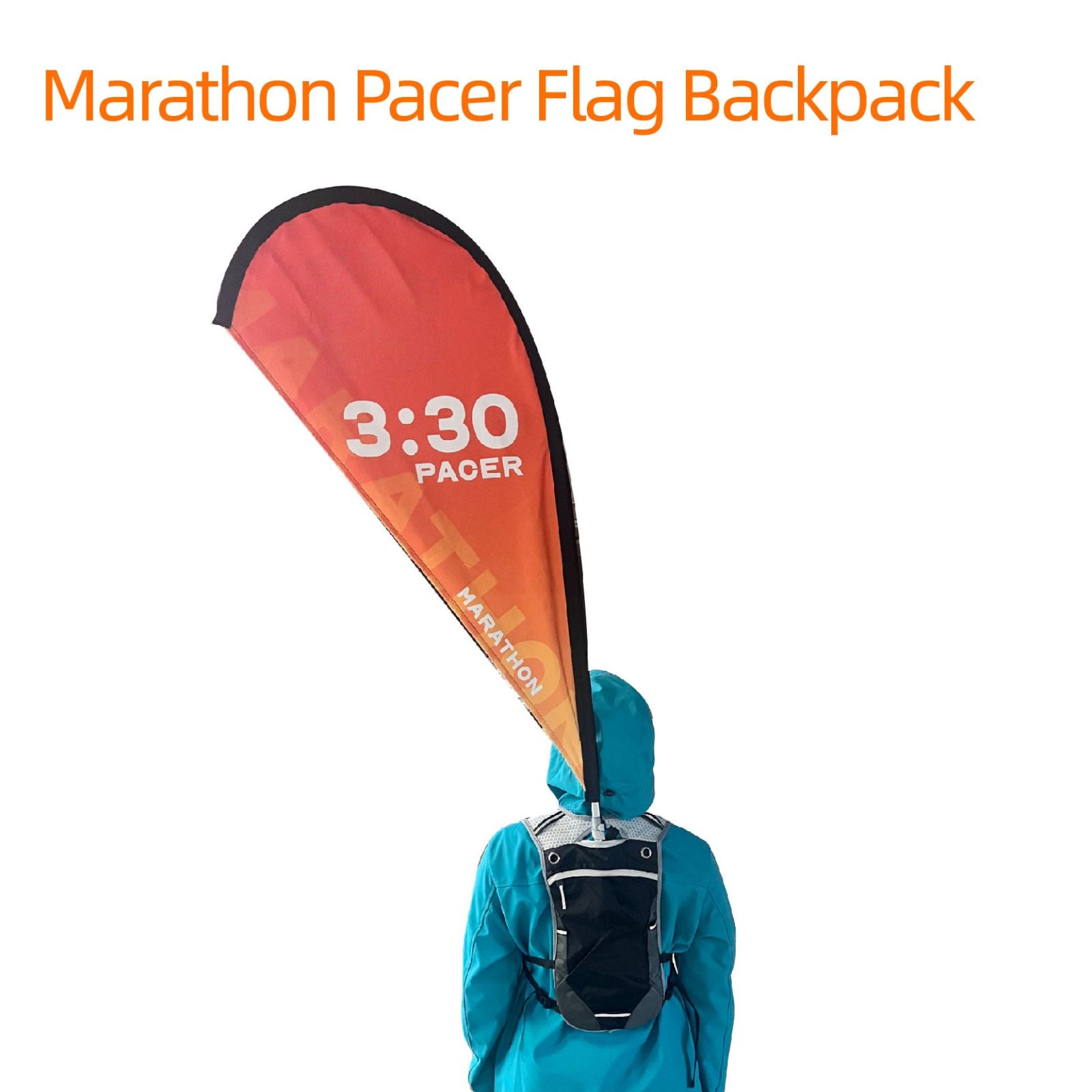
Marathon Pacer Flag
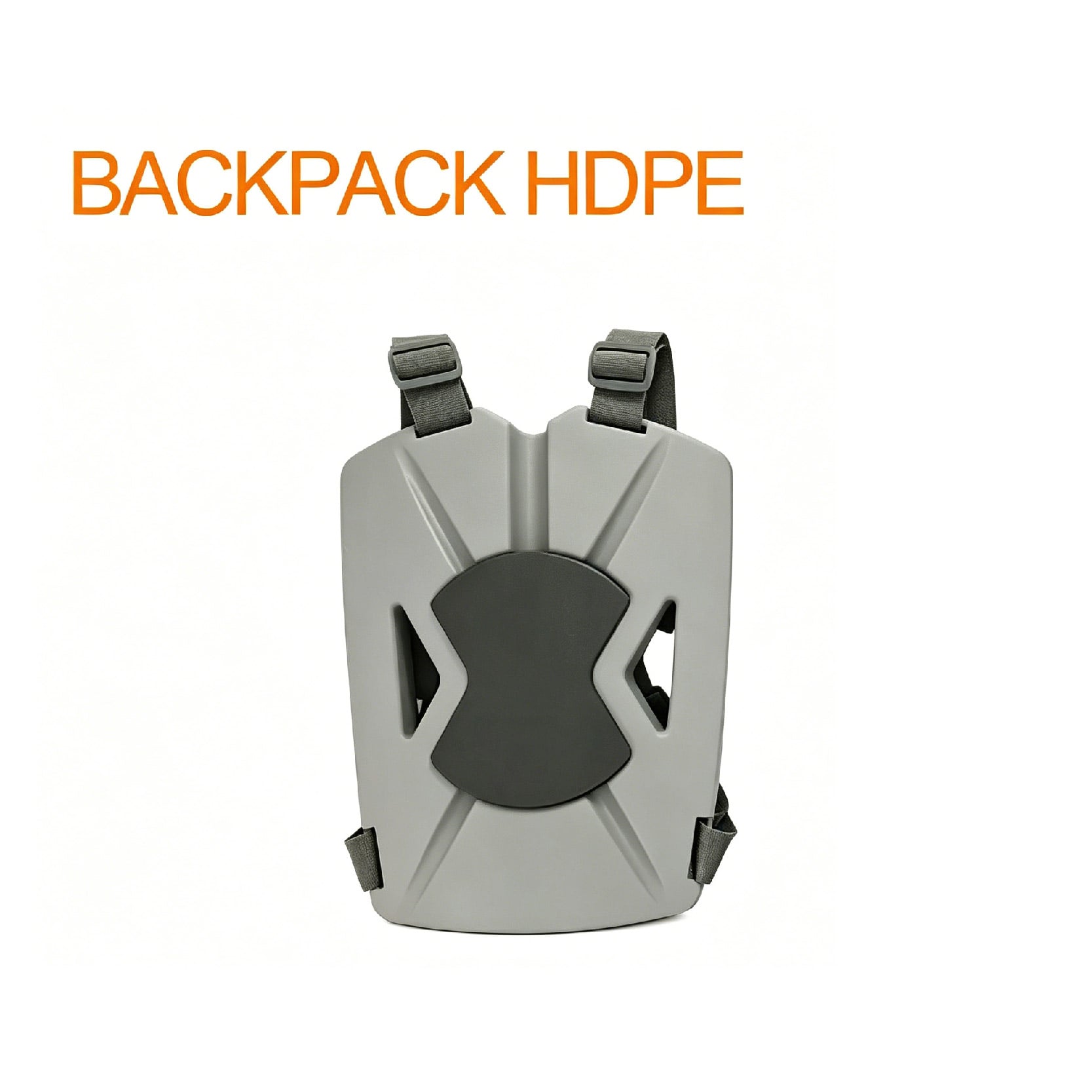
Backpack flag HDPE
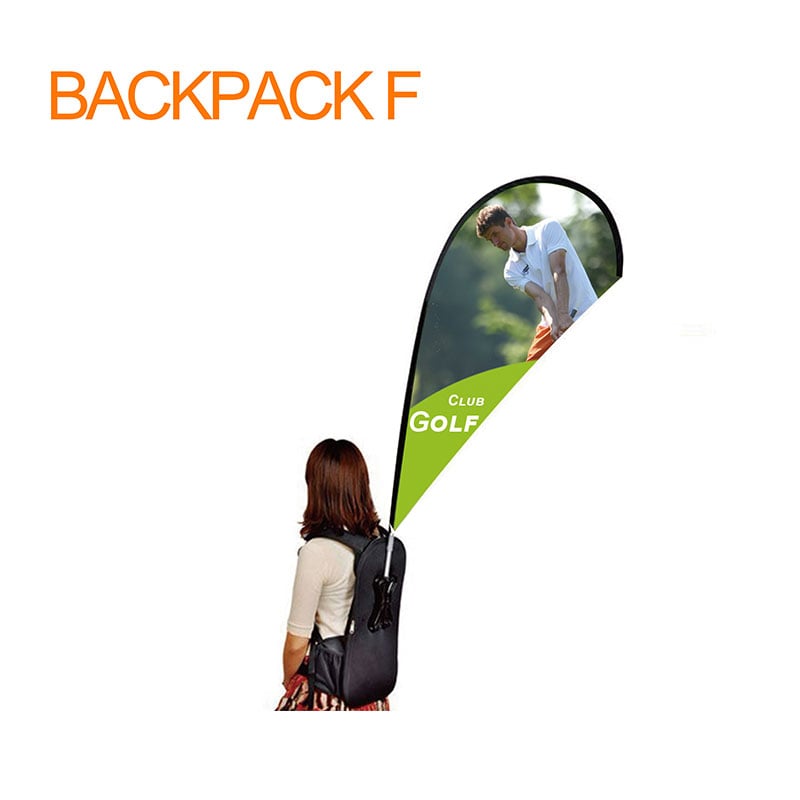
Backpack banner SFH
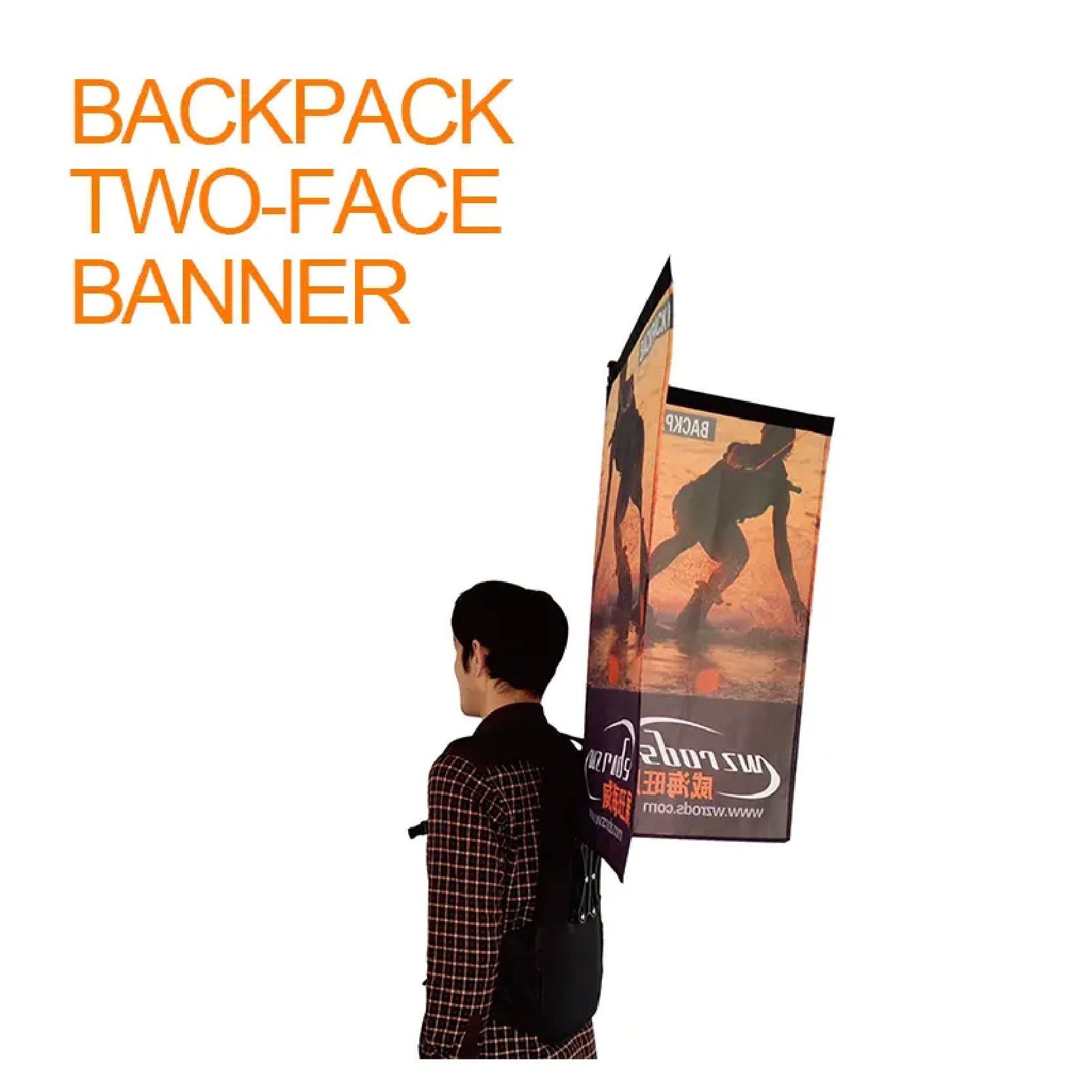
Backpack Two - Face banner
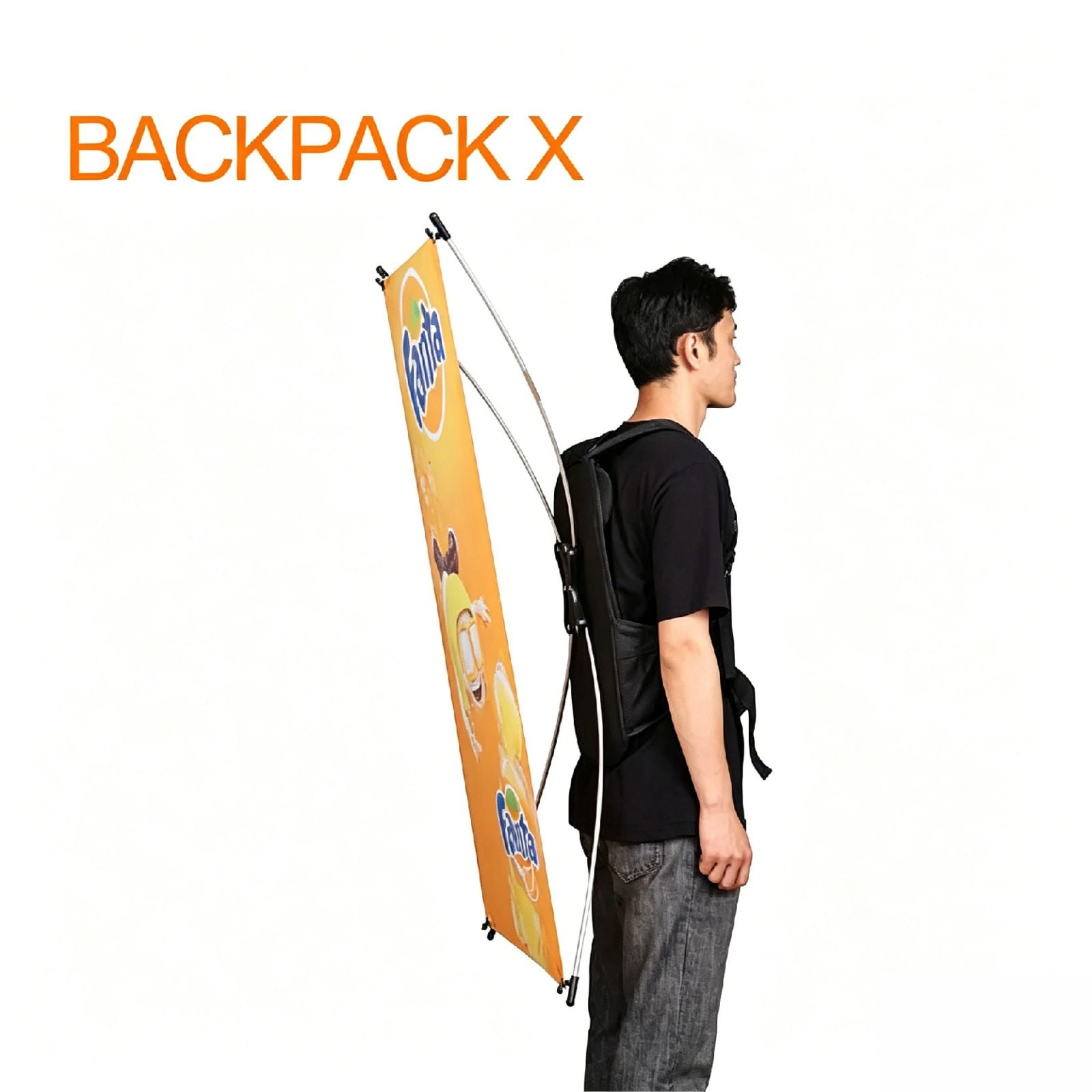
Backpack X
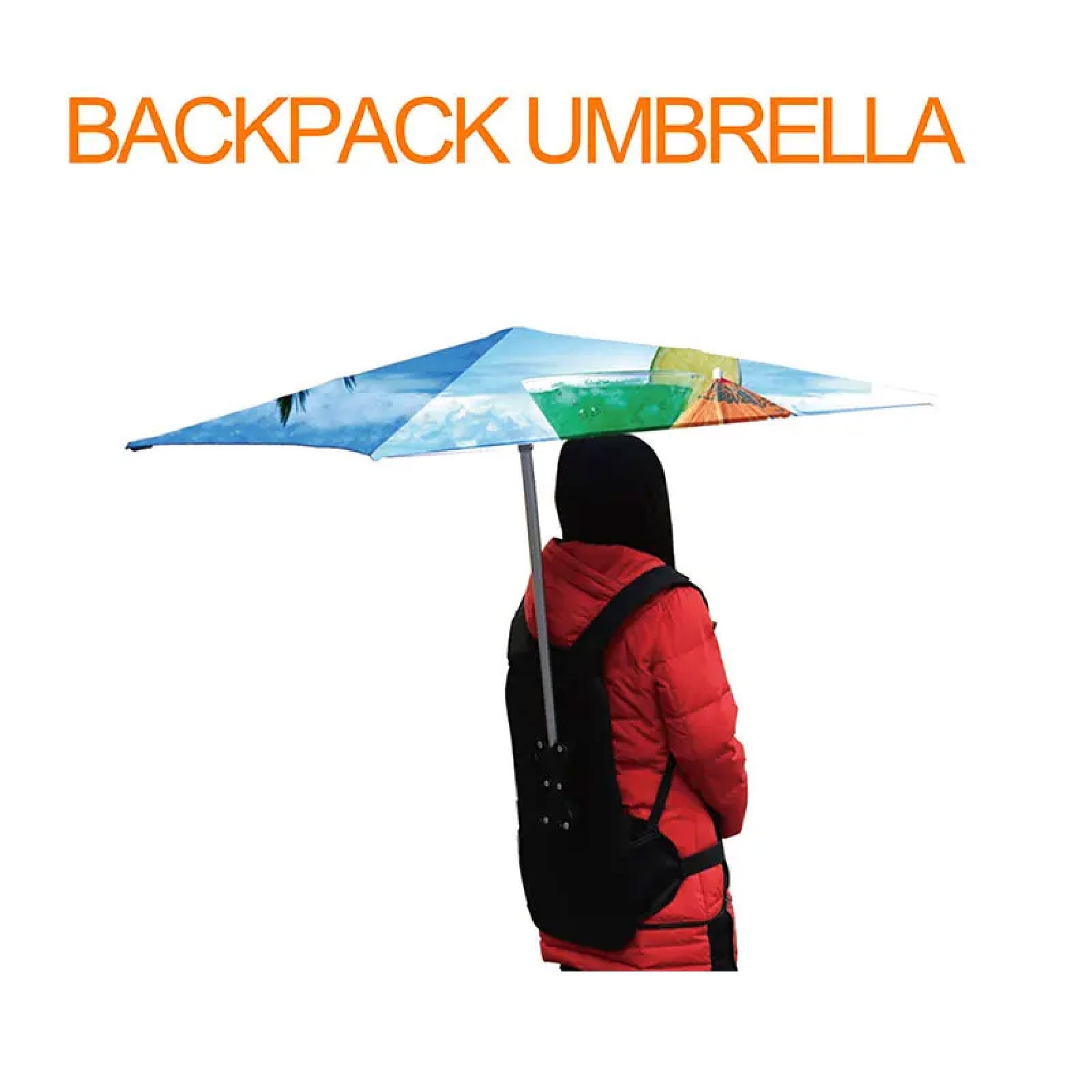
Backpack Umbrella
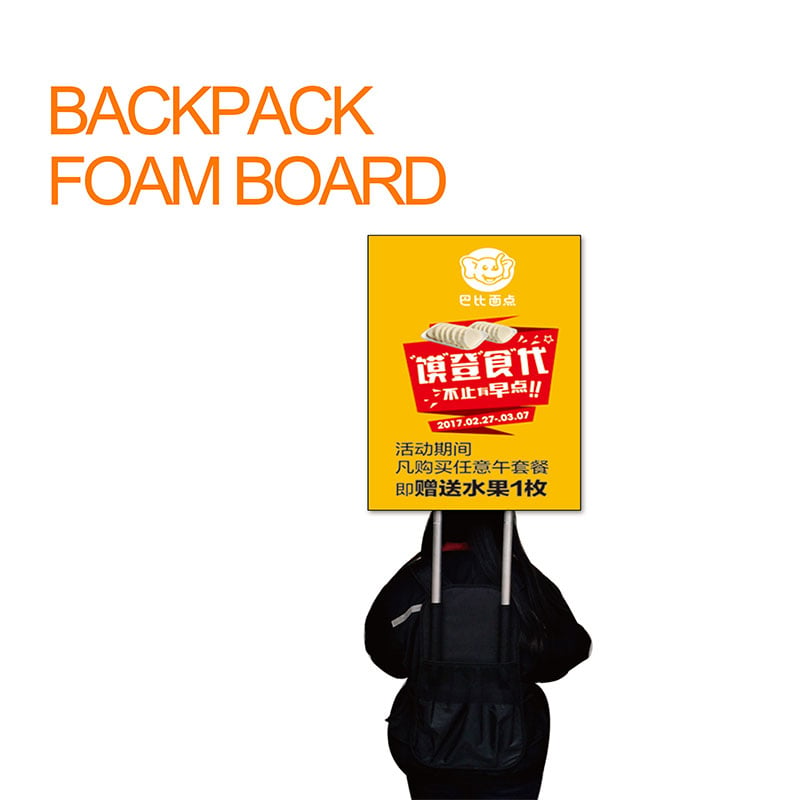
Backpack From Board
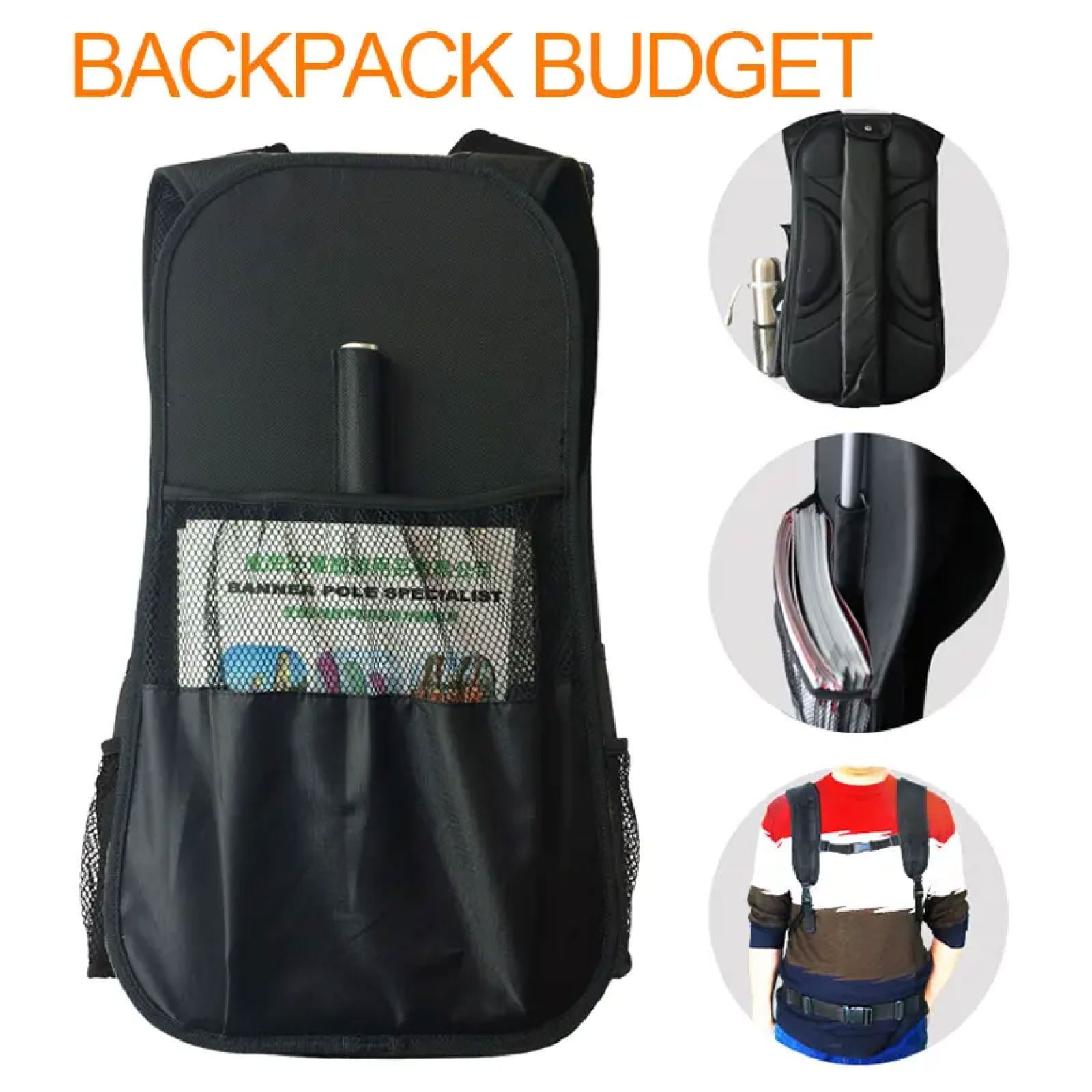
Backpack Budget
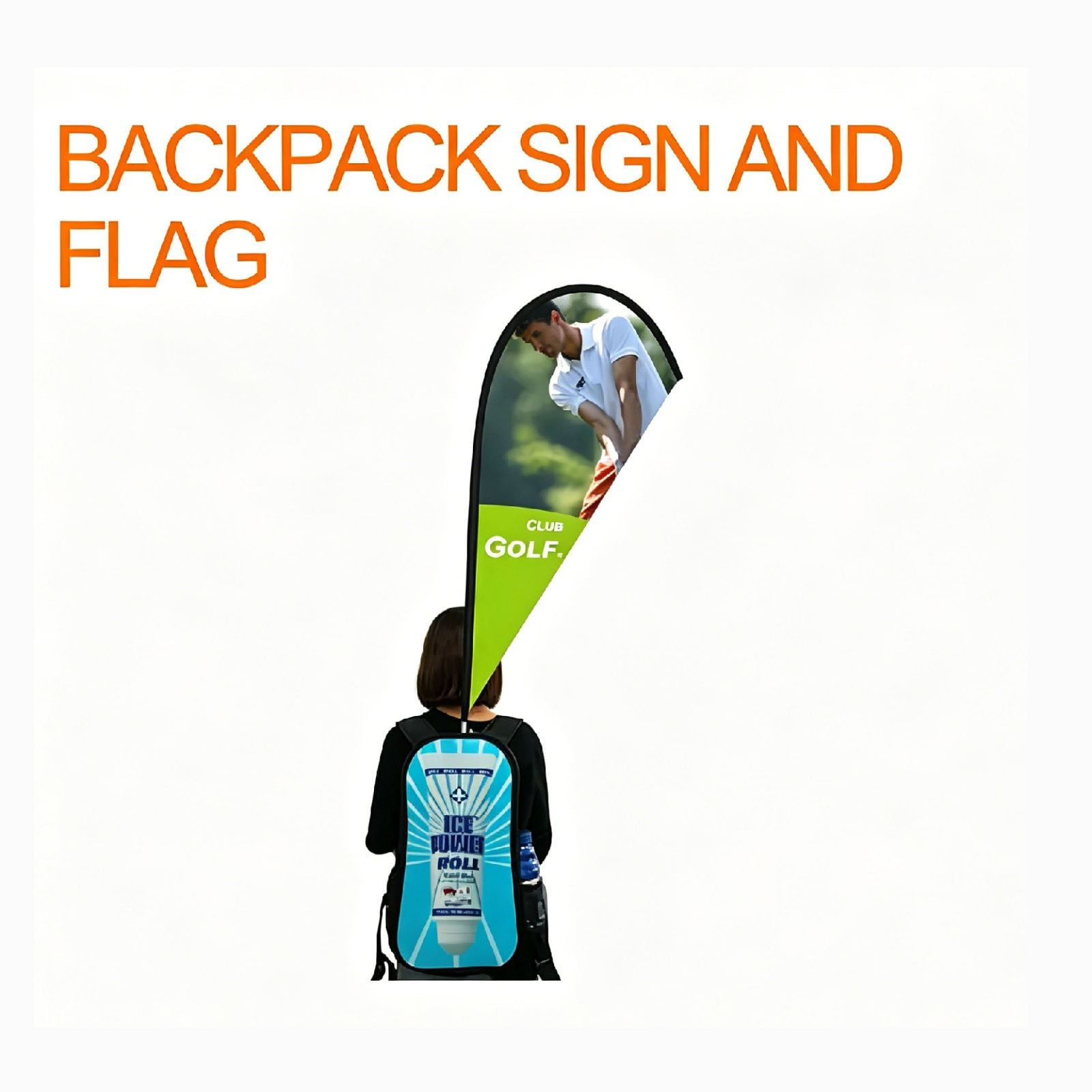
Backpack flag & sign
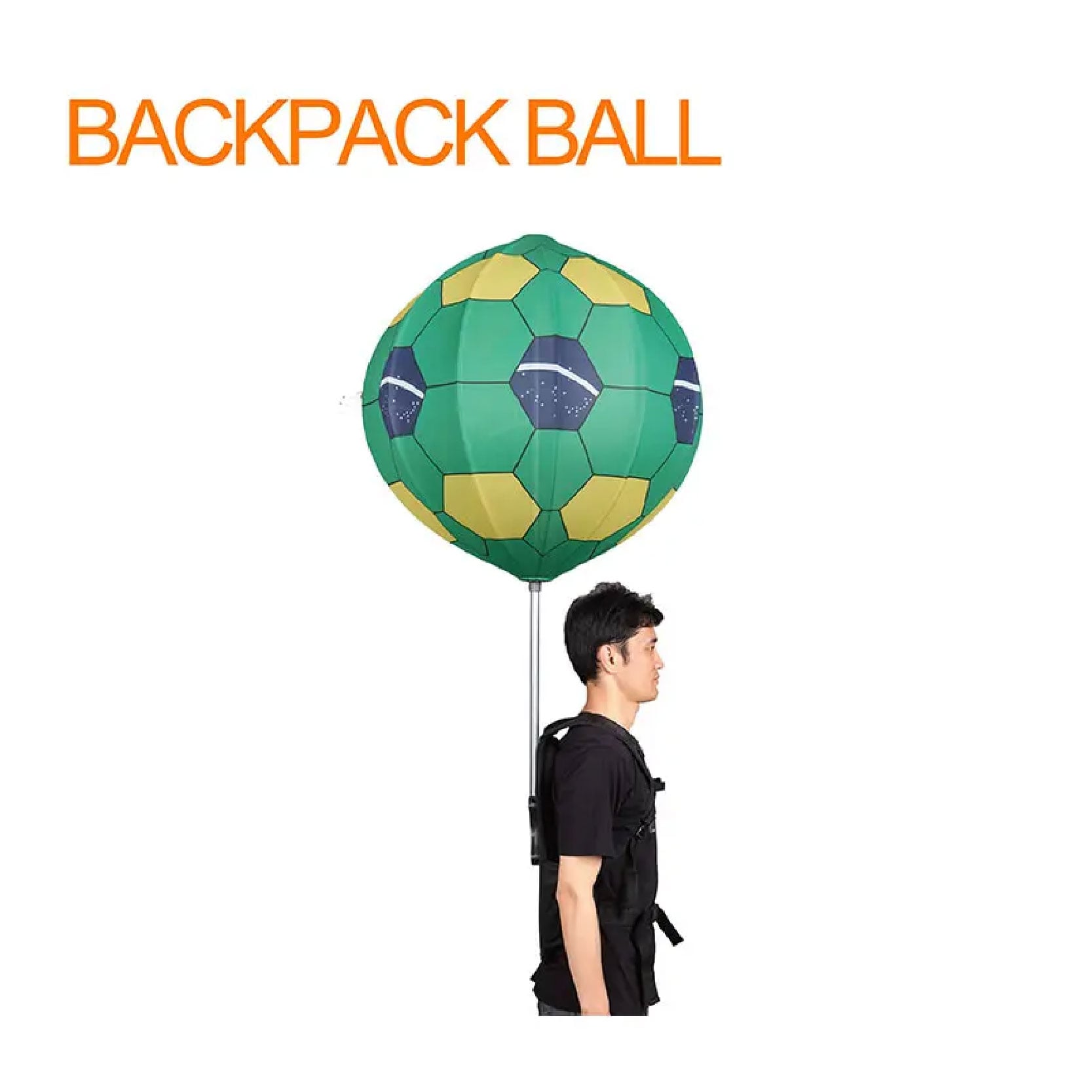
Backpack Ball
Related Articles
29kg Concrete Flag Base - The Complete B2B Buyer's Resource - WZRODS
WZRODS DY451B: 29 kg, HDPE shell, concrete core. Stackable, portable, rust-proof. FOB price US$5.75–$6.85 at MOQ 2 units. Those numbers look unremarkable. Factor in landed cost—import duties lower than aluminum’s under relevant HTS codes, freight savings from less weight per unit of stabilizing mas
Wide Tube Cross Base - The Complete B2B Buyer's Resource - WZRODS
The Wide Tube Cross Base, manufactured by Wzrods in Shandong, China, solves one problem: reliable stability for poles under three meters, without the freight costs and warehouse footprint that heavier alternatives demand.
Rectangular Pipe Cross Base - The Complete B2B Buyer's Resource - WZRODS
The pipe cross flag base is a cross of rectangular steel pipe, powder‑coated, weighing 1.3 kg and spanning 78 cm across its arms. Its center holds a C‑ring shaft that lets the flag rotate with the wind.
X-Shape Backpack Banner - The Complete B2B Buyer's Resource - WZRODS
Economic Cross Base - The Complete B2B Buyer's Guide- WZRODS
When you buy an economic cross base—something like the Wzrods DM‑9, a 77 cm‑long, 1.3 kg iron cross—forget “economic” as a synonym for “cheap.” It means value-engineered.
Feather Flag - Professional Banner Poles & Systems Manufacturer - WZRODS
How to choose a high-quality backpack flag
The backpack flag concept centers on a frame carried on the back, similar to a backpack, specifically engineered to support a raised flag or banner.