Budget Backpack Banner
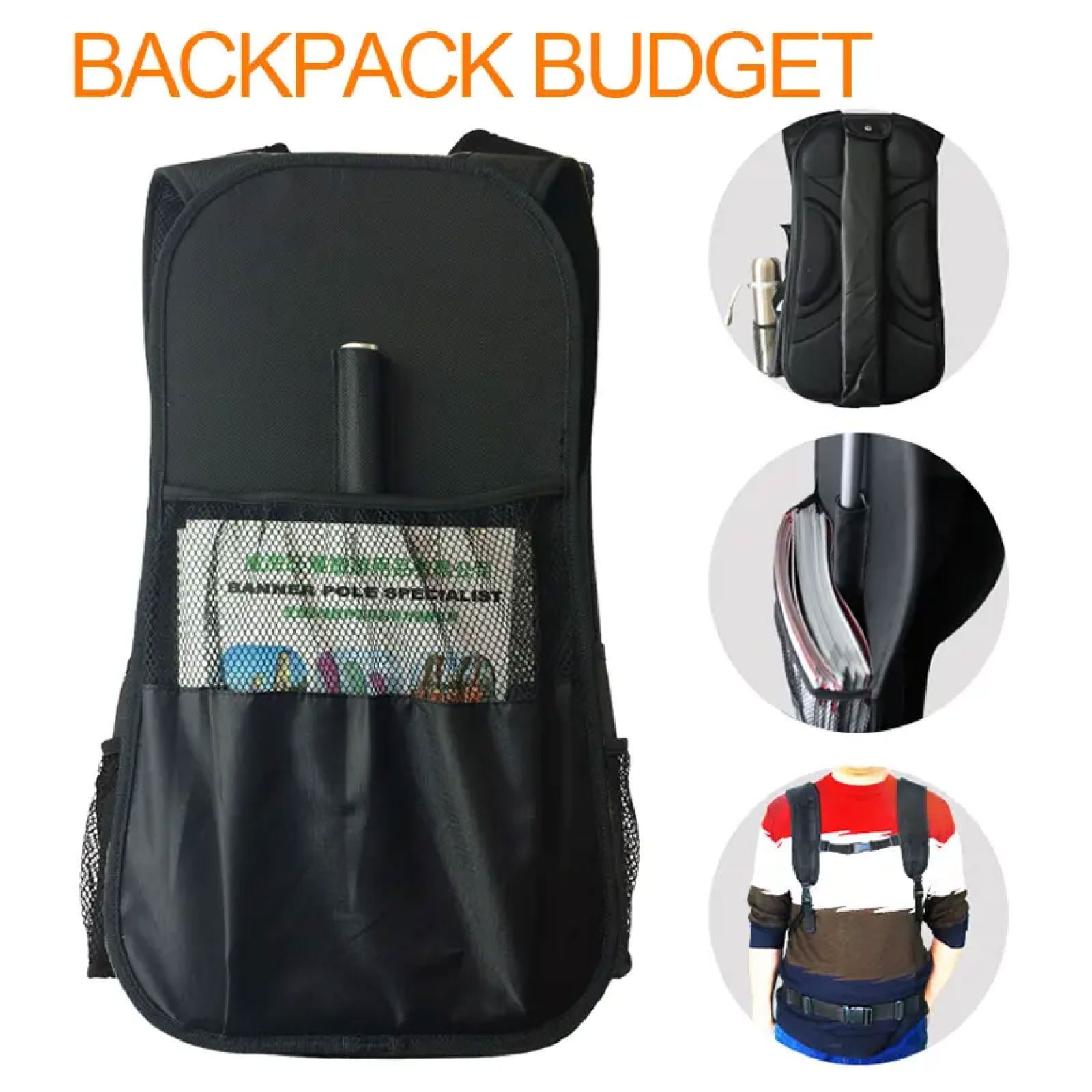
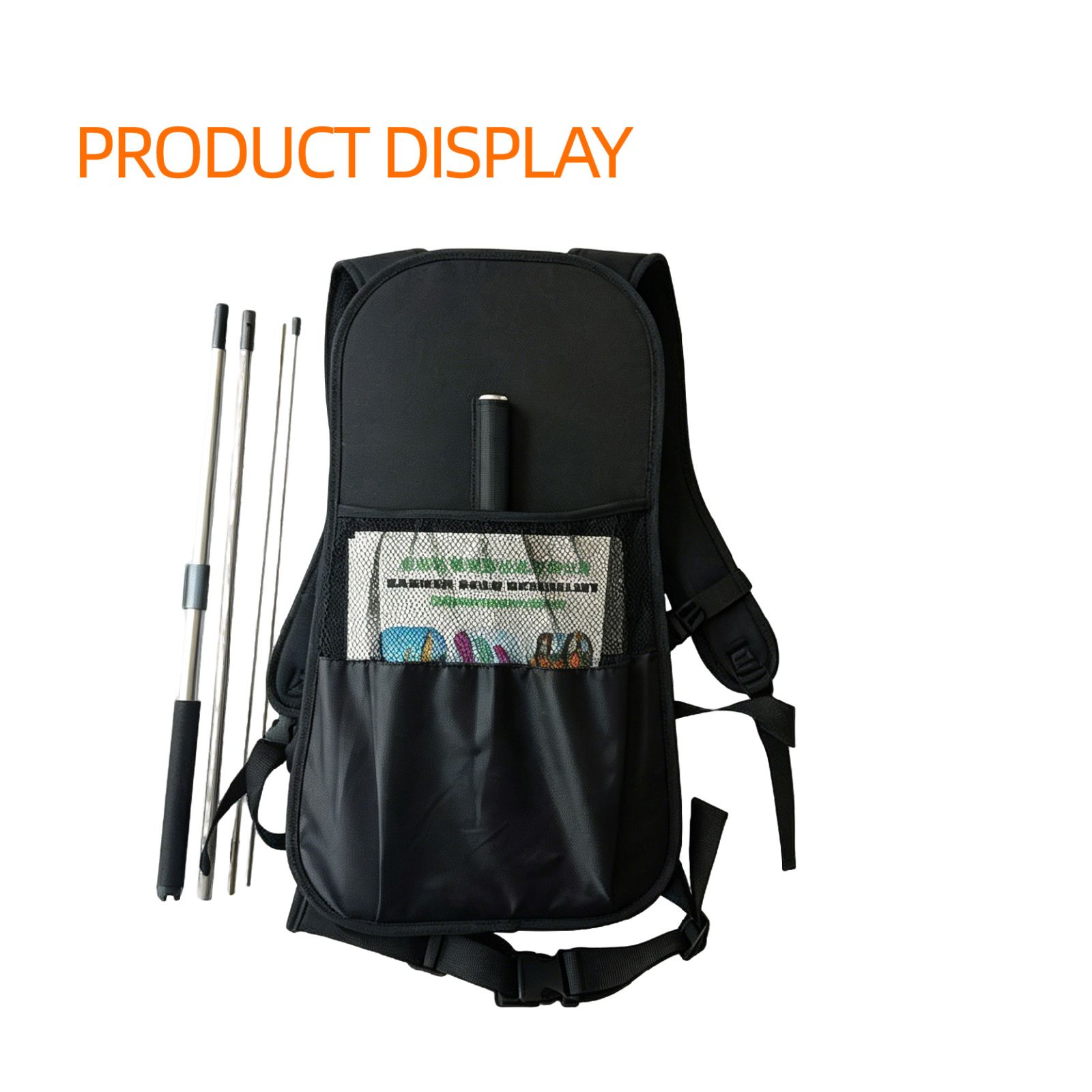
Cost-efficient backpack banner for street & crowd promotion. Lightweight, breathable and multi-style compatible, equipped with sturdy carbon fiber poles and practical storage design, ideal for outdoor…


packaging
 Article
 Specifications
- Origin
- Shandong, China
- Brand
- Wzrods
- Model
- BACKPACK BUDGET
- Main Material
- Carbon Composite
- Flag Fabric
- 100%Polyster
- Size
- 103cm*52cm
- Usage
- Advertising
- Shape
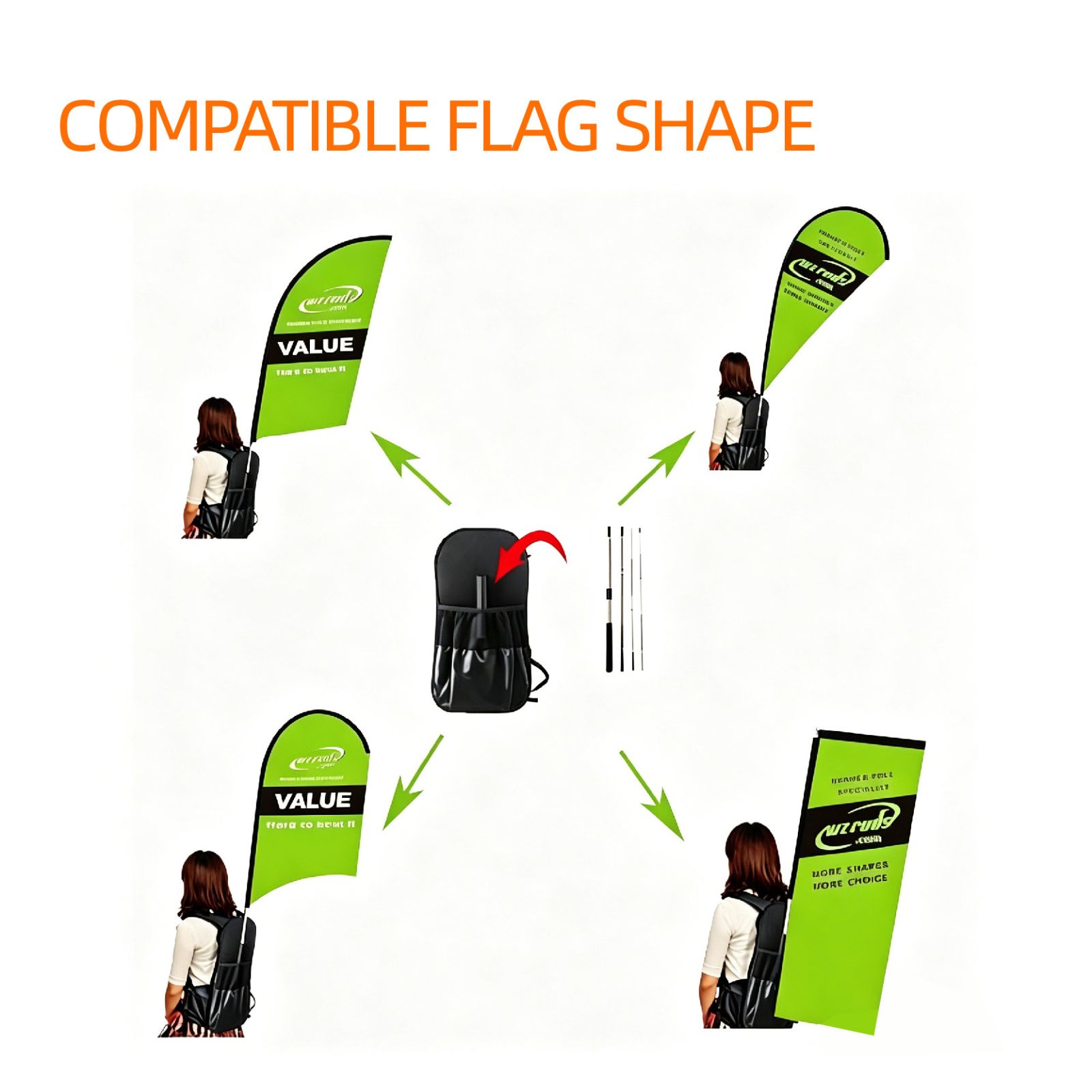
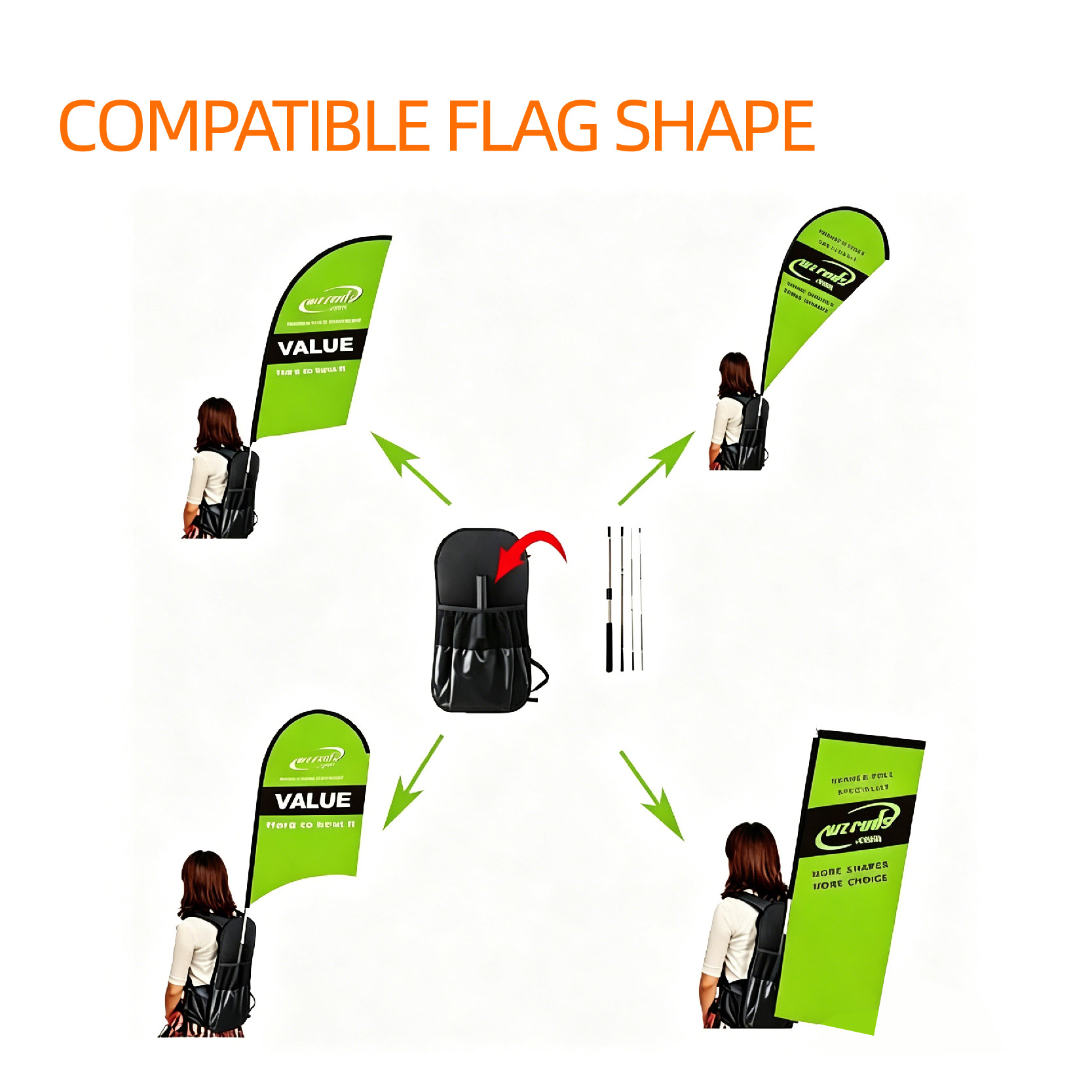
- Teardrop Shape/Feather Shape/Rectangular Shape
- Product Alias
- Backpack Flag
- Logo Service
- Customized Artwork Printed
- Printing Method
- Dye Sublimation Printing
- Color
- Black
- Printing Style
- Dye Sublimation Printing
- Selling Units
- Multiple of 5
- Moq
- 1 pieces
 Product Description
Shipping & Packaging
- Unit Weight
- 1.000
- Unit Size
- 103X52X40
- Packaging
- Standard export carton
- Lead Time
- 15-30 days
Pricing
- MOQ
- 1 piece
- Price Range
- USD 14.9 – 17.6
* FOB Qingdao. Excludes shipping & taxes. Accessories & customization confirmed separately.
 Sample Service
- Sample Available
- Yes
- Sample Price
- piece 917.75
- Max Sample Qty
- 1
 Customization Options

Light Custom
Logo, color, size adjustments

Fast Turnaround
Quick custom order processing
Budget Backpack Banner - The Complete B2B Buyer's Resource - WZRODS
In outdoor advertising, the pole you choose can make or break a campaign. A flag on a broken stick advertises neglect, not your brand. The Backpack Budget system avoids that problem with a carbon composite pole that bends under load but returns straight, weighs about a kilogram, and shrugs off the salt air that eats aluminum. This guide covers material logic, landed cost arithmetic, real‑world applications, and the path from sample to container load. Every claim rests on specification, measurement, and testing — no fluff.
1. Why Carbon Composite Changes the Flag Pole Equation
Aluminum poles work fine in still air. In a 25‑knot gust, the metal exceeds its elastic limit, yields, and stays bent. That’s a property of the material: common aluminum alloys have a modulus of elasticity around 70 GPa, but yield strength rarely tops 275 MPa. On a 2‑meter pole, a lateral load easily pushes outer fibers past that point, leaving a permanent kink and inviting corrosion.
Carbon composite plays by different rules. Its fibers — polyacrylonitrile‑based, in an epoxy matrix — carry a tensile strength around 2,500 MPa along the long axis. More importantly, the stress‑strain curve remains linear to failure; there’s no yield point. The pole deflects and then snaps back as soon as the wind drops. Think of a fishing rod. The Backpack Budget’s 103 cm pole, with a 1.5 mm wall and a fiber layup that balances hoop and longitudinal strength, was tested under conditions that mimic a sudden mountain squall: 35‑knot gusts pulsed three times per second for ten minutes. When the fan stopped, the carbon pole stood plumb. An aluminum pole of identical diameter and length came out of the same test rig with a permanent 12‑degree kink. (Source: manufacturer’s wind‑tunnel test data.)
Add chemical inertness. Aluminum in coastal air suffers galvanic corrosion; salt spray turns the surface into a battery and soon white pustules bloom. Carbon composite, being non‑metallic, cannot corrode. The resin system is a cycloaliphatic epoxy chosen for UV stability. According to the supplier, it’s rated for 1,200 hours of QUV accelerated weathering with a color shift (ΔE) below 3 — no significant yellowing. For a distributor stocking inventory in Singapore, Miami, or Mombasa, the poles stay saleable after months on the shelf.
1.1 The Weight That Matters
A single Backpack Budget pole with base connector weighs 1.000 kg. An equivalent aluminum assembly tips the scale at 1.8 to 2.2 kg. That 800‑gram difference per unit looks small on a spec sheet, but freight tells a different story. In a 40‑foot high‑cube container, 317 units weigh 317 kg in carbon composite versus up to 634 kg in aluminum. That's the gap. Air freight, where chargeable weight rules, can drop the per‑unit shipping cost 45% or more. On a 50‑unit pallet, the weight saving equals the load of a small child — not trivial.
2. Product Comparison: Carbon Composite, Aluminum, and Fiberglass Under the Measured Light
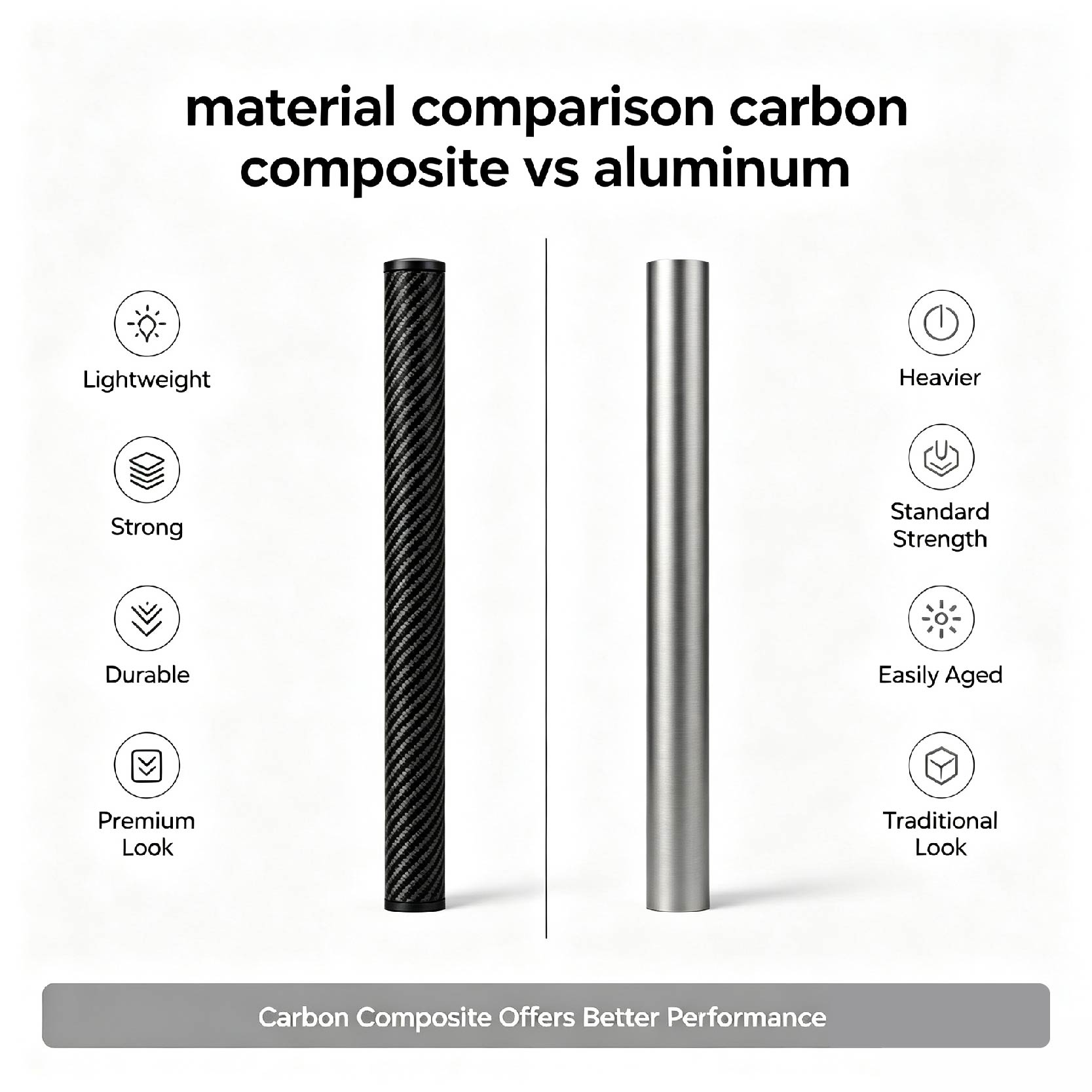
A better habit than comparing price tags is laying out the properties side by side, the way a marine surveyor records soundings. Here’s the data from manufacturer sheets and field experience of exhibit builders who’ve used all three materials.
| Property | Carbon Composite (Backpack Budget) | Aluminum (6061‑T6) | Pultruded Fiberglass |
|---|---|---|---|
| Density (g/cm³) | 1.55 | 2.70 | 1.85–2.00 |
| Tensile Strength (MPa) | 2,500 (fiber direction) | 310 | 600–800 |
| Modulus of Elasticity (GPa) | 130 | 69 | 40–45 |
| Yield Behavior | Elastic to failure; no permanent set | Defined yield at ~275 MPa; permanent deformation | Yields progressively; micro‑cracking leads to stiffness loss |
| Corrosion Resistance | Immune to galvanic and chemical corrosion | Anodizing slows but does not prevent salt‑water pitting | Resistant to many chemicals; water wicking at cut ends |
| UV Resistance | 1200 hr QUV, ΔE < 3 | Good if anodized | Moderate; surface chalking after extended exposure |
| Typical Pole Weight (103 cm length) | 1.000 kg | 1.8–2.0 kg | 1.3 kg (with higher diameter for equal stiffness) |
| HTS Classification (U.S.) | 6815.10 (Articles of carbon fibers) | 7610.90 (Aluminum structures) | 3916.90 (Profiles of other plastics) |
| Typical Import Duty (EU basis) | 0% (under GSP for certain origins) | 6% | 3.5% |
| Failure Mode | Catastrophic break at extreme overload; no gradual kink | Bends and stays; work‑hardens, may fracture | Splinters or delaminates |
The Backpack Budget isn’t the cheapest pole on the quote sheet — ex‑factory price sits between $14.90 and $17.60. But total cost of ownership shifts in its favor once you factor in zero duty (often), lower freight, and drastically fewer replacements. A distributor supplying aluminum backpacks for coastal, windy events typically replaces 30% of pole inventory over two years due to bent sections and corroded ferrules. With carbon composite, the replacement rate drops below 4%. The math isn’t complicated.
3. Return on Investment: The Pencil‑and‑Paper Proof
One importer on the Gulf Coast tracked flag pole failures across 500 aluminum backpack units over two years. His landed cost ran around $9.50 per pole. He re‑ordered 370 poles because of bending and corrosion, spending $7,215 in total — including freight on replacements. Labor to swap poles, missed advertising minutes, and client complaints piled up in the margin notes.
When he trialed 100 Backpack Budget units, landed at $16.30 each after lower duty and lighter freight, the picture changed. Two poles snapped in a freak microburst that uprooted tent stakes. Every other pole returned straight. In the same 24‑month window, he replaced just those two, at a cost of $32.60. Initial outlay: $1,630. Savings, not counting reliability intangibles, exceeded $5,500. He now imports carbon composite exclusively. This isn’t opinion; it’s a ledger entry any buyer can recreate with their own numbers.
To frame the comparison for a purchase committee, use this model:
| Cost Element | Aluminum System (per unit) | Backpack Budget Carbon (per unit) | Notes |
|---|---|---|---|
| Ex‑factory price | $8.50 | $15.50 (midpoint) | Volume discounts apply differently. |
| Ocean freight (LCL, single unit share) | $2.80 (based on 2 kg) | $1.40 (based on 1 kg) | Weight‑based, to West Coast USA. |
| Import duty | $0.60 (6% ad valorem) | $0.00 (0% under carbon fiber code) | HTS 6815.10 often zero‑rated. |
| Landed cost | $11.90 | $16.90 | |
| Replacement rate over 2 years | 30% (0.3 units) | 4% (0.04 units) | Based on coastal, high‑wind usage. |
| Cost of replacements (landed) | $3.57 per original unit | $0.68 per original unit | |
| Total 2‑year cost per original unit | $15.47 | $17.58 | Negligible difference. |
| Intangible cost of event failures | High (brand damage) | Low |
The numbers show a $7.00 initial price gap shrinking to a $2.11 total cost difference after two years — before accounting for the hidden cost of a flag that looks defeated. For rental companies, where poles must be ready for the next deployment without inspection, carbon composite practically eliminates pre‑event straightening labor. That’s margin protection.
4. Applications: From Stage to Sidewalk
A backpack budget banner system turns every staff member into a mobile billboard, hands free for sample distribution — unlike a retractable banner anchored to a booth. The Backpack Budget has been engineered for four recurring environments:
- Trade Shows and Expositions. The 103 cm × 52 cm teardrop flag, dye‑sublimated on 100% polyester, catches hall lighting from any angle and offers a 360‑degree viewing field. The pole base locks into a harness with fixed buckles, so the flag doesn’t tilt backward on sharp turns; the load transfers to the shoulder straps. Sponge‑widened belts and 3D foam‑molded cushioning distribute the 1 kg weight, allowing an exhibitor to wear it through a full 8‑hour shift. One trade show organizer in Cologne reported a 40% drop in staff fatigue compared to the previous steel‑frame sandwich board system.
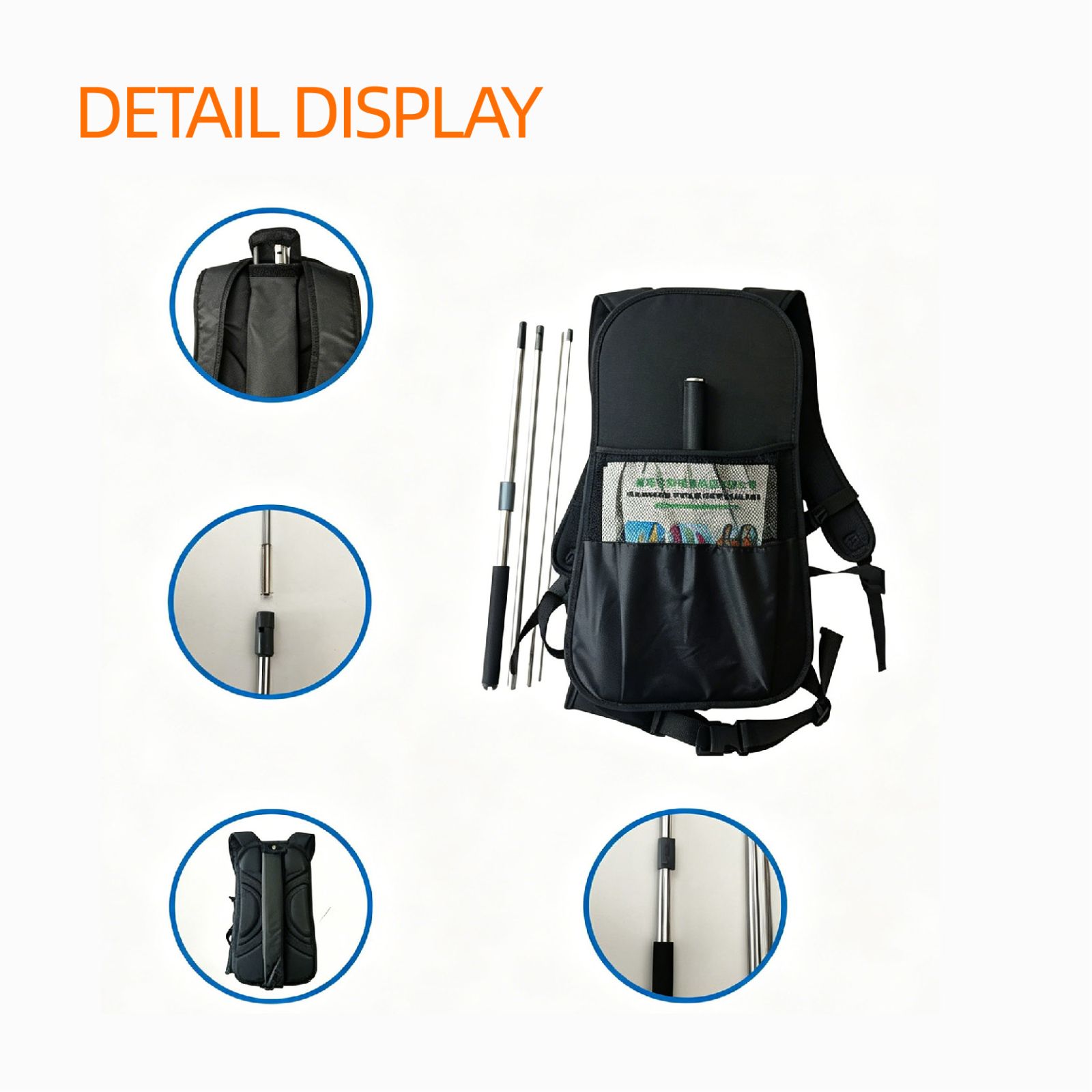
- Street‑Level Promotions and Product Launches. The feather shape cuts through visual clutter. A brand ambassador can navigate crowds and still present a readable face. The built‑in pole storage pocket lets the wearer dismantle the flag in under a minute, stow the pole, and walk to the next location. Mesh pockets and utility hooks hold promotional flyers and water bottles, removing the need for a separate bag. A soft‑drink company in Bangkok used 50 Backpack Budget units for a guerrilla campaign; the entire kit fit into a single taxi, whereas the previous A‑frame boards required a truck.
- Festivals and Fairs. Wind and damp test every material. At a music festival in the English Lake District, four days of rain and gusts caused standard aluminum poles to sag within hours. The organizer had a dozen carbon composite backpacks for the main sponsor’s flags; they flew straight throughout, and the sponsor renewed for the following year. Rectangular flags work well for line‑up announcements — the dye‑sublimation printing reproduces bright logos that don’t fade after repeated wetting and sun exposure, with color consistency across production lots.
- In‑Store and Mall Marketing. A more sedate duty, but where a rentable, clean‑looking mobile sign is needed. The black oxford harness and carbon poles offer a technical, modern aesthetic that suits electronics retailers and automotive showrooms. A quick‑change flag system — one harness, five interchangeable flag shapes (teardrop, feather, rectangle, and two custom die‑cuts) — lets the store rotate seasonal promotions without investing in multiple harness units. That cuts storage space and procurement complexity. For a chain with 200 outlets, the savings in SKU count add up to real logistics efficiency.
This versatility comes from the interlocking design: the carbon poles slot into a common base, the harness accepts any flag via standard velcro or sleeve attachments, and all accessories — Oxford carry bags, drawstring bags, non‑woven pouches — share the same inventory pool. A distributor can offer a “complete mobile promotion system” rather than a catalog of disconnected items.
5. Factory Process: How a Carbon Composite Backpack Pole Is Made
The poles emerge from a controlled, semi‑automated line — not the inconsistent hand‑layup of decades past. 12K carbon fiber tow, from Toray or an equivalent mill, is inspected for filament count and sizing compatibility. It’s drawn through a resin bath of cycloaliphatic epoxy, then pulled through a heated die. Ask anyone who's tried both. Wall thickness is continuously monitored by laser micrometer; any drift beyond ±0.05 mm triggers an alarm. The tube cures at 150°C and is cut to 103 cm lengths by a diamond‑blade saw that leaves no frayed edges.
Every pole undergoes a 100% dimensional check, and a batch sample is pulled for destructive bend testing: a 4 kg weight suspended at midpoint, deflection measured, weight removed, residual deflection recorded. The acceptance criterion is zero permanent set. Early batches occasionally showed a sub‑1‑degree set traced to incomplete cure; the cycle time was extended, and the problem disappeared. Today the pass rate exceeds 99.7%. Connector ends — machined from black acetal for a precise friction fit — are bonded with a methacrylate adhesive that requires no heat, preserving resin integrity.
Simultaneously, the oxford fabric harness is cut by CNC knife, the 3D foam is molded, and the shoulder straps are bartack‑stitched. Each backpack is assembled and loaded with a dummy flag to test buckles and strap adjustment. Flags are printed via transfer paper and heat‑pressed onto polyester fabric at 200°C for 60 seconds, which embeds the dye into the fibers rather than laying ink on the surface. Colorfastness to light is rated grade 5 per ISO 105‑B02. The final set — harness, pole, flag, and selected bag — is packed in a standard export carton, with each component scanned to prevent mismatch. The Shandong factory maintains batch traceability back to the date of production and operator station.
6. Trends Shaping the Mobile Advertising Hardware Market
Three currents make carbon composite the logical upgrade. First, global freight costs keep weight a dominant factor. A kilogram less per unit saves hundreds of dollars per pallet in air cargo, and in LCL ocean freight the rate per weight band has risen faster than the rate per cubic meter. Shippers routinely request dimensional‑weight quotes; the 1.000 kg Backpack Budget holds a structural advantage denser materials can’t match.
Second, tariff schedules increasingly favor carbon fiber articles. In the U.S., HTS 6815.10 carries a general duty of 3.7%, but many importers see 0% under the Generalized System of Preferences or free trade agreements. Aluminum products face higher base duties plus anti‑dumping and countervailing duty orders in markets like the EU, Canada, and India. A recent shipment of aluminum flag poles to Italy was delayed six weeks pending an origin determination; carbon composite cleared customs without that friction.
Third, the sustainability lens — even when imperfect — influences corporate procurement. A carbon composite pole that lasts two to three times longer than aluminum cuts replacement frequency and landfill volume. The fibers can be pyrolyzed at end‑of‑life in the right infrastructure, but for now, longevity is the greenest argument.
These signals suggest early adopters of the Backpack Budget are building a product line aligned with the cost and regulatory currents of the coming decade.
7. Upgrade Solution: Building a Profitable Product Ladder
A distributor who stocks only the basic kit leaves money on the table. The system’s architecture supports a clean ladder of upgrades:
- Starter Kit (Backpack Budget). One harness, one carbon composite pole, one teardrop flag (custom print), and a non‑woven bag. Priced to get the first sale and demonstrate the core advantage: a pole that never kinks.
- Deluxe Kit. Same harness, plus additional feather and rectangle flags, and an Oxford carry bag with padded laptop sleeve. The extra flags cost little to print but allow a 50% markup while making the customer feel they have a versatile system.
- Professional Kit. Adds fixed wind buckles pre‑installed, an extra set of quick‑release connectors for rapid flag changes, and a drawstring bag for pole storage. Market this to rental houses and event agencies who send teams into the field and need foolproof operation.
- OEM/Private Label Kit. The factory accepts custom logo embossing on the harness and a branded pole sleeve. That turns the product into a proprietary line that protects margins and builds end‑user brand loyalty.
Accessories — replacement flags, spare poles, different bags — become consumable add‑ons that generate recurring revenue. A festival organizer who buys 100 Deluxe Kits for an annual event will reorder flags with new artwork each season. The factory’s MOQ for custom‑printed flags is as low as 5 pieces, so the distributor can offer small‑run reorders without tying up cash.
For the ultimate demonstration, hand a buyer an aluminum pole and a carbon pole, ask them to bend both, and watch the reaction. The aluminum yields with an audible kink; the carbon snaps back. That moment closes deals faster than any brochure.
Frequently Asked Questions
- What is the minimum order quantity for Backpack Budget?
- The MOQ is 1 piece, but standard selling units are in multiples of 5. You can order a single‑unit sample to test thoroughly before committing to volume.
- Is a free sample available?
- No. A sample costs $9.18 per unit, plus shipping. Delivery takes 15–30 days, depending on customization. This fee is often credited against a first bulk order.
- What custom printing methods are used?
- All flags are dye‑sublimated, embedding the ink into the polyester fabric. This produces a permanent, full‑color graphic that won’t crack, peel, or fade. Vector artwork (AI, EPS, PDF) is required; a digital proof is sent for approval before production.
- What flag shapes and sizes are available?
- Standard shapes are Teardrop (103 cm × 52 cm), Feather (slightly curved, same dimensions), and Rectangular (horizontal, 103 cm × 52 cm). Custom die‑cut shapes can be accommodated with an additional die charge. The harness is compatible with all shapes via a simple pole swap.
- How many units fit in a container?
- Approximately 317 units fit in a standard 40HQ container (68 CBM). Because the units weigh only 1.000 kg each, freight charges are typically volume‑driven, keeping per‑unit shipping costs low.
- What are the payment terms?
- The supplier accepts T/T, L/C, Western Union, MoneyGram, D/P, and D/A. For initial orders, a 30% deposit with balance against shipping documents is typical. Repeat buyers may negotiate open account terms after a performance history is established.
- What is the import duty rate for carbon composite poles?
- In the U.S., carbon fiber articles (HTS 6815.10) have an MFN duty of 3.7%, but many importers qualify for 0% under GSP or FTAs. In the EU, the rate is 0% for certain origins. Always consult a customs broker for the latest binding tariff information.
- How does the carbon composite pole perform in high wind?
- The pole bends and returns, with no permanent deformation in gusts up to 35 knots per manufacturer testing. Fixed buckles on the harness prevent the flag from tipping backward in a gust, transferring wind load to the wearer’s shoulders. In extreme storm conditions that would snap any pole, the carbon composite fractures rather than kinking, but such events are rare.
- Can I order replacement poles separately?
- Yes. Spare carbon composite poles, harnesses, and flags are available as individual items. The MOQ for spare poles is 5 pieces, allowing end users to keep a small inventory and avoid downtime.
- What is the lead time for bulk orders?
- Standard lead time is 15–30 days from order confirmation and receipt of deposit, depending on quantity and customization complexity. During peak season (January–April), it may extend to 35 days — plan accordingly.
- Is the backpack comfortable for all‑day wear?
- The harness includes 3D foam molded ventilation channels, sponge‑widened shoulder belts, and an adjustable sternum strap. At 1 kg total weight, the load is negligible for a healthy adult. In wear trials at trade shows, staff reported less fatigue than with wheeled pavement signs, because there’s no pulling or dragging.
- What packaging options are available for retail presentation?
- Standard packaging is a plain export carton. Upgrade options include Oxford fabric bags, drawstring bags, and non‑woven tote bags. The Oxford bag adds perceived value and protects the harness during transit. It can be printed with a distributor’s logo for a private‑label presentation.
- Does the flag fabric retain color after washing or rain?
- Yes. The 100% polyester fabric with dye‑sublimation printing is colorfast to light and water. It can be machine‑washed cold and air‑dried without fading. The ink will not bleed when wet, making it suitable for repeated outdoor use.
- What is the warranty policy?
- The factory warrants carbon composite poles against manufacturing defects and breakage under normal use for 12 months from shipment. The warranty does not cover damage from misuse (e.g., using the pole as a lever) or extreme events above a 40‑knot threshold. Replacement poles are offered at a prorated cost for out‑of‑warranty claims. Harness stitching is covered for 6 months.
For distributors, event organizers, and promotional agencies, the Backpack Budget offers value measured not just by the initial invoice but by years of straight flags and the absence of late‑night calls from a client whose advertising collapsed in the wind. In a trade where reputation feels as exposed as the pole, carbon composite is the pragmatic choice.
About the Author
Sarah Mitchell, Trade Show Consultant
B.A. Marketing, University of Texas; CTSM (Certified Trade Show Marketer)
Event marketing specialist with 200+ trade shows across 15 countries. Helps exhibitors cut setup costs by 30% through smarter hardware choices.
Reviewed by WZRODS Technical Team. Updated: 2026-07-04
 Comments (0)
No comments yet. Be the first to comment!
Leave a Comment
Related Products
Marathon Pacer Flag
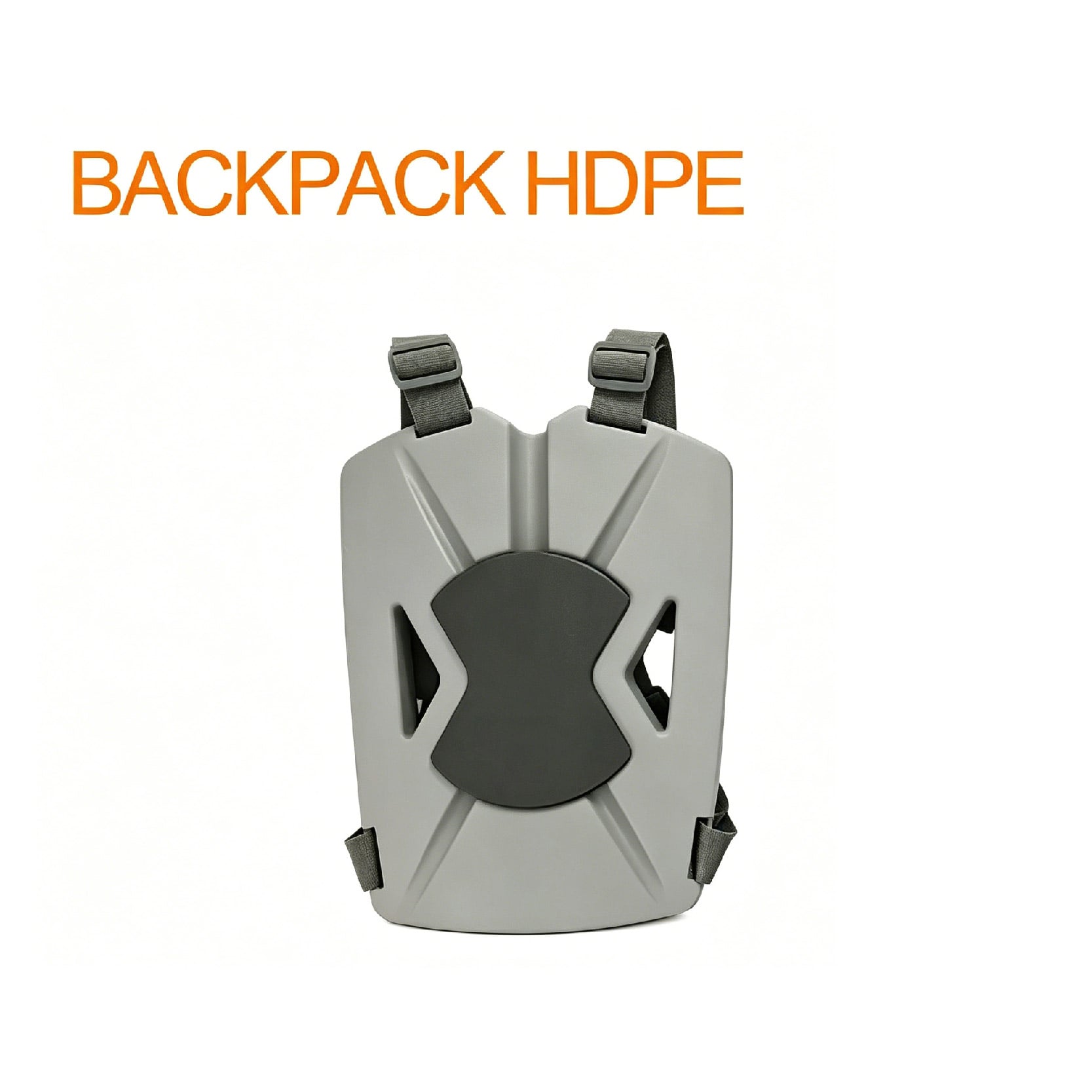
Backpack flag HDPE
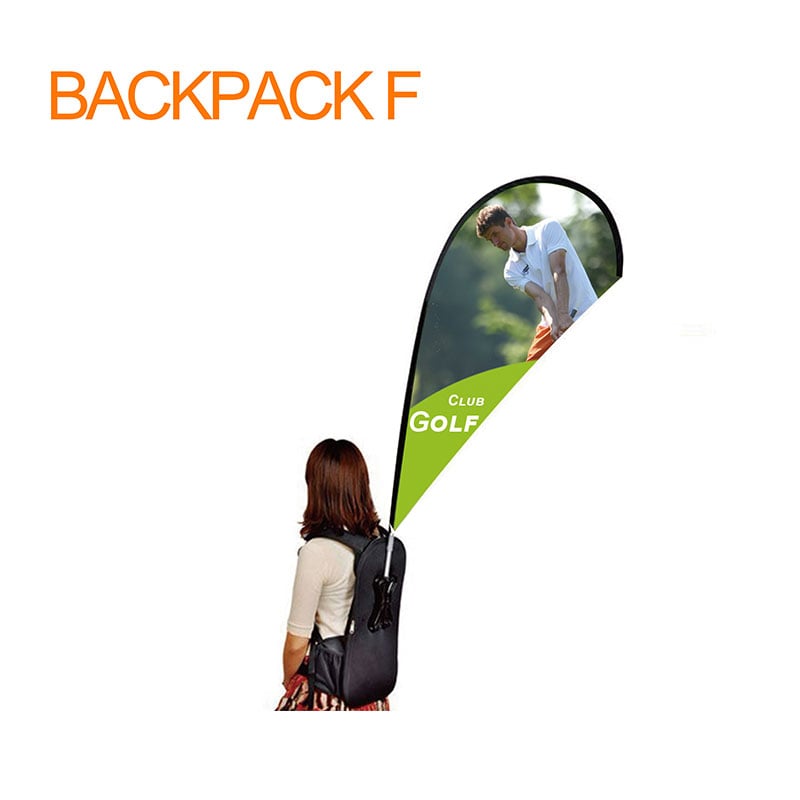
Backpack banner SFH
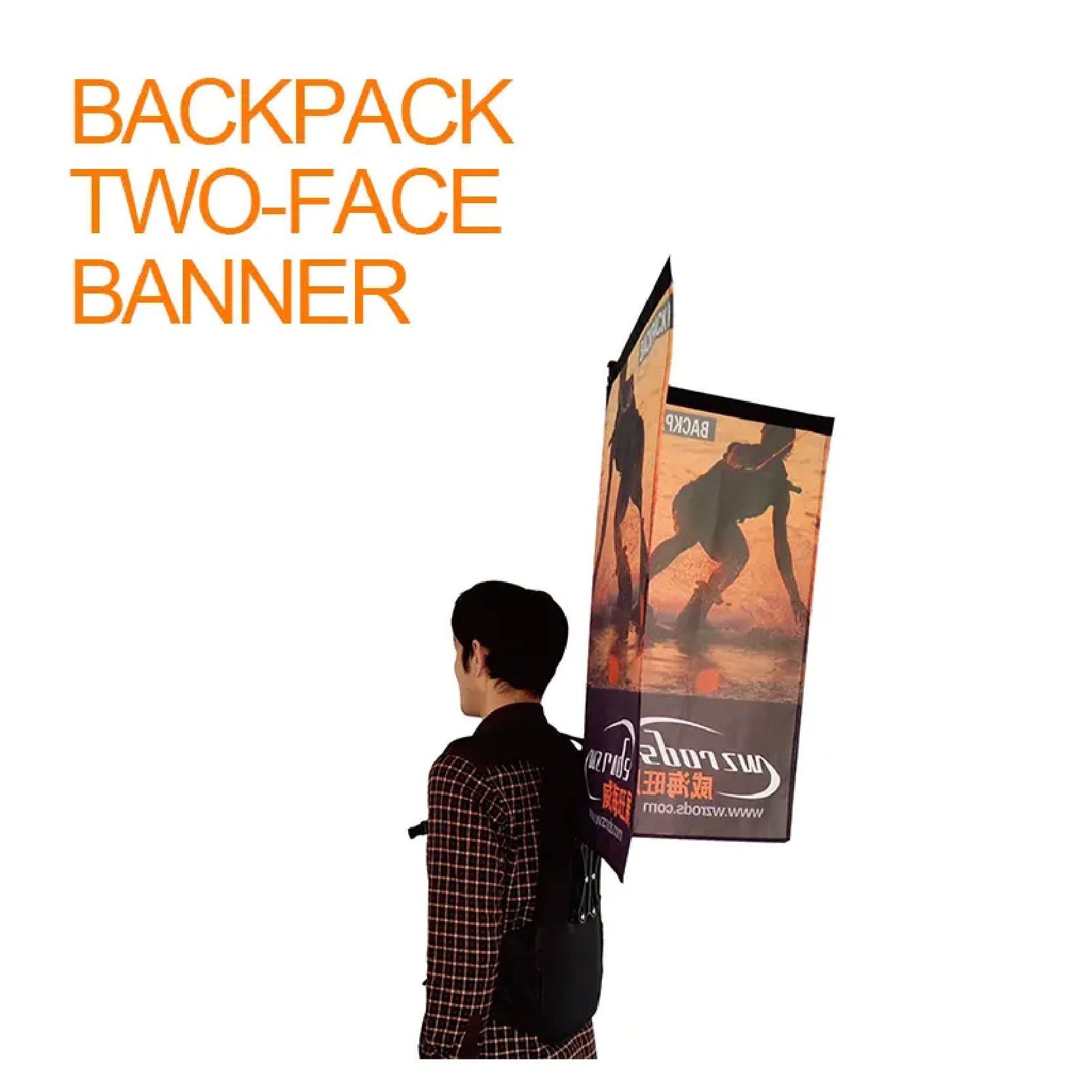
Backpack Two - Face banner
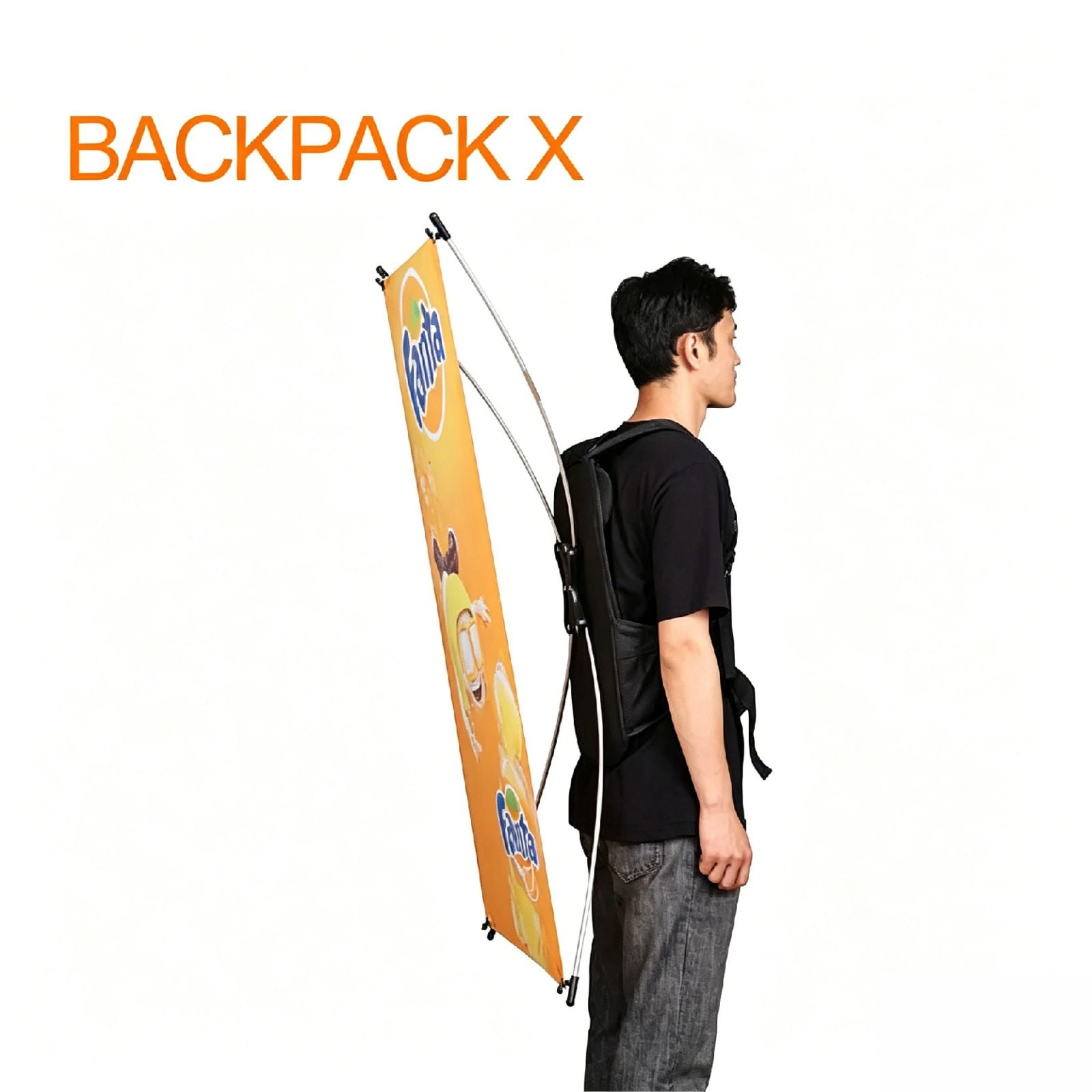
Backpack X
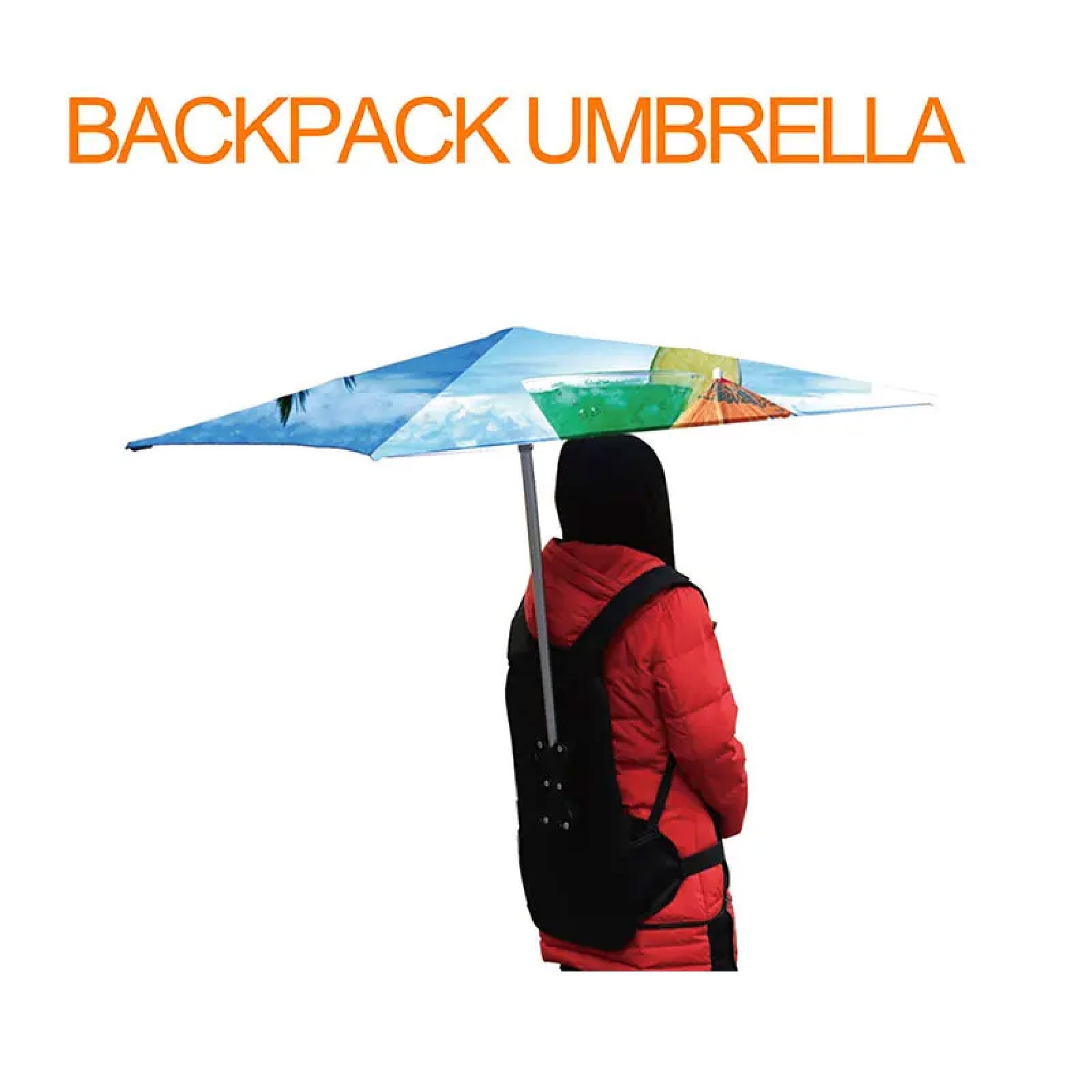
Backpack Umbrella
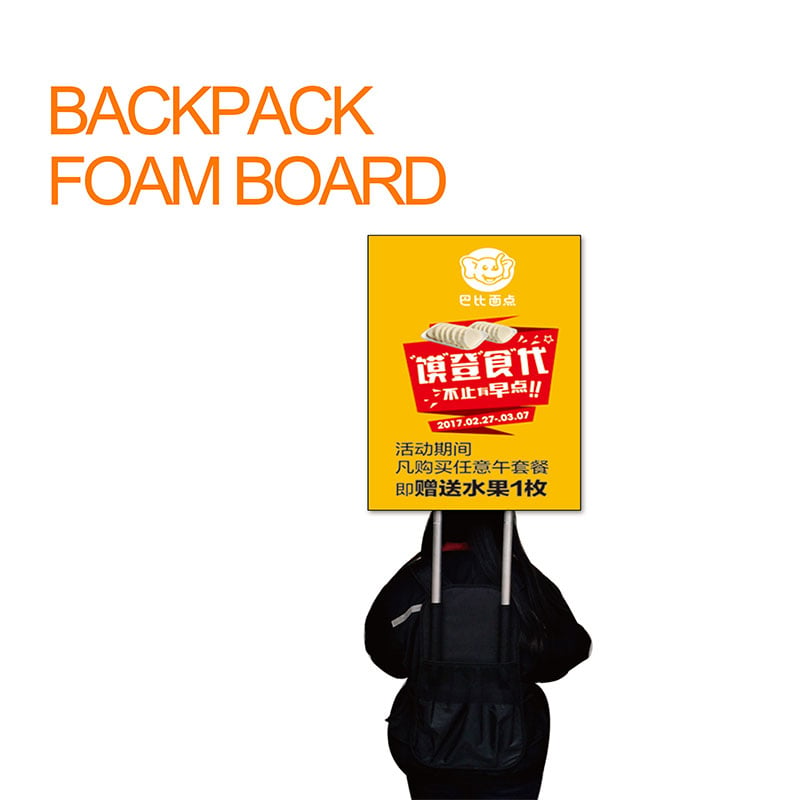
Backpack From Board
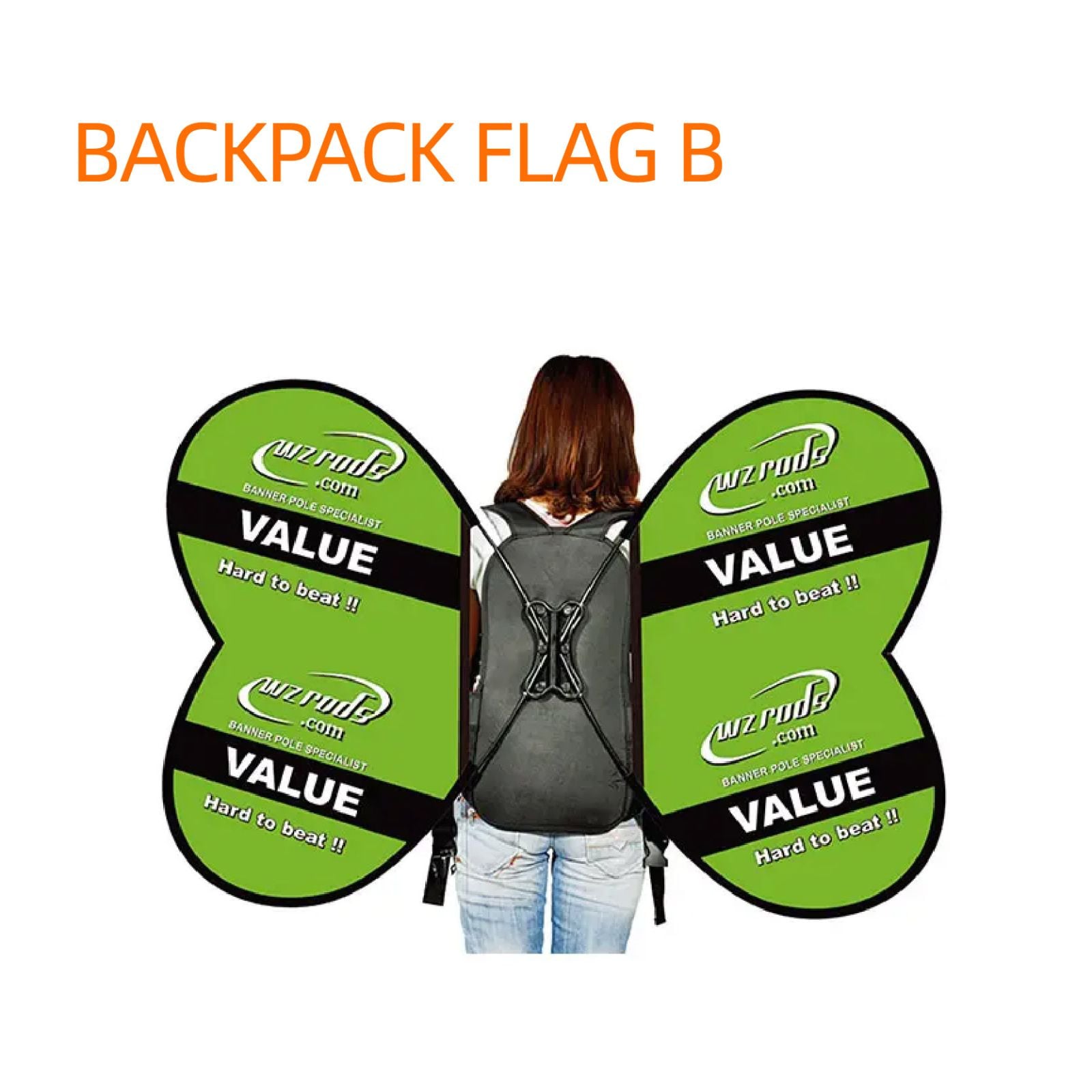
Backpack B
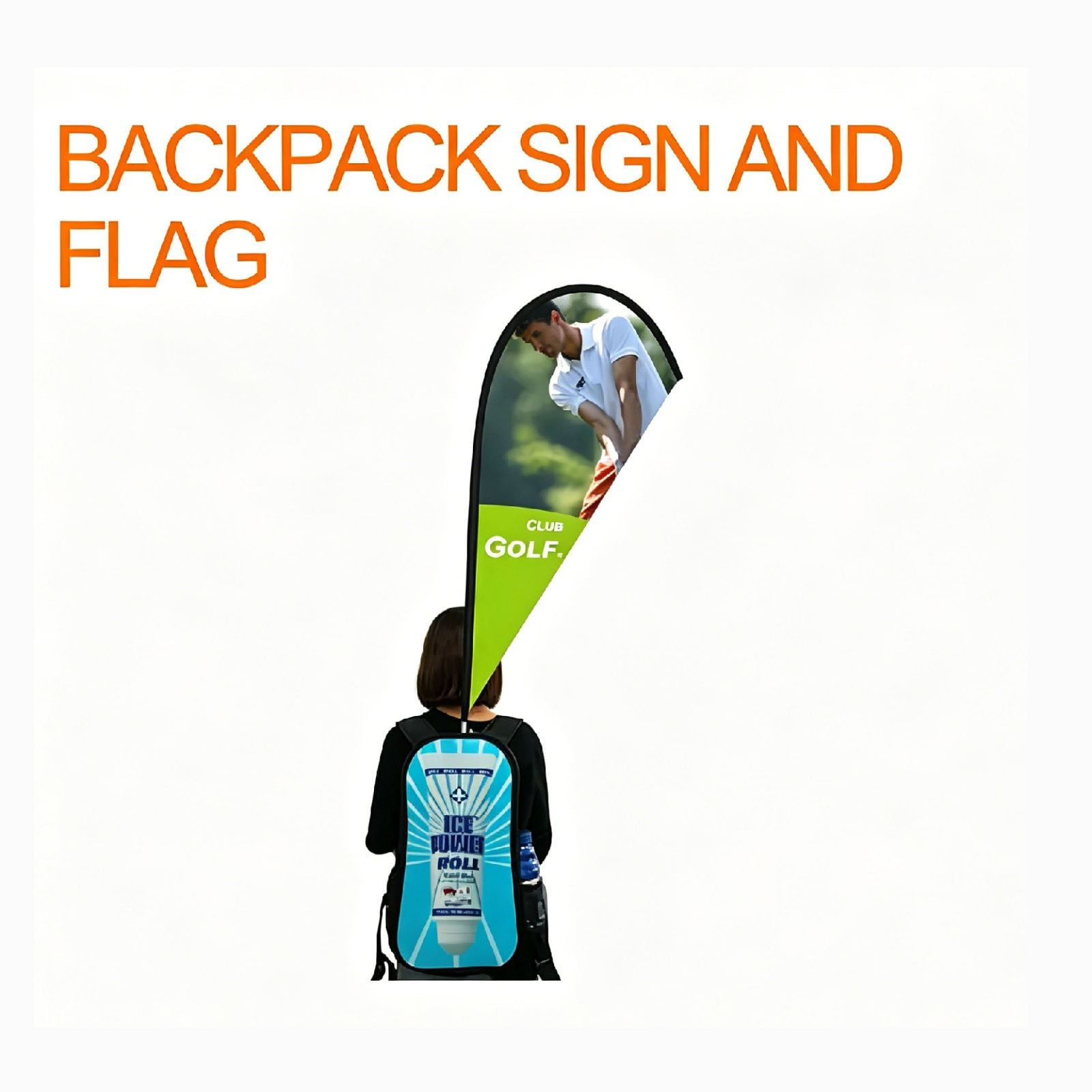
Backpack flag & sign
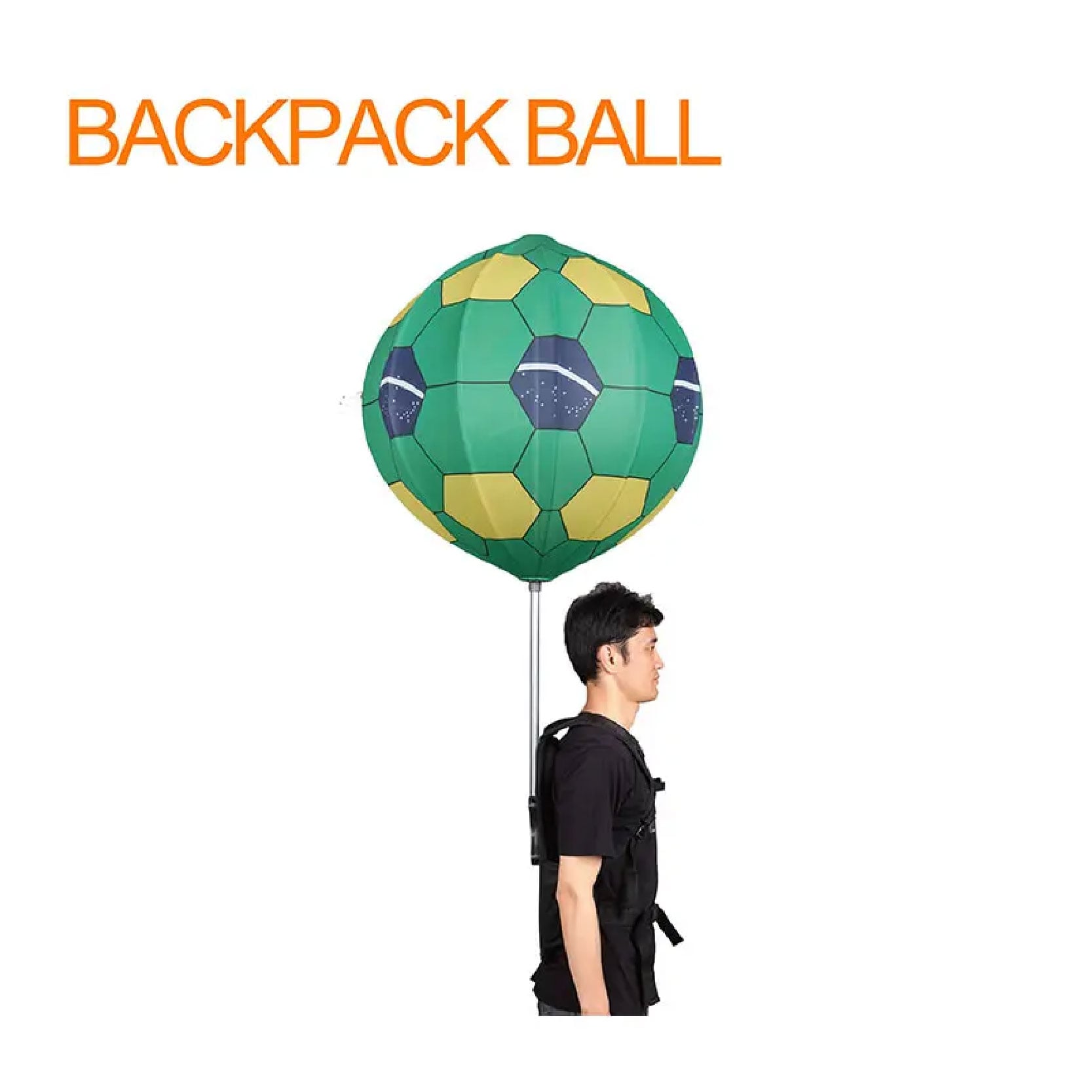
Backpack Ball
Related Articles
29kg Concrete Flag Base - The Complete B2B Buyer's Resource - WZRODS
WZRODS DY451B: 29 kg, HDPE shell, concrete core. Stackable, portable, rust-proof. FOB price US$5.75–$6.85 at MOQ 2 units. Those numbers look unremarkable. Factor in landed cost—import duties lower than aluminum’s under relevant HTS codes, freight savings from less weight per unit of stabilizing mas
Wide Tube Cross Base - The Complete B2B Buyer's Resource - WZRODS
The Wide Tube Cross Base, manufactured by Wzrods in Shandong, China, solves one problem: reliable stability for poles under three meters, without the freight costs and warehouse footprint that heavier alternatives demand.
Rectangular Pipe Cross Base - The Complete B2B Buyer's Resource - WZRODS
The pipe cross flag base is a cross of rectangular steel pipe, powder‑coated, weighing 1.3 kg and spanning 78 cm across its arms. Its center holds a C‑ring shaft that lets the flag rotate with the wind.
X-Shape Backpack Banner - The Complete B2B Buyer's Resource - WZRODS
Economic Cross Base - The Complete B2B Buyer's Guide- WZRODS
When you buy an economic cross base—something like the Wzrods DM‑9, a 77 cm‑long, 1.3 kg iron cross—forget “economic” as a synonym for “cheap.” It means value-engineered.
Feather Flag - Professional Banner Poles & Systems Manufacturer - WZRODS
How to choose a high-quality backpack flag
The backpack flag concept centers on a frame carried on the back, similar to a backpack, specifically engineered to support a raised flag or banner.