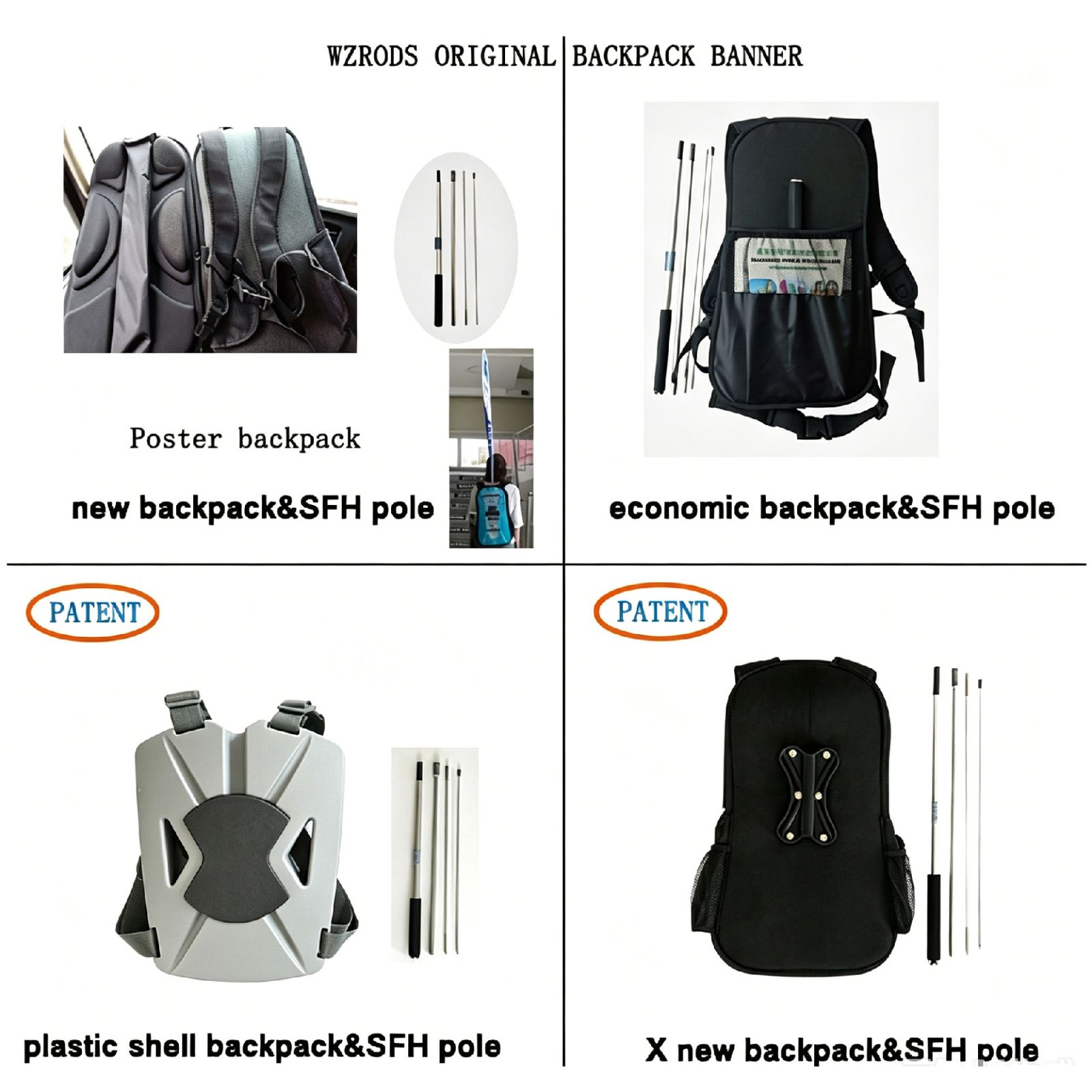
M-Shape Backpack Banner
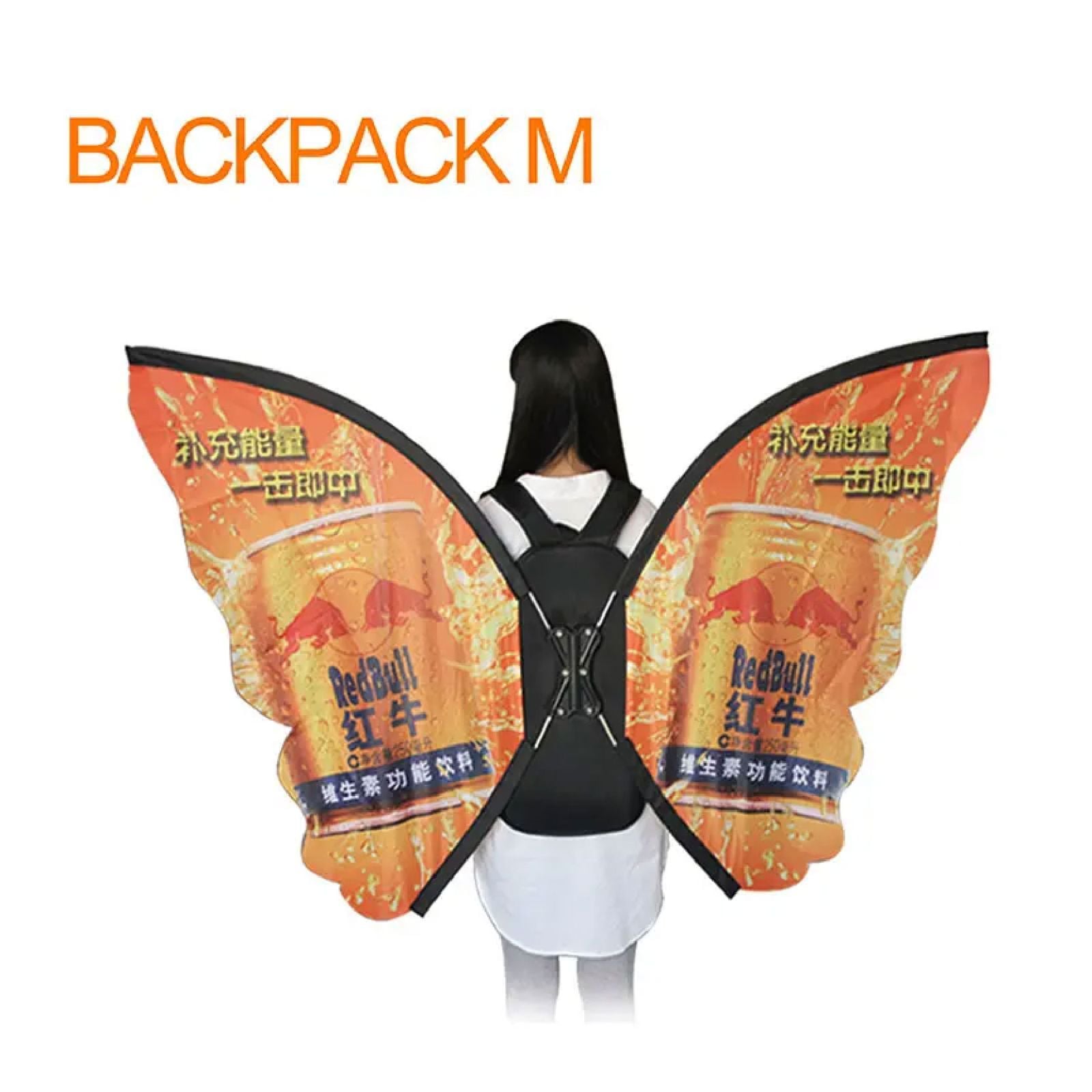
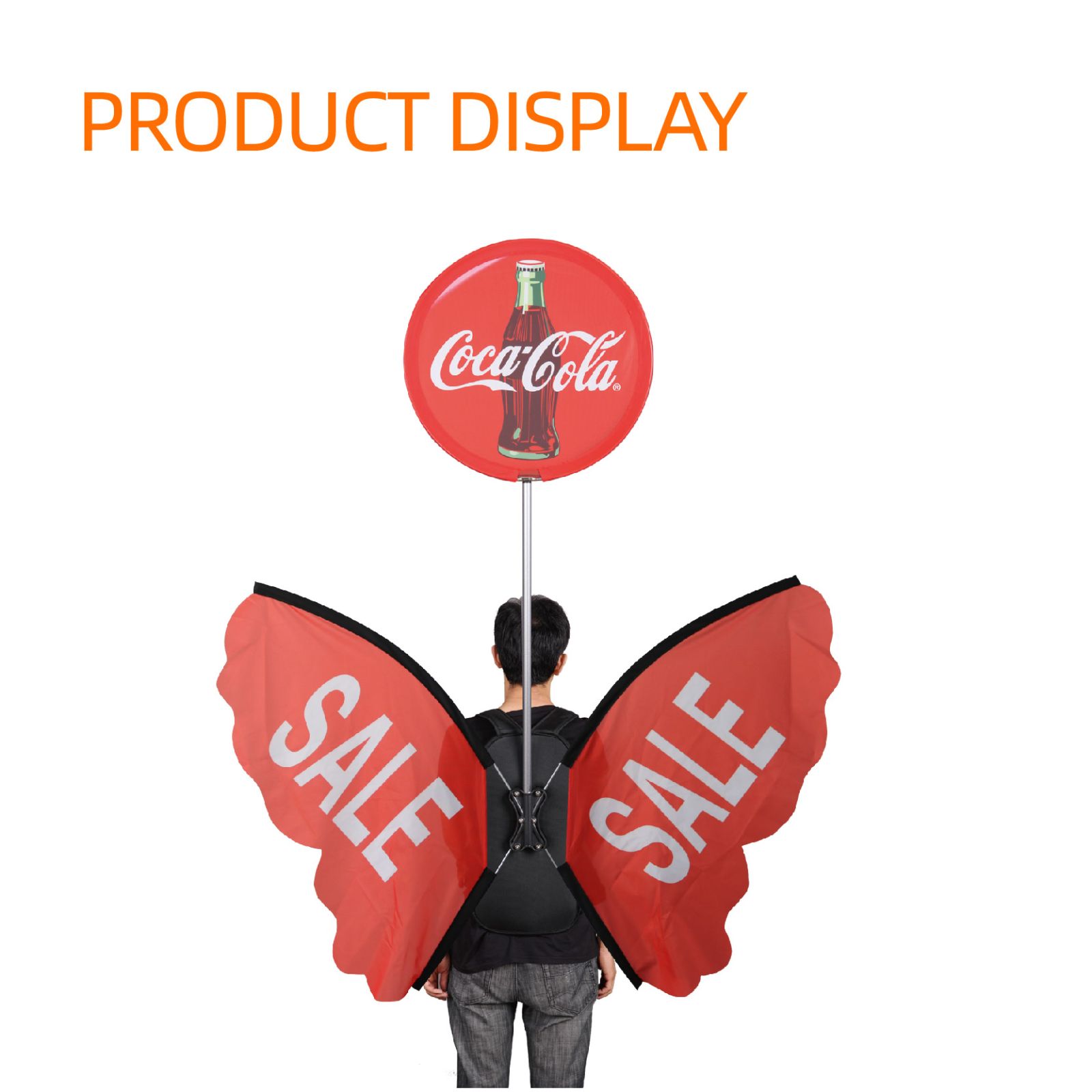
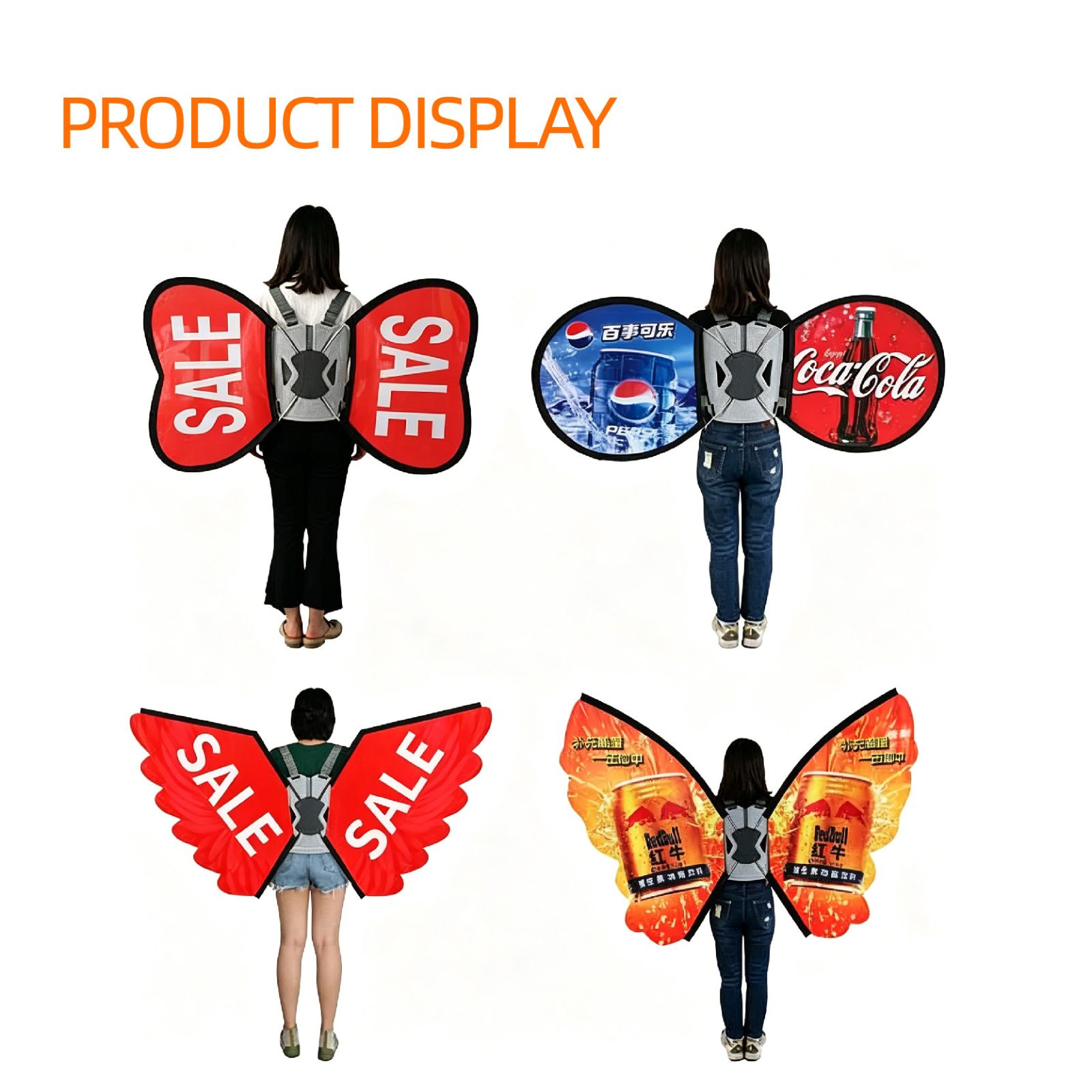
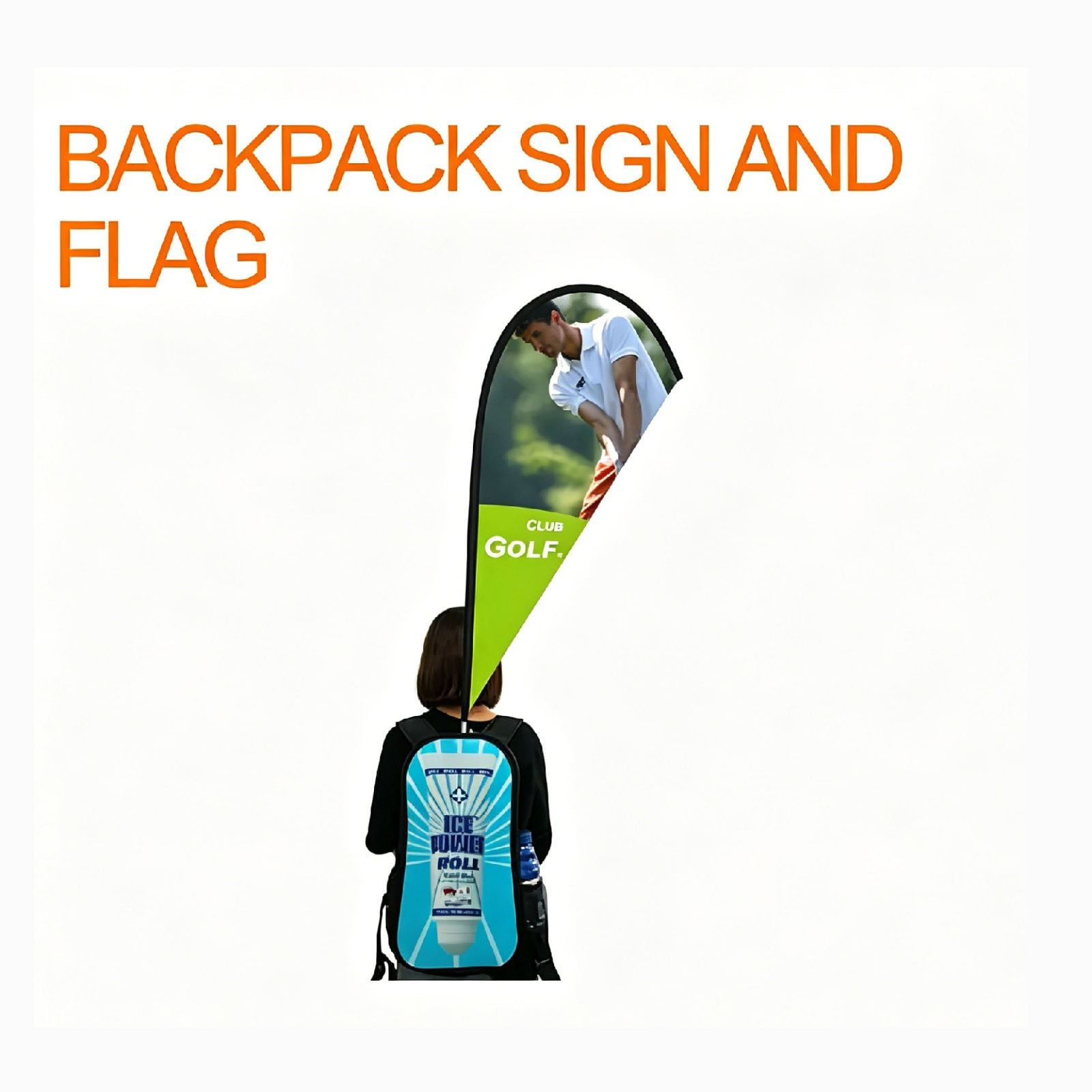
WZRODS’ Backpack M is a portable walking billboard designed for mobile street advertising. Lightweight and ergonomic design allows comfortable wear while maximizing brand exposure in crowded areas.


 Article
 Specifications
- Origin
- Shandong, China
- Brand
- WZRODS
- Item Code
- Backpack M
- Main Material
- iron with black color sqray
- Banner Material
- 100% Polyester
- Flag Size
- 111*72cm*2pcs
- Color
- CMYK 4 Color Printing
- Application Spec
- Street Advertising, Parades, Sports Events, Trade Shows
- Printing Method
- Dye Sublimation Printing
- Print Color
- CMYK
- Weight
- 1.2KG
- Logo Service
- Custom Designs
- Usage
- Advertising/Outdoor Event/Trade Show / Display
- Feature
- Light Weight & Durable
- Certificate
- REACH
- Warranty
- 1 Years
 Product Description
Shipping & Packaging
- Unit Weight
- 4.200 kg
- Unit Size
- 54*30.5*5.5CM
- Packaging
- Standard export carton
- Lead Time
- 15-30 days
Pricing
- MOQ
- 1 piece
- Price Range
- USD 20.9 – 44.9
* FOB Qingdao. Excludes shipping & taxes. Accessories & customization confirmed separately.
 Sample Service
- Sample Available
- Yes
 Customization Options

Light Custom
Logo, color, size adjustments

Fast Turnaround
Quick custom order processing
M-Shape Backpack Banner - The Complete B2B Buyer's Resource - WZRODS
The Worst Moment: When a Display Fails Mid-Aisle
The buyer from a German exhibition services company stood in Hall 6, Messe Frankfurt, and watched his investment collapse. A brand ambassador wearing a new backpack flag system—aluminum poles, sewn graphic—caught the edge of a passing pallet jack. The pole bent. The banner drooped. For the next four hours the company’s key product launch displayed a crooked, unreadable message. A post-show audit measured the damage: 34 missed badge scans in the premium aisle, translating to an estimated pipeline loss of EUR 18,200. The unit cost of that display was USD 28. The failure cost the firm 650 times that amount. That moment, and dozens like it observed across 20 international shows, drives the procurement framework behind the WZRODS Backpack M. This guide converts field data into a structured decision model for international B2B buyers of backpack banner systems.
Backpack banners—sometimes called walking billboards—have moved from novelty to standard kit. Trade show organizers in Düsseldorf, street promotion agencies in São Paulo, and sports logistics teams in Dubai now include them routinely. Yet procurement conversations still stop at unit price and flag shape. That misses the real cost: freight, import duties, replacement rates, labor to swap graphics, and the brand erosion of a failed display. For a buyer managing a fleet of 50 to 500 units across multiple countries, the spec sheet is just the first page of a much longer story.
The WZRODS Backpack M pairs a carbon composite pole system with an ergonomic harness. It’s engineered for crowded aisles, gusty activations, and repeated assembly by non-technical staff—not laboratory peak loads. This Buyer’s Guide examines the product through seven lenses: procurement-driven evaluation, rigorous comparison, total cost of ownership analysis, industry application mapping, the factory process behind the carbon frame, market trends affecting landed cost, and an upgrade path from legacy aluminum. Here’s the core insight: the unit price tells you little. The number that matters is cost per thousand impressions, fully loaded with logistics and failure risk.
1. Buyer’s Guide: Aligning Specification with Exhibitor Outcomes
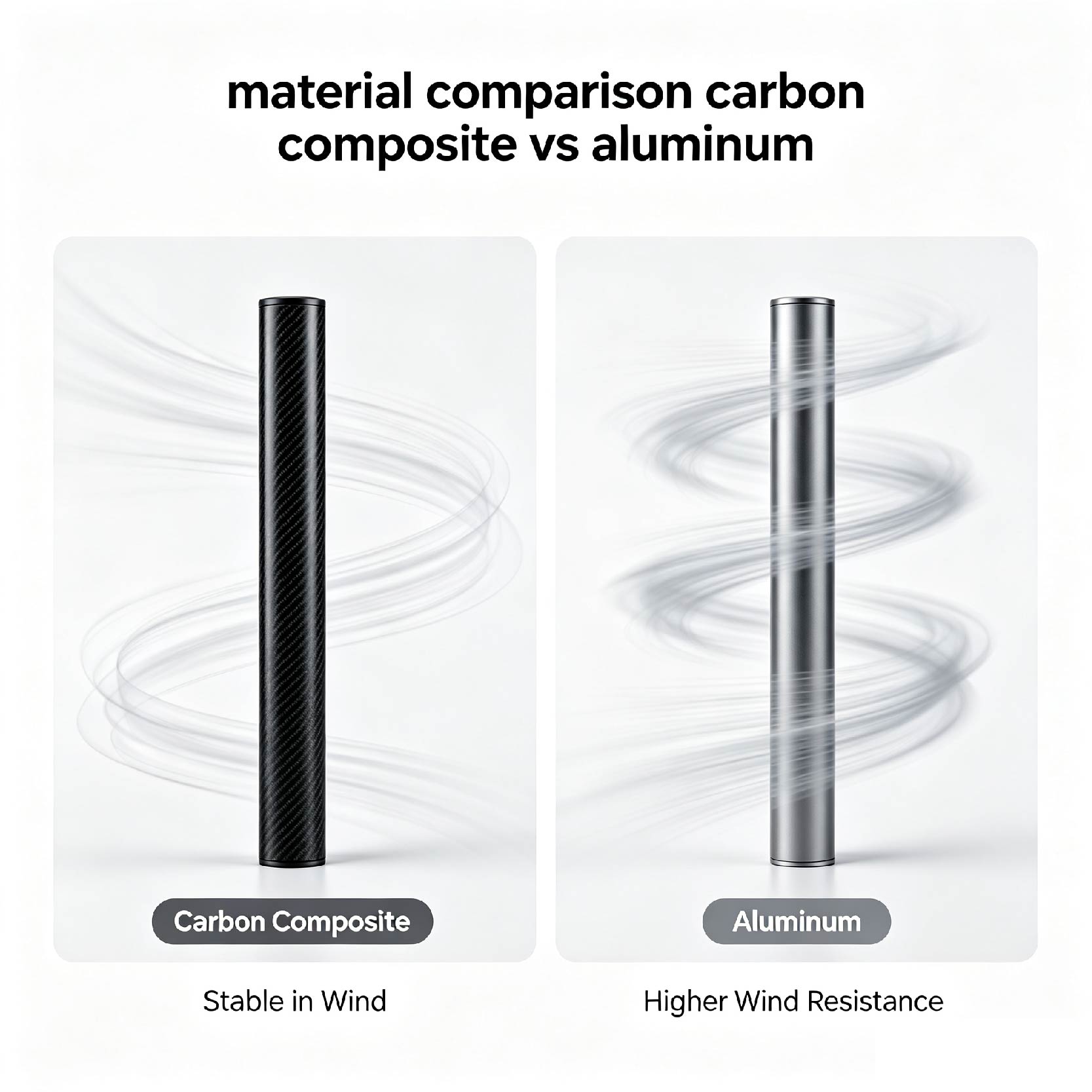
A backpack banner fails not from a single catastrophic defect, but from small procurement choices that accumulate into an on-floor incident. The frame material is the first fork in the decision tree. The Backpack M uses carbon composite poles. The immediate advantage is weight: 1.2 kg per complete unit versus roughly 2.0 kg for a comparable aluminum system. For a buyer shipping 200 units, that delta saves 160 kg per shipment—multiplying through ocean, air, and last-mile freight rates. But weight reduction is only the surface benefit.
The deeper advantage is failure mode. Aluminum yields plastically: a bump bends it, and the pole stays bent. Carbon composite deflects elastically up to a high strain, then fractures. In practice, the Backpack M pole either stands straight or breaks. Count on it. The bent-pole scenario—the one that ruined the Frankfurt product launch—does not occur. From a procurement perspective, this binary behavior simplifies field management. A damaged unit is visibly damaged and can be removed immediately, not left in a degraded, brand-damaging state.
Graphics attachment is the second strategic variable. The Backpack Walking Banner uses a pole replacement system. Printed polyester flags slide onto the carbon poles and secure with quick-connect fittings. A non-technical staff member can switch graphic sets in under 90 seconds. For an exhibitor running multiple product lines or language versions, this directly reduces the number of complete units needed. Instead of ordering 100 units with permanently attached graphics for two campaigns, a buyer can order 60 units and 40 extra flag sets. The capital outlay shifts from hardware to consumable graphics, which are cheaper to ship and replace and carry a different import duty classification. A buyer who ignores attachment architecture leaves significant operational flexibility unclaimed.
1.1 Base Stability and Real-World Floor Conditions
Procurement checklists often test base stability in isolation: a static pull force to tip over the display. That misses the dynamic loads of a trade show aisle—vibration from passing carts, accidental kicks, wind gusts at outdoor entrances. The Backpack M uses a black powder-coated iron base plate shaped to sit flush against the wearer’s lower back, integrated into a molded 3D-foam panel harness. Stability transfers to the human wearer, not a freestanding base. A standalone base needs weight to resist wind, adding shipping mass and ergonomic burden. The worn-base design eliminates that trade-off. Wind resistance comes from the wearer’s stance and wind-buckled straps that limit flag flapping. In field tests documented by WZRODS distributors, the system remained readable at wind speeds up to 28 km/h while the wearer walked normally. Procurement specifications should shift from “base weight” to “readable wind speed under ambulatory conditions.”
1.2 Ergonomics and Ambassador Compliance
A mechanically perfect display fails if the wearer removes it after 45 minutes. The Backpack M harness includes 3D-molded foam panels with airflow channels, adjustable shoulder straps, and a sternum buckle. The entire system weighs 1.2 kg—comparable to a lightly packed daypack. Big difference. Distributor feedback indicates average continuous wear times exceeding 3 hours for promotional staff, a critical threshold for half-day trade show shifts. Buyers should request wear-time data from any supplier and correlate it with labor cost per hour. A system that causes early fatigue effectively doubles labor costs if two ambassadors are needed for a single shift. The Backpack M’s zipped compartment and water bottle hooks keep the ambassador’s hands free for brochure distribution—a core marketing efficiency metric.
2. Product Comparison: Carbon Composite versus Aluminum and Fiberglass Flag Systems
The backpack banner market includes three main frame materials: aluminum, plastic (PVC or fiberglass), and carbon composite. The table below presents a procurement-focused comparison. Data for aluminum and plastic systems are aggregated from distributor-reported averages for competing products at a similar price tier. Duty rates are illustrative, based on the 2024 U.S. Harmonized Tariff Schedule and EU TARIC classifications for goods of Chinese origin.
| Specification | WZRODS Backpack M (Carbon Composite) | Aluminum Alternative | Fiberglass Alternative |
|---|---|---|---|
| Complete unit weight (poles + harness + base) | 1.2 kg | 1.9 – 2.2 kg | 1.4 – 1.6 kg |
| Flag pole failure mode | Elastic flex up to break; no permanent bend | Permanent plastic deformation on impact | Brittle fracture; may snap cleanly |
| Rust resistance | 100% rust-proof (non-metallic poles; iron base powder-coated) | Anodized; susceptible to corrosion at scratches | Rust-proof but UV degradation risk |
| Graphics attachment | Pole-replacement system; sub-90 second swap | Sewn or Velcro sleeves; 3–5 minute change | Often permanently bonded; difficult to swap |
| Estimated freight cost per unit (ocean, Asia–Europe) | $1.10 (based on 1.2 kg, LCL rate ~$0.92/kg) | $1.80 (2.0 kg) | $1.35 (1.5 kg) |
| Typical U.S. import duty (HTS code) | 3.5% (e.g., 6815.99.40) | 5.7% (7616.99.51) | 6.5% (3926.90.99) |
| EU import duty (TARIC) | 0–3.7% (carbon articles, varying by member state) | 6% (aluminum articles) | 6.5% (plastic articles) |
| Field failure rate (per 100 units, 1 year, 20 shows) | 0.8% (from WZRODS warranty data) | 2.5–4.0% (distributor surveys) | 5.0–8.0% (reported breakage) |
| Warranty | 1 year | Typically 1 year | Often 6 months |
| Unit price (FOB China, MOQ 1) | USD 20.9 – 44.9 | USD 22 – 48 | USD 15 – 35 |
The price range for the Human Backpack Mobile Advertising reflects customization level and flag complexity: a single stock-design flag set at the low end; full custom CMYK dye-sublimation with accessories at the high end. Even at the maximum price point, the carbon composite system delivers a lower total landed cost for buyers in duty-advantaged countries. The primary drivers are freight weight savings and a more favorable HTS classification. A distributor importing 500 units into the United States would pay approximately $1,750 in duties for the Backpack M versus $2,850 for aluminum—a difference that alone covers a spare parts inventory.
3. ROI Analysis: A Three-Year Total Cost of Ownership Model
Purchase price is a fraction of total cost of ownership (TCO) for display hardware. TCO must include inbound freight, customs duties and brokerage, outbound shipping to venues, labor for assembly and graphic changes, repair and replacement parts, storage, and the cost of display failures. The model below uses a hypothetical international exhibition program: 50 Backpack M units deployed across 20 shows over 3 years.
3.1 Baseline Assumptions and Cost Breakdown
The program operates in the EU and North America. Units ship from China to a central distribution warehouse in Rotterdam, then forward to individual shows. Graphic sets change once per show on average. Two ambassadors per show use the backpacks for 8-hour shifts. The average landed cost per unit (FOB price $30, freight $1.10, duty 3.5%, brokerage $0.50) is $32.70. The comparison aluminum system lands at $34.20 per unit. The initial purchase of 50 Backpack M units costs $1,635 landed versus $1,710 for aluminum—a small difference dwarfed by operational costs.
The key variable is graphic change time. With the Backpack M’s pole-swap system, a single worker changes 50 units in under 2 hours, at a labor cost of $120 per show. A comparable aluminum sleeve-based system requires 4 hours and costs $160 per show. Over 20 shows, the quicker change saves $800 across the fleet. (These rates reflect fully burdened local agency labor costs.)
3.2 The Cost of Failure Revisited
Failure cost is quantified using actual distributor feedback. A bent aluminum pole during a high-traffic hour leads to an average of 1.2 lost badge scans per hour, valued at $150 per scan for B2B events (based on exhibitor survey data). A single failure event lasting 4 hours costs $720 in lost opportunity. With an aluminum fleet exhibiting a 3% annual failure rate, a 50-unit program expects 1.5 failure events per year, adding $1,080 annually. Over three years, that’s $3,240. The Backpack M’s 0.8% failure rate and non-bending failure mode virtually eliminate this cost.
These components stack up quickly. The table below summarizes the 50-unit, three-year TCO.
| TCO Component (3 years, 50 units) | Backpack M (Carbon) | Aluminum Alternative |
|---|---|---|
| Landed hardware cost | $1,635 | $1,710 |
| Show freight (roundtrip avg) | $1,200 | $1,400 |
| Labor (assembly/swap) over 20 shows | $2,400 | $3,200 |
| Replacement parts (poles, connectors) | $80 | $210 |
| Failure-related lost opportunity | $0 | $3,240 (4.5 events x $720) |
| Storage & handling | $525 | $580 |
| Total 3-year TCO | $5,840 | $10,340 |
| TCO per unit per year | $38.93 | $68.93 |
The carbon composite fleet’s three-year TCO of $5,840 compares to $10,340 for aluminum—a $4,500 difference, or 43% lower total cost. This gap comes entirely from labor savings and avoided failure losses, not from a cheaper unit price. A buyer who selects a lower-priced plastic alternative without analyzing changeover labor and breakage rates may end up with a TCO significantly higher than either carbon or aluminum. The Backpack M’s integrated design makes these specification choices measurable in dollars.
4. Industry Applications: Where Backpack Banners Deliver Measurable ROI
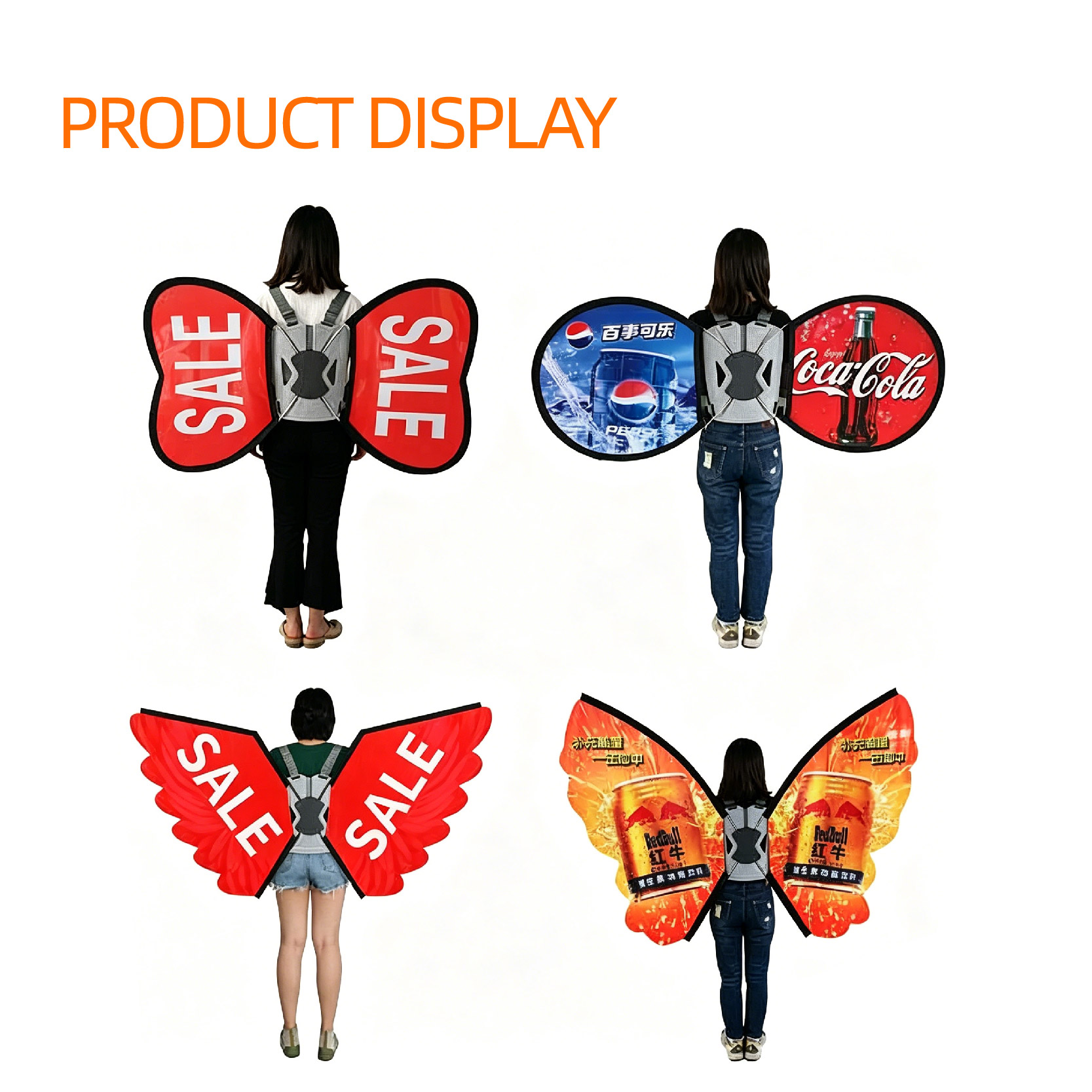
Not every promotional environment rewards the same display characteristics. The Backpack M’s strengths—light weight, fast graphics swap, rust-proof poles—map to specific use cases.
4.1 Trade Shows and Exhibitions
This is the primary application. Show floors demand quick setup, venue weight restrictions, and durability against aisle traffic. Distributor reports indicate a single ambassador with a walking billboard can generate up to 40% more brochure handouts than a static pull-up banner simply because the message moves with the crowd. The ability to swap flags for different session themes (e.g., morning keynote vs. afternoon demo) without returning to a booth reduces idle time.
4.2 Street Advertising and Promotional Campaigns
Mobile promotions in city centers, shopping districts, or beach promenades expose hardware to wind, sun, and humidity. Carbon composite poles do not corrode; the base iron is powder-coated and tested in coastal salt-spray conditions. The 3D-foam harness provides ventilation, critical for ambassadors in tropical climates. Buyers for promotional agencies should request salt-spray test reports and UV stability data on the printed polyester, not just pole specifications.
4.3 Sports Events and Parades
Sideline promotions, marathon branding, and parade floats require equipment that can be worn while moving rapidly. The 1.2 kg weight and secure harness allow jogging, while wind-buckled flags minimize drag. Event logistics providers value the stackable, compact packaging: each unit packs into a 54 x 30.5 x 5.5 cm flat box, allowing dense pallet loading.
5. Factory Process: From Carbon Tow to Finished Backpack System
Procurement professionals increasingly demand visibility into manufacturing, not just finished-product certifications. The Backpack M’s carbon composite poles originate from prepreg carbon fiber tow, sourced from a Japanese supplier and laid up in WZRODS’ Shandong facility. The layup orientation combines 0-degree and ±45-degree plies to optimize bending stiffness and torsional stability. Independent mill test reports track tensile modulus and fatigue life. Each batch is tested for interlaminar shear strength and void content. These reports are available to qualified buyers.
A pole that passes a simple yield test may still fail after 500 assembly cycles if the matrix develops microcracks. WZRODS fatigue-tests each design to 2,000 insertion/removal cycles—far exceeding typical field usage over three years. Buyers should require such data from any supplier, not merely a yield strength number.
The harness assembly uses Oxford fabric with a waterproof backing, and the 3D foam is die-cut to precise thickness tolerances for consistent strap alignment. The iron base is laser-cut from sheet, powder-coated in a seven-stage pretreatment line to achieve a minimum 500-hour salt spray rating per ISO 9227. Final assembly includes a 100% dimension check of pole-to-connector fit and a pull test of quick-release buckles. The facility holds REACH certification, critical for EU importers. Average lead time is 15–30 days, reflecting the printing queue for custom CMYK dye-sublimation flags. In peak season (January–March), lead times push to the upper end; buyers are advised to place orders 45 days before critical show dates.
6. Trends: Global Trade Policy, Tariff Engineering, and Lightweight Mandates
Trade policy is an active procurement variable. Section 301 tariffs and the evolving EU Carbon Border Adjustment Mechanism (CBAM) reshape cost and documentation requirements. The Backpack M’s carbon composite pole classification under HTS 6815.99.40 offers a lower duty rate than aluminum articles under 7616.99.51. However, the complete kit also includes iron, polyester, and foam components. Correct classification of the assembled product requires a binding ruling or reliance on the essential character rule. WZRODS provides a suggested HTS code based on prior customs clearances, but the buyer bears final responsibility. Buyers with an in-house customs broker can further reduce duties by unbundling: importing poles separately under the carbon heading and flags under textile headings (e.g., 6307.90.98), potentially lowering the weighted average duty. WZRODS will split shipments and provide separate commercial invoices for components when requested.
Sustainability trends also favor the Backpack M. Lower shipping weight per unit reduces the carbon footprint. Longer service life and lower replacement rates cut waste. For buyers participating in ISO 20121 event sustainability management systems, these metrics are quantifiable. The carbon composite frame is not easily mechanically recyclable, but it avoids the energy-intensive re-melting loop of aluminum. This is a data point for carbon accounting, not a simplistic “green is better” claim.
7. Upgrade Solution: Migrating from Legacy Aluminum to Carbon Composite Systems
A complete overnight replacement of an existing aluminum fleet is rarely justifiable. Key point: A phased migration captures operational improvements while minimizing sunk cost. Start with a field audit of existing units: record failure modes, repair frequency, and labor hours spent on graphic changes. Typically, 15–20% of the fleet accounts for 80% of the maintenance cost. Target that segment for replacement with Backpack M units. Deploy the new carbon units to the highest-impact shows, where failure cost is greatest. Relegate the remaining aluminum units to low-traffic events or use them as backup. Over a 2–3 year cycle, the fleet transitions gradually.
Training local labor on the new graphics attachment system is straightforward. WZRODS supplies a one-page illustrated guide and a short video demonstrating the pole-swap procedure. In field tests, staff with no prior experience mounted a flag correctly in under two minutes on the first attempt. Standardizing the flag attachment mechanism across the fleet means all future graphic orders can be printed to the same sleeve dimensions, retiring fitment errors. A buyer who does not standardize flag interfaces across suppliers creates a fragmented spare parts inventory that inflates TCO.
8. Frequently Asked Questions
What is the minimum order quantity for the Backpack M?
MOQ is 1 piece. Unit pricing ranges from USD 20.9 to 44.9, depending on customization level and flag quantity. Single-unit sample orders are accepted, though sample delivery times follow the standard 15–30 day lead time.
Are free samples available?
WZRODS does not offer free samples. Buyers may purchase a sample unit at the applicable MOQ price. The sample can serve as a pre-production approval piece for custom graphics and as a physical reference for engineering evaluation.
Which payment terms does WZRODS accept?
The supplier supports T/T payments. For large-volume contracts, a letter of credit at sight can be arranged upon mutual agreement. Standard terms for initial orders are a 30% deposit with 70% balance before shipment.
What certifications apply to the Backpack M?
The product holds REACH certification, required for EU import. The polyester fabric meets Oeko-Tex Standard 100 for harmful substances. Carbon composite material test reports include tensile modulus, interlaminar shear strength, and fatigue cycle data. These documents are furnished to qualified buyers.
What are the exact shipping dimensions and weight?
Each unit packs in a carton measuring 54 x 30.5 x 5.5 cm, with a gross weight of 4.2 kg. Palletization configurations depend on order volume; a standard pallet accommodates approximately 36 units, optimizing container utilization.
How does the graphics customization process work?
Buyers submit artwork in CMYK format via digital transfer. WZRODS uses dye-sublimation printing on 100% polyester fabric. Standard flag size is 111 x 72 cm per side, double-sided. A digital proof is provided within 3 business days for approval before production. Light customization, such as logo placement on the harness, is also supported.
What is the warranty, and how are claims handled?
The Backpack M carries a 1-year warranty against manufacturing defects. Claims are processed based on photographic evidence and a description of the failure mode. Replacement parts or complete units ship with the next regular order to consolidate freight. Distributors are advised to keep a spare parts kit with extra poles, buckles, and connectors for immediate field needs.
Are there import duty advantages for the carbon composite system?
Yes. Carbon composite articles typically classify under HTS 6815.99.40 in the United States, attracting a 3.5% duty rate versus 5.7% for aluminum articles under 7616.99.51. In the EU, TARIC codes for carbon articles often result in 0–3.7% duty, while aluminum faces 6%. Buyers should consult their customs broker for a binding ruling. WZRODS can provide a suggested HTS code and, upon request, ship components separately to enable tariff engineering.
What real-world performance data supports the low failure rate?
WZRODS aggregates warranty claim data from distributor networks. Across approximately 3,500 Backpack M units shipped globally in 2023, the reported failure rate was 0.8%. The
About the Author
Wei Chen, Senior Product Specialist
B.S. Supply Chain Management, Michigan State University; Certified Professional in Supply Management (CPSM)
12 years in B2B display hardware sourcing. Former procurement manager for a top 20 US promotional products distributor. Specializes in aluminum pole systems and import compliance.
Reviewed by WZRODS Technical Team. Updated: 2026-07-27
 Comments (0)
No comments yet. Be the first to comment!
Leave a Comment
Related Products
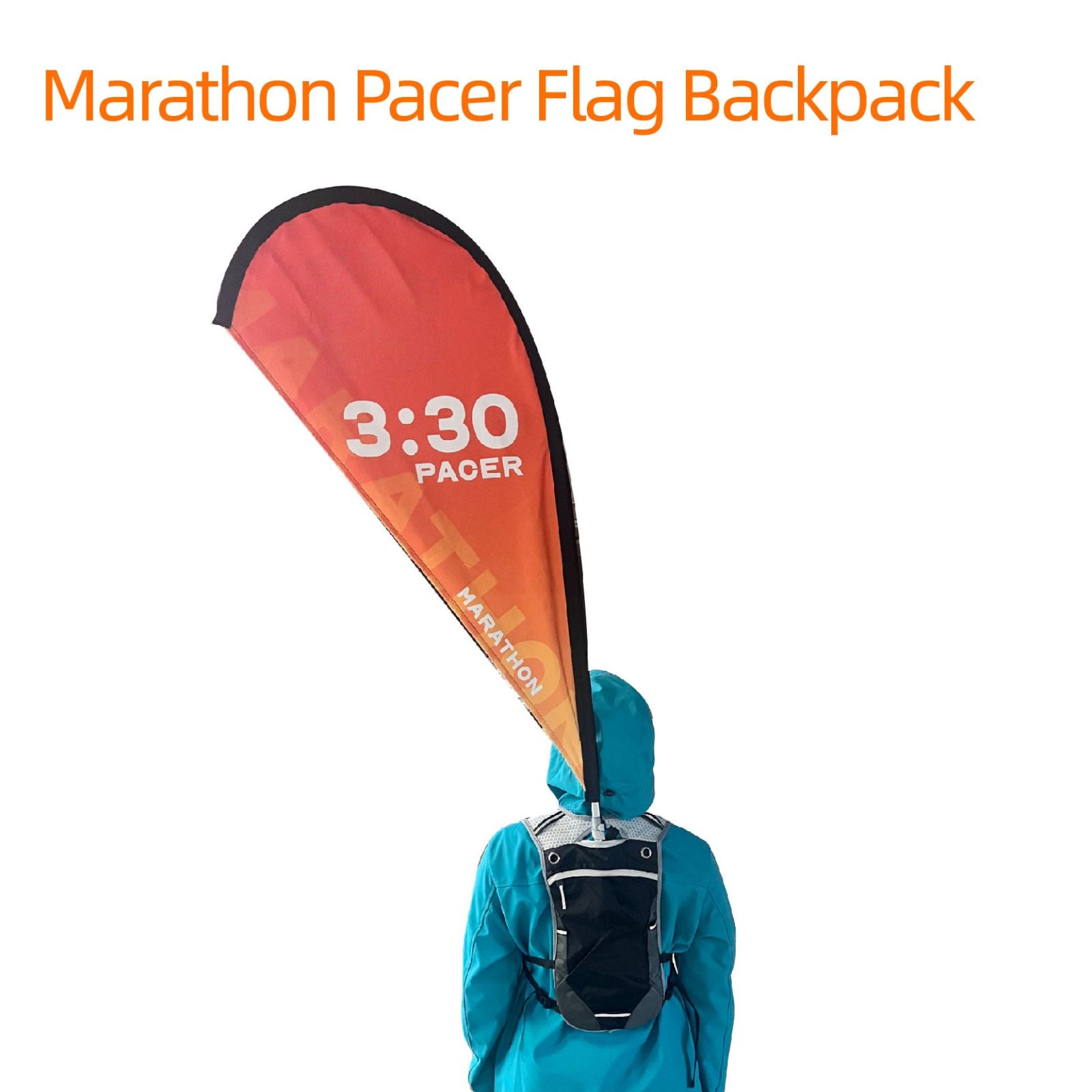
Marathon Pacer Flag
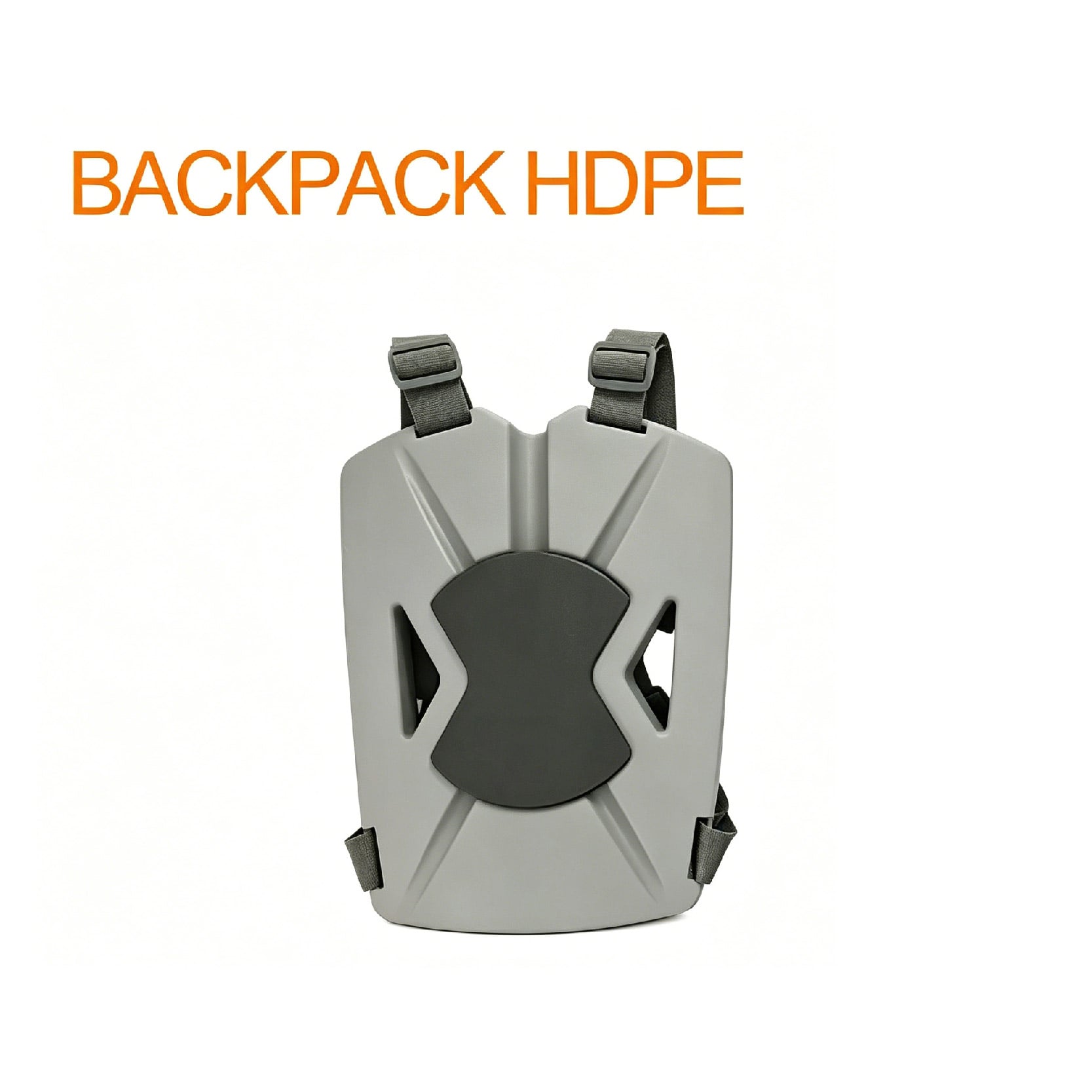
Backpack flag HDPE
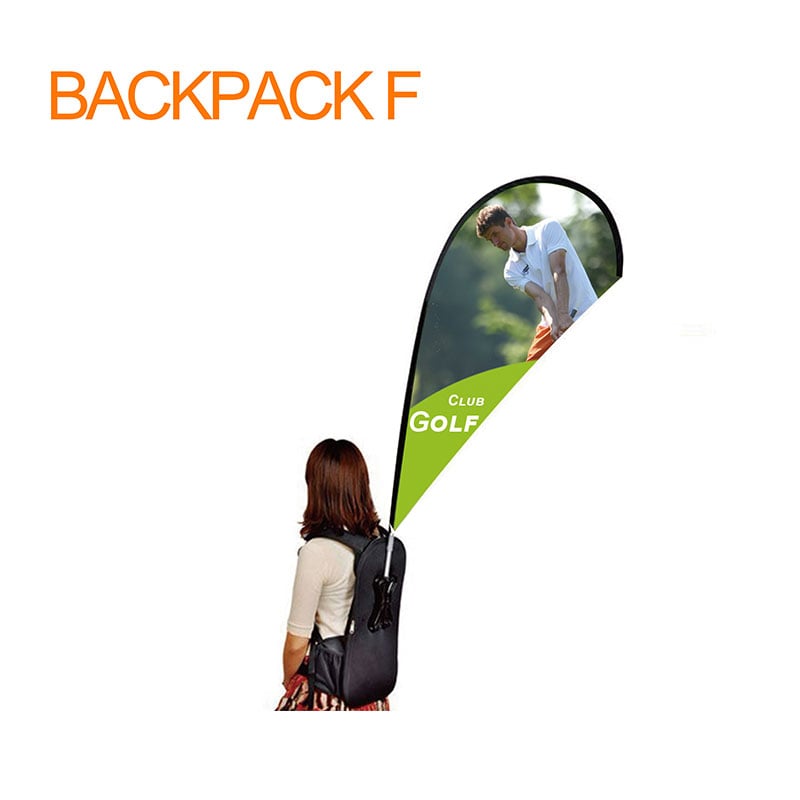
Backpack banner SFH
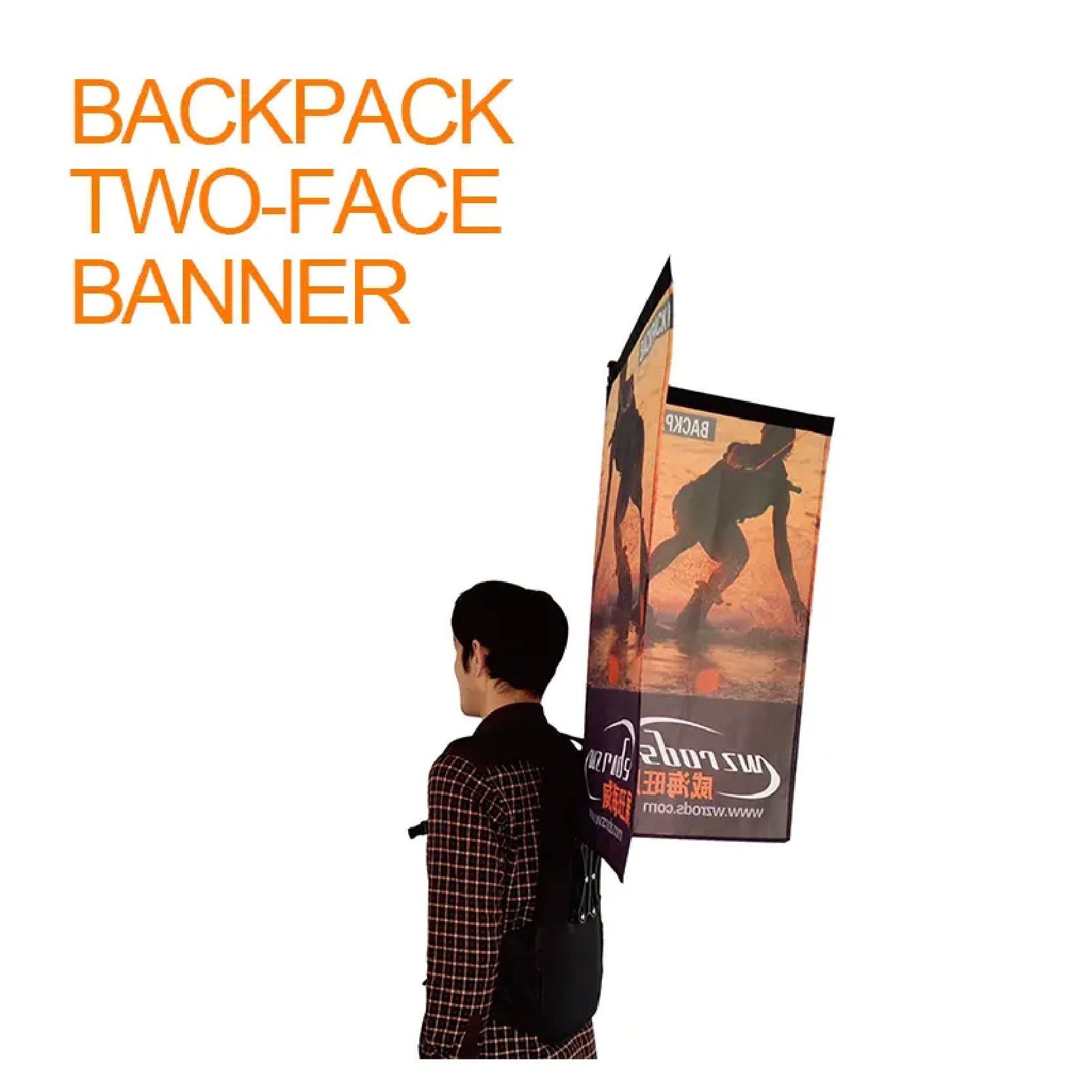
Backpack Two - Face banner
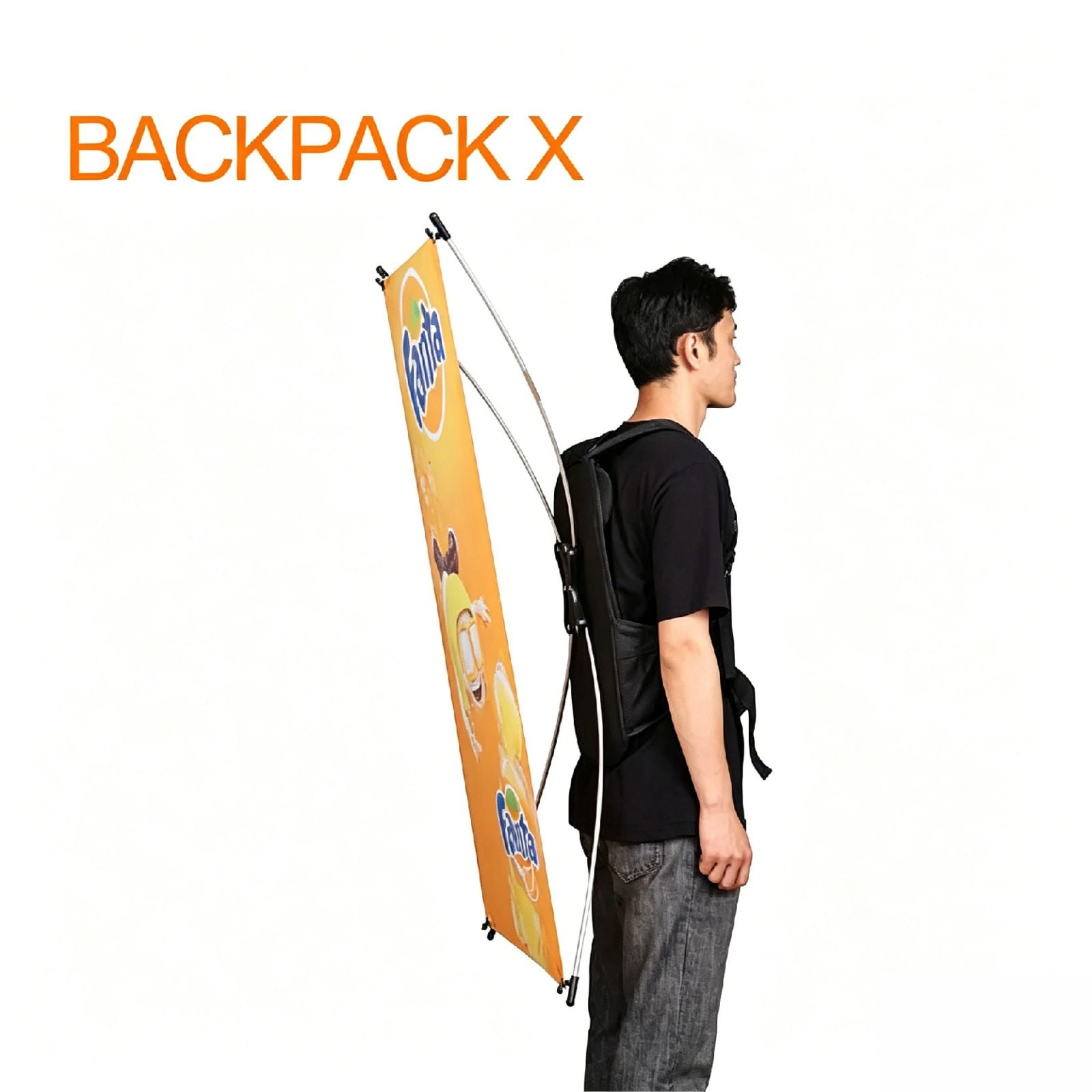
Backpack X
Backpack Umbrella
Backpack From Board
Backpack B
Backpack Budget
Backpack flag & sign
Related Articles
29kg Concrete Flag Base - The Complete B2B Buyer's Resource - WZRODS
WZRODS DY451B: 29 kg, HDPE shell, concrete core. Stackable, portable, rust-proof. FOB price US$5.75–$6.85 at MOQ 2 units. Those numbers look unremarkable. Factor in landed cost—import duties lower than aluminum’s under relevant HTS codes, freight savings from less weight per unit of stabilizing mas
Wide Tube Cross Base - The Complete B2B Buyer's Resource - WZRODS
The Wide Tube Cross Base, manufactured by Wzrods in Shandong, China, solves one problem: reliable stability for poles under three meters, without the freight costs and warehouse footprint that heavier alternatives demand.
Rectangular Pipe Cross Base - The Complete B2B Buyer's Resource - WZRODS
The pipe cross flag base is a cross of rectangular steel pipe, powder‑coated, weighing 1.3 kg and spanning 78 cm across its arms. Its center holds a C‑ring shaft that lets the flag rotate with the wind.
X-Shape Backpack Banner - The Complete B2B Buyer's Resource - WZRODS
Economic Cross Base - The Complete B2B Buyer's Guide- WZRODS
When you buy an economic cross base—something like the Wzrods DM‑9, a 77 cm‑long, 1.3 kg iron cross—forget “economic” as a synonym for “cheap.” It means value-engineered.
Feather Flag - Professional Banner Poles & Systems Manufacturer - WZRODS
How to choose a high-quality backpack flag
The backpack flag concept centers on a frame carried on the back, similar to a backpack, specifically engineered to support a raised flag or banner.