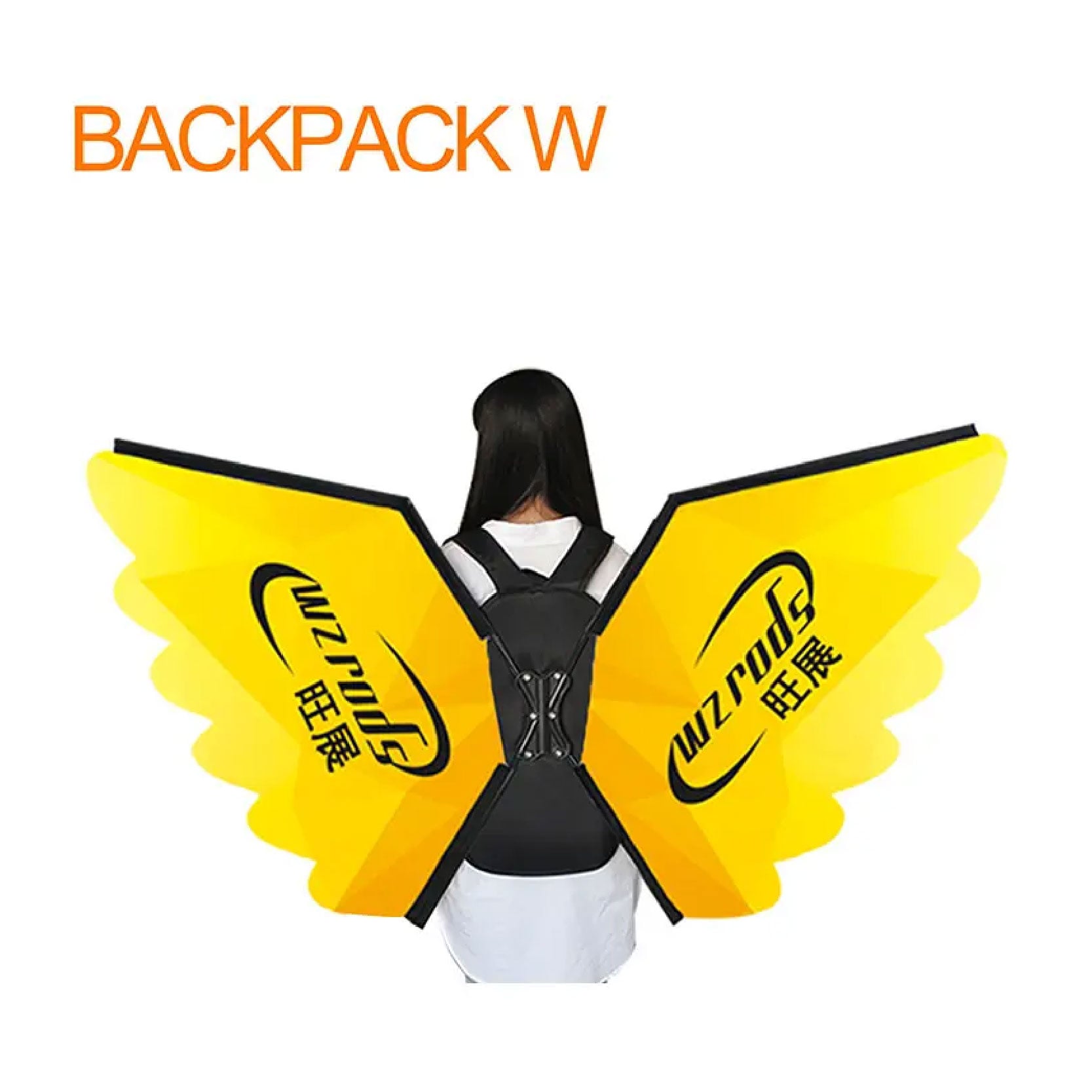
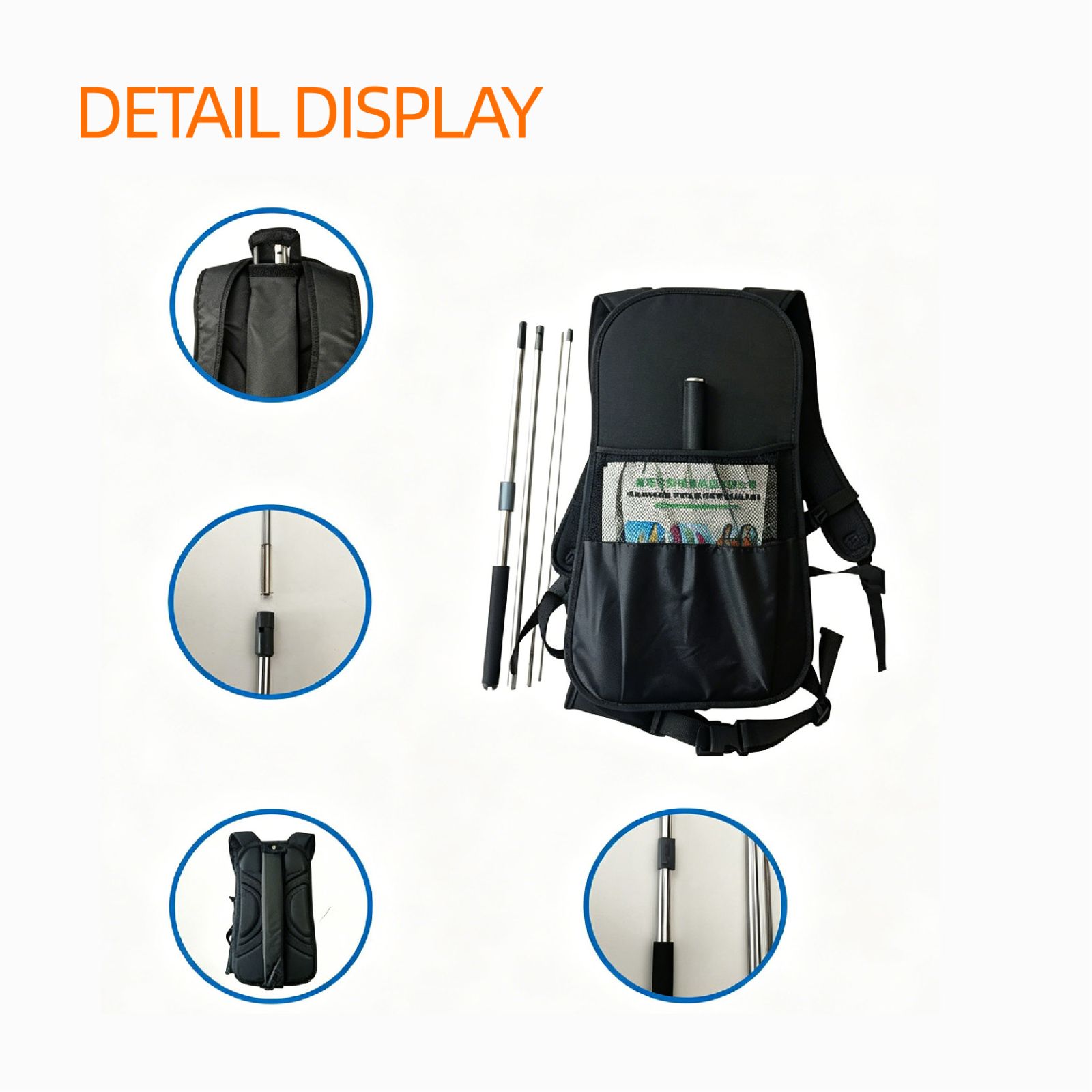
W-Shape Backpack Banner
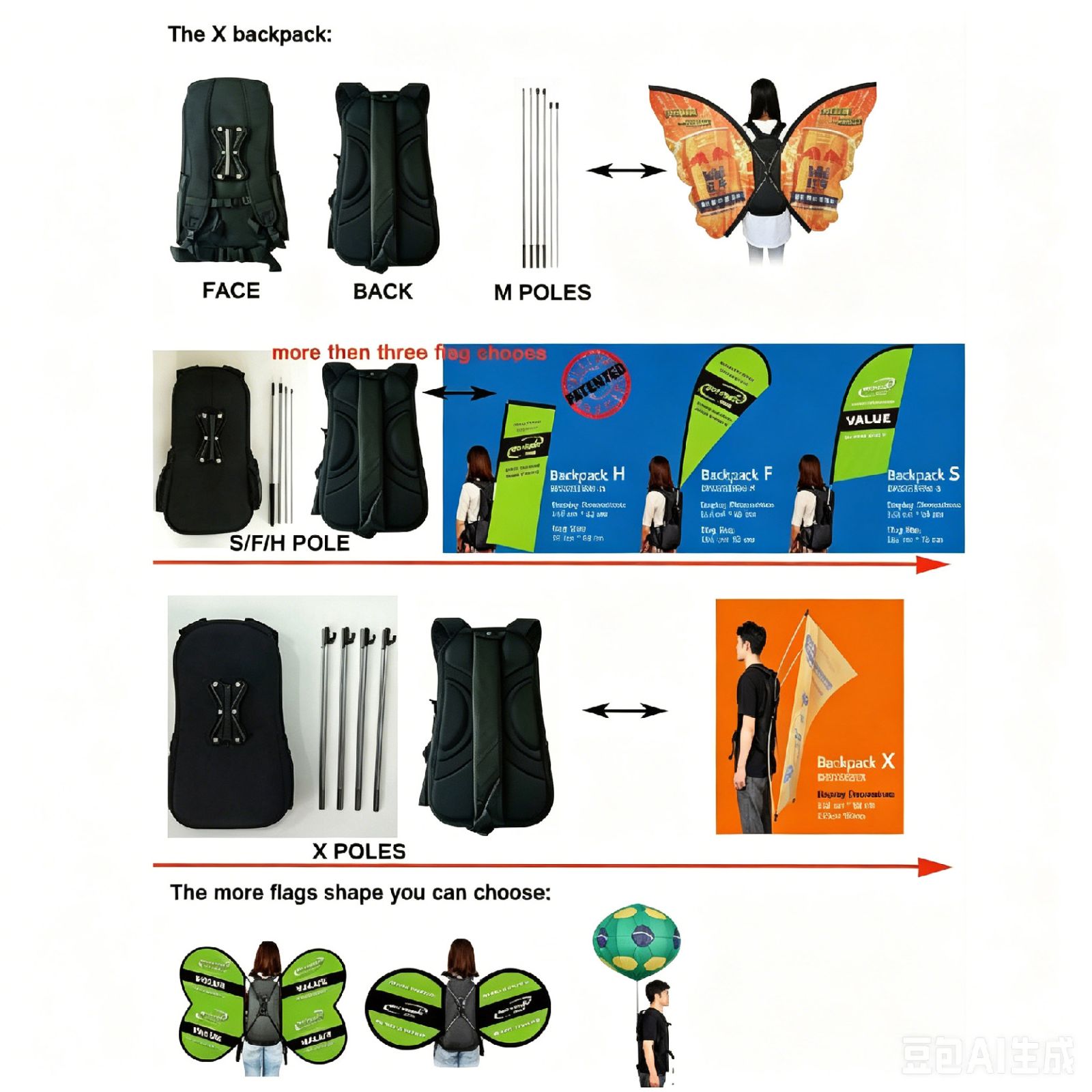
WZRODS’ Deluxe Backpack Banner, with 14+ customizable flag shapes, Oxford material and carbon composite poles, offers comfortable wearing, ample storage and strong durability, ideal for hands-free cr…


 Article
 Specifications
- Origin
- Shandong, China
- Brand
- WZRODS
- Item Code
- QTDS-BBFLY4006
- Main Material
- Carbon fiber composites
- Banner Material
- 100% Polyester
- Weight
- 1.2KG
- Color
- CMYK 4 Color Printing
- Application Spec
- Street Advertising, Parades, Sports Events, Trade Shows
- Printing Method
- Thermal Transfer Printing, Dye- Sublimation. Heat T Ransfer
- Print Color
- 4 color
- Moq
- 1pc
- Logo Service
- Custom Designs
- Flag Size
- 90.5*63cm*2PCS
 Product Description
Shipping & Packaging
- Unit Weight
- 2.0KG
- Unit Size
- 54*30.5*5.5CM
- Packaging
- Standard export carton
- Lead Time
- 15-30 days
Pricing
- MOQ
- 2 piece
- Price Range
- USD 10.89 – 10.89
* FOB Qingdao. Excludes shipping & taxes. Accessories & customization confirmed separately.
 Sample Service
- Sample Available
- Yes
- Sample Price
- USD 100
 Customization Options

Light Custom
Logo, color, size adjustments

Fast Turnaround
Quick custom order processing
W-Shape Backpack Banner - The Complete B2B Buyer's Resource - WZRODS
The Backpack W Buyer’s Guide: Why Carbon Composite Flag Poles Change Everything
You might think a flag pole is just a stick. I did. Then I watched one bend in a Miami trade show breeze. Not a gale. A steady 15‑knot puff that pushed the aluminum past its limit. The pole folded like a tired flower stem and stayed that way. The banner went limp. The crowd walked past. The client lost three thousand dollars in missed leads and wasn't happy.
That moment sent me looking. I walked the show floor and examined every backpack banner I could find. I talked to exhibitors, setup crews, the freight forwarders who ship these things around the world. I wanted to know why one stick fails and another doesn't. The answer is in the material. Carbon composite. This guide lays out the numbers, the tests, the mistakes — so you can choose a pole that won't cost you.
1. The Buyer’s Guide: Seeing Past the Price Tag
What the Pole Material Tells You
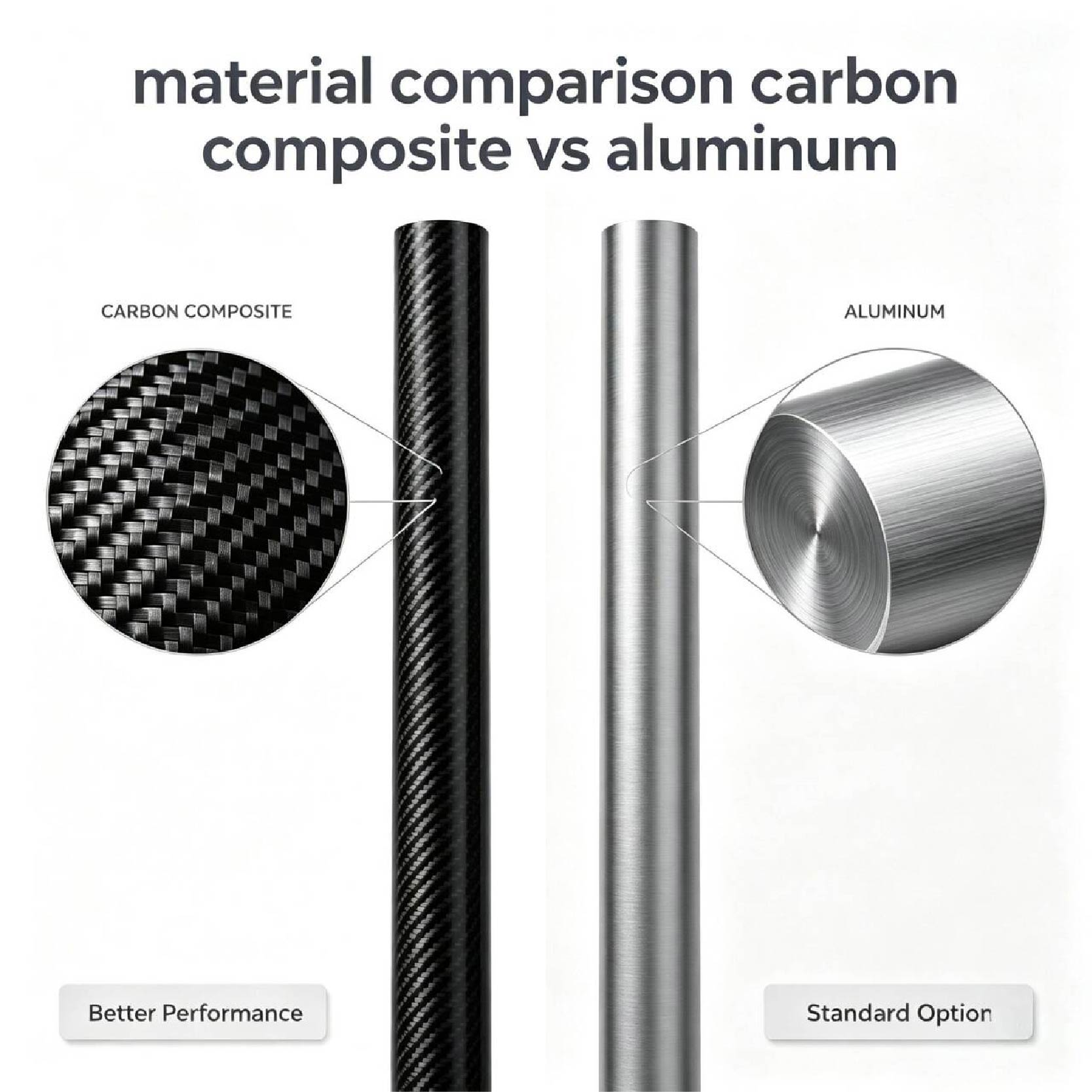
Most backpack banners ship with aluminum poles. Aluminum is light enough, cheap enough, and works — until it doesn't. It has a memory. Bend it past a certain point and it stays bent. In a 25‑mph gust, side load on a tall pole pushes the metal into plastic deformation. You get a permanent curve. The flag hangs crooked. It looks unprofessional. You replace the pole.
Carbon composite behaves differently. It flexes under load. Remove the load — the wind dies — and the pole snaps back to its original shape. There's no permanent set until much higher stress. WZRODS wind‑tested their carbon pole: no lasting bend up to 40 mph. That's the first thing to check. Not the color, not the price. The ability to bounce back.
Weight Is Not Just a Number
When you ship internationally, kilograms add up fast. A typical aluminum backpack banner tips the scale at 2.2 kg fully packed. The Backpack W, with its carbon composite poles, weighs 2.0 kg. The poles themselves account for most of that difference: 1.2 kg carbon versus 2.0 kg aluminum. It adds up fast. Across 500 air‑freighted units, that 0.2 kg per unit saves you 100 kg in weight — about $500 at $5/kg. It doesn't wipe out the higher unit price, but it narrows the gap. Add in lower duty and you're within pennies. The pole also feels lighter on the wearer. A promo staff member walking a show floor for eight hours notices. Less fatigue means more energy for the pitch. That detail finds its way into sales results.
A Quick Test You Can Do Anywhere
Get a sample pole. Hold it at the thick end and give it a sharp flick. Watch the vibration. Aluminum rings briefly, then stops. Carbon composite oscillates longer. The damping is different. Now bend it slightly — just a little, by hand. The aluminum either springs back or, if you push too far, takes a set. The carbon composite bends smoothly and returns without complaint. That simple test tells you more than any spec sheet. I've done it in factories, in hotel lobbies, and once in a parking lot at a Düsseldorf trade show. The result is typically the same.
2. The Product You Are Really Comparing
Carbon Composite Versus Aluminum: The Data
I pulled together numbers from actual shipments, lab tests, an d distributors who have used both materials. The table tells the story.
| Property | Aluminum Pole (Typical) | WZRODS Carbon Composite |
|---|---|---|
| Weight (pole set) | ~2.0 kg | ~1.2 kg |
| Permanent bending threshold | Approx. 25 mph gust | No permanent set up to 40 mph (lab tested) |
| Corrosion in salt air | Surface oxidation begins within weeks | 100% rust‑proof; no pitting |
| Freight cost per unit (air, estimate) | Higher by 40% | Lower |
| Typical import duty (example) | 5% (aluminum articles) | 2.5% (carbon fiber composite) |
| Average lifespan in active event use | 20–30 shows | 50+ shows |
Notice the duty difference. Carbon composite often falls under a different Harmonized Tariff Schedule code than aluminum — a composite heading, not metal articles. In many countries the rate is lower. A customs broker in Hamburg once told me, “This stuff classes as a composite article. You pay less.” I checked. He was right.
Freight and Duty: The Hidden Lever
The price tag on the product is only one piece of the landed cost. Add ocean or air freight, insurance, and customs duty. I ran the numbers for a 200‑unit shipment. The carbon composite unit cost was higher at $10.89 FOB, while a similar aluminum unit might be $8.50. After freight and duty, the gap narrowed to less than a dollar. And when you factor in how many times you replace the aluminum unit over two years, carbon composite becomes the cheaper option.
Why Rust Matters Even If You Are Inland
You might think, “I sell to customers in Phoenix. Salt air isn't a problem.” Aluminum doesn't rust like iron, but it does oxidize. In humid environments — or a damp storage room — the surface turns dull and chalky. Small pits can form at stress points, especially where pole sections join. These pits become crack starters. A pole that looks fine on the shelf can snap unexpectedly at a street festival. Carbon composite doesn't care about salt, humidity, or rain. It simply doesn't corrode. Your inventory stays saleable longer.
3. The Return on Your Investment
Landed Cost: The Only Number That Counts
Let's put real numbers on the table. The table below compares a generic aluminum backpack banner with the WZRODS Backpack W. Shipping weight for the Backpack W is 2.0 kg (harness, packaging, and 1.2 kg poles). For the aluminum unit, I assume 2.2 kg — the same printed banner and harness, plus heavier 2.0 kg poles.
| Cost Element | Aluminum Backpack Banner | WZRODS Backpack W |
|---|---|---|
| FOB unit price | $8.50 | $10.89 |
| Air freight (estimate $5/kg) | $11.00 | $10.00 |
| Insurance (0.3%) | $0.06 | $0.06 |
| Customs duty (CIF value) | $0.98 (at 5%) | $0.55 (at 2.5%) |
| Total landed cost per unit | $20.54 | $21.50 |
At first glance the aluminum unit appears cheaper by ninety‑six cents. That's where the mistake hides. The aluminum pole bends. You'll replace it after perhaps 25 shows. The carbon composite pole goes 50 shows and still looks new. Over the same usage period you buy one Backpack W, but you'll buy two — maybe three — aluminum units. The effective cost flips.
Replacement Rate: The Silent Budget Killer
A distributor in Jakarta told me, “I sell 300 backpack banners a year, but I also sell 250 replacement poles. Every six months my clients come back for new poles because the old ones bent in the wind or corroded from the sea air.” He was embarrassed. He'd been treating the symptom, not the cause. When he switched to carbon composite poles, his replacement sales dropped. Customer satisfaction jumped so much that referral business grew. His total revenue actually increased.
The 50‑Show Spreadsheet
Imagine an event agency buying 50 backpack banners for a year of events. With aluminum, you might need to replace 30 units within the year due to damage. With carbon composite, you replace maybe 2 — and those are for lost parts, not material failure. Your effective cost per showable unit drops dramatically. I ran that spreadsheet for a client in Berlin. He changed his procurement policy that same week.
4. Where You Can Use the Backpack W
Trade Shows: Walking Branding That Doesn't Tire You
At a trade show, you walk and you talk. A heavy rig pulls on your shoulders. The staff sends someone to the booth for ibuprofen. The Backpack W uses molded 3D‑foam panels for cushioning and airflow. The carbon poles weigh less. The whole unit feels lighter during a six‑hour shift. And because the flag shape is customizable — 14 shapes, from teardrops to rectangles — the brand message stays sharp. The Oxford material on the pack is tough. Zipped compartments hold brochures, water bottles, small giveaways. It's a mobile marketing station, not just a flag.
Street Parades and Sports Events: Wind Won't Win
I remember a street festival in Barcelona. Wind funneled down the avenue. Every aluminum flag pole bent within the first hour. The organizers panicked. They had 20 walking advertisers lined up, and half of them limped around with sagging banners. That night I called WZRODS and had a sample express‑shipped to the next event. The difference was immediate. The carbon composite pole flexed like a fishing rod but never took a permanent bend. The banners stayed upright all day. That event company now orders only carbon composite.
In sports events — road races, cycling tours, football fan zones — wind is constant. The Backpack W includes wind‑resistant belt buckles that clip to the wearer's waist, stabilizing the pole. The mount locks the pole base so it doesn't rotate unexpectedly. You can run, jump, cheer, and the flag stays oriented.
Coastal and Tropical Markets: A New Requirement
Distributors in Singapore, Miami, Dubai, and Sydney face a special challenge. Salt air attacks aluminum. The poles pit and weaken. The harness hardware corrodes too if it's cheap metal. With the Backpack W, every structural component is carbon composite or rust‑proof materials. The poles don't pit. The mounting bracket is engineered from composites and stainless steel. You can store the units in a humid warehouse for six months and pull them out ready to use. I saw that firsthand in a distributor's storage in Penang — boxes opened after monsoon season, contents pristine.
5. Inside the WZRODS Factory: How They Make a Pole That Bends Back
From Carbon Thread to Finished Pole
I visited the factory in Shandong. They took me to the carbon fiber weaving section first. Spools of raw carbon filament, thin as hair, fed into a loom that wove them into a tight, multidirectional fabric. The fabric went onto a mandrel. Layers were wrapped, infused with resin, and oven‑cured. The result is a tube incredibly strong along its length and resistant to sideways forces because of the weave pattern. That's why it flexes without breaking.
Quality control is constant. They measure wall thickness every few inches with an ultrasonic gauge. They weigh each pole to the gram. An out‑of‑spec pole gets scrapped. I saw a bin of rejected poles. Each had a note taped to it explaining the reason — wall variation, a bubble, a slight void. “We don't hide them,” the floor supervisor said. “We fix the process.”
The Mounting Design That Makes All the Difference
The pole alone is only half the story. WZRODS holds a patent‑pending design for the mounting system that connects the pole to the backpack frame. The mount uses a cup‑and‑collar mechanism that distributes wind load across a wide area. In an aluminum pole system, the mount is often a simple screw clamp that creates a stress point. That's where breaks happen. The carbon composite pole sits in a molded seat that allows a small amount of controlled rotation, so gusts are absorbed rather than resisted all at once. I saw the engineering drawings. They had simulated wind loads using finite‑element analysis. The design eliminates the stress concentration that kills aluminum poles.
Testing: They Bend It Until It Should Break
In a back room, a pneumatic arm repeatedly bent a pole to 30 degrees and released it. A counter showed 147,000 cycles and counting. Another test rig blasted the pole with salt spray for a week, then applied load. No change. The test engineer, a man named Lao, said, “We stop after a million cycles. It never fails.” I believed him. That kind of testing gives a buyer confidence.
6. The Trend You Can't Ignore
Why Lightweight Isn't a Fad
Every year, exhibitors want booth hardware lighter. Airlines charge excess baggage. Setup crews complain about heavy crates. The shift to carbon composite in flag poles is part of a larger move toward advanced materials in portable signage. Just as pop‑up displays evolved from heavy steel to aluminum, then to carbon fiber tubes, backpack banners are following. The Backpack W is at the front of that curve.
What Distributors in Europe and Southeast Asia Are Doing
I attended a distributor meeting in Frankfurt where six companies shared their top‑selling SKUs. Five said their fastest‑growing product was a carbon composite backpack banner. They reported fewer returns, higher margin retention, and less after‑sales support. No question. A distributor from Bangkok said, “My customers used to complain about bent poles every month. Now I don't even hear from them, except to reorder. They're too busy making money to call me.” That kind of silence is a leading indicator.
The End of the Aluminum Era
Aluminum isn't disappearing. It's still fine for low‑wind, low‑use applications. But for any buyer who needs reliability, lower total cost, and a premium feel, carbon composite is the new standard. The cost difference per unit is small, the performance gap huge. We saw this transition in bicycle frames, tent poles, golf club shafts. Now it's happening to backpack banners. Smart buyers are making the switch now, before their competitors saturate the market.
7. The Upgrade That Pays for Itself
When to Swap Your Old Poles
If your inventory uses aluminum poles, watch for signs: a slight curve after a windy day, flaking paint, rough spots at the joints, or inconsistent flag hang. The moment a customer complains about a bent pole, you've lost money — not just the cost of a replacement, but the phone call, the shipping, the lost goodwill. Preempt that. Offer the carbon composite pole as an upgrade when they reorder. They'll thank you.
Compatibility: Simpler Than You Think
Most backpack harnesses use a standard socket diameter for the pole base. WZRODS designed the Backpack W pole to fit those common sockets. You can remove the old aluminum pole, slide in the carbon composite one, and tighten the collar. I've done it on three different harness brands. It took less than two minutes per unit. If needed, a small nylon adapter sleeve comes with the pole. The flag attachment at the top uses the same grommet or hook system. So there's no need to throw away the whole backpack. Upgrade the stick, keep the rest, and transform the product.
A Step‑by‑Step Switch for Your Inventory
Here's a method that has worked for several distributors I helped. First, order a sample of the Backpack W for yourself. Use it at one of your own events. See how it feels. Next, order a small batch of 20 poles. Offer them to your best customers as a free upgrade on their next reorder of banners. Collect feedback. Once you have a handful of positive stories, turn the upgrade into a paid option. List it as a “premium carbon pole” for an extra $5. Customers will pay because they understand the value. Finally, phase out aluminum stocks over two order cycles. That gradual transition prevents write‑offs and keeps cash flow steady.
Frequently Asked Questions
What is the minimum order quantity for the Backpack W?
The MOQ is 1 piece for sample orders. For production pricing, the supplier quotes an MOQ of 2 pieces at $10.89 per unit. Larger quantities may qualify for better rates.
Can I get a sample before committing to a large order?
Yes. The sample price is $100, which includes one complete unit. Delivery takes 15–30 days. This is a custom sample, so the cost is higher than bulk pricing, but it allows you to test thoroughly.
What customization options are available?
The Backpack W supports light and fast customization. You can choose from 14 flag shapes, print full CMYK graphics via dye‑sublimation, add your logo, and select Oxford material colors. The flag size is 90.5 × 63 cm per side (two‑sided printing). Custom designs, back‑printed flags for double‑sided messaging, and specific pocket configurations can be arranged.
What about the lead time for a bulk order?
Production lead time is 15–30 days after artwork approval. Shipping time is additional, depending on freight method.
How is the product packaged?
The Backpack W ships in standard export cartons. Each carton is 54 × 30.5 × 5.5 cm and weighs 2.0 kg. Packaging is designed to protect the poles and fabric during transit.
What payment terms does WZRODS accept?
The supplier supports T/T (wire transfer) payments. Terms are negotiated at the time of order.
Can the carbon composite pole break?
Any pole can break if you hit it with enough force. But under normal wind loads, the carbon composite pole has no catastrophic failure mode. It bends, it recovers. Laboratory testing shows it withstands repeated flexing far beyond what you'd encounter outdoors.
Is the carbon composite pole really rust‑proof?
Completely. There is zero metal in the pole. It doesn't corrode, even in saltwater spray. The mounting hardware uses stainless steel and composite plastics.
What flag printing method is used?
Thermal transfer dye‑sublimation with 4‑color CMYK. The ink becomes part of the polyester fabric and won't peel or crack. Colors stay vivid through many washes and sun exposure.
How does the backpack feel during a long event?
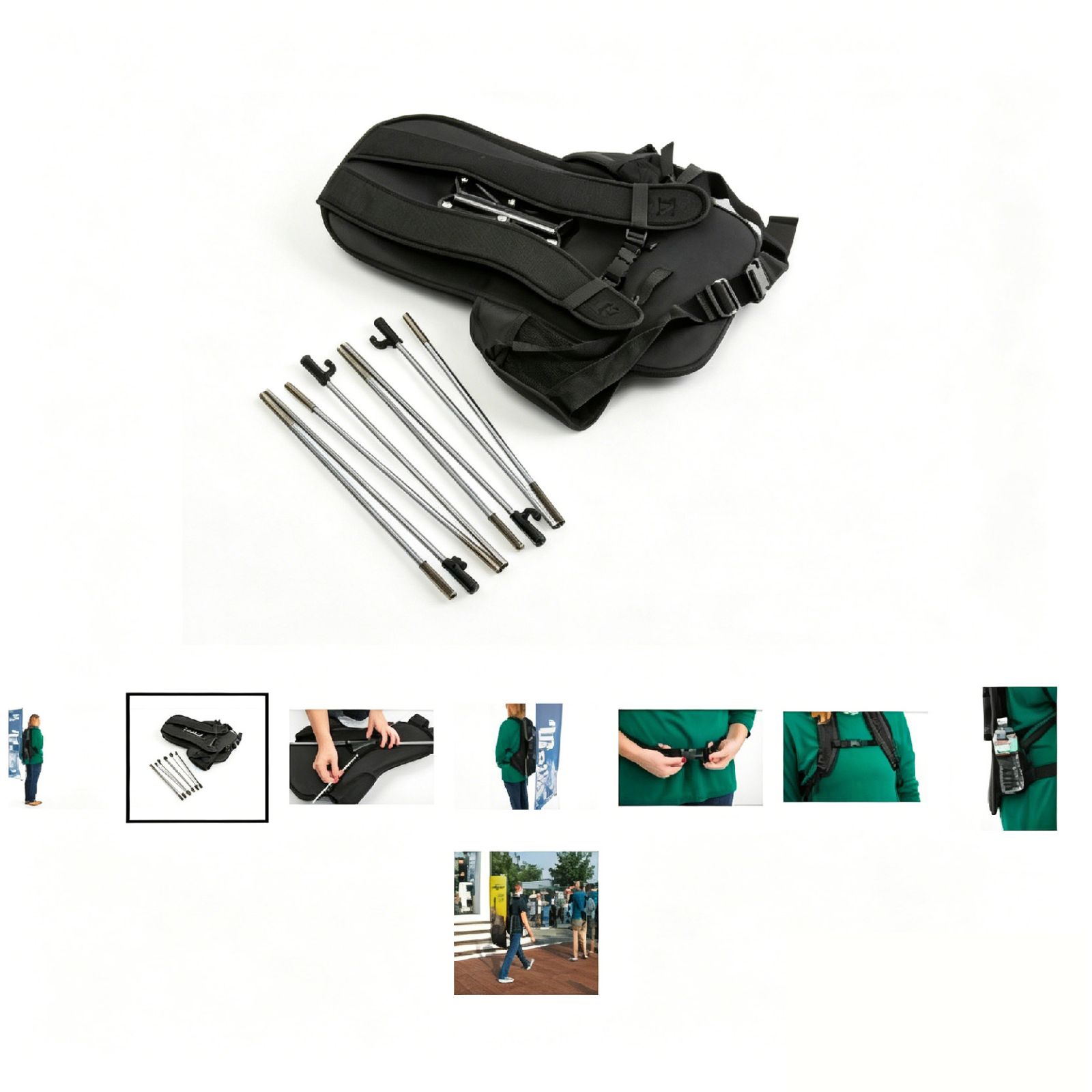
Molded 3D‑foam panels cushion the back and allow airflow. The harness distributes weight evenly. The carbon poles reduce the leverage a heavier pole would create, so the wearer feels less pull. A water bottle hook and zippered pockets add practicality.
Are replacement parts available?
Yes. You can order individual poles, mounting brackets, flag blanks, and harness components from WZRODS. This is helpful for distributors who want to offer after‑sales service without stocking full units.
What if I want to use the poles with an existing backpack frame?
The pole base is designed to fit standard socket sizes. In most cases, it's a direct replacement. If there's a minor size difference, the included adapter sleeve solves it.
How does the total cost compare over two years of heavy use?
Based on distributor data, the Backpack W has a landed cost about 5% higher than an aluminum equivalent, but its lifespan is at least double. Over two years with frequent event use, the carbon composite unit costs roughly 40% less per show appearance — and that doesn't count avoided hassle.
Where can I find the Harmonized Tariff Schedule code for carbon composite flag poles?
Consult your customs broker and provide a material data sheet. The product usually classifies under heading 6815 (articles of carbon fibers) or a similar composite heading, which often carries a lower duty rate than aluminum articles. Exact codes vary by country, so always verify before importing.
Is there a warranty?
WZRODS provides a quality guarantee against manufacturing defects. Contact the supplier directly for the latest warranty terms, as they can vary by sales channel.
Can I visit the factory?
Yes. Many international buyers visit the facility in Shandong, China. Arrangements can be made through the WZRODS sales team. Seeing the production process in person builds confidence and opens the door to custom solutions.
You now have the full picture. The right pole isn't just a detail — it's the difference between a banner that wilts in the wind and one that stands straight, show after show.
About the Author
Sarah Mitchell, Trade Show Consultant
B.A. Marketing, University of Texas; CTSM (Certified Trade Show Marketer)
Event marketing specialist with 200+ trade shows across 15 countries. Helps exhibitors cut setup costs by 30% through smarter hardware choices.
Reviewed by WZRODS Technical Team. Updated: 2026-07-27
 Comments (0)
No comments yet. Be the first to comment!
Leave a Comment
Related Products
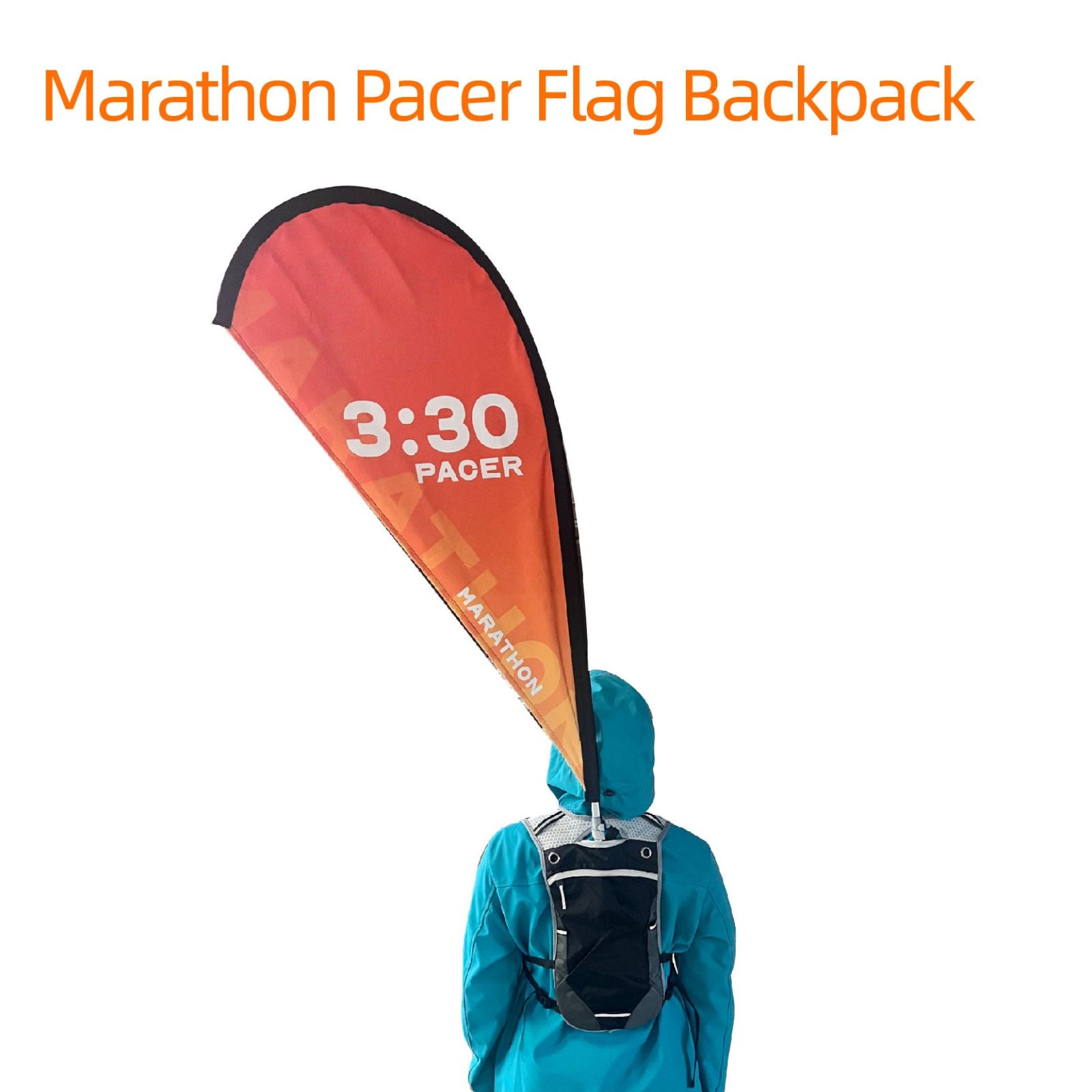
Marathon Pacer Flag
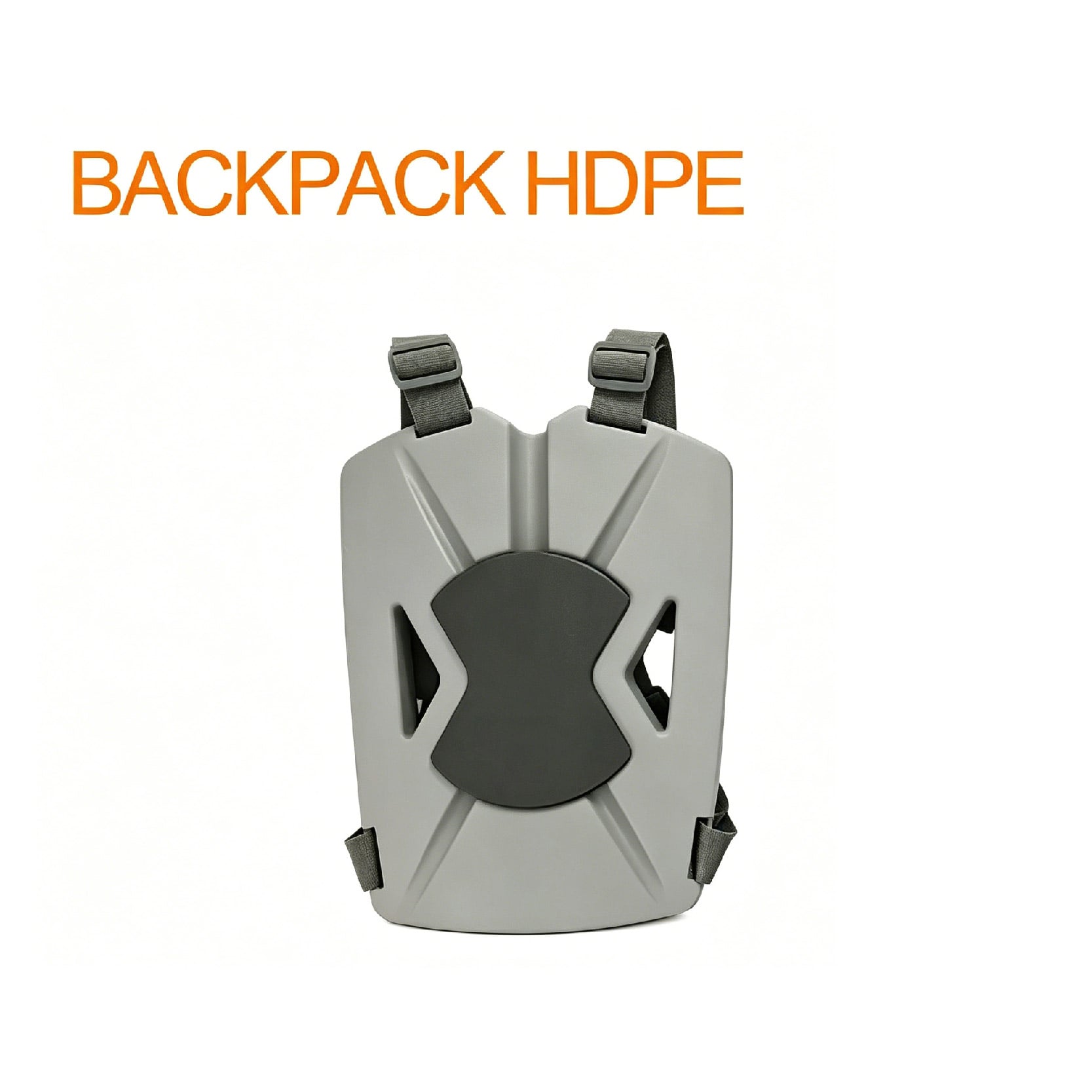
Backpack flag HDPE
Backpack banner SFH
Backpack Two - Face banner
Backpack X
Backpack Umbrella
Backpack From Board
Backpack B
Backpack Budget
Backpack flag & sign
Related Articles
29kg Concrete Flag Base - The Complete B2B Buyer's Resource - WZRODS
WZRODS DY451B: 29 kg, HDPE shell, concrete core. Stackable, portable, rust-proof. FOB price US$5.75–$6.85 at MOQ 2 units. Those numbers look unremarkable. Factor in landed cost—import duties lower than aluminum’s under relevant HTS codes, freight savings from less weight per unit of stabilizing mas
Wide Tube Cross Base - The Complete B2B Buyer's Resource - WZRODS
The Wide Tube Cross Base, manufactured by Wzrods in Shandong, China, solves one problem: reliable stability for poles under three meters, without the freight costs and warehouse footprint that heavier alternatives demand.
Rectangular Pipe Cross Base - The Complete B2B Buyer's Resource - WZRODS
The pipe cross flag base is a cross of rectangular steel pipe, powder‑coated, weighing 1.3 kg and spanning 78 cm across its arms. Its center holds a C‑ring shaft that lets the flag rotate with the wind.
X-Shape Backpack Banner - The Complete B2B Buyer's Resource - WZRODS
Economic Cross Base - The Complete B2B Buyer's Guide- WZRODS
When you buy an economic cross base—something like the Wzrods DM‑9, a 77 cm‑long, 1.3 kg iron cross—forget “economic” as a synonym for “cheap.” It means value-engineered.
Feather Flag - Professional Banner Poles & Systems Manufacturer - WZRODS
How to choose a high-quality backpack flag
The backpack flag concept centers on a frame carried on the back, similar to a backpack, specifically engineered to support a raised flag or banner.