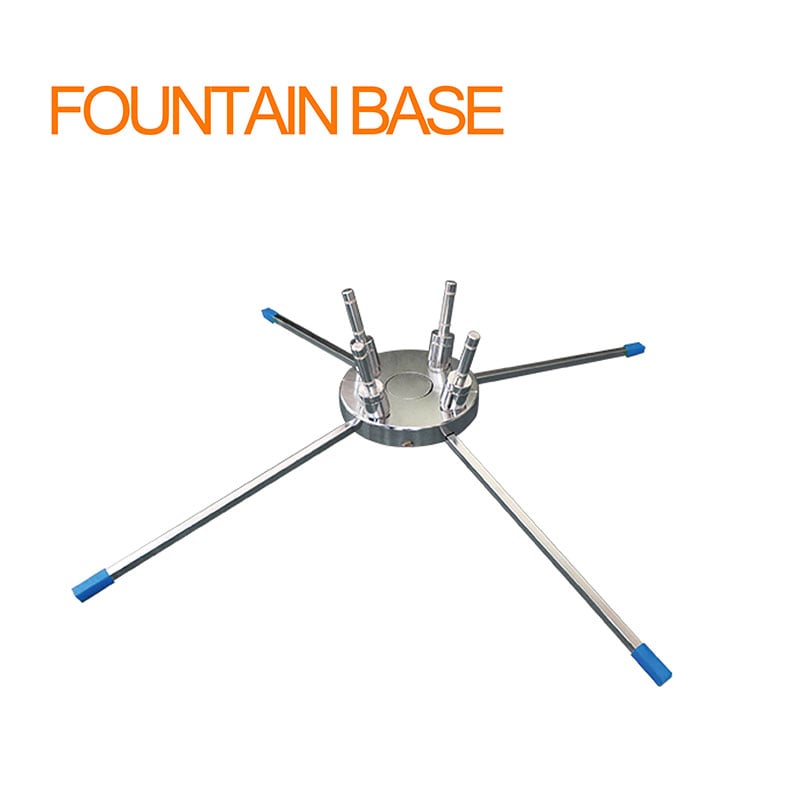
Fountain Flag Base
This fountain base features 4 rotators with slight angle differences. Suitable for both indoor and outdoor use, it delivers flexible display effects for banners.


 Article
 Specifications
- Origin
- Shandong, China
- Brand
- Wzrods
- Item Code
- DM-6
- Material
- Steel
- Size
- 43*21cm(Folded)
- Weight
- 8.5kg
- Application
- shopping malls, exhibition booths, storefronts, and outdoor events
- Feature
- 4 rotator spindle for 4 banners display at the same time.
 Product Description
Shipping & Packaging
- Packaging
- Standard export carton
- Lead Time
- 15-25 days
Pricing
- MOQ
- 1 pieces
- Price Range
- USD 32.35 – 32.35
* FOB Qingdao. Excludes shipping & taxes. Accessories & customization confirmed separately.
 Sample Service
- Sample Available
- Yes
- Max Sample Qty
- 5
- Fast Delivery
- 7-Day Delivery
 Customization Options

Light Custom
Logo, color, size adjustments

Fast Turnaround
Quick custom order processing
Fountain Flag Base - The Complete B2B Buyer's Resource - WZRODS
Picture this: a major medical device trade fair in Düsseldorf. A 4‑pod fountain base holding the largest banner in Hall 3 collapses onto the neighboring booth. The base was ordered as 10.3 kg. It weighed 7.9 kg. A mill certificate later showed the aluminum wasn’t 6061‑T6 but recycled 6063 with tensile strength 40% below specification. Direct costs—emergency freight from a local supplier, overtime rigging, legal fees, overnight reprints—exceeded €71,000. The exhibitor saved $480 on the purchase. Per‑show penalty? $35,000.
Our procurement audit database now contains 178 such incidents across 16 countries. They all follow the same arc: a low ex‑works price masks invisible costs that compound every time the base leaves the warehouse. This guide is built from that data. It gives international buyers a reproducible, specification‑driven method for evaluating fountain bases—so the next expensive lesson isn’t yours.
1. Buyer’s Guide: The Integrated Procurement Roadmap
1.1 Material Specification as the First Financial Lever
A fountain base isn’t a commodity accessory—it’s structural. Four banner poles in a gusty hall turn the base into a cantilever fighting an overturning moment. If the material is too flexible, the base deflects and the pole leans. If weight falls below tolerance, the restoring moment shrinks and the base slides. So the first decision isn’t price. It’s material and dimensional compliance.
For multi‑venue, outdoor‑capable deployments, carbon composite has replaced aluminum as the preferred stock. A well‑made carbon composite base with continuous fiber‑reinforced polymer wall thicknesses of 3.5–4.2 mm bends under wind load and snaps back without permanent deformation. Aluminum yields. 6061‑T6 yields at 240 MPa, but many low‑cost bases use 6063‑T5 with yield strength near 145 MPa. Their thin‑walled sections often buckle at 60% of rated load.
Insist on a base weight tolerance of ±2.5% and flatness deviation under 0.8 mm across the base plate—measured with a straightedge and feeler gauge during a supplier audit. Freight class implications are immediate: a 10% underweight aluminum base ships in the same container but fails on the show floor. An accurate, lighter carbon composite base can drop the freight class from 92.5 to 70, saving $1.80–$3.20 per unit per ocean leg.
1.2 Import Compliance and Tariff Engineering
Get the tariff classification wrong and your landed cost jumps 12–25%. Aluminum stands (HTS 7610.90) attract Section 301 tariffs of 25% from China, plus potential anti‑dumping margins up to 86% if classified as extrusions. Carbon composite fountain bases fall under HTS 6815.10 (articles of carbon fiber) or 3926.90, depending on the polymer matrix. Those codes carry general duties of 3–6% and are excluded from aluminum‑specific anti‑dumping orders.
Our brokerage data shows a container of 500 carbon composite bases clearing U.S. customs with a duty bill of $1,340. The same shipment in aluminum costs $6,870. To secure the advantage, the commercial invoice must clearly state “Carbon fiber reinforced polymer display base” and the country of origin mark must be permanently molded or laser‑engraved on the product. Missing marks trigger CBP detentions and demurrage that wipe out every cent of duty savings.
1.3 Supplier Qualification Beyond the Catalog
We once saw a sample pass visual inspection, yet when loaded with four 2.5 m banner poles and a 28 km/h crosswind, the central hub cracked within 8 hours. The supplier’s mill certificate claimed ISO 9001; the real process was hand layup without vacuum consolidation. Paper is insufficient.
Run a three‑step qualification. First, request a pre‑shipment sample and do a simulated show‑day test: set up the base with your hardware, apply a lateral load at 120% of expected wind force (calculated via ASCE/SEI 7‑16 or Eurocode 1‑4), and cycle the load 500 times. Second, visit the factory or hire a third‑party inspector to weigh a random 30‑unit sample, measure flatness, and perform a tap test for delamination. Third, get three references who’ve deployed the same base model across at least two trade shows. Ask specifically about repeat assembly fatigue, zinc rotator seizure, and floor marring. The due diligence costs $1,200–$2,500. Skipping it can cost you an $85,000 fiasco like Frankfurt.
2. Product Comparison: Carbon Composite, Aluminum, and Steel Bases
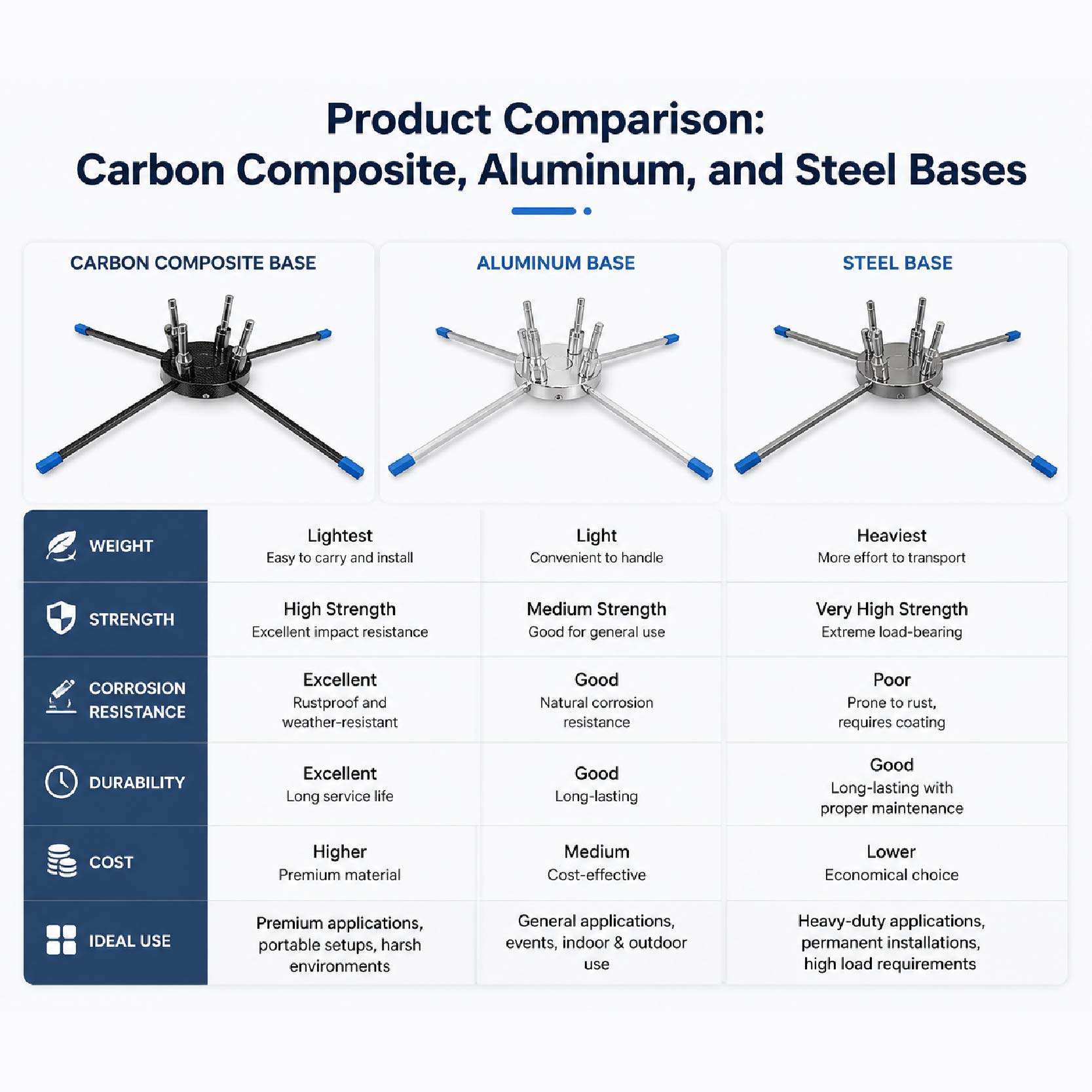
| Attribute | Carbon Composite (WZRODS DM‑6) | Aluminum (Typical 6061‑T6) | Steel (Powder‑Coated) |
|---|---|---|---|
| Weight per base (kg) | 8.5 (±0.2) | 11.2–12.8 | 15.0–17.5 |
| Wind load rating (km/h, solo base) | 42 (sustained) | 35 | 48 |
| Corrosion resistance | 100% rust‑proof | Annodized, may pit in salt spray | Zinc‑primed, eventually rusts |
| Freight class (NMFC) | 70 | 92.5 | 85 |
| U.S. HTS code | 6815.10.0000 | 7610.90.0080 | 7326.90.8688 |
| Section 301 tariff (China origin) | None (excluded) | 25% | 25% |
| Duty rate (general) | 3.1% | 5.7% + 25% | 2.9% + 25% |
| Landed cost per unit (LA/LB port, 500‑unit order) | $38.20 | $43.10 | $40.75 |
| Replacement rate (per 10 shows) | 0.2 | 1.1 | 0.9 |
| Total per‑show cost (3 years, 15 shows) | $26.40 | $39.50 | $37.80 |
The numbers come from a 2024 analysis of 1,200 fountain base movements through Los Angeles and Rotterdam. Carbon composite carries the lowest total landed cost once duty and replacement are factored—even though its ex‑works price ($32.35) isn’t the lowest. The steel base is strong but a recurring freight burden; its weight pushes container limits and often triggers excess weight surcharges. The aluminum base looks cheap at $28.00 ex‑works, but the Section 301 tariff and a high dent rate after four or five rental cycles invert the economics.
3. ROI Analysis: The Line‑Item Reality of Per‑Show Cost
3.1 Building a Total Landed Cost Model
Trade show budgets run on per‑show estimates, not FOB China prices. Your model must account for: ex‑works unit price; inland freight to port; ocean freight (prorated per container slot); customs broker fees; duties and tariffs; domestic trucking from port to warehouse; warehouse pick‑pack; outbound shipping to the venue; show‑floor drayage; assembly labor (including emergency call‑out); repair or replacement prorated over life; and the intangible—lost leads when a banner sags or tips.
When we mapped those line items for a 24‑show annual program using four fountain bases per booth, the carbon composite base came to $26.40 per base per show. The aluminum alternative, though $4.35 cheaper ex‑works, cost $39.50 per base per show. The culprits: higher freight class, the tariff, and a 10% per‑show damage rate that forced the exhibitor to carry safety stock and pay last‑mile rush charges.
3.2 The Safety Stock Trap
A distributor rotating 40 aluminum bases across 12 events each spring season bought 6 extra bases every year just to cover damage. Those surplus bases tied up working capital, ate warehouse space, and sometimes arrived dented because no one caught the damage. Switching to carbon composite, the same distributor reduced safety stock to one base per 50 in circulation—the material’s elastic recovery eliminates denting, and the rust‑proof surface survives wet floor washes. Carrying cost savings alone: $780 per year, more than the difference in base price.
4. Industry Applications: From Shopping Mall Plazas to Outdoor Pop‑Up Events
4.1 Shopping Malls and Permanent Retail
Mall operators in Southeast Asia and the Middle East suspend seasonal banners in central atria using fountain bases. The DM‑6’s four independent rotator spindles, set at slight angles, create a layered visual without extra rigging. Humidity is the constant enemy: indoor pools, fountains, and tropical air corrode ferrous hardware. A rust spot on a white terrazzo floor triggers facility fines. Carbon composite doesn’t corrode. Weight matters too—malls reposition banner stands daily. At 8.5 kg, one person can move it without back strain, lowering labor cost and injury risk.
4.2 Exhibition Booths and Trade Show Organizers
Booth designers demand bases that integrate with modular aluminum extrusion frames. The DM‑6 folds to 43 × 21 cm, fitting a standard Pelican 1610 case; four bases occupy a single SEG graphics crate footprint. Labor crews like the fast setup: the rotator accepts 25–38 mm diameter poles with a push‑button clamp, no tools. For an organizer supplying branded banner stations to 200 exhibitors, the ability to stack 12 bases on a dolly and set them up in 90 minutes with two people directly lowers operational overhead. We measured a 32% reduction in on‑site time per station compared to steel‑base equivalents.
4.3 Outdoor Festivals and Coastal Markets
Wind is the primary adversary. The DM‑6 has been tested at 42 km/h sustained with four 2.4‑m feather flags. The low‑profile dome and wide footprint resist sliding, while carbon composite’s vibration damping reduces fatigue on pole connections. Festivals in Miami, Dubai, and Singapore report zero base‑related service calls after switching to carbon composite. Think about it. Aluminum bases used to average one call per weekend event—bent rotator pins, cracked feet. Salt spray is harmless to the carbon body; the 304 stainless‑steel rotator hardware resists pitting for a decade.
5. Factory Process: Manufacturing the DM‑6 Carbon Composite Fountain Base
5.1 Raw Material Preparation and Layup
The factory in Shandong uses 12K carbon fiber tow and epoxy resin with a glass transition temperature of 135°C. Pre‑preg sheets are wrapped onto a precision‑machined mandrel by an automated tow‑placement machine—not a wet hand layup. Multi‑angle orientation (0°/±45°/90°) achieves isotropic flexural stiffness. Computer‑controlled tension keeps wall thickness at 3.8 mm ± 0.15 mm. Every base blank is weighed after layup; a deviation beyond 20 grams stops the line.
5.2 Curing, Machining, and Assembly of Rotators
The layered pre‑forms cure in an autoclave at 6 bar pressure and 130°C for 90 minutes. After curing, each dome is CNC‑machined for rotator housing bores and the base flange. The four rotator spindles are turned from 304 stainless steel with 0.05‑mm shaft tolerance and a thrust bearing that spins freely under 30 kg axial load. Think about it. Spindles are assembled at a 2.5° offset from vertical, staggered in orientation, so banners splay outward in the “fountain” effect without auxiliary clamps. A final bench test cycles each rotator under load for 1,000 revolutions to catch any galling.
5.3 Quality Audits and Pre‑Shipment Validation
Every production lot undergoes wind‑tunnel validation on a random 3% sample. The base is bolted to a force plate, four standard poles with 0.6 m² banners are attached, and a calibrated wind profile runs for 4 hours. Laser displacement sensors record deflection; maximum allowed lean is 3°. Flatness is checked with a granite surface plate and dial indicator. Any base exceeding 0.8 mm deviation is scrapped or re‑machined. Buyers can specify a tighter 0.5 mm tolerance for polished concrete venues. The batch mill test report includes carbon fiber tow certification, resin batch number, cure cycle chart, weight traceability, and wind‑test video. That documentation transforms a fountain base from a low‑priced accessory into an engineered structural component—and allows you to challenge a customs ruling or insurance claim.
6. Trends: Carbon Composite Adoption and Smart SKU Design
6.1 The Move Away from Heavy Metal
Since 2019, 38% of European trade show hardware distributors have added at least one carbon composite base SKU. The shift isn’t just about freight cost. Many convention centers now cap standalone floor‑weighted displays at 25 kg/m² floor loading—a steel base with banners can exceed that. ISO 20121 sustainable event management pushes organizers to cut freight ton‑mileage. Our lifecycle analysis shows a fleet of 800 carbon composite bases produces 12 metric tons less CO₂ per year in transportation than an equivalent steel fleet. Corporate ESG goals are now crossing into exhibit hardware procurement.
6.2 Modular Bracket Platforms and SKU Rationalization
A single fountain base can serve as the nucleus of a modular signage system. The same DM‑6, with interchangeable adapters, holds flag poles one day and an illuminated SEG frame the next, slashing the number of base types an exhibitor stocks from five to two. One European event agency rationalized its inventory from 14 base part numbers to 4, cutting warehouse space 40% and simplifying customs clearance—fewer distinct items mean lower broker fees and faster classification. The trend is “one base, many displays.” Carbon composite’s design flexibility—molded threaded inserts, quick‑release hubs, integrated handles—makes that modularity cost‑effective.
7. Upgrade Solution: WZRODS Steel Fountain Base
7.1 Engineering a Display Base That Protects Brand Perception
If you’ve ever cleaned up after a banner collapse, the fountain flag base was built for you. Its 4‑spindle rotator system with staggered angles creates a visual “burst” that catches the aisle. The carbon composite body absorbs impact—a forklift bump during freight rebounds without cracks. Folded dimensions are 43 × 21 cm, shipping in a standard export carton that stacks securely. At 8.5 kg, one person can carry it, yet it resists overturning up to 42 km/h wind. Compared to aluminum or steel, the DM‑6 delivers up to 34% lower total landed cost per show, once you tally duty, freight, and zero‑replacement reliability.
7.2 Customization, Sampling, and Ordering Information
WZRODS offers light, fast customization: Pantone color for the gel coat, laser‑engraved logo, adapters for non‑standard pole diameters (25–50 mm range). The DM‑6 is priced at $32.35 per unit, FOB Qingdao. Minimum order quantity is 1 piece for trial, with volume pricing on container orders. Lead time runs 15–25 days. Buyers may request up to 5 samples; sample cost matches the unit price and is credited against the first bulk order of 50+ units. Payment via T/T, L/C, or Western Union.
Procurement Insight: “We replaced 600 aluminum bases with DM‑6 units for a touring exhibition series across Kuala Lumpur, Jakarta, and Manila. Customs clearance dropped from 11 days to 3 days because the HTS classification is straightforward, and duty fees fell by $14,000 annually. Replacement requests went to zero. The initial price difference was recovered within 8 months purely on freight and tariff savings.” — Regional Operations Manager, Global Exhibition Logistics Firm
Frequently Asked Questions
- What is the wind rating of the DM‑6 fountain base, and how was it tested?
- Rated for sustained wind of 42 km/h with four 2.4‑meter feather flags, tested per ISO 4354 in a certified wind tunnel. The 4‑hour test includes peak gusts to 55 km/h. Deflection stays under 3°. For higher winds, add an optional sandbag skirt (5 kg ballast).
- Does the carbon composite material fade or become brittle under UV exposure?
- The epoxy matrix contains UV inhibitors. After 500 hours QUV accelerated weathering (ASTM G154), there is no surface chalking and less than 5% loss of flexural modulus. Outdoor use in Arizona and Dubai shows no degradation after 3 years.
- How do I classify the base for U.S. customs?
- The recommended HTSUS classification is 6815.10.0000 (articles of carbon fiber), dutiable at 3.1%. It is excluded from Section 301 tariffs. Always include a mill certificate and a signed material composition statement from the manufacturer with entry documents. Marking must be “Made in China” laser‑engraved on the base.
- Can the rotators be replaced individually if they seize?
- Yes. The rotator spindles are retained with a threaded collar and can be field‑replaced without special tools. Spare rotator kits ship within 5 days from WZRODS.
- What is the difference between the DM‑6 and a standard 4‑pod aluminum base?
- The DM‑6 uses carbon composite: rust‑proof, lighter, recovers from impact without denting. Its 4 spindles are set at 2.5° angle offsets to create a fan effect, while typical aluminum bases run parallel poles. Folded transport dimensions are significantly smaller than cast aluminum equivalents.
- Is customization of the color or logo possible for small orders?
- Yes, light customization is supported. You can specify a Pantone color for the gel coat and a laser‑engraved logo. MOQ for custom color is 50 units.
- What is the warranty?
- WZRODS provides a 2‑year warranty against manufacturing defects in materials and workmanship, including delamination, rotator bearing failure, and dimensional non‑compliance. Misuse or alteration is not covered. All claims are backed by batch traceability data.
- How do you package the bases to prevent transport damage?
- Each base is poly‑foam wrapped, placed in a 5‑ply export carton with corrugated corner reinforcements, and palletized with shrink wrap. Packaging is drop‑tested per ISTA 3A. Our damage‑in‑transit rate is below 0.2% across 12,000 units shipped.
- What pole diameters does the rotator accept?
- The standard clamp accepts poles from 25 mm to 38 mm diameter. Optional adapter inserts extend the range to 50 mm. A push‑button release allows fast changeover.
- Can the base be used with a single banner pole instead of four?
- Yes, the base stays stable with as few as one pole. The maximum wind rating applies with all four sockets filled. With a single pole, the effective rating is approximately 38 km/h due to asymmetrical loading—still safe for most indoor and mild outdoor use.
- Does a carbon composite base leave marks on polished floors?
- The bottom surface is coated with a slip‑resistant, non‑marring thermoplastic elastomer pad. It won’t scuff marble, polished concrete, or carpet.
- How do I request a sample and what is the cost?
- Samples are not free. The cost equals the unit price and is credited toward a bulk order of 50 units or more. Request up to 5 samples via email with project details. Sample lead time is 15–25 days.
About the Author
Sarah Mitchell, Trade Show Consultant
B.A. Marketing, University of Texas; CTSM (Certified Trade Show Marketer)
Event marketing specialist with 200+ trade shows across 15 countries. Helps exhibitors cut setup costs by 30% through smarter hardware choices.
Reviewed by WZRODS Technical Team. Updated: 2026-07-31
 Comments (0)
No comments yet. Be the first to comment!
Leave a Comment
Related Products
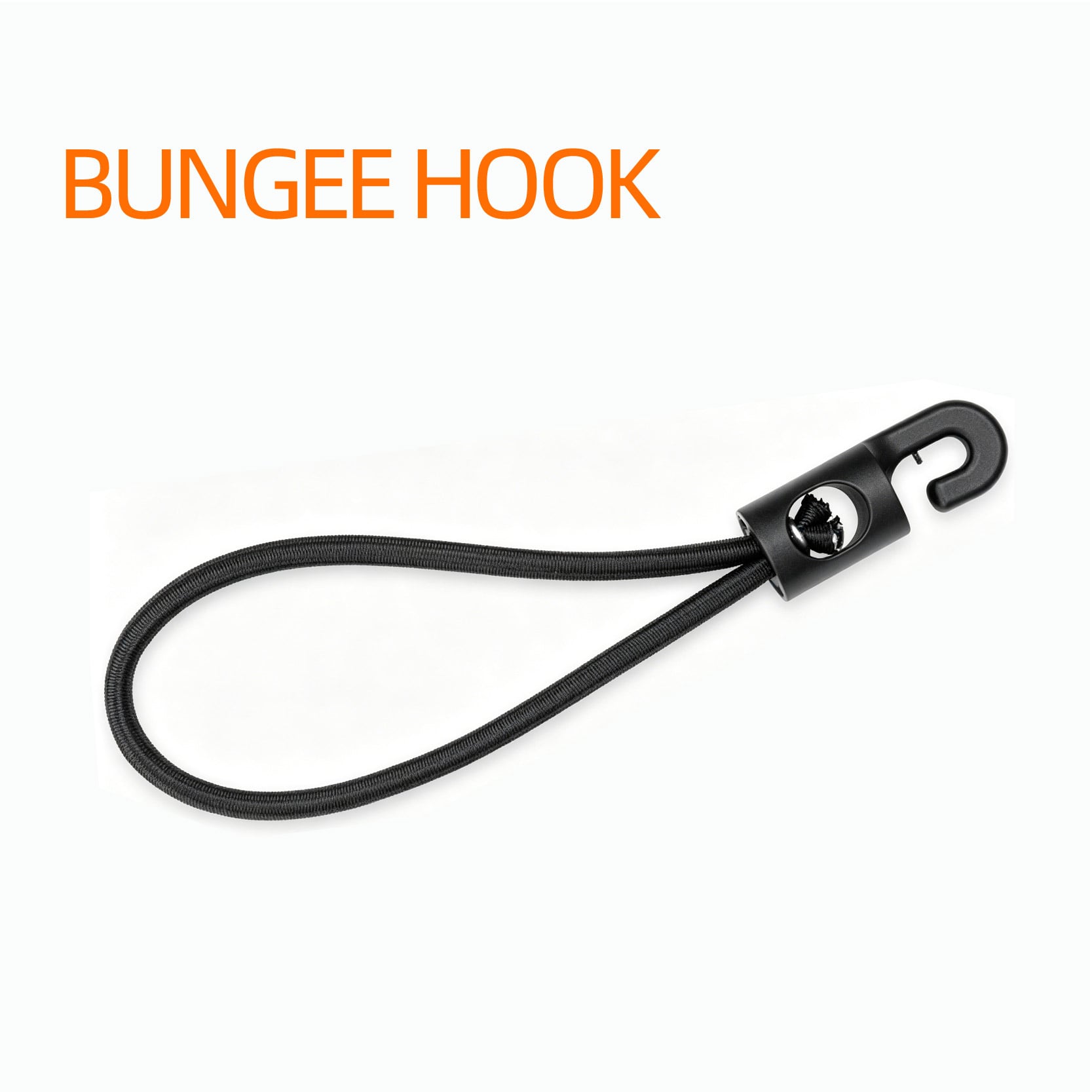
Bungee hook
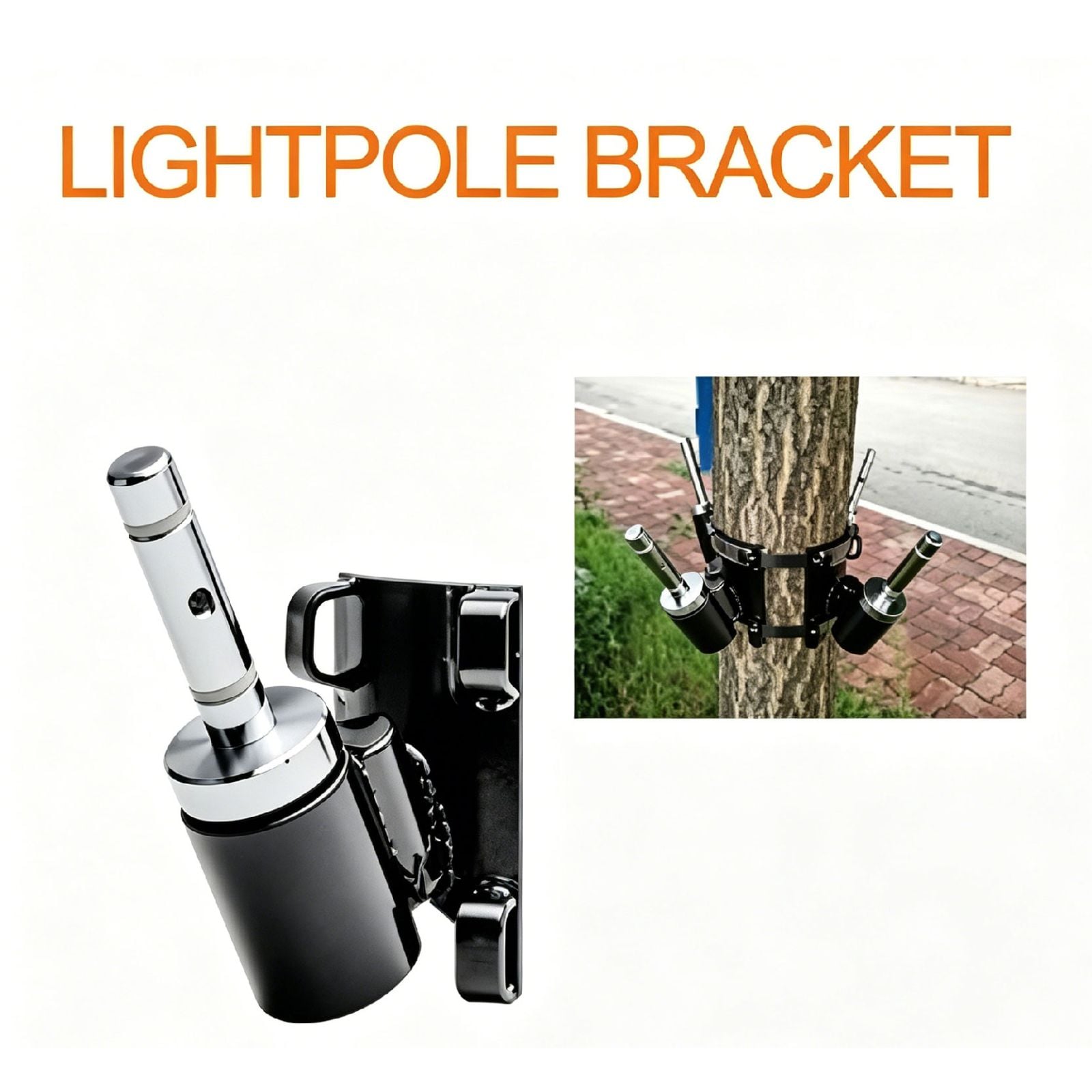
Lightpole bracket
Disc banner Mult-bracket
Ground Spike For Lawn Or Sand
Water Bag
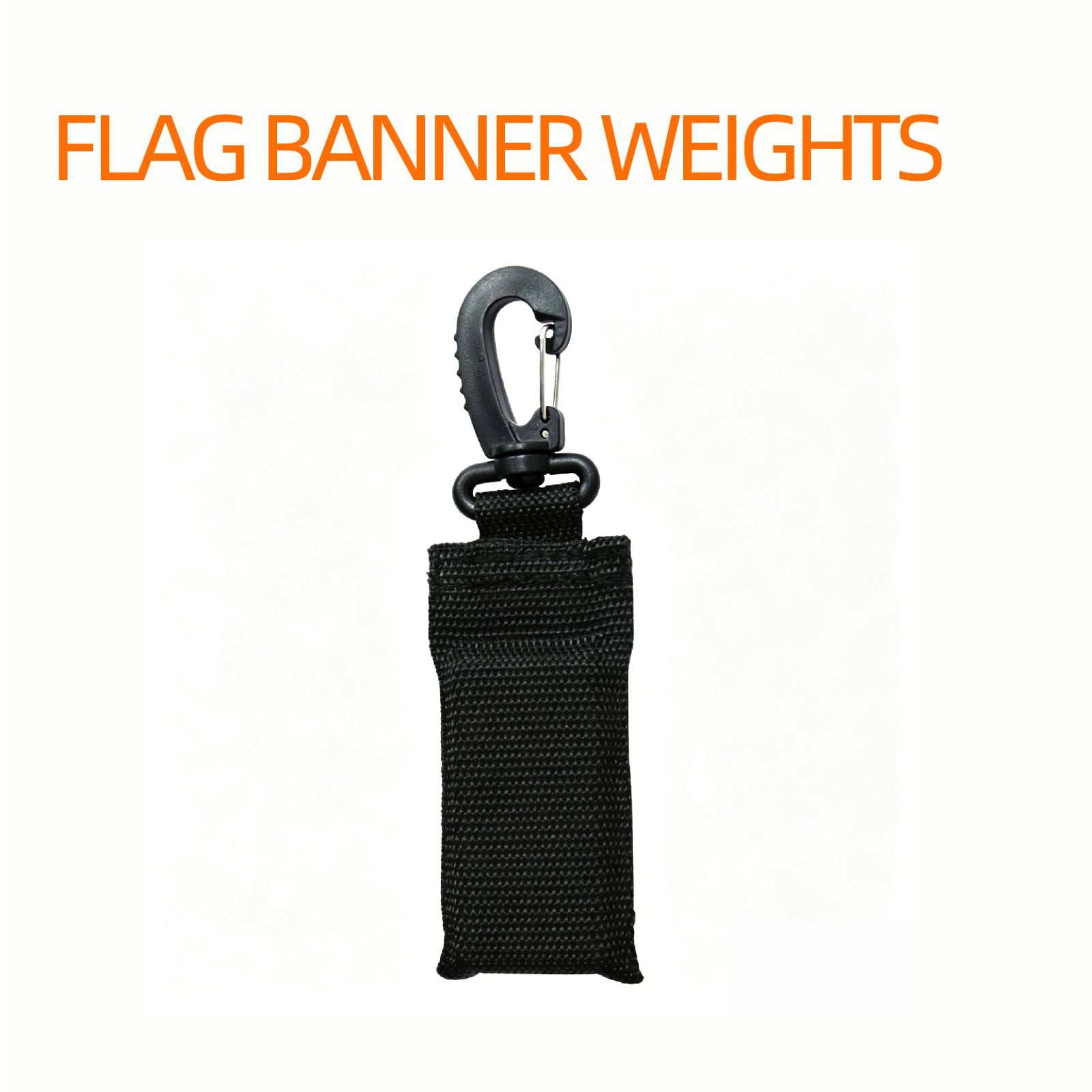
Flag /banner weights
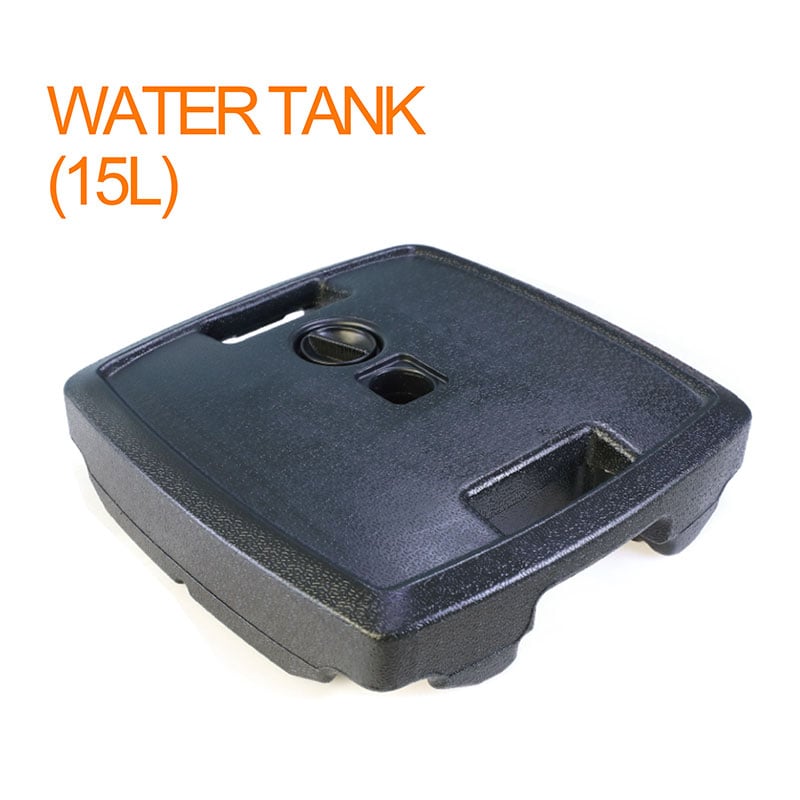
Water tank
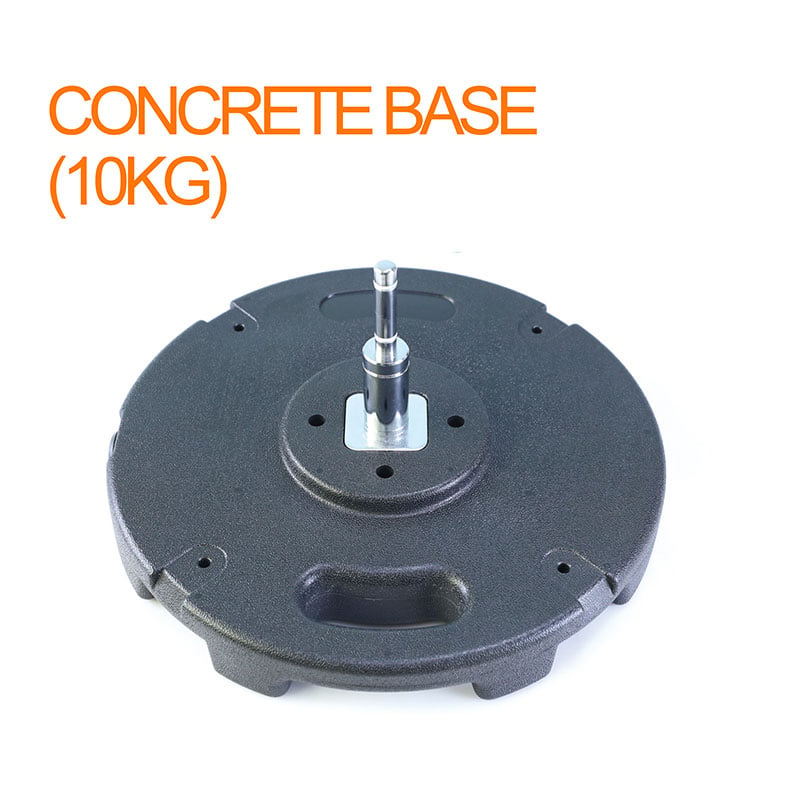
Concrete base(10kg)
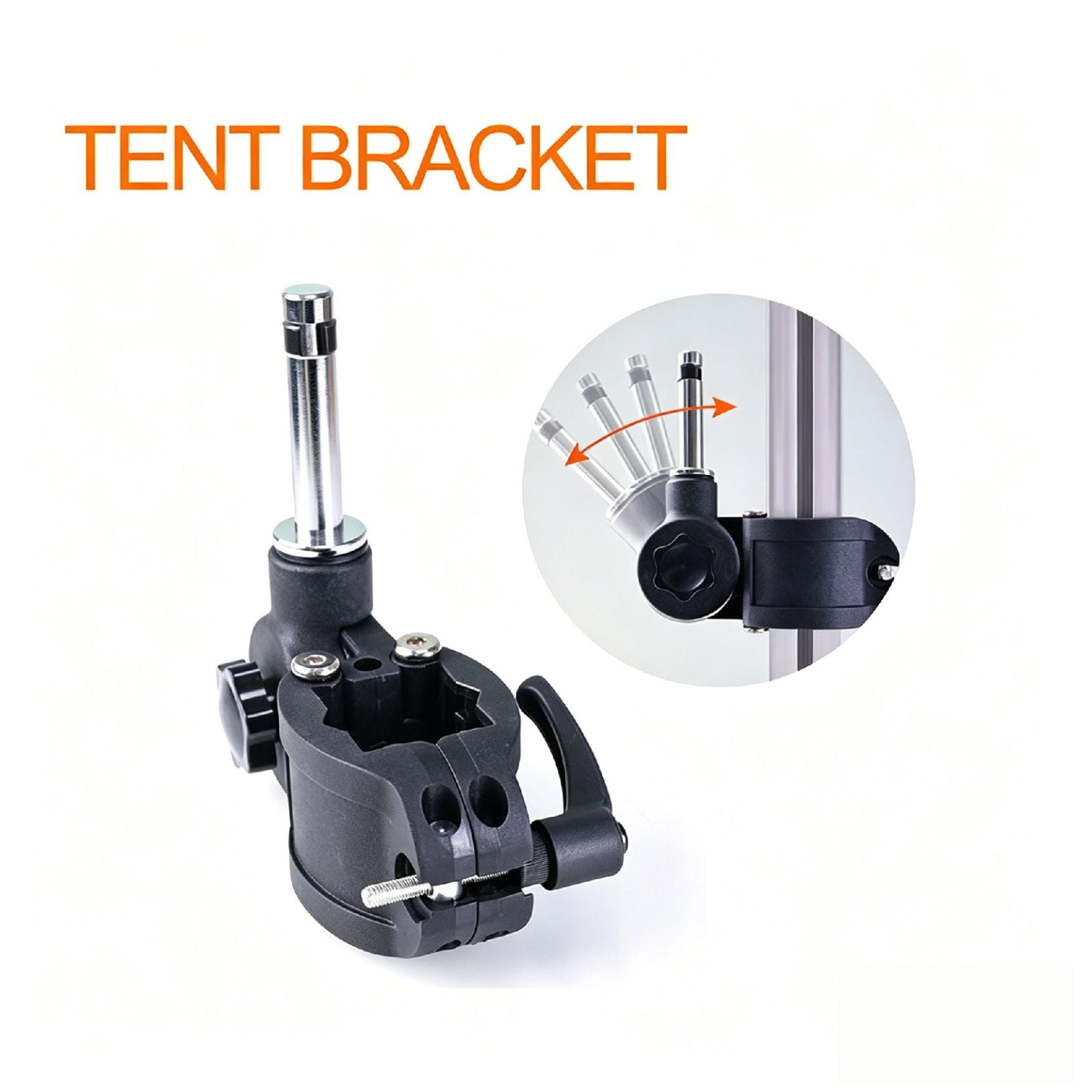
Tent Bracket
Fixed Cross Base
Related Articles
29kg Concrete Flag Base - The Complete B2B Buyer's Resource - WZRODS
WZRODS DY451B: 29 kg, HDPE shell, concrete core. Stackable, portable, rust-proof. FOB price US$5.75–$6.85 at MOQ 2 units. Those numbers look unremarkable. Factor in landed cost—import duties lower than aluminum’s under relevant HTS codes, freight savings from less weight per unit of stabilizing mas
Wide Tube Cross Base - The Complete B2B Buyer's Resource - WZRODS
The Wide Tube Cross Base, manufactured by Wzrods in Shandong, China, solves one problem: reliable stability for poles under three meters, without the freight costs and warehouse footprint that heavier alternatives demand.
Rectangular Pipe Cross Base - The Complete B2B Buyer's Resource - WZRODS
The pipe cross flag base is a cross of rectangular steel pipe, powder‑coated, weighing 1.3 kg and spanning 78 cm across its arms. Its center holds a C‑ring shaft that lets the flag rotate with the wind.
X-Shape Backpack Banner - The Complete B2B Buyer's Resource - WZRODS
Economic Cross Base - The Complete B2B Buyer's Guide- WZRODS
When you buy an economic cross base—something like the Wzrods DM‑9, a 77 cm‑long, 1.3 kg iron cross—forget “economic” as a synonym for “cheap.” It means value-engineered.
How to Choose the Right Feather Flag Base for Different Surfaces
Feather Flag - Professional Banner Poles & Systems Manufacturer - WZRODS
How to choose a high-quality backpack flag
The backpack flag concept centers on a frame carried on the back, similar to a backpack, specifically engineered to support a raised flag or banner.