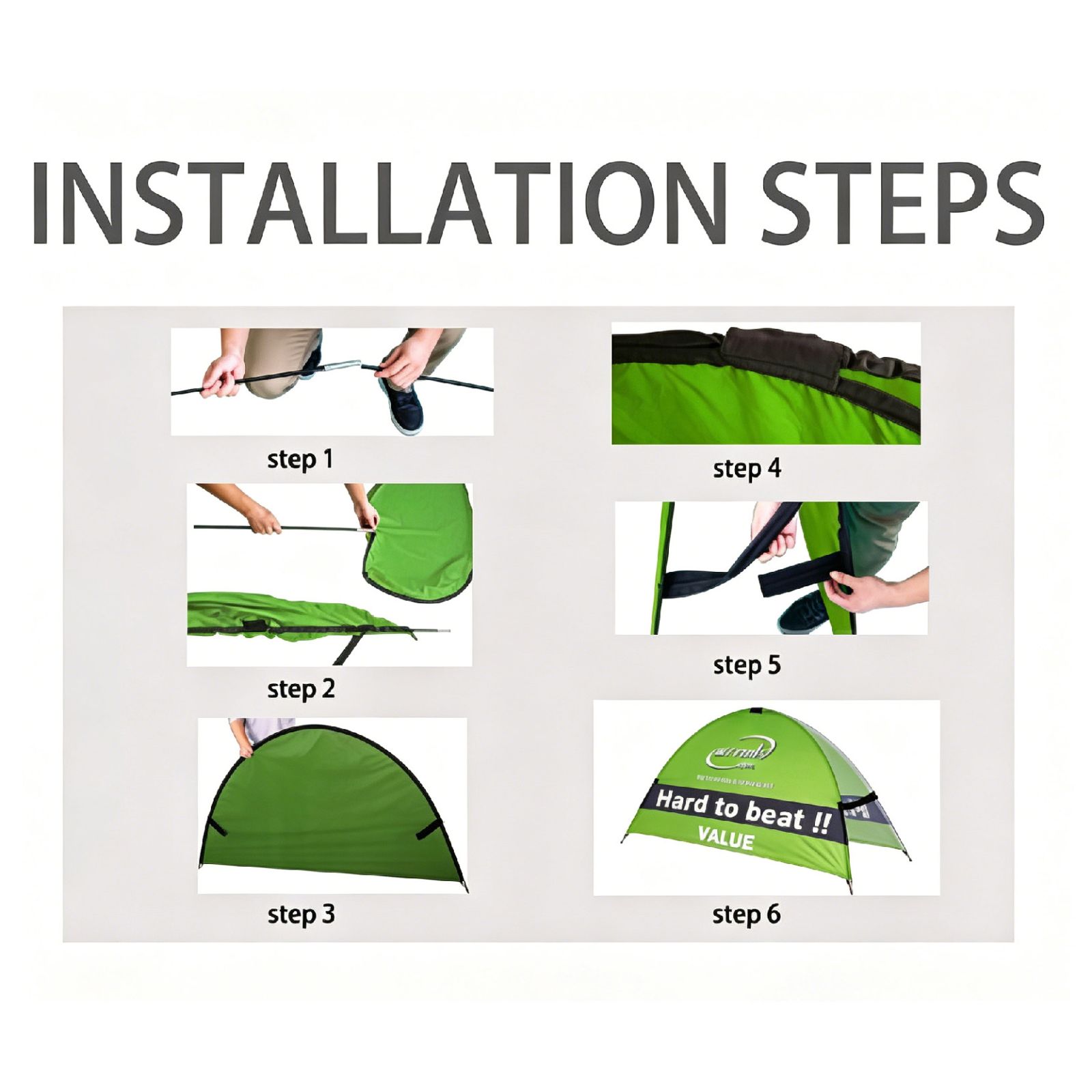
Half Moon Display
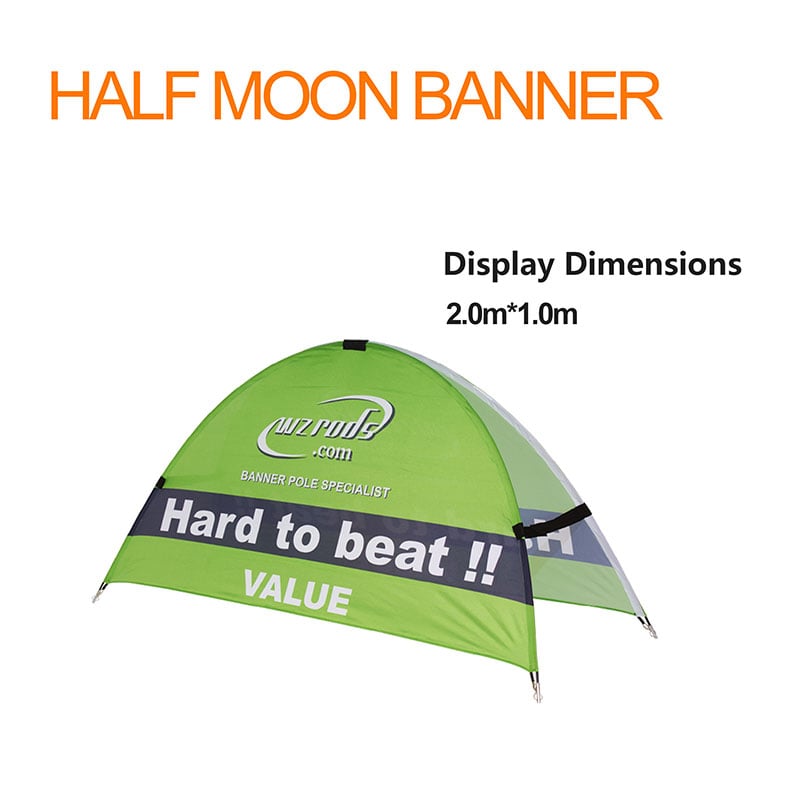
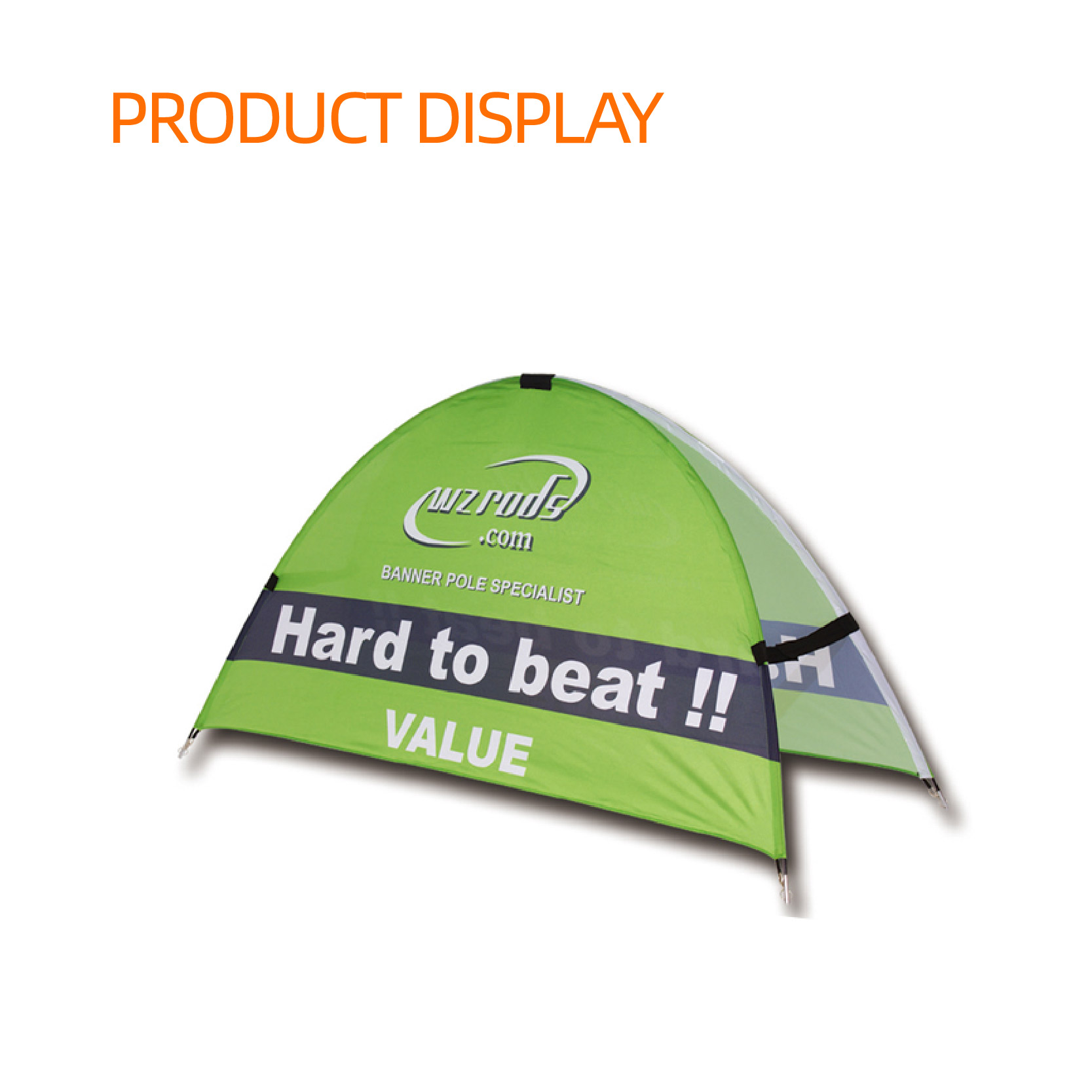
Lightweight portable half moon banner for indoor outdoor events. Quick easy assembly, double sided printable, compact folded size with carry bag. Single panel works as dome banner for flexible brand d…


 Article
 Specifications
- Origin
- Shandong, China
- Brand
- Wzrods
- Main Material
- 100% Polyester
- Pole Material
- Carbon Composite
- Banner Material
- 100% Polyester
- Application Spec
- Trade Shows, Retail Display, Product Launches, Exhibitions
- Printing Method
- Dye Sublimation Printing
- Style
- Sports
- Product Type
- Sports
- Technique
- Printed
- Item Code
- LH201
 Product Description
Shipping & Packaging
- Unit Weight
- 2.250
- Unit Size
- 40X35X25
- Packaging
- Standard export carton
- Lead Time
- 15-30 days
Pricing
- MOQ
- 1 set
- Price Range
- USD 25.9 – 25.9
* FOB Qingdao. Excludes shipping & taxes. Accessories & customization confirmed separately.
 Sample Service
- Sample Available
- Yes
 Customization Options

Light Custom
Logo, color, size adjustments

Fast Turnaround
Quick custom order processing
Half Moon Banners: The Shape That Commands Attention
Half Moon Banners: The Shape That Commands Attention
A half moon banner is a freestanding fabric display built on a curved frame: the printed panel is tensioned across flexible poles so that the top edge forms a wide semicircle, or half-moon, standing roughly a head taller than a standard arch banner. It prints single- or double-sided, packs down into a carry bag, and is used as an entry marker, a photo backdrop, a finish-line arch, or a zone divider at trade shows, retail activations, product launches and sports events.
That is the short answer. The useful answer for distributors, importers and event organisers is about how the shape behaves in a hall, what it costs to move, and where it beats the alternatives on a spec sheet. This briefing covers all three.
What Separates a Half Moon Banner from Other Curved Displays
The category is crowded — arches, domes, waves, eyes, cubes — so it helps to be precise about what the half-moon geometry actually does.
- It is taller than a conventional arch banner. The extra height lifts branding above the crowd line, which matters in a hall where every stand is 2.5 m tall and sightlines die at shoulder level.
- The curve is a single sweep, not a closed loop. A dome is a full rounded wall; a half moon is one open segment. That makes it faster to tension and cheaper to print, because there is less fabric and fewer seams.
- The silhouette reads as a shape before it reads as a message. Buyers see the arc from 30 metres away, then read the logo from five. This is why the format works as an entry identifier rather than a detail panel.
- One panel can be reconfigured as a dome banner. A single panel fitted with a spike can be deployed separately as an independent dome — useful when a distributor wants two display formats from one SKU.
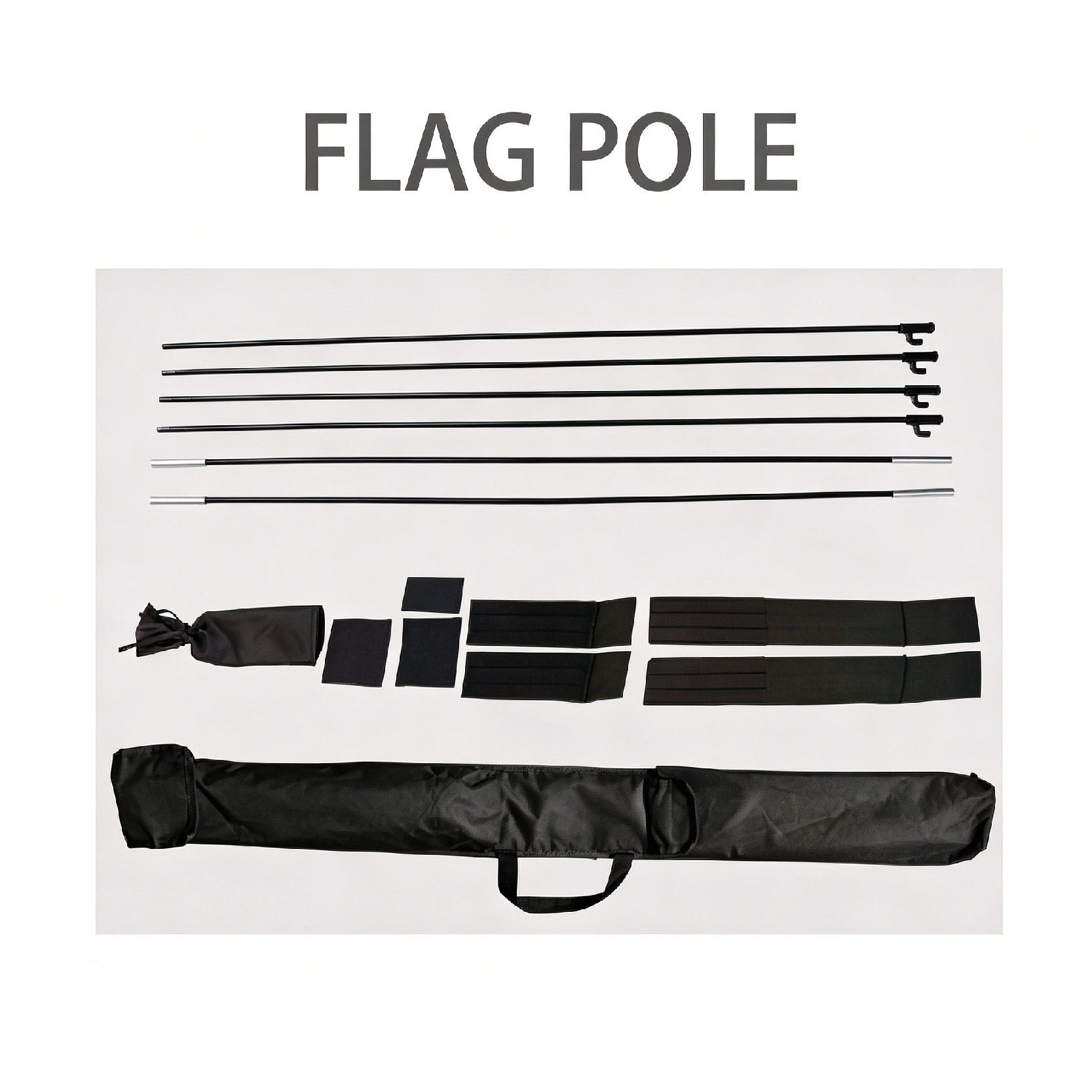
The construction follows a familiar logic: slide the poles into sewn fabric pockets, tension the panel, peg the base. No tools, no loose hardware, no on-site carpentry.
Build Specification: What Is Actually in the Bag
Using the WZRODS LH201 as the reference unit, here is what a buyer is specifying when they order a half moon banner stand.
| Item code | LH201 |
| Pole material | Carbon composite (in-house fibreglass production, batch-verified on incoming inspection) |
| Banner material | 100% polyester, dye-sublimation printed |
| Print options | Single-sided or double-sided; graphics replaceable |
| Unit weight | 2.250 kg |
| Packed carton | 40 × 35 × 25 cm (0.035 CBM) |
| Folded length | 1.1 m — carries in the supplied bag |
| Included | Carry bag, ground pegs |
| MOQ / lead time | 1 set / 15–30 days |
| Style | Sports |
The pole material is the part that decides whether the display survives a second season. Carbon composite bends under load and returns to shape; aluminium takes a set and stays bent. In a rental fleet or a travelling roadshow, that difference shows up as a replacement line in the P&L, not as a talking point.
Wind Behaviour and Outdoor Deployment
A curved banner is a sail. Anyone who has watched a straight-sided display go over in a gust will understand why the frame material matters more outdoors than indoors. The carbon composite system is wind-tested to bend without permanent deformation, and the supplied ground pegs are there for a reason: on grass or soft ground, peg the base and orient the open face away from the prevailing wind.
Two cautions belong in every distributor's setup instructions:
- Cold-climate installs. In snow zones, a horizontal top surface accumulates load — of the order of 0.5–2.0 kN/m² depending on the snow region classification. For any semi-permanent outdoor placement, the governing case is snow load combined with wind, not wind alone. A half moon left up through an alpine winter is outside the design envelope; a half moon erected for a weekend event is not.
- Coastal and humid markets. Carbon composite is 100% rust-proof, which is why this product line holds up in salt air where aluminium frames corrode at the joints. If you import into the Gulf, Southeast Asia, or Mediterranean coastal cities, that is a specification argument, not a marketing one.
Freight, Duty and Landed Cost
At 2.250 kg per unit and 0.035 CBM per carton, this is a display that ships by volume rather than by weight — which is the point. A 40HQ container takes approximately 1,942 units (68 CBM), and the carton arithmetic checks out exactly: 68 ÷ 0.035 = 1,942. To model your own per-unit freight, divide your freight quote by 1,942. At a typical container rate for an Asia–Europe lane, that lands in single-digit dollars per unit — a materially different number from a rigid aluminium alternative that cubes out far sooner.
Two further cost lines matter for European importers specifically:
- Duty classification. Carbon composite poles fall under different HTS codes than aluminium equivalents, and the duty rate differs. Confirm the rate for your exact code with a customs broker rather than assuming parity — the saving is real but it has to be calculated, not guessed.
- Customs valuation in the EU. Duty is assessed on CIF value — cost plus insurance plus freight. Freight and insurance must be declared honestly; under-declaration triggers penalties and cargo detention. For display equipment, freight typically represents 15–25% of CIF, so getting the freight figure right is not a rounding exercise.
Add the replacement rate to the model. A display that bends and recovers has a different five-year cost from one that deforms permanently, and the gap usually widens over the second and third order.
The Italian Market Signal
Italy imported $153.8 million of Chinese goods under HS 940320 (metal furniture and display stands) in 2025, per Comtrade summary data retrieved 1 November 2026. That is a deep, competitive, design-literate market — Italian buyers judge display hardware on finish quality as much as on price, and they compare against domestic fabrication. Two practical implications:
- Every EU importer needs an EORI number. Registration takes 2–4 weeks, and non-EU businesses must apply in the member state of first import. No EORI means no customs clearance, regardless of how good the product is.
- Packaging compliance is checked. EU Packaging Directive 94/62/EC caps the combined heavy-metal content of packaging at 100 mg/kg (lead, cadmium, mercury, hexavalent chromium). Wooden packaging requires ISPM 15 heat treatment or fumigation. Specify this with your supplier before the first shipment, not after a port hold.
Payment risk is manageable: SINOSURE export credit insurance covers buyer insolvency, default and political risk at premiums of roughly 0.3–1.5% depending on the buyer's country and credit rating, typically insuring 80–90% of the receivable. It is routine practice for buyers in higher-risk regions and optional for Western European accounts.
Where Half Moon Banners Earn Their Keep
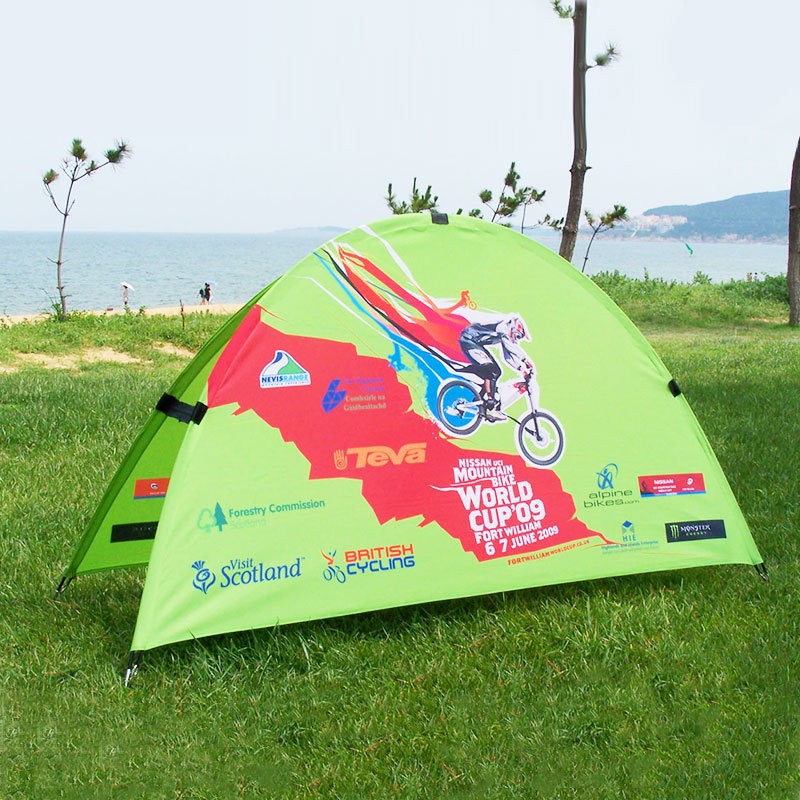
The format is deployed in four recurring patterns:
- Trade show entry and wayfinding. One arc at the aisle corner, brand side out, does the work of a much larger wall because it is visible above the crowd.
- Retail and pop-up activations. Short leases and irregular floor plates reward displays that set up in minutes and pack into a car.
- Product launches and press moments. The arc frames a photo naturally; attendees photograph themselves in front of it, which is free distribution.
- Sports events. Finish lines, registration points, sponsor branding — the sports-derived geometry suits the environment.
The operational case is best illustrated by a European reference point: a Paris fashion brand running 3–5 pop-up stores per quarter across spaces of 15–80 m², each with a lease of only one to two weeks. Their original two-day build was untenable. By standardising on modular curved and vertical banner systems, they cut setup to four hours and teardown to one, and scored 4.8/5 on internal brand-consistency review. The lesson is not which specific product they chose — it is that in pop-up retail, setup time is the constraint, and a half moon banner's pole-and-pocket assembly is built for exactly that constraint.
Pairing the Half Moon with the Rest of a Booth
A single arc rarely fills a stand. Two common configurations, both built around standard modules:
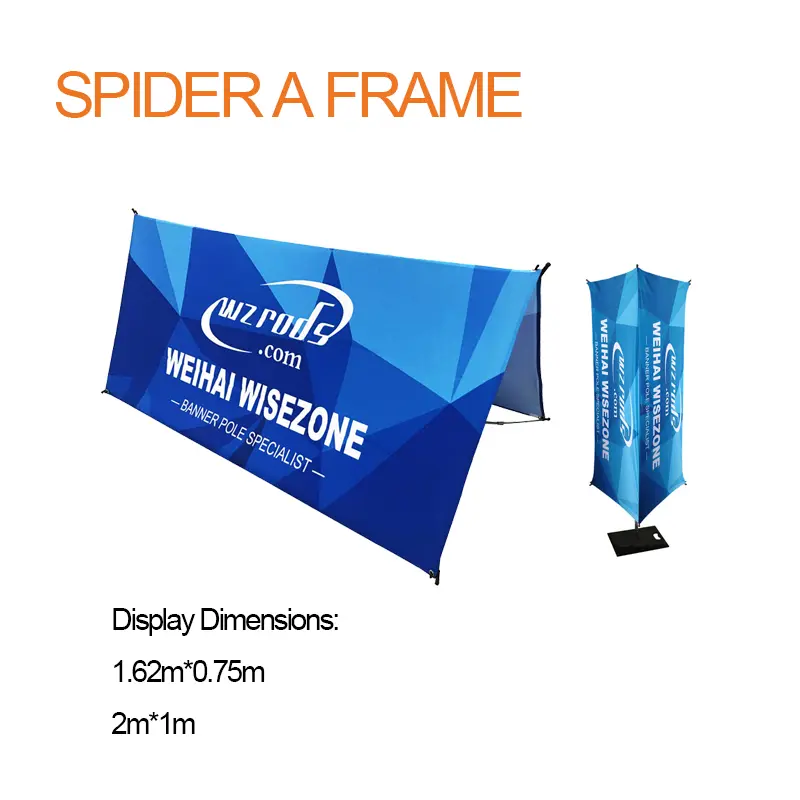
- Standard 3×3 m booth (roughly $120–200 in display kit). Two Pop-Up Vertical banners at 85×200 cm for rear-wall brand presence, one Spider A-Frame at 120×80 cm for the aisle-facing message, one Table Banner at 80×30 cm for the counter, plus a carry-bag set. The half moon banner sits at the aisle corner as the entry identifier — the piece that gets seen first.
- Large-format backdrop (roughly $350–600). A 6 m Spider A-Frame with a 6×3 m magnetic banner, four LED spotlights and a wheeled transport case. The half moon then works as a secondary wayfinding element at the perimeter rather than a hero piece.
For distributors testing a new market, the mixed-model MOQ structure exists precisely for this: combine several display models in one trial order rather than committing to a container of a single SKU. Private label and neutral packaging are supported, so a first order can go out under your own brand without a tooling investment.
Buying Checklist Before You Place the Order
- Confirm the print sides. Double-sided panels cost more in fabric and print time; if the display sits against a wall, single-sided is the correct specification.
- Ask for the graphic replacement mechanism. Replaceable printed panels extend the product's life across multiple campaigns — a key resale argument for rental fleets.
- Check the warranty term. WZRODS carries a 3-year warranty, backed by a long-term customer complaint rate of 0.01% across 20+ years of export production and 80+ countries served.
- Order a sample before committing. Samples are not free and typically ship within 15–30 days — budget for that in your launch timeline.
- Specify packaging compliance for your destination market at the quotation stage.
Frequently Asked Questions
What is the difference between a half moon banner and an arch banner?
An arch banner is a full rounded opening — traditionally used as a finish line or entry gate that people walk through. A half moon banner is a single curved panel: taller than a standard arch, open at the base, and designed as a backdrop or identifier rather than a gateway. It uses less fabric, tensions faster, and folds into a 1.1 m carry bag.
Can a half moon banner be used outdoors?
Yes. The carbon composite frame is wind-tested to bend without permanent deformation, the banner material is 100% polyester, and ground pegs are supplied. For outdoor use, peg the base, orient the open face away from prevailing wind, and do not leave the unit standing through snow-load conditions unless the installation has been checked for the combined snow-plus-wind case.
Can I replace the printed graphic without buying a new frame?
Yes. The panel slides into sewn pockets on the poles and can be swapped for a new print. Brands running quarterly campaigns typically keep one frame set and reorder graphics — the cheaper long-run model, and the reason the format suits rental and roadshow fleets.
What is the minimum order and can it ship under my own brand?
MOQ is 1 set, with pricing from USD 25.90 per set for the LH201 configuration. Private label and neutral packaging are both supported, and mixed-model orders can combine several display types so a distributor can test a new market without over-committing to a single SKU. Lead time is 15–30 days.
Is a half moon banner the cheapest option?
No — and it is not positioned as such. The cost argument is total landed cost: lower unit weight reduces freight per unit, carbon composite falls under different HTS codes than aluminium with a different duty rate, and the frame's recovery behaviour reduces replacement frequency. For importers modelling a multi-year margin, that usually beats a lower unit price with a higher replacement rate.
References
- WZRODS product specification sheet, item LH201 Half Moon Banner (materials, weight 2.250 kg, carton 40×35×25 cm, MOQ, lead time, warranty, container loading of approx. 1,942 units per 40HQ / 68 CBM).
- TradeDataService, Comtrade summary — HS 940320, Italy, 2025 China export value $153.8 million, retrieved 1 November 2026.
- IMF World Economic Outlook — Italy GDP $2.55 trillion (2025), real GDP growth 0.6% (2031 projection).
- EU Packaging Directive 94/62/EC — heavy-metal limits (Pb + Cd + Hg + Cr(VI) ≤ 100 mg/kg); ISPM 15 for wooden packaging.
- EU customs valuation rules (CIF basis) and EORI registration requirements for importers into the European Union.
- SINOSURE export credit insurance parameters — premium range 0.3–1.5%, coverage typically 80–90%.
- WZRODS factory records — 20+ years of quality management, in-house fibreglass production with incoming batch inspection, long-term customer complaint rate 0.01%, 80+ export markets.
 Comments (0)
No comments yet. Be the first to comment!
Leave a Comment
Related Products
Foldable Horizontal Square
Spider A frame
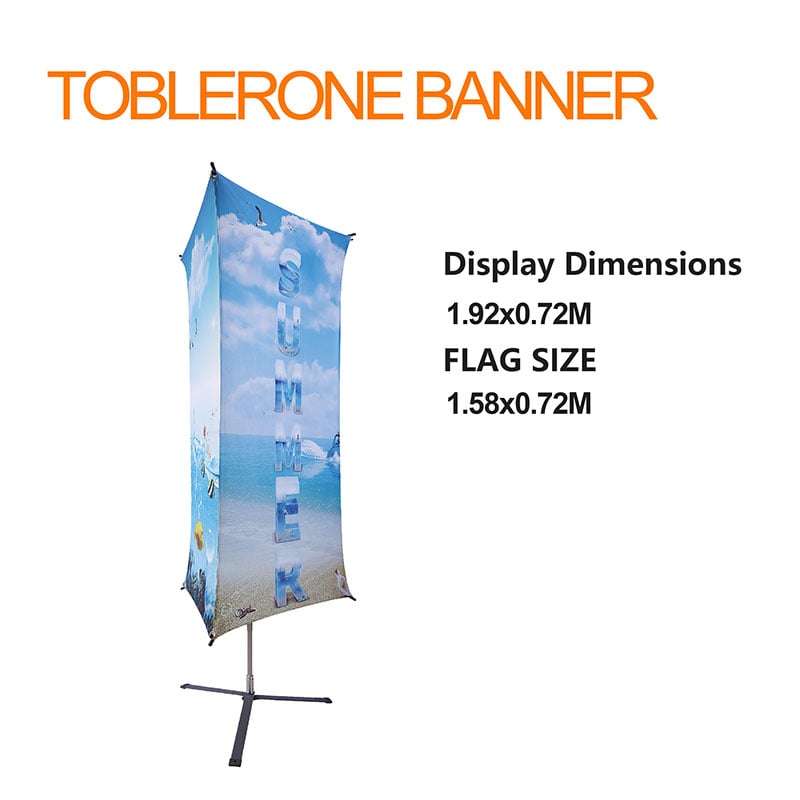
Toblerone Banner
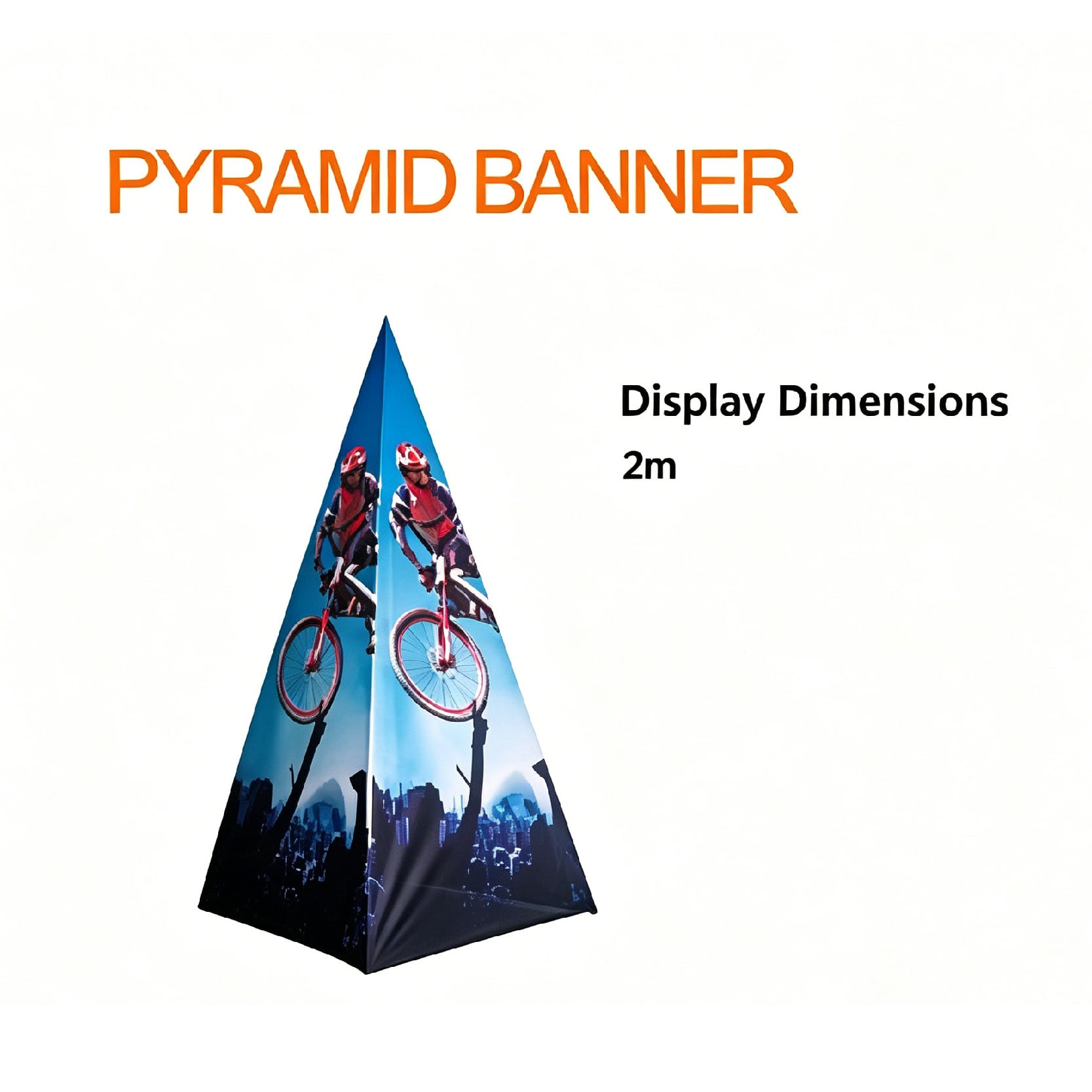
Pyramid Banner
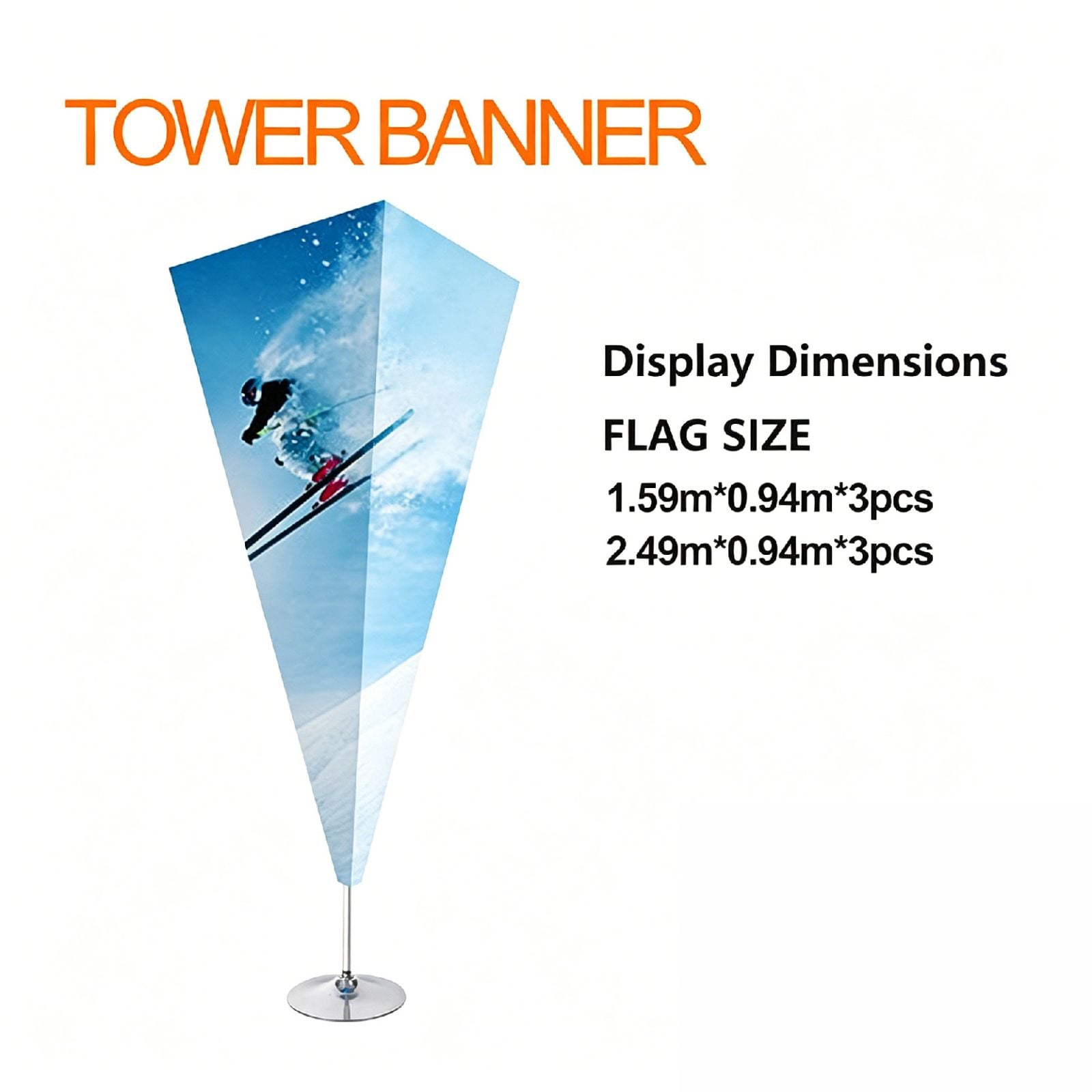
Tower Banner
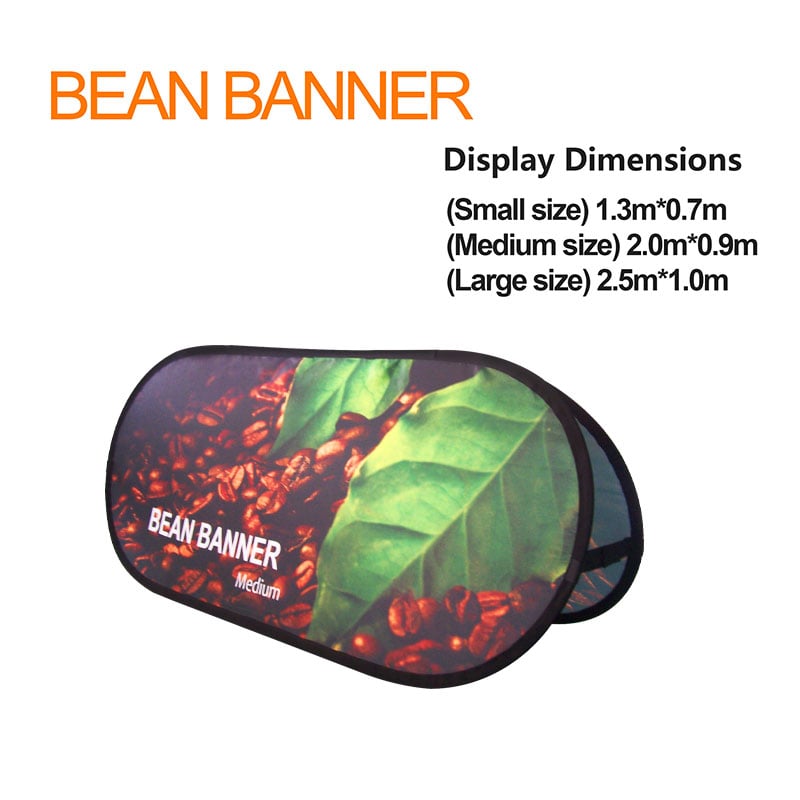
Bean Banner
Cluster Balloon Kit
Swing Banner Stand
Burgundy Banner
Foldable Vertical Square
Related Articles
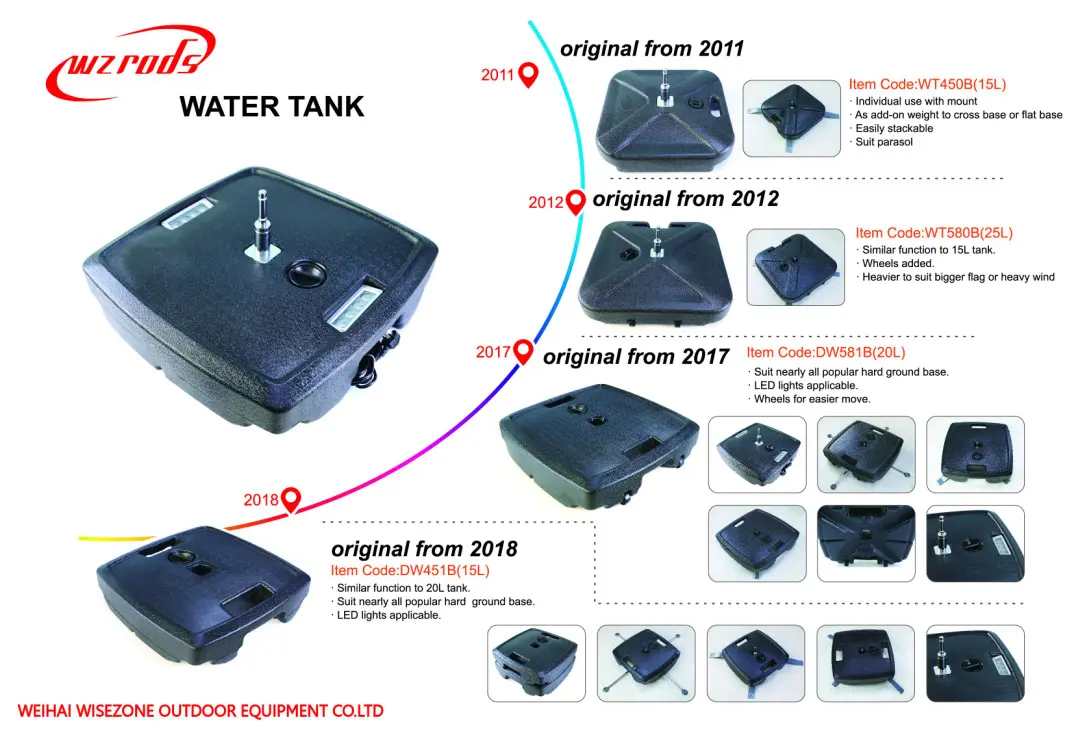
Banner Stand Weights: The Formula for Not Falling Over
Banner Stand Weights: The Formula for Not Falling Over"How much weight does my banner stand need?" is the question that separates a first-time buyer from a di
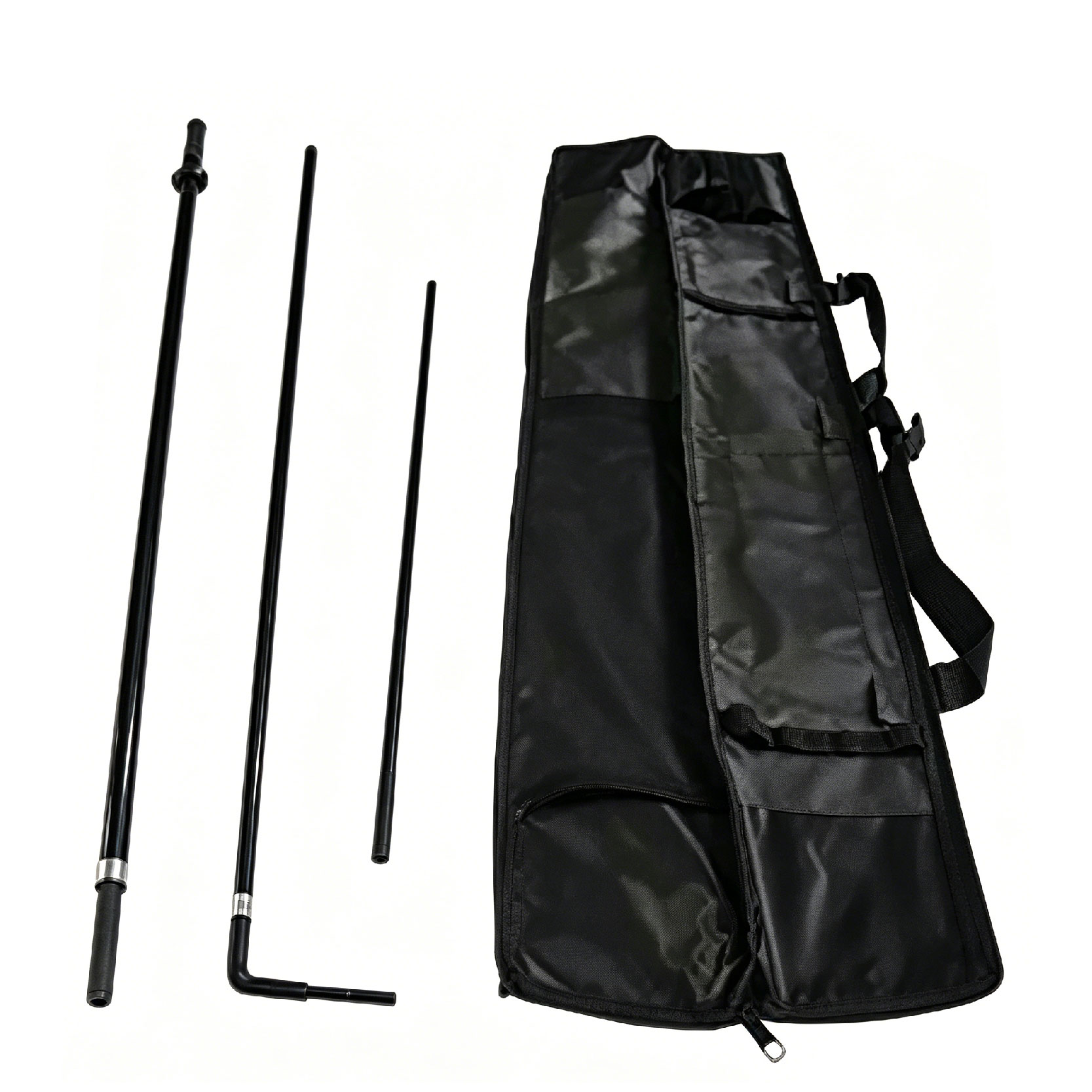
Portable Flagpoles: Pack, Carry, and Set Up Anywhere
This guide answers the practical question directly — how do you travel with a portable flagpole — and then goes further, into the specifications that determine whether a pole survives the trip and the deployment.
Ground Banner Stands: The Outdoor Setup Guide
Ground Banner Stands: The Outdoor Setup GuideEvery outdoor banner failure we hear about follows the same script: the pole was fine, the print was fine
Table Flag Stands: The Complete Size Guide
Table Flag Stands: The Complete Size GuideA table flag stand is a small object that fails in very public ways. Too light, and it tips the moment a door opens.
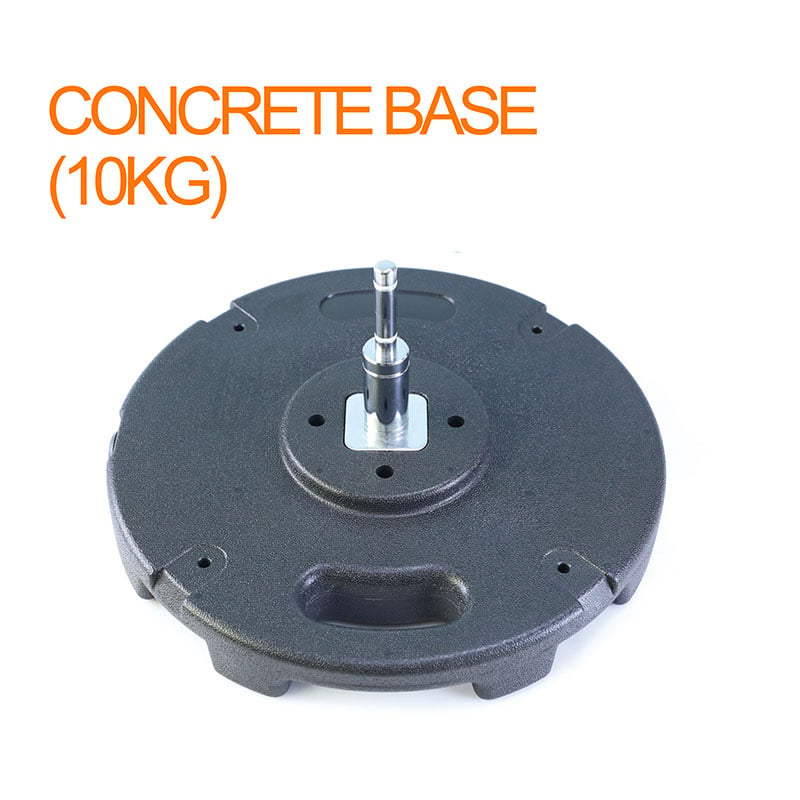
Portable Flag Stands: The Event Pro's Pick
Portable flag stands need balanced portability and wind stability. WZRODS WT-21 stackable solid bases with carbon poles scale weight on-site, outperforming water-fill and aluminum setups.
Half Moon Display - The Complete B2B Buyer's Guide- WZRODS
A half-moon sign is not merely a printed fabric graphic. At a busy trade show it is a structure that must survive foot traffic, air currents......