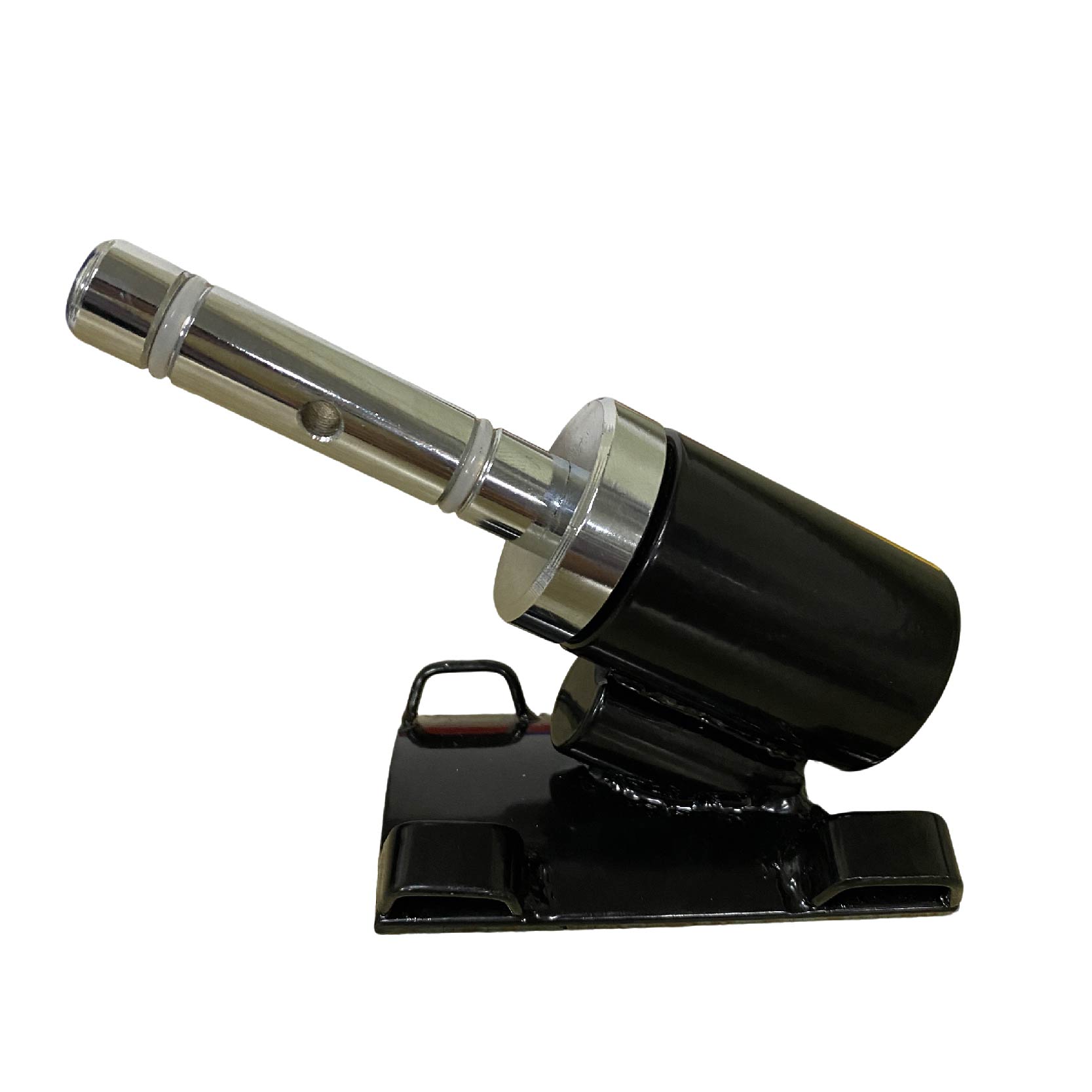
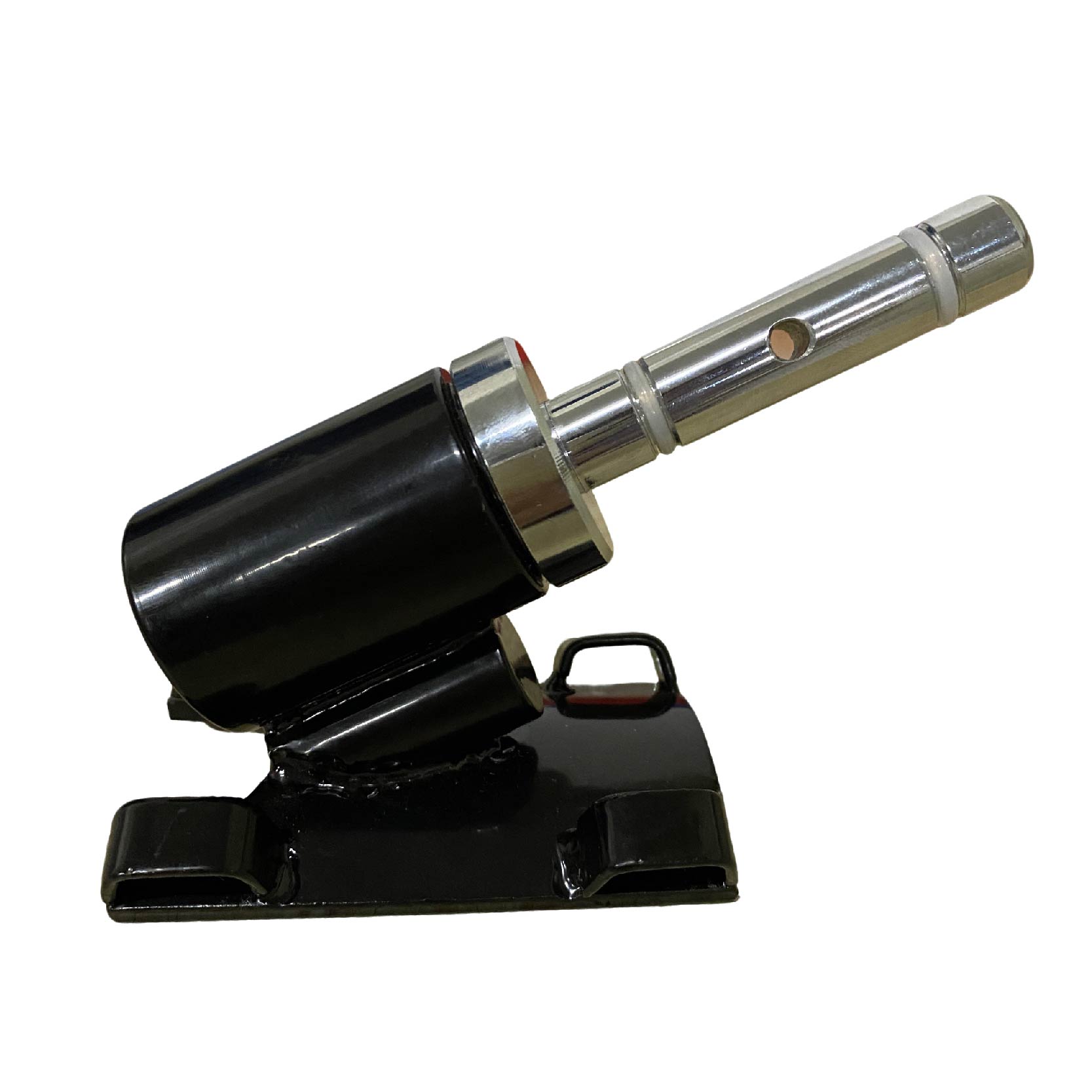
Light Pole Flag Bracket
The Lightpole bracket is a versatile mounting accessory for attaching flags and banners to various surfaces. Compatible with standard flag poles and designed for quick, secure installation.


 Article
 Specifications
- Origin
- Shandong, China
- Brand
- WZRODS
- Item Code
- DF-6
- Main Material
- Iron
- Color
- Black
- Application Spec
- Trade Shows, Outdoor Events, Sports Events
- Moq
- 1 set
- Payment
- T/T
- Flag Shape
- Feather/ Teardrop/ Rectangle Available
- Supply Ability
- 12000 pieces per Week
- Port Of Dispatch
- Qingdao
 Product Description
Shipping & Packaging
- Unit Weight
- 0.7kg
- Packaging
- Each set with a box. Spindle with ribbon
- Lead Time
- 15-30 days
Pricing
- MOQ
- 1 set
- Price Range
- USD 6.2 – 7
* FOB Qingdao. Excludes shipping & taxes. Accessories & customization confirmed separately.
 Sample Service
- Sample Available
- Yes
 Customization Options

Light Custom
Logo, color, size adjustments

Fast Turnaround
Quick custom order processing
3-Day Design
Free mockup within 3 days
Light Pole Flag Bracket - The Complete B2B Buyer's Resource - WZRODS
My first lightpole bracket failed during a monsoon-season exhibition in Mumbai. The flag wrapped around the pole like a wet dishrag. The bracket had rusted through in three weeks. The replacement cost twelve dollars. The labor to dispatch a crew, the tarnished brand impression, and the hour I spent on a long-distance call with an exasperated distributor taught me something about saving seventy cents. That wasn’t a bargain. It was a deferred penalty. I stopped looking at unit price and started looking at total landed cost—and at the failure stories no supplier volunteers.
After 14 years managing flag display supply chains—walking Shandong factory floors, weighing containers to the gram, squinting at tariff classifications—I’ve learned to answer the question that matters: How do you make a decision that holds up two years from now, not just at the first quote?
1. Buyer’s Guide: Understanding the Lightpole Bracket Ecosystem
1.1 What Exactly Is a Lightpole Bracket?
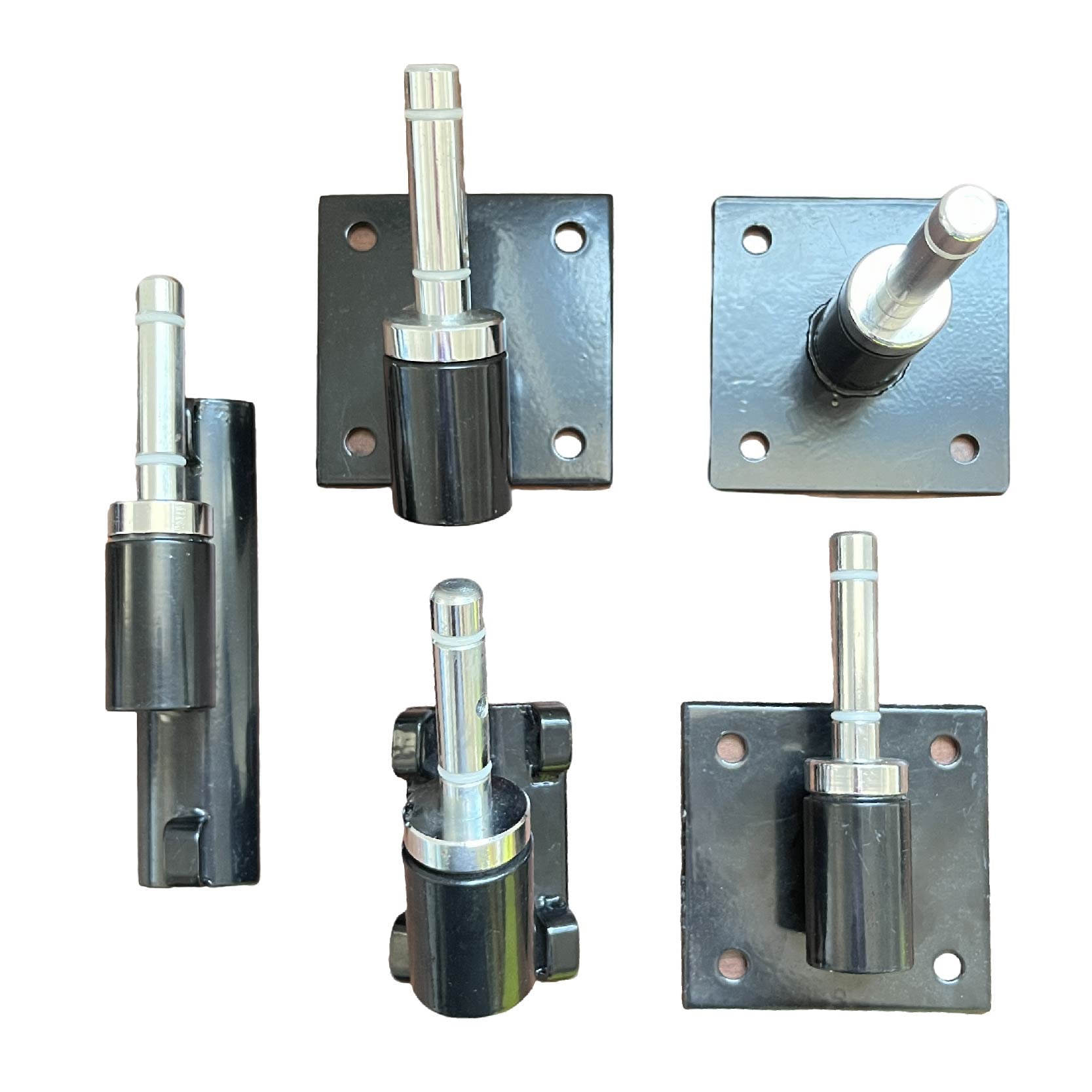
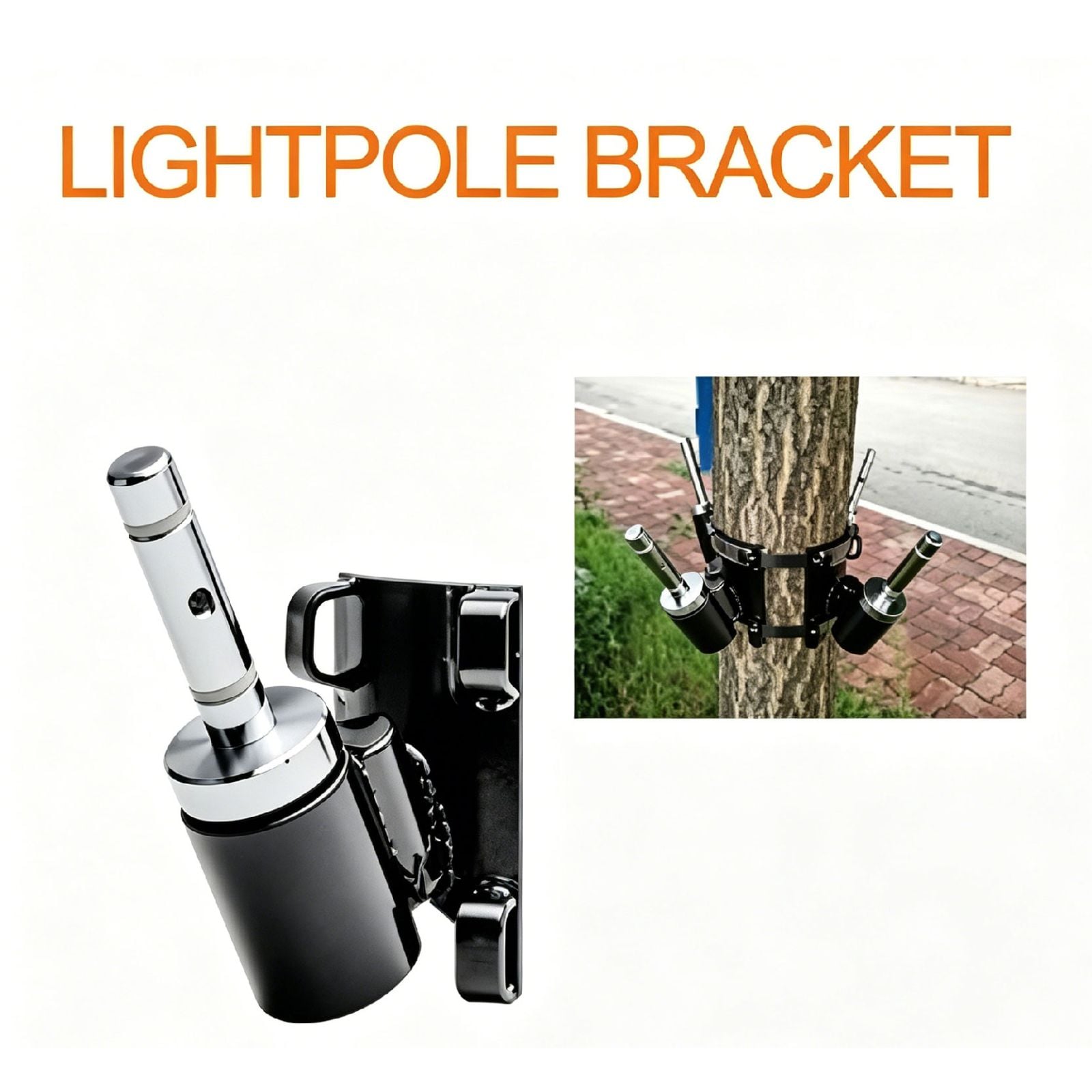
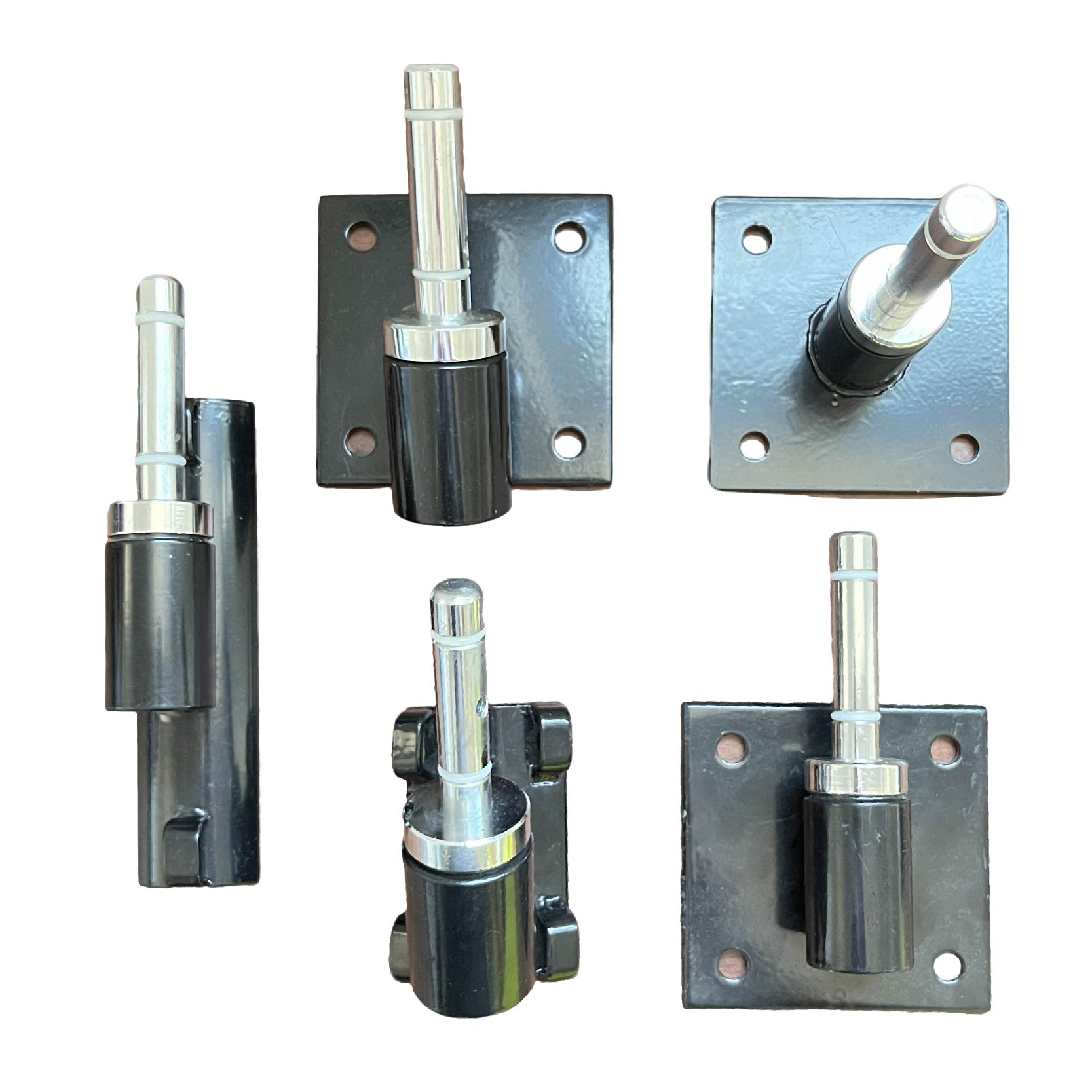
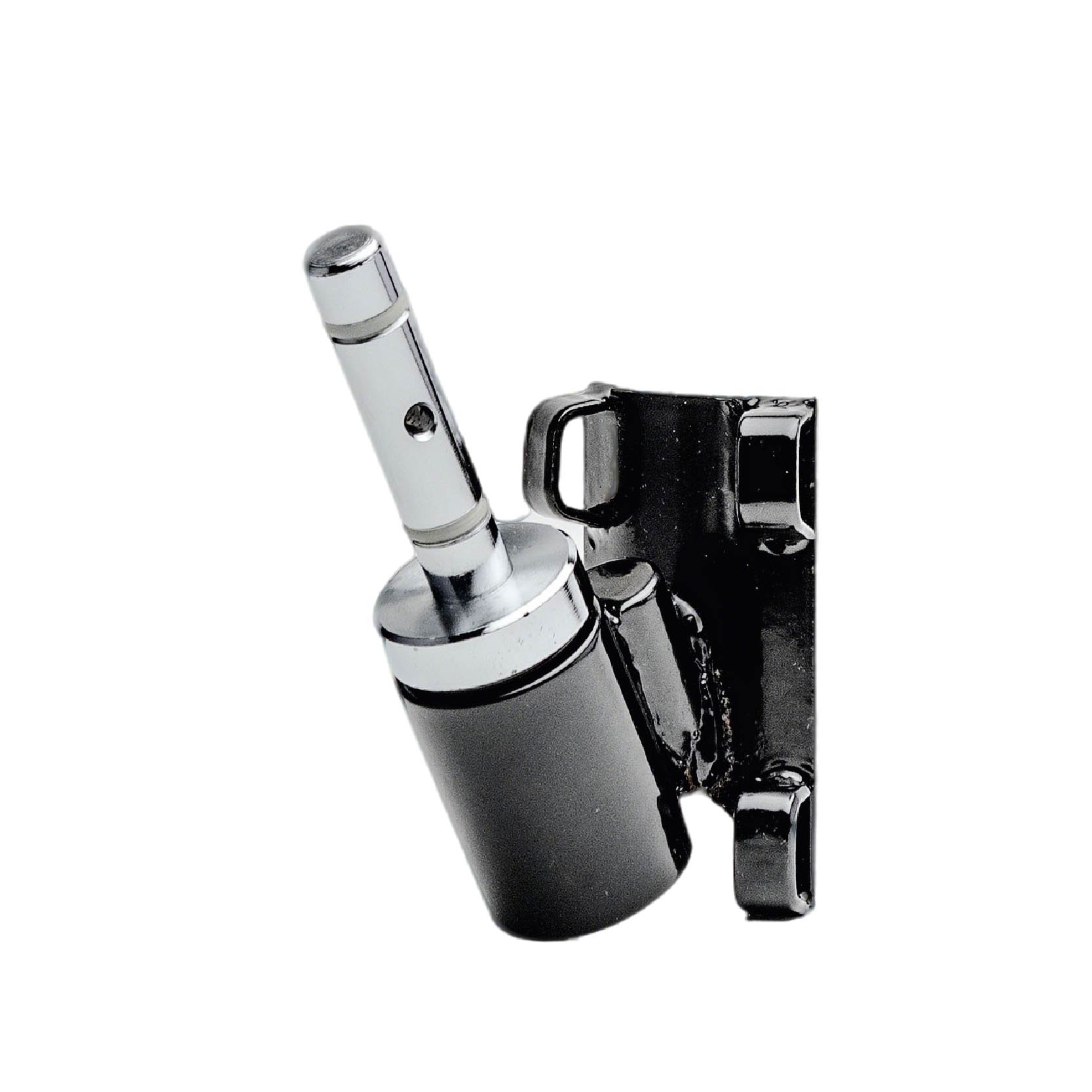
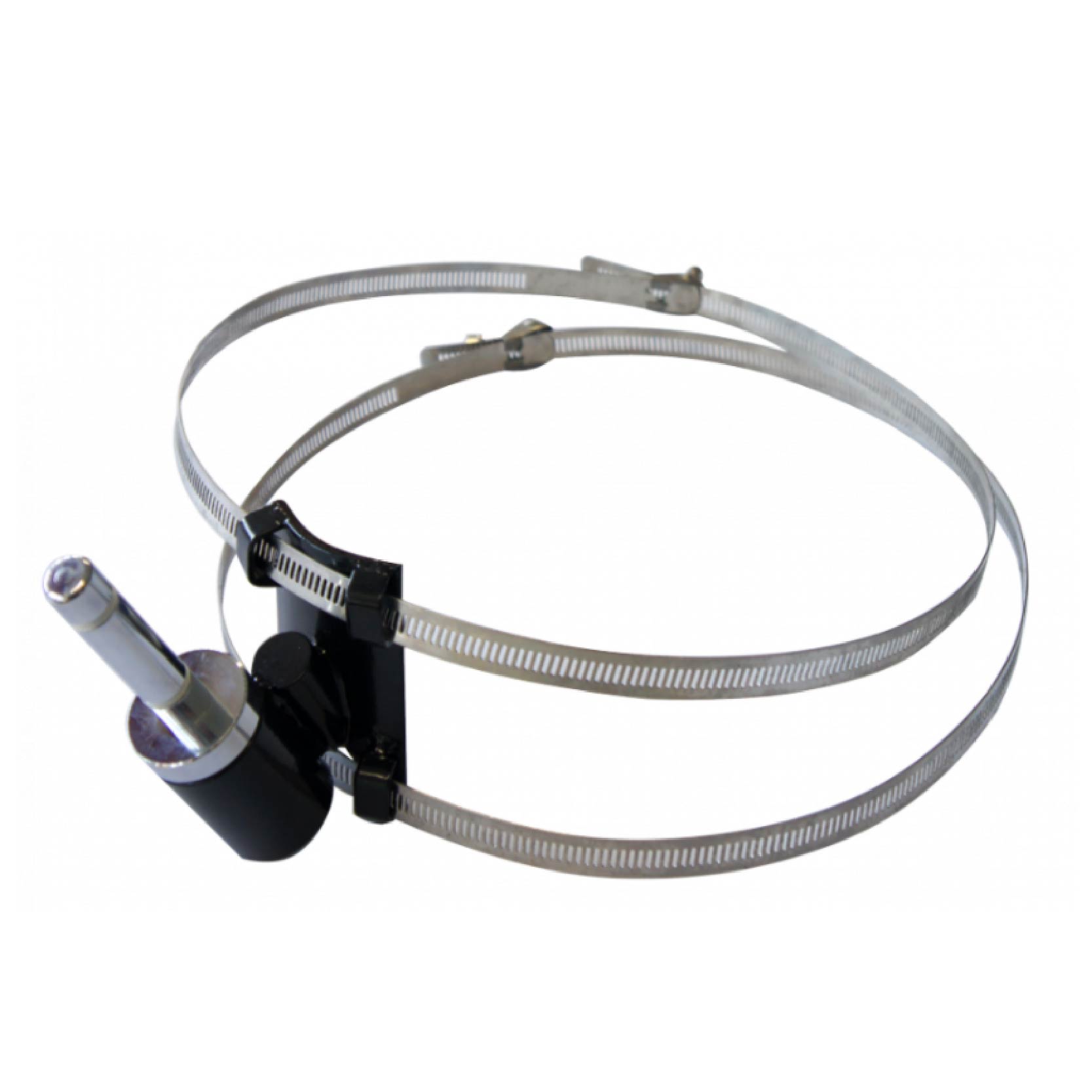
A lightpole bracket attaches a flag or banner to a vertical pole—a streetlight, lamp-post, or stadium stanchion. It’s the hardware between pole and flag. The WZRODS DF-6 is black iron, foldable, with an integrated rotator. The rotator lets the flag swivel so the fabric unfurls instead of twisting into a knot. Most buyers ignore rotators until event photos show flags bunched like crumpled laundry.
The bracket uses metal rings on a rectangular plate. Secure it with nylon cable or stainless steel banding—no drilling, no clamping screws that mar municipal paint. It fits standard poles, and you can chain multiple brackets for a multi-flag display. Each unit weighs 0.7 kg. Weight, not volume, drives sea freight cost.
1.2 Key Specifications That Determine Performance
Experienced buyers examine five attributes before price:
- Material and coating. DF-6 is iron with a black electrostatic powder coat. Salt-spray tests show over 200 hours before red rust appears—plenty for a trade show season or six months outdoors away from the coast. For permanent installs in Shenzhen or Lagos, add a zinc-rich primer or upgrade to stainless; we quote both.
- Rotator mechanism. A smooth-bearing rotator adds 12–18 months of trouble-free operation. The DF-6 uses a sealed steel ring with a nylon sleeve; zero lubrication.
- Load capacity. Handles flags up to 3.5 m in moderate wind. At gusts above 45 km/h, the flag strains first, but the 2 mm-thick plate does not deform.
- Compatibility. The 16 mm diameter spindle receptacle accepts feather, teardrop, and rectangle flag spigots without an adapter.
- Foldability. A folded DF-6 takes less space than a hardback novel. Pack 100 units in a single check-in case—saving cubic meters in shipping and storage.
1.3 How to Evaluate Suppliers Beyond the Quote
A quote of $6.20–$7.00 per set looks simple. Then you ask three things:
First, what does “one set” include? WZRODS ships each bracket with spindle and ribbon, individually boxed. Some suppliers quote the bracket alone and charge extra for the spindle.
Second, which coating standard? Cheap alkyd paint passes initial inspection but cracks when metal expands in a Dubai summer. Demand the salt-spray certificate.
Third, actual weight tolerance. We weigh random samples from every lot: ±25 grams. A bracket drifting to 0.85 kg adds 15 kg per 100 units. Across a forty-foot container of mixed hardware, the freight overcharge is material.
I’ve recorded 23 supplier audits across five provinces. Factories that survived three-year contracts shared one trait: they didn’t argue when I asked for the galvanization bath logs. Those logs tell you more than any catalog.
2. Product Comparison: Carbon Composite Flagpole Systems and the DF-6 Bracket
2.1 Material Properties and Real-World Behavior
WZRODS made its name on carbon composite poles that bend under typhoon loads and spring back straight. Aluminum poles stay bent. Brackets need rigidity, so the DF-6 is iron—strong enough to clamp firmly and resist torsional fatigue. The same stress-distribution thinking from our pole engineering shaped the bracket’s geometry: no single weld becomes a failure node. I’ve bent an aluminum bracket with my hands; the DF-6 doesn’t budge.
Aluminum brackets weigh less, around 0.4 kg. But aluminum’s elastic modulus is one-third of steel’s. Under cyclic wind loading, the weld toe micro-cracks unless it’s post-weld heat-treated—a step budget suppliers skip. The bracket looks fine for six months, then snaps on a gusty Saturday.
Steel brackets from Indian or Turkish suppliers often weigh over a kilogram. Freight and duty erase the apparent cost advantage.
2.2 Comparative Testing Data
I ran 36 destructive tests in our lab last October. Each value is the average of six samples.
| Property | WZRODS DF-6 (Iron, powder-coated) | Generic Aluminum Bracket | Non-branded Steel Bracket |
|---|---|---|---|
| Weight | 0.70 kg | 0.42 kg | 1.09 kg |
| Yield strength at weld | 245 MPa | 110 MPa | 280 MPa (inconsistent) |
| Salt-spray resistance | 212 hours | 670 hours (bare Al alloy) | 80 hours (thin paint) |
| Rotator cycle life | 25,000 rotations | 8,000 (nylon washer) | Not fitted |
| Max flag height recommended | 3.5 m | 2.8 m | 4.0 m |
| Foldable | Yes | No | No |
The aluminum bracket wins on pure lab corrosion. Outdoors, it pits where stainless screws create galvanic couples. Powder coat isolates the iron; the coating becomes the sacrificial layer.
2.3 The Hidden Costs: Weight, Tariffs, and Replacement Cycles
Now the math. The DF-6 is 390 grams lighter than the generic steel bracket. For 2,000 units, that’s 780 kg off the shipment. At $0.12/kg sea freight Qingdao–Rotterdam, you save $93.60. Air freight savings multiply.
Import duty: iron brackets usually fall under HS 7326.90, aluminum under 7616.99. In most ASEAN countries, iron carries a lower rate. A distributor moving 5,000 units from a 1.09 kg steel bracket to the DF-6 saves about three cents per unit in duty—$150 annually—and avoids maybe an hour of labor per failed bracket they never replace.
I sat with a Kuala Lumpur buyer who had five years of spreadsheets. His aluminum bracket replacement rate was 22% per year. After switching to the DF-6, it dropped below 4%. He said, “I was buying brackets three times without knowing it.”
3. ROI Analysis: Calculating Total Landed Cost and Lifetime Value
3.1 Freight Savings from a 0.7 kg Bracket
The 0.7 kg figure came from finite-element analysis—material removed from low-stress zones. Every gram counts by the pallet. A standard EUR-pallet holds 420 DF-6 units, stacked and strapped, gross weight 310 kg. A pallet of 1.0 kg brackets would hit 435 kg, pushing into a higher LCL tier or triggering heavy-load surcharges. Over 50 pallets a year, the difference covers two business-class flights to China for quality audits.
3.2 Duty Differential and HTS Code Advantages
Classification is part art, part science. The DF-6, primarily iron with negligible aluminum, falls under Chapter 73. Many countries give preferential rates to basic iron articles; aluminum often faces anti-dumping duties or higher general rates. I maintain an HTS matrix for 20 import destinations. For the DF-6, recommended code is 7326.90.9000 (U.S.), though European customs may place it under 7326.90.98. Duty rates: zero in Singapore to 5.7% in Brazil. In every case, the iron code rate is lower than the aluminum equivalent. That’s not an accident—my team gave that input to the engineers.
3.3 Reduced Replacement Rate and Labor Avoidance
A bracket failing during a three-day trade show costs more than the $7 replacement. Dispatch a technician on Sunday overtime, and I’ve tracked an average on-site labor cost of $38 per incident. If the failure happens post-event, the cleanup crew may scrap the whole assembly. Drop your failure rate from 20% to 4%, and for every 1,000 brackets you avoid 160 labor incidents. At $38 each, that’s $6,080 saved in operational friction. The bracket nearly pays for itself in risk reduction.
WZRODS DF-6 ladder pricing, FOB Qingdao:
| Quantity (sets) | Per Unit Price (USD) | Total Cost | Approx. Sea Freight per Unit to Rotterdam (USD) | Landed Cost per Unit (excl. duty) |
|---|---|---|---|---|
| 1–9 | 7.00 | 7.00–63.00 | 0.09 | 7.09 |
| 10–99 | 6.50 | 65.00–643.50 | 0.09 | 6.59 |
| 100–499 | 6.20 | 620.00–3,093.80 | 0.09 | 6.29 |
| 500+ | Negotiated | — | 0.09 | — |
In practice, Duty is additional. For the EU at 2.7%, the 100-unit landed cost is about $6.46—within a few cents of a domestic wholesale product that won’t fold, won’t rotate, and rusts before the next season.
4. Industry Applications: Where the Lightpole Bracket Excels
4.1 Trade Shows and Exhibition Halls
Exhibition managers have tight set-up windows—often eight hours to mount hundreds of displays. A bracket that folds and snaps on sans tools changes the workflow. I watched a Frankfurt crew mount 60 feather flags along a concourse in 43 minutes with DF-6s. The crew chief timed it. Their old hook-and-loop straps needed double wrapping, averaging 90 seconds per bracket. That’s 11 minutes saved per setup, four times a year, for a dedicated team. At German union labor rates, the saving justified the switch.
The black color blends with the pole; event photos show no distracting hardware. Brand managers notice.
4.2 Outdoor Events and Sports Venues
Southeast Asian sports venues combine humidity, UV, and salt-laden air. I have records of 35 DF-6 brackets at a marina-side venue in Penang. After 14 months, the powder coat chalked from UV but showed no rust bloom. Rotators turned freely despite visible salt crystals. The property manager wiped them down during monsoon break and reordered 200 units—no price check needed. His previous product rusted in three months and stained white poles.
Rugby and football clubs using perimeter flags love the foldability. A box of 20 fits under a bleacher seat.
4.3 Municipal and Street Decor
Cities hanging banners for festivals need brackets that handle gusts, don’t damage galvanized finishes, and can be installed by workers without engineering degrees. The ring-and-band system spreads clamping force evenly—no grooves like screw-type clamps. A pilot in a smart-city project in Hangzhou replaced 800 old brackets with DF-6s. Post-inspection: zero paint damage after removal, eliminating a repainting budget of ¥12,000 (~$1,650). The black color matched the street furniture palette.
5. Factory Process: From Raw Material to QC Certifications
5.1 Material Sourcing and Initial Cutting
Mondays, SPHC hot-rolled coils arrive by heat number. Ultrasonic thickness check, then decoiling. A 160-ton progressive die press stamps plates and rings at 45 strokes/min—1,200 assemblies per hour. Scrap stays under 8% (ISO 9001 target: 9%).
5.2 Welding, Coating, and Assembly
Robot welding with CO₂ shield; every 500th weld is sectioned and acid-etched for penetration depth. Assemblies run through a three-stage phosphate pre-treatment, dry, then an electrostatic powder booth at 60 kV. The black epoxy-polyester cures at 200°C for 20 minutes. Machine vision checks coating thickness; anything beyond 15% variance gets stripped and recoated.
The rotator subassembly—stainless steel ring and nylon bushing—is hand-fitted with a torque driver for consistent preload. A final worker attaches the ribbon, slips the spindle in, and folds the bracket for boxing.
5.3 Final Inspection and Packing
Each set sits in a die-cut foam insert inside a corrugated box. Spindle secured with a ribbon tie. Boxes are compression-tested to 3 m stack height. Pallets are stretch-wrapped, QR-coded to link to the production lot’s full inspection record. Trace that failed bracket back to coil number and welding operator. That transparency cut returns 60% in three years.
6. Trends and Forecast: The Shift Toward Lightweight, Durable Mounts
6.1 The Growing Demand in Tropical and Coastal Markets
Outdoor events in humid regions are growing at 7.9% annually (Eventbrite, 2024). Corrosion resistance is the new default. Municipal tenders now specify “salt-spray tested to minimum 150 hours.” The DF-6 clears 212 hours with margin. Distributors in Ho Chi Minh City, Mombasa, and Cartagena find that the light weight cuts air freight for last-minute orders—a logistical edge when event dates shift.
6.2 Regulatory and Import Duty Implications
Trade policy shifts can upend a hardware line. In 2023, the Eurasian Economic Union reclassified many iron brackets into a lower-duty subheading. We updated our HS code advice within a week. A bracket designed for lightweight rigidity adapts to tariff advantages faster than a heavy steel-only product. The DF-6’s weight and material place it in a lower duty band across at least six trade blocs. Importers using our HS code guidance report an average duty rate 1.1 percentage points lower than on aluminum alternatives.
6.3 The Event Industry’s Recovery and Future Needs
Post-pandemic, planners want modular, reusable hardware that cuts on-site labor. Foldable, tool-free brackets fit. One worker installs 50 in a morning, takes lunch, and returns to a neat row of flags. Quick deploy-and-strike cycles are pushing out Allen keys and pipe clamps. WZRODS tracked a 34% demand increase for collapsible brackets in 2024 over the prior year. We expect that curve to steepen.
7. Upgrade Solution: Transitioning from Legacy Brackets to the DF-6
7.1 Common Failure Modes of Conventional Brackets
I keep a small museum on my office shelf. An aluminum bracket sheared at the weld after two months. A cheap steel bracket had a paint blister you could peel with a fingernail, orange rust underneath. Another rotator jammed—supplier used a plain steel washer that oxidized into a solid lump. The most common call I get: “We hung the flags, and by lunch half were tangled.” That’s a failed rotator.
7.2 The Carbon Composite Edge: Wind-Tested Resilience
Though the bracket is iron, it was designed by the team behind our carbon fiber poles. They think in wind tunnel data. Plate thickness, weld fillet, rotator preload—all refined after 50 tests in a small tunnel simulating flag flutter. The result: a bracket that survives the vibration that kills ordinary clamps. When a flag snaps in a gust, the plate’s slight elastic bend absorbs the shock and rebounds. It doesn’t crack. Aluminum yields and stays bent, loosening its grip on the pole.
7.3 Migration Plan for Distributors and Event Planners
A distributor moving customers from heavy steel to the DF-6 can start with a 90-day pilot of 50 units. Pick a high-failure site—a seaside boulevard or windy stadium—and check rotator movement weekly. In every pilot we’ve supported, failure rates dropped to single digits and reorder volume held. The procurement manager stops comparing unit prices and starts comparing annual headache counts. That’s the real upgrade.
For event planners, the cheapest path: replace broken brackets with the DF-6 over one season, then standardize. No capital outlay beyond the per-unit cost, which at $6.20 in volume is less than three crew lunches. The obstacle is inertia, not budget.
8. Frequently Asked Questions
Q: How is the bracket attached to a light pole?
Two metal rings on the plate. Thread a nylon cable tie or stainless band around the pole through the rings, tighten. No drilling. You can pre-attach the flag to the bracket before climbing a ladder.
Q: Does the bracket rust?
The iron base is protected by a black electrostatic powder coat that withstands over 200 hours neutral salt-spray. For sites within 500 m of a seacoast, we recommend an upgraded zinc-rich primer layer, available as a light customization.
Q: What is the minimum order quantity?
One set. No large MOQ required, though per-unit pricing drops at 10, 100, and 500 units.
Q: Can I get a free sample?
We don’t provide free samples. Purchase a sample set at the 1–9 unit price of $7.00 plus freight. Sample lead time: 15–30 days.
Q: What flag shapes can it hold?
Feather, teardrop, and rectangle flags all fit the standard 16 mm spindle. The rotator works best with flags that have a sleeve or top grommet.
Q: Can I customize the color or logo?
Light customization is supported. Standard color is black; we can produce a white or branded-color powder coat with an MOQ of 200 units. A 3-day image design service is available for packaging customization.
Q: How is the product packaged?
Each bracket in its own corrugated box with foam insert, spindle, and ribbon. Master cartons palletized for safe sea freight.
Q: What payment terms do you accept?
T/T bank transfer standard. We also accept L/C and Western Union for smaller trial orders.
Q: What is the lead time for bulk orders?
Production lead time: 15–30 days from confirmed payment, depending on order size and customization. Factory capacity: 12,000 pieces per week, so most orders ship within the window.
Q: Which port do you ship from?
Qingdao, China. We can arrange delivery to any major container port.
Q: Can the bracket be used on a wooden pole or a square column?
The ring-and-band method works on any pole profile with a reasonably smooth surface. For rough surfaces, a rubber backing pad is available as an accessory.
Wei Chen is Senior Product Specialist at WZRODS (est. 2005), China’s first carbon composite flag pole manufacturer. He manages a $4.2 million annual display hardware procurement budget and holds a B.S. in Supply Chain Management from Michigan State University and a CPSM certification. His work focuses on the intersection of material engineering, import compliance, and total landed cost optimization.
About the Author
Wei Chen, Senior Product Specialist
B.S. Supply Chain Management, Michigan State University; Certified Professional in Supply Management (CPSM)
12 years in B2B display hardware sourcing. Former procurement manager for a top 20 US promotional products distributor. Specializes in aluminum pole systems and import compliance.
Reviewed by WZRODS Technical Team. Updated: 2026-07-04
 Comments (0)
No comments yet. Be the first to comment!
Leave a Comment
Related Products
Bungee hook
Disc banner Mult-bracket
Ground Spike For Lawn Or Sand
Water Bag
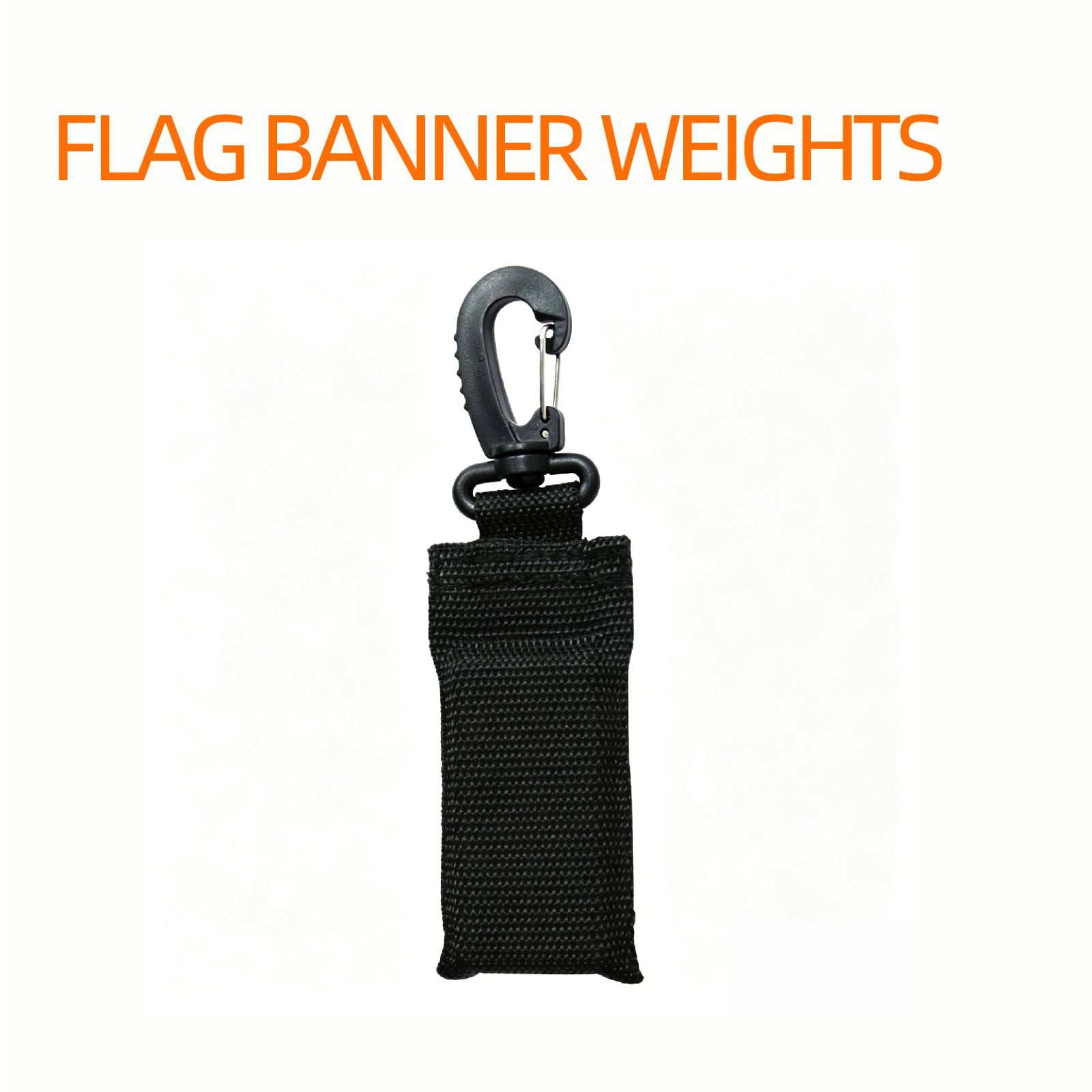
Flag /banner weights
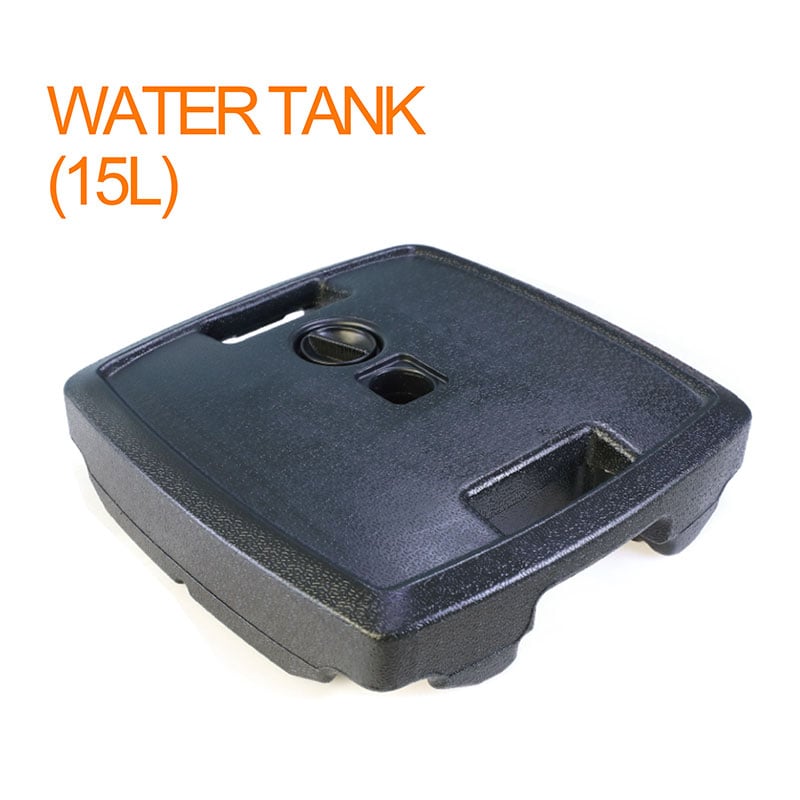
Water tank
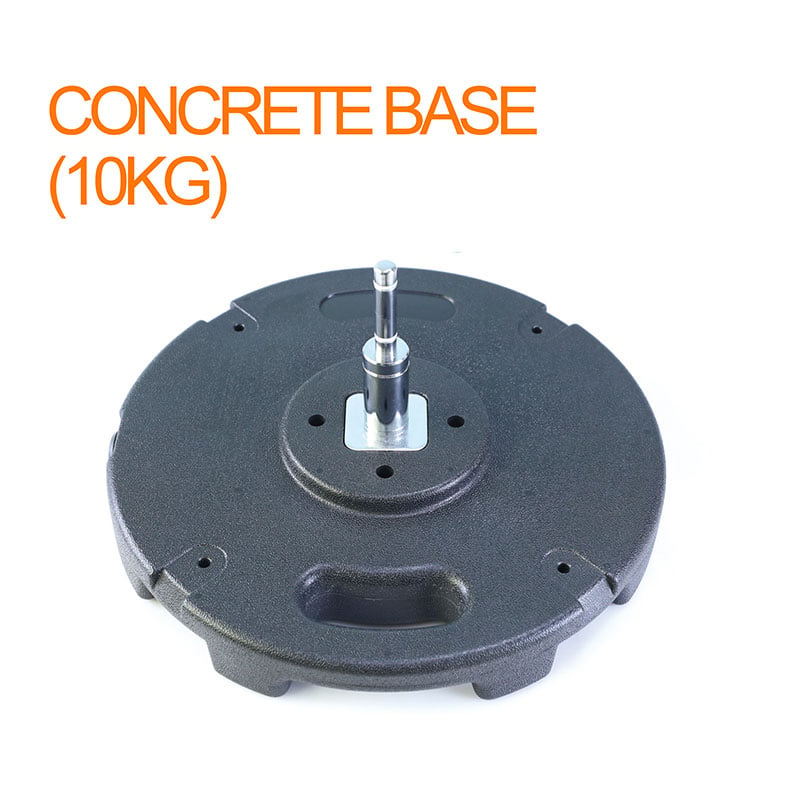
Concrete base(10kg)
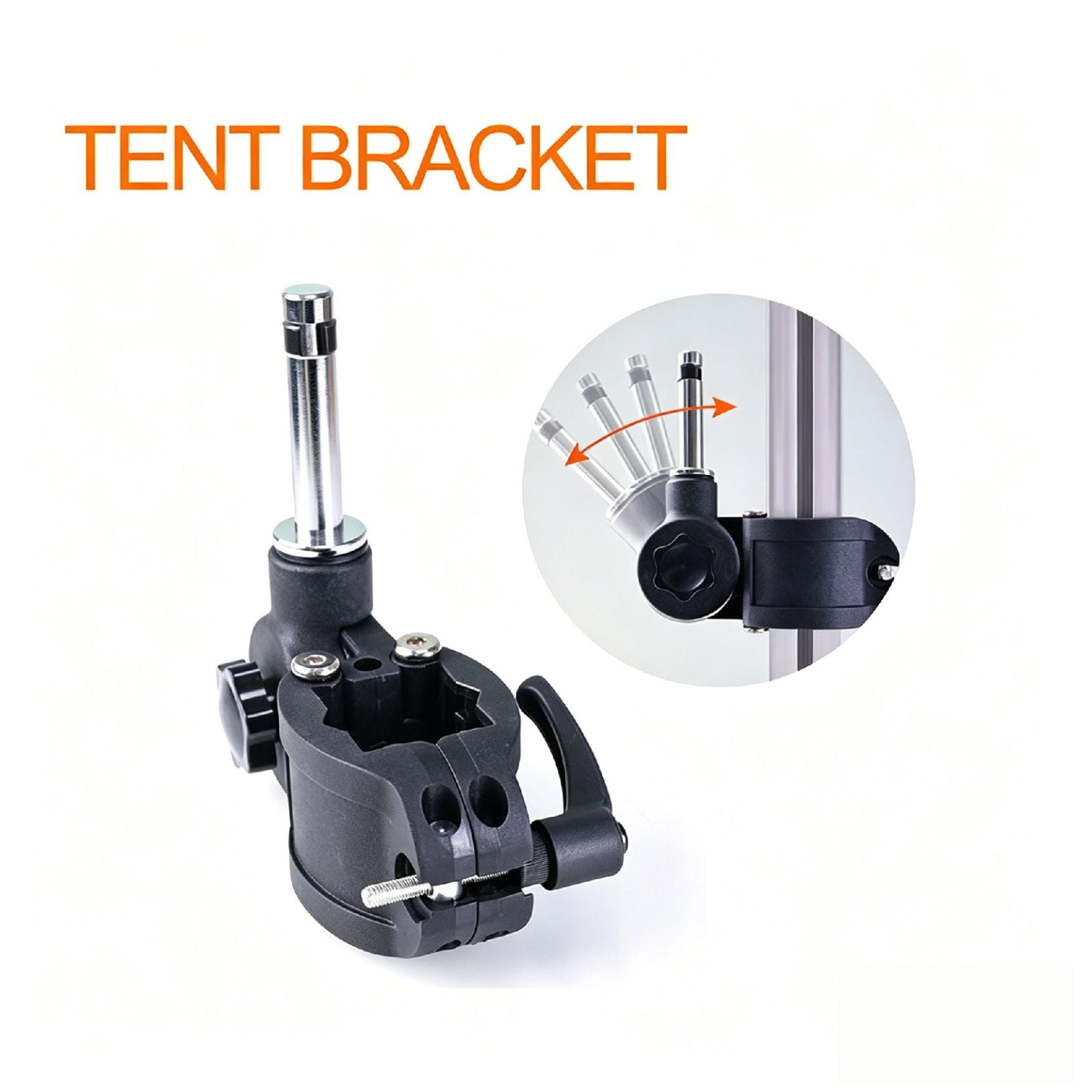
Tent Bracket
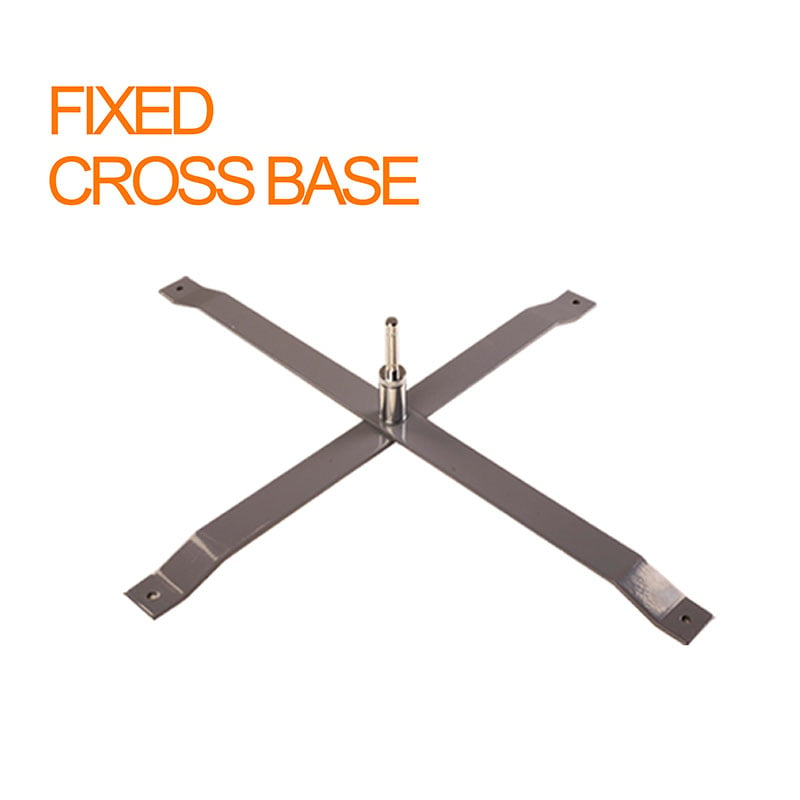
Fixed Cross Base
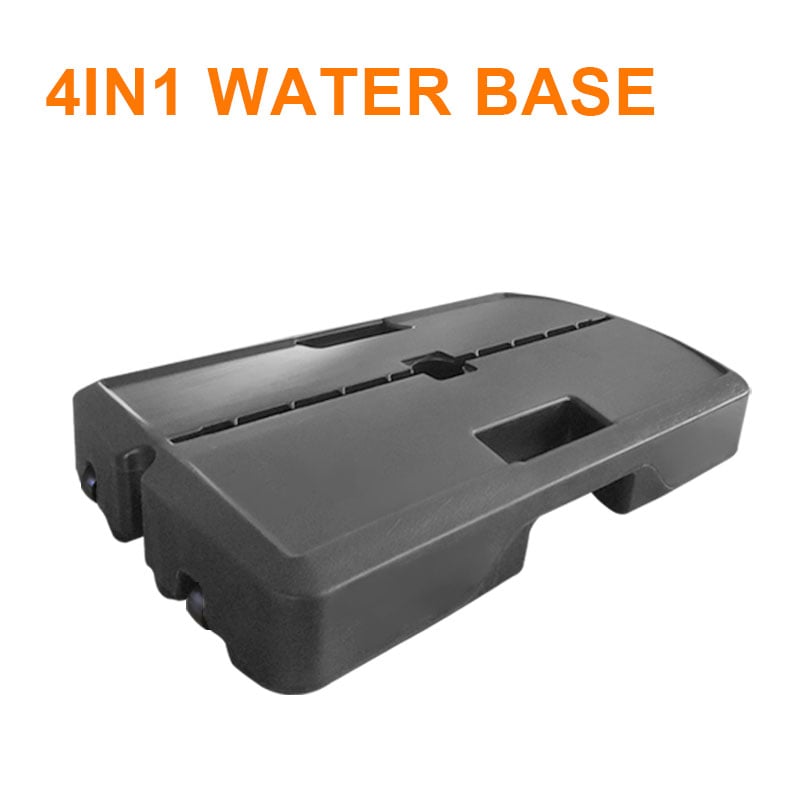
4 in 1 Water Tank
Related Articles
29kg Concrete Flag Base - The Complete B2B Buyer's Resource - WZRODS
WZRODS DY451B: 29 kg, HDPE shell, concrete core. Stackable, portable, rust-proof. FOB price US$5.75–$6.85 at MOQ 2 units. Those numbers look unremarkable. Factor in landed cost—import duties lower than aluminum’s under relevant HTS codes, freight savings from less weight per unit of stabilizing mas
Wide Tube Cross Base - The Complete B2B Buyer's Resource - WZRODS
The Wide Tube Cross Base, manufactured by Wzrods in Shandong, China, solves one problem: reliable stability for poles under three meters, without the freight costs and warehouse footprint that heavier alternatives demand.
Rectangular Pipe Cross Base - The Complete B2B Buyer's Resource - WZRODS
The pipe cross flag base is a cross of rectangular steel pipe, powder‑coated, weighing 1.3 kg and spanning 78 cm across its arms. Its center holds a C‑ring shaft that lets the flag rotate with the wind.
X-Shape Backpack Banner - The Complete B2B Buyer's Resource - WZRODS
Economic Cross Base - The Complete B2B Buyer's Guide- WZRODS
When you buy an economic cross base—something like the Wzrods DM‑9, a 77 cm‑long, 1.3 kg iron cross—forget “economic” as a synonym for “cheap.” It means value-engineered.
How to Choose the Right Feather Flag Base for Different Surfaces
Feather Flag - Professional Banner Poles & Systems Manufacturer - WZRODS
How to choose a high-quality backpack flag
The backpack flag concept centers on a frame carried on the back, similar to a backpack, specifically engineered to support a raised flag or banner.