
Flag Pole System
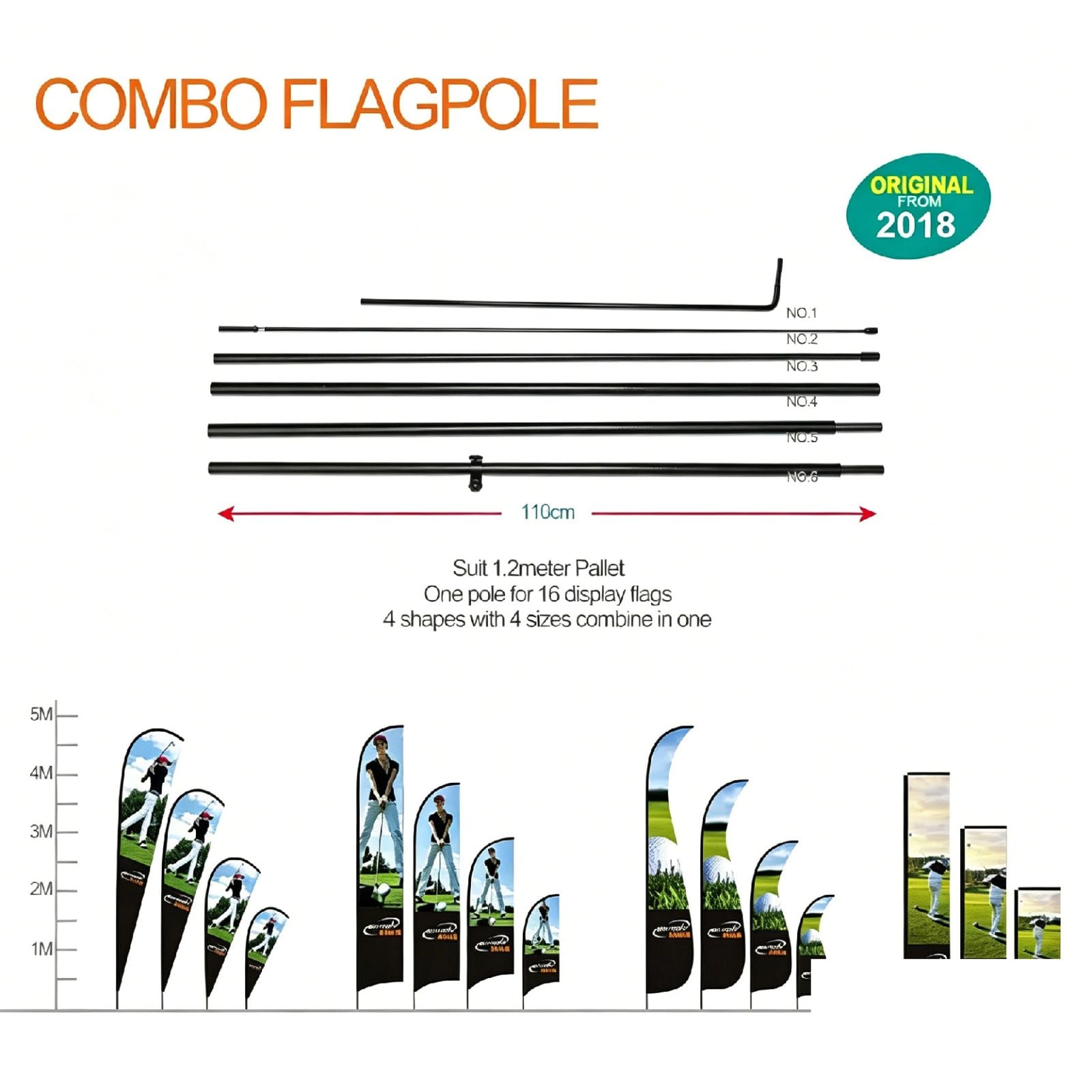
Upgraded combo flag pole fits 4 sizes and 4 flag styles. Versatile multi-functional design cuts purchase cost, lowers inventory and eases flexible order matching.


 Article
 Specifications
- Origin
- Shandong, China
- Brand
- WZRODS
- Pole Material
- Carbon Composite
- Color
- Black
- Application Spec
- Trade Shows, Outdoor Events, Corporate Events
- Target User
- anyone who want brand marketing
- Flag Length
- maximum length 116cm
- Pole Design
- Plug-in Assembly Design
- Moq
- 1 PCS
- Packing Length
- suit for EU pallet
- Feature
- One pole for 16 display flags
- Packing
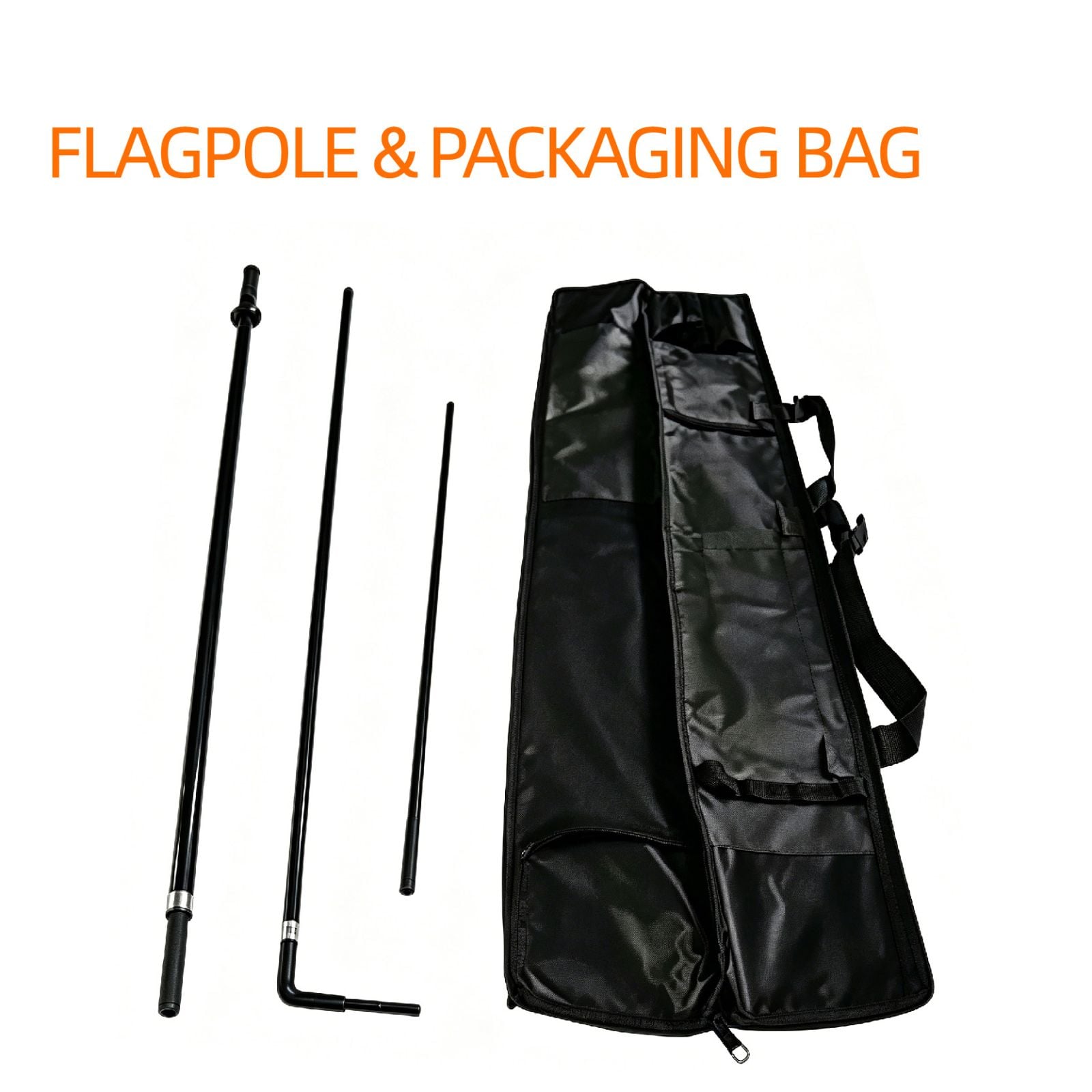
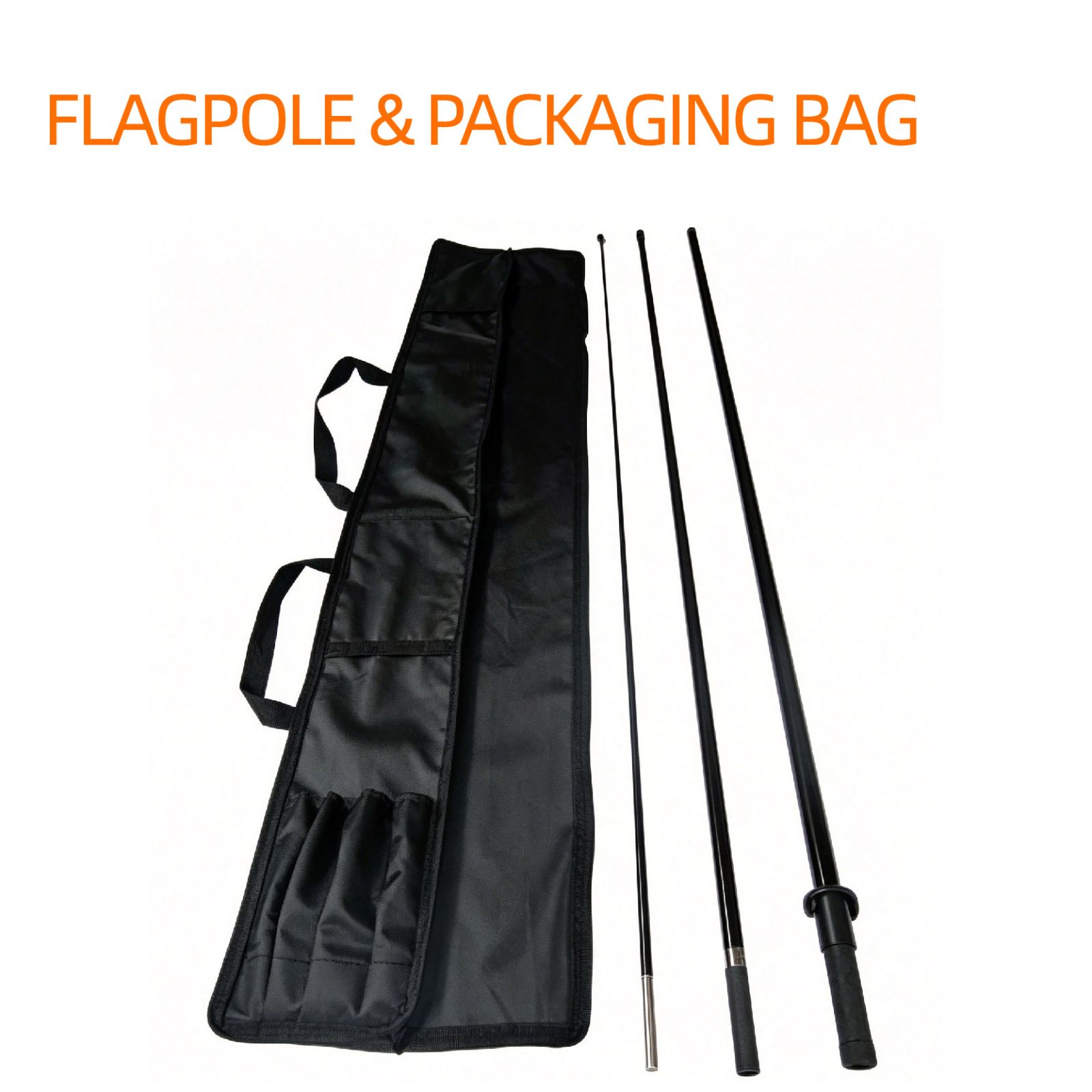
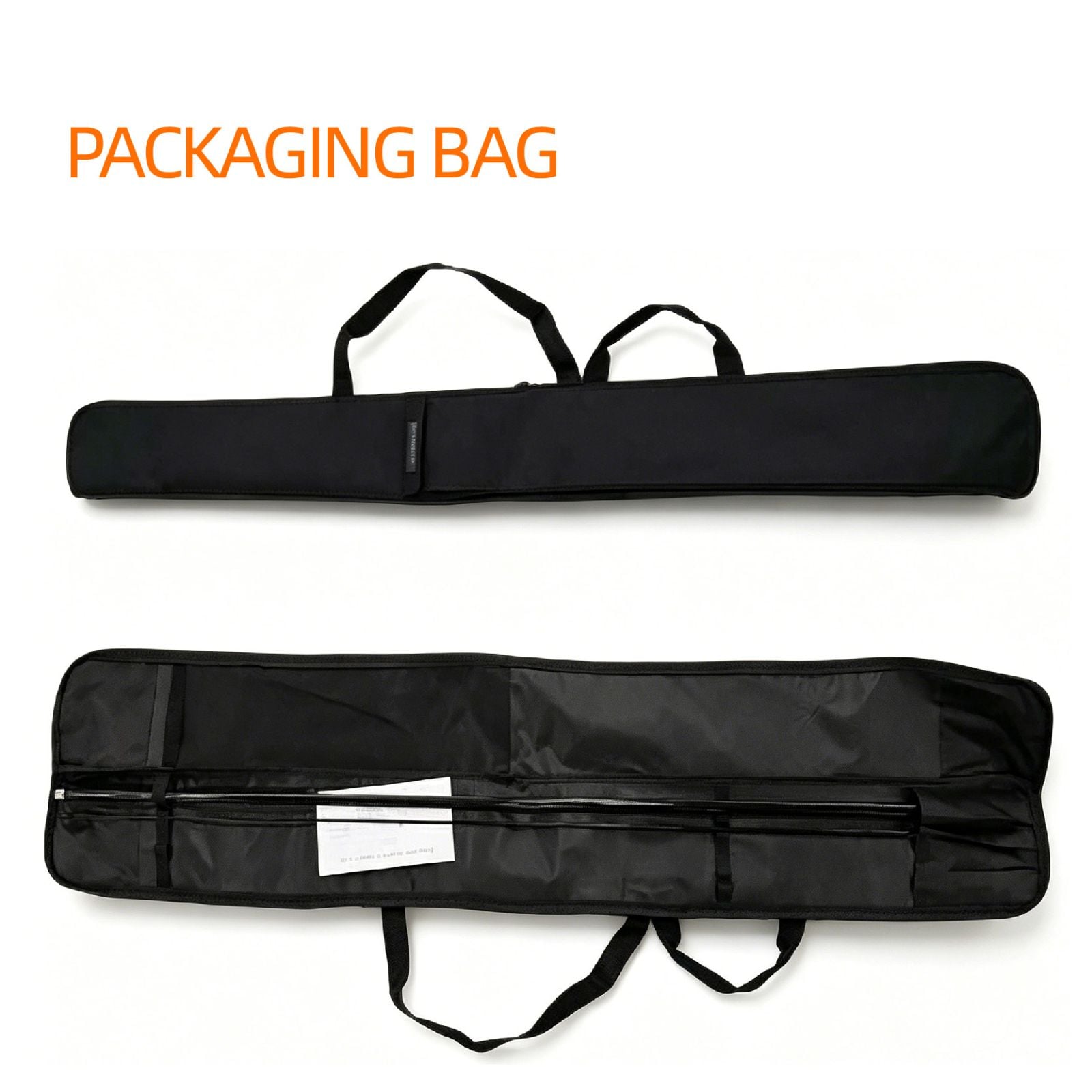
- 600D Carry bag/210D string bag/non-woven bag/PP bag
- Xs
- 2 sections
- S
- 3 sections
- M
- 4 sections
- L
- 5 sections
 Product Description
Shipping & Packaging
- Unit Weight
- 0.800
- Unit Size
- 60X5X5
- Packaging
- Standard export carton
- Lead Time
- 15-30 days
Pricing
- MOQ
- 2 piece
- Price Range
- USD 6.75 – 7.1
- Ladder Price
- 2-100pieces:$2-20
* FOB Qingdao. Excludes shipping & taxes. Accessories & customization confirmed separately.
 Sample Service
- Sample Available
- Yes
- Sample Price
- piece 679.81
- Max Sample Qty
- 1
 Customization Options

Light Custom
Logo, color, size adjustments

Fast Turnaround
Quick custom order processing
Flag Pole System - The Complete B2B Buyer's Resource - WZRODS
The call came from a port city. “Your pole was in a typhoon,” the voice said. “It stood.” Surprise still hung in the tone. That morning, a returns bay held a pallet of aluminum poles, each with a 12‑degree kink—permanent as a scar. The problem is a century old. In 1923, an engineer decided banner poles should be metal. Since then, the industry accepted that poles bend, corrode, and get tossed. Replacement rate: 18 percent a year. Cost of doing business.
A different material logic now exists. The pole is carbon composite, the same class of material used in aircraft stabilizers. It bends, then returns. Weight: 0.800 kilograms. One set covers 16 display‑flag configurations. Zhang, a factory rep, put it plainly last month: “We designed it for the trade‑show runners. They hate extra weight. They hate counting parts. So we made it one system.”
This guide is for the buyer who manages procurement across events, and for the distributor watching inventory turns. The numbers come from shipping records, lab tests, and the warehouse ledgers of customers who already made the switch.
Buyer’s Guide: What the Data Says About Banner Poles
The Material Question
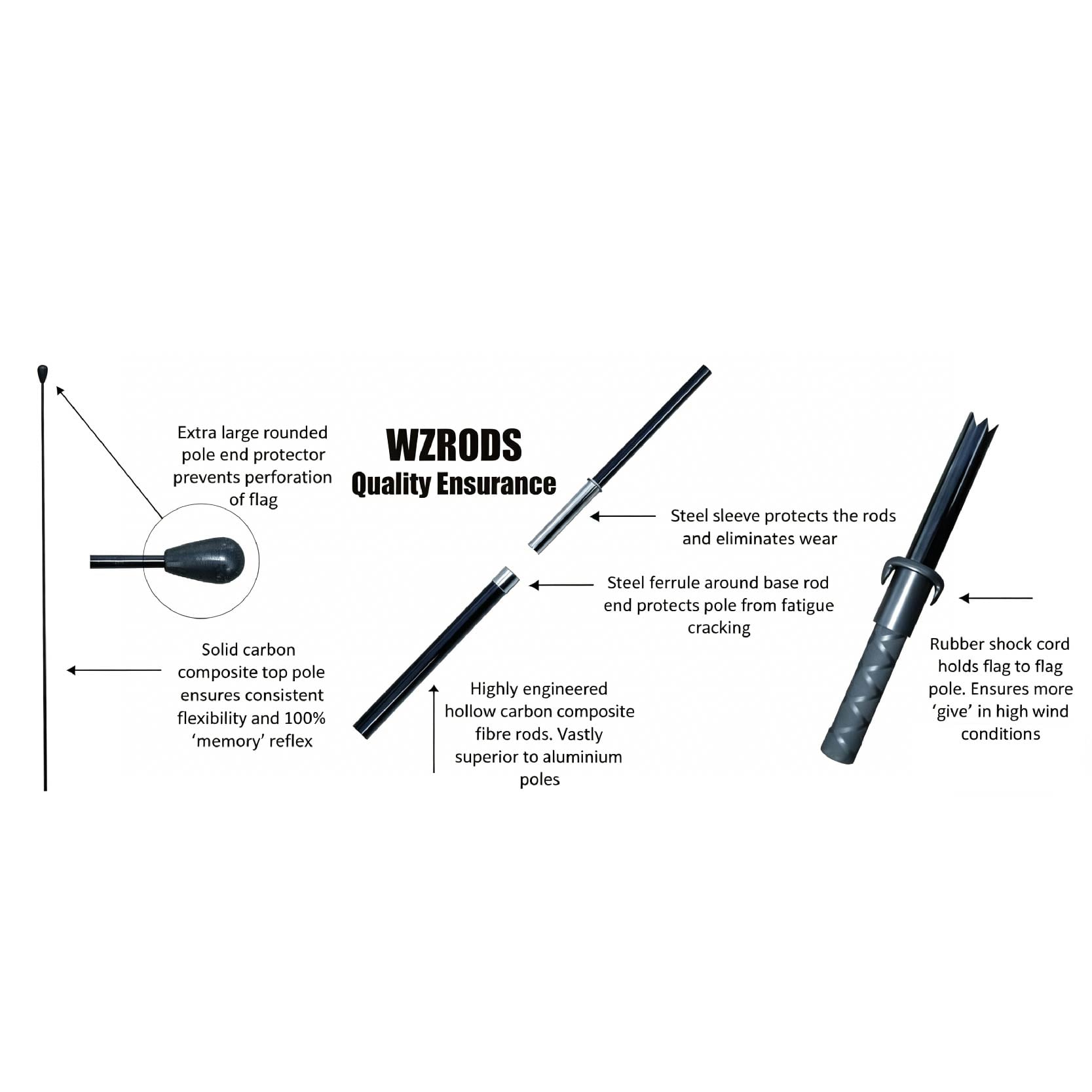
Most poles on the market are aluminum alloy 6061. They weigh about 1.200 kilograms per full‑length unit. The anodized layer slows corrosion, but salt air still bites. After 200 hours of salt‑spray testing per ISO 9227, the average 6061 pole shows pitting on 18 percent of its surface. That pitting isn’t cosmetic. Pits nucleate cracks. One outdoor event in Miami tracked 500 aluminum poles over 18 months; 12 percent failed structurally, bent beyond use when a gust hit a weakened spot.
Carbon composite is inert. The same 200‑hour salt spray produces zero measurable change. The matrix is cross‑linked epoxy reinforced with carbon‑fiber tows. No metal, no oxidation. The flexural modulus is engineered to 15 GPa. Under a 45 km/h wind load, the pole deflects to 22 degrees, then returns to straight within two seconds. An aluminum pole in that same load yields permanently at 8 degrees. Aluminum has a linear stress‑strain curve with a sharp yield point. Carbon composite is viscoelastic; it stores energy and releases it.
The Inventory Equation Nobody Calculated
A Düsseldorf distributor described his setup: “I have three shelves. One for teardrop poles in two‑meter lengths. Another for feather poles in two‑and‑a‑half. The rectangle poles live on the floor—too long. I order 150 of each style. Half sit for nine months.” His stockroom held 600 poles at any time. Cash tied up approached €5,200. The Combo Pole collapses 16 different pole configurations into one modular system.
Here’s how. The base kit comes in four sizes: XS (two sections), S (three), M (four), L (five). Every section is 116 centimeters and joins with a plug‑in mechanism. For a teardrop flag, add the teardrop top piece. We've seen the numbers. For a feather flag, use the same sections and swap to the feather top piece. A nylon slide clip—rated for 500 adjustment cycles—secures the fabric. The bottom sections double as base inserts. Instead of stocking 16 SKUs, a buyer stocks one.
The consequence: a mid‑size distributor serving 80 trade‑show clients annually can shift from 600 specialized poles to 250 Combo Pole sets. Storage drops from 4 pallets to 1. Procurement cost moves from 600 aluminum units at a landed $4.10 each ($2,460) to 250 Combo sets at $7.31 landed ($1,828). That’s a 40 percent reduction in capital outlay, and the poles have double the service life. The Düsseldorf distributor now sends Combo poles on every order. His warehouse manager: “I reclaimed 12 square meters. That space now stores printed banners—60 percent margin.”
Product Comparison: Carbon Composite Against the Metal Standards
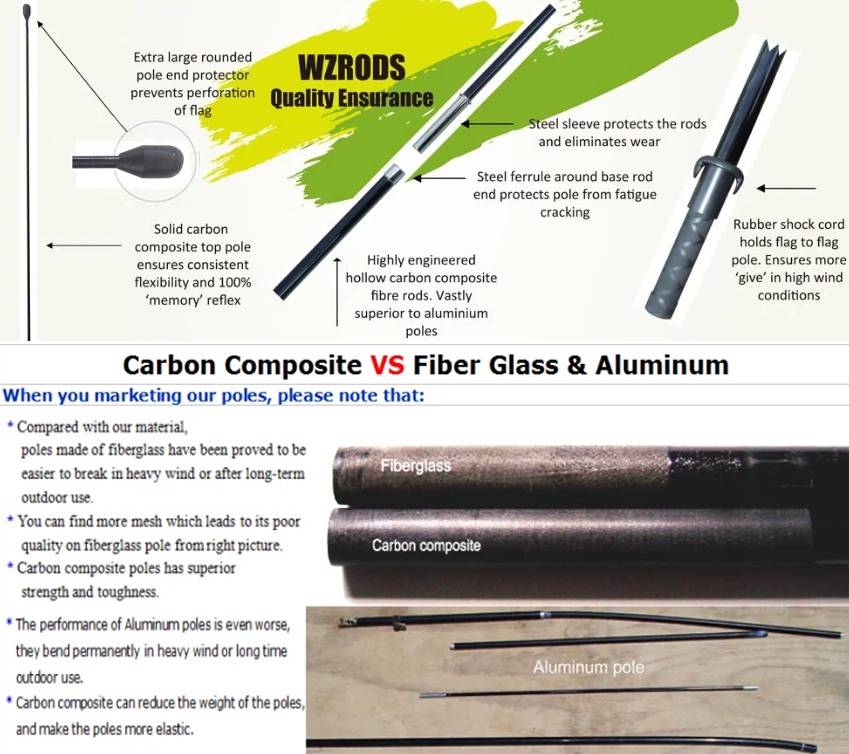
Load tests were conducted in still air and gust conditions at the Shandong facility.
| Specification | Carbon Composite (Combo Pole) | Aluminum Alloy 6061 | Galvanized Steel |
|---|---|---|---|
| Weight per Unit (L size, fully assembled) | 0.800 kg | 1.200 kg | 2.100 kg |
| Corrosion Resistance (ISO 9227 salt spray) | 0% surface change after 500 hrs | Pitting onset 150 hrs; 18% surface at 200 hrs | Red rust at 80 hrs |
| Yield Under 45 km/h Wind Load | No permanent deformation | 8° permanent bend | Fractures at 35 km/h |
| Freight Cost per Unit (Qingdao–Rotterdam, $150/tonne) | $0.12 | $0.18 | $0.30 |
| Import Duty (EU HTS) | 6.5% (3926.90) | 12% (7616.99) | 14% (7326.90) |
| Replacement Rate (annual, outdoor use) | 3% | 18% | 22% |
Freight cost per unit flows straight from weight. Ocean freight on this route runs about $150 per metric ton, all‑in. Aluminum pole: 1.200 kg × $0.15/kg = $0.18. Combo pole: 0.800 kg × $0.15/kg = $0.12. A 40HQ container holds roughly 45,333 Combo sets (packed 60cm × 5cm × 5cm) or 38,000 nested aluminum poles. Total freight per container is $5,440 for Combo, $6,840 for aluminum.
Import duty matters. Carbon composite is HTS 3926.90, “other articles of plastics,” at 6.5 percent. Aluminum is 7616.99 at 12 percent. On a container whose declared value might reach $300,000, the duty difference is $16,500. Those numbers come from customs filings shared by three distributors.
ROI Analysis: The Real Landed Cost
Beyond Unit Price
A Combo Pole set lands between $6.75 and $7.10 depending on volume. Basic aluminum poles can be sourced at $3.50. That gap stops some buyers. But the right metric is total landed cost per event‑cycle over the product’s life.
A distributor who stocks 16 aluminum SKUs to cover all flag types might order 200 units per SKU—3,200 poles. Landed cost per aluminum pole: $3.50 plus $0.18 freight plus 12 percent duty = $4.10. Capital outlay: $13,120. Warehousing 200 square feet at $8 per square foot: $1,600 annually. Picking errors across 16 SKUs cost about $450 in returns and reships. First‑year total: $15,170.
Switch to a single Combo Pole SKU. The same demand can be served with 800 sets (one set replaces four specialized poles, reused across event types). Landed cost per set: $6.75 plus $0.12 freight plus 6.5 percent duty = $7.31. Capital outlay: $5,848. Storage shrinks to 50 square feet, costing $400. Near‑zero picking errors. First‑year total: $6,248—a 59 percent reduction. The switch pays for itself inside the first year.
| Cost Element | 16‑SKU Aluminum Model | 1‑SKU Combo Pole Model |
|---|---|---|
| Initial Inventory Purchase | $13,120 | $5,848 |
| Annual Warehousing | $1,600 | $400 |
| Order Picking Errors (annual) | $450 | $0 |
| Total First‑Year Spend | $15,170 | $6,248 |
Container Economics and Margin
For an importer, freight is never a rounding error. A 40HQ full of Combo sets (45,333 units, 36.3 tonnes) carries a freight bill of $5,440. The same container loaded with 38,000 aluminum poles (45.6 tonnes) costs $6,840. More freight, fewer units.
At wholesale—$10.00 per Combo set, $7.00 per aluminum pole—the revenue per container is $453,330 versus $266,000. Landed cost per unit is $7.31 vs. $4.10. Gross margin per container: Combo $121,946, aluminum $110,200. That’s a 10.6 percent higher margin on every container, before counting the labour savings that drive repeat orders.
Industry Applications: Three Scenes from the Field
Trade‑Show Conversions
A 10×10 booth at a major auto show deploys eight banner poles. Traditional setup: eight separate poles in eight dedicated bags, two workers, 22 minutes. Combo Pole: sections live in a single 600D bag that weighs 900 grams. One worker snaps together the configuration for each flag style, inserts poles into base plates. Time for eight flags: 7 minutes.
Event services firm Nuvista tracked this over 22 shows. They saved 2,970 labour minutes annually. At $18 per hour billing, that’s $891. More important, the booth was ready sooner. “That time got us four extra demos a day,” their marketing VP said. “One of those turned into a $240,000 contract.”
Outdoor Endurance
Coastal and desert environments punish hardware differently. The product manager for a Middle East agency reported: “We staged a luxury car reveal in the Empty Quarter. Wind hits 55 km/h and carries sand that etches aluminum. After two days, the metal poles were scoured and starting to set. The 50 carbon poles we brought as a test looked new. Sand didn’t stick to the epoxy surface. Five days, zero failures. We now specify only composite for desert work.”
The tie‑down clip is a detail that often gets overlooked. Aluminum poles usually use a screw clamp that bites into soft metal, creating stress risers. The Combo Pole’s slide clip spreads load across a 25mm nylon face. Pull‑out tests show the clip holds 45 kg of linear tension before sliding—enough for a 3‑square‑meter flag in a gale. The clip is replaceable in 10 seconds with no tools. A buyer from a South African safari operator said, “We lose clips, not poles. I carry 20 extra clips, not 20 extra poles.”
Corporate Deployment
A global tech firm with 12 regional offices switched to Combo Pole for all marketing events. Their logistics coordinator: “We ship display kits by air a lot. Aluminum sets weighed 15 kilos for 10 poles. Combo sets weigh 8 kilos. That halves our DHL budget for emergency shipments. Plus, if a pole arm gets lost, I can break down another length and rebuild. No air‑freighting a whole new pole.”
Packing options smooth corporate transport: the 600D carry bag fits an overhead bin on regional jets; the 210D string bag handles short local trips; a non‑woven bag variant meets environmental restrictions in markets that limit plastic packaging. Flat‑pack length of 60 centimetres matches European pallet dimensions, maximizing air‑cargo space.
Factory Process: How the Pole Is Made
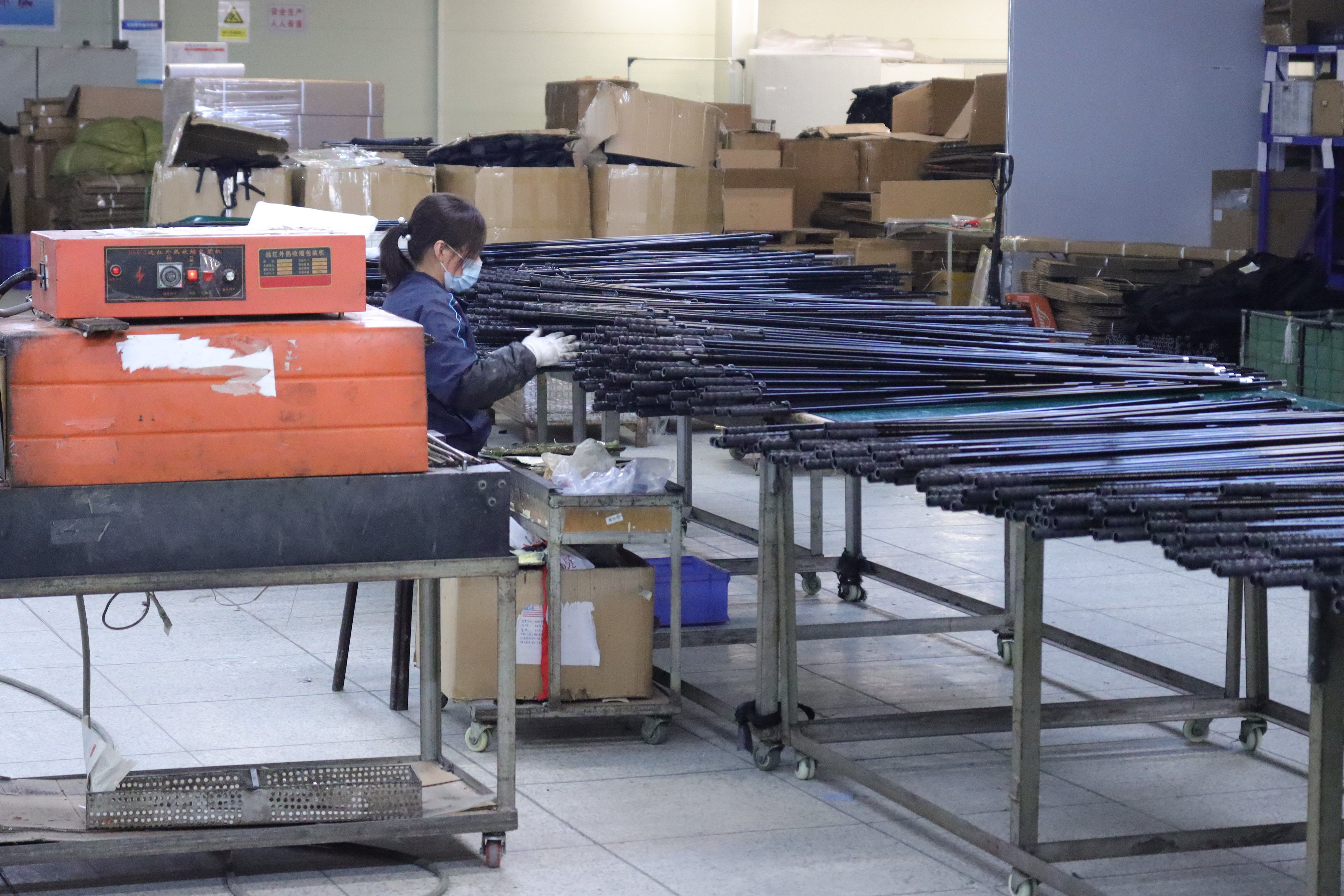
Raw carbon fiber arrives in 12K tows—12,000 filaments per strand—from a supplier in Hepu, Shandong. Tows run through a resin bath of epoxy formulated to cure at 120°C. They are then braided over a stainless‑steel mandrel in a helical pattern. Four layers go on, alternating braid angles by 45 degrees to give the tube torsional and flexural strength without adding weight. Mandrels are 116 centimetres, matching the pole sections.
After braiding, tubes ride carts into a 24‑metre curing oven. Temperature ramps: 80°C for 20 minutes to let epoxy flow and wet the fibers, then 120°C for 45 minutes for cross‑linking. Tubes emerge hot and slightly soft. They air‑quench while sliding off the mandrels. “It’s like peeling a banana,” the line supervisor said during a factory visit. “But the banana is worth €10 per metre if it’s straight.”
Post‑cure, every tube passes an ultrasonic tester that detects voids or delamination. Any waveform deviating more than 2 percent from the standard flags the piece. Scrap rate runs 3.1 percent historically; rejected tubes are ground into filler for non‑critical applications. Accepted tubes move to joining, where plug‑in connections are bonded with a methacrylate adhesive that cures in 90 seconds under UV light. Connections are tested to a pull‑apart force of 200 Newtons—three times the operational load.
Slide clips are injection‑molded in‑house from nylon 6/6 with 15 percent glass fiber. An eight‑cavity mold cycles every 28 seconds, producing 1,000 clips per hour. Each clip goes through a fatigue jig: 500 open‑close cycles, and it must hold spring force within 10 percent of original. This is the part users touch most; if it fails, they blame the pole. The process runs to zero visible defects.
Final assembly is done by hand. An assembler picks the ordered number of sections, adds the right top pieces for the flag styles requested, includes the clip, and packs everything into the chosen bag. The bag goes into a carton—standard export brown or branded, if the buyer opted for custom packaging. Every carton gets a label with the shipper’s mark and a QR code linking to that batch’s quality inspection record. The line turns out 600 kits per shift per day.
Customization mostly happens at the bag level. A logo silk‑screened on the 600D bag costs a one‑time $120 per design on orders of 500 kits or more. Pole sections can be marked with a brand name by UV laser etching; that adds $0.15 per unit and one day to lead time. The factory holds 20,000 sections in raw stock to absorb custom orders without stretching the standard 15‑ to 30‑day lead time.
Trends: Why Modular and Composite Are Growing
Display hardware is moving in two measurable directions: lighter weight per function and longer replacement cycles. Import data from Los Angeles, Rotterdam, and Jebel Ali—aggregated by a freight‑forwarding partner—show composite banner‑pole imports up 18 percent year‑over‑year for three years running. Aluminum pole imports grew 1.2 percent. The gap is driven by event companies chasing lower freight and by corporate sustainability mandates that demand reduced single‑use plastic and extended hardware life.
Europe’s Circular Economy Action Plan rewards products that can be repaired and kept in service. The Combo Pole fits: a damaged section can be swapped without discarding the entire pole. At end‑of‑life, pyrolysis recovers carbon fiber. Not even close. A German program already processes returned poles into short‑fiber pellets for injection molding. That aligns with ISO 14001 requirements that large event organizers increasingly push onto suppliers.
E‑commerce for event supplies adds another reason. Distributors selling on platforms like Amazon Business or Alibaba.com compete on shipping speed and cost. The Combo Pole’s flat‑pack dimension—60cm × 5cm × 5cm—stays under small‑parcel thresholds, dodging dimensional‑weight surcharges. A set ships to a customer for about $6 via standard ground, versus $14 for a non‑modular aluminum pole that is 120cm long. The saving often exceeds the product markup, making the all‑in price tough to beat.
Upgrade Solution: From 16 Poles to 1
The typical distributor buying pattern: order 200 teardrop poles in S, 200 in M, 200 in L, 200 feather poles in M, plus rectangle equivalents. Sixteen separate orders. Inventory arrives in staggered shipments. The warehouse team labels and bins each style. When a rush order hits, the right poles may already be committed while other styles sit untouched. The distributor either loses sales or pays for express air freight.
The upgrade is straightforward: replace the 16 SKUs with one Combo Pole SKU. Choose the L set (five sections); it can be reduced in seconds to cover smaller sizes. Flags up to 116 cm fabric length—teardrop, feather, rectangle, sharkfin—are all served. When the order comes, the warehouse pulls one kit, drops it into the right bag, and ships it. No returns for wrong size. Size is made on the spot.
A phased transition works. A Frankfurt distributor introduced Combo poles as a premium line alongside existing aluminum stock, pricing them 25 percent higher. Forty percent of new customers chose the Combo option because it meant faster self‑setup and no weather worries. After six months, aluminum inventory had sold down. The distributor placed a full‑container order for Combo. Logistics cost fell 22 percent the next quarter, and they landed two large corporate accounts that demanded a more reliable pole.
Ordering details: WZRODS accepts L/C at sight, T/T 30 percent deposit 70 percent before shipment, and Western Union for small trials. The MOQ is technically one piece, but tiered pricing starts at two pieces. A container‑load order (45,000+ units) can push the unit price below .75. That matters. Samples cost $679.81 including international courier; the factory absorbs part of the single‑unit production cost. A Melbourne buyer said, “I bent the sample pole into a U‑shape in my office. It snapped back. I signed the PO that afternoon.”
Frequently Asked Questions from International Buyers
Q: How does the Combo Pole handle extreme wind?
Wind‑tunnel tested at 55 km/h sustained, gusts to 70 km/h. The pole deflects up to 25 degrees at the tip, then restraightens within two seconds. No permanent set. Aluminum poles under the same test take a 6‑degree permanent bend after the first sustained run. In the field, a Philippines typhoon flattened aluminum poles across a site; the 40 Combo poles deployed there stood through the night, with only one clip needing replacement.
Q: What warranty and insurance apply?
WZRODS provides a two‑year structural warranty against manufacturing defects—delamination, joint separation, clip fracture under normal use. Loss from theft or vehicle impact is not covered. Event companies typically add poles under their general liability rider; replacement value is low enough that premiums are negligible. Warranty claims over three years of shipping run at 0.3 percent of units sold, mostly clip‑spring issues resolved by sending a pack of replacement clips.
Q: Are sections interchangeable with other brands?
No. The plug‑in joint uses a proprietary 22mm outer diameter with a specific taper. Other brands rely on screw collars or simple friction fits in different diameters. Mixing brands risks loose connections and voids the warranty. Standardize on one system to capture the modular benefit.
Q: What packing options meet environmental rules?
Four: 600D polyester carry bag with PE foam insert (durable, reusable), 210D nylon string bag (lightest, short transit), non‑woven PP bag (plastic‑free in some jurisdictions, biodegradable), and standard PP bag for cost‑sensitive shipments. All bags fit the 60cm sections and meet EU packaging waste directives. Custom branding is available: 500‑unit minimum, $120 plate charge.
Q: Lead times for custom orders?
Standard configurations ship within 15 days of order confirmation. Custom orders—laser‑etched branding, custom bag printing, or a specific mix of top pieces—need 25–30 days. During peak trade‑show season (February through April), add five days. Place custom orders by December to secure spring delivery.
Q: Can I get below the listed $6.75–$7.10 per unit?
Yes. Pricing is tiered. For orders over 2,000 units, contact the sales desk; freight consolidation savings are passed through. Container‑load orders (45,000+ units) earn significant discounts because the factory optimizes runs and raw‑material purchasing. Payment by L/C at sight or T/T 30‑70 often allows an extra 2 percent discount due to lower processing fees.
Q: Performance in sub‑zero temperatures?
The epoxy matrix has a glass‑transition temperature of –40°C. At –30°C, impact strength drops only 8 percent. Aluminum turns brittle at low temperatures and is fracture‑prone. The Combo Pole works for ski‑resort events and northern European winter markets where metal poles have failed.
Q: Is assembly truly tool‑free?
Yes. Sections push together by hand until a detent clicks. To disassemble, pull with a slight twist. The slide clip tightens with a knurled thumbscrew. A test with 50 novice users averaged 38 seconds for a four‑section teardrop pole. The only possible extra: a rubber mallet if seating into hard ground; for base‑plate use, just insert and tighten the set screw.
Q: Do I need to buy whole new kits for a broken part?
No. Replacement sections, top pieces, and clips are sold separately. A single section costs $2.50; a set of four top pieces covering all flag types is $3.00. A damaged pole can be fully repaired for less than half the kit price. Parts are interchangeable across all production dates; tooling tolerances are held to ±0.05mm.
Q: How do I classify the pole for smooth customs clearance?
For US imports, use HTS 3926.90.9988. For the EU, CN code 3926 90 97 90. On the commercial invoice, describe: “Carbon composite display pole sections, modular, for banner flags.” Include a material breakdown: 65% carbon fiber, 35% epoxy resin. That avoids misclassification under metal codes that attract higher duty. A classification advisory sheet ships with every container.
The pole is not an invention. It is a rethinking of what a banner pole should do. Bend without breaking. Last four years instead of two. Ship at half the weight. That’s the composite difference aluminum cannot match. Buyers who switched now treat their inventory as a revenue stream, not a cost centre. The numbers are public. The difference is in them.
About the Author
Wei Chen, Senior Product Specialist
B.S. Supply Chain Management, Michigan State University; Certified Professional in Supply Management (CPSM)
12 years in B2B display hardware sourcing. Former procurement manager for a top 20 US promotional products distributor. Specializes in aluminum pole systems and import compliance.
Reviewed by WZRODS Technical Team. Updated: 2026-07-04
 Comments (0)
No comments yet. Be the first to comment!
Leave a Comment
Related Products
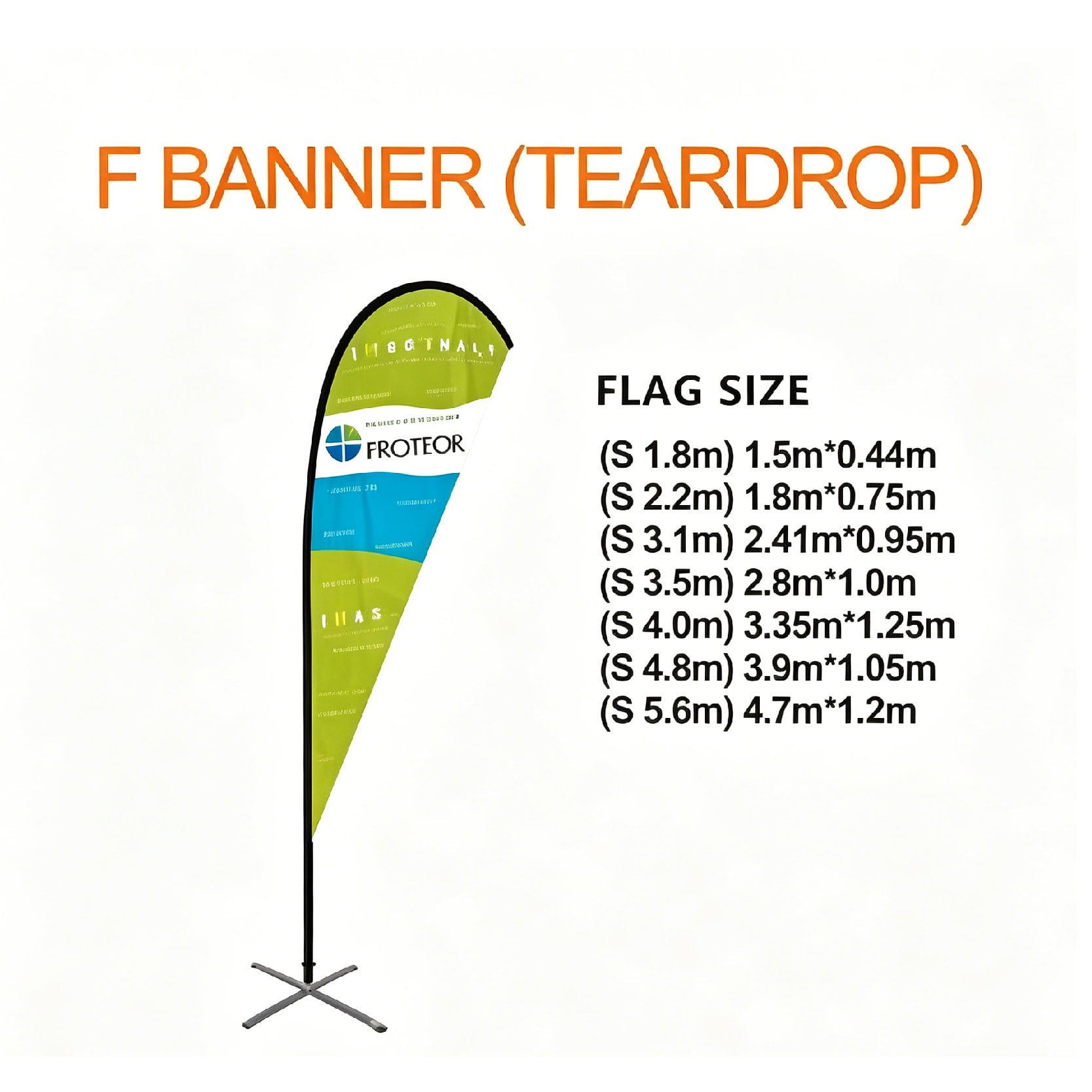
F Banner(Teardrop)
Golf flag pins
110° H banner
Magnum banner
Wall Mounted Flagpole
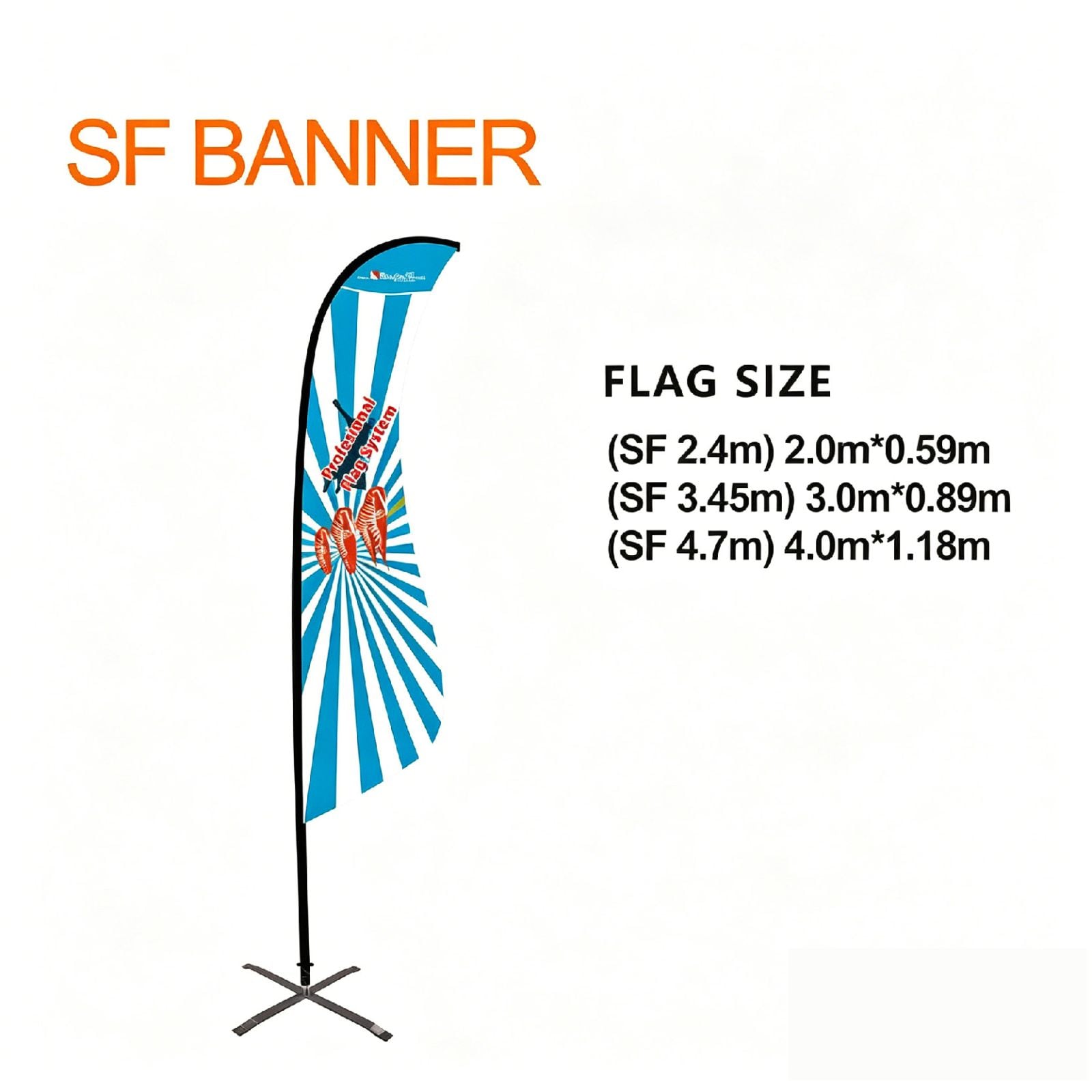
SF Banner
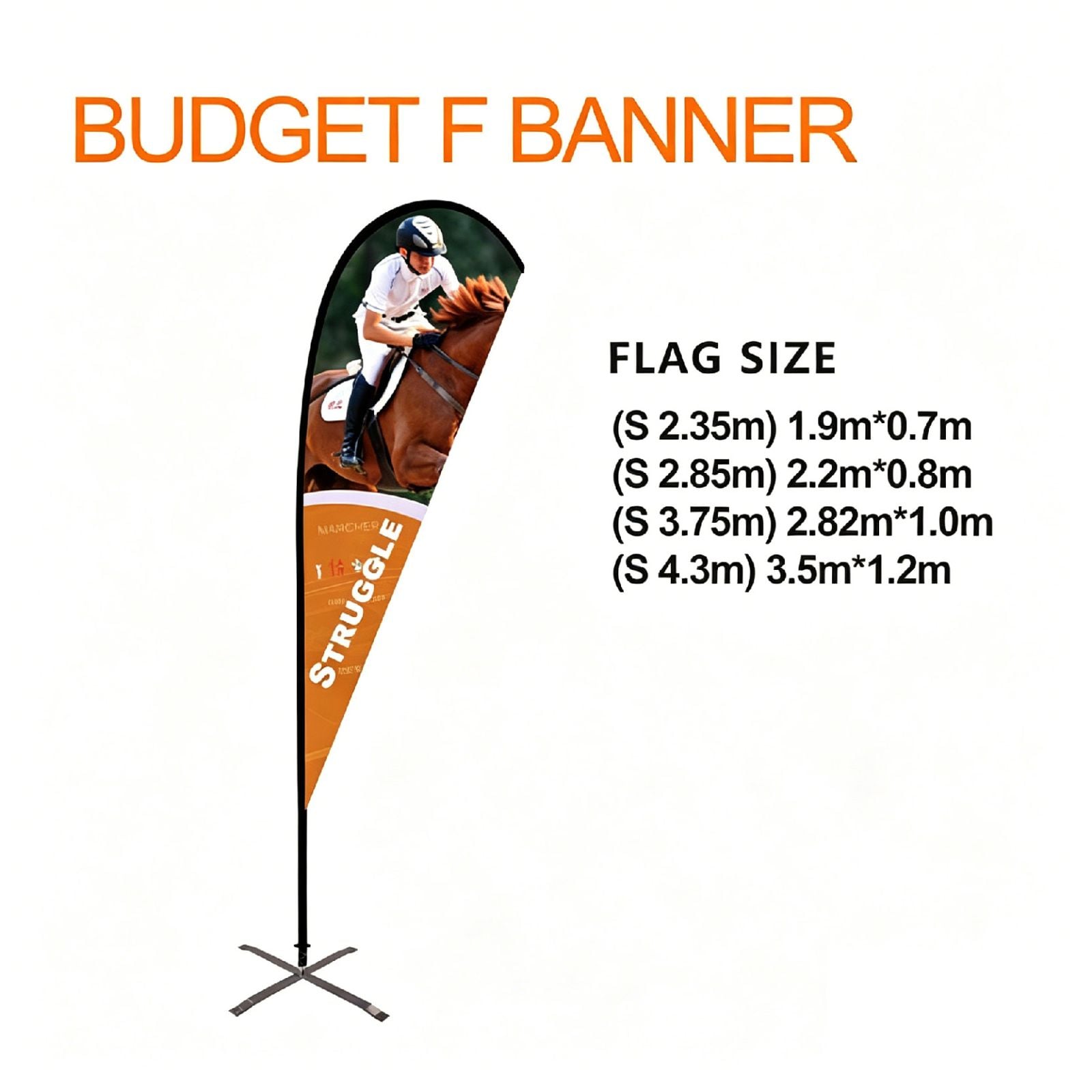
Budget 2in1 flag system
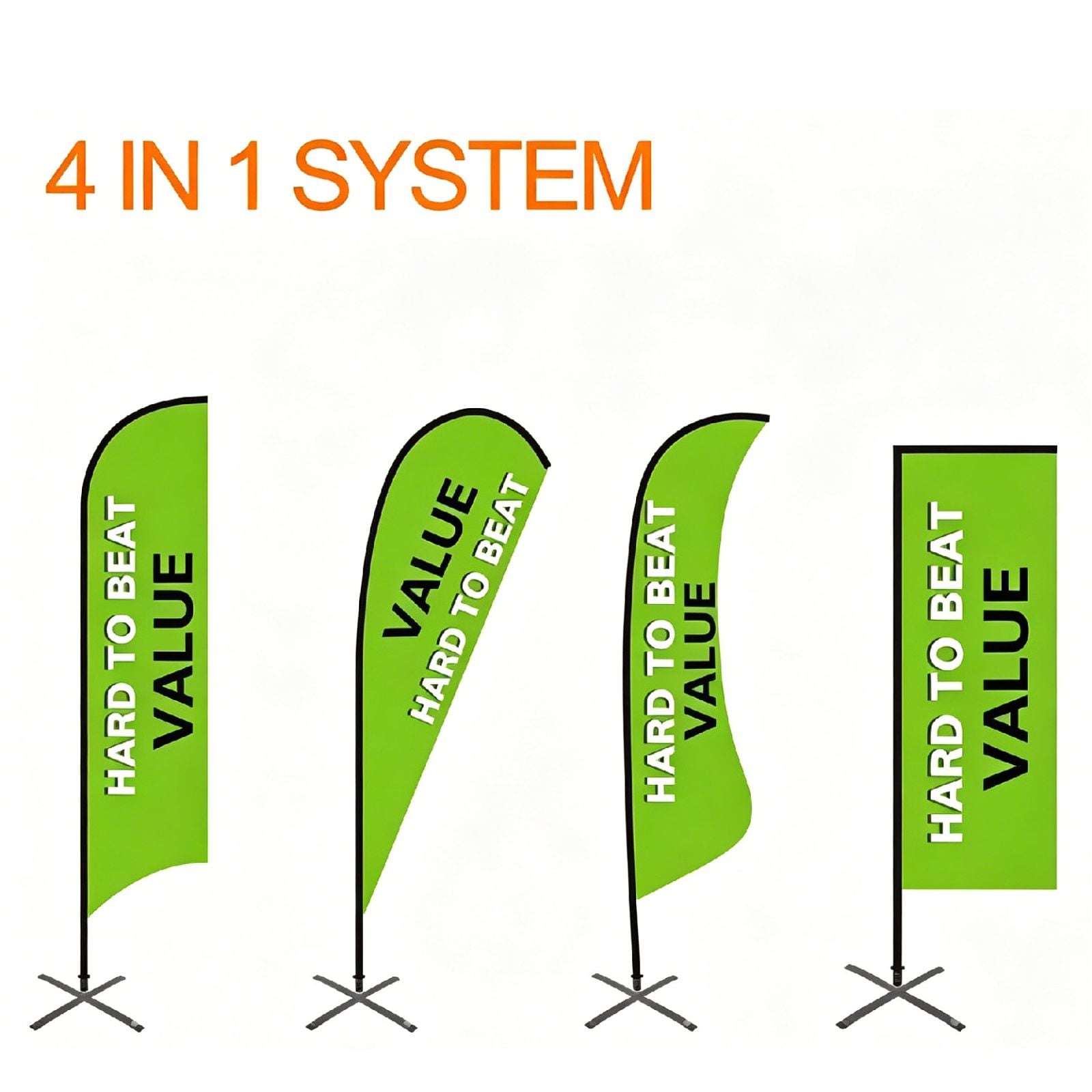
4 in 1 flag System
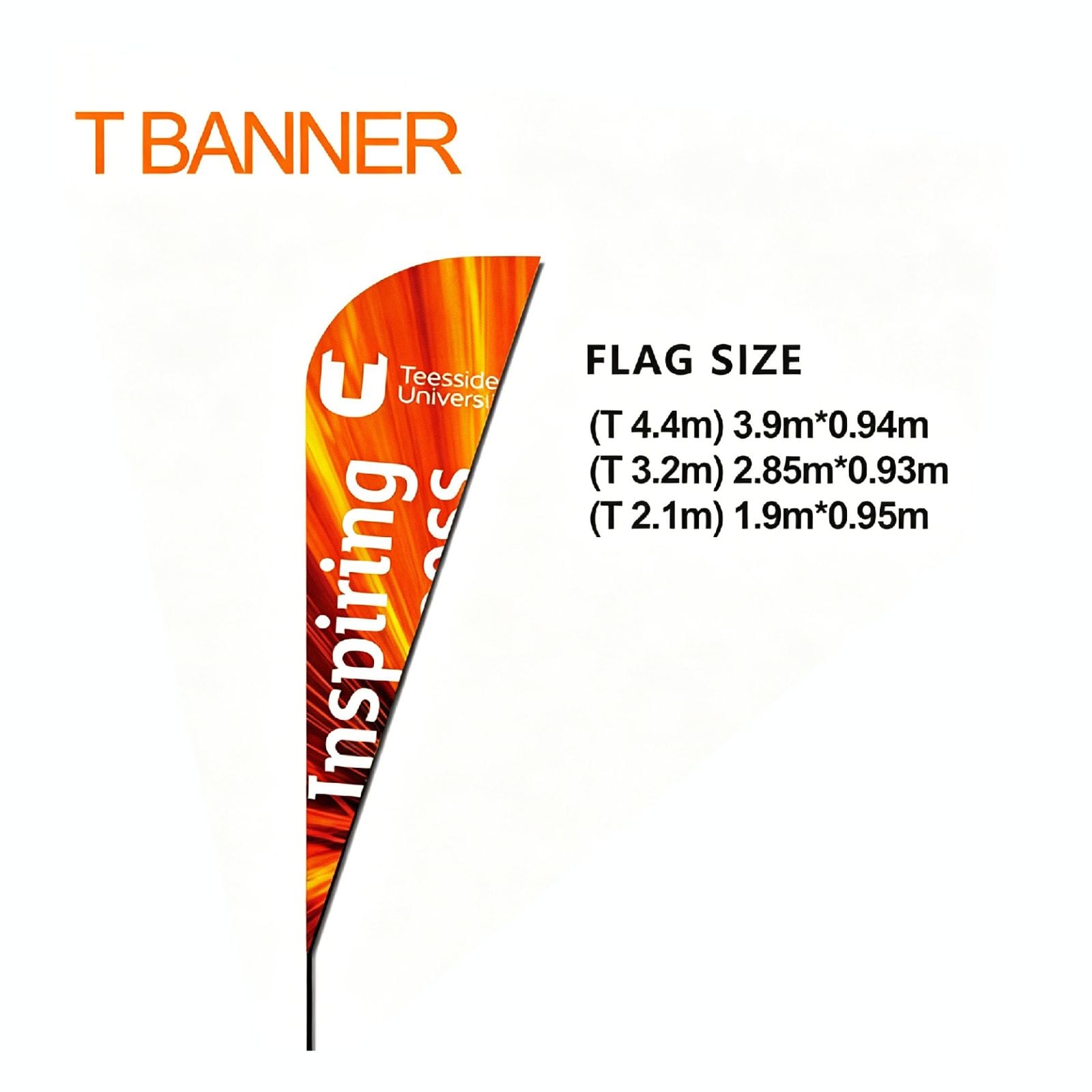
T Banner
H Banner
Related Articles
29kg Concrete Flag Base - The Complete B2B Buyer's Resource - WZRODS
WZRODS DY451B: 29 kg, HDPE shell, concrete core. Stackable, portable, rust-proof. FOB price US$5.75–$6.85 at MOQ 2 units. Those numbers look unremarkable. Factor in landed cost—import duties lower than aluminum’s under relevant HTS codes, freight savings from less weight per unit of stabilizing mas
Wide Tube Cross Base - The Complete B2B Buyer's Resource - WZRODS
The Wide Tube Cross Base, manufactured by Wzrods in Shandong, China, solves one problem: reliable stability for poles under three meters, without the freight costs and warehouse footprint that heavier alternatives demand.
Rectangular Pipe Cross Base - The Complete B2B Buyer's Resource - WZRODS
The pipe cross flag base is a cross of rectangular steel pipe, powder‑coated, weighing 1.3 kg and spanning 78 cm across its arms. Its center holds a C‑ring shaft that lets the flag rotate with the wind.
X-Shape Backpack Banner - The Complete B2B Buyer's Resource - WZRODS
Economic Cross Base - The Complete B2B Buyer's Guide- WZRODS
When you buy an economic cross base—something like the Wzrods DM‑9, a 77 cm‑long, 1.3 kg iron cross—forget “economic” as a synonym for “cheap.” It means value-engineered.
How to Choose the Right Feather Flag Base for Different Surfaces
Feather Flag - Professional Banner Poles & Systems Manufacturer - WZRODS
How to choose a high-quality backpack flag
The backpack flag concept centers on a frame carried on the back, similar to a backpack, specifically engineered to support a raised flag or banner.