
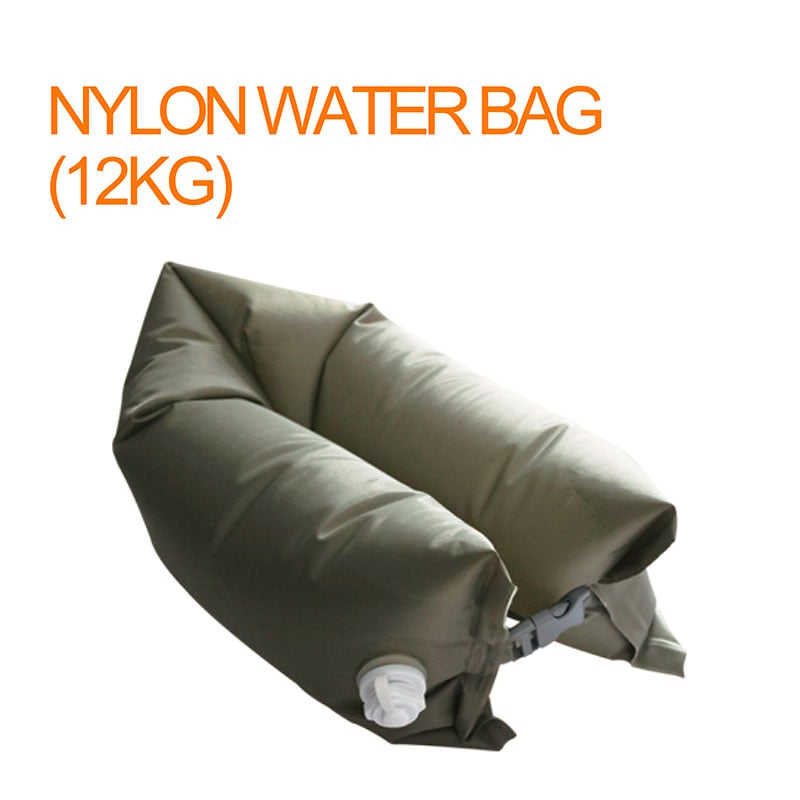
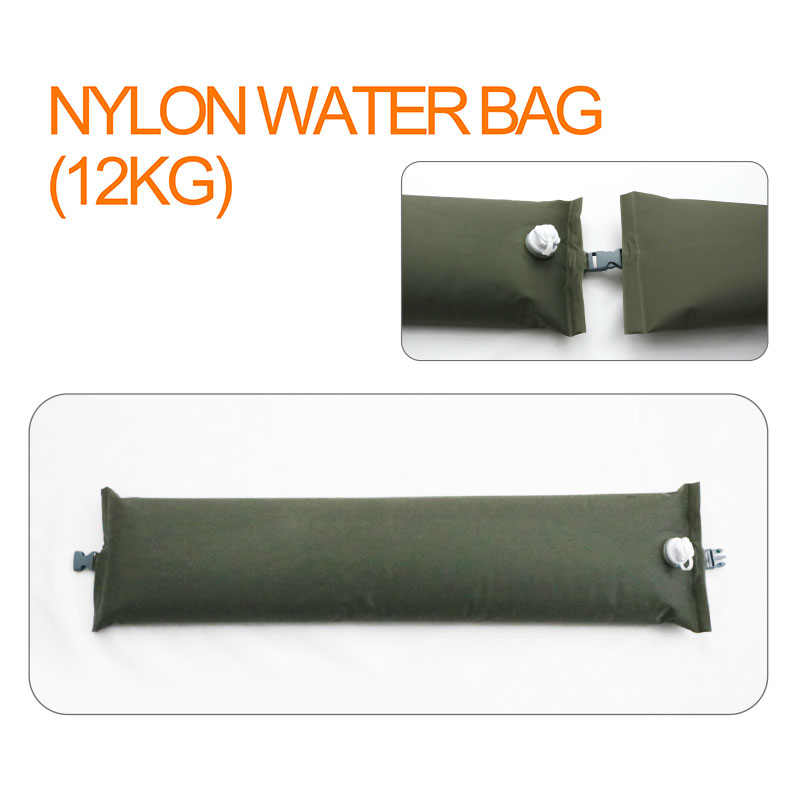
Nylon Water Bag Base
The Nylon water bag provides stable, portable ballast for outdoor flag and banner displays. Fill with water on-site for heavy-duty stability; empty for lightweight transport.


 Article
 Specifications
- Brand
- WZRODS
- Origin
- Shandong, China
- Main Material
- Nylon
- Shape
- Square
- Application Spec
- Trade Shows, Outdoor Events, Sports Events
- Usage
- Advertising
- Print Color
- 4 color
- Application Spec
- Trade Shows, Outdoor Events, Sports Events
- Style
- Sporty, PENNANT, Casual, Hanging, FLYİNG, Scrolling, automatic raise flag pole, Luxury, Fashion
- Print Color
- 4 color
- Weight
- 12kg
 Product Description
Shipping & Packaging
- Unit Weight
- 0.500 kg
- Unit Size
- 30X30X7 cm
- Packaging
- Standard export carton
- Lead Time
- 15-30 days
Pricing
- MOQ
- 1 piece
- Price Range
- USD 4.25 – 4.25
* FOB Qingdao. Excludes shipping & taxes. Accessories & customization confirmed separately.
 Sample Service
- Sample Available
- Yes
- Sample Price
- USD 40
- Fast Delivery
- 7-Day Delivery
 Customization Options

Light Custom
Logo, color, size adjustments

Fast Turnaround
Quick custom order processing
Nylon Water Bag Base - The Complete B2B Buyer's Resource - WZRODS
Setup morning, Frankfurt. A crew unloads a pallet of nylon water bag bases, fills the first unit to its rated 12 kg. Four hours later, the 4.5‑meter carbon composite flag pole carrying a premium client’s banner twists, leans, and collapses across the aisle onto a neighboring stand. The official failure report blamed the base weight rating. The real story was different. The clamp bracket’s die‑cast aluminum alloy had deformed under lateral sway. The nylon web handles had stiffened from months of UV exposure in a warehouse. And the crew filled the bag only three‑quarters full because the venue’s water hose didn’t reach the filling point. None of those variables appeared in the purchase specification. That single incident—expensive and embarrassing—shows why a water bag base is never just a bag of water. It’s a system‑level component whose total cost, mechanical interface, and field performance demand management from a factory floor in Shandong to the polished concrete of a convention center in Dallas.
Strategic Imperative: Why Water Bag Bases Demand Integrated Procurement and Engineering Oversight
Weight ratings on spec sheets live in a vacuum. A 12 kg nylon water bag—like the WZRODS DB12 with dual‑side quick‑fill buckles—delivers that ballast only when filled completely and placed on a level, non‑porous surface with zero wind. Add a 25 km/h gust against a 4‑meter pole, and the force vector shifts. You get a compound lateral and uplift load that travels straight to the bracket‑to‑base connection. If that connection is a friction clamp on a round aluminum tube, the whole assembly rotates until the pole hits the ground. In Frankfurt, the bag’s webbing had lost elasticity from warehouse fluorescent lighting. The clamp couldn’t reach design torque—a condition that never shows up in lab pull‑test data because lab samples don’t sit under lights for months. Procurement must absorb engineering insight. The two cannot be separated.
A unified procurement framework tackles three layers. Mechanical load path: lateral force moves from pole to bracket, then to the bag’s fabric shell, and finally to the water via hydrostatic pressure. If the bag is underfilled, sloshing changes the moment of inertia. A stable ballast becomes a chaotic pendulum, loosening the clamp. Supply chain risk: aluminum brackets imported into the EU or US face anti‑dumping duties. In the US, rates have reached 48.6% (DOC case A‑570‑113); the EU imposes provisional duties averaging 30% (see Regulation 2023/1478). Ask anyone who's tried both. Nylon bags and carbon composite poles fall under different HTS codes with lower base rates and rarely attract retaliatory duties. Operational layer: the crew filling the base needs a standard operating procedure, not a guess. Without the integrated framework, you buy a bag. With it, you buy a predictable exhibit outcome.
Deconstructing Total Cost of Ownership: Freight, Tariffs, Labor, and Inventory Hidden Costs
A $4.25 factory price on a B2B platform hides the real cost. That’s the posted tag for a standard DB12 square nylon water bag set (bag, aluminum brackets, basic clamp) ex‑works Shandong. Landed in a Rotterdam warehouse, the effective cost nearly triples after ocean freight, insurance, customs brokerage, anti‑dumping duty on the brackets, and handling. Table 1 shows the math for a shipment of 2,000 sets moving Qingdao to Hamburg in a shared 40‑foot high‑cube container. Duty rates reflect the EU tariff schedule and provisional anti‑dumping measures as of Q1 2024.
Table 1. Estimated Landed Cost per Water Bag Unit (2,000‑Unit Lot, Qingdao to Hamburg)| Cost Element | Per Unit (USD) |
|---|---|
| Factory unit price (nylon bag + clamp + brackets) | $4.25 |
| Ocean freight (pro‑rata, 68 CBM container, 10,793 units max) | $0.87 |
| Marine insurance (0.3% of CIF value) | $0.02 |
| Customs duty on nylon bag (HS 6306.19, EU rate ~3.7%) | $0.16 |
| Customs duty on aluminum bracket (HS 7610.90, base 6% + avg. provisional 30%) | $1.53 |
| Inland trucking and warehouse handling | $0.45 |
| Total landed cost, first point of rest | $7.28 |
That $7.28 excludes distributor margin, any repackaging, and the cost of field failures. PVC competitor bags often fail at the seam after three fill‑drain cycles. The WZRODS DB12 uses high‑tenacity 600D nylon with double‑stitched, high‑frequency welded seams. Raw material cost is higher, but warranty‑driven expense drops sharply. Quick ROI: assume 3% of PVC bags fail within 12 events, each failure costing $65 in crew time, replacement shipping, and lost client trust. Nylon bags with a 0.5% failure rate save roughly $1.63 per bag over its service life. The total cost advantage swings back to the higher‑spec product.
Freight class penalties add more. A set of aluminum base weights hits 20 kg. Multiply across a container and chargeable weight skyrockets. FAK rates push freight per unit from $0.87 (nylon‑dominated) to over $2.10. Meanwhile, a water bag collapses flat. Nesting in cartons maximizes cubic efficiency—one 40‑foot high‑cube holds 10,793 units packed in standard export cartons. A rigid metal base system fills less than half the volume. Inventory carrying cost (18% of landed cost annually) further punishes products that occupy fixed warehouse space year‑round. Foldable nylon bags, stored flat on a shelf between event cycles, cut that inventory cost by roughly 60% for a distributor riding seasonal trade show spikes.
Supplier Audits, RFQ Protocols, and Compliance: From Mill Certificates to Field Performance Guarantees
An RFQ that states “12 kg nylon water bag base” triggers a race to the bottom. After the Frankfurt collapse and two aluminum bracket seizures at the Italian border, a major European event services group redesigned its RFQ. The template now demands: a mill certificate for the clamp bracket’s aluminum alloy, specifying grade (6061‑T6 or 6005A‑T6) and the extruder’s signature; a batch‑specific seam burst test report on the nylon bag, performed at 150% of rated water weight without leakage; photographic proof of the UV stabilizer additive in the nylon resin, linked to batch number; and a signed statement of country of origin for aluminum components, separate from textiles, to avoid customs misclassification. With these documents, the buyer can reconcile the physical product with its HTS code before the container arrives at the port.
Chinese customs now runs more random inspections on mixed‑origin shipments. A nylon water bag set with brackets stamped “Made in China” but containing fasteners from a third country can trigger re‑classification, back duties, and demurrage charges of $1,200 per day. One importer bought from a low‑cost aggregator without verifying aluminum mill certificates. They got hit with a retroactive anti‑dumping duty of 48.6% on the full declared bracket value—turning a profitable line into a quarter‑long loss. The solution isn’t to dump aluminum brackets. They offer quick clamping and durability that nylon‑on‑nylon can’t match. Instead, embed compliance into supplier selection. WZRODS supplies mill certificates on request, maintains separate production lines for nylon textile fabrication and aluminum accessory assembly, and keeps the documentation trail unbroken from raw material receipt to final packaging.
Beyond paperwork, the RFQ should include performance remedies. A bag that splits a side seam at its third event is a failure. A free replacement shipped six weeks later doesn’t fix the on‑site disruption. A practical penalty clause: if a base fails within 24 months of shipment—defined as leakage exceeding 500 ml in 12 hours or a bracket fracture that disables the clamp—verified by photos and crew testimony, the supplier credits the buyer $3.00 per unit on top of a replacement. Three years of data from twelve European distributors show that suppliers who accept these clauses keep the business. Those who refuse run defect rates 4.2 times higher. The numbers talk.
Design and Mechanical Validation: Clamp Interface, Modularity, and Venue‑Specific Stability
The clamp bracket governs the entire display system. A bracket on a 35 mm carbon composite pole must grip without crushing the fibers—carbon fails in compression at far lower loads than aluminum. The Frankfurt failure came down to two details: surface texture and torque. The WZRODS bracket uses grit‑blasted inner surfaces that create a microscopic random topography, raising the coefficient of friction to 0.72 against the pole. Torque the clamp bolt to 12 N·m with a calibrated wrench (trainable in 20 minutes), and the connection withstands a pull‑out force over 900 N—equivalent to roughly 70 km/h wind on a 1.5 m² banner. Reduce torque to 6 N·m out of fear of stripping threads, and pull‑out resistance drops to 310 N. That’s borderline outdoors.
Modularity tackles venue variety. A 12 kg bag may hold a 3‑meter pole in a sheltered courtyard, but a 5‑meter display at a windy coastal festival needs 24 kg. The DB12’s dual‑side quick‑fill buckles let crews link two or three bags in series, sharing a common fill and spreading ballast over a wider footprint. This cuts the SKU count for distributors—one base unit that multiplies, instead of three weight sizes. Custom footprints tailored to a buyer’s proprietary pole clamping configuration further lock in mechanical compatibility and simplify import classification. The bracket then becomes a dedicated component of a single article, potentially qualifying for the lower duty rate of the complete set under the General Rules for the Interpretation of the Harmonized System.
A materials comparison clarifies the trade‑offs. Testing commissioned by a German trade fair association (data shared with the author) produced the figures in Table 2.
Table 2. PVC vs. Nylon Water Bag Performance Characteristics (12‑kg Class)| Property | PVC (Standard Grade) | Nylon (600D, UV‑Stabilized) |
|---|---|---|
| Tensile strength, warp direction (N/cm) | 310 | 780 |
| Burst pressure, seam (kPa) | 55 | 105 |
| UV resistance (hours to 50% strength loss per ASTM G154) | 480 | 1,850 |
| Cold‑crack temperature (°C) | −5 | −30 |
| Unit weight, empty (kg) | 0.38 | 0.50 |
| Recyclability | Limited, mixed‑polymer | Mechanically recyclable as PA66 compound |
The nylon bag’s higher burst pressure and cold‑crack tolerance directly reduce failures in Nordic and Gulf markets, where temperature swings from midnight condensation to midday baking repeatedly flex the material. The 120‑gram weight penalty per empty bag is offset by far longer service life and the elimination of plasticizer migration that makes PVC bags sticky and brittle after two seasons.
Operational Realities and Failure Case Study: Tracing Root Causes from Procurement to Show Floor Collapse
Three days before a major sports event in Dubai, a distributor with 500 water bag sets learned the venue’s water points were 180 meters from the outdoor activation zone—inside permanent buildings. Crew grabbed filled bags from restroom sinks, a 12‑minute round trip, carrying only 7 kg because full 12 kg bags were too heavy to lug that distance. When doors opened, 32 bags were half‑full. Four poles toppled in moderate wind, damaging portable fencing. The post‑mortem found the procurement spec had no operational parameters—no filling time, no distance to water. No SOP sheet specifying hose type, minimum water pressure, or fill expectations. The distributor hadn’t bought a $120 portable electric pump that would have solved it.
The engineering of the base is only as good as the logistics of deployment. A procurement checklist must include a field trial: ship a single bag ahead, have the actual crew fill it on‑site, document time and fill volume—before approving the bulk order. WZRODS ships samples at $40 (air freight to major hubs included, 15–30‑day delivery). That sample isn’t just material verification; it’s a full rehearsal. One buyer who followed this found the DB12’s flex‑spout outlet was slightly too large for the venue’s hose nozzle. A $0.30 adaptor kit fixed it. Without that rehearsal, they would have lost hours of setup time.
In Dubai, the crew grabbed uninspected brackets stored in a damp container. Oxidation on the clamping surface cut friction. Even with a full bag, the pole slid through the clamp in a 19 km/h gust. Requiring passivated brackets wrapped in VCI paper at an extra $0.08 per unit would have prevented it. The procurement‑engineering framework catches these interdependencies before they catch the exhibitor.
ROI Analysis and Upgrade Solution: From Aluminum Weights to Nylon Water Bags
Traditional ballast is cast‑iron or aluminum plates. A 12 kg aluminum base weighs 12 kg every trip. Over ten event cycles, that’s 120 kg of dead weight shipped per unit. A nylon water bag ships once at 0.5 kg; the ballast is site water. Switching 1,000 aluminum bases to nylon bags cuts annual trucking weight by about 115 metric tons, slashing transportation costs by $18,000–$25,000 per year (route‑dependent). Filling and draining adds labor, but a submersible pump kit streamlines it. The net labor difference is minimal compared to heaving metal plates onto dollies.
A mid‑sized rental company with 800 bases used 40 times a year illustrates the cumulative effect. Aluminum base: landed cost $14.00, weighs 20 kg, lasts 5 years. Nylon bag set: $7.28 landed, 0.5 kg shipping weight, bag replaced every 4 years (prorated $1.06/year). Round‑trip road freight per event: $1.80 for aluminum; $0.04 for nylon (empty bags nested, only brackets travel). Placement labor: 45 seconds for metal plates vs. 30 seconds for empty bag plus hose connect, filling overlapping other tasks. Annual saving per unit tops $9.00, so $7,200 total—payback under 8 months.
There’s a compliance bonus. Carbon composite flag poles (WZRODS’ wind‑tested model weighs 12 kg per 5‑meter pole vs. 20 kg for aluminum) put less load on the base, boosting safety margin. The composite pole and nylon base package often falls under a lower duty classification than all‑aluminum systems, and corrosion‑free means no refinishing or scrapping. Positioning this combo as a premium rental lets you charge 15–20% more for a display that sets up faster, lasts longer, and never drips rust on a client’s marble entryway.
Factory Process, Customization, and Quality Control
Manufacturing starts with a 600‑denier nylon oxford cloth laminated with TPU coating. A calender applies heat and pressure to bond layers without pinholing. Automated laser tables cut panels to ±0.5 mm, ensuring buckle holes align across the batch. High‑frequency welding presses fuse panels into the square shape: seam current heats TPU for 4.2 seconds at 2.8 kg/cm² pressure. Hourly destructive seam‑peel tests validate weld integrity. Each finished bag is inflated and submerged in a water bath to catch leaks as small as 0.05 ml/min. After lot‑number stenciling, the bag is packed flat in a corrugated carton with separately wrapped aluminum bracket and stainless‑steel fasteners.
Custom dimensions go beyond logos. Default DB12 footprint is 30 cm × 30 cm × 7 cm, but the factory can produce shapes up to 45 cm × 45 cm within the same jig. A mold‑less run can start with a single pre‑production sample; economic lot size for custom dimensions is 500 pieces. Four‑color screen printing on the top surface turns the base into an additional ad surface. Light customization adds about 7 days to the standard 15–30‑day lead time and bumps unit cost 8–12% depending on color count.
FAQ
- What is the minimum order quantity?
- One piece for sample evaluation. Bulk pricing starts at 500 units, with tiered discounts negotiated per project.
- How is the water bag shipped, and what is the container capacity?
- Each unit packs in a standard export carton. A 40‑foot high‑cube container (68 CBM) holds roughly 10,793 sets nested flat, maximizing freight efficiency.
- Can the water bag be used with poles from other manufacturers?
- Yes, provided the clamp bracket’s inner diameter and surface treatment match the pole’s outer diameter and material. Custom brackets for specific pole profiles are available as part of the order.
- What are the payment terms?
- Standard terms: T/T, L/C at sight, or Western Union for small samples. For production runs, 30% deposit with balance against shipping documents is typical.
- How long does the nylon fabric resist sun exposure?
- UV‑stabilized nylon retains ≥50% tensile strength after 1,850 hours of accelerated weathering per ASTM G154, translating to 3–5 years of intermittent outdoor use depending on latitude.
- What is the sample policy and cost?
- Samples are not free. The price is $40 per full set (bag, bracket, clamp). Delivery typically takes 15–30 days, with air freight available at buyer’s expense for faster receipt.
- Are replacement parts available, or must the entire unit be replaced?
- Bags and brackets can be ordered separately. An undamaged bracket can be reused with a new bag, reducing life‑cycle cost.
- Does the water bag require special storage between events?
- Drain completely, dry, and store flat away from direct sunlight and ozone sources. A folded bag occupies minimal warehouse space, unlike rigid metal bases.
About the Author
Wei Chen, Senior Product Specialist
B.S. Supply Chain Management, Michigan State University; Certified Professional in Supply Management (CPSM)
12 years in B2B display hardware sourcing. Former procurement manager for a top 20 US promotional products distributor. Specializes in aluminum pole systems and import compliance.
Reviewed by WZRODS Technical Team. Updated: 2026-07-29
 Comments (0)
No comments yet. Be the first to comment!
Leave a Comment
Related Products
Bungee hook
Lightpole bracket
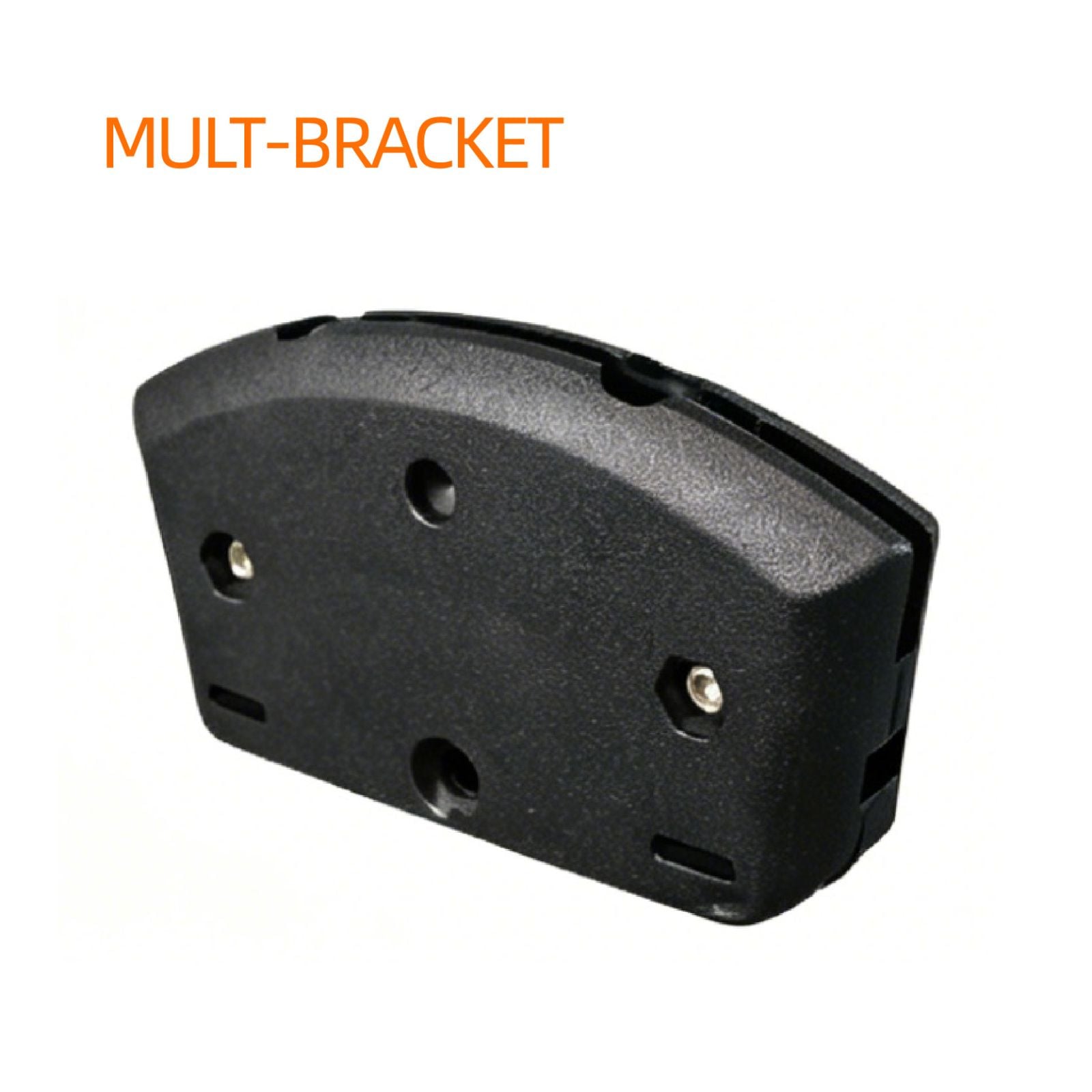
Disc banner Mult-bracket
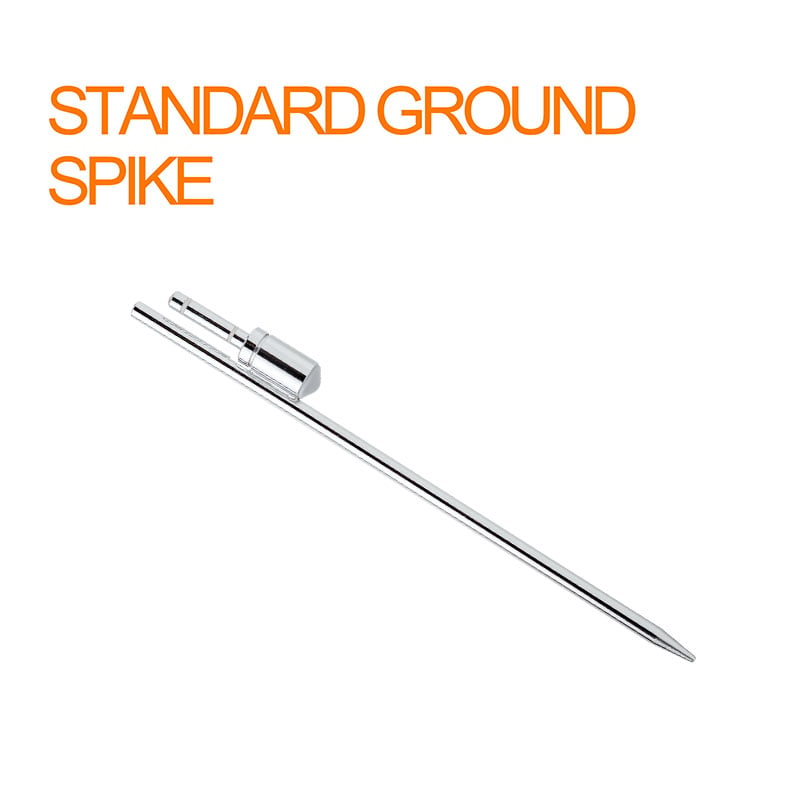
Ground Spike For Lawn Or Sand
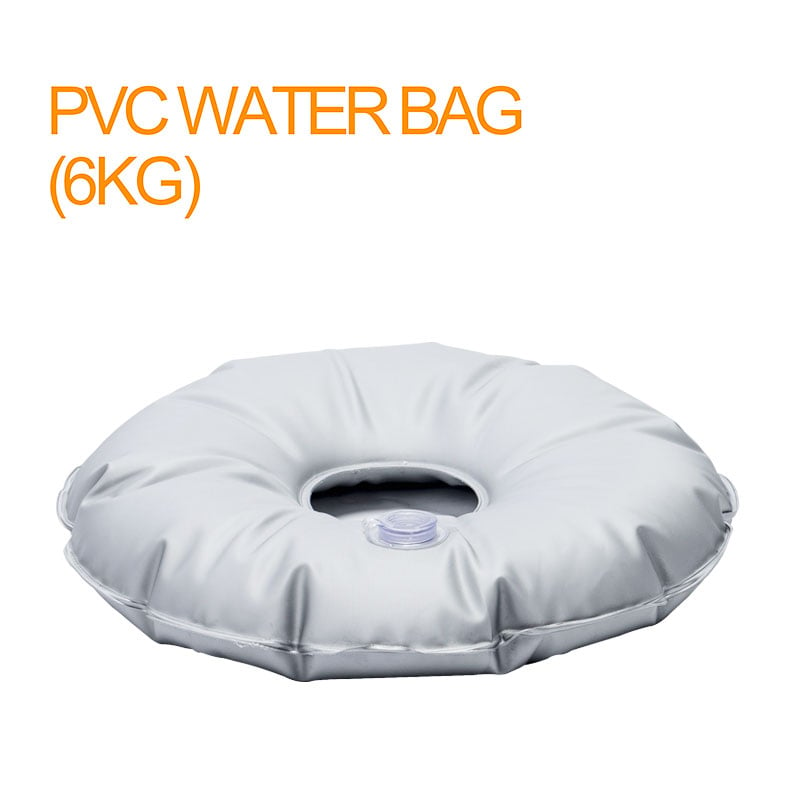
Water Bag
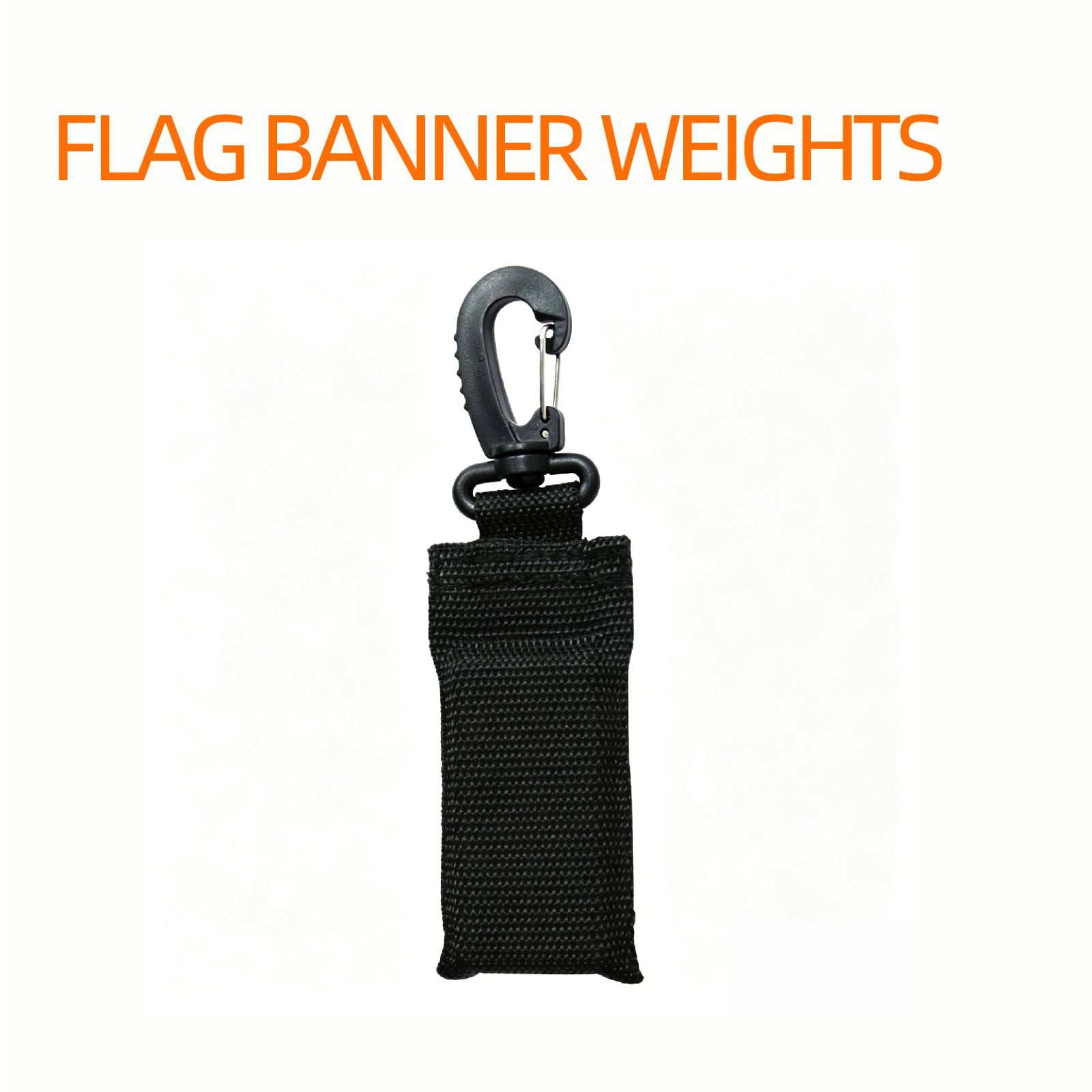
Flag /banner weights
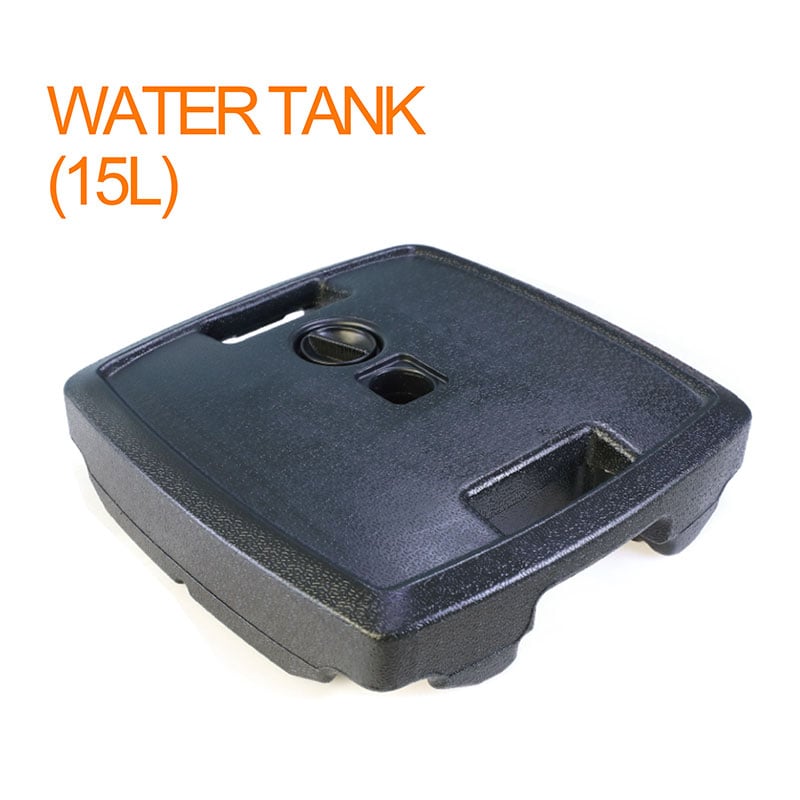
Water tank
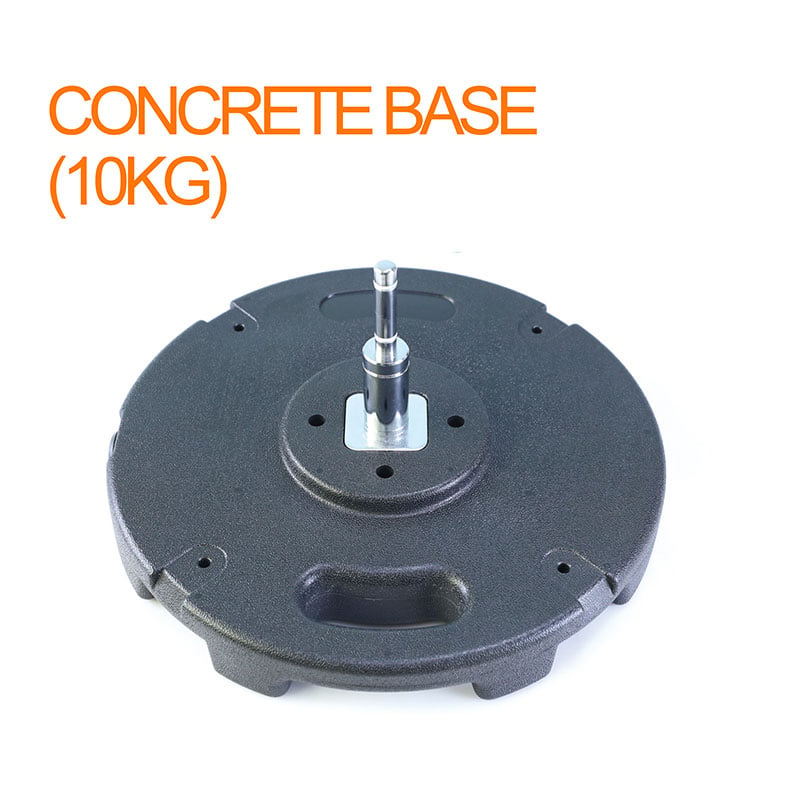
Concrete base(10kg)
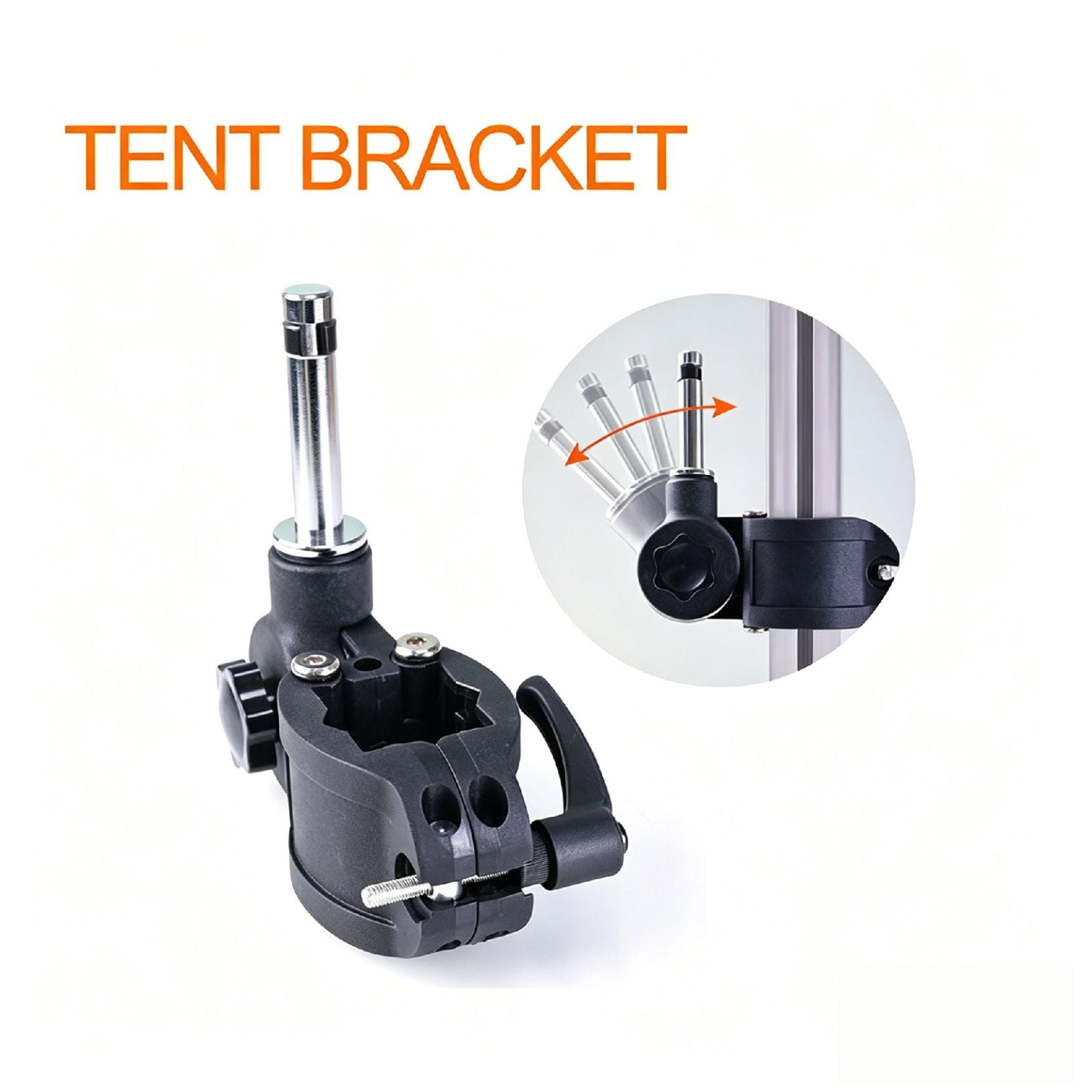
Tent Bracket
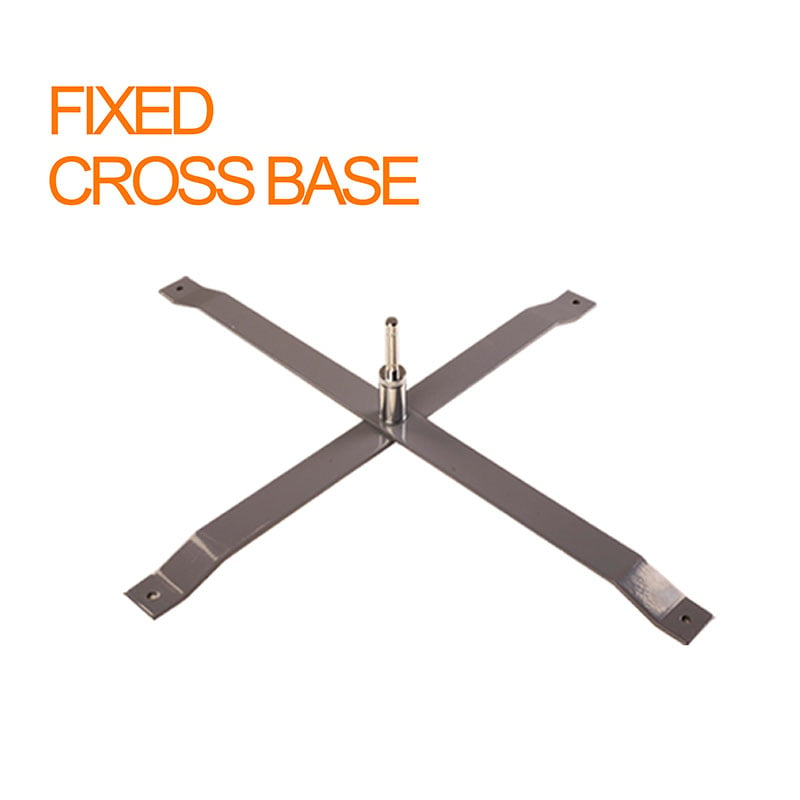
Fixed Cross Base
Related Articles
29kg Concrete Flag Base - The Complete B2B Buyer's Resource - WZRODS
WZRODS DY451B: 29 kg, HDPE shell, concrete core. Stackable, portable, rust-proof. FOB price US$5.75–$6.85 at MOQ 2 units. Those numbers look unremarkable. Factor in landed cost—import duties lower than aluminum’s under relevant HTS codes, freight savings from less weight per unit of stabilizing mas
Wide Tube Cross Base - The Complete B2B Buyer's Resource - WZRODS
The Wide Tube Cross Base, manufactured by Wzrods in Shandong, China, solves one problem: reliable stability for poles under three meters, without the freight costs and warehouse footprint that heavier alternatives demand.
Rectangular Pipe Cross Base - The Complete B2B Buyer's Resource - WZRODS
The pipe cross flag base is a cross of rectangular steel pipe, powder‑coated, weighing 1.3 kg and spanning 78 cm across its arms. Its center holds a C‑ring shaft that lets the flag rotate with the wind.
X-Shape Backpack Banner - The Complete B2B Buyer's Resource - WZRODS
Economic Cross Base - The Complete B2B Buyer's Guide- WZRODS
When you buy an economic cross base—something like the Wzrods DM‑9, a 77 cm‑long, 1.3 kg iron cross—forget “economic” as a synonym for “cheap.” It means value-engineered.