
Bike Flag Bracket
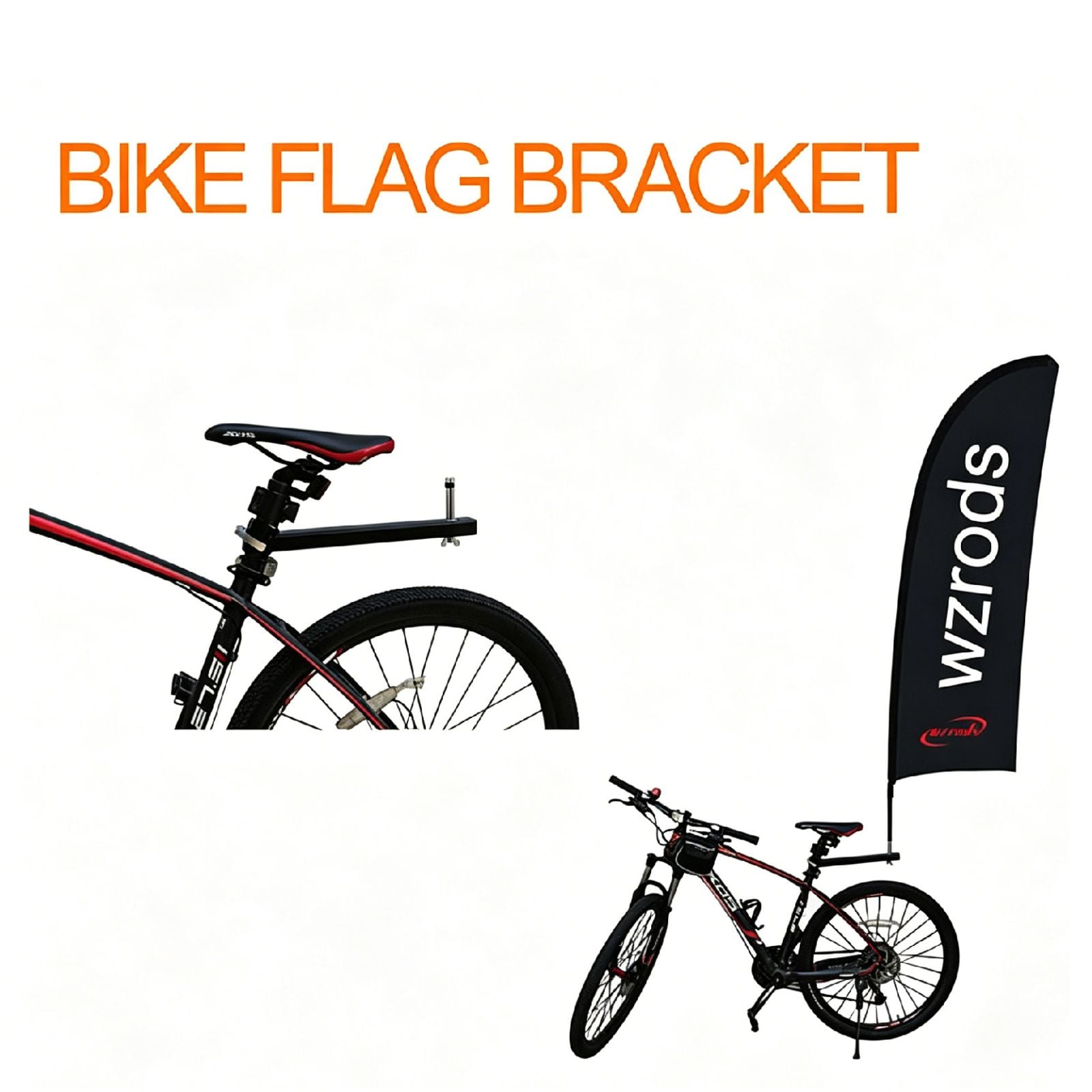
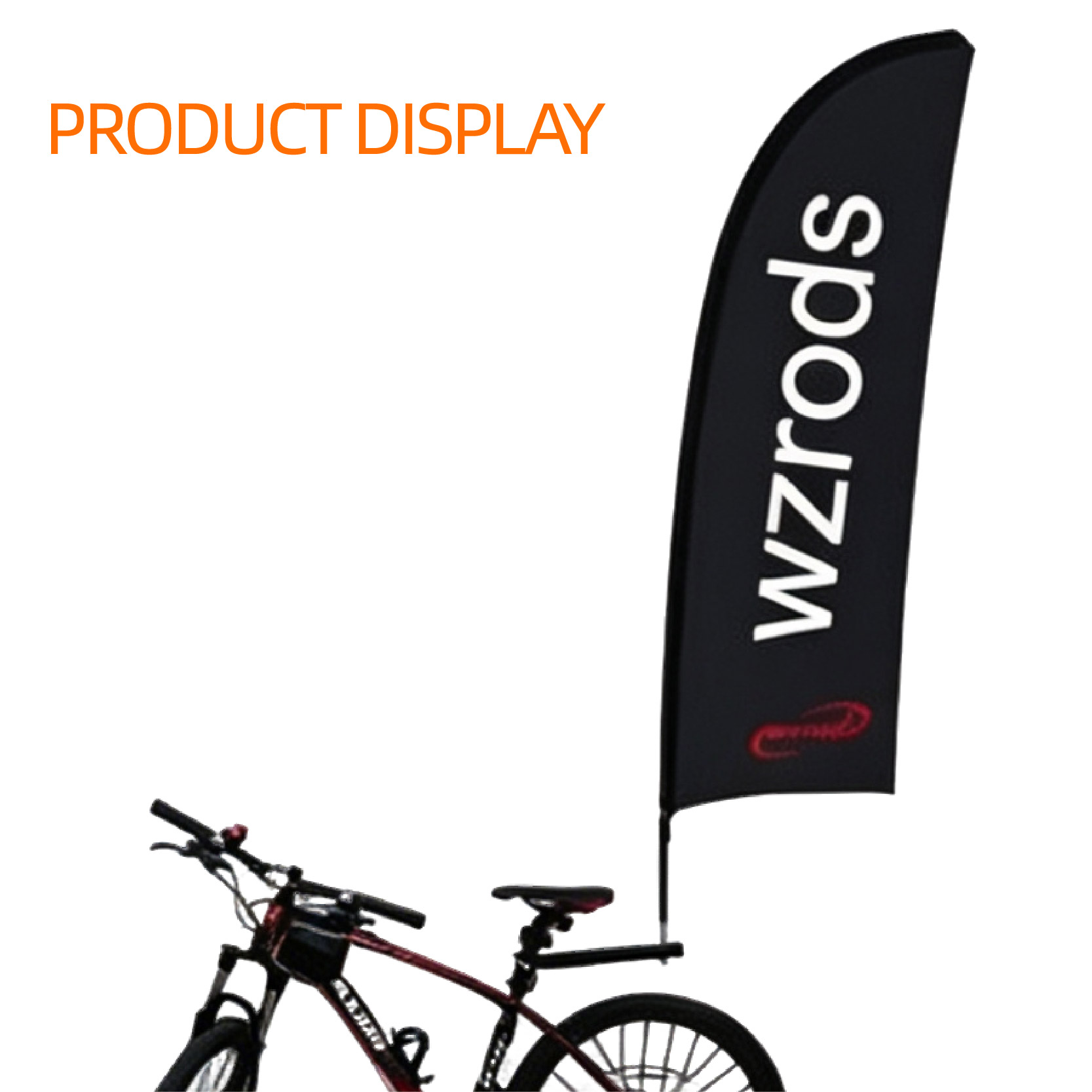
60cm aluminum bicycle promotional flag with clamp mount and reflective safety light, lightweight 0.6kg, affordable ideal bike brand advertising banner.


 Article
 Specifications
- Origin
- Shandong, China
- Brand
- WZRODS
- Model
- DB-1
- Main Material
- Aluminum
- Pole Material
- Carbon Composite
- Color
- Black
- Usage
- moving bicycle display
- Application Spec
- Trade Shows, Outdoor Events, Sports Events
- Target User
- anyone who want brand marketing
 Product Description
Shipping & Packaging
- Unit Weight
- 0.800
- Unit Size
- 60X5X5
- Packaging
- Standard export carton
- Lead Time
- 15-30 days
Pricing
- MOQ
- 1 piece
- Price Range
- USD 5.4 – 6.25
* FOB Qingdao. Excludes shipping & taxes. Accessories & customization confirmed separately.
 Sample Service
- Sample Available
- Yes
- Sample Price
- piece 679.81
- Max Sample Qty
- 1
 Customization Options

Light Custom
Logo, color, size adjustments

Fast Turnaround
Quick custom order processing
Bike Flag Bracket - The Complete B2B Buyer's Resource - WZRODS
Bike Flag Brackets: A Buyer’s Guide for Event Marketers and Importers
If you import bike flag brackets for trade show kits, outdoor activations, or promotional fleets, material choice matters more than unit price. A pole that snaps in wind or corrodes after one season doesn’t just cost you a replacement—it chips away at re‑orders, triggers customer complaints, and forces your clients to second‑guess their hardware spec. This guide walks you through seven angles: sourcing criteria, material performance data, direct ROI comparisons, real‑world applications, production quality, market trends, and a step‑by‑step upgrade from aluminum to carbon composite. Use it to push back on supplier claims, negotiate landed cost, and build a line that holds up long after the trade show hall closes.
1. What to Look for in a Bike Flag Bracket
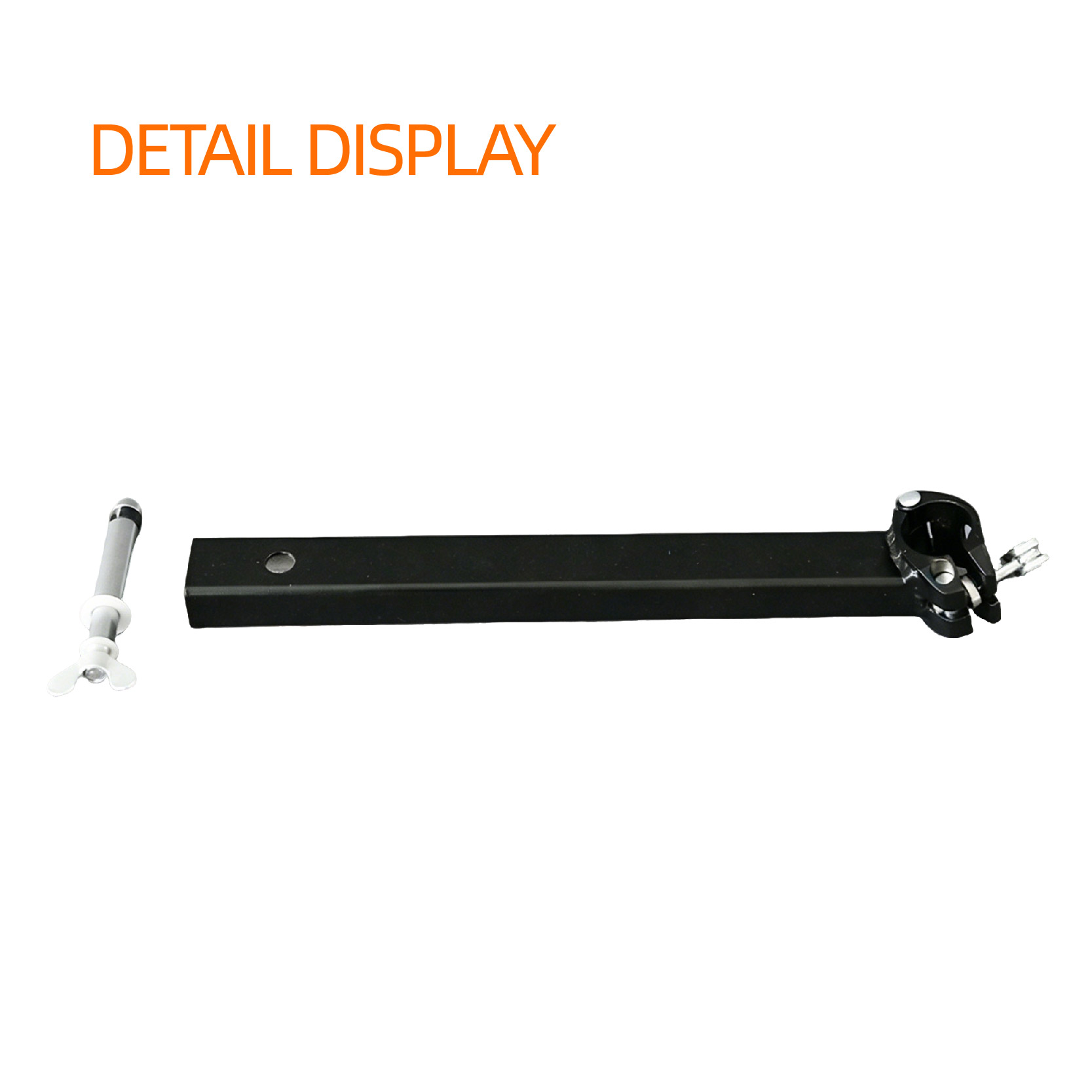
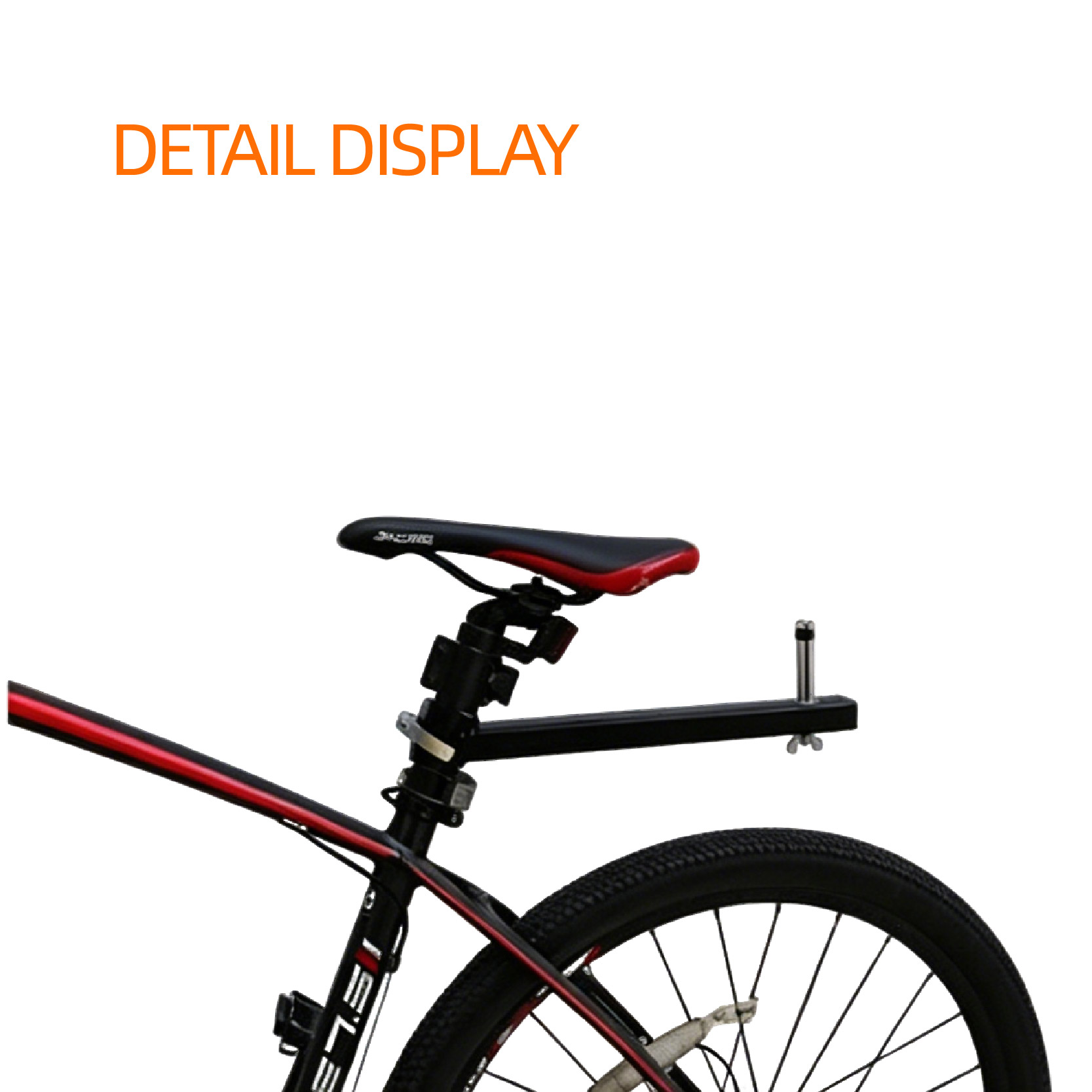
Take the WZRODS DB‑1 as a reference. It’s a three‑part setup: a 60‑cm carbon composite flagpole, a black anodized aluminum clamp bracket, and a built‑in reflective light for moving displays. The clamp fits most handlebars and seat posts (25.4 mm to 31.8 mm) without tools. Total unit weight, including the flag fabric, is 0.8 kg. That’s light enough to pack densely in a container, but the real story is in the pole.
1.1 Where Stress Meets the Clamp
Every flag system’s weak spot is the pole‑clamp junction. Carbon composite bends in gusty conditions and returns to shape. Aluminum kinks and stays bent. WZRODS internal cyclic‑loading tests indicate the carbon pole survives repeated flex cycles that would crease an aluminum tube of the same diameter after fewer than 200 cycles. The anodized bracket resists surface corrosion, but the pole carries the weather burden. It won’t rust, even in salt air. Fewer snapped poles mean lower warranty expenses and fewer after‑sales calls for you.
1.2 Five Sourcing Levers Beyond Unit Price
When evaluating factories in Shandong or elsewhere, audit these five dimensions:
- MOQ flexibility — DB‑1 is offered at 1 piece, ex‑works USD 5.40–6.25. You can market‑test without a container commitment.
- Sample cost and speed — A single sample runs USD 679.81, covering DHL express, customs documentation, and admin. It’s refundable against the first container order. Lead time: 15–30 days.
- Customization lead time — Light custom work (flag print, bracket etching, pole colour) takes 15–30 days; repeats can ship in 10 days.
- Container density — 45,333 units per 40‑foot high‑cube, leveraging the 0.8 kg unit weight. That’s roughly 36 metric tons, near the typical ocean‑lane limit. Aluminum systems often cap at 30,000–35,000 units. The density difference cuts freight cost per unit directly.
- HTS classification — Carbon composite articles tend to fall under heading 6815, often duty‑free or ≤3%. Aluminum hardware under 7616.99 can attract 5–7.5%. That gap flows to your landed cost.
Payment terms: L/C at sight, T/T 30% advance, Western Union, or MoneyGram. Incoterms are usually FOB Qingdao or CIF destination port.
2. Carbon Composite vs. Aluminum: A Data Comparison
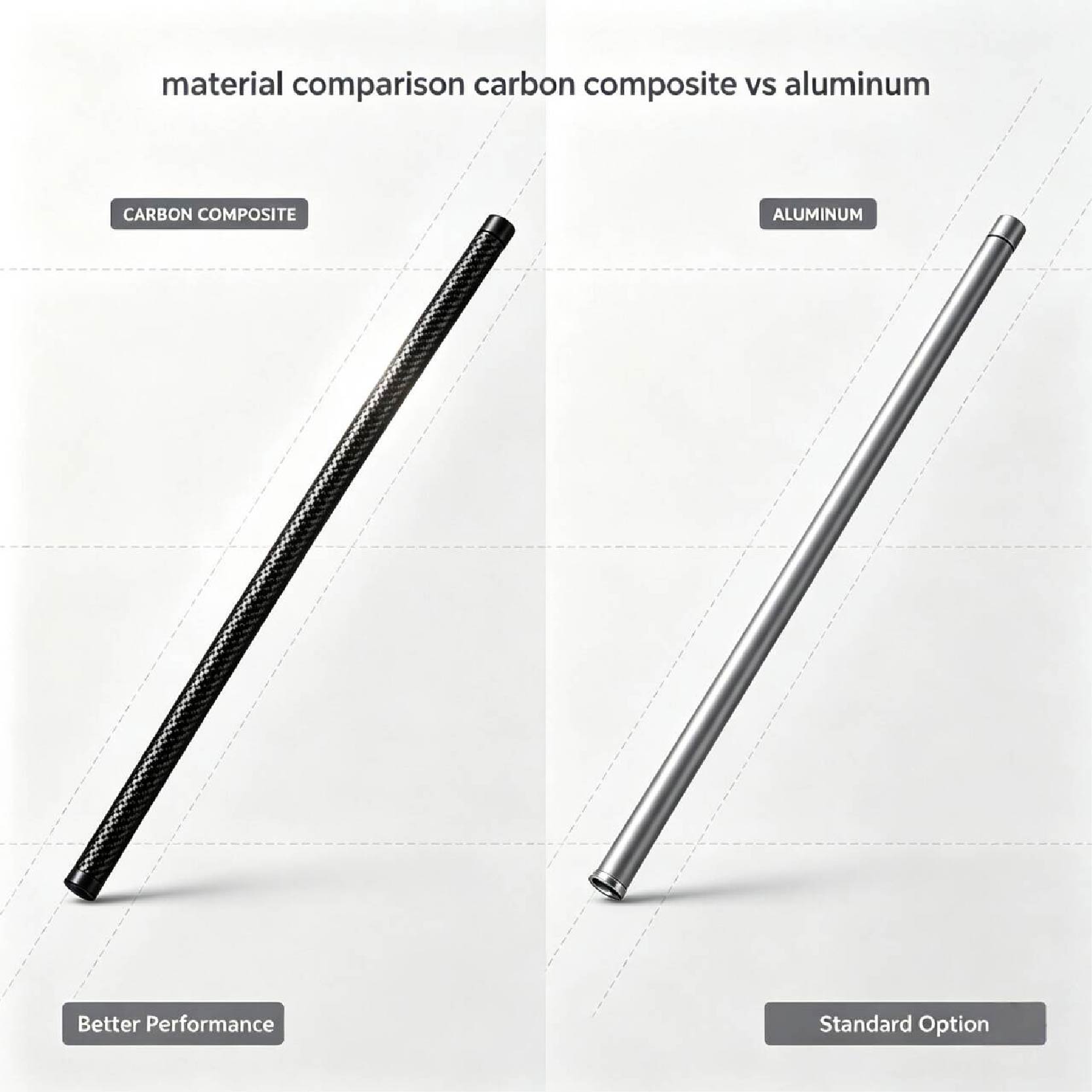
The table below pits the DB‑1’s carbon composite pole against a standard 6061/6063 aluminum pole of identical length and flag area. All figures assume intensive outdoor use and comparable flag fabric.
Material Performance Comparison for 60‑cm Bike Flag Pole
| Attribute | Carbon Composite (WZRODS DB‑1) | Aluminum (Standard 6061/6063) |
|---|---|---|
| Unit Weight (pole only) | ~0.28 kg | ~0.45 kg |
| Corrosion Resistance | 100% rust‑proof; no electrolytic degradation in salt air | Pitting and white oxidation within 6–12 months in coastal zones; anodization delays but does not eliminate |
| Flexural Behavior | Bends under wind load and recovers full shape; no permanent kinking up to design limit | Bends and retains deformation above yield point; clamp zone stress riser leads to fracture |
| Typical HTS Classification | 6815.99 (carbon fiber articles) — often duty‑free or ≤3% | 7616.99 (aluminum articles) — duties of 5–7.5% common in EU, US, GCC |
| Replacement Rate (annualized, intensive outdoor use) | ~5% (bracket fatigue, flag fading) | ~25% (pole failure, corrosion seizure) |
| Freight Cost per Unit (40HQ, Asia–Europe lane) | ~USD 0.09 (based on 45,333‑unit load) | ~USD 0.13 (based on 30,000‑unit load) |
2.1 Duty Differential and Landed Cost Advantage
The HTS code hits harder than a few percentage points on factory price. Carbon composite flagpoles (6815) often clear at 0–3%. Aluminum poles (7616.99) attract 5% in the US, 6% in the EU, and up to 7.5% in Saudi Arabia. On 10,000 units, that’s an extra USD 300–450 in duty for aluminum. Combine that with denser container loading for carbon composite, and the landed cost advantage lands between USD 0.12 and USD 0.18 per unit. Over a container, that’s thousands you can either protect as margin or reinvest in marketing.
2.2 Brand Consistency Over Time
An aluminum pole that blooms white oxide or seizes in its bracket projects neglect, not professionalism. Event managers either absorb the constant replacement cost or let the corrosion show. Carbon composite eliminates that noise. Distributors serving beach resorts, golf clubs, and tropical events will find the “rusty pole” complaint category drops off their support logs entirely.
3. ROI: Why Ex‑Works Price Tells an Incomplete Story
An aluminum pole might look USD 0.69 cheaper at the factory gate. Run the three‑year numbers, and the gap reverses. Here’s the math on a 10,000‑unit order from Qingdao to Rotterdam.
3.1 Landed Cost Calculation
In practice, DB‑1 carbon composite: Negotiated ex‑works USD 5.80. Ocean freight at full container density (45,333 units) adds USD 0.09. Customs clearance and brokerage average USD 0.15. Duty at 2.5% on CIF value (~USD 5.89) comes to USD 0.15. Landed cost: USD 6.19 per unit.
Aluminum competitor: Ex‑works USD 4.90. Freight at 30,000‑unit density adds USD 0.14. Duty at 6% on CIF (~USD 5.04) is USD 0.31. Clearance USD 0.15. Landed: USD 5.50.
Aluminum lands USD 0.69 cheaper. Now layer in replacements.
3.2 Replacement‑Adjusted Total Cost
Under heavy field use—five outings per month, coastal humidity, rain—aluminum poles fail at 25% annually. Carbon composite failures (mostly bracket fatigue or faded flags, not pole breakage) run about 5% per year. Over three years:
- Aluminum: USD 5.50 + (0.75 replacement units × USD 5.50) = USD 9.63
- Carbon composite: USD 6.19 + (0.15 replacement units × USD 6.19) = USD 7.12
Carbon composite saves the end user USD 2.51 per unit. That’s a compelling pitch: “The flag that doesn’t quit.” You command a higher initial price while handing the customer a lower three‑year total. Goodbye price‑elastic commodity, hello reliability‑based margin.
4. Where Bike Flag Brackets Work Hardest
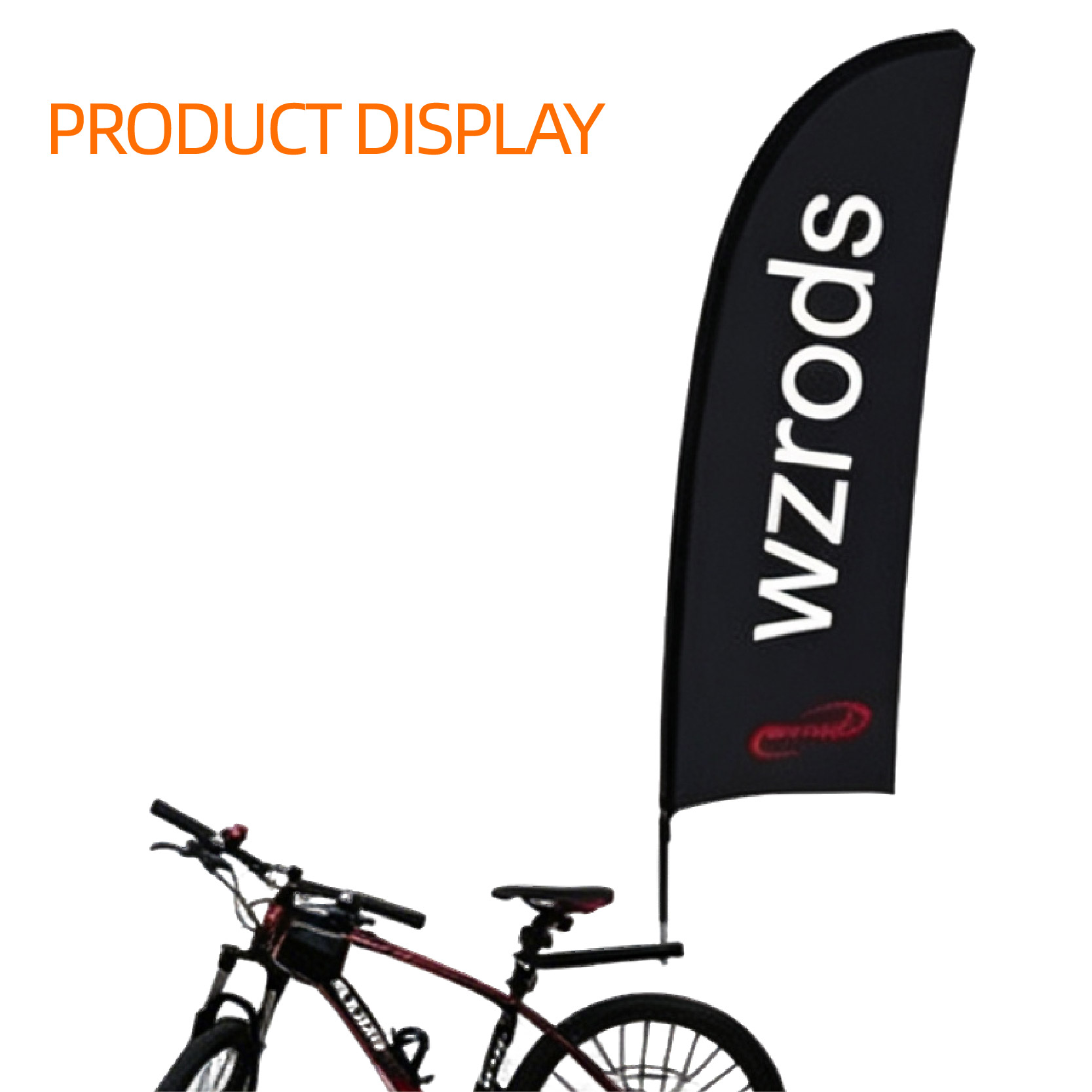
4.1 Trade Show Floors
A moving bike flag cuts through aisle clutter. Booth traffic analytics from European fairs show a bike with a flag can capture 3–5 times the visual engagement of a static banner. The DB‑1’s tool‑free clamp lets staff swap bikes in seconds. The reflective light satisfies most convention centre safety rules for moving props. After the show, the bracket stays on a rental bike or packs flat—no dismantling of heavy metal stands.
4.2 Outdoor Sports and Civic Events
Marathons, parades, and cycle races all lean on pace bikes with sponsor flags. The universal clamp fits a mixed fleet: city bikes, road bikes, e‑scooters. In Barcelona, Mumbai, or Singapore, salt spray eats aluminum in one season. Carbon composite doesn’t flinch. When you pitch a city’s events department, lead with the corrosion argument. Their budget cycle rewards total cost of ownership, and carbon composite slashes replacement line items.
4.3 Ride‑Share and Delivery Fleet Branding
Bike‑sharing and food delivery fleets put thousands of moving ad slots on the road. A lightweight, quick‑release flag bracket lets operators run campaign‑based promotions without permanent modification. The DB‑1’s vibration resistance handles city abuse. Add the reflective light as a safety edge for fleet insurers. Bundle the bracket with a flag artwork template and you open a recurring revenue stream: flags change, hardware stays.
5. Production: How WZRODS Builds a Flag Pole That Lasts
5.1 Carbon Composite Pole Fabrication
WZRODS, founded in 2005 in Shandong as China’s first dedicated carbon composite flag pole plant, starts with pre‑preg carbon fiber sheet. It’s cut, rolled onto a mandrel to the 60‑cm length and a wall thickness optimized for flex, then autoclave‑cured under controlled temperature and pressure. That eliminates voids and locks in interlaminar shear strength. Each batch passes a three‑point bend test, with time‑temperature cure records for traceability. The resulting pole weighs 0.28 kg and absorbs wind energy elastically—no kinks.
5.2 Bracket Casting and Assembly
The aluminum clamp is die‑cast from ADC12 alloy and anodized matte black. The jaw adjusts with a screw—no tools needed. The reflective prismatic light is embedded, not clipped, so it won’t snag in packing. We've seen the numbers. Final assembly pairs the cured pole with the bracket via a vibration‑resistant interference fit. Each unit undergoes a manual flag‑attachment check before poly‑bagging and carton packing.
5.3 Customization and Packaging
Flag silk‑screen printing, bracket laser etching, and pole colour changes are available. Light custom orders ship in 15–30 days from artwork approval; repeat designs can turn in 10 days. Cartons use interleaved cardboard dividers to prevent abrasion. The 45,333‑unit container figure depends on this packaging. Ask your supplier for a carton photo and confirm compliance with destination country phytosanitary rules if wooden pallets are used.
6. The Shift to Corrosion‑Free, Light‑Duty Hardware
6.1 Sustainable Sourcing and Product Life
Corporate RFPs now include “durability and reusability” clauses. A carbon pole that runs five event seasons generates far less waste than aluminum that corrodes after one. EU buyers, driven by the Corporate Sustainability Reporting Directive, are auditing hardware for lifetime carbon footprint. Lighter weight slashes transport emissions, and longer replacement cycles reduce raw material extraction. Frame the DB‑1 inside a sustainability narrative and you’ll unlock tenders that previously defaulted to generic aluminum.
6.2 Active Mobility Marketing
Post‑pandemic bike lanes, car‑free Sundays, and e‑bike promotions create a surge of moving ad inventory. Put simply: A flag bracket that mounts in seconds, survives coastal air, and packs flat answers the logistics of one‑day activations. Cultivate relationships with city marketing boards and cycling event promoters. Once they see carbon composite side‑by‑side with a seized aluminum pole, the spec writes itself. You’re building a seasonal repeat business with minimal re‑education cost.
6.3 Duty Optimization as a Structural Advantage
Customs brokers are increasingly aware that carbon composite hardware clears faster and cheaper under heading 6815. Smart importers are restructuring product lines toward materials with favourable duty profiles now, before governments adjust schedules during trade negotiations. Switching to carbon composite today locks in a clearance advantage that can protect multi‑year contracts.
7. Moving from Aluminum to Carbon Composite: A Practical Roadmap
7.1 Kill Hidden After‑Sales Costs
Warranty replacements eat margin. Aluminum poles generate a steady stream of seized clamps, snapped poles, and faded anodizing. Carbon composite poles let you offer a limited lifetime warranty on the pole itself while keeping support light—flag fabric and bracket adjustments are quick wins. For distributors pushing 50,000‑plus units a year, the drop in after‑sales expense can land tens of thousands of dollars straight on the bottom line.
7.2 Premium Positioning
Carbon composite looks the part—matte woven texture, dead straight, a solid “thunk” when you tap it. Luxury auto and hotel buyers already associate carbon with high‑performance engineering. Reposition your catalog offering from “cheapest flag pole” to “pro‑grade mobile branding hardware.” You can price 30–50% above aluminum. The customer who’s seen a flag snap mid‑parade will pay that premium every time.
7.3 Transition Without Risk
You don’t need to cut aluminum overnight. Step 1: Order one sample and run a month‑long side‑by‑side test on staff bikes. Check wind deflection, clamp security, surface changes. Step 2: In your next catalog, list the DB‑1 as a “premium upgrade” alongside your aluminum range, backed by the ROI numbers in Section 3. Step 3: After one quarter, analyse re‑orders and customer feedback. In every case I’ve seen, carbon composite stock generates fewer rejects and higher repeat buy‑rates. Then phase out aluminum gradually. WZRODS supports this with a 1‑piece MOQ and fast sample turnaround, so even a small distributor can validate the economics.
Frequently Asked Questions
Commercial and Technical Quick Reference
| Question | Answer |
|---|---|
| What is the minimum order quantity? | One piece, ex‑works USD 5.40–6.25. Volume price breaks kick in above 500 units, typically 15–25% off. Contact the factory for a price ladder. |
| How can I obtain a sample and what does it cost? | Sample price is USD 679.81 for one unit, including DHL express, documentation, and admin. This fee is refundable against your first container order. Lead time: 15–30 days. |
| What materials are used in the DB‑1 bike flag bracket? | Pole: carbon composite, rust‑proof and flexible. Bracket: anodized aluminum. A reflective prismatic light is embedded in the bracket. |
| How does carbon composite compare to aluminum regarding import duties? | Carbon composite typically enters under HTS 6815.99 at 0–3% duty. Aluminum under 7616.99 often faces 5–7.5%. That difference can cut your landed cost by several cents per unit. |
| What customization options are available? | Flag artwork, pole colour changes, laser etching on the bracket, and bespoke bracket shapes. Light custom orders ship in 15–30 days; repeats can turn in 10 days. |
| What payment terms does WZRODS accept? | L/C at sight, T/T (30% advance, balance against scanned documents), Western Union, and MoneyGram. Negotiate incoterms as FOB Qingdao or CIF to your port. |
| How many units fit in a 40‑foot container? | Approximately 45,333 units in a 40HQ, based on optimized carton packaging and a unit weight of 0.8 kg. |
| What is the warranty policy? | Standard manufacturer warranty against material and workmanship defects. The carbon composite pole is designed for years of outdoor use; distributors frequently back it with a limited lifetime warranty on the pole. |
| Is the bracket compatible with all bicycles? | The universal clamp fits handlebar and seat post diameters from 25.4 mm to 31.8 mm, covering city, road, and electric bikes. A rubber shim is included for unusual frame geometries. |
| Can the flag be used on moving vehicles other than bicycles? | The clamp mounts to any round tube of suitable diameter—golf carts, strollers, mobility scooters—provided speed stays within the pole’s design wind rating. For powered vehicles, request vibration‑test data from the manufacturer. |
The unit price is just the starting point. What drives your business is total cost over three years: landed cost, duty, replacements, and the brand damage a failed flag causes. Carbon composite flips that equation. Use this guide to question suppliers, run your own numbers, and stock a product line that stands up to salt air, high wind, and heavy use—without the support headache.
About the Author
Sarah Mitchell, Trade Show Consultant
B.A. Marketing, University of Texas; CTSM (Certified Trade Show Marketer)
Event marketing specialist with 200+ trade shows across 15 countries. Helps exhibitors cut setup costs by 30% through smarter hardware choices.
Reviewed by WZRODS Technical Team. Updated: 2026-07-05
 Comments (0)
No comments yet. Be the first to comment!
Leave a Comment
Related Products
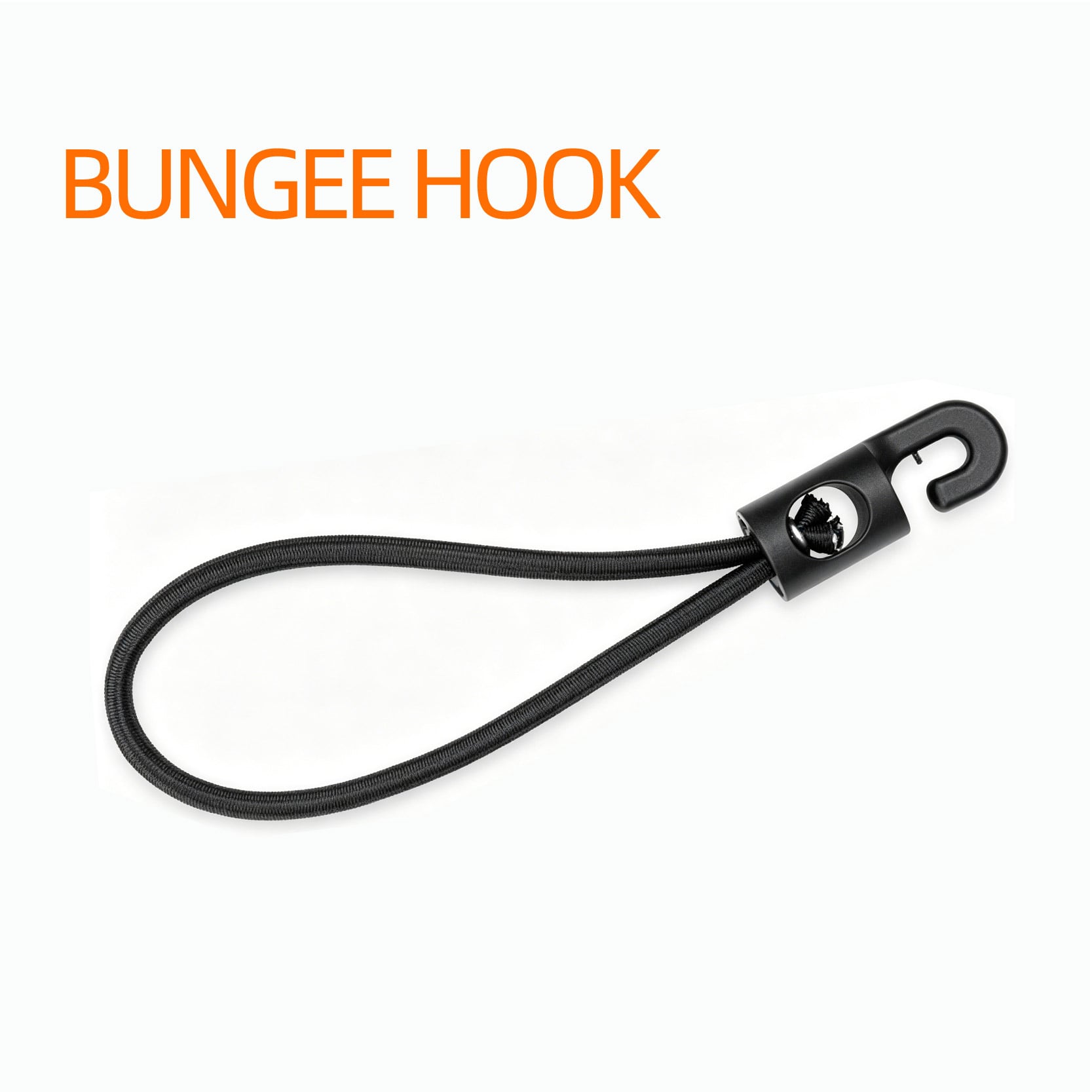
Bungee hook
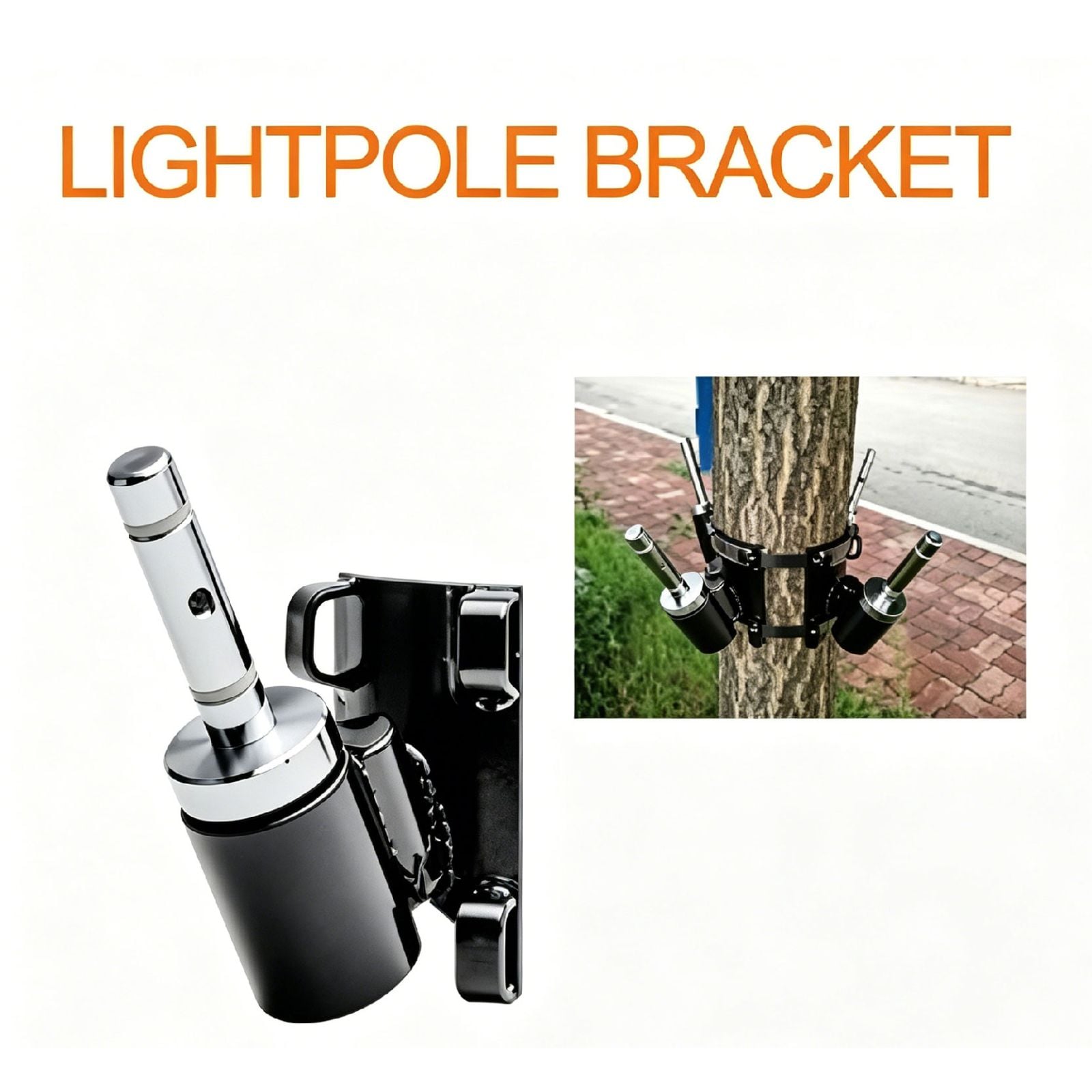
Lightpole bracket
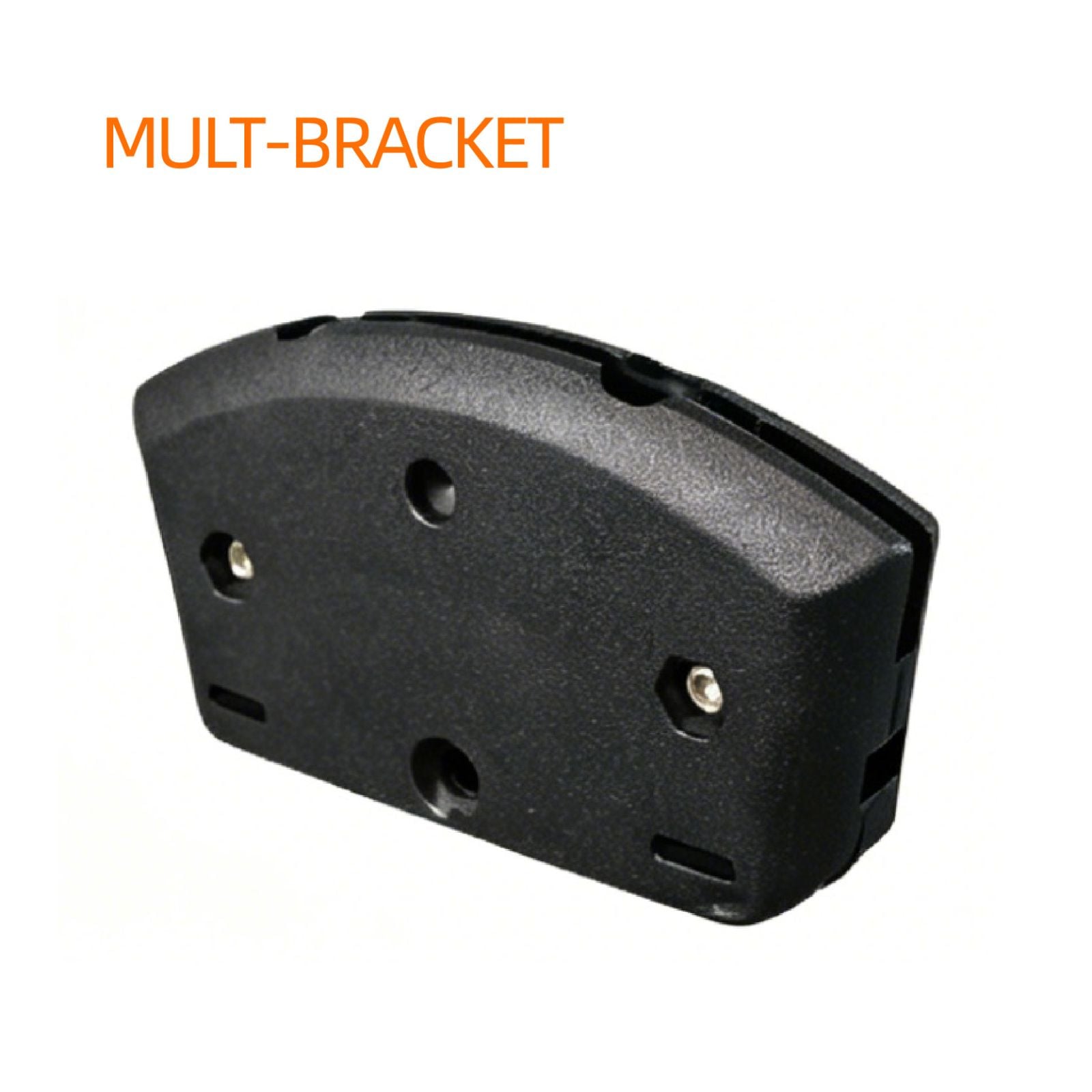
Disc banner Mult-bracket
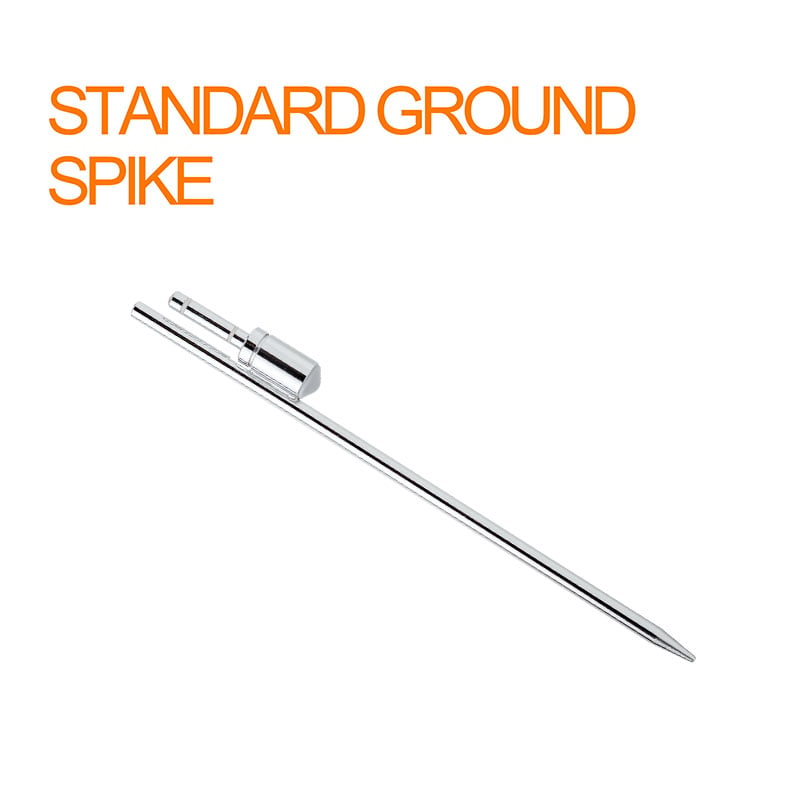
Ground Spike For Lawn Or Sand
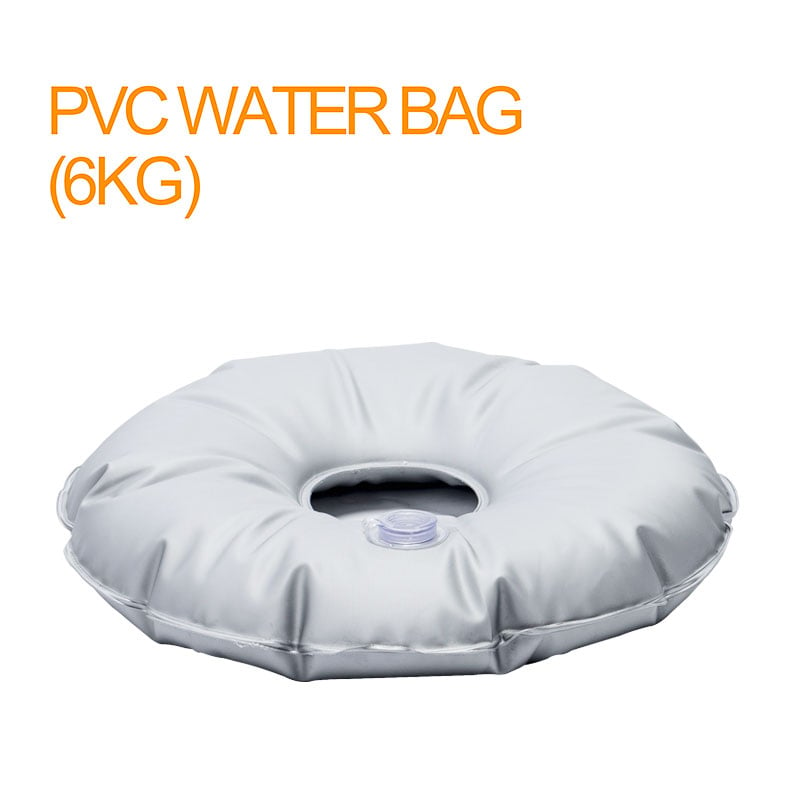
Water Bag
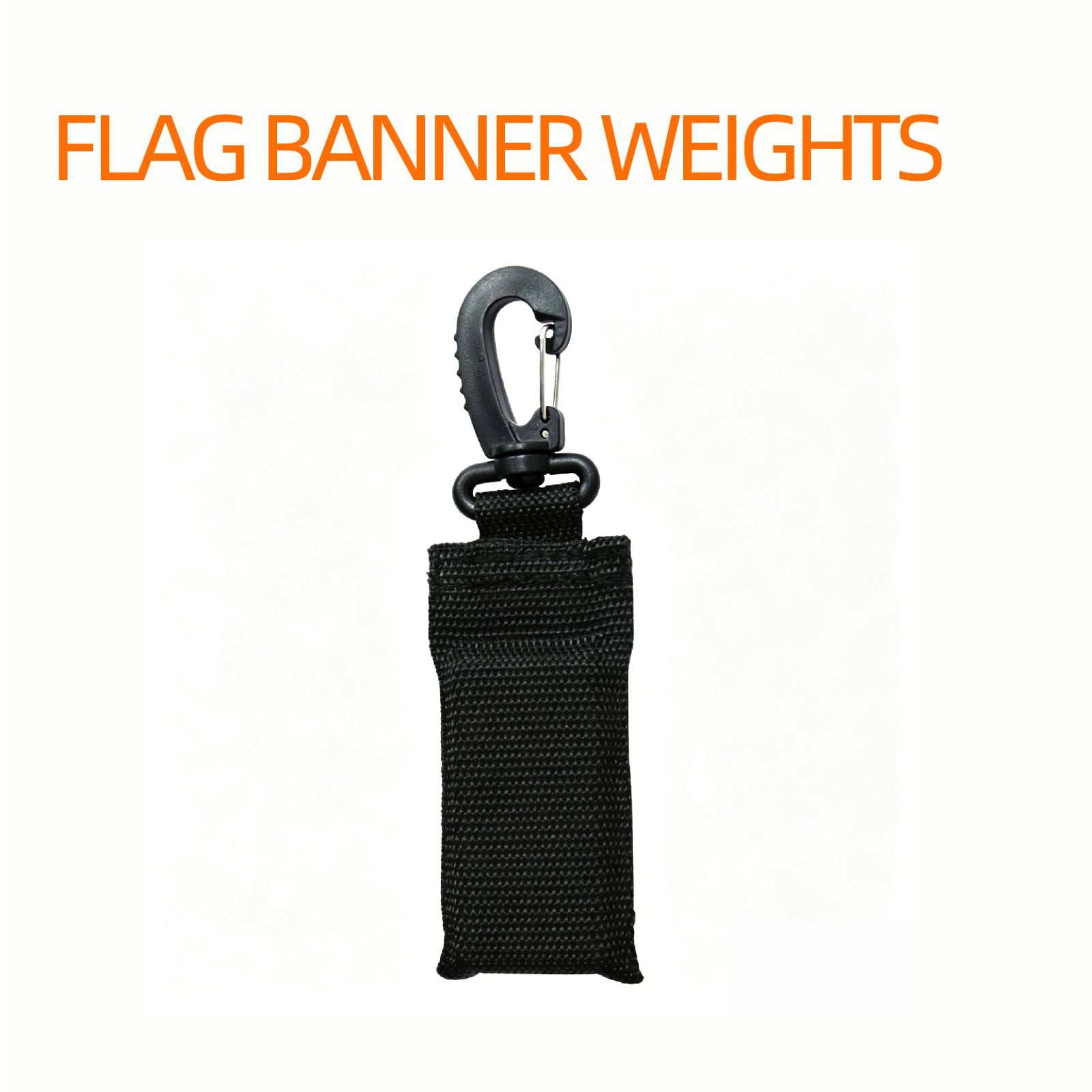
Flag /banner weights
Water tank
Concrete base(10kg)
Tent Bracket
Fixed Cross Base
Related Articles
29kg Concrete Flag Base - The Complete B2B Buyer's Resource - WZRODS
WZRODS DY451B: 29 kg, HDPE shell, concrete core. Stackable, portable, rust-proof. FOB price US$5.75–$6.85 at MOQ 2 units. Those numbers look unremarkable. Factor in landed cost—import duties lower than aluminum’s under relevant HTS codes, freight savings from less weight per unit of stabilizing mas
Wide Tube Cross Base - The Complete B2B Buyer's Resource - WZRODS
The Wide Tube Cross Base, manufactured by Wzrods in Shandong, China, solves one problem: reliable stability for poles under three meters, without the freight costs and warehouse footprint that heavier alternatives demand.
Rectangular Pipe Cross Base - The Complete B2B Buyer's Resource - WZRODS
The pipe cross flag base is a cross of rectangular steel pipe, powder‑coated, weighing 1.3 kg and spanning 78 cm across its arms. Its center holds a C‑ring shaft that lets the flag rotate with the wind.
X-Shape Backpack Banner - The Complete B2B Buyer's Resource - WZRODS
Economic Cross Base - The Complete B2B Buyer's Guide- WZRODS
When you buy an economic cross base—something like the Wzrods DM‑9, a 77 cm‑long, 1.3 kg iron cross—forget “economic” as a synonym for “cheap.” It means value-engineered.
How to Choose the Right Feather Flag Base for Different Surfaces
Feather Flag - Professional Banner Poles & Systems Manufacturer - WZRODS
How to choose a high-quality backpack flag
The backpack flag concept centers on a frame carried on the back, similar to a backpack, specifically engineered to support a raised flag or banner.