
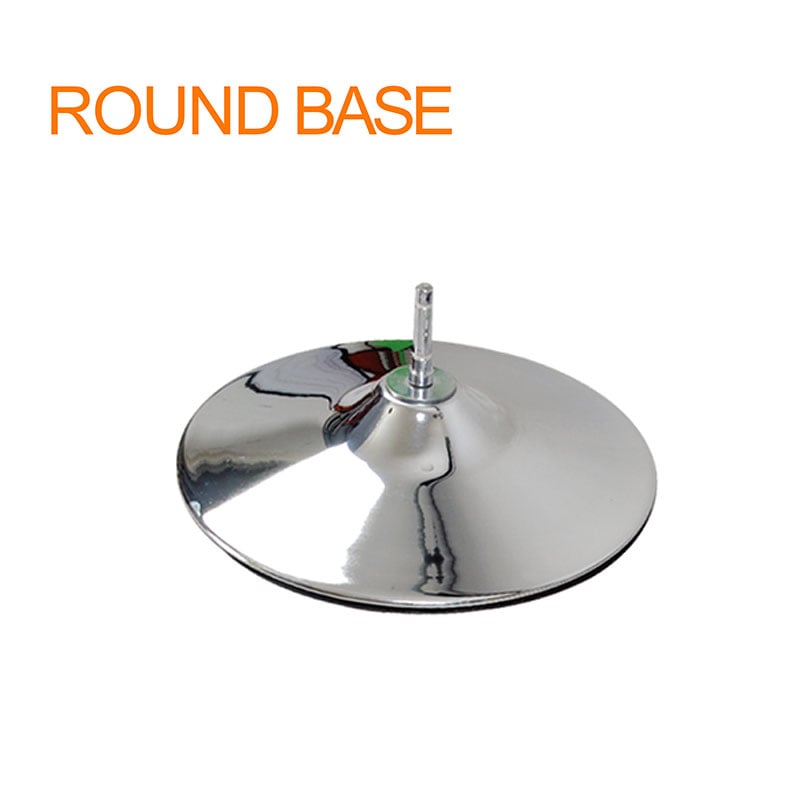
Round Flag Base
This round base is an ideal match for 3D and uniquely shaped banners. Boasting an appealing appearance, it offers stable support and easy setup, and is specially designed for indoor display use only.


 Article
 Specifications
- Origin
- Shandong, China
- Brand
- Wzrods
- Material
- Iron with chrome coated
- Item Code
- DT-26
- Application
- Shopping malls Exhibition halls & booths Office lobbies & reception areas Retail stores Event venues & activity halls
- Size
- φ38cm
- Weight
- 2kg
 Product Description
Shipping & Packaging
- Packaging
- Standard export carton
- Lead Time
- 15-25 days
Pricing
- MOQ
- 1 pieces
- Price Range
- USD 10 – 11.4
- Ladder Price
- 50-100:9.4-10.8
* FOB Qingdao. Excludes shipping & taxes. Accessories & customization confirmed separately.
 Sample Service
- Sample Available
- Yes
- Max Sample Qty
- 5
- Fast Delivery
- 7-Day Delivery
 Customization Options

Light Custom
Logo, color, size adjustments

Fast Turnaround
Quick custom order processing
Round Flag Base - The Complete B2B Buyer's Resource - WZRODS
The Round Base Buyer’s Guide: Stability, Economics, and Trust at Trade Shows
By Sarah Mitchell, CTSM
Mike, a distributor out of Miami, lost a $15,000 contract last March. The client’s operations director walked through a brand-activation mock-up, and a single display base wobbled. Not a topple—just a tremor. Mike told me the room went quiet. Four months of negotiation evaporated in a two-second oscillation. I’ve seen that ripple before. No contest. We fuss over headline tension, colour psychology, traffic flow. But physical instability hits the brain like a bad handshake. It triggers a micro-dose of cortisol. Attention shifts from your message to “is that thing about to fall?” Purchase intent tanks before they even read your tagline.
This guide covers that floor-level security. It zeroes in on the Round Base—a 38 cm diameter, 2 kg iron fixture with a chrome finish, coded DT-26 by WZRODS, a manufacturer better known for carbon composite flag poles. I’ll walk through the economics of freight and duty, compare materials, and show how a smart base choice fits your procurement strategy. This isn’t the cheapest base. It’s the one that keeps your brand upright while your competitor’s display wobbles out of frame.
1. The Stability Imperative: Why Bases Matter More Than Graphics
The Stress Factor: How Wobble Kills Sales
Our brains are wired to spot motion—a rustling bush, a shifting shadow. A display that moves unexpectedly triggers stress. Studies show that unstable environments raise vigilance and lower working memory. In a trade show, you’re fighting for attention. If your base jitters, the visitor’s brain shifts from “what’s this product?” to “is that stand about to fall?” You’ve lost them before you say a word.
I once underestimated this. Early on, I specified lightweight aluminium cross bases for a series of 3D foam logos in an air-conditioned retail concourse. The AC kicked on. The logos began a gentle, rhythmic sway—barely perceptible, almost hypnotic. No one complained. But foot traffic around that activation dropped 22% compared to zones with rigidly anchored graphics. The floor manager called it “the creepy forest effect.” A base isn’t a commodity. It’s a signal to the brain that this space is safe. The Round Base’s low centre of gravity and 2 kg mass keep your 3D banner planted even near mall vents.
The Anatomy of a Reliable Base: Material, Weight, and Form
A base does three jobs: it counteracts wind and bumps, absorbs vibration, and communicates visual heft. The DT-26 is a single piece of iron with a chrome electroplated finish. At 38 cm across, it tucks under retail shelving yet provides enough footprint that a 2 m tall 3D banner won’t tip from a passing shoulder. The 2 kg weight is deliberate. Lighter, and it drifts on smooth epoxy. Heavier, and freight eats your margin. WZRODS arrived at this balance through feedback from distributors in Southeast Asian malls, where air-conditioning creates constant micro-drafts.
The chrome finish isn’t just for looks. It seals the iron against oxidation. In a humid exhibition hall in Guangzhou or a coastal retail strip in Miami, rust isn’t a cosmetic issue—it’s a structural failure. Chrome-plating done right resists degradation, keeping weight and surface intact after hundreds of setups and teardowns. That’s the gap between a base that survives one season and one that triggers a warranty claim.
Selecting the Right Base for Your Display Type
Not every display needs the same base. The DT-26 excels with custom-shaped signage and 3D structures—foam letters, layered acrylic logos, contoured tension frames. Its round profile eliminates sharp corners that could trip attendees or snag cables, a small but critical compliance detail in European trade show rules. For tall feather flags or curved hanging banners, pair it with a suitable pole adapter (WZRODS offers compatible accessories). The principle: match the base’s footprint to the graphic’s windage. With a 3D banner that catches air, the 38 cm diameter keeps the centre of mass well inside the stable footprint—engineering speak for “it stays put.”
For standard rectangular tension fabric frames, a square base might give slightly more frontal stability, but the round base wins on aesthetics and safety. In a lounge-style exhibit where attendees navigate between screens and pedestals, a round edge is forgiveness design. One cosmetics brand adopted the DT-26 after a visitor stubbed her toe on a square base and threatened legal action. The round silhouette became part of their risk strategy. Small details, outsized consequences.
2. Product Comparison: Iron, Aluminium, and Carbon Composite Bases
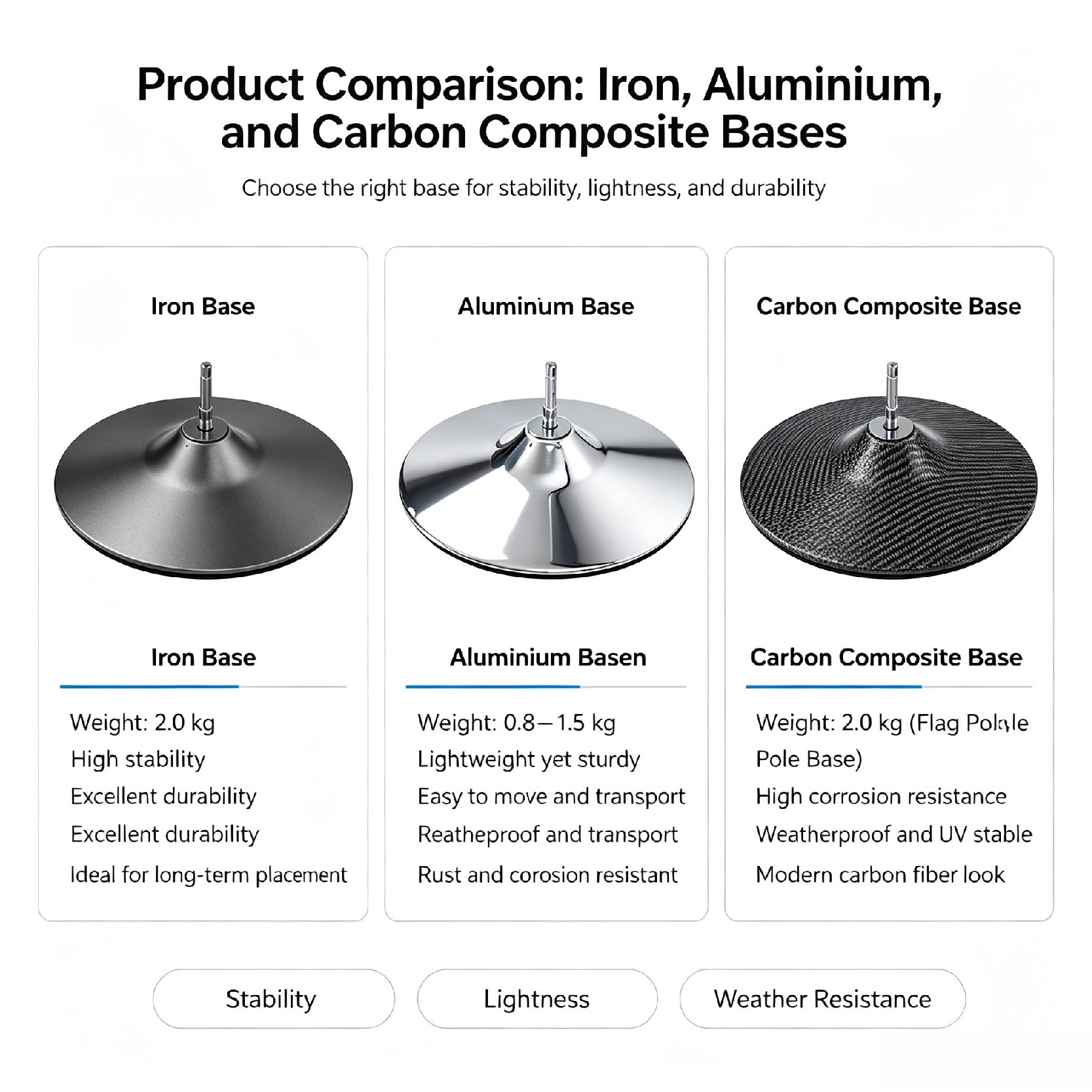
| Attribute | DT-26 (Iron/Chrome) | Aluminium Base | Carbon Composite (Flag Pole Base) |
|---|---|---|---|
| Weight per unit | 2.0 kg | 0.8 – 1.5 kg | 1.2 – 2.0 kg (custom) |
| Density & perceived mass | High; solid feel | Light; may need sandbags | Variable; can be weighted |
| Corrosion resistance | Excellent (chrome layer) | Good (anodised) | Absolute (no oxidation) |
| Dent resistance | Very high; chrome over iron resists impact | Low; dents and deforms permanently | High; composite springs back |
| Unit cost (ex-works) | USD 10 – 11.4 | USD 12 – 16 | USD 22+ |
| Duty classification (typical) | HTS 7326.90 (iron/steel articles) | HTS 7616.99 (aluminium articles) | HTS 3926.90 (plastic/composite) |
| Freight impact (container weight) | Higher per base; total carton weight manageable | Lower per base; saves freight if volume-driven | Lowest; carbon poles are light, bases can be dense |
| Indoor/Outdoor | Indoor only (chrome finish) | Often for outdoor with additional coating | All-weather; UV and moisture proof |
The aluminium option looks cheaper to ship, but that’s a dangerous half-truth. Aluminium dents easily—one dropped base during setup and you’ve got a wobble that can’t be fixed. In high-traffic environments, replacement rates for aluminium bases can hit 15% per year, according to a survey by EXHIBITOR magazine. We've seen the numbers. Iron bases, even at a higher unit weight, have a near-zero replacement rate if the chrome is applied correctly. Over three years, total landed cost flips in favour of iron.
Carbon composites excel outdoors, where rust and UV are enemies. WZRODS pioneered wind-tested carbon composite systems that flex without breaking. For indoor 3D displays, a chrome-finished iron base delivers the necessary heft at a third of the cost. It’s a tactical choice.
3. ROI Analysis: Long-Term Cost of Base Selection
Time to talk numbers. The invoice price of a base is fiction until you add freight, duty, and replacement frequency. Imagine a distributor importing 500 bases for a chain of mall-based phone-accessory kiosks. The DT-26 ex-works at $10.50 per unit. Let’s compare two alternatives: a lightweight aluminium base at $13.00 and a heavier coated steel competitor at $9.00 with lower-quality chrome.
| Cost Component | DT-26 (Iron/Chrome) | Aluminium Base | Low-Cost Steel Base |
|---|---|---|---|
| Unit price (EXW) | $10.50 | $13.00 | $9.00 |
| Container weight (500 units + packaging) | 1,250 kg | 700 kg | 1,400 kg |
| Ocean freight share | $1.50 per unit | $1.00 | $1.65 |
| Duty (approx 3% iron, 5% aluminium) | $0.31 | $0.65 | $0.27 |
| Landed cost per unit | $12.31 | $14.65 | $10.92 |
| Estimated annual replacement rate | 2% (cosmetic scratches) | 12% (dents, deformation) | 8% (rust, flaking chrome) |
| Three-year effective cost (purchase + replacements) | ~$12.80 | $18.45 | $13.22 |
The DT-26 isn’t the cheapest at the dock, but the three-year effective cost is the lowest. The replacement rate makes the difference. One distributor partner in Manila swears by this math. He supplies pop-up kiosks for Christmas bazaars. After switching from painted steel to chrome-plated iron, his client’s reorders dropped by half. He fed the savings into better graphics, which lifted the end-client’s sales 9%. That’s the chain of value that starts with the right base.
4. Industry Applications: Where the Round Base Excels
Shopping Malls & Retail Concourses
Mall air currents are unpredictable. The DT-26’s 2 kg mass and low profile hold steady against HVAC drafts and foot traffic. I’ve specified it for holiday window displays with 3D snowflake signs on polished granite. The chrome finish blends into the background; the branding takes centre stage.
Exhibition Halls & Trade Show Booths
Carpet adds friction but snags square edges. Staff rush; they bump hardware. The round edge prevents tripping. At FIBO Cologne, an exhibitor told me his crew could slide a DT-26-based 3D sign across carpet in under 30 seconds—no corners to catch. That speed counts when you’re resetting between demos.
Office Lobbies & Reception Areas
In corporate lobbies, chrome matches high-end interiors. The base stays put when cleaning crews vacuum around it. Indoors, no de-icing salts to pit the surface. I’ve seen them anchoring directional signs in a tech HQ’s event-ready lobby. A finished base signals attention to detail.
Event Venues & Wedding Expos
At wedding fairs, a 3D monogram on this base looks weightless and stays put. Planners love that they can drape a skirt or flowers without a hidden crossbar. The round footprint accepts circular fabric. A Charlotte client told me it cut her “ceremony signage anxiety” by half—a proven stress reducer.
5. From Foundry to Exhibition Floor: The WZRODS Manufacturing Process
I toured their adjacent carbon composite facility in 2019. The DT-26 starts as raw iron, cast or forged into a rough disc. CNC machining gives it a precise diameter and flat bottom. The threaded insert—where the pole attaches—gets a go/no-go gauge check on every batch. I saw the rejection logs; they’re detailed.
After machining, the base moves through alkaline cleaning, acid activation, a nickel strike layer, then chrome. A handheld gauge verifies the chrome thickness. Their QC target is 0.3 microns minimum, about twice the typical cheap-chrome spec. Final inspection under 5000K lighting catches any haze or pits. Each base is wrapped in a poly sleeve and packed in export cartons with a 15% crush-resistance margin. From Qingdao, transit to Rotterdam takes about 30 days, to Los Angeles 18 days. Light customisation—laser-engraved logo on the rim—fits within the standard 15–25 day lead time. For large orders, faster turnaround on existing molds is available.
6. Trends in Display Hardware: The Shift Toward Modular, Portable Systems
Exhibits are moving to modular, flat-pack systems. The DT-26 fits that shift: one base works with a family of poles and graphics. Distributors stock one SKU, reducing warehousing complexity. We’re also seeing demand for branded hardware. A hotel chain now specifies engraved logos on directional sign bases. WZRODS can engrave your logo on a single base, though unit cost adjusts. That’s not just for luxury automakers anymore.
In parallel, their carbon composite flag poles come from sailboat-mast tech—they flex in typhoon winds. For exhibitors doing both indoor mall and outdoor beach activations, a mixed buy works: DT-26 bases for indoor 3D banners, carbon composite flag kits for outdoor feather flags. Same supplier, same expertise, less supply chain noise.
7. Upgrade Solution: When to Move Beyond Basic Bases
The DT-26 anchors static 3D displays. Need a base that takes water for extra weight, or castors, or an LED up-light? WZRODS can adapt. Their engineering team handles custom molds for the flag line. I once needed a base that doubled as a brochure rack—they bolted a literature holder to the hub in three weeks. That agility comes from having metal and composite fabrication under one roof.
Start with the standard DT-26 for indoor signage. When you need outdoor durability or heavier graphics, talk to them about a carbon composite or weighted hybrid. The relationship matters. A supplier who understands flag dynamics can handle a custom base—that’s what you miss with a generic reseller.
Frequently Asked Questions
- What is the minimum order quantity (MOQ) for the Round Base DT-26?
- The MOQ is 1 piece. Order a single sample to test it in your environment before you commit to a container.
- Can I get a free sample?
- Samples aren’t free, but they’re available at the unit price plus freight. Maximum 5 pieces; sample delivery typically takes 15–25 days.
- What are the payment terms?
- T/T (bank transfer), L/C (letter of credit), and Western Union. Established distributors with repeat orders can sometimes negotiate net-30 terms.
- Is this base suitable for outdoor use?
- No. The DT-26 is designed exclusively for indoor display. The chrome finish won’t withstand UV or rain. For outdoors, explore the carbon composite line.
- What is the weight capacity of the base?
- Under normal indoor conditions, it safely supports a 3D banner or shaped sign up to about 2.5 m tall. The threaded insert’s pull-out strength exceeds 80 kg tensile, so tipping isn’t the limiting factor.
- Can I have my logo engraved on the base?
- Light customisation is supported. Laser engraving of a logo or text on the chrome surface is available, with a small setup fee. Contact WZRODS with your artwork for a quote.
- How is the base packaged for export?
- Each base is poly-wrapped and packed in sturdy export cartons designed to stack and handle ocean freight. Palletisation is offered as an add-on.
- What is the lead time for a bulk order?
- Standard lead time is 15–25 days from order confirmation to ex-works. During peak season (August–October), lead times may extend slightly; WZRODS informs you in advance.
- Does the base come with a pole adapter?
- The base includes a threaded centre hub. Specify the adapter needed for your pole diameter. Top adapters and connector rings are sold separately and can ship together.
- How does this compare to a water-fillable base?
- Water-fillable bases are typically used outdoors when you need temporary weight. The DT-26 is a fixed-weight, indoor-only solution—more elegant, no filling, no leaks. For outdoor, pair it with a fillable option from the flag pole line.
- What HTS code applies, and will I pay lower duty compared to aluminium?
- Iron or steel bases usually fall under HTS 7326.90; aluminium under 7616.99. In many jurisdictions, the duty rate for iron articles is lower than for aluminium, but verify with your customs broker. WZRODS provides the correct HS code and supporting documentation for clearance.
Every base makes a statement. The DT-26 says your brand is deliberate, secure, thought-through to the last chromed edge. A couple of dollars at the factory separates a wobble from a solid stance. The return—in trust, dwell time, and contracts that hold—dwarfs that. If you’re sourcing for a distribution channel or chain of retail activations, order a sample. Hold it. You’ll feel what your clients’ instincts have always known.
Sarah Mitchell, CTSM, designs booth hardware strategies for Fortune 500 exhibitors, focusing on display stability and total landed cost analysis. She consults for trade show organisers and event architects worldwide.
About the Author
Sarah Mitchell, Trade Show Consultant
B.A. Marketing, University of Texas; CTSM (Certified Trade Show Marketer)
Event marketing specialist with 200+ trade shows across 15 countries. Helps exhibitors cut setup costs by 30% through smarter hardware choices.
Reviewed by WZRODS Technical Team. Updated: 2026-07-05
 Comments (0)
No comments yet. Be the first to comment!
Leave a Comment
Related Products
Bungee hook
Lightpole bracket
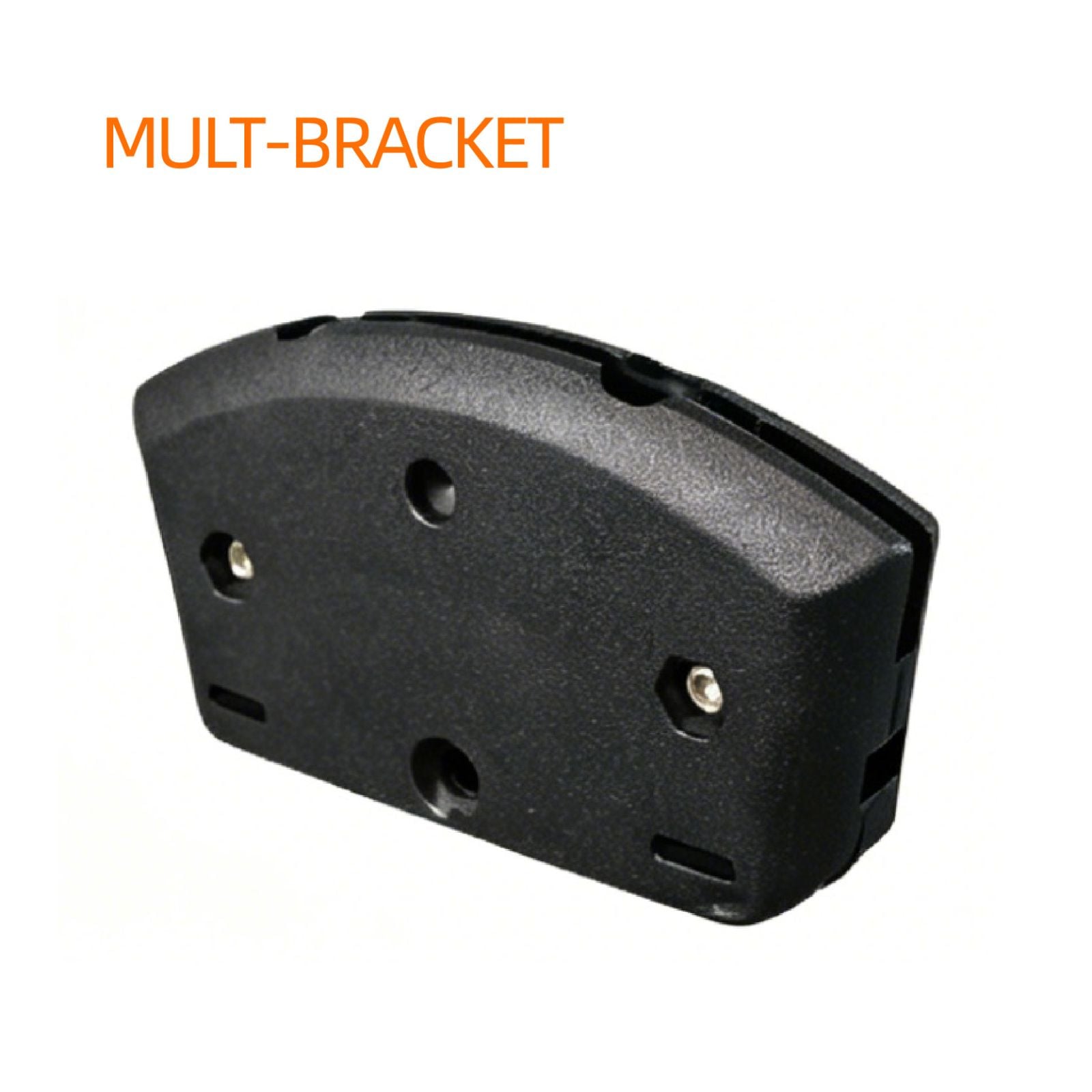
Disc banner Mult-bracket
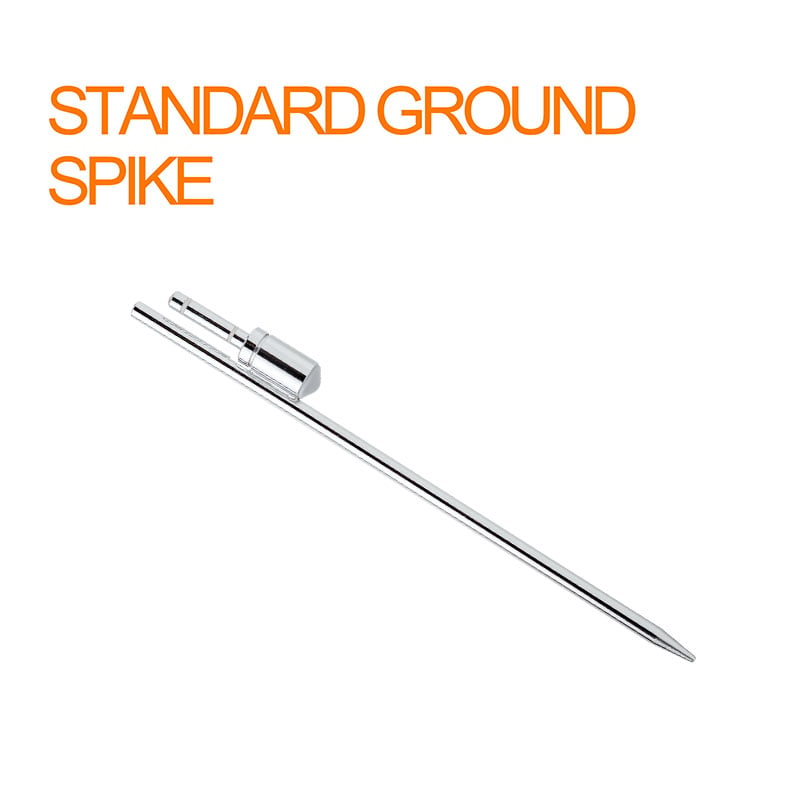
Ground Spike For Lawn Or Sand
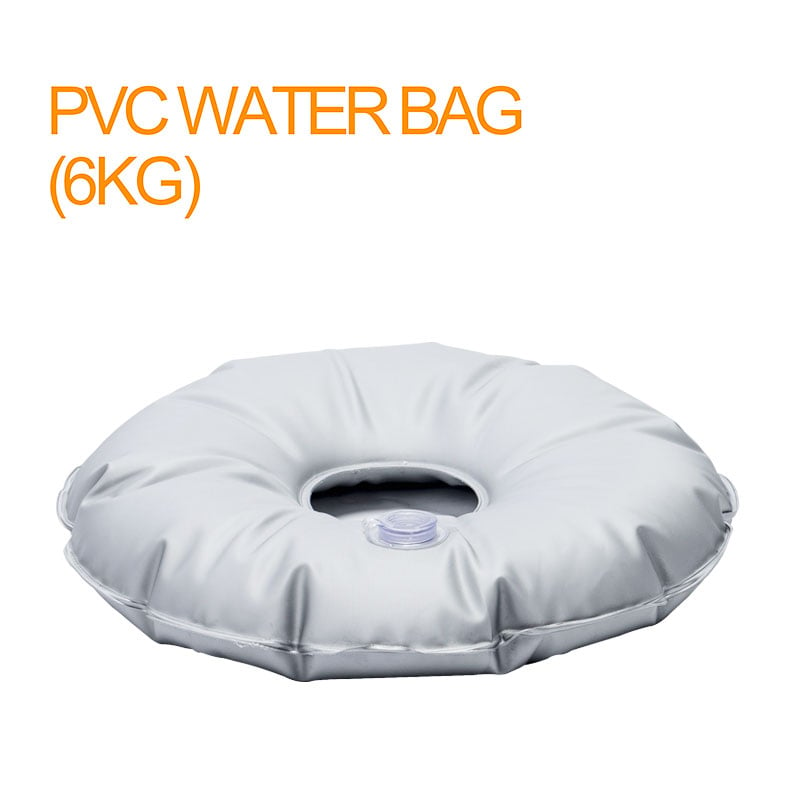
Water Bag
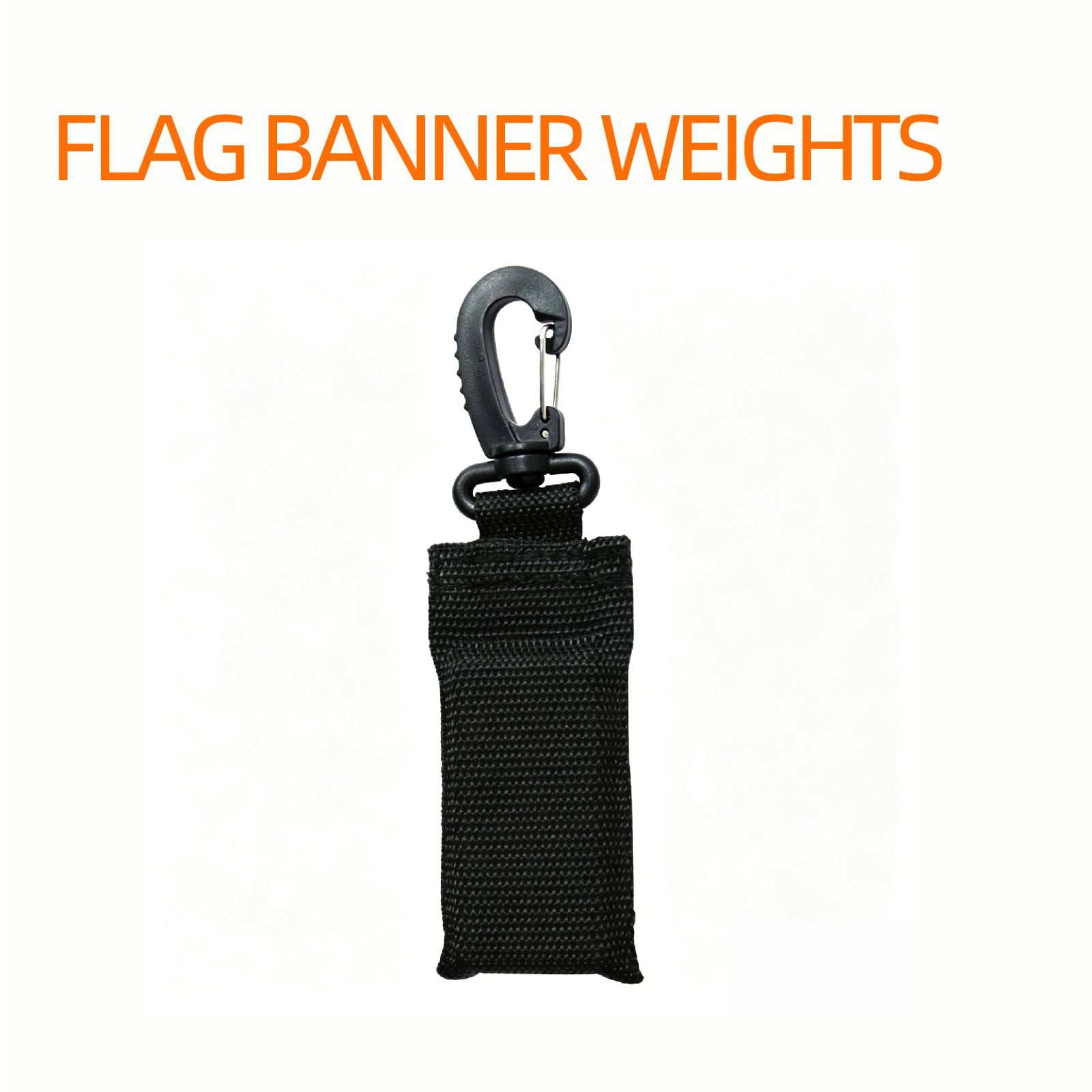
Flag /banner weights
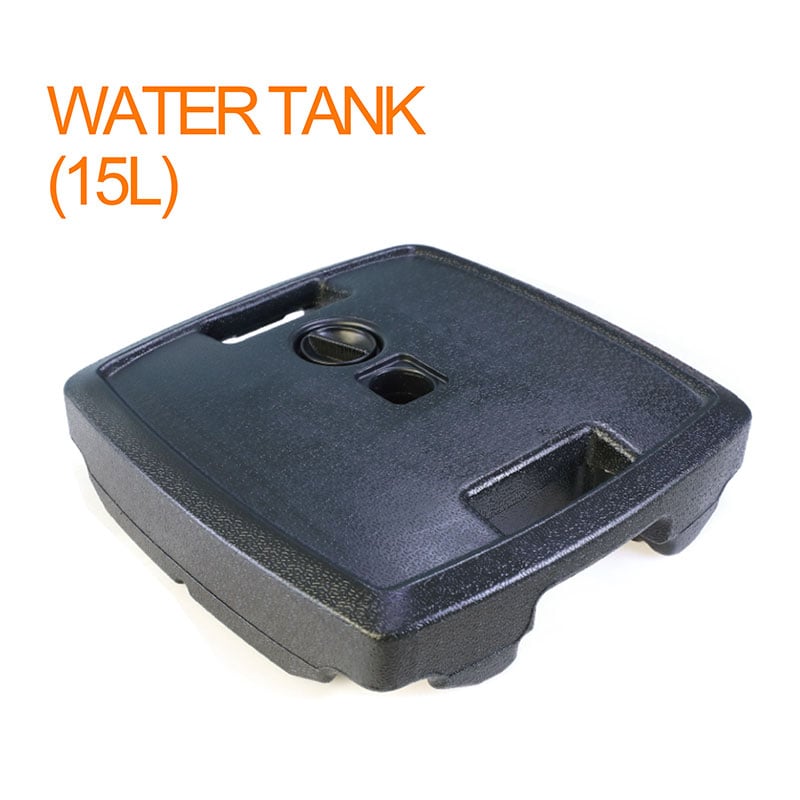
Water tank
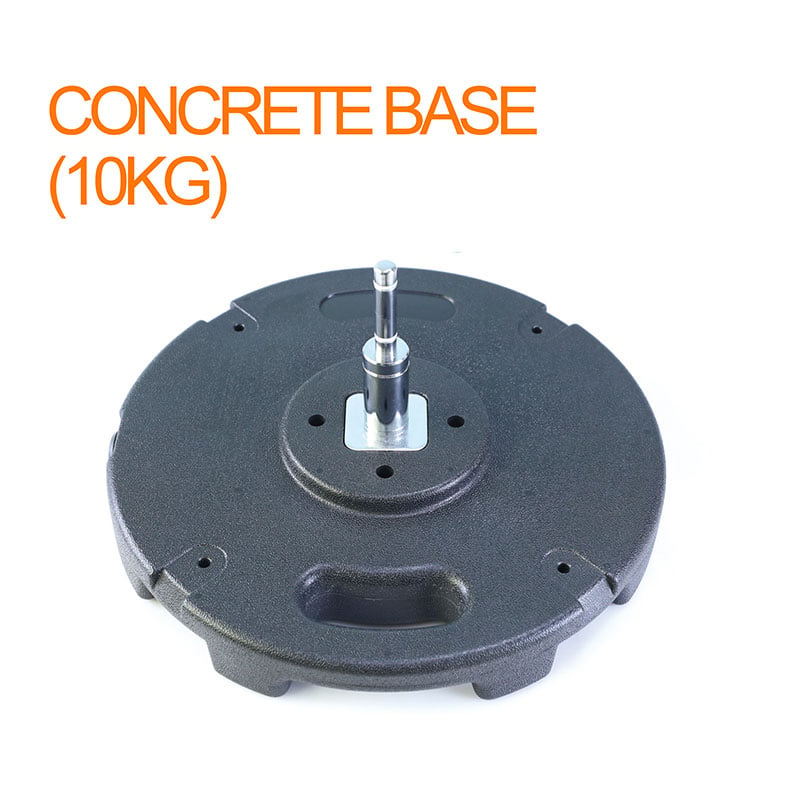
Concrete base(10kg)
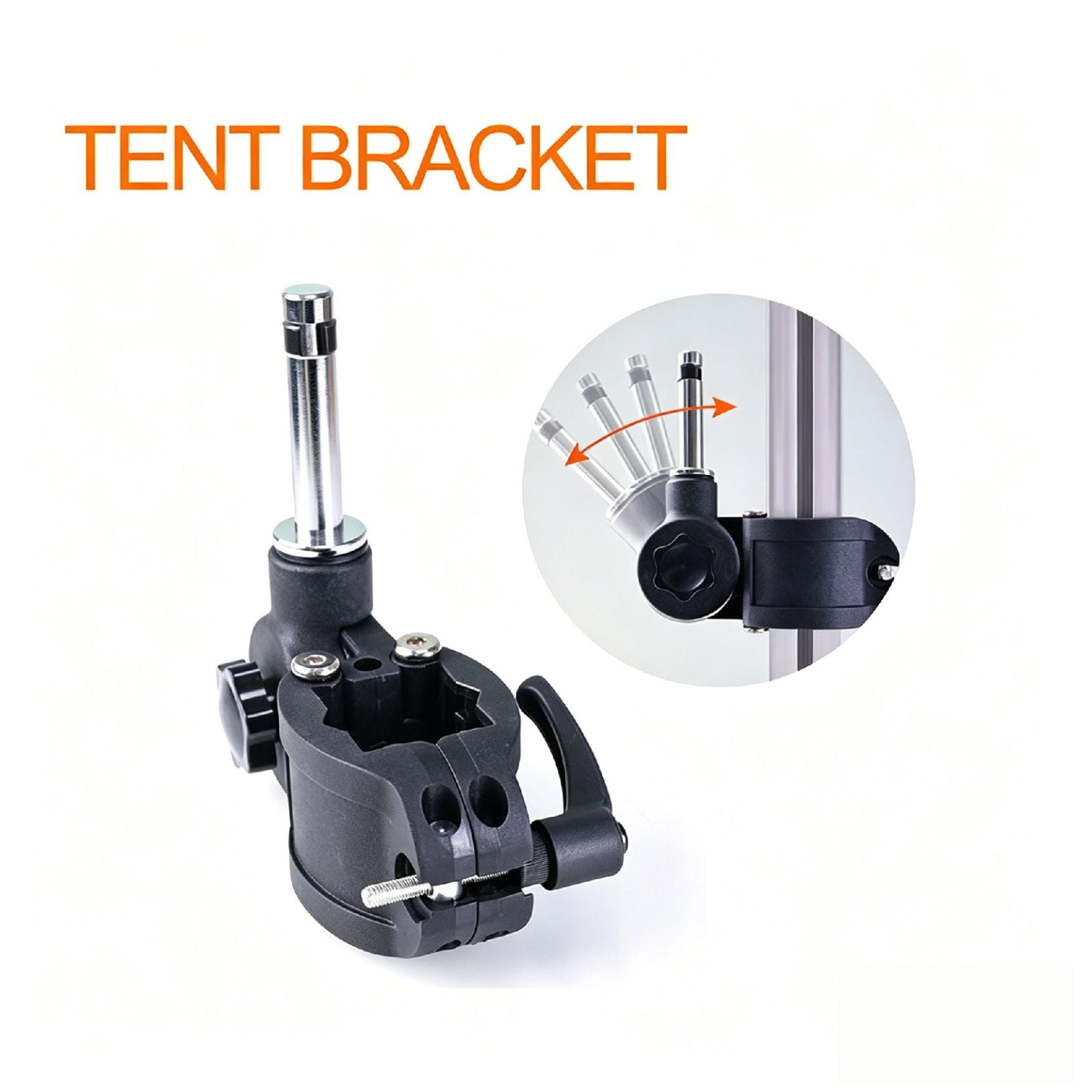
Tent Bracket
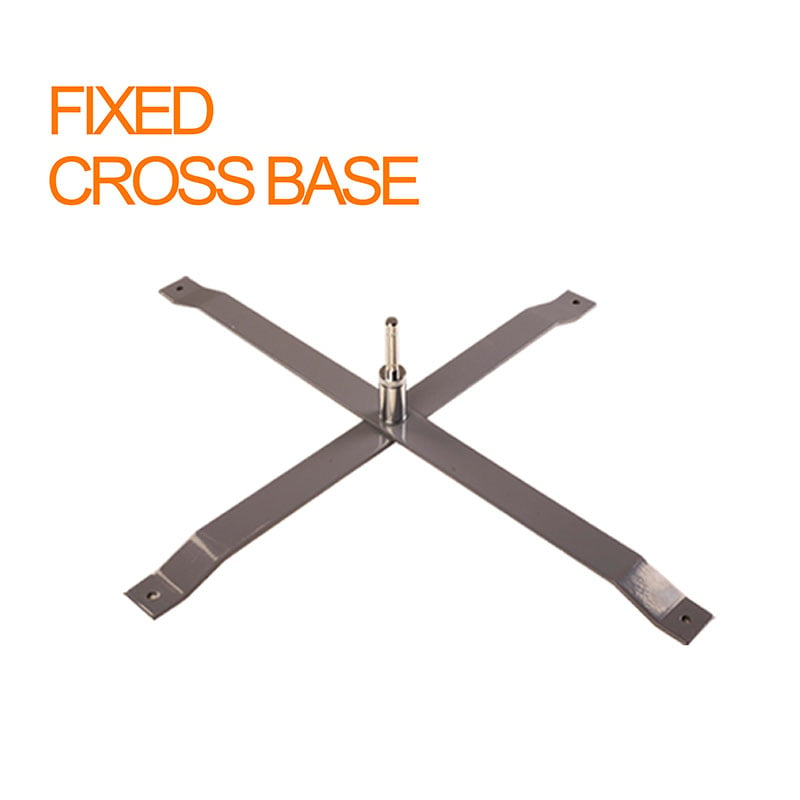
Fixed Cross Base
Related Articles
29kg Concrete Flag Base - The Complete B2B Buyer's Resource - WZRODS
WZRODS DY451B: 29 kg, HDPE shell, concrete core. Stackable, portable, rust-proof. FOB price US$5.75–$6.85 at MOQ 2 units. Those numbers look unremarkable. Factor in landed cost—import duties lower than aluminum’s under relevant HTS codes, freight savings from less weight per unit of stabilizing mas
Wide Tube Cross Base - The Complete B2B Buyer's Resource - WZRODS
The Wide Tube Cross Base, manufactured by Wzrods in Shandong, China, solves one problem: reliable stability for poles under three meters, without the freight costs and warehouse footprint that heavier alternatives demand.
Rectangular Pipe Cross Base - The Complete B2B Buyer's Resource - WZRODS
The pipe cross flag base is a cross of rectangular steel pipe, powder‑coated, weighing 1.3 kg and spanning 78 cm across its arms. Its center holds a C‑ring shaft that lets the flag rotate with the wind.
X-Shape Backpack Banner - The Complete B2B Buyer's Resource - WZRODS
Economic Cross Base - The Complete B2B Buyer's Guide- WZRODS
When you buy an economic cross base—something like the Wzrods DM‑9, a 77 cm‑long, 1.3 kg iron cross—forget “economic” as a synonym for “cheap.” It means value-engineered.
How to Choose the Right Feather Flag Base for Different Surfaces
Feather Flag - Professional Banner Poles & Systems Manufacturer - WZRODS
How to choose a high-quality backpack flag
The backpack flag concept centers on a frame carried on the back, similar to a backpack, specifically engineered to support a raised flag or banner.