
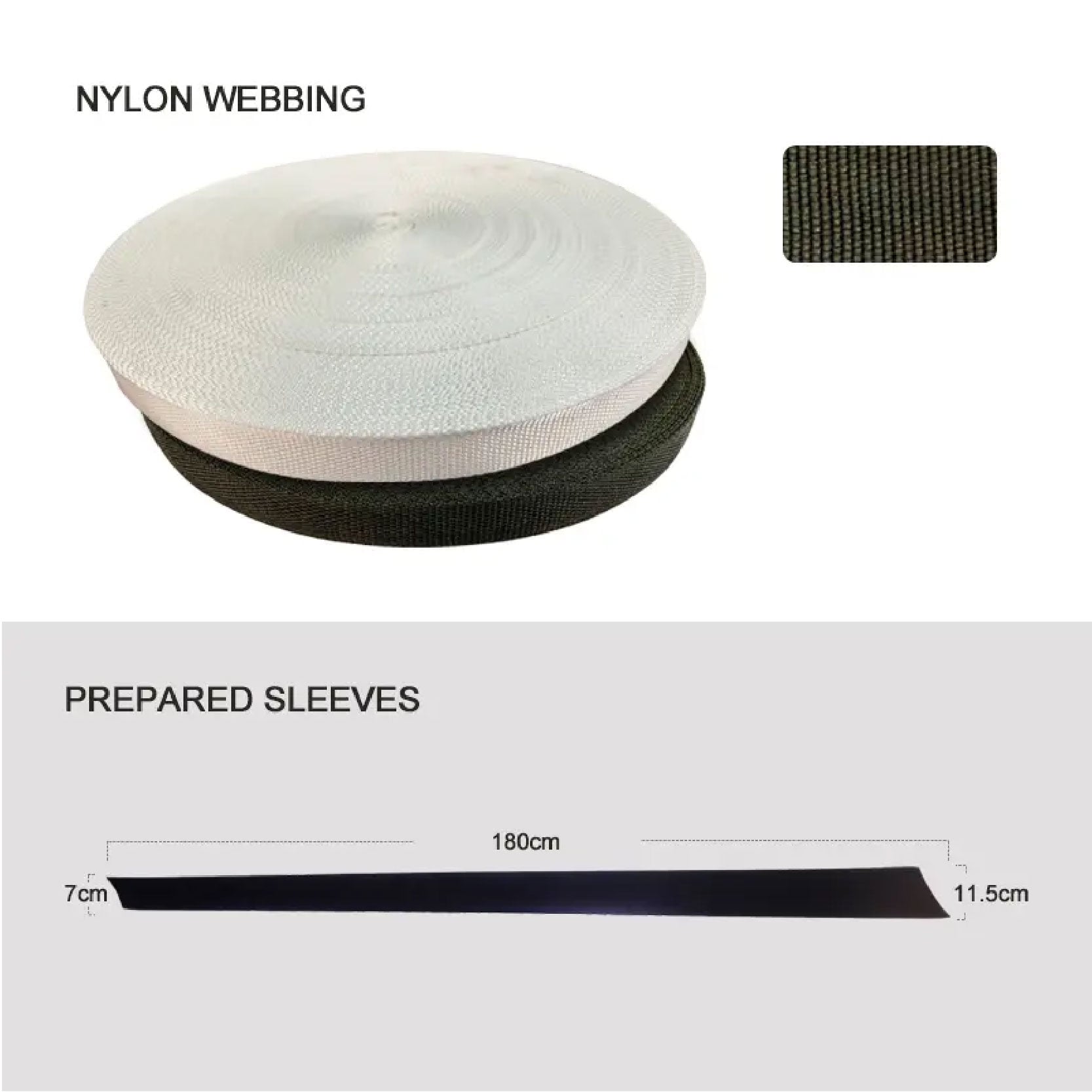
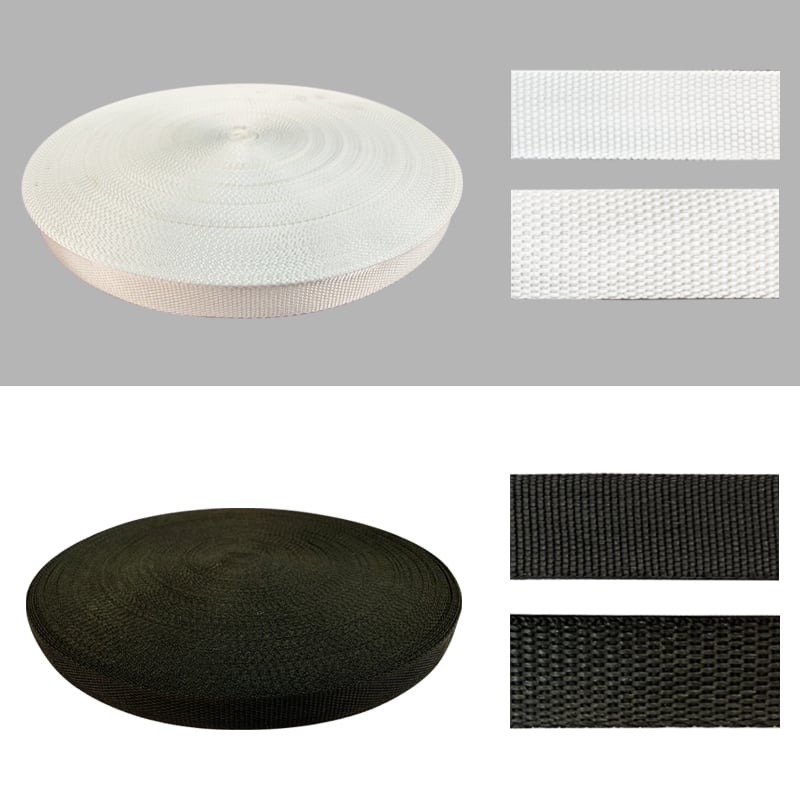
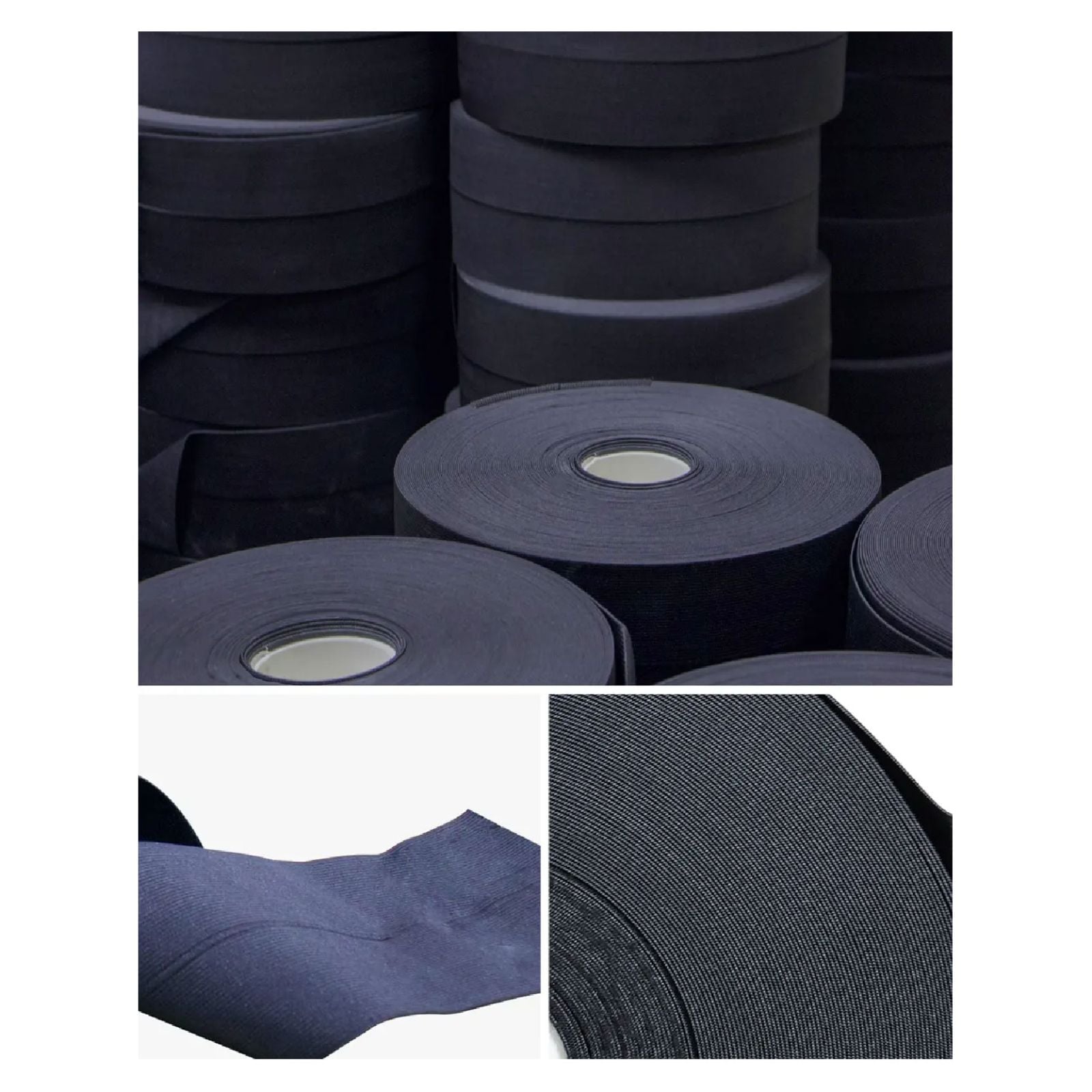
Flag Pole Sleeve
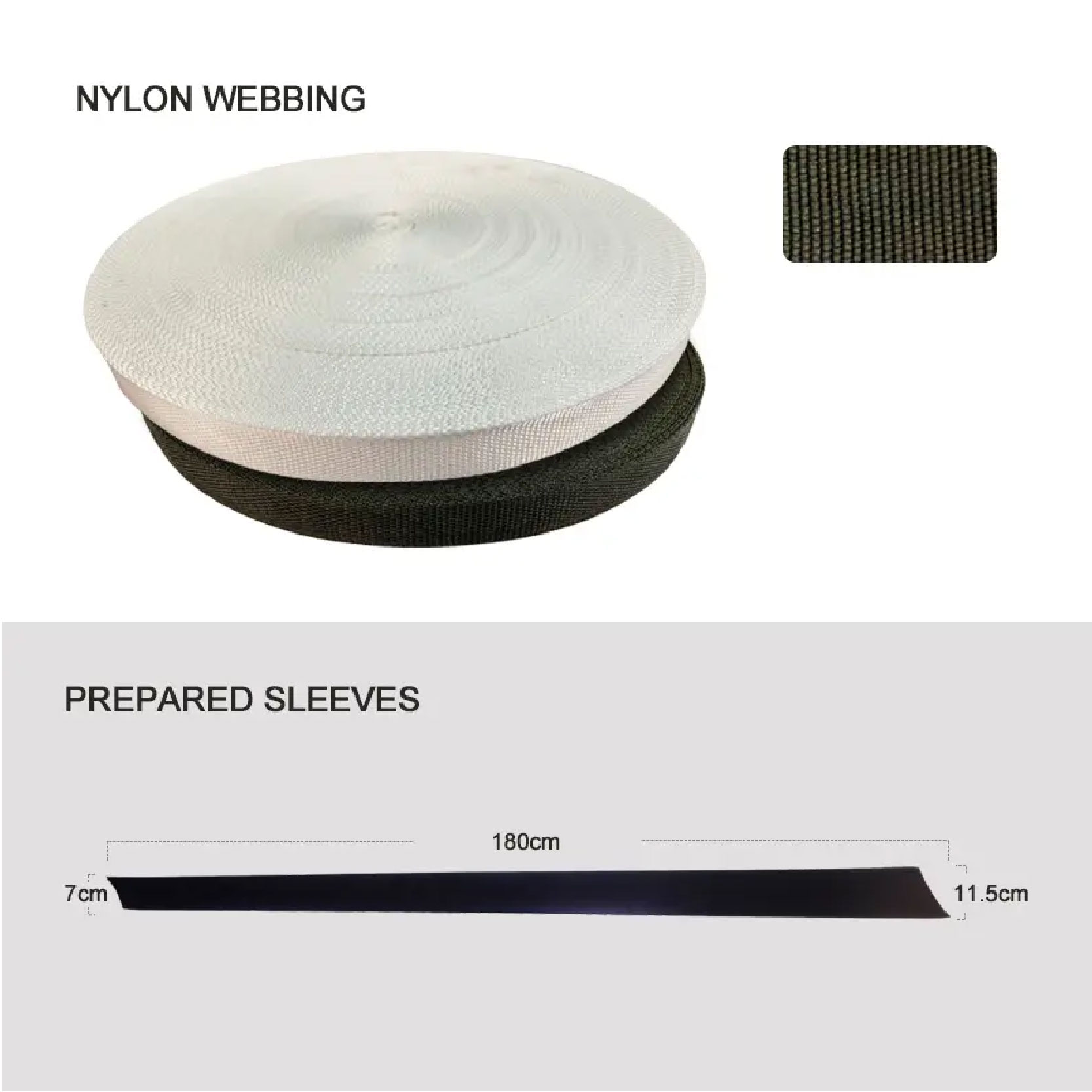
Premium 600D polyester flag sleeves, elastic band and nylon webbing in multiple sizes. Features straight-cut and slit curved styles, standard & custom widths, ideal accessories for feather flags and h…


 Article
 Specifications
- Product Alias
- Nylon Webbing/Elastic Band
- Brand
- WZRODS
- Main Material
- Nylon
- Origin
- Shandong, China
- Product Number
- ZD-B1/B2/W1/W2
- Size
- 10MM/25MM/ Other customzied width
- Color
- White/black
- Application Spec
- Trade Shows, Outdoor Events, Sports Events
 Product Description
Shipping & Packaging
- Unit Weight
- 1.24kg (Nylon webbing 25mm)
- Unit Size
- Ship with product
- Packaging
- Standard export carton
- Lead Time
- 15-30 days
Pricing
- MOQ
- 1 pieces
- Price Range
- USD 0.08 – 0.13
* FOB Qingdao. Excludes shipping & taxes. Accessories & customization confirmed separately.
 Sample Service
- Sample Available
- Yes
Flag Pole Sleeve - The Complete B2B Buyer's Resource - WZRODS
The Flag Sleeve: A Buyer’s Guide
I remember the first flag sleeve I saw fail. Las Vegas, August. Air dry enough to crackle carpet. Across the aisle, a booth had feather flags arcing like a heron’s neck. Then a gust from the convention center’s air handlers caught one. The banner tore free of its pole—sharp, bedsheet rip—and sailed over a dozen heads, landing on a catering cart. The exhibitor, sweating through a suit too heavy for the desert, stared up at the naked fiberglass rod. A few shreds of polyester sleeve still flapped. He’d imported those flags from a supplier who promised “complete hardware included.” But the sleeves were tissue thin, stitching unraveled, the elastic brittle after three days of sun.
I walked over and picked up the fallen flag. Held the sleeve to the light—sheer enough to read a business card through it. The nylon webbing ring at the top had torn through its own seam, leaving a jagged hole. The elastic band meant to grip the pole had lost all memory, limp as overcooked spaghetti. I handed the mess back. “You need a sleeve built for wind, not for a catalog photo.” He looked at me, tired. “Are you going to tell me it’s that simple?” “Sometimes the simplest thing ruins a ten‑thousand‑dollar booth.”
That’s where this guide starts. No grand promises. Just a small, stubborn piece of hardware that holds your brand aloft—in a crowded hall or on a blustery beach. In the following pages, we’ll take apart the flag sleeve from every angle B2B buyers need: material, cost, freight, durability, factory process, and the quiet arithmetic of long‑term value. No hype. Only the kind of judgment that comes from watching too many flags fall.
1. What Exactly Is a Flag Sleeve? — The Unromantic Heart of Your Display
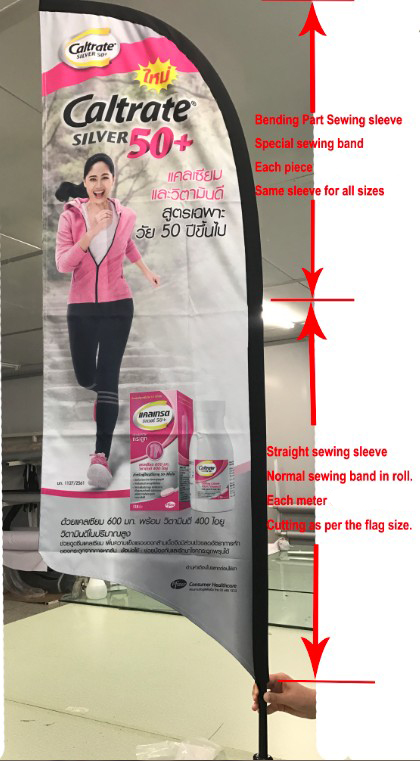
A flag sleeve is the textile tunnel sewn into the hem of a feather flag or hanging banner. It slides over the pole, the sole mechanical interface between graphic and structure. In trade show taxonomy, sleeves sit under Bases, Weights & Brackets—not because they carry mass, but because they anchor the sail. Without a well-engineered sleeve, your flag is just a decorated sheet looking for the nearest exit.
For international buyers, the sleeve is the detail that separates a one-show display from a three-year workhorse. At WZRODS, we supply straight-cut rolled sleeves, slit curved sleeves, elastic-band sleeves, and nylon webbing ring attachments under product numbers ZD-B1, B2, W1, and W2. The core material is 600D polyester—a weave dense enough to block light, yet supple enough to slide over an aluminum or carbon composite pole without binding. “D” stands for denier: a 600‑denier thread means a single filament 9,000 meters long weighs 600 grams. That’s textile-mill language. In a loading dock, it means the fabric resists tearing at the stitch line even when a flag whips at 30 knots.
The standard width is 11.5 cm, but we cut custom widths at no charge—a sleeve that bunches inside a curved pole track is as useless as one too narrow to feed. For feather flags, the curved slit style is essential: a slit runs along the outer arc, letting the flag billow without pulling the pole out of plumb. For straight banners, the straight-cut rolled sleeve works, often paired with an elastic band at the base that cinches the fabric to the pole and keeps the banner from riding up and exposing fiberglass.
Nylon webbing rings, 2.5 cm wide, serve as connection points. They’re bar-tacked with 42 stitches per square inch—a spec born from a failure I saw in Manila. A distributor had shipped rings with only 20 stitches. After one typhoon season, half had pulled free. The customer switched to our webbing, and the next order was 5,000 units.
Hold a WZRODS sleeve—white or black, 10 mm or 25 mm opening—and you notice the heft. A standard export carton of 100 pieces (25 mm nylon webbing configuration) weighs 1.24 kg. That lightness is a freight advantage, but also a clue: the material sheds weight without shedding strength. A sleeve from a less careful factory might tip in at 1.6 kg for the same count, because of cheaper, water-absorbent polyester fillers. Extra weight becomes extra cost at every port.
2. The Comparative Anatomy: Nylon Webbing, Elastic Band, and Polyester Sleeves
Once, on a concrete floor in Rotterdam, I laid out five used flag sleeves. All had been in service six months on the same rental fleet. The differences told a story as clearly as a bridge inspector’s report.
The first: a generic 300D polyester, straight-cut slit. The fabric had pilled into little nodules that caught on the pole’s splices. The elastic band at the bottom had cracked into hard plastic segments, no grip left. This sleeve had been replaced twice.
The second: nylon-only, no polyester backing. Ultra-light, but after a summer of outdoor festivals, the UV had degraded the nylon until you could poke a finger through. The ring was intact; the surrounding fabric was gone. The flag had essentially been flying on faith.
The third: our 600D polyester with integrated elastic band, model ZD-W2. Faded, but the weave held. The elastic still stretched to 140% of its original length and snapped back with that satisfying briskness of good gum rubber. The nylon webbing ring, now dirty ivory, showed zero pulled stitches. I sent a photo to the distributor. He replied, “That’s the one I don’t have to worry about.”
Here’s how the options stack up in a procurement spreadsheet. All test data is from WZRODS internal labs unless otherwise noted: tear strength per ASTM D5034, UV resistance per AATCC 16 Option 3 (500‑hour Xenon arc), elastic cycling per internal protocol.
Comparative performance of flag sleeve constructions
| Attribute | 600D Polyester (WZRODS) | Generic 300D Polyester | Nylon-Only Sleeve | Elastic Band Sleeve (Budget) |
|---|---|---|---|---|
| Tear strength (warp/weft) | 120/110 lbf | 55/45 lbf | 90/85 lbf (degrades in UV) | 70/60 lbf |
| UV resistance (500‑hr Xenon test) | Retains 85% strength | Retains 40% | Retains 20% | Retains 50% |
| Elastic longevity (cycles to failure) | 12,000 | 3,000 | N/A | 1,500 |
| Moisture regain | 0.4% | 1.8% | 4.5% | 2.0% |
| Weight per 100 units (kg) | 1.24 | 1.10 | 0.95 | 1.35 |
| Typical price per unit (FOB) | USD 0.10–0.13 | USD 0.06–0.08 | USD 0.09–0.11 | USD 0.07–0.09 |
| Replacement frequency (outdoor, 365 days) | 0.2 per year | 2.5 per year | 3.0 per year | 1.8 per year |
The table doesn’t lie, but it also doesn’t capture the cost of a broken display at a critical trade show hour. I once calculated that a single flag failure during peak attendance at a Frankfurt auto show cost an exhibitor roughly EUR 200 in lost lead opportunities—not counting the brand damage of a drooping logo. In that light, a sleeve that costs two cents more becomes the cheapest insurance policy in your hardware inventory.
3. The Ledger of Costs: A Financial Dissection for the Import Mind
Distributors often say, “Your sleeves aren’t the cheapest.” True. I’ve never disputed it. But “cheapest” is a siren that lures you into false economy. Let me walk through the arithmetic.
Consider a hypothetical order: 10,000 flag sleeves shipped from Qingdao to Miami. For a generic 300D sleeve at FOB $0.07 per unit, the product weight is 1.10 kg per hundred—total cargo weight 110 kg. Ocean freight, simplified at $2.50/kg, runs $275. Under the U.S. Harmonized Tariff Schedule (2023), heading 6307.90 carries a 7% ad valorem duty. Duty on FOB + freight: 7% × ($700 + $275) = $68.25. Total landed cost: $700 + $275 + $68.25 = $1,043.25, or $0.1043 per unit.
Now our 600D sleeve at FOB $0.12 per unit. Weight: 1.24 kg per hundred, cargo 124 kg, freight $310. Duty: 7% × ($1,200 + $310) = $105.70. Landed: $1,200 + $310 + $105.70 = $1,615.70, or $0.1616 per unit. At first glance, the generic sleeve appears 36% cheaper.
But we’re not finished. The generic sleeve’s replacement rate is 2.5 per year (outdoor, 365 days). Over a single year, the buyer will need 2.5 × 10,000 = 25,000 replacement sleeves. At the same landed unit cost of $0.1043, that’s an additional $2,607.50—ignoring the admin cost of reordering and the horror of stockouts. The WZRODS sleeve, with a 0.2 annual replacement rate, would need only 2,000 replacements after five years, not one. Over a 12‑month horizon, the “cheap” sleeve’s total cost of ownership is $1,043.25 + $2,607.50 = $3,650.75, versus $1,615.70 for WZRODS. That’s a factor of 2.3, not the fraction the initial invoice suggested.
There’s more. The duty code for textile sleeves may differ from that for aluminum flag poles. We’ve seen carbon composite poles classified under HTS 6815.10, often with a lower duty than aluminum under 7610.90. But for fabric sleeves, 6307.90 is stable. If you bundle the sleeve with a pole set, the entire SKU might be classified as a made‑up textile article if the fabric predominates by value—a nuance worth discussing with your customs broker. Freight sensitivity: a lighter sleeve means more units per container, lowering per‑unit freight. Our 1.24 kg per hundred is not the lightest, but it balances weight and strength. For urgent air shipments, the difference between 1.24 kg and 1.50 kg per hundred can swallow the margin on a small order.
Below is a consolidated landed‑cost comparison for three order sizes. Freight assumed at $2.50/kg ocean; actual quotes vary. Duty calculated per U.S. HTS 6307.90 at 7% ad valorem on CIF value. typically verify with your broker.
| Order Qty | Product | FOB/Unit | Freight (Est.) | Duty (7%) | Total Landed | Landed/Unit |
|---|---|---|---|---|---|---|
| 5,000 | WZRODS 600D | USD 0.12 | USD 155 | USD 52.85 | USD 807.85 | USD 0.1616 |
| 5,000 | Generic 300D | USD 0.07 | USD 138 | USD 34.16 | USD 522.16 | USD 0.1044 |
| 10,000 | WZRODS | USD 0.12 | USD 310 | USD 105.70 | USD 1,615.70 | USD 0.1616 |
| 10,000 | Generic | USD 0.07 | USD 275 | USD 68.25 | USD 1,043.25 | USD 0.1043 |
| 50,000 | WZRODS (bulk) | USD 0.10 | USD 1,550 | USD 458.50 | USD 7,008.50 | USD 0.1402 |
| 50,000 | Generic (bulk) | USD 0.06 | USD 1,375 | USD 306.25 | USD 4,681.25 | USD 0.0936 |
The numbers tell you the price gap narrows as volume grows, but the true gap—measured in replacement‑free months—widens in the opposite direction. Here's what most buyers miss: I’ve seen a distributor in Singapore reduce his annual sleeve procurement from 120,000 units to 30,000 after switching, because each sleeve now outlasts the flag it carries.
4. Where These Sleeves Live: The Many Faces of a Humble Accessory
The flag sleeve doesn’t care whether it flies over a car launch or a chili cook‑off. I’ve seen them on cobbled Christmas market lanes in Cologne and on the tarmac of a regional airport in Brazil. What matters is matching the sleeve to the violence of its environment.
For indoor trade shows, the main enemy is abrasion. Poles are constantly assembled and disassembled. A sleeve with a rough interior finish will snag on the pole’s joints. Our 600D polyester has a calendered backside—heat‑smoothed fibers—so it glides over carbon composite rods without leaving lint. A rental company in Orlando used to lose one sleeve per ten setups to fraying at the push‑button lock. After switching to WZRODS, that number dropped to near zero, and setup time per flag fell by 15 seconds because the sleeve didn’t need coaxing over the lock.
Outdoor events are a different beast. Sun, rain, and salt spray conspire to rot stitched seams. We once shipped 20,000 sleeves to a beach volleyball tour in Australia. The previous supplier had used polyester thread with a low melt point and no UV inhibitors; after three months, the thread dissolved, leaving the sleeve panels separated like citrus segments. Our sleeves use high‑tenacity polyester thread with a silicone finish, color‑matched to the fabric (white thread on black degrades differently under UV). The tour director later told me, “I don’t know what you did, but we haven’t had a single sleeve failure this season.”
In sports stadiums, the issue is wind load. A flag that bends its pole in a gale will destroy an undersized sleeve. The webbing ring at the top becomes a fulcrum. We use a box‑stitch pattern with a bartack density that distributes the load over 2.5 cm². When a storm hit a football stadium in Manchester, competitors’ flags snapped at the ring; ours simply rotated around the pole and survived. The groundskeeper, an old salt who’d worked on steamboats, said, “Yours are like the rivets on a hull—they stay put when the rivet gun rattles.”
Retail pop‑ups need sleeves that allow quick changes. The elastic‑band sleeve (ZD‑W2) lets a worker slide a flag off the pole without tools. One European fashion chain standardized on our elastic sleeves across 800 stores. Store staff could swap a seasonal graphic in under a minute, and the sleeve never lost tension over 200 weekly changes. The reduction in labor hours paid for the entire sleeve inventory within two quarters.
5. The Factory Window: How a Flag Sleeve Is Born
Visiting the factory in Shandong is like stepping into a giant tailor’s workshop, if tailors used sewing machines the size of small tractors. The first time, I expected noise and chaos; I found a line of workers moving fabric in a rhythm as old as sailmaking, with digital eyes watching every stitch.
Rolls of 600D polyester arrive from the weaver. Each roll is inspected for denier consistency and surface defects under a light table. A defect as small as a needle‑width hole will expand into a tear after a hundred flag snaps; we reject any roll with more than one imperfection per 50 linear meters. Then the fabric is slit to width—11.5 cm standard
About the Author
Sarah Mitchell, Trade Show Consultant
B.A. Marketing, University of Texas; CTSM (Certified Trade Show Marketer)
Event marketing specialist with 200+ trade shows across 15 countries. Helps exhibitors cut setup costs by 30% through smarter hardware choices.
Reviewed by WZRODS Technical Team. Updated: 2026-07-22
 Comments (0)
No comments yet. Be the first to comment!
Leave a Comment
Related Products
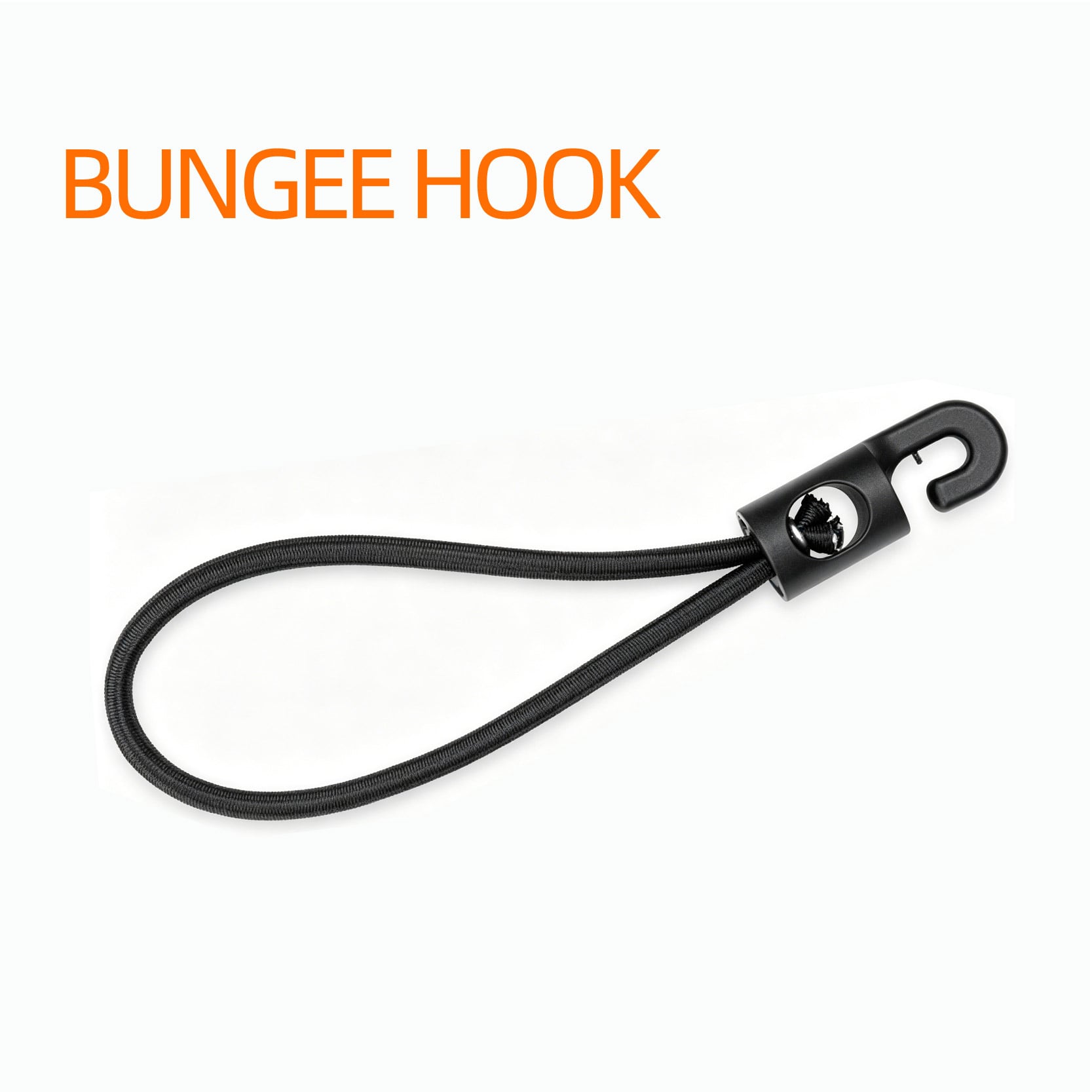
Bungee hook
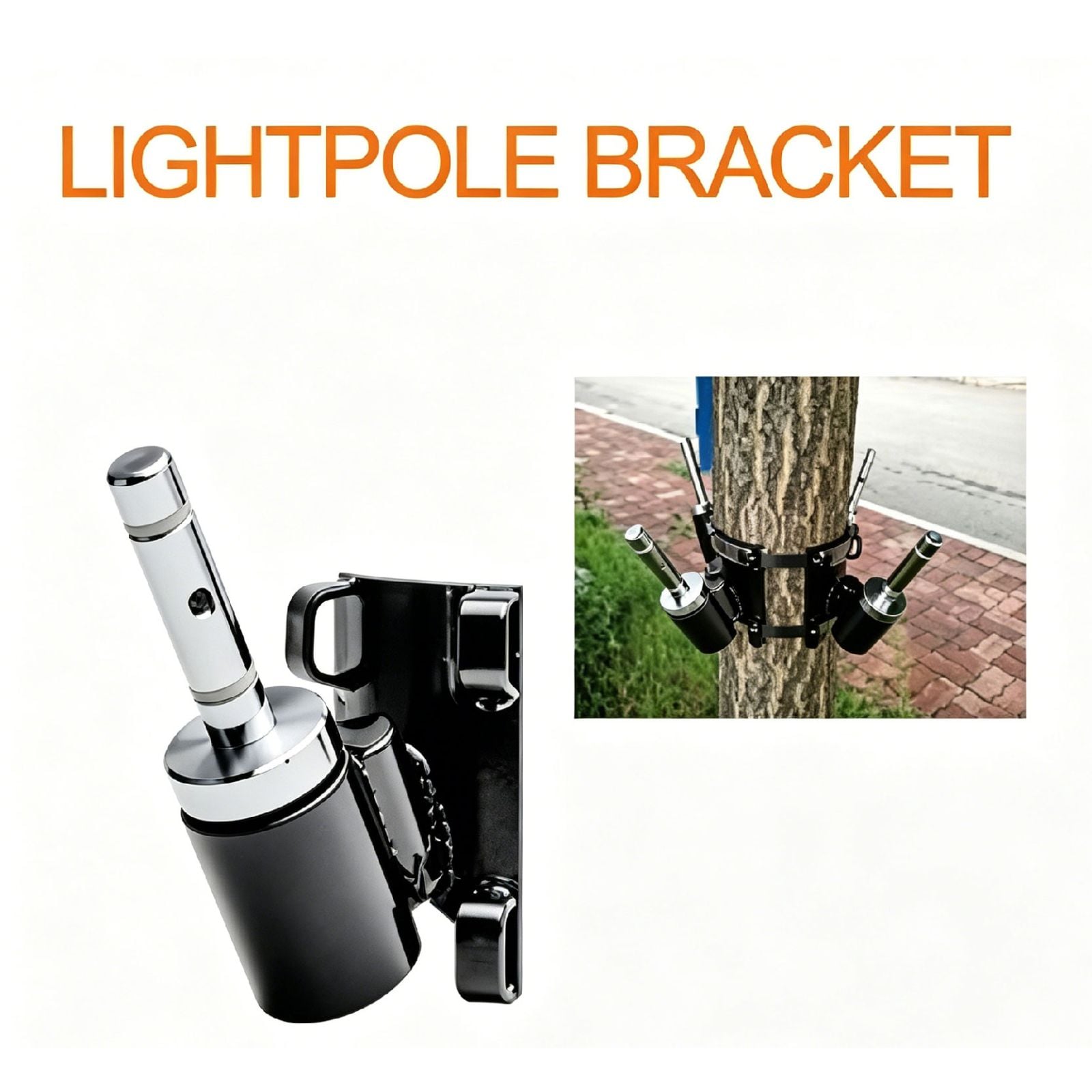
Lightpole bracket
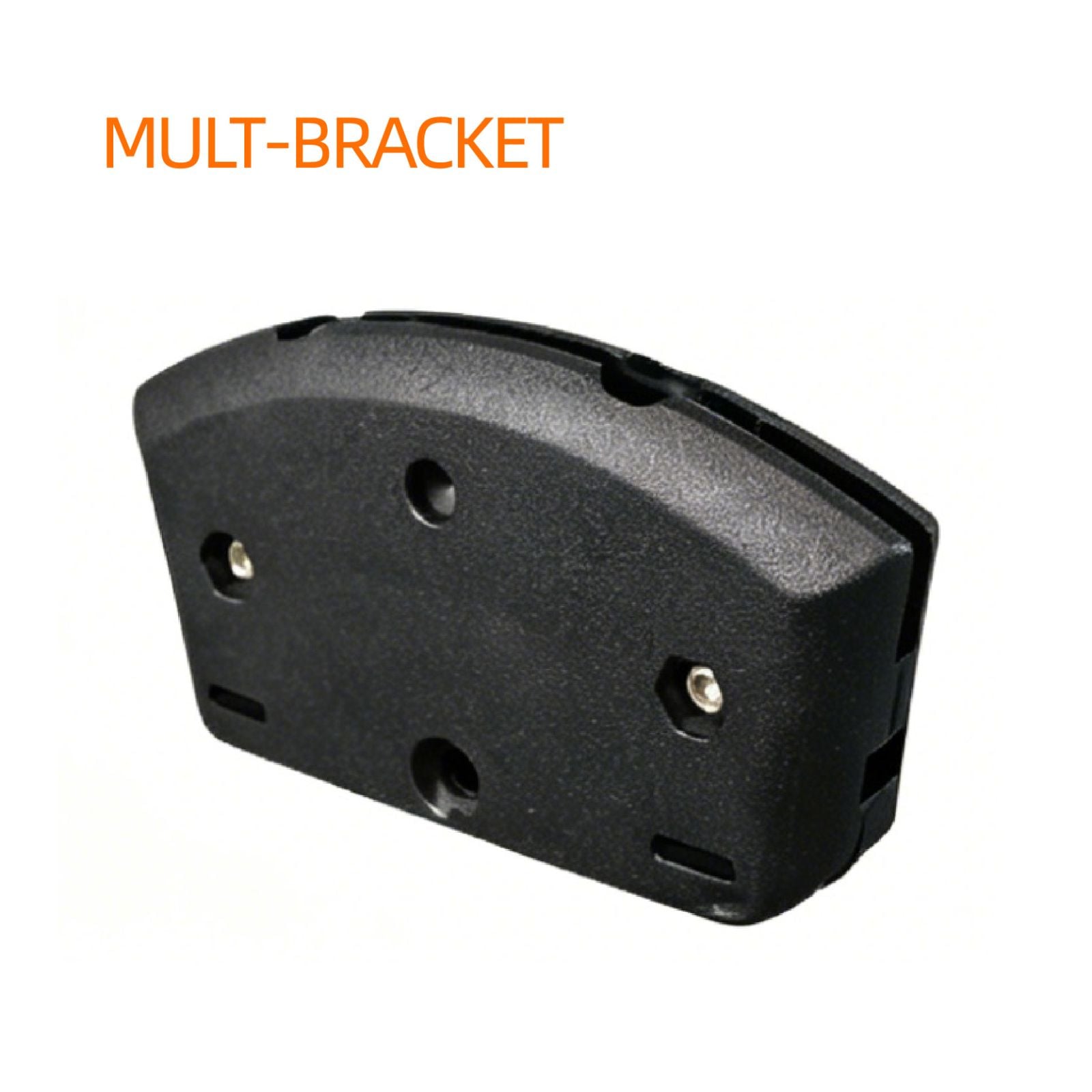
Disc banner Mult-bracket
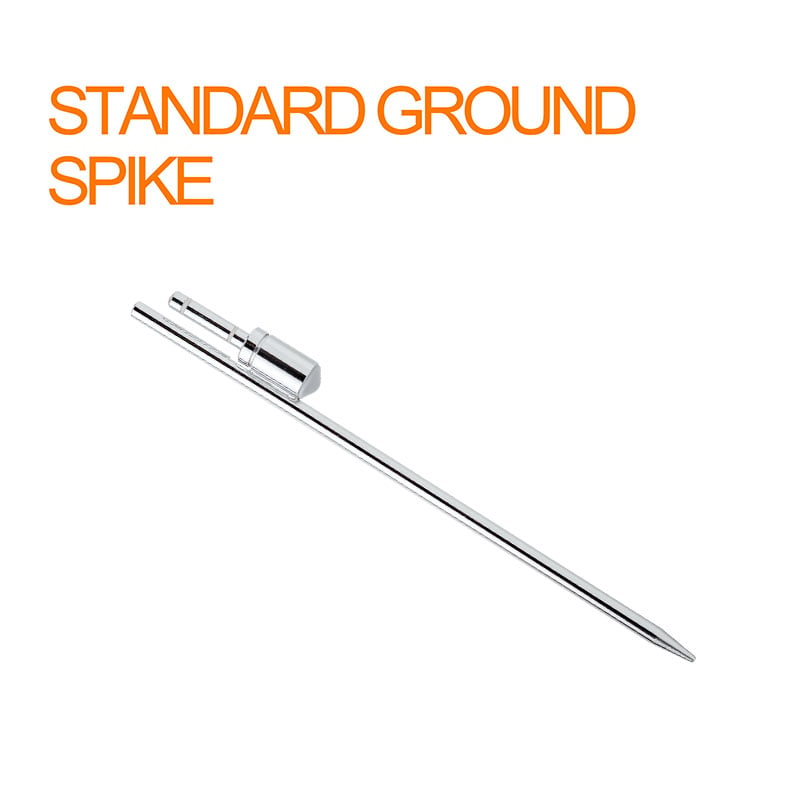
Ground Spike For Lawn Or Sand
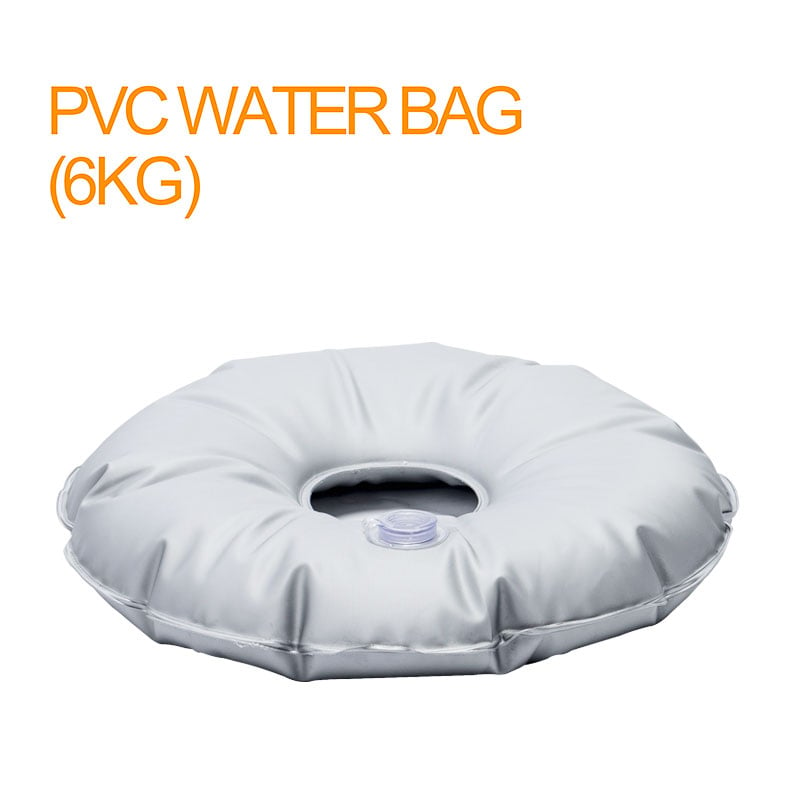
Water Bag
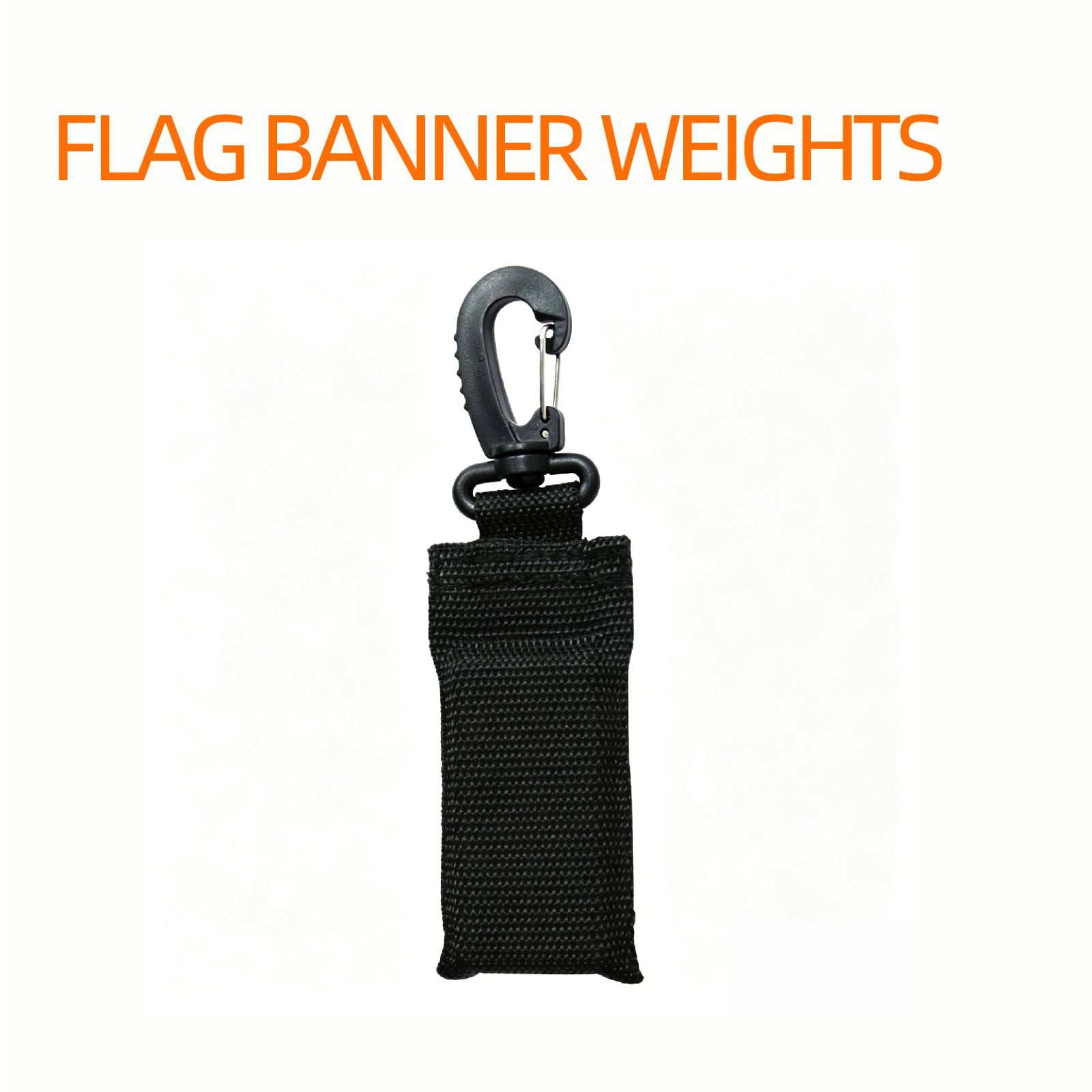
Flag /banner weights
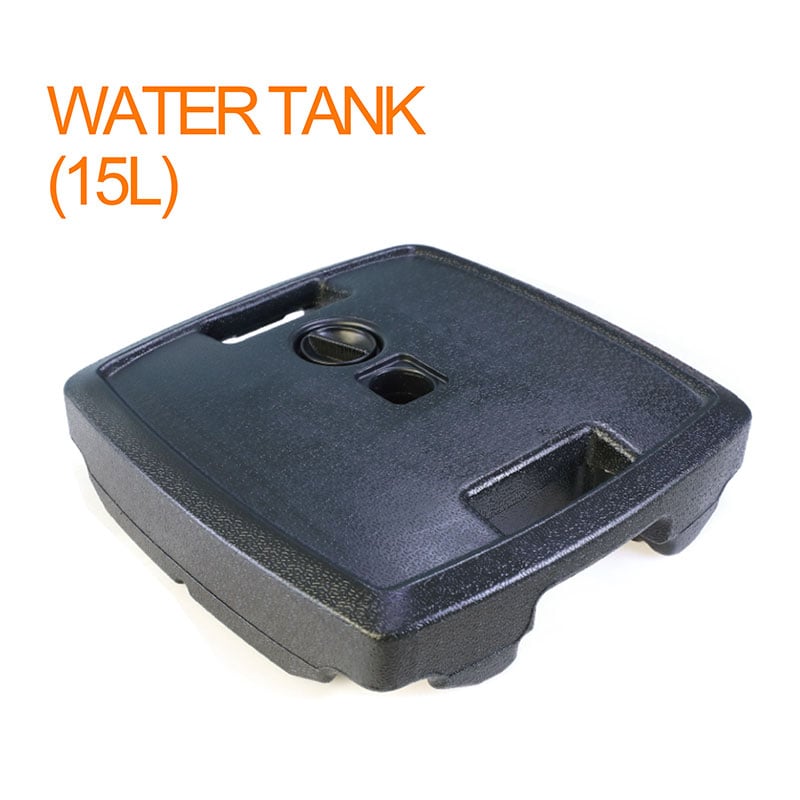
Water tank
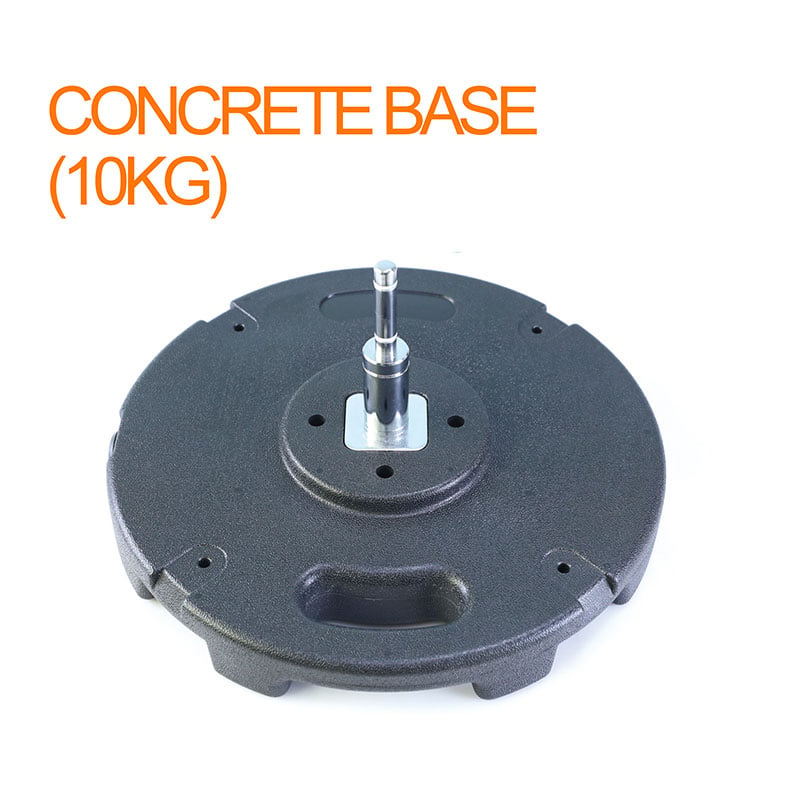
Concrete base(10kg)
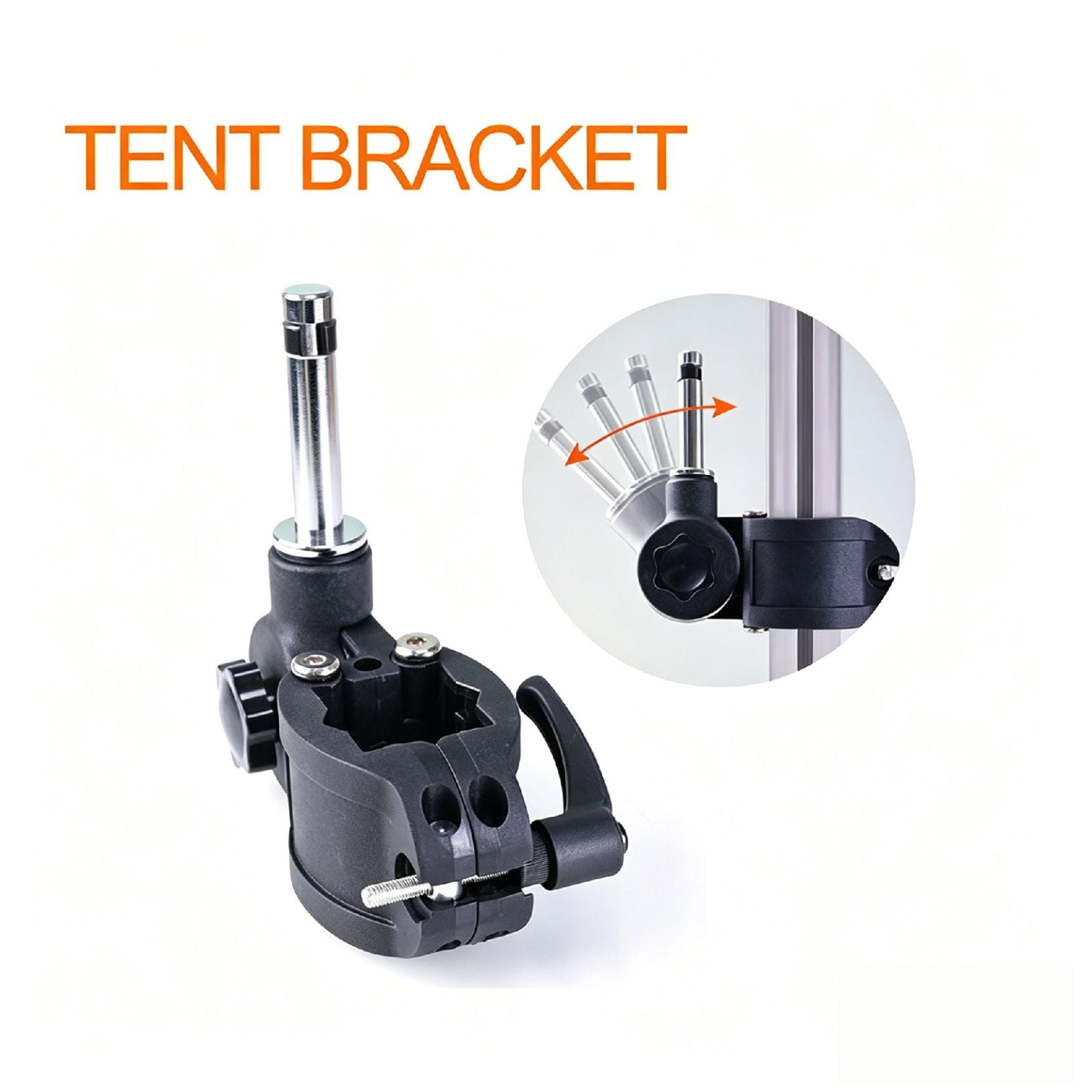
Tent Bracket
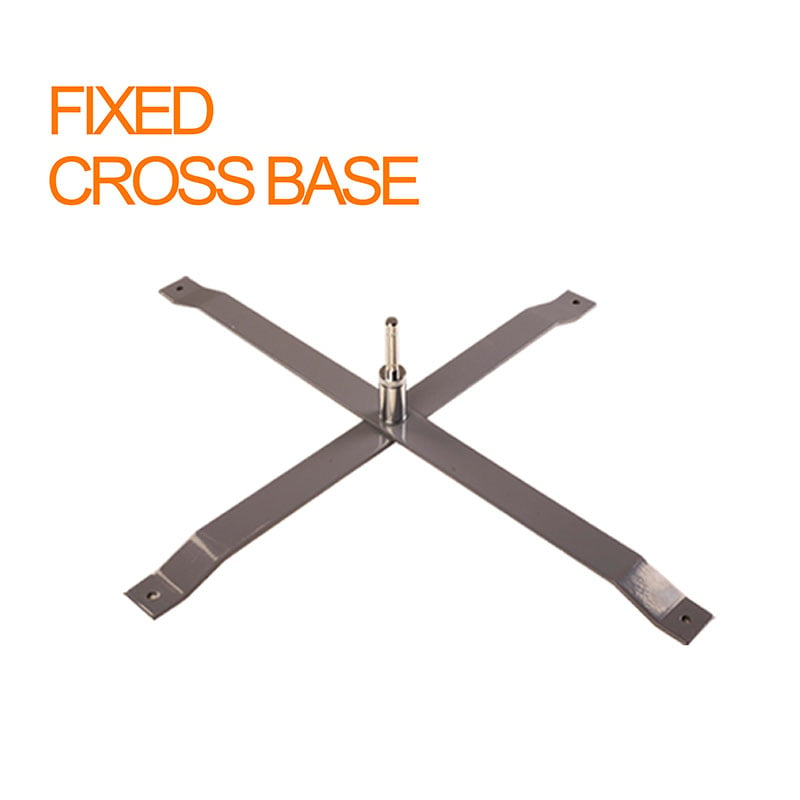
Fixed Cross Base
Related Articles
29kg Concrete Flag Base - The Complete B2B Buyer's Resource - WZRODS
WZRODS DY451B: 29 kg, HDPE shell, concrete core. Stackable, portable, rust-proof. FOB price US$5.75–$6.85 at MOQ 2 units. Those numbers look unremarkable. Factor in landed cost—import duties lower than aluminum’s under relevant HTS codes, freight savings from less weight per unit of stabilizing mas
Wide Tube Cross Base - The Complete B2B Buyer's Resource - WZRODS
The Wide Tube Cross Base, manufactured by Wzrods in Shandong, China, solves one problem: reliable stability for poles under three meters, without the freight costs and warehouse footprint that heavier alternatives demand.
Rectangular Pipe Cross Base - The Complete B2B Buyer's Resource - WZRODS
The pipe cross flag base is a cross of rectangular steel pipe, powder‑coated, weighing 1.3 kg and spanning 78 cm across its arms. Its center holds a C‑ring shaft that lets the flag rotate with the wind.
X-Shape Backpack Banner - The Complete B2B Buyer's Resource - WZRODS
Economic Cross Base - The Complete B2B Buyer's Guide- WZRODS
When you buy an economic cross base—something like the Wzrods DM‑9, a 77 cm‑long, 1.3 kg iron cross—forget “economic” as a synonym for “cheap.” It means value-engineered.
How to Choose the Right Feather Flag Base for Different Surfaces
Feather Flag - Professional Banner Poles & Systems Manufacturer - WZRODS
How to choose a high-quality backpack flag
The backpack flag concept centers on a frame carried on the back, similar to a backpack, specifically engineered to support a raised flag or banner.