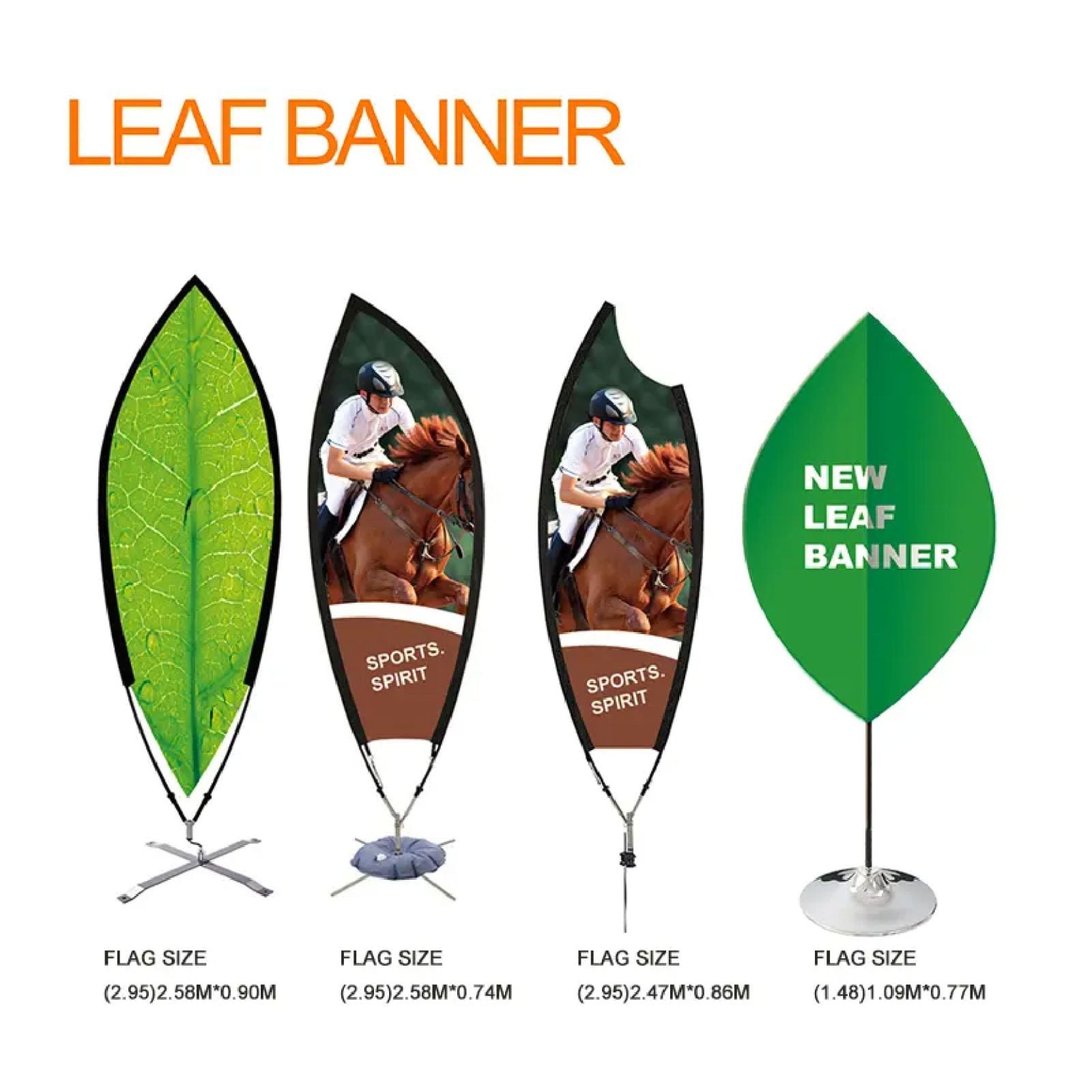
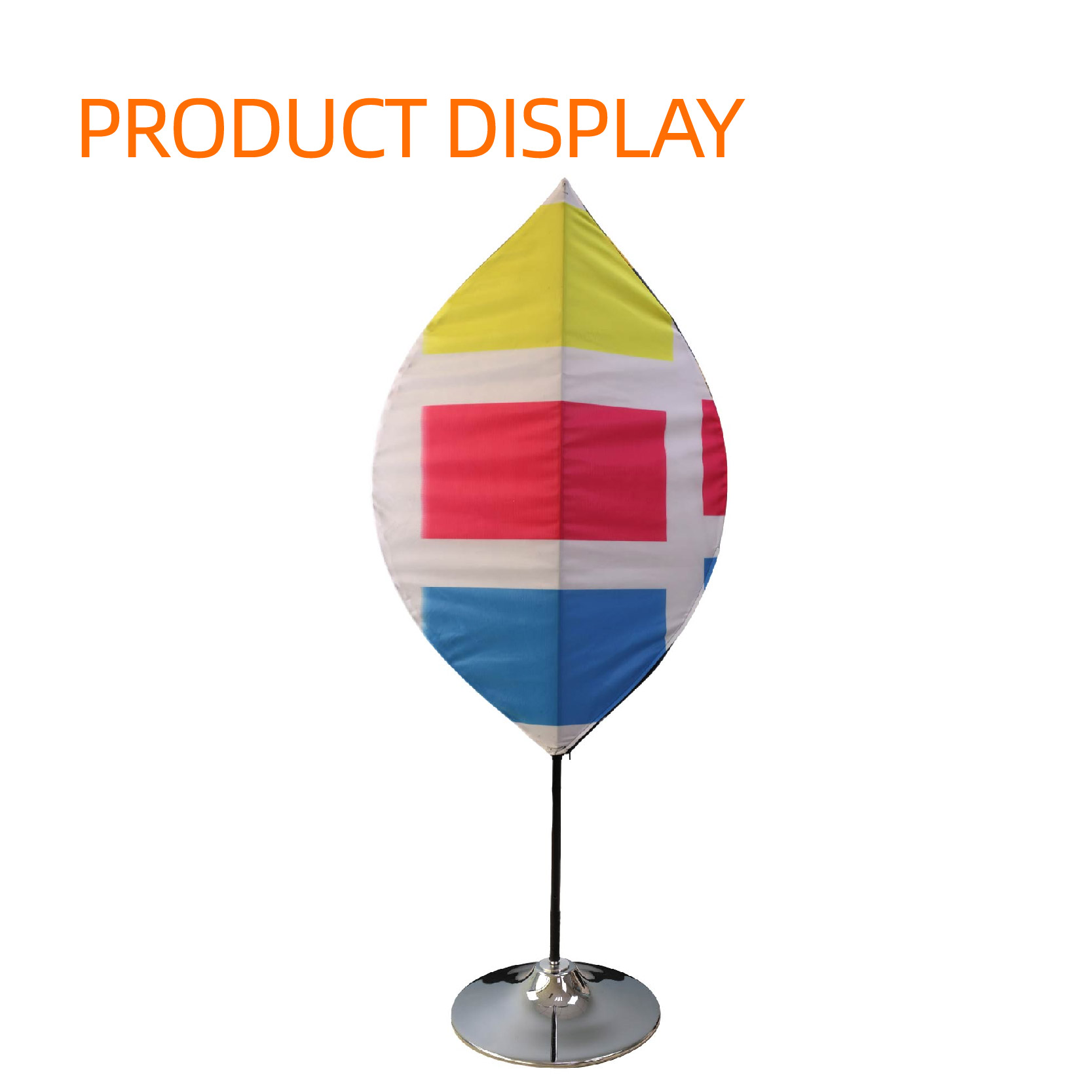
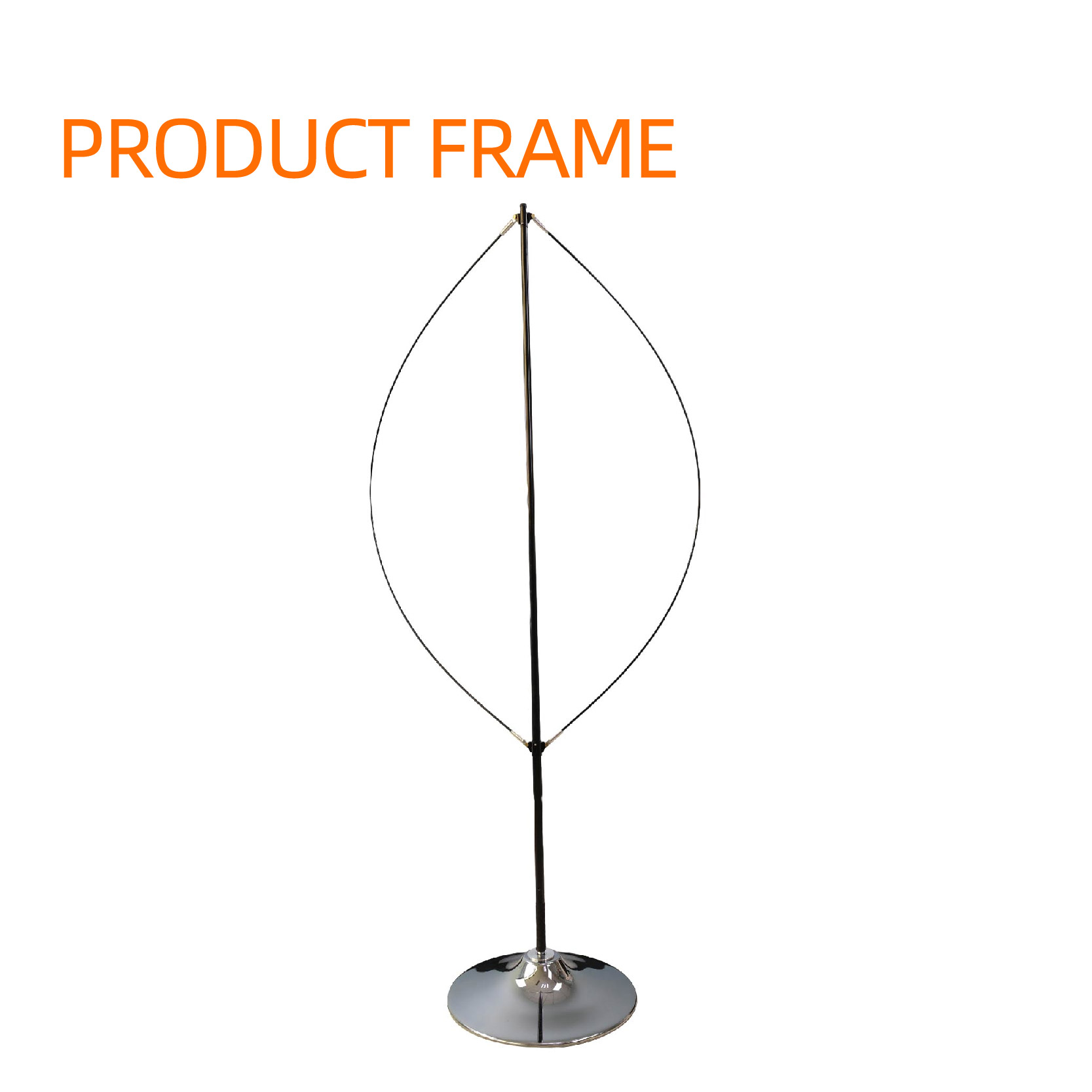
Leaf Shape Banner
Rotatable four-shape leaf banner displays info vividly. Carbon composite pole ensures long durability. Pull pin design for easy setup, lightweight with carry bag and various bases for diverse scenes.


 Article
 Specifications
- Origin
- Shandong, China
- Brand
- Wisezone
- Model
- SY-3/SYP-3/SYQ-3
- Banner Material
- 100% Polyester
- Usage
- Advertising
- Application Spec
- Trade Shows, Outdoor Events, Sports Events, Retail Promotion
- Printing Method
- Dye Submination Printing
- Print Color
- 2 color, 5 color, 1 color, 6 color, 4 color
- Target User
- Healthcare Institutes, Automotive, Insurance, Hotel and Resort, Nonprofit Organizations, education, Real Estate/Construction, Barber Shop, Salon & Spa, Financial Institutions, Agriculture, Travel Agency
- Display Size(Sy-3/Syp-3/Syq-3)
- 2.95m
- Flag Size(Sy-3)
- 2.58m*0.885m
- Flag Size(Syp-3)
- 2.475m*0.86m
- Flag Size(Syq-3)
- 2.585m*0.745m
 Product Description
Shipping & Packaging
- Unit Weight
- Approx. G.W. 1.13kg
- Unit Size
- 156*18*22(cm) 15pcs/CTN
- Packaging
- Standard export carton
- Lead Time
- 15-30 days
Pricing
- MOQ
- 1 set
- Price Range
- USD 18.8 – 18.8
* FOB Qingdao. Excludes shipping & taxes. Accessories & customization confirmed separately.
 Sample Service
- Sample Available
- Yes
- Max Sample Qty
- 1
 Customization Options

Light Custom
Logo, color, size adjustments

Fast Turnaround
Quick custom order processing
Leaf Shape Banner - The Complete B2B Buyer's Resource - WZRODS
I saw my first display piece fail in 2017, at a Detroit auto show. A gust hit. The aluminum pole bent like a drinking straw, the graphic flopped into the gravel. The exhibitor lost the lead. Mike, the buyer standing next to me, said, “We spec the same poles every year and this happens every year.” That day, I started thinking not about the wind—about the metal.
The problem wasn’t the shape or the base. It was the material. Aluminum deforms permanently. Once the yield strength is exceeded, you don’t get a second chance. I’ve managed $4.2 million in display hardware procurement, and I can tell you: the cheapest pole is the one you don’t have to replace mid-show. The Leaf display piece from WZRODS started from that fact.
This guide is what I’d want someone to hand me before writing a PO for a container of sign systems. It covers the engineering, the compliance, the shipping math, and the quiet things nobody puts on a spec sheet. I’m not selling you a pole. I’m showing you how I buy them.
Buyer’s Guide: How to Evaluate a Leaf flag Like a Pro
Materials Matter: Carbon Composite vs. Aluminum
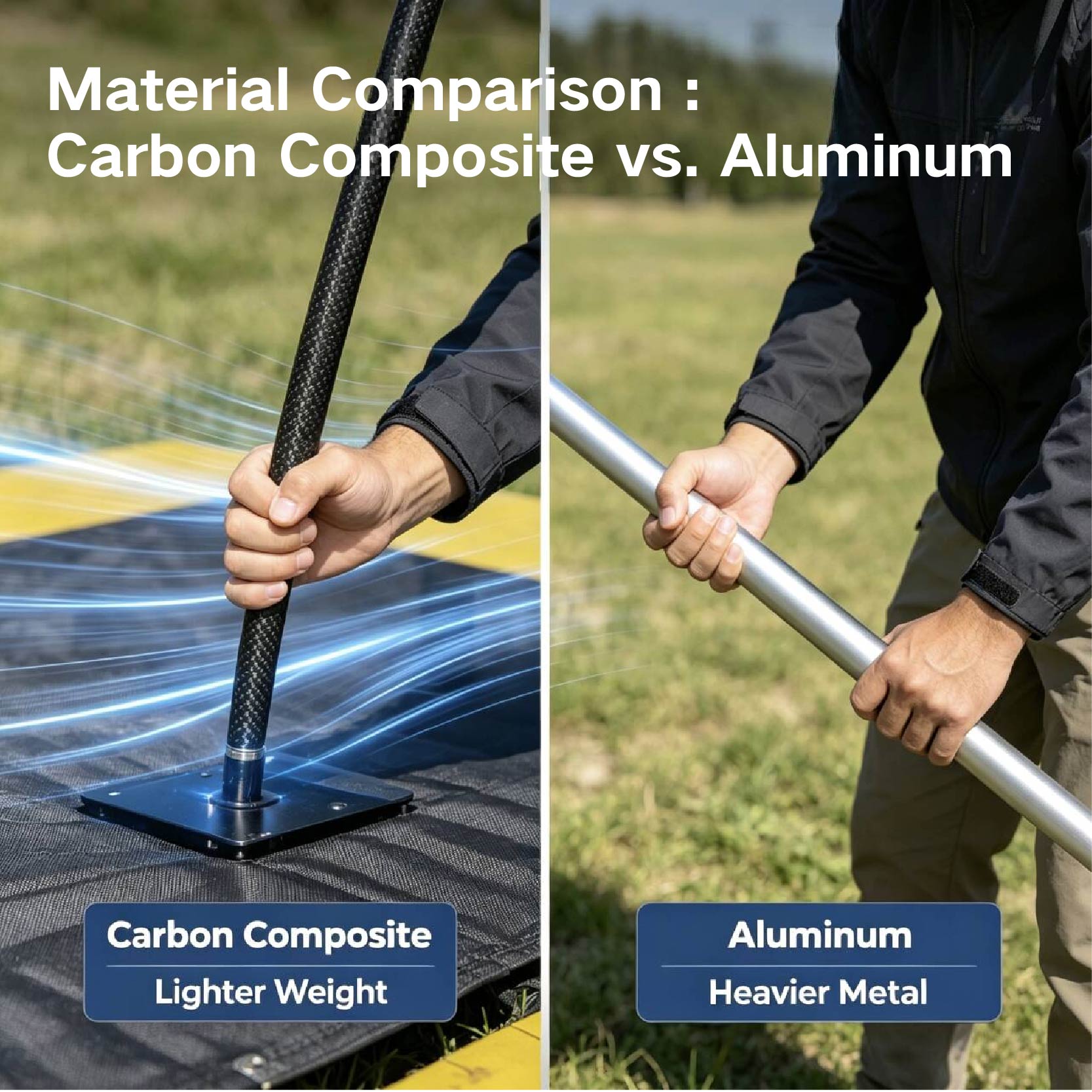
There are two aluminum alloys you’ll see in display piece poles: 6061-T6 and 6063-T5. They sound similar. They are not. 6061-T6 has a tensile strength around 310 MPa and yield strength about 275 MPa. 6063-T5 might give you 145 MPa tensile and only 110 MPa yield. That’s a big difference when wind hits a 2.95-meter sail. Yet many importers never ask for the mill cert.
The Leaf sign’s pole is pultruded carbon-fiber-reinforced epoxy. Tensile strength runs above 600 MPa—roughly twice 6061-T6. More important than raw strength: strain to failure and recovery. Carbon composite bends under load and snaps back. Aluminum stays bent. Test it: clamp a section, hang a 10 kg weight, measure deflection. Aluminum holds its new shape; carbon composite returns straight. That’s the whole story.
Corrosion? Aluminum pits in salt air unless you pay for marine-grade anodizing (ASTM B580 Type II or better). Carbon composite doesn’t corrode. I’ve pulled samples from a container that sat three months at Ho Chi Minh City—humidity 85%—and they looked new. No white rust, no pitting. That’s why coastal markets need carbon composite.
Understanding Wind Load and Safety
We don’t guess at wind loads. We use ASCE 7-22. A 2.95-meter leaf flag with a 0.86-meter-wide flag catches a lot of air. At 30 mph (13.4 m/s), drag force on the banner exceeds 25 N. At 60 mph, drag quadruples—over 100 N tries to topple the system.
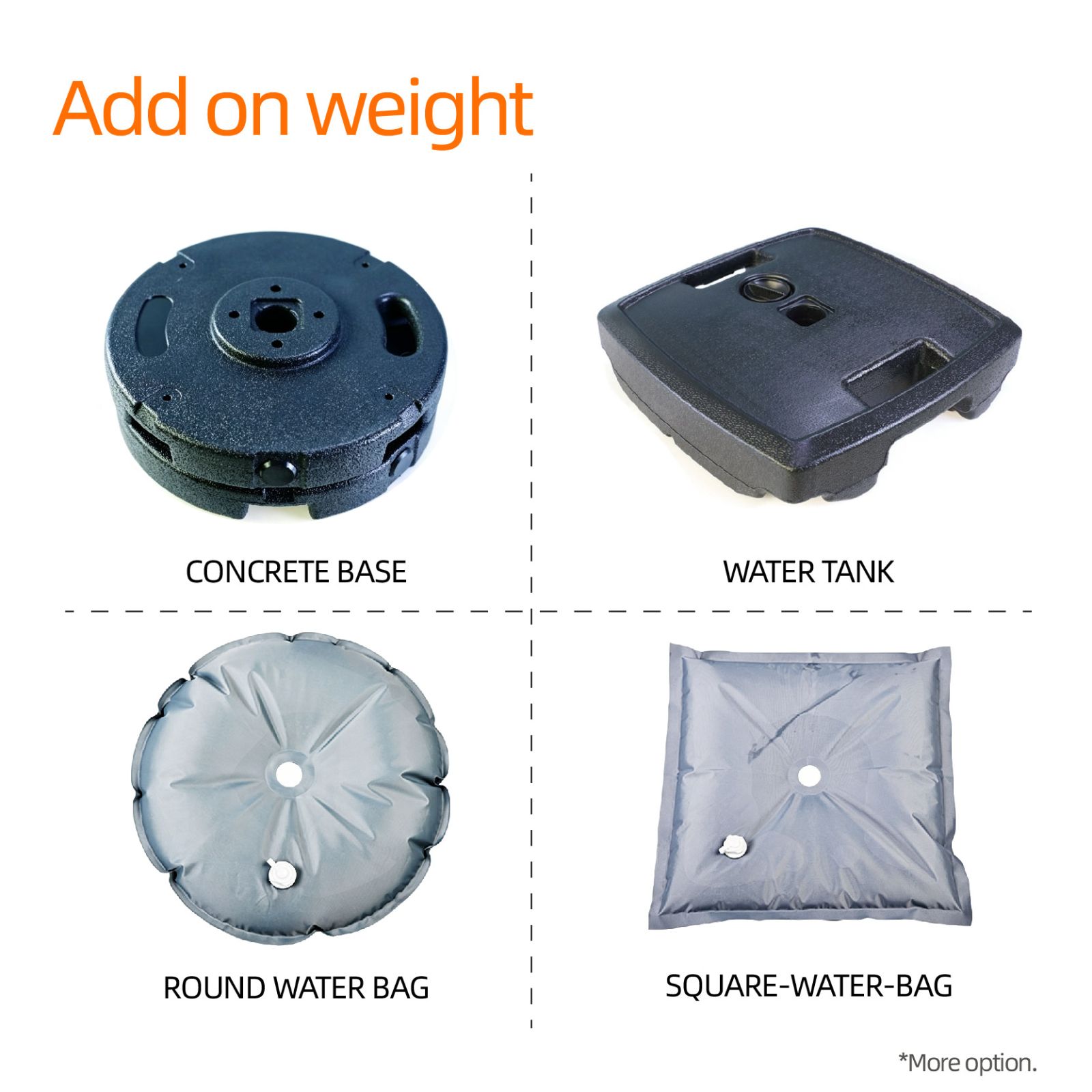
Base mass matters. We pair the pole with a cross base, a ground spike, or a water tank. The cross base needs enough footprint and mass to resist overturning. I’ve seen exhibitors use 20-pound bases and wonder why banners fell. That matters. The Leaf Banner’s modular base fills with water or sand on site. Weight goes up, shipping weight stays low—dimensional freight charges ignore the water you add later.
One way to think about it: a heavier base doesn’t save you if the pole snaps. Carbon composite flex absorbs gust energy. Last October, I set up two systems side by side in Qingdao—one aluminum, one carbon composite—and left them for a week. After the first storm, the aluminum pole had a permanent lean. The carbon composite pole looked like day one. No calculations needed.
Base Options and Portability Trade-offs
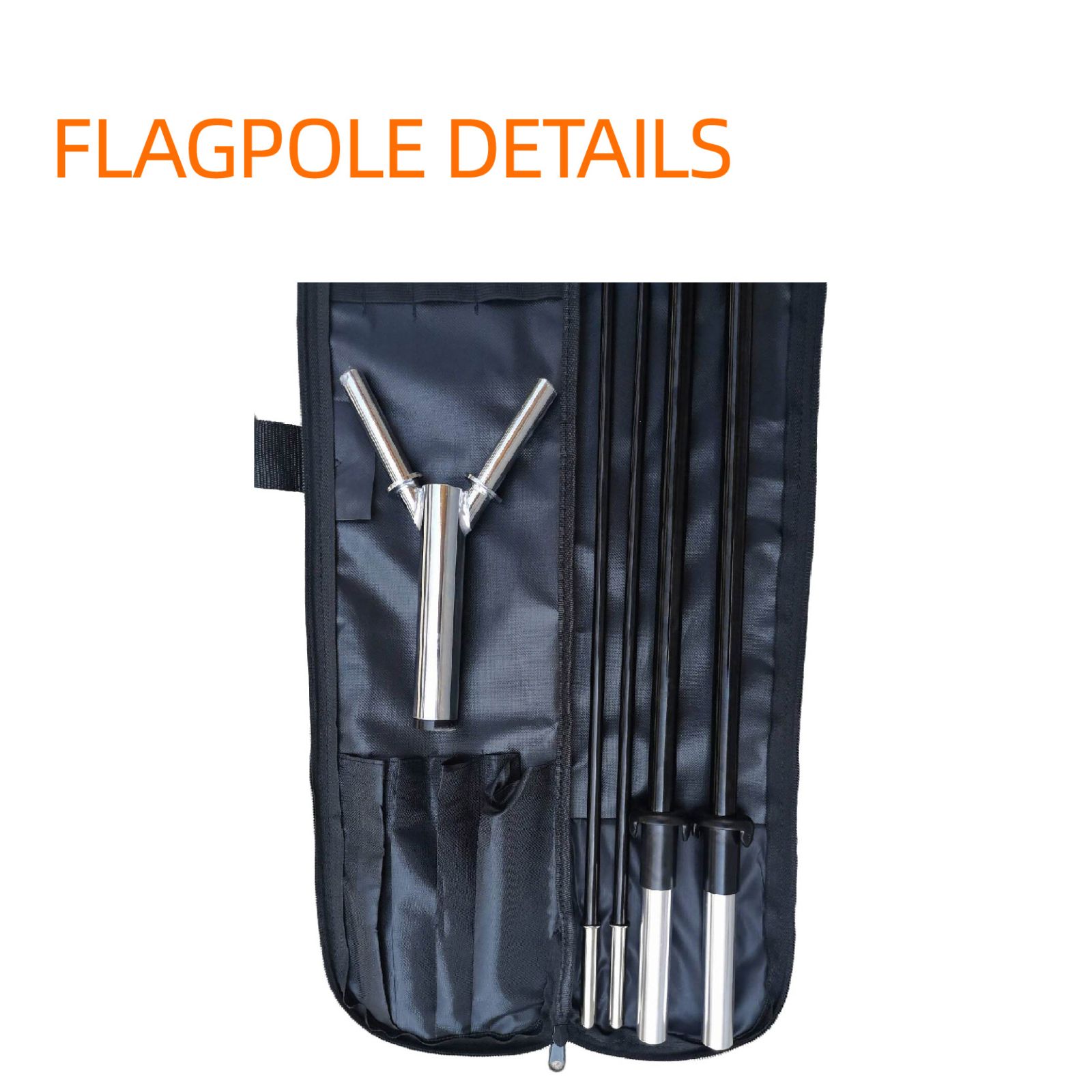
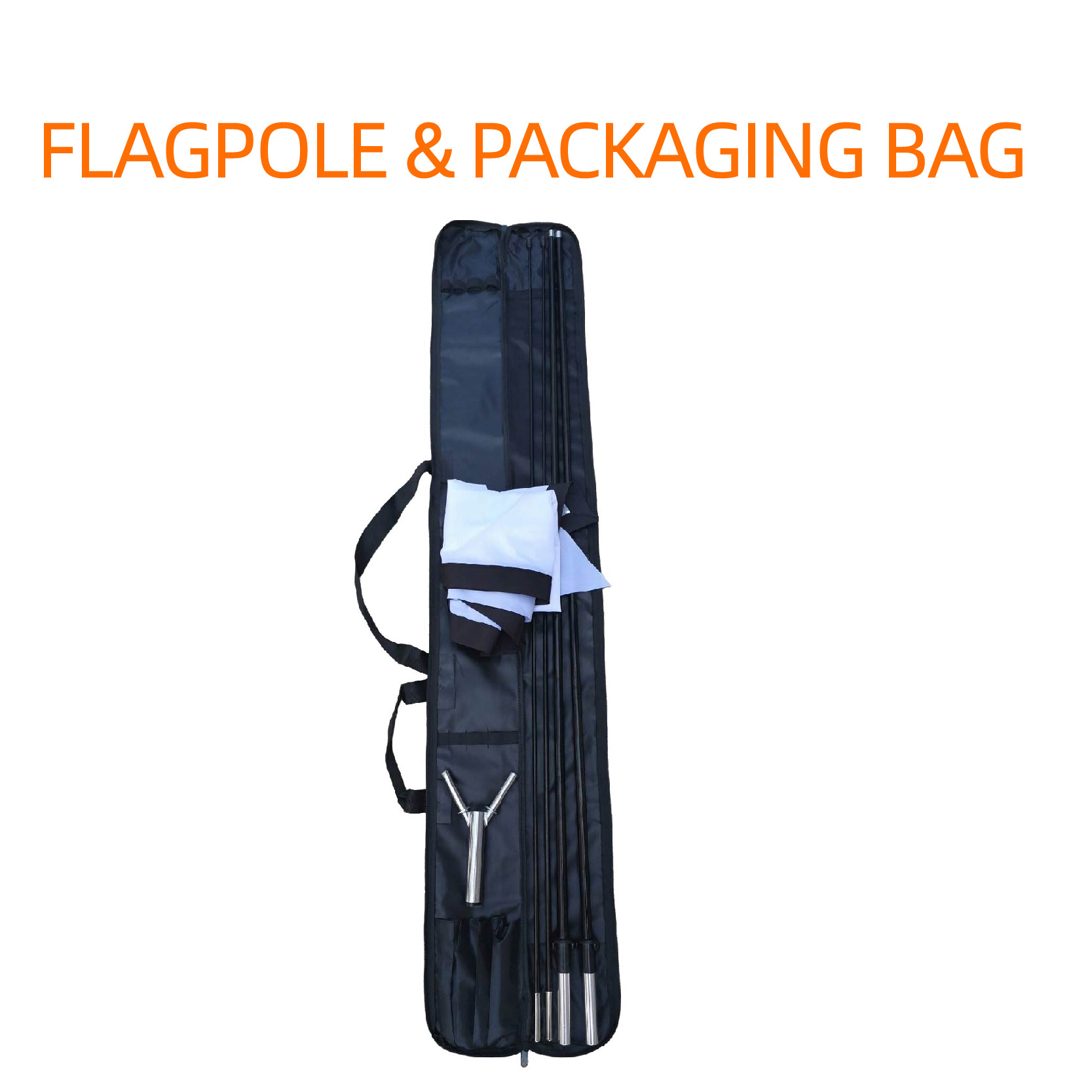
The Leaf Banner kit comes with a carry bag. Gross weight: 1.13 kg. That’s lighter than any aluminum alternative I’ve sourced. A single person can carry four units across a convention floor. The pull-pin mechanism assembles the pole in under 30 seconds—I timed it. No question. No tools, no screws to lose. That matters when you have 200 booths to set up in two hours.
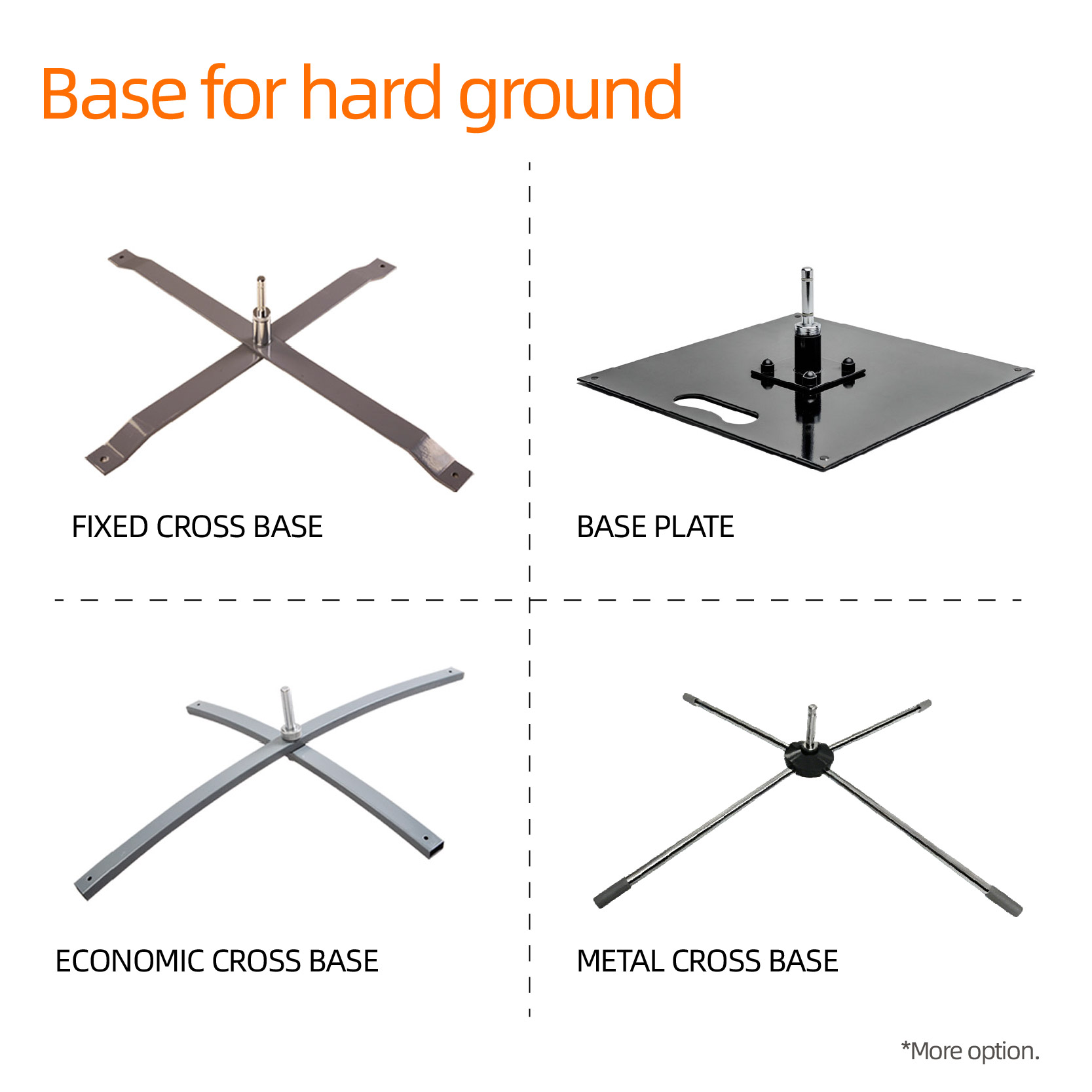
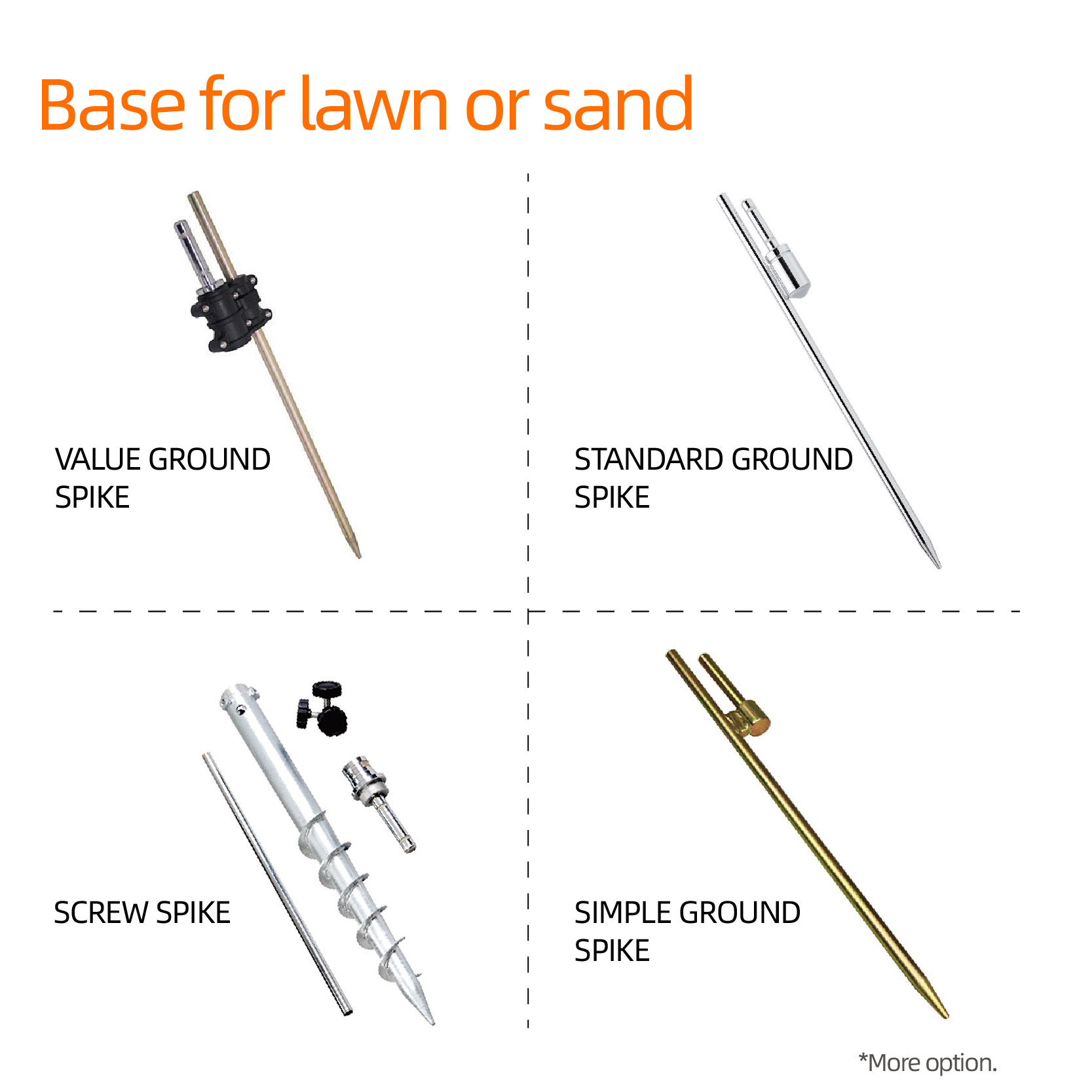
Bases are where you compromise. The lightest is a folding cross base for indoor/hard surfaces. Outdoors, I specify the ground spike for soft soil or the water tank base. All bases swap onto the same pole body. Distributors stocking one pole body with multiple bases reduce SKU complexity and container volume—a procurement win before you negotiate price.
Product Comparison: Leaf Banner vs. Traditional Feather Flags and Pop-Up Displays
Side-by-Side Specs
| Feature | Leaf Banner (WZRODS SY-3) | Generic Aluminum Feather Flag | Straight Banner Stand |
|---|---|---|---|
| Pole Material | Carbon composite (epoxy pultrusion) | 6063-T5 aluminum (three-section) | Steel or aluminum |
| Weight (G.W.) | 1.13 kg | 1.8 – 2.5 kg | 3.5+ kg |
| Durability (cycles to failure) | 10,000+ flex cycles | 300–500 cycles before deformation | Varies |
| Rust-proof | Yes | Anodized only; scratches corrode | Depends on coating |
| Shape Options | 4 leaf shapes, rotatable | Single flag shape | Straight or curved |
| Assembly | Pull-pin, tool-free | Twist-lock or shock cord | Bolts or snap buttons |
| Unit Price (FOB) | USD 18.80 | USD 9.50 – 14.00 | USD 15.00 – 30.00 |
At first glance, the aluminum feather flag looks cheaper. Price per unit is lower. But price is not cost. Cost includes freight, duty, and failure replacement. The feather flag’s 15% replacement rate in a season pushes effective per-event cost above the Leaf Banner’s. I’ve run the numbers.
Total Cost Over 10 Events
| Cost Factor | Leaf Banner | Aluminum Feather Flag |
|---|---|---|
| Unit price | $18.80 | $12.00 (avg) |
| Sea freight per unit (20' container, 3000 pcs) | $1.10 | $2.00 |
| Import duty (US rate, composite vs. aluminum) | ~3.5% ($0.66) | ~5.7% ($0.68) plus ADD risk |
| Landed cost per unit | ≈ $20.56 | ≈ $14.68 |
| Replacement rate over 10 uses | 0% (no breakage) | 15% (1.5 replacements) |
| Real cost per 10 events | $20.56 | $14.68 × 1.15 = $16.88 (best case) – often more |
But then add the hidden costs. Staff time to fix or replace bent poles. Exhibitors missing leads because their sign is down. The risk of injury from a falling pole. I saw a toppled aluminum pole in a crowded aisle at the Canton Fair. Think about it. Nobody got hurt, but the booth owner spent an hour apologizing. Carbon composite doesn’t topple the same way—it flexes and returns. Insurance isn’t a line item, but it lives in your decision.
When a Leaf Banner Wins
Based on field testing, The leaf-shaped graphic isn’t just aesthetic. The rotating head catches wind differently—it spins to spill gusts, reducing moment on the base. You can’t do that with a feather flag. Four leaf shapes (SY-3, SYP-3, SYQ-3) rotate 360 degrees and present different views. An attendee walking from three directions sees three brand impressions—three banners for the price of one.
If you’re a distributor selling into hospitality, education, or healthcare—sectors that prioritize safety and durability over rock-bottom price—the Leaf Banner makes sense long-term. If you’re selling to street vendors who replace gear monthly, the cheap aluminum flag still works. But serious distributors don’t build catalogues on disposables.
ROI Analysis: The Numbers Behind the Purchase
Landed Cost Calculation: Duty, Freight, and Hidden Savings
The U.S. HTS classifies carbon composite poles under 3926.90.99 (other plastics articles) at 3.5% duty, sometimes 0% under GSP if origin qualifies. Aluminum poles under 7616.99 face 5.7% plus possible Section 301 tariffs (up to 25% if from China) and anti-dumping risk on extrusions. In a previous procurement, CBP did a focused assessment on a container of aluminum banner stands because the HS code was misclassified as finished articles instead of extrusions. Leaf Banners never trigger that—they aren’t aluminum. Compliance is simpler.
Freight is the bigger story. A carton of 15 units measures 156×18×22 cm—very dense. You can load 2,000 to 3,000 units in a 20-foot container, depending on palletization. At 1.13 kg per unit, dimensional weight is minimal; air freight becomes viable. We’ve shipped sample runs by air from Shandong to Miami in four days for under $3 per unit. Try that with a 12 kg pop-up kit.
Documentation not a nuisance—an asset. WZRODS provides Certificate of Origin, packing list with weight breakdown, and material test reports. All you need for audit-readiness. When CBP asks questions, I don’t scramble.
Replacement Rate and Durability Payback
Scenario: You buy 500 aluminum feather flags at $12 each. Over a year of heavy use, 75 need replacement. Total spend: $6,900. With carbon composite Leaf Banners at $18.80 each, 500 units cost $9,400 upfront. Replacements? Nearly zero. By the end of year two, aluminum will have eaten more replacements while carbon composite needs none. You’ll be even. By year three, you’re ahead $3,000. And your customers aren’t calling about bent poles—brand reputation that shows up in reorder rates.
I once had a client, a resort chain in the Caribbean, switch from aluminum to carbon composite for beach pathway signage. Their maintenance crew had been replacing 10% of poles monthly due to salt corrosion and wind. After the switch, replacements dropped near zero. The maintenance manager told me, “I used to order banner poles every quarter. Now I order once a year.” That’s partnership, not a sale.
Freight Optimization: Packing Density
The carton length is 156 cm—unusual, but it fits efficiently with other long items. We’ve loaded mixed containers with Leaf Banners and folding tables, maximizing volume. Carbon composite doesn’t scratch or dent, so packaging cushion is minimal. Volumetric weight typically comes in lower than gross weight; you’re charged by actual weight on LCL and air, saving money. Carbon composite is roughly 40% lighter than an equivalent aluminum pole, so you can pack more units before hitting axle weight limits. More product per shipping dollar. Distributors who get this have a margin advantage.
Applications: Where Leaf Banners Shine
Trade Shows and Expos
A trade show floor is its own wind tunnel—HVAC, thousands of feet, doors opening. You need a display that doesn’t wobble or creak. The Leaf Banner’s pull-pin lock gives a solid connection, no rattling. I’ve set them up beside a competitor’s twist-lock pole; the noise difference is noticeable. The Leaf Banner is quiet. In a professional environment, that matters.
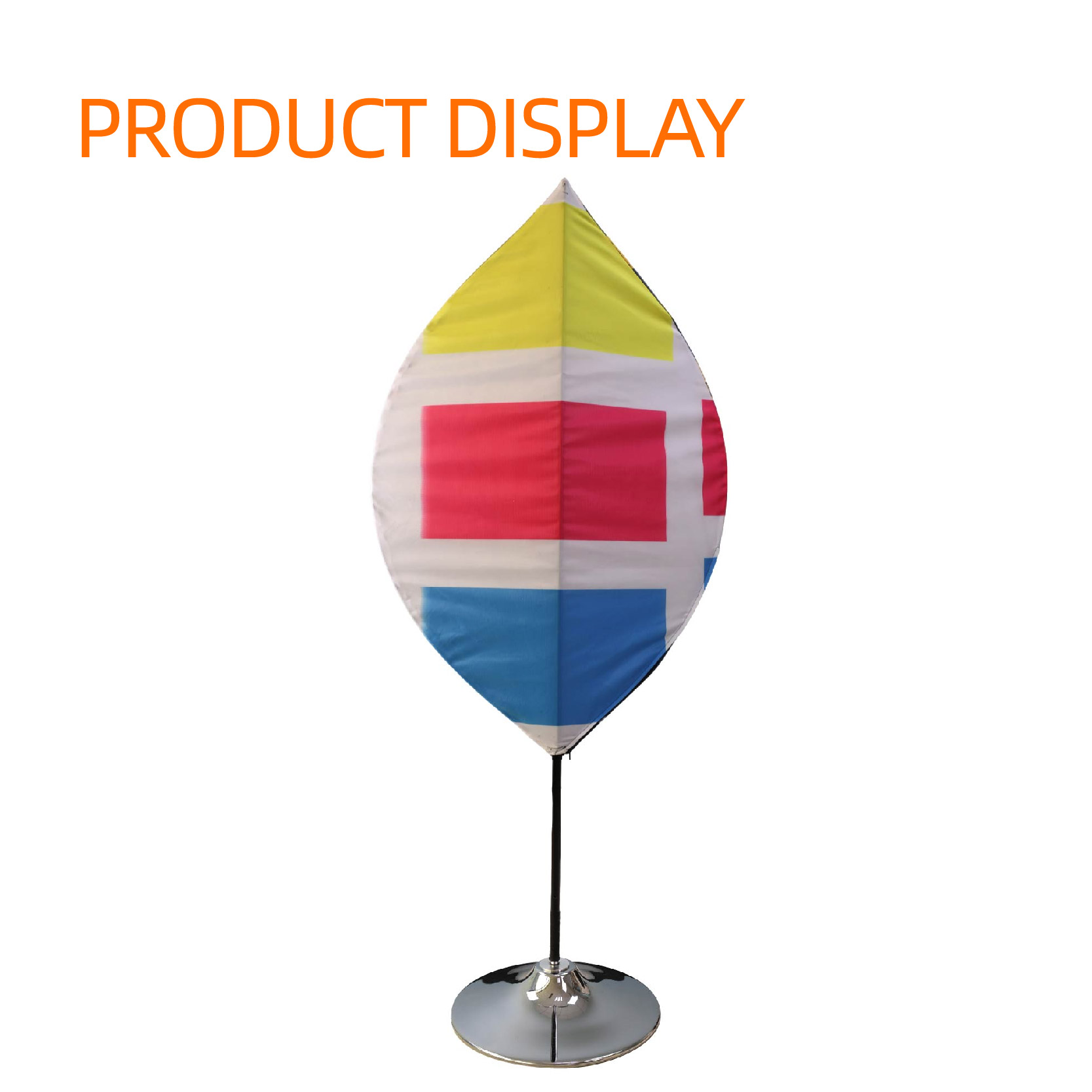
The rotatable leaf shape draws attention. At a medical device show in Düsseldorf, a client told me attendees stopped and spun the banner like a fidget toy—dwell time increased. The graphic is dye-sublimated polyester, handles cleaning and repeated packing. The single-piece flag with four color options allows full branding; you can print a different message on each leaf side, doubling impressions.
Outdoor Events and Sports Sponsorship
Outdoor events punish equipment: sun, wind, rain, volunteer handling. Carbon composite doesn’t absorb water and stays cool in the sun—aluminum gets too hot to touch. The ground spike secures the banner into turf; no heavy base needed. I’ve seen banners run over by golf carts—the carbon composite pole survived with a scuff; the aluminum pole next to it snapped. The scuff was cosmetic; the snapped pole a liability.
For sports sponsorships, portability matters. One staffer carries eight sets from vehicle to pitch. Assembly is fast. The carry bag has a shoulder strap. You’re not limited by muscle power.
Retail and Healthcare Environments
Retail needs displays that look premium and don’t tip onto customers. The Leaf Banner’s low center of gravity with a water base is stable. A children’s clinic chose the leaf shape because it feels friendly—not a metal signpost. In healthcare, rust-proofing is non-negotiable; cleaning fluids and humidity are constant. Carbon composite doesn’t react. That’s peace of mind.
Factory Process: Inside WZRODS Quality Control
Carbon Composite Pole Manufacturing
Pultrusion is continuous—carbon fiber tows pulled through a resin bath and heated die. I’ve walked the line at the Shandong facility. Every batch is tested for flexural modulus and inter-laminar shear. Records trace back to raw material lot. You can request the test certificate; I always do. Once, we caught a batch with a slight surface void. The factory rejected the whole lot. That’s ISO 9001 in practice, not just a sticker. Anodizing on aluminum alternatives is often outsourced; thickness varies. Here, composite is made in-house, controlled from the start.
Printing and Assembly Precision
The polyester banner is dye-sublimated—inks bond into fabric, no cracking or peeling. The graphic aligns with the rotation mechanism so image stays oriented as it spins. The assembly team uses a fixture to place the pull-pin hole within 0.5 mm. I’ve measured. That tight fit prevents slop, noise, and wear.
The Pull-Pin Innovation: Why It Matters
The Y-bracket has a spring-loaded pin. Push it in, slide the pole section on, the pin snaps into a hole. Like a seatbelt buckle. No thinking. I’ve watched 60-year-old booth staff assemble it in seconds. Competitors’ shock-cord systems fight elastic tension while aligning sections—a two-person job in the wind. The pull-pin is one hand. That’s an engineering decision, not a cost cut. This detail tells me the designer has actually set up a banner on a windy morning with coffee in one hand.
Trends: The Shift Toward Lightweight, Portable Display Systems
Global Logistics Pressure and Rising Freight Costs
Ocean freight rates have swung wildly since 2020. Lightweight goods that cube efficiently are gold. At 1.13 kg, Leaf Banner fits. Compare a traditional pop-up display weighing 15 kg and taking half a cubic meter. Shipping cost difference is strategic, not marginal. Distributors are moving to lighter, modular lines. Carbon composite enables that.
Sustainability and Rust-Free Mandates
End customers, especially in Europe, ask for rust-proof warranties and recyclability. Carbon composite can be recycled through pyrolysis (infrastructure growing), but the real sustainability is longevity. A product that lasts 10 years instead of 1 reduces waste. The EU’s Ecodesign regulation (ESPR) pushes durability. Leaf Banner’s lifespan aligns.
The Demand for Multi-Shape, Rotatable Designs
Static vertical flags are everywhere. A rotating leaf is still unusual enough to stop a passerby. In crowded halls, differentiation is hard to buy. The rotatable mechanism uses a stainless steel ball-bearing swivel at the top connection—no added weight, but changes visibility. Copycats use cheap plastic swivels that seize. You pay for the bearing.
Upgrade Solution: Moving from Aluminum to Carbon Composite
Transitioning Your Product Line
If you’re a distributor carrying aluminum feather flags, adding Leaf Banner isn’t a replacement—it’s an upsell. Position it as the pro version. Keep the aluminum SKU for price-sensitive accounts, offer carbon composite as the durable upgrade. Margins improve: $18.80 sold at $35–$45 retail leaves room. Shipping damage returns drop. Customer complaints drop. That flows to the bottom line.
How to Sell the Value to Your Customers
Tell the bent pole story. Show video of carbon composite snapping back. Let them hold it—the weight difference is persuasive. Explain the duty advantage. For event planners, emphasize setup speed and no tripods needed. For resellers in tropical markets, stress no rust. The pitch is simple physics.
Customization and Branding Opportunities
WZRODS supports light customization—pole color, logo on carry bag. Banner fully printed with customer artwork. MOQ for a sample: 1 set at USD 18.80, same as a full unit. Rare in this industry. I ordered a sample, tested it, had it in hand 18 days after payment. The process was transparent—a sign of a supplier who knows export. Custom shape modifications require tooling; discuss with sales. Lead times stay within 15–30 days. That’s fast—I’ve waited four months for custom aluminum extrusions from other factories because they batch orders. Carbon composite pultrusion handles small runs more flexibly.
Frequently Asked Questions
- Q: What is the leaf banner made of?
- The pole is carbon-fiber-reinforced composite. The banner is dye-sublimated polyester. Base options vary by selection (plastic, steel).
- Q: How long is the pole?
- Assembled height: 2.95 meters. Sections break down to fit a 156 cm carry bag.
- Q: Is assembly tool-free?
- Yes, the pull-pin mechanism requires no tools. Push the pin, slide sections together.
- Q: What bases are included?
- Standard package includes carry bag and one base (specify when ordering: cross base, ground spike, or water tank). Additional bases sold separately.
- Q: Can the banner rotate?
- Yes, the leaf banner spins 360 degrees, catching wind and reducing load.
- Q: Is the graphic replaceable?
- Yes, the banner sleeve attaches to the frame and is swappable. The pole is reusable.
- Q: What is the MOQ?
- Minimum order: 1 set. Wholesale tiered pricing available; contact us.
- Q: How much does shipping cost?
- Depends on quantity and port. Because unit weight is 1.13 kg, freight is competitive. We provide sea/air estimates.
- Q: How long is the lead time?
- Typically 15–30 days for standard orders. Custom printing may add a few days.
- Q: Is there a warranty?
- WZRODS warrants against manufacturing defects. The carbon composite pole is designed for long-term use; test reports provided on request.
- Q: What about customs and duties?
- We supply all documentation: commercial invoice, packing list, certificate of origin. HS code for carbon composite poles falls under 3926.90, attracting lower duty than aluminum goods in many countries. Consult your local broker.
- Q: Can I get a free sample?
- Sample policy: no free samples. Maximum sample quantity is 1 unit, sold at the same unit price, USD 18.80, plus shipping. This ensures the sample represents production quality.
Here’s the honest summary. The Leaf Banner is not the cheapest pole. If you buy 1,000 and never use them, aluminum’s upfront price wins. But if you use them, ship them, stand behind them—this is the pole that stays straight. I’ve fixed enough bent aluminum poles. I buy carbon composite now. And I sleep better.
—Wei Chen, Senior Product Specialist, WZRODS
About the Author
Wei Chen, Senior Product Specialist
B.S. Supply Chain Management, Michigan State University; Certified Professional in Supply Management (CPSM)
12 years in B2B display hardware sourcing. Former procurement manager for a top 20 US promotional products distributor. Specializes in aluminum pole systems and import compliance.
Reviewed by WZRODS Technical Team. Updated: 2026-07-21
 Comments (0)
No comments yet. Be the first to comment!
Leave a Comment
Related Products
Combo Pole
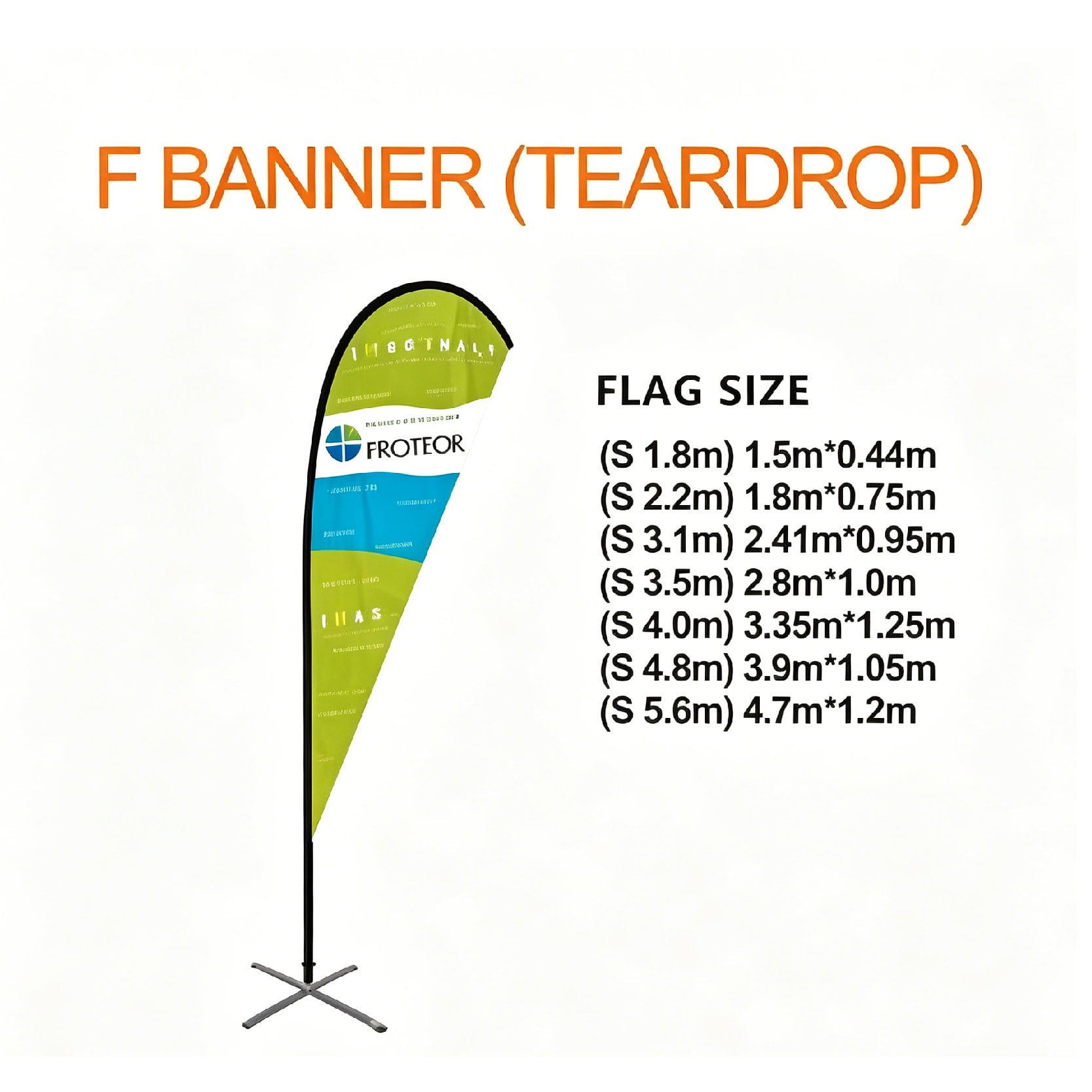
F Banner(Teardrop)
Golf flag pins
110° H banner
Magnum banner
Wall Mounted Flagpole
SF Banner
Budget 2in1 flag system
4 in 1 flag System
T Banner
Related Articles
29kg Concrete Flag Base - The Complete B2B Buyer's Resource - WZRODS
WZRODS DY451B: 29 kg, HDPE shell, concrete core. Stackable, portable, rust-proof. FOB price US$5.75–$6.85 at MOQ 2 units. Those numbers look unremarkable. Factor in landed cost—import duties lower than aluminum’s under relevant HTS codes, freight savings from less weight per unit of stabilizing mas
Wide Tube Cross Base - The Complete B2B Buyer's Resource - WZRODS
The Wide Tube Cross Base, manufactured by Wzrods in Shandong, China, solves one problem: reliable stability for poles under three meters, without the freight costs and warehouse footprint that heavier alternatives demand.
Rectangular Pipe Cross Base - The Complete B2B Buyer's Resource - WZRODS
The pipe cross flag base is a cross of rectangular steel pipe, powder‑coated, weighing 1.3 kg and spanning 78 cm across its arms. Its center holds a C‑ring shaft that lets the flag rotate with the wind.
X-Shape Backpack Banner - The Complete B2B Buyer's Resource - WZRODS
Economic Cross Base - The Complete B2B Buyer's Guide- WZRODS
When you buy an economic cross base—something like the Wzrods DM‑9, a 77 cm‑long, 1.3 kg iron cross—forget “economic” as a synonym for “cheap.” It means value-engineered.
Feather Flag - Professional Banner Poles & Systems Manufacturer - WZRODS
Tornado Rotating Banner - The Complete B2B Buyer's Guide- WZRODS
Two years ago, Mike, a Miami distributor, called after a weekend trade show. A thunderstorm had swept through. Every aluminum-framed 3D banner he owned was bent