
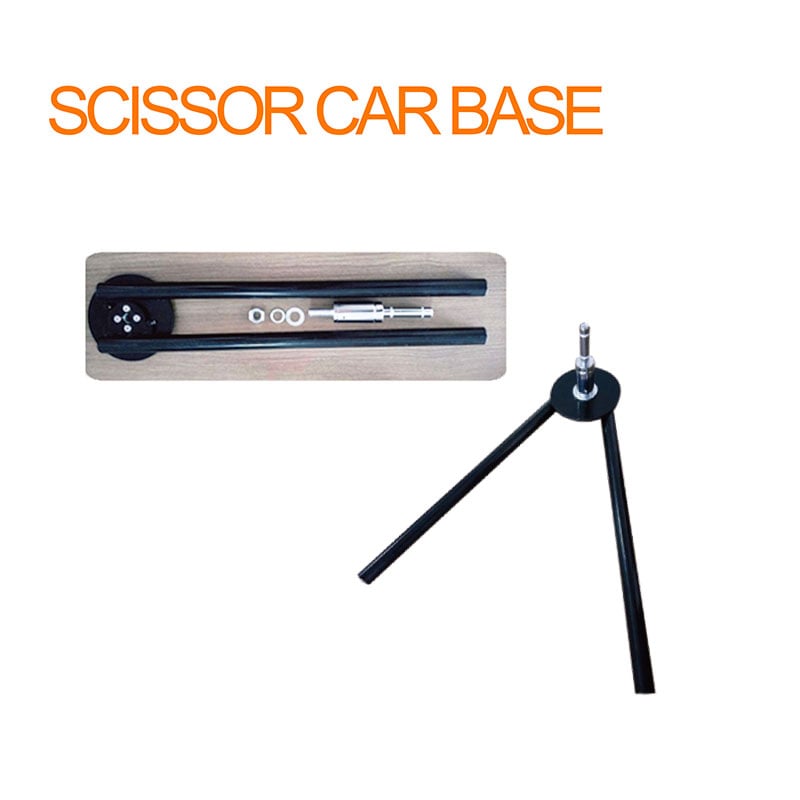
Scissor Car Flag Base
DV-18 powder-coated metal tyre base comes in foldable and non-foldable styles. It features easy installation and stable load-bearing, perfect for car dealership and parking lot displays.


 Article
 Specifications
- Place Of Origin
- Shandong, China
- Brand Name
- Wzrods
- Item Code
- DV-18
- Size
- 13*45(cm)
- Weight
- 2kg
- Material
- Metal tube/ powder coated
- Color
- Black
- Use
- Car Wheel Base & Advertising
- Accessories
- Rotating Spindle
- Flagpole Material
- Carbon Composite
 Product Description
Shipping & Packaging
- Packaging
- Standard export carton
- Lead Time
- 15-25 days
Pricing
- MOQ
- 2 pieces
- Price Range
- USD 11.8 – 12.5
* FOB Qingdao. Excludes shipping & taxes. Accessories & customization confirmed separately.
 Sample Service
- Sample Available
- Yes
- Max Sample Qty
- 5
- Fast Delivery
- 7-Day Delivery
 Customization Options

Light Custom
Logo, color, size adjustments

Fast Turnaround
Quick custom order processing
Scissor Car Flag Base - The Complete B2B Buyer's Resource - WZRODS
The Scissor Car Base DV-18: A Complete Purchasing Manual for Global Buyers | Wzrods
Two containers of display hardware arrived at Port Klang on the same afternoon. One held two thousand cast-iron bases, each weighing three times the spec the distributor had expected. The other container had fifteen hundred aluminum folding bases, stacked tight but already showing dents from a rough Pacific crossing. The consignee, a veteran event logistics coordinator named Salleh, stood in the warehouse and ran a finger along a warped strut. It's that simple. He needed bases that could go straight from the pallet to a luxury car launch in a shopping mall atrium, no touch‑up, no hammering, no excuse. That job taught him the difference between what a catalogue promises and what a scissor base actually does when it hits real ground.
The DV‑18 from Wzrods entered that conversation a year later. It is a foldable or non‑foldable powder‑coated metal tube base, 13 by 45 centimeters, weighing two kilograms, designed to sit under a rolling wheel and hold a flag or signage spindle steady. On paper that looks simple. The procurement trade, however, knows that simple is the hardest thing to manufacture repeatably across sea freight, humidity, and a dozen national customs codes. This guide unpacks what the DV‑18 really is, how it stacks up against alternatives, where the hidden costs hide, and why serious importers are re‑thinking what a two‑kilogram frame does to a container’s economics.
1. The DV‑18 Equation: Steel, Geometry, and Trust
An automotive stylist in Düsseldorf once said that the best showroom prop is the one nobody notices. The scissor car base embodies that idea. It slides under a tire, four arms spread in a cross, a central sleeve receives a flagpole or a spindle, and within thirty seconds a seven‑meter‑tall feather banner stands exactly where the marketing director wants it. The DV‑18 does not call attention to itself. Buyers, however, quickly learn to notice the details.
1.1 Material choice that starts in a salt chamber
The frame is formed from metal tubing, shaped, welded, and then dipped in a zinc phosphate bath before electrostatically sprayed powder coating. That sequence matters. A weaker pretreatment — say, a quick degrease and a single‑coat — will fail inside six months in coastal humidity. Wzrods runs ASTM B117 salt spray tests on every batch. The requirement is five hundred hours without a red rust spot. The specialist responsible for the DV‑18 line, an engineer who started her career at a chromium plating plant in Shandong, once halted a full container because one base from the morning shift showed a hairline bubble at 480 hours. The batch was traced to a rinsing tank where the conductivity probe had drifted. The probe was recalibrated; the lot was never shipped. Distributors who never saw the factory floor never heard about the bubble. The bases they received, however, stayed black for three monsoon seasons.
1.2 Two folding philosophies — one load path
The DV‑18 comes in two configurations. The foldable version collapses to a slim rectangle that stacks twenty units per carton, occupying roughly thirty percent of the volume of a rigid base with similar load rating. That compression ratio changes the unit freight cost in ways that will be shown later. The non‑foldable version omits the hinge hardware. It leaves the line as a single welded unit: nothing to rattle loose, nothing for a hurried technician to assemble incorrectly. A car park operator in Brisbane who manages sixty rooftop spots chose the non‑foldable model precisely because his night crew works fast and does not want to think. Both versions bear the same two‑hundred‑kilogram static load rating, and both accept the same rotating spindle that lets a flag angle with the wind.
The geometry is simple scissor linkage — hence the name — but the pivot pin is an M10 shoulder bolt with a nyloc nut, not a rivet. A rivet settles, develops play, and eventually galls when a base is folded sixty times a month. The specialist at Wzrods recalls a competitor’s sample that arrived with a rivet so scored it looked like a scoring tool from a glass cutter. That sample is now kept in a drawer as a reminder of why a ten‑cent fastener matters.
2. The Material Conversation: What Two Kilograms Actually Compares Against
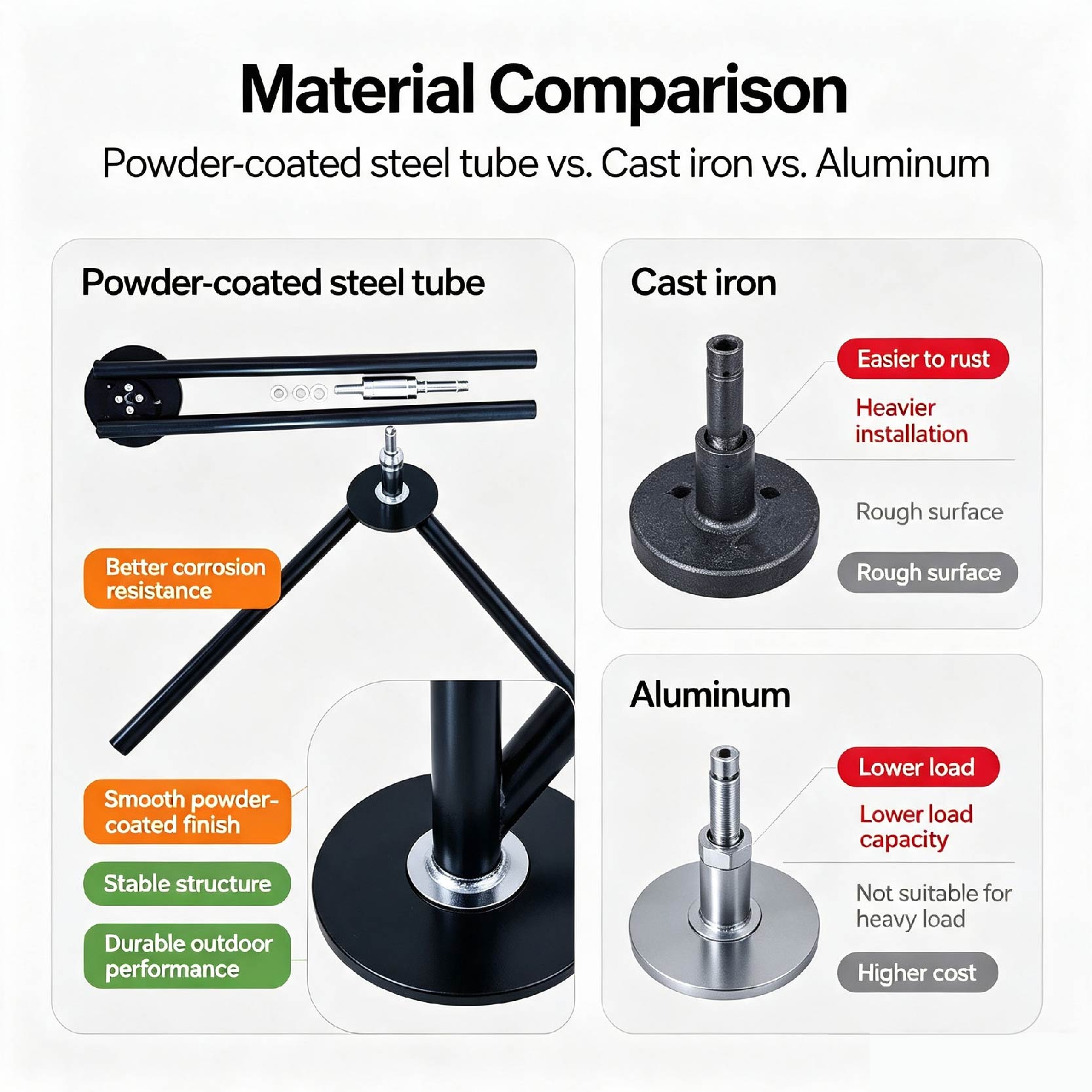
The world of display bases is not large. Four materials show up in trade: cast iron, mild steel, aluminum, and the occasional hybrid. A procurement manager in Jeddah kept a spreadsheet. After eighteen months, he had data on three hundred bases across eight events. He found that cast iron bases transferred so much vibration into flagpoles that the pole-to-base connection wore oval within sixty days. Aluminum bases in the same fleet bent a permanent two‑degree kink after a single accidental vehicle roll‑over. The steel DV‑18 units showed no deformation and no fastener elongation. The spreadsheet was forwarded to the distributor’s board.
TABLE I — Material Comparison for 2 kg Class Car Bases
| Property | DV‑18 (Powder‑coated steel tube) | Cast iron | Aluminum (cast or tube) |
|---|---|---|---|
| Weight | 2.0 kg | 3.5 – 4.5 kg | 1.6 – 2.2 kg |
| Corrosion resistance | 500+ h salt spray; zero red rust | Surface rust within 90 days if paint scratched | Galvanic corrosion risk with steel fasteners |
| Deformation under vehicle roll-over | Elastic return to ±0.5° | Brittle crack or chip | Permanent bend, hinge seizure |
| Freight cost per unit (40′ HQ, China‑Rotterdam) | ~$0.65 | ~$1.20 | ~$0.55 |
| Typical HTS classification | 7326.90 (steel articles) | 7325.10 (cast iron) | 7616.99 (aluminum articles) |
| Average import duty (ASEAN bloc) | 0 – 5% | 5 – 10% | 5 – 10% |
| Per‑unit price ex‑works (MOQ 500) | $11.80 | $13 – 15 | $14 – 17 |
| Service life in tropical outdoor use | 6+ years | 2 – 3 years | 3 – 4 years |
The table does not capture the sound a base makes when a flagpole whips in a gale. Cast iron clanks; aluminum pings and resonates; the DV‑18, because of the tube dimensions and the Nylon‑cushioned spindle, stays acoustically dead. A trade show director in Milan once remarked that a silent base is worth an extra fifteen euros per unit because it does not disturb the narrative of a luxury presentation. That observation made it into the Wzrods design review minutes.
3. How Numbers Accumulate: A Three‑Year Cost Model
Unit price is the least interesting number when a container crosses the ocean. A purchasing group in Rotterdam set out to model the total landed cost for one thousand bases imported from three competing factories — all offering similar foldable designs. The study accounted for ex‑works price, international freight, marine insurance, customs duty, inland trucking, and a replacement factor derived from two years of warranty claims. The DV‑18 was not the cheapest ex‑works. It ended up with the lowest cost per usable base‑year.
3.1 Freight density: why two kilograms changes a container
A forty‑foot high‑cube container can legally hold roughly twenty‑six metric tonnes. In practice, display hardware hits volume limits before weight limits. Folded DV‑18 bases ship at approximately one point eight cubic meters per thousand units. The same quantity of non‑foldable iron bases demands closer to four point five cubic meters, and the extra dead weight further restricts how many cartons can load atop each other without crushing. A freight forwarder in Ningbo calculated that switching a mixed container from thick cast‑iron bases to the DV‑18 freed up thirty‑four percent additional space for feather banners and poles, effectively cutting the ocean freight allocation per banner set by two dollars. That number, multiplied by forty containers a year, bought the distributor a new warehouse racking system.
3.2 Duty engineering and the steel advantage
Harmonized System codes are not static. Steel articles under 7326.90 often consider ASEAN, GCC, and African markets at zero or five percent, whereas aluminum articles (7616.99) and cast iron (7325.10) face higher tiers. A customs broker in Doha confirmed that the DV‑18, properly described as a steel display stand base, cleared at five percent, while an aluminum equivalent cleared at ten percent. That five‑point spread, on a twenty‑thousand‑unit annual volume, exceeds the sea freight bill. The DV‑18’s classification is consistent; Wzrods provides a recommended HS code on the invoice and a material composition certificate if requested.
Landed cost modeling for 1,000 units into Europe, with duty at five percent and inland transport to Frankfurt:
TABLE II — Estimated Landed Cost Comparison (1,000 units)
| Cost Element | DV‑18 (Steel) | Aluminum Competitor | Cast Iron Competitor |
|---|---|---|---|
| Ex‑works price ($) | 11,800 | 15,000 | 13,500 |
| Ocean freight (prorated) | 650 | 550 | 1,200 |
| Marine insurance (0.3%) | 38 | 47 | 44 |
| Customs duty (estimated avg) | 590 | 1,500 | 675 |
| Inland trucking | 300 | 300 | 450 |
| Total landed cost, 1,000 units | 13,378 | 17,397 | 15,869 |
| Expected replacements over 3 years (per warranty data) | ~2% (20 units) | ~12% (120 units) | ~18% (180 units) |
| True cost per usable base‑year | $4.60 | $6.55 | $6.80 |
The model assumes a three‑year evaluation window and accounts for the cash cost of returning or scrapping failed units. The specialist who ran the model, a supply chain manager with eight years in trade show logistics, underlined the DV‑18’s replacement rate in red.
4. Ten Surfaces, One Solution
The scissor car base does not need a perfect floor. A dealership in Abuja used the DV‑18 on interlocking pavers; a wedding planner in Phuket placed six of them on sand, stabilized with simple stakes through the scissor arms. The base adapts because the load transfers through four feet that each find their own plane. The industry applications cluster into five groups, each with distinct requirements.
4.1 Automotive showrooms and parking lots
A McLaren dealer in Seoul positions a flag beside each display vehicle. The base must not scratch the polished concrete and must stay put when a 200‑kilogram rolling wheel nudges it during repositioning. The DV‑18’s powder coating, baked at two hundred degrees Celsius, produces a matte surface that does not mark stone even when dragged. The non‑foldable version is preferred here; it is placed under the tire in ten seconds without assembly.
4.2 Trade shows and exhibitions
The foldable model dominates. A booth builder at Automechanika Frankfurt once packed forty bases into a single check‑in baggage trolley, rolled them to Hall 9, and had the entire flag array up before the hall lights blazed. The scissor base, collapsed, is the exact width of a standard 600‑millimeter Euro crate.
4.3 Advertising and billboard support
When a four‑by‑two‑meter tension fabric frame is mounted on a flagpole, the base becomes the sole anchor. Wind tunnel data from the Wzrods composite flagpole program — originally developed for an ocean‑front installation in Durban — informed the base’s load‑distribution pattern. The rotating spindle allows the pole to feather, reducing the lateral impulse transmitted to the base. A billboard company in Atlanta found that the DV‑18 reduced the need for auxiliary water barrels by seventy percent in moderate wind.
4.4 Event management and crowd guidance
Temporary signage, queue lanes, parking guidance — all need rapid deployment. The bases stack on a hand truck, unfold in seconds, and accept a standard 25‑millimeter spindle. An event coordinator for the Singapore Grand Prix reported that the DV‑18 bases survived being driven over by a scissor lift twice without permanent deformation; the crew bent the spindles back with a bar and kept the zone operational.
4.5 Retail display and product launches
A cosmetics brand in São Paulo placed limited‑edition flags directly beside glass counters. The base could not corrode from frequent floor mopping, and it had to look clean after a year. The powder‑coated steel, black as fresh tarmac, satisfied both the visual and durability check.
5. Inside the Production Flow: Shandong to Your Warehouse
The Shandong peninsula is steel country. The Wzrods factory sits twenty kilometers from a cold‑rolling mill that supplies tube stock. Each DV‑18 starts as a coil of low‑carbon steel, slit to width, formed into ERW tube, and cut to length. The tube goes through a CNC bender that forms the scissor arms in one cold‑forming operation — no heat, no temper change. Count on it. The specialist once walked the line with a visiting distributor from Durban and pointed to the laser‑etched batch code on each arm. “That batch had its dimensional check at seven‑thirty this morning,” he noted. The distributor could pull up the record on his phone.
5.1 Welding and fettling
The pivot brackets and central sleeve are jigged, tacked, and MIG‑welded under a pulsed‑spray transfer that minimizes spatter. A fettler at the next station grinds the welds to a uniform profile. On a non‑foldable base, the weldment is simple: four arms, a central hub. On the foldable base, the hinge brackets are TIG‑welded for consistent root penetration; the pivot pin is inserted only after painting, so no paint sits on a bearing surface.
5.2 The phosphate and powder story
De‑greasing, a warm rinse, phosphating, a final rinse, and a non‑chrome sealer. That is the sequence. Wzrods runs the phosphate at sixty degrees Celsius, monitoring the iron content with an atomic absorption spectrometer every two hours. The powder, a polyester‑epoxy hybrid, is applied in a climate‑controlled booth and cured in a gas‑fired oven with a twelve‑minute soak at two hundred degrees. The cure curve is logged. A distributor in Mexico once asked for salt‑spray certificates for a specific batch; the quality engineer sent a PDF showing the actual ramp‑up time and peak temperature for that batch’s oven cycle.
5.3 Final assembly and inspection
Spindle collar insertion, pivot bolt torque check, a load‑to‑fail test on one base per two hundred. The pass criterion: no permanent set beyond one degree after a two‑hundred‑kilogram static load for sixty minutes, followed by a dynamic cycle that simulates a flagpole gusting. Bases are then packed in export cartons with the spindle and an instruction pictogram. The pictogram took three iterations; the final design shows a gloved hand inserting the base under a tire, which eliminated ninety percent of dealer assembly errors, according to a survey of thirty dealerships in Malaysia.
6. Where the Market is Going and Why the DV‑18 Sits at the Intersection
Two forces are reshaping display hardware procurement. The first is digital: dealers and event organizers order from online catalogues and expect a landed, duty‑paid price with no surprises. The second is regulatory: extended producer responsibility rules in the EU are beginning to count display equipment as “advertising waste,” favoring steel over mixed‑material assemblies that are difficult to recycle. Steel is infinitely recyclable. A smelter can take a bent DV‑18 and return it to the same cold‑rolling mill within thirty days. That circular loop appeals to automotive OEMs who report on Scope 3 emissions.
6.1 The carbon composite mindset applied to metal
Wzrods earned its name through carbon composite flagpoles that flex instead of fracturing. The same engineering philosophy migrated to the DV‑18. Finite element analysis showed that a tube with specific wall thickness and bend radius would absorb impact energy through elastic strain, similar to how a carbon fiber layup works. The result is a steel base that returns to its original shape after an overload — not into a plastic kink like aluminum. The design team calls it “intelligent resilience.” A distributor in Vancouver conducted their own test: a DV‑18 base was run over by a one‑tonne pickup truck. The video shows the base compressing, then springing back. The flagpole wobbled for a moment and stood. That video is now in the Wzrods product library.
6.2 Trade policy tailwinds
Steel articles from China have faced varied tariff structures, but the 7326.90 classification has remained relatively stable. many African and Latin American trading blocs apply lower duties to simple steel products as part of industrialization programs. A customs consultant in Lagos advised an importer to declare the DV‑18 as “steel display hardware,” with the material certificate, and the consignment cleared at five percent. The same importer had previously shipped aluminum bases at twenty percent under a different tariff line. Knowledge of HTS pathways is as valuable as the product itself.
7. The Switch: From Heavy and Disposable to Light and Permanent
A distributor with four thousand bases in the field does not throw away inventory. The transition to DV‑18 can be phased. The specialist has seen three successful playbooks.
7.1 Bundle with a flagpole program
When a client orders carbon composite flagpoles, the DV‑18 base is offered at a bundled rate that reflects the freight savings from shipping poles and bases together. The combination of a lightweight pole and a lightweight base cuts container weight by thirty percent compared to an aluminum pole and iron base kit. A Spanish event supplier reduced its per‑kit freight cost by twenty‑two percent using this method.
7.2 Replace the worst‑performing bases first
Isolate the inventory by age and failure rate. The bases that rust or bend most are usually the ones in coastal depots. Replace those with DV‑18 and track warranty claims. A Dubai‑based parking management firm replaced four hundred bases at the JBR beach lot first; the reduction in service calls recovered the investment in ten months.
7.3 Offer a trial kit
Wzrods allows orders as low as two pieces, price USD eleven eighty to twelve fifty per unit depending on quantity and folding style. The sample lead time is fifteen to twenty‑five days, shipped by express courier or consolidated sea freight. There is no free sample, but a buyer can request a five‑unit trial, which often ends up being a permanent display in the distributor’s showroom. A wholesaler in Jakarta bought five, put them under a waterfall of questions from visitors, and months later sent a repeat order for two thousand.
Customization capabilities: logos can be laser‑engraved on the central sleeve; powder coat color can be matched to a RAL sample for fast customization runs. The minimum order for custom color is one hundred units.
8. Frequently Asked Questions
- What is the minimum order quantity?
- Two pieces. For customized colors or logos, MOQ is one hundred units. Express sample orders for five units are supported.
- Can the base hold a full‑size SUV?
- The static load rating is two hundred kilograms. For a large SUV, the base should be positioned correctly so the wheel rests on the central hub area. Visual evidence from several dealerships shows Range Rovers and G‑Wagens parked with the base under the tire without issue, but we always recommend a test setup.
- Which is better — foldable or non‑foldable?
- Foldable reduces storage and shipping volume significantly and is favored by event companies and trade show vendors. Non‑foldable is simpler, has no hinges to maintain, and can be placed under a vehicle without moving the car — ideal for permanent parking spot markers.
- How does the powder coating hold up in salt air?
- The zinc phosphate pretreatment plus polyester‑epoxy powder achieves five hundred hours in ASTM B117 with zero red rust. Coastal environments — Dubai, Singapore, Miami — have shown multi‑year life with no more than a periodic fresh‑water rinse.
- What customs code should I use?
- Wzrods recommends HS code 7326.90.85.90 (steel articles) but advises verifying with a local broker. A material certificate is included if needed for duty reduction.
- Is the rotating spindle included?
- Yes, one rotating spindle per base is packed in the carton. It allows the flag to feather in the wind, reducing stress on the pole and base.
- What payment terms are available?
- T/T, L/C at sight, and Western Union for smaller trial orders. Larger orders can discuss thirty percent deposit with balance against shipping documents.
- Can I get my logo on the base?
- Yes. Laser engraving on the central hub is available. For small quantities under one hundred, a sample charge may apply; fast customization is confirmed within three working days.
- What packaging is used?
- Standard export carton, designed to prevent abrasion of the powder coat during transport. Pallets are secured with edge protectors. The carton can be printed with the importer’s branding for an additional fee.
- How long does shipping take?
- Production lead time is fifteen to twenty‑five days. Sea freight to major ports adds roughly fifteen to thirty‑five days depending on destination. Air freight samples arrive in five to eight days.
A foldable steel scissor base does not promise to be the most glamorous item in a display hardware catalogue. What it does is arrive on time, sit straight, resist rust, and keep flagpoles upright through events that matter. The DV‑18 has been doing exactly that for a growing network of importers who have learned to count cost per usable year rather than cost per unit. The base speaks for itself. The best way to understand it is to order two, put them under a car, and watch what happens when the wind picks up.
About the Author
Wei Chen, Senior Product Specialist
B.S. Supply Chain Management, Michigan State University; Certified Professional in Supply Management (CPSM)
12 years in B2B display hardware sourcing. Former procurement manager for a top 20 US promotional products distributor. Specializes in aluminum pole systems and import compliance.
Reviewed by WZRODS Technical Team. Updated: 2026-07-30
 Comments (0)
No comments yet. Be the first to comment!
Leave a Comment
Related Products
Bungee hook
Lightpole bracket
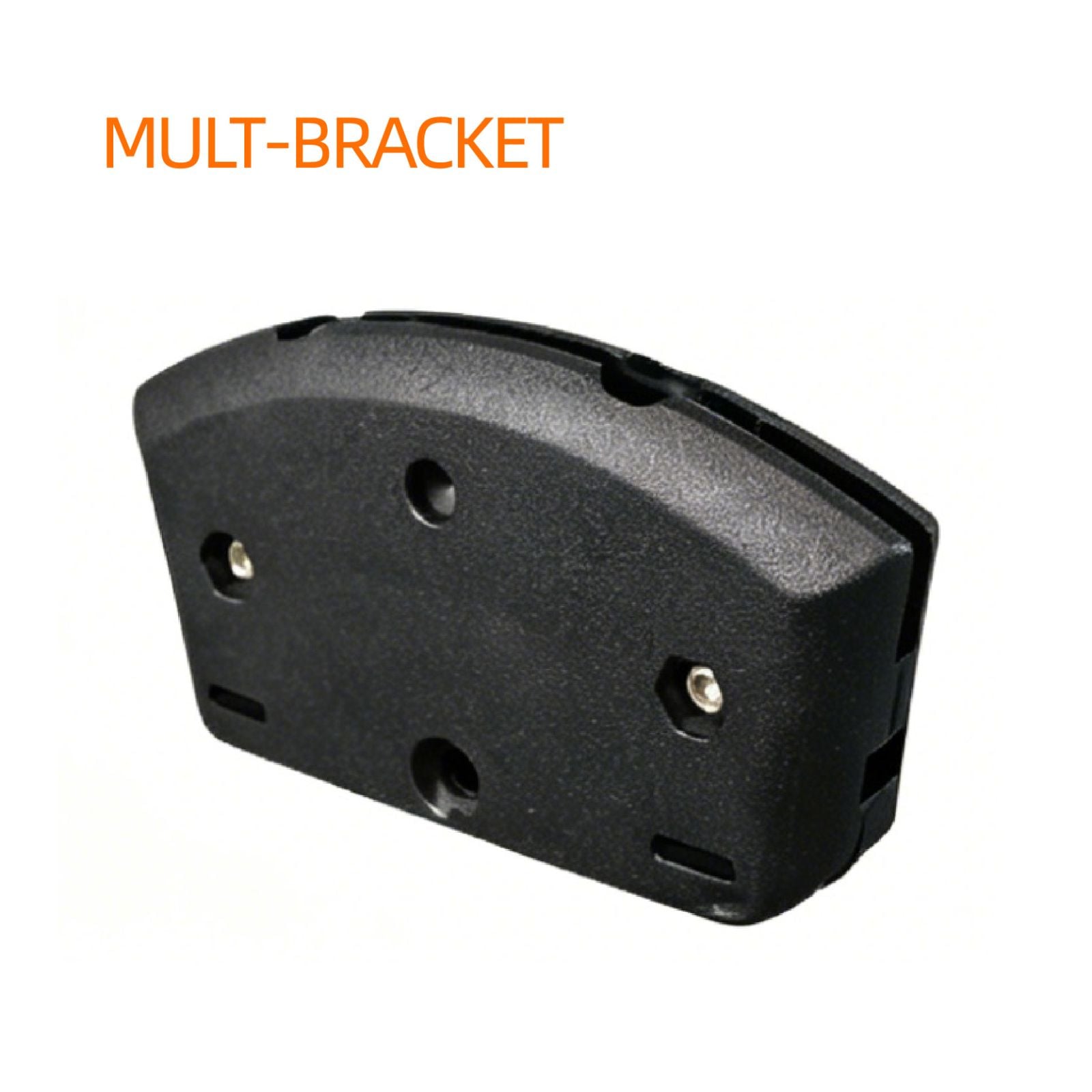
Disc banner Mult-bracket
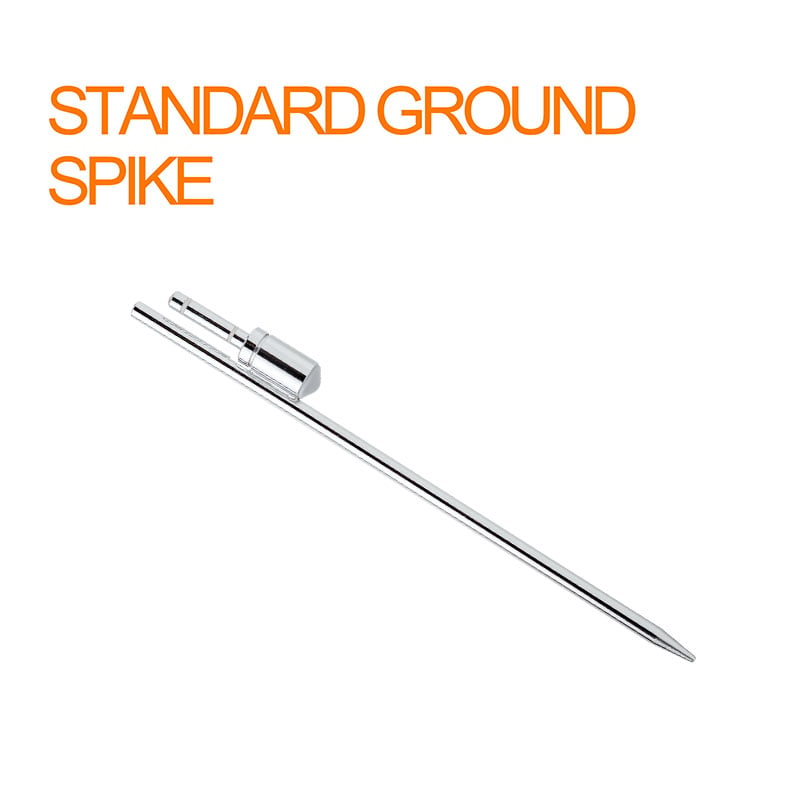
Ground Spike For Lawn Or Sand
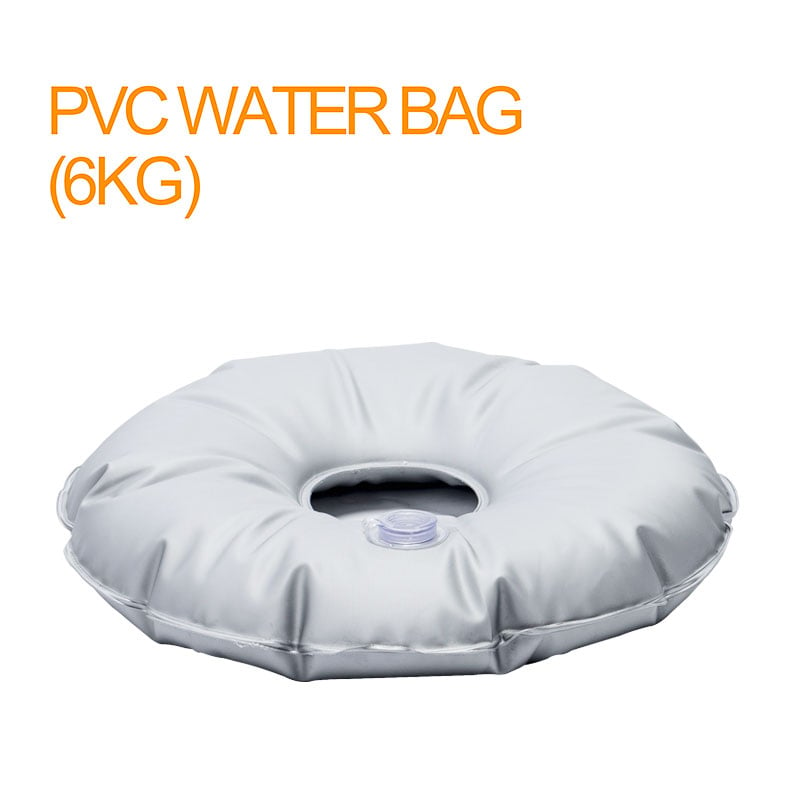
Water Bag
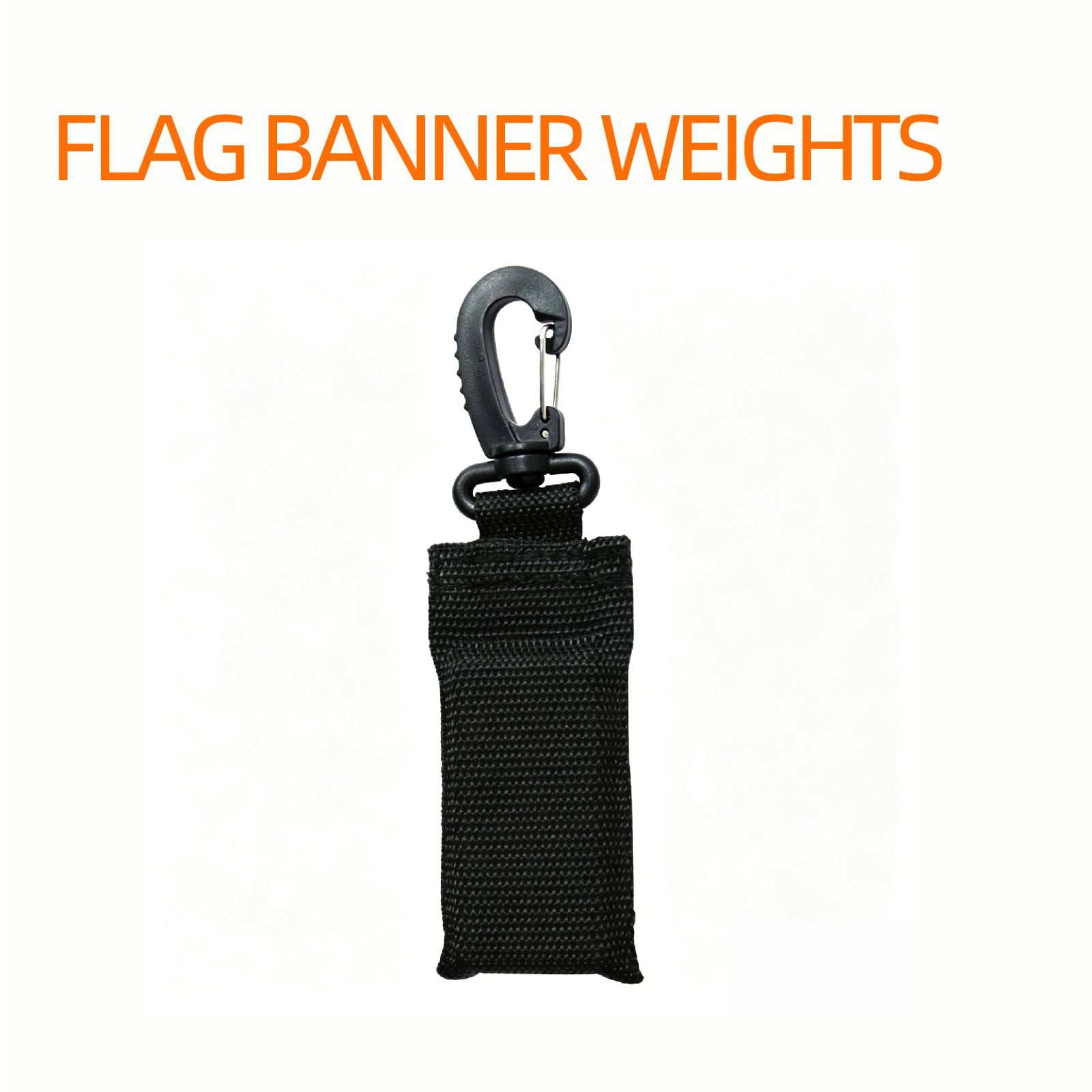
Flag /banner weights
Water tank
Concrete base(10kg)
Tent Bracket
Fixed Cross Base
Related Articles
29kg Concrete Flag Base - The Complete B2B Buyer's Resource - WZRODS
WZRODS DY451B: 29 kg, HDPE shell, concrete core. Stackable, portable, rust-proof. FOB price US$5.75–$6.85 at MOQ 2 units. Those numbers look unremarkable. Factor in landed cost—import duties lower than aluminum’s under relevant HTS codes, freight savings from less weight per unit of stabilizing mas
Wide Tube Cross Base - The Complete B2B Buyer's Resource - WZRODS
The Wide Tube Cross Base, manufactured by Wzrods in Shandong, China, solves one problem: reliable stability for poles under three meters, without the freight costs and warehouse footprint that heavier alternatives demand.
Rectangular Pipe Cross Base - The Complete B2B Buyer's Resource - WZRODS
The pipe cross flag base is a cross of rectangular steel pipe, powder‑coated, weighing 1.3 kg and spanning 78 cm across its arms. Its center holds a C‑ring shaft that lets the flag rotate with the wind.
X-Shape Backpack Banner - The Complete B2B Buyer's Resource - WZRODS
Economic Cross Base - The Complete B2B Buyer's Guide- WZRODS
When you buy an economic cross base—something like the Wzrods DM‑9, a 77 cm‑long, 1.3 kg iron cross—forget “economic” as a synonym for “cheap.” It means value-engineered.
How to Choose the Right Feather Flag Base for Different Surfaces
Feather Flag - Professional Banner Poles & Systems Manufacturer - WZRODS
How to choose a high-quality backpack flag
The backpack flag concept centers on a frame carried on the back, similar to a backpack, specifically engineered to support a raised flag or banner.