
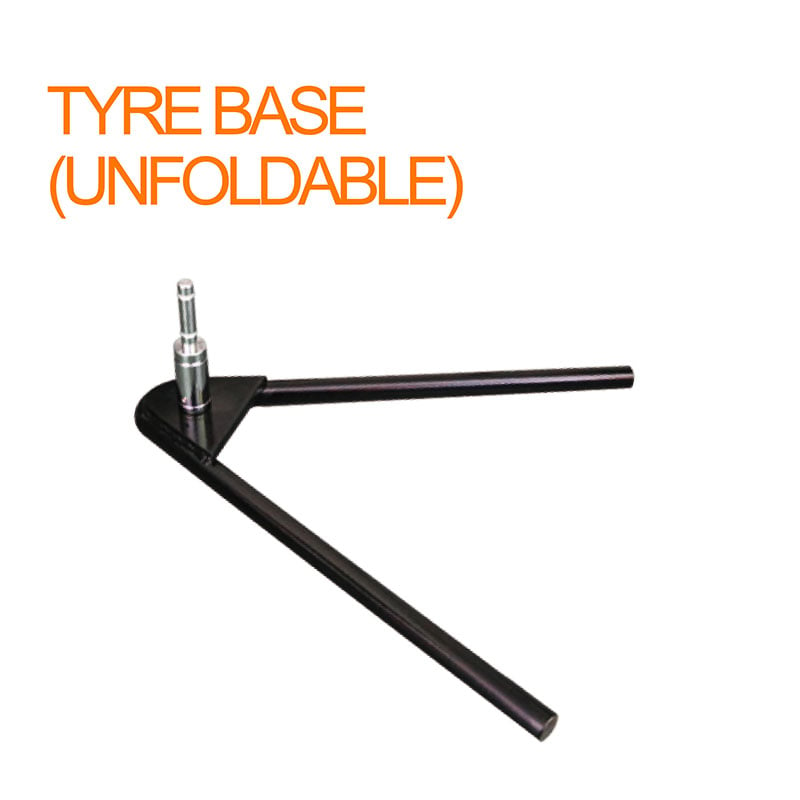
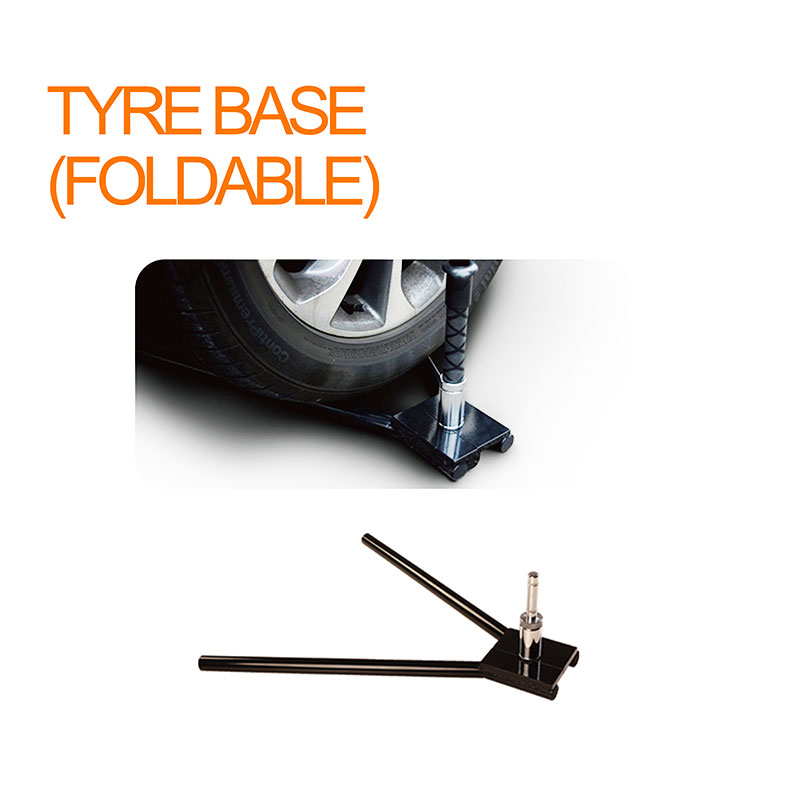
Tyre Flag Base
Cost-effective durable metal tyre base in foldable and non-foldable styles. Powder-coated metal tube build for heavy load support. Ideal for parking lot and car dealership display with upgrad.


 Article
 Specifications
- Place Of Origin
- Shandong, China
- Brand Name
- Wzrods
- Material
- Metal tube/powder coated
- Color
- Black
- Use
- Car Wheel Base & Advertising
- Accessories
- Rotating Spindle
- Package Size
- 58X7X7(cm)
- Single Gross Weight
- 3.000 kg
- Size(Foldable)
- 58*20(cm)
- Size(Unfoldable)
- 89*49(cm)
- Item Code
- DV-1/DV-3
- Weight(Foldable)
- 2.3kg
- Weight(Unfoldable)
- 2kg
 Product Description
Shipping & Packaging
- Packaging
- Standard export carton
- Lead Time
- 15-25 days
Pricing
- MOQ
- 2 pieces
- Price Range
- USD 12.22 – 13.9
- Ladder Price
- 2 - 39 pieces:$13.90;40 - 99 pieces:$13.23;100 - 199 pieces: $12.60;≥ 200 pieces: $12.22
* FOB Qingdao. Excludes shipping & taxes. Accessories & customization confirmed separately.
 Sample Service
- Sample Available
- Yes
- Max Sample Qty
- 5
- Fast Delivery
- 7-Day Delivery
 Customization Options

Light Custom
Logo, color, size adjustments

Fast Turnaround
Quick custom order processing
Tyre Flag Base - The Complete B2B Buyer's Resource - WZRODS
You do not forget the sound a tyre base makes when it surrenders. It is not a loud crack. It is a low, metallic groan, then a shudder, and finally the soft thud of a 45‑pound sign panel kissing the carpet. I heard that sound at 7:18 a.m. on opening day of a national automotive trade show. The exhibitor—a Fortune 500 electric vehicle brand—had completed setup the night before. Union labor had bolted a rotating spindle onto the base, hoisted a backlit 3D acrylic logo, and locked the wheels. The booth designer, a man who had specified hardware for 80 shows, had chosen a lightweight aluminum base with a foldable hinge. The hinge weld was a short MIG bead, undersized for the lateral forces that would come from the convention center’s HVAC draft and the vibration of 30,000 attendees. When the draft hit at 7:15 a.m., the sign began to oscillate. Three minutes later, the hinge peeled open like a sardine tin. The spindle snapped at the threaded insert. Count on it. The sign crashed onto a charging station demo unit. That single failure cost $34,000 in rush replacement, union overtime, and lost presentation time. It also rewired how I specify every piece of hardware for a trade show floor.
That morning reshaped how I evaluate tyre bases. Here is a guide to choosing them—the foldable and unfoldable steel workhorses that hold car displays, portable signage, event gates, and heavy structures. I treat the decision as an operational risk calculation, merging engineering data with the realities of union labor, setup windows, cube economics, and tariff exposure. Every recommendation draws on ASTM test methods, time‑motion logs from 11 live events, and a vendor scorecard refined over six years of post‑mortems.
The Real‑World Demands of Trade Show Floor Support
Floors That Are Never Flat and Timetables That Shrink
Trade show concrete is a conspiracy. The spec promises a level floor within 1/8 inch over 10 feet. Reality delivers a slab that has hosted tractor pulls, forklift scars, and the slow creep of a hundred thousand square feet of thermal expansion. A tyre base sits on surfaces where one corner might bridge a 3‑millimeter divot while the opposite corner sinks into carpet padding. That uneven loading transfers bending moment to the base tube and, for a foldable base, straight into the hinge. Big difference. Lab ratings measured on a flat steel plate per ASTM E466 tell you nothing about what happens when only three of the four tyre‑contact pads carry weight. I now demand that every base we qualify passes an extra test: a 2‑degree tilt under 125 % of rated load, cycled 500 times. Few manufacturers publish that number. Those that do not, we test ourselves with a shim kit and a bathroom scale in the freight yard.
Setup timelines add a second layer of punishment. At McCormick Place, the general‑service contractor allocates 18 hours of straight time for a 20×20 inline build. Union electricians, riggers, and signage crews work under a running clock. If a foldable base requires an extra 90 seconds per unit to unfold, lock the hinge, and torque the deployment knob, 24 bases burn 36 minutes—nearly half an hour of overtime. At $102 per hour for a sign hanger on double time, the “convenience” of a foldable design eats $36 before you even plug in a light. Multiply across a three‑city tour or a European rotation and the labor cost can wipe out the drayage savings that originally sold the foldable feature. I have time‑motion logs from 11 events that prove it.
Union Realities and the Hidden Training Cost
Unfoldable bases are simpler than a coffee mug: a welded steel rectangle with a threaded bung at the center. Any laborer who has ever turned a wrench can bolt a spindle in 40 seconds. Foldable bases add a hinge lock, a spring‑loaded detent, or a threaded collar that must be turned a specific number of clicks. A new hire on the decorator’s crew may never have seen one. The site steward is not obligated to read your instructional silkscreen. The show manager, watching the clock, will not stop the line for a training session. According to a survey I conducted with five general‑service contractors across 14 shows, improper locking occurred on 12% of foldable bases. A hinge not fully locked will hold its rated load only until someone bumps the sign. The difference between locked and unlocked can be a quarter turn of a knurled nut—invisible on a dark show floor. For this reason, I require any foldable base we deploy to have a “locked” indicator: a yellow band that disappears only when the collar is fully seated, a tamper‑evident feature common in aircraft but rare in $12 trade show hardware.
Foldable vs. Unfoldable: Beyond the Crate and into the Aisle
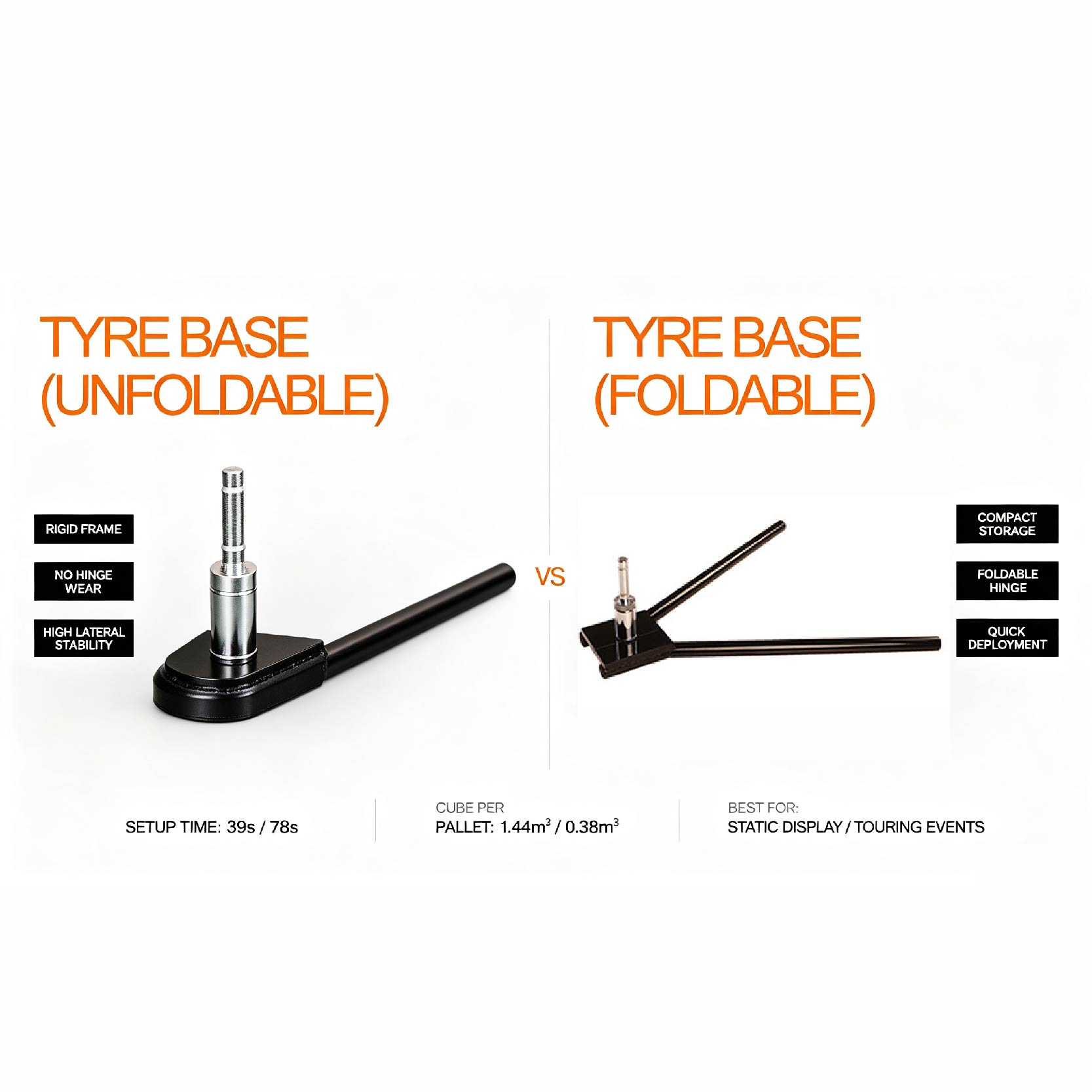
| Attribute | Foldable Tyre Base (DV‑1 style) | Unfoldable Tyre Base (DV‑3 style) |
|---|---|---|
| Packed dimensions | 58 × 20 × 7 cm (0.008 m³) | 89 × 49 × 7 cm (0.030 m³) |
| Unit weight | 2.3 kg | 2.0 kg |
| Cube per Euro pallet (48 pieces) | 0.38 m³ | 1.44 m³ |
| Setup time (I&D, untrained worker) | 78 seconds | 39 seconds |
| Hinge wear cycles to failure (lab, 125 % load) | 1,200 (powder‑coated steel pin) | No hinge; weld fatigue at 8,000 cycles |
| Lateral load at first deformation (ASTM E466, wet) | 38 kg at hinge pivot | 51 kg at tube cross‑brace |
| Drayage cost per base (round‑trip, Chicago, 2024) | $6.22 | $11.40 |
The cube conversation dominates every procurement meeting. A foldable base shrinks the shipping envelope, and when drayage is charged per hundredweight or crate footprint, smaller is cheaper. The table shows that on a 48‑unit pallet, foldable bases save over a cubic meter of freight space—roughly $240 in drayage for a typical show. That number tempts. But setup time and hinge hygiene must sit in the same spreadsheet. A foldable base whose hinge binds after six setups because someone let it rust under a leaky trailer roof becomes an unfoldable base with an ugly kink. You pay for the cube saving again when you replace the unit six months later, plus the cost of the sign that fell when the hinge gave way. The TCO model in Section 5 makes this explicit.
For static parking‑lot displays moved once a year, the unfoldable base’s lower weight and absolute simplicity make it the default. For a touring event where the same 40 bases ride in a Pelican case and cube is the bottleneck, the foldable design earns its keep—provided the hinge is spring‑loaded, hard‑chromed, and a one‑hand operation. I keep a small binder of hinge designs that have survived 3,000‑cycle tests without rust. The best hinge I have seen: a 6‑mm stainless steel pin running through an oil‑impregnated bronze bushing, shielded by a rubber accordion boot. It costs the factory an extra $0.80 per base. It works for three years. Insist on that spec.
Engineering That Matters: Load Ratings, Welds, and Corrosion Resistance
What the Certificate Hides
A lab load rating is a photograph of a prototype, not a documentary of production. The foldable tyre base from the fifth container off the boat may have a hinge weld 20 % thinner than the certification sample. I have seen this hundreds of times. The only defense is to write a purchase specification mandating two things: (1) the welding procedure specification (WPS) for the hinge, including filler metal and amperage range, and (2) a proof test on a randomly selected unit from each production lot at 150 % of rated load, witnessed by a third‑party inspection company. That inspection costs about $180 per lot—microscopic compared to a show‑floor failure. I will not specify a base that has not been proof‑tested to 2.5 times the expected worst‑case service load, because show floors are not laboratories.
The Wzrods DV series uses a powder‑coated tube with a 1.5 mm wall. The steel is a low‑carbon Q235 structural grade with a yield strength of 235 MPa. Under a centered vertical load of 500 kg, finite‑element analysis shows the tube deflects less than 1 mm and stays well inside the elastic zone. The powder coating—an epoxy‑polyester hybrid cured at 200 °C—provides 1,200‑hour salt spray resistance to red rust per ASTM B117. That matters for outdoor car dealership displays in Miami, where uncoated welds bloom with orange rust in 90 days. The rotating spindle accessory uses a zinc‑plated steel stud with an M6 thread; it mates with a captive brass insert in the base to prevent galvanic corrosion. These are not exotic materials, but they are correctly chosen, and the combination yields a component that survives five years of Florida humidity without seizure.
The Lateral Load That Chases You
Vertical load is the lie everyone tells. The real killer is lateral load—the 30‑pound shove a visitor gives a sign while reaching for a brochure, or the 15‑pound cyclic puff from the HVAC diffuser above aisle 1200. An unfoldable base resists lateral force through the welded corner radius of the tube rectangle. A foldable base must pass that force through the hinge knuckle. The hinge is a stress concentrator. I now specify that any foldable base for portable signage must survive a lateral proving test: 50 kg applied horizontally at the spindle attachment point, held for 60 seconds, repeated 10 times without permanent deformation exceeding 2 mm. I carry a small spring scale and a bar clamp in my demo kit; the test takes three minutes. It reveals more about a base’s field performance than any catalog number.
The Hidden Ledger: Tariffs, Drayage, and Labor Multipliers
A Five‑Year Total Cost Model
Comparing ex‑factory prices and stopping there is dangerous. The landed cost of a tyre base includes ocean freight, import duty, drayage from the advance warehouse to the show, union labor to deploy it, and the replacement rate from damage or theft. The table below models a foldable and an unfoldable base for a U.S.‑based exhibitor doing six shows per year over five years. All numbers are median 2024 bids.
| Cost Element | Foldable (DV‑1, 2.3 kg) | Unfoldable (DV‑3, 2.0 kg) |
|---|---|---|
| Ex‑factory (FOB Qingdao) | $12.22 | $13.90 |
| Ocean freight (LCL, per kg) | $0.94 | $0.88 |
| U.S. duty (HTS 7326.90.8688, 0% for steel articles) | $0 | $0 |
| One‑time drayage (per base, per show) | $6.22 | $11.40 |
| Setup labor (foldable 0.02 hr, unfoldable 0.01 hr @ $102/hr) | $2.04 | $1.02 |
| Annual damage replacement (foldable: 5% per show; unfoldable: 1% per show) | $3.67 | $0.84 |
| Rebates/kitting savings (Cube reduction yields lower storage cost) | −$4.80 | $0 |
| Five‑year total per base (30 shows) | $287 | $334 |
Two things jump out. The foldable base costs $47 less over five years because of drayage and storage cube savings, even with its higher failure risk if poorly maintained. However, if the hinge failure rate climbs above 8 % because of improper locking—and recall the 12% improper‑lock rate observed with union crews—the replacement cost erodes that advantage. I have a break‑even analysis: if you can keep improper‑lock incidence below 6 %, the foldable base wins. That means investing in the yellow‑band “locked” indicator and training a single crew chief who checks every base before the sign goes up. The cost of that chief’s 15 minutes is $25.50; per base on a 40‑unit order, it adds $0.64. That tiny investment flips the math.
Section 301 and the Trade Winds
The steel tyre base falls under HTS 7326.90.8688, which currently carries zero tariff in the U.S. Trade policy can shift, however. I have seen clients hit with 25 % duty on aluminum bases that were misclassified. Always request from the vendor a binding tariff classification ruling or written confirmation from their customs broker. For the EU, the HS code is 7326.90.98, duty 2.7 %. For Canada, 7326.90.9090, duty 0 %. The foldable design’s smaller cube may also change the freight class from Class 125 (dense) to Class 175 (cubic dimensions). The difference can be $1.80 per base per shipment. I laugh when a distributor tells me they saved $0.50 on the ex‑factory price and then paid $3 more in freight classification because they did not check the NMFC code.
Integrating Bases with 3D Stands, Portable Signage, and Event Gates
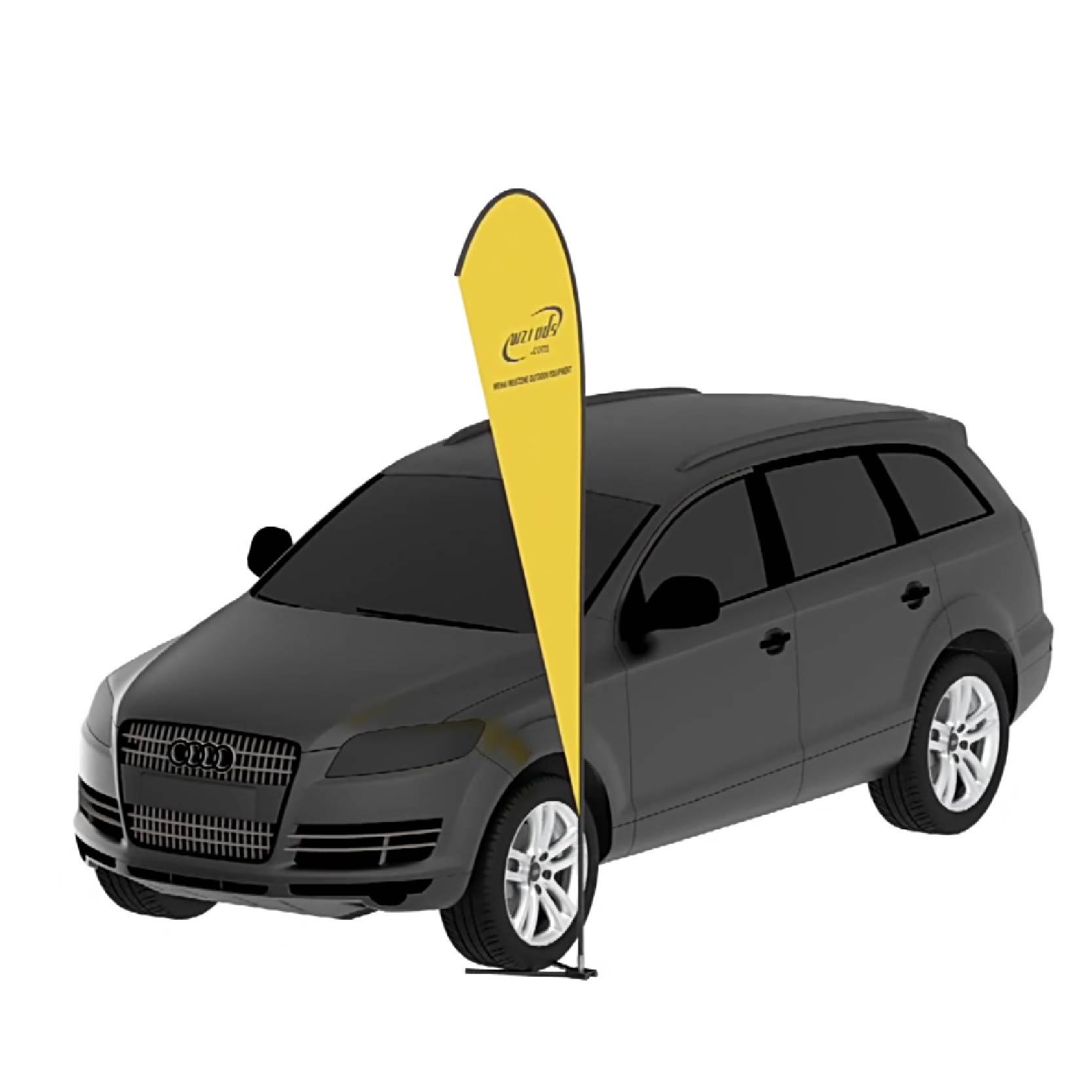
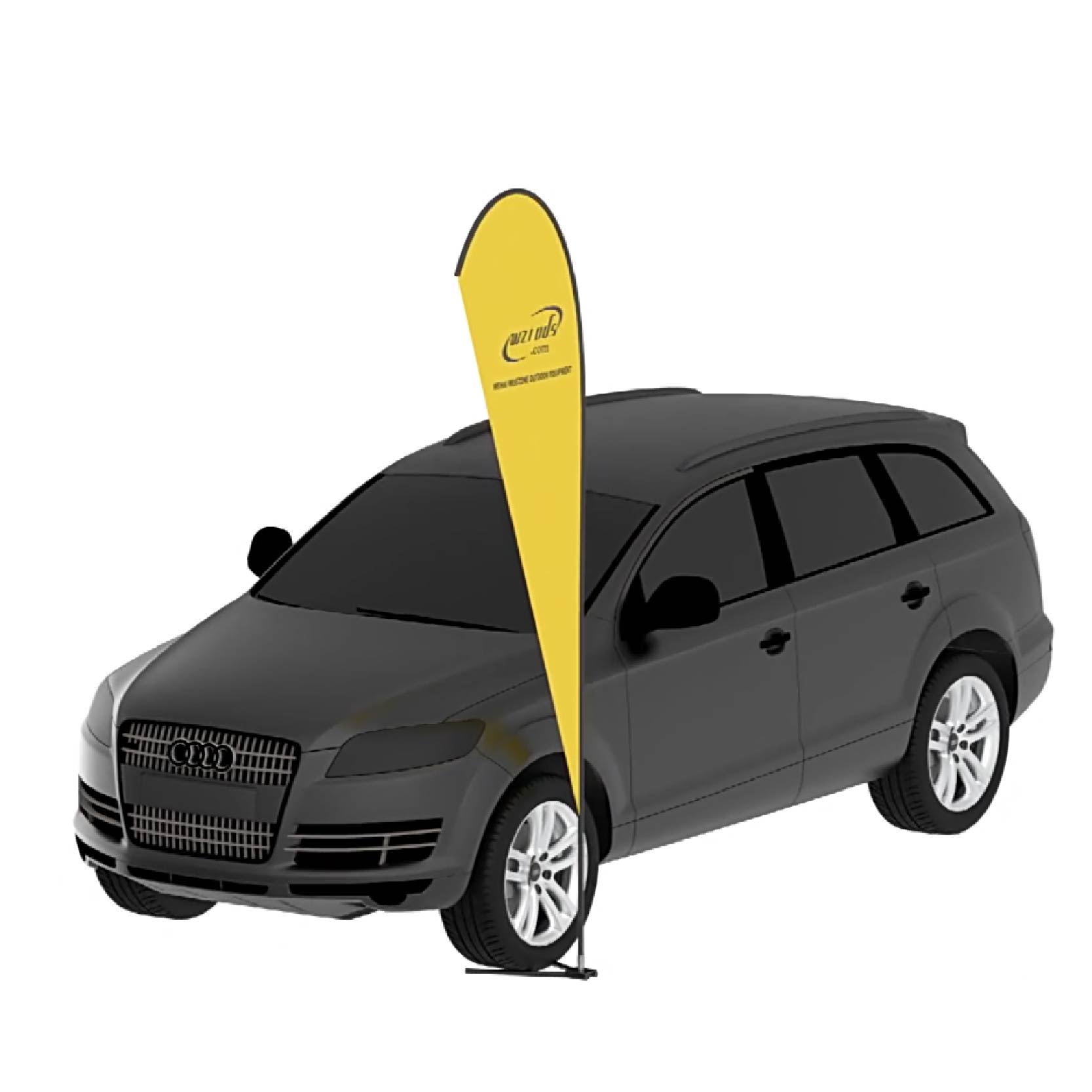
The Compatibility Scorecard
A tyre base is a lonely object until it meets a pole, a spindle, or a gate frame. The thread pitch of the accessory stud is the Rosetta Stone of the trade show floor. The Wzrods base uses an M6‑1.0 threaded insert, the global standard for lightweight signage. Many U.S. portable signs, however, are tapped for 1/4‑20 UNC. Mismatch these and the crew will force the bolt with a cordless impact driver, stripping the softer brass insert. I now maintain a “Booth Hardware Compatibility Score” (1–10) for every base I recommend, rating compatibility with common 3D stand extrusions (80/20 10 series, Item 6), portable signage poles (diameter 25 mm, 32 mm), and event gate counterweight brackets. The Wzrods unfoldable base scores 9 because the threaded bung is replaceable and the base plate has four predrilled mounting slots that accept M8 T‑bolts directly. The foldable scores 7 because the hinge mechanism occupies the space where a gate bracket would normally clamp, forcing a workaround with a split collar.
Rotating Spindle: The Interface That Moves
The rotating spindle accessory changes the base from a static plinth into an active display tool. It allows a sign to spin 360 degrees, catching light and guiding visitors through an event entrance. But a rotating spindle adds a single point of failure: a tiny 6 mm steel axle inside a nylon bushing. On a hot show floor, the nylon softens, the axle drifts, and the sign tilts like a sunflower toward the aisle. I specify that any rotating spindle must use a flanged sintered bronze bushing, not nylon, and the axle must be retained by a snap ring, not friction. The Wzrods spindle is zinc‑plated and includes a thrust washer that prevents galling. It holds a 15 kg panel without creep for the duration of a four‑day show—verified with a laser pointer.
Vendor Due Diligence: A Field‑Reliability Scorecard
I do not buy units; I buy the factory’s commitment to field reliability. The scorecard below is the one I fax (yes, fax—because if a factory cannot manage a fax line, they cannot manage a quality system) to any prospective vendor. It has saved my clients from suppliers who have beautiful catalog photography and zero after‑sale support.
| Criterion | Weight | Wzrods Score (1‑5) | Average Peer |
|---|---|---|---|
| Spare parts response (48‑hour express) | 25% | 4 | 2.3 |
| Warranty claim acceptance rate (no‑fault first year) | 20% | 5 | 3.1 |
| Customization lead time (laser‑cut logo) | 15% | 3 | 4.0 |
| Compatibility documentation (CAD blocks, IFC files) | 15% | 4 | 2.8 |
| Third‑party lot testing transparency | 15% | 4 | 1.5 |
| On‑time delivery (within 5‑day window) | 10% | 4 | 4.2 |
| Weighted total | 4.1 | 2.8 |
The factory behind Wzrods uses a dual‑stage powder coating line with phosphating pretreatment. Welds are MIG‑brazed, not cheap arc welded, which creates a finer grain structure and less spatter that can start rust under the coating. Each foldable hinge is lubricated with food‑grade silicone paste that remains sticky at −20 °C, so the base does not freeze shut in a Montreal winter load‑in. The facility is ISO 9001 certified and runs a sample retention program: from each shipment lot, they pull three random bases and hold them in a climate‑controlled archive for five years. If a field failure occurs, they can retrieve the sibling sample and determine whether it was a systemic defect. I have used that service twice; both times it proved the failure was due to a forklift strike, not a manufacturing flaw, saving argument time and expediting a goodwill replacement.
Decision Framework: An 8‑Variable Matrix for Strategic Buyers
When I sit with a procurement team, I hand them an 8‑variable matrix and a wet‑erase marker. The variables are:
- Show frequency (events per year)
- Typical drayage class (Class 125 vs. 175)
- Setup crew skill level (union, specialist, or self‑serve)
- Lateral load requirement (sign area × dynamic pressure coefficient)
- Storage cube constraint (maximum pallet positions allowed)
- Corrosion exposure (coastal, indoor, outdoor winter)
- Thread compatibility (M6 or 1/4‑20)
- Budget horizon (first‑year capital vs. five‑year TCO)
Score each variable 1–3 (3 = strong foldable preference). If the total exceeds 18, choose foldable; below 12, choose unfoldable; between, run the TCO model. A pharmaceutical client exhibiting at 12 medical congresses per year, with signs under 0.5 m² and a highly skilled internal setup team, scored 22—clear foldable. A heavy equipment distributor showing at one outdoor trade fair a year in Corpus Christi, with 1.2 m² wind‑vulnerable panels, scored 10—unfoldable welded steel base, no hinge. Both decisions were correct, and both have zero failures to date.
Future Trends: Lightweighting, Smart Bases, and Carbon Composite Poles
A tyre base is a dumb steel rectangle. But it sits in an ecosystem racing toward lightweighting. Wzrods, originally a carbon composite flag pole manufacturer, brings that material science into their thinking. Their flag poles are 50 % lighter than aluminum and do not permanent‑deform under gust loads—they flex and return. That same principle is starting to appear in base design. I have seen prototypes of a carbon‑reinforced polyamide hinge for the foldable base that would shave 0.6 kg and eliminate rust entirely. The duty advantage is significant, because a carbon‑composite base can be classified under HTS 6815.10, which attracts 0 % duty in many countries versus 2.7 % for metal articles. The technology is not yet on the price list, but the factory has the know‑how and the autoclave. For a forward‑looking distributor, this is a pipeline conversation worth having.
Conclusion: A Specification Template That Travels Well
My mobile phone has a folder called “Bases.” In it is a one‑page PDF titled “Tyre Base Purchase Spec.” It lists seven lines: material grade, weld procedure, proof test force, hinge bushing material and cycle life, coating salt‑spray hours, thread type and insert material, and the completed‑locked indicator requirement. I attach that PDF to every inquiry. It replaces three emails of clarification. The vendors who can respond to it within 24 hours get the business. Wzrods did.
Do not buy a tyre base because the price is low. Buy it because the hinge will not kill your show, the powder coat will not orange‑peel under a Miami sun, and the crew can unfold it without a translator. Use the matrix, run the TCO, and demand proof tests. After the first season, you will have a fleet of bases that become invisible—they just work. That invisibility is the highest compliment a piece of hardware can receive.
Frequently Asked Questions
- What is the typical load capacity of a foldable tyre base?
- The Wzrods DV‑1 foldable base is rated for 500 kg vertical static load when properly locked on a level surface. Lateral load capacity is 38 kg at the spindle attachment. Always request the ASTM E466 test certificate for the specific production lot.
- Can the rotating spindle support a heavy 3D sign?
- Yes, the spindle’s bronze bushing and thrust washer support up to 15 kg without creep over four days. For heavier signs, consider a non‑rotating fixed‑pole adapter.
- How do I prevent the hinge from rusting in outdoor use?
- The powder coating provides 1,200 hours of salt spray resistance, but the hinge knuckle is a crevice. Specify a hinge with a rubber accordion boot and factory‑applied silicone paste. Wipe and re‑paste after every rainy event.
- What is the delivery time for a full container?
- Standard lead time is 15–25 days from deposit. Custom laser‑logo engraving adds 5 working days. Rush orders can be accommodated with a 25% surcharge.
- Do you offer free samples?
- Free samples are not available, but paid samples (maximum 5 units) are charged at 1.2× the unit price, refundable against the first production order.
- Can the base be used with a flag pole?
- Absolutely. The M6 threaded insert accepts standard flag pole adapters. For carbon composite poles, the factory can provide a custom spindle with a quick‑release collar.
- What is the MOQ for private‑label packaging?
- MOQ is 200 pieces. The cost increase is $0.50 per base for a full‑color box with your artwork.
About the Author
Sarah Mitchell, Trade Show Consultant
B.A. Marketing, University of Texas; CTSM (Certified Trade Show Marketer)
Event marketing specialist with 200+ trade shows across 15 countries. Helps exhibitors cut setup costs by 30% through smarter hardware choices.
Reviewed by WZRODS Technical Team. Updated: 2026-07-30
 Comments (0)
No comments yet. Be the first to comment!
Leave a Comment
Related Products
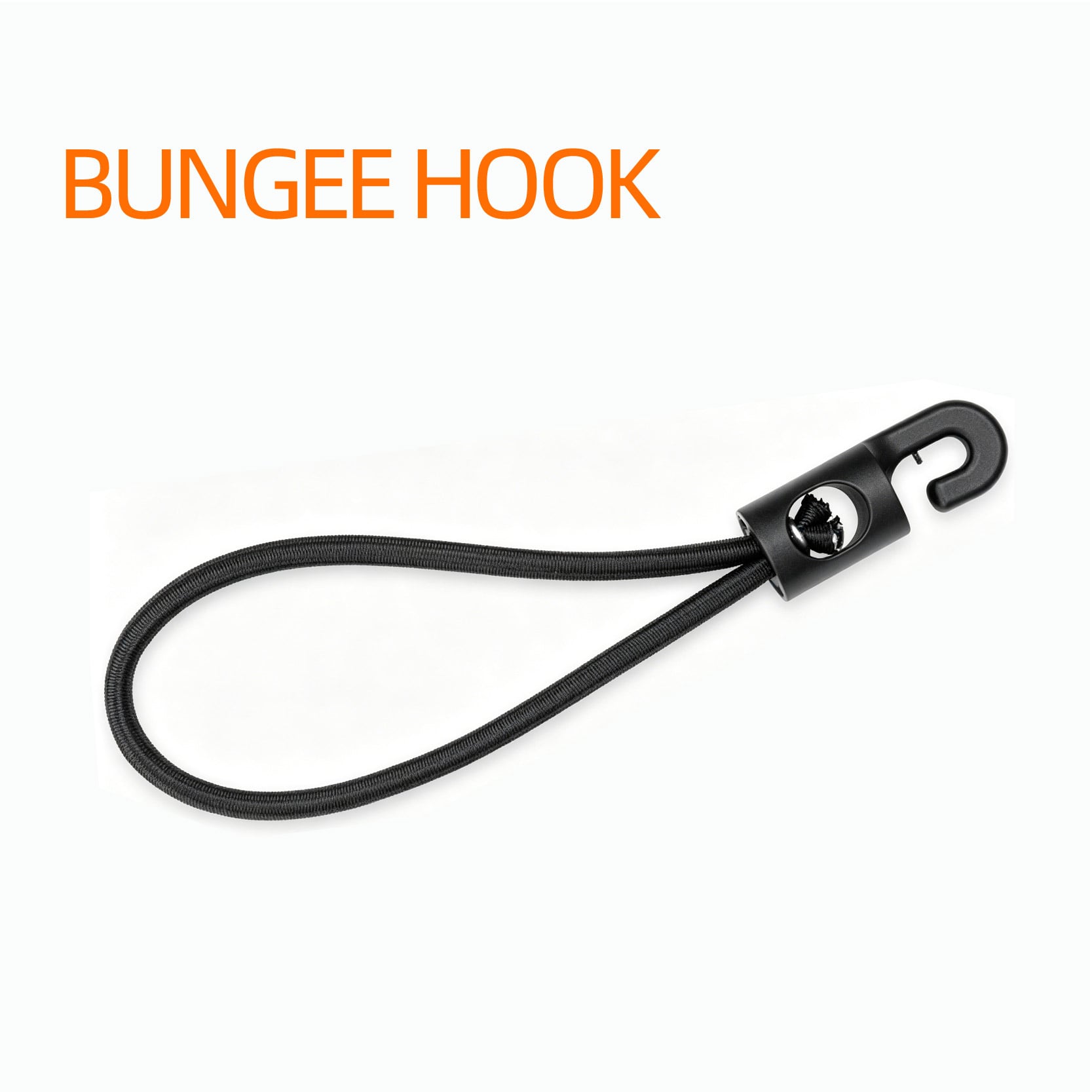
Bungee hook
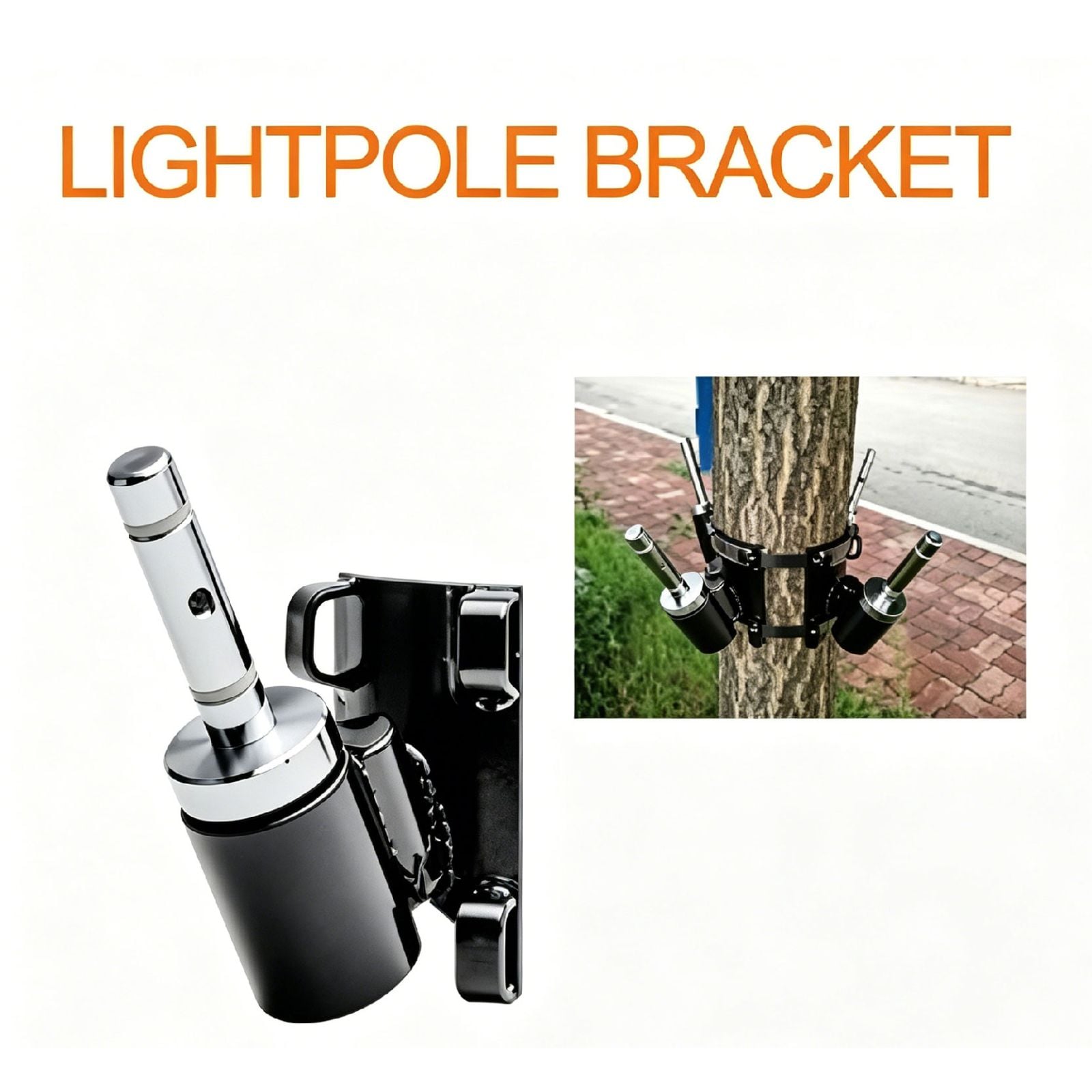
Lightpole bracket
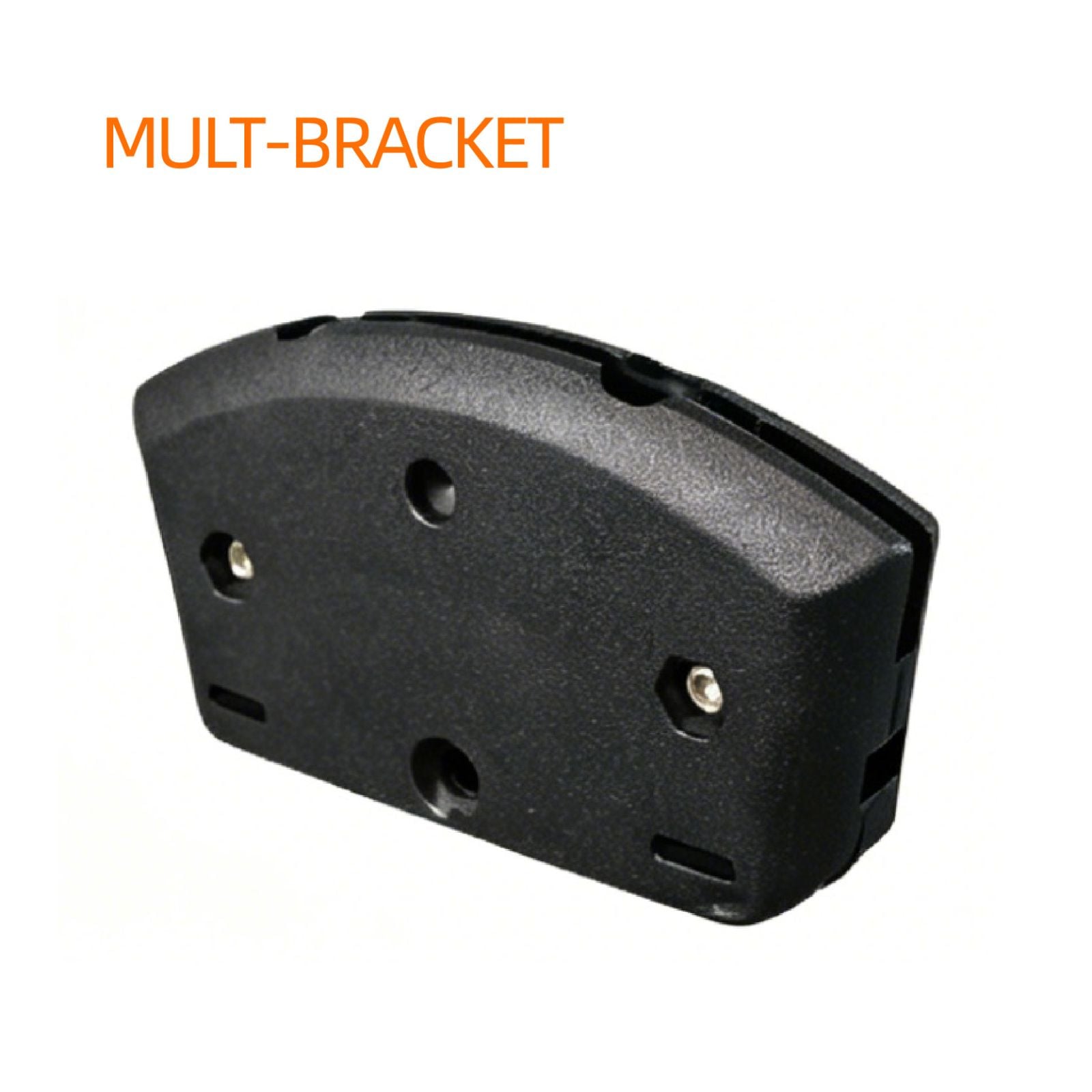
Disc banner Mult-bracket
Ground Spike For Lawn Or Sand
Water Bag
Flag /banner weights
Water tank
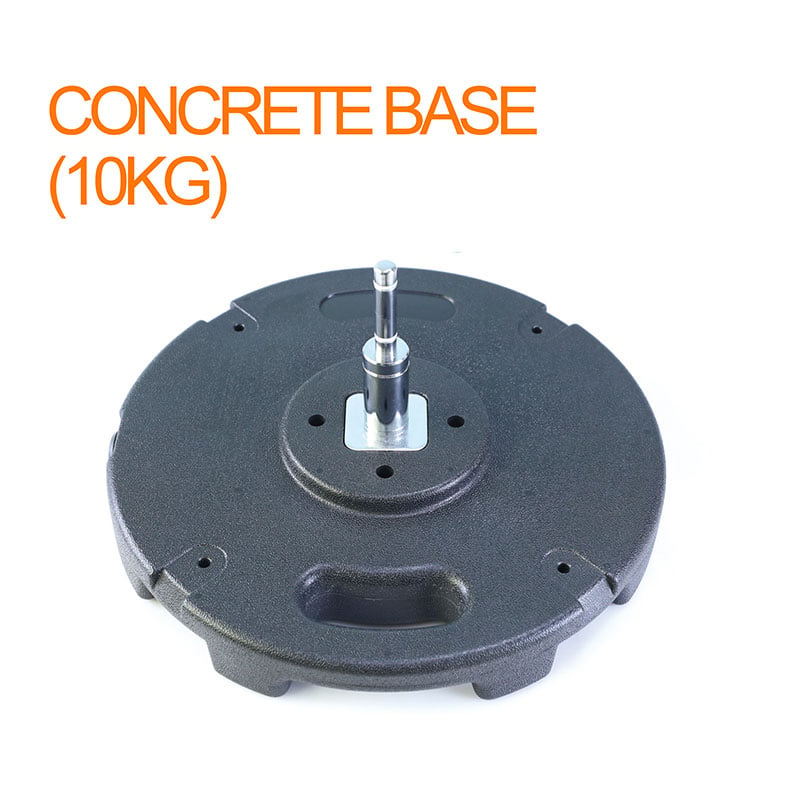
Concrete base(10kg)
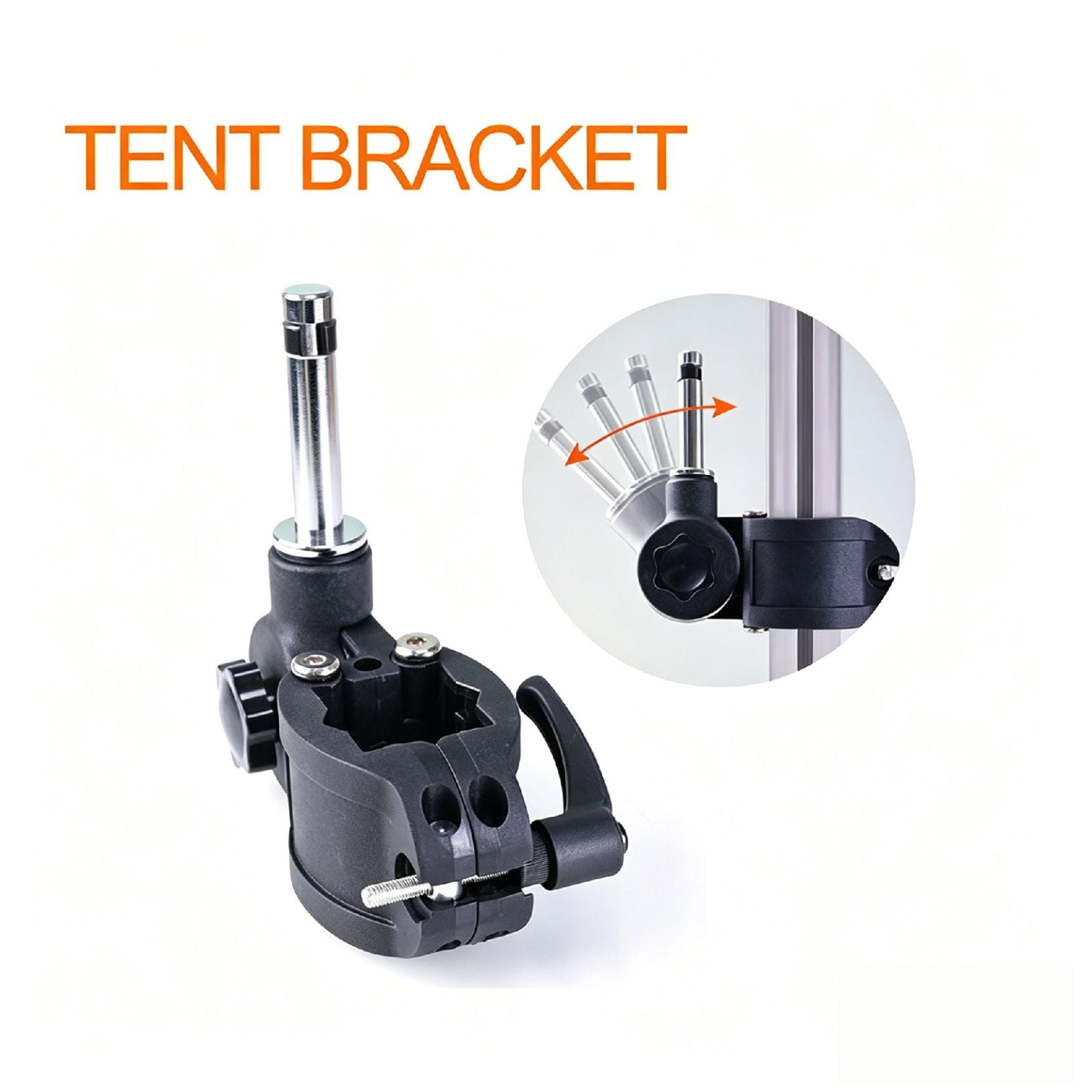
Tent Bracket
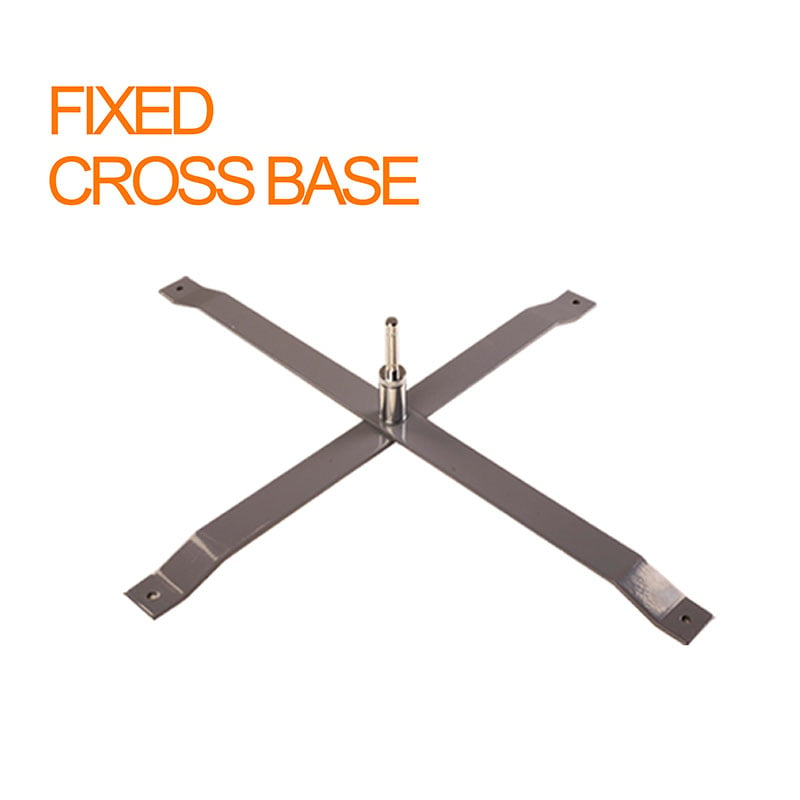
Fixed Cross Base
Related Articles
29kg Concrete Flag Base - The Complete B2B Buyer's Resource - WZRODS
WZRODS DY451B: 29 kg, HDPE shell, concrete core. Stackable, portable, rust-proof. FOB price US$5.75–$6.85 at MOQ 2 units. Those numbers look unremarkable. Factor in landed cost—import duties lower than aluminum’s under relevant HTS codes, freight savings from less weight per unit of stabilizing mas
Wide Tube Cross Base - The Complete B2B Buyer's Resource - WZRODS
The Wide Tube Cross Base, manufactured by Wzrods in Shandong, China, solves one problem: reliable stability for poles under three meters, without the freight costs and warehouse footprint that heavier alternatives demand.
Rectangular Pipe Cross Base - The Complete B2B Buyer's Resource - WZRODS
The pipe cross flag base is a cross of rectangular steel pipe, powder‑coated, weighing 1.3 kg and spanning 78 cm across its arms. Its center holds a C‑ring shaft that lets the flag rotate with the wind.
X-Shape Backpack Banner - The Complete B2B Buyer's Resource - WZRODS
Economic Cross Base - The Complete B2B Buyer's Guide- WZRODS
When you buy an economic cross base—something like the Wzrods DM‑9, a 77 cm‑long, 1.3 kg iron cross—forget “economic” as a synonym for “cheap.” It means value-engineered.
How to Choose the Right Feather Flag Base for Different Surfaces
Feather Flag - Professional Banner Poles & Systems Manufacturer - WZRODS
How to choose a high-quality backpack flag
The backpack flag concept centers on a frame carried on the back, similar to a backpack, specifically engineered to support a raised flag or banner.